Google AdSense launches related search for Auto Ads

Google AdSense has rolled out related search for Auto ads.

The new feature shows search terms that are relevant to the content on the pages your users are viewing.

If a user were to then click on one of the suggested search terms displayed, they would be directed to a search results page where they’d have the ability to engage with AdSense for Search ads, as well as relevant results from your site.

Why we care. This new feature helps to improve an advertiser’s targeting precision by ensuring that only contextually relevant ads are delivered to users. By doing so, advertisers can effectively connect with high-value consumers, while simultaneously elevating the overall user experience through increased relevance.

How it works. You can turn on the related search feature for Auto ads on your site by visiting your Auto ads settings page.

As related search for Auto ads is a navigational unit and not an ad, it doesn’t count toward the ad load on the page.


Get the daily newsletter search marketers rely on.


Availability. All publishers can now have access to related search for Auto ads.

Deep dive. Read Google AdSense’s Auto Ad guide for more information on how they work and their main benefits.


Related stories

New on Search Engine Land

@media screen and (min-width: 800px) { #div-gpt-ad-3191538-7 { display: flex !important; justify-content: center !important; align-items: center !important; min-width:770px; min-height:260px; } } @media screen and (min-width: 1279px) { #div-gpt-ad-3191538-7 { display: flex !important; justify-content: center !important; align-items: center !important; min-width:800px!important; min-height:440px!important; } }

About the author

Nicola Agius

Nicola Agius is Paid Media Editor of Search Engine Land after joining in 2023. She covers paid search, paid social, retail media and more. Prior to this, she was SEO Director at Jungle Creations (2020-2023), overseeing the company’s editorial strategy for multiple websites. She has over 15 years of experience in journalism and has previously worked at OK! Magazine (2010-2014), Mail Online (2014-2015), Mirror (2015-2017), Digital Spy (2017-2018) and The Sun (2018-2020). She also previously teamed up with SEO agency Blue Array to co-author Amazon bestselling book ‘Mastering In-House SEO’.

https://searchengineland.com/google-adsense-related-search-auto-ads-433512


Google Ads rolls out stricter requirements for new certifications

Google Ads has rolled out strict new requirements to access its professional certifications on Skillshop.

Before undertaking any of its new exams, marketers will now be required to:

  • Take a picture of a photo ID.
  • Take a picture of your face.
  • Record a video of your test taking environment.

New tougher rules. Google also announced that during exams, a live proctor will monitor the activity of participants via a webcam, as well as screen-sharing software. If the proctor notices any unauthorized behaviour, they will pause the exam and send you a message. You will also be recorded during the exam for review purposes. These are the exam guidelines:

  • You are not allowed to have open books.
  • You are not allowed to have notes.
  • You are not allowed to use scratch paper.
  • You are not allowed to take restroom breaks.
  • You are not allowed to use a handheld calculator, you will have a calculator built into your test screen.
  • You are not allowed to use headphones.
  • You are not allowed to wear hats.
  • You can take your exam in a public area, without any people in the background.
  • Moderate background noise is allowed.

Why we care. The new requirements Google is asking of marketers to simply undertake its exams have been deemed unreasonable and extreme by some. Meanwhile, given the sharp rise of automation in PPC, marketers are questioning the value of acquiring additional certifications, let alone the justification for the associated costs.

‘Ridiculous!’ The PPC has been reacting to Google’s new certification requirements on X and it appears they are not impressed. Paid Search Director Melissa L Mackey, posted:

  • “This is so crazy. “Without any people in the background.” No headphones. WTF. Some of us work from home with other people around and wear headphones so we don’t bug others. Completely ridiculous.”

Global Paid Search Lead, Fraser Andrews, added:

  • “This is actually crazy!”

Michael Costin, founder of digital marketing agency Local Digital, wrote:

  • “The same company that manipulates bids to thieve more money from advertisers now demands that you send them your ID in order to take a test that shows you know how to use their platform properly… that they then manipulate any way.”

Get the daily newsletter search marketers rely on.


Why now? Google has rolled out its tougher new criteria as it pilots three new professional certifications on Skillshop. Select partners are being invited to undertake exams to obtain the new certifications in Display Search and Video for free until 31 December 2023. Next year, advertisers will have to pay to sit the exams.

Deep dive. Visit Skillshop to learn more about using Google’s products to their full potential.


Related stories

New on Search Engine Land

@media screen and (min-width: 800px) { #div-gpt-ad-3191538-7 { display: flex !important; justify-content: center !important; align-items: center !important; min-width:770px; min-height:260px; } } @media screen and (min-width: 1279px) { #div-gpt-ad-3191538-7 { display: flex !important; justify-content: center !important; align-items: center !important; min-width:800px!important; min-height:440px!important; } }

About the author

Nicola Agius

Nicola Agius is Paid Media Editor of Search Engine Land after joining in 2023. She covers paid search, paid social, retail media and more. Prior to this, she was SEO Director at Jungle Creations (2020-2023), overseeing the company’s editorial strategy for multiple websites. She has over 15 years of experience in journalism and has previously worked at OK! Magazine (2010-2014), Mail Online (2014-2015), Mirror (2015-2017), Digital Spy (2017-2018) and The Sun (2018-2020). She also previously teamed up with SEO agency Blue Array to co-author Amazon bestselling book ‘Mastering In-House SEO’.

https://searchengineland.com/google-ads-requirements-new-certifications-433508


Google Analytics 4 adds new customization features for 360 customers

Google Analytics 4 is rolling out new features that offer 360 customers more customization capabilities, including:

  • Customized reporting for all types of teams.
  • BigQuery reports + customization.
  • Links + integrations.

GA4 will begin introducing the new tools over the next few weeks and will continue adding more functionalities later this year.

Why we care. Advertisers still using 360 properties in Universal Analytics, need to transition to GA4 to unlock these advanced reporting capabilities. The new capabilities not only save time but also ensure consistent reporting, giving advertisers the power to make data-led decisions to achieve their media buying goals.

Customized reporting: This feature is coming to GA4 in the coming weeks, enabling large enterprises and agencies to create custom reporting experiences tailored to the specific needs of their different teams, resulting in faster access to insights. For example, advertisers will now be able to design a specialized advertising report, enabling campaign managers to view it instead of the default reports.

BigQuery reports: GA4 is also planning to roll out a faster and more comprehensive BigQuery daily export later this year. This enhancement ensures businesses receive their data consistently each day. In BigQuery, advertisers can then leverage their first-party data to create tailored predictive lifetime models to suit their business requirements.

Links + integrations: In addition, Google is giving advertisers the capability to link their subproperties and roll-up properties to Display & Video 360, Campaign Manager 360, and Search Ads 360. This enhancement aims to support advertisers in achieving their media buying objectives. An exact launch date has not been confirmed, but a rollout is expected “soon”.

Why now. Google is rolling out new features for 360 customers in GA4 as it begins to remove capabilities from Universal Analytics 360 over the next few months. The search engine announced last year that advertisers need to transition their 360 properties to GA4 by 1 July 2024.

Universal Analytics 360 sunset. Universal Analytics will no longer be available for 360 or standard customers from 30 June 2024. From July 2024 onward, businesses will no longer be able to export or access their data from Universal Analytics.


Get the daily newsletter search marketers rely on.


What Google is saying. A Google spokesperson said in a statement:

  • “All these new features are only available if you’re using Google Analytics 4. So, if you haven’t done so, we recommend completing your move to Google Analytics 4 by March 2024. This will help you have a smooth transition with three months of time to validate data and settings and to export your historical data, if needed.”
  • “Google Analytics 4 has been our analytics solution of record for nearly two years and we’re continuing to invest in the platform to make it not only our most effective and performant analytics solution, but a truly durable solution that will enable advertisers to make the most strategic, informed decisions in an ever-changing privacy landscape.”
  • “

Deep dive. Read Google’s announcement in full or the Google Analytics 360 guide for more information.


Related stories

New on Search Engine Land

@media screen and (min-width: 800px) { #div-gpt-ad-3191538-7 { display: flex !important; justify-content: center !important; align-items: center !important; min-width:770px; min-height:260px; } } @media screen and (min-width: 1279px) { #div-gpt-ad-3191538-7 { display: flex !important; justify-content: center !important; align-items: center !important; min-width:800px!important; min-height:440px!important; } }

About the author

Nicola Agius

Nicola Agius is Paid Media Editor of Search Engine Land after joining in 2023. She covers paid search, paid social, retail media and more. Prior to this, she was SEO Director at Jungle Creations (2020-2023), overseeing the company’s editorial strategy for multiple websites. She has over 15 years of experience in journalism and has previously worked at OK! Magazine (2010-2014), Mail Online (2014-2015), Mirror (2015-2017), Digital Spy (2017-2018) and The Sun (2018-2020). She also previously teamed up with SEO agency Blue Array to co-author Amazon bestselling book ‘Mastering In-House SEO’.

https://searchengineland.com/google-analytics-4-new-cutomization-features-360-customers-433449


Microsoft Target CPA and Maximize Conversions move to general availability

Microsoft has moved Target CPA and Maximize Conversions to general availability.

This means marketers can start using the automated bid strategies in all regions where Audience Ads are available.

The tech giant has also announced updates to its text-to-image generative AI product DALL-E 3, as well as Chat Ads API.

Why we care. Automated bidding optimizes campaign performance without requiring hands-on involvement, making life easier for advertisers. With these innovative bid strategies, advertisers retain control, maintaining the flexibility to set your budget and choose how you want to measure success.

How it works. A Microsoft spokesperson explained that Target CPA and Maximize Conversions have been designed to help “advertisers reach their target audience with minimal effort”:

  • Maximize Conversion: Advertisers can use this feature to maximize conversions as much as possible, given the budget.
  • Target CPA: Advertisers can use this feature in Audience Ads to maximize conversions as much as possible, given the CPA target and the budget.

What are Audience Ads? Microsoft’s Audience Ads are native display advertisements designed to help advertisers reach your target audience effectively. Leveraging Microsoft’s insights into people’s interests and consumer intent signals, these ads are strategically placed across the web on platforms such as MSN, Start, Outlook, and more.

DALL-E 3 added to Bing Chat. In other Microsoft news, the tech giant’s text-to-image generative AI product DALL-E 3 is now available in Bing Chat and Bing.com/create for free. The tool can be used to create “images that are not only realistic but creative” that also adhere to the company’s terms of service and community guidelines.


Get the daily newsletter search marketers rely on.


Chat Ads API in closed beta. Microsoft is now inviting brands with existing chat experiences or large language models to apply to partner with its Chat Ads API. Snapchat and Axel Springer were the first to market as Microsoft select chat partners, with both brands already reporting promising results.

Lauren Tallody, Sr. Product Marketing Manager, Automation Lead for Microsoft Advertising, told Search Engine Land:

  • “Having ads [on these chat experiences] could really help create more economic value here – and we’re just getting started.”
  • “Today, the solution is to focus on whether you already have chat assistance, but we’re also looking at creating chat assistance – whether that’s using Bing Chat, web-grounded data or private data. There will be more to come on this.”
  • “But for now, if you are using a large language model, we’re ready to partner!”

Deep dive. Read Microsoft’s Automated Bidding guidelines for more information.


Related stories

New on Search Engine Land

@media screen and (min-width: 800px) { #div-gpt-ad-3191538-7 { display: flex !important; justify-content: center !important; align-items: center !important; min-width:770px; min-height:260px; } } @media screen and (min-width: 1279px) { #div-gpt-ad-3191538-7 { display: flex !important; justify-content: center !important; align-items: center !important; min-width:800px!important; min-height:440px!important; } }

About the author

Nicola Agius

Nicola Agius is Paid Media Editor of Search Engine Land after joining in 2023. She covers paid search, paid social, retail media and more. Prior to this, she was SEO Director at Jungle Creations (2020-2023), overseeing the company’s editorial strategy for multiple websites. She has over 15 years of experience in journalism and has previously worked at OK! Magazine (2010-2014), Mail Online (2014-2015), Mirror (2015-2017), Digital Spy (2017-2018) and The Sun (2018-2020). She also previously teamed up with SEO agency Blue Array to co-author Amazon bestselling book ‘Mastering In-House SEO’.

https://searchengineland.com/microsoft-target-cpa-maximize-conversions-move-tgeneral-availability-433458


Survey: 70% of marketers feel overwhelmed by AI changes

Marketing professionals say they are overwhelmed by the pace of AI developments, according to a new survey.

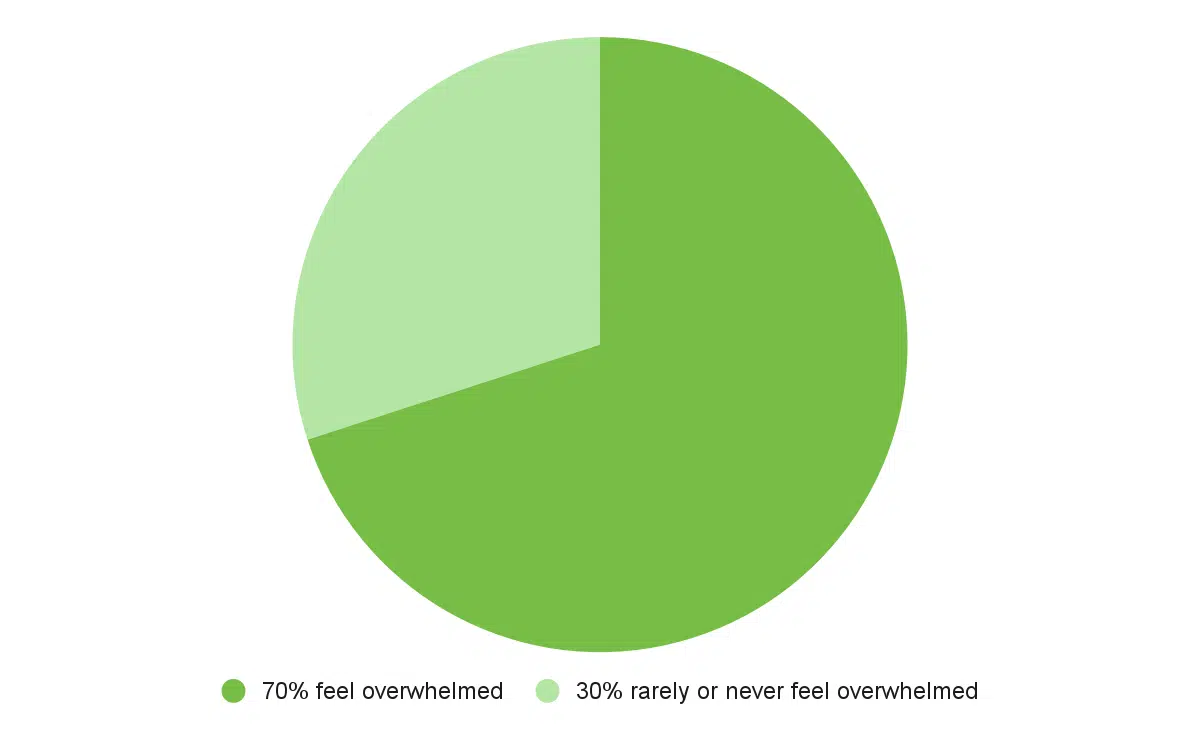
While 70% of marketers often or always feel overwhelmed, just 30% rarely or never feel overwhelmed, according to a survey released by SOCi, a marketing platform for multi-location brands.

Marketers Feeli Overwhelmed By AI Development SOCi
  • “It’s a call to action for organizations to prioritize continuous learning and offer support to their teams. Otherwise, millions and billions invested in AI will be wasted,” said Monica Ho, CMO of SOCi.

No training or education. Perhaps contributing to some of that overwhelmed feeling is this survey finding:

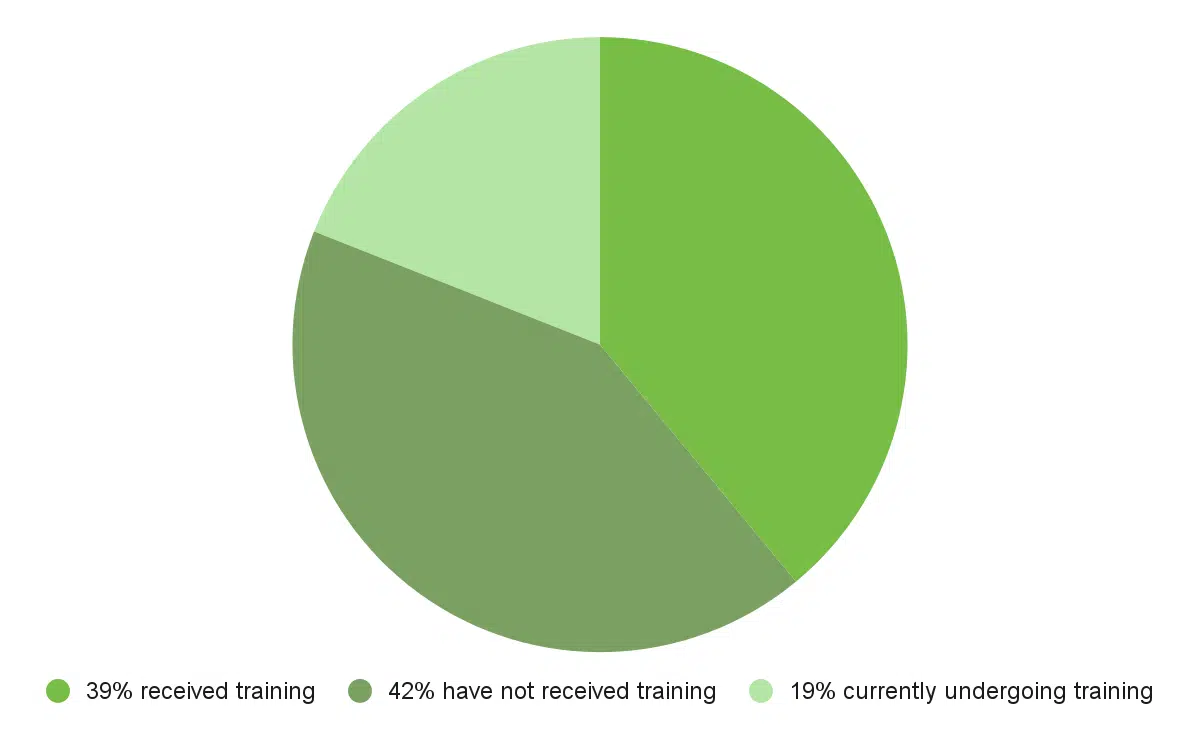
  • 42% of marketers haven’t received any formal training on AI and its applications in marketing.
Formal Education On AI In Marketing SOCi

As for the rest, 39% have received training while 19% are currently undergoing training.

  • “We need to better equip our marketing teams with the right AI training and resources. A better understanding of AI and its applications is pivotal to harnessing its capabilities for our marketing strategies and unlocking its full potential,” Ho said.

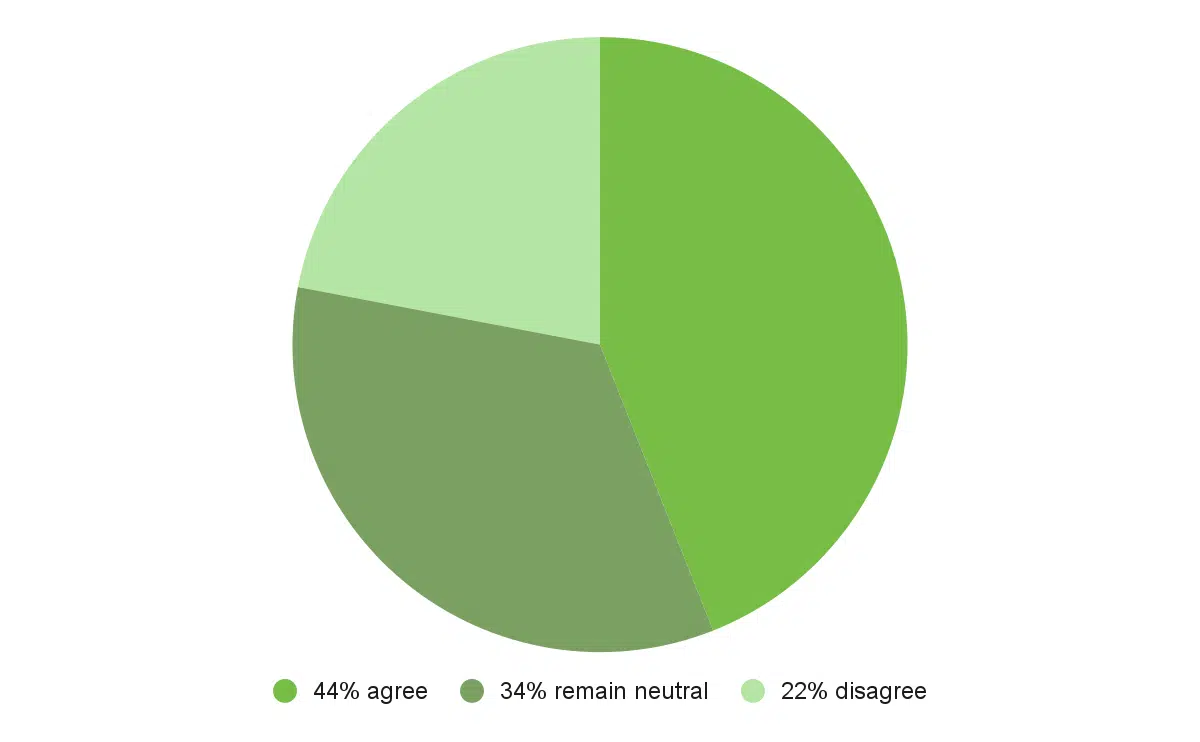
More tools, more confusion. Rather than help marketers do their jobs better, the frequent introduction of new AI tools has caused confusion, according to 44% of respondents.

AI Tools Confusion Vs Assistance SOCi

Why we care. If you’re feeling overwhelmed like the marketers in this survey, know you’re not alone. The speed of change we’ve seen this year in search marketing has been incredible and unlike any other year that I’ve seen covering this industry for 16 years.

The search marketer’s generative AI survival guide. Make sure to join me at SMX Next for my keynote presentation that will address this topic. (Register for free here.)

About the survey. Soci surveyed 317 digital marketing professionals, 55% of whom were decision-makers (including marketing managers, marketing analysts, marketing directors, CMOs and VPs), working at U.S. B2C companies.


Related stories

New on Search Engine Land

@media screen and (min-width: 800px) { #div-gpt-ad-3191538-7 { display: flex !important; justify-content: center !important; align-items: center !important; min-width:770px; min-height:260px; } } @media screen and (min-width: 1279px) { #div-gpt-ad-3191538-7 { display: flex !important; justify-content: center !important; align-items: center !important; min-width:800px!important; min-height:440px!important; } }

About the author

Danny Goodwin

Danny Goodwin has been Managing Editor of Search Engine Land & Search Marketing Expo – SMX since 2022. He joined Search Engine Land in 2022 as Senior Editor. In addition to reporting on the latest search marketing news, he manages Search Engine Land’s SME (Subject Matter Expert) program. He also helps program U.S. SMX events. Goodwin has been editing and writing about the latest developments and trends in search and digital marketing since 2007. He previously was Executive Editor of Search Engine Journal (from 2017 to 2022), managing editor of Momentology (from 2014-2016) and editor of Search Engine Watch (from 2007 to 2014). He has spoken at many major search conferences and virtual events, and has been sourced for his expertise by a wide range of publications and podcasts.

https://searchengineland.com/survey-70-of-marketers-feel-overwhelmed-by-ai-changes-433440


YouTube launches new feature to enhance product ad targeting

YouTube is rolling out a new feature that enables creators to add timestamps to tagged products in their videos.

When the timestamp is added, a shopping cart button will appear at an optimal moment when there is an anticipated increased chance of engagement.

Why we care. Precision in targeting potential customers during strategic moments, coupled with improvements in the shopping experience, could result in increased engagement and conversions.

Why now. The move will give back some control to creators and sponsors ahead of YouTube’s decision to sunset some ad controls for newly uploaded videos next month for the following ad types:

  • Pre-roll
  • Post-roll
  • Skippable
  • Non-skippable

New shopping features. In addition to the new timestamps, YouTube is rolling out further features to improve the shopping experience. For example, it is going to enable creators to bulk tag affiliate products in video libraries. A spokesperson told The Verge that this tool could:

  • “Help you earn revenue from older content that still gets high traffic.”

Get the daily newsletter search marketers rely on.


Enhanced reporting. YouTube has also confirmed that it is rolling out a new reporting tool in YouTube Studio that will reveal which affiliate products generate the most revenue for brands. This capability will be available “in the coming weeks.”

Deep dive. Visit the YouTube Advertising help center for more information on how video ads work.


Related stories

New on Search Engine Land

@media screen and (min-width: 800px) { #div-gpt-ad-3191538-7 { display: flex !important; justify-content: center !important; align-items: center !important; min-width:770px; min-height:260px; } } @media screen and (min-width: 1279px) { #div-gpt-ad-3191538-7 { display: flex !important; justify-content: center !important; align-items: center !important; min-width:800px!important; min-height:440px!important; } }

About the author

Nicola Agius

Nicola Agius is Paid Media Editor of Search Engine Land after joining in 2023. She covers paid search, paid social, retail media and more. Prior to this, she was SEO Director at Jungle Creations (2020-2023), overseeing the company’s editorial strategy for multiple websites. She has over 15 years of experience in journalism and has previously worked at OK! Magazine (2010-2014), Mail Online (2014-2015), Mirror (2015-2017), Digital Spy (2017-2018) and The Sun (2018-2020). She also previously teamed up with SEO agency Blue Array to co-author Amazon bestselling book ‘Mastering In-House SEO’.

https://searchengineland.com/youtube-feature-product-ad-targeting-433383


10 questions to ask before you create a Google Ads account

If you’ve ever audited a Google Ads account, you know you’re likely to find a few obvious and very correctable issues – especially if you’re working from a checklist. Things like: 

  • Newer campaign types (such as Performance Max and Demand Gen campaigns) are missing important guardrails that could improve performance and reduce wasted ad spend. 
  • Assets (formerly ad extensions) aren’t associated with their intended campaigns.
  • Customer lists are uploaded but not utilized.
  • Ad messaging has typos or spelling errors.
  • Keyword and bidding strategies are outdated.

At the same time, you may also find tell-tale signs of things that went wrong from the beginning – things your checklist may not catch and aren’t so simple to fix.

What’s the story of the account?

It’s fascinating to speculate about the discussions that happened before an account was launched based on what you find during an audit.

Was the Google Ads account well thought out and planned? Or was it built in a hurry? Did the client or manager say, “Hurry up! We need leads!” or “Quickly! We need to build awareness of this new product!”?

When there isn’t sufficient pre-launch discussion and planning in PPC, it can manifest as deeper, more fundamental issues, such as: 

  • Account structures are misaligned or unorganized, causing duplication in efforts amongst campaigns and ad groups. 
  • Programs are poorly mapped, with disjointed messaging, misaligned assets, and duplicated efforts. (Classic example: “Call today” messaging is added to headlines, descriptions, callouts, and sitelinks.) 
  • Expectations aren’t aligned with budgets. For example, expectations for your national campaign are sky-high, but the budget is so low you only get a handful of clicks a day. 

To avoid having these fundamental problems in your Google Ads account, you need to ask yourself 10 important questions before you create your account. 

1. What are you trying to accomplish with your new Google Ads account? What’s the goal?

Knowing what you’re trying to achieve is essential because it drives decisions about the campaign types to choose. 

For example, if your goal is to build awareness of a new product, then you should look to video and display-focused campaigns. 

2. Do you have the right assets to support that goal?

We can whip up content for text ads, no problem. But Google Ads is about so much more than simple text ads on SERPs these days. 

More marketers are embracing Google’s latest omnichannel campaign types, such as Demand Gen. These campaigns need images and video, which are harder to whip up.

3. What type of first-party audience data do you already have that can support that goal? 

What audience data do you already have that can give you a leg up? 

For example, if you’re launching a new product, do you already have a list of existing customers? 

Or, if you’re launching a new and improved model of an existing product, do you have a list of customers who bought the prior version?  

Dig deeper: The search marketer’s new imperative: Capturing first-party data

4. Have you done keyword research?

New advertisers, especially in B2C, often struggle with highly competitive (i.e., expensive) keywords – which will impact your initial launch strategy. Because if you discover you don’t have enough budget, you might not be able to target top markets. 

A more common problem in B2B is low search volume. If that’s the case, you’ll need to dedicate budget to advertising via image and/or video ads and use broad match terms matched with customer lists. 

In short, the more intel you can get about the keyword landscape before you launch, the better you can plan. 

5. Do you have existing Google Ads data to help you predict click costs?

Speaking of keyword costs, Google’s Keyword Planner and other tools are great, but they don’t always paint a clear picture of what your actual costs will be. 

I’ve audited many accounts where the account manager is surprised that the actual click cost is much higher than what they had estimated. 

So, if you have any data from existing Google Ads that can shed light on actual costs, use it. 


Get the daily newsletter search marketers rely on.


6. What metrics will you use to measure success?

Try to choose realistic metrics to measure the success of your account. 

Yes, performance metrics, such as leads and sales, are obviously important. 

But if you’re launching a new product and need to build a foundation of brand awareness, those performance metrics might not be appropriate. You might choose to focus on engagement metrics instead. 

Dig deeper: 6 tips to track and analyze PPC results

7. How does your brand stack up when compared to competitors? 

If you’re new to the market, you may need to put more trust signals (such as customer video testimonials) on your landing pages and assets. 

After all, your competitor may have already built trust. If you haven’t, you’ll need to do more in this area. 

Dig deeper: Using auction insights for better PPC competitor analysis

8. What will the post-click experience look like?

Do your landing pages (and their content) provide people with a positive, coherent experience? Or will they click through and wonder if they accidentally clicked on the wrong link?

That’s not to say your landing pages must be perfect at launch. It’s usually better to launch with a less-than-perfect landing page than not launch at all. And even your less-than-perfect landing page can provide you with valuable benchmark data. 

Still, landing pages are very important. You should circle back and improve upon them as soon as you can. 

9. Have you created a test-and-learn plan?

Your budget might not allow you to test out all the ideas you have for the initial launch. Instead of discarding those ideas, keep track of them and map them out so you can test them in the future when you have enough budget.

For example, we put our ideas into a test-and-learn spreadsheet, filling the rows with ideas and the columns with different testing opportunities. We also use the tabs to keep track of our performance results to keep everything all together.

10. What payment method will you use?

This point might seem obvious, but you’d be amazed at how often Google accounts come to a complete halt when a credit card expires, goes over the limit, or is declined for whatever reason. 

It’s always a good idea to input a backup payment method to avoid this kind of snafu, especially when the only person who can fix the card is away on vacation.  

Ask the right questions to set yourself up for success

No Google Ads account launch is ever perfect – but you can set yourself up on the right path by asking yourself these 10 questions first. 

And when you go back and audit your account weeks, months or years later, you’ll see the benefits of all the hard work you did up front. 


Opinions expressed in this article are those of the guest author and not necessarily Search Engine Land. Staff authors are listed here.


Related stories

New on Search Engine Land

@media screen and (min-width: 800px) { #div-gpt-ad-3191538-7 { display: flex !important; justify-content: center !important; align-items: center !important; min-width:770px; min-height:260px; } } @media screen and (min-width: 1279px) { #div-gpt-ad-3191538-7 { display: flex !important; justify-content: center !important; align-items: center !important; min-width:800px!important; min-height:440px!important; } }

About the author

Pauline Jakober

Pauline Jakober is Founder and CEO of Group Twenty Seven, a boutique online advertising agency that provides Google Ads and LinkedIn Ads management, consulting and audits to B2B clients.

https://searchengineland.com/10-questions-to-ask-before-you-create-a-google-ads-account-433316


Google confirms sunset details for 4 attribution models in Ads and Analytics

Google is retiring four rules-based attribution models for all properties in Google Ads and Google Analytics in mid-October 2023:

  • First-click.
  • Linear.
  • Time decay.
  • Position-based.

The models listed above will be removed from both the Analytics user interface and Admin API.

Why we care. If you’re using these models in Google Ads, it will affect you. And tracking anything other than the last click is about to become more challenging because the data-driven attribution formula differs for each advertiser – and it’s not visible. As Greg Finn, director of marketing for Cypress North, told Search Engine Land:

  • “In the past, you could use linear and give each touch the same credit. You will no longer be able to do so. There will be no impact on last touch, as that is still available. But finding some of the first-touch information will be much muddier because there will no longer be a way to see the formulas that compute the attribution scores.”

What happens next. If your existing property uses one of the impacted models, it will automatically default to paid and organic data-driven attribution. Paid and organic last-click and Google paid channels last-click models will also continue to be available.

Why the change. Google is retiring these four attribution models because of “increasingly low adoption rates, with fewer than 3% of conversions in Google Ads using these models” according to a Google spokesperson. They added:

  • “Switching to the data-driven attribution model typically results in a 6% increase in conversions for advertisers.”

Get the daily newsletter search marketers rely on.


What Google is saying. A Google spokesperson said in a statement:

  • “Rules-based attribution models assign value to each advertising touchpoint based on predefined rules.”
  • “These models don’t provide the flexibility needed to adapt to evolving consumer journeys. Data-driven attribution uses advanced AI to understand the impact each touchpoint has on a conversion. That’s why we made Data-driven attribution the default attribution model in Google Analytics 4 and Google Ads.”
  • “For these reasons, First click, Linear, Time decay, and Position-based attribution models across Google Analytics 4 will be going away.”

Dig deeper. Data-driven attribution: How to think about Google’s default attribution model


Related stories

New on Search Engine Land

@media screen and (min-width: 800px) { #div-gpt-ad-3191538-7 { display: flex !important; justify-content: center !important; align-items: center !important; min-width:770px; min-height:260px; } } @media screen and (min-width: 1279px) { #div-gpt-ad-3191538-7 { display: flex !important; justify-content: center !important; align-items: center !important; min-width:800px!important; min-height:440px!important; } }

About the author

Nicola Agius

Nicola Agius is Paid Media Editor of Search Engine Land after joining in 2023. She covers paid search, paid social, retail media and more. Prior to this, she was SEO Director at Jungle Creations (2020-2023), overseeing the company’s editorial strategy for multiple websites. She has over 15 years of experience in journalism and has previously worked at OK! Magazine (2010-2014), Mail Online (2014-2015), Mirror (2015-2017), Digital Spy (2017-2018) and The Sun (2018-2020). She also previously teamed up with SEO agency Blue Array to co-author Amazon bestselling book ‘Mastering In-House SEO’.

https://searchengineland.com/google-confirms-sunset-details-for-4-attribution-models-in-ads-and-analytics-433352


Baidu to integrate ERNIE 4.0, which ‘rivals’ GPT-4, into Search

Baidu has unveiled the latest edition of its generative AI model, ERNIE 4.0.

The Chinese technology company has said that the chatbot’s capabilities rival those of OpenAI’s GPT-4. ERNIE is an acronym for “Enhanced Representation from kNowledge IntEgration”.

Search engine plans. Baidu is planning to integrate ERNIE 4.0 into its search engine, maps, business tools and cloud services. This will change how the search engine responds to queries, by providing customized answers instead of lists of results and links, according to Baidu CEO Robin Li.

The exact timeline for these changes is yet to be confirmed.

Capabilities. Baidu CEO, Li, claimed that the ERNIE model has been “significantly improved” in terms of understanding queries, generating more advanced responses and memory functionality. Speaking at an event in Beijing, he said that the 4.0 version can:

  • Generate a car commercial within minutes.
  • Solve complicated math problems.
  • Create plots for novels from scratch.

Why we care. The potential ramifications of integrating ERNIE across its suite of products, including its search engine. are substantial, potentially reshaping rankings, traffic and advertising. The exact magnitude of these effects is uncertain at this point, so international search marketers should stay on top of the latest developments.

Language issues. ERNIE 4.0’s primary language is Mandarin Chinese. It isn’t yet able to process English queries to the same advanced level.

Availability. The ERNIE Bot was first unveiled in March and was made available to the public in August. The 4.0 model has not yet been rolled out to the general public, however, Baidu has invited some people to test it.


Get the daily newsletter search marketers rely on.


What Baidu is saying. Li said in a statement:

  • “ERNIE 4.0 has achieved a full upgrade with drastically improved performance in understanding, generation, reasoning, and memory.”
  • “These four core capabilities form the foundation of AI-native applications and have now unleashed unlimited opportunities for new innovations.”

But. Despite Li’s big claims, analysts seem unimpressed, according to Reuters.


Related stories

New on Search Engine Land

@media screen and (min-width: 800px) { #div-gpt-ad-3191538-7 { display: flex !important; justify-content: center !important; align-items: center !important; min-width:770px; min-height:260px; } } @media screen and (min-width: 1279px) { #div-gpt-ad-3191538-7 { display: flex !important; justify-content: center !important; align-items: center !important; min-width:800px!important; min-height:440px!important; } }

About the author

Nicola Agius

Nicola Agius is Paid Media Editor of Search Engine Land after joining in 2023. She covers paid search, paid social, retail media and more. Prior to this, she was SEO Director at Jungle Creations (2020-2023), overseeing the company’s editorial strategy for multiple websites. She has over 15 years of experience in journalism and has previously worked at OK! Magazine (2010-2014), Mail Online (2014-2015), Mirror (2015-2017), Digital Spy (2017-2018) and The Sun (2018-2020). She also previously teamed up with SEO agency Blue Array to co-author Amazon bestselling book ‘Mastering In-House SEO’.

https://searchengineland.com/baidu-ernie-4-search-433338


Transitioning to people management: 3 tips for search marketers

Are you an individual contributor who’ll soon be stepping into – or just recently started – a people management role? Congratulations on such an exciting move!

I’ve been in your shoes and know firsthand the journey you are beginning to embark upon. This will be one of the most significant changes you will experience in your professional career. 

In this article, I’ll share learnings from my personal journey and essential insights on mindset shifts, problem-solving dynamics, and diverse motivation approaches.

From associate to team lead: Key learnings

In May 2016, I began my digital marketing career as a paid media associate, managing diverse campaigns. Over time, I desired a shift to mentoring and teaching, which led to my transition to a paid media team lead role after five years as an individual contributor.

The month before my new role, I immersed myself in people management. I sought insights from colleagues and mentors and read “Be The Boss Everyone Wants To Work For” by William Gentry. I thought I was fully prepared at the end of those 31 days.

Spoiler alert: I was definitely not as prepared for my new role as I had thought. 

On Jan. 3, 2022, I was no longer solely responsible for meeting my clients’ KPIs. As a team lead, I now had two analysts under my management.

Analysts sought my help with issues in campaign performance, client retention and conflict resolution that were beyond the guidance I had received or read about. I felt awkward and even let imposter syndrome creep in at times. 

You might be going through the challenges of moving from a contributor to a manager or feeling fully prepared – just as I did. 

Either way, I’m here to share essential tips from my own journey into people management, offering insights I wish I’d had from the beginning.

1. You have to shift your mindset

You got this people management role because you have proven to someone somewhere that you are good at what you do. 

No broken link got past you as an SEO analyst. 

Or maybe you can optimize a paid search campaign like nobody’s business. 

Fantastic! 

I hate to break it to you, but that won’t get you far in people management. Why? 

Because it’s not about you anymore. 

Your success is no longer measured by what you yourself can accomplish. Your success is now measured by the success and development of your team. 

It’s great that you can import conversions into Google Ads from Salesforce. 

But what happens when a client asks one of your direct reports about that? Would they say:

“I don’t know how to do that, let me ask my manager.” 

…or… 

“Yes, I’m familiar with this process, and I can help you implement it.” 

I know which I’d prefer if I were your client. This brings me to my next piece of advice. 

Dig deeper: 5 leadership traps new SEO team managers should avoid

2. You have to learn to let go of the reins

As an individual contributor, you were trained to be a problem-solver. A client comes to you with a problem, and it’s your job to solve it. 

As a people manager, you can no longer be the problem-solver. Yep, you heard that right. 

Resist that urge to immediately problem-solve for your direct reports when they come to you. Instead, guide them toward a solution. 

This may come in the form of:

  • Helping them develop the necessary skills or tools they need to solve the problem.
  • Asking the right questions that will lead them to a conclusion on their own. 

It does not help their development if you simply give them the answer. 

As I said before, you got to people management because you probably already know how to solve most problems yourself. 

We know you can do it, but can your team do the same? Find opportunities to put your direct report in the driver’s seat. 

Dig deeper: Marketing leadership: The dangers of ego


Get the daily newsletter search marketers rely on.


3. You have to accept that people are motivated differently

When I started my career, I was hungry to learn and eager to grow quickly. Chasing promotions and seeking words of affirmation from my superiors kept me motivated.

Stepping into people management opened my eyes to the different ways that others are motivated and the various aspirations they have for their careers. 

When managing people, you should consider the platinum rule instead of the golden rule. By that, I mean instead of treating people how you want to be treated, you should treat people how they want to be treated. 

Your direct report may not be chasing a promotion like you. They may be content in their current role and want to hone their skills to help them become more efficient. 

Unsure what motivates your team? Ask! 

As you step into people management, it’s so important to be in tune with what motivates each of your direct reports. 

Dig deeper: Personal connection is key to your marketing team’s success

At my agency, we provide all employees with the book “The 5 Languages of Appreciation in the Workplace” by Gary Chapman and Paul White, which helps people uncover their top languages of appreciation. 

I found out that one of my direct reports does not find words of affirmation motivating at all. Instead, spending quality time with managers and colleagues motivates them the most. 

People are different, and that’s OK. Be mindful of how each person on your team likes to be celebrated, motivated and appreciated.

Crafting your path to effective people management

People management is an ever-evolving skill. It’s something that you craft over time.

Unfortunately, you won’t wake up one day and say to yourself, “I’m perfect at managing people now! Woohoo, skill achieved!” 

I’ve been in people management for just two years now and have grown my team from two analysts to five. I’m still learning every single day and will continue to do so. 

By sharing my journey into people management with you, I hope it has helped motivate you, excite you, or maybe even see things in a new light.

Pat yourself on the back! People management is no easy feat, so congratulations on reaching this point in your career. I wish you the best of luck!

Dig deeper: 12 strategies to scale your SEO team without losing your culture


Opinions expressed in this article are those of the guest author and not necessarily Search Engine Land. Staff authors are listed here.


Related stories

New on Search Engine Land

@media screen and (min-width: 800px) { #div-gpt-ad-3191538-7 { display: flex !important; justify-content: center !important; align-items: center !important; min-width:770px; min-height:260px; } } @media screen and (min-width: 1279px) { #div-gpt-ad-3191538-7 { display: flex !important; justify-content: center !important; align-items: center !important; min-width:800px!important; min-height:440px!important; } }

About the author

Christine Askew

Christine Askew is a Paid Media Team Lead at Workshop Digital where she manages a team of analysts as well as Paid Media strategies for clients. Christine is a proud James Madison University (JMU) alumni whose participation in the Google Online Marketing Challenge (GOMC) back in 2016 was a catalyst for her interest in digital marketing. Today she brings 6+ years of experience to the table after climbing the ranks at multiple agencies. Christine was recently featured on a panel in the 2022 SMX Next Session “Ask The Winners” after having received the “Best B2B Search Marketing Initiative” in the Search Engine Land Awards 2022. When Christine isn’t working to exceed her client KPIs, you can find her outside in the Denver, CO sunshine walking/running/camping/hiking locally.

https://searchengineland.com/people-management-transition-tips-search-marketing-433282