Twitter vende i dati pubblici degli utenti (anche a Cambridge Analytica)

L’artefice dello scandalo Datagate, che ha coinvolto Facebook, ha utilizzato anche i dati (pubblici) degli utenti di Twitter. La notizia è stata diffusa solo ora ed è stata scoperta da Bloomberg, a cui Twitter ha confermato di aver venduto l’accesso ai suoi dati pubblici alla società Gsr del ricercatore Aleksandr Kogan, ideatore dell’app thisisyourdigitallife attraverso cui ha raccolto illecitamente i dati di 87 milioni di persone su Facebook e poi venduti a Cambridge Analytica, società inglese di analisi di big data a scopi politici.

“Nel 2015 la Gsr ha avuto un accesso Api di una sola volta a una campione casuale di tweet pubblici relativi a un periodo di cinque mesi, da dicembre 2014 ad aprile 2015”, ha scritto Twitter nella nota inviata a Bloomberg. “Sulla base di quanto emerso recentemente, abbiamo condotto un’inchiesta interna e non abbiamo trovato alcun accesso a dati privati degli utenti che usano il social network”, ha concluso la società del microblogging che ha, comunque, rimosso dall’elenco degli inserzionisti l’account di Cambridge Analytica e profili di società collegate.

Dunque la dichiarazione ufficiale di Twitter getta subito acqua sul fuoco e allontana i possibili dubbi su nuovo scandalo Datagate sulla piattaforma. Ma la notizia ha un grave rovescio della medaglia, ci ha fatto scoprire che Twitter commercializza i dati pubblici degli utenti. Gli iscritti lo sanno?

Infatti il social permette ad aziende e sviluppatori di accedere, a pagamento, a dati pubblici degli iscritti attraverso l’API (interfaccia di programmazione di un’applicazione).

A chi acquista ‘il pacchetto’ viene fornito il più ampio accesso ai dati, che include gli ultimi 30 giorni di tweet o l’accesso ai tweet dal 2006. Per ottenere tale accesso, i clienti devono spiegare in che modo intendono utilizzare i dati e chi l’utilizzatore finale.

Il listino prezzi dei dati pubblici degli utenti insieme ad altre entrate sono cresciute del 20% circa, a 90 milioni di dollari nel primo trimestre, periodo in cui Twitter ha anche rimosso 142mila applicazioni collegate attraverso l’API. Applicazioni che hanno pagato per venire in possesso di una molteplicità dei nostri dati sul social. Quindi, così come su Facebook, anche su Twitter è consigliabile inserire pochi dati, se non obbligatori per utilizzarlo.

https://www.key4biz.it/twitter-vende-i-dati-pubblici-degli-utenti-anche-a-cambridge-analytica/219970/


Amazon Alexa Can Be Used for Snooping, Researchers Say

Amazon’s Alexa cloud-based virtual assistant for Amazon Echo can be abused to eavesdrop on users, Checkmarx security researchers have discovered.

Present on more than 31 million devices around the world, Alexa enables user interaction after a wake-up word (specifically, “Alexa”) activates it. Next, the Intelligent Personal Assistant (IPA) launches the requested capability or application – called skill, it either comes built-in or is installed from the Alexa Skills Store.

Checkmarx researchers built a malicious skill application capable of recording user’s speech in the background and then exfiltrating the recording, all without alerting the user.

Because of the required wake-up word, the recording would have to be performed after the activation. However, the listening session would normally end after a response is delivered to the user, to protect privacy, yet the researchers found a way to keep the session alive and to hide that from the user.

A shouldEndSession flag allows a session to stay alive for another cycle, after reading back the service’s text as a response. However, reading back the text would reveal to the user that the device is still listening.

To overcome this issue, the researchers used a re-prompt feature, which works in a similar manner, but accepts “empty re-prompts.” Thus, they could start a new listening cycle without alerting the user on the matter.

Finally, the researchers also focused on being able to accurately transcribe the voice received by the skill application. For that, they added a new slot-type to capture any single word, not limited to a defined list of words. They also built a formatted string for each possible length.

Of course, users would still be alerted on a device listening to them because the blue light on Amazon Echo lights-up when a session is alive. However, some Alexa Voice Services (AVS) vendors would embed Alexa capabilities into their devices without providing the visual indicator, and it’s also highly likely that users would not pay attention to that light.

“While the shining blue light discloses that Alexa is still listening, much of the point of an IPA device is that, unlike a smartphone or tablet, you do not have to look at it to operate it. In fact, these IPAs are made to be placed in a corner where users simply speak to a device without actively looking in its direction,” the researchers say.

As long as speech is recognized and words picked up, the malicious skill can continue to eavesdrop in the background, without the user noticing it. In case of silence, Alexa closes the session after 8 seconds, but a silence re-prompt (defined with an empty output-speech that the user cannot hear) can double the grace period to 16 seconds, the security researchers say.

Checkmarx informed Amazon on their findings and worked with the company to mitigate the risks. Specific criteria to identify (and reject) eavesdropping skills during certification were put in place, along with measures to detect both empty-reprompts and longer-than-usual sessions, and take appropriate actions in both cases.

The security researchers also published a video demonstration of how the attack works.

Related: Amazon Echo Could Become an Attacker’s Listening Device

Related: Amazon Echo, Google Home Vulnerable to BlueBorne Attacks

view counter

Ionut Arghire is an international correspondent for SecurityWeek.

Previous Columns by Ionut Arghire:

Tags:

http://feedproxy.google.com/~r/Securityweek/~3/Kd991g_4c24/amazon-alexa-can-be-used-snooping-researchers-say


Compro oro, Garante Privacy ‘Antiriciclaggio e tutela dei dati così si garantiscono nel registro degli operatori’

Con un recente parere il Garante per la privacy ha indicato al Ministero dell’Economia e delle Finanze (Mef) le misure e gli accorgimenti per rendere pienamente conformi alla normativa sulla protezione dei dati personali le modalità tecniche di invio dei dati al Registro degli operatori compro oro. Lo schema sottoposto all’Autorità si compone di dieci articoli in cui sono stabiliti, tra l’altro, la struttura del registro (composto di due sezioni: una ad accesso pubblico e una ad accesso riservato); le modalità di iscrizione degli operatori; l’obbligo della tempestiva  messa a disposizione dei dati a Mef, Uif, Guardia di finanza, autorità giudiziaria.

Il parere sullo schema di decreto – che segue quello espresso nel 2017 sul decreto legislativo che recepiva la direttiva europea sulla prevenzione dell’uso del sistema finanziario a fini di riciclaggio o finanziamento del terrorismo. Per assicurare il pieno rispetto dei principi di finalità e proporzionalità del trattamento e pertinenza dei dati, il Garante ha chiesto al Mef di effettuare una selezione attenta dei dati da inserire nel registro. Lo schema attuale prevede infatti che nella sezione del registro ad accesso pubblico siano annotate e consultabili, indiscriminatamente, tutte le informazioni trasmesse dall’operatore al momento dell’iscrizione (dati anagrafici, residenza, codici fiscali, estremi dei conti correnti dedicati, indirizzi Pec per comunicazioni con l’Oam, l’Organismo degli agenti in attività finanziaria e dei mediatori creditizi che gestisce il Registro).

Dati non tutti liberamente accessibili secondo il Garante: tra questi, ad esempio, gli indirizzi Pec, sicuramente utili all’Oam per contattare gli operatori, potrebbero essere conservati nell’archivio dell’Organismo senza essere resi “pubblici” tramite il registro. Per quanto riguarda poi la sottosezione ad accesso riservato – in cui, oltre ai dati di carattere generale, sono registrati anche gli estremi di provvedimenti sanzionatori, di sospensione dell’attività, di cancellazione dal registro – il Garante ha chiesto al Mef di specificare che l’accesso avvenga su connessione protetta e previa procedura di autenticazione e autorizzazione e di precisare le modalità, ora non indicate, di interfaccia con gli altri elenchi o registri tenuti dall’Oam.

Compro oro, Garante Privacy ‘Antiriciclaggio e tutela dei dati così si garantiscono nel registro degli operatori’


Google Ramps Up Gmail Privacy Controls in Major Update

Google on Wednesday ramped up privacy controls in a Gmail overhaul, aiming first at businesses that use its suite of workplace tools hosted in the internet cloud.

The “all new” Gmail is available to the more than four million businesses that pay for G Suite services.

People who use the email service personally for free can opt in by making the choice in settings, vice president of product management David Thacker said in a blog post.

Revamped Gmail has “a brand new look on the web, advanced security features, new applications of Google’s artificial intelligence and even more integrations with other G Suite apps,” according to Thacker.

A confidential mode added to Gmail promises to let people sending messages set expiration dates and block them from being forwarded, copied, downloaded or printed.

Messages can be revoked after being sent, Thacker said.

Senders of mail can also require that a code delivered by text message be entered before an email can be viewed, in an added layer of security.

“Because you can require additional authentication via text message to view an email, it’s also possible to protect data even if a recipient’s email account has been hijacked while the message is active,” Thacker said.

Confidential mode will begin to roll out to personal Gmail users and a limited number of G Suite customers in coming weeks, according to Google.

Artificial intelligence is being put to work in new Gmail features including “nudging” people to tend to neglected messages and automated reply suggestions along the lines of those added to a mobile version of the email service last year.

“Gmail can also recommend when to unsubscribe from mailing lists,” Thacker said.

“Using intelligence, unsubscribe suggestions appear based on cues like how many emails you get from a sender and how many of them you actually read.”

Google and rival technology titans such as Apple, Amazon, and Microsoft have followed people into the internet cloud with services, digital content, and software hosted online at data centers but accessed from the gamut of devices.

view counter

© AFP 2018

Previous Columns by AFP:

Tags:

http://feedproxy.google.com/~r/Securityweek/~3/CEuM-a5TVVE/google-ramps-gmail-privacy-controls-major-update


New Tool Detects Evil Maid Attacks on Mac Laptops

A security researcher has developed a simple tool that helps Mac laptop owners detect unauthorized physical access to their device, also known as an evil maid attack, by monitoring its lid.

The free tool, named DoNotDisturb (DND), was created by Patrick Wardle, co-founder and chief research officer at enterprise macOS security company Digita Security.

Leaving a laptop unattended – for example, leaving it in the hotel room while traveling – puts the device at risk of evil maid attacks. An attacker who has physical access to the targeted device may steal data from it or install malicious software without leaving any obvious evidence behind.

The DND tool attempts to address this issue on Mac laptops by monitoring lid events. A majority of evil maid attacks require the attacker to open the device’s lid. However, there are some types of physical attacks that do not require opening the device’s lid, and the tool works based on the premise that the user closes the device’s lid when leaving it unattended.

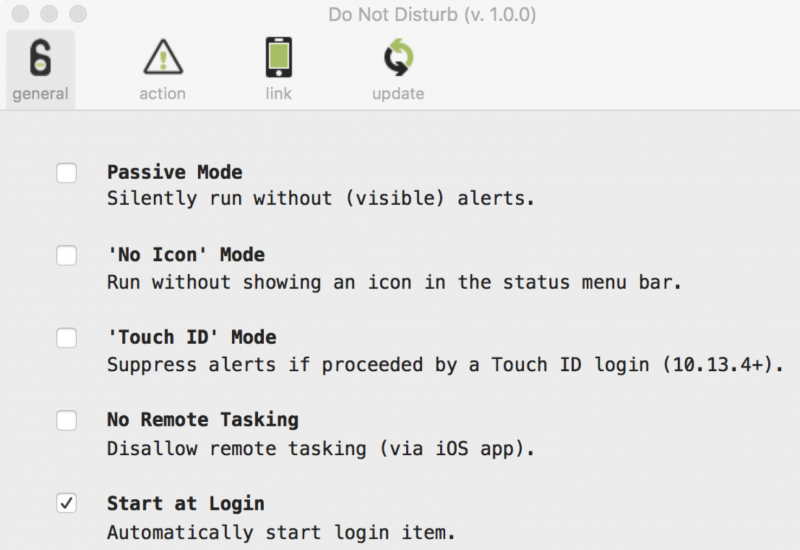
DND is a simple tool, but it does include some interesting features and options. Users can configure the app to start at login and run in passive mode, which means it will run silently without any visible alerts. The “No Icon” mode ensures that an icon is not displayed in the macOS/OS X menu bar, making the tool even stealthier.

DoNotDisturb - DND

The main tool installed on the monitored Mac laptop can be paired with an iOS application that allows the user to view alerts and respond. The iOS app can be used to dismiss an alert, take a picture of the individual using the monitored laptop, and remotely shut down the device. While the macOS tool is free, users have to pay a monthly or yearly subscription fee ($9.99 per year) to use the iOS companion for more than one week. The iOS app is optional, but users will not receive alerts and they cannot take any action remotely in case of an attack.

DND can be configured to take specific actions when the device’s lid is opened. For example, it can execute a script or a binary file, or it can start tracking the attacker’s activities, including new processes, new logins, and USB device insertions.

For users who want to keep DND active on their device at all times but do not want the app to trigger an alert whenever they open the laptop’s lid themselves, the tool can be configured to ignore lid events in specific cases. However, this setting requires a newer model Mac laptop that has a touch bar and is running macOS 10.13.4 or newer.

“When this mode is enabled, DND will ignore any lid open events if proceeded by a successful touch ID authentication event within 10 seconds. The idea is that this allows one to tell DND to trust (or ignore) a lid event that is a result of you (vs. somebody else) opening your laptop,” Wardle explained.

Wardle is well known on the Mac hacking scene thanks to the useful apps he has released and the vulnerabilities he has found in both Apple’s own code and third-party software.

Related: ‘MaMi’ Mac Malware Hijacks DNS Settings

Related: How Antivirus Software Can be the Perfect Spying Tool

Related: Shazam for Mac Keeps Listening Even When Disabled

view counter

Eduard Kovacs (@EduardKovacs) is a contributing editor at SecurityWeek. He worked as a high school IT teacher for two years before starting a career in journalism as Softpedia’s security news reporter. Eduard holds a bachelor’s degree in industrial informatics and a master’s degree in computer techniques applied in electrical engineering.

Previous Columns by Eduard Kovacs:

Tags:

http://feedproxy.google.com/~r/Securityweek/~3/ZREsDaSw2sg/new-tool-detects-evil-maid-attacks-mac-laptops


Clear Scope for Conflict Between Privacy Laws

The Clarifying Lawful Overseas Use of Data Act, or CLOUD Act, was enacted into U.S. federal law on March 23, 2018. It had been attached, at page 2212 of 2232 pages, to the omnibus spending bill, and allows law enforcement to demand access to data of concern wherever in the world that data is stored.

The General Data Protection Regulation, or GDPR, becomes European Law on May 25, 2018. It restricts companies that operate in Europe or process EU citizen data from transferring that data to third parties.

On the surface, there is clear scope for conflict between these two laws; but as always, it is more complex than that. The two key elements are, for CLOUD, section 2713; and for GDPR, article 48. 

Section 2713 reads, “A provider of electronic communication service or remote computing service shall comply with the obligations of this chapter to preserve, backup, or disclose the contents of a wire of electronic communication and any record or other information relating to a customer or subscriber within such provider’s possession, custody, or control, regardless of whether such communication, record, or other information is located within or outside the United States.”

Article 48 of GDPR states, “Any judgment of a court or tribunal and any decision of an administrative authority of a third country requiring a controller or processor to transfer or disclose personal data may only be recognised or enforceable in any manner if based on an international agreement, such as a mutual legal assistance treaty, in force between the requesting third country and the Union or a Member State, without prejudice to other grounds for transfer pursuant to this Chapter.”

It gets complicated because CLOUD specifically allows for ‘international agreements’, but not mutual legal assistance treaties (MLATs), which it does not mention at all. Indeed, the U.S. government has always complained that MLATs are too complex and slow to be of any value to a fast-moving investigation. The potential for conflict between CLOUD and GDPR consequently hinges on whether the U.S and the EU sign an international agreement that satisfies both parties.

Opinions vary. While a UK – U.S. agreement already exists, the UK is leaving the EU. David Flint, senior partner at the MacRoberts law firm, comments, “In the new GDPR world and indeed a post Brexit world, it remains to be seen the extent to which other governments are able and willing to give up the privacy and human rights of their citizens on the altar of data sharing.”

Other opinions are more optimistic that CLOUD will operate without disturbance from GDPR.

Dr Brian Bandey, a Doctor of Law specializing in international cyber laws, told SecurityWeek, “I believe it is generally accepted that the CLOUD Act… would meet the requirements of the GDPR’s Article 48. This addresses foreign (including U.S.) investigations and prohibits the transfer or disclosure of personal data unless pursuant to an MLAT or other international agreement. One possible resolution would be for the U.S. to enter into an agreement with the EU or for the EU to agree that the U.S. investigations and subsequent transfers or disclosures in compliance with the CLOUD Act procedures do not conflict with Article 48.”

Alexander Hanff, a respected privacy expert and advocate, believes that CLOUD “completely undermines MLATs. MLATs are the correct instruments for this purpose, and if MLATs are proving too burdensome, that should be addressed directly — circumventing MLATs is not the right answer.” However, he points out that the European Commission (EC) seems to be coming into line with the U.S. by proposing something very similar to CLOUD, but for the European Union.

Last week, the EC issued a statement proposing new rules to make it easier and faster for police and judicial authorities to obtain electronic evidence. It states, “This will allow a judicial authority in one Member State to request electronic evidence (such as emails, text or messages in apps) directly from a service provider offering services in the Union and established or represented in another Member State, regardless of the location of data, which will be obliged to respond within 10 days, and within 6 hours in cases of emergency (as compared to 120 days for the existing European Investigation Order or 10 months for a Mutual Legal Assistance procedure).”

This is similar to the effect of CLOUD: European law enforcement will be able to demand access to data from U.S. companies operating in the EU. On this wording, that would include, for example, Microsoft or Facebook user data belonging to a U.S. citizen and stored on servers in the U.S. It too, but more explicitly than CLOUD, denigrates the effectiveness of MLATs. Under these circumstances, it is unlikely that there will be any difficulty in the EC and the U.S. coming to an international agreement for mutual access to data of interest to law enforcement.

The implication is that U.S companies have nothing to worry about over CLOUD and GDPR. Provided they adhere to the basic demands of GDPR, they will be able to turn EU data over to the FBI without concern over GDPR. But again, it’s not that simple. The greatest danger from CLOUD to trans-Atlantic privacy relations is only indirectly related to GDPR — it is the effect of CLOUD on the Privacy Shield.

Privacy Shield is the agreement between the EU and the U.S. that allows U.S. companies to ‘export’ European PII — which is a fundamental aspect of doing business with the EU. Privacy Shield replaces an earlier agreement (Safe Harbor) that was struck down by the European Court as being unconstitutional. That court also specifically told the national regulators that they could not be bound by an EC ‘adequacy’ ruling. In effect, while they will be guided by the EC, they do not simply have to accept that the Privacy Shield is ‘adequate’ to comply with EU law and the constitution.

Privacy Shield is being challenged, including by the same activist (Max Schrems) who ultimately took down Safe Harbor.

Hanff comments, “Whether or not CLOUD Act will interfere with Privacy Shield remains to be seen. Obviously there are concerns, but Privacy Shield has its own issues and will soon be challenged by EU regulators in the courts as well as being included in the case from the Irish High Court on Standard Contractual Clauses currently before the Court of Justice of the European Union. It is likely Privacy Shield will fall in that judgment.”

The relevance of the CLOUD Act to Privacy Shield is similar to the relevance of PRISM to Safe Harbor — it’s very existence could be cited as further proof that Privacy Shield is inadequate.

“I would argue,” continues Hanff, “that it is already impossible for EU citizens to access and enforce their rights under Privacy Shield anyway, so CLOUD Act is just one more stack in that house of cards — a house which is built on the ‘swamp’ and will inevitably fall.”

“From the perspective of U.S. companies,” he added, “they are stuck in a catch 22 situation; they cannot ignore legal requests from their own countries but in doing so they will not be able to respect the rights of EU citizens or arguably comply with EU law.”

With good will between the U.S. administration and the European Commission, law enforcement access to overseas cloud data can be aligned. In both cases there are likely to be constitutional challenges and any arrangements will ultimately need to be ratified by the courts. But even before then, the very basis of trans-Atlantic trade may fail if the Privacy Shield is struck down by the European Courts. 

CLOUD makes the Privacy Shield waters even muddier. “Is this the final nail in the Privacy Shield coffin?” asks lawyer David Flint. “Time will tell.”

Related: EU Court Slaps Down UK’s Investigatory Powers Act 

Related: Privacy Shield Heavily Criticized by European Regulators 

view counter

Kevin Townsend is a Senior Contributor at SecurityWeek. He has been writing about high tech issues since before the birth of Microsoft. For the last 15 years he has specialized in information security; and has had many thousands of articles published in dozens of different magazines – from The Times and the Financial Times to current and long-gone computer magazines.

Previous Columns by Kevin Townsend:

Tags:

http://feedproxy.google.com/~r/Securityweek/~3/Eq_Shu9FREQ/clear-scope-conflict-between-privacy-laws



Telecamere in classe contro bullismo e violenze sui minori? Cosa prevede il Ddl e il nodo privacy

Video registrati con lo smartphone portano di nuovo sotto i riflettori un fenomeno che si ripete ogni giorno nelle scuole. Gravi episodi sia nei confronti di coetanei sia aggressioni contro gli insegnanti, il tutto immortalato dai telefonini.
Lucca, Velletri, Pavia, Alessandria e Lecce le ultime città in cui a scuola si sono registrati questi tipi di violenze. Non solo bullismo. Di frequente nei Tg e su Internet vediamo, attoniti, anche casi di violenze sui bambini in asili nido. E mentre sullo schermo dei televisori o dei computer vengono trasmessi questi video choc, molti cittadini, soprattutto genitori, invocano la presenza delle telecamere nelle strutture in cui si lavora con i minori, con disabili e anziani.

Il disegno di legge che introdurrebbe le telecamere negli asili nido e nelle scuole dell’infanzia

 Nella precedente legislatura sono stati presentati una decina di disegni di legge per introdurre la videosorveglianza negli asili nido e nelle scuole dell’infanzia, nonché nelle strutture socio-assistenziali per anziani, disabili e minori in situazioni di disagio. Tutte queste proposte di legge sono state accorpate nel disegno di legge n.2574 approvato alla Camera dei deputati il 19 ottobre 2016 e trasmesso al Senato.

Nell’articolo 4 il Ddl prevede per gli asili nido, scuole dell’infanzia e strutture sociosanitarie e socio-assistenziali per anziani e persone con disabilità “l’introduzione sistemi di videosorveglianza a circuito chiuso, le cui immagini sono cifrate, al momento dell’acquisizione all’interno delle telecamere, con modalità atte a garantire la sicurezza dei dati trattati e la loro protezione da accessi abusivi”.

Inoltre il testo affida al Garante per la protezione dei dati personali la verifica preliminare dell’idoneità tecnica dei dispositivi adottati. Chi può accedere ai filmati? Solo l’autorità giudiziaria “in caso di una notizia di reato”. Le telecamere, prevede il Ddl, possono essere installate solo con l’assenso della rappresentanza sindacale e in mancanza di accordo con l’autorizzazione dell’Ispettorato del lavoro. Infine gli utenti e il personale delle strutture hanno il diritto a una informativa sulla raccolta delle registrazioni dei sistemi di videosorveglianza, nonché sulle modalità e sulle condizioni per accedervi.

Videosorveglianza anche nella scuola secondaria?

Visto i frequenti episodi di bullismo nella scuola secondaria sarebbe opportuno estendere la proposta di installazione delle telecamere anche nelle classi delle medie e superiori. La presenza della videosorveglianza sarebbe un ottimo deterrente alle violenze e aggressioni sia nei confronti dei compagni di classe sia verso gli insegnanti. Al momento le uniche telecamere presenti in classe sono quelle degli smartphone, che a volte trasmettono anche in diretta su Facebook mentre l’insegnante tiene lezione (il video: “siamo al 2^ giorno di scuola e stiamo ignorando proprio la prof.”).

Ma le telecamere non sono la panacea dei problemi. Occorre investire sulla formazione del personale deputato all’educazione e all’assistenza di soggetti particolarmente vulnerabili e rivedere, in molti casi, i modelli educativi genitoriali.

Telecamere a scuola, i pareri dei Garanti per l’infanzia e Privacy

Sono stati espressi nel 2016 gli ultimi pareri in Parlamento dal Garante per l’infanzia e dal Garante Privacy proprio sul disegno di legge in questione.

Il Garante per l’infanzia, Filomena Albano, durante l’audizione del 27 luglio 2016 presso le Commissioni riunite Affari costituzionali e lavoro della Camera, si è detta a favore della videosorveglianza, ma “con telecamere a circuito chiuso accessibili solo su autorizzazione dell’autorità giudiziaria e in presenza di una segnalazione”. Fondamentale però, è intervenire sulla prevenzione, con la formazione di qualità degli educatori, ha concluso Albano.

Il Garante per la privacy, Antonello Soro, è stato audito lo stesso giorno dalle Commissioni riunite e poi anche il 22 novembre 2016 dalla Commissione Lavoro proprio sul testo del disegno di legge n. 2574

Il parere espresso da Soro è iniziato da questo assunto: “La tecnologia e le telecamere non risolvono tutti i problemi”. Tuttavia il Garante Privacy ha aggiunto che “… la finalità, perseguita dalla videosorveglianza, di tutela di soggetti caratterizzati da particolare fragilità e di agevolazione della ricostruzione probatoria in caso di procedimenti volti ad accertare reati commessi negli asili nido e nelle scuole dell’infanzia, nelle strutture socio-sanitarie e socio-assistenziali per anziani e disabili, a carattere residenziale, semiresidenziale o diurno, è in via generale lecita…”.

Per cui il Garante Privacy ritiene “fondata” l’utilizzo della videosorveglianza per l’esigenza di tutela dei bambini (in particolare in età di nido) e per agevolare la ricostruzione probatoria rispetto a reati commessi nei confronti dei minori.

Infine del disegno di legge l’Autorità per la protezione dei dati personali critica la legittimazione dell’impiego delle telecamere (no webcam) in modo sistematico e generalizzato quando la tutela dei soggetti fragili può avvenire efficacemente anche con mezzi meno invasivi.

In sostanza per l’Authority le registrazioni sono ammesse soltanto in presenza di fattori di rischio specifici per l’incolumità dei bambini, perché, ha concluso nell’audizione del 22 novembre 2016, “la tecnica non potrà mai sostituire ‘l’uomo’, nessuna telecamera potrà mai sopperire a carenze insite nella scelta e nella formazione del personale deputato all’educazione e all’assistenza di soggetti particolarmente vulnerabili. In questo senso, sono certamente da condividere le norme del disegno di legge approvato alla Camera ad investire sulla formazione degli operatori, ad introdurre sistemi di controlli più articolati ed efficaci che coinvolgano attivamente il personale tutto e, se del caso, le famiglie stesse senza comprometterne il rapporto fiduciario”.

La delicata questione adesso è nelle mani del nuovo Parlamento.

Telecamere in classe contro bullismo e violenze sui minori? Cosa prevede il Ddl e il nodo privacy


Facebook ha attivato in Italia il riconoscimento facciale. Privacy di nuovo a rischio

Più Facebook è sotto l’occhio del ciclone per gli effetti dello scandalo Cambridge Analytica più azzarda l’uso di tecnologie che potrebbero mettere a rischio la privacy degli utenti. Da oggi gli utenti maggiorenni italiani, che accedono al social, hanno la possibilità, (non è una funzione standard), di attivare il riconoscimento facciale.
A cosa serve?

“Se attivi questa impostazione, useremo la tecnologia di riconoscimento facciale per capire quando potresti essere presente nelle foto, nei video e nella fotocamera per proteggerti dagli sconosciuti che usano le tue foto, trovare le immagini in cui sei presente ma non ti hanno taggato, comunicare alle persone con disabilità visive chi è presente nella foto o nel video e suggerire alle persone chi potrebbero voler taggare”, scrive Facebook.

In sostanza, con il riconoscimento facciale il social network analizza le foto e i video in cui si è presente per calcolare un numero unico (“modello”) che rappresenta il proprio aspetto nelle immagini. La funzione è disponibile da oggi in Europa e poi sarà estesa al resto del mondo, Stati Uniti compresi. Fortunatamente non è attivabile “per chiunque abbia meno di 18 anni”, questa la decisione presa da Facebook che nei giorni scorsi ha rafforzato gli strumenti in difesa dei dati personali dei minori.


Riconoscimento facciale rischio privacy?

Apple è stata tra le prime società hi-tech ad introdurre questa tecnologia nell’iPhone X per sbloccare il dispositivo e per effettuare i pagamenti con Apple Pay. E subito è sorto il potenziale allarme privacy per il riconoscimento del volto. A sollevarlo anche un report del Washington Post secondo il quale le misure di sicurezza garantite dalla compagnia di Cupertino rischiano di non essere sufficienti per gli sviluppatori di applicazioni terze. Questi, scrive il quotidiano, potrebbero usare e conservare sui propri server le informazioni del volto degli utenti raccolte con l’iPhone X per scopi non sempre noti.

Apple ha affermato di “considerare molto seriamente la privacy e la sicurezza”, “un impegno che si riflette nelle forti protezioni realizzate per i dati del Face ID”. La società ha spiegato che gli sviluppatori non hanno accesso alla mappa completa del volto fatta dal sistema Face ID: questi dati “non lasciano mai il dispositivo”, “né vengono inviati ad Apple o a terze parti”.

Gli sviluppatori hanno però accesso ad alcuni dati della fotocamera TrueDepth e, secondo gli esperti interpellati dal Washington Post, le scansioni potrebbero rivelare una mole di informazioni come età, sesso, razza ed emozioni degli utenti. “Penso che dovremmo essere abbastanza preoccupati – ha raccontato al Washington Post Jay Stanley, analista di politica senior presso l’American Civil Liberties Union -. Sono piuttosto alte le probabilità che presto vedremo il danno dei dati facciali, se non su Apple su Android”.


In sintesi come sono usati i dati biometrici degli utenti

Ecco per quali scopi Facebook dichiara il trattamento dei dati:

  • Proteggere gli iscritti dagli sconosciuti che usano le foto degli utenti per rubare le identità.
  • Proteggere la piattaforma e il pubblico da pericoli e usi impropri.
  • Trovare e mostrarti foto in cui si è presente ma non taggato.
  • Suggerire persone che si potrebbe voler taggare.
  • Migliorare e sviluppare i servizi, ad esempio comunicando a una persona con disabilità visive chi è presente in una foto o in un video.
  • Mostrare contenuti personalizzati, ad esempio suggerendo filtri della fotocamera che potrebbero piacere.

https://www.key4biz.it/facebook-ha-attivato-in-italia-il-riconoscimento-facciale-privacy-di-nuovo-a-rischio/219130/


LinkedIn Vulnerability Allowed User Data Harvesting

LinkedIn recently patched a vulnerability that could have been exploited by malicious websites to harvest data from users’ profiles, including private information.

The flaw affected the AutoFill functionality, which allows websites to offer users the possibility to quickly fill out forms with data from their LinkedIn profile. Users simply click the AutoFill button on a webpage containing a form and some of the fields are pre-populated with data available from LinkedIn, including name, title, company, email address, phone number, city, zip code, state and country.

Jack Cable, an 18-year-old researcher based in Chicago, noticed that this functionality could have been abused to harvest user data by placing the AutoFill button on a malicious site. Rather than leaving the button as provided by LinkedIn, an attacker could have changed its properties to spread it across the entire web page and make it invisible.

Whenever a user would visit the malicious site and click anywhere on the page, they would actually be clicking on the invisible AutoFill button, resulting in their LinkedIn data being harvested by the website.

Cable pointed out that the possibility to launch these types of attacks clearly violated LinkedIn’s policies related to the use of AutoFill. First of all, the social media giant does not allow form field data to be submitted without being seen by the user.

Secondly, while some of the exposed data was publicly accessible on users’ LinkedIn profiles, non-public data was also provided to a site abusing AutoFill. LinkedIn states in its documentation that only public data is used to fill out forms.

Cable reported the vulnerability to LinkedIn on April 9 and a temporary solution that involved restricting the AutoFill functionality to whitelisted sites was rolled out the next day. However, the researcher argued that this fix was incomplete as whitelisted websites still could have collected user data. Furthermore, there was also the possibility of a whitelisted site getting compromised and abused for data harvesting.

LinkedIn rolled out a more permanent fix on April 19. Bleeping Computer reports that users are now prompted whenever their data is being sent to a website via the AutoFill functionality. The social media company said there had been no evidence of malicious exploitation.

While the vulnerability itself is not particularly sophisticated, the existence of such security holes can pose a serious problem to both a company and its customers, as demonstrated by the recent Cambridge Analytica scandal, in which the data of as many as 87 million Facebook users was harvested.

Cable has also reported vulnerabilities to Google, Yahoo, Uber, the U.S. Department of Defense (Hack the Air Force), and many other organizations.

Related: Russian Arrested by Czech Police Tied to 2012 LinkedIn Hack

Related: LinkedIn Patches Persistent XSS Flaw in Help Center

view counter

Eduard Kovacs (@EduardKovacs) is a contributing editor at SecurityWeek. He worked as a high school IT teacher for two years before starting a career in journalism as Softpedia’s security news reporter. Eduard holds a bachelor’s degree in industrial informatics and a master’s degree in computer techniques applied in electrical engineering.

Previous Columns by Eduard Kovacs:

Tags:

http://feedproxy.google.com/~r/Securityweek/~3/vqC7m82fKaA/linkedin-vulnerability-allowed-user-data-harvesting


Gdpr, nessun rinvio delle sanzioni alle aziende

Diversamente da quanto pubblicato su Agendadigitale.eu, il Garante Privacy fa sapere di non “essersi pronunciato su un ipotetico periodo di grazia” durante il quale non sanzionerebbe le aziende che, a seguito di ispezioni, fossero inadempienti rispetto ai nuovi obblighi normativi introdotti dal Regolamento europeo. Per cui risulta falsa la notizia secondo cui l’Autorità per la protezione dei personali “ha congelato di 6 mesi le sanzioni alle aziende dopo l’entrata in vigore del Gdpr”. A Key4biz l’Authority ha dichiarato “Non ci siamo pronunciati su un ipotetico periodo di grazia e il provvedimento citato non ha nessun nesso con il tema delle sanzioni”.

Il provvedimento in questione è quello del 22 febbraio 2018 “che riguarda due adempimenti richiesti dalla legge di Bilancio 2018 e non ha nessun legame con la questione delle sanzioni”, fanno ancora sapere dall’Autorità Garante Privacy.

Dunque dal 25 maggio non cambierà nulla in Italia rispetto a quanto già previsto. Il Regolamento generale in materia di protezione dei dati sarà, pienamente, efficace dal 25 maggio e l’avverbio ‘pienamente’ riguarda anche l’applicazione delle sanzioni perché il regolamento Ue 2016/679 è già in vigore dal 24 maggio 2016. Per essere chiari, in presenza, per esempio, di un nuovo scandalo Cambridge Analytica le sanzioni scatterebbero subito, il Garante Privacy non vuole affatto concedere proroghe.

 La nota ufficiale del Garante Privacy

Alle ore 12 è arrivata anche la nota ufficiale dell’Autorità: “Con riferimento all’articolo Gdpr, il Garante privacy rimanda di sei mesi controlli e sanzioni: che significa per le aziende, pubblicato oggi su Agendadigitale.eu,  è necessario precisare che non è vero che il Garante per la protezione dei dati si sia pronunciato sul differimento dello svolgimento delle funzioni ispettive e sanzionatorie né il provvedimento richiamato nell’articolo attiene a tale materia. Nessun provvedimento del Garante, peraltro, potrebbe incidere sulla data di entrata in vigore del Regolamento europeo fissata al 25 maggio 2018″.

Cosa dice esattamente il provvedimento del Garante Privacy del 22 febbraio 2018

Ad essere differite sono le specifiche indicazioni che il legislatore aveva previsto venissero inserite nel provvedimento, ma non certo le disposizioni del Regolamento, che si applicheranno inderogabilmente a partire dal 25 maggio.

Pertanto, proprio il differimento di tali specifiche indicazioni, evidenzia la piena e completa applicabilità del Regolamento in quanto tale.

L’esigenza del differimento serviva proprio ad avere un quadro più chiaro del complesso delle scelte ordinamentali che sarebbero state assunte con il decreto legislativo di adeguamento del nostro ordinamento interno al GDPR, evitando di rendere operative indicazioni eventualmente non pienamente conformi con il regolamento medesimo.

Si deve, quindi, ancora una volta ribadire la integrale applicazione del regolamento e delle conseguenti attività del Garante a decorrere dal 25 maggio.

In poche parole, proprio per evitare il rischio che ogni ulteriore indicazione potesse essere interpretata in modo da limitare la piena applicazione del regolamento, si è deciso di differire l’efficacia del provvedimento che le conteneva (a dopo l’approvazione del decreto legislativo che dovrà adattare il nostro ordinamento al GDPR). Tale differimento mostra quindi la piena e incontrovertibile applicabilità del GDPR e di tutte le funzioni che lo stesso assegna alle autorità di protezione dati.

A quanto ammontano le sanzioni previste dal Gdpr?

Chi non rispetta il regolamento rischia sanzioni fino a 20 milioni di euro o al 4% del fatturato internazionale annuo lordo.

Il grace period del Garante Privacy francese 

La fake news, sul congelamento per 6 mesi delle sanzioni da parte del Garante Privacy italiano, nasce dalla scelta dell’omologo francese di preferire il grace period.

Infatti il CNIL, la Data Protection Authority francese, ha annunciato un periodo durante il quale non saranno sanzionate le aziende che, a seguito di ispezioni, fossero inadempienti rispetto ai nuovi obblighi normativi introdotti dal Regolamento europeo 2016/679 – GDPR.

Si tratta del primo Stato membro che adotta una forma di flessibilità nei controlli sull’osservanza degli obblighi del nuovo GDPR (come la portabilità dei dati, l’esecuzione di Data Protection Impact Assessment).

Il comunicato del CNIL – qui consultabile–  identifica nei “primi mesi” la portata del grace period.

L’Autorità francese però pone delle condizioni. I titolari dovranno dimostrare:

  • di avere avviato un processo di GDPR compliance;
  • che il ritardo è accumulato in buona fede;
  • spirito di collaborazione con l’Autorità.

Rimarranno sanzionabili le condotte che violano i principi della normativa privacy nazionali, confermati dal GDPR (informativa, correttezza e pertinenza del trattamento, conservazione temporanea dei dati, messa in sicurezza).

https://www.key4biz.it/gdpr-nessun-rinvio-delle-sanzioni-alle-aziende/218982/