College student sues Musk for falsely calling him a “psyop” in neo-Nazi brawl

College student sues Musk for falsely calling him a “psyop” in neo-Nazi brawl

On Wednesday, a Los Angeles-based 22-year-old college graduate, Ben Brody, sued Elon Musk for more than $1 million. Brody’s lawsuit alleged that over a series of social media posts, the X (formerly Twitter) owner falsely identified Brody—described as a “shy young man”—as a participant “in a violent street brawl on behalf of a neo-Nazi extremist group” near Portland, Oregon, this summer.

Perhaps even worse, according to Brody’s complaint, one of Musk’s X posts also allegedly amplified conspiracy theories that “Ben Brody’s alleged participation in the extremist brawl meant the incident was probably a ‘false flag’ operation to deceive the American public.”

The lawsuit defined a “false flag” as a term that’s been “popularized among conspiracy theory media figures to mean a hostile or harmful action (typically an attack or other act of violence) that is designed to look like it was perpetrated by someone other than the person or group responsible for it.” It also noted that a “false flag” is a “type of ‘psyop’ or ‘psychological operation,'” which the lawsuit alleged is “a concept which Musk has fixated on for several months.”

“Musk made these ridiculously false and damaging accusations based on a tweet he had seen from an anonymous far-right extremist Twitter account,” the lawsuit said. “After amplifying the claim for two days, Musk personally leveled these accusations against Ben Brody, and it has led to severe personal harassment and permanent damage to his reputation.”

Over 60 pages, the complaint dedicated substantial time to documenting Musk’s recent history of allegedly spreading misinformation and slandering people since buying X. The lawsuit alleged that these cases and Brody’s experience reveal a pattern showing that Musk’s spiral toward seemingly embracing right-wing conspiracies appears “to be fueled” not just by financial greed but also “by his ever-growing addiction” to X.

“Musk’s personal endorsement of the false accusation against Ben Brody reverberated across the Internet, transforming the accusation from anonymous rumor to gospel truth for many individuals, and causing others to use Musk’s endorsement to justify their desire to harass Ben Brody and his family,” the lawsuit said.

The complaint alleged that Musk is financially motivated to promote accounts “publishing hateful content and dangerous conspiracies,” which the lawsuit described as “the monetization of low-effort garbage masquerading as information.”

The lawsuit cited a report published by the Center for Countering Digital Hate—a group of hate researchers that Musk sued—which noted that Musk’s decision to reinstate just 10 previously banned Twitter accounts peddling conspiracies and hate would “generate up to $19 million a year in advertising revenue for Twitter.”

Brody has demanded a jury trial where the court will assess actual damages, but Brody will likely seek more than $1 million, the lawsuit said. Musk could end up owing more, the lawsuit said, partly “because Musk failed to make a timely and sufficient correction, clarification, or retraction.”

“Utterly profane and blasphemous”

Since Musk’s posts, Brody’s complaint said that he has suffered emotional distress, “including difficulty sleeping, panic attacks, headaches, and fatigue which disrupted his daily life and severely impacted his sense of wellbeing.” He also alleged that he and his family have been “repeatedly doxed and suffered an enormous wave of harassment from belligerent strangers.” For Brody, gaining a false reputation for “donning neo-Nazi regalia” at the brawl is especially horrifying, “given his Jewish heritage,” his lawsuit said, because, to him, it would be “an act that would be utterly profane and blasphemous if it were true.”

Today, X users “continue their attacks and harassment, as well as post accusations against Ben that will remain online forever,” the lawsuit said. On top of fearing that these posts may one day escalate into a real-world confrontation, Brody’s complaint alleged that he is “mentally distraught right at the crucial personal moment when he exits college and enters his career path.” He’s most worried about “what jobs he might lose to other candidates due to the controversy or a misunderstanding.” The lawsuit explained:

Ben is fearful about the future consequences of forever having this event tied to his name and photograph on the Internet. Ben worries that future employers may decide that it’s simply not worth it to hire an employee in a public-facing position who is connected to a bizarre controversy involving a neo-Nazi group. Ben fears his applications for top-tier positions may get passed over in favor of applicants with unblemished personal histories. He fears he will always worry whether his life might have taken a more productive path without the reckless interference of Elon Musk.

X did not respond to Ars’ request to comment.

Mark Bankston—a lawyer representing Brody, who is likely most famous for representing the parents of children killed in Sandy Hook who successfully sued Alex Jones—told Vice that he is “honored to be assisting this brave young man in standing up against yet another one of Elon Musk’s reckless smears.”

“We look forward to restoring Ben’s good name and sending a message that Musk’s conduct is unacceptable,” Bankston told Vice.

Bankston told Ars that he has no additional comments at this time.

https://arstechnica.com/?p=1972693


L’attacco iraniano sfruttando i siti dei Proud Boys? Ecco i dettagli!


Gli hacker legati a Teheran hanno infiltrato i server per ottenere i dati degli elettori e hanno poi colpito utilizzando come “scudo” i servizi di NordVPN.

Nuovi dettagli riguardanti il caso degli attacchi hacker portati da gruppi APT iraniani accendono i riflettori sulle tecniche utilizzate dai pirati informatici per portare avanti le loro operazioni.

La vicenda è quella della campagna di spam che ha preso di mira una vasta platea di elettori statunitensi inviando loro email con minacce mirate a condizionarne il voto nelle prossime elezioni presidenziali del 3 novembre.

Gli hacker, secondo quanto ricostruito dall’FBI, avrebbero come prima cosa violato i server istituzionali che contengono i dati degli elettori, utilizzando tecniche di SQL Injection e sfruttando una serie di vulnerabilità conosciute per aggirare i sistemi di protezione.

L’operazione farebbe parte di una serie di attacchi segnalati a metà ottobre dallo stesso Federal Bureau (ne abbiamo parlato in questo articolo) che avrebbero sfruttato alcune vulnerabilità emerse alla fine dell’estate riguardanti servizi VPN e l’ormai famigerato ZeroLogon, che consente di ottenere l’elevazione di privilegi in ambiente Windows.

I pirati, una volta ottenuti i contatti degli elettori, avrebbero inviato loro email minatorie utilizzando i sistemi informatici (a loro volta compromessi) dei Proud Boys, un gruppo neo-fascista che sostiene Donad Trump alle elezioni.

Proud Boys

Nelle mail, i pirati minacciano esplicitamente le vittime prospettando azioni violente nel caso in cui non votino per Donald Trump. Difficile capire quale fosse il loro obiettivo: danneggiare la campagna repubblicana o creare semplicemente un clima di tensione.

I nuovi dettagli resi pubblici dall’FBI comprendono gli indirizzi IP utilizzati dai pirati informatici per gli attacchi e, tra questi, gli autori del report fanno notare come ne compaiano numerosi riconducibili a servizi commerciali di VPN, come NordVPN.

Insomma: piuttosto che ricorrere a infrastrutture “offuscate” ad hoc, sembra proprio gli hacker legati al governo di Teheran preferiscano utilizzare una Virtual Private Network di largo consumo. Uno stratagemma che potrebbe rappresentare un tentativo di confondere le acque e nascondere le loro operazione nel “mare magnum” dei collegamenti crittografati.

Condividi l’articolo


Articoli correlati
Altro in questa categoria

https://www.securityinfo.it/2020/11/02/lattacco-iraniano-sfruttando-i-siti-dei-proud-boys-ecco-i-dettagli/?utm_source=rss&utm_medium=rss&utm_campaign=lattacco-iraniano-sfruttando-i-siti-dei-proud-boys-ecco-i-dettagli


Iran behind supposed “Proud Boys” voter-intimidation emails, Feds allege

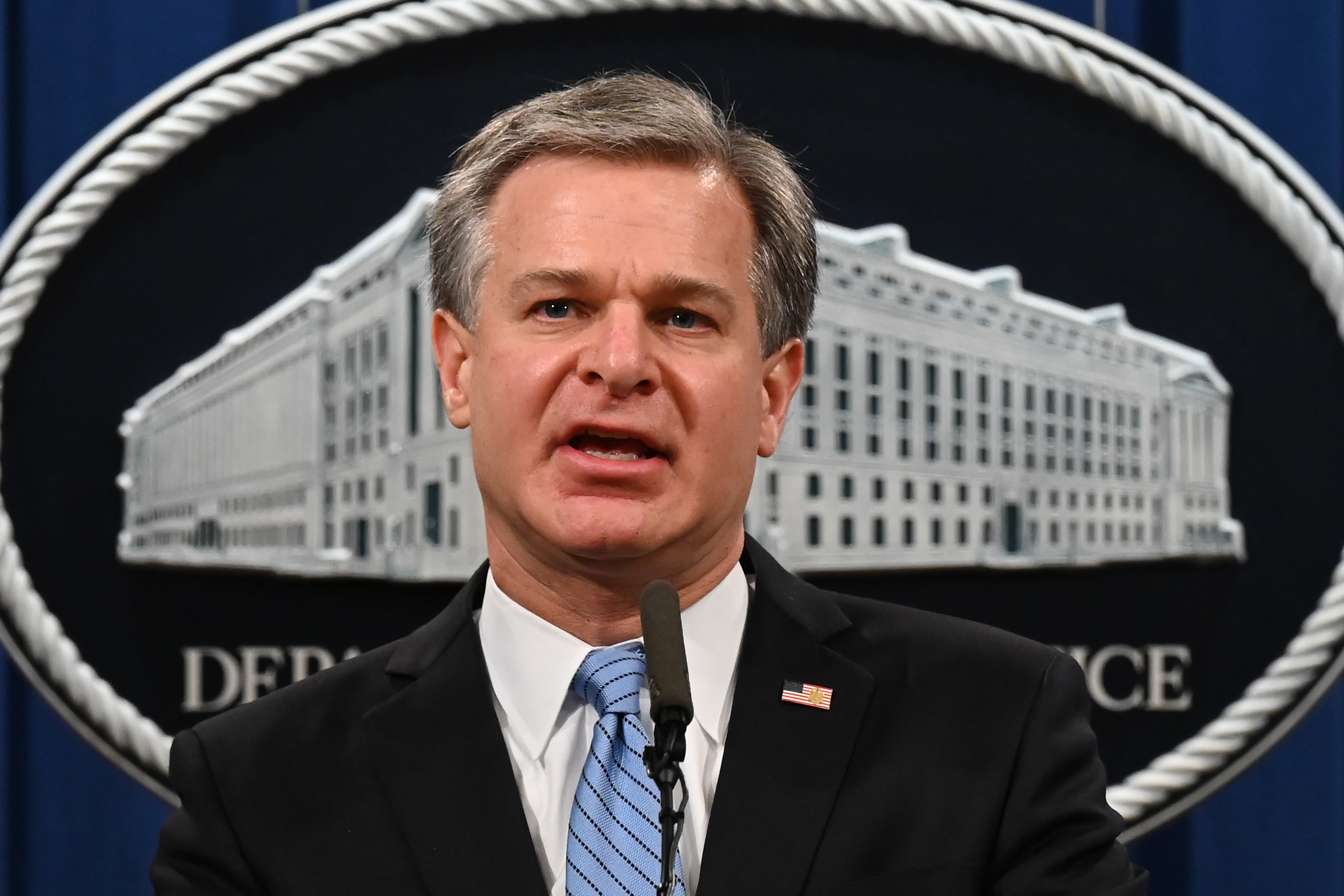
A man in a suit speaks in front of a Justice Department logo.
Enlarge / FBI Director Chrisopher Wray speaking at a press conference in Washington, DC, on October 7.

We now have less than two weeks to go before the federal voting deadline for the presidential election on November 3, and basically everything is, as many expected, hitting the fan at once. Now, intelligence officials and lawmakers are all but begging Americans to be less credulous with what they see and hear online amid new allegations that actors from Iran emailed individual voter-intimidation efforts.

Director of National Intelligence John Ratcliffe and FBI Director Christopher Wray joined forces at a hastily announced press conference Wednesday night to issue a warning that foreign actors “have taken specific actions to influence public opinion relating to our elections.” Specifically, Ratcliffe said, actors from Iran and Russia had separately obtained “some voter registration information” and were using it “to communicate false information to registered voters that they hope will cause confusion, sow chaos, and undermine your confidence in American democracy.”

Ratcliffe was referring to an email campaign that started earlier this week, when some voters in Florida, Arizona, and Alaska started receiving threatening messages.

“Vote for Trump… or we will come after you,” the emails read. “Change your party affiliation to Republican to let us know you received our message and will comply. We will know which candidate you voted for. I would take this seriously if I were you. Good luck.”

Mystery messages

The emails purported to come from the Proud Boys, a known US-based right-wing extremist group that has become increasingly active since its founding in 2016 and which President Donald Trump has tacitly supported. The Proud Boys reportedly denied involvement, however, and Vice Motherboard reported on Tuesday that the messages originated from a server in Estonia and were likely using a spoofed email address.

Some voters also received videos, with Proud Boys branding, that showed how someone could allegedly commit voter fraud using the recipient’s personal information. Motherboard today published a redacted, labeled copy of the video to demonstrate what a disinformation campaign can look like.

Ratcliffe on Wednesday said that Iran was behind the spoofed emails and videos, which he claimed were “designed to intimidate voters, incite social unrest, and damage President Trump.”

“We’re not going to tolerate foreign interference in our elections or any criminal activity that threatens the sanctity of your vote or undermines public confidence in the outcome of the election,” Wray added in the press conference.

Iran denied any involvement. “Unlike the US, Iran does not interfere in other country’s elections,” Alireza Miryousefi, a spokesman for the Iranian Mission to the United Nations, told NBC News late Wednesday. “The world has been witnessing US’ own desperate public attempts to question the outcome of its own elections at the highest level. These accusations are nothing more than another scenario to undermine voter confidence in the security of the US election and are absurd.”

Chaos-causing data easy to get

Neither Wray nor Ratcliffe provided evidence explaining why intelligence officials believe Iranian actors to be the source of the emails. However, some independent researchers as well as other government officials are supporting the claim.

Sens. Marco Rubio (R-Fla.) and Mark Warner (D-Va.), respectively the chairman and vice chairman of the Senate Intelligence Committee, released a joint statement today confirming Iran’s involvement.

“It is clear that Iran is now actively seeking to sow dissent and divide us, much like Russia did in 2016 and continues to do today,” the senators said. “To the American people and the media, we reiterate the need to be skeptical of sensationalist, last-minute claims about election infrastructure. State, local, and federal officials, and partners in social media and tech, should be proud of joint efforts to shut down Iranian and Russian efforts.”

“Undermine the winner’s legitimacy”

“Above all, Russia and Iran want the losing side to reject the election outcome in order to undermine the winner’s legitimacy and spark a constitutional crisis,” Rubio added in a tweet last night. “Staging fake voter intimidation and sensationalist last-minute claims of widespread election fraud lays the groundwork for this.”

Senate Minority Leader Chuck Schumer (D-N.Y.) said in an interview Wednesday night after the press conference that “it was clear to me that the intent of Iran in this case, and Russia in many more cases, is to basically undermine confidence in our elections.”

Although Ratcliffe mentioned both Iran and Russia, his remarks focused primarily on Iran. Nonetheless, according to The Washington Post, US officials speaking privately also stressed that Russia remains a concern.

It’s not a particular hardship for either nation—or in fact, anyone else— to access the voter registration data that the entity behind the emails apparently used. Such lists are generally a matter of public record, and campaigns, advocacy groups, and other organizations acquire them legally all the time.

Please be smart

Above all, the FBI, DNI, Senate, and just about everyone else involved share one common message to Americans: please, please don’t be gullible in this high-tension, disinformation-rich environment.

“You should be confident that your vote counts,” Wray said in his remarks. “Early, unverified claims to the contrary should be viewed with a healthy dose of skepticism. We encourage everyone to seek election and voting information from reliable sources—namely, your state election officials. And to be thoughtful, careful, and discerning consumers of information online.”

Rubio and Warner, in a statement released last night, echoed the feeling. “As we enter the last weeks before the election, we urge every American—including members of the media—to be cautious about believing or spreading unverified, sensational claims related to votes and voting,” the senators said.

https://arstechnica.com/?p=1716443