“She Designs Books” Online Exhibition

TDC Book Cover Design Exhibition

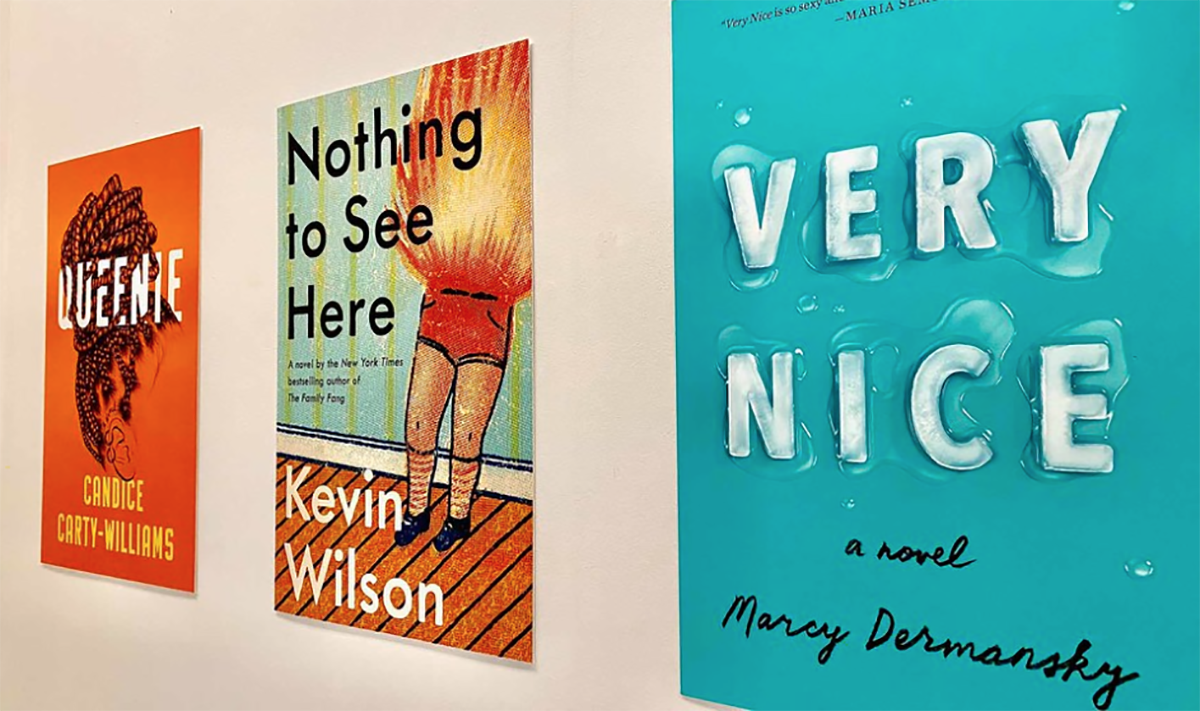
For all the book lovers out there, The Type Directors Club is currently showing their She Designs Books exhibition online. She Designs Books is an organization founded by Anne Twomey and Nicole Caputo with the intention of supporting and promoting female designers in the world of publishing.

This show features work by 22 designers—Robin Biradello, Nicole Caputo, Catherine Casalino, Donna Cheng, Cassie Gonzalez, Kimberly Glyder, Olga Grlic, Grace Han, Janet Hansen, Jan Heuer, Linda Huang, Laywan Kwan, Marcie Lawrence, Juliana Lee, Emily Mahon, Anna Morrison, Mumtaz Mustafa, Joanna O’Neill, June Park, Allison Saltzman, Nicole Seeback, Anne Twomey and Rachel Wiley. To see more amazing book design work by women creatives, follow She Designs Books on social media @shedesignsbooks.

See images from the exhibition here

https://www.shillingtoneducation.com/blog/she-designs-books-online-exhibition/


Shillington Post 08—The Creative Women Issue

The Shillington Post layout

Exciting news! Now you can enjoy the latest issue of our in-house publication anywhere and everywhere. Read Shillington Post 08—The Creative Women Issue online.

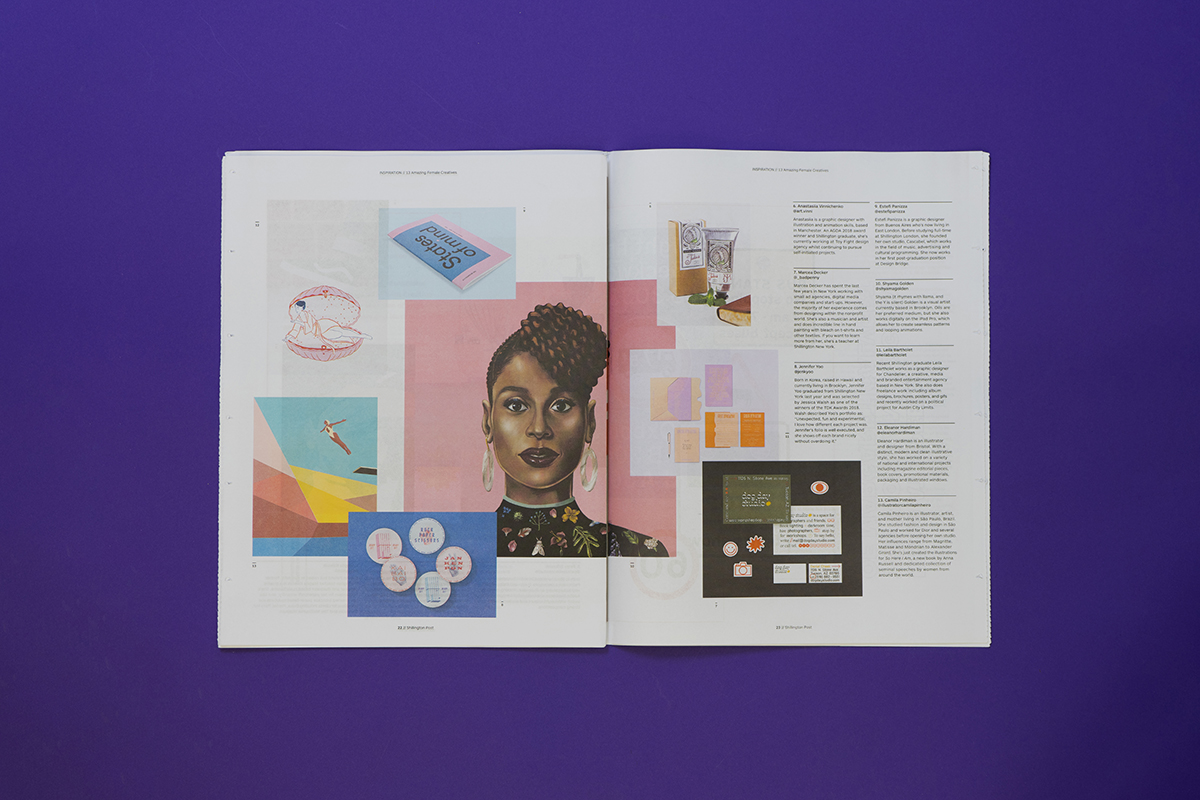
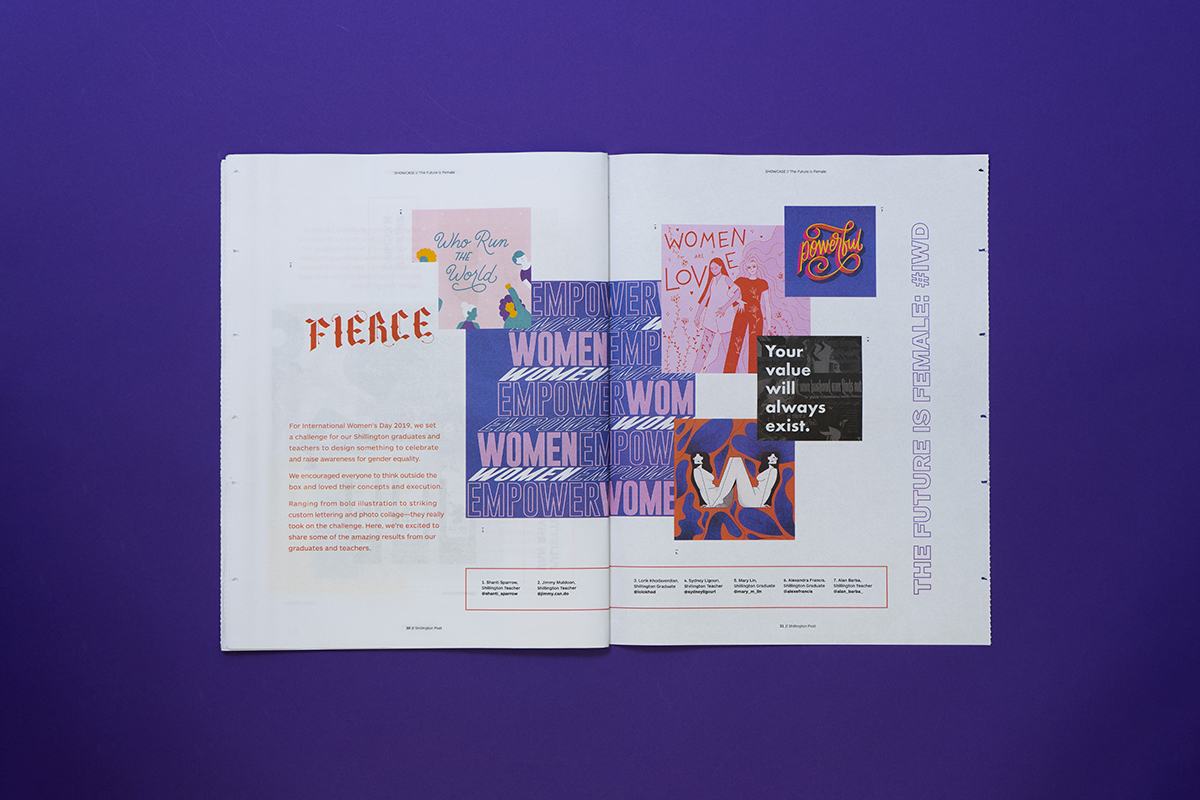
In this eighth issue of the Post, we’re joining the chorus to celebrate creative women. Twelve female industry leaders give their advice for the next generation of designers—regardless of gender. Discover surprising stats about females in the creative industry. We interview three amazing Shillington graduates who launched their own zine. Emily Comfort shares a case study highlighting the behind-the-scenes of her design practice. Six teachers pay tribute to a woman who’s influenced them creatively. We explore the legacy of Margaret Calvert, the woman who was responsible for redesigning every single road sign across the UK in the late 1950s. And, we recap on striking visual results from our recent International Women’s Day Creative Challenge.

We hope this issue inspires all readers. Let’s work together for a future where success has nothing to do with your gender, and everything to do with your drive, initiative and bravery. That’s what matters most.

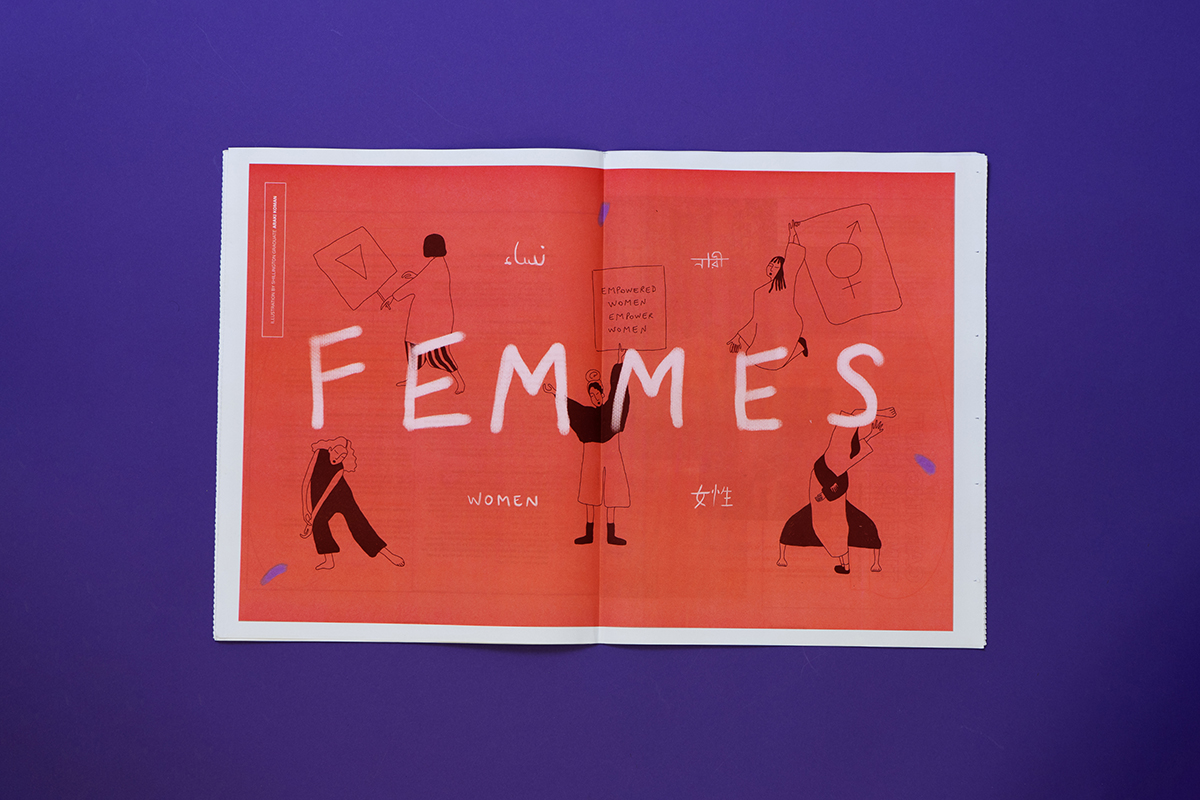
The Shillington Post Femmes illustration

The Shillington Post Women Creatives

The Shillington Post International Womens Day

Want a physical copy of Shillington Post? Join us for an upcoming Info Session or pop into one of our six campuses

https://www.shillingtoneducation.com/blog/shillington-post-08-creative-women-issue/


Meta-analysis study indicates we publish more positive results

Meta-analysis study indicates we publish more positive results
Andrew Brooks | Getty Images

While science as a whole has produced remarkably reliable answers to a lot of questions, it does so despite the fact that any individual study may not be reliable. Issues like small errors on the part of researchers, unidentified problems with materials or equipment, or the tendency to publish positive answers can alter the results of a single paper. But collectively, through multiple studies, science as a whole inches towards an understanding of the underlying reality.

A meta-analysis is a way to formalize that process. It takes the results of multiple studies and combines them, increasing the statistical power of the analysis. This may cause exciting results seen in a few small studies to vanish into statistical noise, or it can tease out a weak effect that’s completely lost in more limited studies.

But a meta-analysis only works its magic if the underlying data is solid. And a new study that looks at multiple meta-analyses (a meta-meta-analysis?) suggests that one of those factors—our tendency to publish results that support hypotheses—is making the underlying data less solid than we like.

Publication bias

It’s possible for publication bias to be a form of research misconduct. If a researcher is convinced of their hypothesis, they might actively avoid publishing any results that would undercut their own ideas. But there’s plenty of other ways for publication bias to set in. Researchers who find a weak effect might hold off on publishing in the hope that further research would be more convincing. Journals also have a tendency to favor publishing positive results—one where a hypothesis is confirmed—and avoid publishing studies that don’t see any effect at all. Researchers, being aware of this, might adjust the publications they submit accordingly.

As a result, we might expect to see a bias towards the publication of positive results, and stronger effects. And, if a meta-analysis is done using results with these biases, it will end up having a similar bias, despite its larger statistical power.

While this issue has been recognized by researchers, it’s not obvious how to prevent this from being a problem with meta-analyses. It’s not even clear how to tell it’s a problem with meta-analyses. But a small team of Scandinavian researchers—Amanda Kvarven, Eirik Strømland, and Magnus Johannesson—have figured out a way.

Their work relies on the fact that several groups have organized direct replications of studies in the behavioral sciences. Collectively, these provide a substantial number of additional test subjects (over 53,000 of them in the replications used), but aren’t subject to the potential biases that influence regular scientific publications. These should, collectively, provide a reliable measure of what the underlying reality is.

The three researchers searched the literature to identify meta-analyses on the same research question, and came up with 15 of them. From there, it was a simple matter of comparing the effects seen in the meta-analyses to the ones obtained in the replication efforts. If publication bias isn’t having an effect, the two should be substantially similar.

They were not substantially similar.

Almost half the replications saw a statistically significant effect of the same sort seen by the meta-analysis. An equal number saw an effect of the same sort, but the effect was small enough that it didn’t rise to significance. Finally, one remaining study saw a statistically significant effect that wasn’t present in the meta-analysis.

Further problems appeared when the researchers looked at the size of the effect the different studies identified. The effects seen in the meta-analyses were, on average three times larger than those seen in the replication studies. This wasn’t caused by a few outliers; instead, a dozen of the 15 topics showed larger effects sizes in the meta-analyses.

All of that’s consistent with what you might expect from a publication bias favoring strong positive results. The field had recognized that this might be a problem, and developed some statistical tools intended to correct for the problem. So, the researchers reran the meta-analyses using three of these tools. Two of them didn’t work. The third was effective, but came at the cost of reducing the statistical power of the meta-analysis—in other words, it eliminated one of the primary reasons for doing a meta-analysis in the first place.

This doesn’t mean that meta-analyses are a failure, or all research results are unreliable. The work was done in a field—behavioral science—where enough problems had already been recognized to motivate extensive replication studies in the first place. The researchers cite a separate study from the medical literature that compared meta-analyses of a collection of small trials to the outcome of larger clinical trials that followed. While there was a slight bias for positive effects there, too, it was quite small, especially in comparison to the differences identified here.

But the study does indicate that the problem of publication bias is a real one. Fortunately, it’s one that can be tackled if journals were more willing to publish papers with negative results. If the journals did more to encourage these sorts of studies, researchers would likely be able to provide them with no shortage of negative results.

Aside from the main message of this paper, Kvarven, Strømland, and Johannesson use an additional measure to ensure the robustness of their work. Rather than simply counting anything with a p value less than 0.05 as significant, they limit that to things with a p value less than 0.005. They term things in between these two values as “suggestive evidence.”

Nature Human Behavior, 2019. DOI: 10.1038/s41562-019-0787-z (About DOIs).

https://arstechnica.com/?p=1637253


Editions/Artists’ Books Fair

24—27 October 2019
New York

Editions/ Artists' Books Fair

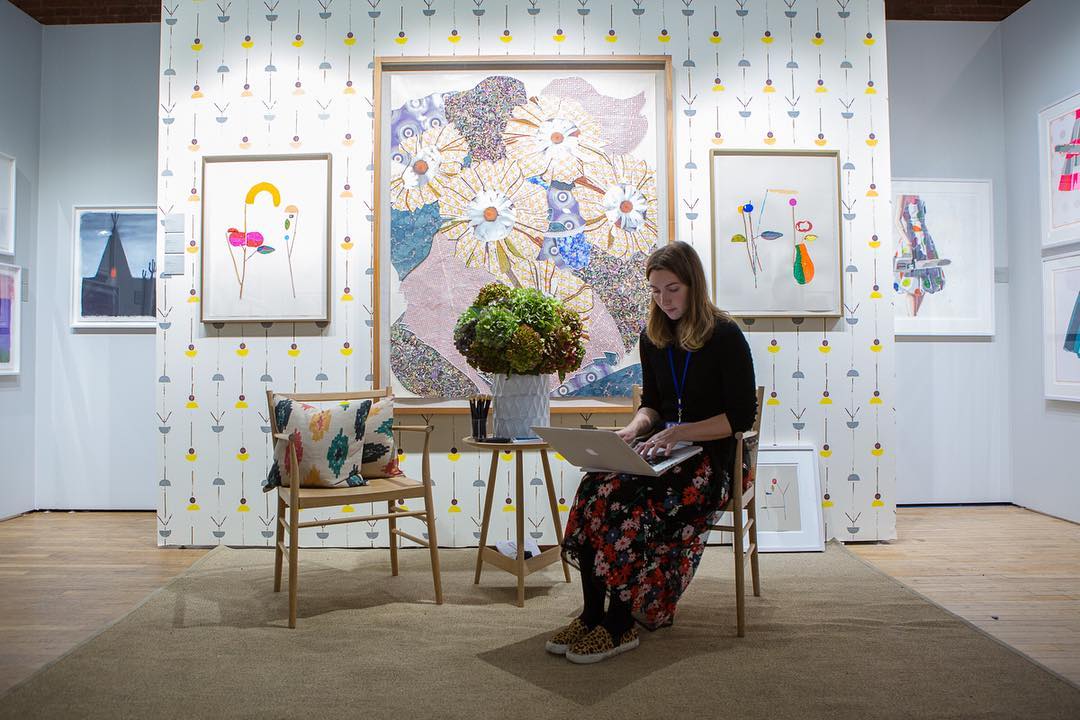
The Editions/Artists’ Books Fair takes place at The Caldwell Factory in Chelsea, New York from 24 October through 27 October. The event is a great showcase of new and contemporary prints and artists’ books with 40 exhibitors presenting new works by hundreds of emerging and established artists.

This year’s fair will have exhibitors from the US and international publications. The event also coincides with New York’s Print Week, where you can discover openings throughout the city related to the art of printmaking. The Editions/Artists’ Books Fair is in partnership with Brooke Alexander Editions and Printed Matter and now presented by the Lower East Side Printshop, a non-profit organization. See the full list of exhibitors for this year’s event.

The event takes place from 24 October through 27 October at The Caldwell Factory in Chelsea. Free Admission!

Plan your visit to the event

https://www.shillingtoneducation.com/blog/editions-artists-books-fair/


10 Books All Designers Should Have on Their Shelf

Welcome our newest graduate guest author! Eleanor Robertson graduated from Shillington London in December 2017 and is now a designer at multi-award winning creative agency Paul Belford Ltd. She is passionate about brand identity and typography, as well as food and drink.

Books are probably our most valuable resource. They are sources of both motivation and inspiration—whether you’re preparing to study design, are knee deep in the middle of a course, or working in the industry. I’ve picked my ten favourite books from my reading list that I think are essential in any designer’s library.

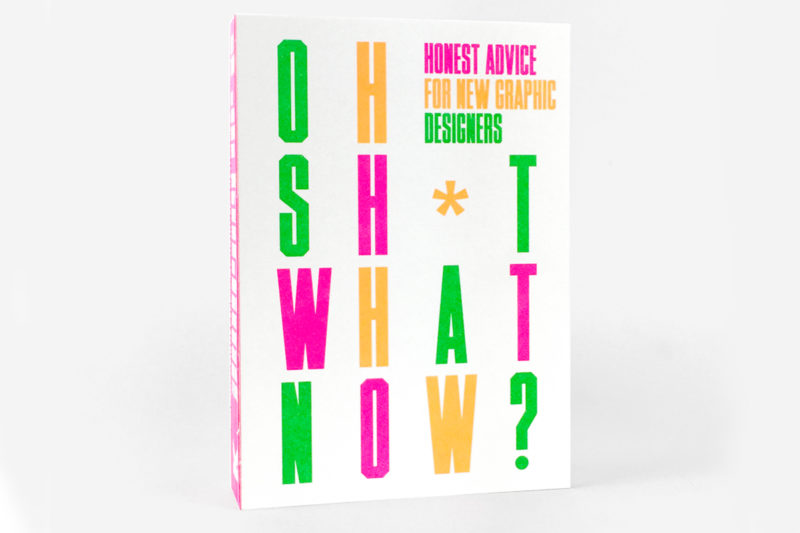
1. Oh Sh*t…What Now?—Craig Oldham

Obviously it’s a good idea to follow Anthony Burrill’s advice to ‘work hard and be nice to people’… But Craig Oldham is refreshingly right when he says that design graduates need meaningful information more than platitudes.

This bullsh*t-free bible for new designers is packed with honest advice and tips for navigating The Industry™. Neatly addressing those questions that keep you up at night, each of the ten conversational chapters helps paint a clearer picture of the challenges and rewards of being a designer, as well as the pitfalls.

What makes a great graphic designer? How do you land your first job? What if you f*ck it up? Illustrated with Oldham’s own experiences, Oh Sh*t… What Now? is as funny and irreverent as is it insightful and encouraging.

The book is printed on beermat board, because all great ideas start in the pub. Oh and it’s fluoro, because you can’t really go wrong with that.

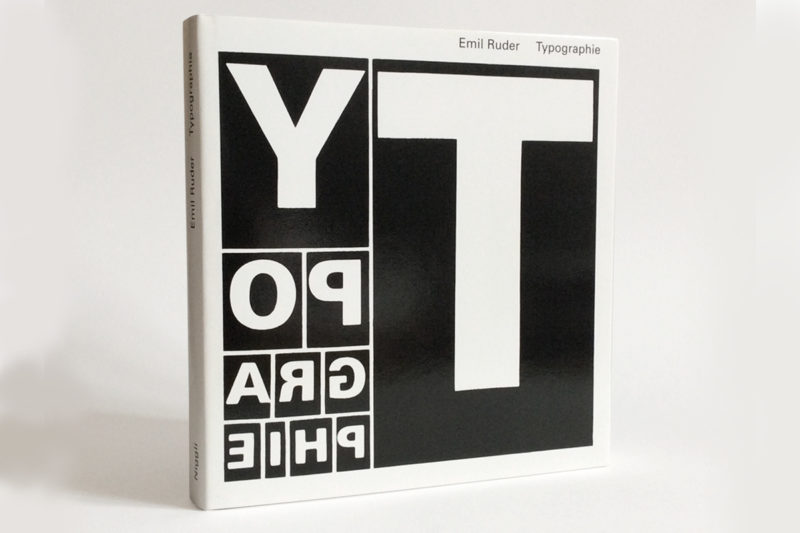
2. Typography: A Manual of Design—Emil Ruder

‘Think you know about typography?! Well think again!’ the creative director shouted at me, slamming a well-thumbed copy of Typography down on the Vitsœ coffee table between us.
The interview could definitely have gone better. I backed my way out of the studio, shaking and disorientated, but the next morning I went straight to Amazon to learn more.

It turns out that there’s typography… and then there’s micro-typography, which considers everything that can happen within a column of text to make it look good, or bad. For better or for worse, once your eyes are opened to these tiny details, you can’t unsee them.

Typography can be a dry read—rigorous, laboured, academic and, my god, it’s thorough. But this comprehensive masterpiece is the legacy of Emil Ruder, one of the originators of Swiss Style, and today—more than forty years after it was first published—it’s still the manifesto for sophisticated typesetting.

With three languages and dozens of beautiful illustrations packed into one edition along, I think it’s pretty good value for money. But if you fancy something cheaper and 90% shorter, perhaps start with Jost Hochuli’s Detail in Typography instead.

3. Reader’s Digest Reverse Dictionary

The Reader’s Digest back catalogue has a special place on my grandmother’s bottom shelf and I never thought I’d vouch for the magazine’s masthead. But this is the book you need to boost your vocabulary and develop your design thinking by elevating word association to the next level.

Elusive words, awkward words, impressive words, persuasive words, precise words, technical words… basically all the words. Imagine a cross between a dictionary and a thesaurus, with the charts, pictures and diagrams from your favourite encyclopaedia thrown in.

With over 70,000 A–Z entries, I’ve found it especially helpful for brainstorming new brand names. ‘Howdah’ anyone?

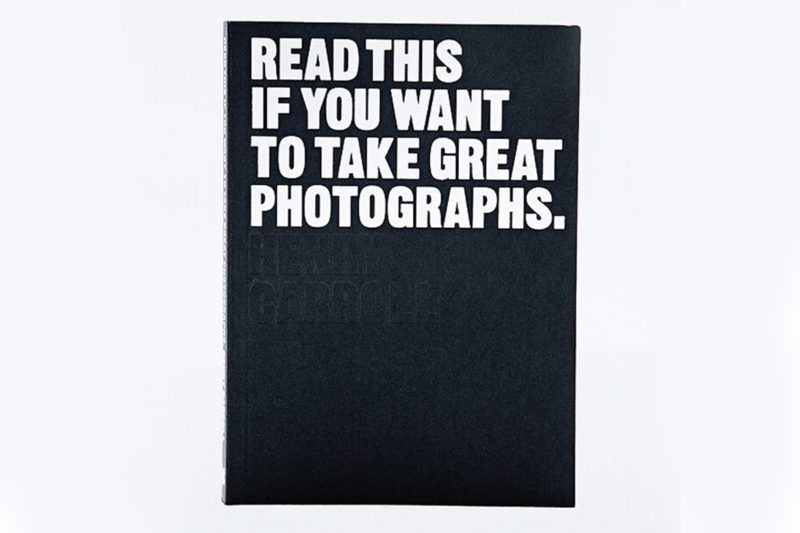
4. Read This If You Want to Take Great Photographs—Henry Carroll

As a designer it’s super helpful to be able to do lots of things, including pick up a camera and give the impression that you know what you’re doing. But with so many buttons and dials, it can be difficult to know where to start.

The best thing about this practical little handbook is that it’s light on the technical jargon and heavy on the inspirational images, making it easy to get stuck in. Each iconic photo—from masters including Henri Cartier-Bresson, Sebastião Salgado, Fay Godwin, Nadav Kander, Daido Moriyama and Martin Parr—serves to illustrate a different point, encouraging you to try out new ideas.

128 pages later, you might even pass for a pro.

5. The Grammar of Ornament—Owen Jones

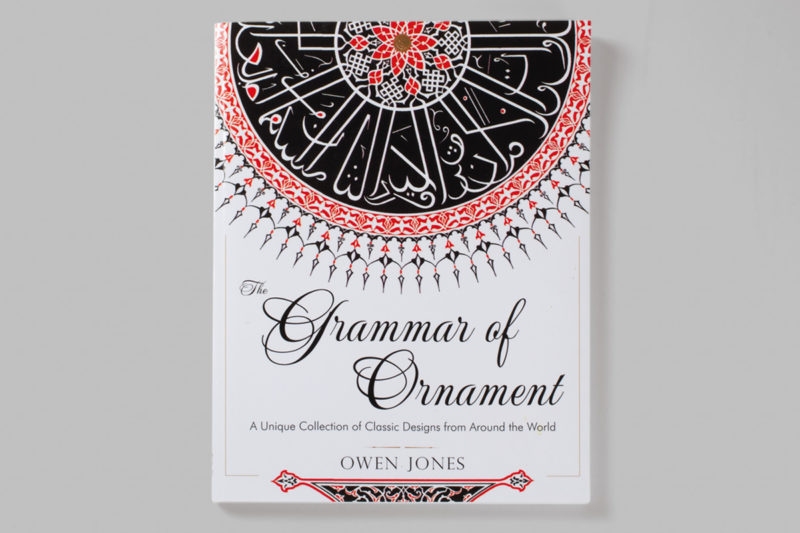
First published way back in 1856, The Grammar of Ornament is a treasure trove of illustrated plates from nineteen different cultures, including Oceania, Rome, Byzantium, Ancient Greece, Renaissance Italy, Rome and Moorish Spain. It’s basically the Adobe Stock of patterns… Plus, did I mention they are copyright-free?

This Victorian sourcebook is also a great resource for anyone interested in the history of design, a brilliant ethnographic study, and quite possibly the only good thing to come out of centuries of British colonialism. Beyond the motifs, the quirky colourways are decidedly of another era and worth examination.

6. Just My Type—Simon Garfield

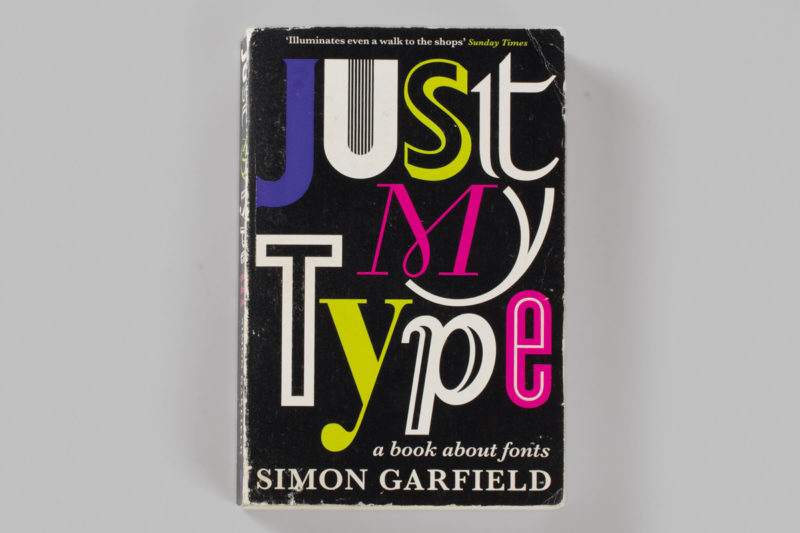
There’s a reason my copy of Just My Type is so dog-eared. Despite the lack of pictures, I can’t stop going back to it. It’s light-hearted, accessible and, you could say… a font of knowledge (if you’re into dad jokes you’ll enjoy Garfield’s turn of phrase).

This fact-filled font fest is far from a textbook; rather a book of stories, emphasising the personality of type with lively anecdotes—about why Barack Obama opted for Gotham, while Amy Winehouse found her soul in 30s art deco.

If the publishers reissue it with some colour plates, that’ll be Christmas sorted this year. I’m convinced it’s an equally enjoyable read for graphics geeks and amateurs alike.

7. Logo Modernism—Jens Muller

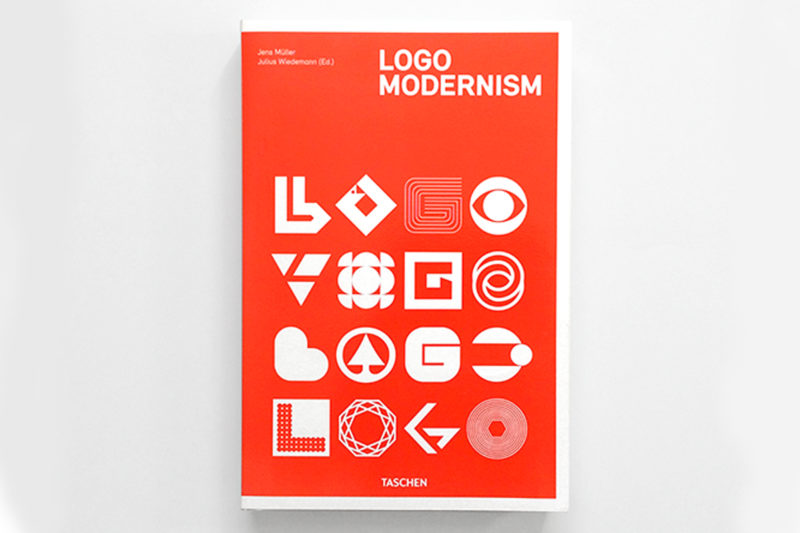
Hello logo porn! Bringing together over 6000 trademarks from 1940–1980 to show how modernist attitudes gave birth to corporate identity, this is the book I open most regularly to remind myself of form language.

The minimalism is astonishing: each razor-sharp symbol is distilled and pure, yet uniquely identifiable. Then there are the fab instructive case studies. My favourite is the analysis of Motoo Nakanishi’s 1973 identity for Daiei Inc, Japan’s biggest supermarket chain.

All the Amazon reviews want to know why it’s so cheap. Perhaps it’s because the A3 tome weighs a ton, and won’t fit on your bookshelf. For a book that’s such a big source of inspiration, its physical size seems appropriate.

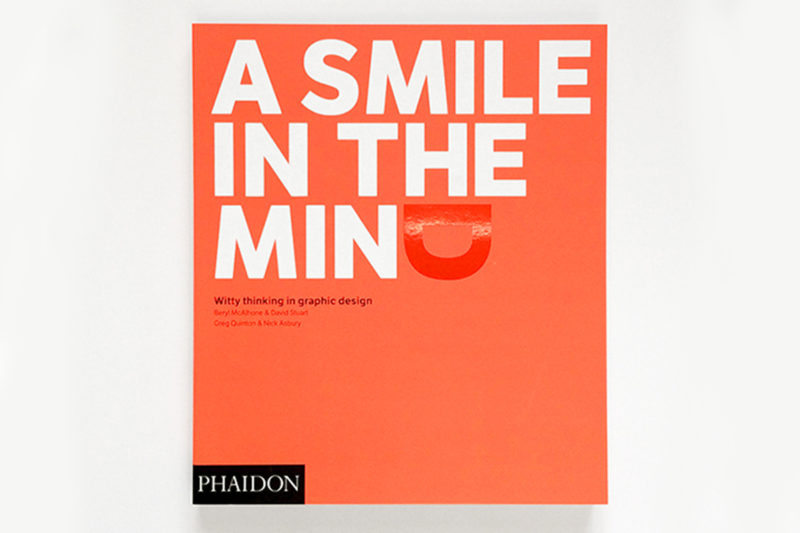
8. A Smile in the Mind—Beryl McAlhone, David Stuart, Greg Quinton and Nick Asbury

Two main elements – the ‘familiar’ and the ‘play’ – are responsible for the two main emotions experienced by someone ‘getting’ a witty idea: recognition and surprise. These two characteristics of wit provide a kind of matrix of success.

For a book about witty thinking, A Smile in the Mind has some pretty humourless passages—but then there’s nothing less funny than ‘breaking down’ the joke. Luckily the carefully curated examples make up for it, with over 500 projects from creative thinkers around the world and across the decades.

My boss described the compendium as ‘essential reading’ in my second interview so I spent the weekend before I started in the studio studying it feverishly, hoping not to embarrass myself. That wasn’t very funny either, but in spite of all my new-job anxiety, the book elicited more than just a smile in the mind.

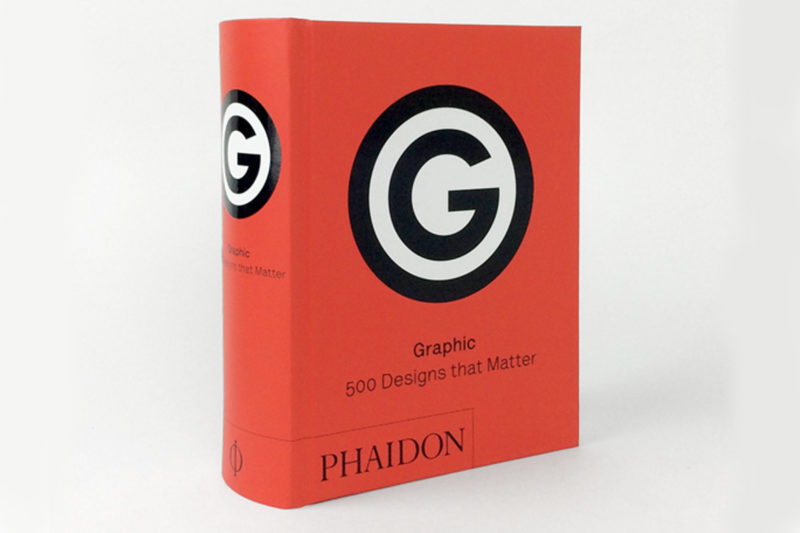
9. Graphic: 500 Designs that Matter

If I learned one thing from A Smile in the Mind it’s that smart design is often about allusion, and it helps to have references to draw upon. This is the cannon you need within arm’s reach.

Graphic takes you on a journey through 600 years of designs that have shaped society and improved visual communication—from the first sample of movable type and the Gutenberg Bible to today’s most cutting-edge magazines, ads, and posters.

It’s easy to flick through books like this, but here the creative pairings, arranged on facing pages, force you to stop and think. To continue the history lesson, take a look at 100 Ideas that Changed Graphic Design.

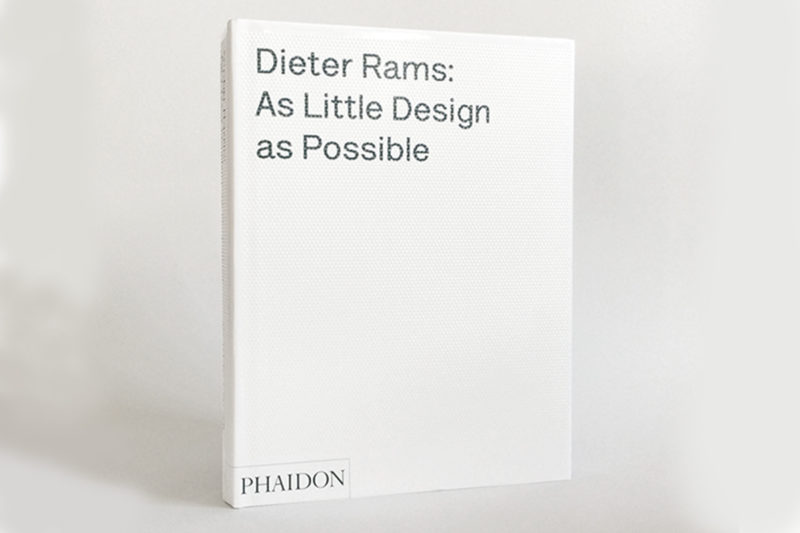
10. Dieter Rams: As Little Design as Possible—Sophie Lovell

As little design as possible. That sounds simple, right? Minimum effort, maximum results… Unfortunately Rams’s portfolio only serves to demonstrate how much hard work goes into simplicity, which Lovell’s monograph emphasises by painting a detailed picture of the design process.

It also proves that it helps to have a system to follow. As an apathetic atheist without any ideology of my own, I’ll happily subscribe to the legendary product designer’s ‘Ten Principles’ and the ideas about how to live that are laid out in this beautiful book.

Recently published (in 2011), As Little Design as Possible is already described as a ‘design bible’ and it’s easy to see why. It epitomises Rams’s call for ‘less but better’, and I’m fan-girling all over this one.

Huge thanks to Eleanor for this fantastic list—get down to your local bookshop and fill your boots. Make sure you follow her on Instagram to keep an eye on what she’s up to!

Feeling inspired? Kickstart your creative career at Shillington! Become a designer in 3 months full-time or 9 months part-time in New York, London, Manchester, Sydney, Melbourne or Brisbane –> www.shillingtoneducation.com

https://www.shillingtoneducation.com/blog/10-books-designers-shelf/


Atelier Muesli #ILoveTheseGuys

Atelier Muesli is a small French studio based in Paris and has a huge folio of amazing work. The studio does a lot of projects for the arts, such as galleries and performances, but also identities for cities and parks. I’m intrigued by their work process, often combining handmade elements like woodcutting, silkscreen, and engraving with modern printing. I believe this is why their work looks so original and unique. But at the same time, every unique design belongs to a family or series that is visually clearly linked. For instance, each poster is accompanied by invitations, brochures and other materials that are graphically interesting.

I love these guys because of their dynamic, original and playful designs! No project looks like the other.

https://www.shillingtoneducation.com/blog/atelier-muesli/


Shillington Post 07—The International Issue

Exciting news! Now you can enjoy the latest issue of our in-house publication anywhere and everywhere. Read Shillington Post 07—The International Issue online.

In this seventh issue of the Post, we’re acknowledging how design makes the world feel smaller, better connected and of course—more beautiful. We’ll share some incredible apps for traveling designers. Alec Dudson, founder of Intern Magazine explains how “people are your passport” to a global design career. Seven teachers share where they’ve found design inspiration abroad. Hilary Archer discusses how designers can fight against Instagram trend-chasing in their work. We recap on Hey Studio’s visit to our London campus. Meet Kate Holland, the graduate selected for Shillington’s Design Safari—where we sponsor top creative talent to do important design work at The School of St Jude in Arusha, Tanzania. And as part of a Shillumni competition, graduates create type lock-ups in their native languages for the compelling statement, “design is a universal language”. We couldn’t agree more.

Want a physical copy of Shillington Post? Join us for an upcoming Info Session or pop into one of our six campuses

https://www.shillingtoneducation.com/blog/shillington-post-07-international-issue/


24 Best Children’s Books for Future Designers and Creatives

Books can be unbeatable creative inspiration— but have you ever considered that some of the most beautiful books are made for children? Well, It’s never too early to get them started.

We’ve previously shared our list of essential books for graphic designers and what Shillington teachers have in their own personal libraries, but this time around we have dug in to the depths of both our memories and our parents’ attics and done some fresh research to find some of our favourite children’s books. From graphic designers and illustrators the world over, these are the ones that had a profound effect on our creative futures and careers. Why not buy some for your own kids? They’re sure to inspire your little ones—and you!

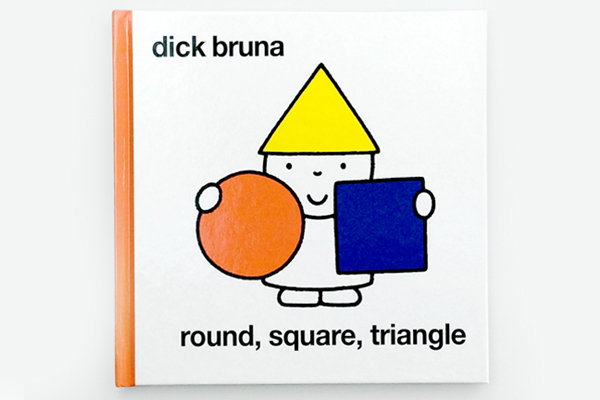
1. Round, Square, Triangle by Dick Bruna

Best known for his Miffy books, much-loved Dutch illustrator Dick Bruna published over 200 books during his career, including this adorable exploration of how shapes appear in everyday life—from round plates to square picture frames.

Buy the book

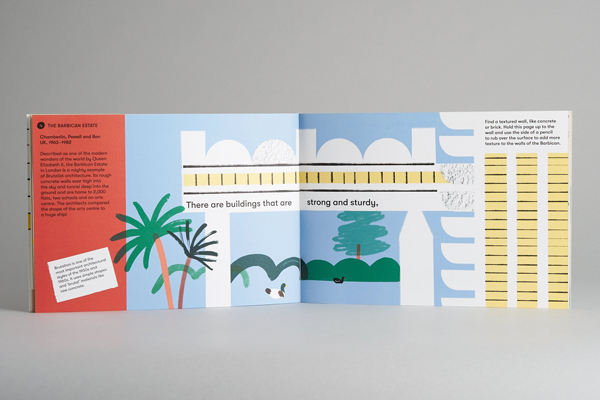
2. My Modern House by Charlotte Trounce

Charlotte Trounce‘s activity book is packed with stickers, drawing and colour activities to help a Lil’ Corbusier design their own make believe modern house. Inspiration comes in the form of modernist marvels London’s Barbican Estate, Kyoto’s Face House and others.

Buy the book

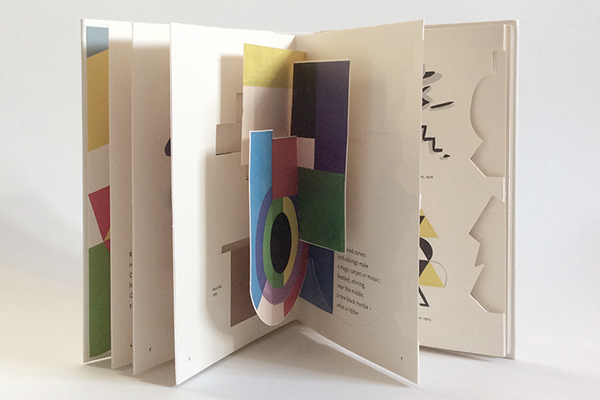
3. Madame Sonia Delaunay by Gérard Lo Monaco

This wonderful book by paper engineer Gérard Lo Monaco reinterprets the textiles, paintings and designs of the Ukrainian-born French artist, Sonia Delaunay, as playful pop-up illustrations. It was published for the artist’s retrospective in Paris in 2014.

Buy the book

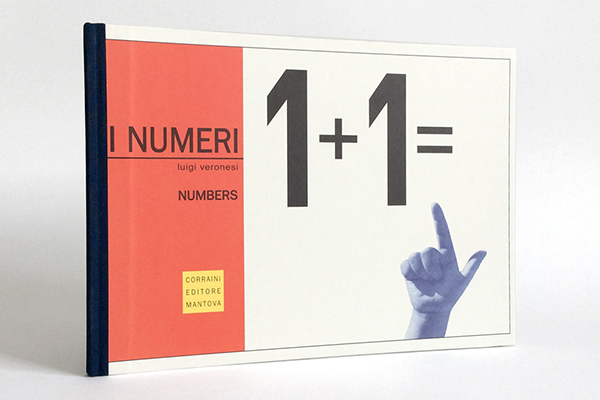
4. I Numeri by Luigi Veronesi

Published way back in 1945, this art project meets children book by Italian artist Luigi Veronesi teaches children to read whilst simultaneously exploring a journey from concrete to abstract that reveals itself throughout the pages—this is definitely one that is as much for parents as it is for kids. Makes a beautiful pair with Veronesi’s other book I Colori.

Buy the book

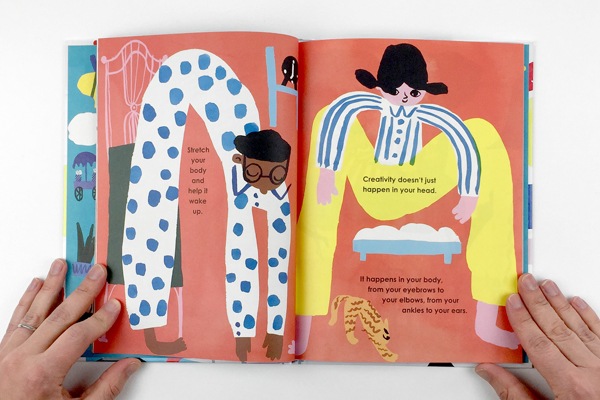
5. Where’s Your Creativity? by Marika Maijala

As designers, we know that creativity can come from infinite places and this charmingly illustrated book by Finnish illustrator Marika Maijala confirms that. It looks outside the box and explores the ways that creative kids can express themselves—through dance, food and music, to name just a few.

Buy the book

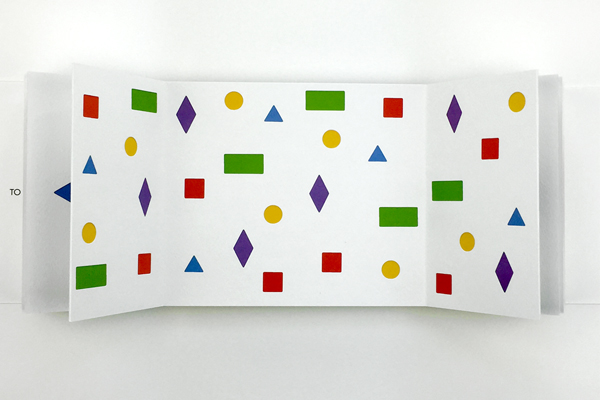
6. Shapes, Colours, Numbers by Dario Zeruto

Gorgeously minimal in its design, this book by Cuban artist Dario Zeruto encourages learning through opening and closing flaps to see how colours and shapes you can find. Then the play begins and the flaps can be used to create your own design. Stylish and simple.

Buy the book

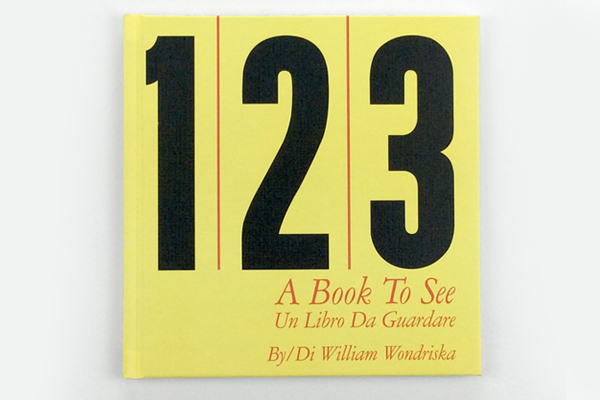
7. 123, A Book to See by William Wondriska

In a limited palette of black and red, this wordless story uses simple illustrations of everyday objects to make otherwise abstract numbers tangible. Wondriska, who studied at Yale and the Art Institute of Chicago, published eleven childrens’ books alongside his promo design and advertising work.

Buy the book

8. Ini-Minimalism 1 by Eva Dijkstra

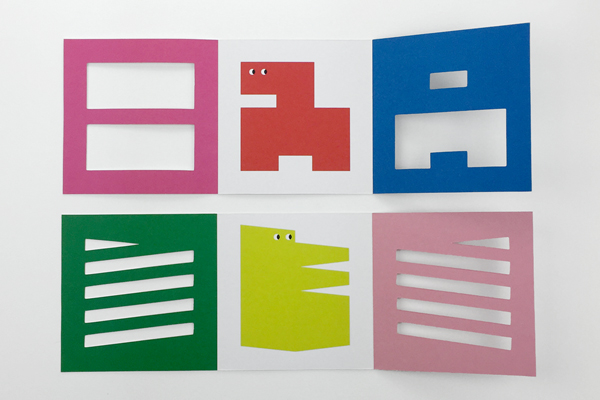
Minimalism for mini people. Colour and shapes unfold to reveal a geometric critter hiding away in this intelligent and appealing introduction to design, geometry, abstraction, colour and minimalism by Dutch designer and co-founder of Toko Studio, Eva Dijkstra.

Buy the book

9. My First Book of Patterns by Boyoun Kim

A candy-hued dream of polka dots, harlequin, stripes and chevrons, Korean freelance illustrator Boyoun Kim‘s book is the first-ever pattern concept book for kids! It teaches the ten most common patterns, first as a single element and then as a pattern—for example, circles and polka dots.

Buy the book

10. Blind Mice and Other Numbers by Ivan Chermayeff

Glorious illustrations and a handsome typeface paired with puns, tongue-twisters and linguistic somersaults must be the best way to learn to count to ten. Lightheartedness and a dash of nonsense makes this book, by the celebrated American designer Ivan Chermayeff, a must have.

Buy the book

11. My First Shapes with Frank Lloyd Wright by Lydia Ortiz

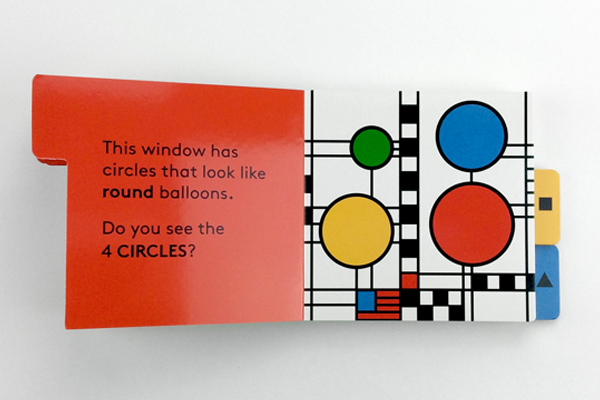
Ever wished that legendary architect Frank Lloyd Wright had taught you shapes? Well now all your modernist dreams can come true! Filipino designer Lydia Ortiz has created this brilliant book that teaches the basic shapes, circles, squares, and triangles, through the basic geometric shapes that Lloyd Wright used in his buildings.

Buy the book

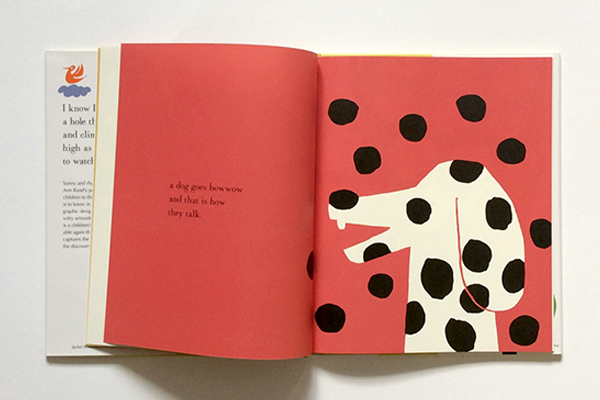
12. I Know a Lot of Things by Ann & Paul Rand

Remember that childhood delight of learning something new? Husband and wife team Ann and Paul Rand have immortalised that feeling in this book—which celebrates a child’s possession of new and exciting knowledge through playful illustration and endearingly childlike writing.

Buy the book

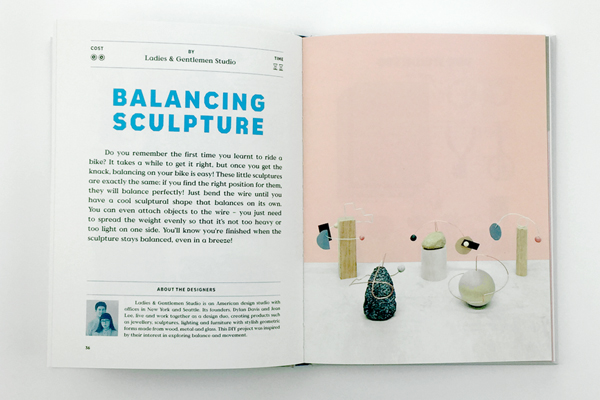
13. Now Make This by Thomas Bärnthaller

Something a bit different, this book details 24 DIY projects for kids written and developed by a range of designers from different disciplines, such as toy designer Floris Hovers and Ladies and Gentlemen Studio. It may be the best way to get children making world-class design right in their own home—and hopefully inspiring them to take up the design gauntlet themselves!

Buy the book

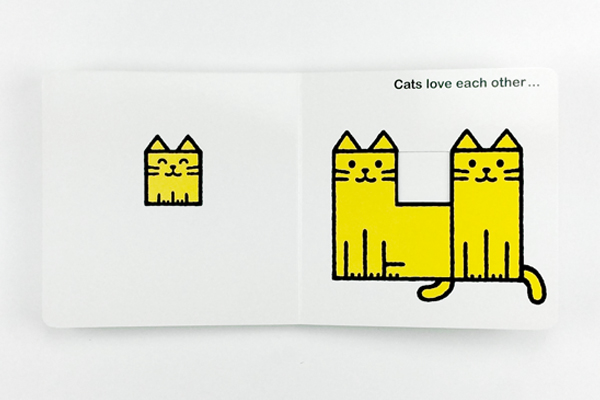
14. We Love Each Other by Yusuke Yonezu

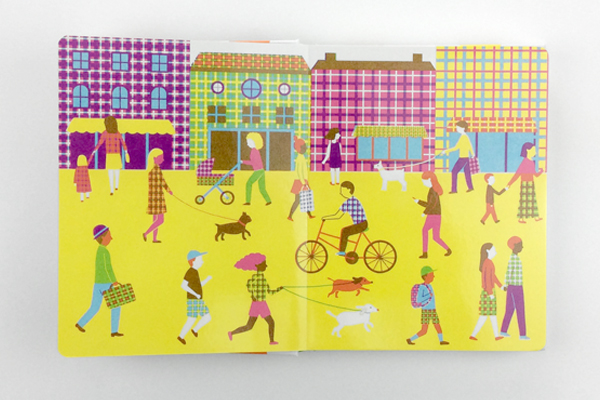
Japanese illustrator Yusuke Yonezu has created this delightful book that is guaranteed to bring a smile to your face! Through bold, colourful illustrations of cats, elephants, turtles, rabbits and more, he explores love and togetherness—a wholesome lesson we could all learn, not just kids.

Buy the book

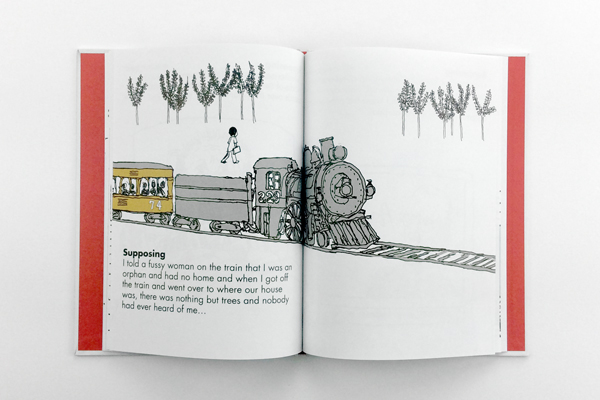
15. Supposing… by Bob Gill

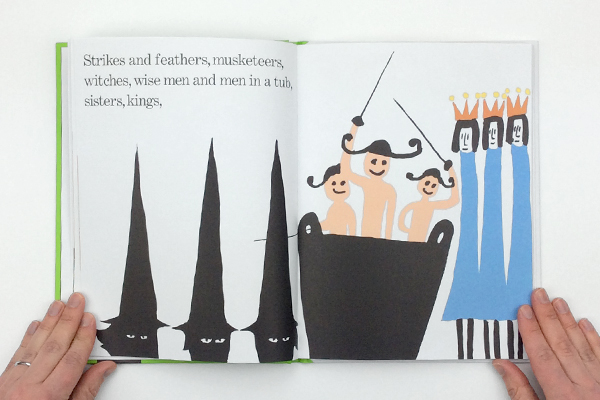
From legendary designer, and former Shillington New York guest lecturer, Bob Gill comes Supposing…, a beautifully illustrated version of Alastair Reid‘s 1960 poem. Gill’s illustrations are hand drawn and fantastically scribbly, with the occasional dash of colour. This would be a great addition to anyone’s bookshelf, regardless of age.

Buy the book

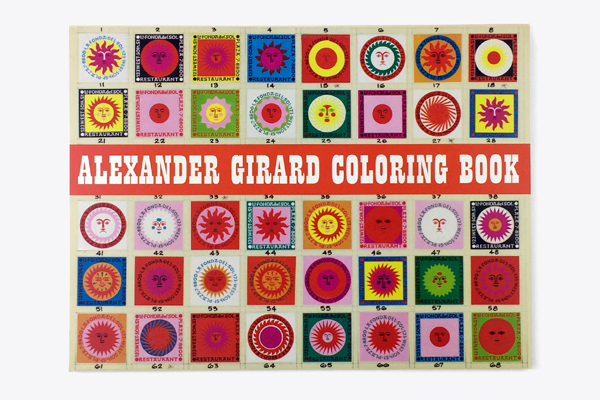
16. Alexander Girard Colouring Book by Gloria Fowler

Alexander Girard, who you may know as Sandro, was an architect and interior, industrial, furniture and textile designer. This lovely colouring book allows children to put themselves into the shoes of the influential designer as they create their own colourful designs from Girard’s line drawing.

Buy the book

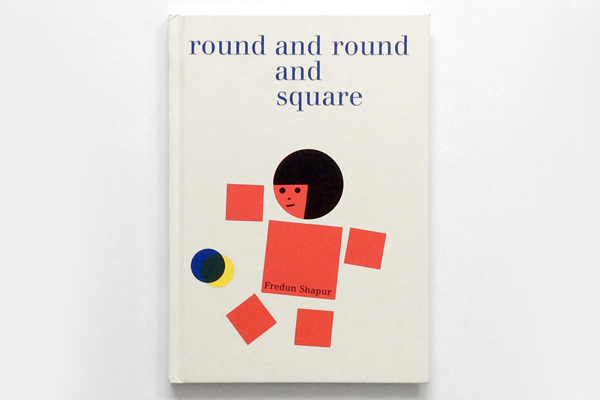
17. Round and Round and Square by Fredun Shapur

Proof that a whole imaginary word can be created through a circle and square, this book by British postwar designer Fredun Shapur opens up the possibilities of visual expression! Even though it was published 53 years ago, it will still open the eyes of young readers.

Buy the book

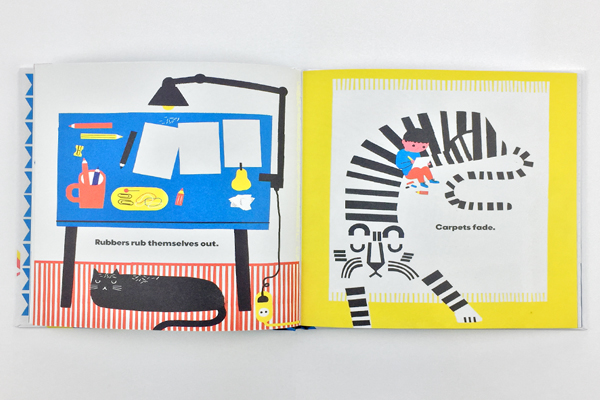
18. As Time Passes by Madalena Matoso

Times passes but beautiful illustrations live forever. Part of Portuguese studio Planeta Tangerina, which specialises in communication design for children, Madalena Matoso’s book reflects on the passing of time and how the changes it brings are inevitable. A timeless book with a poignant message.

Buy the book

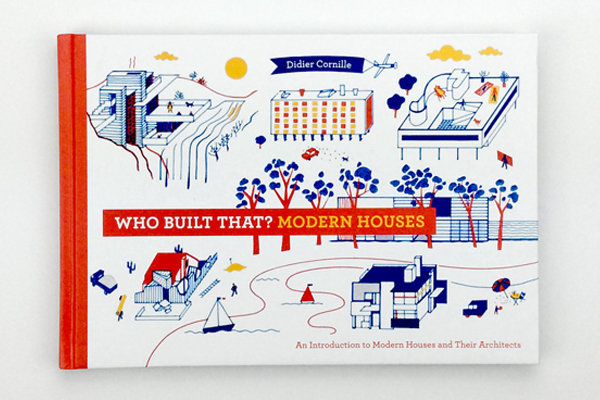
19. Who Built That? Modern Houses by Didier Cornille

Get your kids ready to be dragged around the modernist tourist spots on your next holiday! This 2014 book by Didier Cornille introduces the children to architects, their concepts and their most important buildings through engaging drawings and easy to understand text. It might be good for your modernist-phobic friends too…

Buy the book

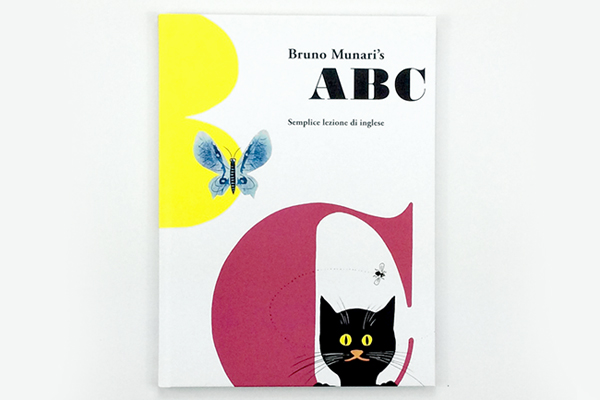
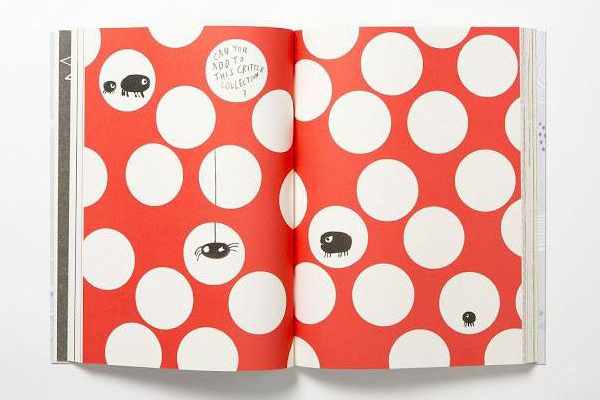
20. ABC by Bruno Munari

Italian artist-designer Bruno Munari has some serious fun with the alphabet! Hand-painted illustrations accompany fanciful phrases—from an Ant on an Apple to a fly the buzzes throughout the book and provides the final Zzzzz—creating an alluring journey through the ABCs.

Buy the book

21. Art Play by Marion Deuchars

Bring out the artist in any child! This engaging activity book by British illustrator and author Marion Deuchars covers drawing, colour, shapes, paint, paper, printing and pattern to play with art like never before— with gorgeous illustrations, lettering, collages and more to boot.

Buy the book

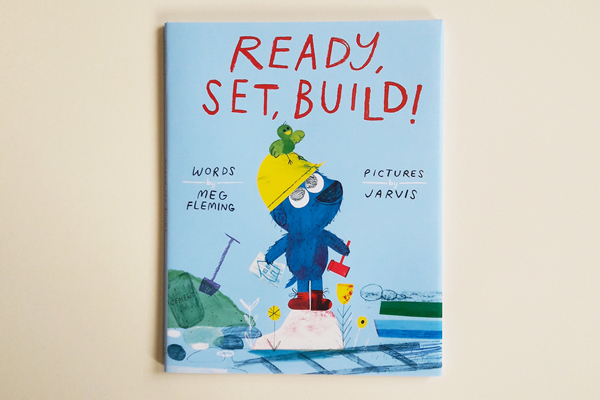
22. Ready, Set, Build! by Jarvis & Meg Fleming

Award-winning illustrator Jarvis brings to life the story of Dog and Bird as they try to build a house together. Through rhyme and colourful illustrations, this book guides budding architects on the ins-and-outs of building a house—from sketching plans to clearing the rubble, with some health and safety warnings thrown in.

Buy the book

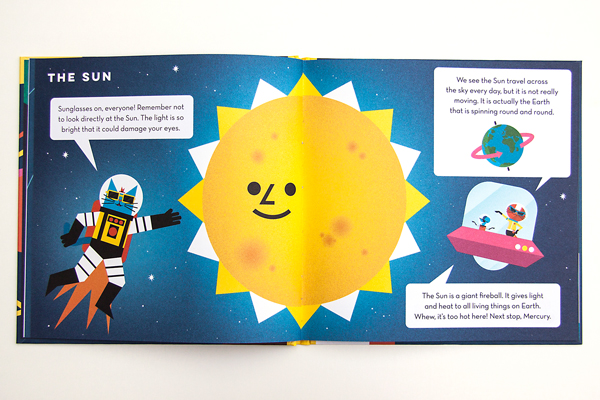
23. Professor Astro Cat’s Solar System by Dr Dominic Walliman & Ben Newman

What better way to learn about our planet, solar system and universe than from a canny cat? How about this book featuring amazing graphics by UK-based freelancer Ben Newman, and some knowledge from his friend and scientist Dr Dominic Walliman? We can’t think of anything better.

Buy the book

24. Facts! by Fatti Burke

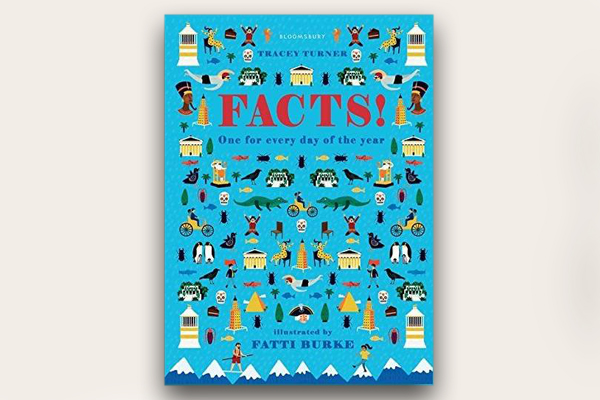
Ever wondered what a parrotfish does before it sleeps? Or what the Romans used to brush their teeth? Quench that thirst for knowledge with this fantastic book of facts, featuring magical illustrations by Irish children’s book illustrator Fatti Burke.

Buy the book

Have these beautiful children’s books inspired you? It’s never too late to learn. Find out more about kickstarting your creative career at Shillington! Become a designer in 3 months full-time or 9 months part-time in New York, London, Manchester, Sydney, Melbourne or Brisbane –> www.shillingtoneducation.com

https://www.shillingtoneducation.com/blog/best-childrens-books/


Stefan Sagmeister: The Power of Beauty

The One Club For Creativity welcomes the Austrian art director Stefan Sagmeister for a talk about the impact of beauty in our lives in conjunction with the release of his new book, Sagmeister & Walsh: Beauty. He will present case studies from philosophy, art, history, graphic design, and psychology to examine why we are drawn to beauty and how it influences the way we feel and behave. You will also be able to purchase the book in advance or at the event!

Get your ticket

The post Stefan Sagmeister: The Power of Beauty appeared first on Shillington Design Blog.

https://www.shillingtoneducation.com/blog/stefan-sagmeister-the-power-of-beauty/


Interview with Maude Paquette-Boulva, Graphic Designer at 214

Maude Paquette-Boulva is a Brooklyn-based French Canadian designer from Montréal currently working at the brand strategy and creative studio, 214. Her work has a minimalist aesthetic using natural colour palettes and beautiful photography which she shares with us in this interview. She is passionate about book design, typography, and her newfound hobby making pottery. 

Read on for Maude’s advice to creatives interested in working at an agency, the process behind her design work, and some of her favourite places in and around New York. 

You studied design at Collège Ahuntsic as well as Université du Québec in Montréal. At what moment did you realize being a designer was the career path for you?

I never had an aha-moment in which I realized with certainty I wanted to be a designer. It was a realization that grew over time, as I learned more about the profession. I enrolled in design school because I fell in love with the visual aspect of it before anything else.

Moving to Montréal had a great impact because that’s when I started seeing more design on a daily basis. I come from a quaint little country town that isn’t at all design-oriented, so moving to the city just made everything more tangible. I still remember collecting each printed sample of interesting design I could find! I kept my collection for years but gave it away when I moved to New York.

My first 3 years in design school at Collège Ahuntsic were primarily focused on the technical aspect of the job, so I got really good with all the tools but was still very much focused on aesthetics. University is where I grew to understand the functional side, which is when everything came full circle. It made the work feel more purposeful and added the main layer I had been looking for.

Design encompasses so many elements that you can keep learning throughout your entire life. I want to keep deepening my understanding and help companies communicate their message to create a positive impact.

Were there any challenges that you experienced just starting out?

My first job was a bit challenging because I started as the sole in-house designer for a startup when I had no prior work experience. I had previous experience with small freelance design gigs and learned a lot from teachers while in school, but being thrown in a situation where I had to make the calls without a senior advisor was a bit scary at first.

The good part about this is you end up learning really fast, often from your own mistakes. “Failing forward” is something I enjoy because it’s more experiential than slowly climbing a safer ladder, but now that I’m at an agency, there are definitely aspects of learning with a safety net that I find enjoyable too.

Do you think having a mentor is important?

I think it can be, but I don’t see mentorship as I did when I was in school. I used to think of a mentor as someone who would show me everything they knew about design, and I was very focused on the professional side of it.

I’ve found that I appreciate mentors as people whose life and choices I generally admire.

It has less to do with specifics, and more with learning different ways to navigate challenges and plan for the future. That being said, I do think having a boss or teacher who can answer design questions is extremely useful, especially when you are starting out. Different people need different things, so the key takeaway is to ask for help when you need it.

You’ve been working as a designer for the creative agency 214 the past 3 years. What’s a typical day like working there?

Our agency has an amazing culture, so every day is filled with work and a lot of fun. We share two floors of a SoHo building with our parent and sisters companies, so even though our team is reasonably small, we have the office vibe of a much bigger agency.

A typical work day is from 9:30am to 6:30pm with a flexible lunch break, and tasks vary a lot based on where we are in a project. There’s a lot of individual “heads-down” work mixed with internal or client meetings. People sometimes work remotely, so we have online communication tools that allow us to stay in touch while optimizing our time.

When it comes to project structure, each new client is assigned a team based on employee availability. There’s a kickoff meeting for each project phase where everyone reviews timeline and deliverables together, after which we go our own way and collaborate where needed. Designers work with interns and manage their own projects, with occasional internal meetings with account managers and our chief creative officer. We also review each presentation deck before client meetings to add the final design touches. We have a pretty great process that allows for both support and autonomy.

What advice can you offer to a designer who wants to get a job at a creative agency?

Have a portfolio that showcases most of your skillset. As designers, we often have a preference for the type of work we like to do, be it print, web or illustration. That’s great when you are a freelancer and are trying to attract specific clients, where advertising what you are looking for makes the most sense.

Since agencies can only hire so many designers, they often look for someone with a broader spectrum of capabilities to make sure they can work on any type of project.

They don’t want to feel like they have to sacrifice good typography in order to get a great web designer, so make sure the main boxes are checked, even if it means mocking up an extra graphic that wasn’t in the original project.

It’s also great to have specific project descriptions where you explain what role and tasks you accomplished so there’s no ambiguity, as well as a little information on your thought process. These are all questions that can be answered during an interview, but having them readily available might be what gets you through the next round.

Talk to us about some of the branding and web design work you’ve done. And how do you approach a new project?

I like to do a lot of research. Because each new client comes with an entirely new realm of visual cues related to their category, I feel the need to create a tapestry of competitors in my head to really understand the market. Our agency focuses a lot on strategy, so the initial phase of each project is done in tandem with strategists where we create a strong foundation for the direction we’ll be taking. It’s also a good time to make sure we are aligned with the client’s needs so there are no surprises later on.

Our branding process is pretty standard. We tend to present an average of three options for each phase and offer three rounds of edits per phase. Like any design project, it works like a funnel where we’re constantly narrowing down the options to end up with a single solution. We build some brand guidelines as part of our scope of work, so by the time we have to create collateral pieces, the system pretty much defines itself.


One of my most recent projects was for a bedding brand called Threaded. After creating their new branding, the biggest component of the project was a fully custom e-commerce website. We started by discussing at length which functionalities our clients wanted and making sure everything was doable with our developer. Once everything was approved, we followed up with initial wireframes, which slowly evolved into designs. Because we were also creating all of the content, at times it was somewhat a cat and mouse game between design and copy, so both teams consulted each other often to make sure everyone’s needs were met.

When all designs had been approved by our clients, the files were sent to development for about a month. We had a content matrix to keep building the copy during that time, which everyone ultimately tag-teamed to input into the CMS (content management system) once we had access. Last but not least, we did about 2 weeks worth of QA (quality assurance) to fix all the bugs before launch.

Each project is different so there’s always a need to adapt, but it’s good to have a basic process to start from.

How do you juggle your freelance work with your day job?

I’m a bit of a workaholic! The beauty of juggling full-time and freelance is that the freelance comes as extra. It’s something I don’t have to do, but choose to, so these are often passion projects.

I try to keep my day job within normal working hours so my nights and weekends are free to do other things (which just happens to be more design work).

I work really hard because I love it, and I know I’m at a point where I still have a lot of energy to do that.

Are there any dream projects you would love to work on in the next few years?

I would really love to get back into book design. I haven’t worked on anything editorial this year and I miss it a lot. My dream would be to work for an art gallery or museum that also publishes books, like Dia or The Met. I’d like to get the opportunity to work on something high end, so having artists or art-enthusiasts as clients would be incredible.

How did you first get into book design and what inspires you most about it?

I got into food photography pretty soon after high school and followed many food bloggers as they published and shared their first book. I didn’t even cook, but I would order cookbooks and look at the page layouts and the photography. I was really into What Katie Ate, Kinfolk, Sunday Suppers, and many others. My all-time favourite book was Polpo, with its beautiful stitched binding. All of these books made me appreciate paper, printing, and all the physical aspects of publication design. That’s why I reached out to Trois fois par jour, the food blog that became my first job, cookbook and magazine.

There’s something very relaxing about organizing information. It’s such a puzzle and the problem changes every time as the content varies.

Some books are hard to lay out because there are so many short pieces of different information.

Others are hard to make interesting because they only have a single never-ending story. I like the challenge of creating a balance between form and function, where words need to look aesthetically pleasing and interesting at a quick glance, but also be displayed in a way that flows easily for long reading periods. I also love searching for the perfect typeface to match the subject and express the emotion it needs to convey. I’m very particular about typography, especially with punctuation rules and tiny spacing details! It brings me peace of mind when things are done correctly.

What are your top creative magazines and websites for design?

I pull inspiration from various places, rather inconsistently! For all type and branding matters, I’m a sucker for Pinterest and Instagram. I have well-trained algorithms and I use these platforms as work tools rather than to follow friends. (I keep up with my loved ones in other ways!) I also like Behance because I follow a lot of agencies I love and get to view their work in one location instead of visiting each individual website. For web inspiration, I like Muzli or SiteInspire. I’m not the best with keeping up with podcasts and blogs, but we do have an office Slack channel for design inspiration that I really enjoy. It allows us to share our findings and discuss them with our creative team.

What are your favourite things about living in New York as a designer compared to Montréal?

The styles of the cities are very different. Montréal has a somewhat defined aesthetic and everything feels very curated and consistent. New York City is extremely vibrant and a beautiful mess. Being here is incredible because you get to see campaigns on the street instead of trying to keep up with pictures online.

Everyone is so creative and anything goes.

Nothing can shock New Yorkers, so there’s a stronger will to be eccentric just to make people notice anything. It makes for stronger messaging because the competition is everywhere, so creatives hustle and are constantly pushing themselves.

Tell us about your top places to visit in New York.

New York City has such amazing architecture. I’m a big fan of walking, so I like to go on touristy day trips in random neighborhoods. My best route is taking the ferry from Greenpoint down to Dumbo, climb up the hill to the Brooklyn Heights Promenade to look at the beautiful houses, and then head to Cobble Hill and Caroll Gardens for a nice walk.

I also like to go read at the Greenwood cemetery or around Prospect Park. In Manhattan, the East and West Village are my favourite neighborhoods to trek through during my morning walk from the L train to work. If I’m going to a museum, The Met is a safe choice. I recently visited The Met Cloisters at Fort Tryon and absolutely loved it! Lastly, my favourite Greenpoint work spot is A/D/O, which has the best space and food. Close to my apartment, I love Bakeri, Ovenly, Maman, Early, 21 Greenpoint and Paulie Gees. There are honestly so many amazing spots that the list could go on.

What keeps you busy outside of your day job?

I started making pottery last year and really enjoyed it. I had to stop because it was getting hard with my work schedule, but I plan to start again very soon. I also like to leave the city on the weekend whenever possible, even for a day trip Upstate. I highly recommend the Dia: Beacon Museum. I’ve gone back to Montréal a few times over the summer, and also have friends from Canada who come to visit, so I enjoy being a tour guide and showing my guests the lesser-known spots. Otherwise, I enjoy a quick drink or bite with friends after work. I like to keep my schedule clear to encourage unpredictability. Something always pops up!

Based on your experience working as a creative, give us your top tips for a designer just starting out.

Stand for something. Make a positive impact when you can.

  1. Try many things. Give yourself a chance to appreciate them, and move on if you don’t.
  2. Ask for what you want. Don’t be greedy, but know your worth.
  3. Work hard. Focus on your goals and do what it takes to reach them.
  4. Don’t put too much pressure on yourself. You have time to do great things.

Huge thanks to Maude for sharing her story and insights! Be sure to check out her website and follow her on Instagram.

Do you love book design and editorial design? Check out 18 Inspiring Book Covers Created by Shillington Students. If you’d love to create work like that, discover more about studying graphic design 3 months full-time or 9 months part-time at Shillington in New York, London, Manchester, Sydney, Melbourne or Brisbane –>shillingtoneducation.com

The post Interview with Maude Paquette-Boulva, Graphic Designer at 214 appeared first on Shillington Design Blog.

https://www.shillingtoneducation.com/blog/interview-with-maude-paquette-boulva/