If I had a hammer… it might actually be a rhino tooth

One way archaeologists learn how ancient people, including Neanderthals, did things is to attempt to do those things themselves, a process called experimental archaeology. Normally, that involves making stone tools, butchering deer, or distilling birch tar. But in a new study, it meant doing very destructive things to teeth from one of the world’s most carefully protected animals.

That’s because the archeologists suspected that Neanderthals once used rhino teeth as tools. By using the teeth to make stone tools, the researchers demonstrated that Neanderthals probably did the same thing, adding to what we know about the wide range of items in their toolkits.

We need to hit some rhino teeth with rocks for science

Some Neanderthal archaeological sites in Europe and Asia seem to have many more rhinoceros teeth lying around than you’d expect. We know Neanderthals hunted a now-extinct species of rhinoceros in Europe and eastern Asia, but the people who had inhabited these sites looked like they had been collecting rhino teeth for some reason.

Depending on the species, a rhinoceros has more than 260 bones but only 24 to 34 teeth. Yet at the 300,000-130,000-year-old cave site of Panxian Dadong in southern China, 74 percent of the rhino remains are teeth, not bones. And teeth make up 91 percent of the rhino fossils at Payre, a rock shelter in southeast France.

Many of those teeth had markings that looked suspiciously like what you’d get from using a piece of bone as a hammer: groupings of shallow pits and overlapping cracks, “produced by the accumulation of blows in the same zone.” There are also thin, shallow scratches from hitting the jagged edge of a stone tool.

To explore whether the markings really were the product of human tool-making and use, though, University of Aberdeen archaeologist Alicia Sanz-Royo and her colleagues needed something to compare them to. Which meant they needed to try their own bone-knapping on actual rhino teeth. But since rhinos are at best a threatened species and trade in rhino parts is heavily regulated under international law, getting those teeth was not easy.

https://arstechnica.com/science/2026/06/experiments-reveal-that-neanderthals-used-rhino-teeth-as-hammers/



Feds failing in bid to take a supercomputer from a climate research center

By early March, a government program director was telling UCAR that he needed to “get this done quickly” and that documentation of the supercomputing center needed to be handed over “yesterday.” Even now, months after the deadline for public feedback on the decision, the government admits it hasn’t fully evaluated the comments it received. “The sequence of events strongly suggests that the outcome was predetermined,” the decision notes.

For all of those reasons, he concluded that the NSF had already reached a final decision on the transfer of the supercomputing center, and that decision was subject to review under the Administrative Procedures Act, which is what the rest of the case hinged on.

Blocked

As in so many other cases that have made their way into the courts, the government does not seem to have been prepared to offer much of a defense of its actions. The Administrative Procedures Act prohibits actions that are “arbitrary and capricious,” and Jackson found that there was a “failure to articulate any rationale” for the decision to relieve UCAR of its management role.

He noted that some internal documents introduced as evidence indicated that there was dissatisfaction with NCAR’s pursuit of climate research and hosting of scientific programs intended to improve minority participation. But the government chose not to use those as arguments, so the court didn’t need to evaluate them. UCAR, in contrast, introduced significant evidence that the decision to harm NCAR was part of a range of measures meant to pressure Colorado’s Democratic governor about an unrelated matter.

Given that, the court concluded that forcing UCAR to give up its supercomputing center was arbitrary and capricious, and thus violated the Administrative Procedures Act.

UCAR was also able to demonstrate that it was suffering irreparable harm due to the uncertainty about its future. It has experienced unusually high levels of attrition among its staff, who have a rare set of technical skills and require additional training after hiring. And it expects it will be difficult to find replacements for them.

Given those circumstances, Jackson has issued an injunction blocking the government from forcing NCAR or UCAR to give up any resources related to the supercomputing center.

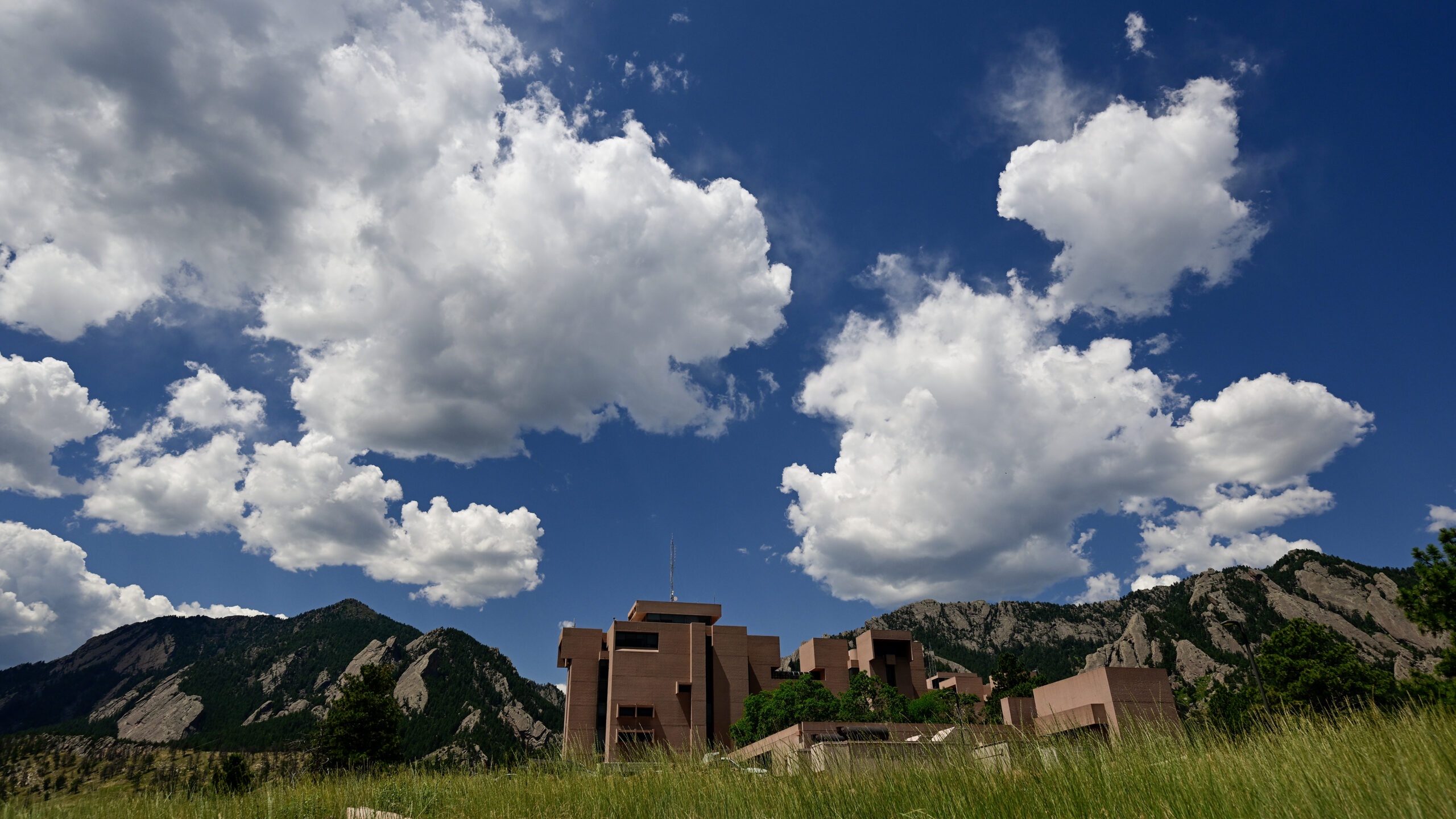
There are still additional threats to NCAR, including breaking it up, transferring other resources, and even selling its Boulder headquarters. So, this victory is far from the end of the threats. But the legal issues that decided the case are likely to apply to the additional threats, unless the government has a defense that it simply chose not to present here.

https://arstechnica.com/science/2026/06/judge-blocks-part-of-trump-admins-effort-to-hurt-colorado-research-center/


Why cats prefer silver vine to catnip and other May highlights

They also conducted experiments that tracked people’s eye movements and recorded their brain activity as they viewed sets of images—both in the lab and in a gallery. There was more stable integrative brain processing when people looked at real art versus pseudo-art, and the eye movements mapped neatly onto the previously identified topological features, suggesting a link between topologically derived image features, eye movement, and aesthetic experience.

PLoS Computational Biology, 2026. DOI: 10.1371/journal.pcbi.1014156.

Political polarization is a phase transition

Schematic illustration of the model of voters influenced by homophily and election campaign.

Credit: Complexity Science Hub (CSH)

Credit: Complexity Science Hub (CSH)

It’s usually assumed that the candidate who spends the most has an electoral advantage, but physics suggests the reality is more complex. Scientists at the Complexity Science Hub (CSH) have found that political polarization behaves like a phase transition, according to a paper published in Physical Review Letters, marked by a critical campaign spending threshold. Below that threshold, social dynamics shape the outcome; exceeding that threshold deepens polarization without significantly increasing the margin of victory.

The CSH team used a statistical physics model to examine bipartisan elections, specifically 6,357 House races (with just two main candidates) spanning 435 congressional districts and 21 election cycles (1980 to 2020). They found that the tipping point is $1.8 million at the district level. (Senate and presidential campaigns have higher absolute spending.) When both parties spend less than that, community interactions shape the outcome. If just one party spends more than that, the campaign gains a decisive edge, drowning out the influence of community interactions. But if both campaigns exceed the threshold, both social influence and high spending become negligible.

Spending more and more doesn’t change the outcome, which usually falls into the 50:50 range. But it does significantly increase polarization. The authors found that the incumbency advantage is also very real, at least in the intermediate spending range. Any challenger must spend about $140,000 to unseat an incumbent, even if said incumbent spends nothing, given the baseline advantage. The scientists hope to extend their analysis to multi-party systems in European democracies to learn more about these dynamics.

https://arstechnica.com/science/2026/06/research-roundup-7-cool-science-stories-we-almost-missed-4/


They call it stupid hot for a reason: Heat muddles animal brains

For animals such as fish and insects that can’t control their body temperature, heat waves could be particularly detrimental. “Changes in air temperature will affect brain temperature,” says Baird. A hotter brain could hinder the functioning of nerves, and that, she says, “might affect sensing, memory, and learning.”

Cross section shows band of cells in the mouse hippocampus.

Cross section shows band of cells in the mouse hippocampus.

Credit: RAUNAK BASU / UNIVERSITY OF UTAH, SALT LAKE CITY

Cross section shows band of cells in the mouse hippocampus. Credit: RAUNAK BASU / UNIVERSITY OF UTAH, SALT LAKE CITY

When Baird and colleagues tried to teach bumblebees to associate sweet sucrose with the color blue and bitter quinine with yellow, most of the bumblebees learned the trick at 77°, but fewer than half managed to do so at 90°. Such impaired cognition could spell trouble in the field: If the insects forget which flowers they should pollinate (in the case of bumblebees, these include tomatoes and blueberries) or how to get back home with nectar, not only will the pollinators suffer, but human agriculture too, Baird says.

Heat appears to dangerously diminish animal vigilance as well. In Ridley’s recent experiments, once mercury in the Kalahari Desert reached 96° F, pied babblers lost their ability to properly respond to predators. In their studies, researchers lured birds toward a mystery shape covered in a sandy-colored blanket, using worms as bait. Once a babbler approached, the scientists would reveal what was hidden underneath: either a taxidermied cat-like carnivore called a genet, or a similarly sized and colored wooden box. The birds got scared of the genet in cooler temperatures—they’d call out, scan their surroundings, or simply flee. But once it got hot, they behaved similarly whether they were facing the carnivore or the box. Ridley suggests that this could translate into higher chances of fatal predator attacks as heat rises, which could harm populations of babblers and other prey species.

These studies are not just abstractions. In the Kalahari, where southern pied babblers use their wits to search for worms, temperatures are rising twice as fast as the global average. In tropical rivers, where male guppies seek mates, heat waves are growing longer and more intense. It’s the same story across much of the planet—temperatures climb, and animal thinking becomes strained, potentially putting species at risk. The effects may be magnified in certain areas such as cities, which often exhibit even warmer temperatures than non-urban areas. If anything, Ridley says, “We are probably underestimating the impacts of increased heat on animal minds.”

This story originally appeared on Knowable Magazine. 

https://arstechnica.com/science/2026/05/they-call-it-stupid-hot-for-a-reason-heat-muddles-animal-brains/


Grifters, cynics, and true believers: The family tree of vaccine opponents

Stanley Plotkin, 93, was instrumental in developing a number of vaccines over the course of his career. He recently said that he’s “beginning to regret having lived so long—because we’re going downhill.” How could we possibly have gotten here?

Maybe we’ve always been here. It turns out that the anti-vaccine arguments currently flooding the Internet have been around for as long as vaccines have. In his new book A Pox on Fools, Thomas Levenson breaks them down into three categories, as made clear in the book’s subtitle: “The True Believers, Grifters, and Cynics Who Convinced Us to Reject Vaccines.” The accusations these people levy against vaccines can just as easily be used to categorize the arguments themselves: They are wrong, they are bad, and they are intolerable.

Wrong

As Levenson tells it, in the early 18th century, a couple of forward-thinking Westerners learned about inoculations against smallpox from Ottoman women and an enslaved African. At that point, infectious disease was by far the leading cause of death, as it had been forever. In the 19th century, roughly 40 percent of babies died of infection before they turned 5.

(This is why the average lifespan back then was so low. It wasn’t that people didn’t live past their 30s; if they survived childhood, they largely did. It’s just that so, so many small children died that they dragged the average way down.)

When smallpox epidemics broke out in London and Boston in 1721, Lady Mary Wortley Montagu and Cotton Mather initiated inoculation campaigns in their respective cities. Inoculation involved taking pus from a pock of someone with a not-very-severe case of smallpox, making a cut in the arm of the person to be inoculated, and rubbing the pus into the cut.

There was an immediate backlash. It was morally wrong, some claimed, to interfere with the divine ordination of who would sicken and die and who would not. Only God had that ability, and to thwart it was to defy God’s will. It was hubris and blasphemy. Levenson highlights how the subtext of this attitude was that contracting a highly infectious disease was divine punishment for sin and that the only way to avoid disease was to live a virtuous life.

https://arstechnica.com/science/2026/05/grifters-cynics-and-true-believers-the-family-tree-of-vaccine-opponents/


Proposed new US funding rules: We can cancel any grant at any time

Grants meet the culture war

The document makes clear what sorts of things might be considered administration priorities and national interest—and they’re largely a war on woke. For example, the Trump administration canceled PEPFAR, a program meant to limit the spread of HIV in Africa; it’s a step that is estimated to lead to hundreds of thousands of deaths. But to the OMB, that’s a good thing, because the alternative was woke: “Far-left activists hijacked the critical work done by the US President’s Emergency Plan for AIDS Relief (PEPFAR), which was established to respond to the AIDS crisis in Africa. Due to wasteful spending, PEPFAR became a left-wing foreign aid entitlement that attempted to promote abortion and gender ideology.”

(Its cited source for that is an editorial from the Heritage Foundation, a far-right-wing think tank.)

While it demands “viewpoint neutral” behavior from everyone receiving money, it has no issues with engaging in viewpoint discrimination itself. For example, it outright bans any funding for “theories of disparate-impact liability,” the idea that apparently race-neutral rules might have impacts that differ based on the race of the people involved. Also banned: any attempts to compensate for the historic discrimination that has kept women and minorities from having equal opportunities in society. That’s considered DEI, and thus forbidden.

Also out: funding for what it terms “gender ideology,” which it defines as an effort to “deny the biological reality of sex or the sex binary in humans.” Apparently, studying human chromosomal disorders, which can result in unusual combinations of X and Y chromosomes, is no longer welcome in the US. “Ending government-sponsored promotion of divisive gender ideology is critical to scientific inquiry, public safety, and trust in government,” the OMB asserts, based on no evidence whatsoever.

There’s also a political litmus test for funding that harkens back to the McCarthy era, when those with “un-American” ideas were ostracized. “OMB proposes a new provision that agencies may consider an applicant’s affiliations with organizations engaged in activities that violate Federal law, undermine public safety or national security, or advocate for the overthrow of the United States Government,” the document notes.

https://arstechnica.com/science/2026/05/the-office-of-management-and-budget-tries-again-to-cripple-us-science/


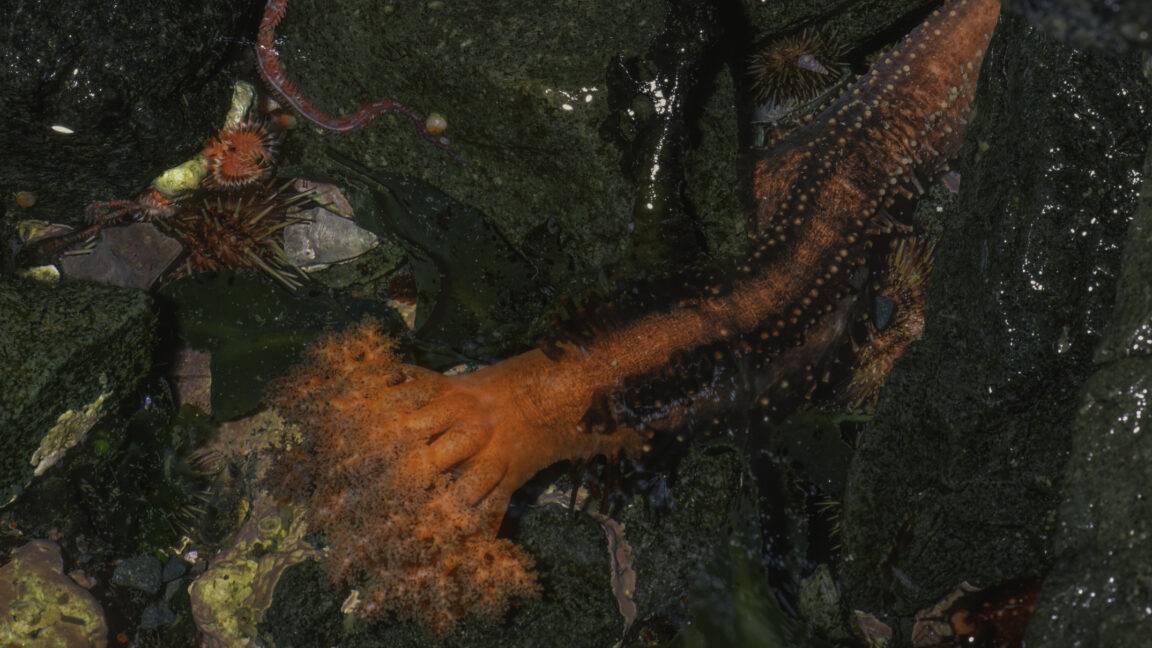
Severed sea cucumber appendages don’t seem to die

The team also found that the immortality of severed tissues is, to the best of our knowledge, unique to P. fabricii. The researchers conducted comparative experiments on explanted tissues from related sea cucumber species, and none showed equivalent tissue survival.

Zombie cucumbers

Back in 1951, doctors at Johns Hopkins Hospital in Baltimore took a sample of a malignant cervical tumor from Henrietta Lacks, a 31-year-old mother of five. When they cultured these cells later, they noticed that they doubled every 24 hours in a seemingly never-ending cycle. The HeLa cells, named after the patient, were the first instance of cell immortality ever discovered in humans. “This revolutionized cell biology and a lot of medical research,” Jobson says.

HeLa, though, was just a single cell type. LiPfe offers a new experimental model that enables scientists to work with a structured piece of animal tissue that maintains its own immune activity, cell cycling, and nutrient intake, without ethical concerns that come with experimenting on live animals. “On the evolutionary tree, sea cucumbers are relatively close to mammals, and they have been previously noted as having potential for interdisciplinary research,” Jobson said.

The authors of the study also point out that finding naturally immortal complex tissues challenges our conventional perceptions of what being alive really means. “The question we get a lot is ‘are these tissues actually alive?’ and this is where it becomes kind of philosophical—we lovingly call them zombies,” Jobson said.

LiPfe explants are not dead because their tissue is not decaying or degrading, and it does absorb nutrients. On the other hand, LiPfe orbs don’t reproduce, and reproduction is one of the fundamental characteristics of life. “They’re not growing into a new sea cucumber but restructuring into a form that best suits them in their current state,” Jobson said. “So, they seem to be functioning as a whole new entity.”

Before resolving philosophical dilemmas about LiPfe, the team wants to understand the basics first. The first question is how tissue immortality in P. fabricii actually works. “Is there anything unique, rare, weird that we haven’t seen in other sea cucumbers that makes them able to do this?” Jobson wondered. The second question is why it’s there in the first place—whether there is an evolutionary role of this ability or if it’s just a byproduct of really high regenerative capacity.

Finally, we still don’t know how long P. fabricii with their immortal tissues actually live. “That’s a great question,” Jobson said. “Unfortunately, there are very few tools that work for aging sea cucumbers.”

Science Advances, 2026.  DOI: 10.1126/sciadv.aeb1394

https://arstechnica.com/science/2026/05/severed-sea-cucumber-appendages-dont-seem-to-die/


Do you take after your dad’s RNA?

Until recently, however, most evidence linking small sperm RNAs to environmental challenges and subsequent effects in offspring has been correlational. Attempts to pin down causality—by injecting RNAs directly into embryos—have often used far higher RNA concentrations than typically found in sperm. In fact, there was no proof that the RNA fragments even make it inside the egg.

But though puzzles remain, recent studies show that not only are paternal RNA fragments transferred to a fertilized egg, but also that they are capable of inducing changes in the offspring at the doses found in sperm.

Epigenetic effects

Researchers first noticed the intergenerational effects of paternal lifestyle back in the 1960s, but it was decades before they started experimental investigations using animal models. Today, those studying the phenomenon are sure the effects exist but aren’t certain how they are transmitted. The end result, they believe, is adjustments to the activity of genes—a phenomenon known as epigenetics.

Such adjustments occur during normal development as tissues and organs adopt their different identities, which require certain genes to be active or to be turned off. Epigenetic changes also occur throughout our lives, due to factors including exposures to certain chemicals, and activities such as smoking—and, maybe, exercise, stress, fatty diets, and more. Such changes can occur in myriad body cells, including those that give rise to sperm.

As evidence mounted that sperm somehow transmit environmental information to a male’s children, researchers started probing the epigenetic mechanisms that might be responsible. Several possibilities exist: methyl groups that turn down gene activity when they accumulate on genes, and acetyl groups that attach to the protein spools called histones, around which the DNA wraps. These tend to ramp up activity of nearby genes.

https://arstechnica.com/science/2026/05/do-you-take-after-your-dads-rna/


Huge landslide created a 500-meter-high tsunami in a major tourist area

The impact of 63.5 million cubic meters of rock hitting the fjord released forces large enough to be registered globally. The seismic waves that cascaded across the planet were recorded by sensor stations worldwide and were equivalent in energy to a magnitude 5.4 earthquake. The sloshing water within the fjord established a 66-second long-period seiche, a standing wave, that reverberated back and forth for 36 hours.

“It could easily turn into a catastrophic disaster,” Fathian says. It could, because Tracy Arm is a highly frequented tourist destination.

A close call

During the summer, more than 20 boats navigate the Tracy and Endicott arms every day, including up to six large cruise ships. Had the landslide occurred a few hours later, in the middle of the tourist day, the outcome could have been tragic. But even at 5:26 in the morning, the tsunami was enough to terrify the few people present in the vicinity.

About 55 kilometers away on Harbor Island, a group of kayakers saw the water flowing past their tents 20 minutes after the landslide. The surging tide took away some of their gear and one of the kayaks. Nearby in No Name Bay, observers on a motor vessel reported a 2-2.5-meter cresting wave coming along the beach from the direction of Tracy Arm, followed by a secondary 1-meter wave.

Farther away, 85 kilometers from the source, the crew of the small cruise boat anchored in Fords Terror saw a surge of water pouring over a nearby sandbar; it then physically lifted their vessel three meters despite a falling tide. The surge, they reported, lasted until 11 am, only to leave their small skiff stranded on dry land a few minutes later as the water receded.

At the mouth of the fjord, a National Geographic Venture cruise ship carrying around 150 people was anchored in dense fog. The captain noted currents, white water, and a significant amount of ice and debris near the edges of the fjord. Because the jagged, shallow seabed near the fjord’s mouth acted like a speed bump that sapped the wave’s energy, people onboard the cruise ship came out of the event unscathed. “It was a miraculous kind of luck we had that nobody got hurt,” Fathian claims.

https://arstechnica.com/science/2026/05/how-a-melting-glacier-led-to-a-500-meter-high-tsunami/


Manufacturing qubits that can move

Like any other manufactured chip, the wiring that connects the quantum dots is locked into place during the chip’s manufacture. Since different error correction schemes require different connections among the qubits, this forces us to commit to specific error-correction schemes during manufacturing. If a better scheme is developed after a chip is made, it’s probably not possible to switch to it. Less complex algorithms may benefit from simpler error-correction schemes that require less overhead, but we wouldn’t be able to switch schemes with these chips.

So, quantum dots appear to typify the trade-offs that we’re facing with quantum computing: it’s easier for us to make lots of quantum dots and all the hardware needed to manipulate them, but it’s seemingly not possible for them to benefit from the flexibility that other types of qubits have.

The whole point of this new paper is to show that this isn’t necessarily true.

Moveable dots

The new work was done in collaboration between researchers at Delft University of Technology and the startup QuTech. The team built a chip that had a linear array of quantum dots, and they started out with single electron spins at each end. Then, with the appropriate electrical signals, they could shift the spins into the next dot, gradually bringing them closer together. (And, by gradually, we mean a fraction of a second here, but relatively slowly compared to basic switching in electronics.)

Once the electrons were close enough, the spin wavefunctions overlapped, allowing the researchers to perform two-qubit gates on them. These manipulations can be used to entangle the two spins and are thus needed to build error-corrected logical qubits; these gates are also needed for performing calculations.

The researchers then confirmed that they could move the electrons back to their starting positions, after which measurements confirmed that their spins were entangled. And since quantum teleportation also requires a two-qubit gate, they showed that the process could be used for teleportation. Teleportation can enhance the sort of mobility provided by moving the qubits around, since it can be used to move states around after the qubits have been widely separated.

https://arstechnica.com/science/2026/05/manufacturing-qubits-that-can-move/