Perseverance’s radar revealed ancient subsurface river delta on Mars

When NASA’s Perseverance rover landed in Jezero Crater in 2021, its primary mission was to scour the remnants of a dried-up Martian lakebed for signs of ancient life. Scientists have been focused on the crater’s spectacular Western Delta, a fan-shaped geologic feature deposited by a river flowing into the basin billions of years ago. But now Perseverance’s ground-penetrating radar (called RIMFAX) detected what is likely another, even older river delta buried tens of meters beneath it.

“I think it’s a promising place to look for signs of biosignatures at depth,” says Emily L. Cardarelli. “Microbial life could have potentially developed in those types of environments.” Cardarelli, an astrobiologist at the University of California Los Angeles, led the team interpreting RIMFAX imagery.

Peeking underground

Perseverance’s RIMFAX, the Radar Imager for Mars Subsurface Experiment, continuously fires radar waves into the ground, acquiring soundings each time the rover traveled 10 centimeters. When these radio waves hit boundaries between different types of rock, ice, or sediment layers, some of the signal bounces back. The timing and intensity of these reflections allow scientists to construct a two-dimensional, vertical slice of the subsurface, much like a sonogram of the Martian crust.

During a campaign spanning from September 2023 to February 2024, or over 250 Martian sols, Perseverance drove across a geological zone known as the Margin unit. The Margin unit is an expansive deposit flanking the inner rim of Jezero’s inlet valley, occupying the space between the western fan deposits and the crater rim. It is rich in magnesium carbonates, which was one of the main reasons Jezero Crater has been chosen as the Perseverance’s landing site: on Earth, carbonates are exceptionally good at preserving the chemical fingerprint of life. “You can think of the Cliffs of Dover, for example, that are all carbonate—they have tons of fossils in them,” Cardarelli says.

https://arstechnica.com/science/2026/03/perseverances-radar-revealed-ancient-subsurface-river-delta-on-mars/


NASA wants to know how the launch industry’s chic new rocket fuel explodes

For more than 60 years, nearly every large rocket used some combination of the same liquid and solid propellants. Refined kerosene was favored for its easy handling and non-toxicity, hydrazine for its storability and simplicity, hydrogen for its efficiency, and solid fuels for their long shelf life and rapid launch capability.

About 15 years ago, rocket companies started serious development of large methane-fueled engines. SpaceX and Blue Origin now build the most powerful of these new engines—the Raptor and BE-4—each capable of generating more than half a million pounds of thrust. SpaceX’s Starship rocket and its enormous booster are powered by 39 Raptors, while Blue Origin’s New Glenn and United Launch Alliance’s Vulcan rockets use a smaller number of BE-4s on their booster stages.

Burning methane in combination with liquid oxygen, these “methalox” engines have several advantages. Methane is better suited for reusable engines because they leave less behind sooty residue than kerosene, which SpaceX uses on the Falcon 9 rocket. Methane is easier to handle than liquid hydrogen, which is prone to leaks and must be stored at staggeringly cold temperatures of around minus 423 degrees Fahrenheit (minus 253 degrees Celsius). Methane is also a cryogenic liquid, but it has a warmer temperature closer to that of liquid oxygen, between minus 260 and minus 297 degrees Fahrenheit (minus 162 to minus 183 degrees Celsius).

A Chinese rocket became the first methane-fueled launcher to reach orbit in 2023. In the United States, Rocket Lab, Stoke Space, and Relativity Space are also developing methane-fueled engines for their next-generation launch vehicles.

But rockets sometimes blow up. The US Space Force and NASA, the agencies responsible for range safety at America’s federally owned spaceports, want to better understand how the hazards from an exploding methalox rocket might differ from those of other launchers. This is important as launches become more routine, with companies foreseeing multiple flights per day from launch pads that are, in some cases, just 1 or 2 miles apart.

“We just don’t have the analysis on those to be able to say, ‘Hey, from a testing perspective, how small can we reduce the BDA and be safe?’” said Col. Brian Chatman, commander of the Eastern Range at Cape Canaveral Space Force Station in Florida, at a roundtable with reporters last year.

SpaceX’s 11th Starship flight climbs away from Starbase, Texas, in October 2025.

Credit: SpaceX

SpaceX’s 11th Starship flight climbs away from Starbase, Texas, in October 2025. Credit: SpaceX

A fine idea

Launch pads for methalox rockets are now operational or under construction on government property at Kennedy Space Center and Cape Canaveral Space Force Station in Florida, Vandenberg Space Force Base in California, and NASA’s Wallops Flight Facility in Virginia. SpaceX currently launches Starship test flights from South Texas on private property. The Federal Aviation Administration has jurisdiction for public safety there.

https://arstechnica.com/space/2026/03/nasa-is-blowing-stuff-up-to-study-the-explosive-potential-of-methalox-rockets/


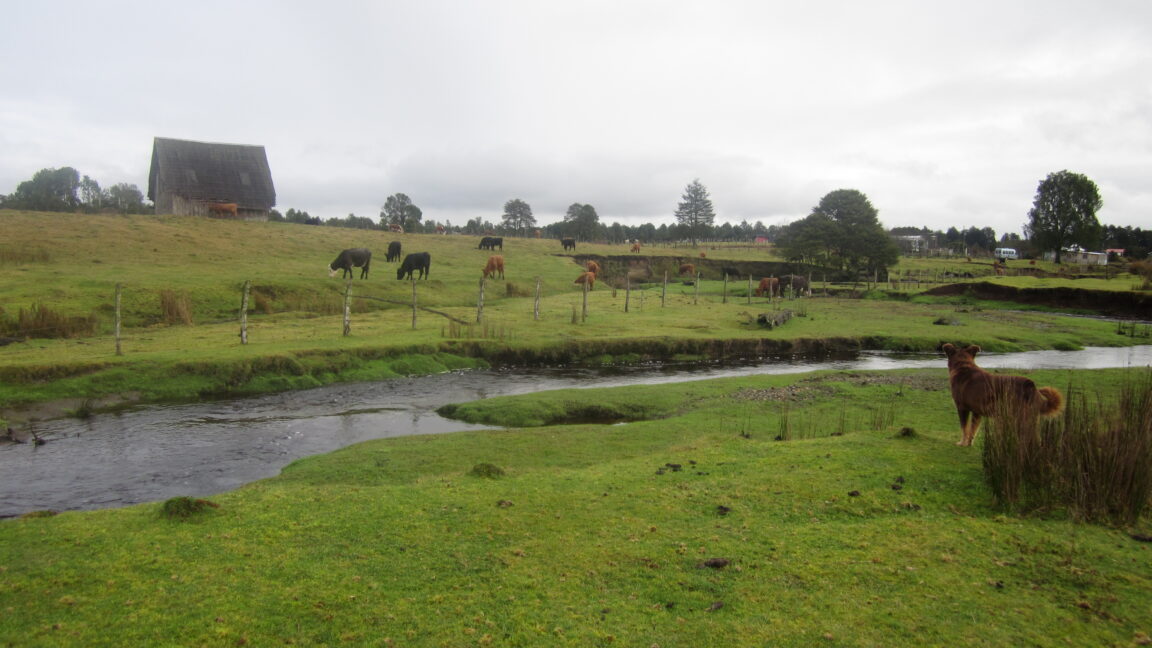
Monte Verde site gets a new date, but the big picture doesn’t change

It took nearly a decade for most archaeologists to come around to the idea, but Monte Verde rewrote the story we thought we knew about how (and when) people first moved into, and spread throughout, the Americas. For once in the history of science, that statement isn’t just a headline-grabbing exaggeration—it was really that big a deal.

However, Surovell and his colleagues recently re-evaluated those dates and realized the site can’t be more than 8,000 years old. So what does that mean for the story it had helped re-write? Surprisingly little, it turns out.

Digging into the details

Surovell and his colleagues didn’t challenge the accuracy of the original radiocarbon dates. The bits of organic matter in the layer of sediment at the site are, they agree, around 14,500 years old. Instead, Surovell and his colleagues questioned whether that sediment layer actually covered the site 14,500 years ago or if it washed in later from a part of the riverbank laid down much earlier. In general, newer layers of sediment stack on top of older ones, but real-world geology is often messier than that, and that seems to be what happened at Monte Verde.

The archaeologists mapped the layers of sediment around the site: layers of sand and gravel left behind by glaciers 26,000 years ago, wood-laden silt from peaty marshes 15,000 to 13,000 years ago, a layer of volcanic debris that blanketed the whole region 11,000 years ago. And through it all, the channel cut by what’s now Chinchihuapi Creek, which carved its way through the volcanic layer and into the buried marshes beneath sometime between 11,700 and 7,600 years ago.

And that’s the complicated part, because the creek left older layers of sediment exposed on the hillsides along its banks. When it flooded, it scooped out some of that older sediment and deposited it on the floodplain, forming the ground where a group of around 20 or 30 ancient Chileans would eventually set up camp.

https://arstechnica.com/science/2026/03/an-early-indigenous-site-may-not-be-early-but-it-doesnt-really-matter/


The US is looking at a year of chaotic weather

Despite being declared the third-hottest year on record, 2025 was a relatively quiet year for climate disasters in the US. No major hurricanes made landfall, while the total number of acres burned in wildfires last year—a way of measuring the intensity of wildfire season—fell below the 10-year average.

But starting this week, the West is experiencing what looks to be a record-breaking heat wave, while forecasting models predict that a strong El Niño event is likely to emerge later this year. These two unrelated phenomena could set the stage for a long stretch of unpredictable and extreme weather reaching into next year, compounding the effects of a climate that’s getting hotter and hotter thanks to human activity.

First, there’s the heat. Beginning this week and heading into next, a massive ridge of high-pressure air will bring record-breaking temperatures to the American West. The National Weather Service predicts that temperature records across multiple states are set to be broken in dozens of locations, stretching as far east as Missouri and Tennessee. The NWS has issued heat warnings for parts of California, Arizona, and Nevada, as well as fire warnings for parts of Wyoming, Nebraska, South Dakota, and Colorado.

“This will be the single strongest ridge we’ve observed outside of summer in any month,” says Daniel Swain, a climate scientist at the University of California Agriculture and Natural Resources.

The other remarkable thing about this heat wave, Swain says, is just how long it’s going to last. “This is not a day or two of extreme heat,” he says. “We’ve already in some of these places been seeing record highs every day for a week, and we expect to see them every day for another at least seven to 10 days.” The later end of March will be much more intense, with temperatures in some places breaking April and May records. “There aren’t that many weather patterns that can result in an 85- or 90-degree temperature in San Francisco, Salt Lake City, and Denver in the same week.”

https://arstechnica.com/science/2026/03/the-us-is-looking-at-a-year-of-chaotic-weather/


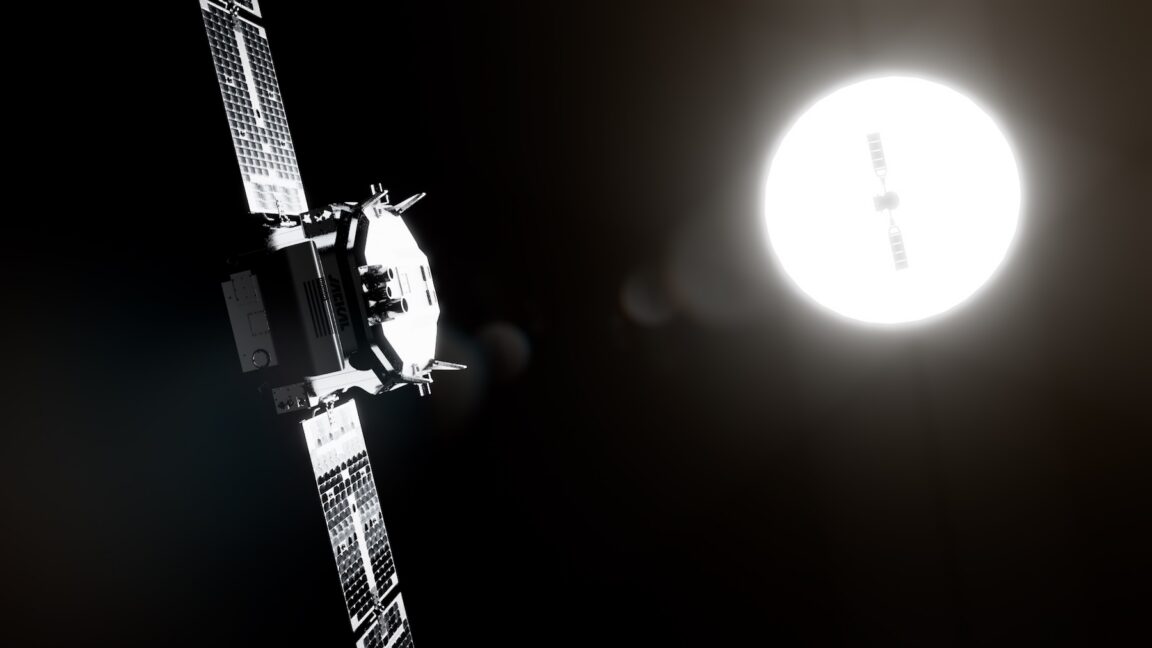
Dogfighting in space won’t look like the movies, but this company wants in on it

There was no commercial application for the P-51. The P-51 was there to be a fighter escort and sweep asset for air superiority missions. As operational concepts mature for space superiority, those operational concepts will drive a performance envelope for warfare that will be mutually exclusive of commercial applications. Not in all cases. There are spinoffs that can happen, to be clear, but we’re focused on getting the war-fighting technologies right, and we believe the market will support this thesis.

Ars: This is an interesting topic, the idea of developing doctrine and learning how to use new technologies in warfare. I read the first munition was dropped from an airplane in 1911, before World War I. It’s interesting to trace where the space domain is in that arc and compare it to how humans learned how to fight in the air.

Rogers: That’s what I spend most of my time thinking about. How are we going to use space systems for warfare in the future? We have all the applications for intelligence and missile warning and communications, but we’re just starting to think about space warfare, offense, and defense.

By the way, those decompose into different missions on the basis of the specific tactical tasks that need to be accomplished… That means that there are going to be, just like in every other domain, platforms that are purpose-built, that really only have a [military] function. There’s no other function for a guided bomb unit, a GBU, other than for warfare. The B-2 has no commercial application. Lockheed Martin doesn’t sell F-35 to United Airlines, right? That’s because the mission drives the design, so I’m just basically vehemently agreeing with you.

Ars: Is True Anomaly building sensors, weapons, or things for on-ship awareness? Or just the spacecraft bus?

Rogers: We are absolutely designing and building payloads. We hope to announce a few early payloads this year, but we really see ourselves as a full-stack mission solution provider across a wide variety of space superiority missions. We’re going to build a wide variety of sensors for different mission applications: optical sensors, active sensors, lidars, radars, you name it. We’ll leverage our existing supply base where we can, but for most missions, we’re going to provide the full stack of capability, payload, spacecraft, software, and then ops and sustainment, and tactics development and training as well.

https://arstechnica.com/space/2026/03/dogfighting-in-space-this-company-builds-satellites-for-high-tempo-engagement/


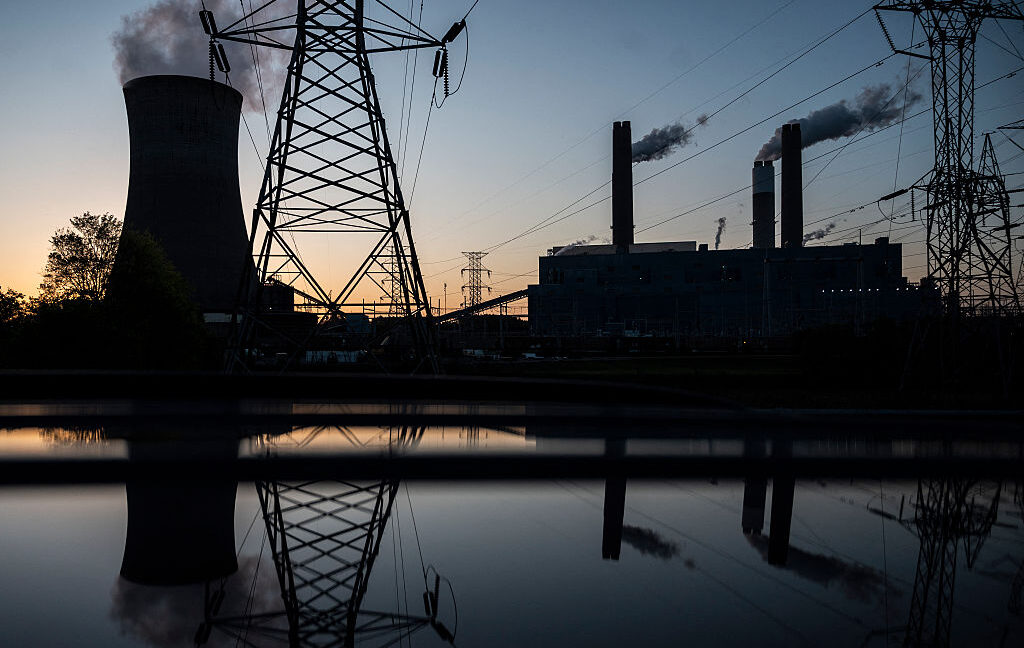
Coal plant forced to stay open due to emergency order isn’t even running

In the US, the economics of coal power generation are marginal at best, and a large number of coal plants have shut down as cheaper renewables and natural gas have surged. The Trump administration has used a number of methods to swim against this economic tide, the simplest of which has been to order plants scheduled for closure to remain operational.

The Department of Energy has used the Federal Power Act and a Trump executive order declaring an energy emergency to block the closure of coal plants nationwide. The orders requiring plants to stay open have been accompanied by a steady stream of triumphal press releases, suggesting that the Department of Energy was taking the step solely to ensure grid reliability.

The latest of these releases, issued on Monday, pertains to a plant in Centralia, Washington, that was scheduled to close last year to be converted into natural gas generation. A Department of Energy emergency order had kept it operational over the winter, but that order was set to expire yesterday. With yesterday’s new order, the plant will remain operational through mid-June. According to the press release, the action was taken “to ensure Americans in the Northwestern region of the United States have access to affordable, reliable, and secure electricity.”

In response, the Environmental Defense Fund checked the generating stats for the area served by the TransAlta Centralia Coal Plant, which is the last remaining coal plant on its segment of the grid. According to Energy Information Administration data, coal contributed just 8 megawatt-hours in January and February, an amount of energy the solar panels on my house can produce in roughly eight months. This, the EDF said, is consistent with the plant simply maintaining the capacity to come back online.

https://arstechnica.com/science/2026/03/coal-plant-forced-to-stay-open-due-to-emergency-order-isnt-even-running/


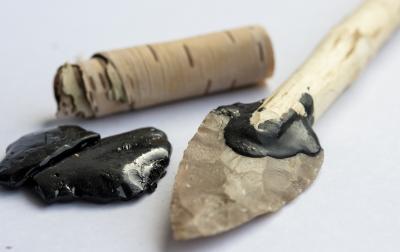
Never mind Band-Aids, Neanderthals had antiseptic birch tar

Birch tar had no effect on the E. coli cultures, but it did stop, or at least slow down, the growth of S. aureus. Exactly how well depended on the species of birch and the concentration of the tar, probably because different birch species, and maybe even individual trees, produce tar with different combinations of chemical compounds. The most effective batch, taken from a silver birch (Betula pendula) tree, produced a “comparatively strong response.” Meanwhile, results from four other trees ranged from mild to moderate, and another had no effect.

The results, along with some earlier studies, confirm what Indigenous peoples like the Mi’kmaq, the Saami, and the Yakut would have known for at least several thousand years—or, more to the point, it explains in scientific terms why maskwio’mi works as an antiseptic.

“Our findings not only reinforce what past studies have reported, but they also echo traditional knowledge,” wrote Siemssen and colleagues. Their findings also hint that that traditional knowledge might be much, much older than even the Mi’kmaq oral histories record (or at least that it might have been discovered more than once in our evolutionary past).

How it works, for the chemistry nerds

So how does birch tar work against bacteria? One clue is that, like most other plant-based antimicrobial drugs, birch tar slowed the growth of Gram-positive S. aureus but not Gram-negative E. coli; that’s probably because Gram-negative bacteria like E. coli have an additional outer membrane that can keep the antimicrobial compounds out.

Those compounds are probably mostly ring-shaped molecules called phenolic derivatives; they’re mostly found in plant tissues, and they’re common ingredients in antiseptics and disinfectants (if you’ve ever used antiseptic mouthwash or a pre-surgery skin cleanser like Hibiclens, you’ve used the phenolic derivative chlorhexidine). Other chemicals may also play a role, including terpenes and terpenoids, which help protect plants against being munched on by insects or infected by fungi.

Siemssen and colleagues suggest that more detailed chemical studies could help unravel exactly which combination and proportions of all these chemicals are most effective, something that could be useful even for modern medicine.

https://arstechnica.com/science/2026/03/never-mind-band-aids-neanderthals-had-antiseptic-birch-tar/


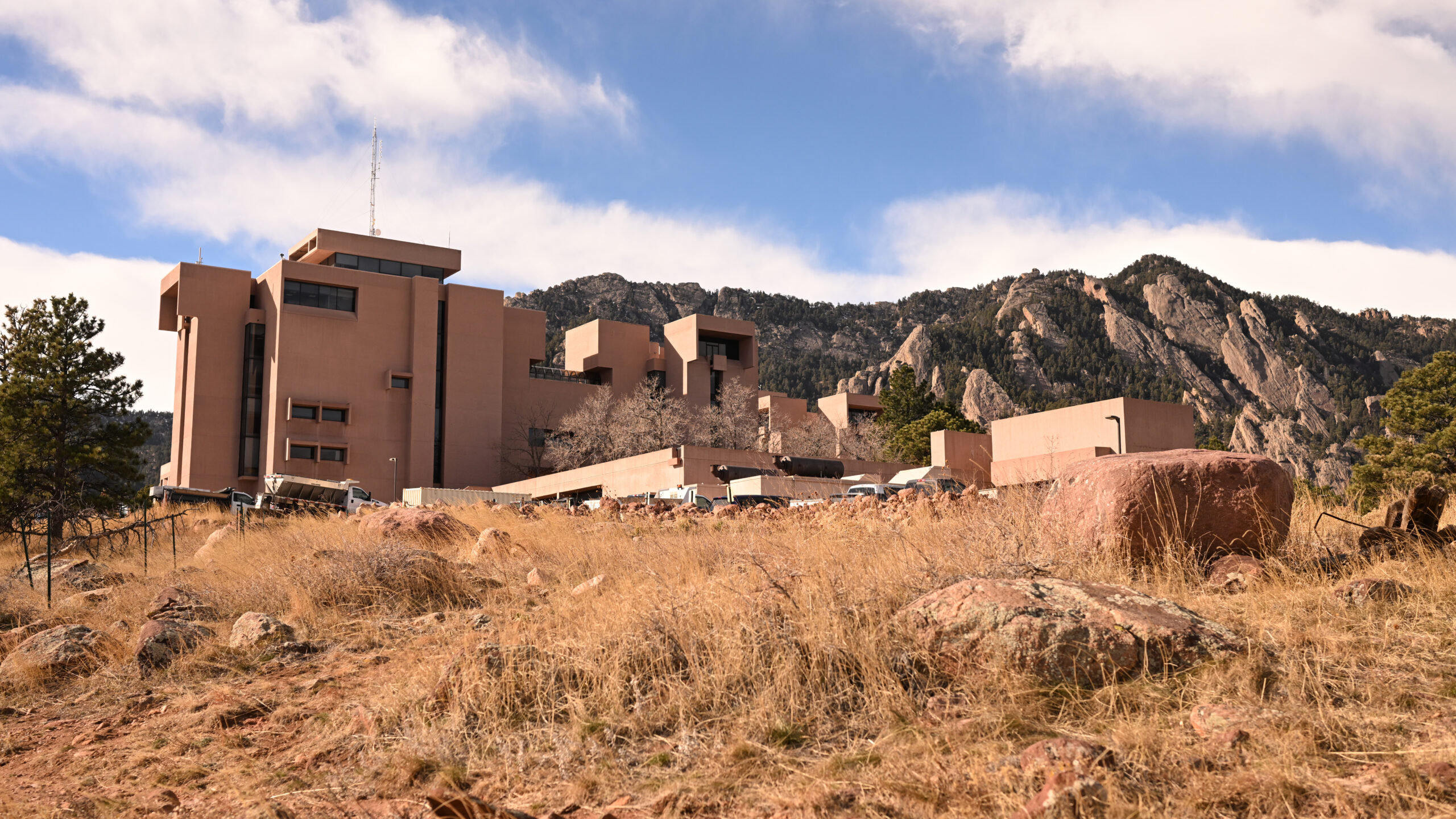
Trump’s plan to shut down weather and climate center triggers lawsuit

The suit also alleges that this is part of a pattern of attacks on Colorado. Earlier in 2025, the US government moved a major Space Command facility from Colorado to Alabama. “When issuing his decision,” the suit continues, “the President stated that ‘the problem I have with Colorado’ is that ‘they do mail-in voting’ and that this ‘played a big factor’ in the decision.”

The suit notes that, on the same day as the NCAR announcement, the Department of Transportation killed $110 million in grants for projects in Colorado. Less than a week later, the Federal Emergency Management Agency rejected disaster relief requests from the state. And at the end of the month, Trump issued the first veto of his second term, rejecting a Colorado water management project. The suit presents these as indications that NCAR was just a casualty of this wide-ranging attack on a state that has opposed some of Trump’s agenda, and that the decision to close it was “untethered to any reasoned decision making.”

One thing that’s notable is that the suit does not even mention another potential motivation. NCAR is a major center of research on climate change, which the administration has repeatedly denigrated as a green scam, which would also have difficulty passing the reasoned decision-making standard. That said, there is a growing record of administration decisions that have been blocked based on the arbitrary and capricious standard. Courts have also been more willing than in Trump’s first term to look to public statements by administration figures (including Trump himself) as guides to the motivations behind decisions as well.

Regardless of how the case turns out, the discovery process is likely to provide a window into the actions of the head of the Office of Management and Budget, Russell Vought, who has largely stayed out of the public spotlight despite a controversial tenure in that office.

https://arstechnica.com/science/2026/03/university-group-sues-trump-administration-over-shutdown-of-climate-center/


National Academies of Sciences says no to demands it remove climate info

The attorneys general requested a response by March 2, one that addresses a set of leading questions, such as, “Why did the National Academies include a chapter on climate science that is not based on balanced or sound science?” and “What procedures will the National Academies establish to prevent similar advocacy-based chapters in future editions?” Since then, Ars has been contacting both the NAS and the Montana attorney general’s office (which published the letter) to try to find out whether a response was provided.

We finally learned yesterday that the response had been issued two days ahead of the deadline (it’s the final page of this PDF). Weighing in at just two sentences, the NAS says it used the same procedures to generate the climate chapter as it did for every other chapter, procedures that had been developed jointly with the Federal Judicial Center. “The manual, including the chapter on climate science, will continue to be available on the Academy’s website,” the response concludes.

The response leaves no obvious next step for the attorneys general. Their letter notes that the NAS is heavily dependent upon funding from the federal government to prepare its expert reports, and so producing reports that displease Republicans could be risky, but they have no ability to directly influence that funding.

Meanwhile, the political interference with the report drew a second response, this coming from many of the authors of the other chapters of the Reference Manual, who published an open letter decrying the political interference. In addition to noting the value of the Reference Manual and the rigorous peer review all chapters go through, the authors highlight the dangers posed by the actions of the attorneys general:

If political actors can determine which fields of established science are disfavored and off-limits to judicial education, every scientific discipline relevant to complex litigation becomes vulnerable to the same tactic. The integrity of the process by which judges evaluate scientific evidence should not be subject to political interference or veto.

The real danger is long term. If chapters continue to get deleted any time they run afoul of the current political winds, then it will become increasingly challenging to get the best scientists and legal scholars to contribute to the manual or its peer review. Over time, the quality of the material will decay, leaving judges less well-prepared to face cases with a heavy scientific component. Society as a whole will end up the loser.

https://arstechnica.com/science/2026/03/national-academies-of-sciences-resisting-pressure-to-pull-climate-info/


The science of how fireflies stay in sync

The team found that even a small number of interacting males can synchronize their flashes, but the periodic bursts only happen in groups larger than 15. And the flashes are correlated over several meters, evidence of long-range interactions typical of emergent collective behavior. But Peleg et al. also noted some individual trajectories, suggesting that there could be other competitive mechanisms at play, too—e.g., early flashing fireflies seemed to be more mobile and flashed longer than later ones.

[embedded content]

Collective display of Photinus carolinus fireflies recorded in Great Smoky Mountains National Park in early June 2019.

Peleg’s lab has since built on that earlier research. The latest findings are the result of field work conducted each May for four years (2021–2025) at Congaree National Park in South Carolina. Once again, they pitched a pop-up tent isolated from external light sources. Then they exposed captured fireflies to a dim LED light that mimicked a firefly flash, blinking between once every second to once every 300 milliseconds.

The results: The fireflies were most likely to change their own flashing rhythm in response when the LED blinked almost, but not quite, at the same time as the fireflies. The males would speed up their next flash if the LED blinked just before and waited a bit longer for their next flash when the LED blinked right after. The authors compared it to one audience member in a crowded concert hall trying to clap along with the beat in synchronization with everyone else.

“For a whole season, I spent pretty much every night in the dark watching lights blink at a fixed frequency,” former graduate student (and co-author on the preprint) Owen Martin said of the field observations. “Then, occasionally, I’d get this magical experience where I’d see the firefly just start syncing with the light. I would wonder if I was just seeing things.” But the ensuing mathematical analysis confirmed the patterns: the individual flash dynamics were essentially following a phase-response curve, which the authors then used to develop an “integrate and fire” model that accurately reproduced the observed synchronized flashing patterns.

DOI: bioRxiv, 2026. 10.64898/2026.01.19.700439  (About DOIs).

https://arstechnica.com/science/2026/03/the-science-of-how-fireflies-stay-in-sync/