Neanderthals seemed to have a thing for modern human women

By now, it’s firmly established that modern humans and their Neanderthal relatives met and mated as our ancestors expanded out of Africa, resulting in a substantial amount of Neanderthal DNA scattered throughout our genome. Less widely recognized is that some of the Neanderthal genomes we’ve seen have pieces of modern human DNA as well.

Not every modern human has the same set of Neanderthal DNA, however; different people will, by chance, have inherited different fragments. But there are also some areas, termed “Neanderthal deserts,” where none of the Neanderthal DNA seems to have persisted. Notably, the largest Neanderthal desert is the entire X chromosome, raising questions about whether this reflects the evolutionary fitness of genes there or mating preferences.

Now, three researchers at the University of Pennsylvania, Alexander Platt, Daniel N. Harris, and Sarah Tishkoff, have done the converse analysis: examining the X chromosomes of the handful of completed Neanderthal genomes we have. It turns out there’s also a strong bias toward modern human sequences there, as well, and the authors interpret that as selective mating, with Neanderthal males showing a strong preference for modern human females and their descendants.

What type of selection are we looking at?

Given how long modern humans and Neanderthals had been evolving as separate populations, some degree of genetic incompatibility is definitely possible. Lots of proteins interact in various ways, and the genes behind these interaction networks will evolve together—a change in one gene will often lead to compensatory changes in other genes in the network. Over time, those changes may mean re-introducing the original gene will actually disrupt the network, with a negative impact on fitness.

That means the introduction of some Neanderthal genes into the modern human genome (or vice versa) would be disruptive and make carriers of them less fit. So they’d be selected against and lost over the ensuing generations. Of course, some segments would likely be lost at random—the genome’s pretty big, and the modern human population was likely large and growing, allowing its DNA to dilute out the influence of other human populations. Figuring out which influence is dominant can be challenging.

https://arstechnica.com/science/2026/02/genomes-chart-the-history-of-neanderthal-modern-human-interactions/


The physics of squeaking sneakers

We’re all familiar with the high-pitched squeak of basketball shoes on the court during games, or tires squealing on pavement. Scientists conducted several experiments and discovered that the geometry of the sneakers’ tread patterns determines the squeak’s frequency, enabling the team to make rubber blocks set to specific frequencies and slide them across glass surfaces to play Star Wars’ “Imperial March.”

“Tuning frictional behavior on the fly has been a long-standing engineering dream,” said co-author Katia Bertoldi of Harvard University. “This new insight into how surface geometry governs slip pulses paves the way for tunable frictional metamaterials that can transition from low-friction to high-grip states on demand.” In addition, the dynamics revealed by these results are similar to those of tectonic faults and thus give scientists a new model for the mechanics of earthquakes, according to their new paper published in the journal Nature.

Leonardo da Vinci is usually credited with conducting the first systematic study of friction in the late 15th century, a subfield now known as tribology that deals with the dynamics of interacting surfaces in relative motion. Da Vinci’s notebooks depict how he pulled rows of blocks using weights and pulleys, an approach that is still used in frictional studies today, as well as examining the friction produced in screw threads, wheels, and axles. The authors of this latest paper used an experimental setup similar to da Vinci’s.

The squeaking of sneakers on a gym floor is usually attributed to friction, specifically a stick-slip variety that involves cycles of sticking and sliding between two surfaces. But that model is best suited for interfaces involving two rigid objects, such as squeaking door hinges. Sneaker soles sliding across a gym floor involves one hard object (the floor) and one soft one (the sneaker sole). Bertholdi et al. wanted a more complete understanding of the dynamics of soft-on-rigid interfaces.

First, the team slid commercial basketball shoes (the Nike CU3503-100) across a smooth, dry glass plate, simultaneously capturing sound and visual imagery of what was happening between the sole and the glass (i.e., the frictional interface). They identified opening pulses traveling in the sliding direction non-uniformly, resulting in temporary local supersonic separations between the shoe soles and the glass plate. Those audible squeaks aren’t random; the frequency is determined by the repetition rate of the generated pulses.

https://arstechnica.com/science/2026/02/the-physics-of-squeaking-sneakers/


Boozy chimps fail urine test, confirm hotly debated theory

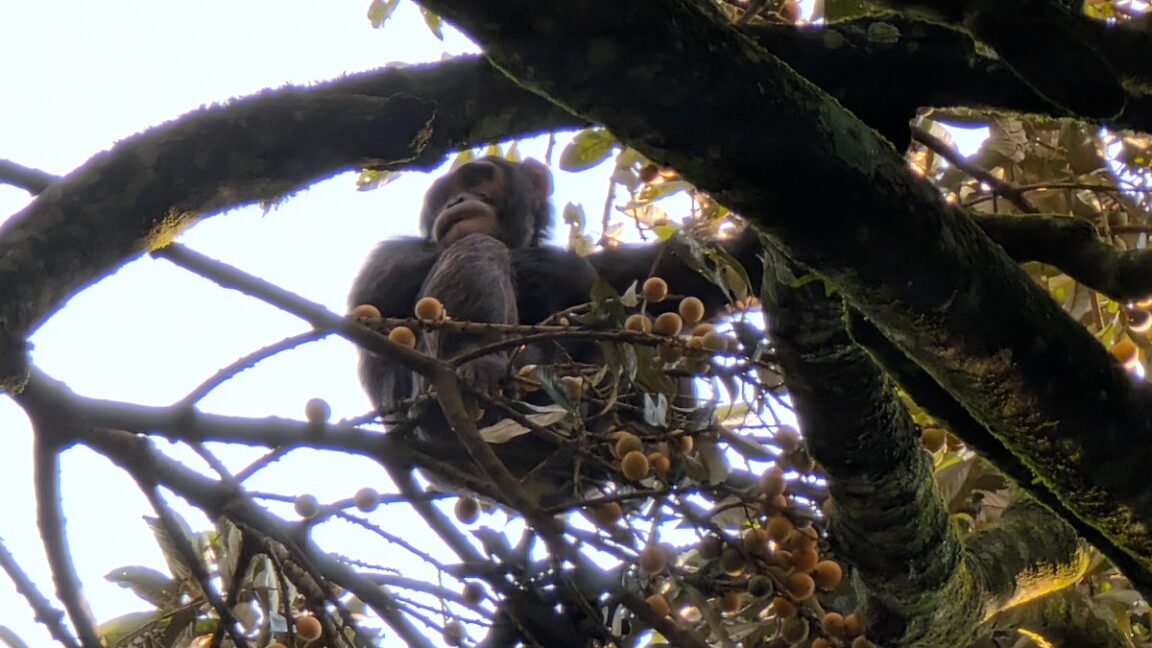
The urine of chimpanzees contains high levels of alcohol byproduct, most likely because the chimps regularly gorge themselves on fermented fruit, according to a new paper published in the journal Biology Letters. It’s the latest evidence in support of a hotly debated theory regarding the evolutionary origins of human fondness for alcohol.

As previously reported, in 2014, University of California, Berkeley (UCB) biologist Robert Dudley wrote a book called The Drunken Monkey: Why We Drink and Abuse Alcohol. His controversial “drunken monkey hypothesis” proposed that the human attraction to alcohol goes back about 18 million years, to the origin of the great apes, and that social communication and sharing food evolved to better identify the presence of fruit from a distance. At the time, skeptical scientists insisted that this was unlikely because chimpanzees and other primates just don’t eat fermented fruit or nectar.

But reports of primates doing just that have grown over the ensuing two decades. Earlier this year, we reported that researchers had caught wild chimpanzees on camera engaging in what appears to be sharing fermented African breadfruit with measurable alcoholic content. That observational data was the first evidence of the sharing of alcoholic foods among nonhuman great apes in the wild. The authors measured the alcohol content of the fruit with a handy portable breathalyzer and found almost all of the fallen fruit (90 percent) contained some ethanol, with the ripest containing the highest levels—the equivalent of 0.61 percent ABV (alcohol by volume).

And last September, Dudley co-authored a paper reporting the first measurements of the ethanol content of fruits favored by chimps in the Ivory Coast and Uganda, finding that chimps consume 14 grams of alcohol per day, the equivalent of a standard alcoholic drink in the US. After adjusting for the chimps’ lower body mass, the authors concluded the chimps are consuming nearly two drinks per day.

A thankless task

The next step was to sample the chimps’ urine to see if it contains any alcohol metabolites, as was found in a 2022 study on spider monkeys. This would further refine estimates for how much ethanol-laden fruit the chimps eat every day. That thankless task fell to Aleksey Maro, a UCB graduate student who spent last summer in Ngogo, sleeping in trees—protected from the constant streams by an umbrella—to collect urine samples. Sharifah Namaganda, a Ugandan graduate student at the University of Michigan, showed him how to make shallow bowls out of plastic bags hung on forked twigs for more efficient collection. He also collected samples from puddles of urine on the forest floor.

https://arstechnica.com/science/2026/02/boozy-chimps-fail-urine-test-confirm-hotly-debated-theory/


Following 35% growth, solar has passed hydro on US grid

On Tuesday, the US Energy Information Administration released full-year data on how the country generated electricity in 2025. It’s a bit of a good news/bad news situation. The bad news is that overall demand rose appreciably, and a fair chunk of that was met by additional coal use. On the good side, solar continued its run of astonishing growth, generating 35 percent more power than a year earlier and surpassing hydroelectric power for the first time.

Shifting markets

Overall, electrical consumption in the US rose by 2.8 percent, or about 121 terawatt-hours. Consumption had been largely flat for several decades, with efficiency and the decline of industry offsetting the effects of population and economic growth. There were plenty of year-to-year changes, however, driven by factors ranging from heating and cooling demand to a global pandemic. Given that history, the growth in demand in 2025 is a bit concerning, but it’s not yet a clear signal that the factors that will inevitably drive growth have kicked in.

(These factors include things like the switch to heat pumps, the electrification of transportation, and the growth in data centers. While the first two of those involve a more efficient use of energy overall, they involve electricity replacing direct use of fossil fuels, and so will increase demand on the grid.)

The story of the year is how that demand was met. If demand grows more slowly, the additional 85 terawatt-hours generated by expanded utility-scale and small solar installations would have easily met it. As it was, the growth of utility-scale solar was only sufficient to cover about two-thirds of the rising demand (or 73 percent if you include wind power). With no new nuclear plants on the horizon, the alternative was to meet it with fossil fuels.

https://arstechnica.com/science/2026/02/final-2025-data-is-in-us-energy-use-is-up-as-solar-passes-hydro/


Scientists crack the case of “screeching” Scotch tape

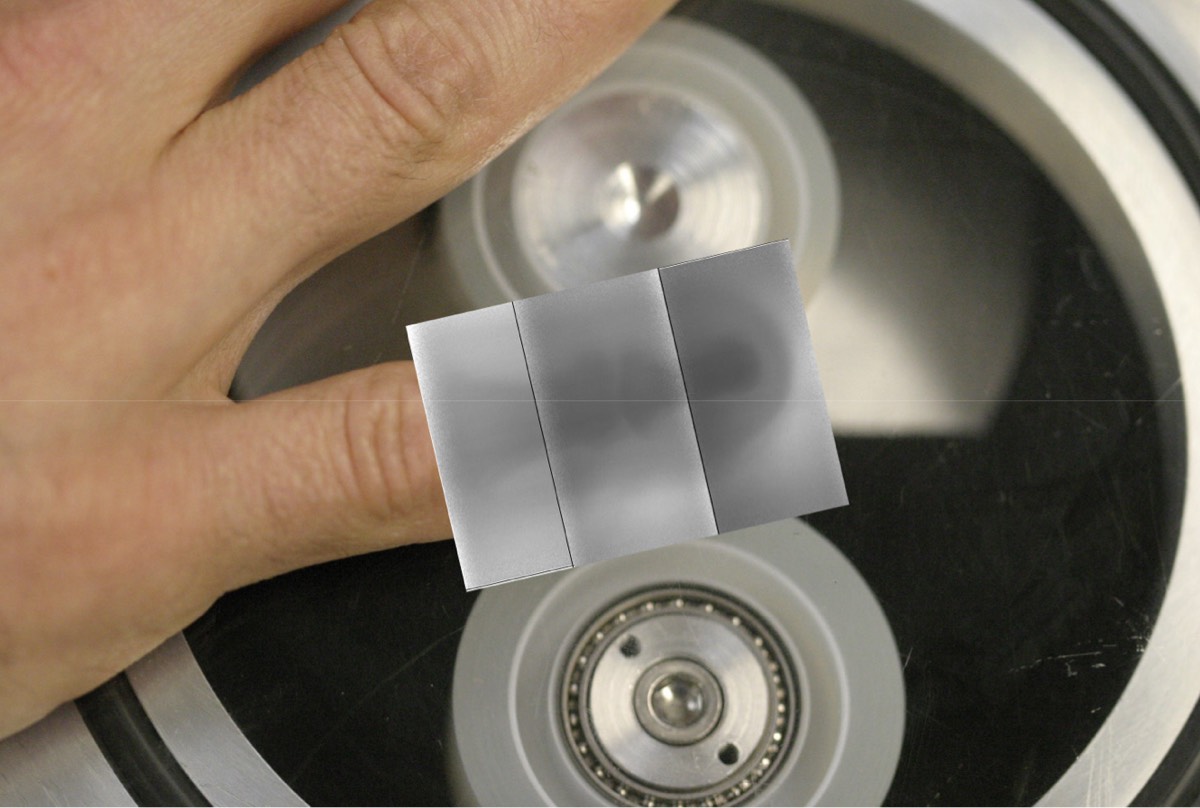
In 1953, Russian scientists peeling Scotch tape in a vacuum reported detecting electrons with sufficient energy to emit X-rays. Other scientists were skeptical, but this phenomenon was finally confirmed in 2008, when UCLA physicists produced X-rays while unwinding a roll of Scotch tape in a vacuum chamber. The goal was to harness triboluminescence for X-ray imaging, and the team produced a low-quality X-ray image of a lab member’s finger (see image below). Fortunately, this only works in a perfect vacuum, so everyday Scotch tape users are safe.

A shock to the system

X-ray images of a human finger taken with peeling tape

X-ray images of a human finger taken with peeling tape.

X-ray images of a human finger taken with peeling tape. Credit: Carlos G. Camara et al., 2008

Peeling Scotch tape produces sound as well as light, typically attributed to the slip-stick mechanism at play during the peeling process. In 2010, co-author Sigurdur Thoroddsen of King Abdullah University in Saudi Arabia and colleagues used ultra-fast imaging to identify a crucial micro-fracture phenomenon of the slip mechanism: a sequence of transverse cracks that travel across the width of the adhesive at supersonic speeds. A follow-up 2024 study found a direct correspondence between the screeching sound and those transverse cracks, but did not identify a mechanism.

That is the purpose of this latest study. Thoroddsen et al. wondered whether the sound was directly generated by a crack’s rapidly moving tip, which would also produce the distinctive discrete sound wave pulses associated with peeling Scotch tape. The authors experimentally tested their hypothesis by conducting simultaneous high-speed imaging of the propagating fractures and the sound waves traveling in the air. They manually unpeeled Scotch tape using a metal rod, capturing the cracks with two video cameras and the sound with two microphones synchronized to the video camera, the better to pinpoint the origin of the pressure pulses.

Their results showed that the screeching arises from a train of weak shocks that culminate when the transverse cracks reach the edge of the tape. The supersonic speed at which they travel, relative to the surrounding air, is crucial to the generation of those shockwaves. “A partial vacuum is produced between the tape and the solid when the crack opens,” the authors explained. “The crack moves too fast for this void to be filled immediately, even though air is sucked in from the direction perpendicular to the crack. The void therefore moves with the crack until it reaches the end of the tape and collapses into the stationary air outside.” Each time a fracture tip reaches the edge of the tape, it generates a sound pulse—hence the telltale screech.

DOI: Physical Review E, 2026. 10.1103/p19h-9ysx  (About DOIs).

https://arstechnica.com/science/2026/02/heres-why-scotch-tape-screeches-when-its-peeled/


Pentagon buyer: We’re happy with our launch industry, but payloads are lagging

DALLAS—The Space Force officer tasked with overseeing more than $24 billion in research and development spending says the Pentagon is more interested in supporting startups building new space sensors and payloads than adding yet another rocket company to its portfolio.

The statement, made at a space finance conference in Dallas last week, was one of several points Maj. Gen. Stephen Purdy wanted to get across to a room full of investors and commercial space executives.

The other points on Purdy’s agenda were that the Space Force is more interested in high-volume production than spending money to develop the latest technologies, and that the military has, at least for now, lost one of its most important tools for supporting and diversifying the space industrial base.

The rhetoric around prioritizing payloads over launchers aligns with the Space Force’s recent history of supporting small startups. Since 2020, SpaceWERX, the Space Force’s commercial innovation program, has awarded 23 funding agreements—called Strategic Funding Increases (STRATFIs)—to commercial space startups developing new sensors, software, satellite components, spacecraft buses, and orbital transfer vehicles. SpaceWERX awarded a single STRATFI agreement to a launch company—ABL Space Systems—and that firm has since exited the space launch market.

“We’re on path for mass-produced launch,” said Purdy, the military deputy for space acquisition in the Department of the Air Force. “We have got our ranges situated so we can do mass-produced launch. We’ve got our data centers and our data structure for mass-production. We’ve got AI pieces that are mass-produced, satellite buses are nearly there, and our payloads are the last element. Payloads at mass-produced affordability, at scale, is the key element.”

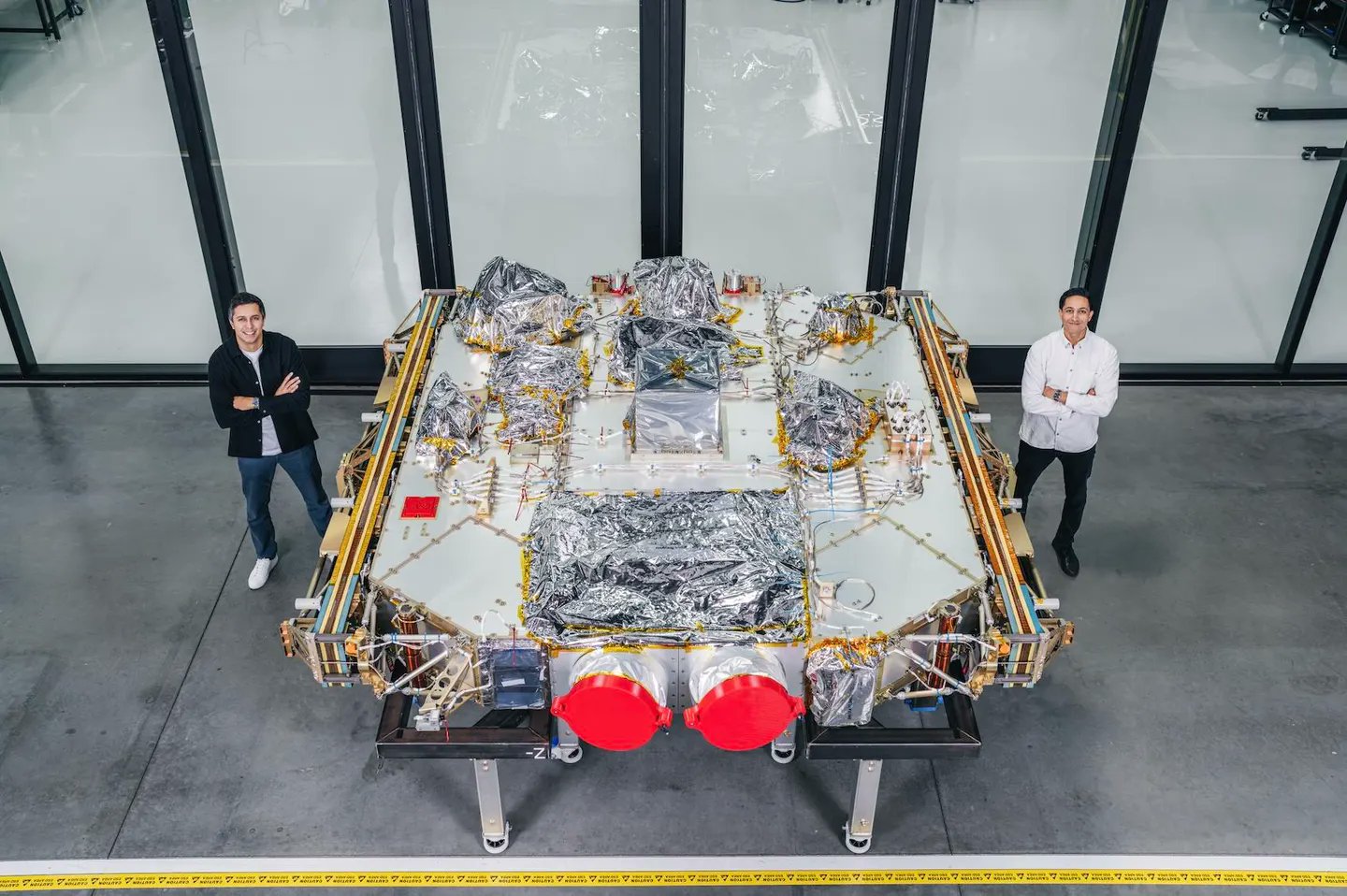
K2’s Gravitas satellite, set for launch next month, will test the company’s Hall-effect thruster, solar arrays, and other systems.

Credit: K2

K2’s Gravitas satellite, set for launch next month, will test the company’s Hall-effect thruster, solar arrays, and other systems. Credit: K2

Putting the money in

Payloads, Purdy told Ars after his talk, are “the last frontier” for scaling space missions. “The point is to get missions out the door as fast as possible. Two to three years is too slow. We’ve got to get down to one week. I’m not talking about super exquisite [payloads]. That’s not most of our missions. The commercial industry, your Kuipers [Amazon LEO], your Starlinks, have sort of got the comm piece down, but we’re still struggling in a lot of other stuff.”

https://arstechnica.com/space/2026/02/pentagon-buyer-were-happy-with-our-launch-industry-but-payloads-are-lagging/


NASA says it needs to haul the Artemis II rocket back to the hangar for repairs

The helium system on the SLS upper stage—officially known as the Interim Cryogenic Propulsion Stage (ICPS)—performed well during both of the Artemis II countdown rehearsals. “Last evening, the team was unable to get helium flow through the vehicle. This occurred during a routine operation to repressurize the system,” Isaacman wrote.

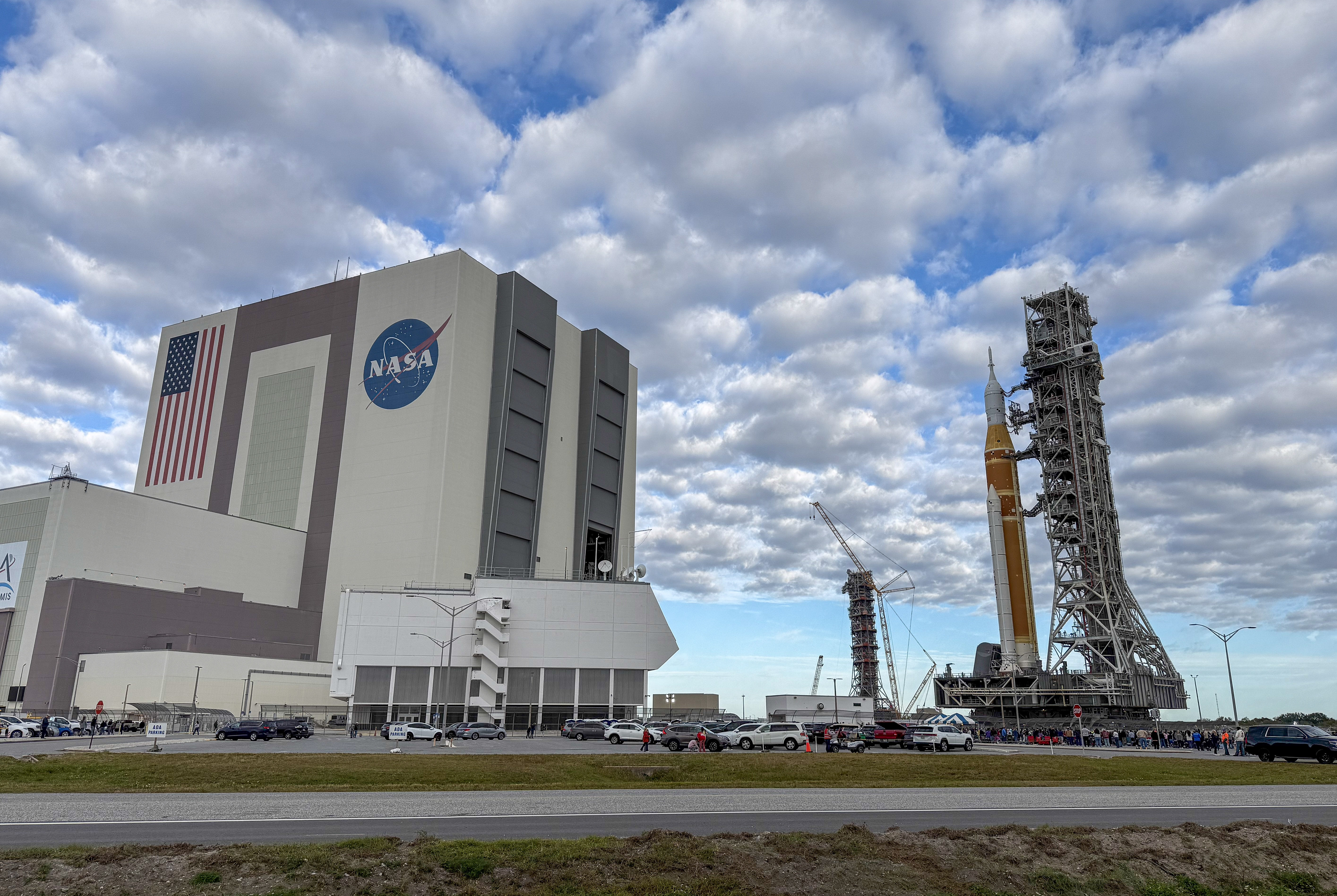
The Space Launch System rocket emerges from the Vehicle Assembly Building to begin the rollout to Launch Pad 39B last month.

Credit: Stephen Clark/Ars Technica

The Space Launch System rocket emerges from the Vehicle Assembly Building to begin the rollout to Launch Pad 39B last month. Credit: Stephen Clark/Ars Technica

Another molecule, another problem

Helium is used to purge the upper stage engine and pressurize its propellant tanks. The rocket is in a “safe configuration,” with a backup system providing purge air to the upper stage, NASA said in a statement.

NASA encountered a similar failure signature during preparations for launch of the first SLS rocket on the Artemis I mission in 2022. On Artemis I, engineers traced the problem to a failed check valve on the upper stage that needed replacement. NASA officials are not sure yet whether the helium issue Friday was caused by a similar valve failure, a problem with an umbilical interface between the rocket and the launch tower, or a fault with a filter, according to Isaacman.

In any case, technicians are unable to reach the problem area with the rocket at the launch pad. Inside the VAB, ground teams will extend work platforms around the rocket to provide physical access to the upper stage and its associated umbilical connections.

NASA said moving into preparations for rollback now will allow managers to potentially preserve the April launch window, “pending the outcome of data findings, repair efforts, and how the schedule comes to fruition in the coming days and weeks.”

It’s not clear if NASA will perform another fueling test on the SLS rocket after it returns to Launch Pad 39B, or whether technicians will do any more work on the delicate hydrogen umbilical near the bottom of the rocket responsible for recurring leaks during the Artemis I and Artemis II launch campaigns. Managers were pleased with the performance of newly-installed seals during Thursday’s countdown demonstration, but NASA officials have previously said vibrations from transporting the rocket to and from the pad could damage the seals.

https://arstechnica.com/space/2026/02/nasa-says-it-needs-to-haul-the-artemis-ii-rocket-back-to-the-hangar-for-repairs/


Dinosaur eggshells can reveal the age of other fossils

When dinosaur fossils surface at a site, it is often not possible to tell how many millions of years ago their bones were buried. While the different strata of sedimentary rock represent periods of geologic history frozen in time, accurately dating them or the fossils trapped within them has frequently proven to be frustrating.

Fossilized bones and teeth have been dated with some success before, but that success is inconsistent and depends on the specimens. Both fossilization and the process of sediment turning to rock can alter the bone in ways that interfere with accuracy. While uranium-lead dating is among the most widely used methods for dating materials, it is just an emerging technology when applied to directly dating fossils.

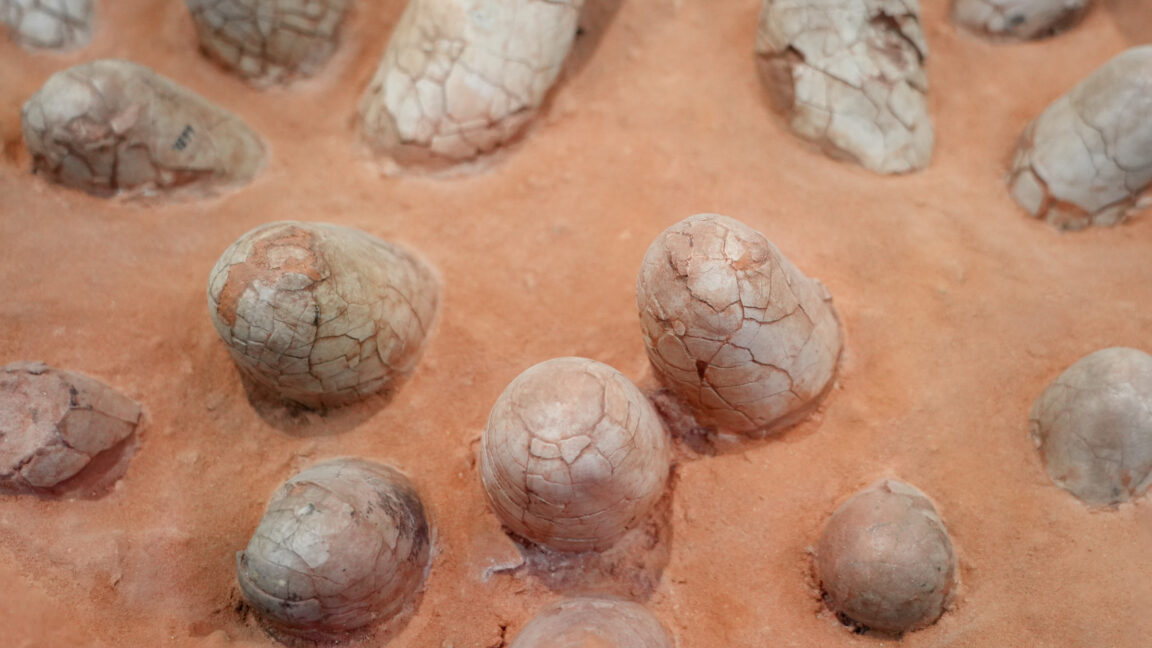
Dinosaur eggshells might have finally cracked a way to date surrounding rocks and fossils. Led by paleontologist Ryan Tucker of Stellenbosch University, a team of researchers has devised a method of dating eggshells that reveals how long ago they were covered in what was once sand, mud, or other sediments. That information will give the burial time of any other fossils embedded in the same layer of rock.

“If validated, this approach could greatly expand the range of continental sedimentary successions amenable to radioisotopic dating,” Tucker said in a study recently published in Nature Communications Earth & Environment.

This goes way back

Vertebrates have been laying calcified eggs for hundreds of millions of years (although the first dinosaur eggs had soft shells). What makes fossil eggshells so useful for figuring out the age of other fossils is the unique microstructure of calcium carbonate found in them. The way its crystals are arranged capture a record of diagenetic changes, or physical and chemical changes that occurred during fossilization. These can include water damage, along with breaks and fissures caused by being compacted between layers of sediment. This makes it easier to screen for these signs when trying to determine how old they are.

https://arstechnica.com/science/2026/02/dinosaur-eggshells-can-reveal-the-age-of-other-fossils/


Have we leapt into commercial genetic testing without understanding it?

In 2020, a company called Genomic Prediction started offering genomic scores for diabetes, skin cancer, high blood pressure, elevated cholesterol, intellectual disability, and “idiopathic short stature.” They’ve stopped advertising the last two “because it’s too controversial.” Not, mind you, because the effects are minor and the science is unreliable. The theoretical maximum polygenic score for height would make a difference of 2.5 inches, and that theoretical maximum has not been seen yet, even in studies of Europeans. Polygenic scores for most other traits lag far behind. (And that’s just one company; another called Herasight has since picked up the slack and claims to offer embryo selection based on intelligence.)

Remember, the more traits one selects for, the less accurate each prediction is. Moreover, many genes affect multiple biological processes, so a gene implicated in one undesirable trait may have as yet undefined impacts on other desirable ones.

And all of this is ignoring the potential impact of the child’s environment. The first couple who used genetic screening for their daughter opted for an embryo that had a reduced risk of developing heart disease; her risk was less than 1 percent lower than the three embryos they rejected. Feeding her vegetables and sticking her on a soccer team would have been cheaper and probably more impactful.

The risks of reduced genetic diversity

Almost every family I know has a kid who has taken growth hormones, and plenty of them get tutoring, too. These interventions are hardly equitably distributed. But if embryos are selected based on polygenic scores, the authors fear that a new form of social inequality can arise. While growth hormone injections affect only one individual, embryonic selection based on polygenic scores affects all of that embryo’s descendants going forward. So the chosen embryos’ progeny could eventually end up treated as a new class of optimized people whose status might be elevated simply because their parents could afford to comb through their embryonic genomes—regardless of whether their “genetic” capabilities are actually significantly different from everyone else’s.

https://arstechnica.com/science/2026/02/have-we-leapt-into-commercial-genetic-testing-without-understanding-it/


Major government research lab appears to be squeezing out foreign scientists

One of the US government’s top scientific research labs is taking steps that could drive away foreign scientists, a shift lawmakers and sources tell WIRED could cost the country valuable expertise and damage the agency’s credibility.

The National Institute of Standards and Technology (NIST) helps determine the frameworks underpinning everything from cybersecurity to semiconductor manufacturing. Some of NIST’s recent work includes establishing guidelines for securing AI systems and identifying health concerns with air purifiers and firefighting gloves. Many of the agency’s thousands of employees, postdoctoral scientists, contractors, and guest researchers are brought in from around the world for their specialized expertise.

“For weeks now, rumors of draconian new measures have been spreading like wildfire, while my staff’s inquiries to NIST have gone unanswered,” Zoe Lofgren, the top Democrat on the House Committee on Science, Space, and Technology, wrote in a letter sent to acting NIST Director Craig Burkhardt on Thursday. April McClain Delaney, a fellow Democrat on the committee, cosigned the message.

Lofgren wrote that while her staff has heard about multiple rumored changes, what they have confirmed through unnamed sources is that the Trump administration “has begun taking steps to limit the ability of foreign-born researchers to conduct their work at NIST.”

The congressional letter follows a Boulder Reporting Lab article on February 12 that said international graduate students and postdoctoral researchers would be limited to a maximum of three years at NIST going forward, despite many of them needing five to seven years to complete their work.

A NIST employee tells WIRED that some plans to bring on foreign workers through the agency’s Professional Research and Experience Program have recently been canceled because of uncertainty about whether they would make it through the new security protocols. The staffer, who spoke on the condition of anonymity because they were not authorized to speak to the media, says the agency has yet to widely communicate what the new hurdles will be or why it believes they are justified.

On Thursday, the Colorado Sun reported that “noncitizens” lost after-hours access to a NIST lab last month and could soon be banned from the facility entirely.

Jennifer Huergo, a spokesperson for NIST, tells WIRED that the proposed changes are aimed at protecting US science from theft and abuse, echoing a similar statement issued this week to other media outlets. Huergo declined to comment on who needs to approve the proposal for it to be finalized and when a decision will be made. She also didn’t immediately respond to a request for comment on the lawmakers’ letter.

Preventing foreign adversaries from stealing valuable American intellectual property has been a bipartisan priority, with NIST among the agencies in recent years to receive congressional scrutiny about the adequacy of its background checks and security policies. Just last month, Republican lawmakers renewed calls to put restrictions in place preventing Chinese nationals from working at or with national labs run by the Department of Energy.

But Lofgren’s letter contends that the rumored restrictions on non-US scientists at NIST go beyond “what is reasonable and appropriate to protect research security.” The letter demands transparency about new policies by February 26 and a pause on them “until Congress can weigh in on whether these changes are necessary at all.”

The potential loss of research talent at NIST would add to a series of other Trump administration policies that some US tech industry leaders have warned will dismantle the lives of immigrant researchers already living in the US and hamper economic growth. Hiking fees on H-1B tech visas, revoking thousands of student visas, and carrying out legally dubious mass deportations all stand to push people eager to work on science and tech research in the US to go elsewhere instead. The Trump administration has also announced plans to limit post-graduation job training for international students.

Pat Gallagher, who served as the director of NIST from 2009 to 2013 under President Barack Obama, says the changes could erode trust in the agency, which has long provided the technical foundations that industry and governments around the world rely on. “What has made NIST special is it is scientifically credible,” he tells WIRED. “Industry, universities, and the global measurement community knew they could work with NIST.”

Like much of the federal government, NIST has been in turmoil for most of the past year. Parts of it were paralyzed for months as rumors of DOGE cuts spread. Ultimately, the agency lost hundreds of its thousands of workers to budget cuts, with further funding pressure to come.

As of a couple of years ago, NIST welcomed 800 researchers on average annually from outside the US to work in its offices and collaborate directly with staff.

Lofgren expressed fear that rumors may be enough to scare away researchers and undermine US competitiveness in vital research. “Our scientific excellence depends upon attracting the best and brightest from around the world,” she wrote in the letter.

This story originally appeared on wired.com.

https://arstechnica.com/science/2026/02/major-government-research-lab-appears-to-be-squeezing-out-foreign-scientists/