COVID-19 cleared the skies but also supercharged methane emissions
The remaining question, though, was where all this methane was coming from in the first place. Throughout the pandemic, there was speculation that the surge might be caused by super-emitter events in the oil and gas sector, or perhaps a lack of maintenance on leaky infrastructure during lockdowns.

But the new research suggests that the source of these emissions was not what many expected.

The microbial surge

While the weakened atmospheric sink explained the bulk of the 2020 surge, it wasn’t the only factor at play. The remaining 20 percent of the growth, and an even larger portion of the growth in 2021 and 2022, came from an increase in actual emissions from the ground. To track the source of these emissions down, Peng’s team went through tons of data from satellites and various ground monitoring stations.

Methane comes in different isotopic signatures. Methane from fossil fuels like natural gas leaks or coal mines is heavier, containing a higher fraction of the stable isotope carbon-13. Conversely, methane produced by microbes found in the guts of livestock, in landfills, and most notably in wetlands, is lighter, enriched in carbon-12.

When the researchers analyzed data from the National Oceanic and Atmospheric Administration global flask network, a worldwide monitoring system tracking the chemical composition of Earth’s atmosphere, they found that the atmospheric methane during the mysterious surge was becoming significantly lighter. This was a smoking gun for biogenic sources. The surge wasn’t coming from pipes or power plants; it was coming from microbes.

La Niña came to play

The timing of the pandemic coincided with a relatively rare meteorological event. La Niña, the cool phase of the El Niño–Southern Oscillation that typically leads to increased rainfall in the tropics, lasted for three consecutive Northern Hemisphere winters (from 2020 to 2023). This made the early 2020s exceptionally wet.

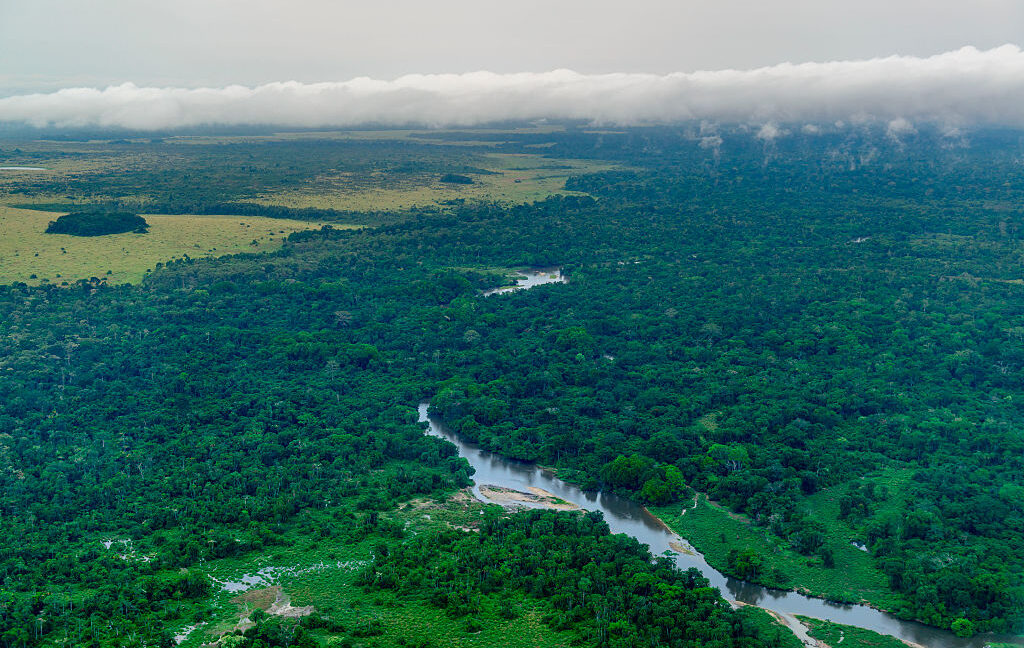
The researchers used satellite data from the Greenhouse Gases Observing Satellite and sophisticated atmospheric models to trace the source of the light methane to vast wetland areas in tropical Africa and Southeast Asia. In regions like the Sudd in South Sudan and the Congo Basin, record-breaking rainfall flooded massive swaths of land. In these waterlogged, oxygen-poor environments, microbial methanogens thrived, churning out methane at an accelerated pace.

https://arstechnica.com/science/2026/02/covid-19-cleared-the-skies-but-also-supercharged-methane-emissions/


Watch Kanzi the bonobo pretend to have a tea party

Such studies have nonetheless been met with skepticism when it comes to interpreting the behavior as evidence of animals’ ability to engage in make-believe. For instance, it’s possible the animals are responding to behavioral cues, like the direction of a gaze, to solve such tasks.

“Kanzi, let’s play a game!”

Enter Kanzi, a 43-year-old bonobo who lives at the Ape Initiative and is capable of responding to verbal prompts, either by pointing or using a lexigram of more than 300 symbols. There had also been anecdotal observations of Kanzi engaging in pretense. Krupenye et al. conducted three distinct experiments with Kanzi, each involving an 18-trial session.

In the first experiment, a scientist would offer a verbal prompt: “Kanzi, let’s play a game! Let’s find the juice!” They would then place two empty transparent cups on a table and pretend to fill them from an empty transparent pitcher, with another verbal prompt (“Kanzi, look!”). The scientist would pretend to pour the “juice” in one of the cups back into the pitcher, placing the pitcher under the table. Then they asked, “Kanzi, where’s the juice?” and recorded which cup the bonobo pointed to first.

“If Kanzi could only track reality (that both cups were empty), he should have chosen at chance between the two options, whereas if his choices were guided by stimulus enhancement, he should have selected the incorrect cup that had been ‘emptied’ above chance,” the authors wrote. “In contrast, if Kanzi could represent the pretend juice, he should have chosen above chance the cup containing the ‘imaginary’ juice, the empty cup that had not been ‘poured’ back into the pitcher. That is exactly what Kanzi did.” Kanzi selected the correct cup 34 out of 50 times (68 percent).

https://arstechnica.com/science/2026/02/watch-kanzi-the-bonobo-pretend-to-have-a-tea-party/


This black hole “burps” with Death Star energy

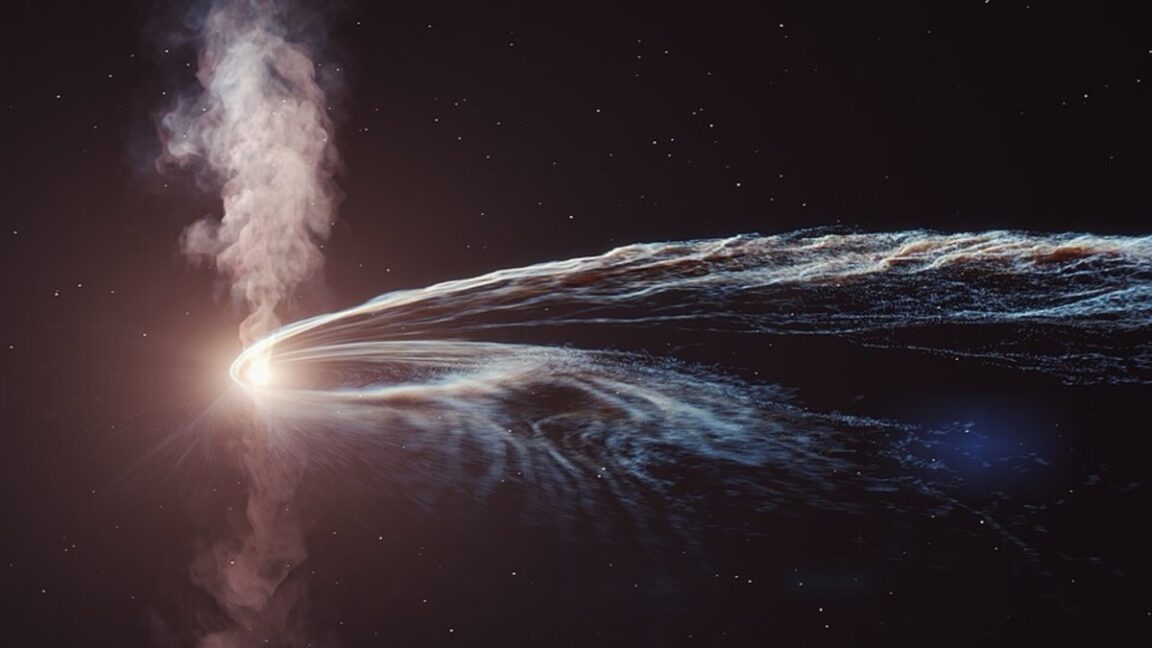
When AT2018hyz, aka “Jetty,” was first discovered, radio telescopes didn’t detect any signatures of an outflow emission of material within the first few months. According to Cendes, that’s true of some 80 percent of TDEs, so astronomers moved on, preferring to use precious telescope time for more potentially interesting objects. A few years later, radio data from the Very Large Array (VLA) showed that Jetty was lighting up the skies again, spewing out material at a whopping 1.4 millijansky at 5 GHz.

Since then, that brightness has kept increasing. Just how large is the increase? Well, people have estimated the fictional Death Star’s emitted energy in the Star Wars saga, and Jetty McJetface’s emissions are a trillion times more than that, perhaps as much as 100 trillion times the energy. As for why Jetty initially eluded detection, there seems to be a single jet emitting radiation in one direction that might not have been aimed at Earth. Astronomers should be able to confirm this once the energy peaks.

Cendes and her team are now scouring the skies for similar behavior in high-energy TDEs, since the existence of Jetty suggests that delayed outflow is more common than astronomers previously expected. It’s such an unprecedented phenomenon that astronomers haven’t really looked for them before. After all, “If you have an explosion, why would you expect there to be something years after the explosion happened when you didn’t see something before?” said Cendes.

DOI: Astrophysical Journal, 2026. 10.3847/1538-4357/ae286d  (About DOIs).

https://arstechnica.com/science/2026/02/this-black-hole-burps-with-death-star-energy/


At NIH, a power struggle over institute directorships deepens

That kind of open and non-politicized search process, Histed said in a follow-up interview, isn’t unique to NIH: It’s one widely used by scientific institutions around the world. And it has worked, he argued, to help make NIH a scientific juggernaut: “That process,” he said, “led to 80 years of staggering scientific success.”

Members of Congress have taken notice. In language attached to the current appropriations bill moving through Congress, lawmakers direct NIH “to maintain its longstanding practice of including external scientists and stakeholders” in the search process. (Agencies are supposed to follow these Congressional instructions, but they are not binding.) In late January, Diana DeGette, a Democratic representative from Colorado, sponsored a bill that, according to a press release, would “Protect NIH From Political Interference” by, among other steps, capping the number of political appointees at the agency.

Lauer, the former NIH grants chief, took a broader historical view of the changes. There has long been a tug-of-war, he said, between presidential administrations that seek more political control over an agency, and civil servants and other bureaucratic experts who may resist that perceived incursion. From the point of view of politicians and their staff, Lauer said, “what they’ll say—I understand where they’re coming from—what they’ll say is, is that more political control means that the agency is going to be responsive to the will of the electorate, that there’s a greater degree of transparency and public accountability.”

Those upsides can be significant, Lauer said, but there are also downsides, including more short-term thinking, unstable budgets, and the potential loss of expertise and competence.

Mark Richardson, a political scientist at Georgetown University, is an expert on politicization and the federal bureaucracy. In his work, he said, he has observed a correlation between how much political parties disagree over the role of a specific agency, and the degree to which presidential administrations seek to exert control there through appointees and other personnel choices. NIH has historically fallen alongside agencies like the Bureau of Labor Statistics and the U.S. Patent and Trademark Office that are subject to broad alignment across the parties.

“I think what you’re seeing more with the Trump administration is kind of an expansion of political conflict to these types of agencies,” Richardson said.

This article was originally published on Undark. Read the original article.

https://arstechnica.com/science/2026/02/at-nih-a-power-struggle-over-institute-directorships-deepens/


Fungus could be the insecticide of the future

Exterminators keep getting calls for a reason. Wood-devouring insects, such as beetles, termites, and carpenter ants, are constantly chewing through walls or infecting trees and breaking them down. The fight against these insects usually involved noxious insecticides; but now, at least some of them can be eliminated using a certain species of fungus.

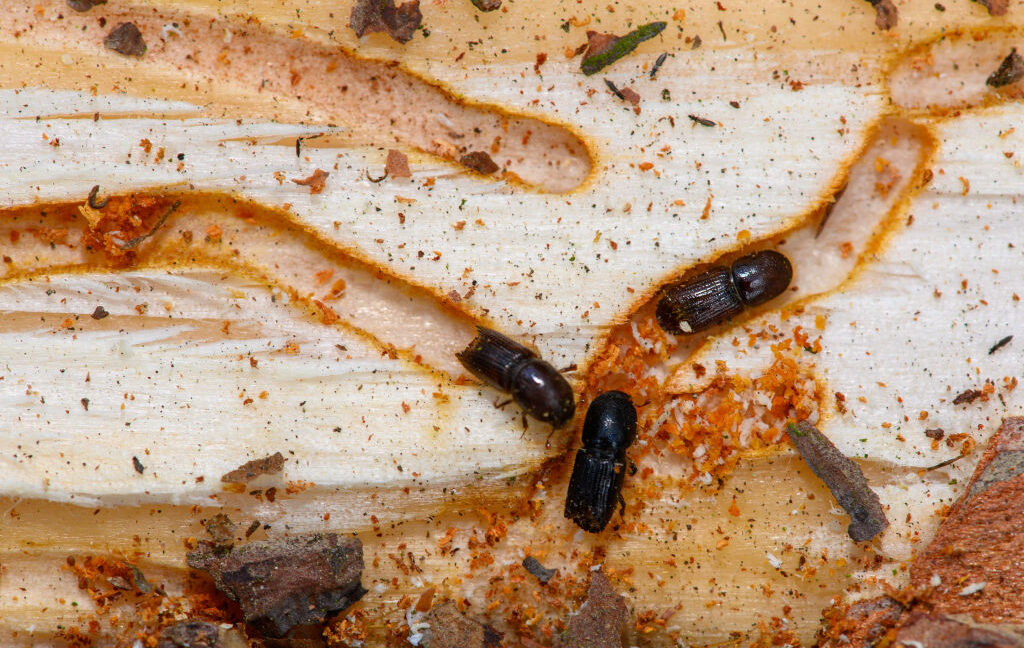
Infestations of bark beetles are the bane of spruce trees. Eurasian spruce bark beetles (Ips typographus) ingest bark high in phenolic compounds, organic molecules that often act as antioxidants and antimicrobials. They protect spruce bark from pathogenic fungi—and the beetles take advantage. Their bodies boost the antimicrobial power of these compounds by turning them into substances that are even more toxic to fungi. This would seem to make the beetles invulnerable to fungi.

There is a way to get past the beetles’ borrowed defenses, though. Led by biochemist Ruo Sun, a team of researchers from the Max Planck Institute for Chemical Ecology in Jena, Germany, found that some strains of the fungus Beauveria bassiana are capable of infecting and killing the pests.

“Insect herbivores have long been known to accumulate plant defense metabolites from their diet as defenses against their own enemies,” she said in a study recently published in PNAS. “However, as shown here for B. bassiana, fungal pathogens are able to circumvent the toxicity of these dietary defenses and cause disease.”

First line of defense

Populations of bark beetles have recently exploded in temperate forests because of climate change. One species they feed on is the Norway spruce (Picea abies), which makes organic phenolic compounds known as stilbenes and flavonoids. Stilbenes are hydrocarbons that function as secondary metabolites for plants, and flavonoids, which are polyphenols, are also secondary plant metabolites that are often antioxidants. The spruce links both classes of compounds with sugars and relies on their antibacterial and antifungal activity.

When metabolized by the beetles, the spruce sugars are removed through hydrolysis, converting them into aglycones that are even more toxic to microscopic invaders. Despite that, some fungi appear to be able to deactivate these compounds. Strains of the fungal insect pathogen B. bassiana have been documented as killing some of these beetles in the wild.

https://arstechnica.com/science/2026/02/fungus-could-be-the-insecticide-of-the-future/


Research roundup: 6 cool stories we almost missed

The team lightly swabbed samples from the artifacts’ surfaces and were able to recover human Y-chromosome sequences from several of the samples. Several of these sequences were related and the authors speculate that some might even be Leonardo’s, although they cautioned that the samples would need to be compared to samples taken from the artist’s notebooks, burial site, and family tomb to make a definitive identification. The authors also found DNA from bacteria, fungi, flowers, and animals in some of the samples, as well as traces of viruses and parasites.

DOI: bioRxiv, 2026. 10.64898/2026.01.06.697880  (About DOIs).

From pint to plate

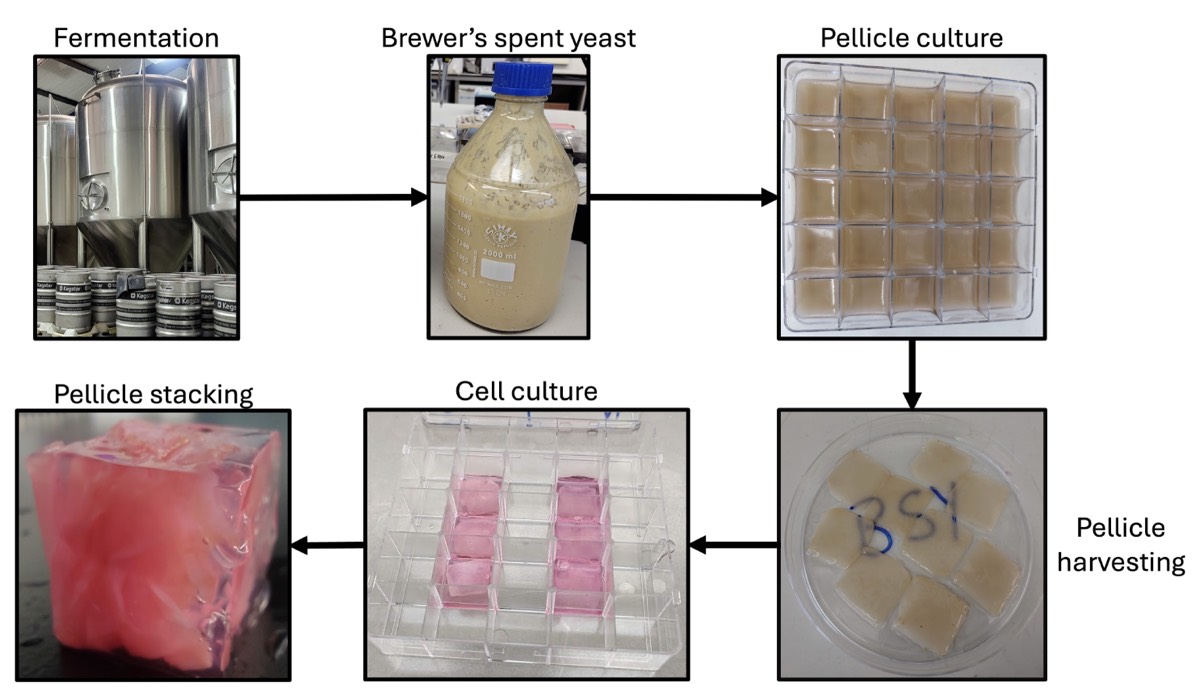
Flowchart showing the production process proposed in the current study. BSY is taken from the fermentation tank and used to culture K. xylinus bacteria to produce cellulose pellicles. Pellicles are then harvested, seeded with cells, then stacked and encased in gel to create a cube.

Credit: Christian Harrison et al., 2026

Credit: Christian Harrison et al., 2026

Lab-grown meat is often touted as a more environmentally responsible alternative to the real deal, but carnivorous consumers are often put off by the unappealing mouthfeel and texture (and, for me, a weird oily aftertaste). A new method using spent brewer’s yeast to make edible “scaffolding” for cultivating meat in the lab might one day offer a solution, according to a paper published in the journal Frontiers in  Nutrition.

Typically, a nutrient broth is used as a source of bacteria for the scaffolding. But Richard Day of University College London and his co-authors decided to use brewer’s yeast, usually discarded as waste, to culture a species of bacteria known for making high-quality cellulose. Then they tested the mechanical and structural properties of that cellulose with a “chewing machine.” They concluded that the cellulose made from spent brewer’s yeast was much closer in texture to real meat than the cellulose scaffolding made from a nutrient broth. The next step is to incorporate fat and muscle cells into the cellulose, as well as testing yeast from different kinds of beer.

DOI: Frontiers in Nutrition, 2026. 10.3389/fnut.2025.1656960  (About DOIs).

Water-driven gears

[embedded content]

New York University scientists created a gear mechanism that relies on water to generate movement. For some conditions, the rotors spin in the same direction like pulleys looped together with a belt.

Gears have been around for thousands of years; the Chinese were using them in two-wheeled chariots as far back as 3000 BCE, and they are a mainstay in windmills, clocks, and the famed Antikythera mechanism. Roboticists also use gears in their inventions, but whether they are made of wood, metal or plastic, such gears tend to be inflexible and hence more prone to breakage. That’s why New York University mathematician Leif Reistroph and colleagues decided to see if flowing air or water could be used to rotate robotic structures.

https://arstechnica.com/science/2026/01/research-roundup-6-cool-stories-we-almost-missed-2/


What ice fishing can teach us about making foraging decisions

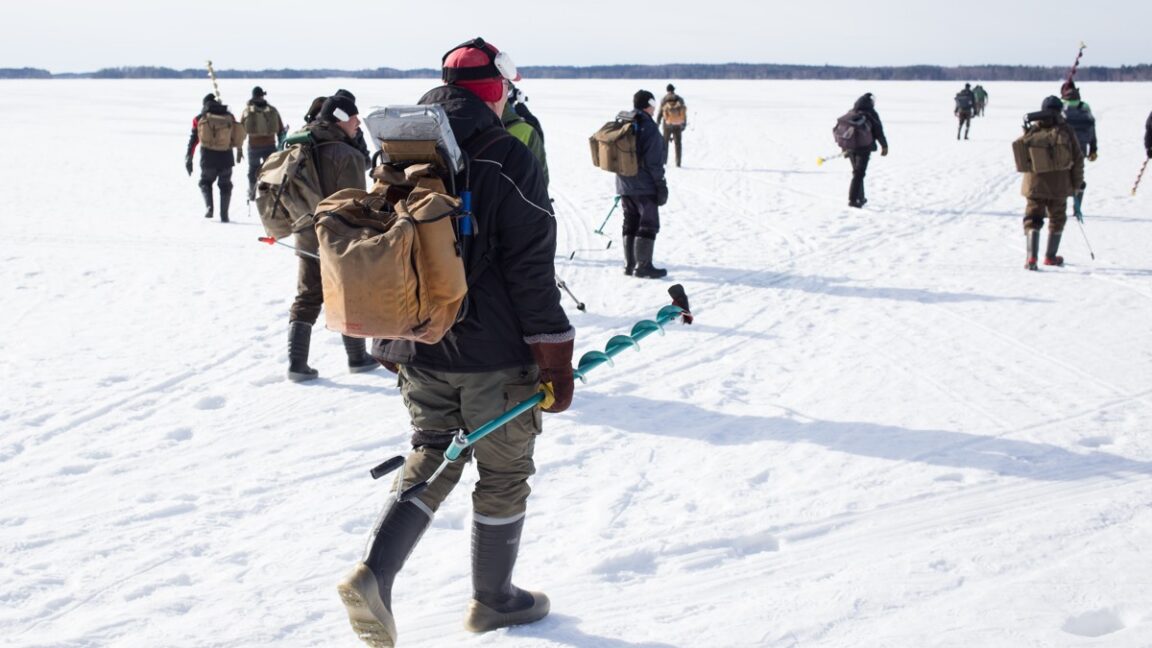
Ice fishing is a longstanding tradition in Nordic countries, with competitions proving especially popular. Those competitions can also tell scientists something about how social cues influence how we make foraging decisions, according to a new paper published in the journal Science.

Humans are natural foragers in even the most extreme habitats, digging up tubers in the tropics, gathering mushrooms, picking berries, hunting seals in the Arctic, and fishing to meet our dietary needs. Human foraging is sufficiently complex that scientists believe that meeting so many diverse challenges helped our species develop memory, navigational abilities, social learning skills, and similar advanced cognitive functions.

Researchers are interested in this question not just because it could help refine existing theories of social decision-making, but also could improve predictions about how different groups of humans might respond and adapt to changes in their environment. Per the authors, prior research in this area has tended to focus on solitary foragers operating in a social vacuum. And even when studying social foraging decisions, it’s typically done using computational modeling and/or in the laboratory.

“We wanted to get out of the lab,” said co-author Ralf Kurvers of Max Planck Institute for Human Development and TU Berlin. “The methods commonly used in cognitive psychology are difficult to scale to large, real-world social contexts. Instead, we took inspiration from studies of animal collective behavior, which routinely use cameras to automatically record behavior and GPS to provide continuous movement data for large groups of animals.”

Kurvers et al. organized 10 three-hour ice-fishing competitions on 10 lakes in eastern Finland for their study, with 74 experienced ice fishers participating. Each ice fisher wore a GPS tracker and a head-mounted camera so that the researchers could capture real-time data on their movements, interactions, and how successful they were in their fishing attempts. All told, they recorded over 16,000 individual decisions specifically about location choice and when to change locations. That data was then compared to the team’s computational cognitive models and agent-based simulations.

https://arstechnica.com/science/2026/01/what-ice-fishing-can-teach-us-about-making-foraging-decisions/


New OpenAI tool renews fears that “AI slop” will overwhelm scientific research

On Tuesday, OpenAI released a free AI-powered workspace for scientists. It’s called Prism, and it has drawn immediate skepticism from researchers who fear the tool will accelerate the already overwhelming flood of low-quality papers into scientific journals. The launch coincides with growing alarm among publishers about what many are calling “AI slop” in academic publishing.

To be clear, Prism is a writing and formatting tool, not a system for conducting research itself, though OpenAI’s broader pitch blurs that line.

Prism integrates OpenAI’s GPT-5.2 model into a LaTeX-based text editor (a standard used for typesetting documents), allowing researchers to draft papers, generate citations, create diagrams from whiteboard sketches, and collaborate with co-authors in real time. The tool is free for anyone with a ChatGPT account.

“I think 2026 will be for AI and science what 2025 was for AI in software engineering,” Kevin Weil, vice president of OpenAI for Science, told reporters at a press briefing attended by MIT Technology Review. He said that ChatGPT receives about 8.4 million messages per week on “hard science” topics, which he described as evidence that AI is transitioning from curiosity to core workflow for scientists.

OpenAI built Prism on technology from Crixet, a cloud-based LaTeX platform the company acquired in late 2025. The company envisions Prism helping researchers spend less time on tedious formatting tasks and more time on actual science. During a demonstration, an OpenAI employee showed how the software could automatically find and incorporate relevant scientific literature, then format the bibliography.

But AI models are tools, and any tool can be misused. The risk here is specific: By making it easy to produce polished, professional-looking manuscripts, tools like Prism could flood the peer review system with papers that don’t meaningfully advance their fields. The barrier to producing science-flavored text is dropping, but the capacity to evaluate that research has not kept pace.

https://arstechnica.com/ai/2026/01/new-openai-tool-renews-fears-that-ai-slop-will-overwhelm-scientific-research/


States want to tax fossil fuel companies to create climate change superfunds

Rising costs of climate change

Last year, the nonprofit Climate Central launched an online database to track the most costly weather- and climate-related disasters across the country. The effort was led by the same lead scientist who tracked those costs for the National Oceanic and Atmospheric Administration—until the Trump administration axed the project in May.

In 2025, the US experienced 23 such disasters with costs totaling at least $1 billion, for a total of $115 billion, Climate Central concluded. From 1980 through 2025, the US has experienced 426 billion-dollar weather and climate disasters, for a total of more than $3.1 trillion in damages.

Meanwhile, home insurance rates are rising, and insurance companies are increasingly backing out of areas with high risks from hurricanes or wildfires. Researchers have also documented how climate change causes premature deaths and increasing health care costs as it fuels disease and other health problems.

Illinois is struggling with worsening flooding, heat waves, and air pollution—including from Canadian wildfires. All bring heavy costs.

State Sen. Graciela Guzmán, a Chicago Democrat who will introduce the superfund legislation in Illinois’ Senate, said the bill is a practical step to bring funding to local schools, families, and governments already struggling with these consequences.

“This bill is about setting a fairer standard for who pays when climate damage hits our towns and neighborhoods,” Guzmán wrote in an email.

Ramirez’s basement, in her home on the Southeast Side of Chicago, was flooded on and off with sewage water for a week last summer when her sewer line broke during a rainstorm that caused severe flash flooding throughout the city. Her home insurance wouldn’t cover the thousands of dollars it took to repair it, she said. She sees it as an example of what the effort to “make polluters pay” could address.

“This superfund climate bill would create revenue to fix the infrastructure and be able to combat all this bad stuff that’s happening,” she added.

In the past two years, Americans experienced a slew of devastating disasters, from Hurricanes Helene and Milton to the Los Angeles wildfires and Texas floods. Hundreds of thousands are reportedly still without power after a punishing winter storm made worse by global warming.

All of that contributes to growing momentum to make polluters pay, said DiPaola, of Fossil Free Media.

“People were looking at their insurance bills, they were looking at their utility bills, they were seeing the costs of climate damage and also everyday climate costs just really rising,” DiPaola said. “They wanted some accountability.”

This story originally appeared on Inside Climate News.

https://arstechnica.com/tech-policy/2026/01/states-want-to-charge-fossil-fuel-companies-for-climate-change-superfunds/


Early Universe’s supermassive black holes grew in cocoons like butterflies

Initial analyses suggested if the dots were in fact supermassive black holes, they’d have to be nearly as massive as their host galaxies, varying between 10 and 100 percent of their total mass. The problem was that the dots were visible at very high red shift, which means astronomers saw them as they were when the Universe was roughly 1 billion years old. An “overmassive” black hole as heavy as its entire galaxy in a 1-billion-year-old Universe begged the question how something could grow that big, that fast—we didn’t have any answers for that.

But then Rusakov and his colleagues started noticing odd things in the JWST data. “You normally expect other signals from supermassive black holes, like X-rays, and we didn’t see those signals,” Rusakov says. The oddities didn’t end with the absence of X-rays.

The wide lines

Because black holes can’t be observed directly, astronomers measure their mass by looking at gas orbiting around them. As the gas swirls down into the black hole, it heats up and glows. The gravity of a supermassive black hole pulls that gas at incredible speeds, with the material reaching thousands of kilometers per second. This speed causes what’s known as the Doppler effect, broadening where the light from the gas moving toward the observer on Earth shifts to blue, and the gas moving away shifts to red, stretching the spectral lines into a wide, flat shape. By measuring the width of these lines, we calculate the velocity of the gas and, by extension, the mass of the black hole.

In the case of the Little Red Dots, the lines appeared incredibly wide, leading to those staggering mass estimates. The shape of the lines, though, looked strange. It wasn’t a typical rounded bell-curve but rather a sharp triangle sitting on top of broad, wing-like tails.

https://arstechnica.com/science/2026/01/early-universes-supermassive-black-holes-grew-in-cocoons-like-butterflies/