NASA will soon find out if the Perseverance rover can really persevere on Mars

When the Perseverance rover arrived on Mars nearly five years ago, NASA officials thought the next American lander to take aim on the red planet would be taking shape by now.

At the time, the leaders of the space agency expected this next lander could be ready for launch as soon as 2026—or more likely in 2028. Its mission would have been to retrieve Martian rock specimens collected by the Perseverance rover, then billed as the first leg of a multilaunch, multibillion-dollar Mars Sample Return campaign.

Here we are on the verge of 2026, and there’s no sample retrieval mission nearing the launch pad. In fact, no one is building such a lander at all. NASA’s strategy for a Mars Sample Return, or MSR, mission remains undecided after the projected cost of the original plan ballooned to $11 billion. If MSR happens at all, it’s now unlikely to launch until the 2030s.

That means the Perseverance rover, which might have to hand off the samples to a future retrieval lander in some circumstances, must continue weathering the harsh, cold, dusty environment of Mars. The good news is that the robot, about the size of a small SUV, is in excellent health, according to Steve Lee, Perseverance’s deputy project manager at NASA’s Jet Propulsion Laboratory (JPL).

“Perseverance is approaching five years of exploration on Mars,” Lee said in a press briefing Wednesday at the American Geophysical Union’s annual fall meeting. “Perseverance is really in excellent shape. All the systems onboard are operational and performing very, very well. All the redundant systems onboard are available still, and the rover is capable of supporting this mission for many, many years to come.”

The rover’s operators at JPL are counting on sustaining Perseverance’s good health. The rover’s six wheels have carried it a distance of about 25 miles, or 40 kilometers, since landing inside the 28-mile-wide (45-kilometer) Jezero Crater in February 2021. That is double the original certification for the rover’s mobility system and farther than any vehicle has traveled on the surface of another world.
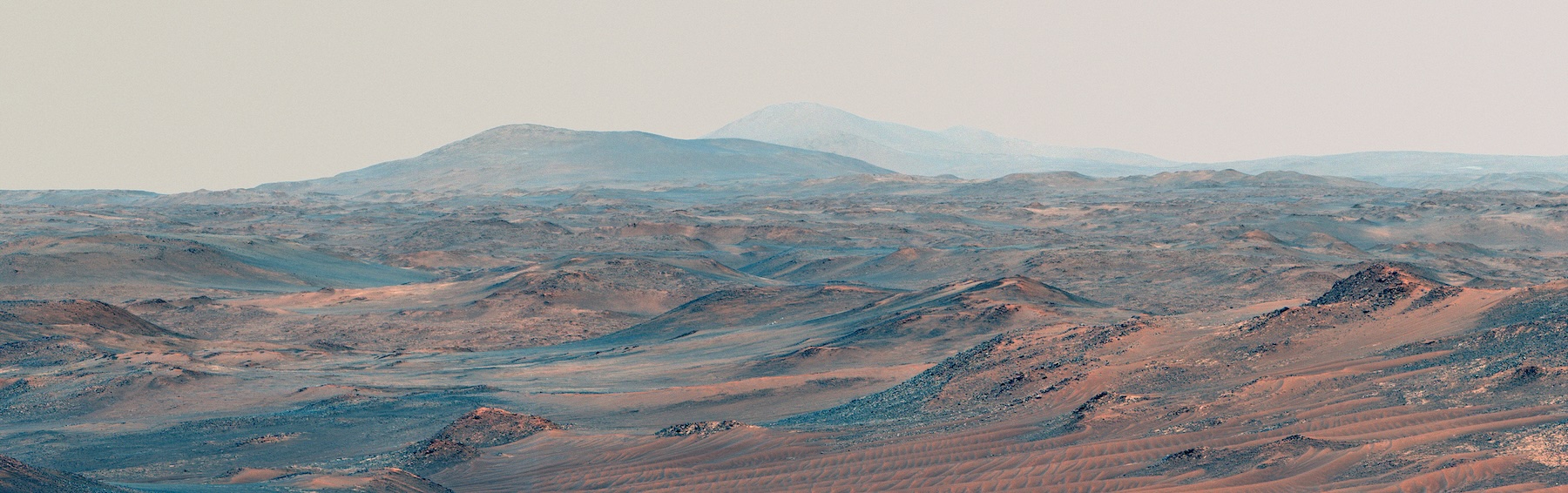
This enhanced-color mosaic is made from three separate images taken on September 8, 2025, each of which was acquired using the Perseverance rover’s Mastcam-Z instrument. The images were processed to improve visual contrast and enhance color differences. The view shows a location known as “Mont Musard” and another region named “Lac de Charmes,” where the rover’s team will be looking for more rock core samples to collect in the year ahead. The mountains in the distance are approximately 52 miles (84 kilometers) away.

Going for 100

Now, engineers are asking Perseverance to perform well beyond expectations. An evaluation of the rover’s health concluded it can operate until at least 2031. The rover uses a radioactive plutonium power source, so it’s not in danger of running out of electricity or fuel any time soon. The Curiosity rover, which uses a similar design, has surpassed 13 years of operations on Mars.

https://arstechnica.com/space/2025/12/nasa-will-soon-find-out-if-the-perseverance-rover-can-really-persevere-on-mars/



Physicists 3D-printed a Christmas tree of ice

[embedded content]

Physicists at the University of Amsterdam came up with a really cool bit of Christmas decor: a miniature 3D-printed Christmas tree, a mere 8 centimeters tall, made of ice, without any refrigeration equipment or other freezing technology, and at minimal cost. The secret is evaporative cooling, according to a preprint posted to the physics arXiv.

Evaporative cooling is a well-known phenomenon; mammals use it to regulate body temperature. You can see it in your morning cup of hot coffee: the hotter atoms rise to the top of the magnetic trap and “jump out” as steam. It also plays a role (along with shock wave dynamics and various other factors) in the formation of “wine tears.” It’s a key step in creating Bose-Einstein condensates.

And evaporative cooling is also the main culprit behind the infamous “stall” that so frequently plagues aspiring BBQ pit masters eager to make a successful pork butt. The meat sweats as it cooks, releasing the moisture within, and that moisture evaporates and cools the meat, effectively canceling out the heat from the BBQ. That’s why a growing number of competitive pit masters wrap their meat in tinfoil after the first few hours (usually when the internal temperature hits 170° F).

Ice-printing methods usually rely on cryogenics or on cooled substrates. Per the authors, this is the first time evaporative cooling principles have been applied to 3D printing. The trick was to house the 3D printing inside a vacuum chamber using a jet nozzle as the printing head—something they discovered serendipitously when they were trying to get rid of air drag by spraying water in a vacuum chamber.  “The printer’s motion control guides the water jet layer-by-layer, building geometry on demand,” the authors wrote in a blog post for Nature, adding:

https://arstechnica.com/science/2025/12/physicists-3d-printed-a-christmas-tree-of-ice/


Trump admin threatens to break up major climate research center

UCAR, for its part, has issued a statement indicating that the USA Today article was the first it has heard of the matter.

In many cases where the administration has attempted to take drastic actions like this, courts have ruled that they run afoul of a legal prohibition against “arbitrary and capricious” federal actions. That said, courtroom losses haven’t inhibited the administration’s willingness to try, and the time spent waiting for legal certainty can often accomplish many of its aims, such as disrupting research on politically disfavored subjects and forcing scientists to look elsewhere for career stability.

Scientists, meanwhile, are reacting with dismay. “Dismantling NCAR is like taking a sledgehammer to the keystone holding up our scientific understanding of the planet,” said Texas Tech climate researcher Katharine Hayhoe. “Everyone who works in climate and weather has passed through its doors and benefited from its incredible resources.”

Gavin Schmidt, director of NASA’s Goddard Institute for Space Studies, called NCAR a “unique and valuable asset” and emphasized the wide range of research conducted there.

Obviously, shutting down one source of information about climate change won’t alter what’s happening—greenhouse gases will continue to behave as physics dictates, raising global temperatures. But the Trump administration seemingly views everything through the lens of ideology. It has concluded that scientists are its ideological opponents and thus that its own ideologically driven conclusions are equal to the facts produced by science. Because of that perspective, it has been willing to harm scientists, even if the cost will eventually be felt by the public that Trump ostensibly represents.

Story was updated on Dec. 17 to reflect a recently issued statement by the NSF.

https://arstechnica.com/science/2025/12/trump-admin-threatens-to-break-up-major-climate-research-center/


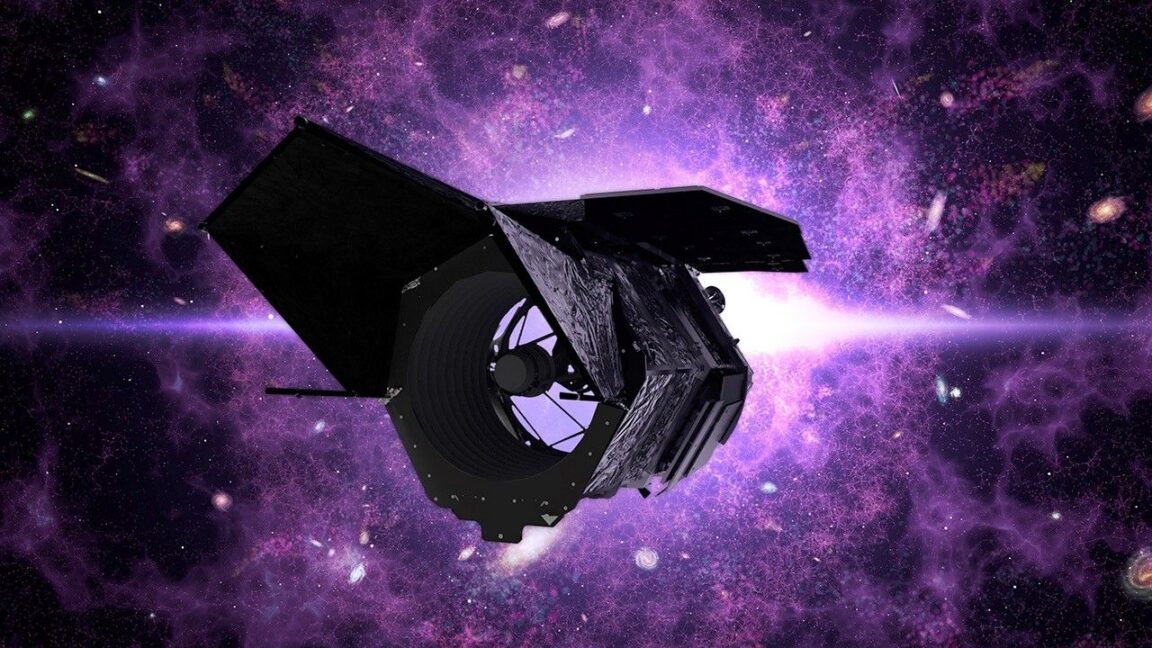
The $4.3 billion space telescope Trump tried to cancel is now complete

“We don’t have moments of terror for the deployment,” Townsend said. “Obviously, launch is always a risk, the tip-off rates that you have when you separate from the launch vehicle… Then, obviously, getting the aperture door open so that it’s deployed is another one. But these feel like normal aerospace risks, not unusual, harrowing moments for Roman.”

It also helps that Roman will use a primary mirror gifted to NASA by the National Reconnaissance Office, the US government’s spy satellite agency. The NRO originally ordered the mirror for a telescope that would peer down on the Earth, but the spy agency no longer needed it. Before NASA got its hands on the surplus mirror in 2012, scientists working on the preliminary design for what became Roman were thinking of a smaller telescope.

The larger telescope will make Roman a more powerful tool for science, and the NRO’s donation eliminated the risk of a problem or delay manufacturing a new mirror. But the upside meant NASA had to build a more massive spacecraft and use a bigger rocket to accommodate it, adding to the observatory’s cost.

Tests of Roman’s components have gone well this year. Work on Roman continued at Goddard through the government shutdown in the fall. On Webb, engineers uncovered one problem after another as they tried to verify the observatory would perform as intended in space. There were leaky valves, tears in the Webb’s sunshield, a damaged transducer, and loose screws. With Roman, engineers so far have found no “significant surprises” during ground testing, Townsend said.

“What we always hope when you’re doing this final round of environmental tests is that you’ve wrung out the hardware at lower levels of assembly, and it looks like, in Roman’s case, we did a spectacular job at the lower level,” she said.

With Roman now fully assembled, attention at Goddard will turn to an end-to-end functional test of the observatory early next year, followed by electromagnetic interference testing, and another round of acoustic and vibration tests. Then, perhaps around June of next year, NASA will ship the observatory to Kennedy Space Center, Florida, to prepare for launch on a SpaceX Falcon Heavy rocket.

“We’re really down to the last stretch of environmental testing for the system,” Townsend said. “It’s definitely already seen the worst environment until we get to launch.”

https://arstechnica.com/space/2025/12/the-4-3-billion-space-telescope-trump-tried-to-cancel-is-now-complete/


Utah leaders hinder efforts to develop solar energy supply

Other ranchers told ProPublica they’ve been able to stay on their land and preserve their way of life by leasing to solar. Landon Kesler’s family, which raises cattle for team roping competitions, has leased land to solar for more than a decade. The revenue has allowed the family to almost double its land holdings, providing more room to ranch, Kesler said.

“I’m going to be quite honest, it’s absurd,” Kesler said of efforts to limit solar on agricultural land. “Solar very directly helped us tie up other property to be used for cattle and ranching. It didn’t run us out; it actually helped our agricultural business thrive.”

Solar lobbyists and executives have been working to bolster the industry’s image with lawmakers ahead of the next legislative session. They’re arguing solar is a good neighbor.

“We don’t use water, we don’t need sidewalks, we don’t create noise, and we don’t create light,” said Amanda Smith, vice president of external affairs for AES, which has one solar project operating in Utah and a second in development. “So we just sort of sit out there and produce energy.”

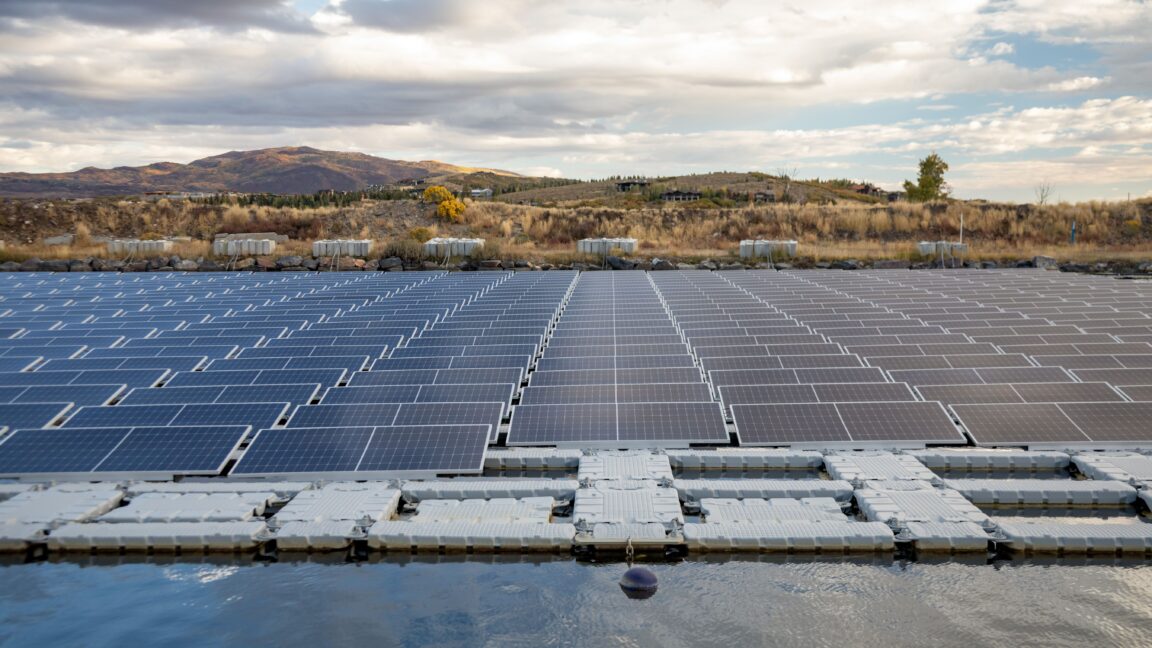
Solar pays private landowners in Utah $17 million a year to lease their land. And, more important, solar developers argue, it’s critical to powering data centers the state is working to attract.

“We are eager to be part of a diversified electricity portfolio, and we think we bring a lot of values that will benefit communities, keep rates low and stable, and help keep the lights on,” Rikki Seguin, executive director of Interwest Energy Alliance, a western trade organization that advocates for utility-scale renewable energy projects, told an interim committee of lawmakers this summer.

The message didn’t get a positive reception from some lawmakers on the committee. Rep. Carl Albrecht, R-Richfield, who represents three rural Utah counties and was among solar’s critics last session, said the biggest complaint he hears from constituents is about “that ugly solar facility” in his district.

“Why, Rep. Albrecht, did you allow that solar field to be built? It’s black. It looks like the Dead Sea when you drive by it,” Albrecht said.

This story was originally published by ProPublica.

https://arstechnica.com/science/2025/12/utah-leaders-hinder-efforts-to-develop-solar-energy-supply/


Ars Live Today: 3 former CDC leaders detail impacts of RFK Jr.’s anti-science agenda

The Centers for Disease Control and Prevention is in critical condition. This year, the premier public health agency had its funding brutally cut and staff gutted, its mission sabotaged, and its headquarters riddled with literal bullets. The over 500 rounds fired were meant for its scientists and public health experts, who endured only to be sidelined, ignored, and overruled by Health Secretary Robert F. Kennedy Jr., an anti-vaccine activist hellbent on warping the agency to fit his anti-science agenda.

Then, on August 27, Kennedy fired CDC Director Susan Monarez just weeks after she was confirmed by the Senate. She had refused to blindly approve vaccine recommendations from a panel of vaccine skeptics and contrarians that he had hand-selected. The agency descended into chaos, and Monarez wasn’t the only one to leave the agency that day.

Three top leaders had reached their breaking point and coordinated their resignations upon the dramatic ouster: Drs. Demetre Daskalakis, Debra Houry, and Daniel Jernigan walked out of the agency as their colleagues rallied around them.

Dr. Daskalakis was the director of the CDC National Center for Immunization and Respiratory Diseases. He managed national responses to mpox, measles, seasonal flu, bird flu, COVID-19, and RSV.

https://arstechnica.com/health/2025/12/ars-live-3-former-cdc-leaders-detail-impacts-of-rfk-jr-s-anti-science-agenda/


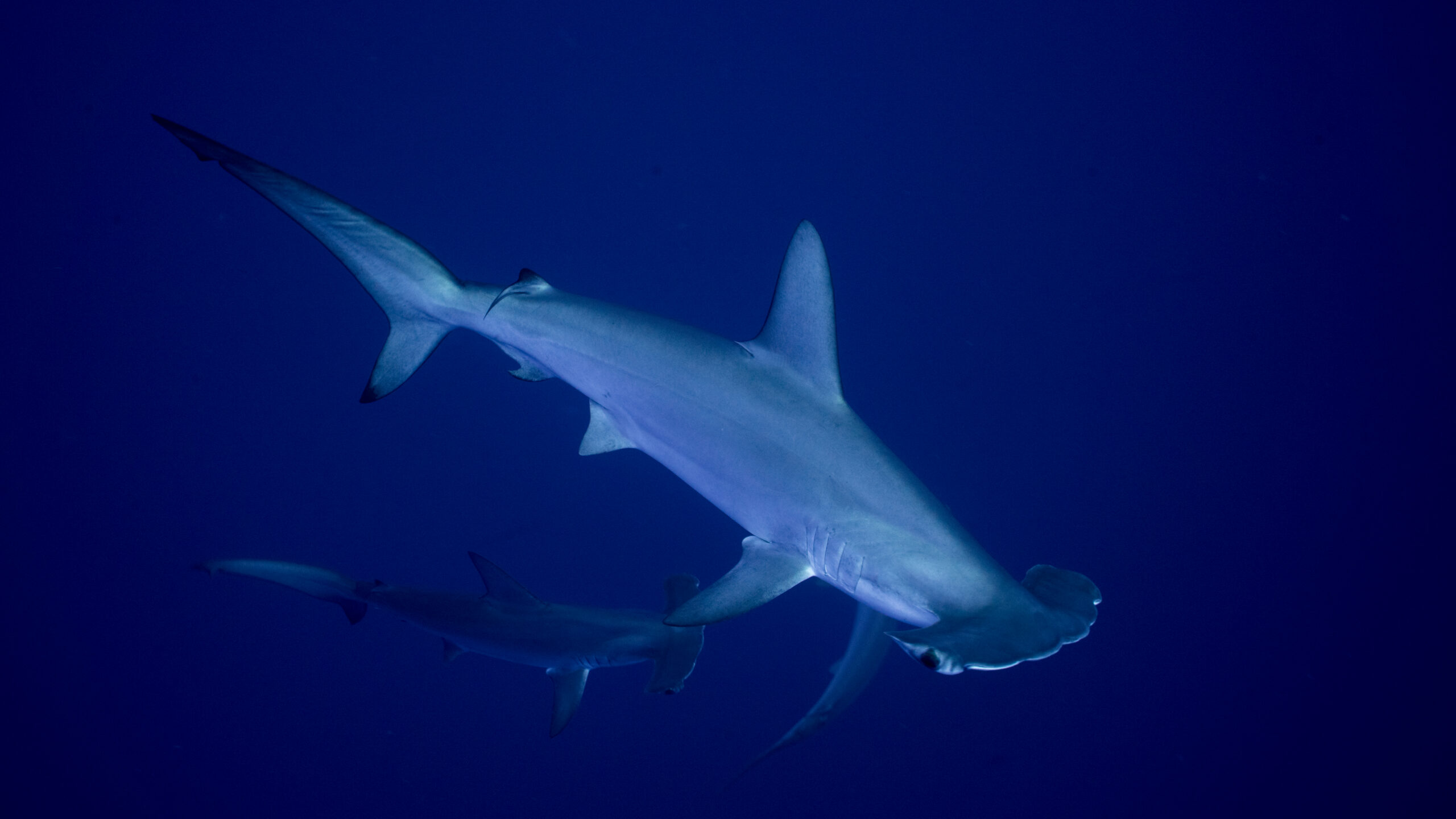
Sharks and rays gain landmark protections as nations move to curb international trade

But until last week, there were no international controls in place to regulate trade in these species despite growing demand for their livers.

That has now changed through the latest decisions adopted at CITES, which Warwick said mark a turning point in marine conservation.

For much of its 50-year history, the convention focused on protecting iconic land species like elephants, rhinos, primates, and parrots, or charismatic marine species like sea turtles, Warwick said. By 1981, CITES had imposed an international ban on all international trade of sea turtles, which Warwick credited for helping some species make remarkable comebacks in the last few decades. Only in the last 10 years, Warwick said, has the convention slowly begun recognizing sharks and rays with similar urgency.

This year at COP20, all proposed protections for sharks and rays were adopted, largely with unanimous support from CITES’ 185 member countries and the European Union, which Warwick said had never happened before.

The European Union is one of the top suppliers of shark meat to Southeast and East Asian markets, with its imports and exports adding up to more than 20 percent of global shark meat trade, according to the World Wildlife Fund. 

Gulper sharks, targeted for their livers, as well as smoothhound and tope sharks, which are primarily fished for their meat, were listed under CITES’ Appendix II. Each listing covers multiple species—20 species of gulper sharks and 30 species of smoothhounds—grouped together because their products cannot be reliably distinguished in trade.

The listing requires all CITES parties to strictly regulate international trade of the species and demonstrate if it is traceable and biologically sustainable. Some species, including wedgefish and giant guitarfish—large shark-like rays targeted for their highly valuable fins—are now protected by a temporary suspension of trade.

Others, such as oceanic whitetips, whale sharks, manta, and devil rays, can no longer be traded internationally at all. Under the new protections, CITES now lists them as Appendix I species, meaning they face a real extinction risk due to trade and are afforded the treaty’s highest level of protection.

https://arstechnica.com/science/2025/12/sharks-and-rays-gain-landmark-protections-as-nations-move-to-curb-international-trade/


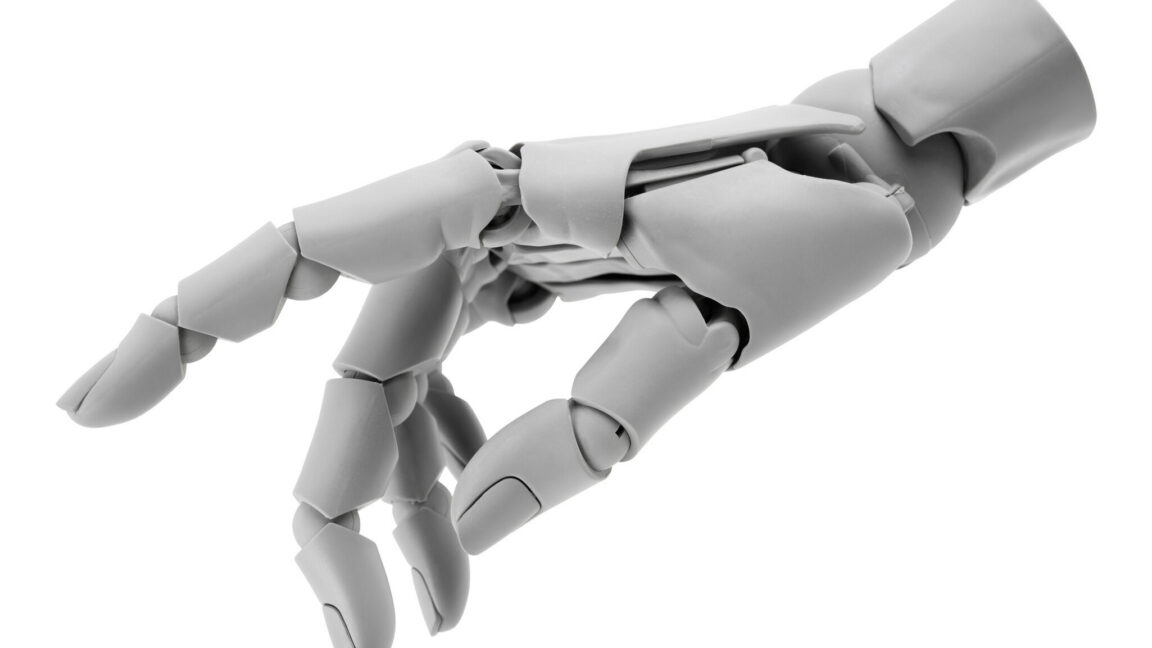
Scientists built an AI co-pilot for prosthetic bionic hands

To test their AI-powered hand, the team asked intact and amputee participants to manipulate fragile objects: pick up a paper cup and drink from it, or take an egg from a plate and put it down somewhere else. Without the AI, they could succeed roughly one or two times in 10 attempts. With the AI assistant turned on, their success rate jumped to 80 or 90 percent. The AI also decreased the participants’ cognitive burden, meaning they had to focus less on making the hand work.

But we’re still a long way away from seamlessly integrating machines with the human body.

Into the wild

“The next step is to really take this system into the real world and have someone use it in their home setting,” Trout says. So far, the performance of the AI bionic hand was assessed under controlled laboratory conditions, working with settings and objects the team specifically chose or designed.

“I want to make a caveat here that this hand is not as dexterous or easy to control as a natural, intact limb,” George cautions. He thinks that every little increment that we make in prosthetics is allowing amputees to do more tasks in their daily life. Still, to get to the Star Wars or Cyberpunk technology level where bionic prostheses are just as good or better than natural limbs, we’re going to need more than just incremental changes.

Trout says we’re almost there as far as robotics go. “These prostheses are really dexterous, with high degrees of freedom,” Trout says, “but there’s no good way to control them.” This in part comes down to the challenge of getting the information in and out of users themselves. “Skin surface electromyography is very noisy, so improving this interface with things like internal electromyography or using neural implants can really improve the algorithms we already have,” Trout argued. This is why the team is currently working on neural interface technologies and looking for industry partners.

“The goal is to combine all these approaches in one device,” George says. “We want to build an AI-powered robotic hand with a neural interface working with a company that would take it to the market in larger clinical trials.”

Nature Communications, 2025.  DOI: 10.1038/s41467-025-65965-9

https://arstechnica.com/ai/2025/12/scientists-built-an-ai-co-pilot-for-prosthetic-bionic-hands/


Investors commit quarter-billion dollars to startup designing “Giga” satellites

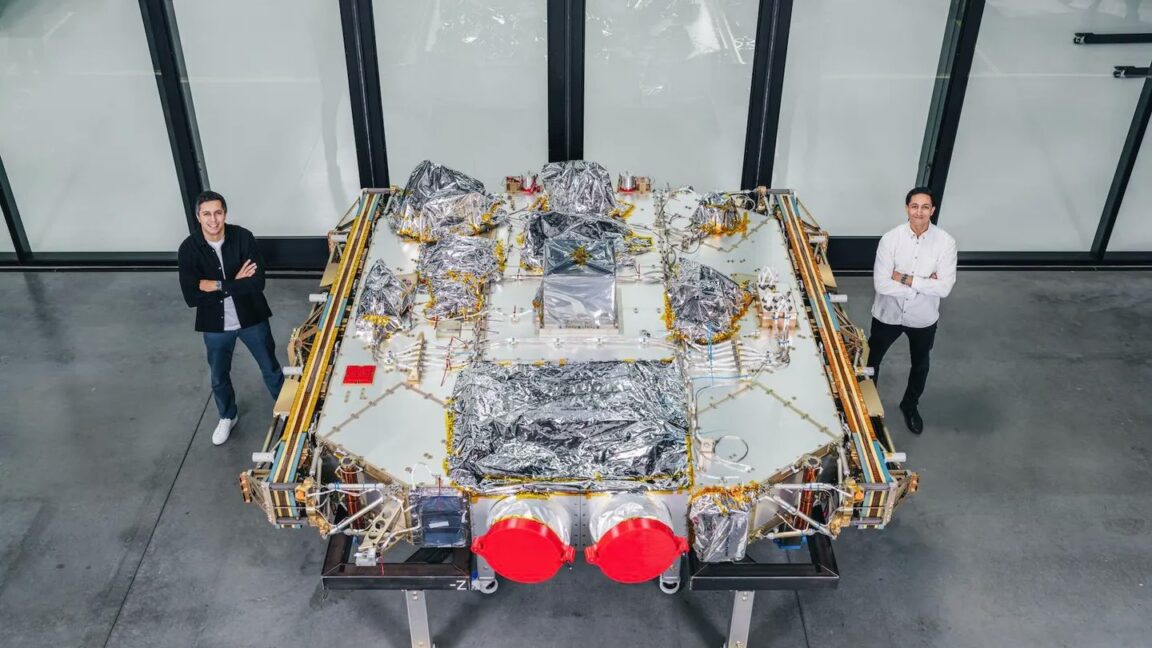
A startup established three years ago to churn out a new class of high-power satellites has raised $250 million to ramp up production at its Southern California factory.

The company, named K2, announced the cash infusion on Thursday. K2’s Series C fundraising round was led by Redpoint Ventures, with additional funding from investment firms in the United States, the United Kingdom, and Germany. K2 has now raised more than $400 million since its founding in 2022 and is on track to launch its first major demonstration mission next year, officials said.

K2 aims to take advantage of a coming abundance of heavy- and super-heavy-lift launch capacity, with SpaceX’s Starship expected to begin deploying satellites as soon as next year. Blue Origin’s New Glenn rocket launched twice this year and will fly more in 2026 while engineers develop an even larger New Glenn with additional engines and more lift capability.

Underscoring this trend toward big rockets are other launchers like SpaceX’s Falcon 9 and Falcon Heavy, United Launch Alliance’s Vulcan, and new vehicles from companies like Rocket Lab, Relativity Space, and Firefly Aerospace. K2’s founders believe satellites will follow a similar progression, reversing a trend toward smaller spacecraft in recent years, to address emerging markets like in-space computing and data processing.

Mega, then Giga

K2 is designing two classes of satellites—Mega and Giga—that it will build at an 180,000-square-foot factory in Torrance, California. The company’s first “Mega Class” satellite is named Gravitas. It is scheduled to launch in March 2026 on a Falcon 9 rocket. Once in orbit, Gravitas will test several systems that are fundamental to K2’s growth strategy. One is a 2o-kilowatt Hall-effect thruster that K2 says will be four times more powerful than any such thruster flown to date. Gravitas will also deploy twin solar arrays capable of generating 20 kilowatts of power.

“Gravitas brings our full stack together for the first time,” said Karan Kunjur, K2’s co-founder and CEO, in a company press release. “We are validating the architecture in space, from high-voltage power and large solar arrays to our guidance and control algorithms, and a 20 kW Hall thruster, and we will scale based on measured performance.”

https://arstechnica.com/science/2025/12/investors-commit-quarter-billion-dollars-to-startup-designing-giga-satellites/


Court: “Because Trump said to” may not be a legally valid defense

In one of those cases, a judge lifted the hold on construction, ruling that a lack of a sound justification for the hold made it “the height of arbitrary and capricious,” a legal standard that determines whether federal decision-making is acceptable under the Administrative Procedures Act. If this were a fictional story, that would be considered foreshadowing.

With no indication of how long the comprehensive assessment would take, 17 states sued to lift the hold on permitting. They were joined by the Alliance for Clean Energy New York, which represents companies that build wind projects or feed their supply chain. Both the plaintiffs and the agencies that were sued asked for summary judgment in the case.

The first issue Judge Saris addressed is standing: Are the states suffering appreciable harm from the suspension of wind projects? She noted that they would receive tax revenue from the projects, that their citizens should see reduced energy costs following their completion, and that the projects were intended to contribute to their climate goals, thus limiting harm to their citizens. At one point, Saris even referred to the government’s attempts to claim the parties lacked standing as “tilting at windmills.”

The government also argued that the suspension wasn’t a final decision—that would come after the review—and thus didn’t fall under the Administrative Procedures Act. But Saris ruled that the decision to suspend all activity pending the rule was the end of a decision-making process and was not being reconsidered by the government, so it qualified.

Because Trump told us to

With those basics out of the way, Saris turned to the meat of the case, which included a consideration of whether the agencies had been involved with any decision-making at all. “The Agency Defendants contend that because they ‘merely followed’ the Wind Memo ‘as the [Wind Memo] itself commands,’ the Wind Order did not constitute a ‘decision’ and therefore no reasoned explanation was required,” her ruling says. She concludes that precedent at the circuit court level blocks this defense, as it would mean that agencies would be exempt from the Administrative Procedures Act whenever the president told them to do anything.

https://arstechnica.com/tech-policy/2025/12/trumps-order-blocking-wind-development-thrown-out-by-court/