We finally know a little more about Amazon’s super-secret satellites

“Elon thinks we can do the job with cheaper and simpler satellites, sooner,” a source told Reuters at the time of Badyal’s dismissal. Earlier in 2018, SpaceX launched a pair of prototype cube-shaped Internet satellites for demonstrations in orbit. Then, less than a year after firing Badyal, Musk’s company launched the first full stack of Starlink satellites, debuting the now-standard flat-panel design.

In a post Friday on LinkedIn, Badyal wrote the Kuiper satellites have had “an entirely nominal start” to their mission. “We’re just over 72 hours into our first full-scale Kuiper mission, and the adrenaline is still high.”

The Starlink and Kuiper constellations use laser inter-satellite links to relay Internet signals from node-to-node across their networks. Starlink broadcasts consumer broadband in Ku-band frequencies, while Kuiper will use Ka-band.

Ultimately, SpaceX’s simplified Starlink deployment architecture has fewer parts and eliminates the need for a carrier structure. This allows SpaceX to devote a higher share of the rocket’s mass and volume capacity to the Starlink satellites themselves, replacing dead weight with revenue-earning capability. The dispenser architecture used by Amazon is a more conventional design, and gives satellite engineers more flexibility in designing their spacecraft. It also allows satellites to spread out faster in orbit.

Others involved in the broadband megaconstellation rush have copied SpaceX’s architecture.

China’s Qianfan, or Thousand Sails, satellites have a “standardized and modular” flat-panel design that “meets the needs of stacking multiple satellites with one rocket,” according to the company managing the constellation. While Chinese officials haven’t released any photos of the satellites, which could eventually number more than 14,000, this sounds a lot like the design of SpaceX’s Starlink satellites.

Another piece of information released by United Launch Alliance helps us arrive at an estimate of the mass of each Kuiper satellite. The collection of 27 satellites that launched earlier this week added up to be the heaviest payload ever flown on ULA’s Atlas V rocket. ULA said the total payload the Atlas V delivered to orbit was about 34,000 pounds, equivalent to roughly 15.4 metric tons.

It wasn’t clear whether this number accounted for the satellite dispenser, which likely weighed somewhere in the range of 1,000 to 2,000 pounds at launch. This would put the mass of each Kuiper satellite somewhere between 1,185 and 1,259 pounds (537 and 571 kilograms).

This is not far off the estimated mass of SpaceX’s most recent iteration of Starlink satellites, a version known as V2 Mini Optimized. SpaceX’s Falcon 9 rocket has launched up to 28 of these flat-packed satellites on a single launch.

https://arstechnica.com/space/2025/05/we-finally-know-a-little-more-about-amazons-super-secret-satellites/


Editorial: Censoring the scientific enterprise, one grant at a time

Misinformation research matters

This work is critical on its own. Results of misinformation research inform how we handle education, public service announcements, weather warnings, emergency response broadcasts, health advisories, agricultural practices, product recalls, and more. It’s how we get people to integrate data into their work, whether their work involves things like farming, manufacturing, fishing, or something else.

Understanding how speech on technical topics is perceived, drives trust, and changes behavior can help us ensure that our speech is more effective. Beyond its economic impact, research on misinformation helps create an informed public—the foundation of any democracy. Contrary to the president’s executive order, it does not “infringe on the constitutionally protected speech rights of American citizens.”

Misinformation research is only a threat to the speech of people who seek to spread misinformation.

Politics and science

Political attacks on misinformation research is censorship, driven by a dislike for the results it produces. It is also part of a larger threat to the NSF and the economic and social benefits that come from publicly funded research.

The NSF is a “pass through agency”—most of its annual budget (around $9 billion) passes through the agency and is returned to American communities in the form of science grants (80 percent of the budget) and STEM education (13 percent). The NSF manages these programs via a staff that is packed full of expert scientists in physics, psychology, chemistry, geosciences, engineering, sociology, and other fields. These scientists and the administrative staff (1,700 employees, who account for around 5 percent of its budget) organize complex peer-review panels that assess and distribute funding to cutting-edge science.

In normal times, presidents may shift the NSF’s funding priorities—this is their prerogative. This process is political. It always has been. It always will be. Elected officials (both presidents and Congress) have agendas and interests and want to bring federal dollars to their constituents. Additionally, there are national priorities—pandemic response, supercomputing needs, nanotechnology breakthroughs, space exploration goals, demands for microchip technologies, and artificial intelligence advancements.

https://arstechnica.com/science/2025/05/editorial-censoring-the-scientific-enterprise-one-grant-at-a-time/


New material may help us build Predator-style thermal vision specs

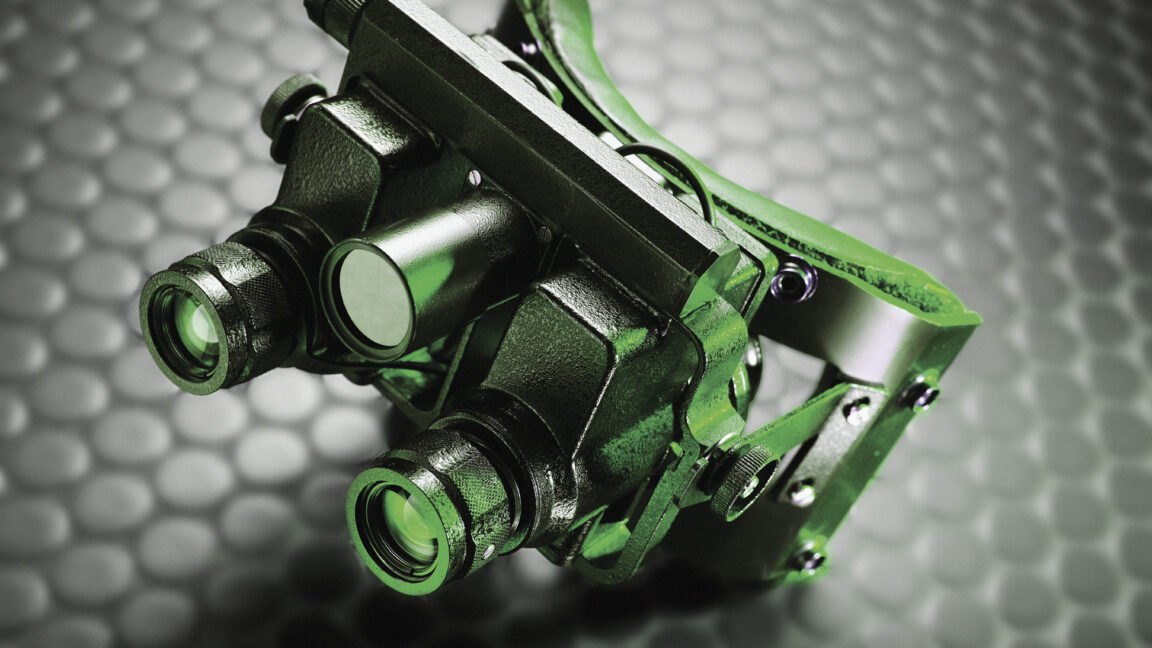
One way to do that is called remote epitaxy, where an intermediate layer made out of graphene or other material is introduced between the substrate and the growing crystals. Once the epitaxy process is done, the substrate and everything on it are soaked in a chemical solution that dissolves this intermediate layer, leaving the crystalline film intact. This works but is expensive, difficult to scale, and takes a lot of time. To make the process cheaper and faster, the MIT team had to grow the crystals directly on the substrate, without any intermediate layers. What they were trying to achieve was a non-stick frying pan effect but at an atomically small scale.

Weakening the bonds

The material that prevented the crystalline films from sticking to substrates wasn’t Teflon but lead. When the team was experimenting with growing different films in their previous studies, they noticed that there was a material that easily came off the substrate, yet retained an atomically smooth surface: PMN-PT, or lead magnesium niobate-lead titanate.

The lead atoms in the PMN-PT weakened the covalent bonds between the film and the substrate, preventing the electrons from jumping through the interface between the two materials. “We just had to exert a bit of stress to induce a crack at the interface between the film and the substrate and we could realize the liftoff,” Zhang told Ars. “Very simple—we could remove these films within a second.”

But PMN-PT, besides its inherent non-stickiness, had more tricks up its sleeves; it had exceptional pyroelectric properties. Once the team realized they could manufacture and peel away PMN-PT films at will, they tried something a bit more complex: a cooling-free, far-infrared radiation detector. “We were trying to achieve performance comparable with cooled detectors,” Zhang says.

The detector they constructed was made from 100 pieces of 10-nanometer-thin PMN-PT films, each about 60 square microns, that the team transferred onto a silicon chip. This produced a 100-pixel infrared sensor. Tests with ever smaller changes in temperature indicated that it outperformed state-of-the art night vision systems and was sensitive to radiation across the entire infrared spectrum. (Mercury cadmium telluride detectors respond to a much narrower band of wavelengths.)

https://arstechnica.com/science/2025/05/new-material-may-help-us-build-predator-style-thermal-vision-specs/


Sen. Susan Collins blasts Trump for cuts to scientific research

This article originally appeared on Inside Climate News, a nonprofit, non-partisan news organization that covers climate, energy, and the environment. Sign up for their newsletter here.

Sen. Susan Collins (R-Maine) kicked off a Wednesday hearing criticizing ​​the Trump administration for cutting science funding, firing federal scientists, and triggering policy uncertainties that she said threaten to undermine the foundation for America’s global leadership.

Collins, chair of the Senate Appropriations Committee, said the administration’s abrupt cancellation of grants and laying off scientists has little or no justification. “These actions put our leadership in biomedical innovation at real risk and must be reversed,” she said.

Her warning came as American University’s Institute for Macroeconomic & Policy Analysis published a study Wednesday showing how major cuts to federal funding for scientific research could cause economic damage equivalent to a major recession.

In the first 100 days of Trump 2.0, the administration has fired 1,300 employees from the National Institutes of Health, the largest funder of biomedical research in the world, and canceled more than $2 billion in federal research grants.

Earlier this week, the administration dismissed all the scientists and other authors working on the next authoritative look at how climate change is affecting the US.

In one such cutback, the Trump administration stripped almost $4 million in federal funding from Princeton’s climate research department as it determined that Princeton’s work did not align with the objectives of the National Oceanic and Atmospheric Administration (NOAA).

The White House said Princeton’s research on topics including sea level rise, coastal flooding, and global warming promoted “exaggerated and implausible climate threats,” according to a US Department of Commerce press release earlier this month explaining the funding cuts.

The White House is expected to propose additional reductions in discretionary spending as part of the annual budget process. Federal agencies like the NIH and the National Science Foundation are among the few funding basic and applied scientific research.

The study, from a group of American University economists, is among the first to run preliminary macroeconomic estimates of the cost of the Department of Government Efficiency and the Trump administration’s cuts to public spending on science.

https://arstechnica.com/science/2025/05/sen-susan-collins-blasts-trump-for-cuts-to-scientific-research/


Neanderthals invented their own bone weapon technology by 80,000 years ago

Working bone into a streamlined, aerodynamic spear point, then hafting it onto a shaft with tar that had to be extracted and refined before use takes some sophisticated knowledge and skill. And it’s clear that the Neanderthals developed that skill on their own, instead of acquiring it from our species through some sort of prehistoric ITAR violation. Even so, Golovanova and colleagues note in their paper that “the production technology of bone-tipped hunting weapons used by Neanderthals was in the nascent level in comparison to those used and introduced by modern humans.” (Which seems a bit rude.)

Slightly damaged, use at own risk

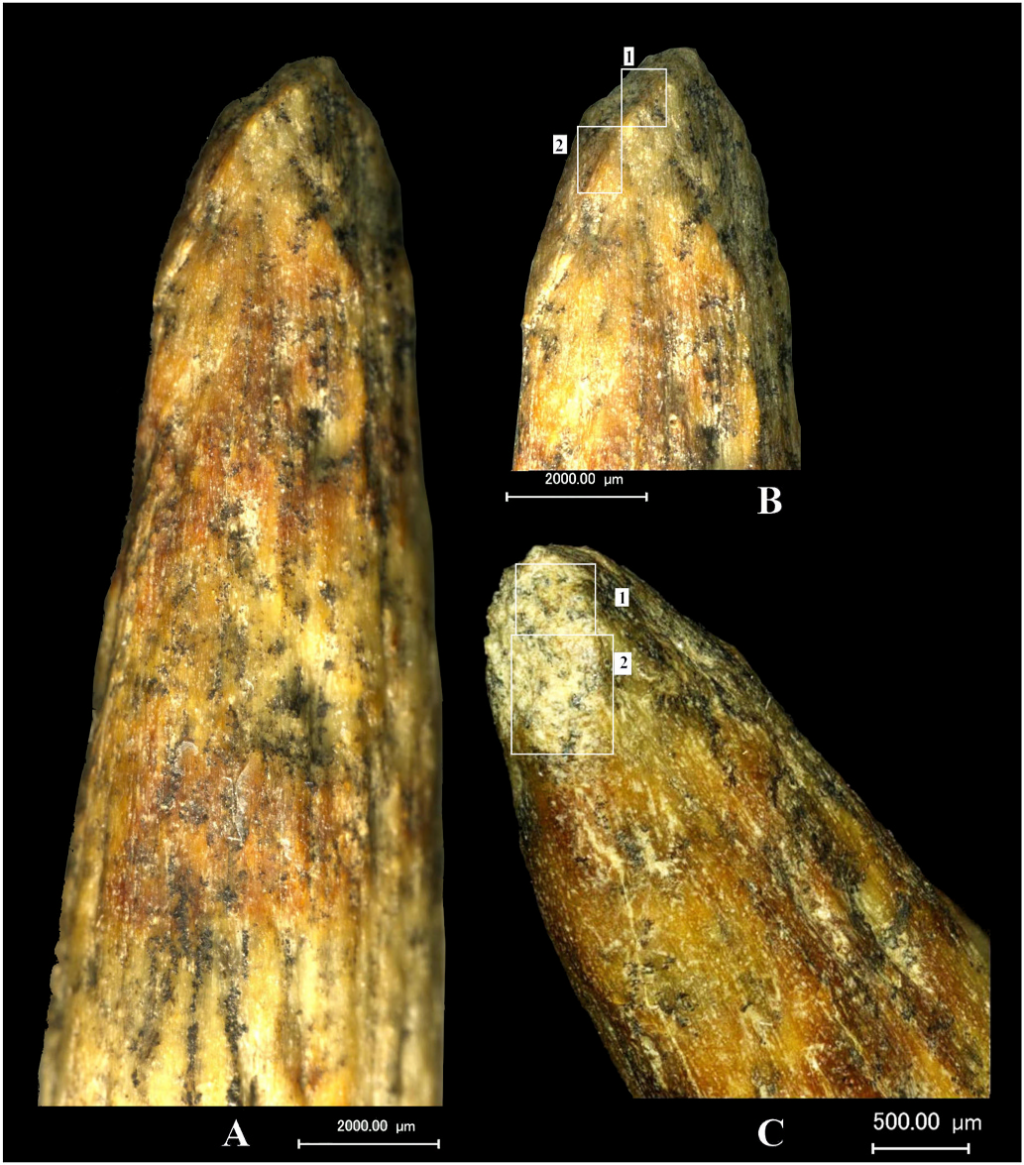
photo of the tip of a bone spear on a black background

In these magnified photos, you can see the impact damage to the point’s tip. Credit: Golovanova et al. 2025

A small crack at the tip of the spear point shows that some Neanderthal hunter used it at least once and managed to hit something. Golovanova and colleagues examined the crack and the finer network of cracks (visible in micro-CT images) that spread back and out from the original break. Those cracks closely resembled damage from a head-on impact, which archaeologists have seen in bone tools from other sites and in experimental studies (also called “archaeologists made some bone-tipped spears and threw them at things to see what would happen,” which is an excellent approach to science).

And apparently a bone spear point was worth trying to fix up and reuse, because traces of grinding show that someone tried to smooth out the crack, probably with a stone tool.

What kinds of prey were the Neanderthals of Mezmaiskaya Cave hunting? Based on the bones found in the cave, many of which show marks from cutting and scraping, the local menu included some birds and small mammals, but also bigger game like bison, deer, relatives of modern horses, and wild sheep and goats.

The point is, interspecies interactions are complicated

Archaeologists have found plenty of evidence that Neanderthals used bone tools for all sorts of things, from shaping and retouching stone to softening animal hides. The projectile point, though, is the first evidence that Neanderthals knew how to carefully work bone into a particular shape, instead of just picking up a conveniently shaped rib to smooth out some hides.

Using specific processes to sculpt bone, combined with using ocher to decorate things and using tar and resin to stick things together, is part of what anthropologists have defined as “modern” human behavior. And it looks like Homo sapiens and Neanderthals each worked most of it out on their own, separately, long before the two species met.

There’s good reason to think that the two groups eventually traded some key bits of technology here and there, but that exchange wasn’t the one-way street that anthropologists once expected.

Journal of Archaeological Science, 2023 DOI: 10.1016/j.jas.2025.106223; (About DOIs).

https://arstechnica.com/science/2025/05/neanderthals-invented-their-own-bone-weapon-technology-by-80000-years-ago/


DNA links modern pueblo dwellers to Chaco Canyon people

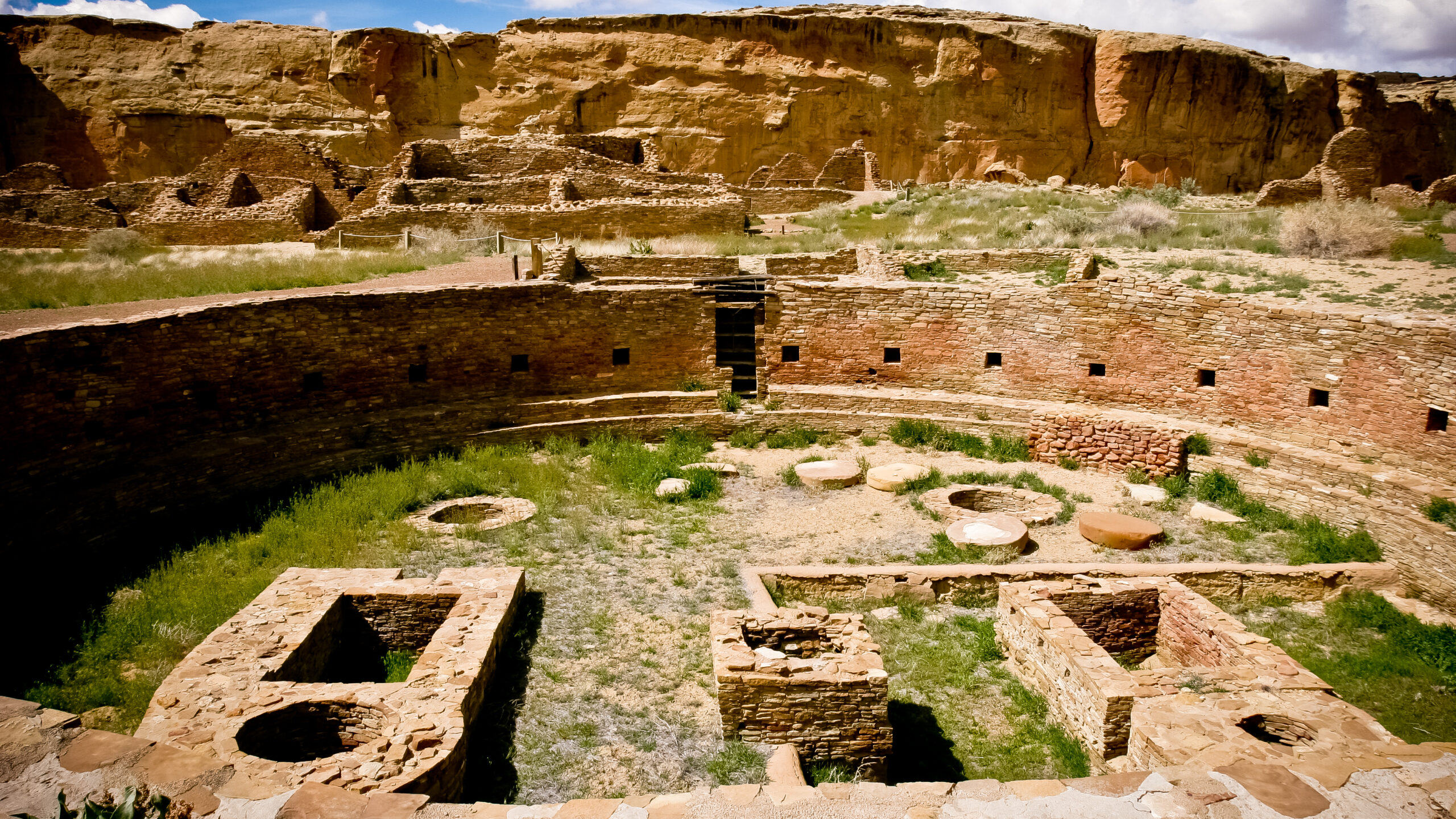
A thousand years ago, the people living in Chaco Canyon were building massive structures of intricate masonry and trading with locations as far away as Mexico. Within a century, however, the area would be largely abandoned, with little indication that the same culture was re-established elsewhere. If the people of Chaco Canyon migrated to new homes, it’s unclear where they ended up.

Around the same time that construction expanded in Chaco Canyon, far smaller pueblos began appearing in the northern Rio Grande Valley hundreds of kilometers away. These have remained occupied to the present day in New Mexico; although their populations shrank dramatically after European contact, their relationship to the Chaco culture has remained ambiguous. Until now, that is. People from one of these communities, Picuris Pueblo, worked with ancient DNA specialists to show that they are the closest relatives of the Chaco people yet discovered, confirming aspects of the pueblo’s oral traditions.

A pueblo-driven study

The list of authors of the new paper describing this genetic connection includes members of the Pueblo government, including its present governor. That’s because the study was initiated by the members of the Pueblo, who worked with archeologists to get in contact with DNA specialists at the Center for GeoGenetics at the University of Copenhagen. In a press conference, members of the Pueblo said they’d been aware of the power of DNA studies via their use in criminal cases and ancestry services. The leaders of Picuris Pueblo felt that it could help them understand their origin and the nature of some of their oral history, which linked them to the wider Pueblo-building peoples.

After two years of discussions, the collaboration settled on a plan of research, and the ancient DNA specialists were given access to both ancient skeletons at Picuris Pueblo, as well as samples from present-day residents. These were used to generate complete genome sequences.

The first clear result is that there is a strong continuity in the population living at Picuris. The ancient skeletons range from 500 to 700 years old, and thus date back to roughly the time of European contact, with some predating it. They also share strong genetic connections to the people of Chaco Canyon, where DNA has also been obtained from remains. “No other sampled population, ancient or present-day, is more closely related to Ancestral Puebloans from Pueblo Bonito [in Chaco Canyon] than the Picuris individuals are,” the paper concludes.

https://arstechnica.com/science/2025/04/dna-links-modern-pueblo-dwellers-to-chaco-canyon-people/


Research roundup: Tattooed tardigrades and splash-free urinals

It’s a regrettable reality that there is never time to cover all the interesting scientific stories we come across each month. In the past, we’ve featured year-end roundups of cool science stories we (almost) missed. This year, we’re experimenting with a monthly collection. April’s list includes new research on tattooed tardigrades, the first live image of a colossal baby squid, the digital unfolding of a recently discovered Merlin manuscript, and an ancient Roman gladiator whose skeleton shows signs of being gnawed by a lion.

Gladiator vs. lion?

Puncture injuries by large felid scavenging
Puncture injuries by large felid scavenging. Credit: Thompson et al., 2025/PLOS One/CC-BY 4.0

Popular depictions of Roman gladiators in combat invariably include battling not just human adversaries but wild animals. We know from surviving texts, imagery, and artifacts that such battles likely took place. But hard physical evidence is much more limited. Archaeologists have now found the first direct osteological evidence: the skeleton of a Roman gladiator who encountered a wild animal in the arena, most likely a lion, based on bite marks evident on the pelvic bone, according to a paper published in the journal PLoS ONE.

The skeleton in question was that of a young man, age 26 to 35, buried between 200–300 CE near what is now York, England, formerly the Roman city of Eboracum. It’s one of several such skeletons, mostly young men whose remains showed signs of trauma—hence the suggestion that it could be a gladiator burial site. “We used a method called structured light scanning [to study the skeleton],” co-author Tim Thompson of Maynooth University told Ars. “It’s a method of creating a 3D model using grids of light. It’s not like X-ray or CT, in that it only records the surface (not internal) features, but since it uses light and not X-rays etc, it is much safer, cheaper, and more portable. We have published a fair bit on this and shown its use in both archaeological and forensic contexts.”

The team compared the pelvic lesions found on the subject skeleton with bite marks from modern animal specimens and concluded that the young man had been bitten by a “large feline species,” most likely a lion scavenging on the body around the time of death. The young man was decapitated after death for unknown reasons, although this was a ritualistic practice for some people during the Roman period. While the evidence is technically circumstantial, “we are confident with our conclusions,” said Thompson. “We’ve adopted a multidisciplinary approach to address this issue and have drawn on methods from different subjects, too. Our use of contemporary comparison zoological material is really what gives us the confidence.”

https://arstechnica.com/science/2025/04/research-roundup-tattooed-tardigrades-and-splash-free-urinals/


RFK Jr. rejects cornerstone of health science: Germ theory

Looking back, Offit said he was sandbagged. “He’s a liar. He lied about who he was; he lied about what he was doing. He was just wanting to set me up,” Offit said.

Although that was the only time they had ever spoken, Kennedy has continued to disparage and malign Offit over the years. In his book dedicated to denigrating Fauci, Kennedy spends plenty of time spitting insults at Offit, calling him a “font of wild industry ballyhoo, prevarication, and outright fraud.” He also makes the wildly false claim that RotaTeq “almost certainly kills and injures more children in the United States than the rotavirus disease.”

Inconvincible

Understanding that Kennedy is a germ theory denialist and terrain theory embracer makes these attacks easier to understand—though no less abhorrent or dangerous.

“He holds these beliefs like a religious conviction,” Offit said. “There is no shaking him from that,” regardless of how much evidence there is to prove him wrong. “If you’re trying to talk him out of something that he holds with a religious conviction—that’s never going to happen. And so any time anybody disagrees with him, he goes, ‘Well, of course, they’re just in the pocket of industry; that’s why they say that.'”

There are some aspects of terrain theory that do have a basis in reality. Certainly, underlying medical conditions—which could be considered a disturbed bodily “terrain”—can make people more vulnerable to disease. And, with recent advances in understanding the microbiome, it has become clear that imbalances in the microbial communities in our gastrointestinal tracts can also predispose people to infections.

But, on the whole, the evidence against terrain theory is obvious and all around us. Terrain theorists consider disease a symptom of an unhealthy internal state, suggesting that anyone who gets sick is unhealthy and that all disease-causing germs are purely opportunistic. This is nonsense: Plenty of people fall ill while being otherwise healthy. And many germs are dedicated pathogens, with evolved, specialized virulence strategies such as toxins, and advanced defense mechanisms such as antibacterial resistance. They are not opportunists.

https://arstechnica.com/health/2025/04/rfk-jr-s-anti-vaccine-stance-is-rooted-in-a-disbelief-in-germ-theory/


Firefly’s rocket suffers one of the strangest launch failures we’ve ever seen

There are several European launchers in operation or development—Arianespace’s Vega, Isar Aerospace’s Spectrum, and Rocket Factory Augsburg’s RFA One—with lift capacities comparable or slightly higher than Firefly’s Alpha.

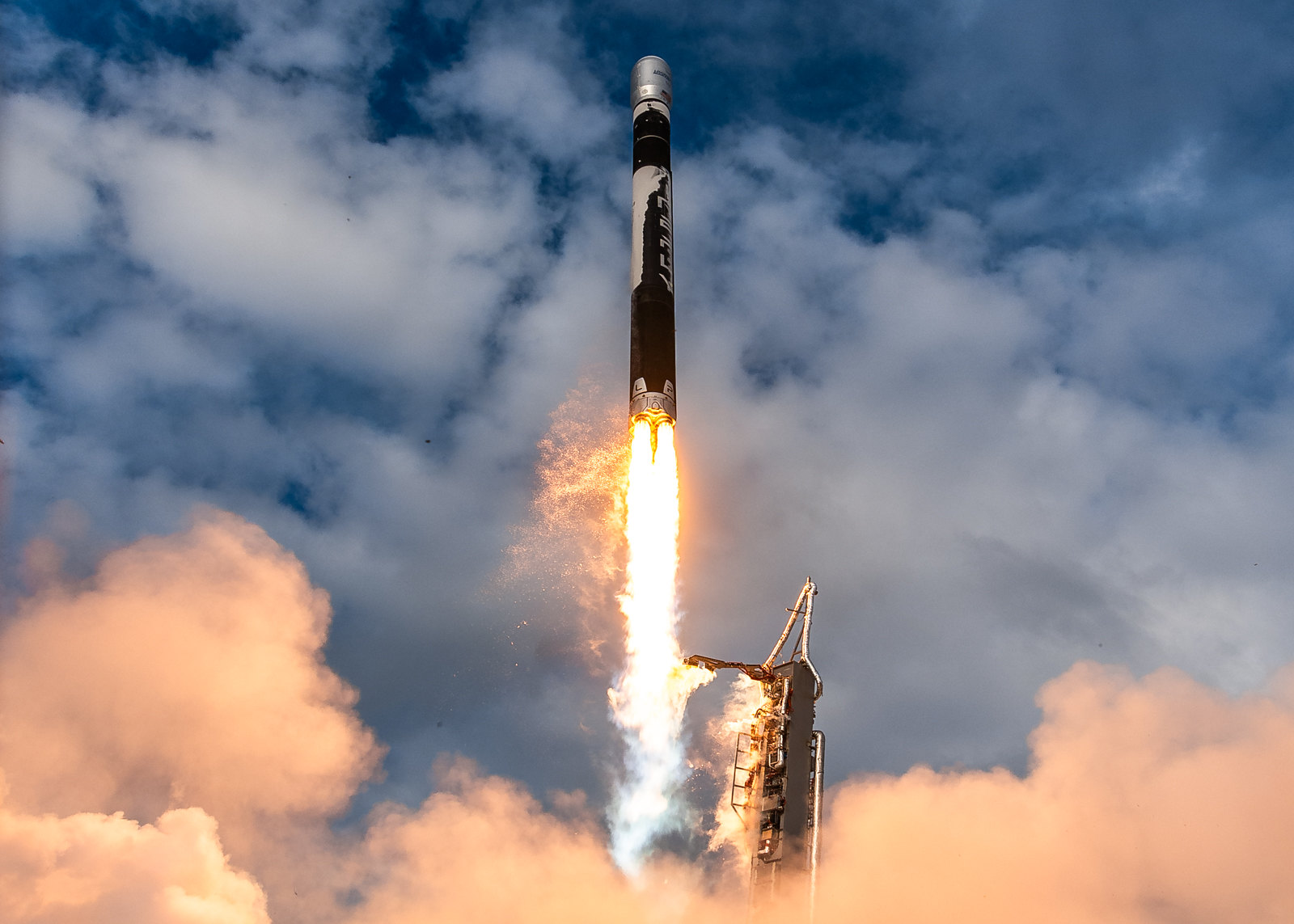
File photo of a Firefly Alpha rocket lifting off in 2023. The launch on Tuesday occurred in foggy conditions.

Firefly argues that its Alpha rocket services a niche in the market for satellites too large to fly with Rocket Lab or too small to merit a dedicated flight with SpaceX. Firefly has some contract wins to bear this out. The launch on Tuesday was the first of up to 25 Alpha flights booked by Lockheed Martin to launch a series of tech demo satellites. The first of these was Lockheed Martin’s 3,836-pound (1,740-kilogram) LM-400 satellite, which was lost on Tuesday’s mission.

NASA, the National Oceanic and Atmospheric Administration, the National Reconnaissance Office, the US Space Force, and several more commercial customers have also reserved slots on Firefly’s launch schedule. With these contracts, Firefly has the fourth-largest launch confirmed backlog of any US launch company, following SpaceX, United Launch Alliance, and Rocket Lab.

While Firefly continues flying the Alpha rocket, its engineers are developing a larger Medium Launch Vehicle in partnership with Northrop Grumman. Last month, Firefly celebrated the most significant accomplishment in its 11-year history—the first fully successful landing on the Moon by a commercial entity.

But while Firefly’s first missions at its founding were to build rocket engines and launch small satellites, other markets may ultimately prove more lucrative.

Peter Beck, Rocket Lab’s founder and CEO, argues rockets like Firefly’s Alpha are in a “no man’s land” in the launch market. “It’s too small to be a useful rideshare mission, and it’s too big to be a useful dedicated rocket” for smallsats, Beck told Space News.

Firefly might have a good strategy to prove Beck wrong. But first, it needs a more reliable rocket.

https://arstechnica.com/science/2025/04/fireflys-rocket-suffers-one-of-the-strangest-launch-failures-weve-ever-seen/


Physics of the perfect cacio e pepe sauce

Terlizzi and his fellow author are all living abroad and frequently meet for dinner. Cacio e pepe is among their favorite traditional dishes to make, and as physicists, they couldn’t help but want to learn more about the unique physics of the process, not to mention “the more practical aim to avoid wasting good pecorino,” said Terlizzi. They focused on the separation that often occurs when cheese and water are mixed, building on earlier culinary experiments.

As the pasta cooks in boiling water, the noodles release starch. Traditionally, the chef will extract part of the water and starch solution—which is cooled to a suitable temperature to avoid clumping as the cheese proteins “denaturate”—and mix it with the cheese to make the sauce, adding the pepper last, right before serving. But the authors note that temperature is not the only factor that can lead to this dreaded “mozzarella phase.”

According to the authors, if one tries to mix cheese and water without any starch, the clumping is more pronounced. There is less clumping with water containing a little starch, like water in which pasta has been cooked. And when one mixes the cheese with pasta water “risottata”—i.e., collected and heated in a pan so enough water evaporates that there is a higher concentration of starch—there is almost no clumping.

Effect of trisodium citrate on the stability of Cacio e pepe sauce.

Effect of trisodium citrate on the stability of cacio e pepe sauce. Credit: G. Bartolucci et al., 2025

So starch plays a crucial role in the process of making cacio e pepe. The authors devised a set of experiments to scientifically investigate the phase behavior of water, starch, and cheese mixed together in various concentrations and at different temperatures. They primarily used standard kitchen tools to make sure home cooks could recreate their results (although not every kitchen has a sous vide machine). This enabled them to devise a phase diagram of what happens to the sauce as the conditions change.

https://arstechnica.com/science/2025/04/physics-of-the-perfect-cacio-e-pepe-sauce/