Instagram to Show More Recent Posts First by @MattGSouthern

Instagram is moving away from its algorithmic feed and will start showing newer posts near the top.

The company isn’t fully bringing back the chronological feed, though it will make a better effort to show users the most timely posts.

In addition, Instagram will stop automatically refreshing the feed and bumping users back up to the top. A “New Posts” button will let users choose when they want to refresh, otherwise the feed will stay where they last left off.

Further improvements will be rolled out to Instagram over the next few months.

http://tracking.feedpress.it/link/13962/8635697


Participating in the conversation: 10 ways to generate traffic WITHOUT Google

Back in 2014 my colleague Chuck Price published The 10 Best Ways to Generate Traffic WITHOUT Google here at Search Engine Watch.

Much like the world of search and the perpetually updated algorithms of Google, the landscape of non-Google marketing sees techniques, platforms and priorities change over time.

What hasn’t changed is the importance of understanding how to generate traffic without Google. Google is big, but it is not good to concentrate all your efforts into just one referrer.

Recent data (from Shareaholic) sees search engines account for around 40% of website referrals. This compares to around 20% for social media – a smaller but notable chunk of potential traffic. These percentages are always fluctuating. And, of course, there’s more to non-Google traffic than social.

I thought I’d use today’s post to update Chuck’s 10. As you’ll see, some methods are still around, some are absent, and others are more important than they were four years ago.

I also want to throw in a new over-arching theme, by way of a question I believe is more important for content and search marketers now than it has ever been:

Am I participating in the conversation?

In short, you should be. The key to succeeding with the following 10 non-Google traffic sources is by honest participation and engagement, as opposed to spamming and dropping links to your website around the internet. It is a question we’ll return to throughout.

1. Blogs

Blogging?! Nothing new here! I hear you say.

Perhaps, but I want to deal with blogs first because for me they are the first step to ‘participating in the conversation.’ And, today, there is more to blogging than simply having a part of your website dedicated to regularly updated posts.

Onsite

Blog posts on your site are great for non-Google traffic of course. You can publish at will and with more authorial control than you might get from an offsite blog. You can then use that content to entice visitors to come and read your posts via social channels etc.

Guest posts

Blog-writing is not a skill that only serves your own blog, though. Guest blogging is still a good way to further establish authority in your industry and to potentially get visitors of those blogs to click through to your site.

Offsite blog platforms

Offsite blogging platforms such as Medium are ever-improving the ways they promote articles (via email digests and at the foot of article pages) to users depending on the topics they choose to follow. Follow authors related to your niche and participate in the communities that exist there.

Comments

Don’t have time to write a full post? You can also ‘participate in the conversation’ by adding to blog comments. Be sure to prioritize adding value to the page over merely leaving a link.

The commenting engine we use on SEW, Disqus, allows commenters to have a weblink visible within their user profile when readers click their username. I’d argue it’s better practice to use this than dropping a URL in the comment itself.

2. Facebook

So you have a great piece of content – perhaps a blog post – on your website. Where are you going to share it?

Facebook is still the biggest social referrer online. According to Shareaholic, more than 18% of website referrals were from Facebook in the latter half of 2017. This is a drop from the year before, but the wedge is still huge. There are more than 2.1b monthly active Facebook users globally.

As Chuck notes, useful and fun content is the best type to share on the platform. And the best time to share on Facebook traffic-wise is around 12:00pm according to Revive Social.

3. YouTube

Although not as big on the social referral numbers as Facebook, I’ve included YouTube because it is still the second biggest social networking site globally with 1.5b monthly active users.

Like Google, YouTube uses a vast number of factors when deciding how to rank videos. These include keyword relevance in titles and descriptions, number of views, comments, likes, shares, and backlinks.

Going back to our participating in the conversation mantra, our ‘best practice’ aim with any YouTube content needs to focus on ensuring videos are valuable to those interested in your niche – whether from an entertaining or an educational standpoint (or both).

Traffic-wise, it is expected for users to be able to click-through to additional relevant information via links in the description under YouTube videos. And it can be a great referrer.

4. Instagram

I’m highlighting Instagram because in recent years it has risen to become the third most popular social channel (800m monthly active users) and it is still growing significantly as a referrer (up 890% between 2016 and 2017 according to Shareaholic).

Of course, Instagram really lends itself best to brands with the potential to produce strong visual content.

There is a heap of truth in the cliché that the platform is awash with pictures of food. It is an ideal place for chefs and restaurants to show-off their skills, use hashtags to align their posts with similar images, and to persuade viewers to click through to their website to find full recipes or directions to their establishment.

It works for other brands too. And is a great platform for inviting your audience to participate.

5. Pinterest

Pinterest, like Instagram, is highly visual.

Again, for certain niches it can drive a lot of traffic. Shareaholic actually ranks it as the second best social referrer with 7.53% share in the second half of 2017.

A majority of people who come to Pinterest are looking for shopping ideas – including for fashion, events and holidays. So it is a great platform for ecommerce sites in particular. You can even incorporate buy buttons directly into pins.

From a traffic perspective it is clearly working too. Brands can embed URLs at the top of their profile page. Participation is also fundamental to the mechanics of the site, with users re-pinning each other’s pins to their own curated boards.

6. Twitter

Twitter still holds its own as a leading social network and a key referrer of traffic.

It remains a great place to follow and converse with others who occupy your niche. If the tweets you send are a valuable mix of insight, retweets, links to other relevant content and occasional links to your own site – then you should find yourself able to generate good traffic when you do the latter.

But, again, valuable participation is key. Users will not follow you if your timeline is simply a stream of URLs to your site. Add to the conversations that occur there. And be sparing with self-promotion.

7. Reddit

Reddit continues to be a great place to interact with relevant communities related to many sectors.

How accepting the site is to redditors’ own links depends on the relative rules of each community and their moderators – with some being fairly open to it, others accepting a percentage of posted content to link out, and others not allowing it at all.

I’d argue that the best subreddits are those that are more strict about not letting users flagrantly post links. I prefer the conversational/forum elements over the bookmarking aspect.

New users need to devote time to adding to these communities and learning how they operate before even considering posting links back to your own site. But traffic can certainly be obtained from Reddit, particularly if the content you produce appeals to the unique wants of its users.

8. Forums

Like Reddit, forums are also great places to share your knowledge and to participate in the conversation.

And like Reddit, you need to spend some time engaging with other users and learning about the protocol for linking out to relevant content before tentatively offering links to your own site.

That said, forums can be great for gaining traffic. Fundamentally, users are not visiting such sites to be sold and marketed to – but many conversations do occur around looking for more information on products, services and answering questions. Does the content on your site offer such information?

9. Quora

Of course, questions and queries posted by web users can be a good opportunity for you to participate in the conversation and to offer up your expertise.

Users aren’t just asking questions on Google and Facebook. Specialist Q & A sites such as Quora see users ask hundreds of questions and the community offer even more answers.

See if your niche is being discussed, set up a profile page with a link to your site, and if you start answering these big questions knowledgeably and honestly, you might see users wanting to click through to know more about what you do.

Again, participation should be the priority. Authority and visibility in your niche is a great win, and any traffic is a bonus.

10. Email

Email remains a significant traffic source and is continually improving as a way to let your most engaged customers know about products, services, and new content that is increasingly tailored to them.

It differs from some of the other methods already mentioned because if users are already signed up to your mailing list, it is likely they are more engaged with your product or brand – especially compared to, for example, someone you might be chatting to in a forum or on Twitter.

Of course, you still need to offer value – and it’s best practice to do so at the outset of your message to not waste their time before enticing them to click through to your freshest and most relevant content.

And this doesn’t mean you shouldn’t still be…

Participating in the conversation

All the methods I’ve listed are great opportunities to share value with the online ecosystem. It is very likely that your business has a niche of followers online chatting and seeking information across a range of platforms.

It is also very likely that you may have some unique perspective or insight about that industry which others will find of value.

Participating in the conversation is good practice for ranking in Google, as well as driving traffic from other sources. And the more diverse the platforms you use, the more visibility you have across the board.

Related reading

https://searchenginewatch.com/2018/03/21/participating-in-the-conversation-10-ways-to-generate-traffic-without-google/


Pinterest Brings Shopping Ads to More Businesses by @MattGSouthern

Pinterest is expanding shopping ads to hundreds more businesses, a significant increase from the couple dozen retailers the ads were previously available to.

It’s important for marketers to take note of this because, according to the company, 90% of Pinterest users make purchases on the platform.

It also serves as a search and discovery platform, with 70% of users saying they use Pinterest to find new products. What that equates to is a substantial built-in audience of people that are ready to look for and buy products.

Shopping ads allow businesses to turn their online product catalog into shop-able pins. Since the ads are automatically generated, it’s absolutely necessary that advertisers have an existing product feed to pull from.

Pinterest is working on new ad designs that are currently in testing. The changes are said to be more effective at guiding users toward making a purchase.

In the example above you can see two of the new ad units that are in testing. One displays multiple angles of the same product, while the other features shots of the product juxtaposed against lifestyle imagery.

To get started with using shopping ads on Pinterest, fill out this form and Pinterest will contact you about the next steps. Alternatively, shopping ads can be set up through Pinterest’s marketing partners 4C and Kenshoo.

http://tracking.feedpress.it/link/13962/8615428


The Fundamentals of Influencer Marketing by @ashleymadhatter

Influencer marketing is the opportunity to have an influencer, someone with authority, market you.

The influencer promotes your brand, increases your exposure to their audience, and ultimately helps you sell more products (or gain new customers).

The promotion by an influencer is created either entirely by them or with your help, and the content can be in the form of a:

  • Social media post
  • Blog post
  • Video
  • Case study
  • Testimonial

Regardless of what industry you’re in, this type of marketing strategy is extremely effective. Any industry can try this marketing strategy simply because there are always authority figures represented for every industry.

Even plumbers have their own list of the most famous plumbers around.

When people think of influencer marketing, they often think of a Kardashian posting a photo on Instagram of them holding up a product.

Yes, that is one type of influencer marketing, but there are other types and others a bit more realistic for us average folk, if you may.

Don’t feel like you need to have a celebrity to be successful with influencer marketing, especially since 30 percent of consumers are more likely to buy a product recommended by a non-celebrity blogger.

Let’s get down into the nitty-gritty of influencer marketing and discover those other types, and how you can start developing your influencer strategy.

This guide is going to break down all of the fundamentals of influencer marketing, helping to give you a better understanding of why, how when, and where you should attempt influencer marketing as a strategy.

First things first, let’s cover the why and how.

Why We All Need Influencer Marketing & How We Can Use It

A 2016 study by TapInfluence and Nielsen Catalina Solutions revealed that influencer marketing generates 11 times the ROI of traditional digital marketing.

Let me re-type and bold that for you because it’s easy to read over numbers.

11 times the ROI!

If you’re only using traditional digital marketing (SEO, PPC, social media, etc.) then you’re clearly missing out on a huge opportunity to increase your ROI.

It doesn’t matter if your an agency, brand, or business – everyone can benefit from trying influencer marketing.

Don’t believe me? You should.

Influencer marketing is not “out of your league.” Here’s why.

Influencer Marketing for Agencies

How many clients does your agency have? That’s how many new influencing opportunities your agency has.

Agencies have the ability to use their own clients, the ones they like and that like them, to help promote their agency for them.

Think of it like receiving a referral. If someone enjoys working with you and the business next door asks how they got so successful so quickly, they’re going to tell the next door business all about your agency and how you helped them.

Case Studies & New Content

Capitalize on this process and ask your clients for video testimonials, to become a part of your referral program (create one), and if you can use their results for case studies.

If you’ve really been able to positively impact a client, they’re highly likely to approve you sharing the story of how you took them from 1 to 10.

Gather a dozen different case studies from your past and current clients to publish on your website, social pages, email newsletters, and in ads. This isn’t only additional content, but content your existing and new clients will appreciate.

You can also make the case study a pretty little PDF and share it with the case study client for them to share among their peers.

If you really helped them reach their goals, they’re going to love the PDF filled with graphics, charts, and impressive numbers to share with other business owners.

Trial By Error

Another way to utilize your clients for influence marketing is to ask your clients to test out a new product.

If they’re a big client of yours it is appropriate to let them know that your agency is trying to advance with all of the tech advances out there and you want to try a new strategy or product with them as a test.

FREE of charge <– very important.

If things work out with the test, woohoo! You’ve now added another section to the contract and have a new service or product to charge for.

If things don’t work out, you get great and honest feedback from the client and know how to fix the product or plan.

Brands

One of the biggest ways I see brands utilize influence marketing is when they partner up with other brands.

Before I get too deep into this, though, I want to clarify that brands are both the large corporate players like Red Bull and Coca-Cola, but they’re also the individual brands like Instagram famous stars and YouTube celebrities.

A brand can be an individual brand, like you trying to grow your role as a digital marketer in the industry. It can also be something that represents a larger entity, like extreme sports.

Now, back to the brands and the whole influencer marketing idea. Brands will partner together in campaigns to help widen their audience with influence marketing.

They can use both relevant brands, ones that are in the same industry, or reach out of the spectrum and partner with completely different brands to increase their exposure to a completely new audience.

The Instagram post below is a post from REI and featured an energy snack recipe from Fresh Off the Grid, a camp cooking brand. No, REI isn’t directly in the food industry, but they are in the camping and outdoor activity industry. This made for a great partnership:

The level of influence here is how you capitalize on the new audience. Be strategic in who you reach out to and ask to partner up in a new influencing campaign.

Partnering up with the wrong brand will deeply reflect your reputation, and possibly ruin it. If any YouTube celebrity wants to partner up with Logan Paul, now really isn’t a good time.

Red Bull partnering with Coca-Cola for a new content campaign also wouldn’t be the best of ideas. On one hand, Red Bull is heavily involved in the world of extreme action sports. But, they’ve chosen that angle due to their actual product, an energy drink named Red Bull that essentially “gives you wings” to be extreme.

Sure, the Red Bull athletes could do a cool stunt riding a mountain bike down the ledge of the mountain holding both a Coca-Cola can and a Red Bull can, but what would be the point? It wouldn’t make sense because technically the two can be seen as competitors. They both are on-the-go drink manufactures.

Instead, Red Bull could partner with Nike and do a content campaign featuring Nike’s new apparel line, Red Bull’s energy drink, and summer sports.

Businesses

We can most commonly recognize influencer marketing when businesses do it. This is the example of a teeth whitening product featured on a Kardashian Instagram account.

Businesses don’t have to go to the Kardashian extent to make influencer marketing work for them, though.

If your business makes pipes for the plumbing industry, head on over to that list of the most famous plumbers and start reaching out. Doing outreach is a huge part of influencer marketing. It almost feels like putting on a public relations/journalist hat for a second as you try and narrow down your influencers.

Once you’ve found an influencer who has agreed to help promote your product, don’t just stop there. The more influencers you have, the more brand exposure you get, as well as trust.

If one of the most famous plumbers uses your pipes for repairs, the word is going to get around. Other plumbers are going to trust the famous plumber and follow his/her footsteps to purchase and use only your pipes.

When to Pay an Influencer

Most of the time, you don’t need to pay an influencer. Samples of the product you’re asking them to promote, discounts, or free services usually suffice.

Where it changes and becomes a more costly strategy is when you pick who the influencer is.

The bigger the influencer, the more they’ll want.

If you’re aiming for that Kardashian type of exposure, you’re going to need to break out the wallet. And, the credit card. And, possibly your mortgage.

Influencers Who Cost, A Lot

If you’re a brand, business, or agency who has goals like a Kardashian type of exposure and the budget to match, then, by all means, reach out to your lawyers and start getting contracts prepared for when you lock in those influencers.

Make sure your contracts clearly state the expectations of the influencer. If you want them to run the content by you before they publish it, specify that in the contract. If you want the influencer to only be able to promote your plumbing pipes and not work with any other pipe companies, state it in the contract.

Influencers of Little to No Cost

For the rest of us, focus on the “free” influencers. These are people who may already be investing a lot of their own time promoting your brand because they love your product, or love what you do.

Death Wish Coffee is a great example of this.

People love their product, ridiculously strong coffee that comes with a side of sarcasm. The brand speaks their customer’s language and therefore makes it fun for customers to actually engage and promote the product themselves.

This coffee company can just monitor their hashtag mentions and unlock hundreds of potential influencers that would love to receive a free month supply of coffee for posting more about their brand.

Look at what kind of mentions your brand/business/agency is attracting online and follow the conversation. You’ll quickly discover who’s talking about you the most.

Then, look at their followers. If they have a healthy following reach out and see if they’d be interested in partnering up with you on an influencer campaign.

Don’t stop reading, I know there’s those of you out there who are rolling their eyes yelling, “NO ONE MENTIONS MY BRAND!”

Don’t worry. I’ve got a solution for you, too.

Look at your big competitors. Think of the Red Bulls and Coca-Colas of your industry.

See what kind of mentions they’re getting and from who. Reach out to those influencers and pitch away.

You never know who will say yes unless you ask.

Plus, they may not want as much as you think or even be willing to promote for free after getting to know more about you and your business.

More Influencer Marketing Resources:


Image Credits

All screenshots taken by author, March 2018

http://tracking.feedpress.it/link/13962/8612956


LinkedIn Makes it Easier to Ask for Referrals by @MattGSouthern

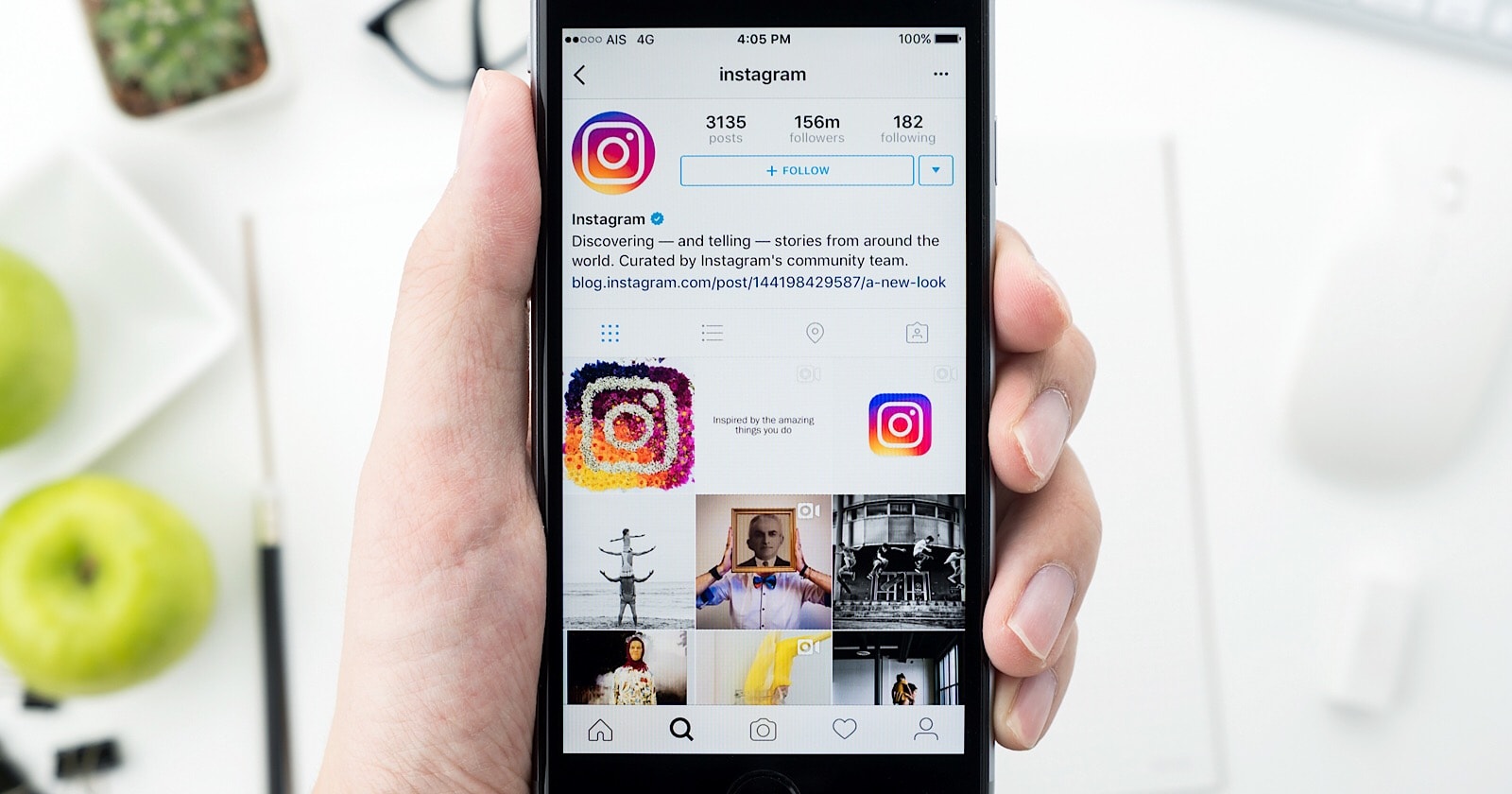
LinkedIn is streamlining the process of asking for and receiving referrals from contacts.

Applicants are 4 times more likely to hear back from a recruiter after getting a referral, LinkedIn says. Now it’s going to become easier to identify individuals in your network who can connect you to jobs with other companies.

Called ‘Ask for a Referral,’ the new feature allows users to do just that with the click of a button.

How to ‘Ask for a Referral’ on LinkedIn

Start by navigating to the LinkedIn Jobs section, then use the new “In Your Network” filter to sort by jobs where you already know someone.

Near the top of an individual job posting you will see the option to “Ask for a referral.” After selecting that option, LinkedIn will bring up a list of connections who you can ask for referrals from.

Choose the individual you’d like to contact. LinkedIn will then bring you to a message editor with a pre-written message asking for a referral. The message can but customized however you wish before sending.

LinkedIn suggests adding the following information to referral requests to make them more personal:

  • Remind the individual how you know each other
  • Point out things you may have in common, such as education and work history
  • Suggest why you believe you’re a good fit for the job by highlighting skills and relevant experience
  • Indicate why you’re interested in the job in the first place

LinkedIn will share further tips and insights as this feature matures. For now it is only available on the desktop interface.

http://tracking.feedpress.it/link/13962/8608110


11 LinkedIn Experts Share Their Best Unusual LinkedIn Marketing Hack by @LarryKim

Through the years, LinkedIn continues to grow as a platform to generate quality leads for businesses.

In fact, 80 percent of B2B leads come from LinkedIn, and fully 79 percent of B2B marketers say that LinkedIn has been an effective avenue for lead generation.

Whatever your business goals are to grow visibility, increase product sales, improve customer service, or generate brand awareness, there is so much to gain by using LinkedIn to promote your products or services.

These goals are practically attainable by having a solid LinkedIn marketing plan.

So, I reached out to 10 LinkedIn experts, who understand the social media platform by heart, to share with us their best unusual hack to amp up their LinkedIn marketing game.

Keep reading and learn from the 11 LinkedIn marketing unicorns:


Michaela AlexisMichaela Alexis, President of Grade A Digital

Never share an article.

After you’ve published your article, grab the URL and create an update about the piece explaining who would benefit from reading it.

This allows you to give more context and, if it’s a great article, it’ll double your chances of viral activity.


Brian DeanBrian Dean, Founder Backlinko

If you want to get lots of engagement on your LinkedIn posts, don’t write content that only appeals to a tiny group of experts. Instead, post stuff that your mom could comment on.

For example, my friend John Doherty had a LinkedIn post that went World War Z Viral (10 million views and 97,000 comments. Insane.).

What was it about? The day John decided to become an entrepreneur.

Whether or not you’ve started your own business, you can still relate in some way to John’s post. And because so many people could relate, they liked and commented on it in droves.

I’ve noticed the same thing: posts that appeal to a mass audience do best.

In fact, here are the topics of my 3 of my most successful LinkedIn posts:

  • Haters and online trolls (164,000 views)
  • Popups (97,000 views)
  • Flying business class vs. coach (278,000 views)

See? You don’t need to be an expert in anything to engage with posts about trolls and popups.

In short: on LinkedIn, don’t be afraid to go broad. If you’re not sure if your topic is broad enough, ask yourself: “Would my mom comment on this?”


Dennis YuDennis Yu, Founder of Blitzmetrics

I repost to LinkedIn anything that has driven high engagement on Facebook.

Likewise, of my posts on LinkedIn, I use the job title targeting on Facebook to post and boost there.


Brian WallaceBrian Wallace, Founder of Nowsourcing

LinkedIn typically shows the top trending stories of the day – many don’t realize that you can do searches on content.

If you look at the hashtags behind the top 10 trending stories, if you can write something intelligent and on topic, you’ll usually gain access to a whole new dimension of people not already seeing your content.


Allen GannettAllen Gannett, CEO of TrackMaven

Make sure every post has a question.

LinkedIn is a social platform and great for discussions.

The feed algorithm also seems to heavily weight comments, so you don’t just want people to passively “like.”

If you are just posting a link and moving on, you’re doing it wrong.

So make sure your content is set up as a the start of a conversation, not as a mere signpost to a blog post your wrote elsewhere.


Goldie ChanGoldie Chan, Founder of Warm Robots

Use the summary section of LinkedIn to drive a CTA (call-to-action).

Include a proper email, scheduler link (I use calend.ly), or link to the “learn more” or “buy now” page on your brand website.

Make sure that people who are on your LinkedIn are directed to one easy action.


Natalia WiechowskiDr. Des Natalia Wiechowski, Personal Branding Coach of Think Natalia

Don’t invest all of your time and effort in your company page.

Make your employees your brand ambassadors and the face of your company instead.

Why?

People engage 10x more with employee profiles than with company pages.

How to do that?

Invest in a “mini employee advocacy boot camp”:

Get your 5-10 most engaged and representative employees a personal branding strategist and content writer. This expert team will polish the LinkedIn profiles of your employees, make them fit for the digital age, and develop high quality, value adding and relevant content, which your employees will post from their profiles.

The end result?

Magic!


Josh FechterJosh Fechter, CEO & Co-Founder of BAMF Media

It’s downloading your contacts from LinkedIn, then uploading them into Facebook Business Manager as a custom audience to retarget them on Facebook and Instagram.

This helps build a strong know, like, and trust factor with your audience.


Aaron OrendorffAaron Orendorff, Editor in Chief of Shopify Plus

I thank people who send me work anniversary congratulations and ask them if they’ll help me by sharing a post.

It’s a three for one hack:

  1. It takes advantage of what is essentially spam, but doesn’t make you pushy because they’re all sent in response to “Congrats on the work anniversary” messages.
  2. I link to an original LinkedIn video, which makes engagement easy.
  3. I provide a pre-loaded, click to tweet button, so again, super easy for them to engage.

Manu GoswamiManu Goswami, CEO & Founder of SuperFan Inc.

My biggest unusual hack for LinkedIn marketing (brand building and effective storytelling) is going onto Medium or popular blogs, seeing what topics are trending that day, and then coming onto LinkedIn and sharing your perspective on those issues.

It’s one of the ways I’ve been able to create viral content because the formula for viral content (if that even exists) is a mix between context and relevance.


My Unusual LinkedIn Hack

I optimize posts for high user engagement using the following three-step process:

  1. Post lots of stuff on Twitter organically.
  2. Filter the tweets with tons of engagement (comments, retweets, and hearts).
  3. Use the top posts from Twitter as a guide for your LinkedIn updates!

You can read more of my unusual LinkedIn hacks in this post.

This post originally published on Inc.com

http://tracking.feedpress.it/link/13962/8573029


How to Rock Facebook Messenger & Chatbots for Social Success by @lisabuyer

Alexa, why do I need a chatbot?

By the year 2020, we will be having more conversations with bots than our spouse and 80 percent of brands will use chatbots for customer-centric interactions. This includes B2B brands.

Feeling lost? If you have not added a chatbot strategy in your marketing plan, the time is now.

Why Are Chatbots a Big Deal?

By definition, a chatbot is a computer program designed to simulate a conversation with human users, especially over the Internet.

Chatbots allow brands to create intimate connections and stronger relationships with your customers and audience in general.

  • Mercedes Benz uses a chatbot to help schedule tests drives.
  • Sephora lets customers book a makeover.
  • Spry creates briefs for freelancers to streamline its process for initiating on-demand PR project
  • Shine text sends free daily text messages with motivational quotes, positive affirmations, and mindful moments that are so personalized you feel like it’s human.

Shine Text

If you think chatbots are just for big brands, think again.

Large and small organizations are putting bots to work helping engage with customers in real time whether it’s giving directions or even requesting a media interview.

The possibilities are endless and entirely customizable for any brand.

The bigger deal is chatbots are crushing the open rate and click-through rates of email. A typical email open rate is 20 percent compared to an incredible 80-90 percent on Messenger.

We are talking four to five times more effective than email marketing. If you look at email marketing reports on Mailchimp, the CTR is 1-2 percent.

Brands using Messenger are experiencing a whopping 10-20-30 percent CTR according to Mikael Yang, co-founder of ManyChat.

When Did This Chatbot Craze Start?

Looking back, 2017 was the year Facebook Messenger and chatbots came on the scene, and marketers became aware and started paying attention to this channel.

Fast forward to 2018, and it’s a whole new world of artificial intelligence integration possibilities. Adoption is fast and furious.

“In 2018 we are seeing Messenger and Chatbox integrate into the marketing ecosystem,” according to bot expert Molly Pittman. “Now is the time to hire someone to man your chat.”

Big Channel Shifts Get Personal

The numbers speak for themselves, chatbots and Messenger are the most engaging and powerful channel right now. Making this one of the most significant shifts in the marketing world.

Adding more credibility to the chatbot case, Linda Lee, strategic partnerships for Facebook Messenger, reminded the audience at Social Media Marketing World:

  • 1.3 billion people are actively using Facebook Messenger each month.
  • 2 billion messages are happening each month on Facebook Messenger.
  • 20 million businesses are currently using Messenger to interact with their audience at many levels beyond just customer service.

“Conversational bots provide a new, always-on way for brands to engage with customers through one-to-one hyper-personalized marketing,” said Purna Virji, senior manager of global engagement at Microsoft.

Breaking Out of Email Jail

This chatbot thing is no shiny object. It’s a gold rush of opportunity for brands looking to leapfrog away from email’s exhausting and sometimes painful processes.

Who is ready to move on from driving traffic to landing pages, begging for emails and getting minimal engagement and open rate?

Yes, please.

Chatbots bring your users to a channel that is more efficient for your brand and your audience.

“You have your email list – now you have a Messenger list – anything you can do with email you can do with bots 10X,” Yang said.

What Can Bots Do?

Well, to start out they create a frictionless experience for the customer.

  1. Answer repetitive questions.
  2. Create a support ticket.
  3. Survey your audience.
  4. Book appointments.
  5. Send custom updates and reminders.
  6. Raise awareness.
  7. Drive engagement.
  8. Acquire customers.
  9. Generate leads.
  10. Process transactions.
  11. Everything and anything, the creative possibilities are endless.

If you have not noticed, chatbots and Messenger offer a full marketing funnel experience.

Tips to Get Started or Kick It up a Notch

  • Start small and simple.
  • Be clear about your objectives.
  • Pick one or two strategies that will facilitate your need in your business.
  • Ask yourself: what is the one pain point and see how a chatbot can solve it?
  • Spend time training and educating on the chabot and Messenger possibilities.

Educate, Demonstrate, Get Going

There are plenty of resources popping up to help brands get started with a chatbot strategy.

Manychat offers a free online video course that covers over 13 hours of training ranging from Messenger marketing and chatbots basics, to customizing broadcasts, to out-of-the-box strategies for any business.

mobilemonkey

Mobile Monkey offers a constant flow of blogs, webinars and real-time help to schedule a demo, sign up for a webinar or connect using Facebook’s customer chat plugin for websites.

[embedded content]

Facebook also offers free courses in Blueprint, including how to build an effective Messaging platform.

New Facebook Messenger Features

More brands are replacing traditional live chat and using the new Facebook Messenger Chat plugin websites and blogs. It connects brand, and their audience uses Messenger right from the website.

Unlike your typical live chat, Facebook already knows you and can re-engage – less friction for people and more engagement.

“More businesses will start having a chat page instead of a web page,” predicts ChatFuel’s Andrew Yaroshevsky.

Last month Facebook announced a data quick reply feature to Messenger

It prompts with a pre-email and phone number, so the customer does not have to do it – businesses can help people with a prefilled with users email and phone number.

No more manually type in making it simpler and easier for companies to connect.

Will Bots Replace Humans?

“Online retailer, Love Your Melon uses Facebook’s prompted messages to re-engage and let their customers and let them know about new products,” Lee said. “The brand saw a 14x return on ad spend.”

All by combining the superpowers of Messenger.

Experts say bots can free up time for humans to focus on other areas of business. Brands implementing bots are also looking at hybrid programs combing AI and humans.

Bots are actually creating jobs and opportunity.

For example, Molly Pittman left her position as VP of marketing with Digital Marketer to start her own company specializing in bot copywriting.

Kim stepped away from his first startup WordStream to launch Mobile Monkey. Companies are hiring people to manage bots. Agencies are starting just to focus on chatbot marketing.

Is the Future Here?

“In three to five years Messenger will be one of the main channels, if not the main channel, to communicate to customers,” Yang predicted.

There is a saying: The future is already here, it’s just not distributed evenly.

What does your chatbot future look like?

More Social Media Resources:


Image Credits
Featured Image: DepositPhotos
All screenshots by Lisa Buyer. Taken March 2018.

http://tracking.feedpress.it/link/13962/8563301


What’s the Best Type of Testimonial and How Will My Brand Benefit?

The social proof of testimonials lends a lot of credibility to your brand. It also allows people who might not be familiar with the work you do to see that you have happy customers. When it comes to content marketing, customer testimonials and case studies are considered the most effective forms of content. In fact, 89 percent of marketers indicate that testimonials are a necessary part of their overall content strategy.

You’ve probably already learned that testimonials are an effective way to reach new customers from the minute they land on your website. However, there are many different ways to implement testimonials into your content strategy. Here are the best types of testimonials and what they bring to your business model:

1. Interviews

Taking the time to feature a customer does a couple of things for your brand. First, it helps you get to know your target audience better, which in turn will allow you to perfect your marketing to this demographic. Second, it shows potential customers you have satisfied customers who are already using your product or service.

Your first step is to recruit customers to interview. One easy way to do this is to choose customers who’ve written a positive review recently. Ask them if they’d be willing to be interviewed about their experience. However, don’t overlook customers who’ve complained, but whose issues have been resolved. Your ability and willingness to strive for perfection can be a powerful testimony.

Software AG offers an in-depth look at some of its customers. For example, it tells the story of how a Chinese automaker utilizes its business software platform, how one retailer uses it to build a model for customer success and how it has simplified data-reporting for another company.

2. High-Profile Testimonials

When you think about sharing a high-profile testimonial on your website, your first thought might be using an influencer or a celebrity to tout your brand. While a high-profile testimonial can certainly encompass those elements, another way to show you are an up-and-coming brand is by using big-name companies for this purpose. As a result, you’ll gain the halo effect, where a big name makes the things they endorse look better.

Take a look at your client list. Choose your top five clients as far as how well known they are. As your company grows and you gain new, bigger clients, you can revamp this testimonial list from time to time. One creative way to use this method is to do a case study of how you’ve helped said company and then take snippets to show this to the reader, such as how a campaign helped XYZ Co. increase its conversions by 1,500 percent.

3. Video

If you aren’t already using video testimonials, this is something you can easily add to your brand to better engage your site visitors or your followers on social media. About 78 percent of people online watch videos every week. Creating a video testimonial does a number of positive things for your brand, such as forming a better emotional connection with your readers and lending a sense of credibility to your marketing efforts.

Hubble features software with real-time reporting that allows for data visualization and integration. It features a video of its customers describing how they personally use Hubble and the benefits. The video features people from different industries to show how flexible the software is.

4. Social Media Posts

If you plan to share testimonials on social media, there are a couple of options. First, you could reach out to customers with a large following and simply ask them to give your company a shout-out. This is likely the most effective way to add a testimonial, because it looks more organic. About 80 percent of Americans look for a recommendation from someone they know before making a purchase.

Your other option is to add short snippets and combine them with a photo of the customer or the product to encourage shares and retweets of the post. If your customer is online, it is also a good idea to tag them in the post.

5. Snippets

You don’t have to use a long testimonial in every instance. Creating blocks of quoted text that highlight a small part of what your business does is a smart tactic. You can pull these from a larger testimonial or case studies, or you can simply ask your customers to give you a short, one-line review.

Today’s average person is extremely busy. They might have 10 minutes on the train to work to glance at your website or social media page. If you provide them with snippets of information that can be quickly scanned, then the testimonial is likely to stick with them.

Vanderbilt University’s MBA program does a good job of highlighting students and professors who make the program memorable. Note the short snippet from one of its students who earned an MBA. This allows potential students to see what the program did for someone similar to them.

6. Reviews

Reviews are a form of testimonial if you think about it. They highlight a customer and what that customer thinks about the product or service. The last time you booked a hotel, what did you do first? More than likely, you checked out the online reviews. Make it easy for your customers to review your product by adding a review form to your website or sending a push on social media asking for their feedback. You can then pull short quotes from these reviews to highlight elsewhere as testimonials.

Best Types of Testimonials

Companies that were centered on the customer were around 60 percent more profitable than companies without this focus. The benefits to your brand are that you’ll lend credibility to your claims, show you are focused on the customer and reach new customers you otherwise might not have found. Take the time to make testimonials a part of your marketing plan and you’re certain to see positive results.

What’s the Best Type of Testimonial and How Will My Brand Benefit?


Reputation Marketing Techniques that will Do Wonders for your Brand

In today’s hyperconnected world, building a reputable brand is more difficult than ever. Maybe there was a time in the past when you could entirely control your brand’s development, but today, that’s not possible.

With the rise of the internet, word of mouth has become more powerful than ever. Coming in a form of blog comments, Google business reviews, social media likes, shares, and comments, your customers’ opinions of your brand shape its authority and trustworthiness.

However, this isn’t something you should be afraid of.

On the contrary, you can leverage this rising phenomenon, to see how your target audience really feels about you and tailor your approach to their expectations.

Here are a few reputation marketing strategies your customers will love.

Collect Feedback Regularly

Today’s tech-savvy customers are aware of how important they are to you. To buy from you, they expect you to provide them an outstanding user experience. And, it doesn’t matter if they are satisfied with what you have to offer or not, they will share their opinion on your brand online. They will rate your services, review your products on social networks, or even write a blog post about them.

Precisely because of that, you should go out there and try to collect their feedback on your own.

Here is how:

  • Offer effective live chat support. It helps you get closer to your customers. You will be able to understand what the major challenges they come across when visiting your site are. Once you help them solve these problems, you can ask them for feedback in a form of a few simple questions.
  • Add a dedicated feedback form to your website. Just make sure it’s not too long or confusing.
  • Call your customers to see what they think of you.
  • Use social media monitoring tools to check your brand and product mentions on social networks.
  • You can also track your brand mentions on other sites with tools like BuzzSumo, Google Alerts, etc.
  • Ask for feedback when a user wants to abandon a shopping cart.

Prove your Trustworthiness

If you’re new in the industry, many people will feel reluctant to do business with you. And, the reason behind that is pretty logical- they’re afraid that you won’t be able to deliver the project successfully. So, to grab their attention and prove that there is nothing to worry about, you need to give them something valuable.

For example, you can get a performance bond, a guarantee by a bonding company that all your tasks will be completed per the specifications of the contract. The only difference between performance bonds and the insurance is that the bonding company doesn’t simply write a check if you fail to do your job. On the contrary, they hire new contractors or even complete the project on their own.

Once you get a surety bond, you should let your clients know about it. Post this information on both your website and social networks, assuring them that they will see their money back if you fail to reach an agreement.

You could also offer free return shipping. Adweek emphasizes that 68% of shoppers believe that this is very important.

Offer Social Proof

Today, social proof is stronger than ever.

You need to show your customers why they should trust you and here is how to do so:

  • Use customer testimonials on your site.
  • Seek influencer endorsements.
  • Inspire your customers to rate and review your products and services. According to the Adweek’s infographic mentioned above, 49% of customers believe that product reviews on a website are important.
  • Share your business’ milestones, such as reaching a certain number of customers.
  • Show your existing customer base. To prove how reliable you are, highlight which reputable companies have worked with you.
  • Add trust seals to your checkout page to boost your sales.

Create Valuable Content

Content marketing is the nerve center of your digital marketing strategy. It helps you implement your keywords organically, boost your rankings, and become visible to your target audience. Above all, the more quality content you write, the more appreciated you will be in your industry.

And, when I say „quality,“ I mean an industry-specific, original, educative, intriguing, and highly interactive piece of content. This approach helps you establish yourself as an authority in your niche and grow your customer base fast.

What you need to keep in mind is that, with the rise of VR technologies, writing articles is not enough to spark your target audience’s curiosity. You need to upgrade your content strategy, by making your content more engaging.

Here are a few types of content that may work for you:

  • Infographics
  • Quizzes
  • eBooks
  • Case studies
  • Videos
  • Podcasts
  • Gifs and memes
  • Ephemeral content on social networks, such as live stories

Monitor your Reputation Continuously

Even though building solid online reputation is complex, these techniques may be your optimal starting point.

But, always keep in mind that your hard work doesn’t end here.

Marketing trends are constantly changing. Things that were hot yesterday may be completely irrelevant today.

This is why you need to keep track of your online reputation constantly.

Stay on top of the latest industry trends, collect your customers’ feedback regularly, and tailor your approach to them.

This is how you will manage to boost user experience, earn quality referrals, and even turn your leads into loyal customers.

Hope this helps!

Reputation Marketing Techniques that will Do Wonders for your Brand


Instagram and Snapchat Temporarily Remove GIFs in Stories by @MattGSouthern

Instagram and Snapchat have decided to halt their integration with Giphy, which allowed users to add animated GIFs to stories.

GIF stickers in stories were removed from Instagram and Snapchat after it was found that an offensive GIF could be selected from Giphy’s library.

The two companies’ integration with Giphy will continue to be on hold until such time that Giphy’s team fixes the problem on their end.

Giphy claims the problem has been fixed, though Instagram and Snapchat have yet to reinstate GIF stickers.

While Giphy allows anyone to sign up and post content to its site, there are terms of service in place that state users aren’t allowed to post content that is abusive, obscene, offensive, or vulgar.

A Giphy spokesperson commented on the issue, stating:

”After investigation of the incident, this sticker was available due to a bug in our content moderation filters specifically affecting GIF stickers. We have fixed the bug and have re-moderated all of the GIF stickers in our library.“

If the problem has, in fact, been fixed it should only be a matter of time before everyone can resume using GIFs in their stories.

http://tracking.feedpress.it/link/13962/8531654