Report: TikTok Begins Laying Off Members of Trust and Safety Team

.article-native-ad { border-bottom: 1px solid #ddd; margin: 0 45px; padding-bottom: 20px; margin-bottom: 20px; } .article-native-ad svg { color: #ddd; font-size: 34px; margin-top: 10px; } .article-native-ad p { line-height:1.5; padding:0!important; padding-left: 10px!important; } .article-native-ad strong { font-weight:500; color:rgb(46,179,178); }

Social media is evolving. Are you adapting? Connect with a community of brand pros and content creators at Social Media Week, May 12–14 in NYC, to learn how to keep pace with new trends and technology. Register now to save 20% on your pass.

TikTok CEO Shou Zi Chew said in testimony before Congress last January that the company would spend more than $2 billion on trust and safety efforts, but layoffs in those areas that reportedly began Thursday suggest a reversal of that strategy.

Reuters reported that TikTok head of operations and trust and safety Adam Presser sent a memo to the company’s staff Thursday alerting them to layoffs in the trust and safety unit as part of a restructuring.

Those layoffs have already begun in Africa, Asia, Europe, and the Middle East, sources told Reuters.

TikTok’s future in the U.S. remains up in the air, as parent company ByteDance has until April 5 to find a U.S.-based buyer, under terms of an executive order signed by President Donald Trump Jan. 20.

TikTok went dark in the U.S. for approximately 14 hours in the weekend leading up to Trump’s inauguration, which took place on the day he signed the executive order.

The company has reported in the past that it employed 40,000 trust and safety professionals across the globe, and Reuters was not able to confirm the extent of Thursday’s layoffs.

Chew joined Discord CEO Jason Citron, Snap CEO Evan Spiegel, X CEO Linda Yaccarino, and Meta CEO Mark Zuckerberg at a hearing last January regarding their respective platforms’ failure to protect children from sexual predators.

.font-primary { } .font-secondary { } #meter-count { position: fixed; z-index: 9999999; bottom: 0; width:96%; margin: 2%; -webkit-border-radius: 4px; -moz-border-radius: 4px; border-radius: 4px; -webkit-box-shadow: 0 0px 15px 4px rgba(0,0,0,.2); box-shadow:0 0px 15px 4px rgba(0,0,0,.2); padding: 15px 0; color:#fff; background-color:#343a40; } #meter-count .icon { width: auto; opacity:.8; } #meter-count .icon svg { height: 36px; width: auto; } #meter-count .btn-subscribe { font-size:14px; font-weight:bold; padding:7px 18px; color: #fff; background-color: #2eb3b2; border:none; text-transform: capitalize; margin-right:10px; } #meter-count .btn-subscribe:hover { color: #fff; opacity:.8; } #meter-count .btn-signin { font-size:14px; font-weight:bold; padding:7px 14px; color: #fff; background-color: #121212; border:none; text-transform: capitalize; } #meter-count .btn-signin:hover { color: #fff; opacity:.8; } #meter-count h3 { color:#fff!important; letter-spacing:0px!important; margin:0; padding:0; font-size:16px; line-height:1.5; font-weight:700; margin: 0!important; padding: 0!important; } #meter-count h3 span { color:#E50000!important; font-weight:900; } #meter-count p { font-size:14px; font-weight:500; line-height:1.4; color:#eee!important; margin: 0!important; padding: 0!important; } #meter-count .close { color:#fff; display:block; position:absolute; top: 4px; right:4px; z-index: 999999; } #meter-count .close svg { display:block; color:#fff; height:16px; width:auto; cursor:pointer; } #meter-count .close:hover svg { color:#E50000; } #meter-count .fw-600 { font-weight:600; } @media (max-width: 1079px) { #meter-count .icon { margin:0; padding:0; display:none; } } @media (max-width: 768px) { #meter-count { margin: 0; -webkit-border-radius: 0px; -moz-border-radius: 0px; border-radius: 0px; width:100%; -webkit-box-shadow: 0 -8px 10px -4px rgba(0,0,0,0.3); box-shadow: 0 -8px 10px -4px rgba(0,0,0,0.3); } #meter-count .icon { margin:0; padding:0; display:none; } #meter-count h3 { color:#fff!important; font-size:14px; } #meter-count p { color:#fff!important; font-size: 12px; font-weight: 500; } #meter-count .btn-subscribe, #meter-count .btn-signin { font-size:12px; padding:7px 12px; } #meter-count .btn-signin { display:none; } #meter-count .close svg { height:14px; } }

Enjoying Adweek’s Content? Register for More Access!

https://www.adweek.com/media/report-tiktok-begins-laying-off-members-of-trust-and-safety-team/


Beyond Vanity Metrics: How Brands Are Measuring Social Media Impact via @sejournal, @rio_seo

Social media marketing metrics look vastly different today than they did even a few years ago.

Numbers used to define social success – the more likes, shares, and followers, the better. Yet, numbers are now falling behind in significance when examining success.

Connection is key.

If you’re not primarily focused on engaging with your target audience in a meaningful way, you risk falling behind.

Measuring social media impact must go beyond vanity metrics and will be a key determinant for expanding your social reach and follower loyalty.

It will deepen your understanding of where and how your audience engages with you most.

Engagement metrics reveal real impact. It leads you forward to improve facets of your social media marketing that deserve the most attention: how your followers perceive your business.

These metrics enable you to go beyond surface-level indicators and help you align with what social media algorithms now value most, such as adhering to privacy regulations and ethical data collection.

Savvy social marketers looking to gain an edge and adapt to the latest algorithm updates must stay on top of what to track.

This article will explore how forward-thinking brands and marketers alike are redefining success on myriad social media platforms.

We’ll examine why we’re moving beyond traditional metrics, best practices for metric measurement, and the tools and technology shaping the future of social media marketing.

The Problem With Vanity Metrics

Measuring social media success used to rely mostly on the numbers, tied to the amount of likes a post received or the number of people following an account.

The more the merrier, and it was easy to track, given more meant better. This number-based approach is referred to as “vanity metrics,” or how consumers interact with your brand at a surface level.

While vanity metrics can highlight how many people are interested in your business, they aren’t granular enough to truly measure why customers find your content interesting (or if they don’t).

Yet, vanity metrics offer some semblance of success, even if it’s an instant hit of dopamine. Who hasn’t gotten excited by seeing their follower numbers steadily grow or gaining over 1,000 likes on a post?

However, vanity metrics aren’t the sole measure of success and rarely tell the full story of how a brand is actually performing on social media.

Follows, impressions, and likes are only a small fraction of how engaging your social media efforts actually are.

Another pertinent issue with vanity metrics is how they tie to broader business goals. Sure, vanity metrics may measure how quickly your platform is growing, but they simply don’t capture how that translates into qualified leads, sales, and more.

Consider the following: A brand may have thousands of followers, but what if it isn’t capturing (or caring about) how many of those followers turn into paying customers?

This missed opportunity makes it hard to justify social media spend and the effort allocated towards this marketing effort.

For example, a post may receive 2,000 likes, which might lead a brand to think the post is a great success. However, without understanding who liked it or what drove the spike in likes, it’s impossible to pinpoint the true value of the post.

The simple truth is numbers fail to tell the whole story. Context is key and can only be gained when social media marketers move beyond vanity metrics.

In the future, shifting beyond likes will be crucial to having a full, comprehensive view of performance.

Key Metrics That Matter

As a social media marketer, it’s crucial to keep up with ever-evolving best practices to stay visible in the sea of social posts and ahead of the curve.

In fact, the average social media user spends about 143 minutes a day scrolling through their social platforms, leaving ample opportunity for brands to make an impression.

As social platform algorithms change, so too does how these platforms evaluate performance.

For example, media algorithms now favor and surface content that receives high engagement rather than displaying posts chronologically.

Right now, success on social platforms will look different, extending beyond traditional metrics of interest. Building quality connections with followers will win.

It’s no longer a popularity contest but building an authentic and genuine social presence with your customers, becoming a business customers can trust.

The new era of social media marketing metrics has arrived, and now is the time to up your metric tracking game.

Here are the metrics social media marketers should be tracking.

Engagement Metrics

Social media marketers are diving deeper, focusing on getting their audience to take meaningful action.

To do so, they must examine the depth of that engagement, digging deeper than likes alone.

Comments: A Free Form Of Feedback

There is much to be gained in feedback, including comments on social media. Comments can convey genuine emotion, both positive and negative.

Irrespective, both types of feedback highlight how captivating your content is. They can help your business gain a glimpse into what’s working and what isn’t, allowing you to mine for common themes within the context of your comments.

Tip: Focus on who is leaving thoughtful comments or questions, responding to those individuals whenever possible.

Sentiment: How Your Content Makes Your Customers Feel

How a customer feels about your business can often be understood through the context of a comment.

It’s likely emotion promoted the customer to comment in the first place, but knowing how to decipher the comment and the customer’s emotions helps brands take meaningful action. It can also highlight what’s working and what isn’t.

For example, perhaps videos capture your customers’ attention the most, and you may want to shift your content strategy to create more video-type content in the future.

Tip: Businesses should accurately track sentiment analysis to enhance their customer experience.

Conversion Metrics

Understanding what makes customers take action will always be a top metric to track. This won’t be any different this year, and social media marketers should continue to monitor conversion metrics.

Click-Through Rates: Encourage Action

Click-through rates (or CTR) enable you to see how compelling your content truly is. Do people feel motivated to take the next step and read more, learn more, or buy from you?

Tip: Track which posts are gaining the most traction in terms of clicks to determine what’s working well and what to replicate in the future.

Sales: Ensure Your Social Efforts Pay Off

In the social media realm, it’s important to keep a pulse on the type of messaging that is driving your audience to take the next step – whether that’s landing on a product page or signing up for a monthly newsletter.

Tip: It’s equally as important to attribute sales to your social media channels to get the most out of your marketing efforts.

Customer Retention Metrics

Social media isn’t just a tool for building a brand reputation and attracting new customers. It should also play a key role in retaining existing ones.

In fact, 88% of business leaders agree social media data is a must for improving customer retention and experiences.

Loyal customers want to come back to consume your content on your social media channels, and the right messaging can help develop deeper relationships.

Repeat Purchases: Keep The Revenue Rolling In

Demonstrating social media value is critical to encourage your customers to keep coming back for more.

Messaging might also differ between how you communicate with a prospect rather than a repeat customer.

Having revenue attribution in place is a must on social media to help you better personalize communication between these different audience segments.

Tip: Set up proper attribution to be able to tie repeat sales back to social media.

Loyalty: Becoming More Than A One-Time Purchase

Loyalty programs have long been a tried-and-true marketing tactic to entice repeat customer engagement. It also helps demonstrate value to your loyal customers by offering exclusive deals and promotions.

Tip: Ensure your loyalty signups are trackable through customized UTM links to be able to attribute new member sign-ups to your social efforts.

Tools And Technologies Empowering Brands

Social media marketing is getting smarter, leaning on emerging technologies to help enhance analytics, workflows, and performance.

This year, marketers can expect social platforms to grow more intelligent, increasingly relying on advanced technology, like artificial intelligence (AI), to fuel their platforms.

In turn, marketers can expect to see smarter insights, powering a clearer view of the metrics that measure success.

Here’s a closer look at how forward-thinking brands are leveraging technology to reshape their social strategies to improve experiences and marketing success.

AI

Undoubtedly, AI is transforming the way nearly every business operates.

Social media isn’t any different, enabling brands to measure success and even predict future performance with a precision never realized before.

AI-driven analytics are becoming deeply woven into the fabric of social media performance measurement.

In fact, predictive models can predetermine the success of a campaign before it even gets kicked off.

With the help of AI, brands can avoid costly campaigns that will likely lead to lackluster outcomes by analyzing historical data and previous campaign data.

This deep level of insight allows social media marketers to make informed decisions that lead to more desirable outcomes.

AI has the capability to predict optimal post time, and which day of the week is best to post, taking factors like time zones and target audience location into consideration as well.

In turn, social media marketers can more effectively get their content in front of more eyes.

In the social realm, AI has been a great help for marketers, enabling brands to get their messages in front of their desired audience more easily than ever before.

The good news is AI already has significant buy-in from organization leaders. A study found that 97% of leaders agree AI and machine learning (ML) enable businesses to analyze social media data and insights more efficiently.

Social Listening Tools

Social listening can lead to higher customer satisfaction rates. The 2025 Sprout Social Index found that 73% of social users will buy from a competitor if a brand doesn’t respond on social.

Your customers are talking, and if your brand isn’t listening, you risk losing their trust, loyalty, and hard-earned dollars.

Enter social listening tools, an easy way for brands to see what potential customers and customers alike are saying about their business.

With social listening tools, brands can track specific keywords and set alerts any time someone mentions these keywords.

For example, a brand might want to track relevant hashtags related to their product or service or be alerted any time a competitor is mentioned.

Rapid alerts enable brands to move quickly, replying directly to customers any time they’re in need of customer support.

If a product has a major defect that’s widespread, customers may turn to social media to share their grievances with their followers.

How you respond to this feedback sets the stage for if they’ll give your business the opportunity to course-correct, or if they’ll take their business elsewhere.

The same can apply to a gap in service.

For example, a fast-casual Mexican food restaurant sought to find out how they could improve customer experiences. The restaurant leveraged a mix of AI and social media listening tools to identify where there was friction in the customer journey.

Customers frequently mentioned long wait times in their social media feedback, prompting the restaurant to take quick action to remedy this consistent complaint. The result? Better experiences and happier customers.

Integrated Dashboards

To successfully scale as a marketing entity, integrated dashboards are a must. The right technology allows marketers to view all their data in one centralized location.

From social media metrics to local search performance, technology should empower marketers to make better decisions with a clear view of their performance.

In theory, marketers should be able to have a clear picture of the entire customer journey, from the time a customer first searches for a business on Google to what page they land on to checking out.

A unified approach helps marketers measure how social media campaigns contribute to other organizational efforts such as lead generation, purchasing, and more.

Integrated dashboards also allow different teams to assess performance at a higher level.

Content marketers are able to see how their efforts coincide with social media marketers with a transparent view of social media metrics. It also allows teams to easily share their impact with C-level colleagues.

Next Steps For Social Media Marketers Ready To Make An Impact

As we’ve explored throughout this blog post, the days of measuring social media impact by simply looking at followers or like numbers are long gone.

This year, measuring social media impact will rely on looking at the right metrics and integrating the right technology.

Social media marketers will want to consistently showcase the results through integrated dashboards with their broader team to highlight the positive impact they’re making on the business.

By sharing how social media efforts tie to broader business goals, social media marketers can elevate their careers. It’s not all about the business, though; the real drivers of success are loyal and engaged customers.

Social media metrics do more than show what’s working and what isn’t. They show whether your potential and current customers care to consume your content.

Now that the new year has come, it’s time for brands to reassess their social media strategies. Are you relying on metrics that don’t show the full picture? Or are you adopting the strategies, tools, and technology that lead to better customer outcomes?

More Resources:


Featured Image: ImageFlow/Shutterstock

https://www.searchenginejournal.com/measuring-social-media-impact/536484/


No Clickbait, Just Conversion: How Reddit Drives Purchase Decisions


.article-native-ad { border-bottom: 1px solid #ddd; margin: 0 45px; padding-bottom: 20px; margin-bottom: 20px; } .article-native-ad svg { color: #ddd; font-size: 34px; margin-top: 10px; } .article-native-ad p { line-height:1.5; padding:0!important; padding-left: 10px!important; } .article-native-ad strong { font-weight:500; color:rgb(46,179,178); }

Social media is evolving. Are you adapting? Connect with a community of brand pros and content creators at Social Media Week, May 12–14 in NYC, to learn how to keep pace with new trends and technology. Register now to save 20% on your pass.

In this episode of The Speed of Culture podcast, Suzy founder and host Matt Britton sits down with Mike Romoff, chief revenue officer at Reddit, to take us inside the platform’s evolution—from AI-powered discovery tools to the power of community-driven advertising. 

In an era where digital trust is eroding, Reddit has emerged as a powerhouse for authentic engagement, driving unfiltered conversations that shape consumer decisions. 

Reddit champions real, interest-based discussions, where people seek honest recommendations and share unvarnished opinions. Brands that embrace this shift—leaning into the power of conversation rather than relying on traditional ads—are reaping the rewards. 

Mike shares why Reddit isn’t just another social network but a full-funnel marketing powerhouse, where conversations are the new influencers and brands that listen win 

“In some of the cases where brands have been brave enough to actually talk about things that maybe aren’t perfect, they win a lot of credibility, with people who then go on to amplify organically,” he says on the podcast.

With previous experience at companies like LinkedIn and Google, Mike has built and scaled advertising businesses on the world’s most influential digital platforms. Now at Reddit, he’s helping brands tap into an ecosystem where trust, authenticity, and real conversations fuel engagement and results. 

Listen to Mike Romoff on The Speed of Culture Podcast to learn why Reddit is more than a platform—it’s where conversations, culture, and commerce collide.

Key takeaways:

[01:35] The Reddit Renaissance: Why Authentic Conversations Matter More Than Ever — Social media has become a sea of clickbait and manufactured influence, but Reddit stands apart. It’s not just another platform—it’s a digital forum where real conversations drive consumer decisions. Brands that recognize this shift aren’t just advertising; they’re actively engaging, listening, and building credibility within these communities. As more marketers realize the power of participation over promotion, Reddit’s influence is only growing.

[06:11] Conversations Are the New Influencer—and Brands That Listen Win — Influencer culture? Overplayed. Consumers are too savvy for scripted endorsements, and Reddit is proving that real conversations drive more influence than paid promotions. Brands that win here don’t interrupt—they contribute. The most successful advertisers are engaging in relevant subreddits, launching AMA-style discussions, and leaning into transparency. The key takeaway? Marketing today isn’t about pushing messages—it’s about earning trust inside the communities where real conversations happen.

[10:16] Reddit’s Mid-Funnel Superpower: Where Purchase Decisions Are Made — Whether it’s choosing the best electric vehicle, finding a travel destination, or comparing skincare products, users turn to Reddit for real, experience-based recommendations. Nearly half of all discussions on the platform are commerce-driven, and one in four conversations include direct product recommendations. Smart brands understand that showing up in these organic discussions isn’t just about visibility—it’s about influencing decisions before the final purchase. Those who engage at this crucial stage are seeing a measurable impact on lower-funnel conversions.

[25:42] Reddit’s Explosive Growth—and Why More Brands Are Investing — With a 56% YoY increase in ad revenue, Reddit isn’t just growing—it’s becoming a cornerstone of modern marketing. The platform’s AI-powered targeting, automation tools, and seamless ad integrations allow brands to engage authentically while maintaining scale. Marketers are increasingly recognizing that Reddit’s value goes beyond impressions—it’s about being part of the conversations that shape consumer behavior. As more companies shift budget toward high-trust, high-engagement platforms, Reddit’s momentum is only accelerating.

https://www.adweek.com/brand-marketing/no-clickbait-just-conversion-how-reddit-drives-purchase-decisions/


Il Divieto di TikTok, una panoramica approfondita

TikTok, una piattaforma di social media ampiamente popolare sviluppata dalla società cinese ByteDance, è al centro di un intenso dibattito e scrutinio riguardo a possibili divieti negli Stati Uniti a causa di preoccupazioni legate alla sicurezza nazionale e alla privacy dei dati. Con oltre 170 milioni di utenti negli Stati Uniti e più di un miliardo a livello globale, TikTok è diventato un attore significativo nel panorama digitale, in particolare tra il pubblico più giovane, grazie al suo algoritmo unico che promuove video in formato breve generati dagli utenti e facilita la creazione di contenuti virali.

Questa popolarità ha reso TikTok uno strumento di marketing cruciale per le aziende che desiderano coinvolgere segmenti di pubblico mirati. Il dibattito sul futuro della piattaforma negli Stati Uniti si concentra principalmente sulla sua struttura proprietaria, sollevando allarmi tra i legislatori riguardo ai potenziali rischi di influenza straniera e uso improprio dei dati degli utenti. I critici della piattaforma sostengono che i suoi legami con la Cina rappresentano una minaccia seria per la privacy dei dati americani e la sicurezza nazionale, portando a discussioni su misure legislative che potrebbero portare a un divieto a livello nazionale se TikTok non si separasse da ByteDance.

D’altro canto, gli oppositori del divieto sostengono che esso violerebbe il First Amendment e avrebbe un impatto negativo su creatori di contenuti e aziende che dipendono dalla piattaforma per visibilità e reddito. Le recenti iniziative legislative a livello statale e federale riflettono una tendenza crescente alla restrizione dell’accesso a TikTok sui dispositivi governativi, con stati come Kentucky, Virginia e Tennessee che hanno implementato limitazioni specifiche. A livello federale, la U.S. House of Representatives ha approvato il Protecting Americans from Foreign Adversary Controlled Applications Act, che potrebbe effettivamente portare a un divieto a meno che TikTok non interrompa i legami con la sua società madre cinese.

Questa spinta legislativa segna un cambiamento significativo nell’approccio del governo degli Stati Uniti alla regolamentazione delle piattaforme digitali di proprietà straniera. Man mano che il dibattito e le sfide legali proseguono, il potenziale divieto ha suscitato reazioni pubbliche contrastanti, evidenziando una dicotomia tra i sostenitori della sicurezza nazionale e i difensori della libertà di espressione. Le conseguenze di queste azioni potrebbero ridefinire il panorama dei social media, costringendo aziende e creatori di contenuti a rivedere le loro strategie digitali in un ambiente sempre più diffidente nei confronti delle tecnologie straniere.

Con l’evolversi della situazione, il futuro di TikTok negli Stati Uniti rimane incerto, con possibili sviluppi che potrebbero influenzare milioni di utenti americani e l’intera economia digitale.

TikTok, cos’è e come funziona

TikTok, una piattaforma di social media di proprietà della società cinese ByteDance, è stata oggetto di un intenso scrutinio e dibattito in merito al suo possibile divieto negli Stati Uniti. Con oltre 170 milioni di utenti negli Stati Uniti e più di un miliardo in tutto il mondo, la piattaforma è diventata un fenomeno culturale, in particolare tra le giovani generazioni, offrendo uno spazio creativo per la condivisione di video in formato breve e l’interazione comunitaria.

L’algoritmo della piattaforma personalizza i contenuti in base alle interazioni degli utenti, permettendo anche agli account più piccoli di ottenere successo virale, rendendo TikTok essenziale per le piccole e medie imprese che cercano di connettersi con un pubblico mirato. Tuttavia, sono emerse preoccupazioni sulla sicurezza nazionale a causa della proprietà cinese della piattaforma, portando a discussioni sul suo potenziale ruolo come threat vector per la diffusione di disinformazione e violazioni della privacy dei dati.

Mentre il dibattito prosegue, i sostenitori del divieto sostengono che esso sia necessario per proteggere gli interessi della sicurezza nazionale, mentre i critici affermano che una tale mossa violerebbe la libertà di espressione e avrebbe ripercussioni economiche negative, in particolare per i creatori di contenuti e le aziende che dipendono dalla piattaforma. È stata proposta una sospensione temporanea di TikTok, mettendo in evidenza la natura diversificata dei contenuti sulle varie piattaforme di social media e l’importanza di comprendere il pubblico target per affrontare queste sfide.

Il dibattito rimane aperto, con diversi possibili esiti che potrebbero influenzare il futuro della piattaforma negli Stati Uniti.

Interventi normativi: divieti a livello Statale

Kentucky

Il 22 marzo 2023, il Kentucky General Assembly ha approvato il Senate Bill 20, successivamente firmato in legge dal Governatore Andy Beshear. Questa legge vieta il download o l’uso di TikTok sulle reti statali e sui dispositivi rilasciati dallo stato per le agenzie dell’esecutivo, i dipendenti, i contraenti e i membri del Kentucky General Assembly, compreso il personale legislativo e i contraenti. Il ramo giudiziario ha la possibilità di imporre restrizioni simili sui propri dispositivi e reti. Tuttavia, sono previste eccezioni per le istituzioni pubbliche di istruzione superiore e per le agenzie dell’esecutivo che utilizzano TikTok per attività di law enforcement, indagini civili o ricerche relative alle minacce alla sicurezza, a condizione che tale utilizzo non comprometta la sicurezza della rete dell’agenzia.

Virginia

Il 23 febbraio 2023, la Virginia General Assembly ha approvato il Senate Bill 1459, attualmente in attesa di azione da parte del Governatore Glenn Youngkin. Se promulgata, questa legge conferirebbe al Chief Information Officer il potere di limitare la possibilità di scaricare o utilizzare specifiche applicazioni, tra cui TikTok e WeChat, sui dispositivi e sulle reti governative degli organi esecutivo, legislativo e giudiziario della Commonwealth. Possono essere concesse eccezioni per scopi di law enforcement.

Tennessee

LA Tennessee General Assembly ha approvato il Senate Bill 834 il 23 marzo 2023, attualmente in attesa di azione da parte del Governatore Bill Lee. Questa legislazione mira a vietare alle università pubbliche che forniscono accesso a Internet di consentire l’uso di piattaforme di social media gestite da aziende con sede nella People’s Republic of China sulle proprie reti. Sono previste eccezioni per i dipendenti impegnati in attività di law enforcement. Inoltre, il 10 dicembre 2022, il Governatore Bill Lee ha ordinato alle agenzie statali di bloccare l’accesso a TikTok sia sui dispositivi personali sia su quelli statali connessi alle reti governative.

Divieti a livello Federale

Nel marzo 2024, la U.S. House of Representatives ha approvato il Protecting Americans from Foreign Adversary Controlled Applications Act. Questa legge vieterebbe effettivamente TikTok negli Stati Uniti a meno che la piattaforma non venga scorporata da ByteDance entro un determinato periodo di tempo. Il Presidente Joe Biden ha indicato la sua intenzione di firmare la legge se questa verrà approvata dal Senate. Successivamente, nell’aprile 2024, la House ha approvato il H.R. 8038, un pacchetto legislativo che include l’atto sopra menzionato insieme ad altre misure relative al supporto internazionale per Ucraina, Israele e Taiwan, tra altri temi. Il periodo di dismissione è stato esteso a 270 giorni, con un’opzione di proroga di 90 giorni.

Reazione pubblica al divieto di TikTok

Le proposte di divieto di TikTok hanno suscitato una risposta pubblica complessa e articolata, con opinioni fortemente divergenti tra i diversi stakeholder. I sostenitori dei divieti affermano che tali misure siano necessarie per la sicurezza nazionale, citando preoccupazioni riguardo al controllo della piattaforma da parte di un avversario straniero. Sostengono che questi provvedimenti siano content-neutral, mirati alla struttura proprietaria di TikTok piuttosto che ai contenuti stessi. Questa posizione è supportata da valutazioni legali che indicano che le misure non impongono restrizioni basate sui contenuti e sono considerate essenziali per proteggere la data privacy degli americani dalle potenziali minacce derivanti dalla proprietà cinese di ByteDance, società madre di TikTok.

Al contrario, i critici del divieto sollevano preoccupazioni riguardo alle implicazioni per la libertà di espressione e l’autorità morale del governo degli Stati Uniti a livello globale. Alcuni osservatori notano che tali azioni potrebbero dare l’impressione che gli Stati Uniti temano l’influenza straniera, minando la loro reputazione di difensori della free expression. Essi chiedono una maggiore trasparenza sui rischi per la sicurezza nazionale posti da TikTok, sostenendo che la mancata declassificazione delle informazioni rilevanti alimenti solo scetticismo e riduca la fiducia nel governo e nel suo impegno per i valori democratici.

Ulteriormente complicando il dibattito, alcune valutazioni legali hanno indicato che, sebbene la decisione di imporre la divestiture da un controllo cinese possa essere coerente con le pratiche normative, essa potrebbe comunque comportare interruzioni significative per milioni di utenti americani che utilizzano TikTok per l’espressione creativa e l’interazione sociale. Le possibili modifiche operative derivanti da un eventuale divieto, comprese le restrizioni sulla condivisione dei dati e sulle strategie di marketing, hanno lasciato molte aziende in una situazione di incertezza.

Mentre le discussioni continuano, esperti di marketing e aziende sono incoraggiati a rimanere flessibili, esplorando piattaforme e strategie alternative per mantenere l’engagement con il pubblico in un panorama digitale in continua evoluzione. La necessità per i brand di diversificare gli approcci di marketing evidenzia le più ampie implicazioni dei divieti su TikTok, non solo per la piattaforma stessa ma per l’intero ecosistema dei social media.

Sfide legali e considerazioni della Corte Suprema

Negli ultimi anni, TikTok ha affrontato numerose sfide legali, principalmente legate alle preoccupazioni per la sicurezza nazionale e ai diritti sanciti dal First Amendment. La Supreme Court è stata incaricata di valutare la costituzionalità del Protecting Americans from Foreign Adversary Controlled Applications Act, che mira a limitare il funzionamento di applicazioni come TikTok, controllate da avversari stranieri, in particolare dalla sua società madre, ByteDance Ltd. Questa legislazione prende di mira esplicitamente le applicazioni gestite da aziende considerate avversari stranieri secondo la legge statunitense.

Le deliberazioni della Supreme Court hanno evidenziato la tensione tra gli interessi della sicurezza nazionale e i diritti garantiti dal First Amendment, sia per TikTok che per i milioni di utenti americani della piattaforma. L’analisi della Corte si concentra sul determinare se TikTok possa rivendicare diritti ai sensi del First Amendment e se le azioni del governo siano giustificate secondo il strict scrutiny standard per la limitazione della libertà di espressione. Gli esperti legali suggeriscono che, anche nel caso in cui TikTok perdesse la sua battaglia legale, le implicazioni per i diritti degli utenti americani e dei creatori di contenuti rimarrebbero una questione da affrontare.

Sicurezza Nazionale e Libertà di Espressione

I sostenitori dell’Act affermano che la legge non vieta direttamente TikTok, ma affronta preoccupazioni legittime in materia di sicurezza nazionale, consentendo al contempo metodi alternativi di regolamentazione. I critici, invece, sostengono che la normativa impone restrizioni eccessive alla libertà di espressione, con potenziali ripercussioni non solo sulla piattaforma stessa, ma anche sugli utenti che la utilizzano per la creazione di contenuti e l’auto-espressione. I dibattiti legali in corso mettono in luce le complessità del bilanciamento tra gli interessi del governo e i diritti individuali, in particolare nel contesto della commercial speech, che storicamente ha ricevuto una protezione minore rispetto all’espressione individuale.

Risposte e restrizioni a livello globale

I problemi legali di TikTok non si limitano agli Stati Uniti. A livello internazionale, la piattaforma è stata oggetto di scrutinio e restrizioni. Ad esempio, in Bangladesh, sono state avanzate richieste di divieto per applicazioni ritenute “pericolose e dannose”, tra cui TikTok, supportate da varie azioni legali che citano preoccupazioni per la sicurezza dei giovani e il degrado sociale. Nell’agosto 2024, TikTok è stata tra le diverse applicazioni bloccate in Bangladesh durante le proteste, dimostrando una tendenza crescente alla regolamentazione della piattaforma a livello globale.

Queste sfide legali in corso riflettono un dibattito più ampio sulla digital privacy, l’influenza straniera e le implicazioni per la libertà di espressione nell’era dei social media. Con l’evoluzione del panorama legale, gli esiti di questi casi avranno probabilmente effetti duraturi sul funzionamento di applicazioni come TikTok, sia negli Stati Uniti che oltre i suoi confini.

Soluzioni alternative e strategie di adattamento

Passaggio ad altre piattaforme

Mentre le discussioni su un possibile divieto di TikTok negli Stati Uniti guadagnano slancio, content creators e marketers stanno esplorando piattaforme alternative per le loro strategie sui social media. Opzioni come Instagram Reels e YouTube Shorts sono emerse come principali alternative, sebbene presentino sfide uniche in termini di coinvolgimento del pubblico e dinamiche algoritmiche. Molti creators che hanno avuto successo grazie al modello di interazione distintivo di TikTok potrebbero trovare difficile replicare i propri risultati su queste piattaforme più consolidate, che spesso danno priorità ai contenuti dei grandi influencers rispetto ai smaller creators.

Strategie di diversificazione digitale

L’incertezza che circonda TikTok ha spinto le aziende a diversificare i propri approcci di marketing. Sempre più imprese stanno sfruttando il email marketing, le collaborazioni con influencers su piattaforme alternative e campagne guidate dalle community per ridurre la dipendenza da un’unica piattaforma di social media. Questo cambiamento consente ai brands di rimanere agili e resilienti in un panorama digitale in continua evoluzione.

Ad esempio, Duolingo ha iniziato a ridurre il proprio coinvolgimento su TikTok, espandendo invece la propria presenza su Instagram e YouTube, dimostrando un approccio proattivo nella gestione di potenziali interruzioni.

Creazione e rafforzamento delle Community

L’investimento in piattaforme dedicate alla costruzione di community, come Discord e Telegram, sta guadagnando popolarità. Queste piattaforme offrono opportunità per connessioni più profonde con il pubblico, meno influenzate dagli algoritmi dei social media, permettendo ai creators di coltivare comunità fedeli indipendentemente dalle regole di una singola piattaforma.

Inoltre, i brands sono incoraggiati a mantenere connessioni con il proprio pubblico su più piattaforme, garantendo visibilità e coinvolgimento anche in un contesto senza TikTok.

Prepararsi ai cambiamenti del mercato digitale

Mentre TikTok attende una decisione sulle sfide legali che sta affrontando, i content creators e le aziende sono consigliati di prepararsi a un possibile futuro senza l’app. Questo implica l’analisi del comportamento del pubblico su piattaforme alternative e lo sviluppo di strategie di contenuto mirate per coinvolgere efficacemente gli utenti in questi ambienti.

Mantenendo flessibilità nelle strategie di marketing ed esplorando nuove opportunità, aziende e creators possono navigare più efficacemente l’evoluzione del panorama dei social media.

Prospettive future per TikTok e i social media

Il futuro di TikTok negli Stati Uniti rimane incerto, mentre i legislatori si confrontano sulle implicazioni delle possibili misure legislative per affrontare le preoccupazioni legate alla sicurezza nazionale dell’app. Secondo vari report, lo scenario più probabile è che TikTok possa essere vietato se determinate misure legislative non verranno adottate entro l’inizio del 2025, con la possibilità che la piattaforma diventi inaccessibile per gli utenti statunitensi in quel periodo.

Proposte legislative e scenari regolatori

Negli ultimi mesi, all’interno del Senate Commerce Committee si sono svolte importanti discussioni sulla regolamentazione di TikTok. La Committee Chair Maria Cantwell (D-WA) ha espresso la preferenza per una legislazione più solida che possa resistere a eventuali contestazioni legali, cercando di fornire al Commerce Department una maggiore supervisione senza imporre un divieto totale.

La proposta di Cantwell, il GUARD Act, mira ad affrontare le questioni legate alla sicurezza nazionale e alla privacy dei dati, consentendo comunque alla piattaforma di operare sotto standard più severi in materia di raccolta dati.

D’altro canto, alcuni senatori hanno sollevato preoccupazioni sul fatto che le misure proposte possano violare i diritti garantiti dal First Amendment, evidenziando una divisione all’interno del Congress sul miglior approccio per regolamentare TikTok e piattaforme simili. Ad esempio, il Senator Rand Paul (R-KY) ha criticato il crescente controllo federale, sostenendo che rappresenti una minaccia alla libertà di espressione.

Implicazioni per le aziende e i creatori di contenuti

Il possibile divieto di TikTok sta spingendo le aziende a rivalutare le proprie strategie sui social media. Gli esperti suggeriscono che le imprese dovrebbero diversificare gli sforzi di digital marketing su più piattaforme per mitigare i rischi legati alla dipendenza da un unico canale.

Con l’evoluzione del panorama dei social media, le aziende sono incoraggiate a sviluppare direct communication channels con il proprio pubblico, garantendo un coinvolgimento continuo indipendentemente dallo status di TikTok.

Privacy dei dati e protezione delle informazioni degli utenti

Con un’attenzione crescente sulla data privacy e sulla sicurezza, TikTok potrebbe dover implementare modifiche significative alle proprie pratiche di raccolta dati per rimanere accessibile nel mercato statunitense.

Altri tech giants, come Apple e Facebook, hanno già adottato importanti misure di adeguamento alle normative sulla privacy in risposta a preoccupazioni simili, stabilendo un precedente che TikTok potrebbe essere chiamato a seguire.

Condividi sui Social Network:

https://www.ictsecuritymagazine.com/articoli/divieto-di-tiktok/


A Cybertruck Killed the Duolingo Owl. Netflix, WHO And Others Are Commiserating.


.article-native-ad { border-bottom: 1px solid #ddd; margin: 0 45px; padding-bottom: 20px; margin-bottom: 20px; } .article-native-ad svg { color: #ddd; font-size: 34px; margin-top: 10px; } .article-native-ad p { line-height:1.5; padding:0!important; padding-left: 10px!important; } .article-native-ad strong { font-weight:500; color:rgb(46,179,178); }

Social media is evolving. Are you adapting? Connect with a community of brand pros and content creators at Social Media Week, May 12–14 in NYC, to learn how to keep pace with new trends and technology. Register now to save 20% on your pass.

Brands are sending their condolences to Duolingo after fresh information emerged about the mysterious death of its iconic green owl mascot, Duo.

The language learning app killed off Duo on Tuesday, sharing an announcement stating authorities were investigating his cause of death. “We’re aware he had many enemies, but we kindly ask that you refrain from sharing why you hate him in the comments,” the brand stated.

In the 24 hours since, Duolingo’s social media team has posted a series of videos offering clues about the owl’s untimely demise. These have included videos of Duo’s “funeral” and a film showing him being hit by a reversing Tesla Cybertruck.

Everyone from rapper Drake (whom Duo has been roasting on social since the Super Bowl) to Tesla owner Elon Musk has been accused of “unaliving” Duo as part of what appears to be a marketing stunt.

The internet has been losing its collective mind over the loss of Gen Z’s favorite twerking, unhinged, slightly menacing mascot. Now, big brands and organizations are taking to social to offer their condolences to the language learning app following the loss of its mascot.

Scroll down to see how they’ve been getting involved in the conversation.

Netflix went full Squid Game

LinkedIn kept things professional

Halo honored a fallen soldier

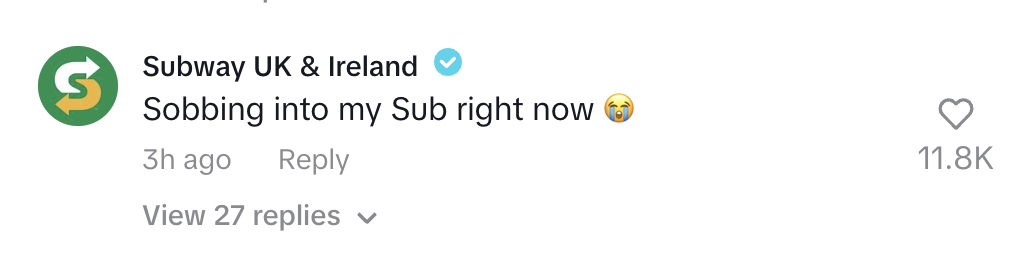
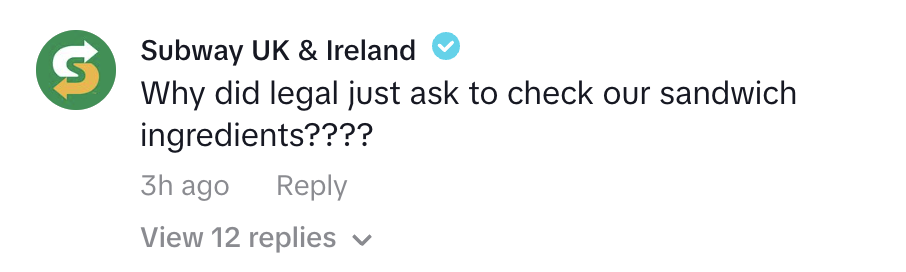
Subway was crying into its  Italian B.M.T.

The World Health Organization (WHO) said it definitely wasn’t Smallpox

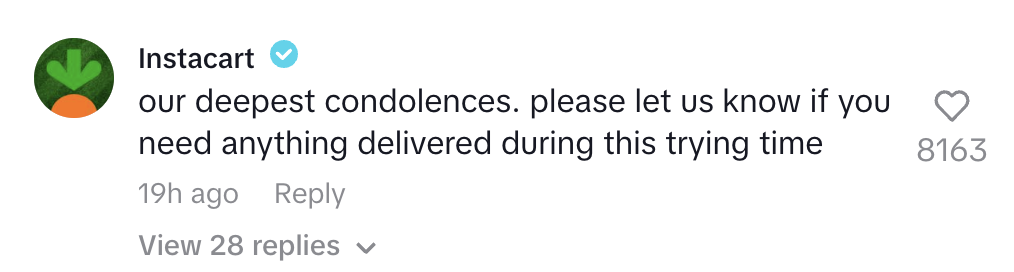
Instacart offered some practical help

Duo’s longtime crush Dua Lipa weighed in

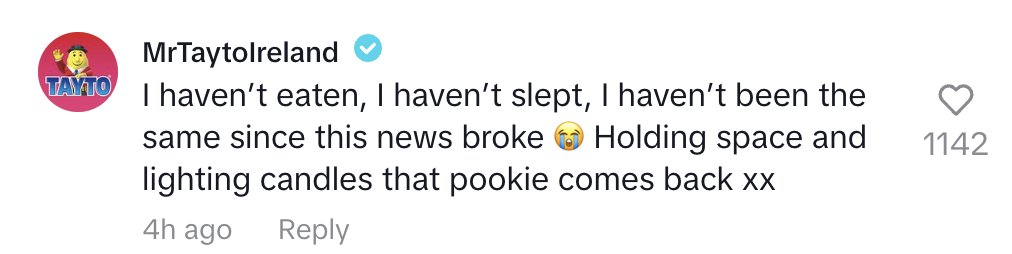
Tayto Chips’ mascot hasn’t slept a wink since the news broke

Chipotle thanked Duo for the memories

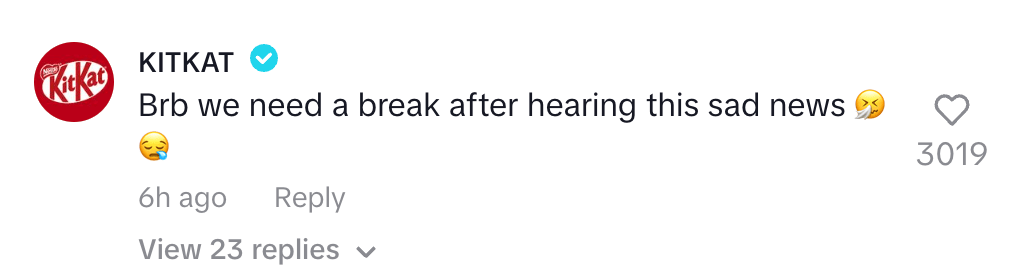
KitKat had to take a break

ADWEEK understands more information will be revealed on Wednesday (Feb. 12) about the circumstances surrounding Duo’s death.

.font-primary { } .font-secondary { } #meter-count { position: fixed; z-index: 9999999; bottom: 0; width:96%; margin: 2%; -webkit-border-radius: 4px; -moz-border-radius: 4px; border-radius: 4px; -webkit-box-shadow: 0 0px 15px 4px rgba(0,0,0,.2); box-shadow:0 0px 15px 4px rgba(0,0,0,.2); padding: 15px 0; color:#fff; background-color:#343a40; } #meter-count .icon { width: auto; opacity:.8; } #meter-count .icon svg { height: 36px; width: auto; } #meter-count .btn-subscribe { font-size:14px; font-weight:bold; padding:7px 18px; color: #fff; background-color: #2eb3b2; border:none; text-transform: capitalize; margin-right:10px; } #meter-count .btn-subscribe:hover { color: #fff; opacity:.8; } #meter-count .btn-signin { font-size:14px; font-weight:bold; padding:7px 14px; color: #fff; background-color: #121212; border:none; text-transform: capitalize; } #meter-count .btn-signin:hover { color: #fff; opacity:.8; } #meter-count h3 { color:#fff!important; letter-spacing:0px!important; margin:0; padding:0; font-size:16px; line-height:1.5; font-weight:700; margin: 0!important; padding: 0!important; } #meter-count h3 span { color:#E50000!important; font-weight:900; } #meter-count p { font-size:14px; font-weight:500; line-height:1.4; color:#eee!important; margin: 0!important; padding: 0!important; } #meter-count .close { color:#fff; display:block; position:absolute; top: 4px; right:4px; z-index: 999999; } #meter-count .close svg { display:block; color:#fff; height:16px; width:auto; cursor:pointer; } #meter-count .close:hover svg { color:#E50000; } #meter-count .fw-600 { font-weight:600; } @media (max-width: 1079px) { #meter-count .icon { margin:0; padding:0; display:none; } } @media (max-width: 768px) { #meter-count { margin: 0; -webkit-border-radius: 0px; -moz-border-radius: 0px; border-radius: 0px; width:100%; -webkit-box-shadow: 0 -8px 10px -4px rgba(0,0,0,0.3); box-shadow: 0 -8px 10px -4px rgba(0,0,0,0.3); } #meter-count .icon { margin:0; padding:0; display:none; } #meter-count h3 { color:#fff!important; font-size:14px; } #meter-count p { color:#fff!important; font-size: 12px; font-weight: 500; } #meter-count .btn-subscribe, #meter-count .btn-signin { font-size:12px; padding:7px 12px; } #meter-count .btn-signin { display:none; } #meter-count .close svg { height:14px; } }

Enjoying Adweek’s Content? Register for More Access!

https://www.adweek.com/brand-marketing/a-cybertruck-killed-the-duolingo-owl-netflix-who-and-others-are-commiserating/


The Duolingo Owl Is Dead: An Investigation


.article-native-ad { border-bottom: 1px solid #ddd; margin: 0 45px; padding-bottom: 20px; margin-bottom: 20px; } .article-native-ad svg { color: #ddd; font-size: 34px; margin-top: 10px; } .article-native-ad p { line-height:1.5; padding:0!important; padding-left: 10px!important; } .article-native-ad strong { font-weight:500; color:rgb(46,179,178); }

Social media is evolving. Are you adapting? Connect with a community of brand pros and content creators at Social Media Week, May 12–14 in NYC, to learn how to keep pace with new trends and technology. Register now to save 20% on your pass.

Duolingo has killed off its unhinged green owl mascot, Duo.

The brand confirmed his unexpected demise on social, stating: “Authorities are currently investigating his cause of death and we are cooperating fully. We’re aware he had many enemies, but we kindly ask that you refrain from sharing why you hate him in the comments.” 

On Instagram, Duolingo asked fans to include their credit card number in the comments under the announcement to “automatically sign” them up for a paid Duolingo Max subscription “in his memory.” 

The brand has changed its icon on social media to an image depicting a dead Duo with crosses in his eyes.

The stunt comes after the owl joined Super Bowl halftime performer Kendrick Lamar in dissing his rival Drake. Since Lamar’s performance, Duolingo has posted content on X, TiTok, and Instagram roasting the Canadian rapper.

In the comments under Duo’s obituary, Duolingo said authorities were currently “looking into a Canadian rapper.”

The brand even hosted a “funeral” for Duo, asking people to “do a Duolingo lesson” in lieu of sending flowers.

Duo, a bona fide Gen Z icon, has been central to Duolingo’s social media strategy for the last three years, especially on TikTok where the brand has 14.5 million followers.

The character has found fame interacting with trending audio and memes on the platform. See: showing up at Charli XCX and Troye Sivan’s Sweat tour and relentlessly trying to capture Dua Lipa’s attention.

Duolingo’s stunt is reminiscent of Planters’ decision to kill off, and resurrect, its mascot Mr. Peanut during the 2020 Super Bowl.

.font-primary { } .font-secondary { } #meter-count { position: fixed; z-index: 9999999; bottom: 0; width:96%; margin: 2%; -webkit-border-radius: 4px; -moz-border-radius: 4px; border-radius: 4px; -webkit-box-shadow: 0 0px 15px 4px rgba(0,0,0,.2); box-shadow:0 0px 15px 4px rgba(0,0,0,.2); padding: 15px 0; color:#fff; background-color:#343a40; } #meter-count .icon { width: auto; opacity:.8; } #meter-count .icon svg { height: 36px; width: auto; } #meter-count .btn-subscribe { font-size:14px; font-weight:bold; padding:7px 18px; color: #fff; background-color: #2eb3b2; border:none; text-transform: capitalize; margin-right:10px; } #meter-count .btn-subscribe:hover { color: #fff; opacity:.8; } #meter-count .btn-signin { font-size:14px; font-weight:bold; padding:7px 14px; color: #fff; background-color: #121212; border:none; text-transform: capitalize; } #meter-count .btn-signin:hover { color: #fff; opacity:.8; } #meter-count h3 { color:#fff!important; letter-spacing:0px!important; margin:0; padding:0; font-size:16px; line-height:1.5; font-weight:700; margin: 0!important; padding: 0!important; } #meter-count h3 span { color:#E50000!important; font-weight:900; } #meter-count p { font-size:14px; font-weight:500; line-height:1.4; color:#eee!important; margin: 0!important; padding: 0!important; } #meter-count .close { color:#fff; display:block; position:absolute; top: 4px; right:4px; z-index: 999999; } #meter-count .close svg { display:block; color:#fff; height:16px; width:auto; cursor:pointer; } #meter-count .close:hover svg { color:#E50000; } #meter-count .fw-600 { font-weight:600; } @media (max-width: 1079px) { #meter-count .icon { margin:0; padding:0; display:none; } } @media (max-width: 768px) { #meter-count { margin: 0; -webkit-border-radius: 0px; -moz-border-radius: 0px; border-radius: 0px; width:100%; -webkit-box-shadow: 0 -8px 10px -4px rgba(0,0,0,0.3); box-shadow: 0 -8px 10px -4px rgba(0,0,0,0.3); } #meter-count .icon { margin:0; padding:0; display:none; } #meter-count h3 { color:#fff!important; font-size:14px; } #meter-count p { color:#fff!important; font-size: 12px; font-weight: 500; } #meter-count .btn-subscribe, #meter-count .btn-signin { font-size:12px; padding:7px 12px; } #meter-count .btn-signin { display:none; } #meter-count .close svg { height:14px; } }

Enjoying Adweek’s Content? Register for More Access!

https://www.adweek.com/brand-marketing/the-duolingo-owl-is-dead-an-investigation/


Developer creates endless Wikipedia feed to fight algorithm addiction

On a recent WikiTok browsing run, I ran across entries on topics like SX-Window (a GUI for the Sharp X68000 series of computers), Xantocillin (“the first reported natural product found to contain the isocyanide functional group), Lorenzo Ghiberti (an Italian Renaissance sculptor from Florence), the William Wheeler House in Texas, and the city of Krautheim, Germany—none of which I knew existed before the session started.

How WikiTok took off

The original idea for WikiTok originated from developer Tyler Angert on Monday evening when he tweeted, “insane project idea: all of wikipedia on a single, scrollable page.” Bloomberg Beta VC James Cham replied, “Even better, an infinitely scrolling Wikipedia page based on whatever you are interested in next?” and Angert coined “WikiTok” in a follow-up post.

Early the next morning, at 12:28 am, writer Grant Slatton quote-tweeted the WikiTok discussion, and that’s where Gemal came in. “I saw it from [Slatton’s] quote retweet,” he told Ars. “I immediately thought, ‘Wow I can build an MVP [minimum viable product] and this could take off.'”

Gemal started his project at 12:30 am, and with help from AI coding tools like Anthropic’s Claude and Cursor, he finished a prototype by 2 am and posted the results on X. Someone later announced WikiTok on ycombinator’s Hacker News, where it topped the site’s list of daily news items.

A screenshot of the WikiTok web app running in a desktop web browser.

A screenshot of the WikiTok web app running in a desktop web browser. Credit: Benj Edwards

“The entire thing is only several hundred lines of code, and Claude wrote the vast majority of it,” Gemal told Ars. “AI helped me ship really really fast and just capitalize on the initial viral tweet asking for Wikipedia with scrolling.”

Gemal posted the code for WikiTok on GitHub, so anyone can modify or contribute to the project. Right now, the web app supports 14 languages, article previews, and article sharing on both desktop and mobile browsers. New features may arrive as contributors add them. It’s based on a tech stack that includes React 18, TypeScript, Tailwind CSS, and Vite.

And so far, he is sticking to his vision of a free way to enjoy Wikipedia without being tracked and targeted. “I have no grand plans for some sort of insane monetized hyper-calculating TikTok algorithm,” Gemal told us. “It is anti-algorithmic, if anything.“

https://arstechnica.com/gadgets/2025/02/new-wikitok-web-app-allows-infinite-tiktok-style-scroll-of-wikipedia/


Eager to Test Threads, Marketers Are Undeterred By Meta’s Brand Safety Roll Back


.article-native-ad { border-bottom: 1px solid #ddd; margin: 0 45px; padding-bottom: 20px; margin-bottom: 20px; } .article-native-ad svg { color: #ddd; font-size: 34px; margin-top: 10px; } .article-native-ad p { line-height:1.5; padding:0!important; padding-left: 10px!important; } .article-native-ad strong { font-weight:500; color:rgb(46,179,178); }

The stage is set! Advertisers, don’t miss this cultural moment. ADWEEK House The Big Game is headed to New Orleans on February 7. RSVP.

A year and a half after its debut, Meta’s text-based social platform Threads is testing its first-ever ads with “a handful” of brands in the U.S. and Japan, according to Instagram head Adam Mosseri. Ads will appear as image posts sprinkled throughout the home feed and will only appear for “a small percentage of people,” he said.

Despite Meta’s recent decision to loosen content moderation policies and ditch third-party fact-checking—which may inspire new caution from advertisers—media buyers are eager to try out the new offering.

“Beyond increased reach, advertisers have been eager for Threads to be monetized since its explosive early adoption,” said Traci Asbury, social investment lead at Goodway Group, an independent New York-based media agency. “This is a chance for brands to establish benchmarks on an X alternative and shape the platform’s ad landscape.”

That’s not to say the investment won’t be without risks. Goodway Group, for its part, is advising clients to adopt new safety measures when transacting on Meta—such as implementing Integral Ad Science’s content filters, which can be used to automatically prevent ads from appearing alongside unsuitable content.

Nonetheless, advertisers are unlikely to abandon Meta, as the company’s platforms offer sophisticated targeting and measurement, in addition to unparalleled social reach.

There may also be a cost incentive at play. Adding Threads to Meta’s ad inventory could help stabilize or lower the CPMs on the company’s platforms, especially as more advertisers shift dollars away from controversy-riddled X and TikTok, (though sources note that reduced costs could be temporary and will ramp up with the maturation of Threads’ ad product).

Initial results from tests of Threads ads will, of course, also weigh into the equation for buyers.
Much will hinge on the “capacity to exhibit measurable ROI and user engagement,” according to Christena Garduno, CEO of performance marketing agency Media Culture. “If Meta can demonstrate that Threads’ user base is highly active and receptive to advertisements, and if Meta can provide robust targeting capabilities, media purchasers are likely to allocate budgets,” she said.

Both Goodway Group and Media Culture plan to evaluate potential Threads ads investments for clients once they gain access to the product.

It’s an opportune moment for Threads, which is enjoying a bump as users continue to evacuate embattled X, née Twitter. X’s U.S. monthly active users are expected to dip to 51.8 million this year, down 3.7% from last year, per Emarketer data. Meanwhile, Instagram-integrated Threads is on track to grow to 51.2 million U.S. MAU in 2025, putting it on par with X.

The highs and lows of integrating Thread buys into Ads Manager

During the initial test, the option to transact on Threads is integrated into Meta Ads Manager, according to the announcement, so media buyers can simply check a box to include Threads ads. The integration comes with both pros and cons: on one hand, this integration provides a painless means of trying out the offering. On the other, some anticipate that the option to opt out of Threads ads in the future will be difficult.

“Each time Meta releases a new targeting capability, product, or placement, they find a new way to obscure the buyer’s ability to find the control switch for that component within the campaign set-up module,” said Allie Lichtenberg, founder and CEO at AD LUCEM, an independent media buying consultancy. “Meta doesn’t want buyers to be able to fine-tune their own setups and autonomously decide how to deliver their own campaigns.”

“At some point, Meta will likely just add Threads as an inventory source into campaigns without media buyers ever knowing,” she predicts.

AD LUCEM is not part of Meta’s initial tests for the tool, but Lichtenberg said that the consultancy will be open to running tests for clients that express interest down the line.

Threads users, meanwhile, aren’t embracing the planned changes to the app’s experience.

In response to Mosseri’s post announcing the rollout of ads, one user wrote: “Instagram is now drowning in ads so you rarely see content from the people you follow. If you do that to this platform, I’m gone.” Another wrote: “How many social networks do we need to abandon and how many more subscriptions should we have to pay until y’all understand we don’t like ads????”

.font-primary { } .font-secondary { } #meter-count { position: fixed; z-index: 9999999; bottom: 0; width:96%; margin: 2%; -webkit-border-radius: 4px; -moz-border-radius: 4px; border-radius: 4px; -webkit-box-shadow: 0 0px 15px 4px rgba(0,0,0,.2); box-shadow:0 0px 15px 4px rgba(0,0,0,.2); padding: 15px 0; color:#fff; background-color:#343a40; } #meter-count .icon { width: auto; opacity:.8; } #meter-count .icon svg { height: 36px; width: auto; } #meter-count .btn-subscribe { font-size:14px; font-weight:bold; padding:7px 18px; color: #fff; background-color: #2eb3b2; border:none; text-transform: capitalize; margin-right:10px; } #meter-count .btn-subscribe:hover { color: #fff; opacity:.8; } #meter-count .btn-signin { font-size:14px; font-weight:bold; padding:7px 14px; color: #fff; background-color: #121212; border:none; text-transform: capitalize; } #meter-count .btn-signin:hover { color: #fff; opacity:.8; } #meter-count h3 { color:#fff!important; letter-spacing:0px!important; margin:0; padding:0; font-size:16px; line-height:1.5; font-weight:700; margin: 0!important; padding: 0!important; } #meter-count h3 span { color:#E50000!important; font-weight:900; } #meter-count p { font-size:14px; font-weight:500; line-height:1.4; color:#eee!important; margin: 0!important; padding: 0!important; } #meter-count .close { color:#fff; display:block; position:absolute; top: 4px; right:4px; z-index: 999999; } #meter-count .close svg { display:block; color:#fff; height:16px; width:auto; cursor:pointer; } #meter-count .close:hover svg { color:#E50000; } #meter-count .fw-600 { font-weight:600; } @media (max-width: 1079px) { #meter-count .icon { margin:0; padding:0; display:none; } } @media (max-width: 768px) { #meter-count { margin: 0; -webkit-border-radius: 0px; -moz-border-radius: 0px; border-radius: 0px; width:100%; -webkit-box-shadow: 0 -8px 10px -4px rgba(0,0,0,0.3); box-shadow: 0 -8px 10px -4px rgba(0,0,0,0.3); } #meter-count .icon { margin:0; padding:0; display:none; } #meter-count h3 { color:#fff!important; font-size:14px; } #meter-count p { color:#fff!important; font-size: 12px; font-weight: 500; } #meter-count .btn-subscribe, #meter-count .btn-signin { font-size:12px; padding:7px 12px; } #meter-count .btn-signin { display:none; } #meter-count .close svg { height:14px; } }

Enjoying Adweek’s Content? Register for More Access!

https://www.adweek.com/media/eager-test-threads/


The Rise Of Authenticity: Why Genuine Connections Will Drive Social Media In 2025 via @sejournal, @donutcaramel13

Looking back on last year, fake content has reached new highs, challenging marketers to stand out with authentic, engaging campaigns that resonate with increasingly skeptical audiences.

Overly polished or shallow content – such as slick paid media attempts, spammy posts, or poorly executed AI-generated content – is increasing, creating challenges for marketers to stand out with original material.

Fake content can also impact ad performance and SEO rankings thanks to Google prioritizing helpful, authentic content.

Note that the FTC has released a final rule and banned fake reviews and testimonials in August 2024, which includes AI-generated fake reviews, and encouraged brands to reevaluate their contracts with influencers and ensure compliance.

In this article, I will outline five things that marketers need to know to avoid the pitfalls of inauthentic content.

1. The Growing Demand For Authenticity In A Social Media-Saturated World

According to a 2023 survey, over 70% are concerned about deepfakes that circulate on social media.

My educated guess is that audiences are turned off by misleading content and that they are looking for new platforms, like Threads, to stay connected in a positive way by sharing bite-sized anecdotes with real people instead of bots and sales-focused influencers.

Brands sharing real advice like workplace challenges and authentic storytelling can resonate with audiences in specific industries, be it lifestyle brands or B2B SaaS platforms.

Across TikTok and Instagram, and even Threads, sharing pro advice and motivational tips has always been a trend. Examples include Grammarly’s writing productivity tips on Threads and Nike’s #1000Victories 19-part documentary campaign featuring women in sport community.

Check out this guide on how you can create interactive posts to engage communities on social.

For online shops, here’s an example of a content creator promoting other small businesses for free to potential customers. The desire to reciprocate is a result of the very emphatic conversations and experiences many have shared, prompting each other to become motivated and best practices for industry and protect their livelihood.

By simply listening to people talk about it, truly caring, and engaging in the comments section with the original posters, these interactions create a sense of community in a way that AI or paid sponsorships can’t replicate.

2. The Fall Of Inauthentic Content

Three in four consumers are worried about fake reviews and 63% think brands should be solving this. These insights highlight evolving expectations for brands to put up a fight and to maintain their trust.

49% of U.S. consumers are confident they have seen fake reviews on Amazon for 2024.

But how easy are they to spot?

Learning How To Spot AI Content

It’s not easy to spot at all.

While it can be hard to tell the difference with text (AI art is easier to spot), there are ways to detect it.

Researchers from the University of Michigan used a dataset of 10,000 real and fake hotel reviews in 10 languages to find differences:

“Despite the difficulty humans have in distinguishing between real hotel reviews and those generated by LLMs, we discovered that these posts have noticeable differences in style, structure, and semantics.” (read: MAiDE-up: Multilingual Deception Detection of GPT-generated Hotel Reviews).

A research group at the University of Pennsylvania proves that people can be trained to tell the difference.

They also partnered with CNN to demonstrate how to discern between AI and human-written text and how fact-checking and logic can spell the difference.

If more and more people are trained to fact-check and present their findings in the comments section, it becomes more difficult to pass off AI-generated content as human.

Around 31% of Americans say they are more concerned than excited about AI. Digital marketers need to be aware of how AI-generated content can backfire, especially for highly regulated fields like Law, Medicine, and Media, Finance.

Fraud And Undisclosed Influencer Ads

Deceptive affiliates on YouTube exaggerate “must-haves” and promote products by exclaiming, “Run, don’t walk to the store.”

There are sponsored product reviews by influencers who have never even tried the retail products yet recommend them, and audiences become skeptical and unfollow or unsubscribe.

Because de-influencing content has become very popular over the past year, it could lead to less revenue and a negative reputation for your brand. Among the business categories: Technology, Fashion/Beauty/Wellness, Food/Beverage, and Travel/Hospitality – the fashion/beauty/wellness category has been hit the hardest.

Meanwhile, Instagram influencer fraud was found at 49% in 2023 (buying followers, likes, stories, views, etc.). And according to The Hyper Auditor’s internal research, only 55% of Instagram followers are real people. But these platforms are trying to push back.

Major Platforms Are Pushing Back Vs. Fake Reviews

Yelp had started removing fake reviews and cracked down on fraudulent groups in 2022. Meta has started requiring an AI label on generated posts, too.

Amazon and Google have filed against a fake reviews broker website in October 2024. The latter is also part of The Coalition of Trusted Reviews with other highly popular booking and review sites.

As more and more platforms and consumers fight against fake content, your brand must verify content authenticity and discourage misleading sponsored ads in other to maintain trust in your platform or product on the platform.

3. Threads And The Surge Of Genuine Storytelling Via Microblogging

Instagram seems to have become a highlight reel of everyone’s picture-perfect moments: Weddings, travel, shiny purchases, and branded outfits. However, not everyone can relate to high-end living, so take note, marketers of aspirational brands.

Threads, the microblogging app built by the Instagram people, allows brands to foster real conversations and share relatable messaging. People from all walks of life, regardless of education, language, and nationality, share perspectives through their life stories or give free professional advice.

This is an example of a service business that personalized his handyman content on Threads and found success in the community aside from his recent achievement of 100,000 subscribers on YouTube. Learn how short-form storytelling works on Threads and try it out.

This kind of user-generated content without the ad-heavy feed drives community as more and more users can relate to and reply to these posts.

User-generated content posts that look and feel like everyday life will resonate better with communities on Threads. With this type of content, brands can humanize their storytelling and build trust over time.

4. The Balance Between AI And Authenticity: A New Kind Of Content Creation

There are practical roles for AI in content creation, but there are limits when it comes to creating art with emotional impact.

  • What AI can do: Help collect and manage customer data, boost customer experience with personalized content, support content writers, and correct human errors to name a few.
  • What AI can’t do: According to the AI Coke ads they can’t elicit positive emotional responses.

While the AI Coke ads may not have performed as expected, their holiday campaign, Create Real Magic invited fans to create images with ChatGPT-4 and DALL-E using their own archive of assets, successfully appealing to their target Gen Z and Millennial audiences.

For B2B SaaS, AI can be a product offering that ties in seamlessly with your platform. An example is Canva launched More Canva Magic! AI Music Generators which empowers creators to create custom soundtracks for presentations, videos, and social media legally using royalty-free music.

For retailers, it’s nice to know that customers see AI-generated summaries of product reviews as a top feature, and is great to read alongside actual human reviews. Nike’s “By You” uses AI to help customers design their own shoes. Context and execution matter when it comes to AI-produced content using new technology, and campaigns that require active participation seem to be more successful.

5. How To Adapt To Maintain Transparency

Ensure Authenticity

42% of marketers use generative AI to make social media copy. Make sure content is fact-checked by copywriters and editors, integrating a workflow that can catch inaccuracies.

This year, now more than ever, it’s important to build and maintain meaningful customer relationships to stay relevant in 2025. Consumers (64%) wish for brands to connect with them, underlining the growing demand for genuine engagement.

In order to meet this expectation, brands need to align their values, humanize their content, and be consistent in their messaging to foster audiences’ trust.

Disclose Partnerships And Monitor Content

Back in 2022, the SEC fined Kim Kardashian $1.26 million after she was caught promoting cryptocurrency, EthereumMax, without disclosure of her paid partnership.

For influencers, disclosing paid ads partnered with a brand is essential instead of passing it off as organic. The European Commission found 97% of published content with commercial intent, but only 20% disclosed it. Brands need to ensure that the influencers hired follow FTC guidelines.

Additionally, if you use AI when creating content, disclose or add labels for the AI technologies you use.

If you follow FTC guidelines, brands and influencers who are honest can thrive with meaningful connections and steer clear of the backlash surrounding fake content.

Conclusion: Embrace Authenticity As The Future Of Social Media

I personally believe that authenticity is the foundation for social media success. As social media evolves and AI becomes more sophisticated, authenticity is no longer optional – it’s vital.

By prioritizing genuine connections and transparent content, marketers can build trust, drive engagement, and secure their place in the digital future.

More tools are cropping up to filter out the noise and more mods on every platform serve as a village watch group to protect misinformation.

Brands, creators, and platforms could hypothetically run 100% fake content with fake bots spamming the comments to seem engaging. But, real people will exit, and it’ll reflect poorly on the brand and actual product sales.

As online consumers, we are growing in social awareness and learning to discern every post, so it’s time for marketers to ensure their social media strategy addresses that.

If you want to thrive as a business, you need to strive to commit to genuine connections and spark conversations naturally. If you want attention, then what you offer needs to be worthy of it.

Run authenticity audits of your content, listen to customer pain points, and create campaigns that truly resonate with them.

More Resources:


Featured Image: PeopleImages.com – Yuri A/Shutterstock

https://www.searchenginejournal.com/authenticity-why-genuine-connections-will-drive-social-media/533905/


Reddit won’t interfere with users revolting against X with subreddit bans

Reddit is staying out of the current revolt against social media website X and, to a lesser degree, Meta, on its platform.

Since Tuesday, hundreds of subreddits have discussed and/or implemented bans against the site formerly called Twitter, as reported by 404 Media. Dozens of subreddits have already agreed to disallow the sharing of any links to X, with moderators (volunteer Reddit users) agreeing to enforce the bans.

The trend seemed to start among subreddits focused on sports-related topics, like the subreddits for the NFL, the Vancouver Canucks NHL team, and the Liverpool Football Club, as reported by Mashable. However, as of today, subreddits of various topics are discussing X bans. Reddit users in support of X bans like the one instituted by r/londonontario have pointed to various reasoning, including not being able to see tweet links without having an X account, Elon Musk appearing to make a Nazi salute at the presidential inauguration on Monday (as cited by r/Christianity’s and r/newjersey’s bans, for example), and general dislike for Musk and/or how he runs X.

Yesterday, the mods of r/Seahawks, for example, enacted a rule that bans sharing links to X but allows X videos that aren’t AI-generated, per a post from one of the subreddit’s moderators yesterday:

… we feel that social media platform owners and investors have a responsibility to remain out of the political, social and economic media forum for the benefit and neutrality of they’re [sic] business and services they provide. The internet has never been a place of free speech and it never will be. We are all accountable for things we do and say. We would hope you all understand the dynamics of this decision and stay to talk Seahawks football.

Reddit won’t interfere

Ars Technica reached out to Reddit for a response to X bans and whether such bans could be interpreted as breaking any of Reddit’s rules. Reddit users will recall that when moderators were recently viewed by Reddit as breaking Reddit rules at scale (by making subreddits read-only or private in protest of Reddit’s new API access rules and pricing), Reddit responded by removing moderators that refused to re-open protesting subreddits. This time, though, moderators’ actions are aboveboard.

https://arstechnica.com/gadgets/2025/01/reddit-wont-interfere-with-users-revolting-against-x-with-subreddit-bans/