Reddit won’t interfere with users revolting against X with subreddit bans

Reddit is staying out of the current revolt against social media website X and, to a lesser degree, Meta, on its platform.

Since Tuesday, hundreds of subreddits have discussed and/or implemented bans against the site formerly called Twitter, as reported by 404 Media. Dozens of subreddits have already agreed to disallow the sharing of any links to X, with moderators (volunteer Reddit users) agreeing to enforce the bans.

The trend seemed to start among subreddits focused on sports-related topics, like the subreddits for the NFL, the Vancouver Canucks NHL team, and the Liverpool Football Club, as reported by Mashable. However, as of today, subreddits of various topics are discussing X bans. Reddit users in support of X bans like the one instituted by r/londonontario have pointed to various reasoning, including not being able to see tweet links without having an X account, Elon Musk appearing to make a Nazi salute at the presidential inauguration on Monday (as cited by r/Christianity’s and r/newjersey’s bans, for example), and general dislike for Musk and/or how he runs X.

Yesterday, the mods of r/Seahawks, for example, enacted a rule that bans sharing links to X but allows X videos that aren’t AI-generated, per a post from one of the subreddit’s moderators yesterday:

… we feel that social media platform owners and investors have a responsibility to remain out of the political, social and economic media forum for the benefit and neutrality of they’re [sic] business and services they provide. The internet has never been a place of free speech and it never will be. We are all accountable for things we do and say. We would hope you all understand the dynamics of this decision and stay to talk Seahawks football.

Reddit won’t interfere

Ars Technica reached out to Reddit for a response to X bans and whether such bans could be interpreted as breaking any of Reddit’s rules. Reddit users will recall that when moderators were recently viewed by Reddit as breaking Reddit rules at scale (by making subreddits read-only or private in protest of Reddit’s new API access rules and pricing), Reddit responded by removing moderators that refused to re-open protesting subreddits. This time, though, moderators’ actions are aboveboard.

https://arstechnica.com/gadgets/2025/01/reddit-wont-interfere-with-users-revolting-against-x-with-subreddit-bans/


Top Creator MrBeast Joins Group Submitting a Bid for TikTok


.article-native-ad { border-bottom: 1px solid #ddd; margin: 0 45px; padding-bottom: 20px; margin-bottom: 20px; } .article-native-ad svg { color: #ddd; font-size: 34px; margin-top: 10px; } .article-native-ad p { line-height:1.5; padding:0!important; padding-left: 10px!important; } .article-native-ad strong { font-weight:500; color:rgb(46,179,178); }

The stage is set! Advertisers, don’t miss this cultural moment. ADWEEK House The Big Game is headed to New Orleans on February 7. RSVP.

The creator marketing ecosystem dodged a potentially devastating bullet with President Donald Trump’s recent executive order postponing the ban on TikTok in the U.S. Now, a creator luminary is stepping in to help save the platform.

Jimmy Donaldson, better known as MrBeast, has now joined a group in a bid to buy TikTok from its China-based parent company, ByteDance. Jesse Tinsley, a tech entrepreneur and the founder of Employer.com, leads the effort, Bloomberg reported.

MrBeast is the most-followed and highest-earning creator in the world, tallying more than 347 million followers on YouTube and expanding into businesses including snack brand Feastables and MrBeast Burger.

A spokesperson for the Tinsley-led group told Bloomberg an all-cash bid was submitted with “institutional investors and high net worth individuals,” and the group is being represented by law firm Paul Hastings.

Bloomberg noted that Brad Bondi is part of the Paul Hastings team working on the bid, and his sister, Pam Bondi, is Trump’s nominee to run the Department of Justice.

Tinsley wrote in a post on X Monday, “I’m in Washington, D.C., at the inauguration to meet with President Trump and his team to discuss our offer to buy TikTok … Now, we’re awaiting a response from ByteDance’s board. Our goal is to ensure that TikTok stays accessible, thriving, and aligned with the values that make America great. We also welcome U.S. government investment.”

Trump signed an executive order Monday, hours after his inauguration, instructing the attorney general’s office to delay the law that banned TikTok in the U.S. for 75 days, effective Sunday.

The law, the Protecting Americans from Foreign Adversary Controlled Applications Act, requires TikTok’s China-based parent, ByteDance, to sell the application to a U.S. company.

The Supreme Court upheld the law last Friday, and TikTok went dark in the U.S. for about 14 hours Saturday night running into Sunday. The app was restored after Trump promised that he would issue the executive order.

Other reported potential acquirers of TikTok have included Amazon, former Los Angeles Dodgers owner Frank McCourt, X owner and Tesla CEO Elon Musk, Shark Tank investor Kevin O’Leary, and Oracle, but there have been no indications that ByteDance is pursuing any of those options.

.font-primary { } .font-secondary { } #meter-count { position: fixed; z-index: 9999999; bottom: 0; width:96%; margin: 2%; -webkit-border-radius: 4px; -moz-border-radius: 4px; border-radius: 4px; -webkit-box-shadow: 0 0px 15px 4px rgba(0,0,0,.2); box-shadow:0 0px 15px 4px rgba(0,0,0,.2); padding: 15px 0; color:#fff; background-color:#343a40; } #meter-count .icon { width: auto; opacity:.8; } #meter-count .icon svg { height: 36px; width: auto; } #meter-count .btn-subscribe { font-size:14px; font-weight:bold; padding:7px 18px; color: #fff; background-color: #2eb3b2; border:none; text-transform: capitalize; margin-right:10px; } #meter-count .btn-subscribe:hover { color: #fff; opacity:.8; } #meter-count .btn-signin { font-size:14px; font-weight:bold; padding:7px 14px; color: #fff; background-color: #121212; border:none; text-transform: capitalize; } #meter-count .btn-signin:hover { color: #fff; opacity:.8; } #meter-count h3 { color:#fff!important; letter-spacing:0px!important; margin:0; padding:0; font-size:16px; line-height:1.5; font-weight:700; margin: 0!important; padding: 0!important; } #meter-count h3 span { color:#E50000!important; font-weight:900; } #meter-count p { font-size:14px; font-weight:500; line-height:1.4; color:#eee!important; margin: 0!important; padding: 0!important; } #meter-count .close { color:#fff; display:block; position:absolute; top: 4px; right:4px; z-index: 999999; } #meter-count .close svg { display:block; color:#fff; height:16px; width:auto; cursor:pointer; } #meter-count .close:hover svg { color:#E50000; } #meter-count .fw-600 { font-weight:600; } @media (max-width: 1079px) { #meter-count .icon { margin:0; padding:0; display:none; } } @media (max-width: 768px) { #meter-count { margin: 0; -webkit-border-radius: 0px; -moz-border-radius: 0px; border-radius: 0px; width:100%; -webkit-box-shadow: 0 -8px 10px -4px rgba(0,0,0,0.3); box-shadow: 0 -8px 10px -4px rgba(0,0,0,0.3); } #meter-count .icon { margin:0; padding:0; display:none; } #meter-count h3 { color:#fff!important; font-size:14px; } #meter-count p { color:#fff!important; font-size: 12px; font-weight: 500; } #meter-count .btn-subscribe, #meter-count .btn-signin { font-size:12px; padding:7px 12px; } #meter-count .btn-signin { display:none; } #meter-count .close svg { height:14px; } }

Enjoying Adweek’s Content? Register for More Access!

https://www.adweek.com/media/mrbeast-bid-tiktok/


5 Marketing Lessons Bethenny Frankel Learned the Hard Way (So You Don’t Have To)


.article-native-ad { border-bottom: 1px solid #ddd; margin: 0 45px; padding-bottom: 20px; margin-bottom: 20px; } .article-native-ad svg { color: #ddd; font-size: 34px; margin-top: 10px; } .article-native-ad p { line-height:1.5; padding:0!important; padding-left: 10px!important; } .article-native-ad strong { font-weight:500; color:rgb(46,179,178); }

Meet the creative minds behind viral social media campaigns at Social Media Week, May 12-14 in New York City. Register now to save 35% on your pass.

Seventeen years ago, a multimillion-dollar brand was born before the eyes of 1.13 million TV viewers, and none of them knew it.

It began during the first season of The Real Housewives of New York. In episode six (“Girl’s Night Out”), Bethenny Frankel and Luann de Lesseps are ordering cocktails. “I only drink one drink, and I call it the skinny girl’s margarita,” Frankel announces. “It’s Patron Silver on the rocks, fresh lime juice, and a little splash of triple sec.”

In a year, Frankel launched Skinnygirl cocktails as a brand, starting with a low-calorie, ready-to-drink cocktail. Three years later, spirits giant Beam Suntory acquired it for a reported $120 million.

Of course, a brand doesn’t just come to life from an offhand comment in a restaurant. Frankel is a born entrepreneur. In addition to building Skinnygirl into an empire that includes salad dressings, jeans, and shapewear, Frankel has authored multiple bestsellers, cofounded the wine label Forever Young, launched a podcast called Just B, and runs a disaster-relief nonprofit called B Strong.

But Frankel’s most powerful brand remains herself—or, rather, the innate marketer within.

Her shoot-from-the-hip style and strident opinions on almost any topic (handbags, divorce, government surveillance by drone) have won her a social-media audience of 8.5 million—and growing by double digits. As Frankel has evolved from creating brands to advising them, giants including L’Oreal and McCo Beauty have sought her counsel.

And what sort of guidance does Frankel give? What has she learned in two decades of creating products and promoting them? Frankel sat down with ADWEEK to talk about branding and social media marketing. Obviously, not every brand can get away with the sort of unfiltered content that Frankel whips up, but a marketer can glean plenty from her experiences. She shared five with us.

Always tell the truth

Frankel recalls the occasion when a major beauty brand approached her to do a product—not because she was a makeup expert but because she wasn’t afraid to tell it as she saw it.

“I had compared a $2 drugstore cream to like a $500 cream, and said they’re basically the same, except for one little ingredient,” Frankel recalled.

When creating content—be it marketing or just riffing—”what works the best is humorous chaos with takeaway,” she said.

But the common ingredient in everything?  “Just truth,” she said.

Rough and ready is okay

Slick production values define so much brand marketing, even on social media, but that’s not always what the audience cares about and it’s not always necessary.

As Frankel was building her social-media following, she admits there was a “WTF factor” to her content. Her lighting was bad. Smudges covered the camera lens. But ultimately, it didn’t matter. “I was just playing—[but] I was getting views,” she said. “I was fully going viral.”

So long as the content is relatable, then, viewers will forgive a rough-and-ready presentation.

“If somebody drops off a Cadillac in my driveway,” Frankel added, “I’ll go outside and, in five minutes, I shoot something about what I honestly think about it and post it two seconds later with no editing.”

Talk to your audience, not at them

Frankel thinks back to a shoot for a TV spot where a major brand had hired a director to make sure that she touched on all the key brand attributes and said all the right things.

“He was a lovely person, and he was doing his job, but he wasn’t dealing with me the way that I should be dealt with,” Frankel said.

After hours of supervised shooting, the creative team took Frankel aside five minutes before quitting time and asked her to ditch the script and just improvise in her own voice.

“They were like, ‘Can we just get the unhinged Bethenny for five minutes?’” she remembers.

The takeaway: talk to people like they’re people, not just a demographic target.

Do your homework

Asked what her biggest business mistake was (and what it taught her), Frankel says it’s only a small one—but one she still thinks about.

“This social media person told me—long before [mega influencers like Charli] D’Amelio and Addison Rae—that Tiktok would not be for me because it was for people between eight and 13 years old,” said Frankel, who took the advice.

“I should have just gotten on my phone and been like, let me play around with it,” she said.

As a result, Frankel took up TikTok—where she has 2.4 million followers—later than she’d have liked. “I talk about it more than I should, because we can’t go backwards,” she said. “But it annoys me.”

So don’t take advice from the experts before you check out a strategy on your own.

Your execs may not be the best faces for your brand

In a time of executive biographies, TED talks, and founders-turned-pitchmen, it’s understandable that the company brass would want the limelight.

Well, think twice.

“CEOs or founders want to be in front of the camera and want to be the face of the brand—and they often shouldn’t,” Frankel said. “They want to tell their story, and not everyone wants to hear [it]. People want to hear a business story at a business conference—not in infotainment.”

And since relatively few execs can be Dollar Shave Club’s Michael Dubin, Virgin’s Richard Branson or Apple’s Tim Cook, Frankel admonished, “find the person who speaks the sound bites, is funny and entertaining,” and hire them to represent your brand.
.font-primary { } .font-secondary { } #meter-count { position: fixed; z-index: 9999999; bottom: 0; width:96%; margin: 2%; -webkit-border-radius: 4px; -moz-border-radius: 4px; border-radius: 4px; -webkit-box-shadow: 0 0px 15px 4px rgba(0,0,0,.2); box-shadow:0 0px 15px 4px rgba(0,0,0,.2); padding: 15px 0; color:#fff; background-color:#343a40; } #meter-count .icon { width: auto; opacity:.8; } #meter-count .icon svg { height: 36px; width: auto; } #meter-count .btn-subscribe { font-size:14px; font-weight:bold; padding:7px 18px; color: #fff; background-color: #2eb3b2; border:none; text-transform: capitalize; margin-right:10px; } #meter-count .btn-subscribe:hover { color: #fff; opacity:.8; } #meter-count .btn-signin { font-size:14px; font-weight:bold; padding:7px 14px; color: #fff; background-color: #121212; border:none; text-transform: capitalize; } #meter-count .btn-signin:hover { color: #fff; opacity:.8; } #meter-count h3 { color:#fff!important; letter-spacing:0px!important; margin:0; padding:0; font-size:16px; line-height:1.5; font-weight:700; margin: 0!important; padding: 0!important; } #meter-count h3 span { color:#E50000!important; font-weight:900; } #meter-count p { font-size:14px; font-weight:500; line-height:1.4; color:#eee!important; margin: 0!important; padding: 0!important; } #meter-count .close { color:#fff; display:block; position:absolute; top: 4px; right:4px; z-index: 999999; } #meter-count .close svg { display:block; color:#fff; height:16px; width:auto; cursor:pointer; } #meter-count .close:hover svg { color:#E50000; } #meter-count .fw-600 { font-weight:600; } @media (max-width: 1079px) { #meter-count .icon { margin:0; padding:0; display:none; } } @media (max-width: 768px) { #meter-count { margin: 0; -webkit-border-radius: 0px; -moz-border-radius: 0px; border-radius: 0px; width:100%; -webkit-box-shadow: 0 -8px 10px -4px rgba(0,0,0,0.3); box-shadow: 0 -8px 10px -4px rgba(0,0,0,0.3); } #meter-count .icon { margin:0; padding:0; display:none; } #meter-count h3 { color:#fff!important; font-size:14px; } #meter-count p { color:#fff!important; font-size: 12px; font-weight: 500; } #meter-count .btn-subscribe, #meter-count .btn-signin { font-size:12px; padding:7px 12px; } #meter-count .btn-signin { display:none; } #meter-count .close svg { height:14px; } }

Enjoying Adweek’s Content? Register for More Access!

https://www.adweek.com/brand-marketing/bethenny-frankel-marketing/


Marketers Will Need to Double Down Against Divisiveness


.article-native-ad { border-bottom: 1px solid #ddd; margin: 0 45px; padding-bottom: 20px; margin-bottom: 20px; } .article-native-ad svg { color: #ddd; font-size: 34px; margin-top: 10px; } .article-native-ad p { line-height:1.5; padding:0!important; padding-left: 10px!important; } .article-native-ad strong { font-weight:500; color:rgb(46,179,178); }

The stage is set! Advertisers, don’t miss this cultural moment. ADWEEK House The Big Game is headed to New Orleans on February 7. RSVP.

The success of advertising rests on clear, concise, and culturally considerate communication. Yet only 22 days into 2025, legal mandates and corporate maneuvers would suggest that facts are not important to consider when crafting what we say, how we say it, or how we show it. 

Everyone was left a little shaken following Mark Zuckerberg’s announcement that Meta will be eliminating its fact-checking policies across Facebook, Instagram, and Threads—his grounds being free rein for free speech, but whether the speech is accurate in depiction or description is no longer a disqualifier. If opinion can be taken as fact or misconstrued, whether deliberate or not, it undermines the reliability of the data we depend on to inform marketing strategies.

This is compounded by recent developments in state privacy laws affecting the data we aggregate: So far, 19 states have deviated from the Washington Privacy Act, which regulates the management and oversight of personal data. The reason is that ethnicity, race, and related attributes are now being treated as sensitive personal information that must be redacted.

While these measures are honorable in preventing information from being used to discriminate, there is a flip side: Data that is mapped against how a person self-identifies helps us understand diverse perspectives. It’s an integral component for quality control. Without this context, we’re hindered from recognizing nuanced insights necessary for creating equitable and effective campaigns.

The fundamental problem with these two developments—Meta’s policy shift and changes to data privacy laws—is the ripple effect in marketing. They’re effectively license to compromise ethical standards when designing narratives that represent diverse cultures.

According to a study by Nuance Matters, 44% of people believe brands focus too much on surface-level representation, neglecting deeper cultural understanding. This is a clear indication that we must take extra care to avoid misshaping how people view the belief systems, behaviors, or values of others from what we create.

The stakes are high. African American, Asian American, and Native American households collectively represent 17.4% of U.S. purchasing power, equating to nearly $1 of every $5.75 spent. Hispanic buying power is projected to reach $2.8 trillion by next year. Failing to engage these communities meaningfully could mean losing billions in potential revenue. We tread a fine line of either affirming or dispelling biases, and if consumers feel sidelined, that’s dollars walking right out the door.

Building trust through data and human intelligence

Trustworthiness in storytelling is the game changer. Even Yann LeCun, Meta’s chief AI scientist, admitted that some AI models will never compensate for the workings of the human mind; qualitative will need equal billing with quantitative, if not more.

Real-life conversations are critical in fact-checking lived experience against what’s ticked in a study or survey. This also extends to focus group testing to ensure diverse perspectives are heard. These measures help identify inconsistencies while adding more depth to individual thought processes. Communal curiosity of the human mind is key.

In addition, agencies must take the lead in developing proprietary AI systems tailored to cultural analysis. A Salesforce study revealed that 40% of marketers lack access to real-time data on specific communities, often relying on outdated insights or intuition.

As AI developments continue to accelerate, we should be at the forefront of developing models that better reflect cultural contexts. No one wants the doctrine of disparate impact knocking at their door, so we need to look beyond AI’s utilization to mitigate biases inherent in current algorithms. This proactive approach positions agencies as stewards of ethical, inclusive marketing.

Steps toward unity in marketing

Creating change requires simple, actionable steps to get ahead of the game. 

First, have honest consultations with brands to prioritize cultural nuance in audience insights; candid conversations are needed to understand how a brand views its current audience—and if they see their consumer in a fundamentally different way than the consumer sees themselves.

Carrying overcomplicated assumptions of the attributes of any given target, such as their political stance or personal ideology, will affect how a brand segments its audience. Reset your approach when building identity profiles, starting with distinctive psychographic and demographic classifications. It will unlock greater engagement.

Appraise data capture protocols, both in-house and client side, to assess to mitigate bias and ensure inclusivity. Get up to date with a brand’s privacy regulations: If important data is being redacted, agencies are unable to build a fully informed profile of different audiences and cultures.

Why does it matter? 81% of brands say they have a deep understanding of their consumers, but less than half (46%) of customers agree. Data capture appraisals put agencies in a position to prevent the creation of a gap in usable customer data for marketing purposes.

Develop mutually agreed-upon criteria for different forms of marketing output, doubling down to reflect all aspects of identity. This helps agencies steer clients toward longevity for their businesses. Continued growth with new cohorts and nurtured intergenerational loyalty is the way to future-proof brand love.

Now is the time for bold leadership and brand bravery. By affirming the dignity and influence of communities, advertising can evolve into a unifying force that bridges cultural divides. We are in a prime position to shape a future where marketing reflects the world and inspires trust.

https://www.adweek.com/agencies/marketers-double-down-against-divisiveness/


How Brands TikToked Their Way Through a Supreme Court-Trump Flip-Flop


It’s been a busy few days in U.S. politics, from Donald Trump’s tech-CEO-studded presidential inauguration, the declaration of a “border emergency,” and the revoking of federal DEI guidelines.

Amidst all this, America’s 47th POTUS found time to sign an executive order instructing the attorney general’s office to delay by 75 days enforcing a Supreme Court ruling that banned TikTok in the U.S. effective Jan 19.

When the deadline hit, TikTok went dark nationwide, revoking access to 170 million U.S. users and some of its biggest advertisers. However, within hours, the app was promptly turned back on.

If you think you’ve got whiplash, spare a thought for the social media managers who worked overtime this past weekend trying to make sense of the ban and update their followers.

Scroll down to see how brands reacted on TikTok to the Supreme Court’s flip-flop, using surreal humor, trending audio, and more to keep up with the conversation.

Bubble Skincare

Gen Z favorite Bubble Skincare, which has relied heavily on TikTok to build a community and compete with bigger, more established brands, initially directed followers toward its Instagram account when the ban briefly took effect.

On Sunday, it posted a jubilant comeback video when news broke that TikTok was back in business.

Carnival

Last week, Carnival showed its crew flocking to TikTok alternative RedNote. It quickly reacted to the news of the reversal with a funny and awkward video using the ‘Hey, how ya’ll doin’?’ sound from Little Women of Atlanta.

Chipotle

Chipotle took a trip through the archives, sharing a 10-year-old video of the viral “Chipotle is my life” kid before TikTok’s short-lived ban. It also revealed all the admins who make the magic on its tongue-in-cheek account.

Crocs

Crocs really said: “It’s not goodbye, it’s see you on [Instagram] Reels,” delivering a montage of the brand’s finest TikTok moments set to sad music. It’s yet to comment on TikTok’s surprise return.

Duolingo

TikTok darling Duolingo, which saw its Mandarin courses grow 216% last week as Americans switched to Chinese alternative RedNote, tackled the prospect of a ban with its signature unhinged humor.

It unmasked its popular green owl mascot, Duo, before hinting at a little regret over that decision once TikTok was reinstated.

E.l.f Cosmetics

E.l.f Cosmetics has become known for its quick-hit reactions to buzzworthy topics on TikTok, from capitalizing on the chatter around the Wicked press tour to getting involved in the “Hot Girl Walk” trend.

Its reaction to a TikTok ban was no different, throwing itself in the ring as a potential buyer (armed with a suitcase of makeup) and using the moment to promote its Power Grip primer. We wouldn’t expect anything less.

Jack in the Box

Jack in the Box’s absurd and slightly scary mascot bid farewell to fans over the weekend, departing with a promise to see them on RedNote. The fast-food brand also used the trending awkward ‘Hey! How Ya’ll Doin’?’ sound upon the app’s return.

The North Face

The North Face took a trip down memory lane of its most memorable TikTok moments, including the time it delivered rain gear via helicopter to a woman in New Zealand following a complaint on the platform.

The outdoor brand urged TikTokers to take inspiration from its brand slogan: “Never Stop Exploring.”

Target

Target created a funny, movie-style epilogue for its TikTok mascots, imploring its 3 million followers to stay connected on other social channels. Little did it know that Red Ball, Bullseye, and Art the Cart would be back on the small screen within 16 hours.

Wendy’s

Followers can always count on Wendy’s for a slightly snarky, irreverent take on the news of the day, and the TikTok ban was no different.

“Gone but never forgotten until I forget in like two weeks,” the chain wrote under a memorial-style video that shared its biggest moments on the platform from 2019 through to now.

Keep up with ADWEEK’s rolling coverage of the (now paused) TikTok ban here.

.font-primary { } .font-secondary { } #meter-count { position: fixed; z-index: 9999999; bottom: 0; width:96%; margin: 2%; -webkit-border-radius: 4px; -moz-border-radius: 4px; border-radius: 4px; -webkit-box-shadow: 0 0px 15px 4px rgba(0,0,0,.2); box-shadow:0 0px 15px 4px rgba(0,0,0,.2); padding: 15px 0; color:#fff; background-color:#343a40; } #meter-count .icon { width: auto; opacity:.8; } #meter-count .icon svg { height: 36px; width: auto; } #meter-count .btn-subscribe { font-size:14px; font-weight:bold; padding:7px 18px; color: #fff; background-color: #2eb3b2; border:none; text-transform: capitalize; margin-right:10px; } #meter-count .btn-subscribe:hover { color: #fff; opacity:.8; } #meter-count .btn-signin { font-size:14px; font-weight:bold; padding:7px 14px; color: #fff; background-color: #121212; border:none; text-transform: capitalize; } #meter-count .btn-signin:hover { color: #fff; opacity:.8; } #meter-count h3 { color:#fff!important; letter-spacing:0px!important; margin:0; padding:0; font-size:16px; line-height:1.5; font-weight:700; margin: 0!important; padding: 0!important; } #meter-count h3 span { color:#E50000!important; font-weight:900; } #meter-count p { font-size:14px; font-weight:500; line-height:1.4; color:#eee!important; margin: 0!important; padding: 0!important; } #meter-count .close { color:#fff; display:block; position:absolute; top: 4px; right:4px; z-index: 999999; } #meter-count .close svg { display:block; color:#fff; height:16px; width:auto; cursor:pointer; } #meter-count .close:hover svg { color:#E50000; } #meter-count .fw-600 { font-weight:600; } @media (max-width: 1079px) { #meter-count .icon { margin:0; padding:0; display:none; } } @media (max-width: 768px) { #meter-count { margin: 0; -webkit-border-radius: 0px; -moz-border-radius: 0px; border-radius: 0px; width:100%; -webkit-box-shadow: 0 -8px 10px -4px rgba(0,0,0,0.3); box-shadow: 0 -8px 10px -4px rgba(0,0,0,0.3); } #meter-count .icon { margin:0; padding:0; display:none; } #meter-count h3 { color:#fff!important; font-size:14px; } #meter-count p { color:#fff!important; font-size: 12px; font-weight: 500; } #meter-count .btn-subscribe, #meter-count .btn-signin { font-size:12px; padding:7px 12px; } #meter-count .btn-signin { display:none; } #meter-count .close svg { height:14px; } }

Enjoying Adweek’s Content? Register for More Access!

https://www.adweek.com/social-marketing/how-brands-tiktoked-their-way-through-a-supreme-court-trump-flip-flop/


Elon Musk complains about China’s ban on X

But it highlighted the Tesla chief’s potential conflicts of interest between protecting his business interests in China and serving as a confidant to the incoming president and a government efficiency tsar.

Tesla earned almost a quarter of its sales in the third quarter from China and exported even more vehicles from its Shanghai plant to third countries.

Some analysts believe Beijing is pinning its hopes on Musk as a potential intermediary with Trump, who has vowed to increase tariffs on imports from China. Chinese officials had previously discussed using Musk as a broker to resolve TikTok’s fate in the US.

Musk on Sunday also met Chinese vice-president Han Zheng, who will represent President Xi Jinping at Trump’s inauguration. The presence of a Chinese official as senior as Han is unprecedented at US presidential inaugurations, where Beijing is normally represented by its ambassador in Washington.

“Han met . . . Elon Musk, and welcomed US companies including Tesla to seize opportunities and share the fruits of China’s development,” China’s state-run news agency Xinhua reported.

Han also met business leaders from the US-China Business Council and the US Chamber of Commerce on Sunday, as well as Trump’s incoming vice-president JD Vance.

Han and Vance discussed the deadly synthetic opioid fentanyl, which successive US administrations have pushed Beijing to crack down on, as well as regional stability and balancing trade, the Trump-Vance transition team said in a statement.

US business leaders in the past have sought to play a moderating influence in often-volatile Sino-US relations, a role Beijing seems eager to encourage ahead of the second Trump administration.

Han described US business as a “backbone” of relations between the countries, and urged businesses to “play an active role as a bridge” in US-China relations, Xinhua said.

© 2025 The Financial Times Ltd. All rights reserved. Not to be redistributed, copied, or modified in any way.

https://arstechnica.com/tech-policy/2025/01/elon-musk-complains-about-chinas-ban-on-x/


UPDATE: TikTok Said It’s Restoring Service After Trump Reassurance


.article-native-ad { border-bottom: 1px solid #ddd; margin: 0 45px; padding-bottom: 20px; margin-bottom: 20px; } .article-native-ad svg { color: #ddd; font-size: 34px; margin-top: 10px; } .article-native-ad p { line-height:1.5; padding:0!important; padding-left: 10px!important; } .article-native-ad strong { font-weight:500; color:rgb(46,179,178); }

The stage is set! Advertisers, don’t miss this cultural moment. ADWEEK House The Big Game is headed to New Orleans on February 7. RSVP.

UPDATE (Jan 19, 1:20pm ET): After President Elect Donald Trump said he would issue an executive order to delay the TikTok ban, TikTok posted a statement on X saying it is working to restore service, adding: “We thank President Trump for providing the necessary clarity and assurance to our service providers that they will face no penalties providing TikTok to over 170 million Americans and allowing over 7 million small businesses to thrive.”

ADWEEK’s original story can be read below.

The vertical videos that once flowed natively from a sleek smartphone app have been replaced by a link to a website, and the trending tunes that soundtracked them have been silenced.

TikTok has officially gone dark in the U.S., at least for now.

A message on the app for U.S. users says that TikTok isn’t available for now but ends with an optimistic note that puts the ball in President Elect Trump’s court: “We are fortunate that President Trump has indicated that he will work with us on a solution to reinstate TikTok once he takes office. Please stay tuned!”

ByteDance’s first Hail Mary to prevent a ban of its social media app TikTok fell incomplete on the steps of the Supreme Court with Friday’s unanimous ruling upholding the Protecting Americans from Foreign Adversary Controlled Applications Act, which mandated that TikTok sell to a U.S. company by Jan. 19 or face a ban in the country.

Three agency executives told ADWEEK earlier this week that the platform will automatically pause ad campaigns in the U.S. starting Sunday.

Shuree Jones, group director of paid social and influencer media at Rain the Growth Agency, told ADWEEK that historical data, campaign performance reports, and creative assets will remain accessible, and advertisers will be able to manually restart campaigns without losing data if the ban is postponed.

TikTok assured advertisers that all reserved inventory will be refunded.

The fight is far from over for TikTok, which has found an unlikely ally in President-elect Donald Trump.

Despite calling for a TikTok ban in 2020, during his first term in office, Trump is reportedly mulling an executive order that would pause the ban for 60 to 90 days to allow time for negotiating a sale of the app, or some other alternative.

Sen. Ed Markey (D-Mass.) revealed plans to introduce the Extend the TikTok Deadline Act, which would give ByteDance an additional 270 days to find a buyer.

“Although a sale is unlikely, TikTok under U.S. ownership would mark a new era for the massively popular app,” Emarketer senior analyst Minda Smiley said. “For starters, it’s unclear if TikTok’s bread and butter—its algorithm—would be part of a sale. Algorithm concerns aside, TikTok would likely operate differently under new owners. Users, creators, and brands could move on from the app if they feel as though it’s not what it used to be.”

.font-primary { } .font-secondary { } #meter-count { position: fixed; z-index: 9999999; bottom: 0; width:96%; margin: 2%; -webkit-border-radius: 4px; -moz-border-radius: 4px; border-radius: 4px; -webkit-box-shadow: 0 0px 15px 4px rgba(0,0,0,.2); box-shadow:0 0px 15px 4px rgba(0,0,0,.2); padding: 15px 0; color:#fff; background-color:#343a40; } #meter-count .icon { width: auto; opacity:.8; } #meter-count .icon svg { height: 36px; width: auto; } #meter-count .btn-subscribe { font-size:14px; font-weight:bold; padding:7px 18px; color: #fff; background-color: #2eb3b2; border:none; text-transform: capitalize; margin-right:10px; } #meter-count .btn-subscribe:hover { color: #fff; opacity:.8; } #meter-count .btn-signin { font-size:14px; font-weight:bold; padding:7px 14px; color: #fff; background-color: #121212; border:none; text-transform: capitalize; } #meter-count .btn-signin:hover { color: #fff; opacity:.8; } #meter-count h3 { color:#fff!important; letter-spacing:0px!important; margin:0; padding:0; font-size:16px; line-height:1.5; font-weight:700; margin: 0!important; padding: 0!important; } #meter-count h3 span { color:#E50000!important; font-weight:900; } #meter-count p { font-size:14px; font-weight:500; line-height:1.4; color:#eee!important; margin: 0!important; padding: 0!important; } #meter-count .close { color:#fff; display:block; position:absolute; top: 4px; right:4px; z-index: 999999; } #meter-count .close svg { display:block; color:#fff; height:16px; width:auto; cursor:pointer; } #meter-count .close:hover svg { color:#E50000; } #meter-count .fw-600 { font-weight:600; } @media (max-width: 1079px) { #meter-count .icon { margin:0; padding:0; display:none; } } @media (max-width: 768px) { #meter-count { margin: 0; -webkit-border-radius: 0px; -moz-border-radius: 0px; border-radius: 0px; width:100%; -webkit-box-shadow: 0 -8px 10px -4px rgba(0,0,0,0.3); box-shadow: 0 -8px 10px -4px rgba(0,0,0,0.3); } #meter-count .icon { margin:0; padding:0; display:none; } #meter-count h3 { color:#fff!important; font-size:14px; } #meter-count p { color:#fff!important; font-size: 12px; font-weight: 500; } #meter-count .btn-subscribe, #meter-count .btn-signin { font-size:12px; padding:7px 12px; } #meter-count .btn-signin { display:none; } #meter-count .close svg { height:14px; } }

Enjoying Adweek’s Content? Register for More Access!

https://www.adweek.com/media/tiktok-goes-dark-us/


With the TikTok Ban All but Confirmed, Here’s Where Marketers Can Still Focus Their Efforts


As the U.S. Supreme Court upholds the TikTok ban, brands and publishers are grappling with how to maintain their connection to young consumers.

The reality of losing TikTok has sparked reactions ranging from strategic reevaluation to outright panic. However, history shows us that platforms evolve, algorithms shift, and audiences adapt. Here’s what marketers need to know and do to navigate this upheaval.

A shift, not an end

TikTok may disappear or transform, but the cultural impact it has made—and the trends it established—will endure.

TikTok popularized short-form vertical video as the dominant mode of content consumption for young audiences. Whether it’s on Instagram Reels, YouTube Shorts, or other emerging platforms, vertical video will remain a cornerstone of digital communication.

Marketers should continue investing in short, snappy content that grabs attention immediately. Videos should feature:

  • Strong hooks within the first few seconds to capture interest.
  • Authentic storytelling that resonates with younger viewers.
  • Original sound and music to enhance shareability and relatability.

The power of the algorithm

TikTok’s algorithm is one of its defining features, offering unparalleled precision in serving personalized content based on watch time and user behavior.

Expect competitors like Instagram and YouTube to ramp up efforts to replicate its success. Platforms are likely to lean more on watch time as a key metric, shifting focus toward entertainment and engagement. For marketers, this means:

  • Focus on engagement metrics: Prioritize content that holds viewers’ attention rather than solely aiming for reach or impressions.
  • Adapt to platform updates: Stay informed about how competitors are fine-tuning their algorithms and optimize your content accordingly.
  • Experiment across platforms: Diversify your content strategy to include multiple platforms, mitigating the risk of overreliance on any one channel.

Entertainment as the new frontier

TikTok has essentially become television for Gen Z and millennials. Unlike platforms such as Instagram or X, which are more about staying updated on friends and trends, TikTok thrives as an entertainment hub. Other platforms will likely pivot toward a more entertainment-focused model to capture TikTok’s displaced audience. Marketers should:

  • Create binge-worthy content: Think episodic, story-driven videos that encourage viewers to stay engaged.
  • Align with entertainment trends: Collaborate with creators who excel at producing engaging, culturally relevant content.
  • Focus on originality: Avoid overly polished or inauthentic videos; instead, aim for relatable and creative storytelling.

No need to panic

Even with TikTok getting banned, it’s likely that its essence will persist in some form. A potential sale, restructuring, or revival under new ownership could bring the platform back to life.

In the meantime, brands can focus on strategies that align with the broader cultural shift TikTok initiated:

  1. Diversify your platforms: Don’t put all your eggs in one basket. Build a presence across Reels, Shorts, and emerging platforms to maintain your reach.
  2. Prioritize authenticity: Ensure content feels relatable and sincere to resonate with audiences.
  3. Stay agile: Keep a close watch on platform updates and algorithm changes, and be ready to adapt your strategy quickly.
  4. Double down on short-form content: Even if TikTok disappears, the demand for bite-sized, engaging videos isn’t going anywhere.
  5. Invest in AI and analytics: Leverage tools that help predict trends and optimize content for engagement.

The TikTok ban being upheld is just another chapter in the ever-evolving digital landscape. By staying flexible and focusing on the fundamentals of engaging content, marketers can continue to connect with their audiences—no matter the platform.

https://www.adweek.com/social-marketing/tiktok-ban-vertical-video/


TikTok Brand Darlings Chart Their Next Steps


Stanley Cups, Charli XCX‘s Apple dance, Duolingo’s “unhinged” green owl mascot, and being “very demure, very mindful.”

Some things are simply synonymous with TikTok, including the brands that have used the platform to boost themselves into the stratosphere via paid and native content.

From January 19, TikTok will be banned in the U.S. after the Supreme Court squashed a last-ditch legal bid from its Chinese owner, ByteDance. As America looks to a future without a For You Page (FYP), TikTok darlings are working out how to fill the hole in their social strategies.

Among them is Duolingo. Over the last three years, the language learning app has used TikTok to build a dedicated Gen Z fanbase. Front and center of this strategy is its owl mascot, Duo, a bona fide Gen Z icon who ruffles the feathers of 14.5 million followers.

The character has found fame interacting with trending audio and memes on the platform. See: showing up at Charli XCX and Troye Sivan’s Sweat tour and relentlessly trying to capture Dua Lipa’s attention.

In days before the ban, Manu Orssaud, Duolingo’s CMO, told ADWEEK the brand was still posting organic content on TikTok in the U.S., but it wasn’t buying ads there. “However, we rarely do an ‘always-on’ spend on any social platform, opting instead to focus on creating content that resonates with our audience,” he explained.

Orssaud described TikTok as having been a “pivotal platform” in helping Duolingo connect with people through entertaining, relatable content, but noted the brand has intentionally been diversifying its efforts across Instagram Reels, YouTube Shorts.

Where spend is shifting

Duolingo isn’t alone in shifting spend.

Melissa Sierra, evp media integration at independent media agency USIM, which works with brands including Crunch Fitness and Buffalo Wild Wings, said in the hours before the ban, about “half, and in some cases, more” of clients’ TikTok spend was being funneled into YouTube Shorts.

“YouTube Shorts has become a major player in the short-form space in a short amount of time,” she added.

Globally, ad budgets allocated to short-form video, beloved by Gen Z and popularized by TikTok, are expected to continue growing by a compound annual rate of 50% in 2025, hitting more than $145 billion, per Statista.

Despite looming uncertainty over the ban, TikTok ad spend in the U.S. was projected to surge 57% YoY in the first two months of 2025, according to data from Guideline published in early January. However, on Jan. 10, when Supreme Court justices signaled skepticism of TikTok’s legal case and an inclination to uphold a ban, agencies, marketers, and publishers started to get antsy.

Per e-commerce analytics firm MikMak, major brands began diverting spend from TikTok in the days after Jan. 10, signaled by a dwindling decline in ad clicks on the platform. As of Jan. 17, TikTok traffic to paid media was down 21% daily.

Alphabet (which owns YouTube Shorts) gained the most paid traffic by comparison, followed by Pinterest.

Thinking outside the TikTok box

While some marketers are toggling the on-off switch between platforms to find what will work best, challenger skincare brand Eos has no immediate answer as to what should take TikTok’s place in its marketing plan.

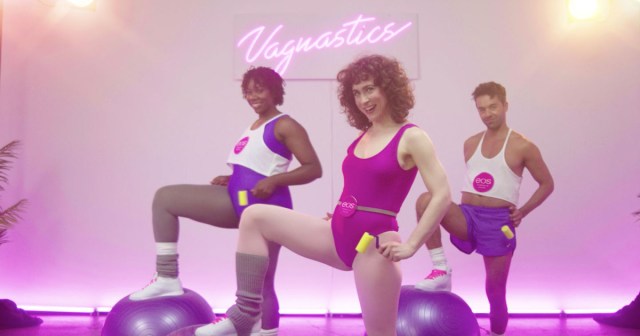
It’s driven sales and engagement on TikTok by collaborating with relevant creators, and even based an entire product line (its “Bless Your F*ing Cooch” shaving range) on a trending video on the platform.

CMO Soyoung Kang told ADWEEK Eos was “actively marketing” on TikTok in the days leading up to the Supreme Court’s final ruling, but was also laying out contingency plans on other social platforms.

“We’ve always had a diversified social strategy, which should allow us to adapt quickly and reallocate resources. Ultimately, we’ll go where our audience goes,” she asserted.

That said, Kang is not set on how to replace the “truly unique” platform like-for-like. “It’s not just about the impressions,” she said. “The community element of TikTok—where there are multiple layers of conversations happening all the time, within the comments and across videos—is such an important part of the entire experience.”

Kang noted that before TikTok, discovery on social media was mostly one-directional. TikTok took the feed from linear to labyrinthine, “creating richer community engagement, and as a result, more opportunities for challengers like Eos to break through,” she added.

Duolingo’s Orssaud agreed that TikTok’s algorithm has been key to its success, but said his team’s ability to craft content that resonates across platforms would see the brand through.

With that in mind, Duolingo’s marketing department will spend 2025 focused on quality content and multiplatform campaigns. It set the groundwork for this approach in 2024 with a physical pop-up in New York pop-up and a Roblox tie-up.

“Having navigated platform-specific challenges like a TikTok ban in India, we’ve seen firsthand the importance of flexibility and creativity in staying connected with our fans and reaching learners where they are,” the marketer added.

As fellow TikTok favorite Scrub Daddy surmised: “It’s not goodbye, it’s just see ya somewhere else.”

.font-primary { } .font-secondary { } #meter-count { position: fixed; z-index: 9999999; bottom: 0; width:96%; margin: 2%; -webkit-border-radius: 4px; -moz-border-radius: 4px; border-radius: 4px; -webkit-box-shadow: 0 0px 15px 4px rgba(0,0,0,.2); box-shadow:0 0px 15px 4px rgba(0,0,0,.2); padding: 15px 0; color:#fff; background-color:#343a40; } #meter-count .icon { width: auto; opacity:.8; } #meter-count .icon svg { height: 36px; width: auto; } #meter-count .btn-subscribe { font-size:14px; font-weight:bold; padding:7px 18px; color: #fff; background-color: #2eb3b2; border:none; text-transform: capitalize; margin-right:10px; } #meter-count .btn-subscribe:hover { color: #fff; opacity:.8; } #meter-count .btn-signin { font-size:14px; font-weight:bold; padding:7px 14px; color: #fff; background-color: #121212; border:none; text-transform: capitalize; } #meter-count .btn-signin:hover { color: #fff; opacity:.8; } #meter-count h3 { color:#fff!important; letter-spacing:0px!important; margin:0; padding:0; font-size:16px; line-height:1.5; font-weight:700; margin: 0!important; padding: 0!important; } #meter-count h3 span { color:#E50000!important; font-weight:900; } #meter-count p { font-size:14px; font-weight:500; line-height:1.4; color:#eee!important; margin: 0!important; padding: 0!important; } #meter-count .close { color:#fff; display:block; position:absolute; top: 4px; right:4px; z-index: 999999; } #meter-count .close svg { display:block; color:#fff; height:16px; width:auto; cursor:pointer; } #meter-count .close:hover svg { color:#E50000; } #meter-count .fw-600 { font-weight:600; } @media (max-width: 1079px) { #meter-count .icon { margin:0; padding:0; display:none; } } @media (max-width: 768px) { #meter-count { margin: 0; -webkit-border-radius: 0px; -moz-border-radius: 0px; border-radius: 0px; width:100%; -webkit-box-shadow: 0 -8px 10px -4px rgba(0,0,0,0.3); box-shadow: 0 -8px 10px -4px rgba(0,0,0,0.3); } #meter-count .icon { margin:0; padding:0; display:none; } #meter-count h3 { color:#fff!important; font-size:14px; } #meter-count p { color:#fff!important; font-size: 12px; font-weight: 500; } #meter-count .btn-subscribe, #meter-count .btn-signin { font-size:12px; padding:7px 12px; } #meter-count .btn-signin { display:none; } #meter-count .close svg { height:14px; } }

Enjoying Adweek’s Content? Register for More Access!

https://www.adweek.com/social-marketing/tiktok-brand-darlings-chart-their-next-steps/


TikTok CEO Shou Zi Chew Responds to Supreme Court Ruling

.article-native-ad { border-bottom: 1px solid #ddd; margin: 0 45px; padding-bottom: 20px; margin-bottom: 20px; } .article-native-ad svg { color: #ddd; font-size: 34px; margin-top: 10px; } .article-native-ad p { line-height:1.5; padding:0!important; padding-left: 10px!important; } .article-native-ad strong { font-weight:500; color:rgb(46,179,178); }

The stage is set! Advertisers, don’t miss this cultural moment. ADWEEK House The Big Game is headed to New Orleans on February 7. RSVP.

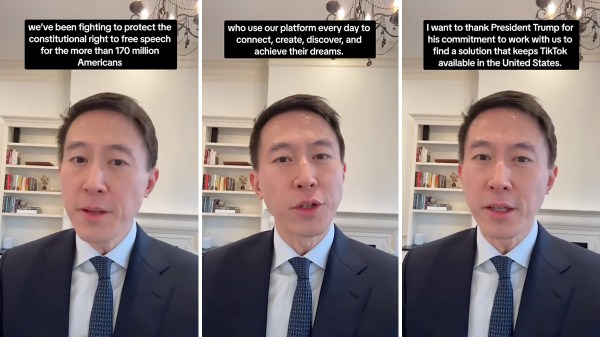
Hours after the Supreme Court unanimously upheld a law banning TikTok in the U.S. as of Sunday, the platform’s CEO, Shou Zi Chew, posted his response in video form, going out of his way to praise President-elect Donald Trump.

“On behalf of everyone at TikTok and all our users across the country, I want to thank President Trump for his commitment to work with us to find a solution that keeps TikTok available in the U.S.,” Chew said in his video.

“We are grateful and pleased to have the support of a president who truly understands our platform—one that has used TikTok to express his own thoughts and perspectives, connecting with the world and generating more than 60 billion views of his content in the process,” he added.

@tiktok

Our response to the Supreme Court decision.

♬ original sound – TikTok

Chew mentioned the application’s 170 million-plus daily users in the U.S., as well as the over 7 million American businesses on the platform, concluding his video with, “Rest assured; we will do everything in our power to ensure that our platform thrives as your online home for limitless creativity and discovery, as well as a source of inspiration and joy for years to come.”

The TikTok CEO met with Trump at his Mar-a-Lago Club in Palm Beach, Fla., last month, according to The Washington Post, and The New York Times reported that he will be seated on the dais at Trump’s inaguration Monday alongside tech luminaries such as Amazon executive chairman Jeff Bezos, Tesla and X CEO Elon Musk, and Meta CEO Mark Zuckerberg.

.font-primary { } .font-secondary { } #meter-count { position: fixed; z-index: 9999999; bottom: 0; width:96%; margin: 2%; -webkit-border-radius: 4px; -moz-border-radius: 4px; border-radius: 4px; -webkit-box-shadow: 0 0px 15px 4px rgba(0,0,0,.2); box-shadow:0 0px 15px 4px rgba(0,0,0,.2); padding: 15px 0; color:#fff; background-color:#343a40; } #meter-count .icon { width: auto; opacity:.8; } #meter-count .icon svg { height: 36px; width: auto; } #meter-count .btn-subscribe { font-size:14px; font-weight:bold; padding:7px 18px; color: #fff; background-color: #2eb3b2; border:none; text-transform: capitalize; margin-right:10px; } #meter-count .btn-subscribe:hover { color: #fff; opacity:.8; } #meter-count .btn-signin { font-size:14px; font-weight:bold; padding:7px 14px; color: #fff; background-color: #121212; border:none; text-transform: capitalize; } #meter-count .btn-signin:hover { color: #fff; opacity:.8; } #meter-count h3 { color:#fff!important; letter-spacing:0px!important; margin:0; padding:0; font-size:16px; line-height:1.5; font-weight:700; margin: 0!important; padding: 0!important; } #meter-count h3 span { color:#E50000!important; font-weight:900; } #meter-count p { font-size:14px; font-weight:500; line-height:1.4; color:#eee!important; margin: 0!important; padding: 0!important; } #meter-count .close { color:#fff; display:block; position:absolute; top: 4px; right:4px; z-index: 999999; } #meter-count .close svg { display:block; color:#fff; height:16px; width:auto; cursor:pointer; } #meter-count .close:hover svg { color:#E50000; } #meter-count .fw-600 { font-weight:600; } @media (max-width: 1079px) { #meter-count .icon { margin:0; padding:0; display:none; } } @media (max-width: 768px) { #meter-count { margin: 0; -webkit-border-radius: 0px; -moz-border-radius: 0px; border-radius: 0px; width:100%; -webkit-box-shadow: 0 -8px 10px -4px rgba(0,0,0,0.3); box-shadow: 0 -8px 10px -4px rgba(0,0,0,0.3); } #meter-count .icon { margin:0; padding:0; display:none; } #meter-count h3 { color:#fff!important; font-size:14px; } #meter-count p { color:#fff!important; font-size: 12px; font-weight: 500; } #meter-count .btn-subscribe, #meter-count .btn-signin { font-size:12px; padding:7px 12px; } #meter-count .btn-signin { display:none; } #meter-count .close svg { height:14px; } }

Enjoying Adweek’s Content? Register for More Access!

https://www.adweek.com/media/tiktok-ceo-shou-zi-chew-responds-to-supreme-court-ruling/