6 Top TikTok Alternatives for Creators


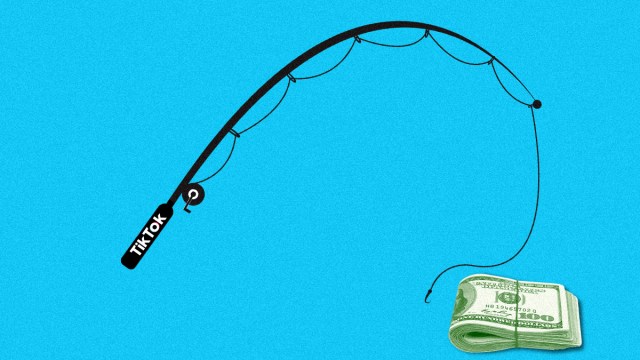
As discussions about a U.S. TikTok ban continue, with President-elect Trump reportedly considering an executive order to extend the case, creators are migrating to other platforms like Triller and RedNote.

Triller is trying to poach TikTokers with new tools. Chinese-owned RedNote has popped up seemingly overnight. And Snap launched an ad campaign highlighting why creators love its platform.

ADWEEK has compiled a list of six platforms that creators are choosing as they decide where to focus their efforts. We looked at key features that creators use like livestreaming and the app’s functionality like discoverability.

Instagram’s Reels

When it comes to reach and discoverability, Meta-owned Instagram often leads the way. According to social media firm Buffer, Instagram Reels have 36% more reach compared to other post types like photos or carousels. Additionally, Reels posted on Instagram can be shared on Facebook, further increasing the reach of content.

Pros: Instagram has a wide reach for Reels, the ability to livestream and interact with an audience, and in-app tools to edit videos and content. Instagram also offers a program for creators that pays creators for content creation, and tools that help with brand partnerships. For example, a separate inbox helps creators organize messages.

Cons: Discoverability. Instagram does not have a TikTok-equivalent of the ‘For You’ page that helps people find new creators and content based on an algorithm of viewing habits.
YouTube’s Shorts

YouTube has launched the careers of countless creators. Since 2006, YouTube has provided a platform where anyone can create a channel and start uploading videos.

In 2020, YouTube introduced Shorts, its response to the growing popularity of short-form content. In March, YouTube announced that more than 25% of creators in YouTube’s Partner Program are now earning money through YouTube Shorts.

Pros: Shorts has the option to upload short-form and long-form content. There is also a creator program with monetization tools and the ability to livestream.

Cons: YouTube does have a separate app for Shorts. And similar to Instagram, discoverability is a challenge.

Triller

The video app gained traction during the first threat of a TikTok ban in 2020 by establishing a content house where creators lived in exchange for posting to the app, pitching advertisers, and working with prominent creators such as Griff Johnson, Noah Beck, and Josh Richards.

Now, the company developed a tool to assist TikTok creators in transferring their videos to the platform ahead of a larger refresh planned for the first quarter of this year. Triller also has tools to help creators find brand deals and design standalone apps.

Pros: Triller offers a program for creators and tools to help creators own their content and audience. The app also has the equivalent of a ‘For You’ page to surface relevant videos.

Cons: Triller’s size is significantly smaller than TikTok. The app’s algorithm also does not reflect the content that users engage with.

RedNote

If you’ve been online this week, you’ve likely heard about the Chinese app RedNote as a potential alternative to TikTok. More than 700,000 new users joined in just two days, Reuters reported.

Many American users flocking to RedNote are referring to themselves as “TikTok refugees.” The app’s default setting is Mandarin, leading to a 216% increase in U.S. users learning Mandarian with Duolingo’s products.

Pros: RedNote has high-quality videos, a usability akin to TikTok, the ability to easily upload and share content, and has a commerce integration.

Cons: The app’s Mandarian language is a barrier. The app also reportedly censors topics like LGBTQ+.
Substack

The popular newsletter platform is pushing into video, launching a live video feature to all users on Jan. 14.

Substack began testing livestreaming features In the fall of 2024. The development moves Substack from a platform for text and audio content to video, positioning the company as an alternative to TikTok for creators who wish to engage with their communities on a deeper level.

Pros: Substack has the ability to post both short-form content and long-form content like podcasts. There are also features for creators to monetize content and own their audience.

Cons: Discoverability on Substack is a challenge. Live video is also only available on Substack’s mobile app, which has a smaller audience than the web. A media tab groups all of a creator’s content together instead is separating long-form and short-form content.

Clapper

On Jan. 16, Clapper chased RedNote and ByteDance-owned Lemon8 as the third most popular social app in Apple’s App Store.

The short-form video app has experienced a surge in users amid the threat of a TikTok ban. Clapper founder Edison Chen told Deadline that the app is averaging approximately 200,000 new downloads each week.

The app shares many similarities with TikTok, but there are some differences. Users must be at least 17 years old to sign up for Clapper while TikTok allows users as young as 13 years old. Additionally, Clapper does not feature ads. Bita Motiie, Clapper’s head of operations, told Business Insider that Clapper takes a 30% commission from certain creator earnings and a 5% commission from sales on the Clapper Shop.

Pros: Clapper has a similar user experience and interface as TikTok with a ‘For You’ page. There is also a creator program, no ads to distract users, and a livestreaming capability.

Cons: Clapper’s algorithm doesn’t reflect what content users engage with. The app’s users also skews towards Gen X and millennials.

.font-primary { } .font-secondary { } #meter-count { position: fixed; z-index: 9999999; bottom: 0; width:96%; margin: 2%; -webkit-border-radius: 4px; -moz-border-radius: 4px; border-radius: 4px; -webkit-box-shadow: 0 0px 15px 4px rgba(0,0,0,.2); box-shadow:0 0px 15px 4px rgba(0,0,0,.2); padding: 15px 0; color:#fff; background-color:#343a40; } #meter-count .icon { width: auto; opacity:.8; } #meter-count .icon svg { height: 36px; width: auto; } #meter-count .btn-subscribe { font-size:14px; font-weight:bold; padding:7px 18px; color: #fff; background-color: #2eb3b2; border:none; text-transform: capitalize; margin-right:10px; } #meter-count .btn-subscribe:hover { color: #fff; opacity:.8; } #meter-count .btn-signin { font-size:14px; font-weight:bold; padding:7px 14px; color: #fff; background-color: #121212; border:none; text-transform: capitalize; } #meter-count .btn-signin:hover { color: #fff; opacity:.8; } #meter-count h3 { color:#fff!important; letter-spacing:0px!important; margin:0; padding:0; font-size:16px; line-height:1.5; font-weight:700; margin: 0!important; padding: 0!important; } #meter-count h3 span { color:#E50000!important; font-weight:900; } #meter-count p { font-size:14px; font-weight:500; line-height:1.4; color:#eee!important; margin: 0!important; padding: 0!important; } #meter-count .close { color:#fff; display:block; position:absolute; top: 4px; right:4px; z-index: 999999; } #meter-count .close svg { display:block; color:#fff; height:16px; width:auto; cursor:pointer; } #meter-count .close:hover svg { color:#E50000; } #meter-count .fw-600 { font-weight:600; } @media (max-width: 1079px) { #meter-count .icon { margin:0; padding:0; display:none; } } @media (max-width: 768px) { #meter-count { margin: 0; -webkit-border-radius: 0px; -moz-border-radius: 0px; border-radius: 0px; width:100%; -webkit-box-shadow: 0 -8px 10px -4px rgba(0,0,0,0.3); box-shadow: 0 -8px 10px -4px rgba(0,0,0,0.3); } #meter-count .icon { margin:0; padding:0; display:none; } #meter-count h3 { color:#fff!important; font-size:14px; } #meter-count p { color:#fff!important; font-size: 12px; font-weight: 500; } #meter-count .btn-subscribe, #meter-count .btn-signin { font-size:12px; padding:7px 12px; } #meter-count .btn-signin { display:none; } #meter-count .close svg { height:14px; } }

Enjoying Adweek’s Content? Register for More Access!

https://www.adweek.com/commerce/6-top-tiktok-alternatives-for-creators/


Snapchat Lures in Creators in New Ad Campaign Amid TikTok Drama


Snap is reminding creators that its app is a central place to build a community in a new ad campaign.

The company’s campaign comes as rival TikTok faces a potential ban in the U.S. this week. The Supreme Court is set to rule on a looming ban that would wipe the app from the U.S. market, impacting 170 million users. The saga is ongoing, as TikTok’s defense of free speech has clashed with the government’s security concerns about the Chinese-owned app.

Snap’s ad campaign launched on Jan. 15, with messaging that encourages users to “find their favorites on Snapchat.” The ad stars creators like Savannah Demers, Avani Gregg, Harry Jowsey, and Loren Gray. 

Some of these creators first developed an audience on TikTok. Gregg, for example, won a Shorty Award in 2019 for TikToker of the Year. 

“You can catch all of my day-to-day content on Snapchat,” Gregg says in one of the campaign’s spots. “I feel like Snapchat brings me closer to you guys. It’s an easy way to connect with you guys on a more personal level.”

Snap says that creators make 15 billion interactions with their followers each day on Snapchat.

New tools for creators

The campaign also promotes new tools the company recently rolled out for creators.

In September, Snapchat introduced a feature that allows creators to toggle between their personal and business accounts. The company also released new tools that allow creators to pin content and utilize templates for content production.

Additionally, starting next month, some creators can get their hands on new tools that place ads in Spotlight videos that are longer than one minute. Spotlight is Snap’s TikTok-like feature that surfaces user-generated content.

The number of creators posting content to Snapchat grew 50% year over year during the third quarter of 2023, according to Snap. Additionally, Spotlight reached more than 500 million active users during the third quarter. And time spent watching content on Snapchat was up 25% year over year during that time period.

Snap reports fourth-quarter earnings for 2024 on Feb. 4.

.font-primary { } .font-secondary { } #meter-count { position: fixed; z-index: 9999999; bottom: 0; width:96%; margin: 2%; -webkit-border-radius: 4px; -moz-border-radius: 4px; border-radius: 4px; -webkit-box-shadow: 0 0px 15px 4px rgba(0,0,0,.2); box-shadow:0 0px 15px 4px rgba(0,0,0,.2); padding: 15px 0; color:#fff; background-color:#343a40; } #meter-count .icon { width: auto; opacity:.8; } #meter-count .icon svg { height: 36px; width: auto; } #meter-count .btn-subscribe { font-size:14px; font-weight:bold; padding:7px 18px; color: #fff; background-color: #2eb3b2; border:none; text-transform: capitalize; margin-right:10px; } #meter-count .btn-subscribe:hover { color: #fff; opacity:.8; } #meter-count .btn-signin { font-size:14px; font-weight:bold; padding:7px 14px; color: #fff; background-color: #121212; border:none; text-transform: capitalize; } #meter-count .btn-signin:hover { color: #fff; opacity:.8; } #meter-count h3 { color:#fff!important; letter-spacing:0px!important; margin:0; padding:0; font-size:16px; line-height:1.5; font-weight:700; margin: 0!important; padding: 0!important; } #meter-count h3 span { color:#E50000!important; font-weight:900; } #meter-count p { font-size:14px; font-weight:500; line-height:1.4; color:#eee!important; margin: 0!important; padding: 0!important; } #meter-count .close { color:#fff; display:block; position:absolute; top: 4px; right:4px; z-index: 999999; } #meter-count .close svg { display:block; color:#fff; height:16px; width:auto; cursor:pointer; } #meter-count .close:hover svg { color:#E50000; } #meter-count .fw-600 { font-weight:600; } @media (max-width: 1079px) { #meter-count .icon { margin:0; padding:0; display:none; } } @media (max-width: 768px) { #meter-count { margin: 0; -webkit-border-radius: 0px; -moz-border-radius: 0px; border-radius: 0px; width:100%; -webkit-box-shadow: 0 -8px 10px -4px rgba(0,0,0,0.3); box-shadow: 0 -8px 10px -4px rgba(0,0,0,0.3); } #meter-count .icon { margin:0; padding:0; display:none; } #meter-count h3 { color:#fff!important; font-size:14px; } #meter-count p { color:#fff!important; font-size: 12px; font-weight: 500; } #meter-count .btn-subscribe, #meter-count .btn-signin { font-size:12px; padding:7px 12px; } #meter-count .btn-signin { display:none; } #meter-count .close svg { height:14px; } }

Enjoying Adweek’s Content? Register for More Access!

https://www.adweek.com/commerce/snapchat-creators-ad-campaign-tiktok/


What the #$@! to Do About Your TikTok Shop


If you’ve logged onto TikTok within the past week (haven’t we all?), you’ve probably seen the latest #goodbyetiktok and #savetiktok content as users stateside prepare for the very real possibility that the nationwide ban on the app will go into effect on January 19.

As we anxiously await the Supreme Court’s decision on TikTok’s fate, brands, creators, and the app’s 170 million U.S. users (which include one-third of all U.S. adults) are weighing their options over what platform to turn to next. Do they double down on Instagram Reels? Go straight to the original home of user-generated video content with YouTube Shorts? Test the waters with ByteDance’s Lemon8 or Chinese-owned RedNote, both of which could possibly end up with the same fate as TikTok?

Tough decisions, sure. Because beyond TikTok’s entertainment factor, it has found more social commerce success than any other platform. It’s remarkably easy to make an impulse purchase on TikTok, and 17% of U.S. adults have used TikTok Shop according to CivicScience. TikTok has estimated that small businesses could lose over $1 billion per month in revenues if the ban takes effect.

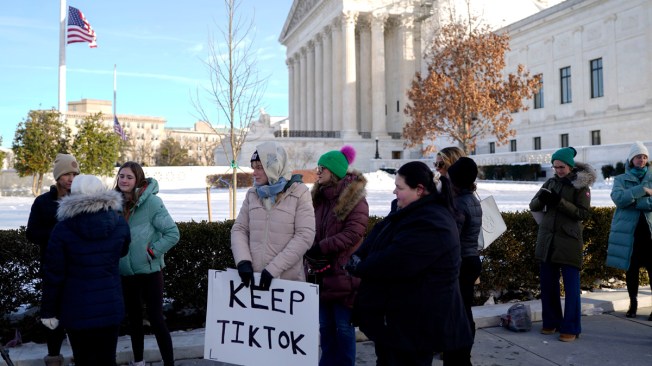
Despite impassioned pleas from TikTok users and creators and strong arguments from TikTok’s attorneys, the Supreme Court seems likely to uphold the ban as of publication. While a last-minute Hail Mary to save the app in the U.S. is still possible, if you’re a brand or business owner on TikTok, now is truly the time to prepare for the end of the TikTok era.

Because let’s face facts: While there isn’t another platform that can easily replicate the success of the video-first social shopping that TikTok created, the TikTok Shop boom has proven that social commerce works, which should give competitors a clear roadmap to improve their own shoppable offerings.

Bottom line: If social commerce is your goal, the two most viable options are Meta and YouTube Shorts.

Meta

Social commerce isn’t new to Meta, meaning that brands, creators, and consumers are likely to already be active there, eliminating the initial barrier to entry. Direct-to-consumer brands with streamlined product offerings have found the most success with Meta Shops to date, combining the ease of Meta Checkout and advertising with full-funnel paid social campaigns on the platform to drive sales.

The good news is that there are a lot of active Meta users to reach and a strong advertising platform to do just that. The bad news is that there’s a lot of competition for those users’ attention. Plus, setting up shop on Meta is, as any seasoned Meta Business Manager user would expect, very complicated.

Meta integrates with existing ecommerce platforms like Shopify, ChannelAdvisor, and BigCommerce, but businesses can also create a shop directly with Meta Commerce Manager. Building a new or adding an existing product catalog is required, as is having a website for your business, which is not a requirement for TikTok Shop. For every transaction, Meta charges a processing fee, ranging from 2.9% to 3.49% depending on the transaction type.

Unlike TikTok Shop, shoppable content, including video, is unlikely to reach users without a healthy advertising budget to support it.

Before TikTok, and before “content creator” became part of our social media lexicon, Instagram was the platform for influencers and tastemakers. While TikTok may have carved out a different space for creators, many of them are also active on Instagram, publishing the same content on both platforms. Should the ban go into effect, those creators should prioritize their existing presence on Instagram, leaning into Reels and driving social commerce through affiliate marketing platforms like LTK, as well as directly with retailers like Amazon, Target, and Walmart.

YouTube

In terms of YouTube, it’s fair to say that for many brands, creating enough content to maintain an active YouTube presence is already a challenge. Most of us are candidly aware of how the platform is (too) often used as an archive of TV spots and miscellaneous content from old campaigns.

However, for creators, it’s quite the opposite. YouTube’s creator community has effectively shifted the media landscape, turning influencers into their own successful brands and media enterprises.

Because YouTube is focused on video content, shoppable videos and livestreams function more similarly to TikTok than Meta, with an easy shopping button displayed on content and in a product “shelf” below the content.

In order to set up YouTube Shopping, channels must have a minimum of 1,000 subscribers with 4,000 valid public watch hours in the last 12 months, or 1,000 subscribers with 10 million valid public Shorts views in the last 90 days. YouTube Shopping also requires connection with an existing ecommerce platform, like Shopify, and doesn’t offer their own native solution, which may be limiting to both brands and creators.

Until YouTube’s commerce options expand, the platform is best suited for creators or brands with a healthy, engaged subscriber base and frequently produced, timely content that stands out.

Social search and alternative commerce platforms

Regardless of platform, shoppers are increasingly turning to social instead of Google to search for and research products before making a purchase. The shift in behavior is driven by younger consumers on TikTok, and this preference for visual, video-led search results has pushed Meta and YouTube to offer paid social search ads as a complement to paid social campaigns.

For brands building Meta or YouTube shopping experiences, adding social search to the media mix and targeting younger audiences can help boost the success of social shopping. And partnering with creators to amplify these efforts is likely to pay off—creator content drove more social purchases than any other content type, including brand-produced content, according to a March 2024 survey by eMarketer.

Beyond Meta and YouTube, there remains a place for Pinterest, given its focus on visual content and shoppable pins that can fuel product discovery. Creators have also been supplementing their visual content from TikTok and Instagram with longer-form content through the subscription-based platform Substack, which not only offers monetization for creators through its subscription model, but also can easily incorporate affiliate links for subscribers to shop.

On the retailer end of the spectrum, Amazon Inspire is an app that connects brand and creator content directly to Amazon’s marketplace with a focus on user-generated content. Given that many creators promote their Amazon storefronts through Amazon’s affiliate program, Inspire takes this a step further with video content.

Although these platforms aren’t exact replacements of TikTok, they still give creators another option or two worth keeping an eye on.

Moving forward

Change is always happening in some fashion or another.

Perhaps it’s the looming deadline of the ban or the ease of adding to cart, but I, for one, have found myself making a few impulsive TikTok Shop purchases from small businesses. Within minutes, I had checked out and received updates on my order. Then I swiped to the next video and suddenly felt “seen” by a creator’s video listing all of the things TikTok had “successfully manipulated” her into doing.

So, whether you call it manipulation or incredible marketing, there’s one thing we know for sure: Platforms succeed, platforms evolve, and some disappear. While we await the Supreme Court’s decision, let’s all of us—consumers and marketers alike—enjoy TikTok while we can, while also preparing for a future without it.

https://www.adweek.com/commerce/what-to-do-about-your-tiktok-shop/


Meta to Slash 5% of Workforce in Round of Performance-Based Layoffs


.article-native-ad { border-bottom: 1px solid #ddd; margin: 0 45px; padding-bottom: 20px; margin-bottom: 20px; } .article-native-ad svg { color: #ddd; font-size: 34px; margin-top: 10px; } .article-native-ad p { line-height:1.5; padding:0!important; padding-left: 10px!important; } .article-native-ad strong { font-weight:500; color:rgb(46,179,178); }

The stage is set! Advertisers, don’t miss this cultural moment. ADWEEK House The Big Game is headed to New Orleans on February 7. RSVP.

Meta CEO Mark Zuckerberg said in a note to employees Wednesday, seen by Bloomberg, that the company plans to cut approximately 5% of its workforce via performance-based terminations.

The parent company of Facebook and Instagram reported about 72,000 employees as of the end of last September in its third-quarter earnings call, so the cuts could involve roughly 3,600 positions.

In November 2022, the company implemented the first layoffs in its then-18-year history as Facebook and Meta, laying off more than 11,000 of its then roughly 87,000 employees.

Shortly thereafter, in March 2023, the company announced another 10,000 layoffs and the elimination of 5,000 open roles.

However, those two layoff rounds were aimed at cutting staff, whereas in this case, Meta confirmed to Axios that the cuts are strictly performance-based, and that vacated roles will be backfilled.

“I’ve decided to raise the bar on performance management and move out low-performers faster,” Zuckerberg said in his note, as reported by Bloomberg. “We typically manage out people who aren’t meeting expectations over the course of a year, but now we’re going to do more extensive performance-based cuts during this cycle.”

Bloomberg reported that only people who have been with Meta long enough to be eligible for performance reviews will be affected, adding that U.S. workers will be notified if they are part of the cuts on Feb. 10, with those based on other countries finding out at a later date.

Zuckerberg promised “generous severance” in line with previous Meta job cuts to those affected, Bloomberg reported.

He added in the note that he expected total headcount to be down 10% by the end of the current performance cycle, between this layoff round and an additional 5% attrition when compared with the same period last year.

.font-primary { } .font-secondary { } #meter-count { position: fixed; z-index: 9999999; bottom: 0; width:96%; margin: 2%; -webkit-border-radius: 4px; -moz-border-radius: 4px; border-radius: 4px; -webkit-box-shadow: 0 0px 15px 4px rgba(0,0,0,.2); box-shadow:0 0px 15px 4px rgba(0,0,0,.2); padding: 15px 0; color:#fff; background-color:#343a40; } #meter-count .icon { width: auto; opacity:.8; } #meter-count .icon svg { height: 36px; width: auto; } #meter-count .btn-subscribe { font-size:14px; font-weight:bold; padding:7px 18px; color: #fff; background-color: #2eb3b2; border:none; text-transform: capitalize; margin-right:10px; } #meter-count .btn-subscribe:hover { color: #fff; opacity:.8; } #meter-count .btn-signin { font-size:14px; font-weight:bold; padding:7px 14px; color: #fff; background-color: #121212; border:none; text-transform: capitalize; } #meter-count .btn-signin:hover { color: #fff; opacity:.8; } #meter-count h3 { color:#fff!important; letter-spacing:0px!important; margin:0; padding:0; font-size:16px; line-height:1.5; font-weight:700; margin: 0!important; padding: 0!important; } #meter-count h3 span { color:#E50000!important; font-weight:900; } #meter-count p { font-size:14px; font-weight:500; line-height:1.4; color:#eee!important; margin: 0!important; padding: 0!important; } #meter-count .close { color:#fff; display:block; position:absolute; top: 4px; right:4px; z-index: 999999; } #meter-count .close svg { display:block; color:#fff; height:16px; width:auto; cursor:pointer; } #meter-count .close:hover svg { color:#E50000; } #meter-count .fw-600 { font-weight:600; } @media (max-width: 1079px) { #meter-count .icon { margin:0; padding:0; display:none; } } @media (max-width: 768px) { #meter-count { margin: 0; -webkit-border-radius: 0px; -moz-border-radius: 0px; border-radius: 0px; width:100%; -webkit-box-shadow: 0 -8px 10px -4px rgba(0,0,0,0.3); box-shadow: 0 -8px 10px -4px rgba(0,0,0,0.3); } #meter-count .icon { margin:0; padding:0; display:none; } #meter-count h3 { color:#fff!important; font-size:14px; } #meter-count p { color:#fff!important; font-size: 12px; font-weight: 500; } #meter-count .btn-subscribe, #meter-count .btn-signin { font-size:12px; padding:7px 12px; } #meter-count .btn-signin { display:none; } #meter-count .close svg { height:14px; } }

Enjoying Adweek’s Content? Register for More Access!

https://www.adweek.com/media/meta-performance-based-layoffs/


How the Viral Fake Birkin Bag Is Likely to Change Luxury Brands’ Marketing and Trademarking


A version of the famous Hermès Birkin bag sold at Walmart took off on social media, marking a big shift in how luxury marketers think about cheaper versions of their products.

In recent weeks, a bag that looks like the Birkin bag went viral on social media. According to Sotheby’s, a genuine leather Birkin bag bought directly from the store starts at $9,000 and can sell for over $30,000, depending on factors such as size, color, material, and condition. The copycat version of the bag sold for about $80, is made by third-party sellers named Kamugo and Aidrani, and was sold on Walmart’s marketplace. Walmart has since pulled the bag’s listing from its website.

The bag first started to gain steam when influencers including Bethenny Frankel, Nia Chï, and Meredith Swanson started posting on TikTok about its resemblance to Hermès’ version. Videos show that the quality of the bag is surprisingly good, contrary to what one might expect. For example, the front buckle and overall shape of the fake bag is similar to the Hermès version.

The fake Birkin raises questions over how luxury brands like Hermés protect their designs and whether more quality fake luxury bags will flood the market, which could have large implications for marketers.

“Many may argue that these dupes are filling a gap in the market—acting as a marketing tool for the original while filling the needs of consumers who likely cannot afford or wouldn’t purchase the luxe versions themselves,” said Brendan Gahan, CEO and co-founder of influencer marketing firm Creator Authority. “They’re simply reinforcing the unattainability of the original.”

Hermès, Walmart, Audrani, and Kamugo did not respond to requests for comments.

Luxury marketers are still playing up quality

Designer knockoff bags have existed for years. Luxury brands have historically tackled this problem by marketing their products as the real thing with high-quality craftsmanship. Birkin bags are custom made, and Hermés requires that customers get on a waitlist before they are able to buy the bag. It’s not unusual for a customer to be on the waitlist for years.

This process means that real Hermés fans aren’t likely to buy the fake bag and will stick it out on the waitlist, said Ana Andjelic, a brand executive, author and luxury marketing expert.

“Hermés has nothing to worry about in the sense of that rarefied clientele who know that they waited three years for their limited-edition Birkin,” Andjelic said.

Andjelic doesn’t believe the fake version will impact Hermés’ profits because the bags maintain a standard of quality and craftsmanship that cannot be duplicated.

“In the visual culture, you can replicate images. That’s why we have so many counterfeits, so many knockoffs,” Andjelic said.

How luxury brands can protect themselves

This raises the question of how luxury brands like Hermés can effectively protect themselves from having their designs copied or imitated by knockoff brands.

The fake Birkin’s success shows that luxury brands need to safeguard their bag shapes and designs. According to Forbes, Hermès holds trademarks for the Birkin bag, including for its distinctive shape.

While brands have the option to file patents and trademarks, brands should also be participating in social media chatter about the fake versions of their products, said Caila Schwartz, director of consumer strategy and insights at Salesforce.

Schwartz said that handbags were the fastest-growing product category during the holiday season, showing strong performance throughout 2024, according to Salesforce data.

Fashion brands may take a cue from beauty brands

Beauty brands may give an example of how fashion brands should acknowledge cheaper versions of their products.

Beauty brands like e.lf. and MCoBeauty have heavily leaned into developing cheaper versions of high-end products, even making it a big part of their marketing.

“Could we see apparel and handbags start to get in on that where the beauty space already is? I think it’s a potential,” Schwartz said.

Brands like Steve Madden and Mango are already doing this, creating quality copycats of luxury bags at lower prices.

However, this trend is not expected to detract from the genuine shoppers of Hermès.

“The unit economics of creating something high quality at that scale is insane,” Andjelic said.

.font-primary { } .font-secondary { } #meter-count { position: fixed; z-index: 9999999; bottom: 0; width:96%; margin: 2%; -webkit-border-radius: 4px; -moz-border-radius: 4px; border-radius: 4px; -webkit-box-shadow: 0 0px 15px 4px rgba(0,0,0,.2); box-shadow:0 0px 15px 4px rgba(0,0,0,.2); padding: 15px 0; color:#fff; background-color:#343a40; } #meter-count .icon { width: auto; opacity:.8; } #meter-count .icon svg { height: 36px; width: auto; } #meter-count .btn-subscribe { font-size:14px; font-weight:bold; padding:7px 18px; color: #fff; background-color: #2eb3b2; border:none; text-transform: capitalize; margin-right:10px; } #meter-count .btn-subscribe:hover { color: #fff; opacity:.8; } #meter-count .btn-signin { font-size:14px; font-weight:bold; padding:7px 14px; color: #fff; background-color: #121212; border:none; text-transform: capitalize; } #meter-count .btn-signin:hover { color: #fff; opacity:.8; } #meter-count h3 { color:#fff!important; letter-spacing:0px!important; margin:0; padding:0; font-size:16px; line-height:1.5; font-weight:700; margin: 0!important; padding: 0!important; } #meter-count h3 span { color:#E50000!important; font-weight:900; } #meter-count p { font-size:14px; font-weight:500; line-height:1.4; color:#eee!important; margin: 0!important; padding: 0!important; } #meter-count .close { color:#fff; display:block; position:absolute; top: 4px; right:4px; z-index: 999999; } #meter-count .close svg { display:block; color:#fff; height:16px; width:auto; cursor:pointer; } #meter-count .close:hover svg { color:#E50000; } #meter-count .fw-600 { font-weight:600; } @media (max-width: 1079px) { #meter-count .icon { margin:0; padding:0; display:none; } } @media (max-width: 768px) { #meter-count { margin: 0; -webkit-border-radius: 0px; -moz-border-radius: 0px; border-radius: 0px; width:100%; -webkit-box-shadow: 0 -8px 10px -4px rgba(0,0,0,0.3); box-shadow: 0 -8px 10px -4px rgba(0,0,0,0.3); } #meter-count .icon { margin:0; padding:0; display:none; } #meter-count h3 { color:#fff!important; font-size:14px; } #meter-count p { color:#fff!important; font-size: 12px; font-weight: 500; } #meter-count .btn-subscribe, #meter-count .btn-signin { font-size:12px; padding:7px 12px; } #meter-count .btn-signin { display:none; } #meter-count .close svg { height:14px; } }

Enjoying Adweek’s Content? Register for More Access!

https://www.adweek.com/commerce/how-the-viral-fake-birkin-bag-is-likely-to-change-luxury-brands-marketing-and-trademarking/


Elon Musk could be China’s pick to buy TikTok, report says

TikTokers could also flock to YouTube, which remains one of the most profitable platforms for creators on the planet. But that would surely rile some YouTube users who dislike YouTube Shorts clogging up the homepage.

Rather than move to a popular US app, however, many contrarian TikTokers are eyeing other Chinese-owned apps, including ByteDance-owned Lemon8. Both Lemon8 and an app owned by another Chinese company called Xiaohongshu—which Americans know as Red Note—reached the top two spots in Apple’s App Store rankings Monday, Business Insider reported.

On Red Note, TikTokers are gathering under a hashtag, “TikTokrefugee,” The New York Times reported. As of Tuesday, the hashtag had been viewed more than 100 million times and referenced in 2.5 million comments.

According to a Times review of TikTok videos, TikTokers said they were moving to Red Note because “they wanted to show they do not share Washington’s concerns about TikTok’s ties to China.” But TikTokers could be in for a rude awakening if TikTok is banned and the Chinese-owned app they choose as their new home quickly becomes the next app to be blocked in the US within a few months.

Under the Protecting Americans from Foreign Adversary Controlled Applications Act that would force TikTok’s sale or require a ban, any “foreign adversary controlled” social media app with more than 1 million monthly active users could be banned. ByteDance and TikTok are both singled out by the law, meaning any meaningful spike in US users on other ByteDance apps would likely trigger scrutiny.

It’s unclear if Red Note would be as easily targeted by the government, but any Chinese-owned social media app that meets very basic requirements—allowing more than a million monthly active users to share content that can be viewed by others—could potentially be banned if the Supreme Court upholds the law.

An analyst at the market research company Emarketer, Jasmine Enberg, told The Independent that TikTokers recommending apps like Lemon8 “may not be aware of the possible implications for the other ByteDance apps because the law does not identify them.”

https://arstechnica.com/tech-policy/2025/01/elon-musk-could-be-chinas-pick-to-buy-tiktok-report-says/


Meta Becomes the Latest Major Company to Pull Back on DEI Initiatives

.article-native-ad { border-bottom: 1px solid #ddd; margin: 0 45px; padding-bottom: 20px; margin-bottom: 20px; } .article-native-ad svg { color: #ddd; font-size: 34px; margin-top: 10px; } .article-native-ad p { line-height:1.5; padding:0!important; padding-left: 10px!important; } .article-native-ad strong { font-weight:500; color:rgb(46,179,178); }

The stage is set! Advertisers, don’t miss this cultural moment. ADWEEK House The Big Game is headed to New Orleans on February 7. RSVP.

Add another company to the growing list of those scaling back or scrapping their diversity, equity, and inclusion efforts, and it’s a big one: Meta.

Vice president of people Janelle Gale sent a memo over the company’s Workplace internal communications forum, as first reported by Axios.

According to Gale’s post, Meta will no longer have a dedicated DEI team, and chief diversity officer Maxine Williams will shift to a new role with a focus on accessibility and engagement.

Meta’s initiative to source business suppliers from diverse-owned businesses will be halted in favor of a mandate to support small and midsized businesses, which Gale noted “power much of our economy.”

The diverse slate approach to hiring—which was implemented to make sure the company considered a diverse set of applicants while filling open roles—is also being phased out, as are representation goals.

Finally, Gale wrote that equity and inclusion programs at Meta will be replaced with programs “that focus on how to apply fair and consistent practices that mitigate bias for all, no matter your background.”

CNBC reported that this response from a Meta employee to Gale’s post drew more than 600 reactions from coworkers: “If you don’t stand by your principles when things get difficult, they aren’t values. They’re hobbies.”

And both inside and outside of Meta, the move will likely be perceived as another concession to the incoming administration of President-elect Donald Trump.

The parent company of Facebook and Instagram revealed earlier this week that it is eliminating its third-party fact-checking program in favor of a Community Notes initiative like the one used by Elon Musk’s X.

In November 2023, Meta reversed its ban on ads questioning the legitimacy of the 2020 U.S. presidential election.

And in the weeks since Trump’s victory, Meta CEO Mark Zuckerberg has met with Trump and potential secretary of state appointee Marco Rubio at the president-elect’s Mar-a-Lago resort in Palm Beach, Fla.; donated $1 million to Trump’s inauguration fund; promoted Republican Party ally Joel Kaplan to chief global affairs officer; and added Trump ally Dana White, CEO of UFC, to the company’s board of directors.

Fast-food giant McDonald’s cut back on its DEI initiatives earlier this week, and major companies to do so in 2024 included Ford Motor, Harley-Davidson, John Deere, Lowe’s, Molson Coors, Target, Toyota, Tractor Supply, and Walmart.

.font-primary { } .font-secondary { } #meter-count { position: fixed; z-index: 9999999; bottom: 0; width:96%; margin: 2%; -webkit-border-radius: 4px; -moz-border-radius: 4px; border-radius: 4px; -webkit-box-shadow: 0 0px 15px 4px rgba(0,0,0,.2); box-shadow:0 0px 15px 4px rgba(0,0,0,.2); padding: 15px 0; color:#fff; background-color:#343a40; } #meter-count .icon { width: auto; opacity:.8; } #meter-count .icon svg { height: 36px; width: auto; } #meter-count .btn-subscribe { font-size:14px; font-weight:bold; padding:7px 18px; color: #fff; background-color: #2eb3b2; border:none; text-transform: capitalize; margin-right:10px; } #meter-count .btn-subscribe:hover { color: #fff; opacity:.8; } #meter-count .btn-signin { font-size:14px; font-weight:bold; padding:7px 14px; color: #fff; background-color: #121212; border:none; text-transform: capitalize; } #meter-count .btn-signin:hover { color: #fff; opacity:.8; } #meter-count h3 { color:#fff!important; letter-spacing:0px!important; margin:0; padding:0; font-size:16px; line-height:1.5; font-weight:700; margin: 0!important; padding: 0!important; } #meter-count h3 span { color:#E50000!important; font-weight:900; } #meter-count p { font-size:14px; font-weight:500; line-height:1.4; color:#eee!important; margin: 0!important; padding: 0!important; } #meter-count .close { color:#fff; display:block; position:absolute; top: 4px; right:4px; z-index: 999999; } #meter-count .close svg { display:block; color:#fff; height:16px; width:auto; cursor:pointer; } #meter-count .close:hover svg { color:#E50000; } #meter-count .fw-600 { font-weight:600; } @media (max-width: 1079px) { #meter-count .icon { margin:0; padding:0; display:none; } } @media (max-width: 768px) { #meter-count { margin: 0; -webkit-border-radius: 0px; -moz-border-radius: 0px; border-radius: 0px; width:100%; -webkit-box-shadow: 0 -8px 10px -4px rgba(0,0,0,0.3); box-shadow: 0 -8px 10px -4px rgba(0,0,0,0.3); } #meter-count .icon { margin:0; padding:0; display:none; } #meter-count h3 { color:#fff!important; font-size:14px; } #meter-count p { color:#fff!important; font-size: 12px; font-weight: 500; } #meter-count .btn-subscribe, #meter-count .btn-signin { font-size:12px; padding:7px 12px; } #meter-count .btn-signin { display:none; } #meter-count .close svg { height:14px; } }

Enjoying Adweek’s Content? Register for More Access!

https://www.adweek.com/media/meta-becomes-the-latest-major-company-to-pull-back-on-dei-initiatives/


A Skeptical Supreme Court Weighs TikTok’s Future in the U.S.


.article-native-ad { border-bottom: 1px solid #ddd; margin: 0 45px; padding-bottom: 20px; margin-bottom: 20px; } .article-native-ad svg { color: #ddd; font-size: 34px; margin-top: 10px; } .article-native-ad p { line-height:1.5; padding:0!important; padding-left: 10px!important; } .article-native-ad strong { font-weight:500; color:rgb(46,179,178); }

The stage is set! Advertisers, don’t miss this cultural moment. ADWEEK House The Big Game is headed to New Orleans on February 7. RSVP.

In a case with far-reaching implications for the future of social media, the Supreme Court today reviewed oral arguments on a federal law that could force TikTok to shut down in the U.S. in about nine days unless the app severs ties with its Chinese parent company, ByteDance. The oral arguments lasted nearly three hours.

The Court reviewed two consolidated cases challenging the law—one filed by TikTok and ByteDance, and another brought by TikTok content creators. At the heart of the case is a clash between TikTok’s defense of free speech and national security concerns raised by the feds.

Arguing on behalf of TikTok was Noel Francisco, with Jeffrey Fisher representing the content creators. Elizabeth Prelogar appeared for the government.

Justices appeared skeptical of TikTok’s arguments, probing how its First Amendment rights apply when the law specifically targets the foreign-owned ByteDance and its algorithm. Meanwhile, they pressed the government on its central argument—that the issue lies in the national security risk of “covert” Chinese government manipulation of content and user data collection.

The court is likely to rule by the end of next week, with the decision impacting nearly 170 million American users who use the app.

Here are the key moments from today’s hearing.

TikTok sale isn’t possible

Justice Elena Kagan pressed TikTok’s Francisco on why TikTok couldn’t divest from ByteDance, pointing out that the statute requires only the foreign parent company to divest, leaving TikTok to “do what every actor in the United States can do, which is go find the best available algorithm.”

TikTok has argued that a sale is impossible due to China’s export restrictions on its algorithm and the law’s prohibition on a U.S. version of TikTok collaborating with ByteDance engineers globally.

Jan. 19th: The date TikTok goes dark

Francisco acknowledged that if TikTok loses the case, the app will effectively shut down on Jan. 19.

“It’s essentially going to stop operating,” he said, adding that TikTok would disappear from app stores and service providers wouldn’t be able to support it. Francisco urged the court to grant a preliminary injunction to “buy everyone a little breathing room.”

Cat videos wont topple national security

Fisher argued that the content recommendation algorithm, which controls the videos users see, is unrelated to data security.

“The government itself is here saying ‘national security’…so like a mix of cat videos or dance videos doesn’t affect national security,” said Fisher. He also pointed out that if data security were truly a priority for Congress, it would have regulated Chinese shopping apps like Shein and Temu.

“What is Congress really worried about these dramatic risks leave out an ecommerce sites like Temu that has 70 million Americans using it?” Fisher said.

Shutdown of TikTok = Shutdown of X?

Fisher focused on the issue of ownership, drawing a parallel between a potential TikTok shutdown and a hypothetical scenario where X is forced to shut down due to its current owner Elon Musk. He argued that users who rely on the platform to post and make a living would have a First Amendment claim.

“American creators have a right to work with the publisher of their choice,” he said.

TikTok: The platform of choice for all—even a 2024 presidential candidate

Fisher argued that telling TikTok creators to simply post elsewhere is insufficient. He emphasized that TikTok offers a unique editorial perspective that benefits creators, particularly ordinary Americans, who gain visibility based on the quality of their content, not fame.

“Whether you’re an ordinary American citizen or a presidential candidate in our last election, if you want to reach new and different audiences, TikTok is the place people go,” he said.

Bluesky gets a shout-out

Prelogar argued that the law targets national security threats, specifically the risk of “covert content manipulation by a foreign adversary nation.”

“The covert nature comes from the fact that it’s not apparent that the PRC is behind the scenes, pulling the strings and deciding what content appears,” Prelogar explained.

Justice Kagan questioned, “Because we don’t know that China’s behind it, that’s what covert means?” She pointed out that the identity of China’s involvement is widely known, adding, “That’s true of every search engine, whether it’s X or Bluesky—none of these are apparent. They’re all black boxes.”

.font-primary { } .font-secondary { } #meter-count { position: fixed; z-index: 9999999; bottom: 0; width:96%; margin: 2%; -webkit-border-radius: 4px; -moz-border-radius: 4px; border-radius: 4px; -webkit-box-shadow: 0 0px 15px 4px rgba(0,0,0,.2); box-shadow:0 0px 15px 4px rgba(0,0,0,.2); padding: 15px 0; color:#fff; background-color:#343a40; } #meter-count .icon { width: auto; opacity:.8; } #meter-count .icon svg { height: 36px; width: auto; } #meter-count .btn-subscribe { font-size:14px; font-weight:bold; padding:7px 18px; color: #fff; background-color: #2eb3b2; border:none; text-transform: capitalize; margin-right:10px; } #meter-count .btn-subscribe:hover { color: #fff; opacity:.8; } #meter-count .btn-signin { font-size:14px; font-weight:bold; padding:7px 14px; color: #fff; background-color: #121212; border:none; text-transform: capitalize; } #meter-count .btn-signin:hover { color: #fff; opacity:.8; } #meter-count h3 { color:#fff!important; letter-spacing:0px!important; margin:0; padding:0; font-size:16px; line-height:1.5; font-weight:700; margin: 0!important; padding: 0!important; } #meter-count h3 span { color:#E50000!important; font-weight:900; } #meter-count p { font-size:14px; font-weight:500; line-height:1.4; color:#eee!important; margin: 0!important; padding: 0!important; } #meter-count .close { color:#fff; display:block; position:absolute; top: 4px; right:4px; z-index: 999999; } #meter-count .close svg { display:block; color:#fff; height:16px; width:auto; cursor:pointer; } #meter-count .close:hover svg { color:#E50000; } #meter-count .fw-600 { font-weight:600; } @media (max-width: 1079px) { #meter-count .icon { margin:0; padding:0; display:none; } } @media (max-width: 768px) { #meter-count { margin: 0; -webkit-border-radius: 0px; -moz-border-radius: 0px; border-radius: 0px; width:100%; -webkit-box-shadow: 0 -8px 10px -4px rgba(0,0,0,0.3); box-shadow: 0 -8px 10px -4px rgba(0,0,0,0.3); } #meter-count .icon { margin:0; padding:0; display:none; } #meter-count h3 { color:#fff!important; font-size:14px; } #meter-count p { color:#fff!important; font-size: 12px; font-weight: 500; } #meter-count .btn-subscribe, #meter-count .btn-signin { font-size:12px; padding:7px 12px; } #meter-count .btn-signin { display:none; } #meter-count .close svg { height:14px; } }

Enjoying Adweek’s Content? Register for More Access!

https://www.adweek.com/media/tiktok-u-s-ban-hearing-kicks-off/


TikTok Is Silent About How Creators Should Prepare for a Potential Ban but Talent Agencies Are Setting up Their Playbooks


The potential TikTok ban might leave casual users frustrated as they look for ways to enjoy funny animal videos or explore the latest book series. However, content creators and their agencies are working to expand their reach beyond the platform, investing in newsletters, podcasts, and establishing their authority in their niche.

ADWEEK reached out to five talent agencies who work with TikTok creators. Many said that their TikTok reps had gone silent about what the ban means for creators, only offering existing public-facing statements. Specifically, these agencies said that they had questions about the TikTok Creator Program and brand partnerships that include TikTok videos.

Because of the radio silence, agencies said that it’s wise to start plans in moving content and businesses elsewhere in case the platform ceases operations.

“There is always the possibility that a platform could get banned, that it could go away, that it shuts down, that you lose your account,” said Kahlea Wade, CEO and founder of influencer agency Alora Society.

Move content elsewhere

Instagram and YouTube are likely to be the biggest winners of a TikTok ban, said Christian Brown, CMO and co-founder of influencer marketing management platform Glewee.

“If something were to happen, make sure your link in bio and all your links are the same,” Brown said.

YouTube, in particular, provides options for both short-form and long-form content, allowing creators to experiment with different styles.

“I think no matter what, everybody is going to go to YouTube Shorts because YouTube Shorts is a fantastic way to grow a YouTube channel,” said Brown.

Snapchat is another platform where creators are experiencing growth and revenue opportunities. “A lot of people are using it, and I didn’t realize how much money people were making on it,” she said.

Lylybell Zapata, director of creative operations and project management at Society18, said that once a creator reaches a certain number of followers, ads are placed in their Snap Stories, generating revenue from the views. “And then you’ll get an ad, and they’ll get points from that ad. And then when they get points, they can cash out for money,” she said.

Plus, posting on Instagram, Snapchat, and YouTube helps creators better understand their audience.

“If you’re going to spend your time elsewhere, and there’s another platform that you want to take on, double down on what’s already working for you on the other platforms,” said Alora Society’s Wade.

Building your own brand

A personal brand is essentially how a creator wants others to perceive them. For example, a creator who frequently posts videos on TikTok reviewing clothing can take steps to establish themselves as a leader in fashion trends. Establishing this reputation in a specific niche beyond TikTok is essential if the ban happens. This helps creators be viewed as a thought leader and not solely a TikToker, said Wade.

“I’m constantly drilling into their minds [to] focus on your personal brand, not just growing a social media account online,” said Wade. “How are you creating a career out of your name, image, and likeness that goes beyond a certain platform?”

Own your audience

Many people mistakenly believe that TikTok creators own their audiences. That’s not true. Platforms can disappear or be banned at any moment. Creators must find tools and strategies to own their audiences, ensuring that regardless of what happens to a social media platform, they still have a way to connect with their followers.

One way to do that: Repurposing social content to a website or newsletter, said Pamela Zapata, founder and CEO of influencer management and marketing agency Society18.

“Having a mailing list on a newsletter is money because you own all of that—you own the eyeballs,” Zapata said. “If you can find a way to repurpose your content onto your website, I feel like that is key.”

.font-primary { } .font-secondary { } #meter-count { position: fixed; z-index: 9999999; bottom: 0; width:96%; margin: 2%; -webkit-border-radius: 4px; -moz-border-radius: 4px; border-radius: 4px; -webkit-box-shadow: 0 0px 15px 4px rgba(0,0,0,.2); box-shadow:0 0px 15px 4px rgba(0,0,0,.2); padding: 15px 0; color:#fff; background-color:#343a40; } #meter-count .icon { width: auto; opacity:.8; } #meter-count .icon svg { height: 36px; width: auto; } #meter-count .btn-subscribe { font-size:14px; font-weight:bold; padding:7px 18px; color: #fff; background-color: #2eb3b2; border:none; text-transform: capitalize; margin-right:10px; } #meter-count .btn-subscribe:hover { color: #fff; opacity:.8; } #meter-count .btn-signin { font-size:14px; font-weight:bold; padding:7px 14px; color: #fff; background-color: #121212; border:none; text-transform: capitalize; } #meter-count .btn-signin:hover { color: #fff; opacity:.8; } #meter-count h3 { color:#fff!important; letter-spacing:0px!important; margin:0; padding:0; font-size:16px; line-height:1.5; font-weight:700; margin: 0!important; padding: 0!important; } #meter-count h3 span { color:#E50000!important; font-weight:900; } #meter-count p { font-size:14px; font-weight:500; line-height:1.4; color:#eee!important; margin: 0!important; padding: 0!important; } #meter-count .close { color:#fff; display:block; position:absolute; top: 4px; right:4px; z-index: 999999; } #meter-count .close svg { display:block; color:#fff; height:16px; width:auto; cursor:pointer; } #meter-count .close:hover svg { color:#E50000; } #meter-count .fw-600 { font-weight:600; } @media (max-width: 1079px) { #meter-count .icon { margin:0; padding:0; display:none; } } @media (max-width: 768px) { #meter-count { margin: 0; -webkit-border-radius: 0px; -moz-border-radius: 0px; border-radius: 0px; width:100%; -webkit-box-shadow: 0 -8px 10px -4px rgba(0,0,0,0.3); box-shadow: 0 -8px 10px -4px rgba(0,0,0,0.3); } #meter-count .icon { margin:0; padding:0; display:none; } #meter-count h3 { color:#fff!important; font-size:14px; } #meter-count p { color:#fff!important; font-size: 12px; font-weight: 500; } #meter-count .btn-subscribe, #meter-count .btn-signin { font-size:12px; padding:7px 12px; } #meter-count .btn-signin { display:none; } #meter-count .close svg { height:14px; } }

Enjoying Adweek’s Content? Register for More Access!

https://www.adweek.com/commerce/tiktok-is-silent-about-how-creators-should-prepare-for-a-potential-ban-but-talent-agencies-are-setting-up-their-playbooks/


The US Government Has Banned Information Platforms Long Before TikTok. It Didn’t Go Well.

.article-native-ad { border-bottom: 1px solid #ddd; margin: 0 45px; padding-bottom: 20px; margin-bottom: 20px; } .article-native-ad svg { color: #ddd; font-size: 34px; margin-top: 10px; } .article-native-ad p { line-height:1.5; padding:0!important; padding-left: 10px!important; } .article-native-ad strong { font-weight:500; color:rgb(46,179,178); }

The stage is set! Advertisers, don’t miss this cultural moment. ADWEEK House The Big Game is headed to New Orleans on February 7. RSVP.

The Justice Department’s effort to bar Americans from access to TikTok—a matter to be argued before the Supreme Court tomorrow—is possibly the most contentious first-amendment case of the social media age.

But it’s not a new one. The United States has enacted widespread bans on publications and information sources in the past, for reasons similar or identical to the ones driving the TikTok action now.

Foremost is national security. The feds argue that the Chinese government enjoys unfettered access to American users’ data (which the app’s owner ByteDance denies). The second is ideology. Proponents of the ban say that TikTok is a pro-communist influence machine that, to quote Sen. Marsha Blackburn (R-Tenn.), is “able to control what our young people see and say and think.”

For free-speech proponents, these arguments harken back to the dawn of the internet, to the Cold War, and far earlier than that, when federal lawmakers blocked public access to information and ideas on the grounds they were protecting their own citizens.

“The effect of these restrictions was to limit Americans access to information and ideas and to cause others to doubt our country’s dedication to its ideals—rightly so,” George Wang, staff attorney at Columbia University’s Knight First Amendment Institute, told ADWEEK. “We ended those ill-advised practices, which are now viewed with embarrassment and shame.”

Below is a look back at five of those restrictions in reverse chronological order—and why they were, for the most part, failures.

The Communications Decency Act

What It did: Passed in 1996 to coincide with the exploding popularity of the internet, the CDA was meant to protect Americans under the age of 18 by banning any “comment, request, suggestion, proposal, image or other communication that, in context, depicts or describes, in terms patently offensive as measured by contemporary community standards.”

How it Turned Out: The Supreme Court struck the law down one year later, ruling it to be overly broad in restricting First and Fifth Amendment rights. The CDA would be replaced by the Child Online Protection Act in 1998, but that law too would be struck down several years later, on much the same grounds.

The McCarran-Walter Act

What It did: Passed in 1952 as part of the Red Scare, the law barred individuals with viewpoints “prejudicial to the public interest” from entering the U.S. While the law did not restrict public access to information, it eclipsed public dialogue by refusing entry to writers with socialist sympathies, including Doris Lessing, Graham Greene, and Gabriel García Márquez. President Truman called the law “a step backward.”

How it Turned Out: The law ended with the Immigration Act of 1965, which no longer scrutinized ideological viewpoints before permitting immigration.

The Office of Censorship

What It did: During WWII, the federal government severely restricted all war-related news in newspapers and radio. Reporters were instructed to avoid topics that might damage morale at home and skew their stories to focus on victory and heroism.

How it Turned Out: The censored news coverage led to a degree of apathy on the home front that the government realized was damaging the war effort. Two years into the war, the government wound up allowing reporting on the brutality of the war—meaning, accurate reporting.

The Hays Code

What It did: Fearing the government’s move toward banning certain movies as immoral or obscene, Hollywood created this self-censorship body in 1930. It edited scripts and forced the elimination of any scenes that dealt not only with sex and violence but also childbirth, heavy drinking, cursing, interracial relationships, or anything considered anti-Christian, including poking fun at priests and pastors.

How it Turned Out: The coming of TV and the popularity of foreign films meant competition for movies, which loosened up the censorship so it could continue to draw audiences. In 1968, the Hays Code disappeared, replaced by the somewhat gentler moving rating system.

The Trading with the Enemy Act

What It did: Passed when the U.S. entered WWI in 1917, the law gave the president sweeping powers to restrict trade with aggressor nations. These powers included banning books, magazines, newspapers, and movies created in specified countries. Intended as a temporary measure only, the law survived into the Cold War, when it was used to restrict the entry of materials from socialist countries.

How it Turned Out: In 1977, Congress cut back the president’s power to wartime only.

The Comstock Act

What It did: Passed in 1873, it prohibited the Post Office from transporting any “obscene, lewd, or lascivious, and filthy book[s] …. or other mail matter containing any filthy, vile, or indecent thing.” The law didn’t just ban nude pictures, it banned information on sex education and birth control as well. In 1921, Comstock was used to keep James Joyce’s novel Ulysses from bookstores.

How it Turned Out:  Women’s rights and other groups filed enough court challenges (notably Griswold v. Connecticut, which established a right to contraception) to render the law toothless. All but unenforceable in the digital age, the law is still on the books, however, and some worry that it will be used to prohibit the mailing of abortifacient medications.

.font-primary { } .font-secondary { } #meter-count { position: fixed; z-index: 9999999; bottom: 0; width:96%; margin: 2%; -webkit-border-radius: 4px; -moz-border-radius: 4px; border-radius: 4px; -webkit-box-shadow: 0 0px 15px 4px rgba(0,0,0,.2); box-shadow:0 0px 15px 4px rgba(0,0,0,.2); padding: 15px 0; color:#fff; background-color:#343a40; } #meter-count .icon { width: auto; opacity:.8; } #meter-count .icon svg { height: 36px; width: auto; } #meter-count .btn-subscribe { font-size:14px; font-weight:bold; padding:7px 18px; color: #fff; background-color: #2eb3b2; border:none; text-transform: capitalize; margin-right:10px; } #meter-count .btn-subscribe:hover { color: #fff; opacity:.8; } #meter-count .btn-signin { font-size:14px; font-weight:bold; padding:7px 14px; color: #fff; background-color: #121212; border:none; text-transform: capitalize; } #meter-count .btn-signin:hover { color: #fff; opacity:.8; } #meter-count h3 { color:#fff!important; letter-spacing:0px!important; margin:0; padding:0; font-size:16px; line-height:1.5; font-weight:700; margin: 0!important; padding: 0!important; } #meter-count h3 span { color:#E50000!important; font-weight:900; } #meter-count p { font-size:14px; font-weight:500; line-height:1.4; color:#eee!important; margin: 0!important; padding: 0!important; } #meter-count .close { color:#fff; display:block; position:absolute; top: 4px; right:4px; z-index: 999999; } #meter-count .close svg { display:block; color:#fff; height:16px; width:auto; cursor:pointer; } #meter-count .close:hover svg { color:#E50000; } #meter-count .fw-600 { font-weight:600; } @media (max-width: 1079px) { #meter-count .icon { margin:0; padding:0; display:none; } } @media (max-width: 768px) { #meter-count { margin: 0; -webkit-border-radius: 0px; -moz-border-radius: 0px; border-radius: 0px; width:100%; -webkit-box-shadow: 0 -8px 10px -4px rgba(0,0,0,0.3); box-shadow: 0 -8px 10px -4px rgba(0,0,0,0.3); } #meter-count .icon { margin:0; padding:0; display:none; } #meter-count h3 { color:#fff!important; font-size:14px; } #meter-count p { color:#fff!important; font-size: 12px; font-weight: 500; } #meter-count .btn-subscribe, #meter-count .btn-signin { font-size:12px; padding:7px 12px; } #meter-count .btn-signin { display:none; } #meter-count .close svg { height:14px; } }

Enjoying Adweek’s Content? Register for More Access!

https://www.adweek.com/media/government-banned-information-before-tiktok/