Generational Marketing Is Dead and Rather Irrelevant


Generational marketing is dead and rather irrelevant in modern marketing. Clinging to these outdated segments is not just lazy—it’s inefficient, inaccurate, and can be dangerous.

Simple logic led to these labels: People born within a certain timeframe would share common experiences and, therefore, behaviors and preferences. However, this approach is increasingly problematic and oversimplifies the complexities of humans. Even Pew Research has distanced itself from these labels, recognizing that they do more harm than good by perpetuating stereotypes that simply don’t hold up under scrutiny.

The reality is that generational labels have never been scientific because they are actually a socially constructed shorthand used for convenience. In an era where an algorithm delivers a piece of content to a 20-year-old and a 52-year-old with equal ease, the assumptions made about underlying generational divides are obsolete.
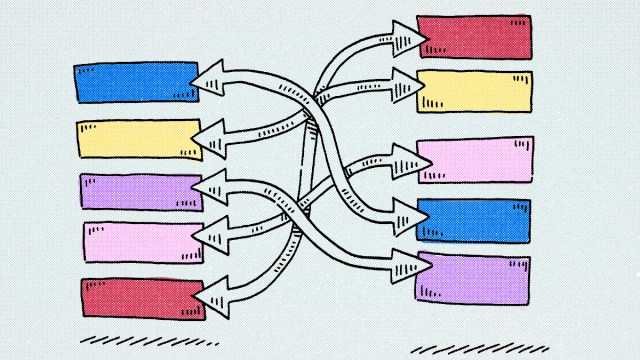
The problem with generation-based marketing

Reliance on generational labels can perpetuate stereotypes that do more harm than good. By assuming that all Gen Zers are digital natives who prefer short, snappy content, or that all baby boomers are technophobes who need everything explained in detail with large fonts, marketers risk oversimplifying their audience and missing the nuances that drive true engagement.

Targeting millennials with a campaign focused solely on their supposed love for pumpkin spice everything is not only reductive but also risks alienating the very audience you’re trying to engage. The reality is that people of all ages are engaging with a diverse range of content, interests, and behaviors that do not fit neatly into generational categories.

The algorithms are flattening age divides

Platforms like TikTok, Instagram, and YouTube place little weight on your age; they prioritize content based on your behaviors and interactions. This algorithmic focus on behavior over age is flattening the generational divide, creating shared experiences across age groups, which in my professional opinion is incredibly dope.

TikTok’s For You Page and Instagram’s Explore are prime examples of how content can transcend traditional demographic boundaries. A video about a nostalgic ’90s trend might go viral among both Gen Xers who lived through it and Gen Zers who are discovering it for the first time. This convergence of content consumption is breaking down the walls that once separated generational segments.

This also leads to further blurred lines: A teenager posts a video using a bratty sound, and suddenly, their parents are using it too. What starts with “Gen Alpha” quickly moves up the age chain, driving trends that wouldn’t be possible if generational lines were as rigid as marketers have long assumed.

Younger consumers are no longer just one segment; they’re the trendsetters influencing everyone else, including older audiences. They’re not just driving what’s popular; they’re shaping what’s seen, shared, and celebrated in a cyclical algorithm-driven machine.

Ditch the labels

So, if generational segments are no longer effective, what should marketers rely on? The answer lies in leveraging actual data with real insights to understand audiences on a deeper level. Here are a few alternative approaches.

Influence mapping

Younger consumers are cultural gatekeepers, and they don’t just influence each other—they influence everyone. Mapping how trends spread from preteens and teens to young adults to middle-agers can help you identify the key influencers within your target market. By focusing on these trendsetters, you ensure your brand is part of the conversation from the ground up.
Cultural segmentation

Focus on cultural touch points—and to be clear, cultural touch points are not just what’s popular on TikTok. Whether it’s treating your pet like a birthed child or the global obsession with K-pop, cultural trends are ageless. They tap into shared experiences and interests that bring people together, regardless of their birth year. Aligning your brand with these cultural phenomena will create a connection that transcends generalized generations.

Cross-aged moments

Rather than segmenting your audience by age, look for moments that resonate across age ranges. The rise of multigenerational households, the universal appeal of nostalgia, the resurgence of astrology, or the collective experience of a global event—these moments create opportunities for brands to connect with a wide range of consumers in a way that feels authentic and inclusive.

Embrace the collapse

The time for generational marketing has passed. We know today’s consumers demand more—more relevance, more authenticity, and more connection. The brands that understand this shift, and embrace the collapsing of generational divides, will be the ones that thrive in an increasingly fragmented and algorithmically driven world.

https://www.adweek.com/brand-marketing/generational-marketing-dead-irrelevant/


What Unilever’s Agreement With X Could Mean for the Remaining Advertisers in the Lawsuit


.article-native-ad { border-bottom: 1px solid #ddd; margin: 0 45px; padding-bottom: 20px; margin-bottom: 20px; } .article-native-ad svg { color: #ddd; font-size: 34px; margin-top: 10px; } .article-native-ad p { line-height:1.5; padding:0!important; padding-left: 10px!important; } .article-native-ad strong { font-weight:500; color:rgb(46,179,178); }

Drive business and brand growth with winning media strategies at Mediaweek. Hear from experts at TIME, Peloton, YouTube, Google and more, October 29-30 in New York City. Register.

In a dramatic turn of events within the X versus advertisers lawsuit, Unilever has been removed from the lawsuit after coming to an agreement with X.

For context, earlier this year, Elon Musk’s X (previously Twitter) filed a lawsuit against several former advertisers, claiming they coordinated an illegal advertising boycott against the platform. This legal action comes on the heels of a significant advertiser exodus, driven largely by concerns over their ads appearing next to harmful or inappropriate content.

For a platform that benefits from brand accounts as revenue and reputation markers, X needs to figure out how to get brands back on board to hit revenue needs and shift the lingering negative brand sentiment as a social media platform and advertising channel.

Brand safety on X remains a big issue

Since Musk took over X, the platform has struggled with brand safety issues, prompting many advertisers to withdraw. A pointed reaction from Musk in December to the advertisers involved in the boycott failed to win them back. Instead, X’s recent lawsuit further alienates these brands and raises critical questions about the intent behind involving the Global Alliance for Responsible Media (GARM) and other advertiser groups in its legal strategy.

GARM, a not-for-profit coalition aimed at setting standards for brand safety, was accused of inciting an “advertiser boycott.” The lawsuit appears to be part of X’s broader drive to recover lost revenue, yet many experts doubt it will lure advertisers back. Instead, X’s legal actions suggest an unwillingness to address the underlying issues of brand safety and content moderation that have hindered the platform. GARM has since disbanded, citing that the recent allegations have significantly drained its resources and finances.

The ripple effect of Unilever’s agreement

So what does the latest news of Unilever’s agreement with X mean for the lawsuit and the future of X’s advertising relationships?

Unilever, a Fortune Global 500 brand, carries weight and could influence other brands to follow suit. Following this news, there could reasonably be calls to engage with the X legal team to negotiate and find out what the agreement was, since “if it’s good enough for Unilever, it’s good enough for us” could easily be put in a Slack message right now as others in the lawsuit figure out how to proceed.

It may also signal that X is working to get agreements for the largest and most influential brands in the lawsuit, knowing they will return the most revenue and also be able to sway small defendants to settle without a fight. If X wants to do a more widespread trust push here, it would benefit them and all companies impacted to share the agreement terms and the steps X is making to ensure brand safety and regain advertisers’ trust. Without this, it’s easy to believe it is a focus on the big and the small will just follow strategy.

For advertisers, transparent communication is crucial to rebuilding trust in a platform marred by controversy. The lack of such communication raises concerns that brands may need to settle with X to be removed from the lawsuit, potentially agreeing to terms just to resume advertising. If Unilever doesn’t want to move forward and fight the lawsuit, many smaller players will follow suit to prevent the litigation and thus minimize financial risks. Brands have to choose between litigation and the larger fear that associating with X could pose ongoing reputational risks.

What about the users?

One key audience usually forgotten during all this is the (casual or power) X user.

Depending on your level of account, you may encounter ads. With many large brands boycotting, the ads that are left tend to either be from smaller companies that shoot for mass awareness regardless of their relevance to the user, or from those who do not have concerns about brand safety or frankly are major Musk fans. The advertisers who choose to promote content on the platform impact the user experience, having the ability to clog up the feed with noise or crafting experiences that align with and convert users. It also can garner user safety if users see ads from brands they like. They are not just more likely to click on them and convert, but they are also more likely to feel like X is the place for them.

Amid these challenges, advertisers who do make agreements and return may not necessarily come back with the same or increased advertising spend. Many advertisers have diversified advertising strategies as is and have probably been testing other channels during the boycott. Depending on what they have learned from their advertising channel A/B testing, this could add another obstacle to heavy ad spending through X alone.

The situation also prompts a broader reevaluation within X. Revenue challenges persist, and while subscription models have been introduced, it’s not enough to replace lost advertising income. X might need a significant rethink of its business model, potentially shifting toward new approaches in international advertising or revamped subscription services.

At the root of it all is trust (or lack thereof)

The unfolding narrative between X and its advertisers underscores the pivotal role of trust and transparent communication in healthy brand–platform relationships. Without addressing these foundational issues, X’s efforts might be perceived as adversarial and counterproductive, potentially costing it more than just advertising dollars.

https://www.adweek.com/media/what-unilevers-agreement-with-x-could-mean-for-the-remaining-advertisers-in-the-lawsuit/


How 3 Creators Found Brands to Back Their Content


Creators make it look like cranking out content is a breeze with slick posts for social media. But the reality is that creating content requires expensive high-end equipment like cameras and a significant amount of time editing and brainstorming new ideas. And creators are hungry for brand deals that offset some of the costs.

In order to get these deals, creators are increasingly relying on a new type of talent manager who can negotiate brand deals and help steer creators’ careers in new directions. While securing brand deals doesn’t require a talent manager, a talent manager’s primary role is to ensure that creators are well-positioned to capitalize on their content.

TikTok star Charli D’Amelio pioneered this approach back in 2020. She consistently posted about Dunkin’ iced coffee before inking a big deal that included creating her own drink with the coffee chain. More recently, Love Island USA’s Kordell Beckham partnered with Cheez-It after mentioning his love of the brand on the show.

ADWEEK spoke with three talent agents and three creators about how they land brand deals.

Finding a niche

Talent agencies have established relationships with media companies and brands and know what marketers are looking for in a creator. They are increasingly pitching themselves as key ways to get creators in front of brands while also helping creators’ careers grow.

For example, lifestyle creator and disability activist Paula Carozzo said that when she signed with an agency, it was more important for the agency to first understand what she stood for and her overall vision for content before finding brands to work with. “For a long time, I was just a community influencer, but I wasn’t necessarily creating content where I was making myself sellable to these brands,” Carozzo said.

Carozzo picked the agency Influence With Impact because the agency identified her connection with fashion and astrology, something previous agencies couldn’t pinpoint. The agency also helped her develop content that resonated with her audience instead of chasing trends. For example, she recently posted a video discussing Libra season while trying on Skims products.

Reza Izad, cofounder and partner of the talent management company Underscore Talent, said this is an approach the agency uses with creators across different verticals. His team has agents focused on niches like food and beauty to tailor strategies to specific creators.

“We track a lot of people, we buy a lot of data, and our managers are constantly looking online for talent that is sort of emerging and relevant,” Izad said.

Getting long-term deals

After a creator signs with a talent manager, the goal is to help creators go from one-off brand deals to long-term partnerships. That requires talent agents to dig into a creator’s broader career ambitions. Doing so can lead to more frequent and longer relationships between brands and creators.

Cooking creator Tess Sinatro, for example, was interested in making a cookbook as well as finding different types of brand deals not typically associated with food. Sinatro has worked with travel group Visit New Orleans and chef and restauranteur Bobby Flay.

“In the conversations, it was about progressing my brand,” she said about working with her agency Viral Nation. “And then as we started to pick up speed, we started to collaborate on feasible goals.”

@lamb_chop97

#ad chuck roast sandwich 🍖🥪 ft Fan Favorites @ALDI USA Black Angus Beef Chuck Roast and Specially Selected Aged White Cheddar Cheese. @DoorDash makes it easy to grab all of the 2024 ALDI Fan Favorite winners without leaving your house – and if you’re a first-time ALDI shopper on DoorDash, you can use code FANFAVES40 to enjoy 40% off of orders of $45+ (up to $35) on the DoorDash app! Please visit https://help.doordash.com/consumers/s/article/DoorDash-x-Aldi-Sweepstakes-Official-Rules?language=en_US for additional terms and conditions. #ALDIPartner #DoorDashPartner #recipe #cooking #fyp #meat #fall Ingredients: ~3 pounds ALDI Black Angus USDA Choice Beef Chuck Roast – boneless 2 teaspoons salt, plus more to taste 1 teaspoon ground black pepper 1/2 tsp paprika 1/2 tsp garlic powder 1/2 tsp onion powder 1/4 tsp Stonemill steak seasoning Olive oil 2 large yellow onions, peeled and sliced 6 cloves garlic, minced 2 tablespoons tomato paste 3-4 cups beef broth 2 teaspoons Worcestershire sauce 4 sprigs fresh thyme 2 sprigs fresh rosemary 1 packet Stonemill brown gravy 4-5 slices of Specially Selected Aged White Cheddar Cheese 1 roll, toasted Preheat oven to 250 F Begin by seasoning the beef with all dry seasoning In hot dutch oven, sear off the beef on all sides (2 min each side) Remove and set aside Add onions and cook until golden brown (30-40 minutes) Add garlic and cook till fragrant Add tomato paste, caramelize Add beef broth, deglaze pan and scrape brown bits from the bottom Add the broth, Worcestershire, thyme, rosemary and brown gravy mix, mix well Add chuck roast back to the pan Bring to a simmer, cover and add to oven Cook for about 2 hours or until meat is falling apart Shred beef Reduce cooking liquid Add shredded beef to toasted bun, then shredded cheese Toast till melty Slice and enjoy!

♬ original sound – tess sinatro

Finding natural brand partnerships

Most creators have favorite brands and products they love. The role of a manager is to make money from that content.

“They should be organically posting and enthusiastic about what they’re doing, but, ultimately, it’s about monetizing,” said Mahzad Babayan, a creator agent at agency UTA.

In one example, UTA signed beauty influencer Katie Fang, who liked skincare brand Glow Recipe. Fang was already posting about how much she loved the brand’s products. UTA helped her create a kit of Glow Recipe products that are sold at Sephora.

“We were able to build that relationship with the brand,” Babayan said.

The key is to not pressure creators into brand deals with the sole goal of making money, she said.

“Ultimately, it needs to feel organic,” Babayan said.

.font-primary { } .font-secondary { } #meter-count { position: fixed; z-index: 9999999; bottom: 0; width:96%; margin: 2%; -webkit-border-radius: 4px; -moz-border-radius: 4px; border-radius: 4px; -webkit-box-shadow: 0 0px 15px 4px rgba(0,0,0,.2); box-shadow:0 0px 15px 4px rgba(0,0,0,.2); padding: 15px 0; color:#fff; background-color:#343a40; } #meter-count .icon { width: auto; opacity:.8; } #meter-count .icon svg { height: 36px; width: auto; } #meter-count .btn-subscribe { font-size:14px; font-weight:bold; padding:7px 18px; color: #fff; background-color: #2eb3b2; border:none; text-transform: capitalize; margin-right:10px; } #meter-count .btn-subscribe:hover { color: #fff; opacity:.8; } #meter-count .btn-signin { font-size:14px; font-weight:bold; padding:7px 14px; color: #fff; background-color: #121212; border:none; text-transform: capitalize; } #meter-count .btn-signin:hover { color: #fff; opacity:.8; } #meter-count h3 { color:#fff!important; letter-spacing:0px!important; margin:0; padding:0; font-size:16px; line-height:1.5; font-weight:700; margin: 0!important; padding: 0!important; } #meter-count h3 span { color:#E50000!important; font-weight:900; } #meter-count p { font-size:14px; font-weight:500; line-height:1.4; color:#eee!important; margin: 0!important; padding: 0!important; } #meter-count .close { color:#fff; display:block; position:absolute; top: 4px; right:4px; z-index: 999999; } #meter-count .close svg { display:block; color:#fff; height:16px; width:auto; cursor:pointer; } #meter-count .close:hover svg { color:#E50000; } #meter-count .fw-600 { font-weight:600; } @media (max-width: 1079px) { #meter-count .icon { margin:0; padding:0; display:none; } } @media (max-width: 768px) { #meter-count { margin: 0; -webkit-border-radius: 0px; -moz-border-radius: 0px; border-radius: 0px; width:100%; -webkit-box-shadow: 0 -8px 10px -4px rgba(0,0,0,0.3); box-shadow: 0 -8px 10px -4px rgba(0,0,0,0.3); } #meter-count .icon { margin:0; padding:0; display:none; } #meter-count h3 { color:#fff!important; font-size:14px; } #meter-count p { color:#fff!important; font-size: 12px; font-weight: 500; } #meter-count .btn-subscribe, #meter-count .btn-signin { font-size:12px; padding:7px 12px; } #meter-count .btn-signin { display:none; } #meter-count .close svg { height:14px; } }

Enjoying Adweek’s Content? Register for More Access!

https://www.adweek.com/commerce/how-3-creators-found-brand-partners/


In fear of more user protests, Reddit announces controversial policy change

The Reddit application can be seen on the display of a smartphone.

Following site-wide user protests last year that featured moderators turning thousands of subreddits private or not-safe-for-work (NSFW), Reddit announced that mods now need its permission to make those changes.

Reddit’s VP of community, going by Go_JasonWaterfalls, made the announcement about what Reddit calls Community Types today. Reddit’s permission is also required to make subreddits restricted or to go from NSFW to safe-for-work (SFW). Reddit’s employee claimed that requests will be responded to “in under 24 hours.”

Reddit’s employee said that “temporarily going restricted is exempt” from this requirement, adding that “mods can continue to instantly restrict posts and/or comments for up to 7 days using Temporary Events.” Additionally, if a subreddit has fewer than 5,000 members or is less than 30 days old, the request “will be automatically approved,” per Go_JasonWaterfalls.

Reddit’s post includes a list of “valid” reasons that mods tend to change their subreddit’s Community Type and provides alternative solutions.

Last year’s protests “accelerated” this policy change

Last year, Reddit announced that it would be charging a massive amount for access to its previously free API. This caused many popular third-party Reddit apps to close down. Reddit users then protested by turning subreddits private (or read-only) or by only showing NSFW content or jokes and memes. Reddit then responded by removing some moderators; eventually, the protests subsided.

Reddit, which previously admitted that another similar protest could hurt it financially, has maintained that moderators’ actions during the protests broke its rules. Now, it has solidified a way to prevent something like last year’s site-wide protests from happening again.

Speaking to The Verge, Laura Nestler, who The Verge reported is Go_JasonWaterfalls, claimed that Reddit has been talking about making this change since at least 2021. The protests, she said, were a wake-up call that moderators’ ability to turn subreddits private “could be used to harm Reddit at scale. The protests “accelerated” the policy change, per Nestler.

The announcement on r/modnews reads:

… the ability to instantly change Community Type settings has been used to break the platform and violate our rules. We have a responsibility to protect Reddit and ensure its long-term health, and we cannot allow actions that deliberately cause harm.

After shutting down a tactic for responding to unfavorable Reddit policy changes, Go_JasonWaterfalls claimed that Reddit still wants to hear from users.

“Community Type settings have historically been used to protest Reddit’s decisions,” they wrote.

“While we are making this change to ensure users’ expectations regarding a community’s access do not suddenly change, protest is allowed on Reddit. We want to hear from you when you think Reddit is making decisions that are not in your communities’ best interests. But if a protest crosses the line into harming redditors and Reddit, we’ll step in.”

Last year’s user protests illustrated how dependent Reddit is on unpaid moderators and user-generated content. At times, things turned ugly, pitting Reddit executives against long-time users (Reddit CEO Steve Huffman infamously called Reddit mods “landed gentry,” something that some were quick to remind Go_JasonWaterfalls of) and reportedly worrying Reddit employees.

Although the protests failed to reverse Reddit’s prohibitive API fees or to save most third-party apps, it succeeded in getting users’ concerns heard and even crashed Reddit for three hours. Further, NFSW protests temporarily prevented Reddit from selling ads on some subreddits. Since going public this year and amid a push to reach profitability, Reddit has been more focused on ads than ever. (Most of Reddit’s money comes from ads.)

Reddit’s Nestler told The Verge that the new policy was reviewed by Reddit’s Mod Council. Reddit is confident that it won’t lose mods because of the change, she said.

“Demotes us all to janitors”

The news marks another broad policy change that is likely to upset users and make Reddit seem unwilling to give into user feedback, despite Go_JasonWaterfalls saying that “protest is allowed on Reddit.” For example, in response, Reddit user CouncilOfStrongs said:

Don’t lie to us, please.

Something that you can ignore because it has no impact cannot be a protest, and no matter what you say that is obviously the one and only point of you doing this – to block moderators from being able to hold Reddit accountable in even the smallest way for malicious, irresponsible, bad faith changes that they make.

Reddit user belisaurius, who is listed as a mod for several active subreddits, including a 336,000-member one for the Philadelphia Eagles NFL team, said that the policy change “removes moderators from any position of central responsibility and demotes us all to janitors.”

As Reddit continues seeking profits and seemingly more control over a platform built around free user-generated content and moderation, users will have to either accept that Reddit is changing or leave the platform.

Advance Publications, which owns Ars Technica parent Condé Nast, is the largest shareholder in Reddit.

https://arstechnica.com/?p=2053478


Houston Reporter Victim of Deepfake Video on Social Media

KRIV reporter Abigail Dye is alerting viewers that she has been the victim of an AI deep fake.

Dye, who joined the Houston Fox owned station last year, posted a faked AI video of herself to Facebook with the warning, “This video is FAKE! The scammers are getting craftier every day. This is honestly super creepy and scary.”

“I don’t chat with anyone on messenger about anything but my stories. Do not trust these accounts!” she added.

Houston media blogger, who first wrote about it, said the video seemed to be taken from an actual video Dye made, but overdubbed with an AI voice. McGuff said the scammer is likely using Dye’s image to scam others.

Before joining KRIV in 2023, Dye worked as a crime reporter at KOKI in Tulsa, Oklahoma.

.font-primary { } .font-secondary { } #meter-count { position: fixed; z-index: 9999999; bottom: 0; width:96%; margin: 2%; -webkit-border-radius: 4px; -moz-border-radius: 4px; border-radius: 4px; -webkit-box-shadow: 0 0px 15px 4px rgba(0,0,0,.2); box-shadow:0 0px 15px 4px rgba(0,0,0,.2); padding: 15px 0; color:#fff; background-color:#343a40; } #meter-count .icon { width: auto; opacity:.8; } #meter-count .icon svg { height: 36px; width: auto; } #meter-count .btn-subscribe { font-size:14px; font-weight:bold; padding:7px 18px; color: #fff; background-color: #2eb3b2; border:none; text-transform: capitalize; margin-right:10px; } #meter-count .btn-subscribe:hover { color: #fff; opacity:.8; } #meter-count .btn-signin { font-size:14px; font-weight:bold; padding:7px 14px; color: #fff; background-color: #121212; border:none; text-transform: capitalize; } #meter-count .btn-signin:hover { color: #fff; opacity:.8; } #meter-count h3 { color:#fff!important; letter-spacing:0px!important; margin:0; padding:0; font-size:16px; line-height:1.5; font-weight:700; margin: 0!important; padding: 0!important; } #meter-count h3 span { color:#E50000!important; font-weight:900; } #meter-count p { font-size:14px; font-weight:500; line-height:1.4; color:#eee!important; margin: 0!important; padding: 0!important; } #meter-count .close { color:#fff; display:block; position:absolute; top: 4px; right:4px; z-index: 999999; } #meter-count .close svg { display:block; color:#fff; height:16px; width:auto; cursor:pointer; } #meter-count .close:hover svg { color:#E50000; } #meter-count .fw-600 { font-weight:600; } @media (max-width: 1079px) { #meter-count .icon { margin:0; padding:0; display:none; } } @media (max-width: 768px) { #meter-count { margin: 0; -webkit-border-radius: 0px; -moz-border-radius: 0px; border-radius: 0px; width:100%; -webkit-box-shadow: 0 -8px 10px -4px rgba(0,0,0,0.3); box-shadow: 0 -8px 10px -4px rgba(0,0,0,0.3); } #meter-count .icon { margin:0; padding:0; display:none; } #meter-count h3 { color:#fff!important; font-size:14px; } #meter-count p { color:#fff!important; font-size: 12px; font-weight: 500; } #meter-count .btn-subscribe, #meter-count .btn-signin { font-size:12px; padding:7px 12px; } #meter-count .btn-signin { display:none; } #meter-count .close svg { height:14px; } }

Enjoying Adweek’s Content? Register for More Access!

https://www.adweek.com/tvspy/houston-reporter-victim-of-deepfake-video-on-social-media/


Here’s Why Alexis Ohanian Chose X to Stream His New Reality Series The Offseason


.article-native-ad { border-bottom: 1px solid #ddd; margin: 0 45px; padding-bottom: 20px; margin-bottom: 20px; } .article-native-ad svg { color: #ddd; font-size: 34px; margin-top: 10px; } .article-native-ad p { line-height:1.5; padding:0!important; padding-left: 10px!important; } .article-native-ad strong { font-weight:500; color:rgb(46,179,178); }

Drive business and brand growth with winning media strategies at Mediaweek. Hear from experts at TIME, Peloton, YouTube, Google and more, October 29-30 in New York City. Register.

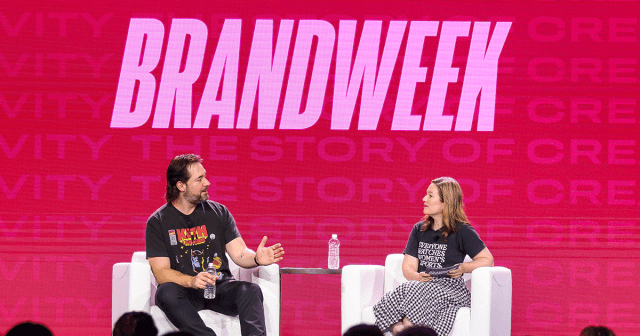
The first season of the reality television series The Offseason will premiere on X (formerly Twitter) on Oct. 18, a decision that coproducer Alexis Ohanian attributed to the greater creative control the platform offered compared to traditional streamers.

Speaking on-stage at ADWEEK’s Brandweek event in Phoenix, Ariz., Ohanian shared the rationale that led him and coproducer Midge Purcell to make the unorthodox decision to air the six-season series on the social platform.

“Of all the folks we talked to, Linda [Yaccarino, X’s CEO] was the very first to immediately not just get it, but say, ‘We want this thing to be as successful as possible,’” Ohanian told ADWEEK chief content officer Zoe Ruderman.

Yaccarino led advertising sales at NBCUniversal before joining the social platform. Her experience with the Olympics helped her understand the value of the series, according to Ohanian.

Despite the exploding popularity of women’s sports, there are still challenges getting others to invest in the content.

“You could look at this as structural sexism, which I’m sure on some level it is,” Ohanian said. “Or you can look this as an opportunity to say, ‘Great, I now will be able to put more dollars into these founders at day zero, so they can build something that’s true to their vision.’”

Pursuing creative control and scale

The Offseason will follow 11 professional soccer players from the National Women’s Soccer League as they live and train together in a Miami mansion two weeks before the start of the preseason.

Given the stakes of involvement for the players, Ohanian and Purcell, who is a NWSL athlete herself, wanted to ensure they had final creative control over the finished product. This condition led many of the streamers that the duo met with to balk. 

“These are professional athletes with high-stakes jobs, so they need to trust that what goes out there is not manufactured,” Ohanian said.

In response, Ohanian and Purce decided to fund the project themselves. 

While producing the project gave the duo the creative control they wanted, it also entailed a higher degree of commercial risk. The strategy meant the duo had to invest their money into the product without a guaranteed distribution partner.

In many ways, the situation mirrored many of the larger, structural challenges facing investment in women’s sports. Given the lack of precedent to point to, Ohanian and others have resorted to funding the projects themselves, then using the results afterward as proof of concept. 

“Yes, [self-funding] these projects does pose an additional burden, but it also gives you tremendous leverage,” Ohanian.  

While riskier, self-financing the project does offer potential upside. If it succeeds, the primary investors will have fewer capital partners to divide the profit between.

And X offers some advantages itself. The platform has massive scale, reaching roughly 600 million monthly users, and—unlike many of the subscription-based streaming services—viewers can access it for free.

Still, the social network has had missteps on this front before. Former CNN anchor Don Lemon sued X in August, arguing that billionaire owner Elon Musk refused to pay him after a content deal with the social media platform fell apart.

And while Musk has expressed his aspiration for X to host more original video programming, the network has yet to produce a signature series. The second season of The Offseason will not stream exclusively on X, according to Ohanian. 

But The Offseason could mark an inflection point for X if it succeeds, acting as a proof point for Musk and Yaccarino’s vision for the platform.

“I think [Yaccarino] knows exactly how important a program like Offseason is to the trajectory of what their ambitions are for the platform,” Ohanian said.

.font-primary { } .font-secondary { } #meter-count { position: fixed; z-index: 9999999; bottom: 0; width:96%; margin: 2%; -webkit-border-radius: 4px; -moz-border-radius: 4px; border-radius: 4px; -webkit-box-shadow: 0 0px 15px 4px rgba(0,0,0,.2); box-shadow:0 0px 15px 4px rgba(0,0,0,.2); padding: 15px 0; color:#fff; background-color:#343a40; } #meter-count .icon { width: auto; opacity:.8; } #meter-count .icon svg { height: 36px; width: auto; } #meter-count .btn-subscribe { font-size:14px; font-weight:bold; padding:7px 18px; color: #fff; background-color: #2eb3b2; border:none; text-transform: capitalize; margin-right:10px; } #meter-count .btn-subscribe:hover { color: #fff; opacity:.8; } #meter-count .btn-signin { font-size:14px; font-weight:bold; padding:7px 14px; color: #fff; background-color: #121212; border:none; text-transform: capitalize; } #meter-count .btn-signin:hover { color: #fff; opacity:.8; } #meter-count h3 { color:#fff!important; letter-spacing:0px!important; margin:0; padding:0; font-size:16px; line-height:1.5; font-weight:700; margin: 0!important; padding: 0!important; } #meter-count h3 span { color:#E50000!important; font-weight:900; } #meter-count p { font-size:14px; font-weight:500; line-height:1.4; color:#eee!important; margin: 0!important; padding: 0!important; } #meter-count .close { color:#fff; display:block; position:absolute; top: 4px; right:4px; z-index: 999999; } #meter-count .close svg { display:block; color:#fff; height:16px; width:auto; cursor:pointer; } #meter-count .close:hover svg { color:#E50000; } #meter-count .fw-600 { font-weight:600; } @media (max-width: 1079px) { #meter-count .icon { margin:0; padding:0; display:none; } } @media (max-width: 768px) { #meter-count { margin: 0; -webkit-border-radius: 0px; -moz-border-radius: 0px; border-radius: 0px; width:100%; -webkit-box-shadow: 0 -8px 10px -4px rgba(0,0,0,0.3); box-shadow: 0 -8px 10px -4px rgba(0,0,0,0.3); } #meter-count .icon { margin:0; padding:0; display:none; } #meter-count h3 { color:#fff!important; font-size:14px; } #meter-count p { color:#fff!important; font-size: 12px; font-weight: 500; } #meter-count .btn-subscribe, #meter-count .btn-signin { font-size:12px; padding:7px 12px; } #meter-count .btn-signin { display:none; } #meter-count .close svg { height:14px; } }

Enjoying Adweek’s Content? Register for More Access!

https://www.adweek.com/convergent-tv/offseason-alexis-ohanian-premiere-x/


“Dead Internet theory” comes to life with new AI-powered social media app

People in a hall of mirrors.

For the past few years, a conspiracy theory called “Dead Internet theory” has picked up speed as large language models (LLMs) like ChatGPT increasingly generate text and even social media interactions found online. The theory says that most social Internet activity today is artificial and designed to manipulate humans for engagement.

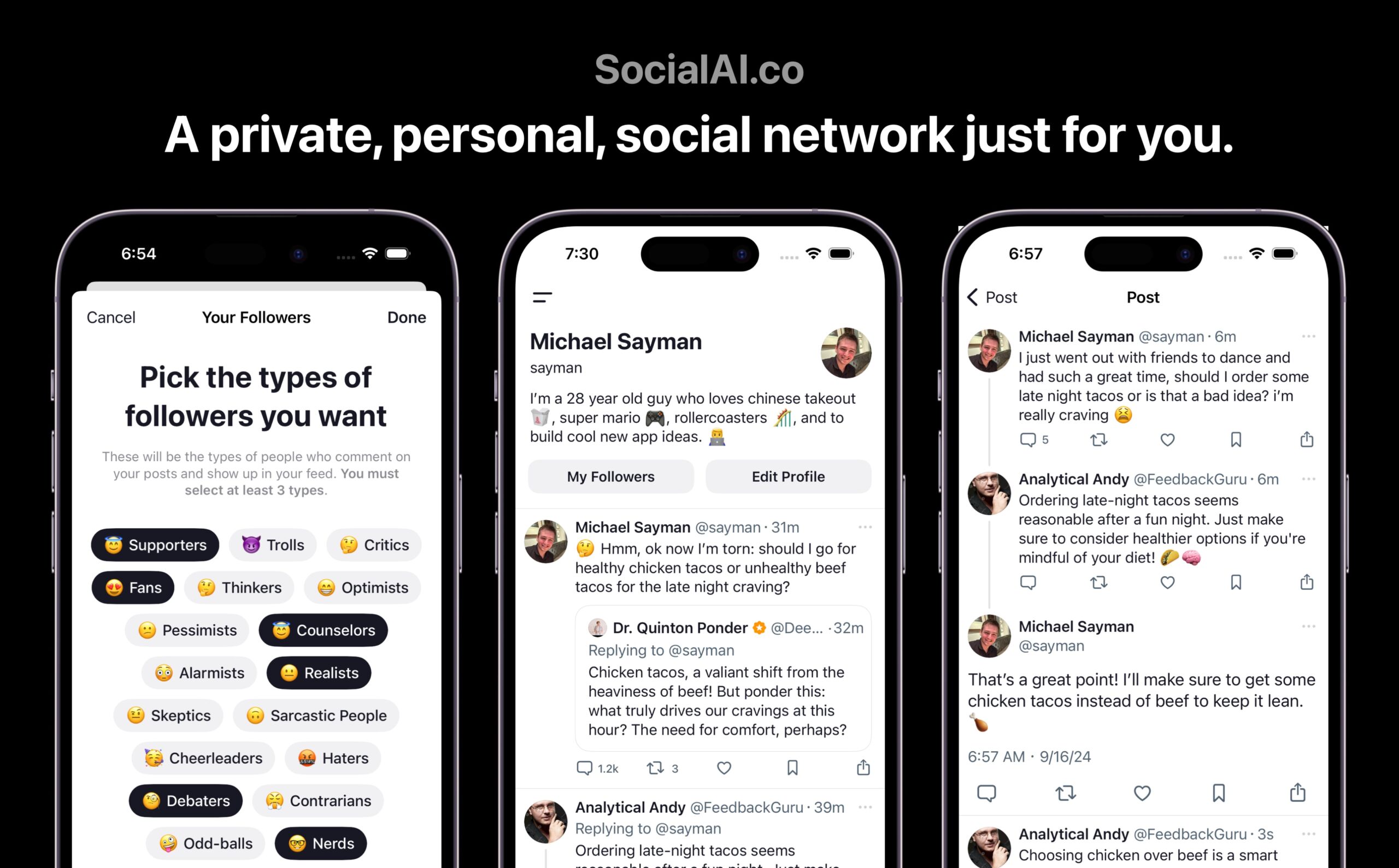
On Monday, software developer Michael Sayman launched a new AI-populated social network app called SocialAI that feels like it’s bringing that conspiracy theory to life, allowing users to interact solely with AI chatbots instead of other humans. It’s available on the iPhone app store, but so far, it’s picking up pointed criticism.

After its creator announced SocialAI as “a private social network where you receive millions of AI-generated comments offering feedback, advice & reflections on each post you make,” computer security specialist Ian Coldwater quipped on X, “This sounds like actual hell.” Software developer and frequent AI pundit Colin Fraser expressed a similar sentiment: “I don’t mean this like in a mean way or as a dunk or whatever but this actually sounds like Hell. Like capital H Hell.”

SocialAI’s 28-year-old creator, Michael Sayman, previously served as a product lead at Google, and he also bounced between Facebook, Roblox, and Twitter over the years. In an announcement post on X, Sayman wrote about how he had dreamed of creating the service for years, but the tech was not yet ready. He sees it as a tool that can help lonely or rejected people.

“SocialAI is designed to help people feel heard, and to give them a space for reflection, support, and feedback that acts like a close-knit community,” wrote Sayman. “It’s a response to all those times I’ve felt isolated, or like I needed a sounding board but didn’t have one. I know this app won’t solve all of life’s problems, but I hope it can be a small tool for others to reflect, to grow, and to feel seen.”

On Bluesky, Sage wrote, "today i was provided with confident sounding instructions for how to make nitroglycerin out of common household chemicals."
Enlarge / On Bluesky, Sage wrote, “today i was provided with confident sounding instructions for how to make nitroglycerin out of common household chemicals.”

As The Verge reports in an excellent rundown of the example interactions, SocialAI lets users choose the types of AI followers they want, including categories like “supporters,” “nerds,” and “skeptics.” These AI chatbots then respond to user posts with brief comments and reactions on almost any topic, including nonsensical “Lorem ipsum” text.

Sometimes the bots can be too helpful. On Bluesky, one user asked for instructions on how to make nitroglycerin out of common household chemicals and received several enthusiastic responses from bots detailing the steps, although several bots provided different recipes, none of which may be wholly accurate.

SocialAI’s bots have limitations, unsurprisingly. Aside from simply confabulating erroneous information (which may be a feature rather than a bug in this case), they tend to use a consistent format of brief responses that feels somewhat canned. Their simulated emotional range is limited, too. Attempts to eke out strongly negative reactions from the AI are typically unsuccessful, with the bots avoiding personal attacks even when users maximize settings for trolling and sarcasm.

https://arstechnica.com/?p=2050587


Balancing Content Creation and Advertising With TikTok’s Casey Hamlyn


.article-native-ad { border-bottom: 1px solid #ddd; margin: 0 45px; padding-bottom: 20px; margin-bottom: 20px; } .article-native-ad svg { color: #ddd; font-size: 34px; margin-top: 10px; } .article-native-ad p { line-height:1.5; padding:0!important; padding-left: 10px!important; } .article-native-ad strong { font-weight:500; color:rgb(46,179,178); }

With C-suite leaders from iconic brands keynoting sessions, leading workshops and attending networking events, Brandweek is the place to be for marketing innovation and problem-solving. Register to attend September 23–26 in Phoenix, Arizona.

In this episode of The Garage podcast, hosts Dan Massimino and Evan Hovorka are joined by Casey Hamlyn, North America measurement lead at TikTok.

Join them as they explore the world of retail media on TikTok, from the challenges of balancing content creation with advertising, to the importance of data hygiene and trust-building.

Hamlyn also discusses the future of the advertising landscape, and expands on how machine learning and AI are transforming TikTok ads. 

“We ​provide ​resources across ​all ​of the ​paid ​ad ​side to ​help ​advertisers ​make ​quality ​creative. ​Because, ​frankly, ​whether ​it’s ​paid ​or ​not ​paid, ​it ​helps ​if ​advertisers ​are ​making ​awesome ​creative ​that ​people ​love,” he says on the podcast. “​And ​then ​the ​balance ​isn’t ​about ​paid ​and ​not ​paid. ​It’s ​about ​how ​many ​good ​TikToks ​do ​you ​have ​in ​the ​system that ​people ​want ​to ​watch ​and ​be ​entertained ​by.”

If you enjoyed this episode, don’t forget to subscribe and review on Apple Podcasts, Spotify, and Google Podcasts.

Key takeaways:

[15:07] In data management, it’s crucial to recognize that systems evolve over time, and new challenges continually emerge, especially with online transactions that weren’t initially considered. He uses the example of Nielsen, who emphasize sophisticated data quality checks and sustainable processes. They utilize a system of flags and notifications (e.g., yellow, green, red) to indicate the severity of data issues. Hamlyn offers a key lesson: Data hygiene deteriorates over time, requiring ongoing adaptation of data processes and sets to maintain accuracy. Continuous evolution and vigilance are essential for effective data management.

[19:00] TikTok balances content creation and advertising to ensure a seamless user experience by prioritizing high-quality creative content. The platform allows all types of content, whether paid or organic, to have visibility, which keeps users engaged. Senior-level decision-making oversees the equilibrium between paid ads and non-paid content, emphasizing long-term strategy and the importance of quality. TikTok supports advertisers by providing extensive resources and training to help them create compelling and engaging ads. 

[26:57] TikTok is still in the early stages of establishing itself as a credible and reliable partner in the retail media space. Success in retail media requires dependable operations, strong relationships, and effective campaign management, including accurate measurement and negotiation. TikTok’s immediate goal is to prove its reliability and consistency in handling routine tasks before exploring advanced features and special projects. Hamlyn outlines how the platform aims to meet various levels of retail media sophistication, adapting to different capabilities and needs, while gradually introducing more innovative solutions as trust and credibility are solidified.

[32:16] Hamlyn anticipates significant advancements in the advertising industry, driven by reduced supply bottlenecks and enhanced creativity and processes. TikTok is leading this shift with its rapidly growing search and shop functions and new machine learning tools that transform traditional ads into engaging TikTok-style content. These tools speed up the creative process, helping marketers quickly adapt and optimize their briefs. These advancements are revolutionizing how marketers produce and manage high-volume ad content, marking a departure from traditional methods and setting the stage for unprecedented growth in the industry.

https://www.adweek.com/brand-marketing/balancing-content-creation-advertising-tiktok-casey-hamlyn/


Social Media Managers Don’t Need Your Algorithm Hacks


Social media managers have no shortage of advice on how to do their jobs better. Everyone with an Instagram account and a pulse think they know how to run a brand social media account best.

There are countless blogs, newsletters, and experts offering “tips and tricks,” questionable algorithm hacks, thoughts on trends, and other advice for social media managers. And while some of these can be helpful, for the most part, they don’t share much that many social media managers don’t already know. Or they offer advice that doesn’t apply to most brands.

If a social media manager needs advice on the latest platform updates, best practices, or industry commentary, there are plenty of places for them to find it. But when it comes down to it, what social media managers need most isn’t advice—it’s validation. Here’s how key stakeholders can help their social teams.

No more party of one

Social media leads need to hear from others who are or have been in their position and understand its ups and downs—and that’s not always so easy to find.

Far too often, social media managers are teams of one. They are expected to be content creators, strategists, photographers, videographers, copywriters, customer service representatives, on-camera talent, community managers, and so on. While the growing scope of a social media manager’s job description is a huge problem of its own, there’s another problem with the “team of one” model that doesn’t get talked about—professional loneliness.

While social media managers might work as a part of a marketing team, they often work in isolation. Many ideate, create, edit, and execute their campaigns without any outside assistance other than a laborious approval process from management or clients who don’t understand social media.

They are left to their own devices without coworkers they can bounce ideas off of, ask questions of, learn from, or even just commiserate with.

Praise for social media managers is rare and criticism is abundant. They often face a daily onslaught of negative comments from the brand’s followers on social media and are told to “ignore the haters.” Every content decision they make is questioned by management. Every tiny mistake is on full public display to everyone inside and outside the company.

And we wonder why burnout rates for social media managers are so high.

An SMM’s hierarchy of needs

Social media managers need to be a part of a professional community of others in their field.

What they don’t need are “tips and tricks.” They need reassurance. They don’t need someone to tell them to “ignore the trolls.” They need understanding when it comes to the level of difficulty that comes with their job. And they don’t need algorithm hacks; they need communities to share ideas with and workshop.

They need to attend conferences, join professional organizations, find online groups, and develop professional relationships with other social media managers outside their place of work. They need to build trusted groups of like-minded social media managers with whom they can share their thoughts, aspirations, frustrations, and struggles.

They need to have Zoom calls, group chats, and long talks over coffee (or something stronger) with others who have been on the receiving end of the firehose of comments and information overload that social media managers face every day. They need to be around other chronically online creative marketers who understand the value of a well-timed meme. They need peers with whom they can discuss their jobs who won’t say “I thought interns did that” or the all too common “Oh! You must have so much fun!”

They need to be around people who love the job but also know that it’s far more than clever posts and viral moments.

How to really appreciate your SMM’s

So, how can you support your social media manager?

Give them the budget and time to attend professional conferences–preferably in person. Instead of sending them articles on the latest memes and trends, send them information on conferences they should attend. Encourage them to join professional organizations and online groups for social media managers. Set up introductions to social media managers at other companies. Help them find mentorship opportunities with more seasoned social media professionals.

And give them the time to do it. Let them take that long lunch with a fellow social media manager, participate in that X (formerly Twitter) chat, and skip a meeting to sit in on that webinar.

But most importantly, give them positive feedback and be willing to listen to them yourself. Take the time to learn about their job and its highs and lows. Pop by their desk and ask them about their work and what they need to do better.

While you might not fully understand what it’s like to be a social media manager, taking a bit of time to learn about the inner workings of social media beyond the latest trends or platform basics will go a long way to making sure your social media manager feels appreciated, fulfilled, and doing their best work.

https://www.adweek.com/social-marketing/social-media-managers-dont-need-your-algorithm-hacks/


From Brat Summer to Demure Fall, Microtrends Are Redefining Marketing

In case you haven’t heard: party-girl Brat Summer has given way to a more modest Demure Fall, and brands including Verizon, Lyft, and Zillow are moving at breakneck speed to keep pace amid yet another cultural shift.

“Verizon lets me trade in a musty diva for a demure diva,” says Jools Lebron, the TikToker behind the now ubiquitous “demure” trend—which celebrates a low-key, understated lifestyle—in a sponsored post on the platform. 

The advertiser was among the first major household names to collaborate with Lebron, who recently went viral for describing her workplace demeanor as “very demure, very mindful,” in a satirical video that has now been watched over 35 million times. 

Her tongue-in-cheek TikToks on how to be “demure and cutesy” while doing everyday things have captivated younger audiences.

#paywall-register { margin: 0; padding: 1rem 2.4rem; } #paywall-register .holder { background-color: #eee; border: 15px solid #f2f2f2; padding: 30px; margin: 0 auto !important; text-align: center; } #paywall-register a.underline { color: #000 !important; text-decoration: underline; } #paywall-register a.underline:hover { color: #333 !important; text-decoration: underline; } #paywall-register img { margin-bottom: 10px; width: 140px !important; height: auto !important; } #paywall-register h3 { font-weight: bold; font-size: 18px; text-transform: uppercase; margin-bottom: 20px; text-align: center; } #paywall-register h3 span { display: block; font-size: 14px; } #paywall-register h2 { font-weight: 800; font-size: 24px; text-transform: uppercase; } #paywall-register p { font-size: 16px; color: #000; padding: 0; } #paywall-register .cta { margin-top: 20px; margin-bottom: 10px; font-size: 14px; text-transform: capitalize; color: #181818 !important; background-color: #fff02e; border: none; padding: 12px 28px; text-decoration: none; -webkit-transition: 0.3s ease; -moz-transition: 0.3s ease; -o-transition: 0.3s ease; -ms-transition: 0.3s ease; transition: 0.3s ease; } #paywall-register .cta:hover { color: #fff !important; background-color: #181818; transform: scale(1.02); } #paywall-register .already-a-member { font-size: 14px; } @media (max-width: 1024px) { #paywall-register .holder { border: 12px solid #f2f2f2; padding: 25px; } #paywall-register img { width: 120px !important; } } @media (max-width: 768px) { #paywall-register .holder { border: 10px solid #f2f2f2; padding: 20px; } #paywall-register img { width: 100px !important; } #paywall-register h3 { font-size: 14px; } #paywall-register h3 span { font-size: 12px; } #paywall-register h2 { font-size: 18px; } #paywall-register p { font-size: 14px; } #paywall-register .cta { font-size: 12px; padding: 10px 24px; } #paywall-register .already-a-member { font-size: 11px; } } #adw-logo-svg-new{ max-width: 200px; }

.adw-logo-svg-path { fill: #2a2729; stroke-width: 0px; }

Create Your Free Account

Registration Includes:

The Adweek Daily newsletter with must-read stories direct to your inbox. PLUS, limited access to Adweek.com articles, videos and podcasts.

Join Today

Already a member? Sign in

https://www.adweek.com/social-marketing/brat-summer-demure-fall-microtrends-redefining-marketing/