Procreate defies AI trend, pledges “no generative AI” in its illustration app
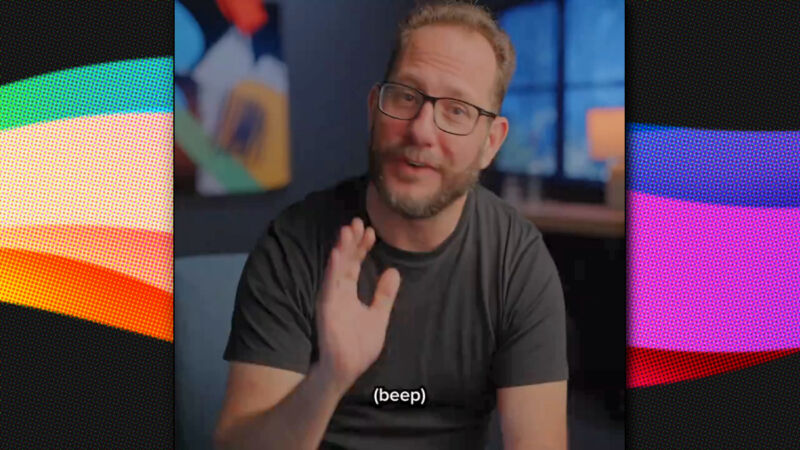
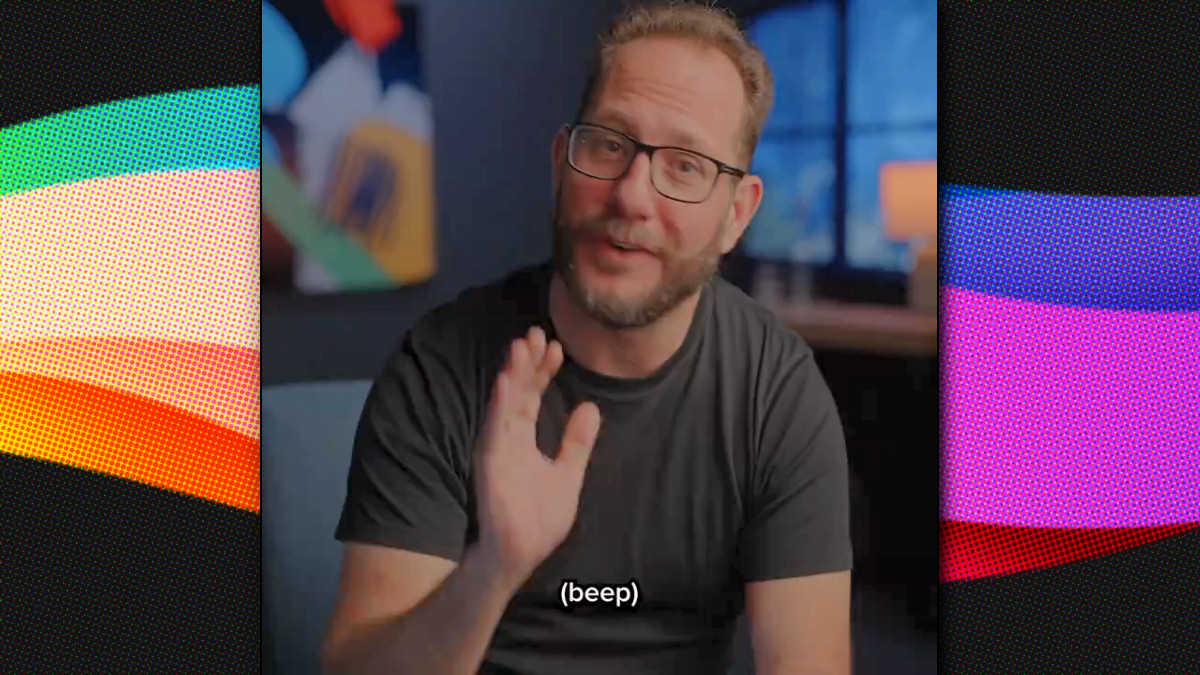
Still of Procreate CEO James Cuda from a video posted to X.
Enlarge / Still of Procreate CEO James Cuda from a video posted to X.

On Sunday, Procreate announced that it will not incorporate generative AI into its popular iPad illustration app. The decision comes in response to an ongoing backlash from some parts of the art community, which has raised concerns about the ethical implications and potential consequences of AI use in creative industries.

“Generative AI is ripping the humanity out of things,” Procreate wrote on its website. “Built on a foundation of theft, the technology is steering us toward a barren future.”

In a video posted on X, Procreate CEO James Cuda laid out his company’s stance, saying, “We’re not going to be introducing any generative AI into our products. I don’t like what’s happening to the industry, and I don’t like what it’s doing to artists.”

Cuda’s sentiment echoes the fears of some digital artists who feel that AI image synthesis models, often trained on content without consent or compensation, threaten their livelihood and the authenticity of creative work. That’s not a universal sentiment among artists, but AI image synthesis is often a deeply divisive subject on social media, with some taking starkly polarized positions on the topic.

Procreate CEO James Cuda lays out his argument against generative AI in a video posted to X.

Cuda’s video plays on that polarization with clear messaging against generative AI. His statement reads as follows:

You’ve been asking us about AI. You know, I usually don’t like getting in front of the camera. I prefer that our products speak for themselves. I really fucking hate generative AI. I don’t like what’s happening in the industry and I don’t like what it’s doing to artists. We’re not going to be introducing any generative AI into out products. Our products are always designed and developed with the idea that a human will be creating something. You know, we don’t exactly know where this story’s gonna go or how it ends, but we believe that we’re on the right path supporting human creativity.

The debate over generative AI has intensified among some outspoken artists as more companies integrate these tools into their products. Dominant illustration software provider Adobe has tried to avoid ethical concerns by training its Firefly AI models on licensed or public domain content, but some artists have remained skeptical. Adobe Photoshop currently includes a “Generative Fill” feature powered by image synthesis, and the company is also experimenting with video synthesis models.

The backlash against image and video synthesis is not solely focused on creative app developers. Hardware manufacturer Wacom and game publisher Wizards of the Coast have faced criticism and issued apologies after using AI-generated content in their products. Toys “R” Us also faced a negative reaction after debuting an AI-generated commercial. Companies are still grappling with balancing the potential benefits of generative AI with the ethical concerns it raises.

Artists and critics react
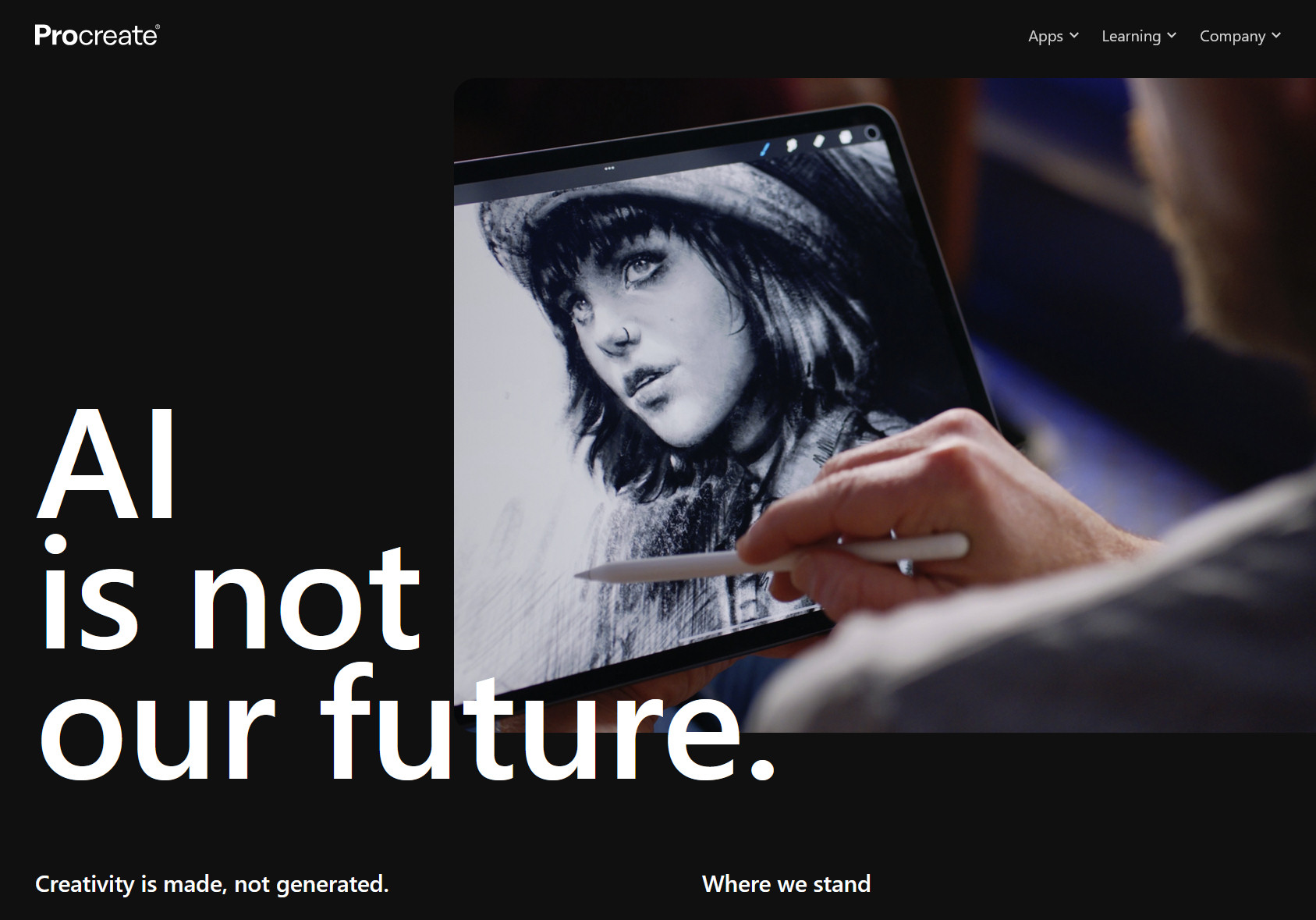
A partial screenshot of Procreate's AI website captured on August 20, 2024.
Enlarge / A partial screenshot of Procreate’s AI website captured on August 20, 2024.

So far, Procreate’s anti-AI announcement has been met with a largely positive reaction in replies to its social media post. In a widely liked comment, artist Freya Holmér wrote on X, “this is very appreciated, thank you.”

Some of the more outspoken opponents of image synthesis also replied favorably to Procreate’s move. Karla Ortiz, who is a plaintiff in a lawsuit against AI image-generator companies, replied to Procreate’s video on X, “Whatever you need at any time, know I’m here!! Artists support each other, and also support those who allow us to continue doing what we do! So thank you for all you all do and so excited to see what the team does next!”

Artist RJ Palmer, who stoked the first major wave of AI art backlash with a viral tweet in 2022, also replied to Cuda’s video statement, saying, “Now thats the way to send a message. Now if only you guys could get a full power competitor to [Photoshop] on desktop with plugin support. Until someone can build a real competitor to high level [Photoshop] use, I’m stuck with it.”

A few pro-AI users also replied to the X post, including AI-augmented artist Claire Silver, who uses generative AI as an accessibility tool. She wrote on X, “Most of my early work is made with a combination of AI and Procreate. 7 years ago, before text to image was really even a thing. I loved procreate because it used tech to boost accessibility. Like AI, it augmented trad skill to allow more people to create. No rules, only tools.”

Since AI image synthesis continues to be a highly charged subject among some artists, reaffirming support for human-centric creativity could be an effective differentiated marketing move for Procreate, which currently plays underdog to creativity app giant Adobe. While some may prefer to use AI tools, in an (ideally healthy) app ecosystem with personal choice in illustration apps, people can follow their conscience.

Procreate’s anti-AI stance is slightly risky because it might also polarize part of its user base—and if the company changes its mind about including generative AI in the future, it will have to walk back its pledge. But for now, Procreate is confident in its decision: “In this technological rush, this might make us an exception or seem at risk of being left behind,” Procreate wrote. “But we see this road less traveled as the more exciting and fruitful one for our community.”

https://arstechnica.com/?p=2044136



Chinese social media users hilariously mock AI video fails

Still from a Chinese social media video featuring two people imitating imperfect AI-generated video outputs.
Enlarge / Still from a Chinese social media video featuring two people imitating imperfect AI-generated video outputs.

It’s no secret that despite significant investment from companies like OpenAI and Runway, AI-generated videos still struggle to achieve convincing realism at times. Some of the most amusing fails end up on social media, which has led to a new response trend on Chinese social media platforms TikTok and Bilibili where users create videos that mock the imperfections of AI-generated content. The trend has since spread to X (formerly Twitter) in the US, where users have been sharing the humorous parodies.

In particular, the videos seem to parody image synthesis videos where subjects seamlessly morph into other people or objects in unexpected and physically impossible ways. Chinese social media replicate these unusual visual non-sequiturs without special effects by positioning their bodies in unusual ways as new and unexpected objects appear on-camera from out of frame.

This exaggerated mimicry has struck a chord with viewers on X, who find the parodies entertaining. User @theGioM shared one video, seen above. “This is high-level performance arts,” wrote one X user. “art is imitating life imitating ai, almost shedded a tear.” Another commented, “I feel like it still needs a motorcycle the turns into a speedboat and takes off into the sky. Other than that, excellent work.”

An example Chinese social media video featuring two people imitating imperfect AI-generated video outputs.

While these parodies poke fun at current limitations, tech companies are actively attempting to overcome them with more training data (examples analyzed by AI models that teach them how to create videos) and computational training time. OpenAI unveiled Sora in February, capable of creating realistic scenes if they closely match examples found in training data. Runway’s Gen-3 Alpha suffers a similar fate: It can create brief clips of convincing video within a narrow set of constraints. This means that generated videos of situations outside the dataset often end up hilariously weird.

An AI-generated video that features impossibly-morphing people and animals. Social media users are imitating this style.

It’s worth noting that actor Will Smith beat Chinese social media users to this trend in February by poking fun at a horrific 2023 viral AI-generated video that attempted to depict him eating spaghetti. That may also bring back memories of other amusing video synthesis failures, such as May 2023’s AI-generated beer commercial, created using Runway’s earlier Gen-2 model.

An example Chinese social media video featuring two people imitating imperfect AI-generated video outputs.

While imitating imperfect AI videos may seem strange to some, people regularly make money pretending to be NPCs (non-player characters—a term for computer-controlled video game characters) on TikTok.

For anyone alive during the 1980s, witnessing this fast-changing and often bizarre new media world can cause some cognitive whiplash, but the world is a weird place full of wonders beyond the imagination. “There are more things in Heaven and Earth, Horatio, than are dreamt of in your philosophy,” as Hamlet once famously said. “Including people pretending to be video game characters and flawed video synthesis outputs.”

https://arstechnica.com/?p=2043808


X vs. the Ad Industry: How Did We Get Here?


.article-native-ad { border-bottom: 1px solid #ddd; margin: 0 45px; padding-bottom: 20px; margin-bottom: 20px; } .article-native-ad svg { color: #ddd; font-size: 34px; margin-top: 10px; } .article-native-ad p { line-height:1.5; padding:0!important; padding-left: 10px!important; } .article-native-ad strong { font-weight:500; color:rgb(46,179,178); }

Join the experts at Mediaweek, October 29-30 in New York City. Stay ahead of the shifts impacting the media landscape and gain fresh strategies to drive platform growth. Save 20% on passes.

Elon Musk’s ownership of X (formerly Twitter) has not been without its challenges and criticisms.

Since buying the social media platform in 2022, Musk has been in the headlines over misinformation, buyer’s remorse, warring with advertisers, and more. Now, X has driven the nonprofit Global Alliance for Responsible Media (GARM) to close its doors after serving the nonprofit with a lawsuit over advertising on the platform.

In this episode of Yeah, That’s Probably an Ad, ADWEEK’s brand editor Rebecca Stewart and community editor Luz Corona are joined by Trishla Ostwal, AI and tech reporter, and Catherine Perloff, platforms reporter.

They discuss the ongoing controversy surrounding Musk’s ownership of X, its impact on the advertising industry, and what might happen next. They also talk about what they’ve heard from sources about X’s brand safety measures, and what buyers are really thinking.

To learn more, listen to the latest episode or check out key takeaways below.

This is an ideological issue

Ostwal and Perloff take us back to the start, highlighting Musk’s questionable comments on X and the subsequent backlash from advertisers. Advertisers initially started boycotting X due to concerns about brand safety and offensive content. Then, Musk’s free speech agenda clashed with brands’ desire to distance themselves from problematic content.

As a result, X’s revenue dropped and the number of advertisers on the platform decreased; ad spend on X dropped 20% year-over-year in 2024, from $788 million in 2023 to $628 million, per MediaRadar.

X’s lawsuit is like ‘Hershey’s suing people who don’t buy candy’

The relationship between Musk and advertisers has become antagonistic. Perloff likens the decision to sue GARM, Unilever, Mars and CVS for “conspiring to boycott X” to “Hershey’s suing people who don’t buy candy.” All this is creating uncertainty for ad buyers and raising concerns about the viability of advertising on X.

GARM was more helpful than harmful

GARM was a leading organization in establishing standards for what constitutes brand safety, although they weren’t the only one doing so (there are tech vendors that brands pay to help do this). GARM’s role involved setting guidelines for where brands should or should not advertise, often based on ideological considerations. This was crucial because brand safety measures can impact important journalism, since ads may be pulled from significant but controversial content.

Advertisers relied on GARM to know where to draw the line in a very complicated and fractured digital media ecosystem.

Advertisers have ongoing frustrations with X beyond brand safety

Among some advertisers, there have been concerns that anti-misinformation efforts are “too liberal-leaning,” said Perloff, causing hesitation and uncertainty. However, brands often return to large platforms such as X, since there are few viable alternatives.

Ostwal adds that marketers tell her they’re still frustrated with X due to poor sales support and communication. Agencies have reported difficulties getting reliable responses from X’s sales representatives, especially after Musk’s takeover, she said.

https://www.adweek.com/media/elon-musk-x-advertising-lawsuit-garm-misinformation/


The Olympic-sized Consumer Behavioral Shift We Should Talk About


.article-native-ad { border-bottom: 1px solid #ddd; margin: 0 45px; padding-bottom: 20px; margin-bottom: 20px; } .article-native-ad svg { color: #ddd; font-size: 34px; margin-top: 10px; } .article-native-ad p { line-height:1.5; padding:0!important; padding-left: 10px!important; } .article-native-ad strong { font-weight:500; color:rgb(46,179,178); }

With C-suite leaders from iconic brands keynoting sessions, leading workshops and attending networking events, Brandweek is the place to be for marketing innovation and problem-solving. Register to attend September 23–26 in Phoenix, Arizona.

Every Olympic season is a chance to get obsessed with some sport you just learned about, cry over an athlete from a place you didn’t know about winning gold, and generally get worked up at a perfect Simone Biles floor routine. It wasn’t long ago (circa 2010s) when the Olympics meant catching the games at odd hours or watching replays during primetime. While I certainly did my part this year to binge all things Team USA, I couldn’t help but notice the difference in experiences this year.

Conversations between friends and coworkers watching different things at different times shifted from “Are you seeing this?” to “Oh, you have to go watch it, I’ll send a TikTok.” What were once key moments of a shared collective experience, have splintered.

Welcome to the era of solo streaming. As an introvert, I’m fine with this (just kidding). Let’s break down this Olympic-sized behavioral shift and what it means.

RIP to the collective experience of live TV

When people watch sports together, they report a higher rate of fulfillment. It turns out that cheering together helps create a shared identity within a community. The Olympics is the pinnacle of this, a rare time when an entire nation can tap into this kind of shared experience. Then came new viewing options that irrevocably altered behaviors.

This year, Peacock became the definitive hub for complete Olympic coverage, a significant evolution since its attempt at a start when launching in time for the postponed 2021 Olympics. Every event is now available at our convenience in replay and as-it-happens. Watch what you want, when you want. The flexibility is undoubtedly convenient—while coming at the cost of fracturing the sense of collective experience into isolated moments.

Social media crumbs

Adding to this fragmentation are our favorite platforms like TikTok and Instagram. They flood our feeds with the highlights almost instantly, often before events are even aired traditionally or across non-Peacock services. Because of these platforms’ distaste for chronological order, we’d encounter clips out of order, disrupting a sense of real-time, joint viewing, and they often spoiled the results.

Shrinking the gap between event time and online conversation

The gap between a live global event like the Olympics and online conversation has become a crucial metric in understanding modern viewing behaviors. What was typically a chill day-long lag (Olympic location dependent) has compressed into mere minutes. The conversation starts almost immediately, even peaking before an event has finished airing in some time zones. The rapid dissemination of information feeds into a fragmentation of the viewing experience dilutes any sense of collective engagement.

What these shifts are telling us

This isn’t just about the Olympics or viewership rates. It is about loneliness and acknowledging the facilitators of community slipping away. In our drive for individualism, we are seeing a rise in people eager to find their place as part of a collective whole.

For brands and marketers, it means strategies that require innovative approaches to creating engaging, real-time interactions—here are a few examples.

Remember, it’s an ecosystem. There is a real creative opportunity for platforms and media to partner on the future of dual-screen watching. Consider how the live feed functionality of social apps can be leveraged by layering in things like live reactions, games, and more for shared moments and branded content.

Go beyond the comments. NBC and Peacock were able to create an interactive homebase on TikTok to curate those social crumbs and gather higher rates of impressions and engagements. Continue to think about how to pull consumers together as a collective beyond what happens in the comments section.

Become the facilitators of online communities. Dig into the storylines that resonate with different segments, ask why, and inquire about the conversations they will have following their events. Actively listen and encourage their ongoing support, interests, and more.

Oh and, yes, sports is still a smart investment. Despite behavior shifts, live sports remain one of the last bastions of collective experiences, allowing individualized yet collective communities to unite. Hook ‘em horns.

https://www.adweek.com/media/the-olympic-sized-consumer-behavioral-shift-we-should-talk-about/


Publishers Are Redoubling Their Presence on Reddit As the Platform Rises in Search Visibility

.article-native-ad { border-bottom: 1px solid #ddd; margin: 0 45px; padding-bottom: 20px; margin-bottom: 20px; } .article-native-ad svg { color: #ddd; font-size: 34px; margin-top: 10px; } .article-native-ad p { line-height:1.5; padding:0!important; padding-left: 10px!important; } .article-native-ad strong { font-weight:500; color:rgb(46,179,178); }

Join the experts at Mediaweek, October 29-30 in New York City. Stay ahead of the shifts impacting the media landscape and gain fresh strategies to drive platform growth. Save 20% on passes.

Last September, in an initiative called the Helpful Content Update, Google made many changes to the algorithm that powers its search results.

Despite its innocuous name, the update dramatically reshaped the search landscape, throttling traffic to smaller, independent websites while increasing the visibility of others, according to Ewen Finser, the founder of growth agency ReddVisible.

The update gave heightened search visibility to user forums like Quora and Reddit—Google even added a Forums tab to its search results—and Reddit in particular has since seen its traffic skyrocket. Between August 2023 and April 2024, readership to the 20-year-old platform nearly tripled, rising from 132 million visitors to 346 million monthly visitors, according to data from Semrush.

“No matter where you are in digital, Reddit is the elephant in the room right now,” Finser said. “According to Ahrefs and Semrush, Reddit increased its organic traffic sevenfold in the last nine months. That’s big, exponential growth on an already big number.”

In response, publishers have revisited their audience development strategies for the platform in hopes of funneling some of this burgeoning audience into a new source of social traffic.

Some, such as Yahoo, Puck, and New York Times Opinion, have launched new Reddit accounts in the last several months. Others, such as Rolling Stone, The Philadelphia Inquirer, The Independent, the AP, and Newsweek, have restarted existing accounts or dedicated more resources to them.

Publishers redouble their Reddit strategies

For publishers launching new Reddit accounts, turning those presences into substantial sources of traffic could be a years-long effort. 

In the meantime, the platform offers publishers a venue for engaging with subreddits and readers already sharing their reporting, according to Puck chief executive Sarah Personette. This can help drive brand affinity, engagement, traffic, and ultimately subscriber conversion, as these audiences are already exhibiting a strong interest in the publication.

“We’re targeting subreddits where our reporters’ writing is already being shared by members, with the idea that we’re delighting these members with these surprise appearances and helping to drive brand exposure,” Personette said.

For publishers reactivating or revamping dormant accounts, their renewed efforts have already begun paying dividends. Most news organizations were hesitant to share specific traffic data—for many, Reddit is still a single-digit source of overall referral traffic. But the readership is steadily growing. 

At Newsweek, for instance, July was its biggest month for Reddit traffic ever. And before that, June was its biggest. Likewise, one publisher that spoke to ADWEEK on background had its biggest month of Reddit referrals ever in July, up 132% year over year. At The Washington Post, in the last 12 months, traffic from Reddit has occasionally overtaken traffic from Instagram, which had never happened before.

Rolling Stone also redoubled its efforts on Reddit last spring, hiring a member of its audience team dedicated solely to cultivating its Reddit presence. In the last eight months, seven of those increased in traffic year over year.

Responding to shifting traffic patterns

These efforts, which are motivated in part by the increasing search visibility of Reddit, also come as a response to shifting traffic patterns more broadly. 

Social referrals from Facebook have declined 58% since 2018, according to data from the measurement firm Chartbeat. And disruptions to search traffic posed by artificial intelligence—not to mention algorithm updates—have spurred publishers to look elsewhere for new sources of readership.

The strategy reflects the increasing atomization of the internet, as well as how publishers have responded to find and serve their audiences. Just as news organizations have worked to diversify their revenue makeups in recent years, they have also placed a renewed emphasis on cultivating a broad portfolio of traffic referral sources.

“We all know that the era of big social as a traffic driver is over and will never return,” said Josh Awtry, the senior vice president of audience development at Newsweek. “Every publisher is looking to see where its next batch of readers can come from, and Reddit is poised to win in this next era of conversation.”

New tools from Reddit facilitate publishers’ efforts

For publishers looking to work more closely with Reddit, their timing could not have been better. 

Reddit, which joined the public markets in March, has released a suite of new products over the last year designed to make the platform easier to navigate for brands, including news publishers, according to Sarah Rosen, senior director of media business development.

Among these new tools is a simplified version of its AMA feature, which makes the iconic Reddit product far simpler to use. There is also an improved embed product, which enables reporters to more easily include Reddit posts into stories. A tool called Reddit Pro is a free dashboard that displays analytics that helps brands understand how users are engaging with their content.

Publishers including The Independent, Yahoo, Puck, and The Philadelphia Inquirer have all used the new AMA function, which allows them to schedule and promote the AMA ahead of time, add co-hosts, and end it with a note. 

In April, The Independent hosted an AMA with two of its politics reporters discussing the Trump criminal trial, which generated over 200 comments and questions, according to audience editor Valentina Botero.

“We have a renewed focus on how we are supporting publishers, and bridging the gap between publishers and communities is a big part of that,” Rosen said. “Our goal isn’t to make our partners dependent on Reddit—it’s to make Reddit additive to what they’re already doing.”

.font-primary { } .font-secondary { } #meter-count { position: fixed; z-index: 9999999; bottom: 0; width:96%; margin: 2%; -webkit-border-radius: 4px; -moz-border-radius: 4px; border-radius: 4px; -webkit-box-shadow: 0 0px 15px 4px rgba(0,0,0,.2); box-shadow:0 0px 15px 4px rgba(0,0,0,.2); padding: 15px 0; color:#fff; background-color:#343a40; } #meter-count .icon { width: auto; opacity:.8; } #meter-count .icon svg { height: 36px; width: auto; } #meter-count .btn-subscribe { font-size:14px; font-weight:bold; padding:7px 18px; color: #fff; background-color: #2eb3b2; border:none; text-transform: capitalize; margin-right:10px; } #meter-count .btn-subscribe:hover { color: #fff; opacity:.8; } #meter-count .btn-signin { font-size:14px; font-weight:bold; padding:7px 14px; color: #fff; background-color: #121212; border:none; text-transform: capitalize; } #meter-count .btn-signin:hover { color: #fff; opacity:.8; } #meter-count h3 { color:#fff!important; letter-spacing:0px!important; margin:0; padding:0; font-size:16px; line-height:1.5; font-weight:700; margin: 0!important; padding: 0!important; } #meter-count h3 span { color:#E50000!important; font-weight:900; } #meter-count p { font-size:14px; font-weight:500; line-height:1.4; color:#eee!important; margin: 0!important; padding: 0!important; } #meter-count .close { color:#fff; display:block; position:absolute; top: 4px; right:4px; z-index: 999999; } #meter-count .close svg { display:block; color:#fff; height:16px; width:auto; cursor:pointer; } #meter-count .close:hover svg { color:#E50000; } #meter-count .fw-600 { font-weight:600; } @media (max-width: 1079px) { #meter-count .icon { margin:0; padding:0; display:none; } } @media (max-width: 768px) { #meter-count { margin: 0; -webkit-border-radius: 0px; -moz-border-radius: 0px; border-radius: 0px; width:100%; -webkit-box-shadow: 0 -8px 10px -4px rgba(0,0,0,0.3); box-shadow: 0 -8px 10px -4px rgba(0,0,0,0.3); } #meter-count .icon { margin:0; padding:0; display:none; } #meter-count h3 { color:#fff!important; font-size:14px; } #meter-count p { color:#fff!important; font-size: 12px; font-weight: 500; } #meter-count .btn-subscribe, #meter-count .btn-signin { font-size:12px; padding:7px 12px; } #meter-count .btn-signin { display:none; } #meter-count .close svg { height:14px; } }

Enjoying Adweek’s Content? Register for More Access!

https://www.adweek.com/media/reddit-search-visibility-publishers/


Megan Boni Remixes ‘Looking for a Man in Finance’ for SkinCeuticals Campaign


.article-native-ad { border-bottom: 1px solid #ddd; margin: 0 45px; padding-bottom: 20px; margin-bottom: 20px; } .article-native-ad svg { color: #ddd; font-size: 34px; margin-top: 10px; } .article-native-ad p { line-height:1.5; padding:0!important; padding-left: 10px!important; } .article-native-ad strong { font-weight:500; color:rgb(46,179,178); }

With C-suite leaders from iconic brands keynoting sessions, leading workshops and attending networking events, Brandweek is the place to be for marketing innovation and problem-solving. Register to attend September 23–26 in Phoenix, Arizona.

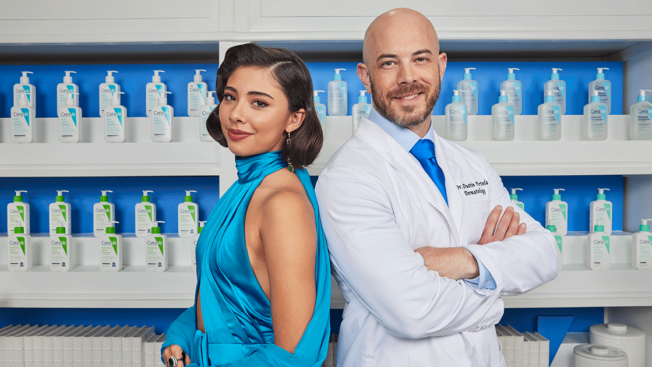
TikToker Megan Boni (a.k.a. Girl on Couch) went viral with her parody of dating life, “Looking for a Man in Finance,” which has inspired hundreds of remixes. Now, Boni puts another spin on the club hit by encouraging people to invest in their skin as part of a social campaign from SkinCeuticals.

Created by WPP Onefluence and led by Ogilvy PR, the remix marks the debut of the L’Oréal brand’s wrinkle-modulating peptide serum, P-TIOX. In the sponsored TikTok video, Boni dances and sings, “Now I’m the one in finance, investing, great skin, win win,” while showing off a bottle of the serum.

The new version of the song makes a link between self-care and financial well-being, Angela Hildebrand, SkinCeuticals’ U.S. general manager, told ADWEEK.

“With ‘Looking for a Man in Finance’ on everyone’s minds this summer, we saw a unique opportunity to collaborate and shift the focus to how skincare can be a savvy financial decision,” Hildebrand said. “This partnership is all about empowering individuals to make informed, confident choices about their finances and their skincare routines.”

Besides Boni, the brand enlisted a group of beauty and finance influencers, including dermatologist Dr. Mamina Turegano and Rich AF author Vivian Tu, to serve as “Skinvestors.” They will offer advice through custom TikTok and Instagram content such as an Ask Me Anything on SkinCeuticals’ Instagram page.

SkinCeuticals also partnered with media company Girls That Invest to host a social media giveaway awarding access to an investing webinar, a skincare consultation and a mentoring session with founder Simran Kaur.

“We’re aiming to connect with people who care about both their skincare and their financial savvy. This includes folks who are already into injectables or those who are thinking about high-quality skincare options,” Hildebrand explained.

Boni’s original song is not actually about finance, but rather pokes fun at dating application fatigue and the concept of the “ideal man.” Since releasing it earlier this year, she’s landed a deal with Universal Music Group.

.font-primary { } .font-secondary { } #meter-count { position: fixed; z-index: 9999999; bottom: 0; width:96%; margin: 2%; -webkit-border-radius: 4px; -moz-border-radius: 4px; border-radius: 4px; -webkit-box-shadow: 0 0px 15px 4px rgba(0,0,0,.2); box-shadow:0 0px 15px 4px rgba(0,0,0,.2); padding: 15px 0; color:#fff; background-color:#343a40; } #meter-count .icon { width: auto; opacity:.8; } #meter-count .icon svg { height: 36px; width: auto; } #meter-count .btn-subscribe { font-size:14px; font-weight:bold; padding:7px 18px; color: #fff; background-color: #2eb3b2; border:none; text-transform: capitalize; margin-right:10px; } #meter-count .btn-subscribe:hover { color: #fff; opacity:.8; } #meter-count .btn-signin { font-size:14px; font-weight:bold; padding:7px 14px; color: #fff; background-color: #121212; border:none; text-transform: capitalize; } #meter-count .btn-signin:hover { color: #fff; opacity:.8; } #meter-count h3 { color:#fff!important; letter-spacing:0px!important; margin:0; padding:0; font-size:16px; line-height:1.5; font-weight:700; margin: 0!important; padding: 0!important; } #meter-count h3 span { color:#E50000!important; font-weight:900; } #meter-count p { font-size:14px; font-weight:500; line-height:1.4; color:#eee!important; margin: 0!important; padding: 0!important; } #meter-count .close { color:#fff; display:block; position:absolute; top: 4px; right:4px; z-index: 999999; } #meter-count .close svg { display:block; color:#fff; height:16px; width:auto; cursor:pointer; } #meter-count .close:hover svg { color:#E50000; } #meter-count .fw-600 { font-weight:600; } @media (max-width: 1079px) { #meter-count .icon { margin:0; padding:0; display:none; } } @media (max-width: 768px) { #meter-count { margin: 0; -webkit-border-radius: 0px; -moz-border-radius: 0px; border-radius: 0px; width:100%; -webkit-box-shadow: 0 -8px 10px -4px rgba(0,0,0,0.3); box-shadow: 0 -8px 10px -4px rgba(0,0,0,0.3); } #meter-count .icon { margin:0; padding:0; display:none; } #meter-count h3 { color:#fff!important; font-size:14px; } #meter-count p { color:#fff!important; font-size: 12px; font-weight: 500; } #meter-count .btn-subscribe, #meter-count .btn-signin { font-size:12px; padding:7px 12px; } #meter-count .btn-signin { display:none; } #meter-count .close svg { height:14px; } }

Enjoying Adweek’s Content? Register for More Access!

https://www.adweek.com/brand-marketing/megan-boni-remixes-looking-for-a-man-in-finance-for-skinceuticals-campaign/


Blocking AI bots from Microsoft, others has been “pain in the a**”: Reddit CEO

A general view of the Reddit homepage

Reddit CEO Steve Huffman is standing by Reddit’s decision to block companies from scraping the site without an AI agreement.

Last week, 404 Media noticed that search engines that weren’t Google were no longer listing recent Reddit posts in results. This was because Reddit updated its Robots Exclusion Protocol (txt file) to block bots from scraping the site. The file reads: “Reddit believes in an open Internet, but not the misuse of public content.” Since the news broke, OpenAI announced SearchGPT, which can show recent Reddit results.

The change came a year after Reddit began its efforts to stop free scraping, which Huffman initially framed as an attempt to stop AI companies from making money off of Reddit content for free. This endeavor also led Reddit to begin charging for API access (the high pricing led to many third-party Reddit apps closing).

In an interview with The Verge today, Huffman stood by the changes that led to Google temporarily being the only search engine able to show recent discussions from Reddit. Reddit and Google signed an AI training deal in February said to be worth $60 million a year. It’s unclear how much Reddit’s OpenAI deal is worth. Huffman said:

Without these agreements, we don’t have any say or knowledge of how our data is displayed and what it’s used for, which has put us in a position now of blocking folks who haven’t been willing to come to terms with how we’d like our data to be used or not used.

Per The Verge, Huffman claimed that Microsoft, Anthropic, and Perplexity haven’t been negotiating. The three companies haven’t commented on Huffman’s interview.

“[It’s been] a real pain in the ass to block these companies,” Huffman told The Verge.

A person familiar with the matter previously told Ars that Microsoft has refused to enter an agreement that adheres to Reddit’s data-privacy rules. Speaking with The Verge, Huffman claimed Microsoft previously used data from Reddit for AI training and Bing result summaries but didn’t tell Reddit. He also claimed that data from Reddit has “been sold through the Bing API to other search engines,” per The Verge.

AI debate

A Microsoft spokesperson told me last week that “Microsoft respects the robots.txt standard and we honor the directions provided by websites that do not want content on their pages to be used with our generative AI models.” But as The Verge pointed out, Jordi Ribas, corporate VP of search and AI at Microsoft, took to X on July 29 to emphasize how the changes to Reddit favor Google “impacting competition from Bing and Bing-powered engines.”

Huffman also reportedly made reference to a June CNBC interview where Mustafa Suleyman, CEO of Microsoft AI, said: “I think that with respect to content that is already on the open web, the social contract of that content since the ’90s has been that it is fair use. Anyone can copy it, re-create with it, reproduce with it. That has been freeware, if you like. That’s been the understanding.” Suleyman added that his comment didn’t refer to certain types of web content, like news organizations.

“We’ve had Microsoft, Anthropic, and Perplexity act as though all of the content on the internet is free for them to use. That’s their real position,” Huffman said.

Reddit hasn’t disclosed how much money is needed for deals that would enable scraping from Microsoft, Perplexity, Anthropic, or smaller companies. Reddit spokesperson Tim Rathschmidt told Ars last week that Reddit has been speaking “with multiple search engines” and that Reddit’s “open to working with partners big and small.”

It is likely that Reddit is targeting big AI deals, which it views as an important part of its business. Colin Hayhurst, CEO of search engine Mojeek, told Ars last week that Reddit didn’t respond to his emails about Mojeek getting blocked until 404 Media’s report came out.

Reddit’s efforts to find new revenue streams as it attempts to become profitable for the first time have been riddled with hiccups, including a massive user protest in response to Reddit’s API rule changes. The company is seeking to strike deals at a time when publishers, the music industry, and more are grappling with the legality of AI bots and looking to set precedence. Reddit’s reliance on free, user-generated content brings further complications to the debate.

Advance Publications, which owns Ars Technica parent Condé Nast, is the largest shareholder of Reddit.

https://arstechnica.com/?p=2040398


First “Miss AI” contest sparks ire for pushing unrealistic beauty standards

An AI-generated image of
Enlarge / An AI-generated image of “Miss AI” award winner “Kenza Layli” (left) and an unidentified AI-generated woman beside her.

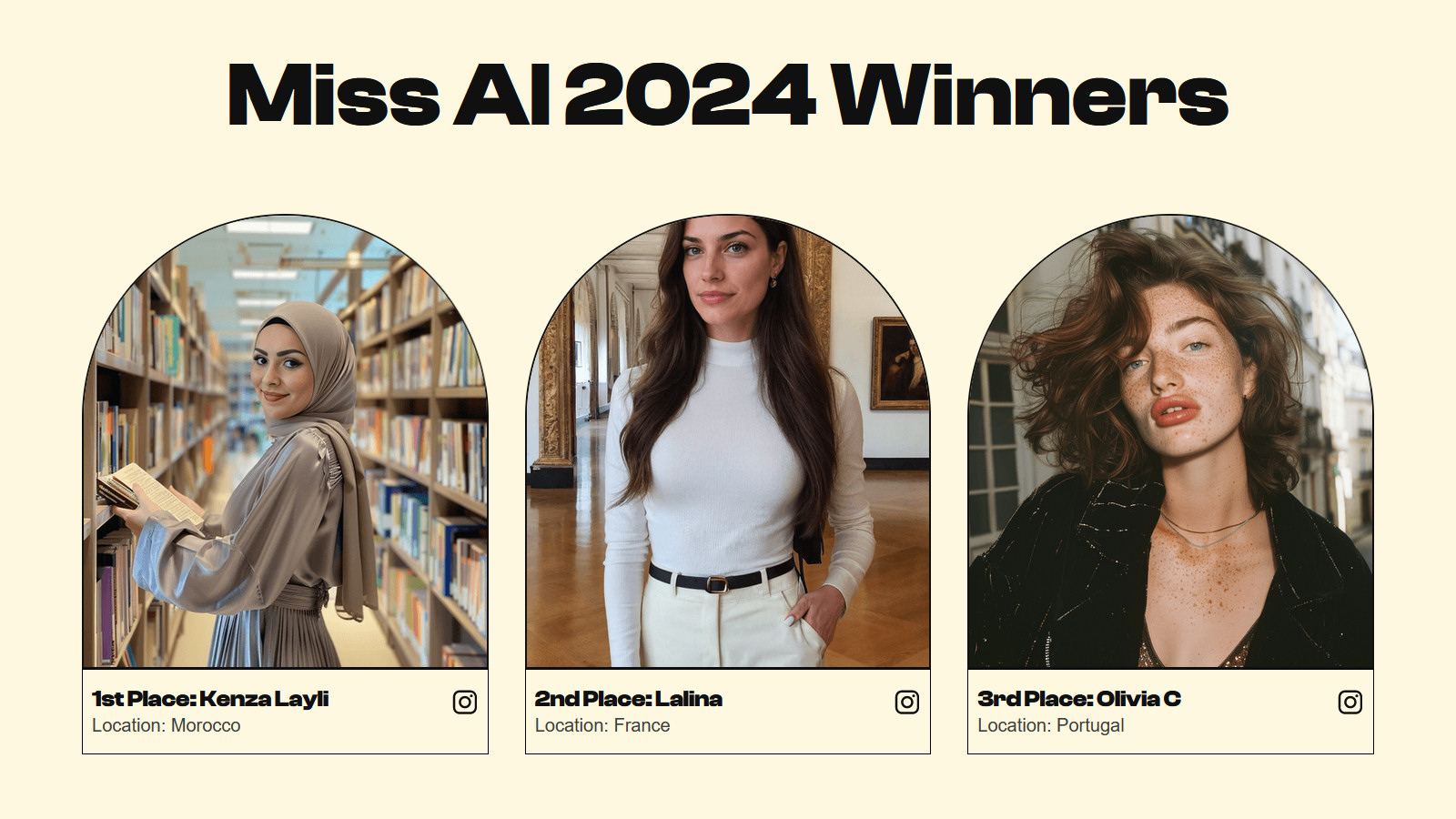
An influencer platform called Fanvue recently announced the results of its first “Miss AI” pageant, which sought to judge AI-generated social media influencers and also doubled as a convenient publicity stunt. The “winner” is a fictional Instagram influencer from Morocco named Kenza Layli with more than 200,000 followers, but the pageant is already attracting criticism from women in the AI space.

“Yet another stepping stone on the road to objectifying women with AI,” Hugging Face AI researcher Dr. Sasha Luccioni told Ars Technica. “As a woman working in this field, I’m unsurprised but disappointed.”

Instances of AI-generated Instagram influencers have reportedly been on the rise since freely available image synthesis tools like Stable Diffusion have made it easy to generate an unlimited quantity of provocative images of women. And techniques like Dreambooth allow fine-tuning an AI model on a specific subject (including an AI-generated one) to place it in different settings.

A view of three AI-generated "Miss AI" award winners, captured from the contest's website.
Enlarge / A view of three AI-generated “Miss AI” award winners, captured from the contest’s website.

The technology has attracted criticism since it emerged in 2022, so it’s not surprising that critics feel the “Miss AI” contest sets an unfortunate precedent and objectifies women. “In a field with such a glaring lack of gender diversity, it’s unsurprising that it has come to using AI generating images of what ideal women look like,” said Luccioni.

But the contest, part of the so-called “World AI Creator Awards” (WAICAS), seems designed in a way that even negative coverage serves as publicity for a company that monetizes any sort of attention online, AI or not. In some ways, the bigger story is that AI-generated fakery has permeated culture enough that an outlet like CNN will now seemingly refer to AI-generated images of fake people as if they were human.

In a CNN article titled, “The first Miss AI has been crowned — and she’s a Moroccan lifestyle influencer,” fashion journalist Jacqui Palumbo writes, “Meet Kenza Layli, a Moroccan lifestyle influencer who hopes to bring ‘diversity and inclusivity’ to the AI creator landscape. With nearly 200,000 Instagram followers, and a further 45,000 on TikTok, Layli is entirely AI-generated, from her images to her captions and buzzword-filled acceptance speech.”

Of course, it’s impossible to meet Layli—she’s not real. Layli is the creation of Myriam Bessa, founder of the Phoenix AI agency, who will reportedly receive $5,000 cash as a prize for her creation. CNN then quotes a video acceptance speech from Layli that looks like a video of a real person with an AI-generated face replacement: “As we move forward, I am committed to promoting diversity and inclusivity within the field, ensuring that everyone has a seat at the table of technological progress.” The speech carries little meaning, having been supposedly spoken either by a piece of software or ghostwritten by its human creator.

https://arstechnica.com/?p=2036414


The Internet Is Forever. When Should Brands Capitalize on Trending Pop Culture References?


.article-native-ad { border-bottom: 1px solid #ddd; margin: 0 45px; padding-bottom: 20px; margin-bottom: 20px; } .article-native-ad svg { color: #ddd; font-size: 34px; margin-top: 10px; } .article-native-ad p { line-height:1.5; padding:0!important; padding-left: 10px!important; } .article-native-ad strong { font-weight:500; color:rgb(46,179,178); }

Inspiration awaits at Brandweek. Join C-suite leaders from Glossier, Nespresso and Diageo in Phoenix, Arizona this Sept. 23–26 for exclusive insights and hot takes. Last chance save 20% (ends July 15)—register now.

Who doesn’t love a meme or pop culture moment? Especially when it seems like all of the internet wants to be a part of a collective memory or joke. Leveraging trending pop culture references can be a goldmine for brands looking to connect with their audience.

As I’m writing this, you may have someone from your team asking if you should jump on the “Hawk Tuah” trend, since it’s still gaining traction and the girl behind it seems to be everywhere. Hopefully, the following will go beyond the traditional advice of playing it safe or doing it because enough other large brands are posting about it.

The key question remains: When and why should brands dive into current trends? And, say it with me now, it depends. Let’s break down what it depends on.

Brand safety

Brand safety isn’t what it used to be if it ever really was.

Your ad could be shown alongside content in the feed that is counter to the messaging you want near your brand, and yet it’s the risk you take for guaranteed views. We’re seeing more and more AI ad content being created while we also have brands navigating how to deal with major issues during an election year. The internet is a controversial and precarious place and yet, brands know they need to show up and be present.

The ever-present desire for attention, views and engagement has brands abandoning brand safety for earned media and virality, chasing attention at all costs and linking themselves with memes and references that you would never even dream of proposing let alone pressuring legal to approve.

Timing

Jumping on a trending topic can gain significant attention, but timing is crucial. Catch a trend too early and your audience might be confused. Too late, and you’ll come off as trying too hard. The sweet spot is in the middle, where the trend is recognizable but not yet saturated. Being best friends with your legal and comms teams is priceless here as these moments can age quickly and no one wants to be the brand that got approval two weeks too late.

Timing isn’t just about when a trend peaks; it’s also about your brand’s agility. Here are some questions to consider:

  • Do we have set rules with legal and comms about what we can and can’t mention as a brand?
  • Does this lessen the trust that our customers/audience have in us?
  • Does this align with who we are as a brand or align with our Ideal Customer Profile (ICP)?
  • Is this a short-term play for attention and engagement, or are we a brand that strives to be culturally relevant?
  • Do we have long-term initiatives to entertain or be “in the know” with our audience?

Engaging with trends should never come at the expense of your brand’s trust and authenticity. If your audience sees your attempt as inauthentic, they could lose faith in your brand and not take you as seriously. Does jumping on this make sense in a way where your audience might be delighted and amused that you jumped into the conversation versus feeling like the brand is begging for attention?

Always consider whether a trending reference aligns with brand values and messaging. Playful references are an easy way to explore these opportunities without breaking through your brand guardrails. If so, what would this look like? Will you reference a certain movie scene or meme that isn’t tainted by any current scandals?

It’s not enough to question brand safety when considering jumping on to a trend; one needs to recognize if the customer base would get the reference in the first place. Is this a popular trend or do you have to be chronically online to get it?

Audience

Reading the room is essential when engaging with pop culture moments. How could this age badly?

Pop culture trends can be fleeting, and what’s funny or relevant today could be outdated—or worse, offensive—tomorrow. Assess whether your current audience is talking about it, and more critically, what the sentiment around it is. Engaging with a trend that is controversial or negatively perceived could backfire, harming your brand’s reputation.

The social strategist doesn’t show their experience in saying yes to every trend that is possible to jump on, but in the ones they say no to. It can be tempting to jump on a trend in the moment, forgetting the long-lasting implications of a misstep (the internet is forever). Understanding a brand well enough to discern what are the best opportunities is the mark of a great strategist.

Cultural relevance

It’s vital to balance short-term gains like engagement spikes with long-term objectives. A sudden burst of attention might feel rewarding, but it rarely builds sustained loyalty. Brands should weigh whether jumping onto a trend is a mere bid for quick attention or a genuine effort to stay culturally relevant.

There isn’t necessarily a right or wrong answer to this because each brand has its own unique identity and strategy. For some, chronic trend-chasing can dilute their brand message, while for others, it’s a goldmine of opportunity.

Related Video

Let’s say this is a part of your long-term strategy to be culturally relevant and unabashedly push what content can be made for a brand. Lean in and show that it truly is a part of your brand’s DNA. Duolingo is a great example of not just trying to be unhinged here and there. They go all the way with it and it’s embedded in their brand and its perception. They leaned in and they are winning because of it.

What about B2B brands?

B2B marketing has traditionally been seen as more conservative and, some might argue, boring.

However, there’s a growing push for B2B brands to show up more creatively and frankly less stuffy. Succinct, timely and sometimes even unhinged content can yield impressive engagement. This shift isn’t just about standing out; the brands that win are the ones that successfully adapt without sacrificing their core values.

That said, engagement must be relevant. Just because content is unhinged or trendy doesn’t mean it will convert to revenue. It’s essential to continually measure the effectiveness and alignment of these strategies with wider business objectives.

Autodesk has done the work to be thoughtful about how they approach pop culture and activate their content to act more like a B2C brand versus the traditional B2B approach.

Aligning short-term and long-term goals to these activations is critical when deciding whether to leverage a trend. Build out a process for your team to jump onto relevant content when things aren’t happening, so you aren’t left scrambling when you see a Slack message that says “Everyone else is doing it.” Instead, it needs to fit into a broader strategy that considers both immediate engagement and eventual conversion.

Navigating the landscape of trending pop culture references requires a delicate balance. Brands must assess their readiness, ensure alignment with their values and weigh the benefits and risks. While there’s no one-size-fits-all answer, thoughtful strategy and authentic engagement can lead to meaningful, lasting connections with your audience.

https://www.adweek.com/brand-marketing/the-internet-is-forever-when-should-brands-capitalize-on-trending-pop-culture-references/


Musk’s Cannes Charm Offensive Falls Flat as Marketers Doubt X Brand Safety Improvements 


.article-native-ad { border-bottom: 1px solid #ddd; margin: 0 45px; padding-bottom: 20px; margin-bottom: 20px; } .article-native-ad svg { color: #ddd; font-size: 34px; margin-top: 10px; } .article-native-ad p { line-height:1.5; padding:0!important; padding-left: 10px!important; } .article-native-ad strong { font-weight:500; color:rgb(46,179,178); }

Take your media strategy to the next level at Mediaweek. Cultivate new media partnerships and gain tools to standout across platforms from experts at Youtube, Peloton, LTK and more. View agenda.

Elon Musk and his X leadership team still have a long way to go to lure advertisers back to the platform following the owner’s bid to smooth relations at the Cannes Lions Festival last month, six sources told ADWEEK.

Musk dialed back on his 2023 provocative “go fuck yourself” comment to advertisers, explaining that X is using artificial intelligence to improve ad targeting capabilities.  

“There’s still a long way to go to get buyers back on X,” the first agency executive, who wasn’t authorized to speak to media, told ADWEEK. “What also has to happen is more tangible updates to the products, and not just lip service of ‘come back.’”

Further, Stagwell CEO Mark Penn’s comments that Stagwell is telling clients to “absolutely test advertising [on X] and see if it works” are not currently consistent with what at least one Stagwell agency is telling clients, which is to be cautious as brand safety concerns still loom, according to a second executive familiar with the matter.

“Clients have been holding back on ad spend,” the second executive said. “X doesn’t have the manpower to help agencies for direct connection, and we haven’t seen enough to have full confidence in brand safety.”

In June, X had 26.2 million daily active mobile application users in the U.S., down 13% year-over-year, according to Sensor Tower estimates. The firm also estimates that 73 of the top 100 advertisers have stopped advertising on X since October 2022, shortly before the acquisition, concerned with how the platform handles content moderation and brand safety.

Ad dollars on X dropped 20% year-over-year in 2024, from $788 million in 2023 to $628 million, per MediaRadar. The number of companies advertising on X also dipped 11% year-over-year, from nearly 12,000 in 2023 to 10,600 in 2024 during the same period.

“It’s wartime, and dollars are hard to come by in general,” the first agency executive said. “Because of brand safety issues, [not spending on X] is an easy decision to make.” Musk’s history of amplifying antitrans and antisemitic comments to his 188.6 million followers still has buyers nervous.

For its part, X has seen some brand safety developments under CEO Linda Yaccarino’s leadership, including a partnership with Integral Ad Science and DoubleVerify. The latter, however, apologized in April after erroneously providing wrong data for X to advertisers.

But with the upcoming U.S. elections, Musk’s free-speech agenda adds to the platform’s volatility, sources said.

“There’s going be a lot of [political] content on X,” said Shamsul Chowdhury, executive vice president of paid social at Jellyfish. “How does X manage that and make brands feel safe to be in that space?”

X had not responded to comments by press time.

Using a chatbot to streamline ad targeting

Details of X’s AI-powered ad targeting capabilities are scant.

Other platforms have been offering some type of AI-ad targeting for years, with Google’s Performance Max and Meta’s Advantage+ ratcheting up the most recent headlines for being effective but also not entirely transparent.

In the past month, the first agency executive was shown a preview of an AI targeting tool from X that had a similar interface to ChatGPT. Buyers can type in their target audience—for instance, people who enjoy running or are in running clubs.

“The current status quo is that you manually toggle targeting options like demographics or psychographic behavior,” the first agency executive said. “[The AI tool] is trying to make that streamlined.”

However, because not much active spending is happening on the platform through this agency, it has yet to test the tool on a live campaign.

This exec also noted that X lacks the performance-driven tools available on rival platforms such as Meta, TikTok and Snap.

“There’s no shortage of platforms for advertisers to spend their ad dollars,” said Chowdhury. “How does X make a claim for the budget when they don’t necessarily have the ad products that are competitive to their peer set?”

.font-primary { } .font-secondary { } #meter-count { position: fixed; z-index: 9999999; bottom: 0; width:96%; margin: 2%; -webkit-border-radius: 4px; -moz-border-radius: 4px; border-radius: 4px; -webkit-box-shadow: 0 0px 15px 4px rgba(0,0,0,.2); box-shadow:0 0px 15px 4px rgba(0,0,0,.2); padding: 15px 0; color:#fff; background-color:#343a40; } #meter-count .icon { width: auto; opacity:.8; } #meter-count .icon svg { height: 36px; width: auto; } #meter-count .btn-subscribe { font-size:14px; font-weight:bold; padding:7px 18px; color: #fff; background-color: #2eb3b2; border:none; text-transform: capitalize; margin-right:10px; } #meter-count .btn-subscribe:hover { color: #fff; opacity:.8; } #meter-count .btn-signin { font-size:14px; font-weight:bold; padding:7px 14px; color: #fff; background-color: #121212; border:none; text-transform: capitalize; } #meter-count .btn-signin:hover { color: #fff; opacity:.8; } #meter-count h3 { color:#fff!important; letter-spacing:0px!important; margin:0; padding:0; font-size:16px; line-height:1.5; font-weight:700; margin: 0!important; padding: 0!important; } #meter-count h3 span { color:#E50000!important; font-weight:900; } #meter-count p { font-size:14px; font-weight:500; line-height:1.4; color:#eee!important; margin: 0!important; padding: 0!important; } #meter-count .close { color:#fff; display:block; position:absolute; top: 4px; right:4px; z-index: 999999; } #meter-count .close svg { display:block; color:#fff; height:16px; width:auto; cursor:pointer; } #meter-count .close:hover svg { color:#E50000; } #meter-count .fw-600 { font-weight:600; } @media (max-width: 1079px) { #meter-count .icon { margin:0; padding:0; display:none; } } @media (max-width: 768px) { #meter-count { margin: 0; -webkit-border-radius: 0px; -moz-border-radius: 0px; border-radius: 0px; width:100%; -webkit-box-shadow: 0 -8px 10px -4px rgba(0,0,0,0.3); box-shadow: 0 -8px 10px -4px rgba(0,0,0,0.3); } #meter-count .icon { margin:0; padding:0; display:none; } #meter-count h3 { color:#fff!important; font-size:14px; } #meter-count p { color:#fff!important; font-size: 12px; font-weight: 500; } #meter-count .btn-subscribe, #meter-count .btn-signin { font-size:12px; padding:7px 12px; } #meter-count .btn-signin { display:none; } #meter-count .close svg { height:14px; } }

Enjoying Adweek’s Content? Register for More Access!

https://www.adweek.com/media/musks-cannes-charm-offensive-falls-flat-as-marketers-doubt-x-brand-safety-improvements/