Reddit, AI spam bots explore new ways to show ads in your feed
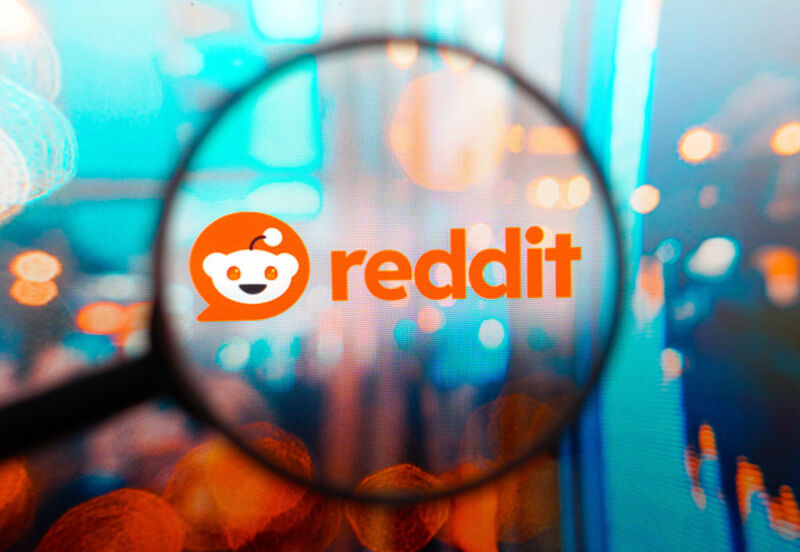
BRAZIL - 2024/04/08: In this photo illustration, a Reddit logo seen displayed on a computer screen through a magnifying glass

Reddit has made it clear that it’s an ad-first business. Today, it expanded on that practice with a new ad format that aims to sell things to Reddit users. Simultaneously, Reddit has marketers who are interested in pushing products to users through seemingly legitimate accounts.

In a blog post today, Reddit announced that its Dynamic Product Ads are entering public beta globally. The ad format uses “shopping signals,” aka, discussions with people looking to try a product or brand, machine learning, and advertiser product catalogs in order to post relevant ads. Reddit shared an image in the blog post that shows ads, including with products and pricing, that seem to relate to a posted question. User responses to the Reddit post appear under the ad.

Reddit’s Dynamic Product Ads can automatically show users ads “based on the products they’ve previously engaged with on the advertiser’s site” and/or “based on what people engage with on Reddit or advertiser sites,” per the blog.

Reddit is an ad business

Reddit’s blog didn’t imply that Dynamic Product Ads means users would see more ads than they do currently. However, today’s blog highlighted the newly public company’s focus on ad sales.

“With Dynamic Product Ads, brands can tap into the rich, high-intent product conversations that people come to Reddit for,” Reddit EVP of Business Marketing and Growth Jim Squires said in a statement.

The blog also noted that “Reddit’s communities are naturally commercial,” adding:

Reddit is where people come to make shopping decisions, and we’re focused on bringing brands into these interactions in a way that adds value for people and drives growth for businesses.

The stance has been increasingly clear over the past year, as Reddit became rather vocal about the fact that it has never been profitable. In June, the company started charging for API access, resulting in numerous valued third-party Reddit apps closing and messy user protests that left a bad taste in countless long-time users’ and moderators’ mouths. While Reddit initially announced the change as a way to prevent large language models from using its data for free training, it was also seen as a way to drive users to Reddit’s website and mobile app, where it can serve users ads.

Per Reddit’s February SEC filing (PDF), ads made up 98 percent of Reddit’s revenues in 2023 and 2022. That filing included a note from CEO Steve Huffman, saying: “Advertising is our first business” and that Reddit’s ad business is “still in the early phases of growing.”

In September, the company started preventing users from opting out of personalized ads. In June, Reddit introduced a new tool to advertisers that uses natural language processing to look through Reddit user comments for keywords that signal potential interest for a brand.

Reddit’s blog post today hinted at some future evolutions focused on showing Reddit users ads, including “tools and features such as new shopping ads formats like collection ads that enhance the shopper experience while driving performance” and “merchant platform integrations that welcome smaller merchants.”

https://arstechnica.com/?p=2019709


Visualizing Success: Crafting Personal Brands With Video


.article-native-ad { border-bottom: 1px solid #ddd; margin: 0 45px; padding-bottom: 20px; margin-bottom: 20px; } .article-native-ad svg { color: #ddd; font-size: 34px; margin-top: 10px; } .article-native-ad p { line-height:1.5; padding:0!important; padding-left: 10px!important; } .article-native-ad strong { font-weight:500; color:rgb(46,179,178); }

Inspiration meets innovation at Brandweek, the ultimate marketing experience. Join industry luminaries, rising talent and strategic experts in Phoenix, Arizona this September 23–26 to assess challenges, develop solutions and create new pathways for growth. Register early to save.

There are countless videos across many online platforms catering to a wide range of interests. It’s fascinating how certain videos go viral and become widely viewed by millions of people across the globe, but it’s difficult to predict what makes a video successful. Creative company Viral Growth specializes in TikTok and has devised a formula to help create content that sticks for each of its clients’ specialties.

Viral Growth is a marketing agency that focuses on growing businesses organically. It creates innovative strategies, engaging videos and manages accounts to keep up engagement until leads are converted into revenue across apps, video games and SaaS.

In this episode of Young Influentials, ADWEEK digital editor and host Colin Daniels sits down with co-founder Kazi Sharar as he shares how the company assists creators and entrepreneurs in identifying their niche and developing content that is distinctive, memorable and has the potential to go viral.

Stream the new episode below, or listen and subscribe on Apple Podcasts, Spotify, Pandora or iHeartRadio.

Use code “adweek” for a 10% discount on your plan at checkout or when booking a call.

https://www.adweek.com/creativity/viral-growth-kazi-sharar-crafting-personal-brands-video/


Temu’s Advertising Avalanche Is Impossible to Ignore


.article-native-ad { border-bottom: 1px solid #ddd; margin: 0 45px; padding-bottom: 20px; margin-bottom: 20px; } .article-native-ad svg { color: #ddd; font-size: 34px; margin-top: 10px; } .article-native-ad p { line-height:1.5; padding:0!important; padding-left: 10px!important; } .article-native-ad strong { font-weight:500; color:rgb(46,179,178); }

Sports marketing leaders from State Farm, the Golden State Warriors, the NBA and more will join ADWEEK Brand Play on May 9 to unpack the trends, techniques and tools you need to break into the space. Register for your virtual pass.

We live in an attention economy. The ecommerce space is filled with companies not only competing for revenue but also consumer awareness.

And ecommerce giant Temu is giving competitors a run for its advertising budget.

Temu’s strategic takeover of advertising space on Meta, Google and other platforms is impossible to ignore. Reports and industry pros suggest an almost audacious investment from the Chinese ecommerce newcomer, with figures rumored around the $2 billion mark in 2023 alone.

This colossal spend aims at carving a substantial footprint in the U.S. retail space, but the implications, challenges and outcomes of such a move truly impact media buyers every day.

Temu is anything but subtle. If you’ve been scrolling advertising or DTC Twitter, you’ll have seen specific callouts of this sweeping uptick in Temu campaigns. I spoke to marketers in the space who called out the potential damage of the Temu ad avalanche as it continues down the mountainside.

Advertising like a billionaire

Attributed to the umbrella of PDD Holdings from China, Temu surged onto the U.S. scene with a vision of dominating the market, employing a mix of aggressive marketing and low-price allure to draw consumers. This seemingly budgetless ad spend on Meta has propelled Temu to one of its top revenue advertisers in 2023.

What if you could find items you normally purchase at Amazon and other retailers for shockingly low prices? Consumers are ready to throw their credit cards at them, with a reported $3 billion in revenue in the first half of 2023 alone and an expected $6 billion this year.

This aggressive push not only impacts the revenue of any potential competitors but also impacts the efficacy of competitive advertising budgets.

Viral Marketing Stars CEO Katya Varbanova has seen this strategy before. “On my team, we have a phrase that says, ‘Outspend your competition, and you’ll have no competition.’ And it seems like Temu is taking that same approach to their advertising.

“As a result, this increases everyone’s CPA (cost per acquisition) on platforms like Meta and Google because large advertisers like Temu are monopolizing ad inventory and heightening the costs of the advertisers targeting the same audiences.”

The strategy behind the spend

Temu’s campaign is not just about ubiquity; it’s a calculated strike at the heart of consumer desires, merging its “Shop Like a Billionaire” tagline with an inventory that promises bottom-dollar prices. It’s interesting to see an approach where items can be purchased for a few dollars, while over 9,000 active Temu ads are running across platforms.

This approach, which peaked with high-profile campaigns including a Super Bowl ad, has garnered the desired attention. However, it has stirred debate regarding the enterprise’s labor practices and sustainability, as well as fears about data privacy.

After all, these ads are not just an opportunity to influence consumer purchasing habits, but also to gain the data that comes with those interactions.

Mike Ryan, head of insights at Smarter Ecommerce, has been watching Temu’s advertising patterns this year and found that “Temu took a notable step back in their marketing activity across Q1. At first, it seemed related to the Super Bowl, and they ramped back a bit, but then they were very soft again in March.” Ryan observed this in both the EU and U.S., and across both Google and Meta.

“This potentially deserves a mention in the earnings statements of those platforms, because Temu spends so much money. I wouldn’t expect this to hurt in year-over-year terms, but Q/Q could be softer than you would expect from normal seasonality.”

Ecommerce impact

So, what does Temu hope to accomplish?

Ryan believes that Temu’s approach could convert as many consumers as it alienates. “This whole thing is a Trojan horse strategy. Temu’s goal is to poach consumers from these platforms and bring them into its ecosystem. It’s hard for these platforms to stop Temu from doing this and, on a short-term basis, it is very attractive for platform revenue. But in the long term, this [tactic] can alienate both users and advertisers, so I view it as unhealthy for all parties.”

Varbanova worries how this will impact small businesses that will never have a similar ad budget. “How will [Google and Meta] ensure small businesses can remain competitive and reach their goals?’

Future impact

As the conversation around Temu’s marketing push unfolds, the industry is keyed into the ongoing narrative of market adaptation, customer retention and the balancing act of aggressive advertising. The trajectory for Temu, amid scrutiny and speculation, is a subject of interest and debate among consumers and professionals alike.

David Hermann, media buyer and president of Hermann Digital, has advice for other advertising pros experiencing the effects of Temu outspending them. “Be prepared for shifts. These systems (Meta’s auction) are volatile, and businesses should always be prepared to pull back when need be, and have a toolkit of options for where to place their online ad dollars.”

Hermann pointed out other critical factors that could further impact ad inventory. “For 2024, on top of Temu and Shein, we have a presidential election coming. If we think things are high now, it may go even higher.”

In regards to whether or not this type of media saturation is a trend to be concerned about, Hermann doesn’t think so. “Platforms like Temu come along every so often. Wish was the first. Temu is the first company, to my knowledge, to be spending this aggressively. However, is Meta still able to work for the majority of advertisers as a profitable choice of traffic? I still believe so, but it’s not easy and I feel for those in direct competition with a site like Temu.”

With such lofty ad spend, it’s easy to see why companies might be concerned that Meta will play favorites and continue to ensure that Temu spends with them.

Only time will tell as media buyers start work each day ready to fight the tough fight.

https://www.adweek.com/media/temu-advertising-avalanche-meta-google-media-buy/


Creator Jayde Powell Has the Tea on Finding a Safe Space in Social Media


.article-native-ad { border-bottom: 1px solid #ddd; margin: 0 45px; padding-bottom: 20px; margin-bottom: 20px; } .article-native-ad svg { color: #ddd; font-size: 34px; margin-top: 10px; } .article-native-ad p { line-height:1.5; padding:0!important; padding-left: 10px!important; } .article-native-ad strong { font-weight:500; color:rgb(46,179,178); }

Inspiration meets innovation at Brandweek, the ultimate marketing experience. Join industry luminaries, rising talent and strategic experts in Phoenix, Arizona this September 23–26 to assess challenges, develop solutions and create new pathways for growth. Register early to save.

As a content creator, Jayde Powell has completely immersed herself in the creative world. In the process, the influencer-writer-speaker has picked up a breadth of expertise, which has led to recognition by trades like ADWEEK, Business Insider and Hashtag Paid.

She’s also built an engaged fanbase that not only understands her brand of humor, but also embraces it. On the latest episode of Yeah, That’s Probably an Ad, community editor Luz Corona sat down with the multi-hyphenate marketer at ADWEEK’s Social Media Week to discuss everything from her personal brand to redefining professionalism.

Powell is the founder of The Em Dash Co, a content and creative development agency. Her LinkedIn series #CreatorTeaTalk brings together players in the creator economy to discuss all things creators, content and culture.

She is also the co-founder of Weed For Black Women, a media, culture and community hub that strives to educate Black women on the power of the cannabis plant.

Stream the new episode below, listen and subscribe on Apple Podcasts, or find it on Spotify.

https://www.adweek.com/creativity/creator-jayde-powell-safe-space-social-media/


John Deere Seeks a ‘Chief Tractor Officer’ to Be the Face of Its TikTok Channel


.article-native-ad { border-bottom: 1px solid #ddd; margin: 0 45px; padding-bottom: 20px; margin-bottom: 20px; } .article-native-ad svg { color: #ddd; font-size: 34px; margin-top: 10px; } .article-native-ad p { line-height:1.5; padding:0!important; padding-left: 10px!important; } .article-native-ad strong { font-weight:500; color:rgb(46,179,178); }

Inspiration meets innovation at Brandweek, the ultimate marketing experience. Join industry luminaries, rising talent and strategic experts in Phoenix, Arizona this September 23–26 to assess challenges, develop solutions and create new pathways for growth. Register early to save.

John Deere is running a celebrity-driven social media campaign for the first time in its 185-year history, as it kicks off a contest to recruit a “chief tractor officer” who will create TikTok content for the brand.

San Francisco 49ers quarterback Brock Purdy launches the search alongside fellow player Colton McKivitz. A promotional video for the competition, which opens today (April 16), follows Purdy and McKivitz as they hop into a tractor on a cross-country road trip to find the new face of John Deere’s social media.

Their voyage is delayed by enthusiastic video calls from other athletes and influencers, including Indiana Pacers point guard Tyrese Haliburton, Olympic gymnast Gabby Douglas, tennis player Anna Frey, business influencer Natalie Marshall and agriculture content creator Laura Farms.

Candidates can enter the contest through April 29 by submitting a short video to JohnDeereCTO.com that demonstrates their passion, creativity and humor. John Deere is open to applicants who have experience in agriculture or construction, but could also choose someone with little knowledge of the brand who can share their own story of discovering what makes it relevant.

The goal is to change how Gen Z perceives the legacy company, building brand fans, attracting new customers and boosting recruitment.

“We wanted to get outside of ourselves,” John Deere’s global director of strategic public relations and enterprise social media, Jen Hartmann, told ADWEEK. “Deere is a pretty conservative company and we’re hoping that how we show up on TikTok looks vastly different than what people might have expected from Deere in the past.”

The company enlisted Purdy because the Iowa State alum married into a farming family and spent part of a bye week last year harvesting crops, Hartmann explained. The brand chose the other ad’s stars based on their social media reach.

“TikTok is exceptionally good at algorithms and we knew if we just stuck to athletes it would only reach those folks that have a strong interest in sports,” Hartmann said. “We wanted to make sure that we were reaching all the audiences that those influencers represent across the channel.”

Hartmann hopes the winner will find ways to grab attention and tell unexpected stories about the brand’s technology. For example, some people use its equipment to clear snow from stadiums, while its autonomous tractors and herbicide sprayers with built-in cameras can precisely target weeds.

She would also like to see the company collaborate with other brands to showcase their sourcing, such as telling a story about the potato growers supplying McDonald’s. 

“We need to reach those individuals who maybe have choices to go to Google or Apple,” Hartmann said. “We want them to know that there’s purpose-driven work they can do at a company that’s trying to make it easier for farmers to feed the world with less land and less resources in a sustainable way.”

.font-primary { } .font-secondary { } #meter-count { position: fixed; z-index: 9999999; bottom: 0; width:96%; margin: 2%; -webkit-border-radius: 4px; -moz-border-radius: 4px; border-radius: 4px; -webkit-box-shadow: 0 0px 15px 4px rgba(0,0,0,.2); box-shadow:0 0px 15px 4px rgba(0,0,0,.2); padding: 15px 0; color:#fff; background-color:#343a40; } #meter-count .icon { width: auto; opacity:.8; } #meter-count .icon svg { height: 36px; width: auto; } #meter-count .btn-subscribe { font-size:14px; font-weight:bold; padding:7px 18px; color: #fff; background-color: #2eb3b2; border:none; text-transform: capitalize; margin-right:10px; } #meter-count .btn-subscribe:hover { color: #fff; opacity:.8; } #meter-count .btn-signin { font-size:14px; font-weight:bold; padding:7px 14px; color: #fff; background-color: #121212; border:none; text-transform: capitalize; } #meter-count .btn-signin:hover { color: #fff; opacity:.8; } #meter-count h3 { color:#fff!important; letter-spacing:0px!important; margin:0; padding:0; font-size:16px; line-height:1.5; font-weight:700; margin: 0!important; padding: 0!important; } #meter-count h3 span { color:#E50000!important; font-weight:900; } #meter-count p { font-size:14px; font-weight:500; line-height:1.4; color:#eee!important; margin: 0!important; padding: 0!important; } #meter-count .close { color:#fff; display:block; position:absolute; top: 4px; right:4px; z-index: 999999; } #meter-count .close svg { display:block; color:#fff; height:16px; width:auto; cursor:pointer; } #meter-count .close:hover svg { color:#E50000; } #meter-count .fw-600 { font-weight:600; } @media (max-width: 1079px) { #meter-count .icon { margin:0; padding:0; display:none; } } @media (max-width: 768px) { #meter-count { margin: 0; -webkit-border-radius: 0px; -moz-border-radius: 0px; border-radius: 0px; width:100%; -webkit-box-shadow: 0 -8px 10px -4px rgba(0,0,0,0.3); box-shadow: 0 -8px 10px -4px rgba(0,0,0,0.3); } #meter-count .icon { margin:0; padding:0; display:none; } #meter-count h3 { color:#fff!important; font-size:14px; } #meter-count p { color:#fff!important; font-size: 12px; font-weight: 500; } #meter-count .btn-subscribe, #meter-count .btn-signin { font-size:12px; padding:7px 12px; } #meter-count .btn-signin { display:none; } #meter-count .close svg { height:14px; } }

Enjoying Adweek’s Content? Register for More Access!

https://www.adweek.com/creativity/john-deere-seeks-a-chief-tractor-officer-to-be-the-face-of-its-tiktok-channel/


The State of the Workplace, as Told by the Corporate Baddie


.article-native-ad { border-bottom: 1px solid #ddd; margin: 0 45px; padding-bottom: 20px; margin-bottom: 20px; } .article-native-ad svg { color: #ddd; font-size: 34px; margin-top: 10px; } .article-native-ad p { line-height:1.5; padding:0!important; padding-left: 10px!important; } .article-native-ad strong { font-weight:500; color:rgb(46,179,178); }

Inspiration meets innovation at Brandweek, the ultimate marketing experience. Join industry luminaries, rising talent and strategic experts in Phoenix, Arizona this September 23–26 to assess challenges, develop solutions and create new pathways for growth. Register early to save.

After graduating from the historically Black university Morehouse, DeAndre Brown looked forward to entering the workplace and soon landed internships in both government and corporate settings.

As the youngest employee, he quickly identified the antiquated norms in the workplace (see: bragging wars over long hours) and, as any good Gen Z-er, used the experience as inspiration for TikTok content as a creative outlet to deal with this new chapter.

And that’s how the Corporate Baddie was born.

On the latest episode of Yeah, That’s Probably an Ad, community editor Luz Corona sat down with the content creator at ADWEEK’s Social Media Week for an intimate conversation surrounding Brown’s journey to his Corporate Baddie persona on TikTok.

They discuss generational comment wars, the toll virality can take on mental health, and the pros and cons of working for yourself.

Stream the new episode below, listen and subscribe on Apple Podcasts, or find it on Spotify.

https://www.adweek.com/creativity/the-state-of-the-workplace-as-told-by-the-corporate-baddie/


Taco Bell’s Taylor Montgomery Reveals the Path From Social Media Manager to CMO


.article-native-ad { border-bottom: 1px solid #ddd; margin: 0 45px; padding-bottom: 20px; margin-bottom: 20px; } .article-native-ad svg { color: #ddd; font-size: 34px; margin-top: 10px; } .article-native-ad p { line-height:1.5; padding:0!important; padding-left: 10px!important; } .article-native-ad strong { font-weight:500; color:rgb(46,179,178); }

Inspiration meets innovation at Brandweek, the ultimate marketing experience. Join industry luminaries, rising talent and strategic experts in Phoenix, Arizona this September 23–26 to assess challenges, develop solutions and create new pathways for growth. Register early to save.

There’s no one path to the chief marketing officer seat, and Taco Bell‘s top U.S. marketer Taylor Montgomery is living proof.

Having cut his teeth working on strategy for brands including Clairol and Always at Procter & Gamble, Montgomery joined Taco Bell in 2016 as senior manager of brand and marketing innovation. Now, several jobs later, he’s CMO for North America, leading buzzy campaigns with talent including Doja Cat and LeBron James.

During a session at ADWEEK’s Social Media Week in New York, Montgomery revealed the secret ingredients to his success: curiosity, flexibility and never being afraid to get in the weeds.

He credited P&G for helping him understand that marketing is the ultimate business driver. “It taught me the mechanics of how business worked, how marketing is a tool and a discipline that can drive business growth,” he said.

When Montgomery jumped ship to Taco Bell, his role in the brand and innovation team, which involved product development, gave him the invaluable experience of getting closer to the brand’s diners.

He credited Taco Bell’s “flat” structure, which gives social and brand teams “a seat at the table,” for driving the creativity and collaborations with which the brand has become synonymous.

When he first started, the social team would knock on his door and suggest new recipes based on social media feedback, like putting Doritos in a Mexican Pizza. “And we’d say, ‘That’s a great idea, let’s go into the kitchen and see if that tastes good.’ [That open structure] keeps the teams connected.”

He added: “There’s a holy trinity between the PR, social and media team at Taco Bell. That’s where the magic really happens.”

His first few years with the business helped him understand how to create products, which was important because “products are the connection point to the customer,” Montgomery said.

Slowly but surely, he started to collect more responsibility for U.S. marketing, before Taco Bell’s then-chief executive threw him a “curve ball:” a role as CMO of the international business.

“That was one of my favorite experiences,” he said, advising ambitious social execs never to discount opportunities, even if they look “smaller by numbers.”

“[Those jobs] are where you have a real opportunity to make a huge impact and where you grow the most,” he said.

Driving growth and driving culture

During his two-year tenure overseeing international marketing, Montgomery worked on campaigns to drive growth in countries including China and Spain. After that, he was promoted to his current position.

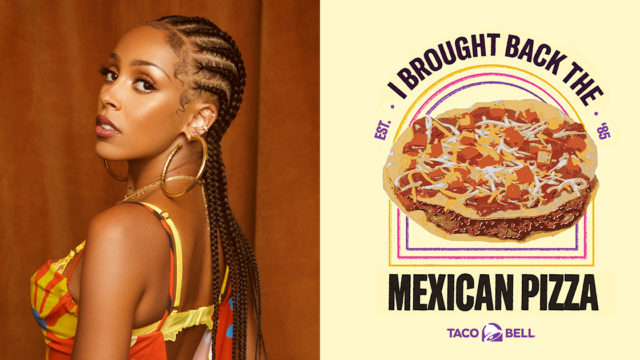
Montgomery has been at the center of some of Taco Bell’s biggest campaigns, including recruiting Doja Cat to headline the return of Mexican Pizza, teaming up with LeBron James to fight against the Taco Tuesday trademark, and bringing back the Volcano Menu with the help of Paris Hilton.

His push toward culture marketing is making its mark, and Taco Bell is now one of the jewels in the crown of parent company Yum! Brands. Yum CEO David Gibbs previously described the chain as a “growth engine,” while its Q4 results showed an 11% same-store U.S. sales increase.

Taco Bell CEO Sean Tresvant also traveled a unique road to get to his position, having previously been CMO himself.

For Montgomery, having a brand leader in the corner office has been “a blessing.”

“The great thing about having a boss who’s a marketer is that they can speak shorthand [with the CMO],” he said. “This gives [us] marketers more top cover to take risks.” 

Catch up with all of ADWEEK’s coverage from Social Media Week.

.font-primary { } .font-secondary { } #meter-count { position: fixed; z-index: 9999999; bottom: 0; width:96%; margin: 2%; -webkit-border-radius: 4px; -moz-border-radius: 4px; border-radius: 4px; -webkit-box-shadow: 0 0px 15px 4px rgba(0,0,0,.2); box-shadow:0 0px 15px 4px rgba(0,0,0,.2); padding: 15px 0; color:#fff; background-color:#343a40; } #meter-count .icon { width: auto; opacity:.8; } #meter-count .icon svg { height: 36px; width: auto; } #meter-count .btn-subscribe { font-size:14px; font-weight:bold; padding:7px 18px; color: #fff; background-color: #2eb3b2; border:none; text-transform: capitalize; margin-right:10px; } #meter-count .btn-subscribe:hover { color: #fff; opacity:.8; } #meter-count .btn-signin { font-size:14px; font-weight:bold; padding:7px 14px; color: #fff; background-color: #121212; border:none; text-transform: capitalize; } #meter-count .btn-signin:hover { color: #fff; opacity:.8; } #meter-count h3 { color:#fff!important; letter-spacing:0px!important; margin:0; padding:0; font-size:16px; line-height:1.5; font-weight:700; margin: 0!important; padding: 0!important; } #meter-count h3 span { color:#E50000!important; font-weight:900; } #meter-count p { font-size:14px; font-weight:500; line-height:1.4; color:#eee!important; margin: 0!important; padding: 0!important; } #meter-count .close { color:#fff; display:block; position:absolute; top: 4px; right:4px; z-index: 999999; } #meter-count .close svg { display:block; color:#fff; height:16px; width:auto; cursor:pointer; } #meter-count .close:hover svg { color:#E50000; } #meter-count .fw-600 { font-weight:600; } @media (max-width: 1079px) { #meter-count .icon { margin:0; padding:0; display:none; } } @media (max-width: 768px) { #meter-count { margin: 0; -webkit-border-radius: 0px; -moz-border-radius: 0px; border-radius: 0px; width:100%; -webkit-box-shadow: 0 -8px 10px -4px rgba(0,0,0,0.3); box-shadow: 0 -8px 10px -4px rgba(0,0,0,0.3); } #meter-count .icon { margin:0; padding:0; display:none; } #meter-count h3 { color:#fff!important; font-size:14px; } #meter-count p { color:#fff!important; font-size: 12px; font-weight: 500; } #meter-count .btn-subscribe, #meter-count .btn-signin { font-size:12px; padding:7px 12px; } #meter-count .btn-signin { display:none; } #meter-count .close svg { height:14px; } }

Enjoying Adweek’s Content? Register for More Access!

https://www.adweek.com/brand-marketing/taco-bells-taylor-montgomery-reveals-the-path-from-social-media-manager-to-cmo/


Elon Musk’s X to stop allowing users to hide their blue checks

Elon Musk’s X to stop allowing users to hide their blue checks

X will soon stop allowing users to hide their blue checkmarks, and some users are not happy.

Previously, a blue tick on Twitter was a mark of a notable account, providing some assurance to followers of the account’s authenticity. But then Elon Musk decided to start charging for the blue tick instead, and mayhem ensued as a wave of imposter accounts began jokingly posing as brands.

After that, paying for a blue checkmark began to attract derision, as non-paying users passed around a meme under blue-checked posts, saying, “This MF paid for Twitter.” To help spare paid subscribers this embarrassment, X began allowing users to hide their blue check last August, turning “hide your checkmark” into a feature of paid subscriptions.

However, earlier this month, X decided that hiding a checkmark would no longer be allowed, deleting the feature from its webpage detailing what comes with X Premium. An archive of X’s page shows that the language about how to hide your checkmark was removed after April 6, with X no longer promising to “continue to evolve this feature to make it better for you” but instead abruptly ending the perk.

X’s decision to stop hiding checkmarks came after the platform began gifting blue checkmarks to popular accounts. Back in April 2023, then-Twitter had awarded blue checks to celebrity accounts with more than a million followers. Last week, now-X doled out even more blue checks to accounts with over 2,500 paid verified followers. Now, accounts with more than 2,500 paid verified followers get Premium features for free, and accounts with more than 5,000 paid verified followers get Premium+.

You might think that X giving out freebies would be well-received, but Business Insider tech reporter Katie Notopoulos, one of many accounts suddenly gifted the blue check, summed up how many X users were feeling about the gifted tick by asking, “does it seem uncool?”

X doesn’t seem to care anymore if blue checks are seen as uncool, though. Anyone who doesn’t want the complimentary check can refuse it, and any paid subscriber upset about losing the ability to hide their checkmark can always just stop paying for Premium features.

According to X, anyone deciding to cancel their subscription over the loss of the “hide your checkmark” feature can expect the check to remain on their account “until the end of the subscription term you paid for, unless your account is suspended or the blue checkmark is otherwise removed by X for any reason.”

X could also suddenly remove a checkmark without refunding users in extreme circumstances.

“X reserves the right without notice to remove your blue checkmark at any time in its sole discretion without offering you a refund, including if you violate our Terms of Service or if your account is suspended,” X’s subscription page warns.

X Daily, an X news account, announced that the change was coming this week, gathering “meltdown reactions” from users who are upset that their blue checks will soon no longer be hidden.

“Let me hide my checkmark, I’m not a fucking bot,” a user called @4gntt posted, the complaint seemingly alluding to Musk’s claim that paid subscriptions are the only way to stop bots from overrunning X.

“Oh no,” another user, @jeremyphoward, posted. “I signed up to X Premium since it’s required for them to pay me… but now they [are] making the cringemark non-optional :( Not sure if it’s worth it.”

It’s currently unclear when the “hide your checkmark” feature will stop working. Neither of those users criticizing X currently display a blue tick on their profile, suggesting that their checks are still hidden, but it’s also possible that some users immediately stopped paying in response to the policy change.

https://arstechnica.com/?p=2016878


Lil Yachty’s Instagram Stunt Proves the Power of Inclusive Campaigns

.article-native-ad { border-bottom: 1px solid #ddd; margin: 0 45px; padding-bottom: 20px; margin-bottom: 20px; } .article-native-ad svg { color: #ddd; font-size: 34px; margin-top: 10px; } .article-native-ad p { line-height:1.5; padding:0!important; padding-left: 10px!important; } .article-native-ad strong { font-weight:500; color:rgb(46,179,178); }

Inspiration meets innovation at Brandweek, the ultimate marketing experience. Join industry luminaries, rising talent and strategic experts in Phoenix, Arizona this September 23–26 to assess challenges, develop solutions and create new pathways for growth. Register early to save.

Last year, rapper Lil Yachty made the unusual move of adding his 11.3 million Instagram followers to his Close Friends list on the app. 

His fans were confused, wondering why a globally famous figure had invited them into an intimate circle. Lil Yachty posted on Instagram as if only his closest friends were watching, becoming one of the most talked about phenomena on the internet. 

To this day, many of Lil Yachty’s followers haven’t realized that his strange behavior was part of an Instagram campaign promoting the Close Friends feature to Generation Z. 

In an era when marketers are more aware of the importance of reaching diverse audiences, Instagram’s campaign resonated because it was “rooted in the community,” said Arinze Emeagwali, brand marketing lead at Instagram, at ADWEEK’s Social Media Week in New York on Wednesday. 

“A lot of times in marketing, you’re marketing for yourselves… for awards or leadership. But it’s about always rooting it in the community and the consumer. I’m not too good to ask my 12-year-old nephew what he’s into,” Emeagwali said. “It’s not rocket science, but a lot of times we overthink it. I force myself to make it about the work and to fight for the ideas.”

However, that might be easier said than done, as what makes a good piece of creative work is subjective. 

John “JP” Petty, global creative director at Wieden+Kennedy’s Bodega unit, said to eliminate that subjectivity, his team asks themselves three questions: “Can our people see themselves in this work? Can they make it their own? Does it provide a social currency, if you will?” 

Work like the Lil Yachty stunt, or Nike’s “Yardrunners” program by W+K that celebrates HBCU students, ticks those boxes because it gave the diverse communities for which it was intended for a seat at the table, Petty said. 

Inclusivity may have become a marketing buzzword or fallen down the list of some companies’ priorities, but Petty argued that such campaigns, including “Yardrunners,” continue to see business results. 

Making such inclusive work successful “takes leadership and people in the building willing to advocate for that,” he said. “A commitment to the community is super important. The users remember that—it means everything to them.” 

.font-primary { } .font-secondary { } #meter-count { position: fixed; z-index: 9999999; bottom: 0; width:96%; margin: 2%; -webkit-border-radius: 4px; -moz-border-radius: 4px; border-radius: 4px; -webkit-box-shadow: 0 0px 15px 4px rgba(0,0,0,.2); box-shadow:0 0px 15px 4px rgba(0,0,0,.2); padding: 15px 0; color:#fff; background-color:#343a40; } #meter-count .icon { width: auto; opacity:.8; } #meter-count .icon svg { height: 36px; width: auto; } #meter-count .btn-subscribe { font-size:14px; font-weight:bold; padding:7px 18px; color: #fff; background-color: #2eb3b2; border:none; text-transform: capitalize; margin-right:10px; } #meter-count .btn-subscribe:hover { color: #fff; opacity:.8; } #meter-count .btn-signin { font-size:14px; font-weight:bold; padding:7px 14px; color: #fff; background-color: #121212; border:none; text-transform: capitalize; } #meter-count .btn-signin:hover { color: #fff; opacity:.8; } #meter-count h3 { color:#fff!important; letter-spacing:0px!important; margin:0; padding:0; font-size:16px; line-height:1.5; font-weight:700; margin: 0!important; padding: 0!important; } #meter-count h3 span { color:#E50000!important; font-weight:900; } #meter-count p { font-size:14px; font-weight:500; line-height:1.4; color:#eee!important; margin: 0!important; padding: 0!important; } #meter-count .close { color:#fff; display:block; position:absolute; top: 4px; right:4px; z-index: 999999; } #meter-count .close svg { display:block; color:#fff; height:16px; width:auto; cursor:pointer; } #meter-count .close:hover svg { color:#E50000; } #meter-count .fw-600 { font-weight:600; } @media (max-width: 1079px) { #meter-count .icon { margin:0; padding:0; display:none; } } @media (max-width: 768px) { #meter-count { margin: 0; -webkit-border-radius: 0px; -moz-border-radius: 0px; border-radius: 0px; width:100%; -webkit-box-shadow: 0 -8px 10px -4px rgba(0,0,0,0.3); box-shadow: 0 -8px 10px -4px rgba(0,0,0,0.3); } #meter-count .icon { margin:0; padding:0; display:none; } #meter-count h3 { color:#fff!important; font-size:14px; } #meter-count p { color:#fff!important; font-size: 12px; font-weight: 500; } #meter-count .btn-subscribe, #meter-count .btn-signin { font-size:12px; padding:7px 12px; } #meter-count .btn-signin { display:none; } #meter-count .close svg { height:14px; } }

Enjoying Adweek’s Content? Register for More Access!

https://www.adweek.com/creativity/lil-yachty-instagram-stunt-inclusive-marketing/


How LTK Powers Seamless (and Lucrative) Deals for Creators and Brands


.article-native-ad { border-bottom: 1px solid #ddd; margin: 0 45px; padding-bottom: 20px; margin-bottom: 20px; } .article-native-ad svg { color: #ddd; font-size: 34px; margin-top: 10px; } .article-native-ad p { line-height:1.5; padding:0!important; padding-left: 10px!important; } .article-native-ad strong { font-weight:500; color:rgb(46,179,178); }

Introducing the Adweek Podcast Network. Access infinite inspiration in your pocket on everything from career advice and creativity to metaverse marketing and more. Browse all podcasts.

Younger consumers put a lot of stock in the opinions of their favorite influencers.

That’s become increasingly evident in the era of social commerce, with 73% of Gen Z consumers and 68% of millennials saying they look to creators to inform their purchase decisions, according to a study by Northwestern University and commissioned by LTK.

What’s less clear is how brands can enter into this space authentically, and how creators can leverage their influence in a way that’s economically viable in the long term.

LTK, formerly known as RewardStyle, aims to connect brands, creators and consumers in a way that works for all involved. Onstage at ADWEEK’s Social Media Week, LTK general manager Kristi O’Brien and longtime creator Lucie Fink spoke with ADWEEK chief content officer Zoë Ruderman about what works, what doesn’t, and how to learn from past mistakes.

What works: Good matchmaking

Using a combination of human touch and AI-powered matchmaking, LTK connects brands and creators whose audience goals live within the same niche—ensuring that the brand knows what it’s trying to say and who it’s trying to reach with its message, and then facilitating a relationship with the right creators.

We live in a “nation of niche,” O’Brien explained. A brand message will only work “if it makes sense for the creator as well, because otherwise it’s going to feel fake.”

LTK Match, a new AI-powered tool available on the platform, is able to sift through the 250,000 creators who work with LTK alongside brand, social and sales data.

“When our brands are using LTK Match, they’re getting five times the conversion rate because there’s so much human bias in the selection of creators,” O’Brien said.

What doesn’t work: Micromanaging

Long-term relationships are a winning formula for both brands and creators, the panelists agreed, especially when brands allow creators to engage with their audience on their own terms.

Many of Fink’s fans have been following her for years, and were along for the ride as she got married, got pregnant, birthed her son and navigated postpartum and then toddlerhood. Throughout that entire experience, she was finding products that worked for her and those that didn’t—and she compiled all her favorites in a motherhood “super guide,” a digital product hosted on LTK’s platform, which she has sold to almost 1,000 people.

That guide is “one of my most popular digital products,” Fink said. “Those are just evergreen sales. People that already purchased the product are now buying the products inside of the product.”

Learning from past mistakes

As creators grow and evolve, O’Brien highlighted the importance of staying connected to the core audience. She recounted the story of one creator who, as they found success, began posting links to more expensive items—pricing out their followers and seeing conversion rates plummet.

“It’s all about making sure that you understand your audience, and that your audience evolves over time,” O’Brien said. “What you were doing in 2017 is dramatically different than what it is now.”

As a creator, Fink shared how she’s learned from her followers, even leveraging those learnings into brand partnerships. When she shared that she was teaching her young son American Sign Language (ASL), commenters explained to Fink the problems with a hearing person teaching ASL. Through those interactions, she learned about Lingvano, an app that connects deaf teachers to ASL learners, and became the app’s first hearing influencer.

“My sponsored content for them was me acknowledging that my community had taught me something,” Fink explained. “Now I’m encouraging people to use this app instead of learning from me.”

.font-primary { } .font-secondary { } #meter-count { position: fixed; z-index: 9999999; bottom: 0; width:96%; margin: 2%; -webkit-border-radius: 4px; -moz-border-radius: 4px; border-radius: 4px; -webkit-box-shadow: 0 0px 15px 4px rgba(0,0,0,.2); box-shadow:0 0px 15px 4px rgba(0,0,0,.2); padding: 15px 0; color:#fff; background-color:#343a40; } #meter-count .icon { width: auto; opacity:.8; } #meter-count .icon svg { height: 36px; width: auto; } #meter-count .btn-subscribe { font-size:14px; font-weight:bold; padding:7px 18px; color: #fff; background-color: #2eb3b2; border:none; text-transform: capitalize; margin-right:10px; } #meter-count .btn-subscribe:hover { color: #fff; opacity:.8; } #meter-count .btn-signin { font-size:14px; font-weight:bold; padding:7px 14px; color: #fff; background-color: #121212; border:none; text-transform: capitalize; } #meter-count .btn-signin:hover { color: #fff; opacity:.8; } #meter-count h3 { color:#fff!important; letter-spacing:0px!important; margin:0; padding:0; font-size:16px; line-height:1.5; font-weight:700; margin: 0!important; padding: 0!important; } #meter-count h3 span { color:#E50000!important; font-weight:900; } #meter-count p { font-size:14px; font-weight:500; line-height:1.4; color:#eee!important; margin: 0!important; padding: 0!important; } #meter-count .close { color:#fff; display:block; position:absolute; top: 4px; right:4px; z-index: 999999; } #meter-count .close svg { display:block; color:#fff; height:16px; width:auto; cursor:pointer; } #meter-count .close:hover svg { color:#E50000; } #meter-count .fw-600 { font-weight:600; } @media (max-width: 1079px) { #meter-count .icon { margin:0; padding:0; display:none; } } @media (max-width: 768px) { #meter-count { margin: 0; -webkit-border-radius: 0px; -moz-border-radius: 0px; border-radius: 0px; width:100%; -webkit-box-shadow: 0 -8px 10px -4px rgba(0,0,0,0.3); box-shadow: 0 -8px 10px -4px rgba(0,0,0,0.3); } #meter-count .icon { margin:0; padding:0; display:none; } #meter-count h3 { color:#fff!important; font-size:14px; } #meter-count p { color:#fff!important; font-size: 12px; font-weight: 500; } #meter-count .btn-subscribe, #meter-count .btn-signin { font-size:12px; padding:7px 12px; } #meter-count .btn-signin { display:none; } #meter-count .close svg { height:14px; } }

Enjoying Adweek’s Content? Register for More Access!

https://www.adweek.com/commerce/ltk-kristi-obrien-lucie-fink-creators-brands/