Elon Musk: AI will be smarter than any human around the end of next year

Elon Musk, owner of Tesla and the X (formerly Twitter) platform, attends a symposium on fighting antisemitism titled 'Never Again : Lip Service or Deep Conversation' in Krakow, Poland on January 22nd, 2024. Musk, who was invited to Poland by the European Jewish Association (EJA) has visited the Auschwitz-Birkenau concentration camp earlier that day, ahead of International Holocaust Remembrance Day. (Photo by Beata Zawrzel/NurPhoto)
Enlarge / Elon Musk, owner of Tesla and the X (formerly Twitter) platform on January 22, 2024.

On Monday, Tesla CEO Elon Musk predicted the imminent rise in AI superintelligence during a live interview streamed on the social media platform X. “My guess is we’ll have AI smarter than any one human probably around the end of next year,” Musk said in his conversation with hedge fund manager Nicolai Tangen.

Just prior to that, Tangen had asked Musk, “What’s your take on where we are in the AI race just now?” Musk told Tangen that AI “is the fastest advancing technology I’ve seen of any kind, and I’ve seen a lot of technology.” He described computers dedicated to AI increasing in capability by “a factor of 10 every year, if not every six to nine months.”

Musk made the prediction with an asterisk, saying that shortages of AI chips and high AI power demands could limit AI’s capability until those issues are resolved. “Last year, it was chip-constrained,” Musk told Tangen. “People could not get enough Nvidia chips. This year, it’s transitioning to a voltage transformer supply. In a year or two, it’s just electricity supply.”

But not everyone is convinced that Musk’s crystal ball is free of cracks. Grady Booch, a frequent critic of AI hype on social media who is perhaps best known for his work in software architecture, told Ars in an interview, “Keep in mind that Mr. Musk has a profoundly bad record at predicting anything associated with AI; back in 2016, he promised his cars would ship with FSD safety level 5, and here we are, closing on an a decade later, still waiting.”

Creating artificial intelligence at least as smart as a human (frequently called “AGI” for artificial general intelligence) is often seen as inevitable among AI proponents, but there’s no broad consensus on exactly when that milestone will be reached—or on the exact definition of AGI, for that matter.

“If you define AGI as smarter than the smartest human, I think it’s probably next year, within two years,” Musk added in the interview with Tangen while discussing AGI timelines.

Even with uncertainties about AGI, that hasn’t kept companies from trying. ChatGPT creator OpenAI, which launched with Musk as a co-founder in 2015, lists developing AGI as its main goal. Musk has not been directly associated with OpenAI for years (unless you count a recent lawsuit against the company), but last year, he took aim at the business of large language models by forming a new company called xAI. Its main product, Grok, functions similarly to ChatGPT and is integrated into the X social media platform.

Booch gives credit to Musk’s business successes but casts doubt on his forecasting ability. “Albeit a brilliant if not rapacious businessman, Mr. Musk vastly overestimates both the history as well as the present of AI while simultaneously diminishing the exquisite uniqueness of human intelligence,” says Booch. “So in short, his prediction is—to put it in scientific terms—batshit crazy.”

So when will we get AI that’s smarter than a human? Booch says there’s no real way to know at the moment. “I reject the framing of any question that asks when AI will surpass humans in intelligence because it is a question filled with ambiguous terms and considerable emotional and historic baggage,” he says. “We are a long, long way from understanding the design that would lead us there.”

We also asked Hugging Face AI researcher Dr. Margaret Mitchell to weigh in on Musk’s prediction. “Intelligence … is not a single value where you can make these direct comparisons and have them mean something,” she told us in an interview. “There will likely never be agreement on comparisons between human and machine intelligence.”

But even with that uncertainty, she feels there is one aspect of AI she can more reliably predict: “I do agree that neural network models will reach a point where men in positions of power and influence, particularly ones with investments in AI, will declare that AI is smarter than humans. By end of next year, sure. That doesn’t sound far off base to me.”

https://arstechnica.com/?p=2015706


The Social Playbook Is Dead. Long Live the Social Philosophy


.article-native-ad { border-bottom: 1px solid #ddd; margin: 0 45px; padding-bottom: 20px; margin-bottom: 20px; } .article-native-ad svg { color: #ddd; font-size: 34px; margin-top: 10px; } .article-native-ad p { line-height:1.5; padding:0!important; padding-left: 10px!important; } .article-native-ad strong { font-weight:500; color:rgb(46,179,178); }

#SMW is right around the corner. Join us April 9-11 in NYC to get up to speed on all the latest strategies, technologies and trends you need to be following. Register now.

It’s the summer of 2023 and our team is putting the final touches on a 100-page social playbook for a client.

Boom, another social platform launches.

It’s not the first (or last) time this has happened. But at the time, this thought occurred: Why are we spending hundreds of hours and thousands of dollars on something that can’t possibly keep up?

Playbooks can’t keep up with the platforms, but more importantly, they can’t keep up with consumers and culture. It made me want to ditch playbooks altogether. A clearly defined philosophy is the path forward toward building a successful brand online.

A playbook inhibits speed

Social media is our most democratic creative medium. It’s where we have the freedom to take the most chances and by giving ourselves a rigid playbook, we’re eliminating the space to play.

Eliminating the space to play means eliminating the potential for making something truly memorable, impactful and scroll-stopping. The best ads from Apple, Nike and Volkswagen broke from tradition; they had a reason for being and they were not born out of a playbook.

The same is true of the social content that breaks through, from brands like Jacquemus, Heaven and Ssense. They ignore what “works” on social in favor of what defines their brand. Social platforms are not a place to chase engagement, but a new world in which to represent our brands.

Build a philosophy instead

The thing that will truly champion creative freedom is a vision statement; a philosophy or a living document to guide the spirit and purpose of brand work across platforms old and new. Create a framework that allows doing more, trying more and saying no to trends that do not align with a brand’s core values. It also enables a brand to move fast and adapt, the only way to be in the center of culture.

A philosophy allows for change without losing sight of the North Star; it’s how we confidently operate in ambiguity while staying firmly rooted in our purpose. The most successful philosophies will be concise and inspiring, edited down to the rules that give us what is needed most: Space to play.

The foundation of a genuinely successful social philosophy depends on the following five elements:

  • Intention: The cornerstone of every brand’s philosophy is defining the why for social. The best ones link closely to the mission and vision of the brand. Where should your brand be present, and why? And where should your brand not show up?
  • Value: Too often we ask what social media is doing for us. The right question is: What are we offering our fans? The fans determine success; if they’re responsive, engaged and taking action, you’ve earned a place in culture.
  • Creative fuel: Are we open to every source of story? How do our fans talk about us? Which voices are rising? Inspiring? We must use the broader cultural conversation to create impact.
  • Creative development: The game here is speed and constant adaptation. It is also essential to match the development of creative assets to the places, spaces and purpose of where it will live. How immersed is your creative team in culture? Where are they experts? Where can they keep growing?
  • Reflection: Revisit often and consider the creative lift versus the impact. Does the work still feel fresh? This is the place for KPIs and benchmarks; it’s also the place to take stock of the world around you and ensure you’ve struck the right tone. Are you listening to your community?

Impactful brand moments are fueled by a thoughtful and rigorous social philosophy. Build one and ditch your playbook.

https://www.adweek.com/social-marketing/the-social-playbook-is-dead-long-live-the-social-philosophy/


Social Media Week Preview: Duolingo’s Masterminded Social Listening Tactics


.article-native-ad { border-bottom: 1px solid #ddd; margin: 0 45px; padding-bottom: 20px; margin-bottom: 20px; } .article-native-ad svg { color: #ddd; font-size: 34px; margin-top: 10px; } .article-native-ad p { line-height:1.5; padding:0!important; padding-left: 10px!important; } .article-native-ad strong { font-weight:500; color:rgb(46,179,178); }

#SMW is right around the corner. Join us April 9-11 in NYC to get up to speed on all the latest strategies, technologies and trends you need to be following. Register now.

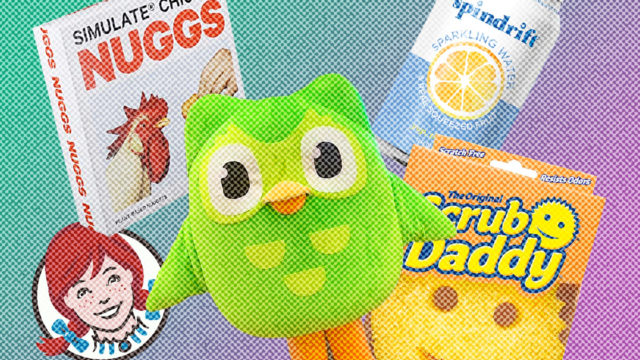
Katherine Chan is Duolingo’s global head of social media, responsible for the outrageous social media stunts that make Duolingo a household name, and build brand affinity for its mischievous green owl mascot, Duo.

On Tuesday, April 9, from 2:25 to 2:50 PM EDT, Chan will appear on a Main Stage panel at ADWEEK’s Social Media Week event in New York. Lindsay Kennedy, vice president of client service at the agency DEPT, will join Chan and ADWEEK executive editor Jameson Fleming on stage to discuss social listening tactics, and using them to maintain cultural relevance. Chan’s latest standout work for Duolingo includes a five-second regional Super Bowl spot in which Duo’s derriere explodes to the familiar Duolingo chime, revealing another green owl appended to Duo’s backside; and Duolingo on Ice, an April Fool’s Day social media spoof on over-the-top entertainment like Disney On Ice.

Ahead of Chan’s Social Media Week session, check out ADWEEK’s interview with her. She digs into her maniacal campaign strategy and what social listening has to do with it.

This interview has been lightly edited for length and clarity.

Can you tease what you’ll talk about on stage next week?

I’m excited about this topic. It’s pretty core to what Duolingo does. We call our whole marketing strategy, very much, social-first. That means that we’re listening to our community, and focusing a lot of our biggest investment campaigns on what we know resonates with our audience and building the lore of our brand, which is something that we create with our fans. One thing that is unique about Duo, our mascot character that people know, love and fear, is that he started, at least in terms of our brand, as a meme that our learners made.

We were known years ago for our notification strategy of Duo reminding you to do your daily lessons. People took this [concept] and ran with it on the internet. Now we’ve made that a pretty core part of our personality, and that already started with social listening.

I also am looking forward to talking about some of our bigger campaigns and how those drew from social insights. One recent one [was] our Super Bowl spot, which was a five-second spot of Duo farting out himself. That came from an insight that we saw with our widgets. So we have a widget you can install on your phone where the images of Duo shuffle through and remind you to do your lesson throughout the day. One of the images that went the most viral on social was an image of Duo coming out of Duo. It started with the widget image.

I’ve used the app for a long time and the Super Bowl ad was one of those things where, if you don’t get it or if you didn’t get it in the five seconds that it was on screen, you were like, ‘What was that?’

And then you had to Google it.

To what extent was that part of the strategy, and did you see a big uptick in people searching for the brand?

We asked ourselves, ‘What is something that a Disney character would have that Duo does not have?’

“That’s a cringeworthy theatrical live show on ice.”

—Katherine Chan, global head of social media, Duolingo

Definitely in the brief we knew that if we only have five seconds, it probably would be really hard to convey complex concepts or insights. So in the brief, we were like, ‘Okay, what can we do in five seconds that will grab attention and create a WTF moment?’ We intentionally designed the spot to be that way, and we definitely saw an uptick in terms of users looking for us, commenting about us—and that translated into the app as well.

To what extent do you strive for continuity in telling Duo’s story? For example, Duo had babies with Scrub Daddy. Is that something that you’re going to follow up on? Should we assume that the Duo that’s featured in each of these bits is the same Duo or a different variation of him?

To be honest, it’s a little bit fluid. At this point, we have about eight or so TikTok accounts. A lot of them are market-specific. So like, Duolingo Japan, or Duolingo Germany, for example. We have slightly different Duo’s per market, and we call it the Duo Multiverse. At least per individual account, we try to keep some continuity in the narratives and storylines, but we leave room for flexibility. Realistically, most people are experiencing social media on a post-by-post, very atomized basis. So, we try not to be too precious about it.

How did you come up with the Duolingo on Ice idea?

April Fool’s is a moment that we’ve captured as a brand for multiple years now, going back to before I even started. The first campaign was like five years ago. We’ve tried to build it bigger and bigger since then. The Duolingo on Ice idea came from the insight that we have this internal, I guess you call it a ‘North star metric’—that we want Duo to be more famous than Mickey Mouse. We asked ourselves, ‘What is something that a Disney character would have that Duo does not have?’ That’s a cringeworthy theatrical live show on ice. It just seemed to fit the narrative of Duo thirsting to be a star. Generally speaking, we think of our Duolingo accounts as Duo’s social accounts. He sort of posts as an influencer would, right? It’s more about him and his personality than our product.

.font-primary { } .font-secondary { } #meter-count { position: fixed; z-index: 9999999; bottom: 0; width:96%; margin: 2%; -webkit-border-radius: 4px; -moz-border-radius: 4px; border-radius: 4px; -webkit-box-shadow: 0 0px 15px 4px rgba(0,0,0,.2); box-shadow:0 0px 15px 4px rgba(0,0,0,.2); padding: 15px 0; color:#fff; background-color:#343a40; } #meter-count .icon { width: auto; opacity:.8; } #meter-count .icon svg { height: 36px; width: auto; } #meter-count .btn-subscribe { font-size:14px; font-weight:bold; padding:7px 18px; color: #fff; background-color: #2eb3b2; border:none; text-transform: capitalize; margin-right:10px; } #meter-count .btn-subscribe:hover { color: #fff; opacity:.8; } #meter-count .btn-signin { font-size:14px; font-weight:bold; padding:7px 14px; color: #fff; background-color: #121212; border:none; text-transform: capitalize; } #meter-count .btn-signin:hover { color: #fff; opacity:.8; } #meter-count h3 { color:#fff!important; letter-spacing:0px!important; margin:0; padding:0; font-size:16px; line-height:1.5; font-weight:700; margin: 0!important; padding: 0!important; } #meter-count h3 span { color:#E50000!important; font-weight:900; } #meter-count p { font-size:14px; font-weight:500; line-height:1.4; color:#eee!important; margin: 0!important; padding: 0!important; } #meter-count .close { color:#fff; display:block; position:absolute; top: 4px; right:4px; z-index: 999999; } #meter-count .close svg { display:block; color:#fff; height:16px; width:auto; cursor:pointer; } #meter-count .close:hover svg { color:#E50000; } #meter-count .fw-600 { font-weight:600; } @media (max-width: 1079px) { #meter-count .icon { margin:0; padding:0; display:none; } } @media (max-width: 768px) { #meter-count { margin: 0; -webkit-border-radius: 0px; -moz-border-radius: 0px; border-radius: 0px; width:100%; -webkit-box-shadow: 0 -8px 10px -4px rgba(0,0,0,0.3); box-shadow: 0 -8px 10px -4px rgba(0,0,0,0.3); } #meter-count .icon { margin:0; padding:0; display:none; } #meter-count h3 { color:#fff!important; font-size:14px; } #meter-count p { color:#fff!important; font-size: 12px; font-weight: 500; } #meter-count .btn-subscribe, #meter-count .btn-signin { font-size:12px; padding:7px 12px; } #meter-count .btn-signin { display:none; } #meter-count .close svg { height:14px; } }

Enjoying Adweek’s Content? Register for More Access!

https://www.adweek.com/social-marketing/social-media-week-preview-duolingos-masterminded-social-listening-tactics/


DTC Brand Mad Rabbit Readies Platform Pivot as Risk of TikTok Ban Looms


.article-native-ad { border-bottom: 1px solid #ddd; margin: 0 45px; padding-bottom: 20px; margin-bottom: 20px; } .article-native-ad svg { color: #ddd; font-size: 34px; margin-top: 10px; } .article-native-ad p { line-height:1.5; padding:0!important; padding-left: 10px!important; } .article-native-ad strong { font-weight:500; color:rgb(46,179,178); }

#SMW is right around the corner. Join us April 9-11 in NYC to get up to speed on all the latest strategies, technologies and trends you need to be following. Register now.

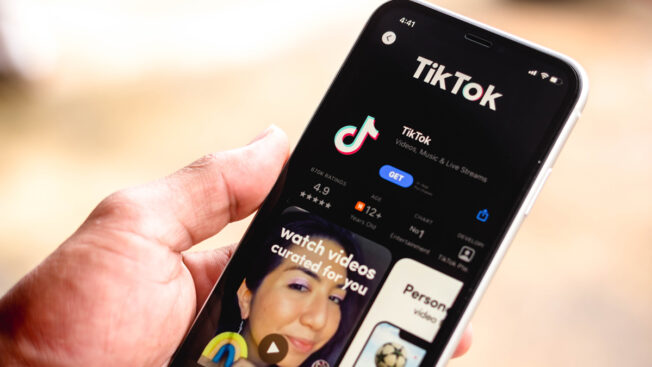
Tattoo aftercare brand Mad Rabbit saw quick and early success on TikTok. But with the platform’s future in potential flux, the strategy is shifting.

The direct-to-consumer brand has nearly 600,000 TikTok followers and has been posting more of its TikTok content to social platforms like YouTube and Snapchat in the last year, as well as increasing spend.

This was spurred by uncertainties over TikTok’s future, plus technical issues with TikTok Shop and tracking conversion campaigns. As such, Mad Rabbit stopped buying ads on the platform in August 2023 for eight months.

Mad Rabbit reported $20 million in revenue in 2023. While nearly 60% of its sales come from Meta behemoths like Facebook and Instagram, TikTok generates 15% of its sales. While smaller, the platform’s role in building new audiences is important, partly thanks to the For You page algorithm driving product discovery.

“Whenever you post [to TikTok], it’s not your followers that are seeing it all the time, it’s multiple people outside your following,” said Mad Rabbit co-founder and chief revenue officer Selom Agbitor, who will be speaking at ADWEEK’s Social Media Week event in New York next week about the impact of a potential TikTok ban. “A lot of content that does well for us on TikTok also ends up doing well on YouTube Shorts.”

The ongoing debate in Washington, D.C., over TikTok’s fate in the U.S., should its Chinese ownership fail to divest, has prompted some DTC brands like Mad Rabbit that rely on the platform to test content, reach new audiences and boost sales to diversify their platform strategy.

Mad Rabbit debuted on TikTok in late 2021, getting cut through with its soothing gel product swipe videos, where tattoo artists applied the gel with a wooden stick to enhance the appearance of tattoos, driving brand awareness. This propelled its followers from 50,000 to nearly 600,000 over three years, with videos like applying healing gel on tattoo sleeves netting millions of views and over 1,000 comments.

“We’d have over 1 million views on every other post,” said Agbitor. “That’s how easy and fast it got for us.”

Mad Rabbit’s TikTok content expanded to include educational tutorials on products and reaction videos, which are also posted on YouTube Shorts and Instagram Reels. The content is created by a four-member team, posting either once or twice a day on TikTok.

“It’s easier to test on TikTok since it’s people who don’t follow [the page] that view your content,” said Agbitor. “If we lose TikTok, we lose our testing strategy.”  

And with the potential of a ban looming, that’s not out of the question, so the DTC brand is building up its audience elsewhere.

Driving more sales on YouTube and Snapchat

In the past six months, Mad Rabbit has started posting content to Snapchat’s Spotlight feed to grow its younger audience, between 18 and 21, hiring an additional social media associate. While follower growth is steady, it has not been as rapid as on TikTok.

The brand is also now posting Snapchat story ads, but “customers’ lifespan is not as long as it is on Instagram or TikTok,” said Agbitor

While it has been posting to YouTube for years, subscribers have grown by 95% from 2023 to 2024, the company said. Admittedly, that comes from a small base: It currently has nearly 21,000 YouTube subscribers.

After seeing YouTube drive 5% of sales, Mad Rabbit is increasing spend on YouTube ads, allocating 7% of its digital ad spend to the platform.

Mad Rabbit resumed buying paid ads on TikTok last month following a period without incidents on TikTok Shop. But, lingering questions about TikTok’s privacy, the possibility of a future ban and technical issues like recurring product takedowns from TikTok Shop have deterred the brand from investing more.

.font-primary { } .font-secondary { } #meter-count { position: fixed; z-index: 9999999; bottom: 0; width:96%; margin: 2%; -webkit-border-radius: 4px; -moz-border-radius: 4px; border-radius: 4px; -webkit-box-shadow: 0 0px 15px 4px rgba(0,0,0,.2); box-shadow:0 0px 15px 4px rgba(0,0,0,.2); padding: 15px 0; color:#fff; background-color:#343a40; } #meter-count .icon { width: auto; opacity:.8; } #meter-count .icon svg { height: 36px; width: auto; } #meter-count .btn-subscribe { font-size:14px; font-weight:bold; padding:7px 18px; color: #fff; background-color: #2eb3b2; border:none; text-transform: capitalize; margin-right:10px; } #meter-count .btn-subscribe:hover { color: #fff; opacity:.8; } #meter-count .btn-signin { font-size:14px; font-weight:bold; padding:7px 14px; color: #fff; background-color: #121212; border:none; text-transform: capitalize; } #meter-count .btn-signin:hover { color: #fff; opacity:.8; } #meter-count h3 { color:#fff!important; letter-spacing:0px!important; margin:0; padding:0; font-size:16px; line-height:1.5; font-weight:700; margin: 0!important; padding: 0!important; } #meter-count h3 span { color:#E50000!important; font-weight:900; } #meter-count p { font-size:14px; font-weight:500; line-height:1.4; color:#eee!important; margin: 0!important; padding: 0!important; } #meter-count .close { color:#fff; display:block; position:absolute; top: 4px; right:4px; z-index: 999999; } #meter-count .close svg { display:block; color:#fff; height:16px; width:auto; cursor:pointer; } #meter-count .close:hover svg { color:#E50000; } #meter-count .fw-600 { font-weight:600; } @media (max-width: 1079px) { #meter-count .icon { margin:0; padding:0; display:none; } } @media (max-width: 768px) { #meter-count { margin: 0; -webkit-border-radius: 0px; -moz-border-radius: 0px; border-radius: 0px; width:100%; -webkit-box-shadow: 0 -8px 10px -4px rgba(0,0,0,0.3); box-shadow: 0 -8px 10px -4px rgba(0,0,0,0.3); } #meter-count .icon { margin:0; padding:0; display:none; } #meter-count h3 { color:#fff!important; font-size:14px; } #meter-count p { color:#fff!important; font-size: 12px; font-weight: 500; } #meter-count .btn-subscribe, #meter-count .btn-signin { font-size:12px; padding:7px 12px; } #meter-count .btn-signin { display:none; } #meter-count .close svg { height:14px; } }

Enjoying Adweek’s Content? Register for More Access!

https://www.adweek.com/social-marketing/dtc-brand-mad-rabbit-readies-platform-pivot-as-tiktok-ban-looms/


Disrupt the Annual Brand Prank War by Focusing on Strategy, Not Stunts


.article-native-ad { border-bottom: 1px solid #ddd; margin: 0 45px; padding-bottom: 20px; margin-bottom: 20px; } .article-native-ad svg { color: #ddd; font-size: 34px; margin-top: 10px; } .article-native-ad p { line-height:1.5; padding:0!important; padding-left: 10px!important; } .article-native-ad strong { font-weight:500; color:rgb(46,179,178); }

Inspiration meets innovation at Brandweek, the ultimate marketing experience. Join industry luminaries, rising talent and strategic experts in Phoenix, Arizona this September 23–26 to assess challenges, develop solutions and create new pathways for growth. Register early to save.

Dunkin’ is now Donuts’. If you were groggily scrolling social media on April 1, you may have briefly fallen victim to one of many brand pranks: Califia Farms unveiling a pickle-flavored creamer, the Duolingo owl starring in a multilingual musical on ice, and Nathan’s Famous hotdogs coming aboard JetBlue.

April Fools’ Day has evolved from a half-holiday hinging upon the gullibility of your friends to endless brand stunts. As brands have grown in their “self-awareness” on social media (adopting more personable tones and trying to outbid each other for followers, attention and impact), their April Fools’ stunts have also ramped up.

As a fan of brand pranks large and small, it’s always a thrill to see who will cut through the noise. But it leaves one wondering: What if brands were to treat every day like April Fools’ Day? Here’s how they can do it.

Know your audience

Now that brands are expected to perform on April Fools’ Day, it has become harder and harder to stand out in a circus of stunts. However, the more in tune with your audience you are, the more you can strategically employ a stunt that will create enough conversation without having to do a multiday stunt or high-spend activation.

For instance, the pineapple on pizza debate has been raging for internet centuries. So when Domino’s announced it was removing pineapple from its menu, the restaurant chain knew it would spark conversation and reignite debate in the comments—without having to lift much of a finger or try to top other brand stunts.

While Domino’s prank was a clear winner, not all pranks are—and it comes down to knowing your audience. A well-executed joke that audiences want to share can increase brand loyalty and recognition, but one that purposely misleads the audience can do more harm than good. If you’re not cognizant of what your audience will genuinely find funny, you could risk, at minimum, coming off as insensitive and, at maximum, become a member of the internet’s Hall of Shame and lose reputability.

Timing is everything

As the Dunkin’ April Fools’ post read, the brand was “going thru it rn” and felt like poking fun at its original name change from Dunkin’ Donuts to simply Dunkin’ in 2019. The post racked up tens of thousands of likes, with fans quickly catching that this name change was merely an April Fools’ Day prank. A few hours later, the Dunkin’ social team unveiled a new merch line to capitalize on the fun.

Dunkin’s strategy is solid; it was contained to its socials to drive engagement, with a multiple-post ecosystem existing before the merch launch. Strategy, like a good story, always needs a solid beginning, middle and end. Without it, stunts can feel hollow.

Alternatively, Sour Patch Kids announced last week on X that it is rebranding to Sour Patch Adults, saying “it’s time to grow up.” The brand chose to initiate early and then revealed that it was “just kid-ding” on April 1.

We’re seeing this more consistently; brands recognize that to capitalize on the now brand-dominated holiday that requires unawareness from the consumer, they have to start rolling out their stunt prior to the actual holiday itself.

The risk of the Sour Patch Kids strategy is that consumers are smarter than ever and can smell April Fools’ Day a mile away. Although their stunt generated initial buzz, it can be difficult to maintain for days at a time. And if it doesn’t lead to something big, like a new product or a merch line, fans can be left wondering about the point of the stunt. If conversation is the goal, then this can probably be at most a two-day stunt, to maximize the potential for conversation without running the risk of having to sustain over the course of four or five days.

Go bigger

For brands, it’s much easier to justify doing something stunt-y if someone else has done something like it or if everyone’s doing it. And April Fools’ has become a blank check for agencies to do the ideas they’ve perhaps always wanted to but couldn’t, for a litany of reasons.

The best agencies, however, create content that meets clients’ needs and resonates organically among the brand’s audience at the same time. Brand participation in April Fools’ has tipped the scale too far in one direction and has often forgotten about the consumer. Audiences love a well-executed stunt, but as taste evolves and the space becomes filled, the cost of these stunts is going to continue to inflate.

Set your goals first, and craft the strategy to support those goals. Short-lived stunts may not provide much more payoff than increased engagement that is contained to one day, unless leading to an end goal, like Dunkin’s new merch. Engagement plays are not a bad call, but they need a clear narrative to feel rounded out.

If you want to truly make an impact, consider a larger campaign that goes beyond an Instagram post. There’s nothing wrong with the short-lived engagement plays mentioned above, but they, by design, do not create lasting impact. They’re confined to the day, forced to live and die within hours or a few days leading up. Consider using April Fools’ as a day to launch, with the campaign finding legs outside of the half-holiday’s imaginary walls.

Consider the why: Does this stunt have to take place on April Fools’ Day? Would it make more impact when other brands aren’t doing similar activations? Is the only justification for the stunt that it’s April Fools’ Day and brands have to participate? What does it look like to ladder the stunt under an overarching campaign?

Break through the walls of April Fools’ and use this as a massive blip on the radar to bring life to a longer campaign.

https://www.adweek.com/brand-marketing/april-fools-day-brand-pranks-strategy/


Social Commerce Platforms Are Facing Headwinds. Will TikTok Shop Prevail or Flop?


.article-native-ad { border-bottom: 1px solid #ddd; margin: 0 45px; padding-bottom: 20px; margin-bottom: 20px; } .article-native-ad svg { color: #ddd; font-size: 34px; margin-top: 10px; } .article-native-ad p { line-height:1.5; padding:0!important; padding-left: 10px!important; } .article-native-ad strong { font-weight:500; color:rgb(46,179,178); }

#SMW is right around the corner. Join us April 9-11 in NYC to get up to speed on all the latest strategies, technologies and trends you need to be following. Register now.

Social commerce is quickly revolutionizing traditional ecommerce and radically disrupting brick-and-mortar retail.

It moves the entire shopping experience onto social media platforms, from finding and researching products to directly purchasing them. It integrates product showcases, in-platform brand pages and native checkout, all in one place. The obvious benefit to consumers is the uninterrupted social media content-viewing experience; they don’t have to navigate to a separate ecommerce platform to make purchases.

TikTok has the potential to pull ahead of the pack due to its 150 million users and the overindexing among Gen Z and other younger shoppers. The typical Gen Z consumer spends 10 hours per week on TikTok but just 5 hours on Instagram, for example. Brands should note that TikTok has become increasingly attractive as a social commerce platform. Research firm IZEA reported that in 2021, 33% of consumers named Instagram the best platform versus 19% naming TikTok. In 2022, these positions were reversed, with 24% favoring Instagram and 31% TikTok.

However, TikTok Shop also has unique problems to navigate. Here, we look at the social commerce space as a whole and what to consider when investing in this next wave of the shopping experience.

The current state of social commerce

Social commerce is available on major platforms like Facebook, Instagram, Pinterest and TikTok, and it’ll only continue to expand. EMarketer forecasts that social commerce revenues will total $82.8 billion in 2024, nearly doubling to $144.5 billion by 2027, and growing from 6.6% of total U.S. commerce sales to 8.4% in that same timeframe.

Gen Z’s increasing purchasing power, online behaviors, shopping preferences and personal opinions drive them to social commerce sites. Their purchasing power in 2023 totals approximately $360 billion, 5% of the U.S. economy. That’s more than any other generation, and that percentage is expected to grow to 17% by 2030. Gen Z will continue to grow as social network users, from approximately 60 million in 2024 to nearly 66 million in 2027, which is significantly faster than other generations.

TikTok Shop also aligns with the products Gen Z consumers tend to purchase. An International Council of Shopping Centers (ICSC) survey released earlier this year found that 48% of Gen Z frequently shop at discount stores or off-price retailers, 25% often shop at dollar stores, and just 9% shop at luxury retailers.

Gen Z’s attitudes about the U.S. economy and their financial situations are driving shopping behaviors. A Bank of America study from last fall found that 73% of Gen Z claimed the economy was making it difficult to save money, and 56% reported inflation had put stress on their finances.

Despite the promising forecast on Gen Z shopping habits, TikTok and other social commerce platforms are facing headwinds. According to the eMarketer report, annual growth in new social buyers is declining and expected to level off in the 2% range by 2025. Growth in per-capita social commerce sales is also expected to decrease from the 20% range today to 16% in 2027. Given current market dynamics, double-digit growth in social commerce may only be sustainable for the short term.

On top of that, TikTok Shop is expected to lose $500 million this year as parent company ByteDance invests in staff and infrastructure. Rumors about the abundance of cheap products remain rampant, with strong evidence that some products may be counterfeit. In just one example, a TikTok seller listed a face serum as available for $5 while the manufacturer’s listed price was $25. A TikTok spokesperson could not confirm whether the discounted serum was real and heavily discounted or fake.

TikTok’s parent company, China-based ByteDance, also raises significant data privacy concerns. The company delayed the public availability of TikTok Shop, which requires payment information, for several months due to concerns the U.S. government would issue an outright ban of TikTok. To address this in part, the company has separated U.S. consumer data from other customer data and stored it on servers within Oracle’s U.S. Cloud infrastructure located in the U.S. Still, the House of Representatives voted on a nationwide TikTok ban as recently as March 2024, with its fate in the Senate to be determined.

Where is there opportunity?

You have to look at the secular trends in the industry to understand the opportunity ahead for social commerce.

Easy access to technology, low-cost capital and the human drive to create have contributed to the growth of startups. The “creator economy” is thriving and accelerated by the explosion of new products and services. According to Goldman Sachs, there are over 300 million content creators, and the creator economy is expected to reach $480 billion by 2027. If you believe in the entrepreneurial spirit and the prospects of the creator economy, you have to believe in the power of social commerce.

Social commerce has a compelling proposition for upcoming brands. Yet, it also must be recognized that great businesses and brands are not built through a single-dimensional engagement with the audience. While social commerce and TikTok may be a great starting point, building a sustainable business outside the “latest trend” is about finding your audience across all channels and engaging them across their journey of awareness, research and consideration.

Great business strategy and marketing will challenge brands to be present across all channels and modalities, spanning display advertising, social media, connected TV, email/SMS and AR/VR as it becomes more mainstream. Leveraging every one of these strategies in your mix is not the answer, but neither is using just one of them.

So what’s the prognosis for TikTok Shop?

It may take time, but it will likely be highly successful in the U.S. market due to its growth and appeal to a younger demographic. From 2021 to 2027, the number of TikTok Shop buyers will increase by more than 350%, while Instagram buyers will increase by 145%, and the Facebook buyer base will expand by 122%.

In addition to the large number of Gen Z users already taking advantage of TikTok’s features, there are other factors to consider. Younger shoppers place value on convenience and the ability to make purchases without needing to visit multiple platforms. The appeal also depends on the type of products being offered and their prices, with trendy, lower-cost items typically requiring less consideration before purchasing.

Younger shoppers also have different views about data privacy. While they are significantly concerned about revealing their personal information online, they’re much more relaxed about being tracked by websites or apps. Finally, despite recent rhetoric, the U.S. government is reluctant to restrict trade and commerce by banning platforms or other technologies without near airtight evidence that they pose a national security threat.

Social commerce is a rapidly maturing means for brands and retailers to market their products. TikTok has distinct advantages over other platforms when targeting Gen Z. Time will tell if the social platform continues its dramatic growth trajectory or succumbs to competitors and/or government pressure.

https://www.adweek.com/social-marketing/social-commerce-platforms-headwinds/


Discord starts down the dangerous road of ads this week

The Discord logo on a funky cyber-background.

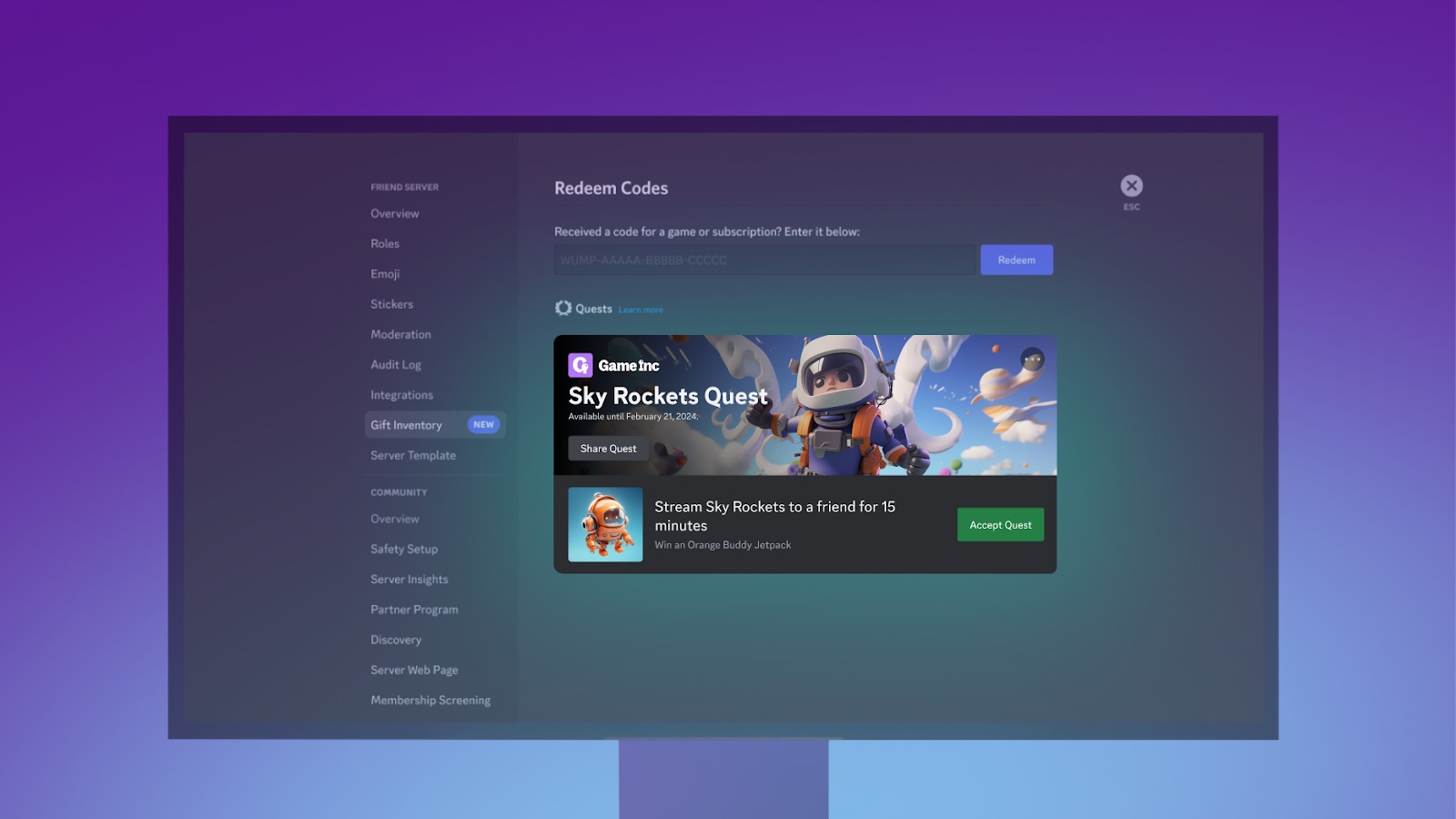
Discord had long been strongly opposed to ads, but starting this week, it’s giving video game makers the ability to advertise to its users. The introduction of so-called Sponsored Quests marks a notable change from the startup’s previous business model, but, at least for now, it seems much less intrusive than the ads shoved into other social media platforms, especially since Discord users can choose not to engage with them.

Discord first announced Sponsored Quests on March 7, with Peter Sellis, Discord’s SVP of product, writing in a blog post that users would start seeing them in the “coming weeks.” Sponsored Quests offer PC gamers in-game rewards for getting friends to watch a stream of them playing through Discord. Discord senior product communications manager Swaleha Carlson confirmed to Ars Technica that Sponsored Quests launch this week.

Discord shared this image in March as an example of the new type of ads.
Enlarge / Discord shared this image in March as an example of the new type of ads.

The goal is for video games to get exposure to more gamers, serving as a form of marketing. On Saturday, The Wall Street Journal (WSJ) reported that it viewed a slide from a slideshow Discord shows to game developers regarding the ads that reads: “We’ll get you in front of players. And those players will get you into their friend groups.”

Sellis told WSJ that Discord will target ads depending on users’ age, geographic location data, and gameplay. The ads will live on the bottom-left of the screen, but users can opt out of personalized promotions for Quests that are based on activity or data shared with Discord, Swaleha Carlson, senior product communications manager at Discord, told Ars Technica.

“Users may still see Quests, however, if they navigate to their Gift Inventory and/or through contextual entry points like a user’s friends’ activity. They’ll also have the option to hide an in-app promotion for a specific Quest or game they’re not interested in,” she said.

“Users may still see Quests, however, if they navigate to their Gift Inventory and/or through contextual entry points like a user’s friends’ activity. They’ll also have the option to hide an in-app promotion for a specific Quest or game they’re not interested in. “

Discord already tested the ads in May with Lucasfilm Games and Epic Games. Discord users were able to receive Star Wars-themed gear in Fortnite for getting a friend to watch them play Fortnite on PC for at least 15 minutes.

Jason Citron, Discord co-founder and CEO, told Bloomberg in March that the company hopes that one day “every game will offer Quests on Discord.”

Discord used to be anti-ads

It may be a nuisance for users to have to disable personalized promotion for Sponsored Quests when they never asked for them, but it should bring long-term users at least some comfort that their data purportedly doesn’t have to contribute to the marketing. However, it’s unclear if Discord may one day change this. The fact that the platform is implementing ads at all is somewhat surprising. Discord named its avoidance of advertising as one of its key differentiators from traditional social media platforms as recently as late January.

In March 2021, Citron told WSJ that Discord had eschewed ads until that point because ads would be intrusive, considering Discord’s purpose of instant back-and-forth communication and people’s general distaste for viewing ads and having their data shared with other companies.

“We really believe we can build products that make Discord more fun and that people will pay for them. It keeps our incentives aligned,” Citron told WSJ at the time.

That same year, Citron, in response to a question about why being ad-free is important to Discord, told NPR: “We believe that people’s data is their data and that people should feel comfortable and safe to have conversations and that their data is not going to be used against them in any way that is improper.”

Sponsored Quests differs from other types of ads that would more obviously disrupt Discord users’ experiences, such as pop-up ads or ads viewed alongside chat windows.

A tight-rope to walk

Beyond Sponsored Quests, Discord, which launched in 2015, previously announced that it would start selling sponsored profile effects and avatar decorations in the Discord Shop. In March, Discord’s Sellis said this would arrive in the “coming weeks.” Discord is also trying to hire more than 12 people to work in ad sales, WSJ said Saturday, citing anonymous “people familiar with [Discord’s] plans.”

Discord’s Carlson declined to comment to Ars on whether or not Discord plans to incorporate other types of ads into Discord. She noted that Sponsored Quests “are currently in the pilot phase” and that the company will “continue to iterate based on what we learn.”

In 2021, Discord enjoyed a nearly three-times revenue boost that it attributed to subscription sales for Nitro, which adds features like HD video streaming and up to 500MB uploads. In March, Citron told Bloomberg that Discord has more than 200 million monthly active users and that the company will “probably” go public eventually.

The publication, citing unnamed “people with knowledge of the matter,” also reported that Discord makes over $600 million in annualized revenue. The startup has raised over $1 billion in funding and is reported to have over $700 million in cash. However, the company reportedly isn’t profitable. It also laid off 17 percent of staffers, or 170 workers, in January.

Meanwhile, ads are the top revenue generator for many other social media platforms, such as Reddit, which recently went public.

While Discord’s first real ads endeavor seems like it will have minimal impact on users who aren’t interested in them, it brings the company down a tricky road that it hasn’t previously navigated. A key priority should be ensuring that any form of ads doesn’t disrupt the primary reasons people like using Discord. As it stands, Sponsored Quests might already put off some users.

“I don’t want my friendships to be monetized or productized in any way,” Zack Mohsen, a reported long-time user and computer hardware engineer based in Seattle, told WSJ.

Updated April 1, 2024 at 5:32 p.m. ET to add information and comment from Discord. 

https://arstechnica.com/?p=2014027


Facebook let Netflix see user DMs, quit streaming to keep Netflix happy: Lawsuit

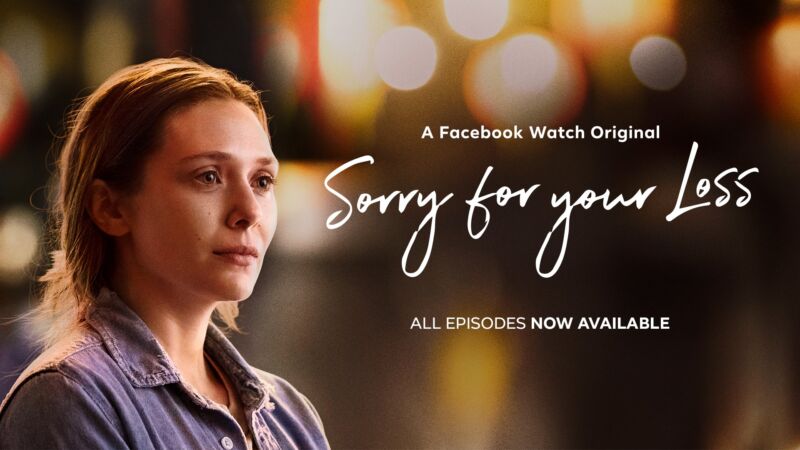
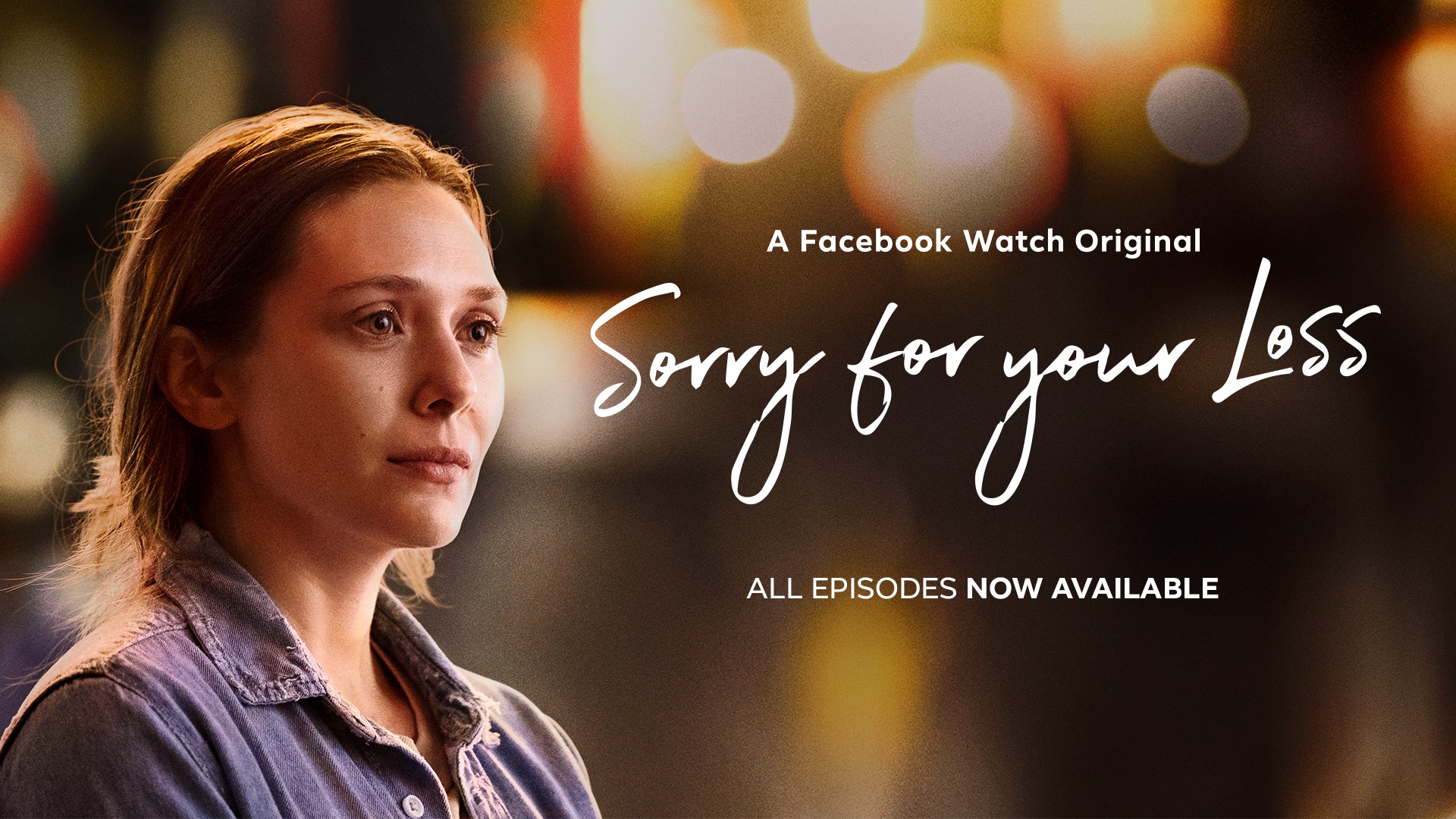
A promotional image for Sorry for Your Loss, with Elizabeth Olsen
Enlarge / A promotional image for Sorry for Your Loss, which was a Facebook Watch original scripted series.

Last April, Meta revealed that it would no longer support original shows, like Jada Pinkett Smith’s Red Table Talk talk show, on Facebook Watch. Meta’s streaming business that was once viewed as competition for the likes of YouTube and Netflix is effectively dead now; Facebook doesn’t produce original series, and Facebook Watch is no longer available as a video-streaming app.

The streaming business’ demise has seemed related to cost cuts at Meta that have also included layoffs. However, recently unsealed court documents in an antitrust suit against Meta [PDF] claim that Meta has squashed its streaming dreams in order to appease one of its biggest ad customers: Netflix.

Facebook allegedly gave Netflix creepy privileges

As spotted via Gizmodo, a letter was filed on April 14 in relation to a class-action antitrust suit that was filed by Meta customers, accusing Meta of anti-competitive practices that harm social media competition and consumers. The letter, made public Saturday, asks a court to have Reed Hastings, Netflix’s founder and former CEO, respond to a subpoena for documents that plaintiffs claim are relevant to the case. The original complaint filed in December 2020 [PDF] doesn’t mention Netflix beyond stating that Facebook “secretly signed Whitelist and Data sharing agreements” with Netflix, along with “dozens” of other third-party app developers. The case is still ongoing.

The letter alleges that Netflix’s relationship with Facebook was remarkably strong due to the former’s ad spend with the latter and that Hastings directed “negotiations to end competition in streaming video” from Facebook.

One of the first questions that may come to mind is why a company like Facebook would allow Netflix to influence such a major business decision. The litigation claims the companies formed a lucrative business relationship that included Facebook allegedly giving Netflix access to Facebook users’ private messages:

By 2013, Netflix had begun entering into a series of “Facebook Extended API” agreements, including a so-called “Inbox API” agreement that allowed Netflix programmatic access to Facebook’s users’ private message inboxes, in exchange for which Netflix would “provide to FB a written report every two weeks that shows daily counts of recommendation sends and recipient clicks by interface, initiation surface, and/or implementation variant (e.g., Facebook vs. non-Facebook recommendation recipients). … In August 2013, Facebook provided Netflix with access to its so-called “Titan API,” a private API that allowed a whitelisted partner to access, among other things, Facebook users’ “messaging app and non-app friends.”

Meta said it rolled out end-to-end encryption “for all personal chats and calls on Messenger and Facebook” in December. And in 2018, Facebook told Vox that it doesn’t use private messages for ad targeting. But a few months later, The New York Times, citing “hundreds of pages of Facebook documents,” reported that Facebook “gave Netflix and Spotify the ability to read Facebook users’ private messages.”

Meta didn’t respond to Ars Technica’s request for comment. The company told Gizmodo that it has standard agreements with Netflix currently but didn’t answer the publication’s specific questions.

https://arstechnica.com/?p=2013174


Why Advertisers Claim Meta Owes $7 Billion in Damages


.article-native-ad { border-bottom: 1px solid #ddd; margin: 0 45px; padding-bottom: 20px; margin-bottom: 20px; } .article-native-ad svg { color: #ddd; font-size: 34px; margin-top: 10px; } .article-native-ad p { line-height:1.5; padding:0!important; padding-left: 10px!important; } .article-native-ad strong { font-weight:500; color:rgb(46,179,178); }

Introducing the Adweek Podcast Network. Access infinite inspiration in your pocket on everything from career advice and creativity to metaverse marketing and more. Browse all podcasts.

According to a class-action lawsuit brought by Facebook and Instagram advertisers, Meta’s metrics flub owes them potential damages exceeding $7 billion.

In a ruling, the 9th U.S. Circuit Court of Appeals in San Francisco is letting advertisers pursue legal action against Meta for monetary damages, accusing it of inflating the social platforms’ Potential Reach metric (the number of people in an ad set’s target audience) by up to 400%.

Advertisers claim the metric measured the number of social media accounts—which could include bots and other fake accounts—rather than individual users, leading to artificially high premiums for ad placements.

“The claim is that [plaintiffs] made advertising spend decisions based on inflated reach,” said Jason Kint, CEO of the nonprofit trade group Digital Content Next. “Meta has argued the metric was meaningless as the advertisers mostly pay based on performance metrics. The metric matters, or it wouldn’t be presented to the marketers.”

The case, brought in 2018 by former Meta advertisers DZ Reserve and Cain Maxwell, encompasses potentially millions of advertisers that have run paid ads on Instagram and Facebook since Aug. 15, 2014. Here’s what you need to know.

Advertisers halting spend

Ads account for the majority of Meta’s revenue, which was $134.9 billion in 2023, up 16% compared to 2022. Much of those ads were bought by small to medium-size businesses.

Per the court document, DZ Reserve, an ecommerce business, invested over $1 million across 740 Meta ad campaigns. Maxwell operated an online firearm mount store and allocated approximately $379 to 11 Meta ad campaigns. Following the filing of the complaint, DZ Reserve ceased its Meta operations; it remains unclear whether Maxwell’s business is still operational.

The case is “at least symbolically significant because advertisers feel these companies often bully them because they have so much reach and scale,” said eMarketer principal analyst Paul Verna.

A Meta spokesperson told ADWEEK that “these allegations are baseless, and we will defend ourselves vigorously.”

Duplicates, bots and fake accounts

In the fall of 2017, an industry analyst found that Facebook’s Potential Reach exceeded the U.S. census count, which led to a response from Meta’s senior executives acknowledging the inflation and attributing it to fake and duplicate accounts.

Meta CMO Alex Schultz purportedly directed Facebook’s sales team to avoid discussing fake and duplicate accounts with advertisers. Yet, internally, according to the lawsuit, Schultz acknowledged that Potential Reach figures had to be inflated by at least 10%.

However, the lawsuit states that advertisers creating a new ad were provided a Potential Reach number that was inflated by at least 33%.

Meta’s senior executives, including former COO Sheryl Sandberg, were aware of the inflation driven by duplicate and fake accounts, including bots, the documents state, and took actions to conceal this information.

“Advertisers don’t like spending money if they don’t know where it is going. Another way to put this: [Potential Reach] is vital to 100% of our ads revenue,” the Facebook executive said.

What’s next?

Returning to the district court in San Francisco, the case will either proceed to trial or potentially be resolved through a settlement involving financial compensation for the plaintiffs.

“We look forward to continuing to litigate this case on behalf of Meta’s advertising customers and to presenting the evidence to a jury that Meta knew about its inflated Potential Reach and refused to fix the issue due to revenue concerns,” said Geoffrey Graber, partner at Cohen Milstein and lead counsel representing the plaintiffs in this class action. 

.font-primary { } .font-secondary { } #meter-count { position: fixed; z-index: 9999999; bottom: 0; width:96%; margin: 2%; -webkit-border-radius: 4px; -moz-border-radius: 4px; border-radius: 4px; -webkit-box-shadow: 0 0px 15px 4px rgba(0,0,0,.2); box-shadow:0 0px 15px 4px rgba(0,0,0,.2); padding: 15px 0; color:#fff; background-color:#343a40; } #meter-count .icon { width: auto; opacity:.8; } #meter-count .icon svg { height: 36px; width: auto; } #meter-count .btn-subscribe { font-size:14px; font-weight:bold; padding:7px 18px; color: #fff; background-color: #2eb3b2; border:none; text-transform: capitalize; margin-right:10px; } #meter-count .btn-subscribe:hover { color: #fff; opacity:.8; } #meter-count .btn-signin { font-size:14px; font-weight:bold; padding:7px 14px; color: #fff; background-color: #121212; border:none; text-transform: capitalize; } #meter-count .btn-signin:hover { color: #fff; opacity:.8; } #meter-count h3 { color:#fff!important; letter-spacing:0px!important; margin:0; padding:0; font-size:16px; line-height:1.5; font-weight:700; margin: 0!important; padding: 0!important; } #meter-count h3 span { color:#E50000!important; font-weight:900; } #meter-count p { font-size:14px; font-weight:500; line-height:1.4; color:#eee!important; margin: 0!important; padding: 0!important; } #meter-count .close { color:#fff; display:block; position:absolute; top: 4px; right:4px; z-index: 999999; } #meter-count .close svg { display:block; color:#fff; height:16px; width:auto; cursor:pointer; } #meter-count .close:hover svg { color:#E50000; } #meter-count .fw-600 { font-weight:600; } @media (max-width: 1079px) { #meter-count .icon { margin:0; padding:0; display:none; } } @media (max-width: 768px) { #meter-count { margin: 0; -webkit-border-radius: 0px; -moz-border-radius: 0px; border-radius: 0px; width:100%; -webkit-box-shadow: 0 -8px 10px -4px rgba(0,0,0,0.3); box-shadow: 0 -8px 10px -4px rgba(0,0,0,0.3); } #meter-count .icon { margin:0; padding:0; display:none; } #meter-count h3 { color:#fff!important; font-size:14px; } #meter-count p { color:#fff!important; font-size: 12px; font-weight: 500; } #meter-count .btn-subscribe, #meter-count .btn-signin { font-size:12px; padding:7px 12px; } #meter-count .btn-signin { display:none; } #meter-count .close svg { height:14px; } }

Enjoying Adweek’s Content? Register for More Access!

https://www.adweek.com/programmatic/advertisers-claim-meta-owes-7-billion/


Celebrity Cats Compete in Sheba’s March Madness-Style Tournament


.article-native-ad { border-bottom: 1px solid #ddd; margin: 0 45px; padding-bottom: 20px; margin-bottom: 20px; } .article-native-ad svg { color: #ddd; font-size: 34px; margin-top: 10px; } .article-native-ad p { line-height:1.5; padding:0!important; padding-left: 10px!important; } .article-native-ad strong { font-weight:500; color:rgb(46,179,178); }

#SMW is right around the corner. Join us April 9-11 in NYC to get up to speed on all the latest strategies, technologies and trends you need to be following. Register now.

Mars Petcare’s Sheba is offering some adorable counter-programming to March Madness by enlisting eight felines with huge TikTok and Instagram followings in a bracket-style tournament where they’ll race to lick up the brand’s new Gravy Indulgence cat food.

Devised by agency AMV BBDO, The Gravy Race is a single-elimination competition featuring cats with a combined follower count of 55 million. CBS NCAA Tournament sportscaster Ian Eagle hypes up the event as “the greatest feline competition in the world” in a 30-second trailer introducing the contestants.

They appear in animated form, spinning around on robot vacuum cleaners, along with their social media follower count and favorite Sheba flavor.

Eagle is also providing highly enthusiastic play-by-play coverage of each round of the race, which begins March 29 on TikTok and Instagram, where viewers will be able to click through to buy the product. The final round will be livestreamed from Times Square in New York.

Besides March Madness, the contest is timed to the new Sheba Gravy Indulgence Entrées hitting shelves nationwide. “This felt like a great moment to add to the fun for sports and cat fans alike by hosting our own matchup to enjoy,” Mars Pet Nutrition North America chief marketing officer Jean-Paul Jansen told ADWEEK.

“It only made sense to tap veteran American sportscaster Ian Eagle to help bring the campaign to life. Cat parents and cats can bond over the new product while rooting for some of their favorite cats as they go head-to-head in The Gravy Race.”

The campaign is being supported by digital out-of-home, PR, and social and influencer marketing. Consumers can also enter a sweepstakes awarding a year’s supply of Sheba cat food and treats, and a $3,000 gift code by commenting on Instagram guessing which cat will win the competition or sharing a TikTok video of their own cat racing to lick up gravy.

“The Gravy Race has all the right ingredients to be one of the most famous competitions in the world: internet-famous cats, a top sports commentator and a track made of Sheba Gravy Indulgence Entrées,” AMV BBDO creative partner Andre Sallowicz said in a statement.

“With a reach of over 55 million cat lovers tuning in, it has the potential to be one of the most watched sports events in the U.S. The Gravy Race is sure to catapult the brand into the spotlight, adding a splash of fun and excitement to the product launch.”

CREDITS

Client name: Fernando Silva, Liz Franks, Brintha Renganathan, Kate Warburton and Sami Jones
Creative agency: AMV BBDO
CCO: Nicholas Hulley and Nadja Lossgott
Creative director: Andre Sallowicz
Creative team: Andre Sallowicz, Ant Eagle and Tim Riley
Social creative director: Ant Eagle
Creative design director: Mario Kerkstra
Social media manager: Carmelo Orofino
Agency planning team: Suzanne Barker, Kerrie Boyes and Brian Williamson
Agency account team: Laura Balfour, Richard Mitchell, Matt Henry and Nicholas Biggs
Agency producer: Alexander Warren
Production company: Red Studios & SpinCycle
Director/consultant: Nils Jacobi (FurryFritz)
DOP: Simon Fanthorpe
Production company (teaser ad): Zombie
Post-production company: Red Studios
Motion graphics: Tina Touli
Sound studio: Canja Audio
Sound design: Ben Leeves @ Jungle Studios
Audio post-production: ClearCut Sound
Media agency: EssenceMediacom
PR agency: Weber Shandwick
PR team: Caitlin Immel, Sarah Gore, Madison Miller, Madisyn Siebert and Jack Probst

.font-primary { } .font-secondary { } #meter-count { position: fixed; z-index: 9999999; bottom: 0; width:96%; margin: 2%; -webkit-border-radius: 4px; -moz-border-radius: 4px; border-radius: 4px; -webkit-box-shadow: 0 0px 15px 4px rgba(0,0,0,.2); box-shadow:0 0px 15px 4px rgba(0,0,0,.2); padding: 15px 0; color:#fff; background-color:#343a40; } #meter-count .icon { width: auto; opacity:.8; } #meter-count .icon svg { height: 36px; width: auto; } #meter-count .btn-subscribe { font-size:14px; font-weight:bold; padding:7px 18px; color: #fff; background-color: #2eb3b2; border:none; text-transform: capitalize; margin-right:10px; } #meter-count .btn-subscribe:hover { color: #fff; opacity:.8; } #meter-count .btn-signin { font-size:14px; font-weight:bold; padding:7px 14px; color: #fff; background-color: #121212; border:none; text-transform: capitalize; } #meter-count .btn-signin:hover { color: #fff; opacity:.8; } #meter-count h3 { color:#fff!important; letter-spacing:0px!important; margin:0; padding:0; font-size:16px; line-height:1.5; font-weight:700; margin: 0!important; padding: 0!important; } #meter-count h3 span { color:#E50000!important; font-weight:900; } #meter-count p { font-size:14px; font-weight:500; line-height:1.4; color:#eee!important; margin: 0!important; padding: 0!important; } #meter-count .close { color:#fff; display:block; position:absolute; top: 4px; right:4px; z-index: 999999; } #meter-count .close svg { display:block; color:#fff; height:16px; width:auto; cursor:pointer; } #meter-count .close:hover svg { color:#E50000; } #meter-count .fw-600 { font-weight:600; } @media (max-width: 1079px) { #meter-count .icon { margin:0; padding:0; display:none; } } @media (max-width: 768px) { #meter-count { margin: 0; -webkit-border-radius: 0px; -moz-border-radius: 0px; border-radius: 0px; width:100%; -webkit-box-shadow: 0 -8px 10px -4px rgba(0,0,0,0.3); box-shadow: 0 -8px 10px -4px rgba(0,0,0,0.3); } #meter-count .icon { margin:0; padding:0; display:none; } #meter-count h3 { color:#fff!important; font-size:14px; } #meter-count p { color:#fff!important; font-size: 12px; font-weight: 500; } #meter-count .btn-subscribe, #meter-count .btn-signin { font-size:12px; padding:7px 12px; } #meter-count .btn-signin { display:none; } #meter-count .close svg { height:14px; } }

Enjoying Adweek’s Content? Register for More Access!

https://www.adweek.com/creativity/celebrity-cats-sheba-march-madness/