Printers Aren’t Just for Work in Canon’s Home-Centric Ad


.article-native-ad { border-bottom: 1px solid #ddd; margin: 0 45px; padding-bottom: 20px; margin-bottom: 20px; } .article-native-ad svg { color: #ddd; font-size: 34px; margin-top: 10px; } .article-native-ad p { line-height:1.5; padding:0!important; padding-left: 10px!important; } .article-native-ad strong { font-weight:500; color:rgb(46,179,178); }

Don’t miss Brandweek, Adweek’s ultimate experience for marketers, September 11-14 in Miami. Connect with peers and gain insights and inspiration from top brand marketers and industry icons at Glossier, Coca-Cola, Taco Bell and more. Register.

In the post-pandemic world, the role of the home has changed for many people as both a place to live and work with hybrid working and family life having merged. In response, multinational technology company Canon aims to build the prominence of its brand and range of printers by positioning the roles they can play in modern life.

According to the company’s second-quarter financial results, there has been dips internationally in the demand for printers and inkjet sales following a “high level of sales” in 2022, however, it expects to recover in the second half of this year.

Canon has been considering the future of the printer category since lockdowns were in place, recognizing it as a utility purchase within a commoditized market across EMEA. To promote its range of PIXMA printers, a pan-European consumer campaign has been released that aims to celebrate the chaos of living in a home environment that is both personal and professional.

For The Stuff of Life

Driving new sales is a challenge Canon currently faces, following a period where many people have bought printers in recent years and will still be content with their purchases.

“Part of the strategy for this campaign is to remind people of the things they love to print. And for us, we still believe as much as you’ve got your boarding pass on your phone, if your trip matters to you, you will still print your boarding pass,” explained Susie Donaldson, European marketing director for Canon, to Adweek.

“For The Stuff of Life” campaign has been devised to offer something different to the category and the brand’s major competitors, such as HP and Epson, by bringing a humorous tone to its marketing while also talking about what the product does.

The campaign also aims to convey quality and reliability through each spot’s fast-paced editing and rich, colorful images of printed items from family photos to paper DIY building plans. They also feature a voice-over outlining different issues that printing at home can help people to overcome.

“We wanted to connect more with how people are really using our products in their homes, some of them working, some of them not,” she continued.

Developed by EMEA agency of record VCCP, features a hero 30-second spot alongside multiple 15 and 10-second ads, to convey the versatility of the printers within the home office space.

With media planning and buying handled by Merkle and Dentsu, the campaign will run in key markets in the U.K, Germany and France across TV, digital and social until Nov. 5. 11 European markets have been supplied with localized versions of the 30-second and social campaign assets featuring adapted scripts for cultural relevance.

“What we want people to think is when they need a printer, the Canon printer is the right choice for them,” added Donaldson.

With a plan that will see the campaign platform run over the next few years, key performance indicators set for the campaign’s success will monitor awareness and consideration, with media investment set to grow over time. Plans will include more high-impact, high-value media to cut through Canon’s rivals.

Canon’s international social media strategy

Connecting with audiences across various touchpoints is vital, and Canon Europe has a localized digital and social media strategy run by both centralized and local teams with 56 country-specific brand websites, including Uzbekistan, Türkiye, Malta, Georgia and Cyprus. For each country, the use of social media platforms vary across Facebook, X (formerly Twitter), LinkedIn, YouTube and Instagram with TikTok becoming a new addition to the fold as it has proven to be an effective search channel for Canon’s print products while engaging with its channel-specific content.

“We are trying to keep up. So we’re doing a piece of work to understand how best to reach our audiences to be social with more proposition-based social channels or unlocking new channels like TikTok,” she admitted.

Canon has also been growing its engagement with the creator community having launched a YouTube content strategy in recent weeks titled “The Canon Learning Series”

The series focuses on offering tips and insights for photographers hosted by tech influencer Tomi Adebayo as he speaks to various photographers, all while experimenting using the brand’s cameras.

“Creators today are the people that are breaking down barriers, trying new formats and new channels before we even realize what they are. They are hugely influential, but also valuable audience to us,” Donaldson added.

.font-primary { } .font-secondary { } #meter-count { position: fixed; z-index: 9999999; bottom: 0; width:96%; margin: 2%; -webkit-border-radius: 4px; -moz-border-radius: 4px; border-radius: 4px; -webkit-box-shadow: 0 0px 15px 4px rgba(0,0,0,.2); box-shadow:0 0px 15px 4px rgba(0,0,0,.2); padding: 15px 0; color:#fff; background-color:#343a40; } #meter-count .icon { width: auto; opacity:.8; } #meter-count .icon svg { height: 36px; width: auto; } #meter-count .btn-subscribe { font-size:14px; font-weight:bold; padding:7px 18px; color: #fff; background-color: #2eb3b2; border:none; text-transform: capitalize; margin-right:10px; } #meter-count .btn-subscribe:hover { color: #fff; opacity:.8; } #meter-count .btn-signin { font-size:14px; font-weight:bold; padding:7px 14px; color: #fff; background-color: #121212; border:none; text-transform: capitalize; } #meter-count .btn-signin:hover { color: #fff; opacity:.8; } #meter-count h3 { color:#fff!important; letter-spacing:0px!important; margin:0; padding:0; font-size:16px; line-height:1.5; font-weight:700; margin: 0!important; padding: 0!important; } #meter-count h3 span { color:#E50000!important; font-weight:900; } #meter-count p { font-size:14px; font-weight:500; line-height:1.4; color:#eee!important; margin: 0!important; padding: 0!important; } #meter-count .close { color:#fff; display:block; position:absolute; top: 4px; right:4px; z-index: 999999; } #meter-count .close svg { display:block; color:#fff; height:16px; width:auto; cursor:pointer; } #meter-count .close:hover svg { color:#E50000; } #meter-count .fw-600 { font-weight:600; } @media (max-width: 1079px) { #meter-count .icon { margin:0; padding:0; display:none; } } @media (max-width: 768px) { #meter-count { margin: 0; -webkit-border-radius: 0px; -moz-border-radius: 0px; border-radius: 0px; width:100%; -webkit-box-shadow: 0 -8px 10px -4px rgba(0,0,0,0.3); box-shadow: 0 -8px 10px -4px rgba(0,0,0,0.3); } #meter-count .icon { margin:0; padding:0; display:none; } #meter-count h3 { color:#fff!important; font-size:14px; } #meter-count p { color:#fff!important; font-size: 12px; font-weight: 500; } #meter-count .btn-subscribe, #meter-count .btn-signin { font-size:12px; padding:7px 12px; } #meter-count .btn-signin { display:none; } #meter-count .close svg { height:14px; } }

Enjoying Adweek’s Content? Register for More Access!

https://www.adweek.com/brand-marketing/canons-market-its-printers-post-pandemic-world/



States’ attempts to age-gate the Internet blocked by constitutional hurdles

States’ attempts to age-gate the Internet blocked by constitutional hurdles

Courts have started blocking some US states’ earliest attempts to age-gate the Internet. Yesterday, courts ordered preliminary injunctions blocking a Texas law requiring ID to access websites featuring adult entertainment, as well as an Arkansas law requiring ID to access some social media platforms. Both laws otherwise would’ve taken effect today.

While the Texas law was more narrowly aimed at restricting minors from accessing specific content that’s not age-appropriate, Arkansas’ law—the Social Media Safety Act—was much broader, stopping minors from creating accounts without parental permission on social media platforms that generate more than $100 million annually. It was also, according to the court, poorly researched, vaguely defined, and likely unconstitutional.

Bizarrely, Arkansas’ Social Media Safety Act would apply to some obvious platforms, like Facebook or TikTok, but not to other more popular platforms for kids, like YouTube. Netchoice, a trade group representing platforms likely impacted by the law—including Facebook, Instagram, Twitter, TikTok, Snapchat, Pinterest, and Nextdoor—sued to block the law, partly because the law was too vague. Some platforms, like Snapchat, weren’t even sure if the law applied to them, Netchoice argued.

Ultimately, US district judge Timothy Brooks granted the preliminary injunction to temporarily stop Arkansas Attorney General Tim Griffin from enforcing the law—finding that it was unconstitutionally vague and perhaps violating the First Amendment by restricting access to speech. In his opinion, Brooks wrote that the state itself wasn’t even sure if the law applied to Snapchat.

That ambiguity poses a problem for platforms since they could face a $2,500 fine for each violation, and compliance costs were equally steep. Nextdoor, which must comply with the law, told the court that compliance would raise its costs by up to 3,000 percent.

Confusion arose when the state’s witness, Tony Allen—an expert in age-verification standards for the United Kingdom who worked on the UK’s Online Safety Bill—testified that the Social Media Safety Act applied to Snapchat, then the state’s attorney later contradicted Allen. Neither could agree on Snapchat’s primary purpose. Was the app primarily for “interacting socially with other profiles and accounts”—as a covered social media platform under the law—or was it primarily for direct-messaging, which the law exempts? Nobody knew for sure.

Partly because of this exchange, Brooks ruled that Arkansas’ law “is unconstitutionally vague because it fails to adequately define which entities are subject to its requirements.” And because the law could potentially deter free speech, Brooks wrote that the court’s duty to block enforcement was greater because it “is critical ‘to ensure that ambiguity does not chill protected speech.’”

Arkansas’ AG Griffin’s statement said that he was “disappointed” in the ruling and planned to “continue to vigorously defend the law and protect our children.”

Netchoice has argued that parental consent laws like Arkansas’ law—which some states like Georgia are currently weighing and other states like Texas and Utah have already passed—unconstitutionally burden Internet users’ First Amendment rights. These laws require all Internet users to provide identifying information to access platforms—either by uploading official government documents or submitting to biometric scans—which would likely discourage many users who value their privacy from using sites.

“The Court agrees,” Brooks wrote. “It is likely that many adults who otherwise would be interested in becoming account holders on regulated social media platforms will be deterred—and their speech chilled—as a result of the age-verification requirements.” It also follows, Brook wrote, that the law would “obviously burdens minors’ First Amendment rights.”

The preliminary injunction will stop Arkansas from enforcing the law until the case is litigated. Based on Brooks’ opinion, Arkansas will likely struggle to defeat claims of unconstitutionality, as Brooks wrote that, as currently written, the law “is not targeted to address the harms it has identified, and further research is necessary before the State may begin to construct a regulation that is narrowly tailored to address the harms that minors face due to prolonged use of certain social media.”

“We’re pleased the court sided with the First Amendment and stopped Arkansas’ unconstitutional law from censoring free speech online and undermining the privacy of Arkansans, their families, and their businesses as our case proceeds,” Chris Marchese, director of the NetChoice Litigation Center, said in a statement. “We look forward to seeing the law struck down permanently.”

https://arstechnica.com/?p=1965092


Social Media Manager Burnout Is Nothing New But It’s Escalating


.article-native-ad { border-bottom: 1px solid #ddd; margin: 0 45px; padding-bottom: 20px; margin-bottom: 20px; } .article-native-ad svg { color: #ddd; font-size: 34px; margin-top: 10px; } .article-native-ad p { line-height:1.5; padding:0!important; padding-left: 10px!important; } .article-native-ad strong { font-weight:500; color:rgb(46,179,178); }

Search “social media manager” on LinkedIn’s job board and these are just some of the role responsibilities you’ll find:

Run all social accounts for organic and paid initiatives (Twitter, Facebook, LinkedIn, Instagram, TikTok and YouTube) including creating, scheduling and publishing content to engage and delight our audience. Produce dynamic video and graphic content as well as writing engaging posts and curating YouTube channel content. Develop “in the moment” content (i.e. cover social live for special events, photo shoots, etc.) to complement pre-planned content. Devise, communicate and implement a comprehensive influencer and social marketing strategy, including KPIs, budget and calendar. Support digital marketing efforts by developing content for web, email, newsletters and other communications as needed.

Dig even deeper and you’ll find that many of these jobs (with a manager title, remember) require just two to three years of experience and come with salaries as low as $20 per hour.

Social media managers have been overworked and underpaid since the job came into being. Why are social media managers finally speaking up? Because the same industry that celebrates raw, honest, often unhinged social media content is the one that’s exploiting the employees in charge of that content.

A breaking point

I know what you’re thinking. Any industry has jobs that overwork, underpay and are targeted towards early-industry professionals looking to make their big break. So, why should social media managers be treated any differently?

Look to the NBA’s recent mishap of a previous employee’s post on the company’s Facebook page (with 40M followers) to understand why.

In the post, a previous employee took to the company’s platform to explain the unrealistic expectations and exhausting working conditions of being part of the social media team: working 14-hour shifts, having to wait 90 days to get health insurance coverage and dealing with negative mental health side effects. To anyone who’s worked in social media, this story isn’t shocking at all. However, the actions taken by the individual sent shockwaves across industries.

What’s even overlooked in the NBA ex-SMM’s rogue post is that the multibillion dollar organization has a team of social media professionals. In many rooms, social media management is simply another task added to the list of a marketing coordinator’s responsibilities. Consider yourself “lucky” if your job is only social media and influencer management.

This shouldn’t be the norm. If a company hired one salesperson to run all their sales accounts, it would be unheard of. Companies need to understand that the tasks they’re hiring for if done expertly and fully, require more than one person. At the very least, companies should be hiring separate graphic designers, photographers and videographers to capture content to be used across marketing channels.

Demanding this all of one person (or even two people) at a major company? That’s a swift road to burnout.

A different kind of ‘always on’

The challenging conditions placed on social media professionals are particularly troubling because these are often people on the front lines of a company’s brand. As seen with the NBA post, one tap of a social media professional’s finger can impact the public’s perception of a brand.

Take a similar yet different situation of Entertainment Weekly’s viral tweet (or X post) reply. When a Twitter troll replied to one of the brand’s posts, the social media manager broke the third wall with her reply, “I am a 31-year-old with student loan debt, a useless journalism degree and bills to pay. Just like the tweet and go.”

Similar sentiments, completely different execution and results. By leaning into the dark humor of the situation, the social media manager was able to co-opt the moment into a viral sensation with users cheering her on for her resilience and honesty.

Social media professionals being burnt out is nothing new. According to a 2023 Sprout Social study, 42% of marketers plan to stop working in social media within the next two years. Meanwhile, 63% of social media professionals are either experiencing burnout or have experienced it within one to three months.

Simply looking at the list of tasks required from a social media professional can reveal what a massive undertaking it is to cover a million different jobs in one. To show up every day with the pressure to be “always on.” To keep scrolling, keep consuming negativity, keep grinding. Even simply being called a “manager” without often being given many of the monetary and benefit perks of a managerial position is an exploitative practice within the role.

If you’re a company leader, take some time to reevaluate your social media positions. If you were in this position, how would you feel about your career? Would you feel valued or exploited?

What companies can do

These are not normal, healthy working conditions yet we’ve tried normalizing them for far too long. So, why are social media managers finally speaking up?

Because we’re finally growing as an industry beyond the hustle-hard culture. The old-school mentality of grinding until you’re physically spent never really resonated with many of us. But now, new generations are leading this industry that prioritizes rest, mental health and humanity.

We’re tired. We’ve been tired. But now companies need to listen and adapt. Heed the suggestions of my fellow Adweek writers and conduct regular check-ins with your team and assess team morale. Reevaluate the job descriptions for your social media positions and consider whether any of those responsibilities could be outsourced. Consider the implications and stress you may be unintentionally (or intentionally) placing on your employees. It’s social media, not saving lives.

While immediacy and timeliness are often key to positive social performance, humanity should come before everything else. If your brand can’t show up on social quickly without compromising the mental health of your employees, you’re doing it wrong.

If nothing changes, nothing changes. Stay the same destructive course and risk being outed as the next infamous brand exploiting social media professionals.

.font-primary { } .font-secondary { } #meter-count { position: fixed; z-index: 9999999; bottom: 0; width:96%; margin: 2%; -webkit-border-radius: 4px; -moz-border-radius: 4px; border-radius: 4px; -webkit-box-shadow: 0 0px 15px 4px rgba(0,0,0,.2); box-shadow:0 0px 15px 4px rgba(0,0,0,.2); padding: 15px 0; color:#fff; background-color:#343a40; } #meter-count .icon { width: auto; opacity:.8; } #meter-count .icon svg { height: 36px; width: auto; } #meter-count .btn-subscribe { font-size:14px; font-weight:bold; padding:7px 18px; color: #fff; background-color: #2eb3b2; border:none; text-transform: capitalize; margin-right:10px; } #meter-count .btn-subscribe:hover { color: #fff; opacity:.8; } #meter-count .btn-signin { font-size:14px; font-weight:bold; padding:7px 14px; color: #fff; background-color: #121212; border:none; text-transform: capitalize; } #meter-count .btn-signin:hover { color: #fff; opacity:.8; } #meter-count h3 { color:#fff!important; letter-spacing:0px!important; margin:0; padding:0; font-size:16px; line-height:1.5; font-weight:700; margin: 0!important; padding: 0!important; } #meter-count h3 span { color:#E50000!important; font-weight:900; } #meter-count p { font-size:14px; font-weight:500; line-height:1.4; color:#eee!important; margin: 0!important; padding: 0!important; } #meter-count .close { color:#fff; display:block; position:absolute; top: 4px; right:4px; z-index: 999999; } #meter-count .close svg { display:block; color:#fff; height:16px; width:auto; cursor:pointer; } #meter-count .close:hover svg { color:#E50000; } #meter-count .fw-600 { font-weight:600; } @media (max-width: 1079px) { #meter-count .icon { margin:0; padding:0; display:none; } } @media (max-width: 768px) { #meter-count { margin: 0; -webkit-border-radius: 0px; -moz-border-radius: 0px; border-radius: 0px; width:100%; -webkit-box-shadow: 0 -8px 10px -4px rgba(0,0,0,0.3); box-shadow: 0 -8px 10px -4px rgba(0,0,0,0.3); } #meter-count .icon { margin:0; padding:0; display:none; } #meter-count h3 { color:#fff!important; font-size:14px; } #meter-count p { color:#fff!important; font-size: 12px; font-weight: 500; } #meter-count .btn-subscribe, #meter-count .btn-signin { font-size:12px; padding:7px 12px; } #meter-count .btn-signin { display:none; } #meter-count .close svg { height:14px; } }

Enjoying Adweek’s Content? Register for More Access!

https://www.adweek.com/social-marketing/social-media-manager-burnout/


Social Media Malpractice: Hijacking a Brand’s Social Account


.article-native-ad { border-bottom: 1px solid #ddd; margin: 0 45px; padding-bottom: 20px; margin-bottom: 20px; } .article-native-ad svg { color: #ddd; font-size: 34px; margin-top: 10px; } .article-native-ad p { line-height:1.5; padding:0!important; padding-left: 10px!important; } .article-native-ad strong { font-weight:500; color:rgb(46,179,178); }

It started with a move that a social media marketing manager (SMM) thought industry peers would rally behind.

The now-former SMM’s post from the NBA account about fair pay and balanced working hours took a turn for the worse when the noble cause that seemed to be behind hijacking the brand account became a vehicle for self-promotion. While his allegations were serious and worthy of the spotlight, what the individual did was commit social media manager malpractice: reveal his full name, contact information and (unserious) professional rates that are a swipe against the profession.

We can hold two truths at the same time: This SMM was right to call out unfair pay and labor practices, but wrong in his approach.

In a perfect world, these types of incidents can be avoided: senior leadership would be conducting regular check-ins and assessments of team morale and bandwidth; boundaries would be created and enforced on the time demands for all SMMs; SMMs would be viewed and respected as front-line brand ambassadors worthy of trust and care.

Initially, the industry call-to-arms was around a cause worth of merit: How do we properly advocate for the fair wages and working conditions that we do not feel we are currently receiving? However, the SMM’s method of calling attention was a Trojan horse for his own personal brand-buildingdestroying. Going rogue from a brand’s account is not only a high-stakes act of impulsiveness, it is damaging to the trajectory of all social media managers.

A bad rep

The NBA has a vested interest in making sure this never happens again. Hopefully, that means they implement some pay and role changes, but for sure it means they will bring down a new, and cumbersome, set of security procedures around league social.

As Chaka Cumberbatch, U.S. social lead at Google Pixel and a decade-plus industry veteran, put it, “This is going to affect everyone on the frontline of social at the NBA. The remaining social team, the copywriters, the creatives and every other team who touches social content, are going to have new layers of work added to their plate because the NBA will rightfully want to ensure this never happens again.” Social media managers are already fighting uphill battles to gain trust and approvals every day—incidents like this set back our collective efforts.

If you’re trying to have a career in social, carving out a niche for yourself as an unreliable and unpredictable contract marketer can be detrimental now and down the road. Advocacy is noble and necessary. Do it from a personal platform or borrow the audience of others. Hijacking a brand account will only put a swift end to any change we wish to see, in addition to possibly your own career.

Before you get on the social soapbox

So what is the right way to advocate for change in the social media marketing industry? If you’re considering taking steps towards advocating for better pay or working conditions, consider the following three questions before taking action.

Will this hurt someone?
The brand, peers and your career trajectory could all potentially be impacted. This type of behavior is hard to scrub off your digital footprint and any hiring manager will see it as a liability.

What change do I want to see happen and is this the best way?
When the action is more radical than the ask, that becomes the story. Had this been expressed from a personal account, it could have still gone viral on LinkedIn and rallied support behind the fight for fair pay and hours.

When trying to drive change, the best course is the one that causes the least collateral damage. Be seen as the hero and not someone having an outburst (even for all the right reasons) on the brand account. And certainly, avoid self-promotional language when making accusations.

Who is going to see this, and what power do they have to enact that change?
Would an NBA fan protest the league over how they treat social media managers? Probably not.

This SMM took to Facebook to voice his outrage, however, this point would have been better made on LinkedIn, where SMMs across the industry gather and discuss these very issues. Without a method to the madness, the crush of views also led to the crush of his own message and career. If the right people saw this, the momentum of this post could have turned it into a movement, but right now it is just another reminder of the uphill battles and downfalls that come with this job.

Nothing the former social media manager wrote about the SMM experience is invalid, especially in an industry like sports, where fans are often hired and then underpaid in the name of sports fandom and dedication.

But when the tactics to highlight common issues in the social media management world turn to corporate sabotage and brandjacking without considering the implications, the result is an ecosystem of greater doubt, rather than respect, for anyone holding the “social media manager” title.

.font-primary { } .font-secondary { } #meter-count { position: fixed; z-index: 9999999; bottom: 0; width:96%; margin: 2%; -webkit-border-radius: 4px; -moz-border-radius: 4px; border-radius: 4px; -webkit-box-shadow: 0 0px 15px 4px rgba(0,0,0,.2); box-shadow:0 0px 15px 4px rgba(0,0,0,.2); padding: 15px 0; color:#fff; background-color:#343a40; } #meter-count .icon { width: auto; opacity:.8; } #meter-count .icon svg { height: 36px; width: auto; } #meter-count .btn-subscribe { font-size:14px; font-weight:bold; padding:7px 18px; color: #fff; background-color: #2eb3b2; border:none; text-transform: capitalize; margin-right:10px; } #meter-count .btn-subscribe:hover { color: #fff; opacity:.8; } #meter-count .btn-signin { font-size:14px; font-weight:bold; padding:7px 14px; color: #fff; background-color: #121212; border:none; text-transform: capitalize; } #meter-count .btn-signin:hover { color: #fff; opacity:.8; } #meter-count h3 { color:#fff!important; letter-spacing:0px!important; margin:0; padding:0; font-size:16px; line-height:1.5; font-weight:700; margin: 0!important; padding: 0!important; } #meter-count h3 span { color:#E50000!important; font-weight:900; } #meter-count p { font-size:14px; font-weight:500; line-height:1.4; color:#eee!important; margin: 0!important; padding: 0!important; } #meter-count .close { color:#fff; display:block; position:absolute; top: 4px; right:4px; z-index: 999999; } #meter-count .close svg { display:block; color:#fff; height:16px; width:auto; cursor:pointer; } #meter-count .close:hover svg { color:#E50000; } #meter-count .fw-600 { font-weight:600; } @media (max-width: 1079px) { #meter-count .icon { margin:0; padding:0; display:none; } } @media (max-width: 768px) { #meter-count { margin: 0; -webkit-border-radius: 0px; -moz-border-radius: 0px; border-radius: 0px; width:100%; -webkit-box-shadow: 0 -8px 10px -4px rgba(0,0,0,0.3); box-shadow: 0 -8px 10px -4px rgba(0,0,0,0.3); } #meter-count .icon { margin:0; padding:0; display:none; } #meter-count h3 { color:#fff!important; font-size:14px; } #meter-count p { color:#fff!important; font-size: 12px; font-weight: 500; } #meter-count .btn-subscribe, #meter-count .btn-signin { font-size:12px; padding:7px 12px; } #meter-count .btn-signin { display:none; } #meter-count .close svg { height:14px; } }

Enjoying Adweek’s Content? Register for More Access!

https://www.adweek.com/social-marketing/social-media-malpractice/


More People Will See Your Social Media Posts Than You Think

Q: People tell me to post regularly on LinkedIn, but nobody’s reading. Should I just quit? — Derek, Austin

This article could flop. You might not even get past the first paragraph. That’s just a fact of life for anyone who writes anything. But it’s not a reason to stop.

Let’s start with some assumptions. You’re probably not a professional creator. Maybe you’re posting to grow your brand and revenue. At this point, you’re a little embarrassed by how poorly you’re doing, looking at the opportunity cost of it, and thinking that your time is better spent elsewhere.

https://www.entrepreneur.com/growing-a-business/why-you-should-keep-posting-on-social-even-if-viewership-is/454713


What the Next Short-Form App Will Have to Do to Match Twitter’s Star Power


.article-native-ad { border-bottom: 1px solid #ddd; margin: 0 45px; padding-bottom: 20px; margin-bottom: 20px; } .article-native-ad svg { color: #ddd; font-size: 34px; margin-top: 10px; } .article-native-ad p { line-height:1.5; padding:0!important; padding-left: 10px!important; } .article-native-ad strong { font-weight:500; color:rgb(46,179,178); }

Text-based social media appears to be back in the Wild West. With X, the platform formerly known as Twitter, inching toward obscurity and a number of contenders stepping onto the field, we’ve been left with more questions than answers.

Apps like Threads, Bluesky, Truth Social, Mastodon and Spill are all picking up users, and people are tweeting their new handles like students on the last day of school signing yearbooks.

But will any of them truly be able to match Twitter’s star power? For all the app’s issues, there are four key attributes that kept it in a class of its own for 10 years: anonymity, messiness, commitment to chronology and cultural currency.

Anonymity

Whether you joined Twitter in 2010 or 2020, one constant has been the platform’s unique blend of authenticity, vulnerability, celebrity and anonymity. Twitter was relatively easy and granted users a safe space to post anything from memes to more serious topics without their usernames showing up in their friends’ and family’s suggested contacts. Twitter was a place where you could hide in plain view.

Meta’s competitor app, Threads, also catapulted users over other Twitter knockoffs and their biggest hurdle: building an active following, by allowing signups to import their existing Instagram followers. But that same need for an associated Instagram account has been a setback. In the days after Threads launched, many users expressed regret about the unfiltered thoughts from longtime followers and influencers they had so easily gained and given others access to.

This is not to say that Twitter’s anonymity always worked. Bot accounts, especially during national elections, did plague the app, and certain communities are still relentlessly keyword-targeted by scammers and phishing attempts.

To best contend with Twitter, its imitators must find a way to replicate the feeling of their app being its own world, free of aggressive “People you may know” recommendations and doxable profile information. A place where anonymity doesn’t hurt your content’s visibility and being yourself doesn’t feel risky.

Safety

If you were to ask the public which social media site is the most toxic, Twitter would likely be No. 1 on Family Feud’s big board.

Twitter has been called out repeatedly throughout its history for allowing hate speech and misleading information, especially in the wake of the pandemic. Black creators often expressed irritation at targeted harassment and have always been critical of the platform’s lack of support and transparency when enforcing rule violations and account suspensions.

When Elon Musk took over, his updates to Twitter’s terms of service resulted in hate speech on the platform skyrocketing. Twitter’s vice president of trust and safety, Ella Irwin, resigned from the company alongside other top employees tasked with ensuring platform safety for users and brands alike.

Spill has such stringent policies that The Shade Room was almost immediately kicked off the platform by users, while Bluesky filters let someone join with a handle that was just a racial slur. Competitors need to strike the right balance between allowing users to feel comfortable posting about their thoughts and experiences, while also putting in safety measures that will reassure advertisers that the app isn’t going to be harmful to a brand or service.

Messiness

One of Twitter’s biggest strengths is its imperfections. Where Instagram was a highlight reel, Twitter was seemingly off the cuff. Everything felt very authentic; people posting about their struggles, likes and dislikes, posts riddled with typos and a degree of unhinged “who is also up at 3am?” energy. While other platforms chased short-form video and polished influencer-driven content, Twitter stayed true to itself and remained a platform dictated by its users, not its algorithm.

Because Twitter is so dialogue-driven, its “influencers” felt like your average everyday person with anywhere from 5,000 to 50,000 followers, unlike the 100,000+ accounts that shape the user experience on platforms like Instagram and TikTok. There were no boxes or labels to put on your content. You could be a power user and not be a “content creator.” In a way, Twitter was the place for everything you’d keep far away from your LinkedIn.

The ability to participate in the conversation gave everyone the ability to become the app’s main character for the day and allowed brands and companies to feel more relatable; they were in on the joke. This is one area that will be especially difficult to imitate.

Chronological timelines

Like all the platforms around it, Twitter experimented numerous times with shifting away from chronological feeds and toward a rank-based, algorithm-driven system. But unlike other platforms, Twitter’s users successfully got the platform to keep the chronological feed an option and the main user experience until Musk’s arrival.

A chronological feed is vital for following topics in real time—many used Twitter to join in on sporting events, television premieres, festivals, elections and awards shows. Who could forget instant memes like Bernie Sanders’ mittens or The Slap? Twitter was the loudest town square on the internet, and many of its daily users enjoyed having a seat at the show.

Twitter also invented the hashtag. When combined with chronological timelines, hashtag groupings allowed not only easily following along with live events but were also responsible for catalyzing more than a handful of national and global social uprisings and movements. They are also used by local government and aid groups to quickly convey information in emergencies.

For other platforms to take Twitter’s place, they’ll need to be able to have a similar use value.

Cultural currency

Twitter’s most unique attribute is the countless number of cultural moments the platform has played host to: celebrity clapbacks at fans, The Rock being the second person to break the news that Osama bin Laden had been killed, Wendy’s and other brand accounts becoming human, Trump’s 4 a.m. antics and so on.

Twitter was around for 17 years, and in that time became the de-facto curator of pop culture. The list of moments true and unique to Twitter could go on forever and will be difficult to replicate.

An unforgettable app

So who will emerge victorious and fill Twitter’s big shoes? Who will strike the right balance of essential features and safety measures?

None of these questions can be answered today, tomorrow or next week, but they’ll continue burning up the industry and consuming the minds of everyday social media users. But why do these things matter so much outside our advertising bubble?

That answer is simple: the innate human desire to belong to something. And Twitter, love it or hate it, was and is truly something. It is a collection of memories, communities, safe spaces and inside jokes that so many users, despite disdain for what the platform has become, still refuse to let go and let die at the hand of one overzealous, out-of-touch billionaire. It is a place that can be endlessly imitated but may never be duplicated.

The Twitter experience simply cannot be X’d out.

.font-primary { } .font-secondary { } #meter-count { position: fixed; z-index: 9999999; bottom: 0; width:96%; margin: 2%; -webkit-border-radius: 4px; -moz-border-radius: 4px; border-radius: 4px; -webkit-box-shadow: 0 0px 15px 4px rgba(0,0,0,.2); box-shadow:0 0px 15px 4px rgba(0,0,0,.2); padding: 15px 0; color:#fff; background-color:#343a40; } #meter-count .icon { width: auto; opacity:.8; } #meter-count .icon svg { height: 36px; width: auto; } #meter-count .btn-subscribe { font-size:14px; font-weight:bold; padding:7px 18px; color: #fff; background-color: #2eb3b2; border:none; text-transform: capitalize; margin-right:10px; } #meter-count .btn-subscribe:hover { color: #fff; opacity:.8; } #meter-count .btn-signin { font-size:14px; font-weight:bold; padding:7px 14px; color: #fff; background-color: #121212; border:none; text-transform: capitalize; } #meter-count .btn-signin:hover { color: #fff; opacity:.8; } #meter-count h3 { color:#fff!important; letter-spacing:0px!important; margin:0; padding:0; font-size:16px; line-height:1.5; font-weight:700; margin: 0!important; padding: 0!important; } #meter-count h3 span { color:#E50000!important; font-weight:900; } #meter-count p { font-size:14px; font-weight:500; line-height:1.4; color:#eee!important; margin: 0!important; padding: 0!important; } #meter-count .close { color:#fff; display:block; position:absolute; top: 4px; right:4px; z-index: 999999; } #meter-count .close svg { display:block; color:#fff; height:16px; width:auto; cursor:pointer; } #meter-count .close:hover svg { color:#E50000; } #meter-count .fw-600 { font-weight:600; } @media (max-width: 1079px) { #meter-count .icon { margin:0; padding:0; display:none; } } @media (max-width: 768px) { #meter-count { margin: 0; -webkit-border-radius: 0px; -moz-border-radius: 0px; border-radius: 0px; width:100%; -webkit-box-shadow: 0 -8px 10px -4px rgba(0,0,0,0.3); box-shadow: 0 -8px 10px -4px rgba(0,0,0,0.3); } #meter-count .icon { margin:0; padding:0; display:none; } #meter-count h3 { color:#fff!important; font-size:14px; } #meter-count p { color:#fff!important; font-size: 12px; font-weight: 500; } #meter-count .btn-subscribe, #meter-count .btn-signin { font-size:12px; padding:7px 12px; } #meter-count .btn-signin { display:none; } #meter-count .close svg { height:14px; } }

Enjoying Adweek’s Content? Register for More Access!

https://www.adweek.com/social-marketing/social-media-twitter-successor/


The Influencer Scandal Flurry: What It Means for Crisis Comms’ Future


.article-native-ad { border-bottom: 1px solid #ddd; margin: 0 45px; padding-bottom: 20px; margin-bottom: 20px; } .article-native-ad svg { color: #ddd; font-size: 34px; margin-top: 10px; } .article-native-ad p { line-height:1.5; padding:0!important; padding-left: 10px!important; } .article-native-ad strong { font-weight:500; color:rgb(46,179,178); }

Don’t miss Brandweek, Adweek’s ultimate experience for marketers, September 11-14 in Miami. Connect with peers and gain insights and inspiration from top brand marketers and industry icons at Glossier, Coca-Cola, Taco Bell and more. Register.

In an ever-evolving social media age, it can feel as if there’s always a new celebrity or influencer scandal that commands public attention. In August alone, notable celebrities and influencers entered career-damaging lawsuits, accidentally started a riot and were brought back to life. And that’s just the tip of the iceberg—drama on maximalism-design-Tok likely ended an influencer’s career this month.

Social media is creating layer upon layer of drama that, in some cases, has real-life consequences. And if you’re particularly unlucky or careless, what seems like an online attack could have legal ramifications.

We’re at an apex of crisis response and reputation management. Here are some key insights into the future of crisis communications and what we, as the professionals shaping the brands of public figures, should be doing about it.

A response should be months, not days, in the making

If you’re putting together a crisis response after the reporter reached out to ask for your statement, you’re already too late. Planning for a crisis should always start well before the issue comes up. This way, you can work with the brand to manage the story as soon as possible. This will help mitigate the backlash and rumors that will inevitably start once the public is made aware of the issue.

For instance, when it came out that there were allegations made against Lizzo by former dancers, she didn’t release a statement until nearly 24 hours after the fact. By then, the damage was already done. Negative opinions were already formed and condemnations circulated widely on TikTok, Threads, X (formerly Twitter), Reddit, Instagram—you name it. A concert festival got canceled and Lizzo is no longer in the running for the Super Bowl 2024 halftime show because of the backlash.

Regardless of how the case turns out, Lizzo’s reputation will likely never be the same. While the potential harm caused might have meant damage to Lizzo’s public image regardless of when a statement was made, we’ll never truly know given the amount of time it took for her to speak up.

It’s impossible to predict the future, yet it isn’t impossible to be prepared. Whether it’s a public callout, viral criticism on social media, being made into an unflattering meme, being linked to a problematic influencer or a number of other crises, it’s important to plan for any and all scenarios that could possibly arise.
Hire a crisis management team before you have a crisis. Part of their expertise should lie in identifying concerns and potential crises. If your brand has all the pieces in place before a crisis hits, then it’s more likely you’ll be able to ride the wave instead of getting swallowed up by it.

Be prepared for the court of public opinion

Whether you’re representing a celebrity selling out arena shows or an influencer on their way to one million subscribers, not a single person or brand is immune to the court of public opinion. Information is traveling faster and faster via social media and, at the same time, public patience is thinning when it comes to wrongdoing. Public figures must be aware of how their perceived brand can shift in a mere moment’s notice.

That said, it’s crucial that you don’t allow the public’s response to dictate and muddle your plan forward. Public opinion is increasingly reactionary, however, that does not mean brands can afford to be reactionary as well.

Yes, every celebrity should do their research, know what people are saying and be aware of the discourse while working through a crisis. However, what people are saying shouldn’t affect your brand response in such a way that it drives an impulse decision—making things worse, or elicits an uncontrolled, unintended emotional response. You and the brand you represent should be mentally prepared for what the public could say before they say it. Most of all, don’t let what the public says tarnish an unused, valuable crisis tactic.

Genuinely apologize

While it isn’t in your brand’s best interest to react or lash out due to poor public perception, when appropriate in a crisis, a public figure should be able to offer a genuine apology. Admitting full ownership of wrongdoing can go a long way to earning forgiveness and repairing damage.

A recent example of an apology that could have gone better is the one made by Kai Cenat’s PR team after the influencer incited a riot in New York’s Union Square. While Cenat’s team, AMP Group, did own up to wrongdoing, Cenat didn’t take responsibility.

A better, more powerful apology would’ve been Cenat himself saying those words. Coming from his PR team, the apology seems disingenuous. Since then, Cenat has lost followers and has been unseated as Twitch’s most-followed account.

If the brand or public figure you’re working for is moving forward with a prepared apology, it has to be sincere and come from a place of genuine understanding. From there, that apology should be followed by meaningful, appropriate action. In a world where the public’s perception can change at the drop of a hat, anyone who considers themselves a brand should be able to effectively plan and execute a genuine apology.

Keep building and learning

Social media is fluctuating constantly, and so should the crisis communications strategies you choose to implement. Staying stagnant in an age driven by technology means falling behind. It’s not hard to pinpoint potentialities, and investing in a crisis plan will always pay off.

No brand is untouchable and there is always an opportunity to learn and implement a better crisis strategy. Do the research, watch trends and be on top of it. When a brand is properly prepared, a crisis can be handled, remedied and put behind it instead of it becoming their reputation forever.

.font-primary { } .font-secondary { } #meter-count { position: fixed; z-index: 9999999; bottom: 0; width:96%; margin: 2%; -webkit-border-radius: 4px; -moz-border-radius: 4px; border-radius: 4px; -webkit-box-shadow: 0 0px 15px 4px rgba(0,0,0,.2); box-shadow:0 0px 15px 4px rgba(0,0,0,.2); padding: 15px 0; color:#fff; background-color:#343a40; } #meter-count .icon { width: auto; opacity:.8; } #meter-count .icon svg { height: 36px; width: auto; } #meter-count .btn-subscribe { font-size:14px; font-weight:bold; padding:7px 18px; color: #fff; background-color: #2eb3b2; border:none; text-transform: capitalize; margin-right:10px; } #meter-count .btn-subscribe:hover { color: #fff; opacity:.8; } #meter-count .btn-signin { font-size:14px; font-weight:bold; padding:7px 14px; color: #fff; background-color: #121212; border:none; text-transform: capitalize; } #meter-count .btn-signin:hover { color: #fff; opacity:.8; } #meter-count h3 { color:#fff!important; letter-spacing:0px!important; margin:0; padding:0; font-size:16px; line-height:1.5; font-weight:700; margin: 0!important; padding: 0!important; } #meter-count h3 span { color:#E50000!important; font-weight:900; } #meter-count p { font-size:14px; font-weight:500; line-height:1.4; color:#eee!important; margin: 0!important; padding: 0!important; } #meter-count .close { color:#fff; display:block; position:absolute; top: 4px; right:4px; z-index: 999999; } #meter-count .close svg { display:block; color:#fff; height:16px; width:auto; cursor:pointer; } #meter-count .close:hover svg { color:#E50000; } #meter-count .fw-600 { font-weight:600; } @media (max-width: 1079px) { #meter-count .icon { margin:0; padding:0; display:none; } } @media (max-width: 768px) { #meter-count { margin: 0; -webkit-border-radius: 0px; -moz-border-radius: 0px; border-radius: 0px; width:100%; -webkit-box-shadow: 0 -8px 10px -4px rgba(0,0,0,0.3); box-shadow: 0 -8px 10px -4px rgba(0,0,0,0.3); } #meter-count .icon { margin:0; padding:0; display:none; } #meter-count h3 { color:#fff!important; font-size:14px; } #meter-count p { color:#fff!important; font-size: 12px; font-weight: 500; } #meter-count .btn-subscribe, #meter-count .btn-signin { font-size:12px; padding:7px 12px; } #meter-count .btn-signin { display:none; } #meter-count .close svg { height:14px; } }

Enjoying Adweek’s Content? Register for More Access!

https://www.adweek.com/brand-marketing/the-influencer-scandal-flurry-crisis-comms-future/


How to Crack the Code of the Social Media Rubik’s Cube to Optimize Your Online Presence and Personal Brand

Opinions expressed by Entrepreneur contributors are their own.

With over 15 years of experience in the social media industry, I’ve come to think of optimizing your online presence as solving a Rubik’s Cube. When I first started out in 2010, working with mentors like internet marketing guru Neil Patel, the platforms were far less developed.

Back then, most people utilized sites like Facebook and Instagram simply to share photos of food or weekend happenings with friends and family. The idea of strategically using social media to build a brand or business was in its infancy.

But over the years, the platforms matured rapidly, and consumption habits changed dramatically. We’ve seen an explosion of niche interests and creators on YouTube. Facebook groups now connect people around specialized hobbies and passions. Most recently, TikTok has revolutionized short-form mobile video, addicting billions of monthly active users to its algorithmically fueled “For You” page with every other social media platform following suit.

I realized that there was this incredible correlation between the Rubik’s Cube and social media because when a Rubik’s Cube isn’t correct, you can see it. It’s the same way when you’re with your social media — when you know you’re not managing it correctly, you can feel it. Using the right strategy for each platform is crucial — the right content for Instagram, Facebook, TikTok. When the puzzle pieces click into place, everything aligns. That’s when the power of social media truly becomes tangible.

Related: Building A Social Media Strategy That Can Bolster Your Brand’s Online Presence: The How-To

Creating your niche in the interest space world

Social media has utterly transformed how we interact and share information. Platforms like Facebook, Instagram, Youtube, TikTok and more have created a digital world of interest-based communities and endless conversations. This emergence of niche interest spaces has opened up new opportunities for forming connections, relationships and personal branding.

These interest spaces essentially function as virtual rooms where users who share common passions and interests congregate. You now have spaces catering to every interest imaginable — fitness, food, sports, investing, arts —you name it. The algorithms powering social media do the work of grouping relevant content and profiles together within these spaces. So, if you’re interested in tennis, you’ll be recommended pages, accounts and content about tennis. Interact with that content, and the algorithm feeds you more of it, further pulling you into that interest space.

To understand how this works, think of sports like tennis, badminton and ping pong. Now imagine a new sport emerges combining elements of all three — that’s how we got pickleball. By blending these interests, pickleball attracts fans of all three sports, as well as appealing to a broader audience, creating an entirely new niche community. This is exactly what happens within social media interest spaces as novel mixtures emerge from blending interests.

Unique personal brands attract attention

As an individual, you can leverage these interest-based spaces to establish yourself as an authority in your field. Consistently create and share content centered around your core niche — whether that’s fitness, food, technology, arts or anything else. For example, as a fitness professional, you’d share training tips, healthy recipes, lifestyle advice and so on.

But don’t just stick narrowly to your primary interest. Branch out and highlight your other passions, too. This shows your audience that you are multidimensional. For a fitness influencer, this could mean also sharing content on nutrition, mental health, productivity or parenting.

This is where the analogy of a Rubik’s Cube comes in. You are turning and twisting your brand by experimenting with content across diverse interest spaces. See what works well and what your audience responds to. Gradually, you will gain traction as you find the sweet spot that genuinely engages your followers.

Adopting this cross-disciplinary approach positions you in a novel way. You harness multiple interest spaces to project a well-rounded personal brand. This builds authority and trust with your audience. For instance, an aspiring chef could share cooking videos, restaurant reviews, fitness advice, budgeting tips and lifestyle content. By covering complementary topics beyond just cooking, you showcase the full spectrum of your interests.

Related: The Business of Harnessing the Power of Social Media

Everything everywhere all at once

Consistency and ubiquity are the keys when establishing your personal brand. Humanize yourself by giving followers a behind-the-scenes look into different aspects of your life. Share your passions, hobbies and vulnerabilities. The more active you are within these spaces, engaging and contributing, the more familiar your presence becomes.

Be everywhere your audience is — Youtube, Instagram, Facebook, TikTok. The goal is saturation. Post consistently, and provide value through your content. This is possible because we live in a chronically online world. People are glued to their devices, immersed in these virtual communities. There are endless opportunities to connect and engage.

Once your content starts gaining traction, recognition accelerates rapidly. Your brand scales new heights as you become ubiquitous. Dwayne “The Rock” Johnson, while primarily known for his wrestling and acting careers, his social media spans fitness tips, tequila ventures and heartfelt family moments. His brand isn’t just about entertainment; it’s a blend of professionalism, personal passions, and authentic glimpses into his life. This ubiquitous presence established him as one of the most successful entrepreneurial entertainers in the world.

Think different

This overall approach requires multi-dimensional thinking and flexibility. You need to deeply understand the intricacies of each platform, interest space, and how they blend together. Much like solving a Rubik’s Cube, you must experiment and put in work. Gradually, each piece will fall into place as you build authority and establish your unique personal brand.

Here are some tips to help build your brand across interest spaces:

  • Identify your core interests and the platforms your audience uses. Establish your presence there first.

  • Consistently create content centered around your niche/expertise. Provide value and build trust.

  • Branch out and highlight your other passions, too. Blend interests to give a well-rounded image.

  • Engage actively with your audience and others in your space. Join the conversation.

  • Post frequently to become a familiar face. Establish omnipresence in your niche’s interest spaces.

  • Monitor what resonates with your audience. Adapt and optimize your content mix.

  • Collaborate with complementary creators to expand your reach.

  • Don’t spread yourself too thin. Focus on a few key interest spaces. Quality over quantity.

The possibilities are endless, thanks to the multifaceted nature of social media. You can present different facets of your brand by strategically blending interest spaces. Let your audience get to know the complete you. Whether your goal is professional growth, connections or sharing your passion, embracing this approach is key. Start turning the cubes, experimenting and executing consistently. Your hard work will result in a strong personal brand that captivates audiences.

Related: 7 Creative Ways to Boost Your Social Media Strategy

https://www.entrepreneur.com/growing-a-business/cracking-the-code-of-the-social-media-rubiks-cube-for/457369


Jacamo and LADbible Use Video, AR to Celebrate ‘Everyday Lads’

.article-native-ad { border-bottom: 1px solid #ddd; margin: 0 45px; padding-bottom: 20px; margin-bottom: 20px; } .article-native-ad svg { color: #ddd; font-size: 34px; margin-top: 10px; } .article-native-ad p { line-height:1.5; padding:0!important; padding-left: 10px!important; } .article-native-ad strong { font-weight:500; color:rgb(46,179,178); }

Don’t miss Brandweek, Adweek’s ultimate experience for marketers, September 11-14 in Miami. Connect with peers and gain insights and inspiration from top brand marketers and industry icons at Glossier, Coca-Cola, Taco Bell and more. Register.

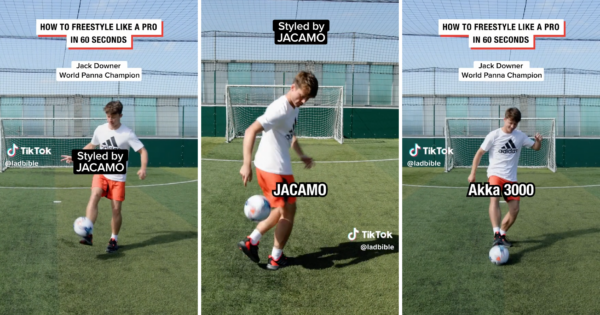
British clothing retailer N Brown Group partnered with publisher LADbible Group to launch the “No Average Jack” campaign for N Brown’s menswear brand Jacamo. The campaign, which was negotiated by U.K. media agency the7stars, aims to celebrate “the stories of everyday lads.”

Through this partnership, LADbible will share social video content for Jacamo celebrating the stories of men with various passions and skills. The first video featured world panna (one-on-one soccer) champion Jack Downer, who teaches viewers how to perform a soccer ball trick in 60 seconds. Jacamo will provide style inspiration in each video.

[embedded content]

“Our new partnership with LADbible Group not only raises awareness of the Jacamo brand among the platform’s huge following, but reinforces our commitment to inclusivity, celebrates the uniqueness of men and challenges stereotypes,” said Sarah Welsh, CEO of Retail at N Brown Group.

“As we entered 2023, we focused on resetting our marketing approach to help connect on an emotional level with the people that already know and love our brands, and those that are yet to discover us.”

LADbible Group will also launch a TikTok shop for Jacamo featuring co-branded products and an augmented reality filter that will allow shoppers to virtually try on products.

“We have a unique understanding of Jacamo’s target audience. We know what they like to do, how they like to shop, and the choices that affect their spending,” said Jack Cowin, director of client solutions at LADbible Group. “We get them, and how they live their lives, making us the perfect partner for Jacamo at this exciting time in the brand’s journey.”

.font-primary { } .font-secondary { } #meter-count { position: fixed; z-index: 9999999; bottom: 0; width:96%; margin: 2%; -webkit-border-radius: 4px; -moz-border-radius: 4px; border-radius: 4px; -webkit-box-shadow: 0 0px 15px 4px rgba(0,0,0,.2); box-shadow:0 0px 15px 4px rgba(0,0,0,.2); padding: 15px 0; color:#fff; background-color:#343a40; } #meter-count .icon { width: auto; opacity:.8; } #meter-count .icon svg { height: 36px; width: auto; } #meter-count .btn-subscribe { font-size:14px; font-weight:bold; padding:7px 18px; color: #fff; background-color: #2eb3b2; border:none; text-transform: capitalize; margin-right:10px; } #meter-count .btn-subscribe:hover { color: #fff; opacity:.8; } #meter-count .btn-signin { font-size:14px; font-weight:bold; padding:7px 14px; color: #fff; background-color: #121212; border:none; text-transform: capitalize; } #meter-count .btn-signin:hover { color: #fff; opacity:.8; } #meter-count h3 { color:#fff!important; letter-spacing:0px!important; margin:0; padding:0; font-size:16px; line-height:1.5; font-weight:700; margin: 0!important; padding: 0!important; } #meter-count h3 span { color:#E50000!important; font-weight:900; } #meter-count p { font-size:14px; font-weight:500; line-height:1.4; color:#eee!important; margin: 0!important; padding: 0!important; } #meter-count .close { color:#fff; display:block; position:absolute; top: 4px; right:4px; z-index: 999999; } #meter-count .close svg { display:block; color:#fff; height:16px; width:auto; cursor:pointer; } #meter-count .close:hover svg { color:#E50000; } #meter-count .fw-600 { font-weight:600; } @media (max-width: 1079px) { #meter-count .icon { margin:0; padding:0; display:none; } } @media (max-width: 768px) { #meter-count { margin: 0; -webkit-border-radius: 0px; -moz-border-radius: 0px; border-radius: 0px; width:100%; -webkit-box-shadow: 0 -8px 10px -4px rgba(0,0,0,0.3); box-shadow: 0 -8px 10px -4px rgba(0,0,0,0.3); } #meter-count .icon { margin:0; padding:0; display:none; } #meter-count h3 { color:#fff!important; font-size:14px; } #meter-count p { color:#fff!important; font-size: 12px; font-weight: 500; } #meter-count .btn-subscribe, #meter-count .btn-signin { font-size:12px; padding:7px 12px; } #meter-count .btn-signin { display:none; } #meter-count .close svg { height:14px; } }

Enjoying Adweek’s Content? Register for More Access!

https://www.adweek.com/brand-marketing/jacamo-ladbible-video-ar-everyday-lads/


To Repair Brand Image in the Face of Climate Change, Fossil Fuel Companies Turn to Influencers


.article-native-ad { border-bottom: 1px solid #ddd; margin: 0 45px; padding-bottom: 20px; margin-bottom: 20px; } .article-native-ad svg { color: #ddd; font-size: 34px; margin-top: 10px; } .article-native-ad p { line-height:1.5; padding:0!important; padding-left: 10px!important; } .article-native-ad strong { font-weight:500; color:rgb(46,179,178); }

Don’t miss Brandweek, Adweek’s ultimate experience for marketers, September 11-14 in Miami. Connect with peers and gain insights and inspiration from top brand marketers and industry icons at Glossier, Coca-Cola, Taco Bell and more. Register.

At first, Francesca Willow ignored the partnership inquiry she received from a Texas-based oil and gas company in mid-May.

But when Pheasant Energy sent a follow-up asking about rates for a guest post on her sustainable living blog, “I sent back quite an angry response,” the U.K.-based content creator said. “Or, well, I’m quite British.

#paywall-subscribe { margin:0; padding: 1rem 2.4rem; } #paywall-subscribe .holder { background-color:#eee; border:15px solid #f2f2f2; padding:30px; margin:0 auto!important; text-align:center; } #paywall-subscribe a.underline { color:#000; text-decoration:underline; } #paywall-subscribe img { margin-bottom:10px; width: 140px!important; height: auto!important; } #paywall-subscribe h3 { font-weight:bold; font-size:16px; text-transform:uppercase; width:80%; margin:0 auto; margin-bottom:20px; text-align:center; } #paywall-subscribe h3 span { display:block; font-size:14px; } #paywall-subscribe h2 { font-weight:800; font-size:24px; text-transform:uppercase; } #paywall-subscribe p { font-size: 16px; color:#000; padding: 0; } #paywall-subscribe .cta { margin-top:20px; margin-bottom:10px; font-size:14px; text-transform:capitalize; color: #fff; background-color: #E50000; border:none; padding:12px 28px; text-decoration:none; -webkit-transition: .3s ease; -moz-transition: .3s ease; -o-transition: .3s ease; -ms-transition: .3s ease; transition: .3s ease; } #paywall-subscribe .cta:hover { color: #fff; background-color: #181818; transform: scale(1.02); } #paywall-subscribe .already-a-member { font-size:14px; } @media (max-width: 1024px) { #paywall-subscribe .holder { border:12px solid #f2f2f2; padding:25px; } #paywall-subscribe img { width: 120px!important; } } @media (max-width: 768px) { #paywall-subscribe .holder { border:10px solid #f2f2f2; padding:20px; } #paywall-subscribe img { width: 100px!important; } #paywall-subscribe h3 { font-size:14px; } #paywall-subscribe h3 span { font-size:12px; } #paywall-subscribe h2 { font-size:18px; } #paywall-subscribe p { font-size:14px; } #paywall-subscribe .cta { font-size:12px; padding:10px 24px; } #paywall-subscribe .already-a-member { font-size:11px; } } AW+

WORK SMARTER – LEARN, GROW AND BE INSPIRED.

Subscribe today!

To Read the Full Story Become an Adweek+ Subscriber

View Subscription Options

Already a member? Sign in

https://www.adweek.com/brand-marketing/repair-brand-image-fossil-fuel-companies-influencer-marketing/