Marketers Lukewarm on Meta’s Twitter Clone App


.article-native-ad { border-bottom: 1px solid #ddd; margin: 0 45px; padding-bottom: 20px; margin-bottom: 20px; } .article-native-ad svg { color: #ddd; font-size: 34px; margin-top: 10px; } .article-native-ad p { line-height:1.5; padding:0!important; padding-left: 10px!important; } .article-native-ad strong { font-weight:500; color:rgb(46,179,178); }

Transforming your ad sales process just got a lot easier. Learn how to extract more value for existing technology and ultimately drive revenue, ratings and retention in Slack’s new ebook.

Marketer response to Meta reportedly building its own decentralized Twitter clone app this summer is tepid, three industry leads told Adweek. That’s mostly due to questions circling around the platform’s handling of data, adoption and monetization.

Meta is reportedly working on a text-based app that would compete against Twitter, which has had its fair share of tribulations since Elon Musk took over last year.

Meta’s app, codenamed P92, or Barcelona, will be partially integrated with Instagram. Meta is currently seeking agency partners to approach celebrities, high-profile stars, and big influencers to offer early access to the platform as soon as this week, according to an internal email sent by a talent agency that works with A-list celebrities and influencers, seen by Adweek.

The email states this will not be a paid partnership with the agency. Meta is holding direct calls with individual celebrities or their representatives to entice them to be the first users of the app, Adweek has learned.

“I don’t jump with joy and excitement at the immediate breaking news,” said Avi Ben-Zvi, vp of paid social at Tinuiti. “There are so many things that have to happen, like user adoption, before it becomes something really serious from an advertising perspective.”

Meta has not returned a request for comment.

Meta’s Twitter-killer app comes at a time when Twitter’s future still remains dubious, but slightly more hopeful after ad leader Linda Yaccarino was announced as CEO earlier this month. Many of Twitter’s advertisers fled the platform over brand safety concerns. Meanwhile, a recent study by Pew Research Center found that 60% of the platform’s users have taken a break from the app in the past year, while other apps such as Mastodon and BlueSky have tried to capture that audience.

What we do know is people will keep their Instagram handle and verification, while their followers will receive a notification to follow them on the yet-to-be-named platform. Meta’s text-based app will be interoperable with Twitter competitor Mastodon. People can attach links, photos, and videos up to five minutes long, according to Lia Haberman, author of social media newsletter ICYMI, who shared leaked details about the app.

The internal email, too, acknowledged the emergence of Mastodon and BlueSky as direct competitors to Twitter. But the company pointed out Meta’s advantage of access to billions of users through its other apps, including Facebook and Instagram.

Before marketers get too excited, they will be watching the adoption of the yet-to-be-named platform and how people interact with the content.

“Clubhouse was something that everybody was talking about a year ago,” said Ben-Zvi. “Ultimately, [it] never really reached that adoption point.”

Plugging signal loss with more data

Sources presume Meta will monetize via ads since that’s the platform’s dominant revenue stream: In 2022, Meta made over $113 billion dollars in ad revenues, according to Statista.

But its ad revenue has taken a hit from Apple’s ATT roll-out, upending Meta’s ability to target users. Earlier this week, the tech giant was hit with a record $1.3 billion in privacy fines for violating European Union privacy laws by transferring the personal data of Facebook users to the U.S., further exacerbating its signal loss.

“[Meta] needs more engagement and users doing things to create data that they can feed into their machine learning to target ads,” said Jason Kint, CEO of trade body Digital Content Next.

Meta has often made headlines for mishandling people’s data, especially since its reputation took a hit after the Cambridge Analytica scandal broke in 2018.

Just this week, Axios and Harris Poll surveyed 16,310 Americans to capture the reputation of the most visible brands in the U.S. Meta was at number 96, while Twitter was at number 97.

“You stop and reflect on who am I going to trust as a company that’s launching a service that I want to go use instead of Twitter because I’ve lost my appetite for Twitter,” said Kint. “I don’t know if [Meta] is the place I’d be jumping.”

Lower funnel monetization and subscriptions

For Ben Jeffries, CEO & co-founder at Influencer, the new platform could attract ad dollars depending on the type of ad placements, such as sponsored content within a feed or pre-rolls. Marketers could also likely expect organic influencer marketing, without paid media, to address lower-funnel objectives by driving conversions based on link sharing.

“Instagram feed doesn’t offer links in the organic content, and this is what that app will be able to do,” he said. “We could see the return of a lot of creators promoting links from a conversion-based activation.”

Jeffries speculates that Meta could launch, or extend, its premium subscription model to creators, similar to its verification model, Meta Verified, on Instagram and Facebook, currently priced at $11.99 per month on the web and $14.99 per month on mobile.

Still, marketers are most enthusiastic about what’s new and shiny.

“Instagram reels were very close to Tik Tok,” said Jeffries. “I would really like to see something very original, that isn’t necessarily seen as a clone of another app.”

.font-primary { } .font-secondary { } #meter-count { position: fixed; z-index: 9999999; bottom: 0; width:96%; margin: 2%; -webkit-border-radius: 4px; -moz-border-radius: 4px; border-radius: 4px; -webkit-box-shadow: 0 0px 15px 4px rgba(0,0,0,.2); box-shadow:0 0px 15px 4px rgba(0,0,0,.2); padding: 15px 0; color:#fff; background-color:#343a40; } #meter-count .icon { width: auto; opacity:.8; } #meter-count .icon svg { height: 36px; width: auto; } #meter-count .btn-subscribe { font-size:14px; font-weight:bold; padding:7px 18px; color: #fff; background-color: #2eb3b2; border:none; text-transform: capitalize; margin-right:10px; } #meter-count .btn-subscribe:hover { color: #fff; opacity:.8; } #meter-count .btn-signin { font-size:14px; font-weight:bold; padding:7px 14px; color: #fff; background-color: #121212; border:none; text-transform: capitalize; } #meter-count .btn-signin:hover { color: #fff; opacity:.8; } #meter-count h3 { color:#fff!important; letter-spacing:0px!important; margin:0; padding:0; font-size:16px; line-height:1.5; font-weight:700; margin: 0!important; padding: 0!important; } #meter-count h3 span { color:#E50000!important; font-weight:900; } #meter-count p { font-size:14px; font-weight:500; line-height:1.4; color:#eee!important; margin: 0!important; padding: 0!important; } #meter-count .close { color:#fff; display:block; position:absolute; top: 4px; right:4px; z-index: 999999; } #meter-count .close svg { display:block; color:#fff; height:16px; width:auto; cursor:pointer; } #meter-count .close:hover svg { color:#E50000; } #meter-count .fw-600 { font-weight:600; } @media (max-width: 1079px) { #meter-count .icon { margin:0; padding:0; display:none; } } @media (max-width: 768px) { #meter-count { margin: 0; -webkit-border-radius: 0px; -moz-border-radius: 0px; border-radius: 0px; width:100%; -webkit-box-shadow: 0 -8px 10px -4px rgba(0,0,0,0.3); box-shadow: 0 -8px 10px -4px rgba(0,0,0,0.3); } #meter-count .icon { margin:0; padding:0; display:none; } #meter-count h3 { color:#fff!important; font-size:14px; } #meter-count p { color:#fff!important; font-size: 12px; font-weight: 500; } #meter-count .btn-subscribe, #meter-count .btn-signin { font-size:12px; padding:7px 12px; } #meter-count .btn-signin { display:none; } #meter-count .close svg { height:14px; } }

Enjoying Adweek’s Content? Register for More Access!

https://www.adweek.com/programmatic/marketers-lukewarm-on-metas-twitter-clone-app/


Pay to Play: Focus Turns to How Platform Verification Subscriptions Impact Reach


.article-native-ad { border-bottom: 1px solid #ddd; margin: 0 45px; padding-bottom: 20px; margin-bottom: 20px; } .article-native-ad svg { color: #ddd; font-size: 34px; margin-top: 10px; } .article-native-ad p { line-height:1.5; padding:0!important; padding-left: 10px!important; } .article-native-ad strong { font-weight:500; color:rgb(46,179,178); }

Transforming your ad sales process just got a lot easier. Learn how to extract more value for existing technology and ultimately drive revenue, ratings and retention in Slack’s new white paper.

As the popularity of platforms like TikTok and Instagram grow, people are getting discovered faster and entering influencer status sooner.

With Instagram parent Meta and Twitter both recently rolling out subscription products—where people can become verified overnight—there is no longer the need to build out online portfolios proving themselves as experts to support a claim of being worthy of verification.

Twitter’s blue tick verification has been around since 2009 as a way for celebrities, politicians, news brands, or other notable people with accounts to show their authority.

With new owner Elon Musk making changes to the verification process—including making people subscribe to the monthly $8 Twitter Blue service to receive a check, partly to crack down on parody accounts and grow revenue—brands and creators are left wondering whether subscription-based verification from platforms is the new normal and whether they will need to pay to not only prove their identity but help maintain their visibility online.

“I’ve worked with clients in the past who worked to establish themselves as a public figure and earn the blue check,” said Drea Fernandes, CEO and founder of Speak Media Group. “Publicists know that there’s real work that went into helping a client get verified.”

The Twitter Blue(s)

When Twitter’s Blue subscription was announced in 2021, many doubted there would be enough of an audience to pay for the additional features, such as an edit tweet button.

Now, subscribing to Twitter Blue is the only way to add a blue checkmark to your account. Subscribers also get early access to select features, as well as priority the rankings of their tweets in conversations and search.

It’s important to be verified so you don’t have to deal with any misleading impersonations

Gigi Robinson, creator

In April, Twitter removed many legacy blue checks from those who were not Twitter Blue subscribers, leaving journalists, creatives, actors and others opting not to pay for the blue check.

“After working for years to build up my portfolio as a creator and reputation in the process as a thought leader, I was initially frustrated with the fact that anyone could just buy a blue checkmark,” said Gigi Robinson, creator and chronic-illness advocate.

“When you get to a certain level as a creator, journalist or are notable in public spaces, it’s important to be verified so you don’t have to deal with any misleading impersonations,” she added.

For small businesses or brands looking for credibility online, paying for Twitter’s verification service to access Twitter Blue’s feature of prioritized rankings in conversations and search makes some sense.

“It is beneficial to brands, especially smaller and mid-sized brands that maybe don’t have that established presence as much just to get some of that verification,” said Cameron Clow, senior director of creative strategy at Day One Agency.

With the majority of Twitter users preferring not to subscribe to the service, marketers and social media managers are left wondering how this will affect their companies’ organic reach and if this type of model for social media is here to stay.

Meta follows

When one platform makes a change, others often follow. In February, Meta announced its subscription program Meta Verified.

For between $11.99 and $14.99 a month, Instagram and Facebook users get a blue verified mark as well as access to better security features, more visibility in search, access to Meta support and more. For now, it’s only available to creators and individuals in the U.S., Australia and New Zealand.

For creators looking for credibility, this was good news. But marketers and communications professionals raise the same concerns spurred by Twitter Blue since, to apply for Meta Verified, people need to prove their identity with a form of a government-issued ID.

Going forward, marketers are monitoring these newer models to see how they affect their business.

Still, many marketers know that building their followings through platforms means they don’t truly own their audiences.

“It is a great tool for those creators, professionals and anyone that’s trying to make their living in the space…Give them that stamp of credibility,” said Clow. “If you’re pursuing that, eight to $15 a month is a small investment.”

.font-primary { } .font-secondary { } #meter-count { position: fixed; z-index: 9999999; bottom: 0; width:96%; margin: 2%; -webkit-border-radius: 4px; -moz-border-radius: 4px; border-radius: 4px; -webkit-box-shadow: 0 0px 15px 4px rgba(0,0,0,.2); box-shadow:0 0px 15px 4px rgba(0,0,0,.2); padding: 15px 0; color:#fff; background-color:#343a40; } #meter-count .icon { width: auto; opacity:.8; } #meter-count .icon svg { height: 36px; width: auto; } #meter-count .btn-subscribe { font-size:14px; font-weight:bold; padding:7px 18px; color: #fff; background-color: #2eb3b2; border:none; text-transform: capitalize; margin-right:10px; } #meter-count .btn-subscribe:hover { color: #fff; opacity:.8; } #meter-count .btn-signin { font-size:14px; font-weight:bold; padding:7px 14px; color: #fff; background-color: #121212; border:none; text-transform: capitalize; } #meter-count .btn-signin:hover { color: #fff; opacity:.8; } #meter-count h3 { color:#fff!important; letter-spacing:0px!important; margin:0; padding:0; font-size:16px; line-height:1.5; font-weight:700; margin: 0!important; padding: 0!important; } #meter-count h3 span { color:#E50000!important; font-weight:900; } #meter-count p { font-size:14px; font-weight:500; line-height:1.4; color:#eee!important; margin: 0!important; padding: 0!important; } #meter-count .close { color:#fff; display:block; position:absolute; top: 4px; right:4px; z-index: 999999; } #meter-count .close svg { display:block; color:#fff; height:16px; width:auto; cursor:pointer; } #meter-count .close:hover svg { color:#E50000; } #meter-count .fw-600 { font-weight:600; } @media (max-width: 1079px) { #meter-count .icon { margin:0; padding:0; display:none; } } @media (max-width: 768px) { #meter-count { margin: 0; -webkit-border-radius: 0px; -moz-border-radius: 0px; border-radius: 0px; width:100%; -webkit-box-shadow: 0 -8px 10px -4px rgba(0,0,0,0.3); box-shadow: 0 -8px 10px -4px rgba(0,0,0,0.3); } #meter-count .icon { margin:0; padding:0; display:none; } #meter-count h3 { color:#fff!important; font-size:14px; } #meter-count p { color:#fff!important; font-size: 12px; font-weight: 500; } #meter-count .btn-subscribe, #meter-count .btn-signin { font-size:12px; padding:7px 12px; } #meter-count .btn-signin { display:none; } #meter-count .close svg { height:14px; } }

Enjoying Adweek’s Content? Register for More Access!

https://www.adweek.com/media/pay-to-play-focus-turns-to-how-platform-verification-subscriptions-impact-reach/


How Brands Deliver Social Media Success With Eos and the NBA


.article-native-ad { border-bottom: 1px solid #ddd; margin: 0 45px; padding-bottom: 20px; margin-bottom: 20px; } .article-native-ad svg { color: #ddd; font-size: 34px; margin-top: 10px; } .article-native-ad p { line-height:1.5; padding:0!important; padding-left: 10px!important; } .article-native-ad strong { font-weight:500; color:rgb(46,179,178); }

Learn to partner with creators and build customer trust with authenticity. Join leaders from TikTok, the NBA and more at Social Media Week, May 16–18. Register now.

What does going viral mean in a world of social media campaign oversaturation and fleeting attention spans?

Soyoung Kang, CMO of Gen Z-focused beauty brand Eos Products, and Ashley Atwell, avp of social content at the National Basketball Association, joined Adweek at Social Media Week to reflect on their best viral social media marketing examples and dissect what made them successful.

Breaking through a sea of noise

In an era where countless campaigns compete for attention, Kang and Atwell emphasized the importance of having a strong, concrete message that resonates with the target audience—something that’s becoming increasingly challenging to do.

“You have to work super hard to cut through,” Kang said. “We can’t cut through with content that doesn’t grab people’s attention and isn’t rooted in true human insight.”

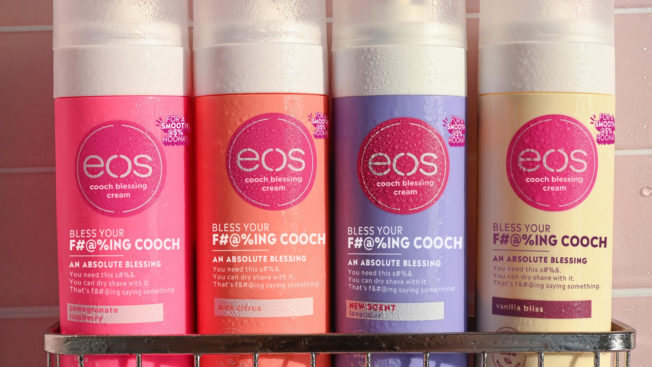
In a cutthroat digital landscape, where brand after brand relentlessly vies for consumer attention, Kang said sometimes brands have to be willing to take a step outside the box and embrace the unexpected, as illustrated in Eos’ viral “Bless Your F*ing Cooch” campaign.

@killljoyy Reply to @_notbrooke_ ♬ original sound – killjoy

“That campaign taught us the value of speaking to your audience like you’re one of them—using real talk and being educational and helpful and rooted in things that other brands aren’t talking about. That’s how we were able to achieve this level of connection with, essentially, a shaving cream,” she explained.

From courtside to clicks

According to Atwell, social media is the MVP when it comes to forging a winning bond between fans and their favorite teams and players.

“We have a very vibrant community of NBA fans across social media we’re able to tap into,” she said. “Engagement is more important than ever, and we’re seeing our content be consumed by more fans. Social media gives us access to players and entertainment by being able to engage with our fans as fast as possible.”

The NBA Instagram account shattered engagement records last season, racking up more than 13 billion views and becoming the most viewed account on the platform.

“It takes a lot of teamwork to achieve those numbers,” Atwell said. “We’ve started to understand what our audience wants, how to reach them, and how to be timely. We’ve set up a framework to do so. It’s all about knowing what resonates and having the tools in place to be able to develop that content.”

Capitalizing on virality

The duo agrees that capitalizing on virality requires the right team in place and staying agile.

“These viral moments are the gift from the heavens—they just drop in your lap when you’re least expecting it,” Kang said. “The hard work that surrounds a viral campaign happens way before it goes viral. It’s about being able to create smart content that resonates, listening to your audience.

“And the other muscle you have to flex when a viral moment happens is to jump on it quickly and make sure you’re capitalizing on it with speed,” she added. “You can’t manufacture or engineer viral moments, but great marketers will figure out how to amplify the moment and keep it lasting.”

.font-primary { } .font-secondary { } #meter-count { position: fixed; z-index: 9999999; bottom: 0; width:96%; margin: 2%; -webkit-border-radius: 4px; -moz-border-radius: 4px; border-radius: 4px; -webkit-box-shadow: 0 0px 15px 4px rgba(0,0,0,.2); box-shadow:0 0px 15px 4px rgba(0,0,0,.2); padding: 15px 0; color:#fff; background-color:#343a40; } #meter-count .icon { width: auto; opacity:.8; } #meter-count .icon svg { height: 36px; width: auto; } #meter-count .btn-subscribe { font-size:14px; font-weight:bold; padding:7px 18px; color: #fff; background-color: #2eb3b2; border:none; text-transform: capitalize; margin-right:10px; } #meter-count .btn-subscribe:hover { color: #fff; opacity:.8; } #meter-count .btn-signin { font-size:14px; font-weight:bold; padding:7px 14px; color: #fff; background-color: #121212; border:none; text-transform: capitalize; } #meter-count .btn-signin:hover { color: #fff; opacity:.8; } #meter-count h3 { color:#fff!important; letter-spacing:0px!important; margin:0; padding:0; font-size:16px; line-height:1.5; font-weight:700; margin: 0!important; padding: 0!important; } #meter-count h3 span { color:#E50000!important; font-weight:900; } #meter-count p { font-size:14px; font-weight:500; line-height:1.4; color:#eee!important; margin: 0!important; padding: 0!important; } #meter-count .close { color:#fff; display:block; position:absolute; top: 4px; right:4px; z-index: 999999; } #meter-count .close svg { display:block; color:#fff; height:16px; width:auto; cursor:pointer; } #meter-count .close:hover svg { color:#E50000; } #meter-count .fw-600 { font-weight:600; } @media (max-width: 1079px) { #meter-count .icon { margin:0; padding:0; display:none; } } @media (max-width: 768px) { #meter-count { margin: 0; -webkit-border-radius: 0px; -moz-border-radius: 0px; border-radius: 0px; width:100%; -webkit-box-shadow: 0 -8px 10px -4px rgba(0,0,0,0.3); box-shadow: 0 -8px 10px -4px rgba(0,0,0,0.3); } #meter-count .icon { margin:0; padding:0; display:none; } #meter-count h3 { color:#fff!important; font-size:14px; } #meter-count p { color:#fff!important; font-size: 12px; font-weight: 500; } #meter-count .btn-subscribe, #meter-count .btn-signin { font-size:12px; padding:7px 12px; } #meter-count .btn-signin { display:none; } #meter-count .close svg { height:14px; } }

Enjoying Adweek’s Content? Register for More Access!

https://www.adweek.com/social-marketing/how-brands-deliver-social-media-success-with-eos-and-the-nba/


Achieve Social and Retail Media Symbiosis Using the Strengths of Each Channel


.article-native-ad { border-bottom: 1px solid #ddd; margin: 0 45px; padding-bottom: 20px; margin-bottom: 20px; } .article-native-ad svg { color: #ddd; font-size: 34px; margin-top: 10px; } .article-native-ad p { line-height:1.5; padding:0!important; padding-left: 10px!important; } .article-native-ad strong { font-weight:500; color:rgb(46,179,178); }

Gain insights and inspiration to propel your business forward alongside CMOs and changemakers from Coca-Cola, WhatsApp, Kraken and more at Brandweek, Sept. 11–14 in Miami. Book now to save.

As the rest of the business world wrings its hands about AI taking jobs, the performance marketing industry has a sharp eye on the potentially deleterious effects of retail media networks (RMNs) on social media platforms’ ad revenue. 

When retail media (which McKinsey predicts could amount to $100 billion in ad spend by 2026) first exploded, we the buyers wondered if we’d be gradually reallocating significant portions of our media buying budget away from Google (with its crumbling cookies) and Meta (with its data privacy limitations) toward the first-party consumer data provided by RMNs like Amazon and Instacart. But instead, Google, Meta and Pinterest have gotten out in front of these threats by partnering with retailers to give advertisers the best of both worlds—the wide, diverse audiences of social with the low-funnel conversions of retail. Their approach, in other words: If you can’t beat ‘em, join ‘em. 

My team and I have realized the question isn’t “Retail or social?” It’s “How can the two coexist symbiotically?” The most effective way to accomplish this is cross-promotion between RMNs and social, integrating data and executing media strategies both on- and off-site to improve the customer journey and shopping experience. 

Start with some inspiration from the companies’ partnerships themselves. Pinterest teamed up with LiveRamp back in January to develop clean room solutions to data privacy issues for advertisers, starting with Albertsons Media Collective. Data clean rooms aren’t new; they’ve been around for years, but they’ve been thrust back into the spotlight in recent months as data privacy regulations get stricter in America and Europe. 

Then in March, Dollar General’s media network, DGMN, announced a first-mover partnership with Meta to provide “full end-to-end campaign support and creative services while measuring closed-loop, attributable store sales.” Successful early test results from Dollar General indicate Meta will only continue to perfect and expand its Managed Partner Ads program.

The beauty of these collaborations is the unique advantage each side brings to the table: RMNs reach consumers in a low-funnel, ready-to-buy state of mind, but paid social is still best at exposing messages to a wide swath of people of varying demographics and locations. So, when planning your media budget, consider the goals of your campaign. Increased brand awareness? Prioritize social. Conversions and sales? Lean toward retail. Depending on your objectives, the relative cost per acquisition of each channel should calculate into your budget. 

Consider, too, your target audience. Younger consumers may be easier to reach on social media, whereas older consumers will be at their trusted retailers. Finally, consider your product’s star qualities: If it’s visually appealing (i.e., clothing, beauty, travel, luxury), then it lends itself well to social media, whereas a less sexy but more essential, everyday category like groceries may perform better in retail media. (RMNs also offer same-day delivery of consumer packaged goods, but social could help with that soon!)

Again, these aren’t binary choices; digital ad tools have long been embedded in social media features (think swipe-up ads in Instagram Stories or Shopify’s integration with TikTok), and new partnerships appear regularly. At NewFronts last week, TikTok launched Pulse Premiere, which allows advertisers to place their brands directly after premium content from top publishers like BuzzFeed and Condé Nast. TikTok also rolled out a paid search ad feature in beta to advertisers this year, directly competing with Google, Bing and Instagram (which also offers search results as ad placements now). I see a huge opportunity for TikTok to partner with Instacart or Walmart for same-day delivery of products bought in shoppable TikTok video ads.

All of these integrations are dissolving the boundaries around what is considered paid search. ​​The remaining question is: Will social develop a keyword-specific targeting approach for advertisers, or will it rely purely on product content like many sponsored product offerings in retail media? 

The brands we work with need us to adapt to the ever-changing media landscape as they adapt to changing consumer demands. A proper omnichannel marketing approach integrates social and RMN solutions to leverage the strengths of each platform and effectively reach consumers at different stages of their purchase journey.

.font-primary { } .font-secondary { } #meter-count { position: fixed; z-index: 9999999; bottom: 0; width:96%; margin: 2%; -webkit-border-radius: 4px; -moz-border-radius: 4px; border-radius: 4px; -webkit-box-shadow: 0 0px 15px 4px rgba(0,0,0,.2); box-shadow:0 0px 15px 4px rgba(0,0,0,.2); padding: 15px 0; color:#fff; background-color:#343a40; } #meter-count .icon { width: auto; opacity:.8; } #meter-count .icon svg { height: 36px; width: auto; } #meter-count .btn-subscribe { font-size:14px; font-weight:bold; padding:7px 18px; color: #fff; background-color: #2eb3b2; border:none; text-transform: capitalize; margin-right:10px; } #meter-count .btn-subscribe:hover { color: #fff; opacity:.8; } #meter-count .btn-signin { font-size:14px; font-weight:bold; padding:7px 14px; color: #fff; background-color: #121212; border:none; text-transform: capitalize; } #meter-count .btn-signin:hover { color: #fff; opacity:.8; } #meter-count h3 { color:#fff!important; letter-spacing:0px!important; margin:0; padding:0; font-size:16px; line-height:1.5; font-weight:700; margin: 0!important; padding: 0!important; } #meter-count h3 span { color:#E50000!important; font-weight:900; } #meter-count p { font-size:14px; font-weight:500; line-height:1.4; color:#eee!important; margin: 0!important; padding: 0!important; } #meter-count .close { color:#fff; display:block; position:absolute; top: 4px; right:4px; z-index: 999999; } #meter-count .close svg { display:block; color:#fff; height:16px; width:auto; cursor:pointer; } #meter-count .close:hover svg { color:#E50000; } #meter-count .fw-600 { font-weight:600; } @media (max-width: 1079px) { #meter-count .icon { margin:0; padding:0; display:none; } } @media (max-width: 768px) { #meter-count { margin: 0; -webkit-border-radius: 0px; -moz-border-radius: 0px; border-radius: 0px; width:100%; -webkit-box-shadow: 0 -8px 10px -4px rgba(0,0,0,0.3); box-shadow: 0 -8px 10px -4px rgba(0,0,0,0.3); } #meter-count .icon { margin:0; padding:0; display:none; } #meter-count h3 { color:#fff!important; font-size:14px; } #meter-count p { color:#fff!important; font-size: 12px; font-weight: 500; } #meter-count .btn-subscribe, #meter-count .btn-signin { font-size:12px; padding:7px 12px; } #meter-count .btn-signin { display:none; } #meter-count .close svg { height:14px; } }

Enjoying Adweek’s Content? Register for More Access!

https://www.adweek.com/performance-marketing/achieve-social-and-retail-media-symbiosis-using-the-strengths-of-each-channel/


What Marketers Expect From Elon Musk’s ‘Best Hope’ Linda Yaccarino at Twitter


.article-native-ad { border-bottom: 1px solid #ddd; margin: 0 45px; padding-bottom: 20px; margin-bottom: 20px; } .article-native-ad svg { color: #ddd; font-size: 34px; margin-top: 10px; } .article-native-ad p { line-height:1.5; padding:0!important; padding-left: 10px!important; } .article-native-ad strong { font-weight:500; color:rgb(46,179,178); }

Introducing the Adweek Podcast Network. Access infinite inspiration in your pocket on everything from career advice and creativity to metaverse marketing and more. Browse all podcasts.

Elon Musk’s choice to onboard NBCU ad sales chief Linda Yaccarino has left marketers on the edge of their seats, while Yaccarino inherits a company in absolute turmoil.

“I have an unbelievable level of confidence in Linda’s ability to turn Twitter around and save it from the clutches of the evil overlord who owns it,” Lou Paskalis, chief strategy officer of Ad Fontes Media, told Adweek.

Most marketers think Yaccarino is Twitter’s best shot at reconnecting with advertisers who’ve fled the platform. Five brand leaders Adweek spoke with expect Yaccarino to return Twitter to a more brand-safe and innovative environment.

If Linda can’t turn Twitter around, it’s done.

Rishad Tobaccowala, author and brand strategist

Musk’s tumultuous takeover last October paired with his unpredictable behavior has left many advertisers wary of doing business with the platform. From dissolving the board of directors to laying off more than 6,000 staff, starting a subscription business that has seen limited success and defenestrating content moderation tools, Musk has Yaccarino’s work cut out for her.

“Between now and the end of the year, we’ll understand if Twitter can come back or will go out of business,” said Rishad Tobaccowala, author and former high-ranking executive at Publicis Groupe, told Adweek. “If Linda can’t turn Twitter around, it’s done.”

Fix content moderation and brand safety

To immediately pacify advertisers’ concerns, Yaccarino’s priority should be restoring Twitter’s content moderation team that was fired by Musk last November, according to Paskalis.

“The content moderation tech team was responsible for language translation, understanding new threat vectors and for deploying new technology to moderate content successfully,” he said. “I think that will be [Yaccarino’s] first priority because that’s what advertisers are most concerned about.”

Yaccarino could also reinstate Twitter’s “influence council,” a group composed of four dozen marketing executives from Twitter’s former major advertisers—a meeting she could possibly convene in Cannes this year.

Paskalis also expects Yaccarino to create more transparency around the algorithmic orchestration on the platform, purging the unwanted experience of random profiles popping up in feeds.

Reversing the purging of legacy verified blue check marks could be a peace offering for marketers to get back on the platform, said Amy Gilbert of social agency The Social Element.

After buying Twitter for $44 billion, Musk denounced the platform’s blue checks and instead rolled out a paid verification option as part of the company’s subscription product, Twitter Blue. Paying for verification led to fake accounts impersonating brands including Nintendo and Eli Lilly, causing panic inside brands and leading to a further pullback in ad spend.

“There’s a lot more that needs to happen in making sure that that platform feels secure, that they have people that are taking care of spammers,” added Gilbert. The Social Element primarily leveraged Twitter for consumer engagement but slowly moved to Meta’s platforms and TikTok after the blue check mark fiasco.

Compelling ad products

Just fixing content moderation and algorithmic transparency won’t make the cut for many marketers.

For Avi Ben-Zvi, vp of paid social at Tinuiti, Twitter needs to take it up a notch by making the platform more compelling for advertisers either in the performance, consideration or awareness part of the funnel.

“Can they get back to a place where they’re developing interesting ad products while emphasizing safety and ad revenue for advertisers?” he told Adweek.

Video has become front and center for marketers and platforms. Pinterest is testing Premiere Spotlight, which gives advertisers access to a premium placement for 24 hours on the Pinterest app’s search page.

These platforms are “very focused on developing things that advertisers are asking for,” said Ben-Zvi, adding, “That innovation has either stalled or been overshadowed by everything else going on at Twitter.”

Can Musk be controlled?

Ultimately, as Adland waits to see how Yaccarino steers marketers’ trust back to Twitter, the question industry leaders still ask is whether Musk can be controlled.

“Linda can hit the ground running—unless Musk interferes and loses control of his impulses, the way he way he did with his tweet last week when he hired her,” said Paskalis.

“If he causes her to fail in that role,” he continued, “there’s no one that can restore advertising revenue on Twitter.”

.font-primary { } .font-secondary { } #meter-count { position: fixed; z-index: 9999999; bottom: 0; width:96%; margin: 2%; -webkit-border-radius: 4px; -moz-border-radius: 4px; border-radius: 4px; -webkit-box-shadow: 0 0px 15px 4px rgba(0,0,0,.2); box-shadow:0 0px 15px 4px rgba(0,0,0,.2); padding: 15px 0; color:#fff; background-color:#343a40; } #meter-count .icon { width: auto; opacity:.8; } #meter-count .icon svg { height: 36px; width: auto; } #meter-count .btn-subscribe { font-size:14px; font-weight:bold; padding:7px 18px; color: #fff; background-color: #2eb3b2; border:none; text-transform: capitalize; margin-right:10px; } #meter-count .btn-subscribe:hover { color: #fff; opacity:.8; } #meter-count .btn-signin { font-size:14px; font-weight:bold; padding:7px 14px; color: #fff; background-color: #121212; border:none; text-transform: capitalize; } #meter-count .btn-signin:hover { color: #fff; opacity:.8; } #meter-count h3 { color:#fff!important; letter-spacing:0px!important; margin:0; padding:0; font-size:16px; line-height:1.5; font-weight:700; margin: 0!important; padding: 0!important; } #meter-count h3 span { color:#E50000!important; font-weight:900; } #meter-count p { font-size:14px; font-weight:500; line-height:1.4; color:#eee!important; margin: 0!important; padding: 0!important; } #meter-count .close { color:#fff; display:block; position:absolute; top: 4px; right:4px; z-index: 999999; } #meter-count .close svg { display:block; color:#fff; height:16px; width:auto; cursor:pointer; } #meter-count .close:hover svg { color:#E50000; } #meter-count .fw-600 { font-weight:600; } @media (max-width: 1079px) { #meter-count .icon { margin:0; padding:0; display:none; } } @media (max-width: 768px) { #meter-count { margin: 0; -webkit-border-radius: 0px; -moz-border-radius: 0px; border-radius: 0px; width:100%; -webkit-box-shadow: 0 -8px 10px -4px rgba(0,0,0,0.3); box-shadow: 0 -8px 10px -4px rgba(0,0,0,0.3); } #meter-count .icon { margin:0; padding:0; display:none; } #meter-count h3 { color:#fff!important; font-size:14px; } #meter-count p { color:#fff!important; font-size: 12px; font-weight: 500; } #meter-count .btn-subscribe, #meter-count .btn-signin { font-size:12px; padding:7px 12px; } #meter-count .btn-signin { display:none; } #meter-count .close svg { height:14px; } }

Enjoying Adweek’s Content? Register for More Access!

https://www.adweek.com/programmatic/what-marketers-expect-from-elon-musks-best-hope-linda-yaccarino-at-twitter/


Linda Yaccarino Exits NBCUniversal, Mark Marshall Named Interim Ad Sales Chief


.article-native-ad { border-bottom: 1px solid #ddd; margin: 0 45px; padding-bottom: 20px; margin-bottom: 20px; } .article-native-ad svg { color: #ddd; font-size: 34px; margin-top: 10px; } .article-native-ad p { line-height:1.5; padding:0!important; padding-left: 10px!important; } .article-native-ad strong { font-weight:500; color:rgb(46,179,178); }

Introducing the Adweek Podcast Network. Access infinite inspiration in your pocket on everything from career advice and creativity to metaverse marketing and more. Browse all podcasts.

UPDATE: Yaccarino’s appointment as Twitter CEO was made official on Friday afternoon.

PREVIOUSLY: Hours before Linda Yaccarino was named Twitter CEO, her time at NBCUniversal has officially ended. 

The longtime ad sales chief—NBCUniversal’s chairman of global advertising and partnerships—has departed the company “effective immediately,” NBCUniversal announced Friday morning. 

Mark Marshall, currently president, advertising sales and client partnerships, has been named interim chairman of NBCUniversal’s advertising and partnerships group. He will report to Mark Lazarus, chairman, NBCUniversal Television and Streaming.

Yaccarino’s departure—the morning after news broke that she was in talks to take over for Elon Musk as Twitter’s next CEO—comes just three days before she was set to take the stage to lead NBCUniversal’s upfront week presentation Monday morning at Radio City Music Hall. Hours later, Musk tweeted that Yaccarino will indeed be Twitter CEO, and “will focus primarily on business operations, while I focus on product design & new technology.”

It upends NBCU’s upfront plans, though Marshall was already set to lead negotiations, after Yaccarino restructured her ad sales team in January, giving Marshall an elevated role, following the exit of ad sales president Laura Molen.

“It has been an absolute honor to be part of Comcast NBCUniversal and lead the most incredible team. We’ve transformed our company and the entire industry—and I am so proud of what we’ve accomplished together, and grateful to my colleagues and mentors, especially [Comcast CEO] Brian Roberts, [Comcast president] Mike Cavanagh and the entire NBCU leadership team,” said Yaccarino in a statement. 

Cavanagh said in a statement: “We are grateful for Linda Yaccarino’s leadership of NBCUniversal’s advertising sales business, and for the innovative team and platform she has built. Linda has made countless contributions to the company during her 12-year tenure, and we wish her the best.”

There was still no official word about Yaccarino taking over as Twitter CEO. Earlier on Thursday, Musk—who bought the social media platform last October and two months later vowed to step down as Twitter CEO when he found “someone foolish enough to take the job”—indicated that he had settled on a replacement. 

He tweeted, “Excited to announce that I’ve hired a new CEO for X/Twitter. She will be starting in ~6 weeks! My role will transition to being exec chair & CTO, overseeing product, software & sysops.”

Yaccarino has been a public advocate for Musk’s ownership of Twitter since the billionaire bought the platform in October. The duo appeared onstage together in April during the inaugural Possible marketing event in Miami for a keynote around “Twitter 2.0.”

NBCUniversal has also expanded its Twitter partnership under Musk. Twitter did not put on an official NewFronts advertising event this year, as it had in past years. But the company held a smaller presentation during the week for clients, and announced expanded Olympics and Paralympics partnerships with NBCUniversal around the 2024 Paris Summer Games. 

Yaccarino has long been one of advertising’s most dynamic forces. She joined NBCUniversal in 2011 after spending two decades at Turner. Initially, she was in charge of cable and digital sales, but within two years was elevated to head up all the cable and broadcast networks under a single portfolio—a then-revolutionary shake-up that was eventually adopted by almost all of her competitors.

As Twitter CEO, Yaccarino will be tasked with helping restore advertiser faith in a platform that has grown increasingly destabilized since Musk’s rocky takeover. According to a Bloomberg report, Twitter advertising dollars have plummeted 89% since Musk bought the platform and revenue dropped by half.

If anyone can help restore advertiser confidence in Twitter, it will likely be Yaccarino. Longtime advertising industry vet Lou Paskalis tweeted that Yaccarino “would be my first choice, and my only choice, to save the platform from the hands of its owner.”

Yaccarino is the second major NBCUniversal exec to depart the company in the last month. CEO Jeff Shell was fired in April following what was described as “an inappropriate relationship with a woman in the company.” 

More upfront week tumult

The Yaccarino news is the latest shakeup in what is shaping up to be a tumultuous upfront week. Wednesday night, Netflix shifted to an all-virtual upfront week presentation after hearing of the WGA’s planned protest during its May 17 event.

NBCUniversal was among the upfront week presenters who told Adweek on Thursday they would be moving forward with in-person events despite the possibility of picketers.  

Marshall told Adweek earlier this week that “NBCU will have an extremely powerful upfront show and will still have great talent participating.”

.font-primary { } .font-secondary { } #meter-count { position: fixed; z-index: 9999999; bottom: 0; width:96%; margin: 2%; -webkit-border-radius: 4px; -moz-border-radius: 4px; border-radius: 4px; -webkit-box-shadow: 0 0px 15px 4px rgba(0,0,0,.2); box-shadow:0 0px 15px 4px rgba(0,0,0,.2); padding: 15px 0; color:#fff; background-color:#343a40; } #meter-count .icon { width: auto; opacity:.8; } #meter-count .icon svg { height: 36px; width: auto; } #meter-count .btn-subscribe { font-size:14px; font-weight:bold; padding:7px 18px; color: #fff; background-color: #2eb3b2; border:none; text-transform: capitalize; margin-right:10px; } #meter-count .btn-subscribe:hover { color: #fff; opacity:.8; } #meter-count .btn-signin { font-size:14px; font-weight:bold; padding:7px 14px; color: #fff; background-color: #121212; border:none; text-transform: capitalize; } #meter-count .btn-signin:hover { color: #fff; opacity:.8; } #meter-count h3 { color:#fff!important; letter-spacing:0px!important; margin:0; padding:0; font-size:16px; line-height:1.5; font-weight:700; margin: 0!important; padding: 0!important; } #meter-count h3 span { color:#E50000!important; font-weight:900; } #meter-count p { font-size:14px; font-weight:500; line-height:1.4; color:#eee!important; margin: 0!important; padding: 0!important; } #meter-count .close { color:#fff; display:block; position:absolute; top: 4px; right:4px; z-index: 999999; } #meter-count .close svg { display:block; color:#fff; height:16px; width:auto; cursor:pointer; } #meter-count .close:hover svg { color:#E50000; } #meter-count .fw-600 { font-weight:600; } @media (max-width: 1079px) { #meter-count .icon { margin:0; padding:0; display:none; } } @media (max-width: 768px) { #meter-count { margin: 0; -webkit-border-radius: 0px; -moz-border-radius: 0px; border-radius: 0px; width:100%; -webkit-box-shadow: 0 -8px 10px -4px rgba(0,0,0,0.3); box-shadow: 0 -8px 10px -4px rgba(0,0,0,0.3); } #meter-count .icon { margin:0; padding:0; display:none; } #meter-count h3 { color:#fff!important; font-size:14px; } #meter-count p { color:#fff!important; font-size: 12px; font-weight: 500; } #meter-count .btn-subscribe, #meter-count .btn-signin { font-size:12px; padding:7px 12px; } #meter-count .btn-signin { display:none; } #meter-count .close svg { height:14px; } }

Enjoying Adweek’s Content? Register for More Access!

https://www.adweek.com/convergent-tv/linda-yaccarino-exits-nbcuniversal-mark-marshall-named-interim-ad-sales-chief/


I Got Verified on Instagram — Here Are 5 Benefits I Noticed After Just 1 Month.

Opinions expressed by Entrepreneur contributors are their own.

If you have an Instagram account, you’ve probably always dreamed of having a blue checkmark next to your name. There’s just something about it that lets people know that you’re important.

I recently got verified on Instagram, and to be honest, the chase was more exciting than the catch. But over the past four weeks, I’ve noticed some amazing benefits from being verified on Instagram that I was not expecting.

Here are the top five benefits I noticed and gained from being verified on Instagram.

Related: Want to Get Verified on Instagram? Don’t Fall For These 3 Verification Scams

Benefit #1: It makes it easier to hold up/increase prices

I always encourage business prospects to follow me on social media within my sales process. I specifically like sending people to LinkedIn and Instagram. I love sending prospects to my social media accounts because my personal branding does all of the heavy lifting for me. I set up those accounts so it will leave people eager to attend future meetings and buy.

Prospects being more eager to purchase from me made it easier to increase my prices and charge exactly what I’m worth.

I could still do this without being verified, but the blue badge beside my name made me feel more confident asking for what I’m worth.

Benefit #2: High-profile accounts follow you back

I follow a couple of well-known public figures on social media. This includes athletes, entrepreneurs, journalists and everything else in between. I specifically like reading people’s posts and watching their stories. When a verified account likes a post or watches someone’s stories, it stands out significantly.

This is enough to cause the high-profile account I’m following to check out my page and eventually follow me back. I noticed this benefit by accident after four high-profile verified accounts followed me back out of the blue within the span of a week.

This could be very valuable for networking.

Related: Trying to Get Verified on Social Media? Here’s What You Need to Know.

Benefit #3: Increased credibility and authority

I already had enough credibility on my Instagram account without having the blue checkmark next to my name. I built this credibility through the accumulated press, showcasing my accomplishments and customer case studies. However, having the blue check next to my name was the icing on the cake and helped put everything together. The blue check has a way of causing others to perceive you as someone with both credibility and authority.

Benefit #4: It’s easier to close on high-profile individuals

I recently attended an event where a high-profile, motivational speaker was talking on stage. Halfway through his talk, I got the idea to approach him afterward and offered to help him write his book. At the end of the event, I managed to cross paths with him and speak with him for a bit. At the right moment, I presented my offer of helping him write his book. He was slightly interested, but his interest took off once I showed him my Instagram account and the book I was writing.

Once he saw my page, his excitement went through the roof, and I got a meeting booked through his assistant the next day.

Related: How I Got Verified on Instagram Without Being Famous | Entrepreneur

Benefit #5: Reduced flakes and no-shows

Not only have I noticed this within business, but I have also noticed it within dating — the amount of flakes and no-shows I receive has gone down. I’m unsure if this directly correlates to getting verified on Instagram, but I have noticed that people have started to value me and my time more seriously.

It is a great way to decrease your flakes and no-shows dramatically. Being verified is just the icing on the cake that indicates that you’re in demand.

In reality, being verified on Instagram means nothing. When I first got the blue checkmark, I honestly felt so empty. But when you combine the blue badge with your purpose, it does something to your self-esteem. It can make you feel like you’re already a rockstar or you already have a million or billion-dollar business.

Now, you don’t want this to go to your head to where you’re living delusionally, but I noticed it helps with pushing harder to reach your dreams and reassuring you that you can do hard things.

If you think getting verified on Instagram will be worth it, I’d highly recommend attempting it. You’d be surprised at the opportunities it brings and the doors it opens up.

https://www.entrepreneur.com/science-technology/how-entrepreneurs-benefit-from-being-verified-on-instagram/450562


Adweek’s 2023 Creator Visionary Awards: See All the Winners


.article-native-ad { border-bottom: 1px solid #ddd; margin: 0 45px; padding-bottom: 20px; margin-bottom: 20px; } .article-native-ad svg { color: #ddd; font-size: 34px; margin-top: 10px; } .article-native-ad p { line-height:1.5; padding:0!important; padding-left: 10px!important; } .article-native-ad strong { font-weight:500; color:rgb(46,179,178); }

Learn to partner with creators and build customer trust with authenticity. Join leaders from TikTok, the NBA and more at Social Media Week, May 16–18. Register now.

Over the years, social media has evolved beyond basic communication to become an all-encompassing necessity for creativity and progress. As creators look to carve out a differentiated space for themselves and their community of supporters, they often bring about the very disruption that seasoned industry professionals strive for.

Adweek’s third annual Creator Visionary Awards spotlight the innovators and influencers who have not only entertained us, but also wholly shifted our approach to marketing, media and connection. This year’s winners, selected by a jury of Adweek experts, continue the mission of Social Media Week, established in 2009 to foster an elevated conversation around the impact of social media on advertising, media and culture.

#paywall-register { margin:0; padding: 1rem 2.4rem; } #paywall-register .holder { background-color:#eee; border:15px solid #f2f2f2; padding:30px; margin:0 auto!important; text-align:center; } #paywall-register a.underline { color:#000!important; text-decoration:underline; } #paywall-register a.underline:hover { color:#333!important; text-decoration:underline; } #paywall-register img { margin-bottom:10px; width: 140px!important; height: auto!important; } #paywall-register h3 { font-weight:bold; font-size:18px; text-transform:uppercase; margin-bottom:20px; text-align:center; } #paywall-register h3 span { display:block; font-size:14px; } #paywall-register h2 { font-weight:800; font-size:24px; text-transform:uppercase; } #paywall-register p { font-size: 16px; color:#000; padding: 0; } #paywall-register .cta { margin-top:20px; margin-bottom:10px; font-size:14px; text-transform:capitalize; color: #181818!important; background-color: #fff02e; border:none; padding:12px 28px; text-decoration:none; -webkit-transition: .3s ease; -moz-transition: .3s ease; -o-transition: .3s ease; -ms-transition: .3s ease; transition: .3s ease; } #paywall-register .cta:hover { color: #fff!important; background-color: #181818; transform: scale(1.02); } #paywall-register .already-a-member { font-size:14px; } @media (max-width: 1024px) { #paywall-register .holder { border:12px solid #f2f2f2; padding:25px; } #paywall-register img { width: 120px!important; } } @media (max-width: 768px) { #paywall-register .holder { border:10px solid #f2f2f2; padding:20px; } #paywall-register img { width: 100px!important; } #paywall-register h3 { font-size:14px; } #paywall-register h3 span { font-size:12px; } #paywall-register h2 { font-size:18px; } #paywall-register p { font-size:14px; } #paywall-register .cta { font-size:12px; padding:10px 24px; } #paywall-register .already-a-member { font-size:11px; } }

Adweek

Create Your Free Account

Registration Includes:

The Adweek Daily newsletter with must-read stories direct to your inbox. PLUS, limited access to Adweek.com articles, videos and podcasts.

Join Today

Already a member? Sign in

https://www.adweek.com/creativity/adweeks-2023-creator-visionary-awards-see-all-the-winners/


FTC Pushes for Total Ban on Meta Profiting From Children’s Data


.article-native-ad { border-bottom: 1px solid #ddd; margin: 0 45px; padding-bottom: 20px; margin-bottom: 20px; } .article-native-ad svg { color: #ddd; font-size: 34px; margin-top: 10px; } .article-native-ad p { line-height:1.5; padding:0!important; padding-left: 10px!important; } .article-native-ad strong { font-weight:500; color:rgb(46,179,178); }

The search for this year’s Media All-Stars has begun! Submit an entry by May 22 to be considered.

The Federal Trade Commission has accused Meta of violating a suite of child privacy protections such as the Children’s Privacy Protection Act (COPPA) and proposed sweeping changes on how the social giant operates, including a ban on monetizing kids’ data.

“Meta has successfully stayed out of the privacy spotlight in recent months, especially as the scrutiny over TikTok and its Chinese ownership has grown,” Insider Intelligence principal analyst Debra Aho Williamson told Adweek.

“But today’s FTC announcement confirms that the government is still paying close attention and plans to enforce—and potentially strengthen—the agreements it had with Meta,” she added. “Its longstanding issues with privacy protection are far from over.”

Top line

Citing a 2020 agreement on privacy, the FTC said Meta-owned Facebook misled parents over how much control they had over who their kids could communicate with in the Messenger Kids app, as well as how much access app developers had to users’ private data.

Under the FTC’s proposed changes, Meta would be prohibited from profiting from the data of people under 18, including through its virtual reality products and facial recognition technology.

These latest rules would apply to Facebook and Meta’s other platforms, including Instagram, Oculus and WhatsApp. It would also cover any new companies Meta may merge with in the future.

However, the proposed changes would not have a significant impact on Meta’s ad revenue in the U.S., according to Williamson.

The vast majority of monthly users of Facebook and Instagram are over 18. On Facebook, only 5.2% of monthly U.S. users will be under 18 this year, according to Williamson. On Instagram, only 12.6% will be under 18. While advertisers use both platforms to target teens, the majority of ad spending will naturally go toward reaching adults, who make up nearly 95% of Facebook’s U.S. users and more than 87% of Instagram users.

“However, the FTC’s order would have a substantial impact on Meta’s ability to innovate and launch new products,” Williamson added. “It would prohibit Meta from launching new or modified products unless it gets written confirmation from an assessor that it is in compliance with the order. If this portion of the proposed changes takes effect, the FTC will effectively be putting an enormous speed bump on Meta’s new product roadmap.”

Between the lines

Facebook has already settled twice with the FTC over privacy violations. The first violation dates back to 2012, alleging Facebook misled users about how much control they had over their personal data. Facebook agreed to pay $5 billion in fines to remedy those allegations in 2019. That order was finalized in 2020.

In 2020, Facebook settled for $5 billion in civil penalties with the FTC after the Cambridge Analytica scandal. Under the settlement, the tech giant agreed to independent assessments of its updated privacy program.

The latest alleged violations came forth after a review by an independent assessor that found “several gaps and weaknesses in Facebook’s privacy program” that posed “substantial risks to the public,” according to the FTC.

Responding to the FTC’s proposal, Meta spokesperson Andy Stone called it a “political stunt,” accusing the agency of attempting to “usurp the authority of Congress to set industrywide standards.”

Bottom line

Meta has 30 days to challenge these new findings, after which the agency will decide whether updating the 2020 order “is in the public interest or justified by changed conditions of fact or law,” according to the FTC.

.font-primary { } .font-secondary { } #meter-count { position: fixed; z-index: 9999999; bottom: 0; width:96%; margin: 2%; -webkit-border-radius: 4px; -moz-border-radius: 4px; border-radius: 4px; -webkit-box-shadow: 0 0px 15px 4px rgba(0,0,0,.2); box-shadow:0 0px 15px 4px rgba(0,0,0,.2); padding: 15px 0; color:#fff; background-color:#343a40; } #meter-count .icon { width: auto; opacity:.8; } #meter-count .icon svg { height: 36px; width: auto; } #meter-count .btn-subscribe { font-size:14px; font-weight:bold; padding:7px 18px; color: #fff; background-color: #2eb3b2; border:none; text-transform: capitalize; margin-right:10px; } #meter-count .btn-subscribe:hover { color: #fff; opacity:.8; } #meter-count .btn-signin { font-size:14px; font-weight:bold; padding:7px 14px; color: #fff; background-color: #121212; border:none; text-transform: capitalize; } #meter-count .btn-signin:hover { color: #fff; opacity:.8; } #meter-count h3 { color:#fff!important; letter-spacing:0px!important; margin:0; padding:0; font-size:16px; line-height:1.5; font-weight:700; margin: 0!important; padding: 0!important; } #meter-count h3 span { color:#E50000!important; font-weight:900; } #meter-count p { font-size:14px; font-weight:500; line-height:1.4; color:#eee!important; margin: 0!important; padding: 0!important; } #meter-count .close { color:#fff; display:block; position:absolute; top: 4px; right:4px; z-index: 999999; } #meter-count .close svg { display:block; color:#fff; height:16px; width:auto; cursor:pointer; } #meter-count .close:hover svg { color:#E50000; } #meter-count .fw-600 { font-weight:600; } @media (max-width: 1079px) { #meter-count .icon { margin:0; padding:0; display:none; } } @media (max-width: 768px) { #meter-count { margin: 0; -webkit-border-radius: 0px; -moz-border-radius: 0px; border-radius: 0px; width:100%; -webkit-box-shadow: 0 -8px 10px -4px rgba(0,0,0,0.3); box-shadow: 0 -8px 10px -4px rgba(0,0,0,0.3); } #meter-count .icon { margin:0; padding:0; display:none; } #meter-count h3 { color:#fff!important; font-size:14px; } #meter-count p { color:#fff!important; font-size: 12px; font-weight: 500; } #meter-count .btn-subscribe, #meter-count .btn-signin { font-size:12px; padding:7px 12px; } #meter-count .btn-signin { display:none; } #meter-count .close svg { height:14px; } }

Enjoying Adweek’s Content? Register for More Access!

https://www.adweek.com/media/ftc-pushes-for-total-ban-on-meta-profiting-from-childrens-data/


Top Twitter influencers flee to Bluesky amid Musk’s continued debasing

Top Twitter influencers flee to Bluesky amid Musk’s continued debasing

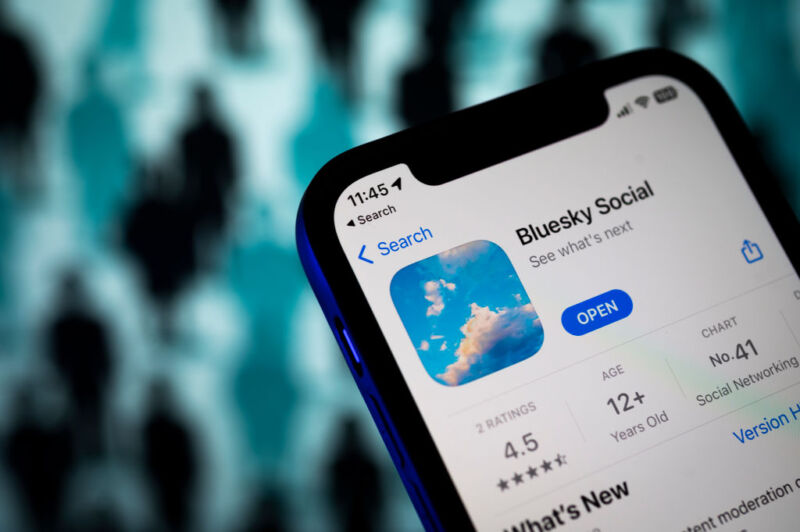
Yesterday, Twitter rival Bluesky experienced its biggest spike in users yet. Between Wednesday and Thursday, Bluesky doubled its user base, Bloomberg reported.

The surge in Bluesky’s popularity came as some of Twitter’s most influential users began joining Bluesky, including writer-comedian Dril, United States Representative Alexandria Ocasio-Cortez, and filmmaker James Gunn. Some of these influencers may have been seeking to distance themselves from Twitter after the platform gifted many legacy accounts with blue verified badges that falsely labeled the accounts as paid subscribers.

Still in beta testing, Bluesky is currently available to more than 40,000 users, Bluesky CEO Jay Graber told Bloomberg today. There’s much more interest from users, though. The iPhone app has been downloaded approximately 360,000 times, and the Android app is reportedly a top download after only recently launching in the US, the United Kingdom, and Japan.

Now that influencers are tweeting out their Bluesky handles, though, it’s likely that many more users have joined the waitlist, which is seemingly the only way to get an invite code right now. It’s possible that beta users will soon have invites to share, too. Ars could not immediately reach Bluesky for comment.

The eagerness to find a Twitter replacement has seemed to escalate after Twitter removed and then reinstated verification badges on legacy verified accounts. Many Twitter users have started joking about getting or wanting Bluesky invites at a time when one of Bluesky’s newest users, model Chrissy Teigen, recently described having Twitter’s blue badge on her account as a form of “punishment.”

Beyond celebrities and influencers who felt stung by receiving blue checks they never asked for falsely branding their accounts, even users who never really cared about badges may be more actively seeking a Twitter alternative as the platform grows less reliable.

In the past few months, several news organizations left the platform, many government accounts lost verification, and many apps broke when Twitter turned off its free API. This week, Mashable reported that Twitter made search unavailable without a login, further restricting access to tweets. Just yesterday, New York’s Metropolitan Transportation Authority (MTA) became one of the first major transportation agencies to stop sharing live updates on Twitter. In MTA’s press release, acting chief customer officer Shanifah Rieara said that MTA terminated those posting services because “reliability of the platform can no longer be guaranteed.”

But while it’s easy to criticize Twitter’s inconsistencies while CEO Elon Musk tries to find new ways to monetize the platform, Bluesky in its beta form may not be a perfect alternative for users worried about things like impersonation, content moderation, or customizable news feeds.

https://arstechnica.com/?p=1935427