Dove Calls On Brands To Help Combat Social Media’s Negative Effects on Women’s Esteem


.article-native-ad { border-bottom: 1px solid #ddd; margin: 0 45px; padding-bottom: 20px; margin-bottom: 20px; } .article-native-ad svg { color: #ddd; font-size: 34px; margin-top: 10px; } .article-native-ad p { line-height:1.5; padding:0!important; padding-left: 10px!important; } .article-native-ad strong { font-weight:500; color:rgb(46,179,178); }

Since the launch of its much-lauded campaign “Real Beauty” in 2004, personal care brand Dove has become synonymous with raising women’s self-esteem. That mission has now been taken forward as Dove calls on other brands to rid advertising of digitally distorted images.

“When you speak to a client or you are in a company, make sure that the imagery you are putting out is not full of distortion. Do not put it out,” said Firdaous El Honsali, Dove’s global vice president of external communications and sustainability in conversation with Adweek’s Brittaney Kiefer at Social Media Week Europe. “When you see the impact it is having on girls and women – it’s not worth it,” she pleaded.

Working with agency partner Ogilvy the Unilever brand has championed the use of natural images through its advertising.

The long-running strategy stemmed from research conducted in 2003 that found only 2% of women said they felt “beautiful.” That led the brand to focus on supporting the other 98% and challenging the way women were being portrayed.

In the nearly 20 years since, Dove has produced work focusing on a diverse range of women from different ethnicities, body shapes and more. Most are not professional models.

“We can’t just fix our advertising… we need the industry to come together and we need to create a big awareness,” she said, adding that social media has only exacerbated the problem. “One of the massive issues is that the next generation of women, by being pushed all this toxic content, was actually very anxious about their bodies and it was having a massive impact on them,” she explained.

This led to the creation of the Dove Self Esteem project which El Honsali said has now educated 82 million people around the world on body confidence. The brand has committed to reaching a quarter of a billion people by the end of the decade through the campaign.

A recent campaign from the brand called “Reverse Selfie” shows how easy it is for young people to alter reality when sharing retouched social media images of themselves. The reverse selfies distort preconceived notions of perfection.

“As a brand, our purpose is more relevant than ever,” stated El Honsali, who shared how else the brand is keeping it real. It is working with the Center of Appearance Research at the University of the West of England to ensure every social media tool is used to make a positive impact for women and girls. It is also working with the Association of Girl Guides and Scouts to talk about the issues of appearance anxiety around the world.

“It’s our responsibility all together as advertisers or in influencer agencies to make this change. It’s very simple,” she said, adding that the idea of doing away with digital distortion “has a massive impact when it is not happening onto our girls.

All of us want to see better representation – we need to be the advocates for it in our business,” she said.

.font-primary { } .font-secondary { } #meter-count { position: fixed; z-index: 9999999; bottom: 0; width:96%; margin: 2%; -webkit-border-radius: 4px; -moz-border-radius: 4px; border-radius: 4px; -webkit-box-shadow: 0 0px 15px 4px rgba(0,0,0,.2); box-shadow:0 0px 15px 4px rgba(0,0,0,.2); padding: 15px 0; color:#fff; background-color:#343a40; } #meter-count .icon { width: auto; opacity:.8; } #meter-count .icon svg { height: 36px; width: auto; } #meter-count .btn-subscribe { font-size:14px; font-weight:bold; padding:7px 18px; color: #fff; background-color: #E50000; border:none; text-transform: capitalize; } #meter-count .btn-subscribe:hover { color: #fff; opacity:.8; } #meter-count .btn-signin { font-size:14px; font-weight:bold; padding:7px 14px; color: #fff; background-color: #121212; border:none; text-transform: capitalize; } #meter-count .btn-signin:hover { color: #fff; opacity:.8; } #meter-count h3 { color:#fff!important; letter-spacing:0px!important; margin:0; padding:0; font-size:16px; line-height:1.5; font-weight:700; margin: 0!important; padding: 0!important; } #meter-count h3 span { color:#E50000!important; font-weight:900; } #meter-count p { font-size:14px; font-weight:500; line-height:1.4; color:#eee!important; margin: 0!important; padding: 0!important; } #meter-count .close { color:#fff; display:block; position:absolute; top: 4px; right:4px; z-index: 999999; } #meter-count .close svg { display:block; color:#fff; height:16px; width:auto; cursor:pointer; } #meter-count .close:hover svg { color:#E50000; } #meter-count .fw-600 { font-weight:600; } @media (max-width: 1079px) { #meter-count .icon { margin:0; padding:0; display:none; } } @media (max-width: 768px) { #meter-count { margin: 0; -webkit-border-radius: 0px; -moz-border-radius: 0px; border-radius: 0px; width:100%; -webkit-box-shadow: 0 -8px 10px -4px rgba(0,0,0,0.3); box-shadow: 0 -8px 10px -4px rgba(0,0,0,0.3); } #meter-count .icon { margin:0; padding:0; display:none; } #meter-count h3 { color:#fff!important; font-size:14px; } #meter-count p { color:#fff!important; font-size: 12px; font-weight: 500; } #meter-count .btn-subscribe, #meter-count .btn-signin { font-size:12px; padding:7px 12px; } #meter-count .btn-signin { display:none; } #meter-count .close svg { height:14px; } }

Enjoying your content? You Have 1 Free Article Left.

Register to continue reading!

https://www.adweek.com/brand-marketing/dove-calls-on-brands-to-help-combat-social-medias-negative-effects-on-womens-esteem/


How King Is Growing Candy Crush Through Creator Partnerships


.article-native-ad { border-bottom: 1px solid #ddd; margin: 0 45px; padding-bottom: 20px; margin-bottom: 20px; } .article-native-ad svg { color: #ddd; font-size: 34px; margin-top: 10px; } .article-native-ad p { line-height:1.5; padding:0!important; padding-left: 10px!important; } .article-native-ad strong { font-weight:500; color:rgb(46,179,178); }

Uncover bold strategies from global marketing leaders at Brandweek Europe, 10 Nov. in London. In-person and virtual passes are available. Register now.

Gaming publisher King, the company behind mobile phenomenon Candy Crush, will build its use of creators, alongside its YouTube and TikTok strategies, as its focus on creating “niche communities” grows.

Speaking at Social Media Week Europe, King’s director of social marketing and creators Roberto Kusabbi outlined the strategy while discussing the success of the 10-year-old game and its recent Candy Cave initiative to support six creators to realize their ideas while promoting the game alongside.

Over the last two-and-a-half years, the Activision Blizzard-owned company has been leaning into creator collaborations, which recently included working with music artist Meghan Trainor who debuted her latest video for the track “Made You Look” exclusively through Candy Crush in October.

According to Business of Apps data, the game had amassed around 255 million users by 2021 and has reached the release of its 8,000th level. Kusabbi explained that for a platform with a community of that size, social media helps it to retain its player base and keep them engaged while it looks to grow over the coming two years and “finding the next generation of Candy.”

He added: “It’s bringing that tone of voice of when the game loads and says ‘take some time to relax.’ I think that can be a big motivation for people and for our social. It’s bringing out that part of the game into the real world and onto digital platforms and then building those experiences into the game as well.”

One of the key things when working with creators is that their channel and their audience is so important to them.

Roberto Kusabbi, King’s director of social marketing and creators

To enrich the social media experience, the game has been testing across a roster of creators for the last three years. That has become “a big channel” for King as a result, starting over three years ago with small tests to see what exposure could be delivered while understanding the attribution in the process.

“We’re a really fun brand to work with if you’re a creator because we’re so inclusive. We are fun, that is what we stand for… our philosophy is to really let the creators create,” Kusabbi claimed.

Creators enter the Candy Cave

In October, the company began its own U.K.-focused Shark Tank/Dragon’s Den-style competition named Candy Cave, hosted by drag superstar Bimini and judged by creators Amelia Dimoldenberg, Munya Chawawa and Chunkz. The show brought six creators’ pitches to life, including a game-inspired edible “Cup Cake” and a Candy Crush Saga-themed musical. The results then ran through the creators’ own channels, promoting the game using its creator fund.

Kussabi explained that the project was the culmination of three years of work and marked its first foray into long-form entertaining content.

“One of the key things when working with creators is that their channel and their audience is so important to them and if you’re a brand, the last thing [you] want to do is put out something that just says ‘download Candy.’ That’s not really how it can work well,” he admitted as the company sought to engage with the next generation of players. “They can see through it when it’s a fudge and we are trying to make something that is standalone entertainment.”

Explaining how the platform decides which creators to work with, Kusabbi said that “it takes time” with “a lot of rigor” invested up front to discover the right people who will help it reach its targeted desired audience and who fits the brand and vice versa.

Ahead of launching Candy Cave, the company worked with creators to discover how it could best use its creator fund to motivate the creation of content that would be watched.

King

“Once we have got that direction then you have to let the process go and that can be quite scary and quite risky. But I think if you do the rigor upfront, then actually that’s kind of where the actual game-changing work can come,” he said before later praising the work of the company’s legal team for their support in agreeing to the partnerships.

Longer term partnerships with creators are also important, he said, in order to make better content once the two parties understand the audience and the essence of the brand.

The explainer video—running at over 12 minutes—is the platform’s most viewed video this year with 7.3 million views on YouTube in a month, while the resulting creator content has been viewed over 25 million times in the space of weeks.

The three-year process started with “a really small spend” as the team built the business case for the creator strategy through the mantra at King—“test, learn, scale and be really agile”—and developed a vision that would work, stated Kusabbi who added that he is “happy” with the decision to date.

Adweek

Success measurement

The company tracks its brand as a measurement of success with an aim of being front-of-mind for players who engage while traveling or when they have time to relax. Situated within the communications team, the aim is to build coverage of its creator partnerships and social media mentions while also utilizing paid media to drive performance.

He explained that internally creators are classed as “a channel” through, for example, the Candy Crush TikTok strategy, which Kusabbi said is “hugely influenced by creators” which allows it “to shortcut pace” in reaching audiences. He advised that partnerships should be “mutually valuable” and that when negotiating the contract with talent, brands should be honest and direct with the creator about the aim, which will help attribution and also “avoid any nasty surprises” when the final content is produced.

This was true of the partnership with Trainor, which helped to reach her fans and bring them into the game to grow its audience.

Of the different social media platforms, Kusabbi explained the brand hasn’t “cracked Twitter” as it endures its post-Musk takeover acquisition; for King, it isn’t a priority platform like YouTube or TikTok are.

He also said that he sees a growth in “niche” communities as it searches for new places to engage with potential players, with decisions driven through data insights—for example having different content strands tested on TikTok to understand where might be best to place its budget, which it is currently in planning for over the coming two years.

“If a content strand isn’t performing, that’s when we’d look to move that somewhere else rather than pull out the platform,” he added about decision making on platform spend.

Meanwhile, there are plans to scale Candy Cave and similar long-format ideas with the aim to “add fun to audience’s lives” while targeting the next generation of players aged between 25-35 years old.

“Creators are definitely an area where we are absolutely going to be focusing a lot more on, for sure,” he stated, underlining the determination to continue this focus in the long-term.

.font-primary { } .font-secondary { } #meter-count { position: fixed; z-index: 9999999; bottom: 0; width:96%; margin: 2%; -webkit-border-radius: 4px; -moz-border-radius: 4px; border-radius: 4px; -webkit-box-shadow: 0 0px 15px 4px rgba(0,0,0,.2); box-shadow:0 0px 15px 4px rgba(0,0,0,.2); padding: 15px 0; color:#fff; background-color:#343a40; } #meter-count .icon { width: auto; opacity:.8; } #meter-count .icon svg { height: 36px; width: auto; } #meter-count .btn-subscribe { font-size:14px; font-weight:bold; padding:7px 18px; color: #fff; background-color: #E50000; border:none; text-transform: capitalize; } #meter-count .btn-subscribe:hover { color: #fff; opacity:.8; } #meter-count .btn-signin { font-size:14px; font-weight:bold; padding:7px 14px; color: #fff; background-color: #121212; border:none; text-transform: capitalize; } #meter-count .btn-signin:hover { color: #fff; opacity:.8; } #meter-count h3 { color:#fff!important; letter-spacing:0px!important; margin:0; padding:0; font-size:16px; line-height:1.5; font-weight:700; margin: 0!important; padding: 0!important; } #meter-count h3 span { color:#E50000!important; font-weight:900; } #meter-count p { font-size:14px; font-weight:500; line-height:1.4; color:#eee!important; margin: 0!important; padding: 0!important; } #meter-count .close { color:#fff; display:block; position:absolute; top: 4px; right:4px; z-index: 999999; } #meter-count .close svg { display:block; color:#fff; height:16px; width:auto; cursor:pointer; } #meter-count .close:hover svg { color:#E50000; } #meter-count .fw-600 { font-weight:600; } @media (max-width: 1079px) { #meter-count .icon { margin:0; padding:0; display:none; } } @media (max-width: 768px) { #meter-count { margin: 0; -webkit-border-radius: 0px; -moz-border-radius: 0px; border-radius: 0px; width:100%; -webkit-box-shadow: 0 -8px 10px -4px rgba(0,0,0,0.3); box-shadow: 0 -8px 10px -4px rgba(0,0,0,0.3); } #meter-count .icon { margin:0; padding:0; display:none; } #meter-count h3 { color:#fff!important; font-size:14px; } #meter-count p { color:#fff!important; font-size: 12px; font-weight: 500; } #meter-count .btn-subscribe, #meter-count .btn-signin { font-size:12px; padding:7px 12px; } #meter-count .btn-signin { display:none; } #meter-count .close svg { height:14px; } }

Enjoying your content? You Have 1 Free Article Left.

Register to continue reading!

https://www.adweek.com/brand-marketing/how-king-is-growing-candy-crush-through-creator-partnerships/


Social Media and The 2022 Midterm Elections: How Social Media Has Changed the Democratic Process

Opinions expressed by Entrepreneur contributors are their own.

Amid the , many are looking toward social media to see how the various platforms are readying themselves for this upcoming election. With the fear of the spread of and chaos, many worry that are not doing all that they can.

Social media is contributing to the polarization of parties

Many can easily observe that the election process has been disrupted by the popular surge in social media over this past decade. There have always been people on the far ends of both sides of the political spectrum, but in this day and age, there are simply more public avenues for their ideas to be viewed and shared.

On a recent 60 Minutes special, Tristan Harris, co-founder of the Center for Humane Technology, said, “The more moral outrageous language you use, the more inflammatory language, contemptuous language, the more indignation you use, the more it will get shared. The better you are at innovating a new way to be divisive, we will pay you more likes, followers, and retweets.”

Harris claimed that a recent study from Twitter revealed that more attention to a post is almost guaranteed if it attacks a political opponent. The more controversial the topic, the more likely it will be to grab and keep viewers’ attention.

Because of this, the people with the more extreme takes are the ones whose posts are gaining the most traction on these . Essentially, the harsher a post’s wording, the higher the chances of going viral. Most people are moderate, so often the narrative on social media does not represent the vast majority of people it may claim to be representing.

Related: How to Avoid the Danger Fake News Could Pose to Your Brand

Social media platforms have created avenues for misinformation

Misinformation is one of the biggest issues that has arisen with the merging of social media and the political campaign process. Over the past few years, there has been an extraordinary informational assault on the legitimacy of U.S. elections fueled by the spread of baseless claims of fraud. With increased concern about potential misinformation about voting and elections, several groups have urged tech companies to do more.

While platforms like TikTok, Twitter, Facebook and say they are working diligently to prevent harmful claims from spreading, some platforms appear to be playing catch up. In a letter sent to the CEOs of Meta, YouTube, Twitter, TikTok and expressing concern about the ongoing spread of misinformation through platforms operated by those companies, California Attorney General Bonta said, “The spread of misinformation and disinformation on social media platforms has led to a proliferation of conspiracy theories, political violence, and threats to ahead of the 2022 midterm elections.”

Many social media platforms have learned from past experience just how important it is to combat the spread of misinformation and are claiming to take it very seriously. For example, Meta contended that it’s investing an additional $5 million in fact-checking and media literacy efforts for Facebook and Instagram before Election Day.

Many of the major social media platforms have plans in place to prevent the spread of misinformation about voting and elections. These could be anything from warnings on a political post, labels of misinformation or even system changes that automatically recommend certain content.

People who choose to violate these rules can be potentially suspended. Unfortunately, not all policies are enforced consistently, including the policies intended to stop harmful misinformation regarding the election. Sometimes false information can hide in places where it is hard to police, such as the comment section of a post.

Related: What is Smear Campaign and What Companies Should Do About it?

You decide

Through time and action, many companies operating the main social media platforms have shown society that they are incapable of self-monitoring to the necessary level. Because of this, it is becoming increasingly important to promote media literacy and educate people on finding credible sources for their information.

Social media platforms are not the only cause of the recent democratic crisis, but their falling behind with the necessary changes required to stop their tools from becoming platforms for hate and election subversion significantly impacts the democratic process.

Related: I’m a Workaholic. Here are 5 Ways I Overcome My Obsessive Behaviors

https://www.entrepreneur.com/article/438701


The Future of Access at Twitter Is in Jeopardy


.article-native-ad { border-bottom: 1px solid #ddd; margin: 0 45px; padding-bottom: 20px; margin-bottom: 20px; } .article-native-ad svg { color: #ddd; font-size: 34px; margin-top: 10px; } .article-native-ad p { line-height:1.5; padding:0!important; padding-left: 10px!important; } .article-native-ad strong { font-weight:500; color:rgb(46,179,178); }

Which social media strategies are winning long-term loyalty and how can your brand build memorable and shoppable moments in the space? Find out at Social Media Week Europe, 7–9 Nov. in London. Virtual passes also available. Sign up today.

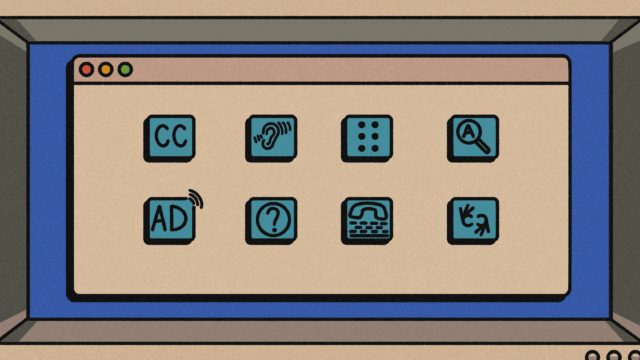
Ever since Elon Musk decided to buy Twitter, accessibility advocates have been preparing for the possibility that the platform’s Accessibility Experience Team would suffer losses. Many were hopeful that someone, literally anyone, with power at Twitter would make a strong enough argument to the new chief twit about the importance of access and save the numerous people who have worked tirelessly for years now to make the platform more accessible for disabled users.

Sadly, all that hope was in vain.

On Friday, Nov. 4, the Accessibility Experience Team, and many others who worked closely on accessibility features for Twitter, were let go as part of mass layoffs that have gutted most of the platform’s global workforce. This is a huge blow for the future of access on Twitter, an area the platform has been making significant progress in.

In 2020, Twitter released a statement promising that it would be making a more dedicated effort when it came to accessibility on the app. The statement was in response to backlash and feedback the platform received from the disabled community after the beta launch of voice tweets proved to be inaccessible for some users.

Before that, the last significant accessibility update Twitter made was in 2016 when it introduced alt text for images, so a lot of people were understandably skeptical that anything on the app would actually change.

Thankfully, Twitter was eager to prove everyone wrong. A few months after its renewed dedication to accessibility, Twitter made it so the ability to write alt text for images was automatically available to all users and not something that needed to be turned on in Settings. In July 2021, captions were added to voice tweets followed by auto-captions for all video uploads in December.

The Twitter Accessibility Experience Team continued to power ahead with new updates in 2022, rolling out the visible alt text badge and a new closed captions button in April. A few months later in September, the highly anticipated alt text reminder was launched globally followed by updated app sounds and updated app icons in October.

All that progress has more than likely come to a screeching halt with the Accessibility Experience Team being forced into unemployment. The @TwitterA11y account was able to post its monthly update on Nov. 1, but it’s unclear how any of those projects will continue without the people who made them possible in the first place.

What is clear, however, is that Twitter’s new leadership does not value its employees, access or the experience of people with disabilities.

If users want to emphasize how important the continued prioritization of accessibility actually is, we need to lean into one of the best parts about Twitter: how easy it makes it to amplify a cause.

Disabled and abled users need to be incessant about their disappointment in the decision to remove the Accessibility Experience Team. Tweet about it, blog about it, devote whole podcast episodes to it. Tag remaining Twitter leadership in every single post and point out how much accessibility impacts the platform.

The World Health Organization estimates that roughly 15% of the global population has some sort of disability, so it stands to reason that a similar percentage of Twitter users are disabled. Members of the disabled community deserve equal access to information just like everyone else online, and abled allies need to back them up.

Accessibility also affects the marketing and advertising industry. Accessible content can result in more leads, better sales, and new customers, all because more people can actually access the information being advertised to them.

Money is already a concern for the bird app, with Musk voicing his desire to turn Twitter back into a profitable platform. If Twitter is truly desperate to bring advertisers back to the platform, prioritizing access could really impact their bottom line.

Advertisers should be demanding that Twitter continue improving its accessibility features or threaten to pull their Twitter budgets. Afterall, there are plenty of other social media platforms where marketers can spend their money.

The future of accessibility—and most areas of diversity equity and inclusion—at Twitter has seemingly been put on the back burner in the name of capitalism, pettiness, and a misguided understanding of free speech. Hopefully, the voices of the remaining Tweeps and Twitter users can help bail out a sinking ship and keep the platform an accessible place for everyone.

https://www.adweek.com/social-marketing/the-future-of-access-at-twitter-is-in-jeopardy/


Code and Theory’s Dan Gardner Reveals New Media Company Designed to Help Readers Understand Technology


.article-native-ad { border-bottom: 1px solid #ddd; margin: 0 45px; padding-bottom: 20px; margin-bottom: 20px; } .article-native-ad svg { color: #ddd; font-size: 34px; margin-top: 10px; } .article-native-ad p { line-height:1.5; padding:0!important; padding-left: 10px!important; } .article-native-ad strong { font-weight:500; color:rgb(46,179,178); }

Which social media strategies are winning long-term loyalty and how can your brand build memorable and shoppable moments in the space? Find out at Social Media Week Europe, 7–9 Nov. in London. Virtual passes also available. Sign up today.

LISBON—Code and Theory founder Dan Gardner and Social Media Week founder and chair Toby Daniels, a former Adweek employee, are launching a media company with 28 other founders next year called ON_Discourse.

Together, the founders make up a decentralized autonomous organization, called a DAO. DAOs have no central authority and, as a result, ON_Discourse members all have a stake in the company. Over the last year, the DAO met to discuss and debate emerging technologies’ impact on business. The group hatched a plan to launch ON_Discourse and publish curated, opinionated content for technology-focused business leaders.

The founders predict that readers will value peer-authored insights written to help technologists navigate the complex choices they need to make as emerging tech concepts like Web3 continue to capture the tech industry’s attention. These articles may have headlines such as “Why is no one asking, ‘why blockchain?’” and “Do DAOs suck?”

“The point of those examples is to show that it’s a challenge to the norm of what is being discussed. And the reason we’re able to get these types of topics [is] because we’re in it, building these businesses,” Gardner told Adweek.

At Web Summit in Lisbon, Portugal, Gardner announced the news on the PandaConf stage, where marketers coalesce to watch programming centered around advertising, marketing and its intersection with tech. Gardner believes the publication will fill the role of the all-but-extinct town square. Social media platforms like Twitter, which are theoretically designed to enable discourse, are criticized for stirring up conflict and often referred to as “echo chambers.”

Don’t expect coverage on the ‘next shiny object’

The new publisher wants to help its future readers understand technology’s risks and opportunities. It’s not a news platform, per se, and wants to focus on demystifying complex concepts for readers and offering insights that will influence business decisions.

Current ON_Discourse members hail from varied backgrounds and include DeShone Kizer, former NFL quarterback and founder of One of None, Raashi Rosenberger, head of brand at Meta Quest (formerly Oculus), and Matthew Sweezey, co-founder of Web3 Labs at Salesforce.

Discourse can “broaden perspective, because you’re actually challenging ideas,” Gardner said. “And it can really bring people together.” It flourishes in business environments, said the leader, noting the media landscape fails to reflect that and has become too friendly and palatable. Gardner fears that people automatically view authors—whether they be journalists, bylined executives or anyone else with a platform—”experts” in diagnosing technology trends despite most having no or limited business leadership experience.

Daniels feels similarly.

“Much of the content that’s out there is either written in a way that is designed to promote the next shiny object in technology, or written by people who have not got the decades of experience in building businesses that we think is necessary to be able to put out deep perspectives on really important topics,” Daniels told Adweek.

A membership-driven model that doesn’t yearn for clicks

The publication will not gate its content and will instead derive its revenue from members, who pay for the opportunity to engage in, well, discourse.

“We’re intentionally an incredibly small and highly curated group of people,” Daniels told Adweek.

Daniels declined to disclose membership costs, but confirmed there will be membership tiers that offer different benefits. Prospective members can apply to join when applications become available later this month. For now, founders urge them to sign up for its Daily Discourse newsletter to receive updates on when its membership waitlist will open up.

This isn’t to say that ON_Discourse will eschew digital advertising. It won’t. But it’s not necessarily chasing ad dollars. Instead, it’s focused on adding members that it can engage in conversation. Members will either write, or work with ghostwriters to write, the ON_Discourse content. Those members stand to benefit if ON_Discourse becomes a thought leadership conduit that can elevate their perspectives and expertise while veering far away from publishing the so-called “marketing speak” that fatigues readers.

“We don’t want to chase ‘eyeballs,’” Gardner told Adweek. “We want to chase ‘meaningful’ eyeballs.”

.font-primary { } .font-secondary { } #meter-count { position: fixed; z-index: 9999999; bottom: 0; width:96%; margin: 2%; -webkit-border-radius: 4px; -moz-border-radius: 4px; border-radius: 4px; -webkit-box-shadow: 0 0px 15px 4px rgba(0,0,0,.2); box-shadow:0 0px 15px 4px rgba(0,0,0,.2); padding: 15px 0; color:#fff; background-color:#343a40; } #meter-count .icon { width: auto; opacity:.8; } #meter-count .icon svg { height: 36px; width: auto; } #meter-count .btn-subscribe { font-size:14px; font-weight:bold; padding:7px 18px; color: #fff; background-color: #E50000; border:none; text-transform: capitalize; } #meter-count .btn-subscribe:hover { color: #fff; opacity:.8; } #meter-count .btn-signin { font-size:14px; font-weight:bold; padding:7px 14px; color: #fff; background-color: #121212; border:none; text-transform: capitalize; } #meter-count .btn-signin:hover { color: #fff; opacity:.8; } #meter-count h3 { color:#fff!important; letter-spacing:0px!important; margin:0; padding:0; font-size:16px; line-height:1.5; font-weight:700; margin: 0!important; padding: 0!important; } #meter-count h3 span { color:#E50000!important; font-weight:900; } #meter-count p { font-size:14px; font-weight:500; line-height:1.4; color:#eee!important; margin: 0!important; padding: 0!important; } #meter-count .close { color:#fff; display:block; position:absolute; top: 4px; right:4px; z-index: 999999; } #meter-count .close svg { display:block; color:#fff; height:16px; width:auto; cursor:pointer; } #meter-count .close:hover svg { color:#E50000; } #meter-count .fw-600 { font-weight:600; } @media (max-width: 1079px) { #meter-count .icon { margin:0; padding:0; display:none; } } @media (max-width: 768px) { #meter-count { margin: 0; -webkit-border-radius: 0px; -moz-border-radius: 0px; border-radius: 0px; width:100%; -webkit-box-shadow: 0 -8px 10px -4px rgba(0,0,0,0.3); box-shadow: 0 -8px 10px -4px rgba(0,0,0,0.3); } #meter-count .icon { margin:0; padding:0; display:none; } #meter-count h3 { color:#fff!important; font-size:14px; } #meter-count p { color:#fff!important; font-size: 12px; font-weight: 500; } #meter-count .btn-subscribe, #meter-count .btn-signin { font-size:12px; padding:7px 12px; } #meter-count .btn-signin { display:none; } #meter-count .close svg { height:14px; } }

Enjoying your content? You Have 1 Free Article Left.

Register to continue reading!

https://www.adweek.com/media/code-and-theorys-dan-gardner-reveals-new-media-company-designed-to-help-readers-understand-technology/


How Journaling Helped Me Get 10,000 Instagram Followers

Opinions expressed by Entrepreneur contributors are their own.

Growing up, I always loved . Writing allowed me to express my thoughts and ideas. It was also a great avenue to vent my frustrations. As I’ve gotten older, I’ve always kept a private journal. I struggle with journaling on a daily basis, so I would always update my private journal every six months. It wasn’t until I started my software company, Trend Watchers, that I decided to hop on the #buildinginpublic trend.

Building in public is where you document yourself starting a company from scratch. When documenting your journey, you are supposed to showcase the good, bad and ugly days.
Most people build in public on Twitter, but I decided to do it on Instagram. To start, I decided to delete my account and start from scratch.

Related: How Journaling Can Make You a Better Entrepreneur and Leader

How journaling online grew my Instagram following

At first, I documented my journey through Instagram posts only. I would create a minimalistic graphic on Canva and would max out my Instagram caption, sharing whatever lesson I learned that week.

The thing that makes my Instagram posts so unique is my wide variety of topics.
One week, I’ll write about a lesson I learned from conducting business, another week I’ll write about a lesson I learned from dating, and so forth. There is no way to predict what I will write next. Even I have no idea what topic I’m going to be writing about beforehand.

My posts are 100% based on inspiration. This makes my posts even more unique to where people want to share and read my posts. I started seeing growth on my page after I started posting pictures of myself to go along with the maxed-out caption.

Growing up, I never took photos of myself. When I try to look back, I can only find the photos my parents took of me. I never took any of myself. To change this, I decided to post high-quality pictures of myself with each post that goes up. After doing this for over a year, I’m able to look back at my life with gratitude and can tell you exactly what was going on based on the photo I’m looking at.

Instagram also likes it when you show your face. It makes you appear more human. I noticed my engagement jump up by 50% when I started adding photos of myself. This organic engagement boost combined with sharing my story with the Trend Watchers customer list helped me make my way to 10,000+ followers. When I first started the page, I had no idea it would make it this far, but by building in public, I have earned the following:

Related: 7 Ways to Grow Your Instagram Without Buying Followers

1. Networking opportunities

To get the most out of networking online, it is important to have your profile well put together. Once it is well optimized, start following key people within your industry.

One of my favorite tactics is to follow professionals I meet in person and have them follow me back. I also keep my Instagram stories up showcasing my life, and usually by doing this, they will remember me. Some of these relationships go nowhere, but now and then, an opportunity will come through.

2. Dating opportunities

About 2-3 times a month, someone will slide in my DMs. Most of the time, I’ll take these girls out on a first get-to-know-you date, and the conversations are just amazing. Most of the time, they have the same energy as me, and it’s refreshing to be around someone that has a growth mindset. Whether your intention is dating or not, building an Instagram following the way that I have can help you meet new people and build meaningful relationships.

3. Customer acquisition channels

My Instagram page also serves as a way for me to acquire new customers. If I’m selling high-ticket, I’ll have them follow me on Instagram to further build trust. They can scroll through my posts, learn more about me and see that I am authentic and credible. This often makes closing the sale a breeze.

4. Amazing friendships

Women are not the only ones sliding in my DMS. Every once in a while, guys will as well. Most of these people are not serious, but now and then I’ll come across someone who is. We’ll end up talking, and before you know it, we are great friends talking about issues both in our business and personal life. This is probably one of my favorite benefits of documenting my journey online.

When I decided to start documenting my journey on Instagram, I did it for fun. I love having my own personal databases/journals that I can always look back on and go through. Little did I know, my public journal would gain momentum and start touching lives all over the world. Not only is it touching lives, but it is starting to open up doors in all directions that I could have never imagined.

Related: 4 Ways Documenting the Journey Has Become More Popular Than Celebrating the Outcome

If you are passionate about writing or keeping a journal, I’d highly recommend documenting your journey online. You’d be surprised by the people you’ll touch and the opportunities that will come your way.

https://www.entrepreneur.com/article/437060


Musk’s Twitter Layoffs Begin in Effort to Make ‘a More Successful Business’


.article-native-ad { border-bottom: 1px solid #ddd; margin: 0 45px; padding-bottom: 20px; margin-bottom: 20px; } .article-native-ad svg { color: #ddd; font-size: 34px; margin-top: 10px; } .article-native-ad p { line-height:1.5; padding:0!important; padding-left: 10px!important; } .article-native-ad strong { font-weight:500; color:rgb(46,179,178); }

Which social media strategies are winning long-term loyalty and how can your brand build memorable and shoppable moments in the space? Find out at Social Media Week Europe, 7–9 Nov. in London. Virtual passes also available. Sign up today.

Twitter has begun making layoffs, which are set to impact half of its staff globally, with all offices temporarily closed and emails sent to personal addresses of those who are to leave the company.

Since Elon Musk’s $44 billion takeover of the micro-messaging platform was confirmed last week, there have been questions about what policy changes would come, his strategy for the business and what those would mean for advertisers, several of who are already reducing or halting their ad spend on the platform due to uncertainty and a rise in hate speech. Musk’s first major change, however, is to cut the platform’s headcount, currently more than 7,000 staffers, by half.

That process began on the morning of Friday, November 4, through a memo sent to all staff explaining the process of reducing its global headcount.

“This action is unfortunately necessary to ensure the company’s success moving forward,” the memo signed “Twitter” explained.

The memo explained that by 9:00 a.m. Pacific Time Zone all staff members will have received notification through their Twitter email if they still have a job.

In the early hours of Friday morning, staff members from around the world were using the platform to share the news that they were one of those chosen to depart through the hashtag #lovehwhereyouworked.

image
The message sent to all staff within Twitter outlining the layoff process

Included among the thousands to reveal their enforced departures using the hashtag #lovewhereyouworked were Jonathan Taylor, head of global strategy and innovation and James Glynn, senior curation lead on News, both based in London. Others include Yash Agarwal, a public policy association and Helen Zhang, communications manager, both based in Singapore.

One of the early executives to leave following Musk’s takeover was concluded was its chief customer officer Sarah Personette, who resigned last Friday and was the platform’s key liaison with advertisers.

Global social media business We Are Social’s U.K. chief executive Jim Coleman described the timing of the cuts as “awful” but suggested it might be what Twitter needs in the long-term.

“The timing, in terms of the World Cup, the U.S. midterms, Cop27 and Christmas, it’s really bizarre that he would do it now, and it feels like the wrong time to do it,” Coleman said. “From an advertiser’s perspective, it’s all about waiting and seeing. There has been no policy change yet, there is just the hint of policy change coming.”

Coleman highlighted the increase in “horrible content” and racist language use that had been reported since Musk’s takeover, an environment advertisers would not want to be associated with. Twitter’s head of safety and integrity Yoel Roth shared that there had been a “surge of hateful content” and that 1,500 accounts had been removed in recent days.

As a result of the rise in hate speech, recorded brands such as General Mills, L’Oreal, Pfizer and General Motors have paused their spend on the platform.

“If you’re in a situation where your ads are turning up next to some of this hateful content you have no choice but to remove them,” Coleman said, adding that advertisers and media buyers were waiting to see what happens with new policies being introduced and a potential subscription strategy on the way which would “make it a better business.”  Coleman added that if Twitter were to introduce a subscription model it would likely become a more brand safe and appealing place for advertisers in the long run.

In July, Twitter reported a decline in its revenue of $1.18 billion for its second quarter, down from $1.19 billion in 2021 earnings, which it blamed on its legal wrangling with Musk during the protracted takeover, which he attempted to pull out of. Macroeconmic headwinds have weighted heavily on tech ad revenues. And while Twitter relies on the vast majority of its revenues from advertisers, the platform is only anticipated to make up 4% of U.S. ad spend this year, per Insider Intelligence. The platform has fallen in its significance to advertisers.

Jake Dubbins, Co-chair of the Conscious Advertising Network and managing director of Media Bounty was damning of the situation and questioned how the platform could retain its membership within the Global Alliance for Responsible Media following recent developments.

“The way people have been treated at Twitter is appalling. Notified on email if you still have a job? A fitting testament to modern day predatory capitalism,” stated Dubbins, questioning the integrity of the platform under its new owner. “Even though content moderation policies have not changed yet, how can Twitter hope to enforce them with such devastating cuts in staff?”

.font-primary { } .font-secondary { } #meter-count { position: fixed; z-index: 9999999; bottom: 0; width:96%; margin: 2%; -webkit-border-radius: 4px; -moz-border-radius: 4px; border-radius: 4px; -webkit-box-shadow: 0 0px 15px 4px rgba(0,0,0,.2); box-shadow:0 0px 15px 4px rgba(0,0,0,.2); padding: 15px 0; color:#fff; background-color:#343a40; } #meter-count .icon { width: auto; opacity:.8; } #meter-count .icon svg { height: 36px; width: auto; } #meter-count .btn-subscribe { font-size:14px; font-weight:bold; padding:7px 18px; color: #fff; background-color: #E50000; border:none; text-transform: capitalize; } #meter-count .btn-subscribe:hover { color: #fff; opacity:.8; } #meter-count .btn-signin { font-size:14px; font-weight:bold; padding:7px 14px; color: #fff; background-color: #121212; border:none; text-transform: capitalize; } #meter-count .btn-signin:hover { color: #fff; opacity:.8; } #meter-count h3 { color:#fff!important; letter-spacing:0px!important; margin:0; padding:0; font-size:16px; line-height:1.5; font-weight:700; margin: 0!important; padding: 0!important; } #meter-count h3 span { color:#E50000!important; font-weight:900; } #meter-count p { font-size:14px; font-weight:500; line-height:1.4; color:#eee!important; margin: 0!important; padding: 0!important; } #meter-count .close { color:#fff; display:block; position:absolute; top: 4px; right:4px; z-index: 999999; } #meter-count .close svg { display:block; color:#fff; height:16px; width:auto; cursor:pointer; } #meter-count .close:hover svg { color:#E50000; } #meter-count .fw-600 { font-weight:600; } @media (max-width: 1079px) { #meter-count .icon { margin:0; padding:0; display:none; } } @media (max-width: 768px) { #meter-count { margin: 0; -webkit-border-radius: 0px; -moz-border-radius: 0px; border-radius: 0px; width:100%; -webkit-box-shadow: 0 -8px 10px -4px rgba(0,0,0,0.3); box-shadow: 0 -8px 10px -4px rgba(0,0,0,0.3); } #meter-count .icon { margin:0; padding:0; display:none; } #meter-count h3 { color:#fff!important; font-size:14px; } #meter-count p { color:#fff!important; font-size: 12px; font-weight: 500; } #meter-count .btn-subscribe, #meter-count .btn-signin { font-size:12px; padding:7px 12px; } #meter-count .btn-signin { display:none; } #meter-count .close svg { height:14px; } }

Enjoying your content? You Have 1 Free Article Left.

Register to continue reading!

https://www.adweek.com/social-marketing/musks-twitter-layoffs-begin-in-effort-to-make-a-more-successful-business/


Hesitant to Use Social Media for Your Business? Here’s What You’re Missing Out On.

Opinions expressed by Entrepreneur contributors are their own.

Building an authentic brand through attractive is essential to the success of any business. plays an important role in your marketing strategy. It is one of my favorite topics to talk to business owners about because it is a simple way to step into the life you’ve been dreaming of.

As an entrepreneur bootstrapping your way to success, your resources are limited. You can funnel time and money into old-school marketing, with its one-dimensional message and limited reach, or you can showcase your dynamic personality in front of your target by building an online presence. A world of opportunities suddenly becomes closer than you imagined possible.

You might be hesitant to use social media for your business. The thought of making videos or dancing to the latest trending song makes you roll your eyes a little. There’s already a lot on your plate, and you can’t imagine how adding this to your growing will benefit you. Besides, isn’t social media just meant for ?

The answer is yes … but that’s perfect for your business.

Related: The Business of Harnessing the Power of Social Media

Connect with your audience

Most run to social media to escape life for a hot second and dive into a world that’s a little more fun. The great news is that you can leverage the users’ intent for your own brand benefit by creating content that is fun and exciting to watch. The content should be on-brand for your company but also infuse an energy that captivates the audience in a fun way so they can get educated on what it is you do without getting bored and scrolling away forever.

Just as with any other aspect of your business, to be successful on social media you must be genuine. It’s not about making up a phony persona based on what you think people what to see. Trending dances make quick entertainment, but if that doesn’t speak of your brand message and showcase your true self, then don’t waste your time. People want to connect with people they know, like and trust. Build that first, and the business opportunities will follow. That’s where the gold lies for entrepreneurs.

Related: 3 Tips for Building Your Personal Brand on Social Media

What kind of content should you post?

Be intentional with your message on social platforms. Take the time to really build out content that is thoughtful and aligns with your brand values. Even thread some personal content in about your goals, mistakes and life behind the scenes to help your audience see who you really are and what you (and therefore your brand) stand for.

If the thought of making a plan seems overwhelming, just know this: I didn’t have a plan when I first started posting on social media, I just got started. Imperfect action is better than no action at all. I did what felt right, wrote from the heart each morning and started out just posting more about my personal life until my brand message became more dialed in. I shared my yoga journey and wasn’t afraid to get a little silly sometimes. Then I threaded in some messaging about my new business ventures. I was surprised at the positive response. People were interested in what I was doing and began asking questions about how they could work with me.

My followers connected with me because they recognized similarities to their own lives or watched me achieve goals they also wanted for themselves. They began cheering me on, thanking me for sharing my knowledge and wanting to know how they could achieve their own goals. My confidence grew as I got more dialed in on my path. It lit me up to have such a positive impact on people by showing up as myself.

Related: Social Media Engagement Is Where the Magic Happens for Your Business

Be yourself

Energy is contagious! When people see you doing what you love, they want to be a part of it. Let them lean into you by seeing who you are and understanding what you do. Be you. Talk about what you do and who you are. Keep in mind that it’s not all about making a sale or getting a client. Connect with others without pitching to them. Don’t be afraid to share your genius, it could spark something amazing in yourself and others. The more you lean into people, the more they will lean into you. So, share who you are and what you know without the expectation of a sale, and I guarantee that is exactly how you’ll get more of what you are looking for: Customers who are really excited about and aligned with your brand!

One last thing: When you start your posting journey on social media, don’t get caught up in the popularity contest. You aren’t there to be popular; you are there to build brand awareness. There are always eyes on you even if your posts aren’t racking up likes or comments, so lead by example. Inspire people by showing them the possibilities. But don’t be afraid to post about the “messy middle,” too. Showing your low moments gives others hope because they see that winners face challenges too. You’ll make connections and open yourself to new opportunities with your willingness to show your vulnerability.

It’s a big world out there. Seizing opportunities created by the aligned connections I’ve developed through social media has allowed me to expand beyond what I thought was possible. Not just in my business, but in my life!

You’re not going to go from zero posts to a viral or verified (blue tik) account in a month. Building a personal brand takes time, but it won’t happen until you get started. If you’re hesitant to use social platforms to build your business, go slowly at first to establish a habit. Think about what excites you. Commit to posting once a day about something that really lights your fire. Once you’ve gained traction, keep expanding.

Show up as your genuine self to cut through the marketing noise. Your unique energy is the foundation to create a brand with the most meaningful impact. Give yourself the chance to shine, and watch the magic happen!

https://www.entrepreneur.com/article/436984


How to download a backup copy of your Twitter data (or deactivate your account)

A Twitter-logo-shaped cutout in a puzzle-like background.
Enlarge / Whatever happens, it’s nice to know your data options.
Benj Edwards

Big changes are underway at Twitter as we speak—including new leadership—and some people are nervous about what the future might bring for the social network. Things may end up completely fine, but even in tranquil times, it’s good to know how to get a copy of your Twitter data for local safekeeping—or to deactivate your Twitter account if you choose. This puts control of your data in your hands.

Before we start, it’s important to know that the process of getting a copy of your Twitter data can take 24 hours or more. Twitter does this both for safety reasons and ostensibly to give its servers time to gather the detailed data it will send you.

Also, you’ll need an email address or mobile phone number registered to your Twitter account so the site can send you a special confirmation code to complete the process. Once you have the data, you’ll get a local copy of all of your tweets that you can store indefinitely without needing to log in to Twitter.

How to request your Twitter data on desktop or mobile

To get a copy of your Twitter data, you first need to complete a request process. To get started, log in to Twitter.com or open the Twitter app using the account for which you’d like to request an archive.

If you’re on the Twitter website, click “More” in the sidebar, then click “Settings and Support.” On the mobile Twitter app, just tap “Settings and Support” in the sidebar. When that menu expands, click or tap “Settings and Privacy.”

Select "Settings and Privacy."
Enlarge / Select “Settings and Privacy.”
Ars Technica

Under “Settings,” select “Your account,” then click or tap “Download an archive of your data.”

Select "Download an archive of your data."
Enlarge / Select “Download an archive of your data.”
Ars Technica

After verifying your password, Twitter will send a verification code to either your email address or a mobile phone number through a text message, depending on what you choose.

After you get the code, type it into Twitter, and you’ll be back on the “Download an archive of your data” page. Under “Twitter data,” click the “Request archive” button.

Click "Request archive" to submit a request for your Twitter data.
Enlarge / Click “Request archive” to submit a request for your Twitter data.
Ars Technica

Twitter will begin preparing your archive, which can take 24 hours or more to complete.

When the archive is ready, you’ll get a notification via email and/or a pop-up notification in the Twitter app. On the Twitter website or in the app, navigate to “Settings and privacy” > “Your account” > “Download an archive of your data” to download the ZIP file that contains your data.

What’s in the Twitter data you get?

Once you’ve downloaded the ZIP file, extract it into a folder on a PC, Mac, or Linux. In that folder, you can open “Your archive.html” in a standard web browser and look through your Twitter data locally, which is now hosted on your computer in that folder.

Once downloaded, you can view your Twitter data locally in a web browser.
Enlarge / Once downloaded, you can view your Twitter data locally in a web browser.
Ars Technica

The Twitter account data you can download arrives as a ZIP file, viewable in a local web browser on a PC or Mac, which includes your tweets and direct messages, account info and history, apps and devices you’ve used, accounts you’ve blocked or muted, and advertising profile information.

A note about direct messages

From our experimentation, we’ve noticed that Twitter direct messages (DMs) will be retained in Twitter’s servers as long as one person in the chat does not delete them. So even if you delete your DM history with a person, the other person you chatted with will still have a copy of your shared DM history. But if both people in the DM chat delete the direct message conversation, it disappears from your Twitter archive (and likely from Twitter’s servers) forever. So if you have sensitive DMs you’d like to erase, ask the other party to delete their DM chat history with you as well.

How to deactivate your Twitter account

If you’ve already downloaded your Twitter data and feel like you’re ready to take the more dramatic step of deactivating or deleting your account, then log in to Twitter.com or open the Twitter app using the account you’d like to deactivate.

Using the sidebar, navigate to “Settings and privacy” > “Your account” > “Deactivate your account.” On that page, you’ll see a few disclaimers about how deactivation works, but they aren’t clear about deletion. Consulting Twitter’s support pages reveals more detail about the process: Deactivation can be reversed for up to 30 days. After that, your Twitter account and all associated data will be permanently deleted.

If you’re ready, click “Deactivate.”

Select "Deactivate" to deactivate your Twitter account.
Enlarge / Select “Deactivate” to deactivate your Twitter account.
Ars Technica

Even after clicking “Deactivate,” you’ll need to enter your Twitter password and go through another confirmation prompt.

When complete, your Twitter account will deactivate, and your tweets will disappear from the website within a few minutes. If you change your mind, log in again within 30 days and your account will reactivate. But if you don’t log in again within 30 days, your account will be deleted forever.

https://arstechnica.com/?p=1893635


MTV Entertainment Studios Harnesses the Power of Fandom to Encourage Voting

.article-native-ad { border-bottom: 1px solid #ddd; margin: 0 45px; padding-bottom: 20px; margin-bottom: 20px; } .article-native-ad svg { color: #ddd; font-size: 34px; margin-top: 10px; } .article-native-ad p { line-height:1.5; padding:0!important; padding-left: 10px!important; } .article-native-ad strong { font-weight:500; color:rgb(46,179,178); }
Which social media strategies are winning long-term loyalty and how can your brand build memorable and shoppable moments in the space? Find out at Social Media Week Europe, 7–9 Nov. in London. Virtual passes also available. Sign up today.

With the U.S. midterm elections fast approaching, MTV Entertainment Group wants its viewers to get ahead of the poll lines and vote early.

.font-primary { } .font-secondary { } #meter-count { position: fixed; z-index: 9999999; bottom: 0; width:96%; margin: 2%; -webkit-border-radius: 4px; -moz-border-radius: 4px; border-radius: 4px; -webkit-box-shadow: 0 0px 15px 4px rgba(0,0,0,.2); box-shadow:0 0px 15px 4px rgba(0,0,0,.2); padding: 15px 0; color:#fff; background-color:#343a40; } #meter-count .icon { width: auto; opacity:.8; } #meter-count .icon svg { height: 36px; width: auto; } #meter-count .btn-subscribe { font-size:14px; font-weight:bold; padding:7px 18px; color: #fff; background-color: #E50000; border:none; text-transform: capitalize; } #meter-count .btn-subscribe:hover { color: #fff; opacity:.8; } #meter-count .btn-signin { font-size:14px; font-weight:bold; padding:7px 14px; color: #fff; background-color: #121212; border:none; text-transform: capitalize; } #meter-count .btn-signin:hover { color: #fff; opacity:.8; } #meter-count h3 { color:#fff!important; letter-spacing:0px!important; margin:0; padding:0; font-size:16px; line-height:1.5; font-weight:700; margin: 0!important; padding: 0!important; } #meter-count h3 span { color:#E50000!important; font-weight:900; } #meter-count p { font-size:14px; font-weight:500; line-height:1.4; color:#eee!important; margin: 0!important; padding: 0!important; } #meter-count .close { color:#fff; display:block; position:absolute; top: 4px; right:4px; z-index: 999999; } #meter-count .close svg { display:block; color:#fff; height:16px; width:auto; cursor:pointer; } #meter-count .close:hover svg { color:#E50000; } #meter-count .fw-600 { font-weight:600; } @media (max-width: 1079px) { #meter-count .icon { margin:0; padding:0; display:none; } } @media (max-width: 768px) { #meter-count { margin: 0; -webkit-border-radius: 0px; -moz-border-radius: 0px; border-radius: 0px; width:100%; -webkit-box-shadow: 0 -8px 10px -4px rgba(0,0,0,0.3); box-shadow: 0 -8px 10px -4px rgba(0,0,0,0.3); } #meter-count .icon { margin:0; padding:0; display:none; } #meter-count h3 { color:#fff!important; font-size:14px; } #meter-count p { color:#fff!important; font-size: 12px; font-weight: 500; } #meter-count .btn-subscribe, #meter-count .btn-signin { font-size:12px; padding:7px 12px; } #meter-count .btn-signin { display:none; } #meter-count .close svg { height:14px; } }

Enjoying your content? You Have 1 Free Article Left.

Register to continue reading!

https://www.adweek.com/brand-marketing/mtv-entertainment-group-fans-encourage-voting/