How to Turn Off Political Ads on Facebook and Instagram

As the 2020 election ramps up, political ads are likely to infiltrate your social media feeds. If you’d rather they not appear, here’s how to banish them from your Facebook and Instagram accounts.

July 22, 2020 4 min read

This story originally appeared on PCMag

Tired of seeing political ads on Facebook and Instagram? Unless Facebook decides to ban them, you’re about to see a lot more as the November 2020 election gets closer. Thankfully, there is a way to prevent these kinds of ads from popping up on your feed. Both Facebook and Instagram allow you to turn off political ads, either by blocking them as they appear or by going directly to your ad settings. Here’s what you can do.

Disable political ads on Facebook

You can hide an individual ad, as well as all future political ads, via the Facebook app or website. The process is the same for both, but we’ll use the app for the examples below.

hide ad on facebook app

If you’re on Facebook and find a political ad you no longer want to see on your timeline, click the ellipsis icon in the upper right of the ad. From the list of options, tap Hide ad. You are then asked to identify why you want to hide the ad. Depending on the type of ad, you can choose from such reasons as sensitive topic, irrelevant, misleading or scam, offensive, spam, false news, or other. Pick the reason and tap Done.

hide ad on facebook app

The next screen then suggests other steps you can take. If you’re finished, tap Done. But you can also use this opportunity to banish other ads from this source. To do that, tap the option to Hide all ads from [name of the source]. At the next screen, tap the Undo button if you change your mind. Otherwise, a message appears in place of the ad saying that you won’t see this ad in your News Feed.

hide ad on facebook app

Here’s another way to block all ads from the same source. Tap the ellipsis icon in the upper right of the ad and select Why am I seeing this ad? The next screen tries to explain why this ad popped up on your News Feed. To stop all such ads in the future, tap the option to Hide all ads from this advertiser.

hide ad on facebook app

You can turn off all political ads if you don’t want to see any of them. If you’ve found a political ad, look for a button that says Confirmed Organization and tap it. You can also tap the (i) icon that appears after the Confirmed Organization button vanishes. Alternatively, tap the text indicating that the ad was sponsored and paid for by a specific organization. 

At the next screen, tap the option to See fewer ads about this topic: Social Issues, Elections, or Politics. Confirm your action by tapping the button to See fewer ads about this topic.

hide ad on facebook app

You can also turn off all political ads through the Ad settings option. In the Facebook app, tap the hamburger icon in the lower right and select Settings & Privacy > Settings > Ad Preferences > Ad Topics. Tap the three-dot icon next to the entry for Social Issues, Elections or Politics and then select the command to See fewer ads about this topic.

Disable political ads on Instagram

Instagram also allows you to hide an individual ad, political or otherwise. Tap the ellipsis icon at the top right of the ad and select Hide Ad. The next screen asks why you don’t want to see this ad. You can choose from such reasons as It’s not relevant, I see it too often, and It’s inappropriate. The ad then disappears.

hide add on instagram app

You can turn off all political ads a couple of different ways. In the ad, tap the text that says Paid for by… and at the next screen, tap the link that says See Fewer Ads Like This.

hide add on instagram app

Alternatively, tap the profile icon in the lower right and go through your account settings. Tap the hamburger icon and select Settings > Ads >Ad Topic Preferences. Tap the circle for Social Issues, Elections or Politics to turn off those types of ads, then tap Save.

hide add on instagram app

https://www.entrepreneur.com/article/353643


What Are Loop Giveaways and How Can You Use Them to Gain Millions of Followers?

Brands and influencers are embracing the power of loop giveaways. Here’s how they work.

July 8, 2020 4 min read

Opinions expressed by Entrepreneur contributors are their own.

While platforms like and Facebook originally provided space for regular people to share details of their daily lives, it is no secret that these outlets have become finely-tuned marketing machines for brands. Plenty of influencers and products have risen to prominence due to tweets and posts going viral. The latest trend in is the loop giveaway. But why has it become so popular?

A loop giveaway is a marketing strategy that tries to attract millions of followers. Here’s how it works: a makes an irresistible offer, such as winning $10,000. To enter, people have to follow the host brand and its associates. In the end, one lucky winner gets to put that cash in their pocket — it’s as simple as that. 

Related: The Tools You Need to Create a YouTube Recording Studio

Are loop giveaways effective?

Absolutely. Brands and influencers are gaining millions of followers almost overnight. Loop giveaways continue to evolve, recently spicing things up by inviting big-name influencers as the “face” of the campaign.

Last summer, promoted a $20,000 giveaway including nine luxury bags. The campaign was a huge hit, essentially paving the way for the loop giveaway. Brands gained over 230,000 new followers from that one giveaway and saw a dramatic increase in traffic. Celebrities of all niches are joining the trend with YouTubers and rising TikTok stars jumping at the opportunity for exposure.

Related: Facebook to Shutter TikTok Clone Lasso and Hobbi on July 10

There is no question that these loop giveaways are becoming mainstream amongst the A List Celebrities, with practically everyone jumping on board. In 2020 alone we have seen these cash giveaways from artists and celebrities like Bella Thorne, Dababy, Lil Pump, Lil Ui Vert, Lil Pump, Cardi B, Blueface, Trippie Redd, Rich The e this start with Kid and so many more.

One giveaway that stood out was when Kevin Hart and Rick Ross collaborated on a $20,000 cash giveaway on June 28th. In this specific example users needed to follow everyone that @highkeyagency was following to be eligible to win the giveaway. In the end, the agency selects the followers at random and awards them the money, no questions asked.

Offering big rewards for little effort

The reason why loop giveaways are so incredibly effective as a social media growth strategy is that they offer a big reward for almost no effort at all. The tradeoff, however, is that they aren’t cheap for participants.

If an influencer or a brand wants to host a giveaway, they’d need to shell out some serious bucks. The upside though is that the cost is shared by all of the participants. If four businesses want to grow their audience by the thousands, they can simply pitch in a couple thousand each, hire a big-name celebrity like Kevin Hart, or to promote the giveaway and give the rest away to their new followers.

The loop giveaway has become a tried and true method in recent years, and the trend continues to grow. While users will unfollow some of the participants after the cash reward is announced, there tends to be a 75% retention rate of followers which is well worth the investment. 

Related: Want to Make Something Great? Just Add Other People, Says Joseph Gordon-Levitt.

An Instagram giveaway has five essential factors that determine what the expense would be for the hosting brand. Those include the number of new Instagram followers, the cost of the giveaway item, the user engagement rates for the host, the number of brands participating, and any additional bonuses. 

The goal of the loop giveaway is to drive quality, genuine followers to the participating brands. The method has been established as credible, and the inclusion of celebrities has only made the case for the loop giveaway stronger. 

https://www.entrepreneur.com/article/352702


TikTok Self-Serve Ads Available Globally & $100 Million in Ad Credits via @SusanEDub

After a couple years of waiting patiently, TikTok has announced they are rolling out their self-serve advertising platform globally.

The tools will give advertisers access to their tools for creative, targeting, and flexible budgeting.

They also note there will be business accounts that provide additional tools, but have not specified them at this time.

According to Blake Chandlee, Vice President, Global Business Solutions at TikTok:

“TikTok’s immersive, short-form videos give businesses a platform to participate and engage with a community known for its creativity, ingenuity, and joy. As our marketing solutions scale and evolve, we’re continuously building for the future and aiming to meet the growing needs of our partners. We’re excited to continue supporting our community by providing the tools and resources for SMB owners to navigate these challenging times.”

The Evolution of TikTok’s Ad Offering

Advertisers have expressed curiosity, along with some frustrations about the inability to simply test ads on the platform.

The meteoric rise of users over the past 2 years made it desirable real estate, particularly as younger users departed Facebook and began to disperse among other apps, TikTok being one of them.

TikTok Self-Serve Ads Available Globally & $100 Million in Ad Credits

TikTok Self-Serve Ads Available Globally & $100 Million in Ad Credits

Previously, advertising on TikTok required access to a rep and a commitment via an insertion order (IO), or to be whitelisted for the self-serve product.

When asked the criteria that existed for the beta, a TikTok representative stated, “The team was evaluating based on a number of different factors, such as a brand or agency’s advertising goals and how we were looking to test the platform.”

In other words, it was at their own discretion.

TikTok’s Growth Versus the Norm

Beyond its fast growth, it’s also become more desirable because of the rate at which it’s grown.

TikTok reached the mark of 1 billion users faster than any other social media platform to date.

By comparison, once Facebook opened to the world at large, it took them a little over 4 years to hit 1 billion users.

ADVERTISEMENT

CONTINUE READING BELOW

It took Instagram roughly 5 years to reach a billion users.

TikTok did it in about 2 years.

TikTok Self-Serve Ads Available Globally & $100 Million in Ad Credits

TikTok Self-Serve Ads Available Globally & $100 Million in Ad Credits

Why TikTok Users are Desirable

Originally dismissed as another Snapchat, TikTok wasn’t watched closely by advertisers at first, generally speaking.

Snapchat had a quick adoption rate that plateaued, and the younger demographic (at the time) didn’t have disposable income.

Although Snapchat continued to make strides, they struggled overall to get traction due to the niche user base and the episodic nature of app interaction.

TikTok presents an interesting break in what would otherwise be seen as a novelty: it’s starting to follow the growth pattern that was seen with Facebook and Instagram.

It started with the younger demographic who adopts faster, but it’s now spreading to the over-25 age group.

ADVERTISEMENT

CONTINUE READING BELOW

However, the icing on the cake is they have money to spend: 37% of users have a combined household income over over $100,000.

It represents the largest demographic on the platform when it comes to income.

TikTok Self-Serve Ads Available Globally & $100 Million in Ad Credits

TikTok Self-Serve Ads Available Globally & $100 Million in Ad Credits

The age group trend also got a bump from COVID-19, with families stuck at home, and adults with more time on their hands.

The 18- to 24-year-old unique visitor pool in the U.S. actually declined between January and April of 2020, which the 25-44 age groups showed stronger visitor growth:

TikTok Self-Serve Ads Available Globally & $100 Million in Ad Credits

TikTok Self-Serve Ads Available Globally & $100 Million in Ad Credits

TikTok’s Back to Business Ad Credits

Conveniently coinciding with worldwide availability of their ad platform, TikTok has also announced they will be giving $100 million in advertising credits for small businesses.

ADVERTISEMENT

CONTINUE READING BELOW

The funds are intended to help struggling businesses during COVID-19.

Users can apply for the credits in the Business portal.

How to Access TikTok Ads

Users who wish to get started can access the self-serve platform can do so through the newly-unveiled TikTok for Business experience.

We have a full write-up of the features and offerings within it here, where we (correctly) predicted it signaled they would be making a move for global ad dollars soon.

Let the race begin.


Image Credits:

Image 1: Statista

Image 2: FT Research

Image 3: Marketing Charts

Image 4: MediaKix

http://tracking.feedpress.it/link/13962/13707963


U.S. Government Considers Banning Tik Tok

Mike Pompeo suggests using TikTok puts your private information ‘in the hands of the Chinese Communist Party.’

Grow Your Business, Not Your Inbox

Stay informed and join our daily newsletter now!

July 7, 2020 2 min read

This story originally appeared on PC Mag

The Trump administration has been laser-focused on removing Chinese hardware manufacturers from the US market, including Huawei and ZTE, but now the focus seems to be turning to Chinese social media apps.

As CNBC reports, Secretary of State Mike Pompeo told Fox News that the US government is looking to ban certain social media apps offered by Chinese companies. They include the extremely popular video-sharing app TikTok. “We are taking this very seriously. We are certainly looking at it … With respect to Chinese apps on peoples’ cellphones, the United States will get this one right too,” Pompeo says.

On June 30, the FCC announced that both Huawei and ZTE had been designated as national security threats. TikTok seems to be next on the list, as when asked by Fox News if Americans should use the app, Pompeo said, “Only if you want your private information in the hands of the Chinese Communist Party.”

TikTok is owned by Chinese company ByteDance, but the video-sharing app has been very keen to present itself as in no way beholden to China. In response to Pompeo’s remarks, a TikTok spokesperson said, “TikTok is led by an American CEO, with hundreds of employees and key leaders across safety, security, product, and public policy here in the U.S. We have no higher priority than promoting a safe and secure app experience for our users. We have never provided user data to the Chinese government, nor would we do so if asked.”

TikTok says it stores US user data on servers located within the US and backed up in Singapore. Apparently none of the data centers it uses are located within China. As the BBC reports, the video-sharing service has also taken the decision to exit Hong Kong following the introduction of a new security law imposed by the Chinese government.

https://www.entrepreneur.com/article/352926


How A/B and multivariate testing can skyrocket your social media conversions

30-second summary:

  • Less than a quarter of marketers are satisfied with the conversion rates they achieve today.
  • A/B and multivariate testing help to put your website’s variables to work, with various text boxes, images, and call-to-actions capable of being tested among different audiences simultaneously.
  • Where A/B testing can perform trials of two ideologies, multivariate testing can display a wide range of varied elements to show users exponents are preferred by audiences.
  • Multivariate testing can help to optimize web pages based on the traffic arriving from different social networks.

Regardless of whether you’re aiming to foster more leads, email signups or purchases, there are few more effective ways to create more custom than through rigorous testing. 

Given the array of tools at the disposal of marketers, just 22% claim that they’re satisfied with the conversion rates that they amass. 

Fortunately, A/B testing and multivariate testing can seamlessly combine to fully optimize the process of turning your social media traffic into conversions. 

To understand the power of A/B and multivariate testing, it’s important to remember the array of variables that comprise your website. Text boxes, images, videos, call-to-actions and various multimedia plugins all combine to bring audiences an experience that aims to result in a conversion. Testing helps marketers to discover the exact combination of elements that are best placed to encourage visitors to act on the interest that encouraged them to navigate towards your site in the first place. The same practice can apply to just about any marketing approach. From social campaigns to PPC advertising. 

For example, have you arranged the images on your website in an effective manner? Or will visitors feel overwhelmed by the overflow of visuals? It’s virtually impossible to anticipate which layout will be the most effective in keeping visitors on your pages for longer – but actively testing different setups can offer up tangible insights into how prospective customers interact with the various elements that comprise your pages. 

It’s also possible that different layouts can lead to different effects. If your website’s tone is more informal, you might find that you’ll build more engagement with audiences, but could ultimately lack the sales you were aiming for. Whereas more formal imagery could create more purchasing intent but less of engaging customer experience. 

Different businesses will require different levels of website performance, and rigorous multivariate testing helps marketers to see what online features offer varied results for users. 

Adopting A/B and multivariate testing tools can help you to generate more leads, a higher volume of subscriptions, and ultimately attract more sales. But let’s take a closer look at how both A/B and multivariate testing can directly boost your social media conversions:

Learning your A/Bs

A/B testing often referred to as split testing, actively compares two versions of a web page, email or other facets of a business in a way that can actively measure their respective performance. 

This can be done by rendering one version to be observed by one group and another to a different cross-section of users. 

To help illustrate the key concept behind A/B testing, think of yourself as a website owner, and imagine that you have two landing page layouts that you can’t decide on. 

Through tools like Unbounce and Optimizely, A/B testing allows you to test one page by showcasing it to one group while sending another to a different group and studying the results. It’s possible to study the performance of each landing page by consulting metrics pertaining to traffic, conversions or purchase intent. 

Generally, these metrics will show one landing page to perform better than its competitor and you’ll gain a clear idea of which layout would be most effective online. 

Tapping into multivariate testing

Multivariate testing structure

Source: Leadpages

While multivariate testing can certainly complement A/B testing, these two practices are not fundamentally the same. 

Where A/B testing helps both website owners and marketers to see which design is more popular within different control groups, multivariate testing allows users to test various campaign elements all at the same time. 

This means that various different combinations of images, multimedia, text, call-to-actions can all be displayed for different users. While some may be greeted with a large image and a sign-up prompt, others may see an introductory video when they arrive on the same website, for instance. 

Given the wide range of element-based combinations that your campaign could feature, multivariate testing is regarded as one of the most efficient ways to gain insights into the impact that your marketing campaign could have once it’s correctly optimized. 

Finteza can be a handy tool when it comes to analyzing the performance of A/B tests, enabling you to see which page performs better from a sales funnel point of view.  

Graph on A/B and multivariate testing

Advances in marketing technology have catapulted the capabilities of multivariate testing tools into the limelight. With the right software, it’s possible to conduct tests in real-time with the same audience – providing a true sample to draw results from. This means that various combinations of elements can be sent to audiences at different times, with analytical software on hand to interpret the results and figure out which blend of elements operate most efficiently.

The value of A/B testing on social media 

A/B and multivariate testing example

Source: MeetEdgar

One of the most effective uses of A/B testing can be found on social media. Campaigns can be optimized for various audiences by sending different messages to different control groups. Where 50% of the control group is shown message A, the other 50% is shown message B. The winning version is determined by which received the highest volume of clicks or impressions. The most effective option is then broadcast to all audiences from there on in. 

Social A/B testing helps to enlighten marketers as to which message is most engaging to audiences, and what type of content creates more meaningful engagements. This form of testing can also help to provide insights into what time of day a message will be most likely to hit home and which call-to-actions are best positioned to generate conversions. 

A/B testing is best summarized by WIRED writer Brian Christian, who explains that A/B helps to generate high-quality focus-groups that can test new ideas in real-time, without any prior conditioning. “Without being told, a fraction of users are diverted to a slightly different version of a given web page and their behavior compared against the mass of users on the standard site. If the new version proves superior—gaining more clicks, longer visits, more purchases—it will displace the original,” Christian surmised. 

The marketing landscape is ever-changing, and very few marketers can seriously claim to have the vision and anticipation required to stay ahead of trends. With this in mind, A/B testing in real-time is essential to gain insights into your target audiences.  

While it can seem like a complex approach to conversion optimization, there are plenty of advanced tools that can aid A/B testing methods. Notably tools like Evergage can help to optimize headlines for linked articles on different social media platforms. Content is an essential part of the process of generating new leads, but A/B testing helps marketers to figure out how best to deliver content on different platforms – leading to greater levels of traffic and subsequent conversions.

Multivariate optimization

While A/B testing can work wonders in helping marketers to decide between two different campaign ideas using quantifiable metrics, multivariate testing can deliver more comprehensive and exponential insights. 

Of course, social media is a rigid place for the testing of different messages and campaigns, but multivariate testing tools have the power to deliver fully customized website experiences for traffic arriving from various social sources. This can be a particularly effective way of catering to the different demographics of social networks – from the relative maturity of the microblogging platform, Twitter, to the more vivacious and vibrant youthfulness of Snapchat and TikTok. 

A/B and multivariate testing stat

Source: Online Sales Guide Tips

Given the vast array of elements that can be altered during multivariate testing, it’s important to turn to a tool that can make the whole process of tweaking landing pages and content as simple as possible. 

VWO is an effective platform in undertaking not only multivariate tests but also A/B and split URL testing. With the help of visual editors, marketers and website owners alike can change elements on the pages they wish to test and deploy different landing pages for visitors arriving from different places across the web. Furthermore, the tool helps users to study metrics based on how long a visitor spends on pages, how far they scroll, their exit intent and a host of other custom triggers. 

The marketing landscape is ever-developing due to the arrival of more intricate and engaging technology. While A/B testing has existed in the world of marketing for some time, multivariate approaches can bring unprecedented levels of optimization and insight into the performance of different ideas and concepts. 

For better or worse, the world is in love with social media. But different platforms have evolved to be favored by different user bases. Advanced tools and testing methods can now provide brands with the agility to take on competitors on different social fronts by crafting heavily tested, personalized experiences depending on where their traffic is coming from. The World Wide Web is developing into an increasingly competitive place – advanced testing helps to give conscientious marketers a fighting chance.

Peter Jobes is the Content Marketing Manager at Solvid, a digital marketing agency that specializes in SEO, paid advertising, and website designing.

How A/B and multivariate testing can skyrocket your social media conversions


Facebook to Shutter TikTok Clone Lasso and Hobbi on July 10

The social media giant’s attempt to compete with TikTok and Pinterest clearly failed.

Grow Your Business, Not Your Inbox

Stay informed and join our daily newsletter now!

July 2, 2020 3 min read

This story originally appeared on PC Mag

Lasso, Facebook‘s answer to the wildly popular TikTok, is going to the great app store in the sky. Based on screenshots tweeted by CNN media reporter Kerry Flynn, it appears the app will shutter on Friday, July 10.

Quietly introduced in November 2018, Lasso invited U.S. users to create 15-second videos using an Android or iOS smartphone and millions of licensed songs from Facebook’s music library. When not uploading lip-syncing videos, folks could watch an endless stream of clips, follow other creators and discover new content.

Sound familiar? TikTok burst onto the social media scene in 2018, surpassing Facebook, YouTube and Instagram to become the world’s most-downloaded iOS app at the time. Now it faces scrutiny from parents, privacy groups and the U.S. government, who claim the app puts children at risk.

Lasso, meanwhile, never quite caught on, despite earning top marks from users (it boasts 4.6 out of 5 stars in the App Store). Which is likely why Facebook has decided to cut ties with the floundering feature. According to Flynn’s tweets, the handful of folks who actually used Lasso to upload and share videos can now download their content for posterity.

“We place multiple bets across our family of apps to test and learn how people want to express themselves. One of these tests was Lasso, our stand-alone short-form video app, which we have decided to shut down and remove from all app stores on July 10,” a Facebook spokesperson said in an email to PCMag. “We thank everyone who shared their creativity and feedback with us, which we’ll look to incorporate in our other video experiences.”

Related: Starbucks, Coca-Cola, Diageo Join Major Companies Pausing Facebook and Social Media Ads

Lasso isn’t this month’s only Facebook casualty: The experimental Pinterest rip-off Hobbi will also shut down on July 10. One of the New Product Experimentation (NPE) Team’s latest ventures, Hobbi served as a short-form content creation space for personal projects. The application garnered fewer than 10,000 downloads in the few months that it was available, TechCrunch reported, citing estimates from Sensor Tower and Apptopia. Now, users are being notified of its upcoming demise.

“The NPE team takes time to research, test and refine ideas in its search for new experiences and the most compelling feature, product,or service to provide them,” Facebook’s statement said. “We hope to build communities with our apps, but we also don’t expect them to resonate with everyone. We expect to have to shut down apps when they’re not catching on, but we also hope to learn from these experiments so that we can build better, more interesting apps in the future.”

https://www.entrepreneur.com/article/352744


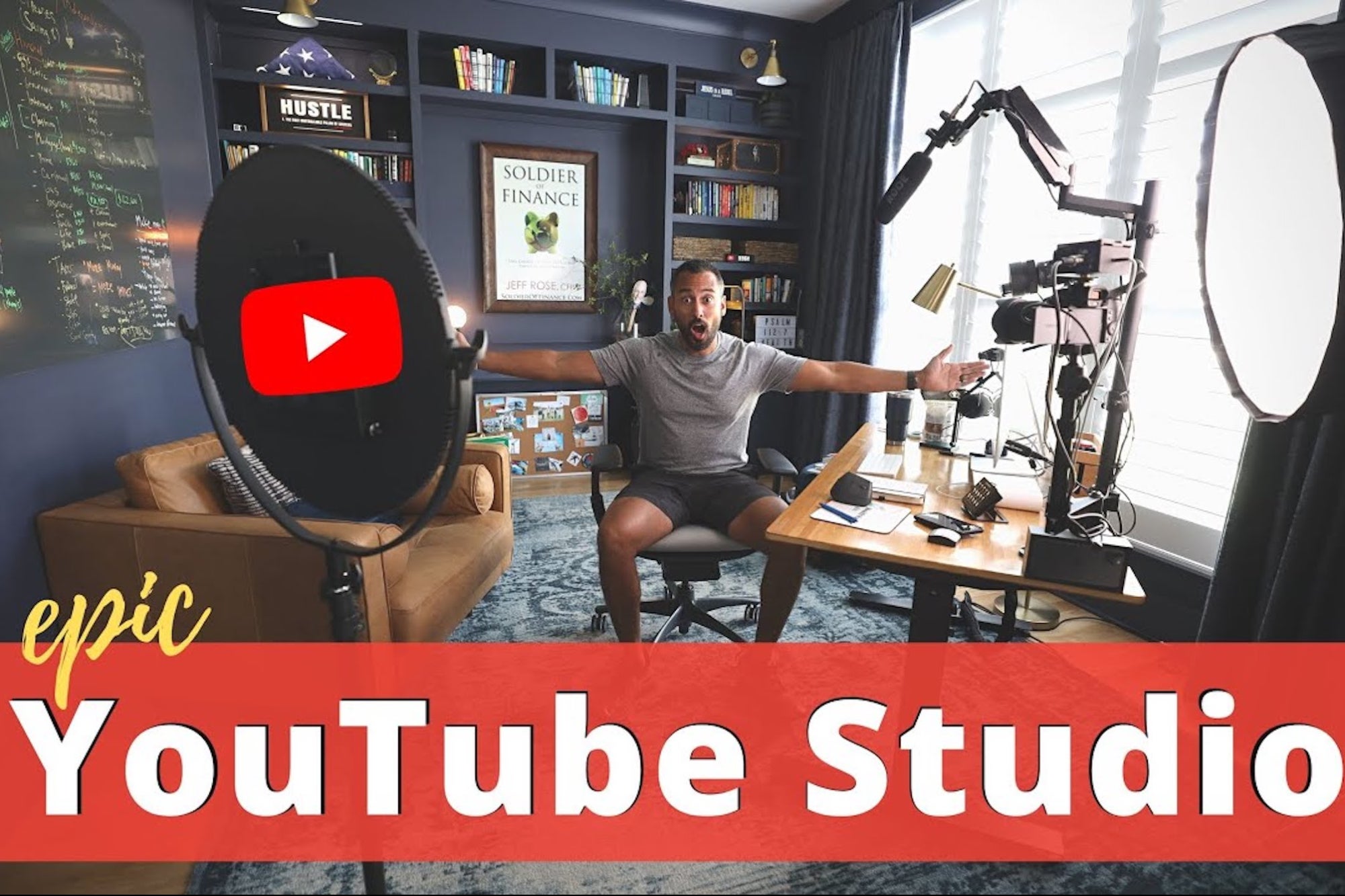
The Tools You Need to Create a YouTube Recording Studio

Financial advisor Jeff Rose breaks down his setup for recording videos that appear on YouTube’s Trending tab.

Grow Your Business, Not Your Inbox

Stay informed and join our daily newsletter now!

July 1, 2020 2 min read

Opinions expressed by Entrepreneur contributors are their own.

Jeff Ross’s videos have been featured on YouTube’s Trending tab and have millions of views. In this , Ross talks through the equipment he uses in his to make high-quality content.

According to Ross, equipment is not a barrier to starting a successful YouTube channel. However, his investments in , lighting and allow him to post high-end videos that get seen by more people.

Ross shares details of the different cameras he uses, including the EOS R and the Lumix DC-GH5, both of which are capable of recording in 4K high-definition. He explains how he chooses specific camera lenses based on his distance from the cameras and his desired effects, detailing his lens’ sizes and f-stops.

For lighting, Ross recommends studio lights to supplement and balance natural light from windows.

Ross demonstrates how microphones range in terms of sound quality, recommending a shotgun microphone and mixer for digital cameras and a wired lavalier microphone for shooting with an iPhone.

Ross connects his cameras to his computer with cables to record videos directly, though the demand for these cables is currently high. He then works with a professional video editor to produce the final versions of the videos uploaded to YouTube.

Related: How I’m Picking the Best Stocks Right Now

https://www.entrepreneur.com/video/352507


Success Doesn’t Happen Overnight

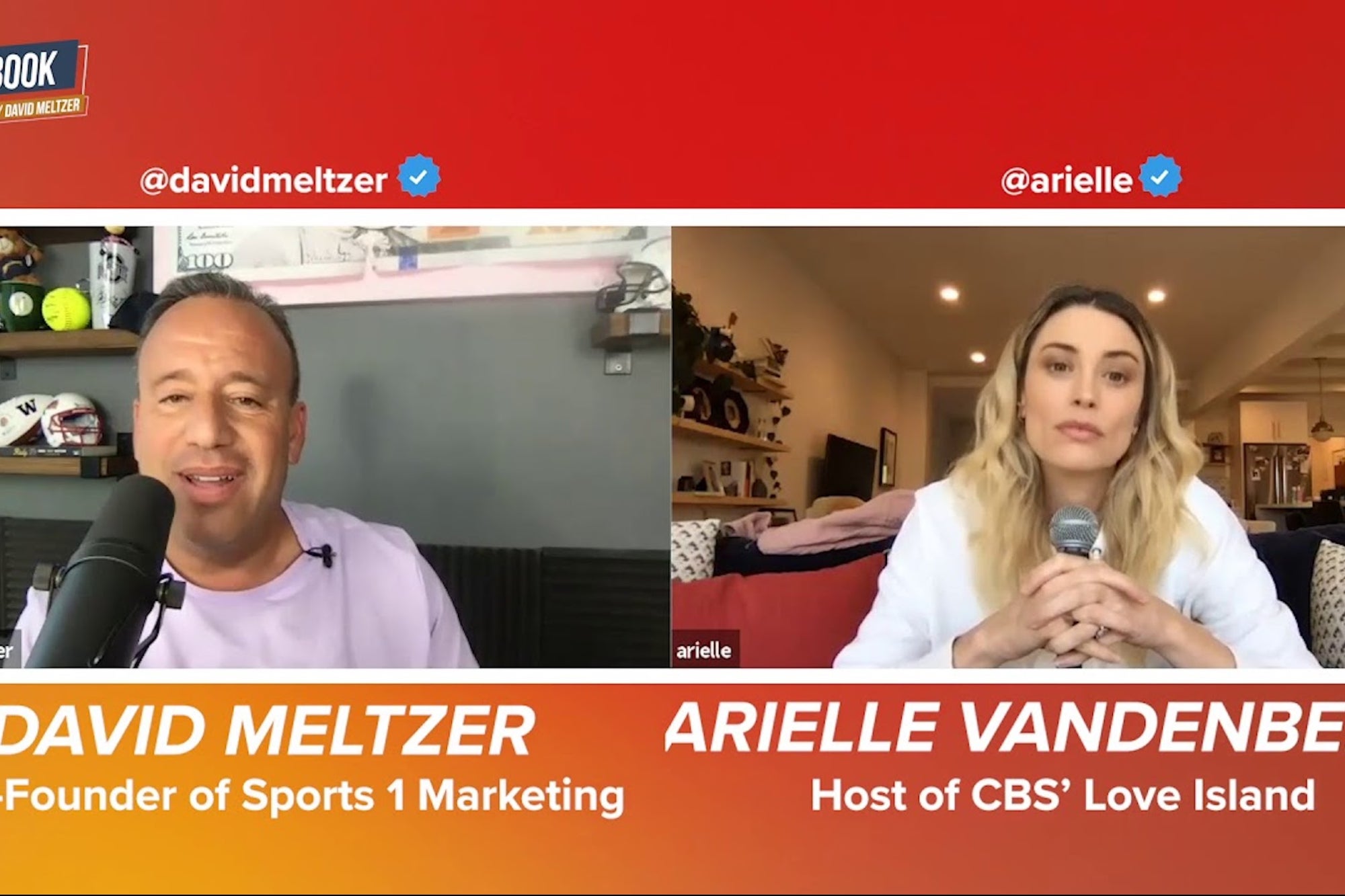
Comedian and Love Island host Arielle Vandenberg discusses her career trajectory and how she’s focused on the next big thing.

Grow Your Business, Not Your Inbox

Stay informed and join our daily newsletter now!

June 30, 2020 1 min read

Opinions expressed by Entrepreneur contributors are their own.

Arielle Vandenberg is a comedian, actress and host of Love Island on . For #ThePlaybook, she talks with host David Meltzer about “overnight ” and how she stays ahead of trends.

Vandenberg refutes the notion that her success happened overnight, having acted and modeled from age 13 and still working towards “peak success.” She talks about the popularity of her and Vine content and how she is pursuing additional opportunities to act, write and create content.

Vandenberg also talks about , describing it as silly in comparison to “depressing” and how Instagram results in feelings of FOMO. She describes her search for the and to stand out among the “next” app’s first creators as well as potential failures in her endeavors as part of the entrepreneurial game.

Vandenberg advises making the most of this time of physical isolation by pursuing self-improvement and passion projects, saying she’s thriving during COVID by teaching herself guitar and working on videos she’s always wanted to make.

Related: How a Unique Perspective Is a Valuable Asset

https://www.entrepreneur.com/video/352496


Four strategies to maintain your social media activity during a crisis

30-second summary:

  • It’s important to stay engaged with our audience during the crisis, and there’s a lot we can do to accomplish that.  
  • Low budgets, limited workforce, and lesser bandwidth for content production are some challenges businesses are seeing on the forefront.
  • Roman Daneghyan shares four strategies to maintain your social media activity during a crisis.

Social media is a fun place where we can engage with our audience on a daily basis. You’re probably already familiar with the benefits of social media, which means you maintain consistent social media activity. 

Unfortunately, during troubling times like the COVID-19 outbreak that we’re experiencing today, businesses often struggle to maintain an active social media presence. Your budget is low, the workforce is limited, and there’s usually little motivation to produce content with everything that’s going on around you. 

Still, it’s not that hard to maintain social media activity during a crisis, and it is perhaps the only sensible thing we can do. It’s important to stay engaged with our audience during the crisis, and there’s a lot we can do to accomplish that. 

Here are four strategies to maintain your social media activity during a crisis.

1. Repurposing content

If we are unable to create fresh content, we can always work with what we already have. If you had a well-built content strategy prior to the crisis, then chances are you have a lot of pieces to work with. Our goal here is to repurpose existing content into something fresh. 

Start with what you already have: a podcast, a video log, a long-form blog article, a sales letter, anything works. Try to collect all long-form, pillar content that you have. Next, we’re going to use and repurpose that content to create fresh content. A vlog turns into a blog, a blog into an email, an email into a tweet, and so on… you get the point.

Gary Vaynerchuk is a master of repurposing content, he also popularized the content pyramid model that is based on this idea. Gary says he can create 30 fresh pieces of content to be used across his channels just from a single daily episode of his show.  

Social media activity example repurposing content

Using a single piece of content, you can create fresh content for your social media accounts, and it doesn’t have to be a repost. You can repurpose a piece of content to tweet some bits on Twitter, start a discussion on Facebook, post an edited clip on Instagram, or share a concise blog post on LinkedIn. And boom, there’s your content.

Also, there’s no need to feel like a fraud for repurposing ‘used’ content. Most of your followers won’t remember your older posts, and they could always use a reminder, especially during a crisis. Even if we have nothing ‘new’ to say, we can still share our insights from the past. To give your old content a fresh look, you can add some eye-catching visuals to it. You can take the help of a web designing firm to create visuals that can get noticed in crowded social media feeds. 

2. Make use of content creation tools

With everything slowing down, it’s hard to create enough content all on your own. In the past few years, we saw a lot of content creation tools and templates come to life, and perhaps it’s time to make good use of them. Content creations tools help us to minimize the time, budget, and effort needed to create content, and now we need them more than ever.

Depending on your needs, there are various tools to choose from:

  • For research, you can make use of Google Drive’s Research Tool to conduct quick research, all it takes is clicking a simple ‘Explore’ button in the bottom right. Also, ‘Site: search’ function is another useful tool accessible from the browser.
  • If you need help writing posts for your social media account, you can use writing tools like Evernote to take notes, Grammarly to catch errors,  WriteRack to tweetstorm. 
  • If you want to post visual media then you have to try out tools like PicsArt. These tools are easy to use, and you can create great visual content in less than five minutes. Instead of spending hours on design, all you have to do is choose a template and fill it with your brand graphics.

It takes a lot of effort to create great social media content, but we can always make use of content creation tools to save some time or get a few creative ideas. 

3. Utilize user-generated content

User-generated content (UGC) is content created by people rather than brands, which means you don’t have to create anything. Utilizing UGC is incredibly important for social media, and it can be used to fill the gaps in your content strategy. Brands may not be able to create their own content during the crisis, but can always rely on user-generated content. 

The type of content you repost will vary depending on the media. 

Instagram: The king of user-generated content, Instagram has all kinds of options for brands to share content created by users. You can repost to your own profile, share images on your story, and easily browse using #hashtags and the Explore function. Aerie is a great example of how this should work:

Facebook: Facebook is a fantastic network for sharing stories and videos with your audience. You can invite your fans to contribute stories, images, or videos and use it to invite discussion and engage with the rest of your audience.

Twitter: A great place to utilize user-generated content, Twitter makes it easy with #hashtags and the “Retweet” function. You can simply retweet users and add your own comments to spark a discussion. Food brands do a great job on Twitter:

LinkedIn: Professionals love LinkedIn, and you can use LinkedIn to promote user content that’s relevant to your brand. You can repost the content or feature some users in your blog posts. 

If you want to search for location-specific content, you can always use a VPN service to gain access to content specific to a certain location. This method helps you to understand how your audience sees things, and you can tailor your content to meet their personal needs. 

4. Keep up with the updates

Posting relevant content is important, but don’t forget to post personal updates about your business. Your audience may want to know how you’re doing, whether there will be disruptions in service, and what to expect in the coming days. 

To add on to that, make sure you understand your position during a crisis. If you’re in the middle of it, you can provide daily updates on how your local community is dealing with the crisis, and that’s a good way to build a relationship with your audience. 

Lastly, don’t forget to show compassion for the victims, and you can even use one of the content tools to create supportive posts and remind your audience that you’re thinking of them. 

What’s your take?

What do you think about the ongoing crisis and what is your strategy to maintain your social media activity in the upcoming weeks?

Four strategies to maintain your social media activity during a crisis


How Businesses Can Leverage the Power of TikTok

June 24, 2020 5 min read

Opinions expressed by Entrepreneur contributors are their own.

If you want your own business to grow and prosper as the world reopens and a new sense of normalcy settles in, getting to know is a good first step. The video-sharing platform has emerged from relative obscurity to become one of the leading in the world, and one of the most business friendly for entrepreneurs who know how to make it work. 

TikTok is particularly custom-made for personal- building, and many entrepreneurs are using it in just that way. By way of example, in a scant three and a half months, one top TikTok chef has amassed an army of more than a quarter million loyalists, all hungry for new content. This rising foodie star is Nadia Caterina Munno, but her quarter million TikTok fans know her simply as The Pasta Queen. 

The Pasta Queen’s Social Strategy

Always start with the brand backstory, and for Munno, that means being born to cook pasta. She is a true descendant of Rome, and pasta-making is in her blood. In the 1800s, her great grandparents owned a pasta factory just an hour and 20 minutes south of the Italian capital. To this day, Nadia’s family still has the nickname “The Macaronis.”

The online world, however, did not come as naturally. As Munno shares in an interview, “I’ve never been into . Honestly, I learned my video editing and uploading mastery by sheer force of will. Today, I edit all of my videos and credit the growth to a combination of drive, purpose and incentive. I truly believe that is where true talent comes from.”

Cynical entrepreneurs may say that the rapid rise of The Pasta Queen and her newfound stardom is simply a matter of luck. They may argue that she was simply in the right place at the , and that her will be difficult, or even impossible, to replicate.

What the cynics are missing is that there really is a TikTok formula, one that smart entrepreneurs can adapt to fit their own brands and promote their own products. Those entrepreneurs may not have cooking skills or clever recipes, but they can still learn from others who have found success on the platform and shape the same strategy around their brands.

Related: 3 Reasons TikTok Is Here To Stay

In the internet age, viewers want real actionable information in exchange for their time. Communicating with the larger TikTok world is also critical on the platform. Successful TikTok content can generate thousands of comments and direct messages every single day. The Pasta Queen hears everything from home chefs trying out variations on their recipes to pleas for help from the less culinary talented. Here are several of the ingredients to her success.

Posting Regularly

If you post at least once a day, the TikTok algorithm starts to favor you as a creator and you have an increased likelihood of getting featured on the sought-after “For You” page.

Not Worrying About Your Niche 

Over-analyzing your niche can stifle your content distribution. Munno says to be your authentic self — and let it shine.  

Engaging Your followers 

Engaging your early followers helps build a loyal foundation, which is a critical first step you have to take. 

Going “Live” At Least Once a Week 

By going live, even if you have a small following, you can be discovered on the “For You” page.

Grabbing Immediate Attention 

You have to engage someone from the start and grab them within half a second. People scroll, scroll and scroll almost on automatic — but if they immediately see something impactful or shocking, they’re likely to stick around. 

Incorporating How-Tos

Any time you can teach, educate or inform an audience, the likelihood of traction is significantly increased (views, comments, shares, etc.).

Studying Analytics

You should frequently review your post analytics to see what is working or what can be adjusted. It also helps you understand your audience better to cater content accordingly. 

Keeping it (Relatively) Short 

Munno says 20-30 seconds has been her sweet spot, adding, “It never hurts to leverage a topic which is universally accepted, such as food. I see lawyers giving rapid public-awareness tips, realtors touring homes and accountants giving tips on taxes. You can do anything, as long as it is fast and digestible.”

A Business, Not a Hobby

Overnight growth is not easy, and it can have a dark side for the unprepared. Entrepreneurs and individuals who suddenly find themselves going viral can feel a bit overwhelmed, but they need to stay professional and learn to treat the opportunity with the appreciation it deserves.

That can mean spending half the day shooting, perfecting and uploading videos to the platform, and additional hours answering social media inquiries, responding to questions and engaging with the wider community. The most famous TikTok users are the ones who take the platform seriously and understand its true potential.

Related: The Rise of Social Media as a Career (Infographic)

Leveraging TikTok into a successful brand building operation is no easy task, and there are a lot of roadblocks along the way. There are still misconceptions about what the platform is, who it is designed for, and how it works. Entrepreneurs who hope to achieve the same success they would growing a business should treat it with the same level of respect.

https://www.entrepreneur.com/article/350958