Social media platforms leave 95% of reported fake accounts up, study finds

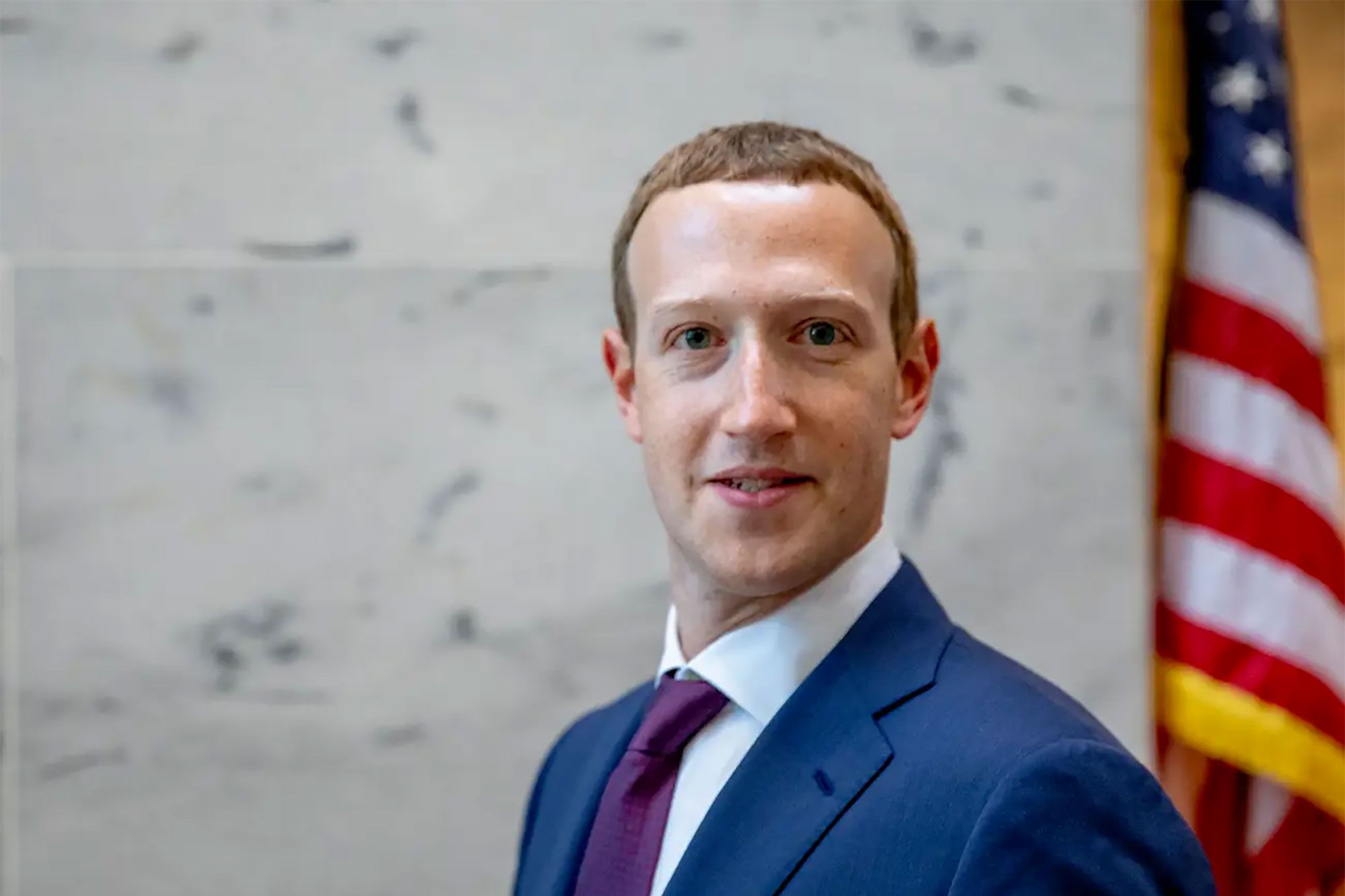
One hundred cardboard cutouts of Facebook founder and CEO Mark Zuckerberg stand outside the US Capitol in Washington, DC, April 10, 2018.
Enlarge / One hundred cardboard cutouts of Facebook founder and CEO Mark Zuckerberg stand outside the US Capitol in Washington, DC, April 10, 2018.

It’s no secret that every major social media platform is chock-full of bad actors, fake accounts, and bots. The big companies continually pledge to do a better job weeding out organized networks of fake accounts, but a new report confirms what many of us have long suspected: they’re pretty terrible at doing so.

The report comes this week from researchers with the NATO Strategic Communication Centre of Excellence (StratCom). Through the four-month period between May and August of this year, the research team conducted an experiment to see just how easy it is to buy your way into a network of fake accounts and how hard it is to get social media platforms to do anything about it.

The research team spent €300 (about $332) to purchase engagement on Facebook, Instagram, Twitter, and YouTube, the report (PDF) explains. That sum bought 3,520 comments, 25,750 likes, 20,000 views, and 5,100 followers. They then used those interactions to work backward to about 19,000 inauthentic accounts that were used for social media manipulation purposes.

About a month after buying all that engagement, the research team looked at the status of all those fake accounts and found that about 80 percent were still active. So they reported a sample selection of those accounts to the platforms as fraudulent. Then came the most damning statistic: three weeks after being reported as fake, 95 percent of the fake accounts were still active.

“Based on this experiment and several other studies we have conducted over the last two years, we assess that Facebook, Instagram, Twitter, and YouTube are still failing to adequately counter inauthentic behavior on their platforms,” the researchers concluded. “Self-regulation is not working.”

Too big to govern

The social media platforms are fighting a distinctly uphill battle. The scale of Facebook’s challenge, in particular, is enormous. The company boasts 2.2 billion daily users of its combined platforms. Broken down by platform, the original big blue Facebook app has about 2.45 billion monthly active users, and Instagram has more than one billion.

Facebook frequently posts status updates about “removing coordinated inauthentic behavior” from its services. Each of those updates, however, tends to snag between a few dozen and a few hundred accounts, pages, and groups, usually sponsored by foreign actors. That’s barely a drop in the bucket just compared to the 19,000 fake accounts that one research study uncovered from one $300 outlay, let alone the vast ocean of other fake accounts out there in the world.

The issue, however, is both serious and pressing. A majority of the accounts found in this study were engaged in commercial behavior rather than political troublemaking. But attempted foreign interference in both a crucial national election on the horizon in the UK this month and the high-stakes US federal election next year is all but guaranteed.

The Senate Intelligence Committee’s report (PDF) on social media interference in the 2016 US election is expansive and thorough. The committee determined Russia’s Internet Research Agency (IRA) used social media to “conduct an information warfare campaign designed to spread disinformation and societal division in the United States,” including targeted ads, fake news articles, and other tactics. The IRA used and uses several different platforms, the committee found, but its primary vectors are Facebook and Instagram.

Facebook has promised to crack down hard on coordinated inauthentic behavior heading into the 2020 US election, but its challenges with content moderation are by now legendary. Working conditions for the company’s legions of contract content moderators are terrible, as repeatedly reported—and it’s hard to imagine the number of humans you’d need to review literally trillions of pieces of content posted every day. Using software tools to recognize and block inauthentic actors is obviously the only way to capture it at any meaningful scale, but the development of those tools is clearly also still a work in progress.

https://arstechnica.com/?p=1628893


3 Easy Steps for Sparking Engagement On LinkedIn

Insights from a seasoned expert on how to make the career-networking site work for you.

December 3, 2019 8 min read

Opinions expressed by Entrepreneur contributors are their own.

In my experience, the one step product developers struggle with the most, by far, is getting in touch with the right people –people who can move their invention forward. The two classic paths to commercialization are venturing and licensing. My expertise is licensing, which you can think of like renting. Venturing gets all the glory, but licensing is far less risky. For years, I contacted and introduced myself to companies that I thought might want to license my product ideas using a landline. These days, savvy product developers are making the most of social media, specifically LinkedIn.

LinkedIn can help stack the deck in your favor and greatly empower your business-networking endeavors, but only if you’ve adopted the correct approach. Benjamin Harrison, a lifelong entrepreneur with a background in product development and marketing in the home-craftsmanship industry, has been helping inventors leverage LinkedIn to get their product ideas into companies of all sizes over the last few years. (Full disclosure: I met Harrison when he joined inventRight, my coaching program, in 2016. He now teaches a course for inventRight about using LinkedIn to license your ideas called Smart Pitch.)

Related: These 10 LinkedIn Tips Will Make You a Networking Master

When I asked what makes the difference in terms of getting a response versus hearing crickets when reaching out on LinkedIn, he explained that it entails looking at the platform differently from how most view it and taking the opposite approach that most users take. Most people still view LinkedIn as a job-searching site, he clarified. Meaning they build a resume for their profile that they never bother to update and crop their head shot out of a 10-year-old wedding photo. They blast out the same tired message to everyone they connect with, relying on a “spray and pray”-style marketing campaign, hoping something sticks.

In Harrison’s experience, the worst offenders reach out to potential licensees with a tower of text that is much longer than any sane professional is willing to read. These messages often contain pictures, links and keyword-filled rants that leave the reader wondering what the call to action is, and more importantly, why they just wasted their time reading it in the first place.

“People with boring profiles who send out long-winded messages blame LinkedIn and talk about how the platform doesn’t work,” Harrison says. “But truthfully, if that’s your approach, you have no one to blame but yourself. You can’t expect people to take the time to care specifically about your spam in a vast sea of it. Like all forms of communication right now, LinkedIn inboxes are crammed full of misguided attempts at marketing. You can’t expect to get responses if your message and profile look like spam.”

Don’t be that kind of LinkedIn user. Instead, follow Harrison’s simple tips for success.

First, get your profile right.

Having a killer profile is critical in achieving success when reaching out to companies looking for ideas on LinkedIn. More often than not, the people you message will view your profile to qualify you first. By including some simple personal branding on your profile, you can positively influence these brief qualifications, which often have long-lasting results. 

Your profile actually lays the foundation of the perceived value of the marketing material you send and sets the tone for every interaction you have on the platform. How you present yourself either elevates the perceived value of your marketing material or ends up shooting you in the foot. In the latter case, your marketing material never even fully gets to sell for you.

People typically only spend about 20 seconds scanning a LinkedIn profile, so it’s not as if you need a mountain of impressive information. That said, you do need to have a complete profile, one that showcases you as a professional and shows that you’re in the game. The number-one mistake people make on LinkedIn is failing to complete their profiles, according to Harrison.

He’s not wrong. I recently visited the LinkedIn profile of one of my students who wasn’t receiving any replies when reaching out to potential licensees. The first thing I noticed was that her page felt generic. It didn’t communicate much, probably because she hadn’t selected any unique imagery to showcase. She was relying on the basic template LinkedIn provides everyone with.

That’s a mistake! That space should be used to help tell your story. Uploading a background photo that helps to tell your story, taking a better photo of yourself and rewriting your subject line so that it leverages your expertise are all simple improvements you can make quickly that are likely to have a profound impact

Second, make the right connections.

Harrison connects with anyone who works for a company he’s interested in, but for product licensing, he mainly targets sales and marketing employees. As a rule of thumb, salespeople are the quickest to respond. Marketing people are usually a little bit more helpful, but they’re not as active as sales professionals are on the platform. Some presidents and CEOs take a hands-on approach to LinkedIn. (That’s who he got my first no from, actually.) But as a general rule of thumb, they are the wrong tree to bark up.

Harrison recommends targeting users who are active on the platform specifically. Active users tend to not only respond more often, they also respond faster. (A user’s activity can be seen by viewing their profile.) “Don’t go into this process expecting a 100 percent connection-request acceptance rate,” Harrison advises. “Some users will accept your connection request quickly, some will take weeks, and some never will. This is normal.”

Related: 11 Best Websties to Find Freelance Jobs and Make Extra Money

Third, reach out the right way.

When reaching out to contacts on LinkedIn, the best strategy Harrison has found is to pose a simple question. In the case of product licensing, he asks whom within the company handles open innovation submissions. That’s who he wants to direct my marketing material to, after all.

Hard linear sales pitches don’t work on LinkedIn. You have to let your marketing material do the selling for you. Effective scripts for sparking engagement can be as simple as: “Hey Jane, is there someone at [company name] that takes care of open innovation submissions?” Messages that are short, specific and ask a reasonable question are infinitely more likely to spark engagement and elicit a response than long-winded self-important rants. 

Never send your marketing material in your initial message. It’s also a huge no-no to fire off a message as soon as someone accepts your connection request. This is frequently griped about on the platform, Harrison says, so fight the urge and wait a few days after connecting to reach out.

A recent addition to the LinkedIn repertoire is the ability to send an audio message that acts similar to a voicemail. Since very few spammers are using personalized audio messages as part of their strategy, you are less likely to be immediately dismissed as spam. Audio messages on LinkedIn are such a novelty, they almost demand to be played. You can use a similar script to a written message, such as, “Hey Susan, I’m curious if [company name] takes open innovation submissions, and if so, who they’re sent to? I appreciate your time and hope you’re having a good day.” As of now, it’s possible to send audio messages using your mobile device, but not on the desktop version of LinkedIn.

At the end of the day, it’s important to manage your expectations when focusing on using LinkedIn to spark engagement. “I’ve had people get back to me in less than five minutes,” Harrison reminds. “Others respond four months later. Realistically, I know the majority won’t. Understanding that there are going to be slow days and days where you don’t have time to get back to everyone is important.”

How have you used LinkedIn to further your product-licensing goals?

https://www.entrepreneur.com/article/335769


5 Ways to Use Social Profiles to Get Quality Links via @_kevinrowe

[unable to retrieve full-text content]http://tracking.feedpress.it/link/13962/13018877


Paid Social Performs Better Than Expected This Year, New Report Says via @MattGSouthern

[unable to retrieve full-text content]http://tracking.feedpress.it/link/13962/13008235


5 Ways to Get More Followers and Brand Exposure With Instagram Live Videos

Instagram Live videos are fun to make and can be powerful tools for building brand loyalty.

November 25, 2019 7 min read

Opinions expressed by Entrepreneur contributors are their own.

In 2018, Instagram launched a very exciting feature called Instagram live. Some of us already know how to use it and are already experiencing the benefits of exploiting this awesome feature to generate brand awareness, profitability, and audience/customer loyalty.

Instagram Live primer

Although it has been around for a while now, not everybody is quite familiar with it. Instagram live allows users to interact with their audience in real-time, very similar to Facebook Live (parent company) but with some differences. For example, as soon as the live broadcasting ends, the video may disappear.

Another innovative feature Instagram added to its Live platform is a highlighted rim around the user’s profile picture when broadcasting live. Notifications are sent to all their followers to let them know that they can view new content, promos and ads from their favorite accounts/influencers. Adding hashtags to get discovered by different audiences can also increase any chances of acquiring new followers. 

Related: Instagram Is Hiding Likes. Here’s What It Means for Brands and Influencers.

But how can you take advantage of Instagram’s live video to accomplish your company’s business goals? 

Below, I will explain five unique ways you can squeeze Instagram Live like a lemon and successfully advertise yourself, your product or brand eventually maximizing online visibility (and gain some followers along the way).

1. Have a purpose. 

Creating random videos can be fun but it won’t give you any measurable results, make sure to create a strategy for your brand’s content by sharing unique and exclusive videos. Below are some examples:

  • Do a live Q&A with your audience

Live videos are always a great way of engaging with your audience and answer any type of questions your followers may have. You will be showing your audience that your company has a face and a heart; that there is a dedicated team “behind the scenes” compromised to the brand and its followers, this will eventually create a strong relationship with your brand, as well as bring you, loyal followers.

Followers love free stuff — who doesn’t? Live videos are the perfect tool to create a strong hype. Some of the incentives can be a promotional code, free products, experiences or a chance to enter a contest for a nice prize. 

  • Ask for feedback.

Take advantage of this direct contact with your followers, and ask them for any feedback while communicating with your audience to understand in what ways you can improve your business.

2. Give yourself a tech test run.

Make sure to practice beforehand starting your live streaming, to avoid committing mistakes with the image resolution or video size. Making mistakes is common and can be seen as humanizing the brand, making your business more relatable, however, recording some test videos will minimize your margin of error and will help you get a clear vision on what specific areas of your broadcast you should adjust before going live. 

Some of the questions you may want to ask yourself before going live:

  • Is the lighting ok? 

  • Is the audio clear?

  • Is the background the right one?

  • Are there too many filters?

  • Is the script attractive?

Having in mind those questions and properly addressing them will help you avoid the most common mistakes we usually see during thousand of live broadcasts. Don’t let yours be one of them.

3. Take advantage of the urgency.

You know that your audience will only have one chance to watch your live video unless you offer them the choice to do otherwise (in your live account settings). Create a sense of fear of missing out (FOMO) with your audience, make them feel they cannot afford to miss your content. Additionally according to the experts at Sprout Social: “A great way to boost your viewership is to promise one-time-only promotions while you’re building hype for your stream. […] Offering limited-time-only promo codes is a great way to boost urgency.”

Related: Top 5 Not-So-Obvious Instagram Marketing Mistakes You Must Avoid

Another interesting tip is hiding your story for x,y,z users. If you would like to customize who can and who cannot see your content before starting your live video go into settings and select “Hide story” and add all the people and competitors you would like your story to be hidden from to lessen the chances of your concepts, and promos from being copied.

4. Promote all your Instagram live videos in advance.

This is a key factor to make sure your live video will be successful. Since social media is a two-way street, it works perfectly when you are sharing content with your audience as well as listening to them, that is why creating the perfect atmosphere when launching a product is extremely important. 

Your goal will always be and should always be to boost engagement, drive connections and gain new followers along the way. 

Let the world know what your brand is about to launch by taking advantage of the “explore” page since it is the best way to reach large groups and new audiences. Why you should promote Instagram videos in advance? Not only because of the aforementioned but because the Instagram algorithm will allow your live video to be on the “explore” page for new audiences to discover it, only if you get enough engagement and viewers on your broadcast, therefore make sure to build a big audience before pressing the “Live” button. 

To be able to track the results of how your live video did or how your live videos are doing in general, you can subscribe to various social media tools to retrieve reports, analyze your results and learn where are your points of weakness, or in what specific areas you should improve, as well as knowing which is your most popular audience in terms of demographics. Tools like Sprout Social or Buffer are always a good choice!.

5. Create experimental content as well as an invite for collaborations, interviews, and takeovers.

If your company has the chance to pair up with influencers in your niche that might work extremely good (does not have to be Hollywood stars) for example if your company is a vegan restaurant and is launching a whole new set of healthy infused drinks, you could interview a well known nutritionist/health influencer around the gram and run a live interview or let them try all your products to let your audience know how tasty and incredible they are.

Related: 3 Tips for Building Your Personal Brand on Instagram and Other Social Media Platforms

Additionally, another way of keeping your audience interested is takeovers, extremely popular on Instagram stories these days, with various brands getting together and teaming up to create content for each other’s stories as well as experimenting and broadcasting unpredictable content. This will definitely keep your users engaged; When it comes to Instagram’s live video do not get scared to get experimental and think outside the box. 

Now, that you know all or most of the key benefits live video on Instagram can bring to your company, as well as how to achieve them your brand’s main objective should always be to keep audiences engaged and test as much as possible to explore and discover what works better for you and drives more followers towards your feed, eventually increasing your chances of generating profit. 

Always have in mind that Instagram Live videos’ main purpose is to create a sense of urgency, therefore, create them and deliver all your content/messages like your life depends on it.

https://www.entrepreneur.com/article/342799


The Ultimate Guide to Social Listening via @anna_bredava

[unable to retrieve full-text content]http://tracking.feedpress.it/link/13962/12983078


5 Ways to Advertise Your CBD Brand Online via @iambenwood

[unable to retrieve full-text content]http://tracking.feedpress.it/link/13962/12957446


An Ex-Facebooker Devastatingly Piled Into Mark Zuckerberg’s Stance Allowing Politicians to Lie in Ads

Facebook’s former head of global elections integrity voiced her concerns in a ‘Washington Post’ op-ed.

November 5, 2019 3 min read

This story originally appeared on Business Insider

A former Facebook employee has written a scathing op-ed article in The Washington Post condemning the company’s approach to political advertising.

Yaël Eisenstat, a former CIA officer and White House adviser, joined Facebook in June 2018 as its head of global elections integrity operations.

She remained at the company for only six months.

Eisenstat said Facebook’s business model was fundamentally biased against caring about election integrity.

“The real problem is that Facebook profits partly by amplifying lies and selling dangerous targeting tools that allow political operatives to engage in a new level of information warfare,” she wrote.

She said that some of her colleagues during her time at Facebook were eager to address complex problems like misinformation in political advertising but that she encountered pushback at higher levels and was accused of “creating confusion.”

Related: Twitter Bans Political Ads as Facebook Doubles Down

She agreed with Facebook CEO Mark Zuckerberg that the company should not outright ban political advertising, as Twitter has done, but argued it should suspend political ads until it figured out a way to be more transparent about targeting.

Eisenstat’s comments intensify pressure on Facebook, which has been on the defensive since announcing that it would allow politicians to lie in political ads.

The stance that has triggered blowback from politicians and Facebook’s own employees. And multiple political candidates have run stunts meant to highlight how easy it is to slip lies into the public discourse through Facebook’s ads. Twitter’s CEO, Jack Dorsey, entered the fray by announcing his firm would drop all political ads.

Zuckerberg and the company’s chief operating officer, Sheryl Sandberg, have defended the policy on free-speech grounds, saying private firms shouldn’t censor politicians.

Eisenstat is not alone in calling for a temporary suspension of political ads. A group of UK-based nonprofits and academics recently wrote an open letter to Facebook and Google asking for a suspension of political advertising in the run-up to the 2020 US presidential election.

Related: This Facebook Ads Strategist Answers the 3 Commonly Asked Questions

Eisenstat called for regulation. “We need lawmakers and regulators to help protect our children, our cognitive capabilities, our public square and our democracy by creating guardrails and rules to deal directly with the incentives and business models of these platforms and the societal harms they are causing,” she wrote.

Eisenstat is far from the only former Facebook employee to publicly turn on the tech giant. Its cofounder Chris Hughes has repeatedly called for the company to be broken up, and Roger McNamee, an early investor who mentored Zuckerberg, has called the company “toxic.”

Facebook did not immediately respond when contacted for comment.

https://www.entrepreneur.com/article/341883


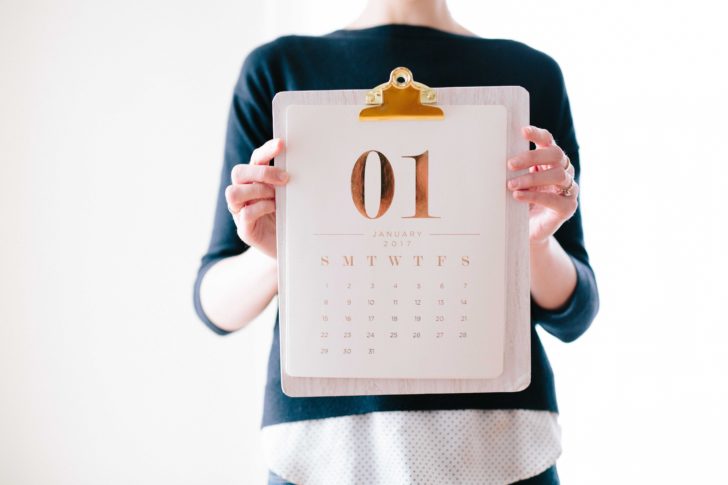
Pre-made calendar with over 300 holidays to help plan editorial content

holiday plan calendar for editorial and social media content

A carefully planned content marketing strategy contains several key ingredients including an understanding of who you’re creating content for (e.g., your persona or personas), how your content will help them, and some key performance indicators to measure success.

However, even the most thoughtful and well-planned content strategy can run into roadblocks without a detailed editorial plan. The editorial plan should include what categories and topics you plan to write about, how you intend to amplify your content (e.g., social media, email, etc.) and—the most important bit of all—a list of relevant, highly engaging ideas that incorporates a balance of evergreen and time-sensitive content.

Event-specific content can be challenging to create with any consistency, but with some planning and foresight, it is possible to plan out your editorial calendar in advance. One way to do this is to align some of your topics with seasonal holidays, observance days, and themes. 

holiday planner social media

[Image source]

A holiday for every week, month and season 

At CommonMind, we’ve compiled a holiday planner specifically aimed at social media content planning. It contains more than 300 holidays bucketed in three categories as follows:

  • 2019/2020 U.S. National Holidays: This calendar contains all the top favorites like Christmas, New Year’s Day and Tax Day (that last one is somebody’s favorite, I’m sure).
  • Educational Calendar/Events: This includes key dates such as Global Family Day and National Science Fiction Day which are observed globally. 
  • A Food-themed Calendar: Technically, these aren’t holidays, but they’re fun to observe and perfect for helping fill your editorial calendar, particularly if you are in the food and beverage industry (though this isn’t a requirement).

Since a long list of every conceivable holiday can seem a bit daunting to wrap your brain around, we’ve also created an embedded Google calendar that can be viewed in weekly or monthly increments or printed. 

holiday planner for social media example calendar

November 2019 Holiday Calendar – Source: CommonMind

Holiday planning isn’t just for retailers

When people think of the holiday season, it tends to mean the period of time between Thanksgiving and New Year’s (although it’s been creeping up in the calendar to incorporate Halloween as well). But holiday content planning isn’t just for retailers or companies whose business ebbs and flows depending on the season. Here are a few examples of how some lesser-known holidays and observed days can inspire great content.

World Vegan Day (November 2, 2019): This is relevant to a variety of businesses in the health and wellness industry. Here are a few examples:

  • A nutritionist could write a piece about how to create a nutrient-rich vegan diet.
  • A healthcare provider could create a list of physical signs for vegans to be aware of that indicate they’re not getting enough of a specific vitamin or mineral.
  • A fitness expert (or gym) could write about how to ensure vegans have enough energy for various types of workouts.

World Kindness Day (November 13, 2019)

  • A marketing agency could write about an ad campaign or case study which features kindness as the main theme.
  • A veterinary clinic could write about how kindness helps both pets and their owners live happy, more fulfilling lives.
  • Any  number of businesses can write about kindness as their approach to doing business such as through employee wellness and medical programs, community service and involvement, or promoting an internal culture of kindness.

National Hot Cocoa Day (December 13, 2019)

  • This is a cocoa-manufacturer’s dream holiday and the perfect day to promote their cocoa products with a blog post as well as via social media.
  • Food-related organizations (coffee shops, restaurants, caterers, grocery stores, etc.) could create an event around this day (e.g., drop in for a free cup of cocoa!) and promote it via their blog and social media accounts.
  • Retailers can cash in on the height of shopping season by offering free cocoa in stores, coupons that fall on this day, and stories that humanize the company which can be featured on the blog (e.g., feature an employee cocoa-related story).

As you can see, becoming familiar with nonstandard holidays as well as observance days can help spur creative ideas for content that’s relevant to a variety of businesses and industries (you don’t have to sell cocoa to take advantage of National Hot Cocoa Day).

Our Google Holiday Calendar is a great way to familiarize yourself with upcoming holidays and can be imported into your own calendar for easy reference. Since this may be overwhelming, you can also peruse the long list of holidays to begin brainstorming and filling out your editorial calendar for the rest of 2019 and into 2020.

Happy content planning!

Jacqueline Dooley is Director of Digital Strategy for CommonMind.

Whitepapers

Related reading

Top four social listening tools for 2020 and why they’re great

siddharth taparia SAP on embarking on search transformation projects

Six social media marketing strategies that work and convert

Three tips for Q4 ad copy and messaging

https://www.searchenginewatch.com/2019/10/31/holiday-plan-calendar-content/


Selling Likes And Followers Has Been Ruled Illegal By the FTC via @MattGSouthern

[unable to retrieve full-text content]http://tracking.feedpress.it/link/13962/12937065