Heineken, Tastemade, Pinterest Team Up on Holiday Hacks Video Series
Heineken USA teamed up with Tastemade and Pinterest on a series of videos to help Pinners make those beer bottles and cans more festive for the holidays.
Six Holiday Hacks videos will feature clever ideas and tricks to spruce up bottles and cans of Dos Equis, Heineken and Tecate, including bottle cap ornaments and decorative dips.
Pinterest said online searches for the holidays surged 77% in April versus April 2019, including three times more searches for Christmas gift ideas—all this with the holiday eight months away at the time.
A Pinterest spokesperson added, “With the pandemic causing more people to spend time in their spaces, holidays at home have taken on new meaning this year and consumers are looking for new ways to decorate and celebrate safely.”
TikTok, Elton John AIDS Foundation Join Forces for World AIDS Day
TikTok is teaming up with the Elton John AIDS Foundation to mark World AIDS Day Dec. 1.
The campaign begins Friday with an HIV/AIDS Education & Awareness Quiz to test TikTok users’ knowledge about the disease and educate them about prevention and their own sexual health.
On World AIDS Day, a live event will be streamed on John’s TikTok channel at 7 p.m. GMT/2 p.m. ET, hosted by Reggie Yates and featuring David Furnish and John, joined by TikTok stars and celebrity guests.
Viewers will be able to access Donation Stickers to raise money for the Elton John AIDS Foundation.
John said in a TikTok blog post Tuesday, “I’m excited to recognize World AIDS Day with TikTok and my foundation this year to celebrate progress that we’ve made and mark what we can do collectively to end the AIDS epidemic. HIV may seem a disease of the past, especially with Covid-19 in the headlines, but it still affects everyone. We all need to care about HIV and end the discrimination around this disease. There’s a great lineup for our TikTok Live to break down the myths around HIV, talk about safe sex and ensure that young people know how to protect themselves and others.”
Waze to Add SMBs’ Info to Maps Prior to Small Business Saturday
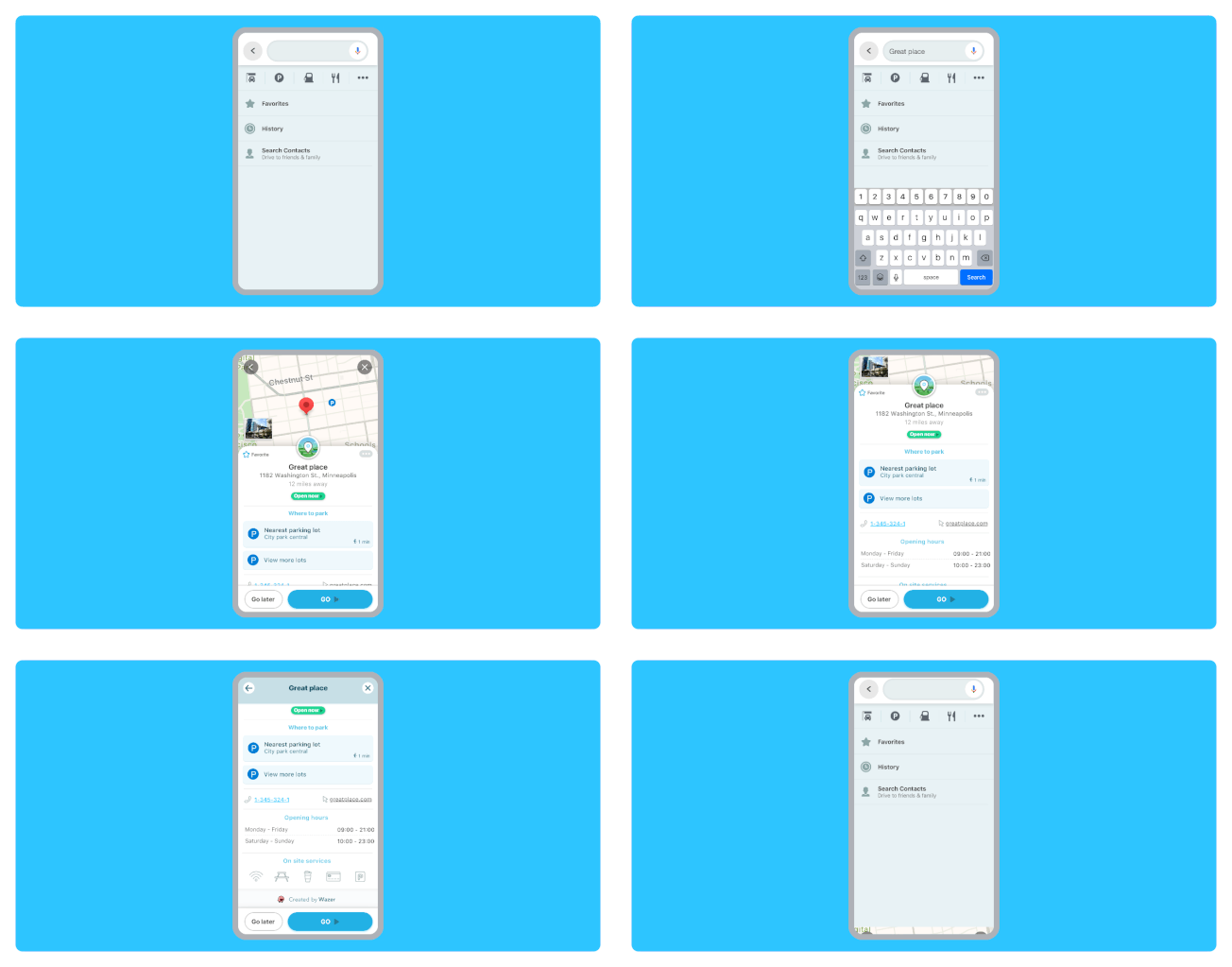
Waze kicked off an initiative to bring more information on small and midsized businesses to its navigation application prior to Small Business Saturday Nov. 28.
Owners of SMBs can complete this form and supply the business’ address, contact details, hours and pickup options.
That information will then be added to Waze’s map by its volunteer community of more than 500,000 map editors.
Waze users will have access to the most up-to-date information on store locations, with the aim of driving them to shop locally.
Waze
Waze
The initiative runs through Jan. 7, 2021.
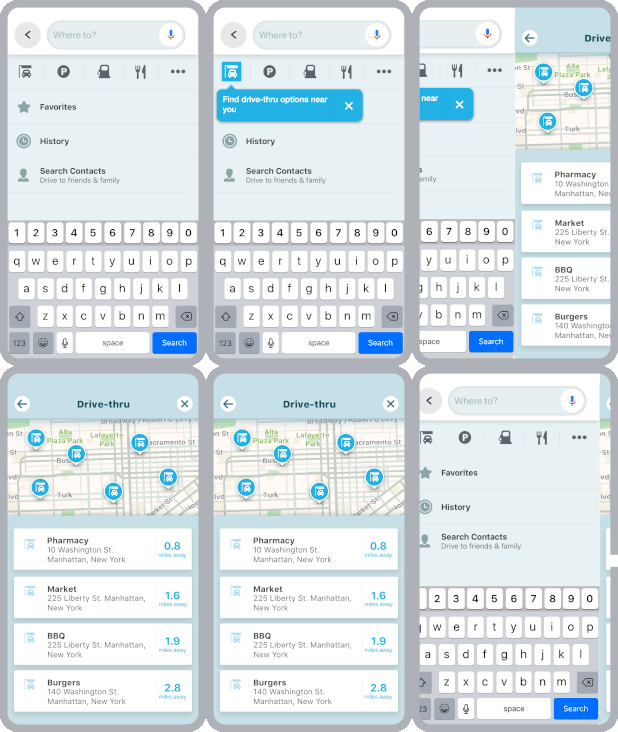
Waze head of public sector partnerships Dani Simons said in a statement, “We know small businesses have really been hit hard this year as the result of the pandemic. Earlier this year, we launched location badges to help local businesses show if they have drive-thru and contactless pickup available, giving drivers a way to safely collect their groceries or takeout. As we look toward Small Business Saturday and the holiday season, we wanted to make it even easier for drivers to reach these locations and support the economy by shopping local.”
Facebook Teams Up With BBB on ‘Shop Safe, Shop Smart’ Campaign
Facebook is preparing for the expected explosion in online shopping this holiday season, teaming up with the Better Business Bureau on the “Shop Safe, Shop Smart” campaign to help educate people about online scams.
The campaign kicked off Tuesday and will run throughout December.
BBB and Facebook will run ads and post organic content on Facebook, Instagram and other social platforms to share actionable tips on how to spot, avoid, and report scams online, with a different set of tips each week.
Facebook will also become a founding member of the BBB Corporate Trust Council, a coalition of select companies joining forces with the BBB Institute to provide expertise, resources and funding support to build a trustworthy marketplace.
And the social network entered into a partnership with BBB National Programs’ National Advertising Division, including its Fast-Track SWIFT Program, under which the NAD will directly share the outcome of cases related to specific ad campaigns with Facebook, enabling its enforcement teams to quickly take action on ads that violate its policies while encouraging more ethical practices among advertisers.
Facebook head of business integrity product management Rob Leathern said in a statement, “Keeping people safe on Facebook is core to our mission, and that includes creating a shopping experience that everyone can feel confident to enjoy. Working with BBB on this program will ensure that this topic is top-of-mind for people while they are interacting with loved ones and businesses online this holiday season.”
BBB Institute for Marketplace Trust executive director Melissa Lanning Trumpower added, “Online purchase scams were among the top three riskiest scams for the past three years, according to our latest research. So far in 2020, online purchase scams make up more than two-thirds of the reports we receive from consumers through BBB Scam Tracker. Facebook’s partnership means that we will be able to reach many more consumers with important information about how to stay safe online.”
With the National Retail Federation projecting that consumers will spend an average of just under $1,000 this holiday season, BBB and Facebook shared the following tips for shopping online:
Research before you buy: According to BBB’s recent Online Purchase Scams Report, out of the 57% of those survey participants who did not research the website or business via an independent source like BBB.org before making a purchase, 81% lost money.
If the deal looks too good to be true, it probably is: The top motivating factor for people who made a purchase and lost money was price, according to BBB research. Don’t shop on price alone. Beware of fake websites: Check the URL, watch for bad grammar, research the age of the domain, search for contact information and read online reviews.
Professional photos do not mean it’s a real offer: BBB survey respondents reported that website photos motivated them to engage with scammers, especially for pets/pet supplies, clothing/accessories and vehicles. Be sure to check the product description and inquire for detailed information to ensure that what you see is what you’ll get.
Make sure the website is secure: Look for the “https” in the URL (the extra s is for “secure”) and a small lock icon on the address bar. Never enter payment or personal information into a website with only “http”—it is not secure.
Be careful purchasing sought-after products, especially during the holiday season: Be wary if a retailer claims to have loads of that trendy product that cannot be found anywhere else. Scammers often use the most popular products for the season at great prices to reel in consumers.
Look for the BBB seal: BBB Accredited Businesses pledge to uphold the BBB Standards for Trust and to deal fairly with consumers. If a business displays a BBB seal, verify it by going to BBB.org.
Use secure and traceable transactions and payment methods: According to BBB’s research, those who paid with a credit card were less likely to lose money. Be cautious when paying by cash transfer applications, prepaid money cards or other non-traditional payment methods.
Shipment tracking information can be faked: Look closely to make sure the tracking information comes from a legitimate shipping company. If the information seems fishy, avoid clicking on the tracking link; go to the shipper’s website and type in the code to see if it is real.
Report unsatisfactory purchase experiences to BBB: If you are unhappy with a purchase, file a complaint at BBB.org/complain. If you never got what you paid for, consider reporting it to BBB Scam Tracker (BBB.org/ScamTracker) to help other consumers avoid being scammed.
TikTok to Warn Users Before They View Potentially Photosensitive Content
TikTok took steps to make its platform safer for those who suffer from photosensitive epilepsy.
Director of product, trust and safety Joshua Goodman said in a blog post Tuesday that TikTok rolled out a feature a few months ago to warn creators when the videos they produce contain effects that could trigger photosensitive epilepsy, and the platform will take the next step in the coming weeks by adding protections on the user side.
When the update goes live, people about to view a video that contains potentially photosensitive content will receive a notification giving them the option to skip all similar videos in the future.
TikTok
TikTok
TikTok
TikTok
TikTok is working with epilepsy organizations in Canada, Europe, Japan, South Korea and the U.S. including the Epilepsy Foundation, Epilepsy Ireland, the Epilepsy Society, Epilepsy Toronto, the Japan Epilepsy Association and the Korea Bureau for Epilepsy to spread awareness about its features and about the condition in general.
Goodman wrote, “Our team is committed to serving the needs of everyone in our global community, and our long-term goal is to become the most inclusive and accessible online platform. We’re committed to rolling out more product features to support this goal, and we look forward to sharing them with you in the months ahead.”
Snapchatters Can Scan Ralph Lauren’s Polo Pony Logo Off Apparel
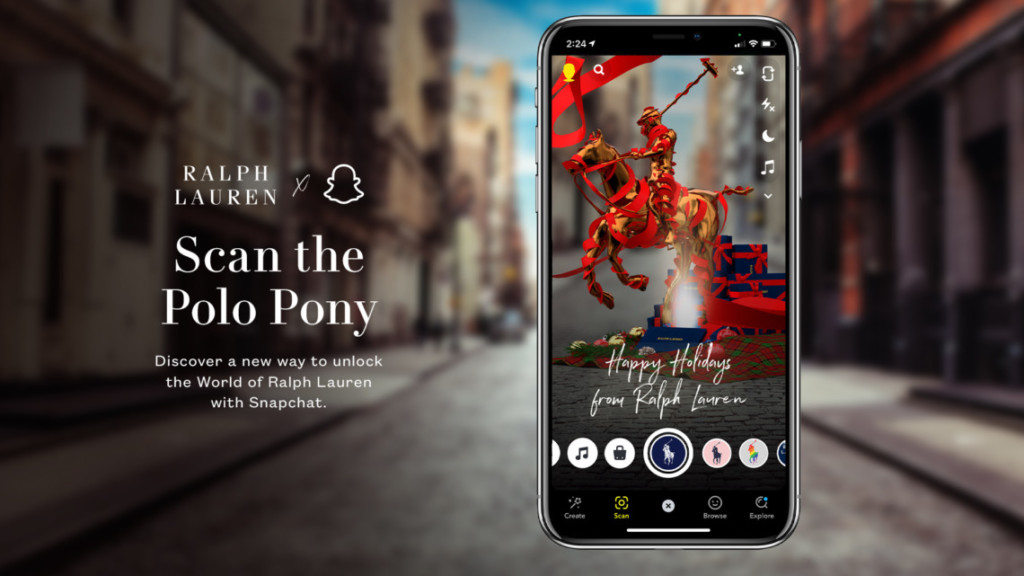
Ralph Lauren and Snap Inc. took the next step in the long-term innovative fashion partnership they entered into in August with the release of an augmented reality experience that enables Snapchatters to scan the fashion brand’s iconic polo pony logo from any surface to start it.
The two companies said this marks the first time the technology will be used on apparel, and Snapchatters can also scan the polo pony logo from surfaces including ads, digital executions, printed materials and shopping bags.
Scanning the logo brings users through the world of Ralph Lauren, all the way through to the point of a potential purchase, with the release of the experience timed to coincide with the holiday shopping season.
The AR experience will be refreshed regularly with new creative executions and themes.
Ralph Lauren/Snap Inc.
Ralph Lauren/Snap Inc.
The two companies teamed up in August on the first-ever customizable and branded wardrobe for Bitmoji.
Ralph Lauren said in a statement, “Over the course of the partnership, both Ralph Lauren and Snap will continue to create and innovate, with plans to release a cadence of fun and forward-thinking collaborations.”
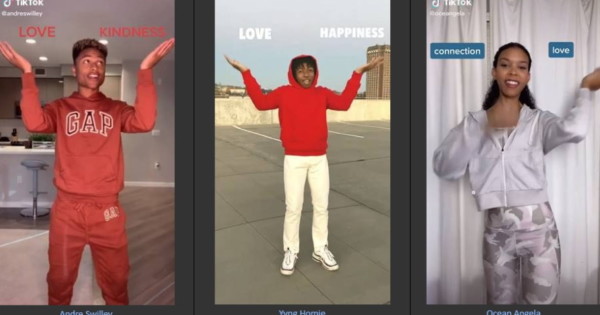
TikTok users are invited to post videos of themselves doing the dance, wearing Gap apparel and sharing a dream, feeling or wish they want to send out to the universe, in one word.
Gap will donate $10 to Boys & Girls Clubs of America for every video posted to TikTok with the hashtag, up to $50,000, through Dec. 31.
TikTok stars who have already participated in #ShareTheGapDream include Ocean Angela, Yvng Homie, Andre Swilley, Maggie Thurmon and Nate Wyatt.
Facebook Backs Its Season of Giving Initiative With On-Platform Video Campaign
Facebook kicked off the on-platform component of its Season of Giving initiative with its release of four videos Monday.
The social campaign was developed by in-house media team Facebook Creative X, and it will run through Dec. 21.
The social network said the goal of the campaign is to show that giving doesn’t cost a lot, and that everybody has something to give, and it shared details on two of the four new videos:
Brennon Jones, Haircut4Homeless: Philadelphia barber and philanthropist Brennon Jones knew the toll being homeless can take on a person. He decided to help the best way he knew how—giving haircuts and makeovers to men helping change their self-image. A few years on and hundreds of haircuts later, Brennon doesn’t just give free haircuts to homeless people, he’s giving them a new beginning. Brennon uses Facebook and Instagram to share out his stories to his community. He also uses Facebook to promote his “$2 Tuesday” campaign, in which followers donate $2 to help fund his initiative.
Holly Christensen and Bree Taylor, The Magic Yarn Project: Holly and Bree started making princess yarn wigs to bring some magic and make believe to young girls battling cancer. What started out as a small gesture for a few girls has grown into a massive movement, touching tens of thousands of families—all powered by volunteers donating their talents to make wigs for young girls and boys. Facebook and Instagram are the primary social media platforms they use to communicate with volunteers, sharing stories of children receiving wigs. Facebook posts are crucial to getting supplies donated, and they use Facebook Live to hold virtual workshops to teach people around the country to make wigs. They also strongly connect through Facebook craft and crochet groups.
LinkedIn Provides a Peek at the Inner Workings of Its Ads Auction Process
LinkedIn shared a primer Monday on how the ads auction process works on its platform.
Product lead Crystal Shi said in a blog post that the auction process occurs hundreds of million of times daily, each time a member visits the professional network.
When an advertiser creates an ad, it also defines the target audience to let LinkedIn know who it is trying to reach.
Once the campaign is running, ads automatically enter the auction process, and which auctions they compete in are determined by those target audiences.
While members can fall into multiple target audiences—Shi gave the example of someone belonging to both “job title” software engineer” and “interest: MBA program”—when the opportunity arises to show a member an ad, all ads with the target audience that the members belong to are eligible to compete.
Shi said two main factors determine which ads appear and in what order.
The bid: The amount an advertiser bids expresses how much that advertiser values the desired goal, and Shi noted that advertisers often wind up paying less than what they bid, and bids can be changed at any time.
Relevancy: LinkedIn wants to ensure that members see content they are interested in and may engage with, so each update is assigned a relevance score that measures how engaging a given update is for the targeted audience. The relevance score for ads is based on predicted response rates, or how likely it is that a given member engages with or converts through that particular ad.
Shi wrote, “The ads that win auctions on LinkedIn are the ads that drive the most value to both members and advertisers. To win auctions and maximize your campaign’s success, your ads must have both a good relevancy score and an appropriate bid —and this combination determines who wins the auction and serves ads on our platform.”
LinkedIn
When creating campaigns, advertisers specify the objective of the campaign, and LinkedIn’s objective-based advertising optimizes the bid based on that objective, such as engagement, impressions or video views. Ads pricing, bidding and ad delivery on the professional network are all aligned to the selected objective.
Manual bidding and target cost bid strategies enable advertisers to bid on a specific goal, such as video views or website visits, and they are only charged when that billable action occurs.
Advertisers are also charged the minimum of what they need to beat out the second-place bidder. Shi wrote, “If you bid $1.40 and beat an otherwise identical ad bidding $1, your campaign will be charged $1.01 if the person it was shown to makes the billable action.”
Shi also provided more color on bidding strategies, writing, “The auctions system indicates that the price you pay per billable action is not a fixed rate, and this is where your bid strategy comes into play. Bid strategies are our overall approach to spending budget and getting results. Your bid strategy choice tells us how to bid for you in ad auctions. The correct bidding strategy depends on your business needs. Our ads platform offers a number of bid strategies that are designed to maximize your particular cost strategy.”
Examples include:
Maximum delivery: Designed to auto-optimize bids to produce the best results and the lowest cost. Shi said this is the best way for marketers to spend their budgets as efficiently as possible/
Manual bidding: Advertisers can specify the maximum bid amount they are willing to pay, and the cost of the campaign will not exceed that amount.
Target CPX bidding: Advertisers can achieve a stable average price per event over time by auto-optimizing their bids to achieve a daily average cost at or near that value.
Facebook’s Bug Bounty Program Nears Its 10th Birthday
Facebook’s bug bounty program is approaching its 10th birthday, and the social network said over 50,000 researchers have joined the program to date since its debut in July 2011, with roughly 1,500 of them, from 107 countries, being awarded bounties.
Security engineering manager Dan Gurfinkel shared some highlights in a blog post this week:
Since 2011, Facebook has received more than 130,000 reports, of which over 6,900 were awarded bounties.
So far, this year, we’ve awarded over $1.98 million to researchers from more than 50 countries.
Facebook received some 17,000 reports so far in 2020, and it issued bounties on over 1,000 of them.
For the third year in a row, the company awarded its highest bug bounty payout to date.
The top three countries based on bounties awarded this year are India, Tunisia and the U.S.
Gurfinkel added that when the program started in 2011, its focus was on the Facebook web page, and it now covers all of the company’s web and mobile clients across its family of applications, including Oculus and Workplace From Facebook.
Its three areas of focus are:
Innovating ways to direct and incentivize security research into emerging risk areas, such as misuse of Facebook data by app developers or security bugs in third-party apps and websites.
Building tools for the research community to make it easier and more rewarding to hunt for bugs on Facebook.
Creating opportunities for collaboration and networking at live hacking events and Facebook’s BountyCon conference.
Gurfinkel wrote, “When we receive a valid report that requires a fix, we look not only at the report as it was submitted, but at the underlying area of code to understand the issue in greater depth. Sometimes this proactive investigation leads us to discover related improvements we can make to better protect people’s security and privacy.”