TikTok Gets a Reprieve in Pakistan

TikTok has been reinstated in Pakistan, for now.

Earlier this month, the Pakistan Telecommunication Authority ordered Internet-service providers to block the video creation application due to its inability to remove “immoral” and “indecent” content.

The PTA said Monday, “As a result of continuous engagement with the platform’s senior management before and after the imposition of the ban, TikTok has assured moderating content in accordance with societal norms and the laws of Pakistan and ensured that the users who are continuously involved in uploading unlawful content are blocked from the platform. The PTA, as a facilitator to the users’ healthy digital experience on the internet and growth of digital companies, has therefore, decided to lift the ban.”

The agency added, “The restoration of TikTok is strictly subject to the condition that the platform will not be used for the spread of vulgarity and indecent content and societal values will not be abused. The PTA will be constrained to permanently block the application in case said condition is not fulfilled.”

TikTok was banned in India in June.

The app was downloaded 14.7 million times in Pakistan in the first six months of the year, according to app analytics firm Sensor Tower.

https://www.adweek.com/digital/tiktok-gets-a-reprieve-in-pakistan/


Facebook Watch Gets New Discoverability Options

Facebook Monday introduced new ways for people to find content on its Facebook Watch long-form video destination.

Users in the U.S. can now follow topics, in addition to the previously available options of following pages and profiles.

Product manager Sherif Kassatly said in a Newsroom post that there are hundreds of topics people can find and follow in Facebook Watch, which can also help users find new pages to follow, and he added that no one else can see which topics a user follows, and they can be added or removed at any time.

Also in the U.S. and other select markets, Facebook Watch visitors will see What’s Happening and Featured sections, leading them to content on timely topics such as the 72nd Primetime Emmy Awards, LatinX and Hispanic Heritage Month, Vote-a-Thon 2020 and the World Series.

Other new sections include Most Haha’d This Week and Most Loved This Week, and users will also see videos in their Facebook Watch feeds based on what their friends are reacting to and what is popular in groups they belong to.

Kassatly wrote, “Facebook Watch is the go-to place to discover videos across Facebook, from live events, to TV shows, sports, news or music videos … With over 1.25 billion people visiting Facebook Watch every month, we’re excited to continue building experiences that bring instant entertainment to our community.”

https://www.adweek.com/digital/facebook-watch-gets-new-discoverability-options/


Telemundo Sets Social Initiatives for 2020 Billboard Latin Music Awards

The 2020 Billboard Latin Music Awards will air live on Telemundo Wednesday, Oct. 21, at 8 p.m. ET, and the Hispanic-focused media company has its social channels heating up.

Fans can upload their best moves to “Tu y Yo” to Instagram Reels with the hashtag #retobillboard for a chance to virtually join Paulina Rubio and Raymix during their live performance of the song via multiple on-stage screens.

During the red carpet special, which airs at 7 p.m., fans can use the #Billboards2020 hashtag on Facebook, Instagram, Snapchat, TikTok and Twitter for a chance to be included in various social mosaics on the red carpet.

At the same time, one-hour El Preshow will be livestreamed on the Latin Billboards and Telemundo Facebook pages, @latinxnow on Twitter and the Telemundo Entretenimiento YouTube channel.

It will originate from four locations, including the red carpet and backstage, and it will be presented by En Casa Con Telemundo hosts Carlos Adyan and Ana Jurka and Latinx Now! hosts Christian Acosta and Alix Aspe.

El Preshow will feature live interviews, surprise performances and red carpet looks.

Latinx Now! will present a post-show livestream on Twitter and YouTube Thursday, Oct. 22 at 4 p.m. ET, recapping all of the event’s highlights, and fans will be able to interact with the hosts.

Digital coverage actually begins Sunday, Oct. 18, with celebrity takeovers, real-time updates and behind-the-scenes looks across Facebook and Instagram, as well as daily exclusive backstage interviews with artists, presenters and hosts on Telemundo.com.

The Billboard Latin Music Awards coincide with three-day virtual experience Latin Music Week, taking place Oct. 20 through 23 and celebrating its 30th anniversary. It will feature artist conversations, industry panels and exclusive performances.

https://www.adweek.com/digital/telemundo-sets-social-initiatives-for-2020-billboard-latin-music-awards/


Snapchat: How to Add Sounds to a Snap


Snapchat rolled out its new Sounds feature on iOS this week, which allows users to add short song clips to their Snaps before sharing them. Our guide will show you how to add a Sound to a Snap.

Note: These screenshots were captured in the Snapchat application on iOS.

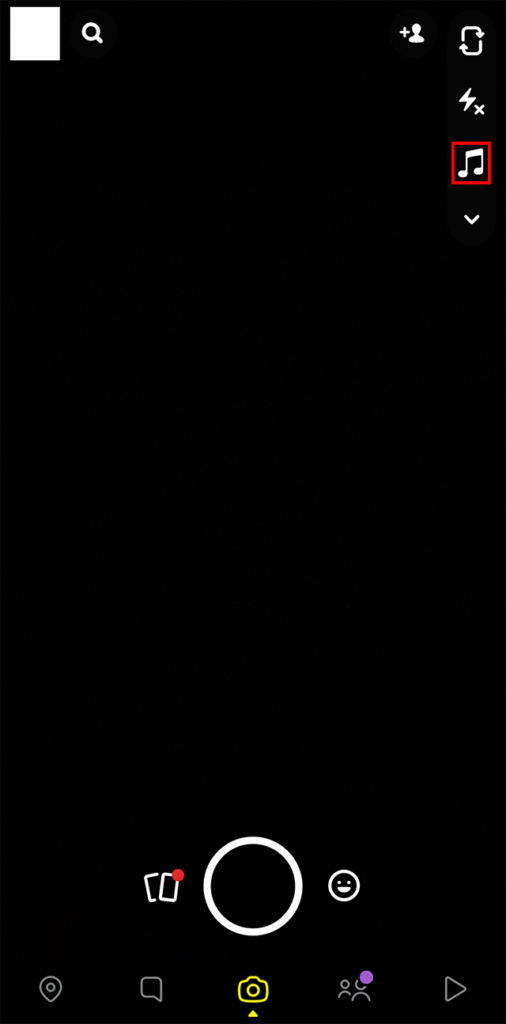
Step 1: Tap the music note on the right side of the Snapchat camera screen.

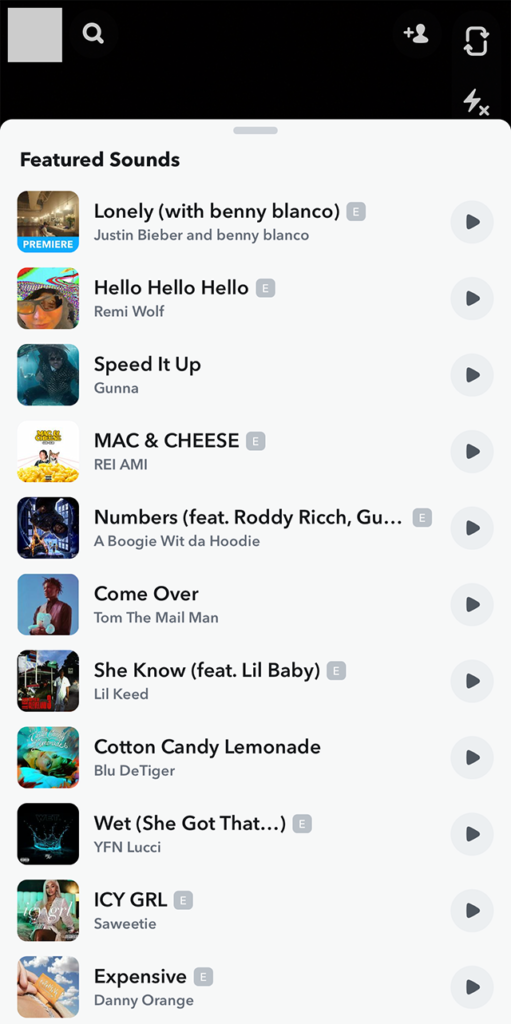
Step 2: Tap one of the featured sounds to add it to your Snap. Note: You can tap the play button to the right of a sound to preview it.

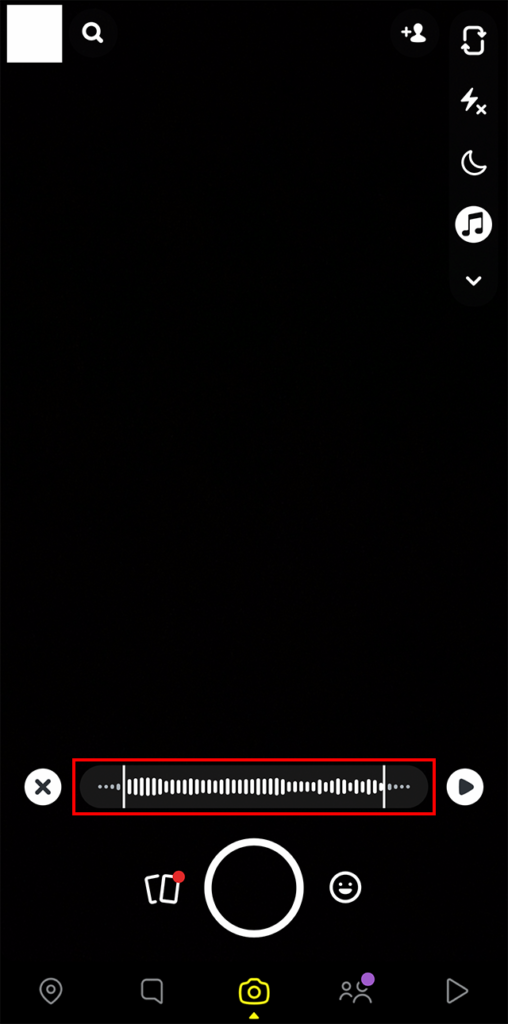
Step 3 (optional): Use the slider above the capture button to choose which portion of the song to play. Note: You can tap the play button to the right of the slider to preview your selection.

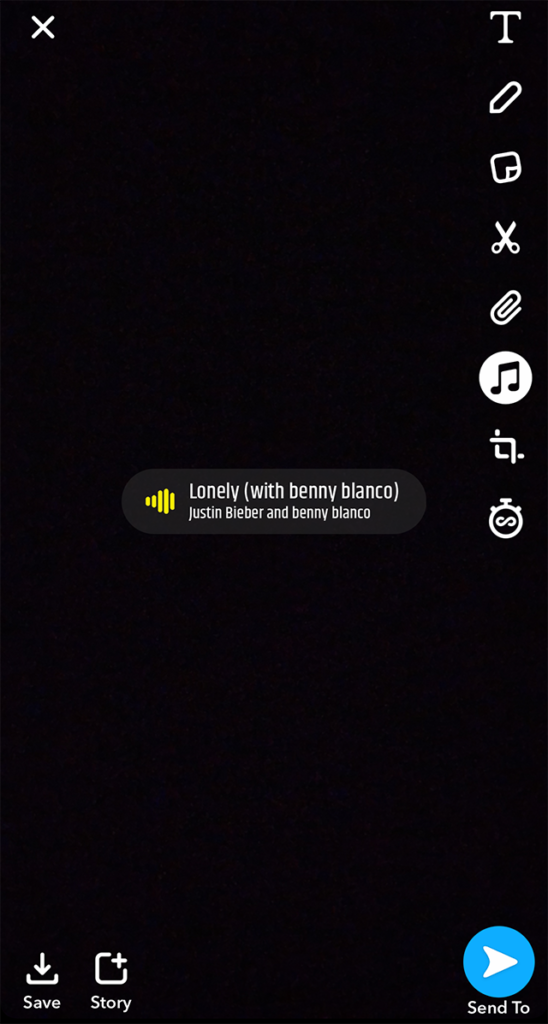
From there, you can capture your photo or video as you normally would. Once you do, a sticker with the song’s title and artist will be placed on your Snap. You can rotate, resize and drag this sticker around the screen to best fit your post before sharing it.


https://www.adweek.com/digital/snapchat-how-to-add-sounds-to-a-snap/


YouTube Ramps Up Its Efforts Against QAnon-Related Content

YouTube said Thursday that it is updating its policies on hate and harassment to include the prohibition of content that suggests that someone is complicit with conspiracy theories such as QAnon or Pizzagate.

The Google-owned video site clarified that context is taken into account, so content such as news stories discussing those topics without targeting individuals or protected groups will not be impacted by the changes, which go into effect Thursday.

The updates Thursday follow YouTube’s move earlier this week to ban content about vaccinations that runs counter to expert consensus from local health authorities or the World Health Organization.

QAnon is a conspiracy theory claiming that high-profile Democrats and celebrities are ritually sacrificing children, and that President Donald Trump is fighting this cabal online. Its followers resort to relentless attacks on those who they believe are part of the cabal, both public figures and private individuals.

Twitter began a purge of accounts linked to QAnon in July, while Facebook and Instagram followed suit in August.

Facebook and Instagram also formally banned ads promoting QAnon conspiracy theories at the end of last month and pledged earlier this month to scrub content from all pages, groups and accounts representing QAnon, regardless of whether they share content related to potential violence.

YouTube began its efforts against QAnon as part of the massive overhaul of its recommendations engine in January 2019, and it said those moves caused a 70% drop in views coming from its search and recommendations, as well as an 80% drop in views from non-subscribed recommendations to prominent QAnon-related channels since January 2019.

The company said it has removed tens of thousands of QAnon videos and terminated hundreds of channels, with a focus on those that explicitly threaten violence or deny the existence of major violent events.

YouTube said in a blog post Thursday, “Managing misinformation and harmful conspiracy theories is challenging because the content is always shifting and evolving. To address this kind of content effectively, it’s critical that our teams continually review and update our policies and systems to reflect the frequent changes.”

https://www.adweek.com/digital/youtube-ramps-up-its-efforts-against-qanon-related-content/


LinkedIn: How to Delete a Stories Post


LinkedIn recently rolled out its Stories feature, which allows users to share short videos or photos that appear at the top of other users’ feeds.

If you share a LinkedIn Stories post that you later want to delete, our guide will show you how to do just that.

Note: These screenshots were captured in the LinkedIn application on iOS.

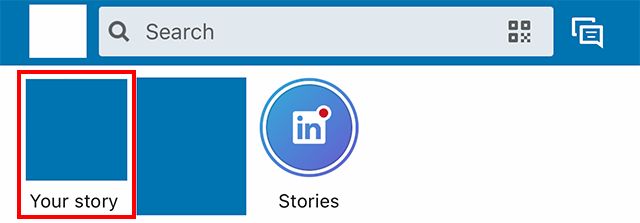
Step 1: On the LinkedIn Home screen, tap “Your story” in the Stories bar near the top of the screen.

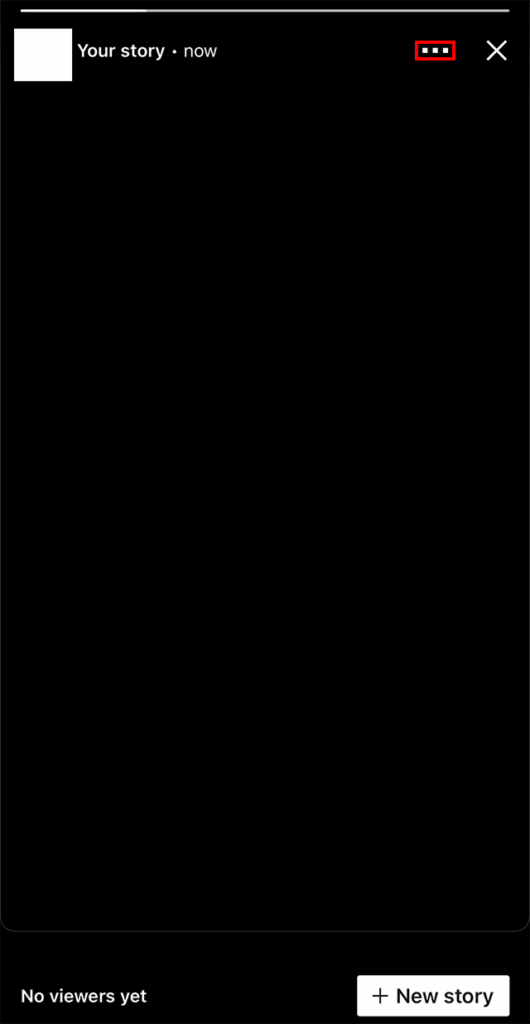
Step 2: Tap the three dots in the top-right corner of the Stories post you want to delete.

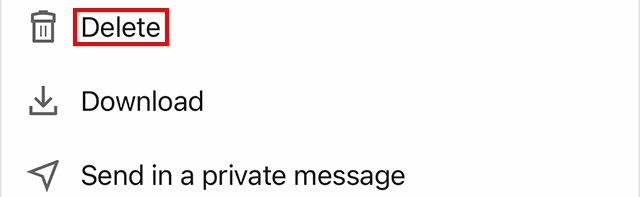
Step 3: Tap “Delete.”

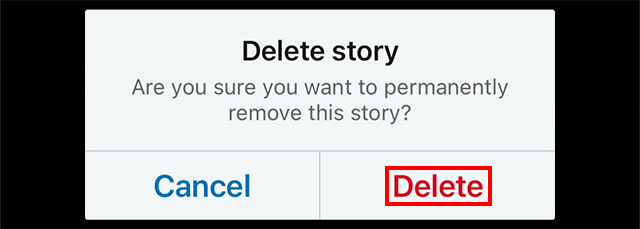
Step 4: Tap “Delete” on the confirmation window that appears to finish deleting your post.


https://www.adweek.com/digital/linkedin-how-to-delete-a-stories-post/


Snapchat Sounds Rolls Out Globally With an Exclusive Preview of Justin Bieber’s New Song

Snapchat globally rolled out its answer to TikTok and Instagram Reels Thursday, Snapchat Sounds, after testing the feature in Australia and New Zealand since August.

Sounds is only available on iOS to start.

Snapchatters can add music to their Snaps, either pre-capture or post-capture, from a curated catalog of music from emerging and established artists. In contrast, music can only be added post-capture on TikTok.

“Lonely,” a new song from Justin Bieber and Benny Blanco, will be featured exclusively in Snapchat Sounds Thursday, before the release of the full track at 9 p.m. PT/midnight ET.

Snapchatters can create Snaps with the new ballad, share those Snaps with friends and save a link to download the full song when it becomes available on streaming platforms.

Snap Inc. reached multiyear agreements with independent music publishers and labels including BMG Music Publishing, Kobalt Music Group, Merlin, the National Music Publishers’ Association, Universal Music Publishing Group, Warner Chappell Music and Warner Music Group.

The Featured Sounds list for Snapchat Sounds is curated and rotates, which helps users discover new and emerging artists, as well as established ones, and also helps facilitate friend-to-friend music recommendations.

When a Snapchat user receives a Snap with Sounds, they can swipe up to see the track’s album art, title and artist, and a “Play This Song” link allows them to listen to the full song on streaming platforms including Apple Music, SoundCloud and Spotify.

Snapchat is also testing the ability for Snapchatters to create their own sounds, as TikTok users can do, and add them to Snaps, and the company said it expects to roll this out globally in the coming months.

https://www.adweek.com/digital/snapchat-sounds-rolls-out-globally-with-an-exclusive-preview-of-justin-biebers-new-song/


Pew: Democrats Are Much More Active on Twitter Than Republicans


Despite what often seems like a one-man crusade by Republican President Donald Trump to tilt the balance, a new study from Pew Research Center found that Twitter is dominated by the Democrats.

Pew analyzed the Twitter activity of 3,518 U.S. adults with public accounts whose Twitter activity could be matched to their survey responses, including to their stated party affiliation, between Nov. 11, 2019, and Sept. 14, 2020, finding notable differences in how Democrats and Republicans used the social network.

The think tank found that 92% of all tweets during the study period came from the most active 10% of users, and 69% of those highly active users identified as Democrats or Democrat-leaning independents.

Pew Research Center

The top 10% Democrats in terms of Twitter activity posted nearly double the number of tweets per month as the top 10% of Republicans, 157 compared with 79.

Pew also examined trends in following the Twitter accounts of the current president and his predecessor, Democrat Barack Obama, which happen to be the two accounts followed by the largest share of U.S. adults.

Obama was followed by 42% of Democrats and just 12% of Republicans, while Trump was followed by 35% of Republicans and just 13% of Democrats.

Other findings by Pew included:

  • Democrats on Twitter were more likely than those who do not use the social network to identify as liberal, at 60%, compared with 43%. For Republicans, there was little difference among Twitter users and non-users when it came to identifying as conservative, at 60% and 62%, respectively.
  • The median Democrat on Twitter tweets once per month, has 32 followers and follows 126 accounts, while the median Republican does not tweet, has 21 followers and follows 71 accounts.
  • Rep. Alexandria Ocasio-Cortez (D-N.Y.) is followed by 16% of Democrats and 2% of Republicans, while Fox News personalities Tucker Carlson and Sean Hannity were each followed by 12% of Republicans and 2% of Democrats.
  • Mentions of Trump and his opponent in the 2020 election, former Vice President Joe Biden, were not skewed by party, as Trump was mentioned by 13% of Democrats and 12% of Republicans, while those numbers were 7% and 6%, respectively, for Biden.
  • Roughly 4% of Democrats on Twitter used the #BlackLivesMatter hashtag, versus just 1% of Republicans.

Pew wrote in the introduction to its report, “Entering the peak of the 2020 election season, social media platforms are firmly entrenched as a venue for Americans to process campaign news and engage in various types of social activism. But not all Americans use these platforms in similar ways.”

https://www.adweek.com/digital/pew-democrats-are-much-more-active-on-twitter-than-republicans/


AppsFlyer: Facebook Was the No. 1 Mobile Media Source in 1H 2020


Mobile attribution and data analytics company AppsFlyer released the 11th edition of its Performance Index, which analyzes mobile media sources. The report examined 27 billion application installations and 58 billion app opens across 14,000 apps from January through June 2020.

For the latest edition of its report, AppsFlyer introduced two new indices, the IAP Index and the IAA Index, which, respectively, rank media sources based on “their ability to deliver users with the highest likelihood to complete an in-app purchase,” and on “their ability to deliver users who monetize best with ads.”

These two indices join three previously existing rankings in the report: The Retention Index (previously called the Performance Index), the Remarketing Index and the Growth Index.

For 1H 2020, Google Ads took the top spot on the Retention Index, followed by Facebook in second place. However, when AppsFlyer looked at the performance of media sources across all five indices, Facebook came out on top.

AppsFlyer

AppsFlyer said in a statement, “The social network’s ability to drive performance at scale in both the Retention Index and the new IAP (in-app purchase) Index has propelled Facebook’s ranking forward. It also dominates the new IAA (in-app advertising) Index, as well as the Remarketing Index, making its overall cross-index position as the dominant force in mobile clear.”

You can view AppsFlyer’s full report on its website.


https://www.adweek.com/programmatic/appsflyer-facebook-was-the-no-1-mobile-media-source-in-1h-2020/


Spotify Extends Self-Serve Ad Platform Ad Studio to Mexico, Spain


Spotify extended the availability of its Ad Studio self-serve ad platform to Mexico and Spain, marking the first fully localized versions of the platform outside of English-language markets.

Ad Studio officially came out of beta in April, with 18 other markets joining Australia, Canada, New Zealand, the U.K. and the U.S., but while ads could run in local languages, the platform remained English-only.

The minimum spend to use Ad Studio is 4,000 pesos (approximately $187.30) in Mexico and 250 euros (approximately $305.34) in Spain.

Spotify

Spotify cited data from eMarketer and GlobalWebIndex, saying 95% of Generation Z and 88% of millennials in Mexico stream digital audio, and consumption of streaming audio doubled over the past two years in Spain, adding that Spotify Free users globally stream an average of 2.5 hours across devices each day.

Group product manager for Ad Studio Stacey Wallace said in a statement, “As audio continues its path as the fastest-growing and most creative space in media, we’re excited to have our first non-English-language version of Ad Studio available in these markets, bringing the value of the simplicity, effectiveness and creativity of audio to even more advertisers. Our launch in Mexico and Spain also builds on the incredible momentum Ad Studio has seen this year, including the recent addition of video ads and the platform officially coming out of beta.”

https://www.adweek.com/programmatic/spotify-extends-self-serve-ad-platform-ad-studio-to-mexico-spain/