Warner Bros. Adds an AR Component to the YouTube Trailer for Scoob!

Why just watch the trailer for an upcoming animated feature film when you can take a selfie with the star?

Warner Bros. Pictures is promoting Scoob!—which is set to hit theaters May 15, 2020—with the first-ever movie trailer on YouTube to embed augmented reality.

[embedded content]

Fans viewing the trailer via the latest version of the YouTube application on their mobile devices will see a launch camera button on the screen. Clicking that button will enable them to take selfies with Scooby-Doo as a puppy.

Scoob! is the first full-length animated Scooby-Doo feature film, and it tells the story of how Scooby and Shaggy first met and how they joined with Fred, Velma and Daphne to form Mystery Inc.

Warner Bros. executive vice president of worldwide digital marketing and chief data strategist Andrew Hotz said in a release, “Trailers continue to play a critical role in the movie industry, but today’s digitally savvy audiences want new ways to connect with the trailer-viewing experience. In partnering with YouTube to create the first augmented reality movie trailer for Scoob!, viewers around the world now can become part of the trailer experience, enabling all generations of fans to take pictures with Scooby-Doo and heighten their connection to the iconic character.”

https://www.adweek.com/digital/warner-bros-adds-an-ar-component-to-the-youtube-trailer-for-scoob/


Twitter Releases Its Draft of Potential Rules Covering Deepfakes

Twitter said last month that it would release a draft of its potential rules on deepfakes, and it did so Monday.

The social network said in a series of tweets in October that its new policy will address content that has been “significantly altered or created in a way that changes the original meaning/purpose, or makes it seem like certain events took place that didn’t actually happen.”

Vice president of trust and safety Del Harvey said in a blog post Monday that Twitter defines synthetic and manipulated media as any photo, audio or video that was significantly altered or fabricated in a way that intends to mislead people or changes its original meaning.

She also shared the following draft of an addition to the Twitter rules for public comment:

Twitter may:

  • Place a notice next to tweets that share synthetic or manipulated media;
  • Warn people before they share or like tweets with synthetic or manipulated media; or
  • Add a link—for example, to a news article or Twitter Moment—so that people can read more about why various sources believe the media is synthetic or manipulated.

In addition, if a tweet including synthetic or manipulated media is misleading and could threaten someone’s physical safety or lead to other serious harm, we may remove it.

Harvey said users can share their feedback via this survey—which is available in Arabic, English, Hindi, Japanese, Portuguese and Spanish—or via tweet with the hashtag #TwitterPolicyFeedback.

The feedback period ends Wednesday, Nov. 27, at 11:59 p.m. GMT (6:59 p.m. ET, 3:59 p.m. PT), and Harvey wrote, “At that point, we’ll review the input we’ve received, make adjustments and begin the process of incorporating the policy into the Twitter rules, as well as train our enforcement teams on how to handle this content. We will make another announcement at least 30 days before the policy goes into effect.”

She added that people interested in partnering with Twitter to develop solutions that detect synthetic and manipulated media can fill out this form.

https://www.adweek.com/digital/twitter-releases-its-draft-of-potential-rules-covering-deepfakes/


Facebook Messenger Adds a Privacy and Safety Hub to Its Website

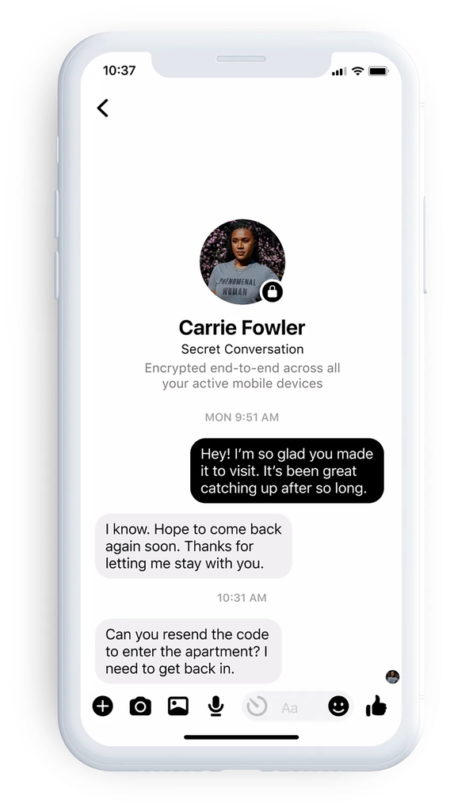
Facebook Messenger added a new section on privacy to its website this week to give users one place to find information on the messaging application’s privacy, safety and security features.

The app’s new privacy and safety hub will provide details on privacy settings and features such as Secret Conversations, which are end-to-end encrypted messages.

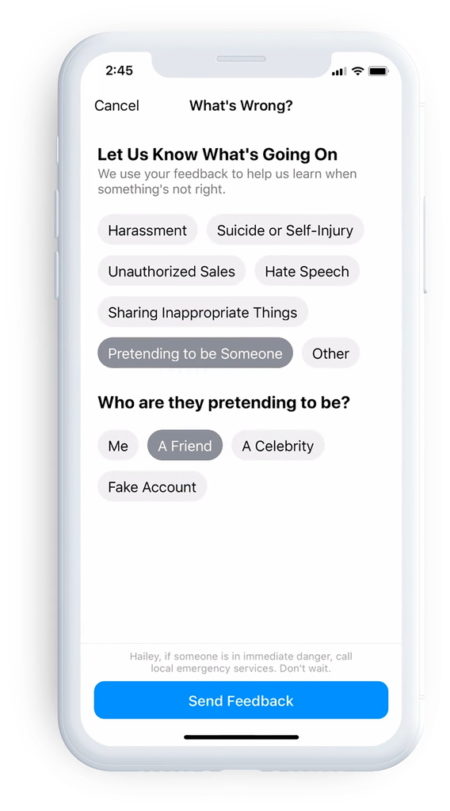
Instructions are also provided for blocking and reporting other users, in order to help prevent unwanted interactions or people impersonating someone like a friend or a celebrity.

Details are included on how users can protect their accounts from potential hackers through features such as login alerts and safer browsing to avoid malware.

Facebook also describes some of the behind-the-scenes steps it takes, including removing fake accounts, using artificial intelligence to identify harmful links and images and reducing the spread of misinformation.

For those with more interest in technology, white papers are available about the social network’s approach to privacy and security.

Jay Sullivan, director of product management for Messenger privacy and integrity, wrote in a blog post, “We believe it’s critical to have spaces for private conversations where you have the freedom to be yourself and share with loved ones. Today, we’re launching a new section of our website, www.messenger.com/privacy, to provide one place for you to learn more about the privacy, safety and security features on Messenger.”

https://www.adweek.com/digital/facebook-messenger-adds-a-privacy-and-safety-hub-to-its-website/


Facebook Details New Monetization Options for Video Creators

Facebook detailed some updates to monetization opportunities for video creators on its platform.

Brand Collabs Manager—which the social network introduced in June 2018 to help match up advertisers and creators for branded content partnerships—is now available in over 40 countries.

Brand Collabs Manager product manager Kate Orseth and Facebook head of creator and publisher experience Jeff Birkeland said in a blog post that the update brings Brand Collabs Manager in line with the social network’s Ad Breaks monetization option.

In order to qualify for Brand Collabs Manager, creators must have at least 1,000 followers and meet one or more of the following criteria over the past two months: 15,000 engagements on their posts, 180,000 minutes viewed or 30,000 one-minute views on videos that are three minutes or longer.

Orseth and Birkeland wrote, “In the coming months, we will also make improvements to organic and paid insights to help advertisers understand the performance of their branded content posts more deeply.”

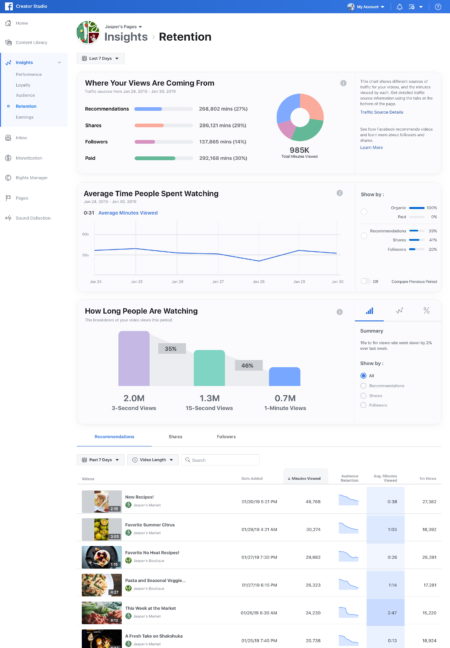
Facebook will also add a new data visualization in the coming weeks to its Creator Studio dashboard for managing, monetizing and tracking the performance of content.

Traffic Source Insights will give publishers and creators a clearer picture of how their content is distributed across Facebook and enable them to optimize for each source.

Video watch time and retention metrics will be broken out for pages across four key sources: followers, shares, recommended and paid. Metrics can be viewed in aggregate, and top videos can be viewed in a particular time range for each source.

Creator Studio will also get a new way to publish Instagram content from desktop.

The new Tag Instagram Accounts option will enable creators to tag feed photos and photos within carousel posts, and those tags will be tappable once those posts are published.

Tagging posts with brand partners will cause people viewing those posts to see “Paid partnership with” in the header, and those tagged brand partners can see the reach and engagement of those posts in their Facebook page insights.

Comments can also be turned off on Instagram posts via Creator Studio.

Finally, Facebook updated its Stars feature, which enables creators to earn revenue directly from fans.

Creators can now see who sent them Stars for their live videos, including the top three Stars senders, in real-time, and they can use the new Star Goals feature to set public goals for the number of Stars they would like to receive.

https://www.adweek.com/digital/facebook-details-new-monetization-options-for-video-creators/


Tumblr Begins Rolling Out Group Chats on Its Mobile Apps

Group chats are coming to Tumblr, alongside the dashboard in its mobile applications.

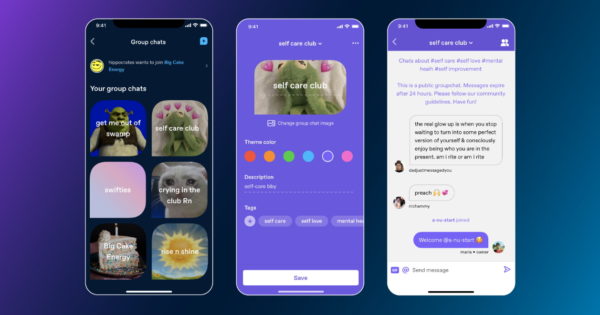
Tumblr said in a blog post that the feature is slowly rolling out to all users of its mobile apps, and those who have access to it will see a group chat icon in the upper-right-hand corner.

Tapping that icon will bring up a list of group chats the user joined or created, as well as pending invites and join requests. This can also be accessed by swiping left from the dashboard.

To create a group chat, Tumblr users can tap the plus sign button in the top-right corner of the group chat page, at which point they can name the group chat, add a header picture, pick a color and add tags so people can find it.

Tumblr users can run up to five group chats simultaneously, but there is no limit on how many they can participate in.

Group chats can also be discovered via Tumblr’s search function, and users can request to join any that attract their interest.

Messages disappear after 24 hours, and once they are sent, they cannot be edited.

While the creator of a group chat is the only one who can invite people to participate, all group chats and their messages are public and can be viewed by anyone on Tumblr.

Group chats can have up to 100 participants, including the owner.

Tumblr said group chats may be moderated or monitored by is employees, and violations of the platform’s hate speech policy or other parts of its community guidelines are prohibited.

The company said in its blog post, “Creators of a group chat are the sole owners of that group chat, and it is their responsibility to keep it a friendly and welcoming space. Owners can remove any individual or a specific message they see fit by tapping the avatar of the member in question and removing them from the group chat. Removing someone is a permanent action, and the removed participants will not be able to join again.”

Tumblr added that because group chats are publicly viewable, anyone can report violations, whether or not they are part of the chat

The company wrote, “People on Tumblr are a lot of things. You’re passionate. You’re activists. You’re caring, funny, a little bit weird (OK, really weird), you’re eloquent, you’re smart … You’re Tumblr. Without you, this platform would just be an empty blue space. No thanks, bud. We wanted to give you a place to have those passionate, caring, funny, weird, smart conversations in real-time with people you actually want to converse with. Enter group chats.”

https://www.adweek.com/digital/tumblr-begins-rolling-out-group-chats-on-its-mobile-apps/


5 User-Experience Updates That Twitter Could Roll Out in 2020

Twitter is constantly tweaking its user experience, and the social network provided a peek at more changes that could be implemented sometime next year.

Vice president of design and research Dantley Davis shared details on five potential updates with Andrew Hutchinson of Social Media Today:

  1. There is currently no way for a Twitter user to remove themselves from a conversation if they are @ mentioned or tagged within an image, although they can mute the conversation. The social network is toying with an easier way to enable users to remove themselves from conversations, with another benefit being that it diminishes the effectiveness of spam taggers.
  2. Twitter is also testing the ability for users to not allow retweets of specific tweets. Hutchinson noted that this update could come in handy in cases where a user replies to another user and doesn’t want his or her comment to be taken out of context, or if a tweet starts drawing attention for unintended reasons. It could also lead to more direct engagement in the form of replies instead of retweets or quote tweets.
  3. The social network is working on a way for users to prevent themselves from being @ mentioned in tweet threads unless they grant permission, which could help in cases of bullying, abuse or trolling.
  4. Twitter is also exploring the idea of allowing users to remove @ mentions from specific conversations, for many of the same reasons listed above.
  5. Finally, the social network is working on a way for users to tweet only to specific hashtags, interests or groups of friends, giving them a way to select specific audiences for their content.

https://www.adweek.com/digital/5-user-experience-updates-that-twitter-could-roll-out-in-2020/


Reddit: Here’s How to Clear Your Local History

Did you know that the Reddit mobile application allows you to clear your local history at any time? Our guide will show you how this works.

Note: These screenshots were captured in the Reddit app on iOS.

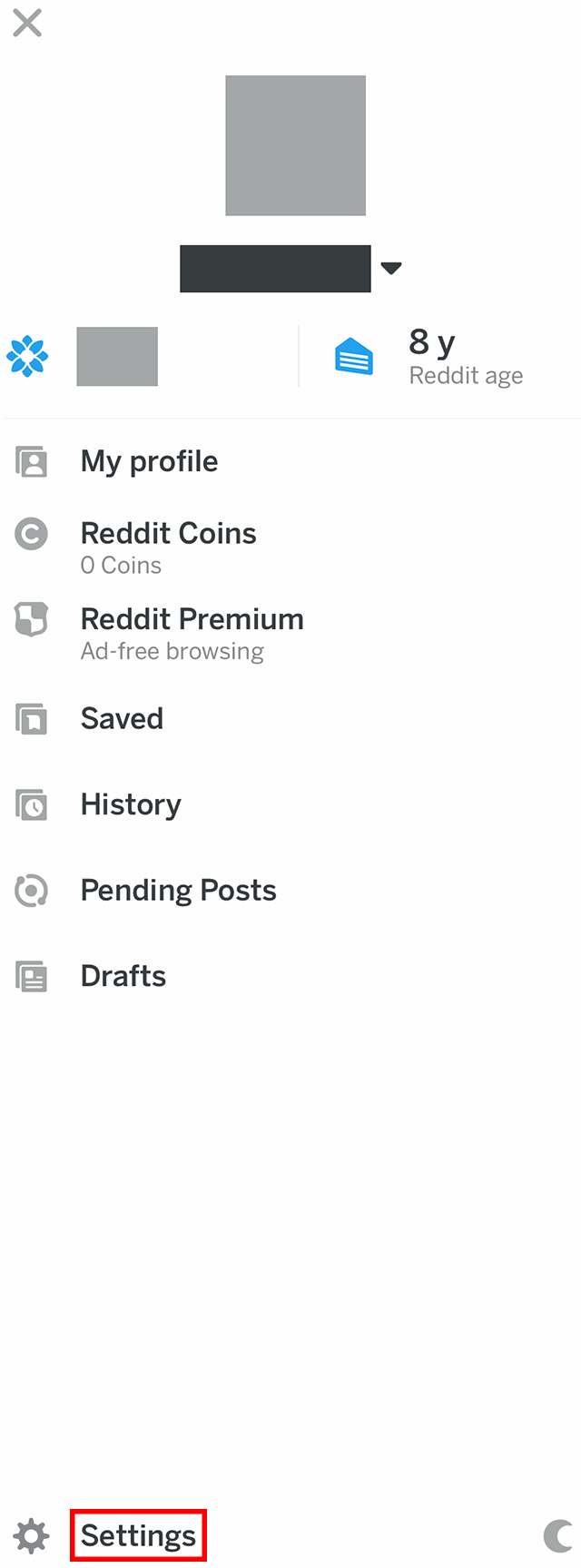
Step 1: Tap your profile picture in the top-left corner of the screen.

Step 2: Tap “Settings.”

Step 3: Under “Advanced,” tap “Clear local history.”

Step 4: Tap “Clear local history” on the window that appears to complete the process.

https://www.adweek.com/digital/reddit-heres-how-to-clear-your-local-history/


Pinterest: Pinners Start Searching for Holiday Shopping Ideas Before Thanksgiving

The holiday season is in full swing on Pinterest, as the company said searches for Christmas inspiration begin on its site as early as June and are up 220% thus far in 2019 compared with last year.

Pinterest said 61 million Pinners in the U.S. engaged with holiday content in 2018, adding that 54% of its U.S. users start their holiday shopping before Thanksgiving, and 83% agreed that Pinterest helps with planning, inspiration and shopping for the holiday season.

So far this year, clicks to retail sites from shoppable product Pins are up three times compared with the previous year.

Pinterest said the discovery mindset of its users provides an opportunity for marketers to create engagement before Pinners have decided what they will purchase and from where, adding, “On Pinterest, there’s a unique opportunity for brands to actually help consumers find the right products, when they want, where they want and how they want by using inspiring and useful content. Consumers have an enhanced experience versus interruptive, allow them to turn inspiration into action.”

The company’s tips for marketers include: uploading their catalogs to Pinterest; using its shopping ads and Shop the Look ads; and incorporating key interests such as Christmas shopping, Christmas gift inspiration and Holiday gifts (the latter two are among the top searches related to holiday shopping season).

Pinterest also shared the example of retailer Kohl’s using its QR code-like Pincodes to back its Holiday Family Jammies product line driving Pinners to a board with last-minute gifting and stocking stuffer ideas to drive incremental trips to its brick-and-mortar locations.

https://www.adweek.com/digital/pinterest-pinners-start-searching-for-holiday-shopping-ideas-before-thanksgiving/


YouTube Brings Shopping Ads to Its Home Feed, Search Results for the Holiday Season

YouTube’s present to marketers comes in the form of its debut of shopping ads in its home feed and search results just in time for the holiday shopping season.

Nicky Rettke, director of product management for the Google-owned video site, said in a blog post that 48% of shoppers are open to buying from new retailers during the holiday season, adding, “And how are they discovering these new brands? Increasingly, shoppers are leaning into videos and inspirational imagery.”

According to YouTube, watch time of shopping videos with “holiday” in the title shot up more than four times over the past two years.

On that note, YouTube revealed Tuesday that it is introducing shopping ads in its home feed and search results, enabling advertisers on its platform to extend their reach.

Shopping ads had already been available in the form of cards on the right side of videos on desktop and below videos on mobile, and Rettke said brands already using shopping ads with campaigns that are opted into YouTube on Display Network may see their ads appear on the home feed and in search results.

She wrote, “Now, when potential shoppers are browsing on YouTube, they may see shopping ads based on their shopping interest. This means if a consumer expresses an interest in running, they could see ads from retailers that offer running apparel, like Puma.”

Google/YouTube

Puma Group vice president of ecommerce Rick Almeida said in the blog post, “Consumers are continuing to watch more content on the YouTube platform, and we want to be where they are, to reach and engage them. This new opportunity will enable Puma to extend our shopping strategy into a new property and inspire consumers.”

Rettke also cited a recent study by Google and Ipsos, which found that 76% of consumers enjoy making unexpected discoveries while shopping, and 85% will take a product-related action within 24 hours of discovering a product.

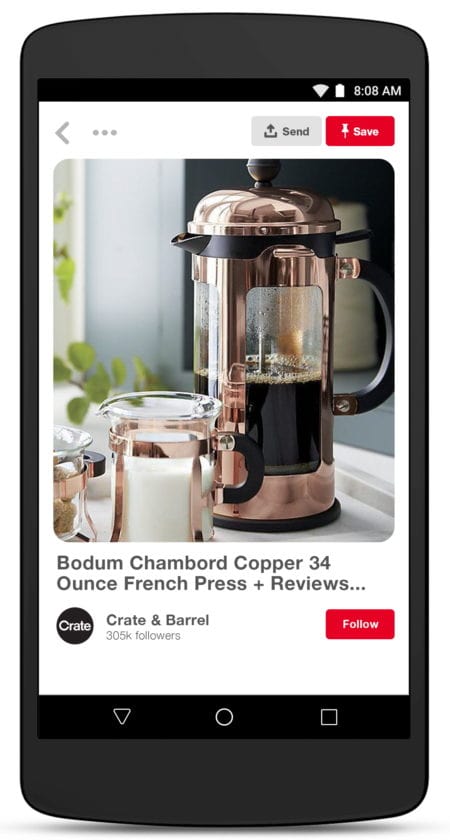
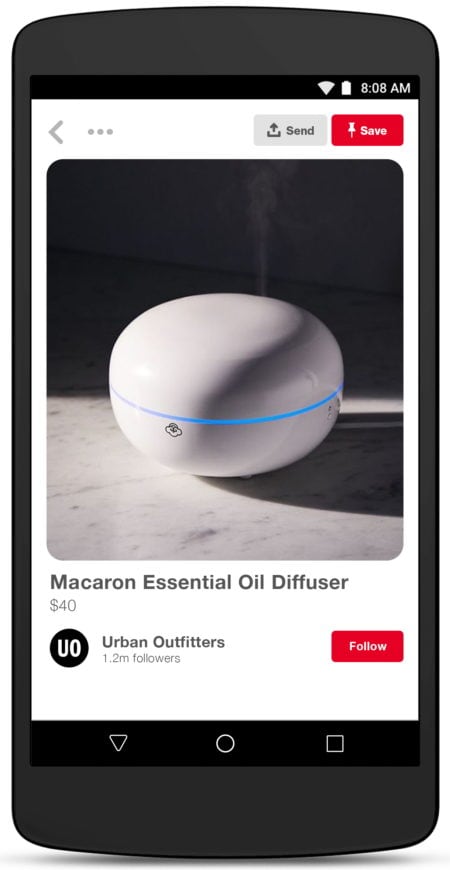
She said Google’s showcase shopping ads are being extended to Google Images, adding that queries such as “holiday party dresses” trigger those ads and enable brands to group related products together.

According to Google, about 85% of traffic from showcase shopping ads to retailer websites comes from new visitors.

Rettke added that the ad format had previously been used mainly for apparel and furniture searches, and it is being expanded into new categories such as beauty and electronics.

Apparel retailer Urban Outfitters expanded its showcase shopping ads to 50 categories across apparel, home décor and beauty, and it saw click-through rates soar 241%, with 52% of those customers being new, as well as a 186% jump in sales from new customers via those ads, compared with sales from reactivated customers.

Google/YouTube

Rettke also cited Google’s discovery ads, currently in beta, which enable brands to reach people scrolling their personalized feeds across YouTube, Google Discover and Gmail.

She added that mattress brand Nectar is using discovery ads with holiday-focused creative to showcase its 365-Night Trial and Forever Warranty special offers, using a variety of high-resolution images and highlighting those promotions in the text.

Nectar saw an 8% life in total sales, with cost per acquisition 70% lower than paid social campaigns, according to Rettke.

Rettke said brands interested in joining the global discovery ads beta should reach out to their Google account teams.

https://www.adweek.com/digital/youtube-brings-shopping-ads-to-its-home-feed-search-results-for-holiday-season/


Twitter Reveals 18 Emerging Trends That Marked U.S. Cultural Shifts Since 2016

Twitter analyzed billions of tweets from Jan. 1, 2016, through June 30, 2019, and boiled them down into 18 emerging trends that highlight fundamental shifts in culture in the U.S.

The social network used both human coding and machine learning to determine the most-used hashtags and map them into cluster themes of conversation, and then removed commonplace topics, such as politics and sports, in order to focus on significant growth areas and contextual shifts in conversation.

Twitter then worked with cultural insights experts at CrowdDNA to arrive at 18 emerging trends.

The social network also used tools from Crimson Hexagon and Talkwalker, along with internal tools, to determine tweet volumes in monthly increments, geo-filtered for the U.S. market, and compare growth statistics from the first quarter of 2016 through the second quarter of this year.

Finally, all of that information was packaged into an immersive website unveiled by Twitter Monday, with dedicated Trend Packs for each of the 18 trends offering data on conversation growth, key drivers, related hashtags and emoji sentiment, as well as example tweets.

Twitter said it intends to refresh these insights annually, as well as to expand the initiative into markets outside of the U.S. next year.

The six overarching themes and 18 trends follow:

  • Well-being: Twitter said that while discussion used to be dominated by body image, diet and physical appearance, healthy mind and whole-body wellness have emerged. Trends in this theme are data-driven bodies, holistic health and being well together.
  • Everyday wonder: “The more people learn about the universe, the more in awe of it they become,” Twitter wrote, noting fascination with planets, climate change and extreme weather, as well as spiritual energy and healing. The social network’s standout statistic: Conversation around spiritual practices that were once considered New Age—such as yoga, chakras, Zen and mindfulness—fell 45% during the time period it studied, while discussion around alternative spirituality (healing, energy, astrology in relation to spiritual practices) skyrocketed 168%. Trends in this theme are DIY spirituality, in awe of nature and cosmic fascination.
  • Creator culture: The creative arena was once dominated by artists, writers and musicians, but now, makers, builders and entrepreneurs have grabbed seats, as well. Twitter’s standout stat: Unsigned musician hashtags rose 113% during the time period analyzed. Trends in this theme are creative currency, hustle life and connecting through video.
  • My identity: People have never felt more empowered to be their true selves and make their own rules. Stereotypes are being shattered, and issues of gender and diversity have come to the forefront. Trends in this theme are fandom, gender redefined and represent me.
  • One planet: Respect for the planet is being demanded of people, their communities and businesses, and there is a focus on taking action and finding innovative solutions to create a more sustainable culture. Twitter’s standout stat: Conversation around environmental veganism shot up 235% during the period studied. Trends in this theme are ethical self, sustainable steps and clean corporations.
  • Tech life: Technology continues to change how people learn, create and work, and people are imagining a future that is more connected, more efficient and more expansive. The social network’s standout stat: Conversation about a fourth industrial revolution grew 340% during the period studied. Trends in this theme are blended realities, future tech and tech angst.

Twitter said, “Having this level of insight into the topics that are of growing importance to consumers is incredibly valuable in the creative development—and even product development—phases of marketing, as well as participating in the conversation with consumers. We’re sharing these insights to help marketers stay on the leading edge of culture and get a deeper understanding of what’s starting to matter more to consumers. Our goal is to inspire powerful and award-winning campaigns in 2020.”

https://www.adweek.com/digital/twitter-reveals-18-emerging-trends-that-marked-u-s-cultural-shifts-since-2016/