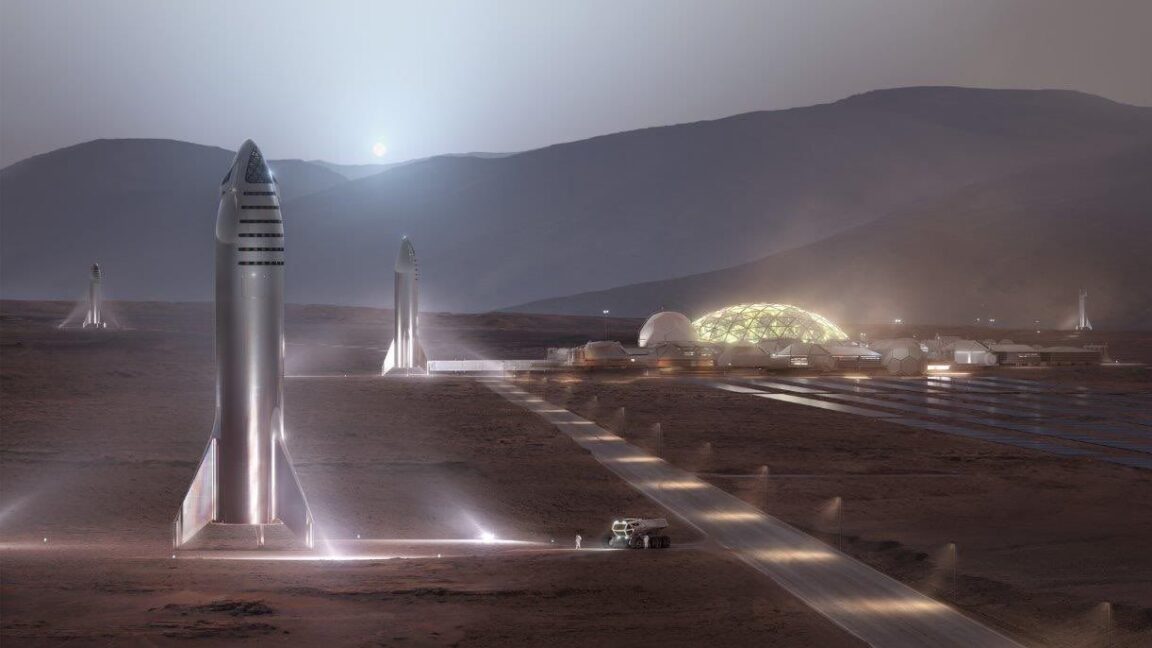
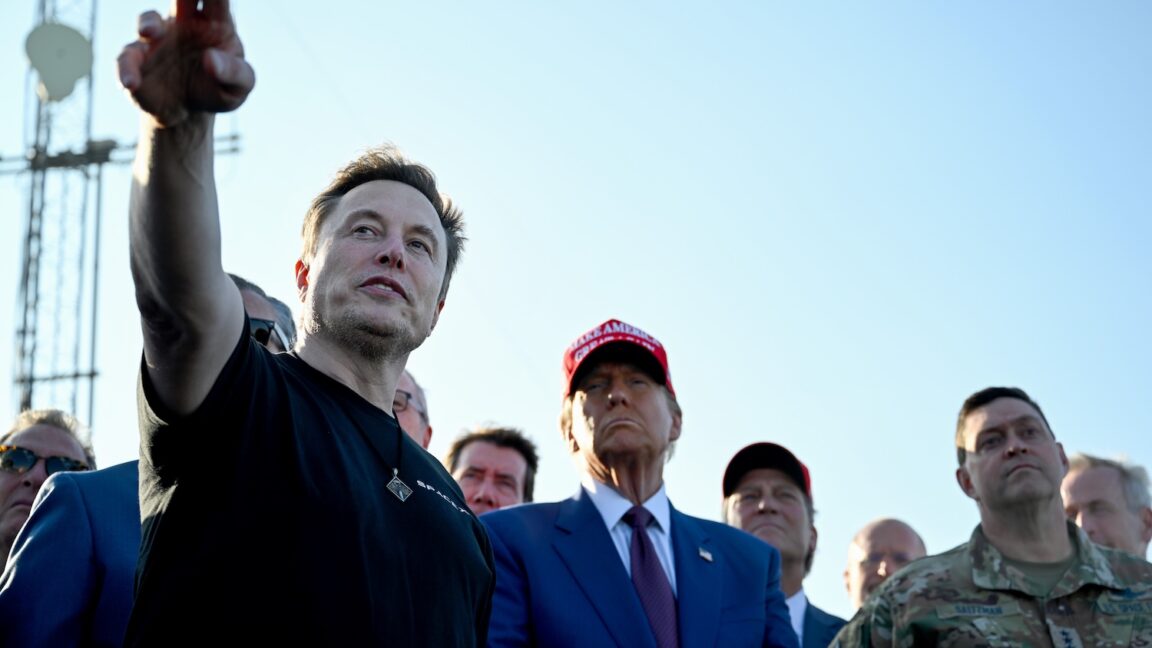
Elon Musk: “We’re going straight to Mars. The Moon is a distraction.”
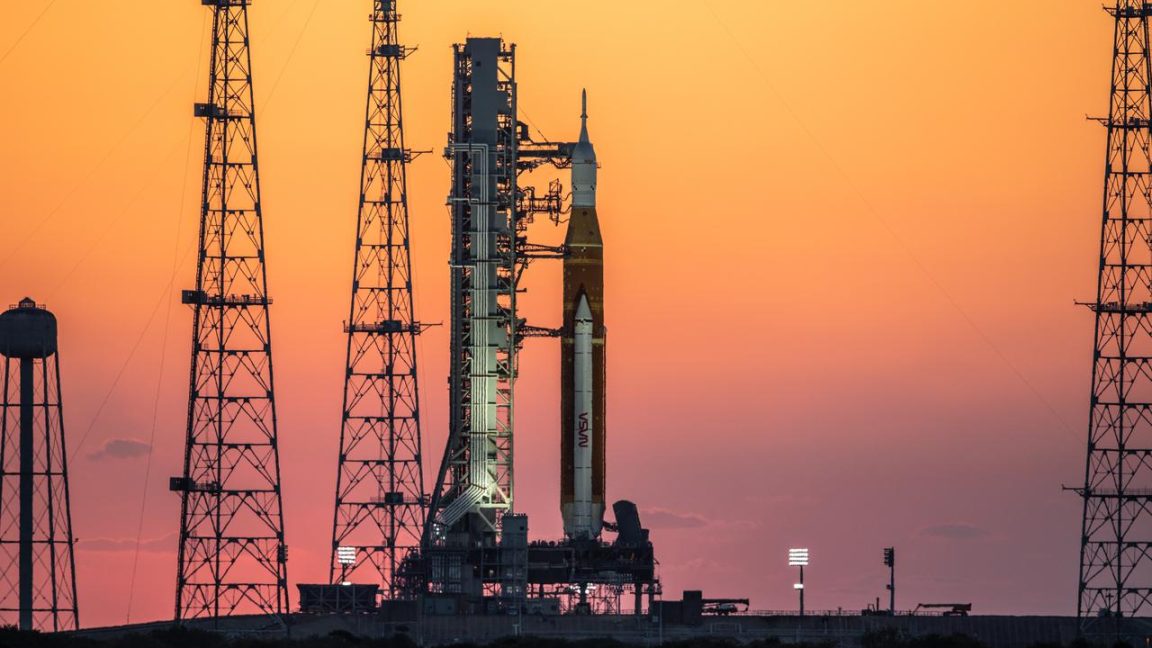
To a large extent, NASA resisted this change during the remainder of the Trump administration, keeping its core group of major contractors, such as Boeing and Lockheed Martin, in place. It had help from key US Senators, including Richard Shelby, the now-retired Republican from Alabama. But this time, the push for change is likely to be more concerted, especially with key elements of NASA’s architecture, including the Space Launch System rocket, being bypassed by privately developed rockets such as SpaceX’s Starship vehicle and Blue Origin’s New Glenn rocket.
Not one, but both
In all likelihood, NASA will adopt a new “Artemis” plan that involves initiatives to both the Moon and Mars. When Musk said “we’re going straight to Mars,” he may have meant that this will be the thrust of SpaceX, with support from NASA. That does not preclude a separate initiative, possibly led by Blue Origin with help from NASA, to develop lunar return plans.
Isaacman, who is keeping a fairly low profile ahead of his nomination, has not weighed in on Musk’s comments. However, when his nomination was announced one month ago, he did make a germane comment on X.
“I was born after the Moon landings; my children were born after the final space shuttle launch,” he wrote. “With the support of President Trump, I can promise you this: We will never again lose our ability to journey to the stars and never settle for second place. We will inspire children, yours and mine, to look up and dream of what is possible. Americans will walk on the Moon and Mars and in doing so, we will make life better here on Earth.”
In short, NASA is likely to adopt a two-lane strategy of reaching for both the Moon and Mars. Whether the space agency is successful with either one will be a major question asked of the new administration.
Russia just launched the 2,000th Semyorka rocket—it’s both a triumph and tragedy
The Russian space program reached a significant milestone over the holidays with the 2,000th launch of a rocket from the “R-7” family of boosters. The launch took place on Christmas Day when an R-7 rocket lifted off, carrying a remote-sensing satellite from the Baikonur Cosmodrome.
This family of rockets has an incredible heritage dating back nearly six decades. The first R-7 vehicle was designed by the legendary Soviet rocket scientist Sergei Korolev. It flew in 1957 and was the world’s first intercontinental ballistic missile. Because the first Soviet nuclear warheads were massive, the R-7 vehicle was powerful enough to be converted into an orbital rocket.
A modified version of the R-7 rocket, therefore, launched the Sputnik satellite later in 1957. And the slightly more powerful “Vostok” version of the booster carried Yuri Gagarin into space in 1961, opening the era of human spaceflight. The first Soyuz variant, a rocket that has been upgraded multiple times but remains similar to its original form, flew in 1966. Humans still fly on the Soyuz rocket today to the International Space Station.
Reaching a major milestone
In a news release published via Russian channels, Roscosmos noted that the Christmas Day launch was the 2,000th launch of the R-7, or Semyorka family of vehicles. The “Semyorka” moniker for these rockets is the noun form of the number 7 and the affectionate name for the booster, according to translator Rob Mitchell.
The most commonly flown variant of the Semyorka rocket is the Soyuz-U variant, which flew 788 missions from 1973 to 2017 (including human flights to a variety of space stations). This is followed by the Voshkod booster (299 flights, primarily for reconnaissance satellites) and Molniya-M rocket (280 flights, including polar and lunar missions).
A Cold War mystery: Why did Jimmy Carter save the space shuttle?
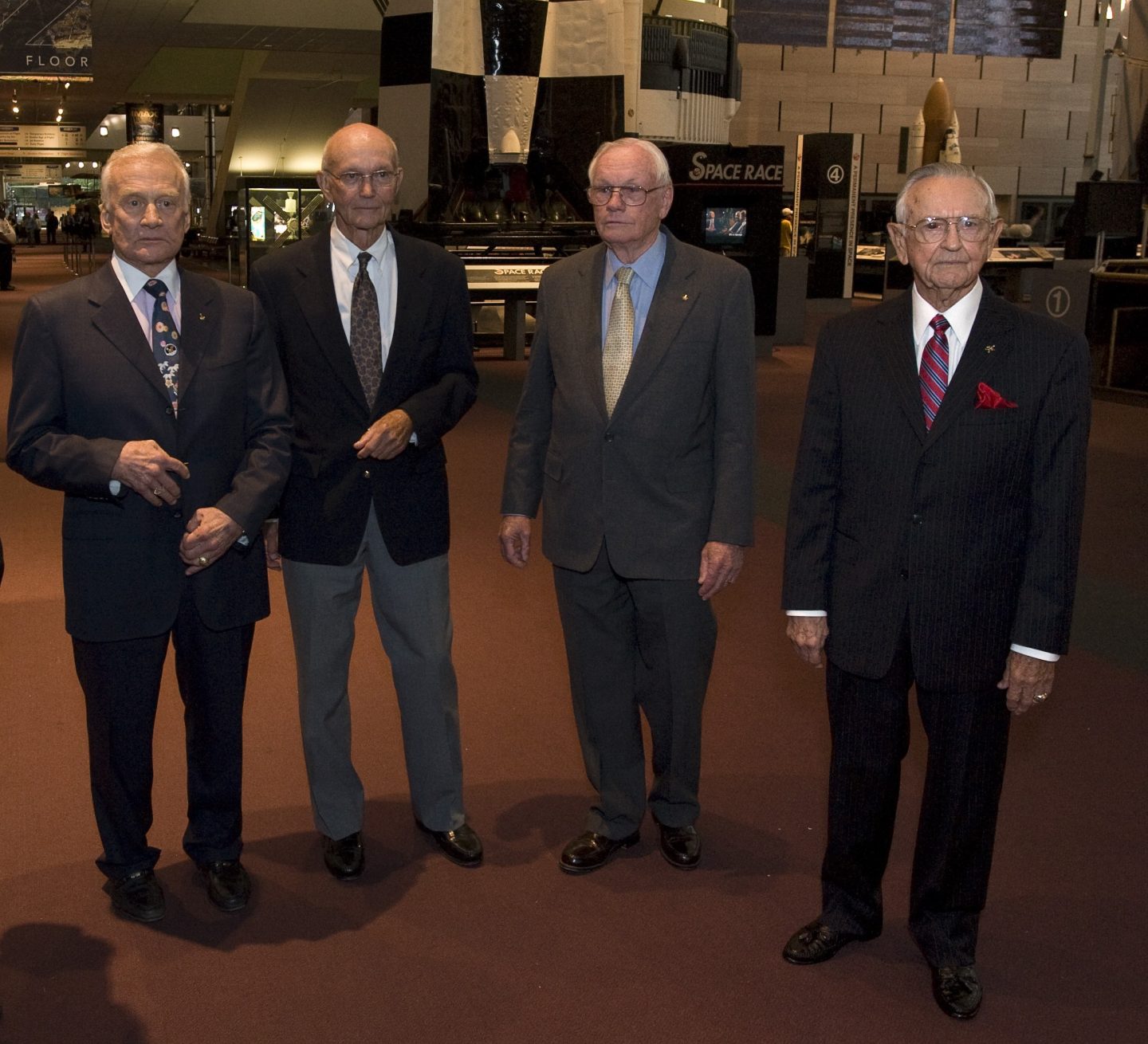
On the eve of the 40th anniversary of the first human landing on the Moon, Apollo 11 crew members, Buzz Aldrin, left, Michael Collins, and Neil Armstrong and NASA Mission Control creator Chris Kraft, right, during their visit to the National Air and Space Museum on July 19, 2009.
Credit: NASA/Getty Images
On the eve of the 40th anniversary of the first human landing on the Moon, Apollo 11 crew members, Buzz Aldrin, left, Michael Collins, and Neil Armstrong and NASA Mission Control creator Chris Kraft, right, during their visit to the National Air and Space Museum on July 19, 2009. Credit: NASA/Getty Images
Armed with these bleak options, Frosch returned to Washington. Some time later he would meet with Carter, not expecting a positive response, as the president had never been a great friend to the space program. But Carter, according to Kraft, had just returned from Strategic Arms Limitation Talks (SALT) in Vienna, and he had spoken with the Soviet leader, Leonid Brezhnev, about how the United States was going to be able to fly the shuttle over Moscow continuously to ensure they were compliant with the agreements.
So when Frosch went to the White House to meet with the president and said NASA didn’t have the money to finish the space shuttle, the administrator got a response he did not expect: “How much do you need?”
In doing so, Jimmy Carter saved the space shuttle, Kraft believes. Without supplementals for fiscal year 1979 and 1980, the shuttle would never have flown, at least not as the iconic vehicle that would eventually fly 135 missions and 355 individual fliers into space. It took some flights as high as 400 miles above the planet before retiring five years ago this week. “That was the first supplemental NASA had ever asked for,” Kraft said. “And we got that money from Jimmy Carter.”
As I walked out of Kraft’s house that afternoon in late spring, I recall wondering whether this could really be true. Could Jimmy Carter, of all people, be the savior of the shuttle? All because he had been bragging about the shuttle’s capabilities to the Soviets and, therefore, didn’t want to show weakness? This Cold War mystery was now nearly 40 years in the past, but most of the protagonists still lived. So I began to ask questions.
Carter’s apathy toward space
At the root of my skepticism was this simple fact—Jimmy Carter was no great friend to the space program or, at least initially, the shuttle. Less than five months after he became president, on the date of June 9, 1977, Carter wrote the following in his White House Diary: “We continued our budget meetings. It’s obvious that the space shuttle is just a contrivance to keep NASA alive, and that no real need for the space shuttle was determined before the massive construction program was initiated.”
After 60 years of spaceflight patches, here are some of our favorites
As such, there is a rich tradition of space mission patches to draw on, and we thought it would be fun to share some of our favorites over the decades.
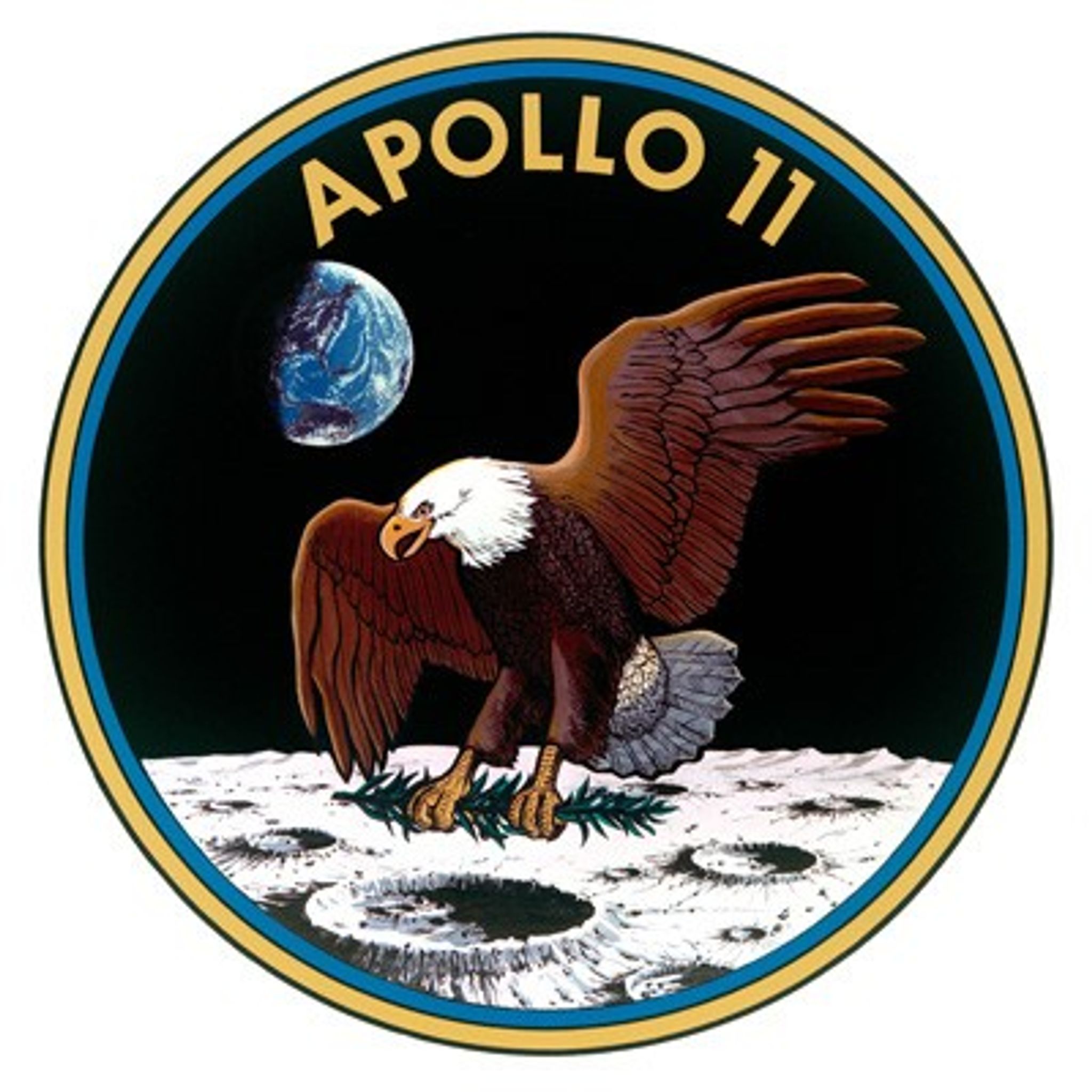
Apollo 11 mission patch.
NASA
Apollo 11 mission patch. NASA
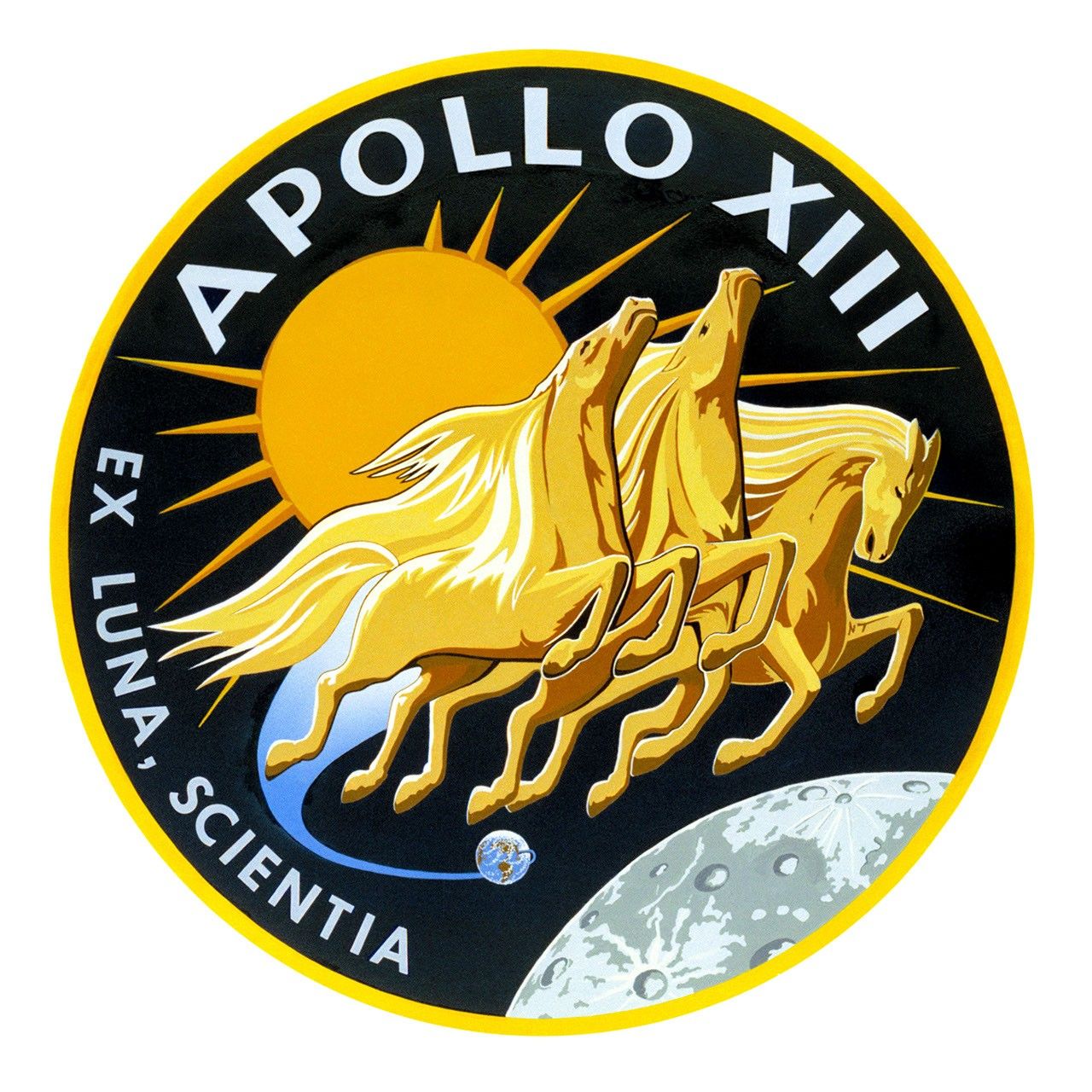
The Apollo 13 mission patch is the only other Apollo Moon mission without names.
The Apollo 13 mission patch is the only other Apollo Moon mission without names.
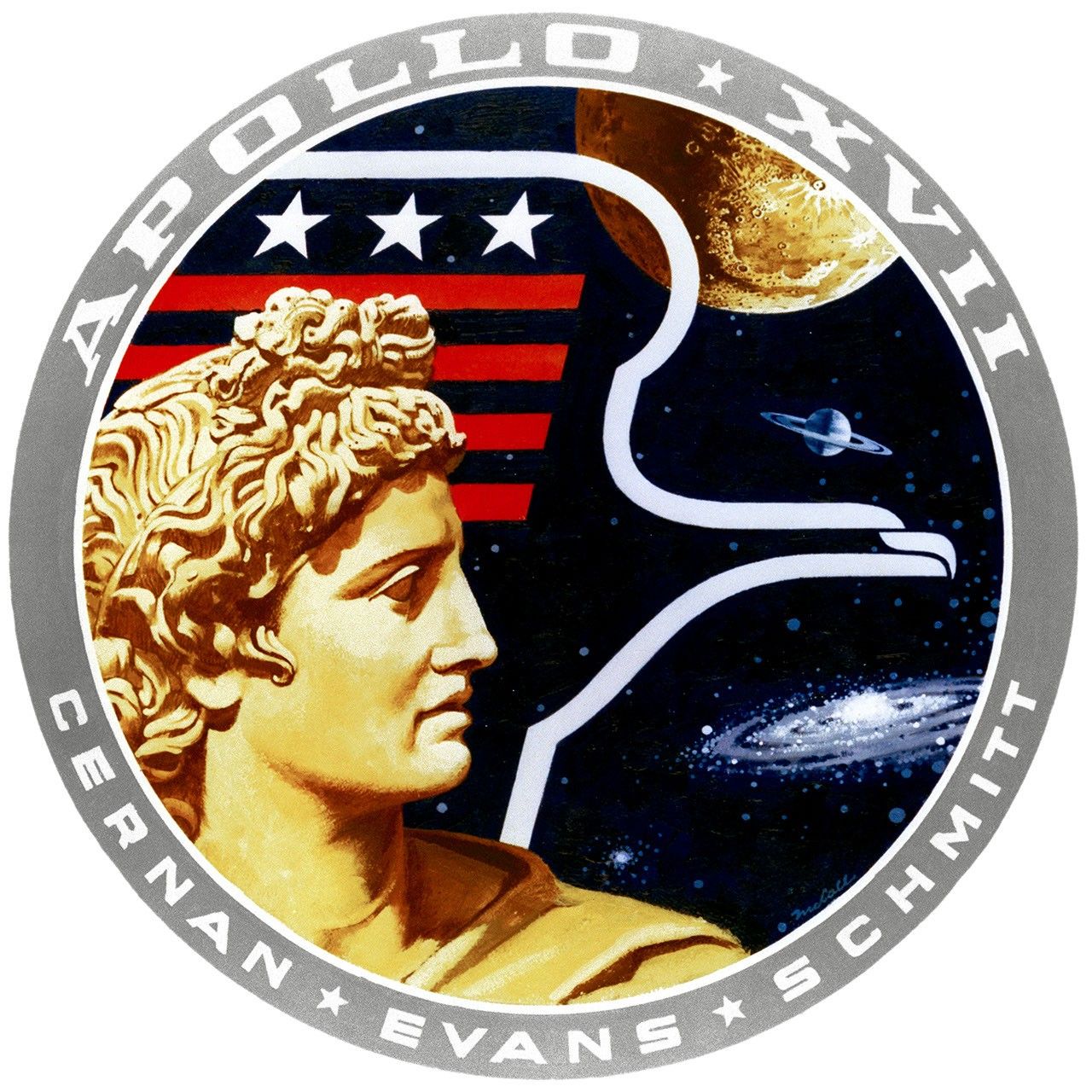
The Apollo 17 mission patch had a lot going on.
The Apollo 17 mission patch had a lot going on.
The Apollo 13 mission patch is the only other Apollo Moon mission without names.
The Apollo 17 mission patch had a lot going on.
Apollo 11
The first human mission to land on the Moon is one of the only NASA mission patches that does not include the names of the crew members, Neil Armstrong, Buzz Aldrin, and Michael Collins. This was a deliberate choice by the crew, who wanted the world to understand they were traveling to the Moon for all of humanity.
Another NASA astronaut, Jim Lovell, suggested the bald eagle could be the focus of the patch. Collins traced the eagle from a National Geographic children’s magazine, and an olive branch was added as a symbol of the mission’s peaceful intent.
The result is a clear symbol of the United States leading humanity to another world. It is simple and powerful.
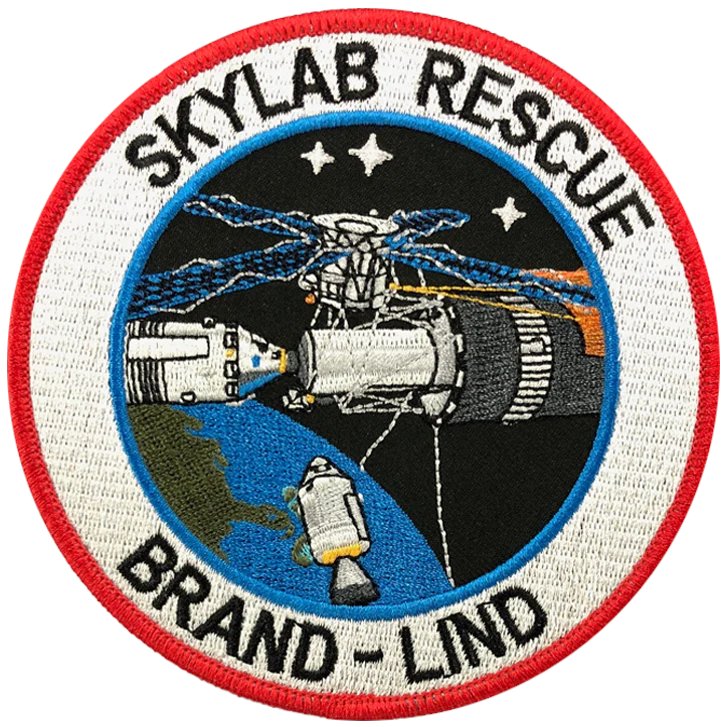
Skylab rescue mission patch.
Credit: NASA
Skylab rescue mission patch. Credit: NASA
Skylab rescue mission
Skylab was NASA’s first space station, and it was launched into orbit after the final Apollo lunar landing in 1972. From May 1973 to February 1974, three different crews occupied the space station, which had been placed in orbit by a modified Saturn V rocket.
Due to some problems with leaky thrusters on the Apollo spacecraft that carried the second crew to Skylab in 1973, NASA scrambled to put together a ‘rescue’ mission as a contingency. In this rescue scenario, astronauts Vance Brand and Don Lind would have flown to the station and brought Alan Bean, Jack Lousma, and Owen Garriott back inside an Apollo capsule especially configured for five people.
Ultimately, NASA decided that the crew could return to Earth in the faulty Apollo spacecraft, with the use of just half of the vehicle’s thrusters. So Brand and Lind never flew the rescue mission. But we got a pretty awesome patch out of the deal.
After a 24-second test of its engines, the New Glenn rocket is ready to fly
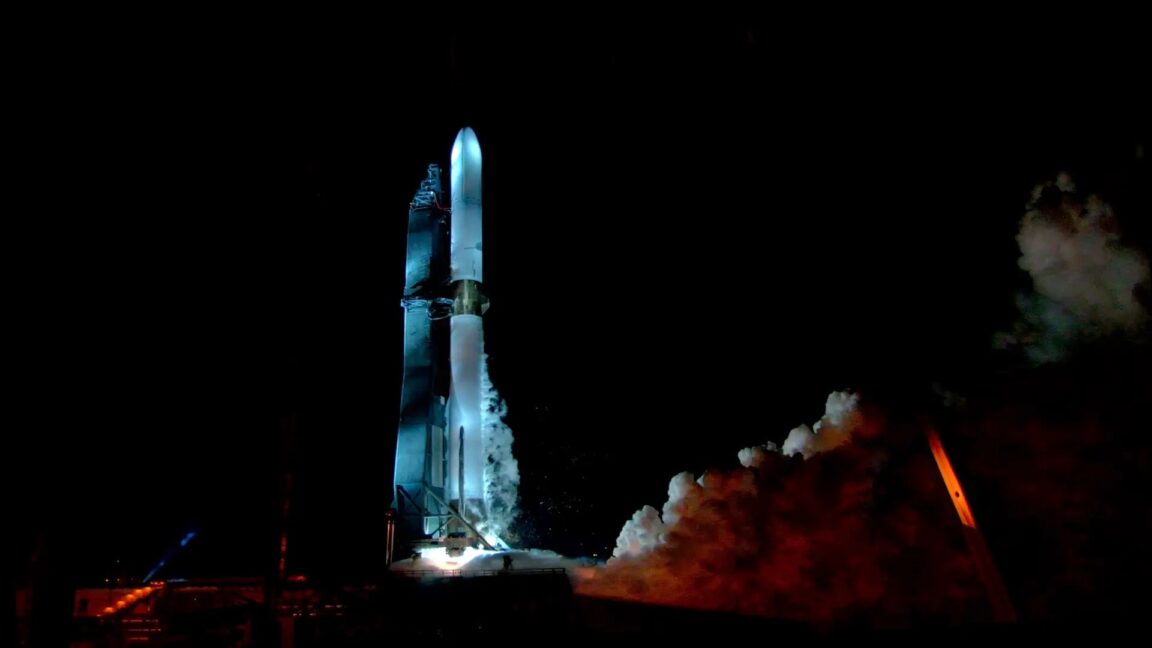
After a long day of stops and starts that stretched well into the evening, and on what appeared to be the company’s fifth attempt Friday, Blue Origin successfully ignited the seven main engines on its massive New Glenn rocket.
The test firing as fog built over the Florida coast marks the final major step in the rocket company’s campaign to bring the New Glenn rocket—a privately developed, super-heavy lift vehicle—to launch readiness. Blue Origin said it fired the vehicle’s engines for a duration of 24 seconds. They fired at full thrust for 13 of those seconds.
“This is a monumental milestone and a glimpse of what’s just around the corner for New Glenn’s first launch,” said Jarrett Jones, senior vice president of the New Glenn program, in a news release. “Today’s success proves that our rigorous approach to testing–combined with our incredible tooling and design engineering–is working as intended.”
Completion of the dynamic hot-fire test sets up a historic moment for the company founded by Jeff Bezos nearly a quarter of a century ago, the firm’s first ever orbital launch attempt. It will occur from Launch Complex-36, at Cape Canaveral Space Force Station.
Blue Origin’s post-test update did not include a launch date, but based on flight advisory information, a no-earlier than launch date is likely to be January 6.
A license to fly
Friday was important for New Glenn’s debut mission in another way. Several hours before the test firing, the Federal Aviation Administration said it had issued a launch license for the rocket. The license allows Blue Origin to conduct orbital missions from Cape Canaveral with New Glenn, as well as to attempt first stage landings on a barge in the Atlantic Ocean. The license is valid for five years.
After years of waiting, the much-anticipated mission is finally coming together. The hot-fire test, taking place just two days after the Christmas holiday in the United States, reflects the urgency that Bezos has injected into his rocket company over the last 18 months. In the fall of 2023, Bezos ousted Bob Smith as chief executive of Blue Origin, and tapped a long-time Amazon executive, Dave Limp, to lead the company.
How might NASA change under Trump? Here’s what is being discussed
Although the details remain in flux, the transition team reviewing NASA and its activities has begun to draft potential executive orders for changes to space policy under the Trump Administration.
Sources familiar with the five people on the team, who have spent the last six weeks assessing the space agency and its exploration plans, were careful to note that such teams are advisory in nature. They do not formally set policy nor is their work always indicative of the direction an incoming presidential administration will move toward.
Nevertheless, in trying to set clear goals for NASA and civil space policy, the ideas under consideration reflect the Trump administration’s desire for “big changes” at NASA, both in terms of increasing the effectiveness and velocity of its programs.
Not business as usual
The transition team has been grappling with an agency that has a superfluity of field centers—ten spread across the United States, as well as a formal headquarters in Washington, DC—and large, slow-moving programs that cost a lot of money and have been slow to deliver results.
“This will not be business as usual,” one person familiar with this group’s meetings said. The mindset driving their deliberations is a focus on results and speed.
Donald Trump will be inaugurated as president for his second term a little less than a month from now, on January 20. On that day he is expected to sign a number of executive orders on issues that he campaigned on. This could include space policy, but more likely that will wait until later in his presidency.
Rocket Report: ULA has a wild idea; Starliner crew will stay in orbit even longer
China begins building a new megaconstellation. The first batch of Internet satellites for China’s Guowang megaconstellation launched Monday on the country’s heavy-lift Long March 5B rocket, Ars reports. The satellites are the first of up to 13,000 spacecraft a consortium of Chinese companies plans to build and launch over the next decade. The Guowang fleet will beam low-latency high-speed Internet signals in an architecture similar to SpaceX’s Starlink network, although Chinese officials haven’t laid out any specifics, such as target markets, service specifications, or user terminals.
No falling debris, this time … China used its most powerful operational rocket, the Long March 5B, for the job of launching the first 10 Guowang satellites this week. The Long March 5B’s large core stage, which entered orbit on the rocket’s previous missions and triggered concerns about falling space debris, fell into a predetermined location in the sea downrange from the launch site. The difference for this mission was the addition of the Yuanzheng 2 upper stage, which gave the rocket’s payloads the extra oomph they needed to reach their targeted low-Earth orbit. (submitted by Ken the Bin and EllPeaTea)
Elon Musk’s security clearance under review. A new investigation from The New York Times suggests that SpaceX founder Elon Musk has not been reporting his travel activities and other information to the Department of Defense as required by his top-secret clearance, Ars reports. According to the newspaper, concerns about Musk’s reporting practices have led to reviews by three different bodies within the military: the Air Force, the Office of the Under Secretary of Defense for Intelligence and Security, and the Defense Department Office of Inspector General. However, none of the federal agencies cited in the Times article has accused Musk of disclosing classified material.
It won’t matter … Since 2021, Musk has failed to self-report details of his life, including travel activities, people he has met, and drug use, according to the Times. The government is also concerned that SpaceX did not ensure Musk’s compliance with the reporting rules. Musk’s national security profile has risen following his deep-pocketed and full-throated support of Donald Trump, who won the US presidential campaign in November and will be sworn into office next month. After this inauguration, Trump will have the power to grant security clearance to whomever he wishes.
We’re about to fly a spacecraft into the Sun for the first time
Twas the night before Christmas, when all through the Solar cycle,
Not a sunspot was stirring, not even a burst;
The stockings were all hung by the corona with care,
In hopes that the Parker Solar Probe would soon be there.
Almost no one ever writes about the Parker Solar Probe anymore.
Sure, the spacecraft got some attention when it launched. It is, after all, the fastest moving object that humans have ever built. At its maximum speed, goosed by the gravitational pull of the Sun, the probe reaches a velocity of 430,000 miles per hour, or more than one-sixth of 1 percent the speed of light. That kind of speed would get you from New York City to Tokyo in less than a minute.
And the Parker Solar Probe also has the distinction of being the first NASA spacecraft named after a living person. At the time of its launch, in August 2018, physicist Eugene Parker was 91 years old.
But in the six years since the probe has been zipping through outer space and flying by the Sun? Not so much. Let’s face it, the astrophysical properties of the Sun and its complicated structure are not something that most people think about on a daily basis.
However, the smallish probe—it masses less than a metric ton, and its scientific payload is only about 110 pounds (50 kg)—is about to make its star turn. Quite literally. On Christmas Eve, the Parker Solar Probe will make its closest approach yet to the Sun. It will come within just 3.8 million miles (6.1 million km) of the solar surface, flying into the solar atmosphere for the first time.
Yeah, it’s going to get pretty hot. Scientists estimate that the probe’s heat shield will endure temperatures in excess of 2,500° Fahrenheit (1,371° C) on Christmas Eve, which is pretty much the polar opposite of the North Pole.
Going straight to the source
I spoke with the chief of science at NASA, Nicky Fox, to understand why the probe is being tortured so. Before moving to NASA headquarters, Fox was the project scientist for the Parker Solar Probe, and she explained that scientists really want to understand the origins of the solar wind.
Report: Elon Musk failed to report movement required by security clearance
Musk ultimately received the security clearance, but since 2021, he has failed to self-report details of his life, including travel activities, persons with whom he has met, and drug use, according to the Times. The government is also concerned that SpaceX did not ensure Musk’s compliance with the reporting rules.
Government agencies “want to ensure the people who have clearances don’t violate rules and regulations,” Andrew Bakaj, a former CIA official and lawyer who works on security clearances, told the Times. “If you don’t self-report, the question becomes: ‘Why didn’t you? And what are you trying to hide?'”
According to the report, Musk’s handling of classified information has raised questions in diplomatic meetings between the United States and some of its allies, including Israel.
Musk’s national security profile has risen following his deep-pocketed and full-throated support of Donald Trump, who won the US presidential campaign in November and will be sworn into office next month. After this inauguration, Trump will have the power to grant security clearance to whomever he wishes.
China orbits first Guowang internet satellites, with thousands more to come
While there are open questions about how China will use its satellite megaconstellations, their deployment will require a significant increase in the country’s launch capacity, driving the development of new commercial rockets, including reusable boosters, to lower costs and increase their flight rate.
The Long March 5B rocket, developed by China’s incumbent state-owned launch company, is not the most cost-effective of these options. But the Long March 5B has the lift capacity to haul more Guowang satellites to orbit than any other operational Chinese rocket. It’s likely future satellites for Chinese megaconstellations will fly on multiple types of rockets as more launchers come online.
China has until 2032 to launch half of the Guowang constellation—6,496 satellites—according to radio spectrum regulations promulgated by the International Telecommunication Union.
A watchful eye
The military implications for Chinese networks like Guowang and Qianfan aren’t lost on US Space Force leaders. Large megaconstellations like Starlink, or the future Amazon Kuiper and Guowang systems, have the advantage of being difficult to disable or destroy, compared to a single large communications satellite providing wide-area coverage.
“This just is a continuation of what China’s been doing now for about 20 years,” said Gen. Stephen Whiting, the top general at US Space Command. “In addition to all the counter-space weapons they’ve built, they are building capability to enable their army, their navy, their air force, their marines, to be more lethal, more precise, and more far-ranging.”
“We’ve seen hundreds of (surveillance) satellites, and now it seems like they’re launching this proliferated, low-Earth orbit constellation to give them global communications to enable their operations on a broader scale,” Whiting said. “Certainly, it’s something we’ll be watching to see how that develops. But it’s just a continuation of the breathtaking speed at which they’ve been they’ve been moving in space.”
Brig. Gen. Anthony Mastalir, commander of US Space Forces in the Indo-Pacific region, said he is most interested in seeing how China integrates constellations like Guowang into their military operations. China is conducting increasingly “elaborate and complex” military exercises, Mastalir said, and US commanders will assess if, and how, China incorporates the global communications capabilities of Guowang into future exercises.
“Seeing how they integrate space across that exercise regime is something that we’ll be watching very closely in terms of assessing the relative success of their megaconstellation,” Mastalir said.
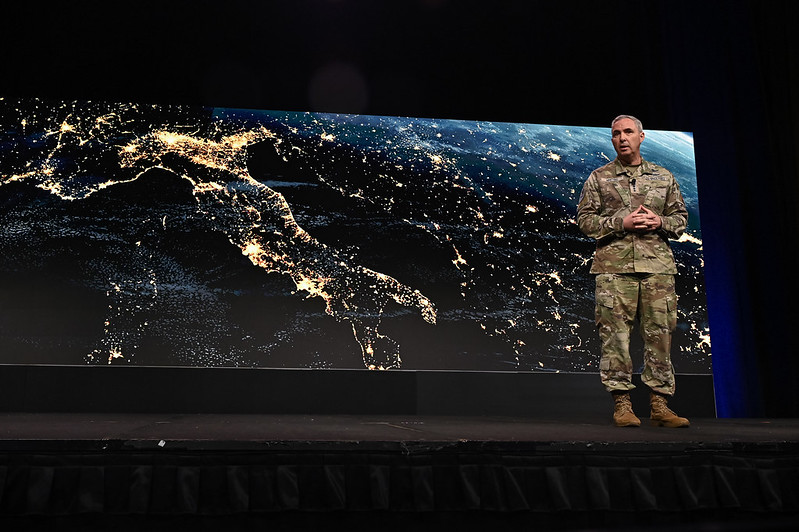
Gen. Stephen Whiting, who heads US Space Command, speaks at the Space Force Association’s Spacepower Conference in Orlando, Florida, on December 11, 2024. Credit: Eric R. Dietrich/US Space Force
In response to questions from Ars at last week’s Spacepower Conference in Orlando, Florida, Whiting said Space Command will track the deployment of the Chinese satellite constellations, just as they do other fleets, like Starlink. The difference is SpaceX, with more than 6,800 Starlink satellites currently in orbit, sends information on its launch schedules and spacecraft positions to Space Command, essentially giving the military a heads-up to know where to look as they track orbital traffic. China does not do the same for its satellites.
Space Command currently monitors around 47,000 objects in orbit, and screens them for risks of collisions. If there’s going to be a close encounter between two active satellites, Space Command informs their operators.
“When we see that there’s going to be what we call a conjunction, we send that information off, and we continue to do that with China,” Whiting said. “We do not get regular communications back. There have been a couple times over the last year where they reached out through various ways to give us heads-up about some things going on in space, like a satellite re-entering, but that is not a routine, standardized way of communication.”
Whiting said he’s not worried about the safety of so many megaconstellations coexisting in low-Earth orbit, provided their operators “follow tenants of responsible behavior.”
“We want to make sure that folks are doing all the right things with prediction, predictive conjunctions, and then not leaving debris in orbit, and all those kind of things,” Whiting said.
But, still, Whiting said it would be helpful for Space Command to have a regular dialogue with China.
“We think there should be a way to have space safety discussions,” he said.