Six things I’ll remember when I think about Tim Cook’s version of Apple

Apple CEO Tim Cook announced this week that he’s stepping down from his position in September and handing the reins to John Ternus, currently the company’s senior vice president of Hardware Engineering and a 25-year employee.

This change had been telegraphed pretty far in advance, both by media reports (Bloomberg’s well-connected Mark Gurman flagged Ternus as a frontrunner in May 2024, and The New York Times gave him a glossy profile in January) and by Apple (when it announced the MacBook Neo last month, it was Ternus, not Cook, who delivered the prepared remarks).

I’ve been covering Apple for various outlets throughout Cook’s tenure as CEO, and I’ve been thinking a lot about how Apple has changed in the 15 years since he formally took over from an ailing Steve Jobs in the summer of 2011. Under Cook, the company has become less surprising but massively financially successful; some of Apple’s newer products have flopped or underperformed, but far more have become and stayed excellent thanks to years of competent iteration.

This isn’t a comprehensive list of everything Cook has done as CEO, but it’s my attempt at a big-picture, high-level summary and a snapshot of where Apple is now, to serve as a comparison point once Ternus kicks off his tenure.

Quiet hardware successes: Apple Watch, headphones, and more
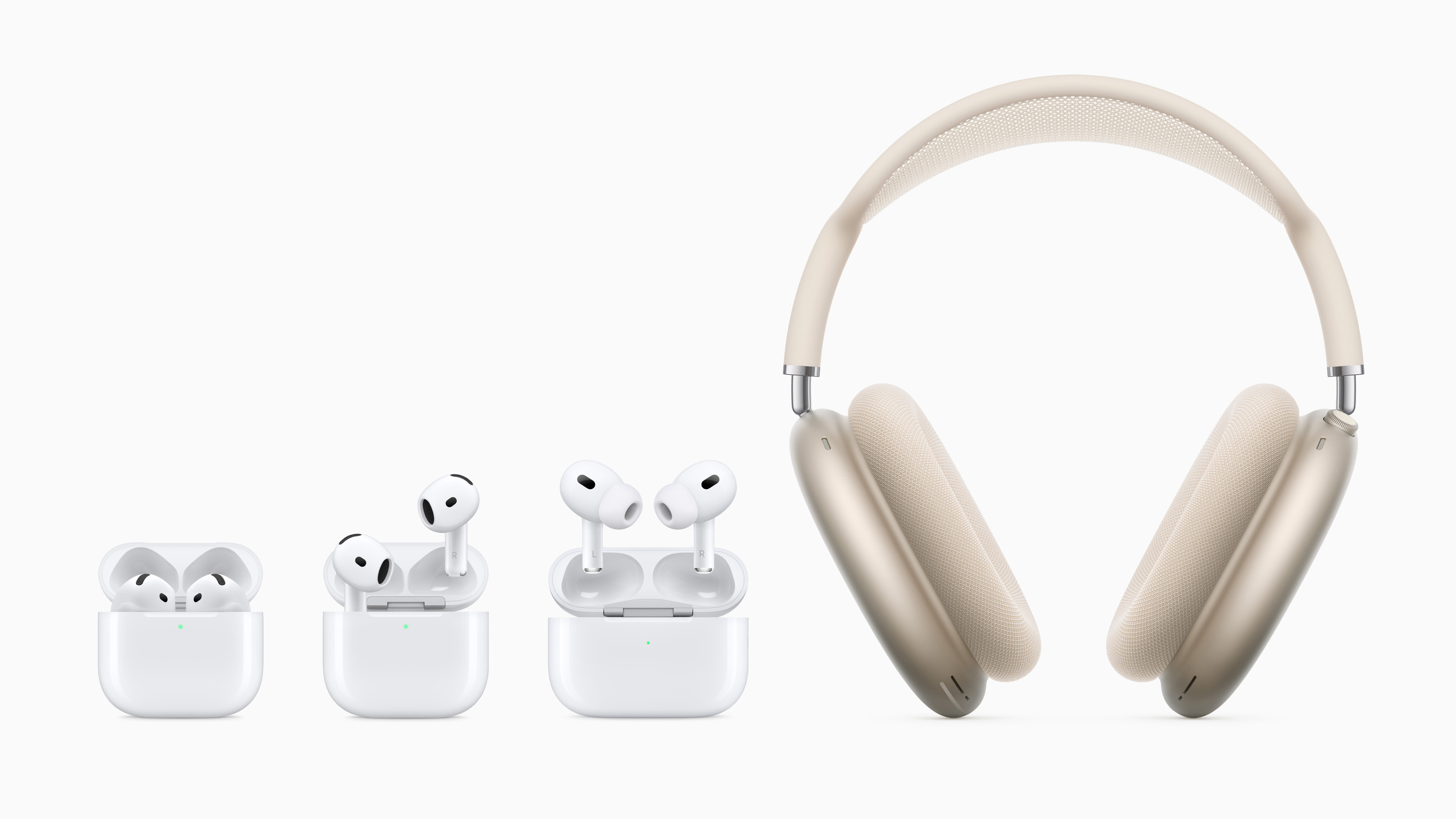
Some of Apple’s best, most successful all-new hardware under Cook have been accessories like AirPods and the Apple Watch.

Credit: Apple

Some of Apple’s best, most successful all-new hardware under Cook have been accessories like AirPods and the Apple Watch. Credit: Apple

The Tim Cook era can’t lay claim to any single hardware announcement as important or far-reaching as the iPhone, the iPod, or even the iPad. Apple has definitely introduced good—even great—hardware in the last 15 years, though.

The main difference is that Apple products introduced during the Jobs era tended to belong at or near the center of your digital life. The Macintosh popularized the graphical user interface. The iPod was a constant musical companion on commutes, during workouts or study sessions, or when plugged into someone’s speaker at a party. The iPhone, obviously, became the most important personal computing device since the personal computer. And the iPad, as conceived by Jobs, was clearly intended to be a new kind of primary computing device (it was only under Cook that the iPad settled into its current in-betweener rut, computer-like but not computer-like enough to supplant the Mac’s mouse-and-pointer usage model).

https://arstechnica.com/gadgets/2026/04/six-things-ill-remember-when-i-think-about-tim-cooks-version-of-apple/



Why are the Mac mini and Mac Studio gradually becoming impossible to buy?

It’s a good time to be in the market for a MacBook, between the affordability of the MacBook Neo, the power of the M5 Pro and M5 Max MacBook Pros, and the all-around appeal of the M5 MacBook Air. But Apple’s desktop computers are another story, and not just because they’re all about due for their own M5 upgrades.

Over the last few months, the Mac mini and the Mac Studio have gradually become harder to buy. The 512GB M3 Ultra Mac Studio was removed from Apple’s website, and other models of both desktops have seen their ship times slip from days to weeks to months. In the last couple of weeks, several other configurations of Mac mini and Studio have begun showing up as “currently unavailable” on Apple’s website, which virtually never happens even when Apple is planning an imminent hardware refresh.

This week (as spotted by MacRumors), the baseline $599 M4 Mac mini, which offers 16GB of RAM and 256GB of storage, earned the “currently unavailable” label for the first time.

You can still place orders for most Mac mini models. An M4 Mac mini with 512GB or more of storage and either 16 or 24GB of RAM will take between 5 and 12 weeks to arrive, depending on the specific configuration you buy. M4 Pro Mac minis with any storage configuration and either 24GB or 48GB of RAM will take a similar amount of time to arrive, with most models showing availability within 10 to 12 weeks.

All M4 Mac minis with 256GB of storage, all M4 minis with 32GB of RAM, and all M4 Pro Mac minis with 64GB of RAM are listed as “currently unavailable.” Mac Studio models with 128GB or 256GB of RAM are also listed as “currently unavailable.” Other Studio configurations list the same five- to 12-week wait times as the minis.

This does not seem to be an issue specific to the M4 chip generation; most M4 iMac configurations, including those with 32GB of RAM, will arrive at your door within a week or two of being ordered. It’s also not being caused exclusively by ongoing RAM and shortage storages—new MacBook Pros with 128GB of RAM and large SSDs will arrive within two or three weeks of being ordered.

https://arstechnica.com/gadgets/2026/04/apples-m4-mac-mini-including-the-599-one-is-gradually-becoming-impossible-to-buy/


Deezer says 44% of new music uploads are AI-generated, most streams are fraudulent

Still, listeners shouldn’t encounter AI music organically on Deezer because the site won’t include AI-flagged tracks in suggestions or editorial playlists. As a result, AI music streams account for a small share of Deezer usage, hovering around 1–3 percent. The company says the primary purpose of uploading all this AI music is fraudulent. Deezer only pays for streams when a person listens to them, so it’s demonetizing about 85 percent of AI music streams.

“Thanks to our technology and the proactive measures we put in place more than a year ago, we have shown that it’s possible to reduce AI-related fraud and payment dilution in streaming to a minimum,” said Deezer CEO Alexis Lanternier.

The AI goes to 11

The growth of AI music is likely to continue accelerating with the rest of the AI industry. Models like Google’s Lyria 3 have become cheaper and more widely available. Google actually lets Gemini users generate full-length songs now, up from 30-second snippet tracks just a few months ago. Suno and Udio also promote their ability to create broadcast-ready tracks in seconds. However, these mainstream options embed watermarks, like Google’s SynthID, to flag the songs as AI.

The problem is how easy it is becoming to strip those watermarks out of the audio and generate music using custom models that don’t have them in the first place. As AI inference becomes cheaper, so, too, does the creation of musical AI slop.

https://arstechnica.com/ai/2026/04/deezer-says-44-of-new-music-uploads-are-ai-generated-most-streams-are-fraudulent/


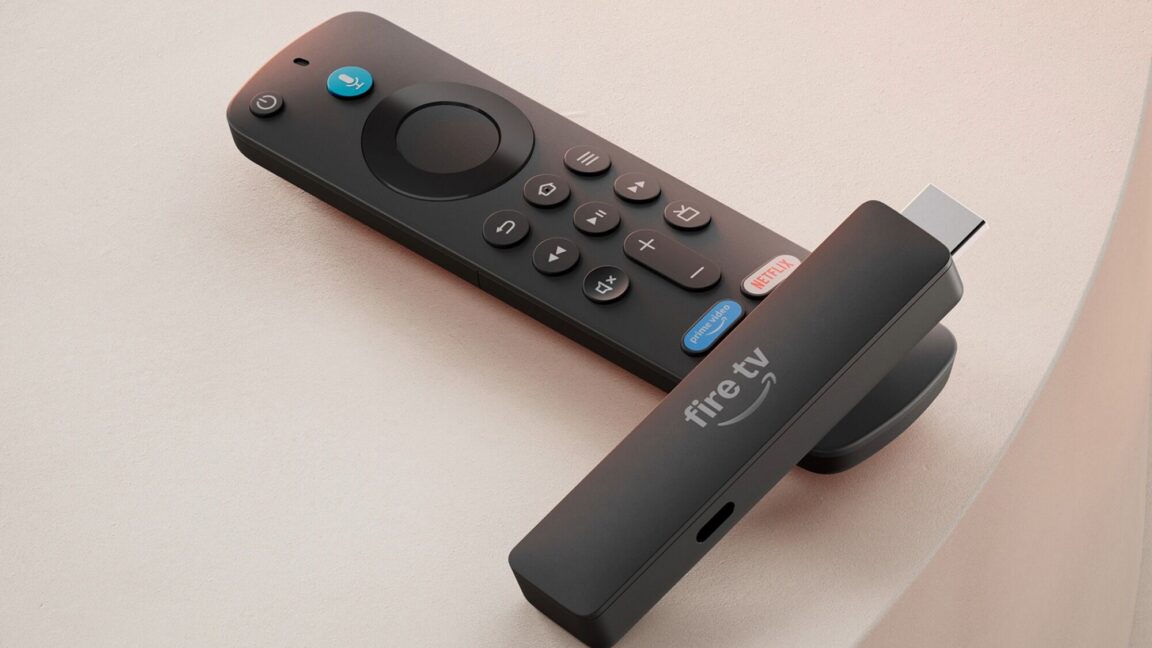
Amazon won’t release Fire Sticks that support sideloading anymore

In October, an Amazon representative said the company doesn’t have plans to update current Fire OS devices to Vega, German IT publication Heise Online reported.

Fire OS blamed for pirating

Before Vega, Amazon’s Fire streaming devices all ran Fire OS, an Android fork based on the Android Open Source Project, which often meant Fire devices ran older Android software. Moving to the Linux-based Vega OS makes it easier for Amazon devices to run more modern software. Vega also gives Amazon more control over how people use Fire devices, supporting features like Alexa+, its generative AI chatbot, while limiting the use of apps that cost the company money or host illegal content.

Sideloading apps has long been a common way for people to run apps outside of Amazon’s store— especially from the Google Play Store—or to limit Amazon advertising. This has allowed enthusiasts to expand the functionality of Amazon devices—for example, using a Fire tablet as a handy smart home controller.

Perhaps more concerning to Amazon, though, has been the sideloading of apps used for watching pirated content. In the fall, Amazon started blocking apps that the Alliance for Creative and Entertainment, a global anti-piracy group, has blacklisted.

Fire Sticks have long been criticized for potentially enabling piracy. A May report from media, entertainment, and telecommunications research firm Enders Analysis, for instance, claimed that jailbroken Fire Sticks have enabled “billions of dollars’” worth of streaming piracy. Amazon has also faced pressure to crack down on piracy on its devices from various groups, including the Sky Sports UK soccer channel and the Premier League professional soccer league in England.

Many users won’t be impacted by Amazon’s move to kill consumer sideloading on Fire Sticks. But those it does affect will be eager to explore rival streaming devices or develop potential workarounds.

https://arstechnica.com/gadgets/2026/04/amazon-wont-release-fire-sticks-that-support-sideloading-anymore/


Meta’s AI spending spree is helping make its Quest headsets more expensive

Meta’s “future of the Internet” of the recent past.

Meta’s “future of the Internet” of the recent past. Credit: Meta

Meta’s partially self-inflicted Quest pricing situation is particularly striking given how recently the company changed its name and threw vast sums of money at its vision for a VR-based metaverse—one it said would form the basis of “the next version of the Internet.” That hasn’t panned out how CEO Mark Zuckerberg envisioned five years ago, though, as $73 billion in cumulative losses for Meta’s VR-focused Reality Labs division can attest.

But while Meta was more or less alone among big tech companies in making significant investments in the metaverse, it’s just one of many companies throwing boatloads of money at the AI revolution. And Meta’s yearslong spending spree on the metaverse pales in comparison to what the company is throwing at AI this year alone.

Still, with Meta reportedly planning spending cuts of up to 30 percent for its metaverse division, it’s clear where the company’s focus lies for the immediate future. So when you look at the rising prices for the VR headsets that now seem to be a waning part of Meta’s focus, just remember that Meta’s own ever-shifting priorities have helped lead us to this point.

The new prices for Meta’s Quest headsets in the US are as follows:

  • Quest 3S (128GB): $350 (previously $300, up 16.7 percent)
  • Quest 3S (256GB): $450 (previously $400, up 12.5 percent)
  • Quest 3 (512GB): $600 (previously $500, up 20 percent)

https://arstechnica.com/ai/2026/04/metas-ai-spending-spree-is-helping-make-its-quest-headsets-more-expensive/


Intel refreshes non-Ultra Core CPUs with new silicon for the first time

Intel’s Core Ultra laptop CPUs have been its flagships ever since it retired the older generational branding scheme and the i3/i5/i7/i9 branding a few years back. The Core Ultra Series 1, Series 2, and Series 3 processors been the ones with the newer CPU and GPU designs, and newer manufacturing technology.

Intel has also offered non-Ultra Core CPUs, but these have never been particularly interesting, mostly because both the Series 1 and Series 2 chips were based on Intel’s old Raptor Lake architecture. Raptor Lake was the code name for 2023’s 13th-generation Core family, and most versions of Raptor Lake were the same silicon used for 2022’s 12th-generation Core CPUs.

But the naming and renaming of Raptor Lake apparently couldn’t last forever. Intel’s new, non-Ultra Core Series 3 processors are new silicon, a return to the days when you could expect high-end and midrange Intel chips to include many of the same advancements despite their performance differences.

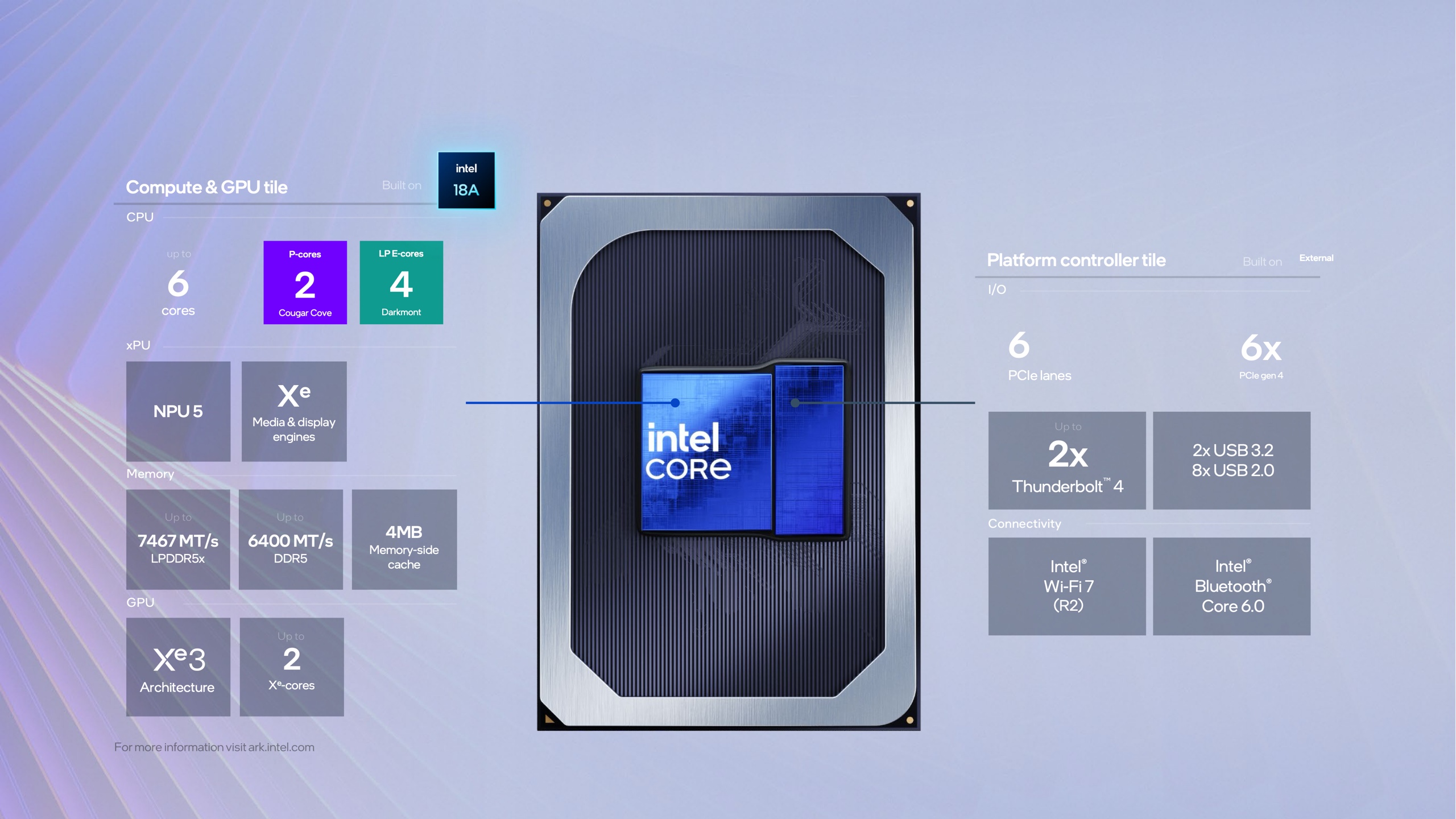
“Wildcat Lake” shares some things in common with Panther Lake, but it’s a slower and simpler design.

Credit: Intel

“Wildcat Lake” shares some things in common with Panther Lake, but it’s a slower and simpler design. Credit: Intel

These new chips are codenamed “Wildcat Lake,” and while there are some commonalities with the Core Ultra Series 3 CPUs (aka Panther Lake), the non-Ultra CPUs use a simpler design with much less computing power.

Each chip uses two silicon tiles: a compute tile that includes a CPU with up to two Cougar Cove P-cores and four Darkmont E-cores; an integrated GPU with one or two of Intel’s latest-generation Xe3 GPU cores; and (usually) an NPU capable of up to 17 trillion operations per second (TOPS). A separate platform controller tile built on an unspecified non-Intel process provides up to two Thunderbolt 4 ports, Wi-Fi 7 and Bluetooth 6.0 connectivity, and six PCIe 4.0 lanes for external connectivity. All of the chips support up to 48GB of LPDDR5X-7467, or up to 64GB of DDR5-6400, and use a base power level of 15 W and maximum boost power level of 35 W.

https://arstechnica.com/gadgets/2026/04/intels-non-ultra-core-cpus-are-new-silicon-this-year-for-a-change/


“TotalRecall Reloaded” tool finds a side entrance to Windows 11’s Recall database

The problem, as detailed by Hagenah on the TotalRecall GitHub page, isn’t with the security around the Recall database, which he calls “rock solid.” The problem is that, once the user has authenticated, the system passes Recall data to another system process called AIXHost.exe, and that process doesn’t benefit from the same security protections as the rest of Recall.

“The vault is solid,” Hagenah writes. “The delivery truck is not.”

The TotalRecall Reloaded tool uses an executable file to inject a DLL file into AIXHost.exe, something that can be done without administrator privileges. It then waits in the background for the user to open Recall and authenticate using Windows Hello. Once this is done, the tool can intercept screenshots, OCR’d text, and other metadata that Recall sends to the AIXHost.exe process, which can continue even after the user closes their Recall session.

“The VBS enclave won’t decrypt anything without Windows Hello,” Hagenah writes. “The tool doesn’t bypass that. It makes the user do it, silently rides along when the user does it, or waits for the user to do it.”

A handful of tasks, including grabbing the most recent Recall screenshot, capturing select metadata about the Recall database, and deleting the user’s entire Recall database, can be done with no Windows Hello authentication.

Once authenticated, Hagenah says the TotalRecall Reloaded tool can access both new information recorded to the Recall database as well as data Recall has previously recorded.

Bug or not, Recall is still risky

For its part, Microsoft has said that Hagenah’s discovery isn’t actually a bug and that the company doesn’t plan to fix it. Hagenah originally reported his findings to Microsoft’s Security Response Center on March 6, and Microsoft officially classified it as “not a vulnerability” on April 3.

https://arstechnica.com/gadgets/2026/04/totalrecall-reloaded-tool-finds-a-side-entrance-to-windows-11s-recall-database/


Google releases new apps for Windows and MacOS

The first Gemini desktop app, now on Mac

There’s currently no Google search app for macOS, but Google has the AI side covered with the new Gemini app. This is the company’s first standalone desktop app for accessing Gemini. Google’s Josh Woodward says Google has been getting requests for a native Mac app, so the company put together a small team to build one. It didn’t even take very long, with less than 100 days to deliver a supposed 100-plus features on Mac. CEO Sundar Pichai says it was built entirely using Google Antigravity.

Opening the app is similar to how you access the Windows search app—hit Option + Space at any time to pull up a Gemini prompt bar. You can ask general questions like you would the web version of Gemini, but it can also access your windows for additional context. Again, that’s similar to the Windows app, with a greater focus on AI.

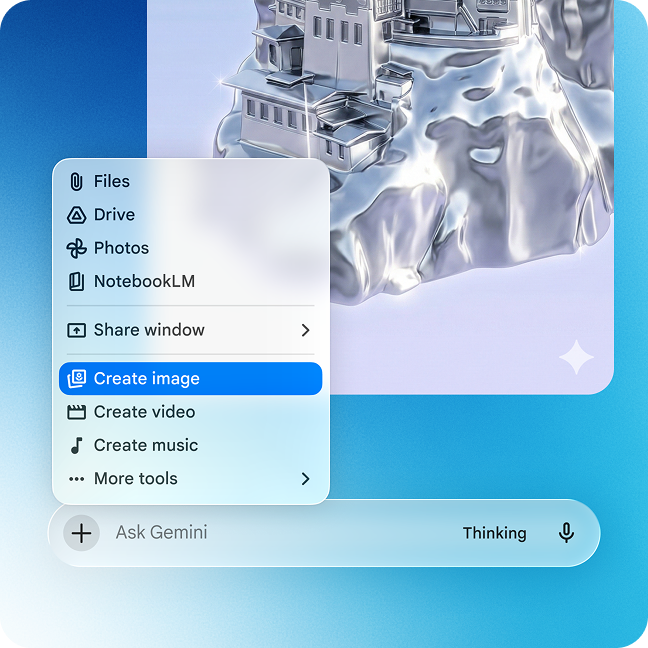
Gemini app on Mac

Gemini for Mac has just about every feature of Gemini on the web.

Credit: Google

Gemini for Mac has just about every feature of Gemini on the web. Credit: Google

The Mac Gemini app, which is coded entirely in Swift, includes a full spate of Gemini features and model types. You can upload files, create notebooks, and access tools like Deep Research and Canvas right on your desktop. It also has access to image-, video-, and music-generation models. More features are apparently on the way, too.

Even if you like generative AI, Google’s method of distribution may be a dealbreaker. As of now, the company has opted not to list the app in the App Store for Mac. Instead, you have to download and install a DMG file from Google’s website. This one is available in all regions and languages with Gemini support.

https://arstechnica.com/gadgets/2026/04/google-launches-search-app-for-windows-gemini-app-for-mac/


Prime Video shows “technical difficulties” sign instead of NBA game in overtime

“WHATS [sic] NEXT? THE STREAM GOES OUT IN GAME 7 OF THE FINALS FOR THE LAST SHOT?” a Reddit user wrote in the title of a thread that they created, which has 314 upvotes as of this writing.

The post may seem dramatic, but it’s notable that this isn’t the first time that Prime Video has dropped the ball for sports fans. The streaming service’s 2022 debut of Thursday Night Football, for instance, had technical difficulties, with the stream sometimes freezing, and the audio was out of sync for some viewers.

The latter point is especially concerning because, after four years of this, viewers are still complaining about audio-syncing problems on Prime Video this season. We’ve experienced this firsthand at Ars Technica and have heard commentators announce a completed three-point shot before the stream shows it happening.

“The entire year the audio has been a split second ahead of the video on half of the Amazon games we’ve watched,” Bill Simmons, a former sportswriter and current host of The Bill Simmons Podcast, said in today’s episode: “The three-pointer’s halfway toward the basket. It’s like, ‘BANG! It’s good!’ And you hear the crowd, and it’s, like, the ball hasn’t even gone in yet. How have we not figured this out yet? You guys, [Amazon], have 8 kajillion dollars.”

Broadcast channels have also experienced technical difficulties during live events. However, streaming services’ problems are facing extra scrutiny as streaming providers are aggressively gaining exclusive rights to sporting and other live events. As these companies look to grow their subscriber base and secure advertising dollars through such deals, they’ve also struggled to deliver consistent, reliable live streams at notable times.

For those still wondering about the game’s outcome, the Hornets won by one point.

https://arstechnica.com/gadgets/2026/04/nba-fans-cry-foul-as-prime-video-cuts-out-during-overtime-fails-to-sync-audio/


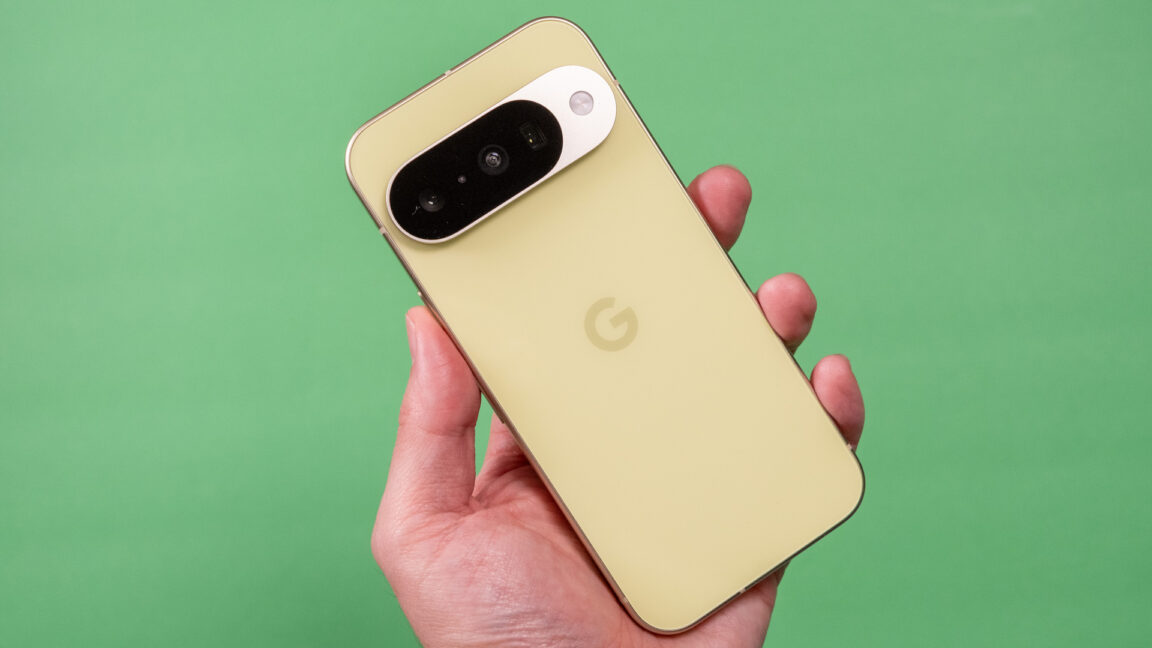
Google shoehorned Rust into Pixel 10 modem to make legacy code safer

Rust doesn’t have a slow garbage collector. Instead, it uses a mechanism called the borrow checker that ensures memory safety at compile time. This strict set of rules ensures that you can’t “forget” to free up memory—code simply won’t compile if the memory rules are breached. This is what makes Rust a memory-safe language.

However, not even Google can wave its proverbial hand and change how modem firmware is written—we’re talking about tens of megabytes of executable machine code, which is a lot. Not only would it be a herculean task to update decades of work, but many of the companies involved also consider the inner workings of modems to be trade secrets.

To protect the Pixel modem from zero-day attacks, Google focused on the DNS parser. As cellular features have migrated to data networks, DNS has become a core part of how phones work. Google explains that DNS requires parsing of untrusted data, and that makes it a major security concern, but it’s one you can solve with Rust.

Google chose the hickory-proto open source Rust DNS library, which is not particularly optimized but has broad adoption and support. The modem in Pixel phones is not a memory-constrained environment, which allowed the team to tack on a Rust component to make DNS in the existing code safer. The team stripped out the standard library dependencies, allowing it to compile to machine code for faster operation, which was then grafted onto the existing C/C++ modem code. In total, the Rust components added 371KB, which is workable in the Pixel modem.

Under this system, any attempt to trigger a vulnerability by manipulating memory runs into the Rust wall—it can’t be affected by malicious DNS packets. The Pixel 10 phones are the first to ship with this safer modem implementation. Google hopes this work will allow other platforms to make similar improvements, but the company notes the size of its chosen Rust library could be a problem for simpler embedded systems. It may be possible to address that by making the library more modular in the future. Google also sees this work as a foundation for integrating more memory-safe components into the cellular baseband in time.

https://arstechnica.com/gadgets/2026/04/google-shoehorned-rust-into-pixel-10-modem-to-make-legacy-code-safer/