People complaining about Windows 11 hasn’t stopped it from hitting 1 billion users

Complaining about Windows 11 is a popular sport among tech enthusiasts on the Internet, whether you’re publicly switching to Linux, publishing guides about the dozens of things you need to do to make the OS less annoying, or getting upset because you were asked to sign in to an app after clicking a sign-in button.

Despite the negativity surrounding the current version of Windows, it remains the most widely used operating system on the world’s desktop and laptop computers, and people usually prefer to stick to what they’re used to. As a result, Windows 11 has just cleared a big milestone—Microsoft CEO Satya Nadella said on the company’s most recent earnings call (via The Verge) that Windows 11 now has over 1 billion users worldwide.

Windows 11 also reached that milestone just a few months quicker than Windows 10 did—1,576 days after its initial public launch on October 5, 2021. Windows 10 took 1,692 days to reach the same milestone, based on its July 29, 2015, general availability date and Microsoft’s announcement on March 16, 2020.

That’s especially notable because Windows 10 was initially offered as a free upgrade to all users of Windows 7 and Windows 8, with no change in system requirements relative to those older versions. Windows 11 was (and still is) a free upgrade to Windows 10, but its relatively high system requirements mean there are plenty of Windows 10 PCs that aren’t eligible to run Windows 11.

Windows 10’s long goodbye

It’s hard to gauge how many PCs are still running Windows 10 because public data on the matter is unreliable. But we can still make educated guesses—and it’s clear that the software is still running on hundreds of millions of PCs, despite hitting its official end-of-support date last October.

Statcounter, one popularly referenced source that collects OS and browser usage stats from web analytics data, reports that between 50 and 55 percent of Windows PCs worldwide are running Windows 11, and between 40 and 45 percent of them run Windows 10. Statcounter also reports that Windows 10 and Windows 7 usage have risen slightly over the last few months, which highlights the noisiness of the data. But as of late 2025, Dell COO Jeffrey Clarke said that there were still roughly 1 billion active Windows 10 PCs in use, around 500 million of which weren’t eligible for an upgrade because of hardware requirements. If Windows 11 just cleared the 1 billion user mark, that suggests Statcounter’s reporting of a nearly evenly split user base isn’t too far from the truth.

https://arstechnica.com/gadgets/2026/01/windows-11-has-hit-1-billion-users-just-a-hair-faster-than-windows-10-did/

Seven things to know about how Apple’s Creator Studio subscriptions work

System requirements and other restrictions

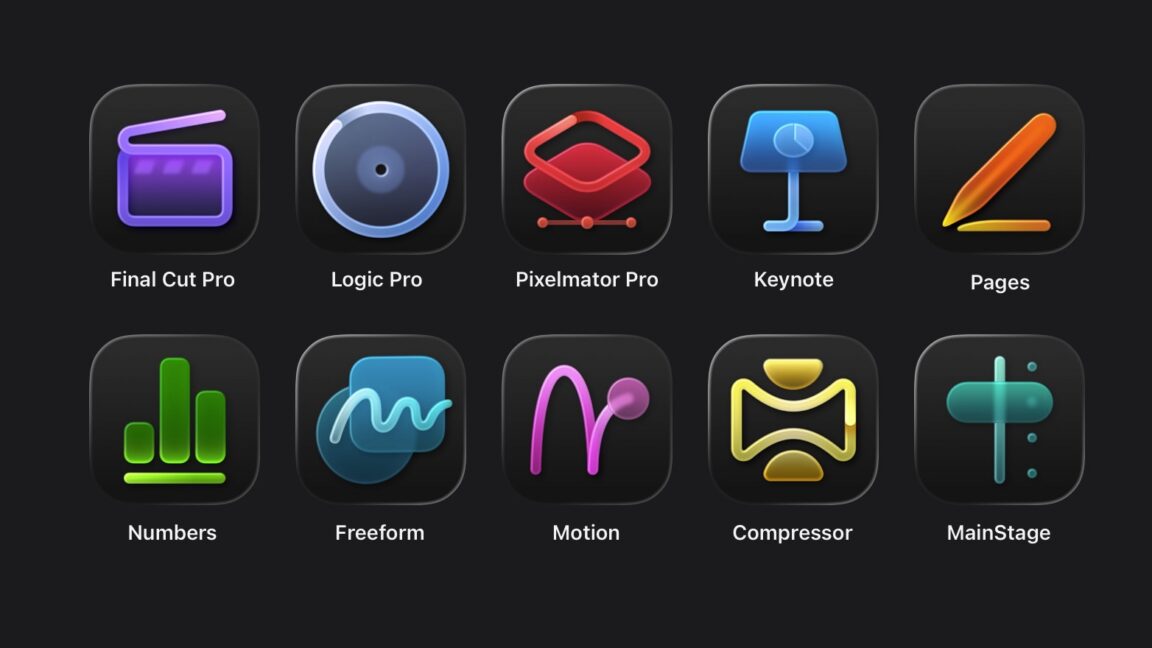
Apple outlines detailed system requirements for each app on its support page here. For most of the Mac apps, all you need is a Mac running macOS 15.6 Sequoia or later; the only Mac app that requires macOS 26 Tahoe is Pixelmator Pro. Most of the apps will also run on either Intel or Apple Silicon Macs, though MainStage is Apple Silicon-exclusive, and “some features” in Compressor may also require Apple Silicon.

The requirements for the iPad apps are a little more restrictive; you generally need to be running either iPadOS 18.6 or iPadOS 26, and both Final Cut Pro and Pixelmator Pro either want an Apple M1, an Apple A16, or an Apple A17 Pro (in other words, it will work on every iPad Apple currently sells, but older iPad hardware is more hit or miss).

Apple also outlines a number of usage restrictions for the generative AI features that rely on external services. Apple says that, “at a minimum,” users will be able to generate 50 images, 50 presentations of between 8 to 10 slides each, and to generate presenter notes in Keynote for 700 slides. More usage may be possible, but this depends on “the complexity of the queries, server availability, and network availability.”

These AI features are all based on OpenAI technology, but don’t require users to have their own OpenAI or ChatGPT account (the flip side is that if you already pay for ChatGPT, that won’t benefit you here). Apple also says that the content you use to generate images, presentations, or notes “will never be used to train intelligence models.”

What apps aren’t getting new versions?

There are three major creative apps that Apple offers that haven’t been bundled into Creator Studio, and also haven’t gotten a major new update: iMovie, GarageBand, and Photomator.

There are extenuating circumstances that explain why these three apps haven’t been given a Creator Studio-style overhaul. The iMovie and GarageBand apps have always sort of been positioned as “lite” free-to-use versions of Final Cut Pro and Logic Pro, respectively, while Photomator is a recently acquired app that overlaps somewhat with the built-in Photos app.

Apple has nothing to share about the future of any of the three apps. Both iMovie and Photomator received minor updates today, presumably related to maintaining compatibility with the Creator Studio apps, and GarageBand was last updated a month ago. Expect them to stick around in their current forms for at least a while.

https://arstechnica.com/gadgets/2026/01/seven-things-to-know-about-how-apples-creator-studio-subscriptions-work/


Google begins rolling out Chrome’s “Auto Browse” AI agent today

Google began stuffing Gemini into its dominant Chrome browser several months ago, and today the AI is expanding its capabilities considerably. Google says the chatbot will be easier to access and connect to more Google services, but the biggest change is the addition of Google’s autonomous browsing agent, which it has dubbed Auto Browse. Similar to tools like OpenAI Atlas, Auto Browse can handle tedious tasks in Chrome so you don’t have to.

The newly unveiled Gemini features in Chrome are accessible from the omnipresent AI button that has been lurking at the top of the window for the last few months. Initially, that button only opened Gemini in a pop-up window, but Google now says it will default to a split-screen or “Sidepanel” view. Google confirmed the update began rolling out over the past week, so you may already have it.

You can still pop Gemini out into a floating window, but the split-view gives Gemini more room to breathe while manipulating a page with AI. This is also helpful when calling other apps in the Chrome implementation of Gemini. The chatbot can now access Gmail, Calendar, YouTube, Maps, Google Shopping, and Google Flights right from the Chrome window. Google technically added this feature around the middle of January, but it’s only talking about it now.

Sidepanel with Gmail integration

Gemini in Chrome can now also access and edit images with Nano Banana, so you don’t have to download and re-upload them to Gemini in another location. Just open the image from the web and type in the Sidepanel with a description of the edits you want. Like in the Gemini app, you can choose between the slower but higher-quality Pro model and the faster standard one.

https://arstechnica.com/google/2026/01/google-begins-rolling-out-chromes-auto-browse-ai-agent-today/


LG’s new subscription program charges up to £277 per month to rent a TV 

LG has launched a subscription program in the UK that allows people to make monthly payments in order to rent LG TVs, soundbars, monitors, and speakers.

LG Flex customers can sign up for one-, two-, or three-year subscriptions to get lower monthly payments.

“At the end of your subscription, you can apply for a free upgrade, keep paying monthly, or return your device,” the LG Flex website says. Subscribers will have to pay a £50 (about $69) fee for a “full removal service,” including dismounting and packaging, of rental TVs.

LG also claims on its website that it won’t penalize customers for “obvious signs of use, such as some scratching, small dents, or changes in the paintwork.” However, if you damage the rental device, LG “may charge you for the cost of repair as outlined by the Repair Charges set out in your agreement.” LG’s subscription partner, Raylo, also sells insurance for coverage against “accidental damage, loss, and theft” of rented devices.

As of this writing, you can buy LG’s 83-inch OLED B5 2025 TV on LG’s UK website for £2,550 (about $3,515). Monthly rental prices range from £93 ($128), if you commit to a three-year-long rental period, to £277 ($382), if you only commit to a one-month rental period. Under the three-year plan, you can rent the TV for 27 months before you end up paying more to rent the TV than you would have to own it. At the highest rate, your rental payments will surpass MSRP after nine months.

https://arstechnica.com/gadgets/2026/01/lgs-new-subscription-program-charges-up-to-277-per-month-to-rent-a-tv/


Apple patches ancient iOS versions to keep iMessage, FaceTime, other services working

When Apple stops supporting older iPhones and iPads with the latest version of iOS or iPadOS, it usually isn’t the end of the line—Apple keeps releasing new security-only patches for those devices for another year or two, keeping them usable while their hardware is still reasonably capable.

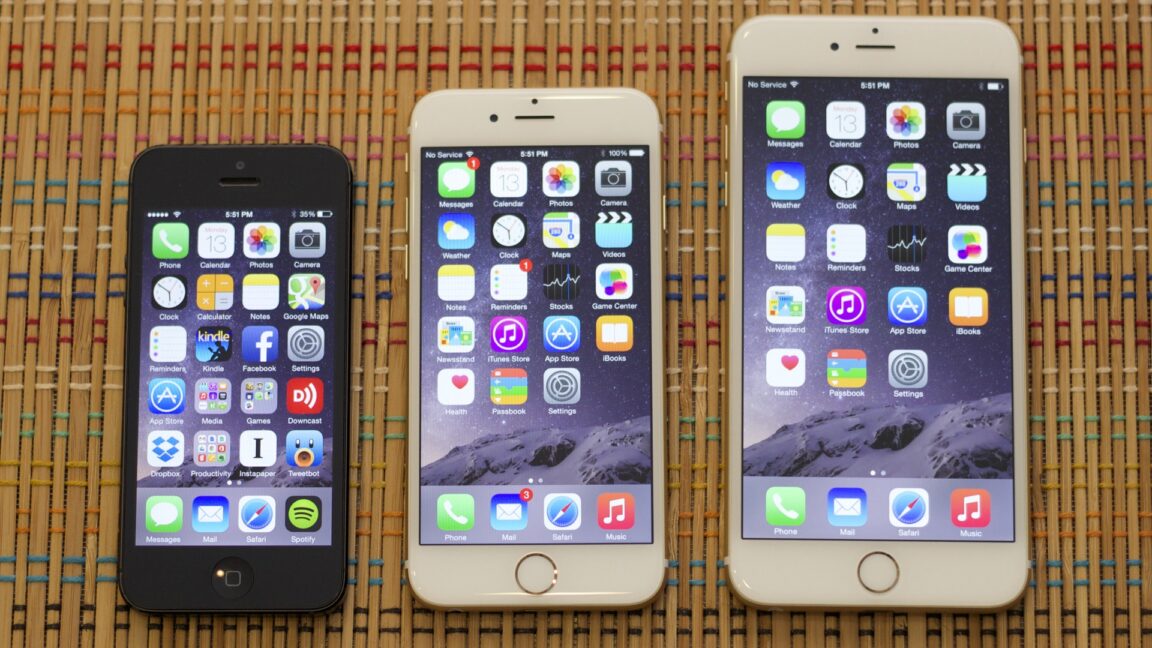
Once those updates dry up, it’s rare for Apple to revisit those older operating systems, but the company does sometimes make exceptions. That was the case yesterday, when the company released a batch of updates for long-retired iOS and iPadOS versions that otherwise hadn’t seen a new patch in months or years. Those updates include iOS 12.5.8, available for devices as old as 2013’s iPhone 5S and 2014’s iPhone 6; iOS 15.8.6, available for devices like the iPhone 6S, iPhone 7, and iPad Air 2; and iOS 16.7.13, available for devices like the iPhone 8 and iPhone X.

Both iOS 15 and iOS 16 were last patched in mid-2025, but iOS 12’s last patch was released in January 2023.

These updates don’t patch security flaws or add new features. According to Apple’s release notes for the iOS 12 and iOS 15 updates, all they do is update a security certificate to ensure that iMessage, FaceTime, and Apple account sign-in will continue working past January 2027, when the operating systems’ original certificate would have expired.

https://arstechnica.com/gadgets/2026/01/apple-patches-ancient-ios-versions-to-keep-imessage-facetime-other-services-working/


Apple’s AirTag 2 is easier to find thanks to new chip

Additionally, the speaker in the AirTag is now 50 percent louder, Apple says. These two things together address some user complaints that, as useful as an AirTag can be in ideal circumstances, sometimes it is frustrating trying to get things just right to find something. It won’t eliminate all edge cases, but it ought to help.

Apple used this announcement to also talk up some of the features of the AirTag, including the encryption that it says prevents anyone but the AirTag owner from using it, and an arrangement with airlines where users can temporarily give airlines the ability to use Apple’s network to find a specific AirTag to locate lost luggage and the like.

To be clear, the new AirTag doesn’t introduce any major new features that aren’t already offered in the previous generation—this is just an update to the device’s accuracy, volume, and range.

The price remains unchanged, at $29 for one AirTag or $99 for a pack of four. The new model is available for order on Apple’s website now and will hit physical stores later this week.

https://arstechnica.com/gadgets/2026/01/apple-introduces-new-airtag-with-better-range-and-a-louder-speaker/


How to encrypt your PC’s disk without giving the keys to Microsoft

If you want to encrypt your Windows PC’s disk but you don’t want to store your recovery key with Microsoft, you do have options. We’ll recap the requirements, as well as the steps you’ll need to take.

You’ll need Windows 11 Pro for this

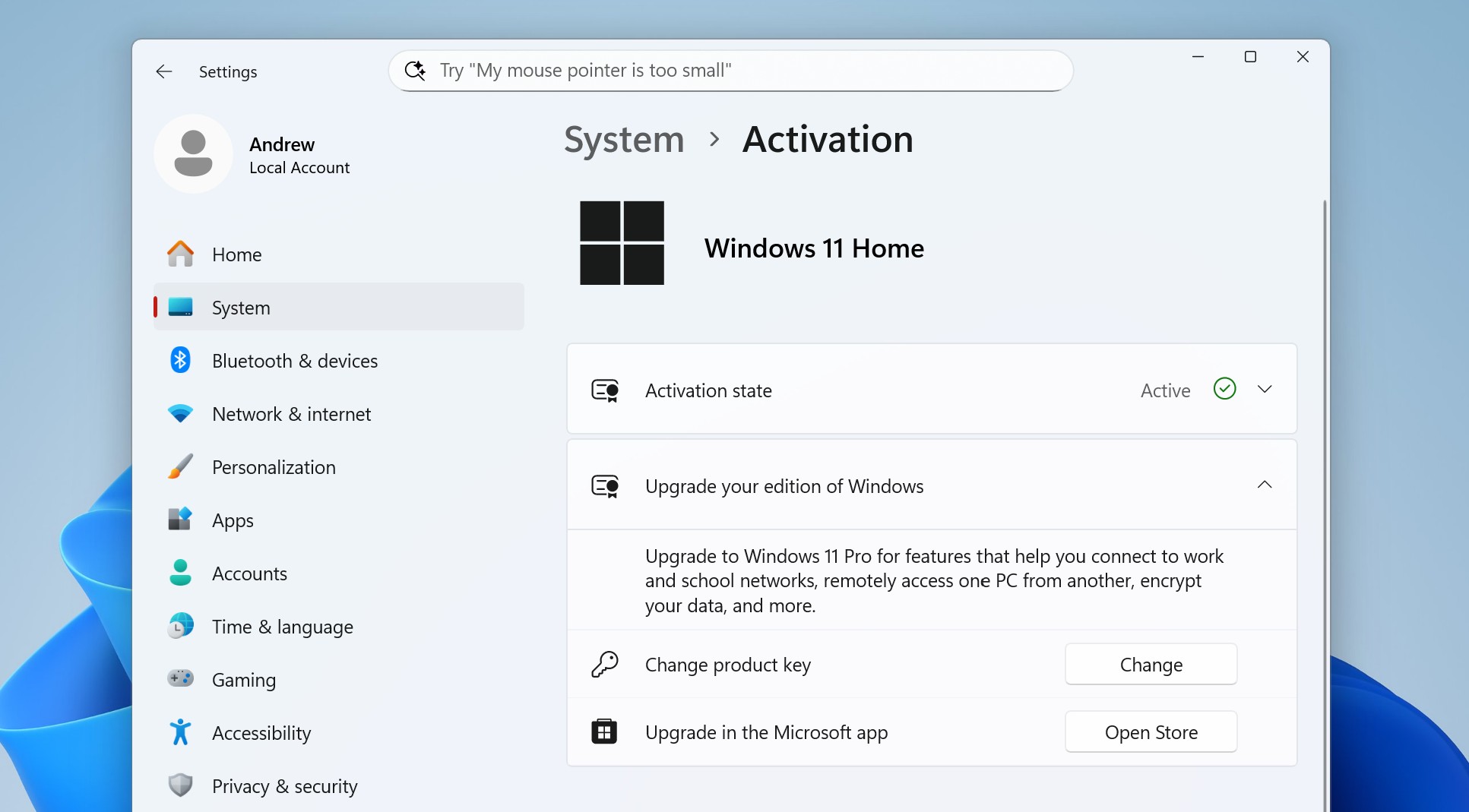
Settings > System > Activation will tell you what edition of Windows 11 you have and offer some options for upgrades.

Credit: Andrew Cunningham

Settings > System > Activation will tell you what edition of Windows 11 you have and offer some options for upgrades. Credit: Andrew Cunningham

Before we begin: Disk encryption is one of the handful of differences between the Home and Pro versions of Windows.

Both the Home and Pro versions of Windows support disk encryption, but only the Pro versions give users full control over the process. The Home version of Windows only supports disk encryption when logged in with a Microsoft account and will only offer to store your encryption key on Microsoft’s servers.

To access the full version of BitLocker and back up your own recovery key, you’ll need to upgrade to the Pro version of Windows. Microsoft offers its own first-party upgrade option through the Microsoft Store for a one-time fee of $99, but it’s also possible to bring your own product key and upgrade yourself. This Macworld-affiliated listing from StackCommerce claims to be an official Microsoft partner and is offering a Windows 11 Pro key for just $10, though your mileage with third-party key resellers may vary.

However you get it, once you have a valid key, open Settings, then System, then Activation, click upgrade your edition of Windows, click change product key, and then enter your Windows 11 Pro key (Windows 10 Pro keys should also work, if you already have one). Luckily, changing Windows editions doesn’t require anything more disruptive than a system restart. You won’t need to reinstall Windows, and you shouldn’t lose any of your installed apps or data.

And once you’ve upgraded a PC to Windows 11 Pro once, you should be able to reinstall and activate Windows 11 Pro on that system again any time you want without having to re-enter your product key. Keep the product key stored somewhere, though, just in case you do need to use it for a reinstall, or if you ever need to re-activate Windows after a hardware upgrade.

https://arstechnica.com/gadgets/2026/01/how-to-encrypt-your-pcs-disk-without-giving-the-keys-to-microsoft/


Core Ultra Series 3 launch may be hampered by chip shortages, says Intel

Yields are currently improving by 7 or 8 percent every month, according to Intel. But that could be building on pretty low initial yields—reporting from last summer suggested that just 10 percent of the chips coming off of the 18A production lines were meeting Intel’s requirements at the time. Intel predicts that its supply will have ramped up enough within the next few months to help alleviate shortages.

“I do believe that the first quarter is the trough,” said Zinsner. “We will improve supply in the second quarter.”

Intel is selling everything it can make

When Intel can start making enough chips to meet its demand, it ought to help brighten the company’s earnings reports.

“We delivered [our Q4 2025] results despite supply constraints, which meaningfully limited our ability to capture all of the strengths in our underwriting markets,” said Tan. “We are working aggressively to address this and better support our customers’ needs going forward.”

Intel has been signaling for a while now that it was selling essentially all of the chips it could get its hands on. Intel investor relations VP John Pitzer said last month that Intel would be selling more of both its Lunar Lake and Arrow Lake Core Ultra Series 2 chips for consumers, as well as its Granite Rapids chips for data centers, if it could get more of them.

As Intel seeks to improve its position in the short term, the company also says that it’s still making progress on its future manufacturing nodes, including different versions of the 18A process and the upcoming 14A process. Intel is working to engage “potential external customers” who would use the 14A process to make their own chips. If these third parties decide to use Intel’s manufacturing facilities, Intel expects to know about it “starting in the second half of this year and extending into the first half of 2027,” and then it expects to build out manufacturing capacity based on the number of external customers it finds.

On the chip design side, Intel also expects to have its first next-generation Nova Lake chips ready “at the end of 2026.” We don’t know much about Nova Lake yet, but it should be Intel’s next architecture to cover both desktop and laptop processors, while Panther Lake chips are intended mainly for laptops. At least part of the chip will also be manufactured using the 18A process.

https://arstechnica.com/gadgets/2026/01/core-ultra-series-3-launch-may-be-hampered-by-chip-shortages-says-intel/


Telly’s “free” ad-based TVs make notable revenue—when they’re actually delivered

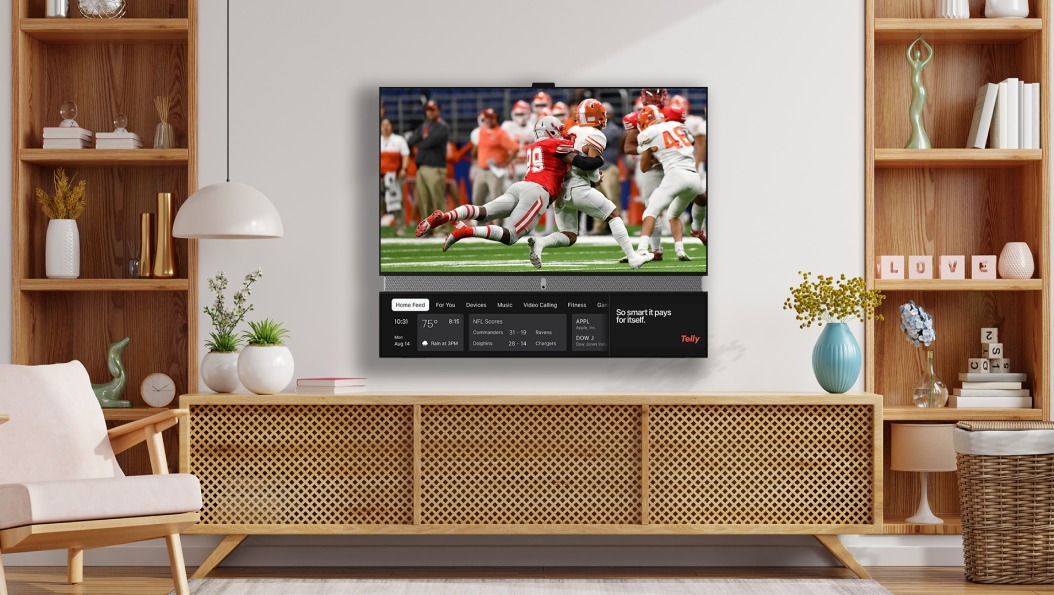
Telly, a company that accepts advertising data instead of cash for its TVs, has reportedly had a hard time getting its “free” TVs into people’s homes.

Telly debuted in May 2023. Its dual-screen design can show ads, even when people aren’t watching. Although the smaller, secondary screen can be used for more helpful applications, like showing the weather or sports scores, its primary purpose is to serve as a billboard south of the 55-inch primary display. Owners cannot disable tracking or cover up the secondary screen (or they have to pay for the TV, which Telly claims is worth $1,000), and they must fill out a lengthy, detailed survey to get one.

When it debuted its TV, Telly said it expected to ship 500,000 devices that summer. In June 2023, the startup said 250,000 people signed up to get a Telly. In a 2024 press release, Telly said that it planned to ship “millions more in 2024.”

But a report from Lowpass this week, citing a “Q3 update sent to investors in November 2025,” said the startup had 35,000 TVs in people’s homes at that time. In Q2 2025, there were 28,000 Telly TVs in use, the note said, according to Lowpass.

The publication reported that the investor note suggests Telly will order 100,000 TVs from supplier Foxconn and increase deliveries soon.

Telly declined to comment to Lowpass and didn’t respond to Ars Technica’s requests for comment.

Shipping problems

So what gives? Based on early registration numbers, it seems Telly has generated enough interest to ship more than 35,000 TVs.

One issue seems to be poor shipping. Per the investor note that Lowpass reviewed, Telly claimed that FedEx delivered 10 percent of its shipments of Telly TVs broken. Since moving to a different company—seemingly Samsung partner RXO, based on Reddit posts—fewer Tellys are arriving broken, the company reportedly said.

As Lowpass noted, dozens of online complaints claim that the free TVs, which ship directly from Telly, were broken upon arrival. The Verge also reported receiving a broken unit in September.

https://arstechnica.com/gadgets/2026/01/tellys-free-ad-based-tvs-make-notable-revenue-when-theyre-actually-delivered/


Sony is giving TCL control over its high-end Bravia TVs

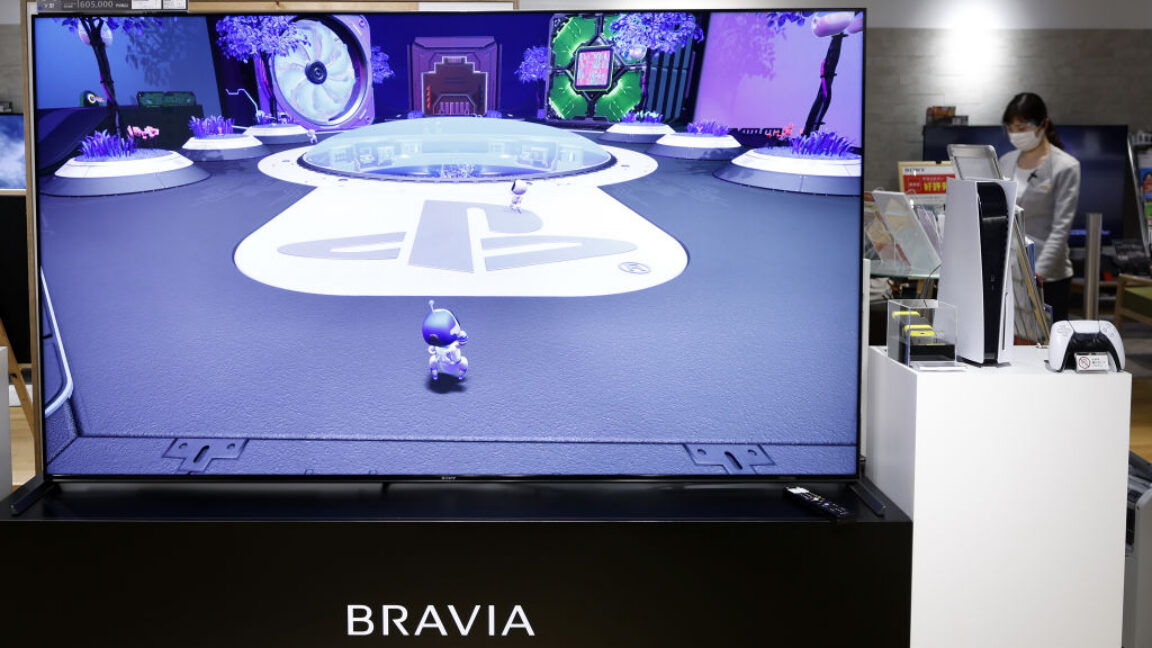
TCL is taking majority ownership of Sony’s Bravia series of TVs, the two companies announced today.

The two firms said they have signed a memorandum of understanding and aim to sign binding agreements by the end of March. Pending “relevant regulatory approvals and other conditions,” the joint venture is expected to launch in April 2027.

Under a new joint venture, Huizhou, China-headquartered TCL will own 51 percent of Tokyo, Japan-headquartered Sony’s “home entertainment business,” and Sony will own 49 percent, per an announcement today, adding:

The joint venture will operate globally, handling the full process from product development and design to manufacturing, sales, logistics, and customer service for products including televisions and home audio equipment.

The joint venture will continue to release TVs and home audio gadgets under the “Sony Bravia” branding; however, the TVs will rely on TCL display technology. The joint announcement suggested focuses on bigger TVs, higher-resolution displays, and “smart features.”

The news comes as the TV industry has struggled with decreasing margins and has become more competitive. Meanwhile, devices have become cheaper, and people are buying new TVs less frequently. Competition between Chinese companies, like TCL and Hisense, and South Korean firms, like LG and Samsung, has heated up, with Chinese companies making increasingly competitive budget and mid-range-priced TVs, and the South Korean government reportedly pushing local TV firms to work together. Numerous Japanese companies, including Toshiba and Sharp, have already exited or reduced their TV businesses.

The upcoming joint venture also comes as Sony has focused less on electronics in recent years. For example, it stopped making its Vaio PCs in 2014 and quit Blu-rays last year. Meanwhile, it has been focusing on intellectual property, like anime and movies, as Bloomberg noted. The joint venture should allow Sony to focus on its more lucrative businesses and allow TCL to gain an advantage by leveraging Sony’s more high-end Bravia devices and brand.

https://arstechnica.com/gadgets/2026/01/tcl-to-gain-majority-ownership-over-sonys-bravia-tvs/