Higher prices, simpler streaming expected if HBO Max folds into Paramount+

If a company acquires any form of HBO, one of its top challenges is expected to be streamlining operations while maintaining HBO’s premium brand. This could be especially difficult under a “more mainstream umbrella like Paramount+,” Alderman noted.

Streaming has already diluted the HBO brand somewhat. Through streaming, HBO is now associated with stuff from DC Comics and Cartoon Network, as well as reality shows, like 90 Day Fiancé and Naked and Afraid. Merging with Paramount+ or even Netflix could expand the HBO umbrella further.

That expanded umbrella could allow a company like Paramount to better compete against Netflix, something WBD executives have shied away from. HBO Max is “not everything for everyone in a household,” JB Perrette, WBD’s streaming president and CEO, said this spring.

“What people want from us in a world where they’ve got Netflix and Amazon [Prime Video] are those things that differentiate us,” Casey Bloys, chairman and CEO of HBO and Max content, told The Wall Street Journal in May.

A “stress test” for more streaming mergers

Aside from the impact on HBO Max subscribers, WBD’s merger talks have broad implications. A deal would open the door for much more consolidation in the streaming space, something that experts have been anticipating for some years and that addresses the boom of streaming services. Per Clark, discussions of a Paramount-WBD merger are “less about two studios joining forces and more about a stress test for future M&A.”

If WBD accepts a Paramount bid and that bid clears regulatory hurdles, it would signal that “premium content under fewer umbrellas is back in play,” Clark said.

A Paramount-WBD merger is likely to speed up consolidation among mid-tier players, like NBCUniversal, Lionsgate, and AMC, Alderman said, pointing to these companies’ interest in scaling their streaming businesses and in building differentiated portfolios to counter Netflix and Disney+’s expansive libraries.

If Paramount and WBD don’t merge, Clark expects to see more “piecemeal” strategies, such as rights-sharing, joint venture bundles, and streaming-as-a-service models.

https://arstechnica.com/gadgets/2025/11/higher-prices-simpler-streaming-expected-if-hbo-max-folds-into-paramount/


YouTube TV’s Disney blackout reminds users that they don’t own what they stream

“I don’t know (or care) which side is responsible for this, but the DVR is not VOD, it is your recording, and shows recorded before the dispute should be available. This is a hard lesson for us all,” an apparently affected customer wrote on Reddit this week.

For current or former cable subscribers, this experience isn’t new. Carrier disputes have temporarily and permanently killed cable subscribers’ access to many channels over the years. And since the early 2000s, many cable companies have phased out DVRs with local storage in favor of cloud-based DVRs. Since then, cable companies have been able to revoke customers’ access to DVR files if, for example, the customer stopped paying for the channel from which the content was recorded. What we’re seeing with YouTube TV’s DVR feature is one of several ways that streaming services mirror cable companies.

Google exits Movies Anywhere

In a move that appears to be best described as tit for tat, Google has removed content purchased via Google Play and YouTube from Movies Anywhere, a Disney-owned unified platform that lets people access digital video purchases from various distributors, including Amazon Prime Video and Fandango.

In removing users’ content, Google may gain some leverage in its discussions with Disney, which is reportedly seeking a larger carriage fee from YouTube TV. The content removals, however, are just one more pain point of the fragmented streaming landscape customers are already dealing with.

Customers inconvenienced

As of this writing, Google and Disney have yet to reach an agreement. On Monday, Google publicly rejected Disney’s request to restore ABC to YouTube TV for yesterday’s election day, although the company showed a willingness to find a way to quickly bring back ABC and ESPN (“the channels that people want,” per Google). Disney has escalated things by making its content unavailable to rent or purchase from all Google platforms.

Google is trying to appease customers by saying it will give YouTube TV subscribers a $20 credit if Disney “content is unavailable for an extended period of time.” Some people online have reported receiving a $10 credit already.

Regardless of how this saga ends, the immediate effects have inconvenienced customers of both companies. People subscribe to streaming services and rely on digital video purchases and recordings for easy, instant access, which Google and Disney’s disagreement has disrupted. The squabble has also served as another reminder that in the streaming age, you don’t really own anything.

https://arstechnica.com/gadgets/2025/11/youtube-tvs-disney-blackout-reminds-users-that-they-dont-own-what-they-stream/


Google settlement with Epic caps Play Store fees, boosts other Android app stores

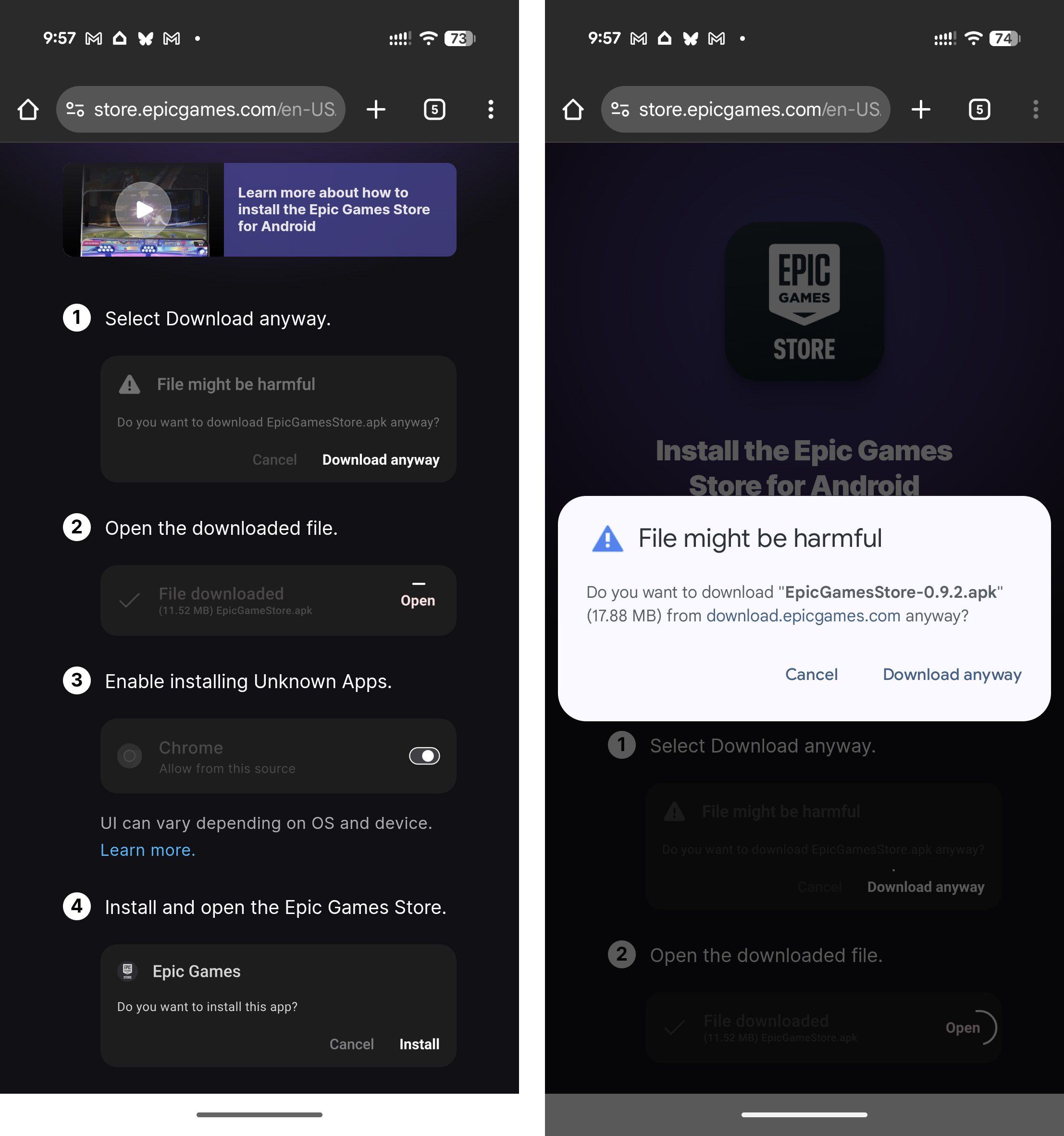
Under the terms, Google agrees to implement a system in the next version of Android that will give third-party app stores a way to become officially registered as an application source. These “Registered App Stores” will be installable from websites with a single click and without the alarming warnings that accompany traditional sideloads. Again, this will be supported globally rather than only in the US, as the previous order required.

The motion filed with the court doesn’t include much detail on how Registered App Stores will operate once installed. Given Epic’s aversion to the scare screens that appear when sideloading apps, installs managed by registered third-party stores may also be low-friction. The Play Store can install apps without forcing the user to clear a bunch of warnings, and it can update apps automatically. We may see similar capabilities for third parties once Google adds the promised support in the next version of Android.

epic harmful installation

This is the kind of “friction” the settlement would avoid.

Credit: Ryan Whitwam

This is the kind of “friction” the settlement would avoid. Credit: Ryan Whitwam

Importantly, Google is allowed to create “reasonable requirements” for certifying these app stores. Reviews may be carried out, and Google can charge fees for that process; however, the fees cannot be revenue-dependent.

The changes detailed in the settlement are not as wide-ranging as Judge Donato’s original order but still mark a shift toward openness. Third-party app stores are getting a boost, developers will enjoy lower fees, and Google won’t drag the process out for years. The parties claim in their joint motion that the agreement does not seek to undo the jury verdict or sidestep the court’s previous order. Rather, it aims to reinforce the court’s intent while eliminating potential delays in realigning the app market.

Google and Epic are going to court on Thursday to ask Judge Donato to approve the settlement, and Google could put the billing changes into practice by late this year. The app store changes would come around June next year when we expect Android 17 to begin rolling out. However, Google’s Android Canary and Beta releases may offer a glimpse of this system earlier in 2026.

https://arstechnica.com/gadgets/2025/11/google-settlement-with-epic-caps-play-store-fees-boosts-other-android-app-stores/


How to declutter, quiet down, and take the AI out of Windows 11 25H2

Regardless of your reasoning, if you don’t want to bother with sign-in at setup, you have a few different options:

Use the command line

During Windows 11 Setup, after selecting a language and keyboard layout but before connecting to a network, hit Shift+F10 to open the command prompt (depending on your keyboard, you may also need to hit the Fn key before pressing F10). Type OOBE\BYPASSNRO, hit Enter, and wait for the PC to reboot.

When it comes back, click “I don’t have Internet” on the network setup screen, and you’ll have recovered the option to use “limited setup” (aka a local account) again, like older versions of Windows 10 and 11 offered.

This option has been removed from some Windows 11 testing builds, but it still works as of this writing in 25H2. We may see this option removed in a future update to Windows.

For Windows 11 Pro

For Windows 11 Pro users, there’s a command-line-free workaround you can take advantage of.

Proceed through the Windows 11 setup as you normally would, including connecting to a network and allowing the system to check for updates. Eventually, you’ll be asked whether you’re setting your PC up for personal use or for “work or school.”

Select the “work or school” option, then “sign-in options,” at which point you’ll finally be given a button that says “domain join instead.” Click this to indicate you’re planning to join the PC to a corporate domain (even though you aren’t), and you’ll see the normal workflow for creating a “limited” local account.

The downside is that you’re starting your relationship with your new Windows install by lying to it. But hey, if you’re using the AI features, your computer is probably going to lie to you, too. It all balances out.

https://arstechnica.com/gadgets/2025/11/what-i-do-to-clean-up-a-clean-install-of-windows-11-23h2-and-edge/


So long, Assistant—Gemini is taking over Google Maps

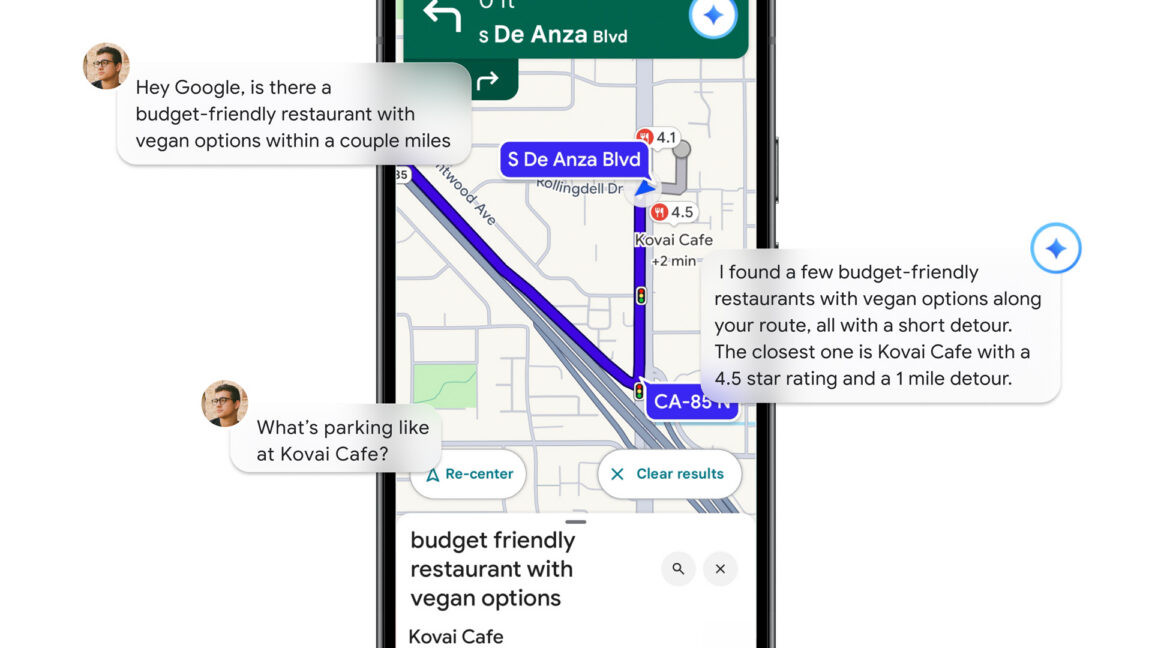
Google is in the process of purging Assistant across its products, and the next target is Google Maps. Starting today, Gemini will begin rolling out in Maps, powering new experiences for navigation, location info, and more. This update will eventually completely usurp Google Assistant’s hands-free role in Maps, but the rollout will take time. So for now, the smart assistant in Google Maps will still depend on how you’re running the app.

Across all Gemini’s incarnations, Google stresses its conversational abilities. Whereas Assistant was hard-pressed to keep one or two balls in the air, you can theoretically give Gemini much more complex instructions. Google’s demo includes someone asking for nearby restaurants with cheap vegan food, but instead of just providing a list, it suggests something based on the user’s input. Gemini can also offer more information about the location.

Maps will also get its own Gemini-infused version of Lens for after you park. You will be able to point the camera at a landmark, restaurant, or other business to get instant answers to your questions. This experience will be distinct from the version of Lens available in the Google app, focused on giving you location-based information. Maybe you want to know about the menu at a restaurant or what it’s like inside. Sure, you could open the door… but AI!

[embedded content]

Google Maps with Gemini

While Google has recently been forced to acknowledge that hallucinations are inevitable, the Maps team says it does not expect that to be a problem with this version of Gemini. The suggestions coming from the generative AI bot are grounded in Google’s billions of place listings and Street View photos. This will, allegedly, make the robot less likely to make up a location. Google also says in no uncertain terms that Gemini is not responsible for choosing your route.

https://arstechnica.com/google/2025/11/so-long-assistant-gemini-is-taking-over-google-maps/


HDR10+ Advanced joins Dolby Vision 2 in trying to make you like motion smoothing

Intelligent FRC takes a more nuanced approach to motion smoothing by letting content creators dictate the level of motion smoothing used in each scene, Forbes reported. The feature is also designed to adjust the strength of motion interpolation based on ambient lighting.

Dolby Vision 2’s Authentic Motion

HDR10+ Advanced’s Intelligent FRC sounds awfully similar to the Authentic Motion feature that Dolby announced for its upcoming HDR standard, Dolby Vision 2, in September.

Dolby’s announcement described Authentic Motion as “the world’s first creative driven motion control tool to make scenes feel more authentically cinematic without unwanted judder on a shot-by-shot basis.” Authentic Motion will be available on TVs that adopt Dolby Vision 2’s most advanced tier, which is called Dolby Vision 2 Max, and will target high-end TVs.

TechRadar reported in September that Authentic Motion will have 10 levels of motion smoothing, citing a demo of the feature applied to a scene from the Amazon Prime Video series Paris Has Fallen, which was shot at 25p. In the demo, the video reportedly went from level 5 motion smoothing during a tracking shot to level 3 when “the camera switched to tilting down gently,” to level 1 “as the camera settled,” and then level 0 “when the still camera watched the woman talk.”

Will this work?

We don’t have sufficient information about either HDR standard to be convinced yet that the technologies will improve the appearance of videos using motion smoothing, especially to viewers who are already put off by motion smoothing.

Giving creators greater control over when exactly motion smoothing is implemented and how strong it is could mean that the soap opera effect isn’t applied to scenes unnecessarily. But neither standard has proven that motion smoothing will look natural when applied at different scales to specific shots.

https://arstechnica.com/gadgets/2025/11/hdr10-advanced-joins-dolby-vision-2-in-trying-to-make-you-like-motion-smoothing/


Meet Project Suncatcher, Google’s plan to put AI data centers in space

Google’s proposed free-fall (“no thrust”) constellation for linked satellites; arrow pointing toward Earth.

However, there is the problem of physics. Received power decreases with the square of distance, so Google notes the satellites would have to maintain proximity of a kilometer or less. That would require a tighter formation than any currently operational constellation, but it should be workable. Google has developed analytical models suggesting that satellites positioned several hundred meters apart would require only “modest station-keeping maneuvers.”

Hardware designed for space is expensive and often less capable compared to terrestrial systems because the former needs to be hardened against extreme temperatures and radiation. Google’s approach to Project Suncatcher is to reuse the components used on Earth, which might not be very robust when you stuff them in a satellite. However, innovations like the Snapdragon-powered Mars Ingenuity helicopter have shown that off-the-shelf hardware may survive longer in space than we thought.

Google says Suncatcher only works if TPUs can run for at least five years, which works out to 750 rad. The company is testing this by blasting its latest v6e Cloud TPU (Trillium) in a 67MeV proton beam. Google says that while the memory was most vulnerable to damage, the experiments showed that TPUs can handle about three times as much radiation (almost 2 krad) before data corruption was detected.

Google hopes to launch a pair of prototype satellites with TPUs by early 2027. It expects the launch cost of these first AI orbiters to be quite high. However, Google is planning for the mid-2030s when launch costs are projected to drop to as little as $200 per kilogram. At that level, space-based data centers could become as economical as the terrestrial versions.

The fact is, terrestrial data centers are dirty, noisy, and ravenous for power and water. This has led many communities to oppose plans to build them near the places where people live and work. Putting them in space could solve everyone’s problems (unless you’re an astronomer).

https://arstechnica.com/google/2025/11/meet-project-suncatcher-googles-plan-to-put-ai-data-centers-in-space/


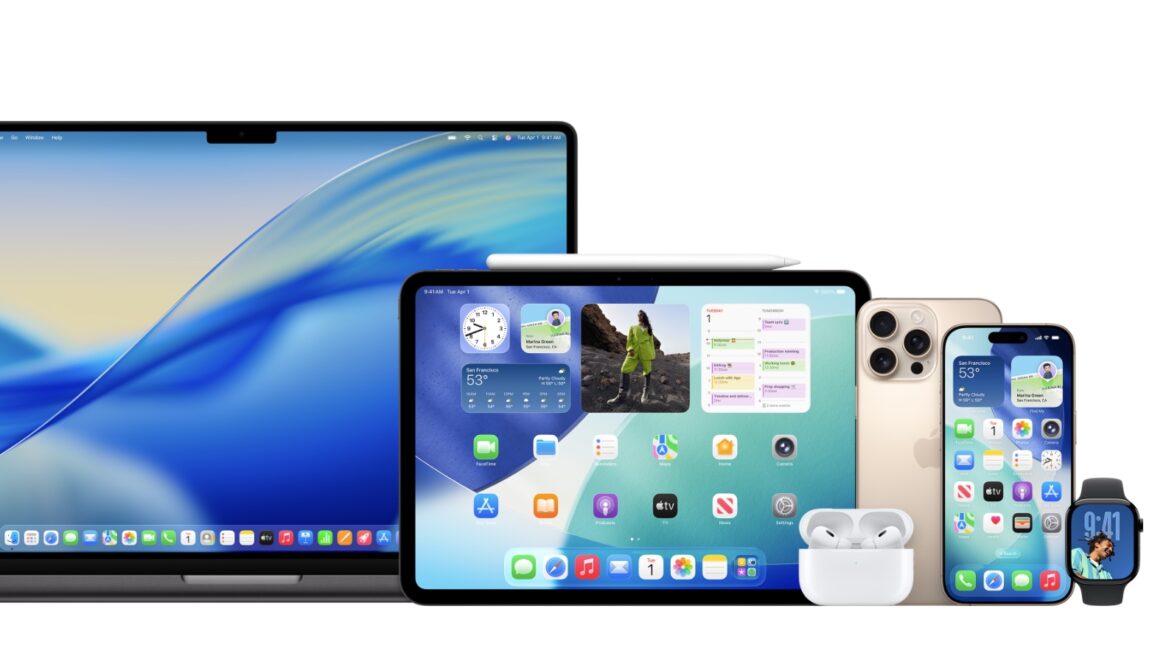
Apple releases iOS 26.1, macOS 26.1, other updates with Liquid Glass controls and more

After several weeks of testing, Apple has released the final versions of the 26.1 update to its various operating systems. Those include iOS, iPadOS, macOS, watchOS, tvOS, visionOS, and the HomePod operating system, all of which switched to a new unified year-based version numbering system this fall.

This isn’t the first update that these operating systems have gotten since they were released in September, but it is the first to add significant changes and tweaks to existing features, addressing the early complaints and bugs that inevitably come with any major operating system update.

One of the biggest changes across most of the platforms is a new translucency control for Liquid Glass that tones it down without totally disabling the effect. Users can stay with the default Clear look to see the clearer, glassier look that allows more of the contents underneath Liquid Glass to show through, or the new Tinted look to get a more opaque background that shows only vague shapes and colors to improve readability.

For iPad users, the update re-adds an updated version of the Slide Over multitasking mode, which uses quick swipes to summon and dismiss an individual app on top of the apps you’re already using. The iPadOS 26 version looks a little different and includes some functional changes compared to the previous version—it’s harder to switch which app is being used in Slide Over mode, but the Slide Over window can now be moved and resized just like any other iPadOS 26 app window.

https://arstechnica.com/gadgets/2025/11/apple-releases-ios-26-1-macos-26-1-other-updates-with-liquid-glass-controls-and-more/


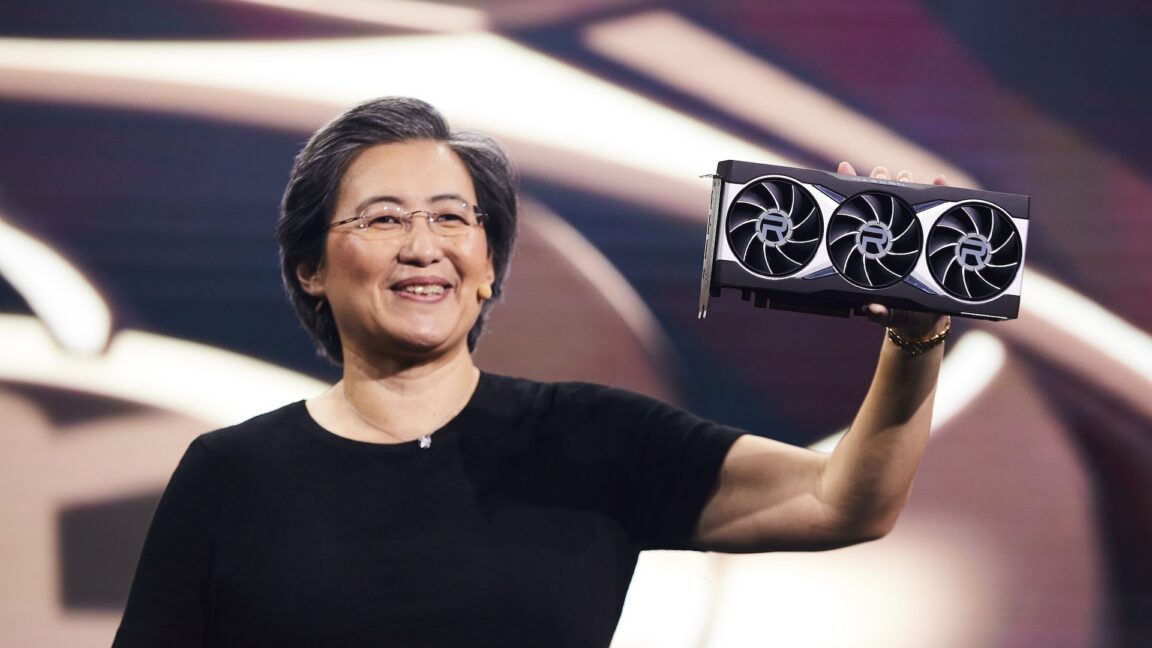
After confusing driver release, AMD says old GPUs are still actively supported

The release notes for the 25.10.2 Adrenalin release also dropped Windows 10 from the list of “compatible operating systems,” listing only Windows 11 21H2 and later. But AMD confirmed to Windows Latest that the driver packages would still support Windows 10 for the foreseeable future. The company said that the OS is not listed in the release notes because Microsoft has technically ended support for Windows 10, but home users running Windows 10 on their PCs can get an extra year of security patches relatively easily. Microsoft will continue to provide support for the OS in businesses, schools, and other large organizations until at least 2028.

Why all the fuss?

It would look bad if AMD dropped or reduced support for those Radeon 5000- and 6000-series GPUs, given that Nvidia continues to support GeForce RTX 20- and 30-series graphics cards launched in the same 2019 to 2022 time window. But the end of support could have been even worse for gaming handhelds and lower-end PCs with integrated graphics.

The RDNA 2 architecture, in particular, has enjoyed a long and ongoing life as an integrated GPU, including for systems that are explicitly marketed and sold as gaming PCs. And because so many of AMD and Intel’s lower-end chips are just rebranded versions of older silicon, AMD continues to launch “new” products with RDNA 2 GPUs. The RDNA 2 architecture is the one Valve has used in the Steam Deck since 2022, for example, but Microsoft and Asus’ just-launched ROG Xbox Ally series also includes an RDNA 2 GPU in the entry-level model.

The last time AMD formally scaled back its GPU driver support was in 2023, when it moved drivers for its Polaris and Vega GPU architectures into a separate package that would only get occasional “critical updates.” At the time, AMD had launched its last dedicated Vega-based GPU just four years before, and many lower-end desktop and laptop processors still shipped with Vega-based integrated GPUs.

For the Steam Deck and other SteamOS and Linux systems, at least, it seems that things aren’t really changing, no matter what happens with the Windows drivers. Phoronix points out that the Linux driver package for AMD’s GPUs has always been maintained separately from the Windows drivers and that GPU architectures considerably older than RDNA 1 continue to get official support and occasional improvements.

https://arstechnica.com/gadgets/2025/11/amd-says-that-its-not-pulling-driver-support-for-older-radeon-gpus-afterall/


Closing Windows 11’s Task Manager accidentally opens up more copies of Task Manager

One reason to use the Task Manager in Windows is to see if any of the apps running on your computer are misbehaving or using a disproportionate amount of resources. But what do you do when the misbehaving app is the Task Manager itself?

After a recent Windows update, some users (including Windows Latest) noticed that closing the Task Manager window was actually failing to close the app, leaving the executable running in memory. More worryingly, each time you open the Task Manager, it spawns a new process on top of the old one, which you can repeat essentially infinitely (or until your PC buckles under the pressure).

Each instance of Task Manager takes up around 20MB of system RAM and hovers between 0 and 2 percent CPU usage—if you have just a handful of instances open, it’s unlikely that you’d notice much of a performance impact. But if you use Task Manager frequently or just go a long time between reboots, opening up two or three dozen copies of the process that are all intermittently using a fraction of your CPU can add up, leading to a potentially significant impact on performance and battery life.

https://arstechnica.com/gadgets/2025/10/windows-11-task-manager-bug-makes-the-apps-close-button-do-the-exact-opposite/