“Unexpectedly, a deer briefly entered the family room”: Living with Gemini Home

Oops, we made you think someone broke into your house.

Credit: Ryan Whitwam

Oops, we made you think someone broke into your house. Credit: Ryan Whitwam

On several occasions, I’ve seen Gemini mistake dogs and totally empty rooms (or maybe a shadow?) for a person. It may be alarming at first, but after a few false positives, you grow to distrust the robot. Now, even if Gemini correctly identified a random person in the house, I’d probably ignore it. Unfortunately, this is the only notification experience for Gemini Home Advanced.

“You cannot turn off the AI description while keeping the base notification,” a Google spokesperson told me. They noted, however, that you can disable person alerts in the app. Those are enabled when you turn on Google’s familiar faces detection.

Gemini often twists reality just a bit instead of creating it from whole cloth. A person holding anything in the backyard is doing yardwork. One person anywhere, doing anything, becomes several people. A dog toy becomes a cat lying in the sun. A couple of birds become a raccoon. Gemini likes to ignore things, too, like denying there was a package delivery even when there’s a video tagged as “person delivers package.”

Gemini misses package

Gemini still refused to admit it was wrong.

Credit: Ryan Whitwam

Gemini still refused to admit it was wrong. Credit: Ryan Whitwam

At the end of the day, Gemini is labeling most clips correctly and therefore produces mostly accurate, if sometimes unhelpful, notifications. The problem is the flip side of “mostly,” which is still a lot of mistakes. Some of these mistakes compel you to check your cameras—at least, before you grow weary of Gemini’s confabulations. Instead of saving time and keeping you apprised of what’s happening at home, it wastes your time. For this thing to be useful, inferential errors cannot be a daily occurrence.

Learning as it goes

Google says its goal is to make Gemini for Home better for everyone. The team is “investing heavily in improving accurate identification” to cut down on erroneous notifications. The company also believes that having people add custom instructions is a critical piece of the puzzle. Maybe in the future, Gemini for Home will be more honest, but it currently takes a lot of hand-holding to move it in the right direction.

https://arstechnica.com/google/2025/10/unexpectedly-a-deer-briefly-entered-the-family-room-living-with-gemini-home/


Leaker reveals which Pixels are vulnerable to Cellebrite phone hacking

Cellebrite leak

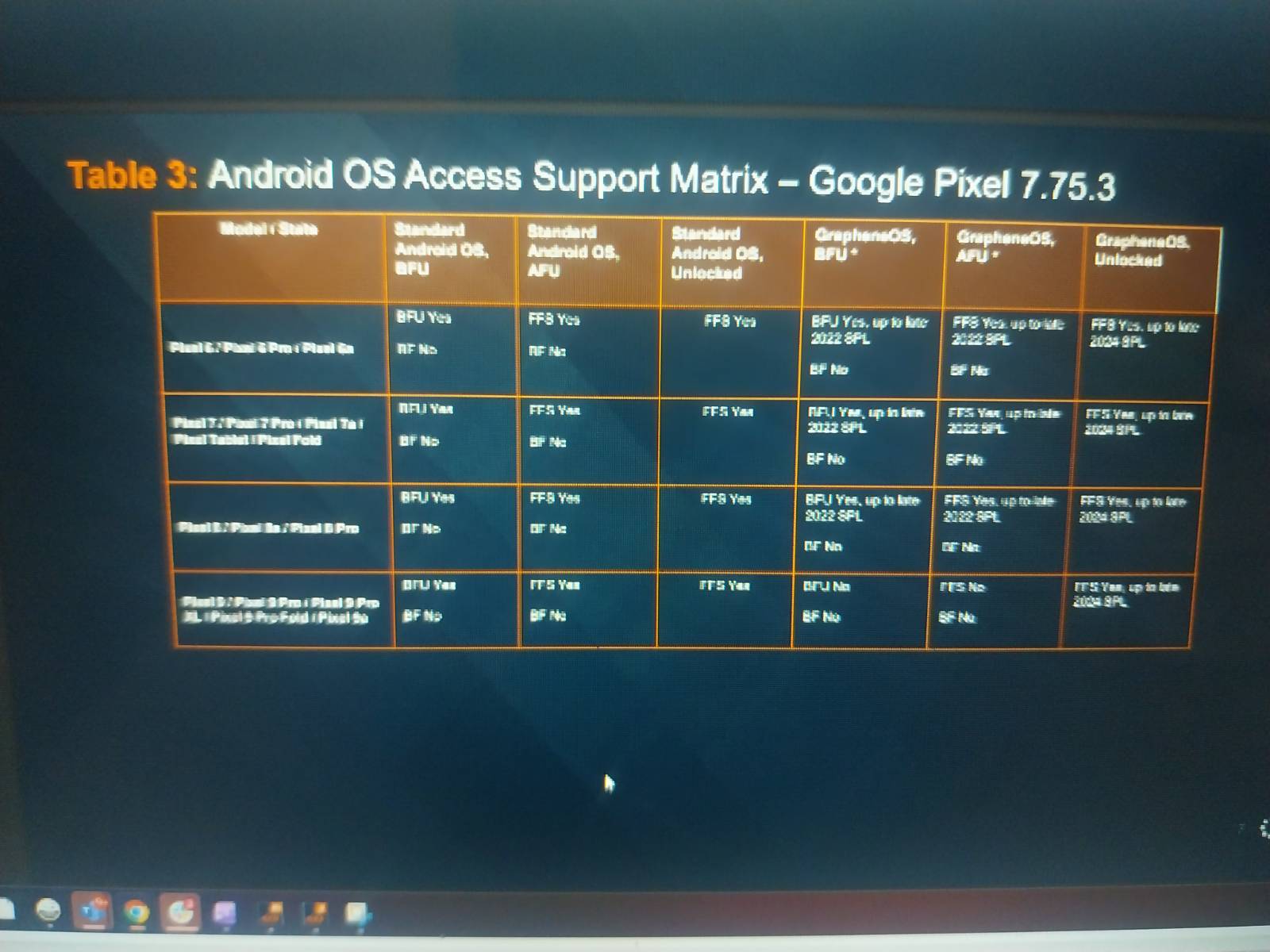
This blurry screenshot appears to list which Pixel phones Cellebrite devices can hack.

Credit: rogueFed

This blurry screenshot appears to list which Pixel phones Cellebrite devices can hack. Credit: rogueFed

At least according to Cellebrite, GrapheneOS is more secure than what Google offers out of the box. The company is telling law enforcement in these briefings that its technology can extract data from Pixel 6, 7, 8, and 9 phones in unlocked, AFU, and BFU states on stock software. However, it cannot brute-force passcodes to enable full control of a device. The leaker also notes law enforcement is still unable to copy an eSIM from Pixel devices. Notably, the Pixel 10 series is moving away from physical SIM cards.

For those same phones running GrapheneOS, police can expect to have a much harder time. The Cellebrite table says that Pixels with GrapheneOS are only accessible when running software from before late 2022—both the Pixel 8 and Pixel 9 were launched after that. Phones in both BFU and AFU states are safe from Cellebrite on updated builds, and as of late 2024, even a fully unlocked GrapheneOS device is immune from having its data copied. An unlocked phone can be inspected in plenty of other ways, but data extraction in this case is limited to what the user can access.

The original leaker claims to have dialed into two calls so far without detection. However, rogueFed also called out the meeting organizer by name (the second screenshot, which we are not reposting). Odds are that Cellebrite will be screening meeting attendees more carefully now.

We’ve reached out to Google to inquire about why a custom ROM created by volunteers is more resistant to industrial phone hacking than the official Pixel OS. We’ll update this article if Google has anything to say.

https://arstechnica.com/gadgets/2025/10/leaker-reveals-which-pixels-are-vulnerable-to-cellebrite-phone-hacking/


Affinity’s image-editing apps go “freemium” in first major post-Canva update

When graphic design platform-provider Canva bought the Affinity image-editing and publishing apps early last year, we had some major questions about how the companies’ priorities and products would mesh. How would Canva serve the users who preferred Affinity’s perpetually licensed apps to Adobe’s subscription-only software suite? And how would Affinity’s strong stance against generative AI be reconciled with Canva’s embrace of those technologies.

This week, Canva gave us definitive answers to all of those questions: a brand-new unified Affinity app that melds the Photo, Designer, and Publisher apps into a single piece of software called “Affinity by Canva” that is free to use with a Canva user account, but which gates generative AI features behind Canva’s existing paid subscription plans ($120 a year for individuals).

This does seem like mostly good news, in the near to mid term, for existing Affinity app users who admired Affinity’s anti-AI stance: all three apps’ core features are free to use, and the stuff you’re being asked to pay for is stuff you mostly don’t want anyway. But it may come as unwelcome news for those who like the predictability of pay-once-own-forever software or who are nervous about where Canva might draw the line between “free” and “premium” features down the line.

The new Affinity app (also labeled internally as version 3) is available for both the x86 and Arm versions of Windows and as a universal app that will run natively on both Apple Silicon and Intel Macs. The app supports macOS versions going back to 10.15 Catalina and Windows 11, as well as the later releases of Windows 10. An iPad release to replace Affinity’s older iPad apps is “coming soon.”

“For ten years, Affinity has been the tool of choice for professionals who care deeply about craft,” wrote Affinity CEO Ash Hewson in a post announcing the update. “Designers who value precision, speed, and control, and who expect their tools to keep up. Now, that legacy enters a new chapter. The all-new Affinity was built in close collaboration with its community of creators, shaped by thousands of conversations, feature requests, and shared ideas. Guided by Canva’s Designer Advisory Board, this release reflects what professionals told us matters most: performance, reliability, and creative freedom.”

https://arstechnica.com/gadgets/2025/10/canvas-new-affinity-app-is-free-to-use-but-locks-ai-features-behind-a-subscription/


Disney+ gets HDR10+ via “over 1,000” Hulu titles

Disney+ has started streaming movies and shows in the HDR10+ format.

Support is somewhat limited for now. Only certain content from Hulu, which The Walt Disney Company acquired in June, is available in HDR10+. In an announcement today, Samsung said that “over 1,000” Hulu titles are available in HDR10+ and that “additional Disney+” content will support HDR10+ “in the future.” Previously, Disney+ only supported the HDR10 and Dolby Vision HDR formats.

Samsung TVs are the first devices to gain the ability to stream HDR10+ content from Disney+, according to an announcement from Samsung today. The electronics company said that its Samsung Crystal UHD TVs and above from 2018 onward, including its OLED TVs, The Frame TVs, QLED TVs, and Micro RGB TV, support HDR10+.

The Disney+ app on Apple’s tvOS also lists HDR10+, site FlatpanelsHD pointed out.

Hulu started offering some content in HDR10, HDR10+, and Dolby Vision in 2021. Now that Disney owns Hulu and has created a unified app with both Disney+ and Hulu content, Disney+ is also able to offer a restricted number of titles in HDR10+.

Today’s announcement also caters to Samsung TV users, since Samsung TVs don’t support Dolby Vision. By offering HDR10+, Disney+ can make itself more appealing to the many home theater enthusiasts who own a TV from Samsung, which is the world’s top-selling TV brand.

https://arstechnica.com/gadgets/2025/10/disney-gets-hdr10-through-over-1000-hulu-titles/


Google makes first Play Store changes after losing Epic Games antitrust case

The fight continues

Google is fighting tooth and nail to keep the Play Store locked down, which it claims is beneficial to Android users who expect an orderly and safe app ecosystem. The company pleaded with the US Supreme Court several weeks ago to consider the supposed negative impact of the order, asking to freeze the lower court’s order while it prepared its final appeal.

Ultimately, SCOTUS allowed the order to stand, but Google has now petitioned the high court to hear its appeal in full. The company will attempt to overturn the original ruling, which could return everything to its original state. With Google’s insistence that it is only allowing this modicum of extra freedom while the District Court’s order is in effect, devs could experience some whiplash if the company is successful.

It’s uncertain if the high court will take up the case and whether that would save Google from implementing the next phase of Judge Donato’s order. That includes providing a mirror of Play Store content to third-party app stores and distributing those stores within the Play Store. Because these are more complex technical requirements, Google has 10 months from the final ruling to comply. That puts the deadline in July 2026.

If the Supreme Court decides to hear the case, arguments likely won’t happen for at least a year. Google may try to get the summer 2026 deadline pushed back while it pursues the case. Even if it loses, the impact may be somewhat blunted. Google’s planned developer verification system will force all developers, even those distributing outside the Play Store, to confirm their identities with Google and pay a processing fee. Apps from unverified developers will not be installable on Google-certified Android devices in the coming years, regardless of where you get them. This system, which is allegedly about ensuring user security, would also hand Google more control over the Android app ecosystem as the Play Store loses its special status.

https://arstechnica.com/gadgets/2025/10/google-begins-loosening-developer-restrictions-in-play-store-against-its-will/


Samsung makes ads on $3,499 smart fridges official with upcoming software update

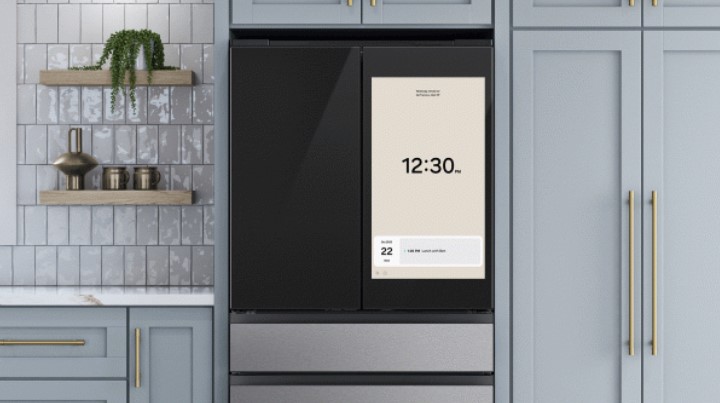
After kicking off an unpopular pilot test last month, Samsung made the practice of having its expensive smart fridges display ads official this week.

The ads will be shown on Samsung’s 2024 Family Hub smart fridges. As of this writing, Samsung’s Family Hub fridges have MSRPs ranging from $1,899 to $3,499. The ads will arrive through a software update that Samsung will start issuing this month and display on the fridge’s integrated 21.5- or 32-inch (depending on the model) screen. The ads will show when the fridges are idle and display what Samsung calls Cover Screens.

As part of the Family Hub software update, we are piloting a new widget for select Cover Screens themes of Family Hub refrigerators. The widget will display useful day-to-day information such as news, calendar and weather forecasts, along with curated advertisements.

Samsung also said that its fridges will only show contextualized ads, instead of personalized ads, which rely on collecting data on users.

The Verge reported that the widget will appear as a rectangular box at the bottom of the screens. The box will change what it displays “every 10 seconds,” the publication said.

The software update will also introduce “a Daily Board theme that offers a new way to see useful information at a glance,” Samsung said. The Verge reported that this feature will also include ads, something that Samsung’s announcement neglected to state. The Daily Board theme will show five tiles with information such as appointments and the weather, and one with ads.

https://arstechnica.com/gadgets/2025/10/samsung-makes-ads-on-3499-smart-fridges-official-with-upcoming-software-update/


AMD shores up its budget laptop CPUs by renaming more years-old silicon

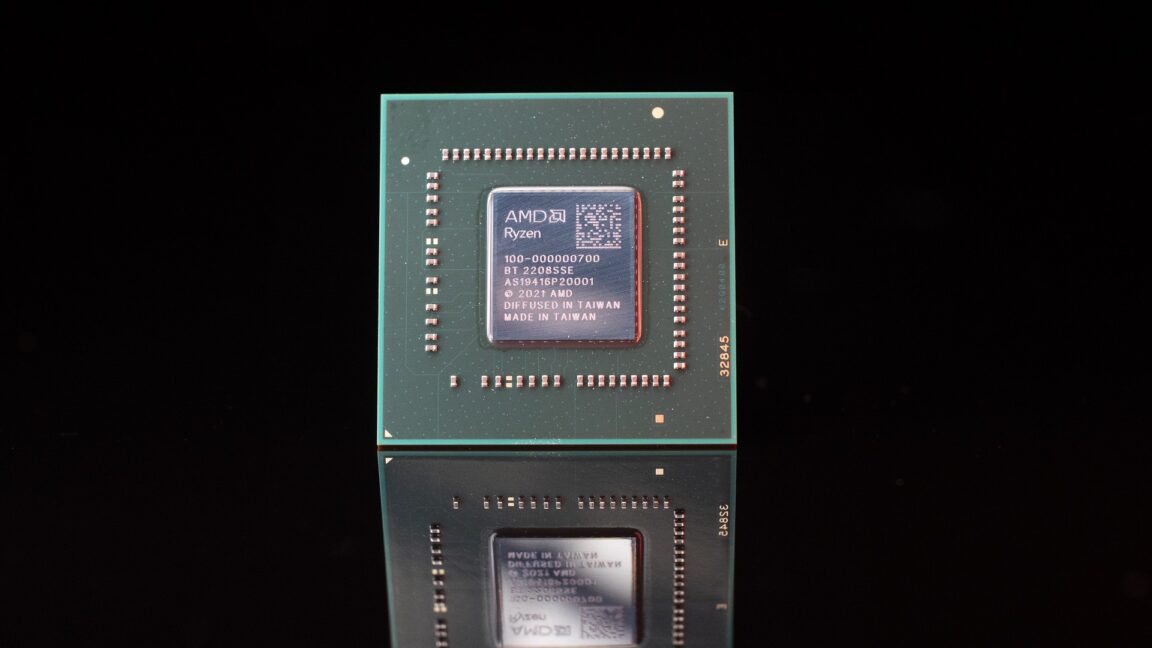
That leaves AMD with four distinct branding tiers for laptop processors: the Ryzen AI 300 series, which uses all of the company’s latest silicon and supports Windows 11’s Copilot+ features; the Ryzen 200 series for processors originally launched in mid to late 2023 as Ryzen 7040 and Ryzen 8040; Ryzen 100 for Rembrandt-R chips first launched in 2022; and then a smattering of two-digit Ryzen and Athlon brand names for Mendocino chips.

These chips are still capable of providing a decent Windows (or Linux) experience for budget PC buyers—we were big fans of the Ryzen 6000 in particular back in the fall of 2022. But the practice of giving old chips updated labels continues to feel somewhat disingenuous, and it means that users who do want AMD’s latest CPU and GPU architectures (or neural processing units, for Copilot+ PC features) will continue to pay a premium for them.

If you want to squint hard and see an upside to this for PC buyers, it’s that if you can get a good deal on a refurbished or clearance PC using Ryzen 6000, Ryzen 7035, or Ryzen 7020 chips, you’re still technically getting the latest and greatest processors that AMD is willing to sell you. The issue, as always, is that stacking more brand names on top of old processors makes it that much more difficult to make an informed buying decision.

https://arstechnica.com/gadgets/2025/10/amd-shores-up-its-budget-laptop-cpus-by-renaming-more-years-old-silicon/


A single point of failure triggered the Amazon outage affecting millions

In turn, the delay in network state propagations spilled over to a network load balancer that AWS services rely on for stability. As a result, AWS customers experienced connection errors from the US-East-1 region. AWS network functions affected included the creating and modifying Redshift clusters, Lambda invocations, and Fargate task launches such as Managed Workflows for Apache Airflow, Outposts lifecycle operations, and the AWS Support Center.

For the time being, Amazon has disabled the DynamoDB DNS Planner and the DNS Enactor automation worldwide while it works to fix the race condition and add protections to prevent the application of incorrect DNS plans. Engineers are also making changes to EC2 and its network load balancer.

A cautionary tale

Ookla outlined a contributing factor not mentioned by Amazon: a concentration of customers who route their connectivity through the US-East-1 endpoint and an inability to route around the region. Ookla explained:

The affected US‑EAST‑1 is AWS’s oldest and most heavily used hub. Regional concentration means even global apps often anchor identity, state or metadata flows there. When a regional dependency fails as was the case in this event, impacts propagate worldwide because many “global” stacks route through Virginia at some point.

Modern apps chain together managed services like storage, queues, and serverless functions. If DNS cannot reliably resolve a critical endpoint (for example, the DynamoDB API involved here), errors cascade through upstream APIs and cause visible failures in apps users do not associate with AWS. That is precisely what Downdetector recorded across Snapchat, Roblox, Signal, Ring, HMRC, and others.

The event serves as a cautionary tale for all cloud services: More important than preventing race conditions and similar bugs is eliminating single points of failure in network design.

“The way forward,” Ookla said, “is not zero failure but contained failure, achieved through multi-region designs, dependency diversity, and disciplined incident readiness, with regulatory oversight that moves toward treating the cloud as systemic components of national and economic resilience.”

https://arstechnica.com/gadgets/2025/10/a-single-point-of-failure-triggered-the-amazon-outage-affecting-millions/


The Android-powered Boox Palma 2 Pro fits in your pocket, but it’s not a phone

[embedded content]

Softly talking about the Boox Palma 2 Pro

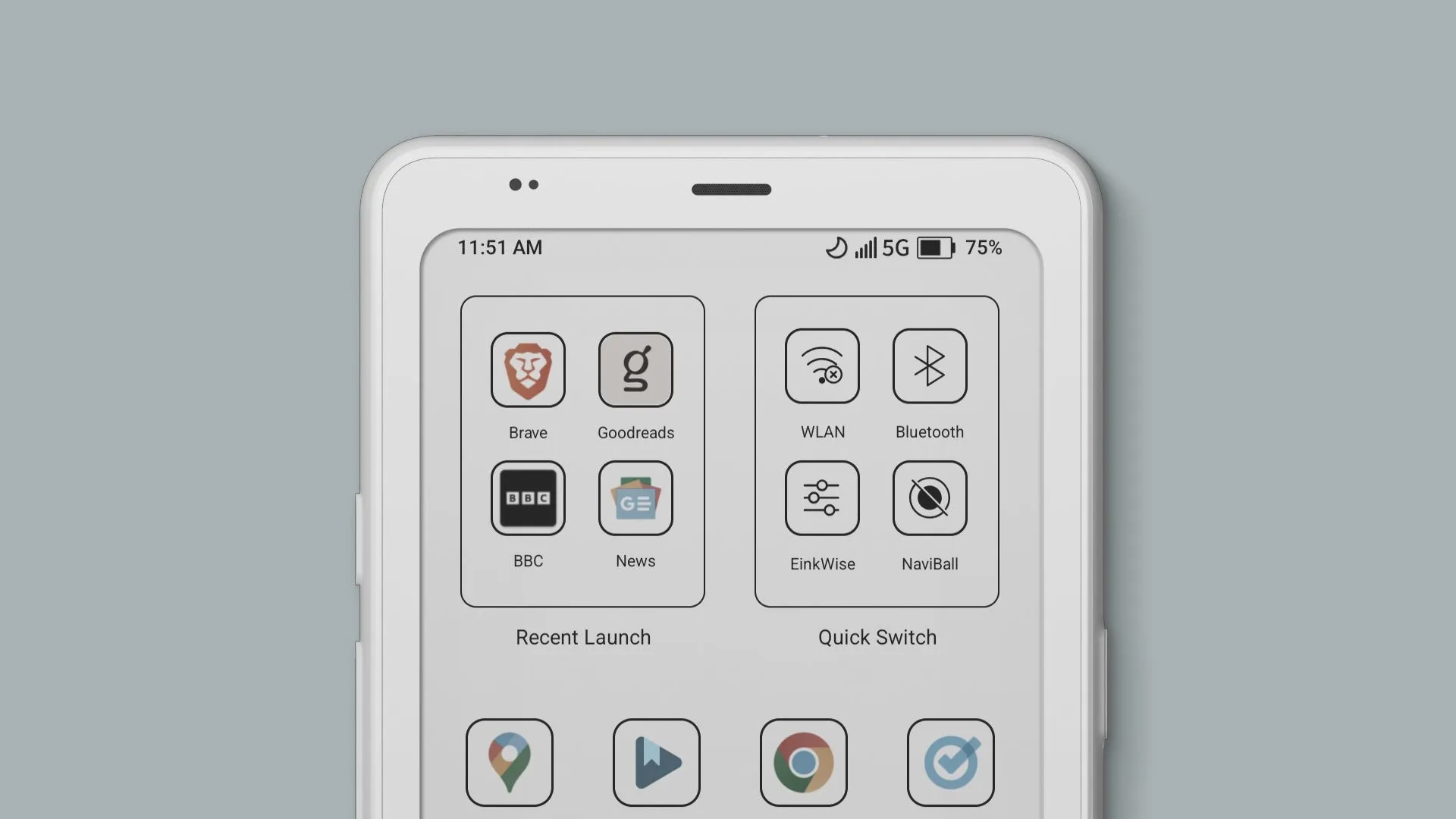
For years, color E Ink was seen as a desirable feature, which would make it easier to read magazines and comics on low-power devices—Boox even has an E Ink monitor. However, the quality of the displays has been lacking. These screens do show colors, but they’re not as vibrant as what you get on an LCD or OLED. In the case of the Palma 2 Pro, the screen is also less sharp in color mode. The touchscreen display is 824 × 1648 in monochrome, but turning on color cuts that in half to 412 × 824.

In addition to the new screen, the second-gen Palma adds a SIM card slot. It’s not for phone calls, though. The SIM slot allows the device to get 5G mobile data in addition to Wi-Fi.

Credit: Boox

The Palma 2 Pro runs Android 15 out of the box. That’s a solid showing for Boox, which often uses much older builds of Google’s mobile OS. Upgrades aren’t guaranteed, and there’s no official support for Google services. However, Boox has a workaround for its devices so the Play Store can be installed.

The new Boox pocket reader is available for pre-order now at $400. It’s expected to ship around November 14.

https://arstechnica.com/gadgets/2025/10/the-android-powered-boox-palma-2-pro-fits-in-your-pocket-but-its-not-a-phone/


Microsoft makes Copilot “human-centered” with a ‘90s-style animated assistant

Microsoft said earlier this month that it wanted to add better voice controls to Copilot, Windows 11’s built-in chatbot-slash-virtual assistant. As described, this new version of Copilot sounds an awful lot like another stab at Cortana, the voice assistant that Microsoft tried (and failed) to get people to use in Windows 10 in the mid-to-late 2010s.

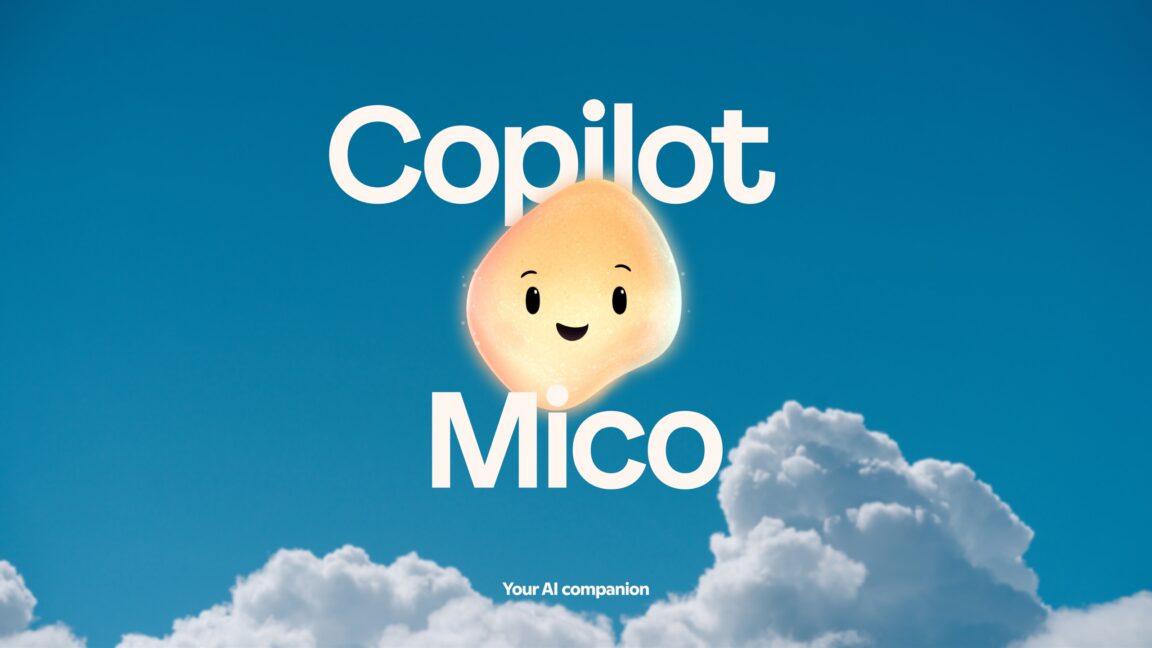
Turns out that the company isn’t done trying to reformulate and revive ideas it has already tried before. As part of a push toward what it calls “human-centered AI,” Microsoft is now putting a face on Copilot. Literally, a face: “Mico” is an “expressive, customizable, and warm” blob with a face that dynamically “listens, reacts, and even changes colors to reflect your interactions” as you interact with Copilot. (Another important adjective for Mico: “optional.”)

Mico (rhymes with “pico”) recalls old digital assistants like Clippy, Microsoft Bob, and Rover, ideas that Microsoft tried in the ’90s and early 2000s before mostly abandoning them.

Microsoft clearly thinks that backing these ideas with language and/or reasoning models will help Copilot succeed where both Cortana and Clippy failed. Part of the reason these assistants were viewed as annoying rather than helpful is that they could respond to a finite number of possible inputs or situations, and they didn’t even help in those situations most of the time because they could only respond to a small number of context clues. I don’t have hard evidence for this, but I’d bet that the experience of dismissing Clippy’s “It looks like you’re writing a letter!” prompts is near-universal among PC users of a certain age.

https://arstechnica.com/gadgets/2025/10/microsoft-makes-copilot-human-centered-with-a-90s-style-animated-assistant/