Reports suggest Apple is already pulling back on the iPhone Air
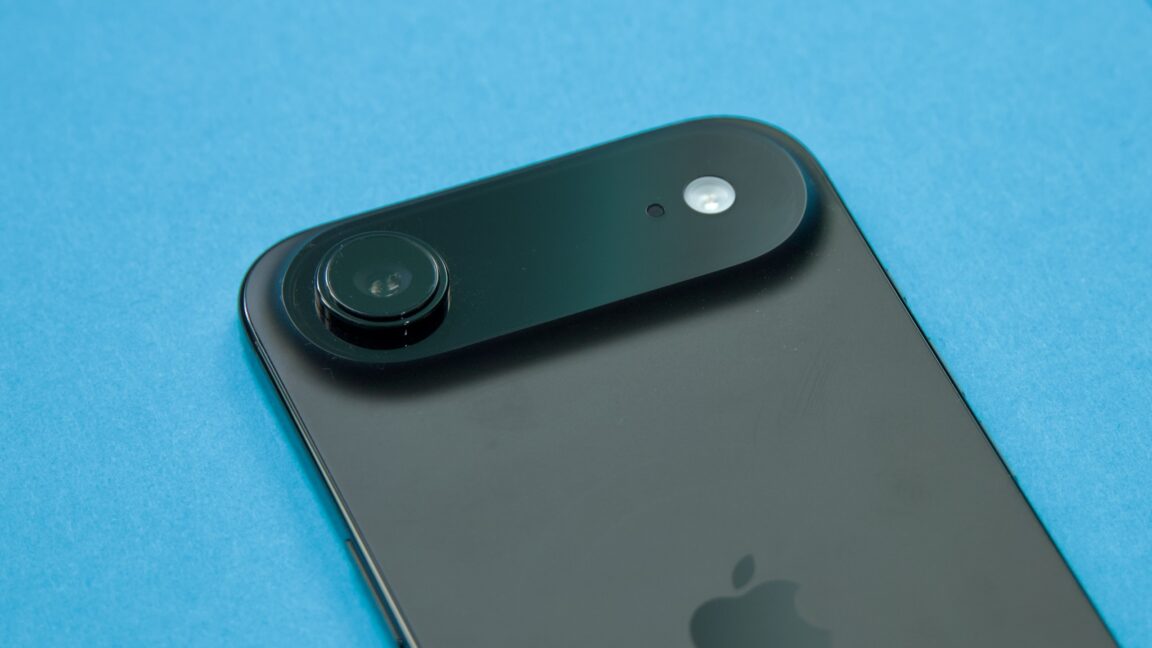
Apple’s iPhone Air was the company’s most interesting new iPhone this year, at least insofar as it was the one most different from previous iPhones. We came away impressed by its size and weight in our review. But early reports suggest that its novelty might not be translating into sales success.

A note from analyst Ming-Chi Kuo, whose supply chain sources are often accurate about Apple’s future plans, said yesterday that demand for the iPhone Air “has fallen short of expectations” and that “both shipments and production capacity” were being scaled back to account for the lower-than-expected demand.

Kuo’s note is backed up by reports from other analysts at Mizuho Securities (via MacRumors) and Nikkei Asia. Both of these reports say that demand for the iPhone 17 and 17 Pro models remains strong, indicating that this is just a problem for the iPhone Air and not a wider slowdown caused by tariffs or other external factors.

The standard iPhone, the regular-sized iPhone Pro, and the big iPhone Pro have all been mainstays in Apple’s lineup, but the company has had a harder time coming up with a fourth phone that sells well enough to stick around. The small-screened iPhone mini and the large-screened iPhone Plus were each discontinued after two generations.

https://arstechnica.com/gadgets/2025/10/early-indicators-analyst-reports-suggest-apples-iphone-air-isnt-taking-off/



YouTube prepares to welcome back banned creators with “second chance” program

A few weeks ago, Google told US Rep. Jim Jordan (R-Ohio) that it would allow creators banned for COVID and election misinformation to rejoin the platform. It didn’t offer many details in the letter, but now YouTube has explained the restoration process. YouTube’s “second chances” are actually more expansive than the letter made it seem. Going forward, almost anyone banned from YouTube will have an opportunity to request a new channel. The company doesn’t guarantee approval, but you can expect to see plenty of banned creators back on Google’s video platform in the coming months.

YouTube will now allow banned creator to request reinstatement, but this is separate from appealing a ban. If a channel is banned, creators continue to have the option of appealing the ban. If successful, their channel comes back as if nothing happened. After one year, creators will now have the “second chance” option.

“We know many terminated creators deserve a second chance,” the blog post reads, noting that YouTube itself doesn’t always get things right the first time. The option for getting a new channel will appear in YouTube Studio on the desktop, and Google expects to begin sending out these notices in the coming months. However, anyone terminated for copyright violations is out of luck—Google does not forgive such infringement as easily as it does claiming that COVID is a hoax.

The readmission process will still come with a review by YouTube staff, and the company says it will take multiple factors into consideration, including whether or not the behavior that got the channel banned is still against the rules. This is clearly a reference to COVID and election misinformation, which Google did not allow on YouTube for several years but has since stopped policing. The site will also consider factors like how severe or persistent the violations were and whether the creator’s actions “harmed or may continue to harm the YouTube community.”

https://arstechnica.com/gadgets/2025/10/youtube-explains-how-banned-creators-can-get-a-second-chance/


Microsoft removes even more Microsoft account workarounds from Windows 11 build

Of the many minor to medium-size annoyances that come with a modern Windows 11 installation, the requirement that you sign in with a Microsoft account is one of the most irritating. Sure, all operating systems (including Apple’s and Google’s) encourage account sign-in as part of their setup process and prevent you from using multiple operating system features until and unless you sign in.

Various sanctioned and unsanctioned tools and workarounds existed to allow users to set their PCs up with old-fashioned local accounts, and those workarounds haven’t changed much in the last three years. But Microsoft is working on tightening the screws in preview builds of Windows, foreshadowing some future version of Windows where getting around the account requirement is even harder than it already is.

In a new update released to the Dev channel of the Windows Insider Preview program yesterday (build number 26220.6772), Microsoft announced it was “removing known mechanisms for creating a local account in the Windows Setup experience (OOBE).” Microsoft says that these workarounds “inadvertently skip critical setup screens, potentially causing users to exit OOBE with a device that is not fully configured for use.”

The removed commands include the “OOBE\BYPASSNRO” workaround that Microsoft announced it was removing earlier this year, plus a “start ms-cxh:localonly” workaround that had been documented more recently. In current Windows releases, users can open a command prompt window during setup with Shift+F10 and input either of those commands to remove both the Microsoft account requirement and Internet connection requirement.

Windows 11 Pro currently includes another workaround, where you can indicate that you plan to join your computer to a corporate domain and use that to create a local account. We don’t know whether this mechanism has also been removed from the new Windows build.

It’s unclear what “critical setup screens” Microsoft is referring to; when using the workarounds to create a local account, the Windows setup assistant still shows you all the screens you need for creating an account and a password, plus toggling a few basic privacy settings. Signing in with a Microsoft account does add multiple screens to this process though—these screens will attempt to sell you Microsoft 365 and Xbox Game Pass subscriptions, and to opt you into features like the data-scraping Windows Recall on PCs that support it. I would not describe any of these as “critical” from a user’s perspective, but my priorities are not Microsoft’s priorities.

https://arstechnica.com/gadgets/2025/10/microsoft-removes-even-more-microsoft-account-workarounds-from-windows-11-build/


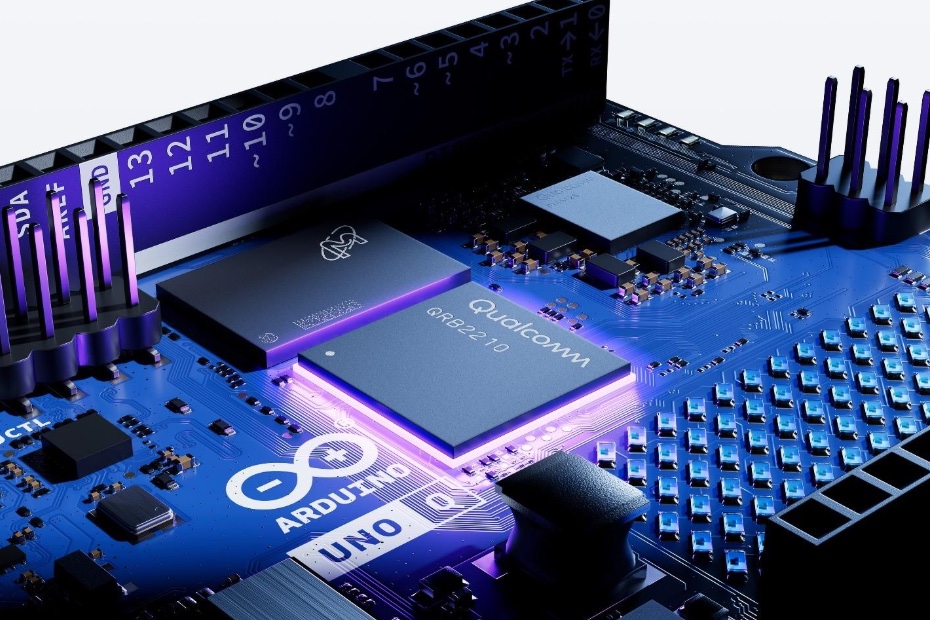
Qualcomm is buying Arduino, releases new Raspberry Pi-esque Arduino board

Smartphone processor and modem maker Qualcomm is acquiring Arduino, the Italian company known mainly for its open source ecosystem of microcontrollers and the software that makes them function. In its announcement, Qualcomm said that Arduino would “[retain] its brand and mission,” including its “open source ethos” and “support for multiple silicon vendors.”

“Arduino will retain its independent brand, tools, and mission, while continuing to support a wide range of microcontrollers and microprocessors from multiple semiconductor providers as it enters this next chapter within the Qualcomm family,” Qualcomm said in its press release. “Following this acquisition, the 33M+ active users in the Arduino community will gain access to Qualcomm Technologies’ powerful technology stack and global reach. Entrepreneurs, businesses, tech professionals, students, educators, and hobbyists will be empowered to rapidly prototype and test new solutions, with a clear path to commercialization supported by Qualcomm Technologies’ advanced technologies and extensive partner ecosystem.”

Qualcomm didn’t disclose what it would pay to acquire Arduino. The acquisition also needs to be approved by regulators “and other customary closing conditions.”

The first fruit of this pending acquisition will be the Arduino Uno Q, a Qualcomm-based single-board computer with a Qualcomm Dragonwing QRB2210 processor installed. The QRB2210 includes a quad-core Arm Cortex-A53 CPU and a Qualcomm Adreno 702 GPU, plus Wi-Fi and Bluetooth connectivity, and combines that with a real-time microcontroller “to bridge high-performance computing with real-time control.”

https://arstechnica.com/gadgets/2025/10/arduino-retains-its-brand-and-mission-following-acquisition-by-qualcomm/


Play Store changes coming this month as SCOTUS declines to freeze antitrust remedies

Changes are coming to the Play Store in spite of a concerted effort from Google to maintain the status quo. The company asked the US Supreme Court to freeze parts of the Play Store antitrust ruling while it pursued an appeal, but the high court has rejected that petition. That means the first elements of the antitrust remedies won by Epic Games will have to be implemented in mere weeks.

The app store case is one of three ongoing antitrust actions against Google, but it’s the furthest along of them. Google lost the case in 2023, and in 2024, US District Judge James Donato ordered a raft of sweeping changes aimed at breaking Google’s illegal monopoly on Android app distribution. In July, Google lost its initial appeal, leaving it with little time before the mandated changes must begin.

Its petition to the Supreme Court was Google’s final Hail Mary to avoid opening the Play Store even a crack. Google asked the justices to pause remedies pending its appeal, but the court has declined to do so, Reuters reports. Hopefully, Google planned for this eventuality because it must implement the first phase of the remedies by October 22.

The more dramatic changes are not due until July 2026, but this month will still bring major changes to Android apps. Google will have to allow developers to link to alternative methods of payment and download outside the Play Store, and it cannot force developers to use Google Play Billing within the Play Store. Google is also prohibited from setting prices for developers.

https://arstechnica.com/gadgets/2025/10/supreme-court-refuses-to-pause-play-store-changes-while-google-appeals-antitrust-case/


Cable nostalgia persists as streaming gets more expensive, fragmented 

Streaming is overtaking broadcast, cable, and satellite. But amid all the cord cutting lies a much smaller, yet intriguing, practice: going back to cable.

Cord reviving is when cord cutters, or people who previously abandoned traditional TV services in favor of streaming, decide to go back to traditional pay-TV services, like cable.

There’s no doubt that this happens far less frequently than cord cutting. But TiVo’s Q2 2025 Video Trends Report: North America released today points to growth in cord reviving. It reads:

The share of respondents who cut the cord but later decided to resubscribe to a traditional TV service has increased about 10 percent, to 31.9 percent in Q2 2025.

TiVo’s report is based on a survey conducted by an unspecified third-party survey service in Q2 2025. The respondents are 4,510 people who are at least 18 years old and living in the US or Canada, and the survey defines traditional TV services as pay-TV platforms offering linear television via cable, satellite, or managed IPTV platforms.

It’s important to note that TiVo is far from an impartial observer. In addition to selling an IPTV platform, its parent company, Xperi, works with cable, broadband, and pay-TV providers and would directly benefit from the existence or perception of a cord reviving “trend.”

This isn’t the first time we’ve heard of streaming customers returning to cable. Surveys of 3,055 US adults in 2013 and 2025 by CouponCabin found that “among those who have made the switch from cable to streaming, 22 percent have returned to cable, while another 6 percent are considering making the switch back.”

When reached for comment, a TiVo spokesperson said via email that cord reviving is driven by a “mixture of reasons, with internet bundle costs, familiarity of use, and local content (sports, news, etc.) being the primary drivers.” The rep noted that it’s “likely” that those re-subscribing to traditional TV services are using them alongside some streaming subscriptions.

“It’s possible that users are churning off some [streaming] services where there is overlap with traditional TV services,” TiVo’s spokesperson said.

Cable nostalgia

According to Nielsen, streaming service viewership on TVs surpassed that of cable and broadcast combined for the first time in May (44.8 percent for streaming versus 24.1 percent for cable and 20.1 percent for broadcast).

https://arstechnica.com/gadgets/2025/10/cable-nostalgia-lives-on-as-streaming-gets-more-expensive-fragmented/


Alexa’s survival hinges on you buying more expensive Amazon devices

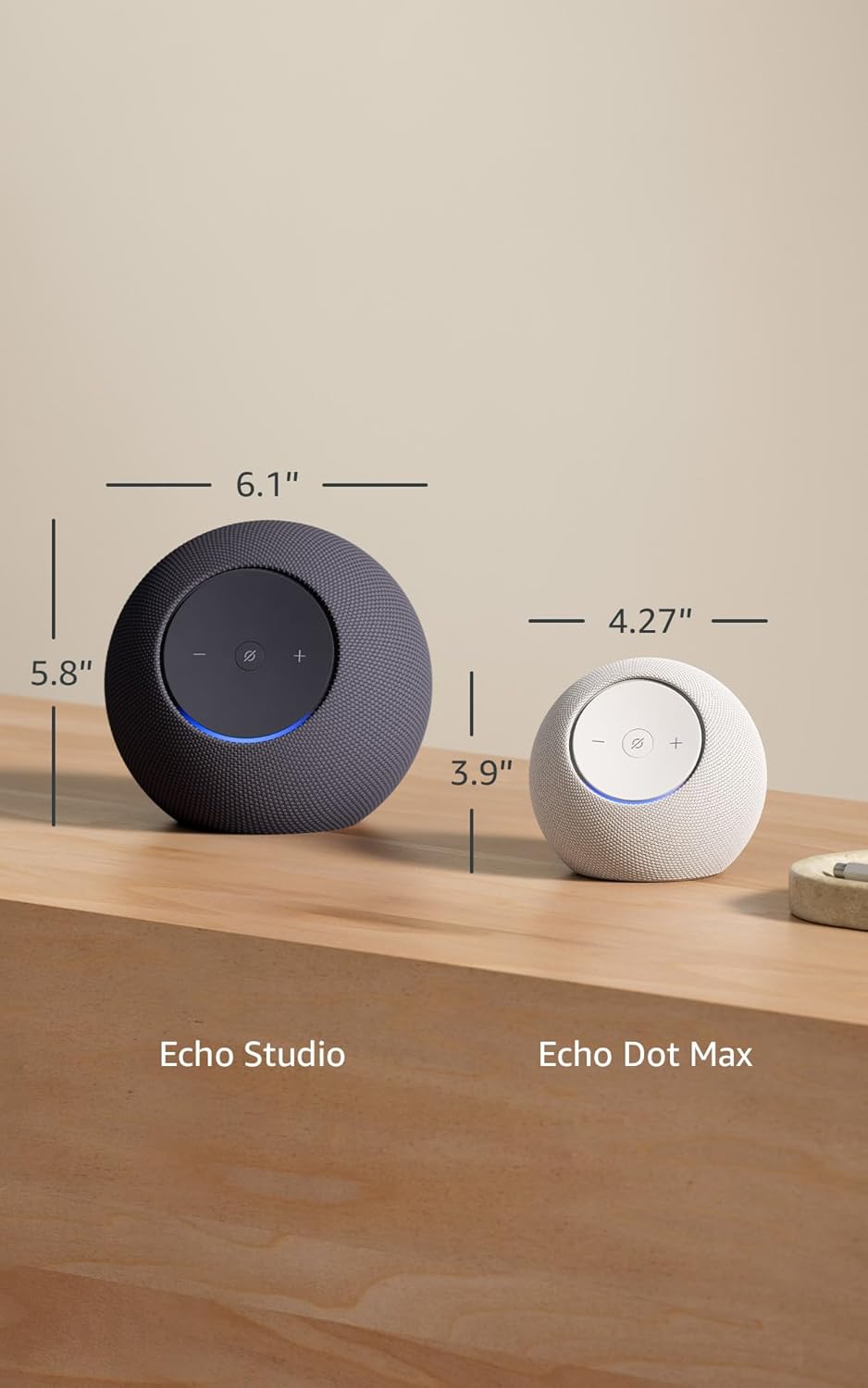
The new Echo Studio (left) and Echo Dot Max (right) smart speakers.

The new Echo Studio (left) and Echo Dot Max (right) speakers. Credit: Amazon

Among the new displays is the $180 Echo Show 8. It’s 20 percent more than its predecessor from 2021 ($150). Additionally, Amazon is releasing a new 11-inch smart display, the Echo Show 11. At $220, it’s cheaper than the 10-inch Echo Show 10 that Amazon released in 2021 ($250), marking an exception to the Alexa+ price bumps.

Similarly, Amazon’s new Fire TVs with Alexa+ have higher starting prices than the regular Alexa-based models that preceded them. The updated Fire TV Omni QLED Series ranges from $350 to $1,200 for 50- to 75-inch models. The preceding series launched in 2023 for $350 to $1,100. The new Fire TV 2-Series has a higher entry point too ($160 versus $200), though Amazon’s new Fire TV Stick Select with Alexa+ is cheaper than its other 4K sticks at $40.

A promotional image for Amazon's new Fire TVs with Alexa+

The new Fire TVs with Alexa+ have upgraded processors.

Credit: Amazon

The new Fire TVs with Alexa+ have upgraded processors. Credit: Amazon

Numerous factors could impact pricing, including inflation, tariffs, and production costs. Ars Technica asked Amazon about the higher prices, and a company spokesperson shared a statement saying:

The new devices reflect significant investments in better sound quality, more responsive performance, and innovative features that customers have requested.

Pricier components seem to be a driving force behind the bigger price tags. The new speakers, for instance, feature AZ3 and AZ23 Pro processors that include a new “AI Accelerator designed to run AI edge models,” according to Amazon’s announcement. The processors are supposed to enable “better conversation detection” alongside improved mics for blocking out background noise “and improving Alexa’s ability to detect the wake-word by over 50 percent.”

The AZ23 Pro also adds support for vision transformers, which can process images and more advanced language models.

Both chips use a new proprietary sensor platform. Amazon says Omnisense leverages various sensors and signals, including those from Echo Show smart displays’ cameras, as well as “audio, ultrasound, Wi-Fi radar, accelerometer, and Wi-Fi CSI.” Amazon’s announcement further explains:

This technology allows Alexa to intelligently act on various events happening in and around your home, enabling more personalized, proactive, and helpful experiences, such as delivering a reminder when a specific person walks in the room, or a proactive alert that your garage door is unlocked and it’s after 10 pm.

There are other upgrades, too. The Echo Dot Max, for example, has two speakers instead of one and claims triple the bass capability of the Echo Dot (5th Gen). And the Echo Studio is in a smaller chassis than its predecessor, which points to higher costs in delivering the same sound quality.

https://arstechnica.com/gadgets/2025/09/alexas-survival-hinges-on-you-buying-more-expensive-amazon-devices/


Raspberry Pi 500+ puts the Pi, 16GB of RAM, and a real SSD in a mechanical keyboard

The Raspberry Pi 500 (and 400) systems are versions of the Raspberry Pi built for people who use the Raspberry Pi as a general-purpose computer rather than a hobbyist appliance. Now the company is leaning into that even more with the Raspberry Pi 500+, an amped-up version of the keyboard computer with 16GB of RAM instead of 8GB, a 256GB NVMe SSD instead of microSD storage, and a fancier keyboard with mechanical switches, replaceable keycaps, and individually programmable RGB LEDs.

The computer is currently available to purchase from the usual suspects like CanaKit and Micro Center, and generally starts at $200, twice the price of the Pi 500.

Raspberry Pi CEO Eben Upton’s blog post about the 500+ says that the upgraded version of the computer has been in the works since the regular 500 was released last year.

The Pi 500+ is still a full Pi 5-based computer in a keyboard-shaped case, but the keyboard has gotten a serious upgrade. Credit: Raspberry Pi

Early testers of the Pi 500 noted at the time that there was space on the motherboard—which uses the same components as a regular Raspberry Pi 5, but on a different board that allows all the ports to be on the same side—for an M.2 slot, but that there was nothing soldered to it. The Pi 500+ includes an NVMe slot populated with a 256GB M.2 2280 SSD, but that can be swapped for higher-capacity drives. Upton also notes that the system is still bootable from microSD and USB drives.

https://arstechnica.com/gadgets/2025/09/raspberry-pi-supercharges-its-keyboard-pc-with-16gb-ram-ssd-mechanical-switches/


What to expect (and not expect) from yet another September Apple event

New Apple Watches

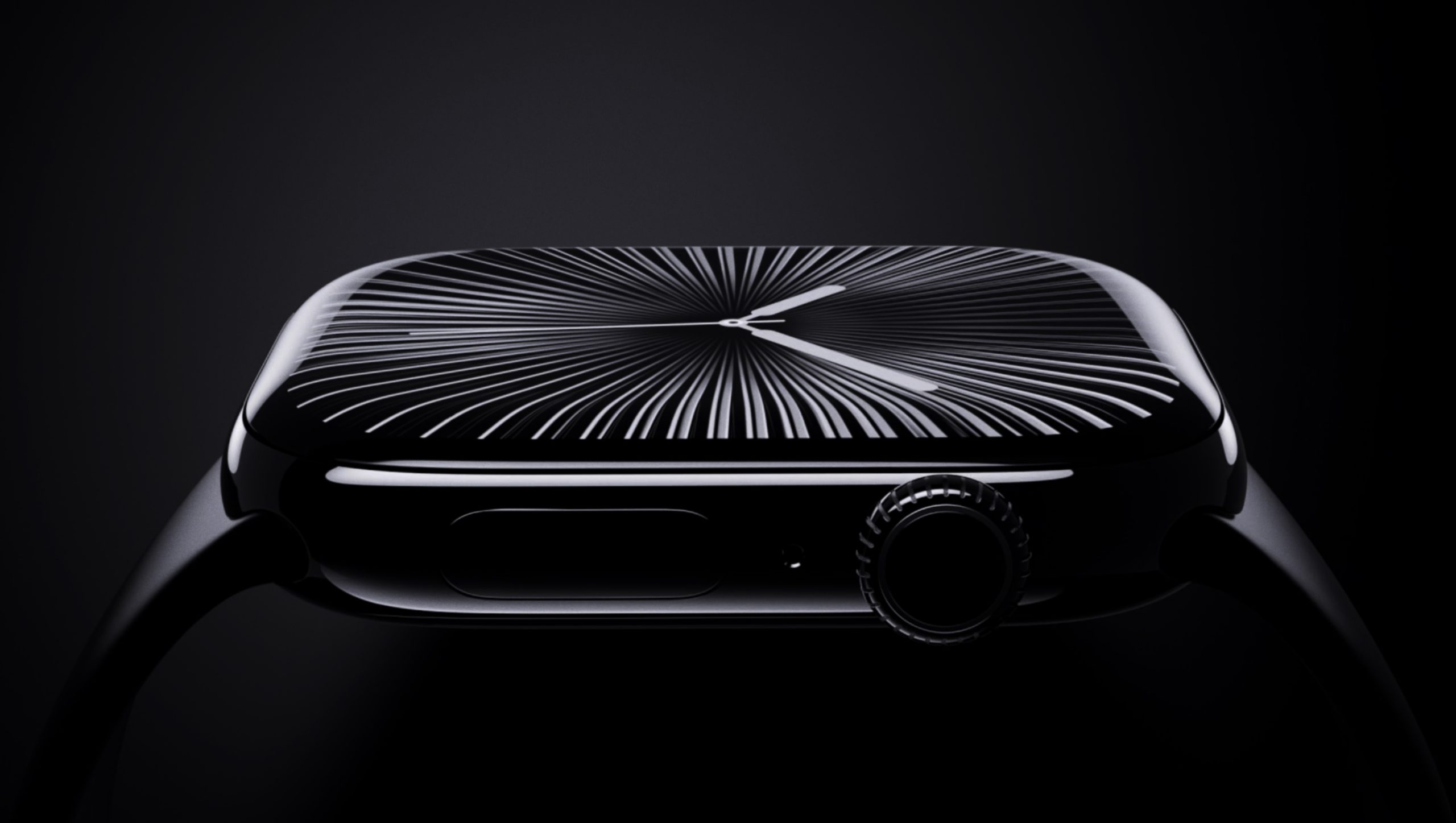
Apple Watch Series 10

The Apple Watch Series 10 from 2024. Credit: Apple

New iPhone announcements are usually paired with new Apple Watch announcements, though if anything, the Watch has changed even less than the iPhone has over the last few years.

The Apple Watch Series 11 won’t be getting a screen size increase—the Series 10 bumped things up a smidge just last year, from 41 and 45 mm to 42 and 46 mm. But the screen will apparently have a higher maximum brightness—always useful for outdoor visibility—and there will be a modestly improved Apple S11 chip on the inside.

The entry-level Apple Watch SE is also apparently due for an upgrade. The current second-generation SE still uses an Apple S8 chip, and Apple Watch Series 4-era 40 and 44 mm screens that don’t support always-on operation. In other words, there’s plenty that Apple could upgrade here without cannibalizing sales of the mainstream Series 11 watch.

Finally, after missing out on an update last year, Apple also reportedly plans to deliver a new Apple Watch Ultra, with the larger 46 mm screen from the Series 10/11 watches and the same updated S11 chip as the regular Apple Watch. The current Apple Watch Ultra 2 already has a brighter screen than the Series 10—3,000 nits, up from 2,000—so it’s not clear whether the Apple Watch Ultra 3’s screen would also get brighter or if the Series 11’s screen is just getting a brightness boost to match what the Ultra can do.

Smart home, TV, and audio

Though iPhones and Apple Watches are usually a lock for a September event, other products and accessory updates are also possible.

Of these, the most high-profile is probably a refresh for the Apple TV 4K streaming box, which would be its first update in three years. Rumors suggest that the main upgrade for a new model would be an Apple A17 Pro chip, introduced for the iPhone 15 Pro and also used in the iPad mini 7. The A17 Pro is paired with 8GB of RAM, which makes it Apple’s smallest and cheapest chip that’s capable of Apple Intelligence. Apple hasn’t done anything with Apple Intelligence on the Apple TV directly, but to date, that has been partly because none of the hardware is capable of it.

https://arstechnica.com/gadgets/2025/09/what-to-expect-and-not-expect-from-yet-another-september-apple-event/


Ignoring Trump threats, Europe hits Google with 2.95B euro fine for adtech monopoly

Google may have escaped the most serious consequences in its most recent antitrust fight with the US Department of Justice (DOJ), but the European Union is still gunning for the search giant. After a brief delay, the European Commission has announced a substantial 2.95 billion euro ($3.45 billion) fine relating to Google’s anti-competitive advertising practices. This is not Google’s first big fine in the EU, and it probably won’t be the last, but it’s the first time European leaders could face blowback from the US government for going after Big Tech.

The case stems from a complaint made by the European Publishers Council in 2021. The ensuing EU investigation determined that Google illegally preferenced its own ad display services, which made its Google Ad Exchange (AdX) marketplace more important in the European ad space. As a result, the competition says Google was able to charge higher fees for its service, standing in the way of fair competition since at least 2014.

A $3.45 billion fine would be a staggering amount for most firms, but Google’s earnings have never been higher. In Q2 2025, Google had net earnings of over $28 billion on almost $100 billion in revenue. The European Commission isn’t stopping with financial penalties, though. Google has also been ordered to end its anti-competitive advertising practices and submit a plan for doing so within 60 days.

“Google must now come forward with a serious remedy to address its conflicts of interest, and if it fails to do so, we will not hesitate to impose strong remedies,” said European Commission Executive Vice President Teresa Ribera. “Digital markets exist to serve people and must be grounded in trust and fairness. And when markets fail, public institutions must act to prevent dominant players from abusing their power.”

Europe alleges Google’s control of AdX allowed it to overcharge and stymie competition.

Credit: European Commission

Europe alleges Google’s control of AdX allowed it to overcharge and stymie competition. Credit: European Commission

Google will not accept the ruling as it currently stands—company leadership believes that the commission’s decision is wrong, and they plan to appeal. “[The decision] imposes an unjustified fine and requires changes that will hurt thousands of European businesses by making it harder for them to make money,” said Google’s head of regulatory affairs, Lee-Anne Mulholland.

Harsh rhetoric from US

Since returning to the presidency, Donald Trump has taken a renewed interest in defending Big Tech, likely spurred by political support from heavyweights in AI and cryptocurrency. The administration has imposed hefty tariffs on Europe, and Trump recently admonished the EU for plans to place limits on the conduct of US technology firms. That hasn’t stopped the administration from putting US tech through the wringer at home, though. After publicly lambasting Intel’s CEO and threatening to withhold CHIPS and Science Act funding, the company granted the US government a 10 percent ownership stake.

https://arstechnica.com/gadgets/2025/09/europe-slaps-google-with-2-95b-euro-fine-over-advertising-monopoly/