Want a humanoid, open source robot for just $3,000? Hugging Face is on it.
You may have noticed he said “robots” plural—that’s because there’s a second one. It’s called Reachy Mini, and it looks like a cute, Wall-E-esque statue bust that can turn its head and talk to the user. Among other things, it’s meant to be used to test AI applications, and it’ll run between $250 and $300.
You can sort of think of these products as the equivalent to a Raspberry Pi, but in robot form and for AI developers—Hugging Face’s main customer base.
Hugging Face has previously released AI models meant for robots, as well as a 3D-printable robotic arm. This year, it announced an acquisition of Pollen Robotics, a company that was working on humanoid robots. Hugging Face’s Cadene came to the company by way of Tesla.
For context on the pricing, Tesla’s Optimus Gen 2 humanoid robot (while admittedly much more advanced, at least in theory) is expected to cost at least $20,000.
There is a lot of investment in robotics like this, but there are still big barriers—and price isn’t the only one. There’s battery life, for example; Unitree’s G1 only runs for about two hours on a single charge.
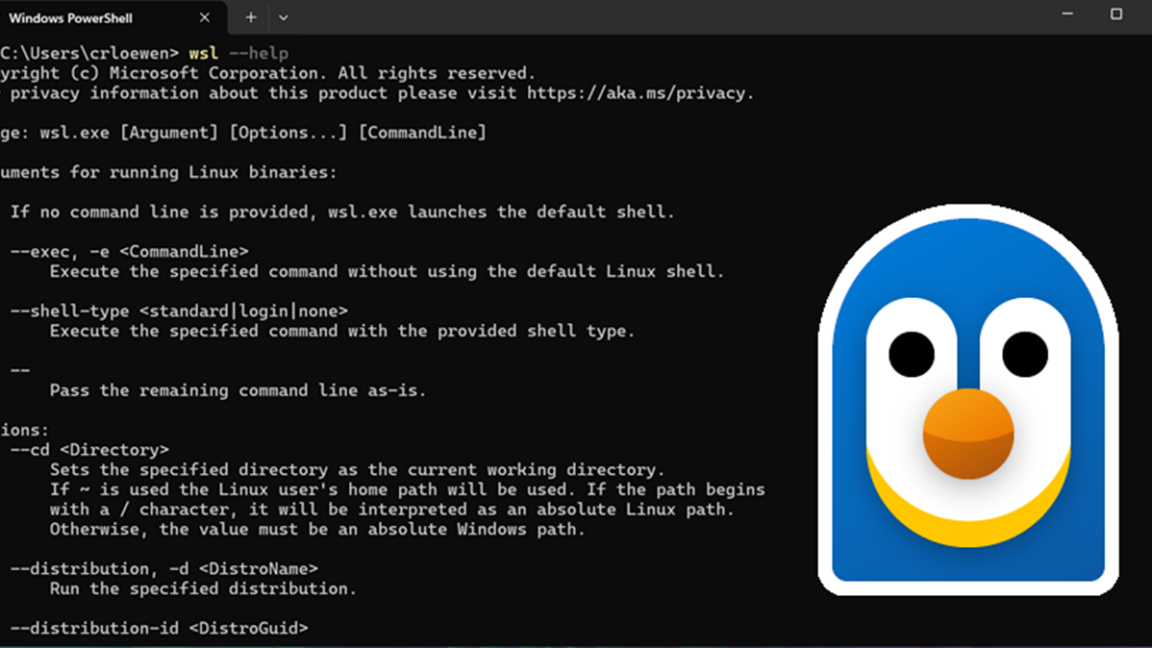
Microsoft closes 9-year-old feature request, open-sources Windows Subsystem for Linux
Microsoft’s Windows Subsystem for Linux has become an important tool for developers and power users since it was introduced in the Windows 10 Anniversary Update back in 2016, giving them access to a built-in Linux command line and Linux applications from within Windows.
The company has steadily improved WSL since then, improving performance, making it easier to install and use, and adding features like GPU and audio support. But today as part of its Build developer conference, Microsoft announced that it would be making almost all of WSL open source, closing the very first issue that the then-new WSL project attracted on Github in 2016.
“WSL could never have been what it is today without its community,” writes Microsoft Senior Software Engineer Pierre Boulay in the company’s blog post. “We’ve seen how much the community has contributed to WSL without access to the source code, and we can’t wait to see how WSL will evolve now that the community can make direct code contributions to the project.”
Only two elements of WSL remain closed-source for now: an lxcore.sys kernel driver used for WSL 1 (the initial version of WSL that is still supported, though new installs default to 2019’s WSL 2); and the p9rdr.sys and p9np.dll files that handle filesystem redirection from Windows to Linux (in other words, making it so that Windows can easily access the Linux filesystem). Microsoft didn’t close the door to open-sourcing those components but also didn’t say if or when it planned to make them open source.
Google to give app devs access to Gemini Nano for on-device AI
The rapid expansion of generative AI has changed the way Google and other tech giants design products, but most of the AI features you’ve used are running on remote servers with a ton of processing power. Your phone has a lot less power, but Google appears poised to give developers some important new mobile AI tools. At I/O next week, Google will likely announce a new set of APIs to let developers leverage the capabilities of Gemini Nano for on-device AI.
Google has quietly published documentation on big new AI features for developers. According to Android Authority, an update to the ML Kit SDK will add API support for on-device generative AI features via Gemini Nano. It’s built on AI Core, similar to the experimental Edge AI SDK, but it plugs into an existing model with a set of predefined features that should be easy for developers to implement.
Google says ML Kit’s GenAI APIs will enable apps to do summarization, proofreading, rewriting, and image description without sending data to the cloud. However, Gemini Nano doesn’t have as much power as the cloud-based version, so expect some limitations. For example, Google notes that summaries can only have a maximum of three bullet points, and image descriptions will only be available in English. The quality of outputs could also vary based on the version of Gemini Nano on a phone. The standard version (Gemini Nano XS) is about 100MB in size, but Gemini Nano XXS as seen on the Pixel 9a is a quarter of the size. It’s text-only and has a much smaller context window.
Not all versions of Gemini Nano are created equal.
Credit: Ryan Whitwam
Not all versions of Gemini Nano are created equal. Credit: Ryan Whitwam
This move is good for Android in general because ML Kit works on devices outside Google’s Pixel line. While Pixel devices use Gemini Nano extensively, several other phones are already designed to run this model, including the OnePlus 13, Samsung Galaxy S25, and Xiaomi 15. As more phones add support for Google’s AI model, developers will be able to target those devices with generative AI features.
Microsoft’s Surface lineup reportedly losing another of its most interesting designs
Like the Surface Studio desktop, the Laptop Studio’s odd and innovative exterior was rendered less exciting by a high price and relatively underpowered interior. Before discounts, the Laptop Studio 2 starts at around $2,400 for a basic configuration with a 13th-generation Core i7 processor, 16GB of RAM, and 512GB of storage—integrated graphics and a fully loaded version with 64GB of RAM, a 2TB SSD, and a GeForce RTX 4060 GPU would normally run you over $4,300.
Though experimental Surface designs like the Book and Studio rarely delivered great value for the money, they were at least unique attempts at new kinds of PCs with extra features for designers, artists, and anyone else who could benefit from a big stylus-compatible touchscreen. Microsoft’s most influential PC design remains the Surface Pro itself, one of the few tablet PC design templates to outlast the Windows 8 era. It makes sense for Microsoft (or any PC company) to play it safe with established designs, but it does make the PC industry just a little less interesting.
“Google wanted that”: Nextcloud decries Android permissions as “gatekeeping”
Nextcloud is a host-your-own cloud platform that wants to help you “Regain control over your data.” It contains products that allow for video chat, file storage, collaborative editing, and other stuff that reads a lot like a DIY Google Workspace replacement.
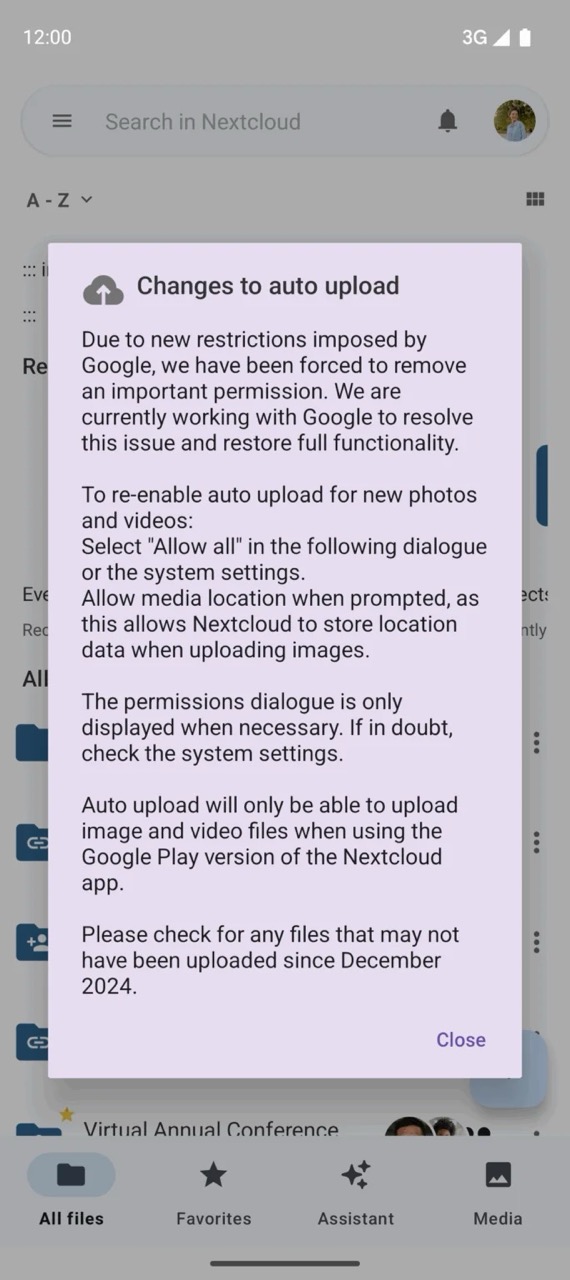
It’s hard to offer that kind of full replacement, though, if your Android app can’t upload anything other than media files. Since mid-2024, Nextcloud claims, Google has refused to reinstate the access it needs for uploading and syncing other file types.
“To make it crystal clear: All of you as users have a worse Nextcloud Files client because Google wanted that,” reads a Nextcloud blog post from May 13, attributed to its team. “We understand and share your frustration,” but there is nothing we can do.”
A notice in Nextcloud’s Android app regarding file uploads.
Credit: Nextcloud
A notice in Nextcloud’s Android app regarding file uploads. Credit: Nextcloud
Ars has reached out to Google for comment and will update this post with any response. A representative for NextCloud told Ars late Tuesday that the company had no update on its Android app.
Nextcloud states that it has had read and write access to all file types since its first Android app. In September 2024, a Nextcloud Android update with “All files access” was “refused out of the blue,” with a request that the app user “a more privacy aware replacement,” Nextcloud claims. The firm states it has provided background and explanations, but received “the same copy-and-paste answers or links to documentation” from Google.
Microsoft shares its process (and discarded ideas) for redone Windows 11 Start menu
Microsoft put a lot of focus on Windows 11’s design when it released the operating system in 2021, making a clean break with the design language of Windows 10 (which had, itself, simply tweaked and adapted Windows 8’s design language from 2012). Since then, Microsoft has continued to modify the software’s design in bits and pieces, both for individual apps and for foundational UI elements like the Taskbar, system tray, and Windows Explorer.
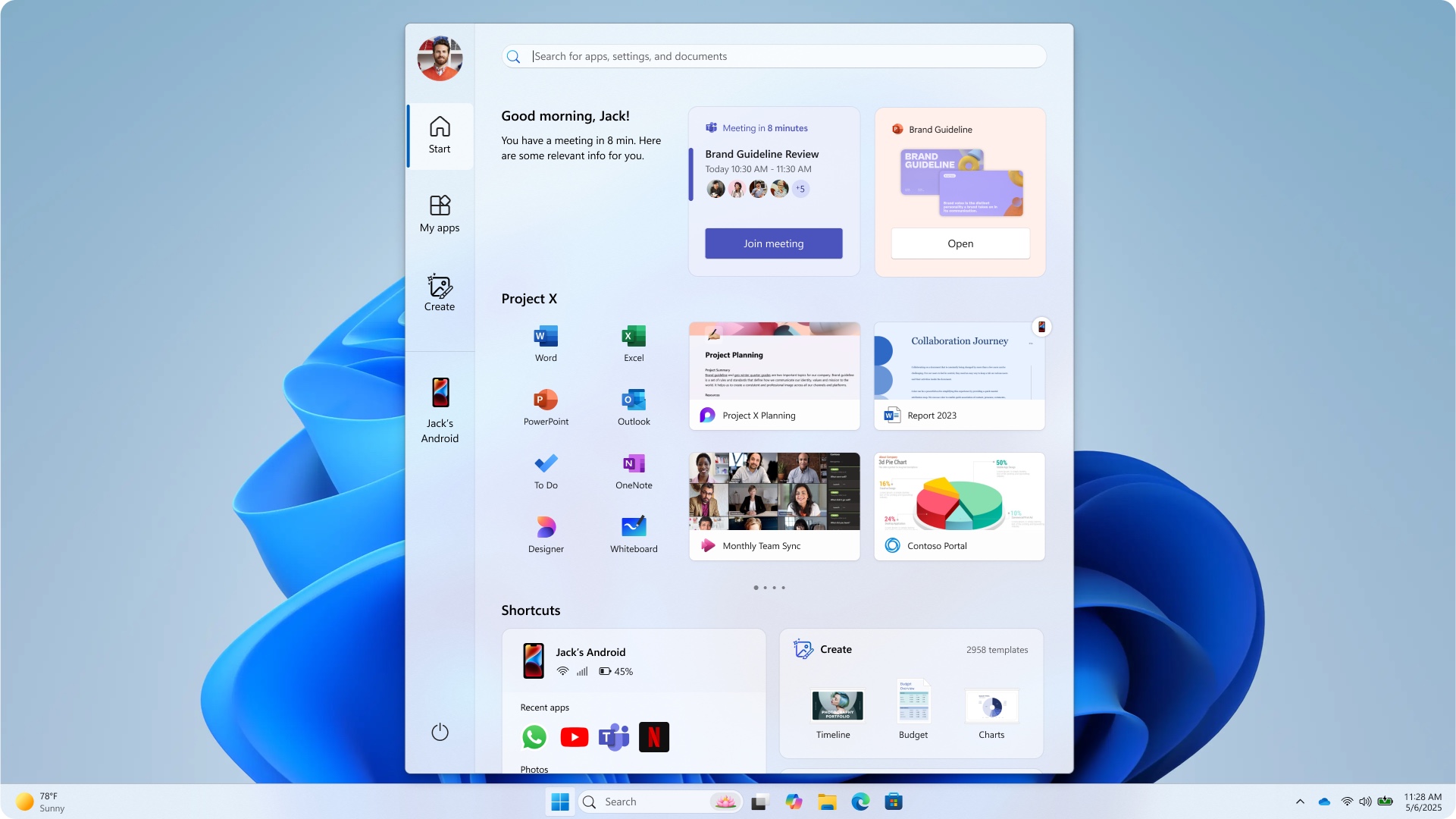
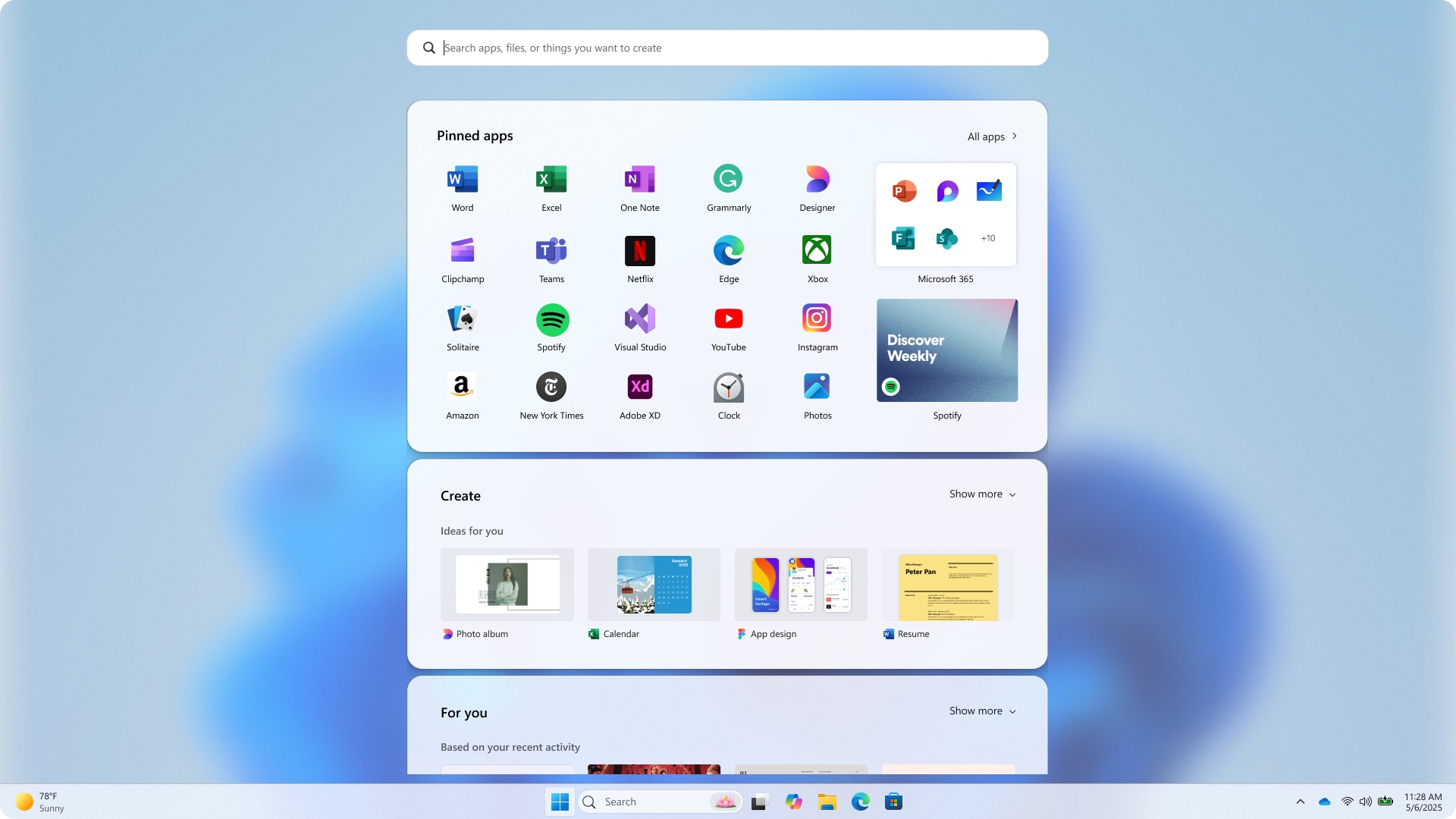
Microsoft is currently testing a redesigned version of the Windows 11 Start menu, one that reuses most of the familiar elements from the current design but reorganizes them and gives users a few additional customization options. On its Microsoft Design blog today, the company walked through the new design and showed some of the ideas that were tried and discarded in the process.
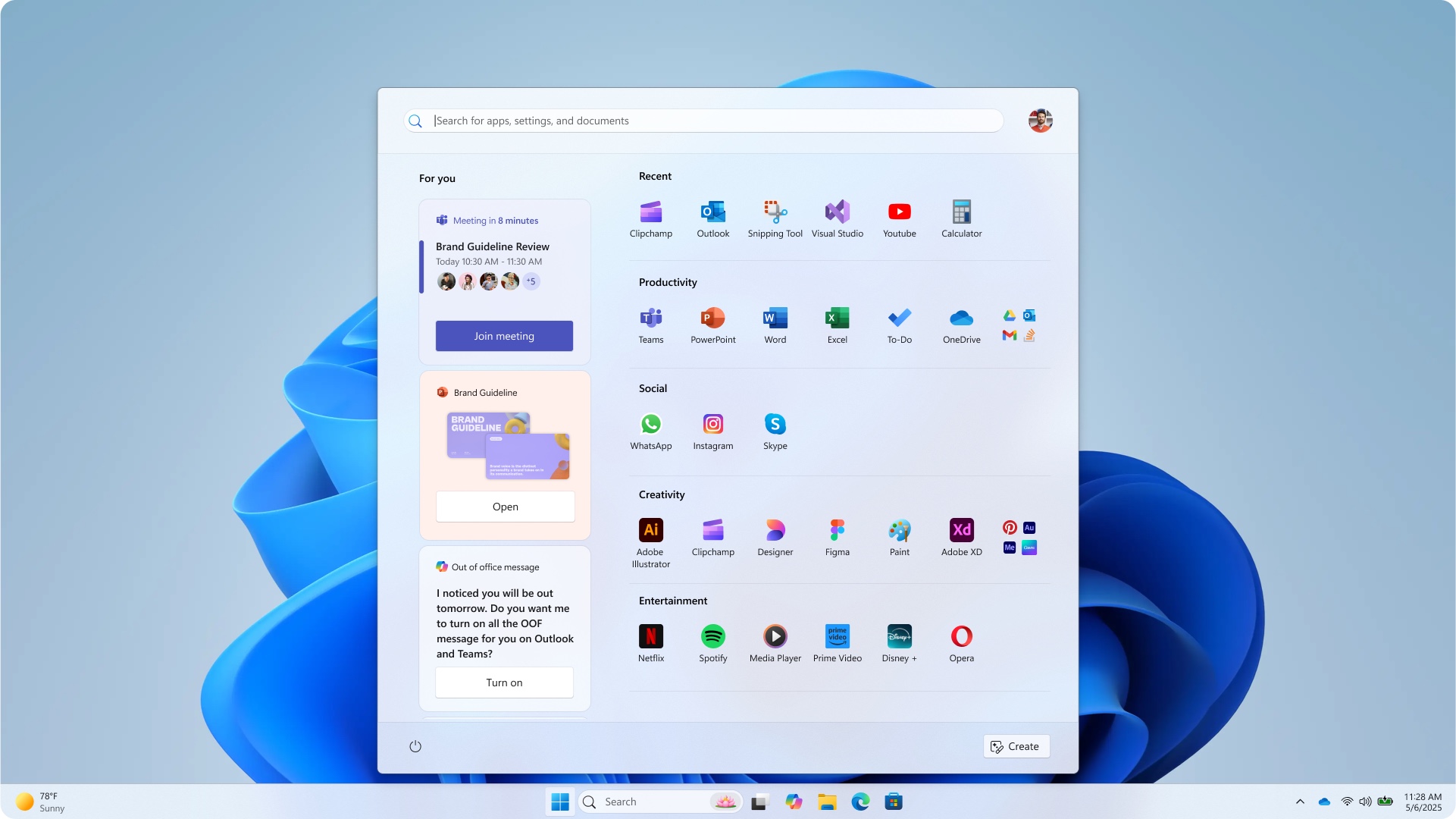
This discarded Start menu design toyed with an almost Windows XP-ish left-hand sidebar, among other elements.
Microsoft
This discarded Start menu design toyed with an almost Windows XP-ish left-hand sidebar, among other elements. Microsoft
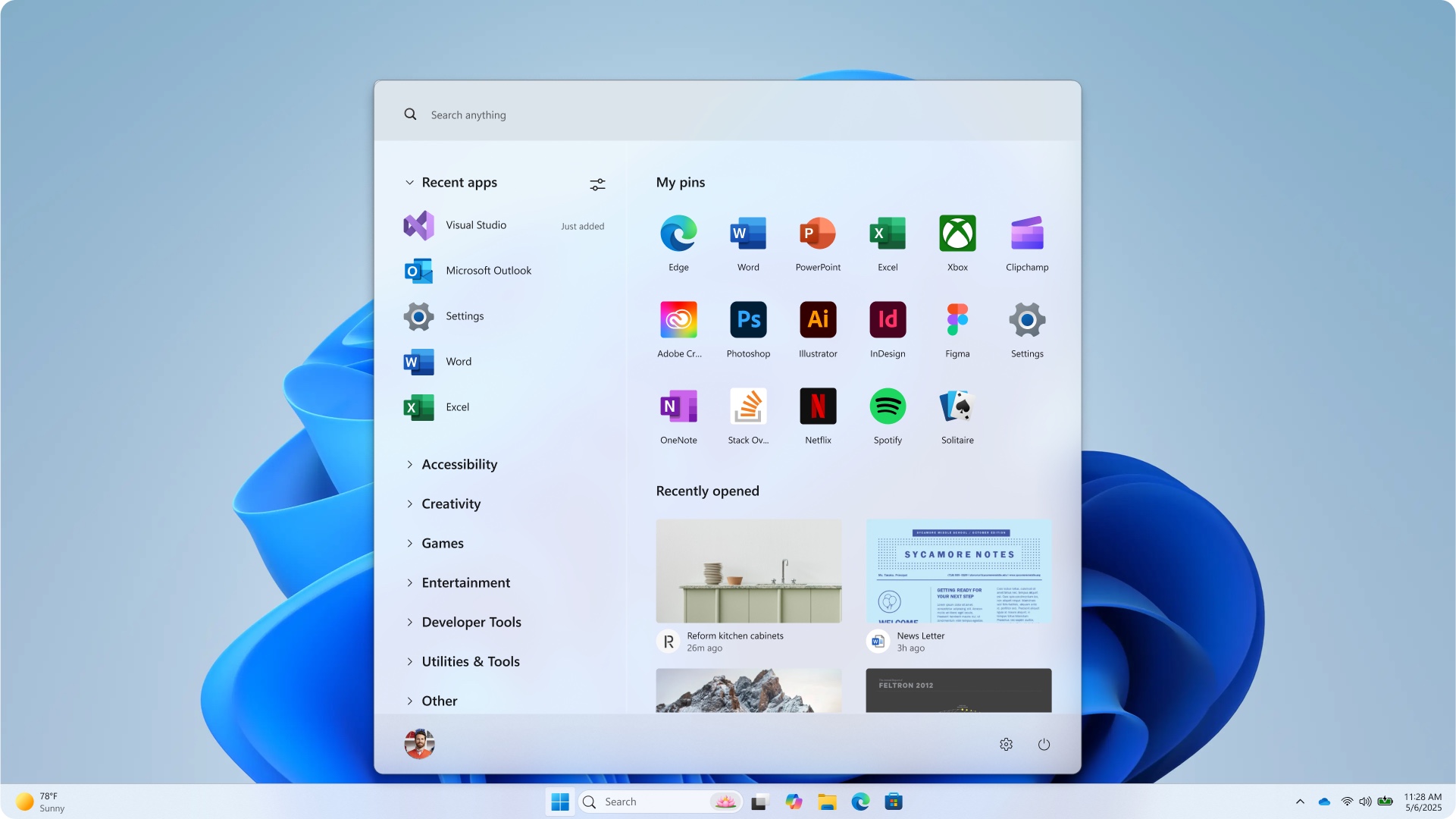
Some designs brings to mind the full-screen Start experience of Windows 8.
Microsoft
Some designs brings to mind the full-screen Start experience of Windows 8. Microsoft
Another big design with acres of icons and more space dedicated to non-app-icons.
Microsoft
Another big design with acres of icons and more space dedicated to non-app-icons. Microsoft
Some designs brings to mind the full-screen Start experience of Windows 8. Microsoft
Another big design with acres of icons and more space dedicated to non-app-icons. Microsoft
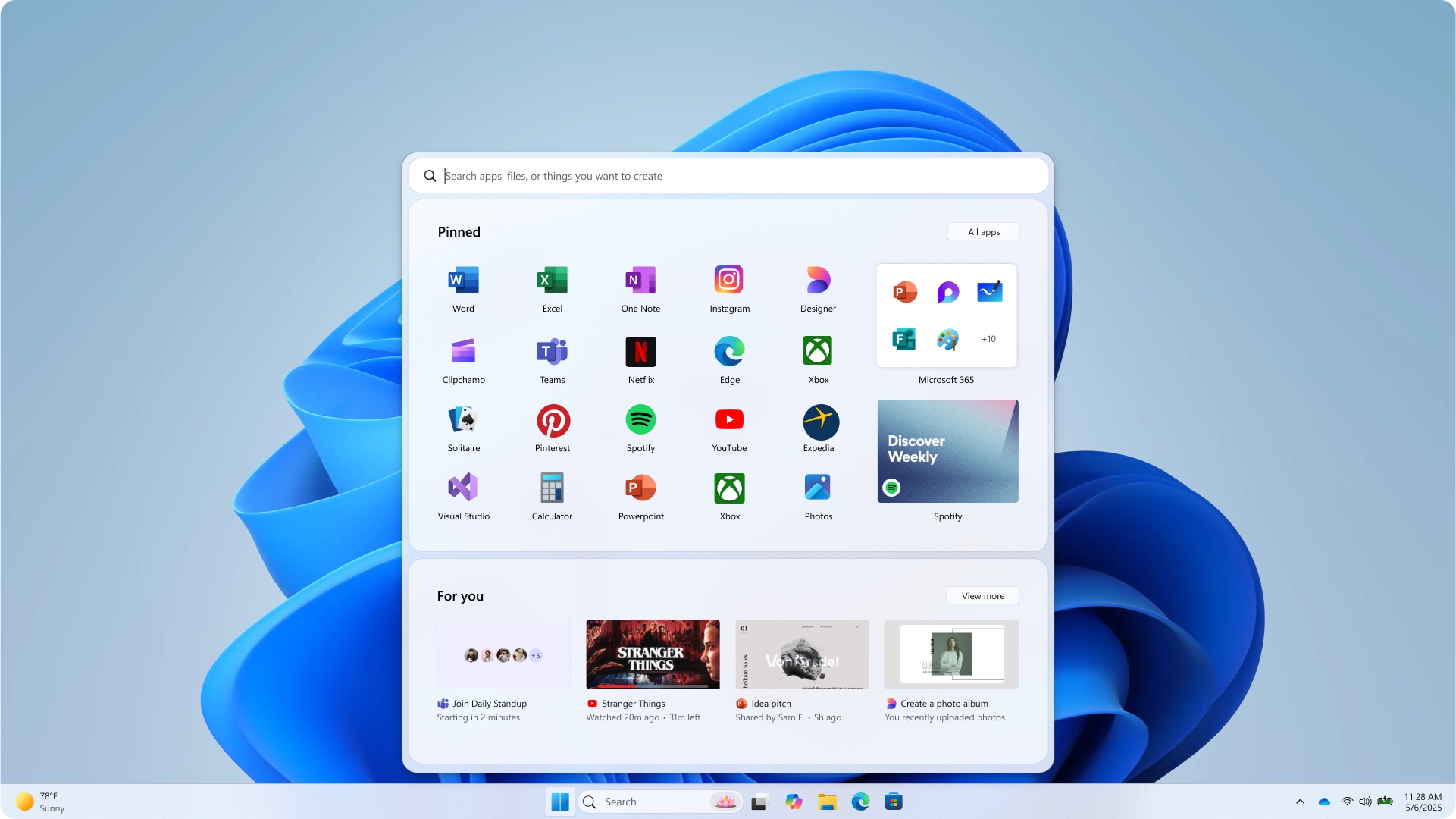
This design included thumbnail previews for recently opened files.
Microsoft
Another discarded Start menu design.
Microsoft
Microsoft says it tested its menu designs with “over 300 Windows 11 fans” in unmoderated studies, “and dozens more” in “live co-creation calls.” These testers’ behavior and reactions informed what Microsoft kept and what it discarded.
Many of the discarded menu ideas include larger previews for recently opened files, more space given to calendar reminders, and recommended “For You” content areas; one has a “create” button that would presumably activate some generative AI feature. Looking at the discarded designs, it’s easier to appreciate that Microsoft went with a somewhat more restrained redesign of the Start menu that remixes existing elements rather than dramatically reimagining it.
Google announces Material 3 Expressive, a colorful evolution of Android design
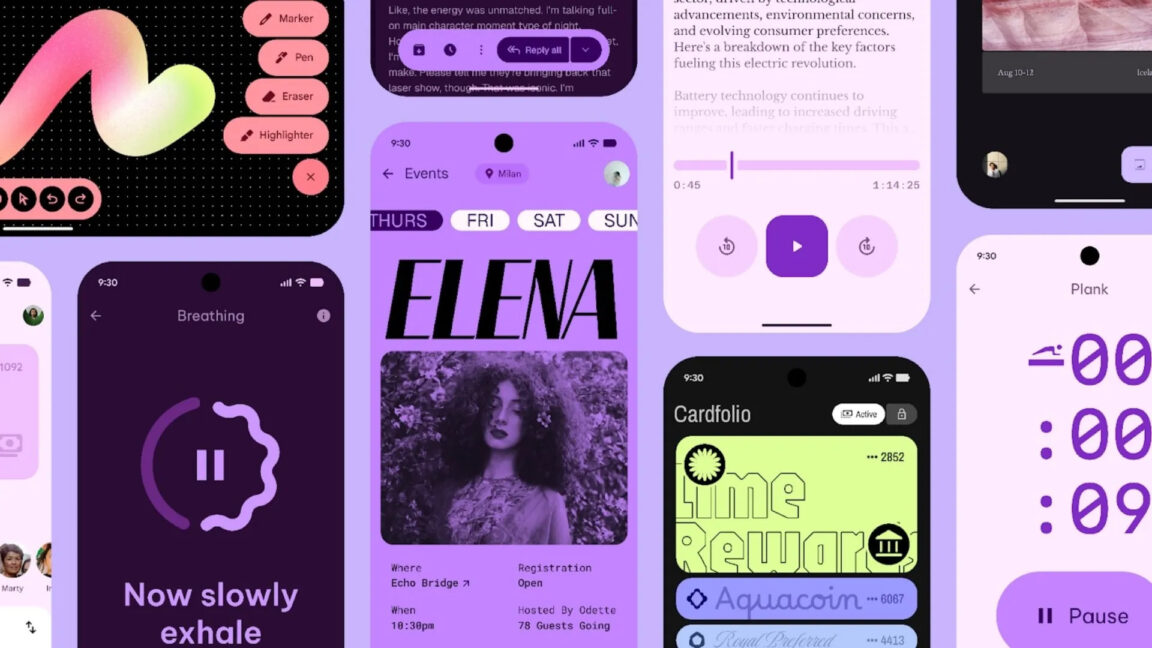
Google accidentally showed off its big Android design refresh last week, but now Material 3 Expressive is official. Google says the new interface will begin with Android OS, but it will eventually expand across the full Google app ecosystem, bringing a more lively vibe to Gmail, Google Photos, and more.
Material 3 Expressive won’t be entirely unfamiliar—it shares some basic design elements with the Material You system Google launched four years ago. Material 3 Expressive is a bolder take on the same aesthetic, featuring “springy” animations, brighter colors, and new shapes.
[embedded content]
Material 3 Expressive
As we learned from Google’s slipup, Material 3 Expressive is the result of numerous user studies, which included more than 18,000 participants. Google explored how people parse information on their phone, finding design themes that supposedly support quicker and easier interactions. Often, that seems to result in making certain UI elements larger and easier to spot. Google claims people can find these important buttons four times faster than they can with older Material You interfaces.
What you can expect from Material 3 Expressive
Animations will abound in future versions of Android, and Google emphasizes the springy aspect. The style is supposed to feel natural and fun, with more UI elements connected to dynamic haptics. Colors are also getting an overhaul, but this isn’t a complete rethink of Material You. The theming engine will pick bolder colors to improve the visual separation of UI elements, and you will see those colors in more places.
Google says it’s also updating Android’s typography, featuring more contrast between headers and body text. This will change across Google’s apps to help users parse information faster. Certain buttons will also come in a wider variety of shapes, and the labels will have varying text weights. Likewise, the style and shape of status bar icons will change to be more readable.
Office apps on Windows 10 are no longer tied to its October 2025 end-of-support date
For most users, Windows 10 will stop receiving security updates and other official support from Microsoft on October 14, 2025, about five months from today. Until recently, Microsoft had also said that users running the Microsoft Office apps on Windows 10 would also lose support on that date, whether they were using the continually updated Microsoft 365 versions of those apps or the buy-once-own-forever versions included in Office 2021 or Office 2024.
The policy is a change from a few months ago, when Microsoft insisted that Office apps running on Windows 10 would become officially unsupported on October 14. The perpetually licensed versions of Office will be supported in accordance with Microsoft’s “Fixed Lifecycle Policy,” which guarantees support and security updates for a fixed number of years after a software product’s initial release. For Office 2021, this means Windows 10 users will get support through October of 2026; for Office 2024, this should extend to October of 2029.
Samsung reveals the super-slim Galaxy S25 Edge with a laughably small battery
While the body of the phone is just 5.8 mm thick, the camera modules stick out a few millimeters more, making the phone quite wobbly when you set it on a table. The cameras have to stick out to leave more space for the internals, which are pretty powerful. Inside, this phone is essentially unchanged from the other S25 phones, with a Snapdragon 8 Elite, 12GB of RAM, and either 256 or 512GB of storage. The battery will be a problem, though.
It is very, very thin.
Credit: Samsung
It is very, very thin. Credit: Samsung
While the S25+ sports a passable 4,900 mAh cell, the super-slim S25 Edge has just 3,900 mAh of juice. That is a problem because the Snapdragon 8 Elite is a flagship processor designed for speed. While it’s relatively efficient in low-power mode, it will devour the Edge’s battery in short order if you’re playing games or multitasking. A 20 percent reduction in battery life compared to the Galaxy S25+, which is a one-day phone, is a tough sell.
Most smartphone manufacturers could never justify making such a strange, niche device. This is Samsung showing off its engineering skills, and the S25 Edge does look neat. But the novelty of a super-slim phone will probably wear off when you have to start plugging it in to get a boost mid-afternoon. It doesn’t even charge very fast, topping out at a mere 25 W. And you’ll be paying $1,099 for the privilege, which slots the Edge between the S25+ ($1,000) and the S25 Ultra ($1,300).
If you want a phone that is thin at the expense of everything else, you can order the Galaxy S25 Edge from Samsung or Best Buy. It comes in black, icy blue, and silver colors and will ship on May 30.
Chips aren’t improving like they used to, and it’s killing game console price cuts
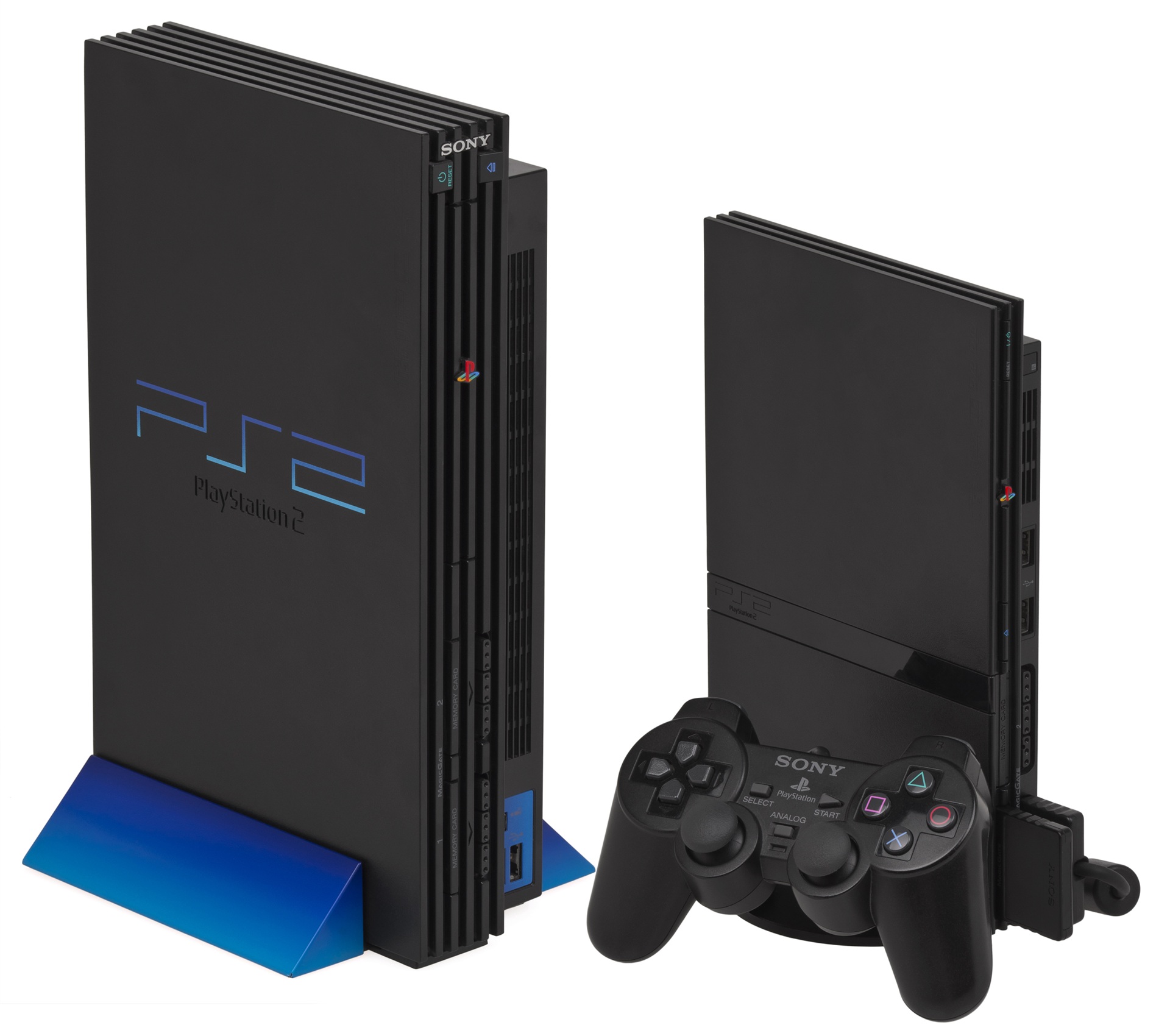
Consider the PlayStation 2. Not all of the PS2 Slim’s streamlining came from chip improvements—it also shed a full-sized 3.5-inch hard drive bay and a little-used IEEE 1394 port, and initially required an external power brick. But shrinking and consolidating the console’s CPU, GPU, memory, and other components took the console from its original design in 2000, to the Slim in 2004, to an even lighter and lower-power version of the Slim that returned to using an internal power supply without increasing the size of the console at all.
Over that same span, the console’s price dropped frequently and significantly, from $299 at launch to just $129 by 2006 (the price was lowered again to $99 in 2009, deep into the PS3 era).
Or look at Microsoft’s Xbox 360. Its external design didn’t change as much over the years—the mid-generation “slim” refresh was actually only a little smaller than the original. But between late 2005 and early 2010, the CPU, GPU, and the GPU’s high-speed eDRAM memory chip went from being built on a 90 nm process, to 80 nm, to 65 nm, and finally to a single 45 nm chip that combined the CPU and GPU into one.
Over that time, the system’s power supply fell from 203 W to 133 W, and the base price fell from $300 to $200. The mid-generation 65nm refresh also substantially fixed the early consoles’ endemic “red ring of death” issue, which was caused in part by the heat that the older, larger chips generated.
As you can see when comparing these various consoles’ external and internal design revisions, shrinking the chips had a cascade of other beneficial and cost-lowering effects: smaller power supplies, smaller enclosures that use less metal and plastic, smaller heatsinks and cooling assemblies, and smaller and less complicated motherboard designs.
Sony’s original PS2 on the left, and the PS2 Slim revision on the right. Sony jettisoned a few things to make the console smaller, but chip improvements were also instrumental. Credit: Evan Amos
A slowdown of that progression was already evident when we hit the PlayStation 4/Xbox One/Nintendo Switch generation, but technological improvements and pricing reductions still followed familiar patterns. Both the mid-generation PS4 Slim and Xbox One S used a 16 nm processor instead of the original consoles’ 28 nm version, and each also had its price cut by $100 over its lifetime (comparing the Kinect-less Xbox One variant, and excluding the digital-only $249 Xbox One). The Switch’s single die shrink, from 20nm to 16nm, didn’t come with a price cut, but it did improve battery life and help to enable the cheaper Switch Lite variant.