In Apple’s first-quarter earnings, the Mac leads the way in sales growth

Apple fell slightly short of investor expectations when it reported its first-quarter earnings today. While sales were up 4 percent overall, the iPhone showed signs of weakness, and sales in the Chinese market slipped by just over 11 percent.

CEO Tim Cook told CNBC that the iPhone performed better in countries where Apple Intelligence was available, like the US—seemingly suggesting that the slip was partially because Chinese consumers do not see enough reason to buy new phones without Apple Intelligence. (He also said, “Half of the decline is due to a change in channel inventory.”) iPhone sales also slipped in China during this same quarter last year; this was the first full quarter during which the iPhone 16 was available.

In any case, Cook said the company plans to roll out Apple Intelligence in additional languages, including Mandarin, this spring.

Apple’s wearables category also declined slightly, but only by 2 percent.

Despite the trends that worried investors, Apple reported $36.33 billion in net revenue for the first quarter. That’s 7.1 percent more than last year’s Q1. This was driven by the Mac, the iPad, and Services (which includes everything from Apple Music to iCloud)—all of which saw slight upticks in sales. Services was up 14 percent, continuing a strong streak for that business, while the Mac and the iPad both jumped up 15 percent.

The uptick in Mac and iPad sales was likely helped by several new Mac models and a new iPad mini starting shipments last October.

Cook shared some other interesting numbers in the earnings call with investors and the press: The company has an active base of 2.35 billion devices, and it has more than 1 billion active subscriptions.

https://arstechnica.com/gadgets/2025/01/q1-earnings-apple-sees-a-sales-slip-in-china-worrying-investors/

Microsoft updates Intel-based Surface PCs, if you can pay for them

All the devices offer one of four possible Core Ultra CPUs (the 236V, 238V, 266V, and 268V); integrated Intel Arc graphics; 256GB, 512GB, or 1TB of storage; and either 16GB or 32GB of RAM. Some of the Qualcomm Surface devices offer as much as 64GB of RAM, but the Lunar Lake chips top out at 32GB.

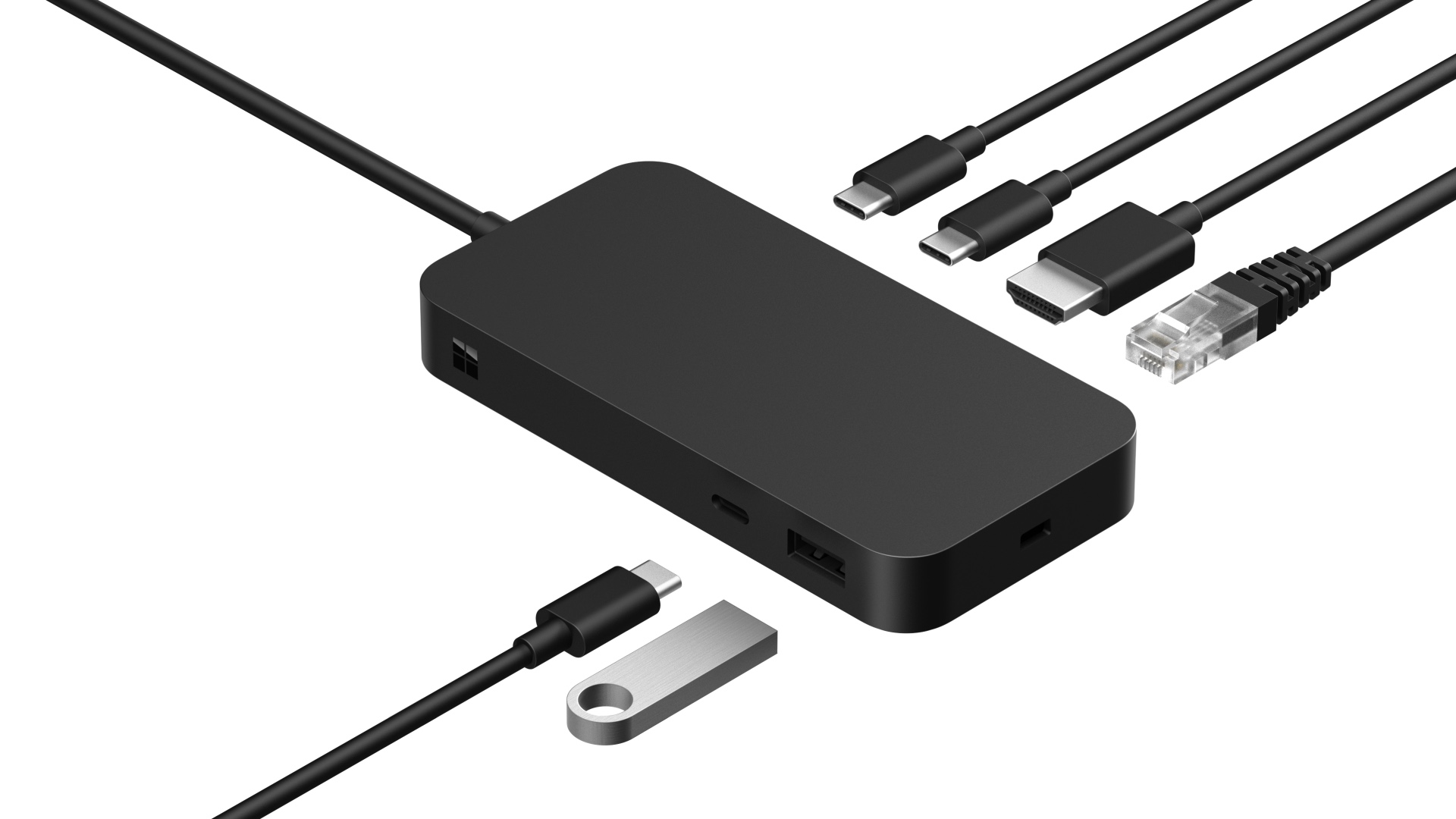
Microsoft’s Surface USB4 Dock, a $200 accessory that’s a bit cheaper and less capable than the old Surface Dock 2. Credit: Microsoft

Microsoft is also launching a $200 Surface USB4 Dock for all Surface devices. It appears to be a slightly streamlined, somewhat less-capable version of the Surface Dock 2, with up to 65 W of power delivery, two USB-C ports, one USB-A port, an HDMI port, and an Ethernet port. The dock can connect to up to two external 4K displays using its USB-C and HDMI ports.

You can buy them, but it will cost you

Some of Microsoft’s past Surface PCs for businesses have been difficult for regular people to buy, or they’ve only been buyable through third parties with a significant price premium over the regular models. Those desperate for x86 Surface PCs can buy these new ones direct from Microsoft’s Small Business store, but they’ll cost you more than comparable Qualcomm-based Surfaces.

The Surface Pro 11th Edition for Business starts at $1,500, $500 more than the normal starting price of the Surface Pro 11th Edition. This configuration gets you an LCD display, a Core Ultra 5 236V with 16GB of RAM, and a 256GB SSD, the same as the $1,000 version of the Surface Pro. Adding the OLED display to the Intel Surface Pro also requires stepping up to a 512GB SSD and Core Ultra 7 CPU—that version starts at $1,900.

The 13.8-inch version of the Surface Laptop 7th Edition for Business also starts at $1,500, and the 15-inch version will run you $1,700—both starting prices are also $500 higher than similarly specced consumer models. The baseline configuration also includes a Core Ultra 5 CPU, 16GB of RAM, and a 256GB SSD. For these PCs, at least, you can upgrade the CPU, RAM, and SSD independently without having to pay for multiple upgrades just to get the one you want.

All of these devices are available to pre-order now and will release on February 18.

This article originally stated that individuals wouldn’t be able to buy the new Surface PCs for businesses. Individuals can in fact purchase them on Microsoft’s small business site, which it keeps separate from the regular Surface store. This article was updated at 2:30 pm on January 30 to correct the error and to add pricing and availability information.

https://arstechnica.com/gadgets/2025/01/microsoft-updates-intel-based-surface-pcs-but-regular-people-still-cant-buy-them/


For the first time, a privately developed aircraft has flown faster than sound

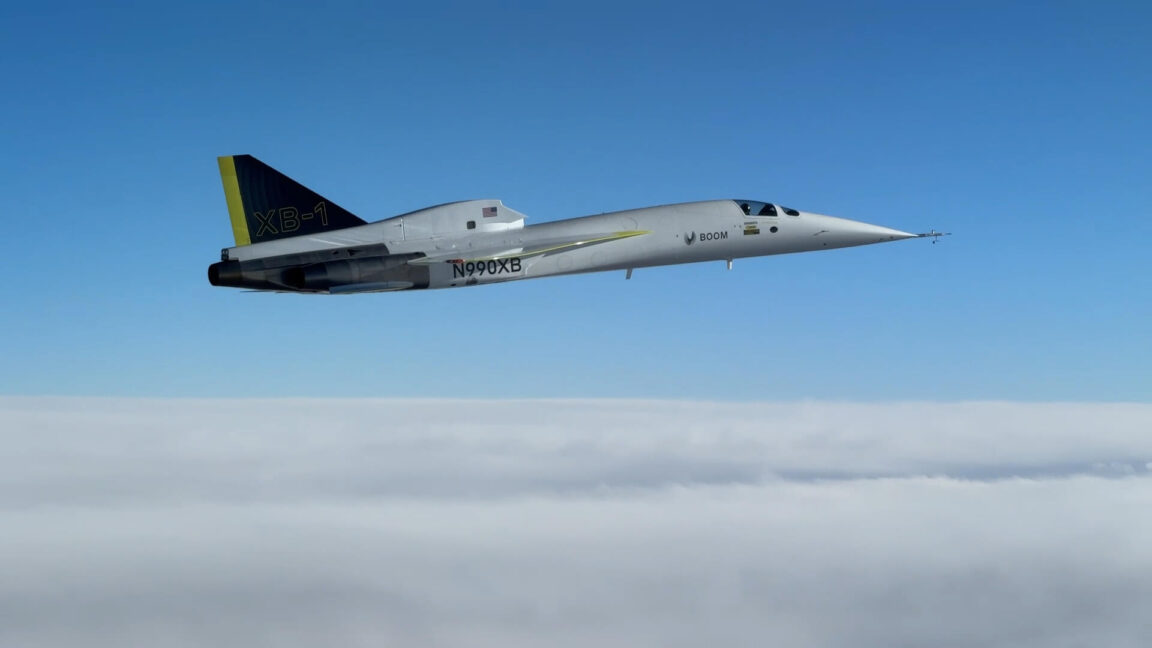
A new generation of companies, including Boom Supersonic, are aiming to meld new ideas, technology, and a commercial approach to develop more cost-effective travel at supersonic speeds. The significance of Tuesday’s flight is that it marks the first time one of these companies has built and flown its own vehicle above the speed of sound.

Now, on to the real thing

Although this is an important and notable step—this flight was the culmination of 11 successful test flights of the XB-1 since March 2024—it is only a step along the path toward development and operation of a commercially successful supersonic aircraft. Now Boom must build the real thing.

The company said the XB-1 demonstrator validates many of the key technologies that will be incorporated into Overture, including carbon-fiber composites, digital stability augmentation, and supersonic intakes. However, Overture will feature a different propulsion system named Symphony. The company is working with several partners, including Florida Turbine Technologies for engine design, GE Additive for additive technology design consulting, and StandardAero for maintenance to develop the engine.

There appears to be plenty of demand in the commercial air travel industry for a company that can develop and deliver supersonic aircraft to the market.

Boom Supersonic said it has taken 130 orders and pre-orders from American Airlines, United Airlines, and Japan Airlines for the Overture aircraft. In 2024, Boom said it completed construction on the Overture “Superfactory” in Greensboro, North Carolina, which will scale to produce 66 Overture aircraft per year. Boom is hoping to start delivering on those orders before the end of the decade.

https://arstechnica.com/gadgets/2025/01/for-the-first-time-a-privately-developed-aircraft-has-flown-faster-than-sound/


New FPGA-powered retro console re-creates the PlayStation One, CD-ROM drive optional

Retro game enthusiasts may already be acquainted with Analogue, a company that designs and manufactures updated versions of classic consoles that can play original games but also be hooked up to modern televisions and monitors. The most recent of its announcements is the Analogue 3D, a console designed to play Nintendo 64 cartridges.

Now, a company called Retro Remake is reigniting the console wars of the 1990s with its SuperStation one, a new-old game console designed to play original Sony PlayStation games and work with original accessories like controllers and memory cards. Currently available as a $180 pre-order, Retro Remake expects the consoles to ship no later than Q4 of 2025.

The base console is modeled on the redesigned PSOne console from mid-2000, released late in the console’s lifecycle to appeal to buyers on a budget who couldn’t afford a then-new PlayStation 2. The Superstation one includes two PlayStation controller ports and memory card slots on the front, plus a USB-A port. But there are lots of modern amenities on the back, including a USB-C port for power, two USB-A ports, an HDMI port for new TVs, DIN10 and VGA ports that support analog video output, and an Ethernet port. Other analog video outputs, including component and RCA outputs, are located on the sides behind small covers. The console also supports Wi-Fi and Bluetooth.

https://arstechnica.com/gadgets/2025/01/new-fpga-powered-retro-console-re-creates-the-playstation-one-cd-rom-drive-optional/


With iOS 18.3, Apple Intelligence is now on by default

As is custom, Apple rolled out software updates to all its platforms at once today. All users should now have access to the public releases of iOS 18.3, macOS Sequoia 15.3, watchOS 11.3, iPadOS 15.3, tvOS 15.3, and visionOS 2.3.

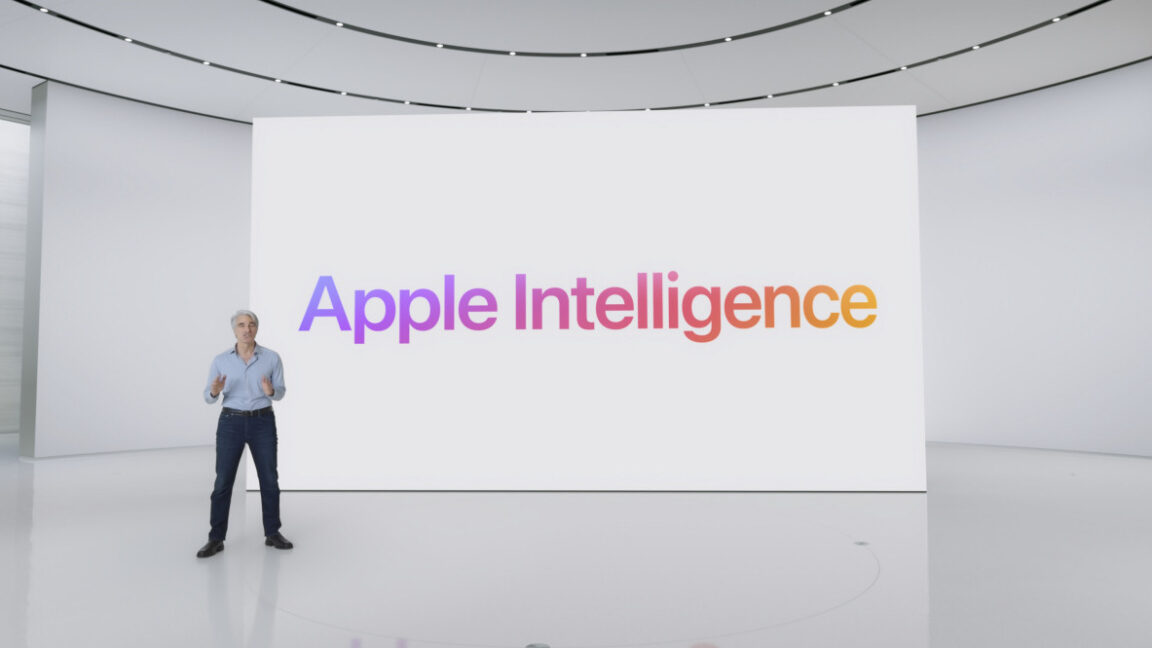
Also, as usual, the iOS update is the meatiest of the bunch. Most of the changes relate to Apple Intelligence, a suite of features built on deep learning models. The first Apple Intelligence features were introduced in iOS 18, with additional ones added in iOS 18.1 and iOS 18.2

iOS 18.3 doesn’t add any significant new features to Apple Intelligence—instead, it tweaks what’s already there. Whereas Apple Intelligence was opt-in in previous OS versions, it is now on by default in iOS 18.3 on supported devices.

For the most part, that shouldn’t be a noticeable change for the majority of users, except for one thing: notification summaries. As we’ve reported, the feature that summarizes large batches of notifications using a large language model is hit-and-miss at best.

For most apps, not much has changed on that front, but Apple announced that with iOS 18.3, it’s temporarily disabling notification summaries for apps from the “News & Entertainment” category in light of criticisms by the BBC and others about how the feature was getting the substance of headlines wrong. The feature will still mess up summarizing your text messages and emails, though.

Apple says it has changed the presentation of summaries to make it clearer that they are distinct from other, non-AI generated summaries and that they are in beta and may be inaccurate.

Other updates include one to visual intelligence, a feature available on the most recent phones that gives you information on objects your camera is focused on. It can now identify more plants and animals, and you can create calendar events from flyers or posters seen in your viewfinder.

https://arstechnica.com/gadgets/2025/01/ios-18-3-disables-controversial-ai-generated-news-app-notifications/


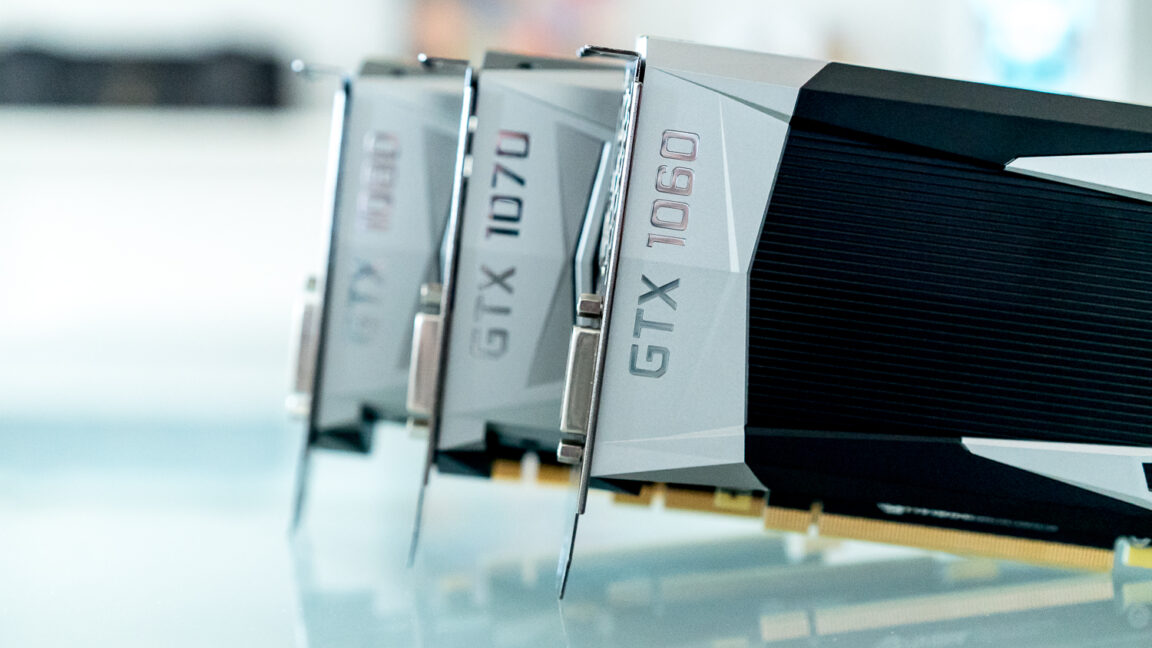
Nvidia starts to wind down support for old GPUs, including the long-lived GTX 1060

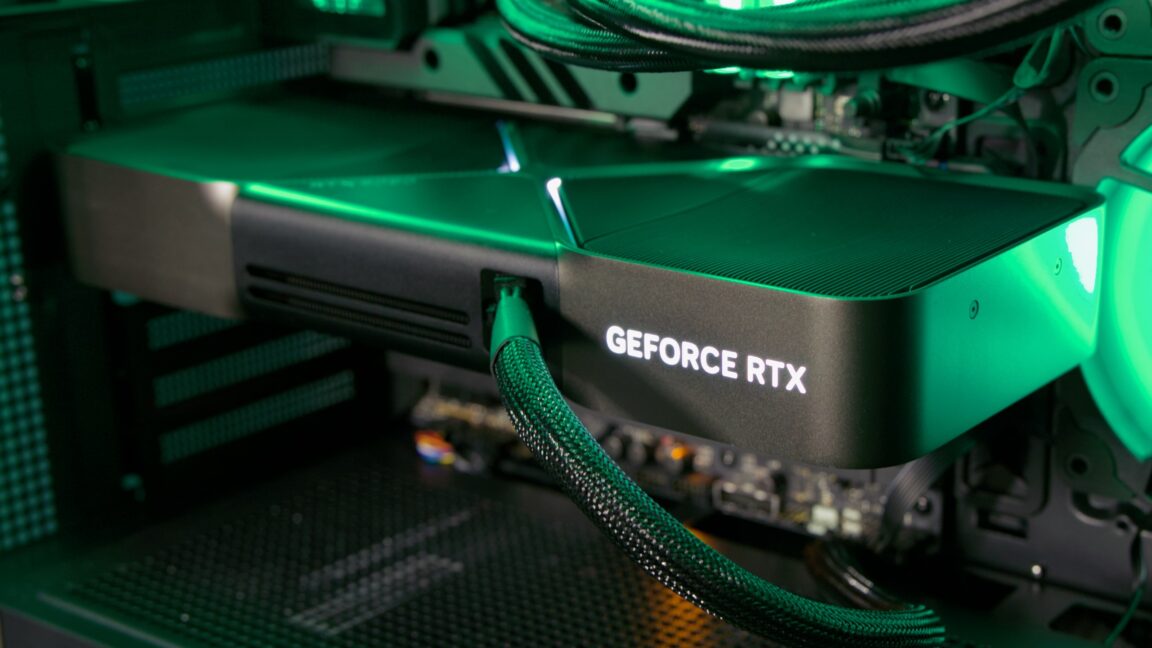
Nvidia is launching the first volley of RTX 50-series GPUs based on its new Blackwell architecture, starting with the RTX 5090 and working downward from there. The company also appears to be winding down support for a few of its older GPU architectures, according to these CUDA release notes spotted by Tom’s Hardware.

The release notes say that CUDA support for the Maxwell, Pascal, and Volta GPU architectures “is considered feature-complete and will be frozen in an upcoming release.” While all of these architectures—which collectively cover GeForce GPUs from the old GTX 700 series all the way up through 2016’s GTX 1000 series, plus a couple of Quadro and Titan workstation cards—are still currently supported by Nvidia’s December Game Ready driver package, the end of new CUDA feature support suggests that these GPUs will eventually be dropped from these driver packages soon.

It’s common for Nvidia and AMD to drop support for another batch of architectures all at once every few years; Nvidia last dropped support for older cards in 2021, and AMD dropped support for several prominent GPUs in 2023. Both companies maintain a separate driver branch for some of their older cards but releases usually only happen every few months, and they focus on security updates, not on providing new features or performance optimizations for new games.

https://arstechnica.com/gadgets/2025/01/nvidia-winding-down-support-for-older-gpus-including-the-legendary-750-ti-and-1060/


Nvidia GeForce RTX 5090 costs as much as a whole gaming PC—but it sure is fast

We’ve tried to strike a balance between games with ray-tracing effects and games without it, though most AAA games these days include it, and modern GPUs should be able to handle it well (best of luck to AMD with its upcoming RDNA 4 cards).

For the 5090, we’ve run all tests in 4K—if you don’t care about running games in 4K, even if you want super-high frame rates at 1440p or for some kind of ultrawide monitor, the 5090 is probably overkill. When we run upscaling tests, we use the newest DLSS version available for Nvidia cards, the newest FSR version available for AMD cards, and the newest XeSS version available for Intel cards (not relevant here, just stating for the record), and we use the “Quality” setting (at 4K, that equates to an actual rendering version of 1440p).

Rendering performance: A lot faster, a lot more power-hungry

Before we talk about Frame Generation or “fake frames,” let’s compare apples to apples and just examine the 5090’s rendering performance.

The card mainly benefits from four things compared to the 4090: the updated Blackwell GPU architecture, a nearly 33 percent increase in the number of CUDA cores, an upgrade from GDDR6X to GDDR7, and a move from a 384-bit memory bus to a 512-bit bus. It also jumps from 24GB of RAM to 32GB, but games generally aren’t butting up against a 24GB limit yet, so the capacity increase by itself shouldn’t really change performance if all you’re focused on is gaming.

And for people who prioritize performance over all else, the 5090 is a big deal—it’s the first consumer graphics card from any company that is faster than a 4090, as Nvidia never spruced up the 4090 last year when it did its mid-generation Super refreshes of the 4080, 4070 Ti, and 4070.

Comparing natively rendered games at 4K, the 5090 is between 17 percent and 40 percent faster than the 4090, with most of the games we tested landing somewhere in the low to high 30 percent range. That’s an undeniably big bump, one that’s roughly commensurate with the increase in the number of CUDA cores. Tests run with DLSS enabled (both upscaling-only and with Frame Generation running in 2x mode) improve by roughly the same amount.

https://arstechnica.com/gadgets/2025/01/review-nvidias-geforce-rtx-5090-is-the-first-gpu-that-can-beat-the-rtx-4090/


Reddit won’t interfere with users revolting against X with subreddit bans

Reddit is staying out of the current revolt against social media website X and, to a lesser degree, Meta, on its platform.

Since Tuesday, hundreds of subreddits have discussed and/or implemented bans against the site formerly called Twitter, as reported by 404 Media. Dozens of subreddits have already agreed to disallow the sharing of any links to X, with moderators (volunteer Reddit users) agreeing to enforce the bans.

The trend seemed to start among subreddits focused on sports-related topics, like the subreddits for the NFL, the Vancouver Canucks NHL team, and the Liverpool Football Club, as reported by Mashable. However, as of today, subreddits of various topics are discussing X bans. Reddit users in support of X bans like the one instituted by r/londonontario have pointed to various reasoning, including not being able to see tweet links without having an X account, Elon Musk appearing to make a Nazi salute at the presidential inauguration on Monday (as cited by r/Christianity’s and r/newjersey’s bans, for example), and general dislike for Musk and/or how he runs X.

Yesterday, the mods of r/Seahawks, for example, enacted a rule that bans sharing links to X but allows X videos that aren’t AI-generated, per a post from one of the subreddit’s moderators yesterday:

… we feel that social media platform owners and investors have a responsibility to remain out of the political, social and economic media forum for the benefit and neutrality of they’re [sic] business and services they provide. The internet has never been a place of free speech and it never will be. We are all accountable for things we do and say. We would hope you all understand the dynamics of this decision and stay to talk Seahawks football.

Reddit won’t interfere

Ars Technica reached out to Reddit for a response to X bans and whether such bans could be interpreted as breaking any of Reddit’s rules. Reddit users will recall that when moderators were recently viewed by Reddit as breaking Reddit rules at scale (by making subreddits read-only or private in protest of Reddit’s new API access rules and pricing), Reddit responded by removing moderators that refused to re-open protesting subreddits. This time, though, moderators’ actions are aboveboard.

https://arstechnica.com/gadgets/2025/01/reddit-wont-interfere-with-users-revolting-against-x-with-subreddit-bans/


Wine 10.0 brings Arm Windows apps to Linux, still is not an emulator

The open source Wine project—sometimes stylized WINE, for Wine Is Not an Emulator—has become an important tool for companies and individuals who want to make Windows apps and games run on operating systems like Linux or even macOS. The CrossOver software for Mac and Windows, Apple’s Game Porting Toolkit, and the Proton project that powers Valve’s SteamOS and the Steam Deck are all rooted in Wine, and the attention and resources put into the project in recent years have dramatically improved its compatibility and usefulness.

Yesterday, the Wine project announced the stable release of version 10.0, the next major version of the compatibility layer that is not an emulator. The headliner for this release is support for ARM64EC, the application binary interface (ABI) used for Arm apps in Windows 11, but the release notes say that the release contains “over 6,000 individual changes” produced over “a year of development effort.”

ARM64EC allows developers to mix Arm and x86-compatible code—if you’re making an Arm-native version of your app, you can still allow the use of more obscure x86-based plugins or add-ons without having to port everything over at once. Wine 10.0 also supports ARM64X, a different type of application binary file that allows ARM64EC code to be mixed with older, pre-Windows 11 ARM64 code.

Wine’s ARM64EC support does have one limitation that will keep it from working on some prominent Arm Linux distributions, at least by default: the release notes say it “requires the system page size to be 4K, since that is what the Windows ABI specifies.” Several prominent Linux-on-Arm distributions default to a 16K page size because it can improve performance—when page sizes are smaller, you need more of them, and managing a higher number of pages can introduce extra CPU overhead.

Asahi Linux, the Fedora-based distribution that is working to bring Linux to Apple Silicon Macs, uses 16K pages because that’s all Apple’s processors support. Some versions of the Raspberry Pi OS also default to a 16K page size, though it’s possible to switch to 4K for compatibility’s sake. Given that the Raspberry Pi and Asahi Linux are two of the biggest Linux-on-Arm projects going right now, that does at least somewhat limit the appeal of ARM64EC support in Wine. But as we’ve seen with Proton and other successful Wine-based compatibility layers, laying the groundwork now can deliver big benefits down the road.

https://arstechnica.com/gadgets/2025/01/wine-10-0-released-adding-linux-compatibility-for-arm-windows-apps/


Samsung’s Galaxy S25 event was an AI presentation with occasional phone hardware

Samsung announced the Galaxy S25, S25+, and S25 Ultra at its Unpacked event today. What is different from last year’s models? With the phones themselves, not much, other than a new chipset and a wide camera. But pure AI optimism? Samsung managed to pack a whole lot more of that into its launch event and promotional materials.

The corners on the S25 Ultra are a bit more rounded, the edges are flatter, and the bezels seem to be slightly thinner. The S25 and S25+ models have the same screen size as the S24 models, at 6.2 and 6.7 inches, respectively, while the Ultra notches up slightly from 6.8 to 6.9 inches.


Samsung’s S25 Ultra, in titanium builds colored silver blue, black, gray, and white silver.

Credit: Samsung

Samsung’s S25 Ultra, in titanium builds colored silver blue, black, gray, and white silver. Credit: Samsung

The S25 Ultra, starting at $1,300, touts a Snapdragon 8 Elite processor, a new 50-megapixel ultra-wide lens, and what Samsung claims is improved detail in software-derived zoom images. It comes with the S Pen, a vestige of the departed Note line, but as The Verge notes, there is no Bluetooth included, so you can’t pull off hand gestures with the pen off the screen or use it as a quirky remote camera trigger.


Samsung’s S25 Plus phones, in silver blue, navy, and icy blue.

Credit: Samsung

Samsung’s S25 Plus phones, in silver blue, navy, and icy blue. Credit: Samsung

It’s much the same with the S25 and S25 Plus, starting at $800. The base models got an upgrade to a default of 12GB of RAM. The displays, cameras, and general shape and build are the same. All the Galaxy devices released in 2025 have Qi2 wireless charging support—but not by default. You’ll need a “Qi2 Ready” magnetic case to get a sturdy attachment and the 15 W top charging speed.

One thing that hasn’t changed, for the better, is Samsung’s recent bump up in longevity. Each Galaxy S25 model gets seven years of security updates and seven of OS upgrades, which matches Google’s Pixel line in number of years.

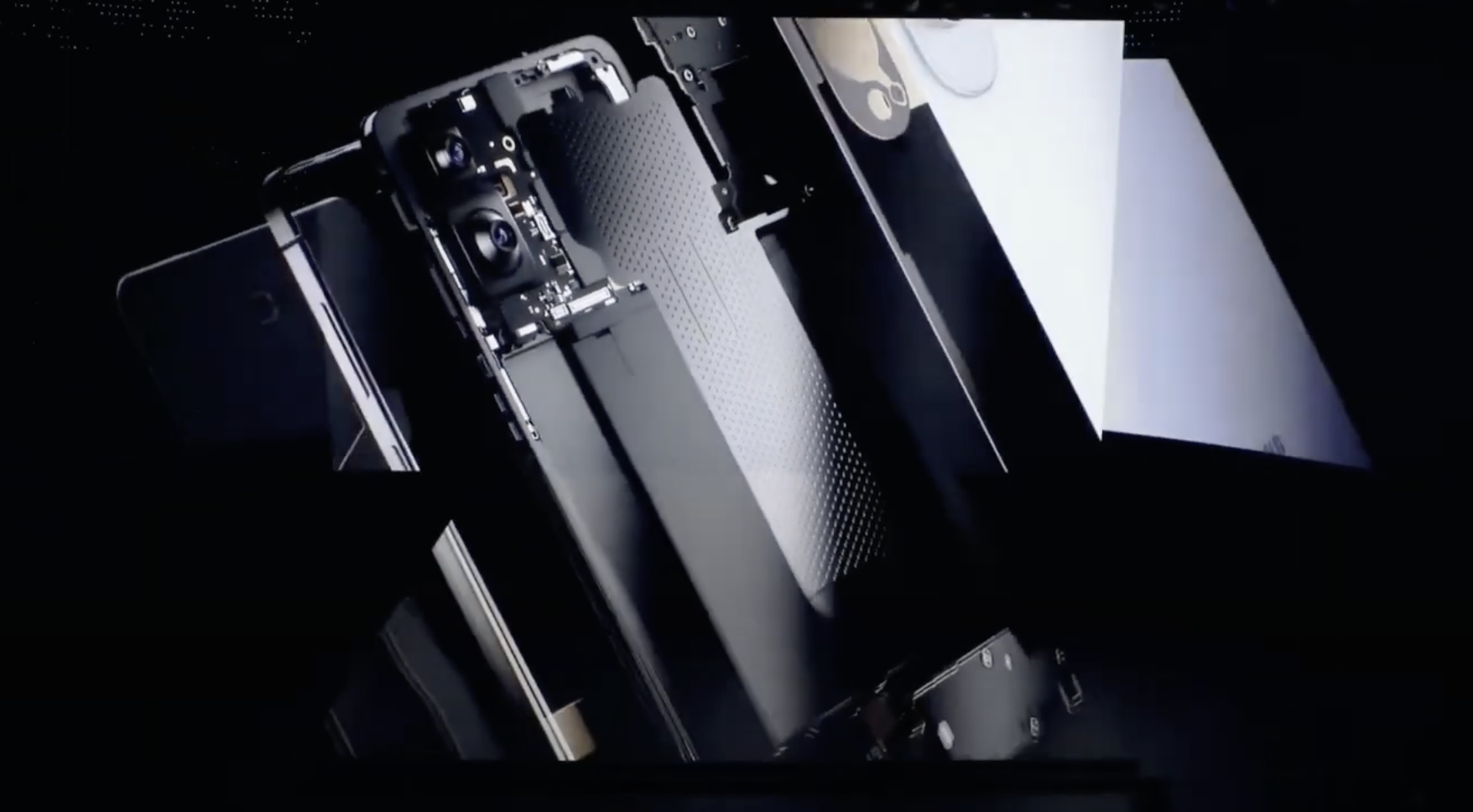
A semi-exploded shot/rendering of the Galaxy S25 Edge.

Samsung

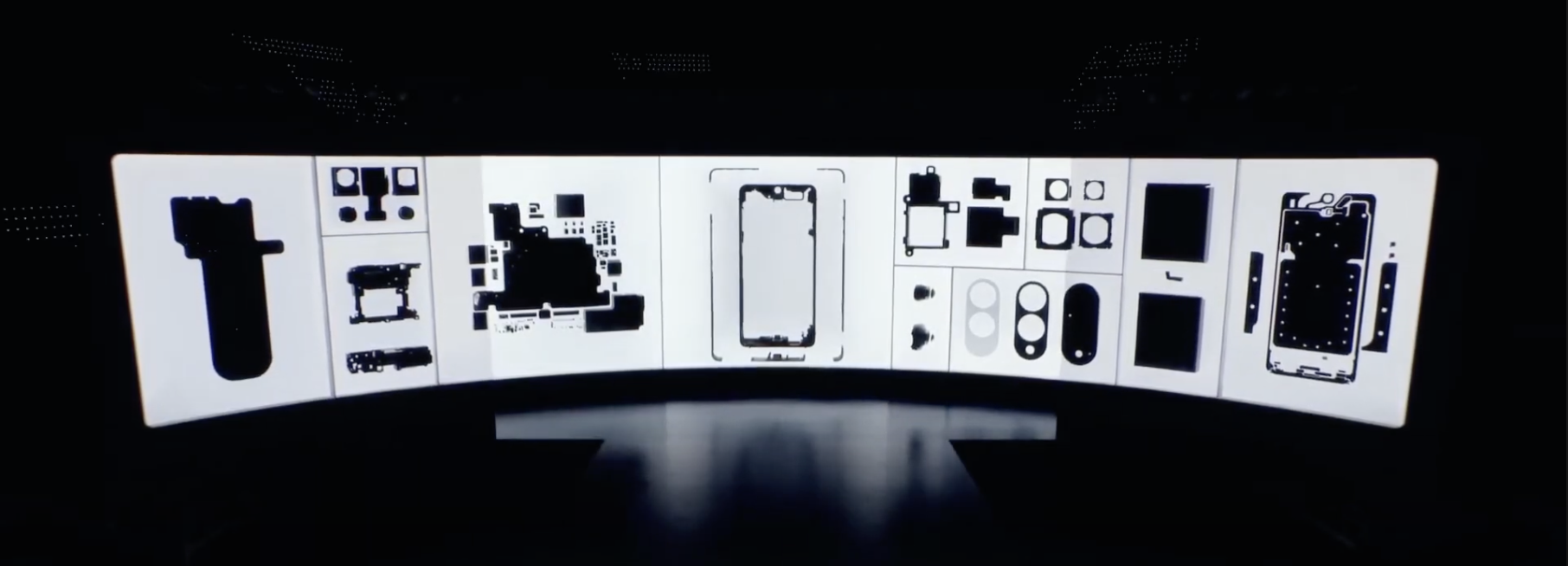
The beginning of the Galaxy S25 Edge reveal, showing black phone components laid out on white screens.

Samsung

At the very end of Samsung’s event, for less than 30 seconds, a “Galaxy S25 Edge” was teased. In a mostly black field with some shiny metal components, Samsung seemed to be teasing the notably slimmer variant of the S25 that had been rumored. The same kinds of leaks about an “iPhone Air” have been circulating. No details were provided beyond its name, and a brief video suggesting its svelte nature.

https://arstechnica.com/gadgets/2025/01/samsungs-galaxy-s25-event-was-an-ai-presentation-with-occasional-phone-hardware/