Sonos CEO behind disastrous app exits with $1.9 million severance
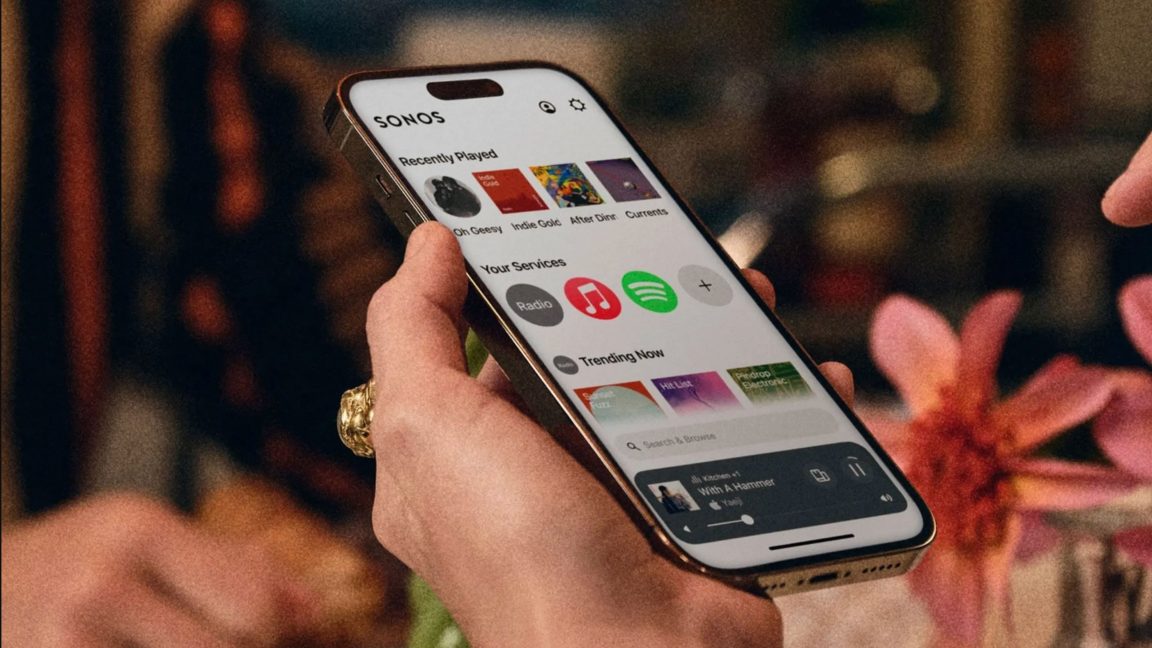
Conrad was the CTO of Pandora for 10 years, the VP of product at Snapchat for two years, and the chief product officer at the failed Quibi streaming service. He has been heading work to fix the app with Nick Millington, Sonos’ chief product officer and the architect behind the original app, Sonos spokesperson Erin Pategas told The Verge.

Sonos let customers down

Leadership succeeding Spence has their work cut out for them after Sonos tanked customer relations last year and frustrated employees who were concerned about pushing out the app.

“When [the app’s user experience] doesn’t work, our customers are taken out of the moment and are right to feel that we’ve let them down,” Conrad said in an email to employees. “I think we’ll all agree that this year we’ve let far too many people down.”

In the letter (which you can read in its entirety at The Verge), Conrad pointed to “remarkable” product releases being brought down by the bad app. Such products are insufficient “when our customers’ alarms don’t go off, their kids can’t hear their playlist during breakfast, their surrounds don’t fire, or they can’t pause the music in time to answer the buzzing doorbell,” Conrad wrote.

Conrad and the following CEO will have to work to not only improve Sonos’ value but to convince users that Sonos is equipped to handle their longstanding interests and demands as well as future endeavors. A big driver for Sonos’ app problems was the need to evolve the software to support mobile devices, like the Ace. In August, Spence noted to investors that the maligned app was “a redesign of the entire system—not only the app but also the player side of our system, as well as our cloud infrastructure.”

Interim CEO Conrad seems intent on appeasing disappointed customers and continuing to push Sonos toward a cloud-dependent future.

“Getting back to basics is necessary, but clearly not enough to unlock the future we all envision for Sonos,” Conrad told employees, noting desires to push Sonos “well beyond” home audio.

At least for now, customers seem pleased that Spence will no longer lead those efforts.

“Well deserved,” a Reddit user wrote today in a post that has hundreds of upvotes as of this writing. “Imagine doing so much reputation and functional damage to a previous well regarded go-to brand.”

https://arstechnica.com/gadgets/2025/01/sonos-ceo-behind-disastrous-app-exits-with-1-9-million-severance/


The 8 most interesting PC monitors from CES 2025

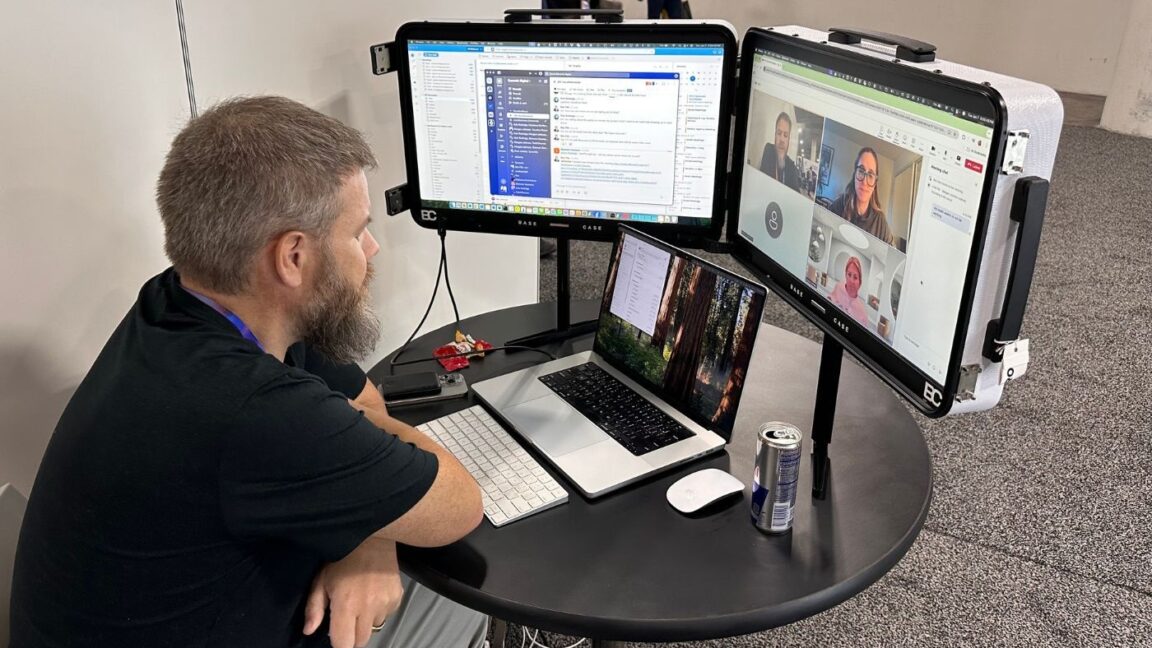
The brand behind the monitor is Koorui, a three-year-old Chinese firm whose website currently lists monitors and keyboards. Koorui hasn’t confirmed when it will make its 750 Hz display available, where it will sell it, or what it will cost. That should bring some skepticism about this product actually arriving for purchase in the US. However, Koorui did bring the display to the CES show floor.

The speedy display had a refresh rate test running at CES, and according to several videos we’ve seen from attendees, the monitor appeared to consistently hit the 750 Hz mark.

[embedded content]

World’s first 750Hz monitor???

For those keeping track, high-end gaming monitors—namely ones targeting professional gamers—hit 360 Hz in 2020. Koorui’s announcement means max monitor speeds have increased 108.3 percent in four years.

One CES attendee noticed, however, that the monitor wasn’t showing any gameplay. This could be due to the graphical and computing prowess needed to demonstrate the benefits of a 750 Hz monitor. A system capable of 750 frames per second would give people a chance to see if they could detect improved motion resolution but would also be very expensive. It’s also possible that the monitor Koorui had on display wasn’t ready for that level of scrutiny yet.

Like many eSports monitors, the Koorui is 24.5 inches, with a resolution of 1920×1080. Perhaps more interesting than Koorui taking the lead in the perennial race for higher refresh rates is the TN monitor’s claimed color capabilities. TN monitors aren’t as popular as they were years ago, but OEMs still employ them sometimes for speed.

They tend to be less colorful than IPS and VA monitors, though. Most offer sRGB color gamuts instead of covering the larger DCI-P3 color space. Asus’ 540 Hz ROG Swift Pro PG248QP, for example, is a TN monitor claiming 125 percent sRGB coverage. Koorui’s monitor claims to cover 95 percent of DCI-P3, due to the use of a quantum dot film. Again, there’s a lot that prospective shoppers should confirm about this monitor if it becomes available.

For those seeking the fastest monitors with more concrete release plans, several companies announced 600 Hz monitors coming out this year. Acer, for example, has a 600 Hz Nitro XV240 F6 (also a TN monitor) that it plans to release in North America this quarter at a starting price of $600.

https://arstechnica.com/gadgets/2025/01/the-8-most-interesting-pc-monitors-from-ces-2025/


German router maker is latest company to inadvertently clarify the LGPL license

The GNU General Public License (GPL) and its “Lesser” version (LGPL) are widely known and used. Still, every so often, a networking hardware maker has to get sued to make sure everyone knows how it works.

The latest such router company to face legal repercussions is AVM, the Berlin-based maker of the most popular home networking products in Germany. Sebastian Steck, a German software developer, bought an AVM Fritz!Box 4020 (PDF) and, being a certain type, requested the source code that had been used to generate certain versions of the firmware on it.

According to Steck’s complaint (translated to English and provided in PDF by the Software Freedom Conservancy, or SFC), he needed this code to recompile a networking library and add some logging to “determine which programs on the Fritz!Box establish connections to servers on the Internet and which data they send.” But Steck was also concerned about AVM’s adherence to GPL 2.0 and LGPL 2.1 licenses, under which its FRITZ!OS and various libraries were licensed. The SFC states that it provided a grant to Steck to pursue the matter.

AVM provided source code, but it was incomplete, as “the scripts for compilation and installation were missing,” according to Steck’s complaint. This included makefiles and details on environment variables, like “KERNEL_LAYOUT,” necessary for compilation. Steck notified AVM, AVM did not respond, and Steck sought legal assistance, ultimately including the SFC.

Months later, according to the SFC, AVM provided all the relevant source code and scripts, but the suit continued. AVM ultimately paid Steck’s attorney fee. The case proved, once again, that not only are source code requirements real, but the LGPL also demands freedom, despite its “Lesser” name, and that source code needs to be useful in making real changes to firmware—in German courts, at least.

“The favorable result of this lawsuit exemplifies the power of copyleft—granting users the freedom to modify, repair, and secure the software on their own devices,” the SFC said in a press release. “Companies like AVM receive these immense benefits themselves. This lawsuit reminded AVM that downstream users must receive those very same rights under copyleft.”

As noted by the SFC, the case was brought in July 2023, but as is typical with German law, no updates on the case could be provided until after its conclusion. SFC posted its complaint, documents, and the source code ultimately provided by AVM and encouraged the company to publish its own documents since those are not automatically public in Germany.

https://arstechnica.com/gadgets/2025/01/suing-wi-fi-router-makers-remains-a-necessary-part-of-open-source-license-law/


New $120 16GB Raspberry Pi 5 is for the people who use it like an everyday PC

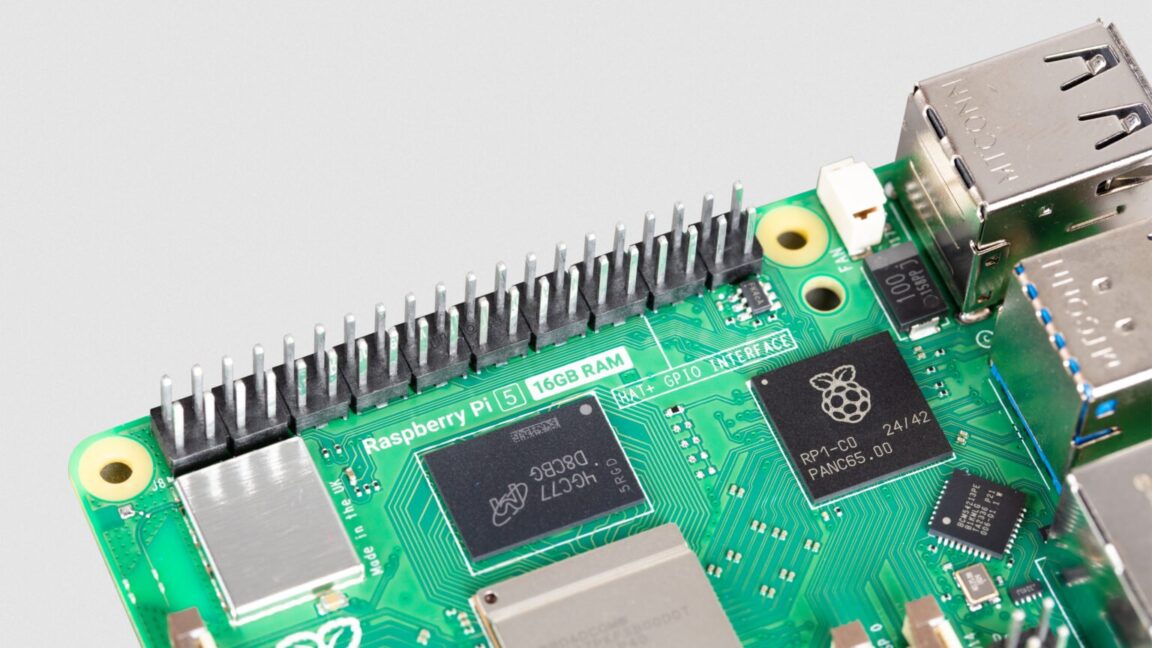
But if you’re attempting to use a Pi as a general-purpose PC, more RAM means more apps and more browser tabs with less virtual memory use, which ought to help the whole system stay responsive. It could also be helpful if you’re trying to run multiple VMs or Docker containers on the same Pi. Upton also cites large language models and computational fluid dynamics as workloads that benefit from extra memory. The main issue is that these RAM-hungry workloads also often benefit from more CPU and GPU power than the Pi can provide.

At a cost of $120 before you add storage, a power brick, or a case, the 16GB version of the Pi 5 also has to compete with a wide universe of cheap x86-based mini PCs. Starting at around $160, these PCs give you a decent quad-core Intel processor, 16GB of memory, and 500GB of NVMe-attached storage, as well as the option to run Windows if you want to (not to mention a Windows license). The Pi 5 benefits from a wide accessory ecosystem and purpose-built operating system images, and it will be easier to troubleshoot and find support if you’re having a specific hardware problem. But as everyday desktops, the tiny Intel boxes have advantages, too.

The 2GB, 4GB, 8GB, and 16GB versions of the Pi 5 will cost you $50, $60, $80, or $120, respectively. Those wanting a Pi board for the original $35 will need to stick with the 1GB version of the previous-generation Raspberry Pi 4.

https://arstechnica.com/gadgets/2025/01/new-120-16gb-raspberry-pi-5-is-for-the-people-who-use-it-like-an-everyday-pc/


Linux Foundation bands together Chromium browser makers in a “neutral space”

Supporters of Chromium-Based Browsers sounds like a very niche local meetup, one with hats and T-shirts that barely fit the name. But it’s really a “neutral space” for funding and support, corralling together some big names with a stake in the future of Chrome’s open source roots, Chromium.

The Linux Foundation, a nonprofit started in 2000 that has grown to support a broader range of open source projects, spurred the initiative. In a press release, the Foundation states that the project will allow “industry leaders, academia, developers, and the broader open source community” to work on Chromium, with “much-needed funding and development support for open development of projects.”

A few names you don’t often see together are already on board: Google, Meta, Microsoft, and Opera. Krystian Kolondra, executive vice president of browsers at Opera, stated in a release that “as one of the major browsers contributing to the Chromium project,” Opera would “look forward to collaborating with members of the project to foster this growth and keep building innovative and compelling products for all users.”

How will this work? Kind of how Chromium has been working already. The group will have an open governance model, according to the Foundation, based on other Foundation initiatives based on “transparency, inclusivity, and community-driven development.” The Linux Foundation’s structure supports Kubernetes, Node.js, RISC-V, ONAP, and, of course, Linux, in such a manner.

https://arstechnica.com/gadgets/2025/01/google-meta-microsoft-and-opera-agree-on-something-supporting-chromium/


Google Pixel 4a gets an unexpected update: Lower battery life

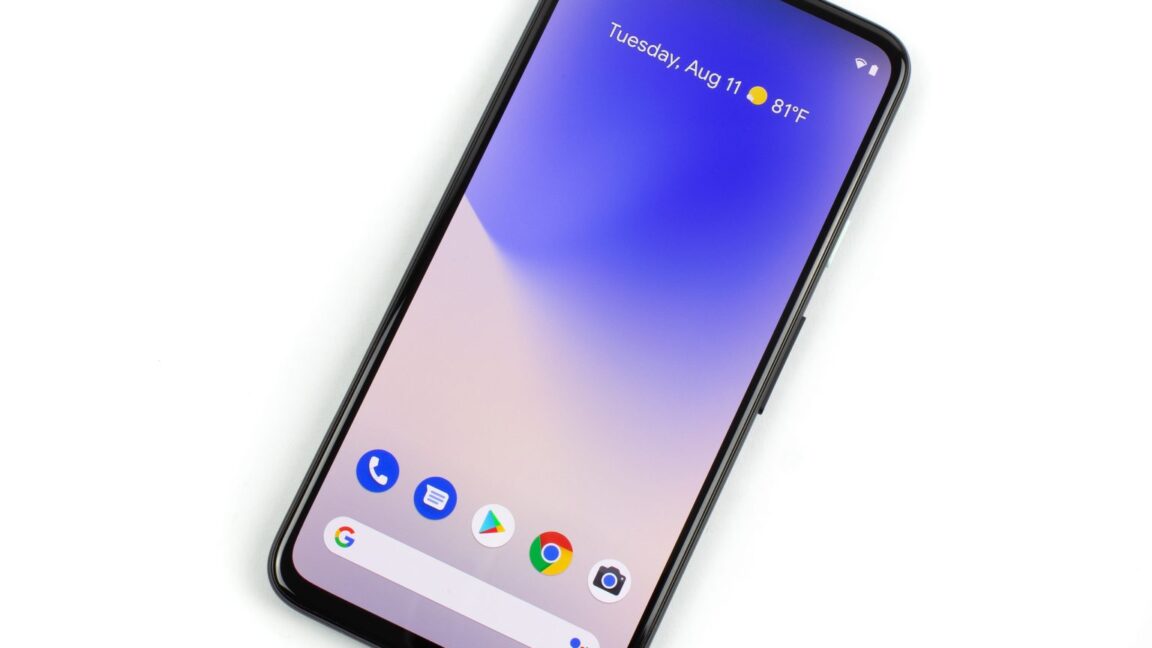
The Pixel 4a, a well-regarded release in Google’s line of budget-minded phones with nice cameras and decent stock software, was not supposed to get any more updates. This week, it will receive a rather uncommon one—one that intends to lower its reported battery life.

The Pixel 4a, released in the summer of 2020, was discontinued at the end of 2022. It received its last official software update in the summer of 2023, followed by a surprise security update in November 2023. Throughout 2024, there were no updates. This week, owners of the 4a (and likely many former owners) are getting a new update, along with an email titled “Changes coming to your Pixel 4a.”

The email addresses “an upcoming software update for your Pixel 4a that will affect the overall performance and stability of its battery.” The automatic software update to Android 13 “introduces new battery management features to improve the stability of your device,” which will “reduce your battery’s runtime and charging performance.”

Google goes into more detail on a support page about the “Pixel 4a Battery Performance Program,” noting that only some “Impacted Devices” will see the reduced capacity and charging performance. Those with such devices (determined by a survey) have three options beyond just taking the hit: sending their phone in for a free battery replacement, receiving $50 (or the non-US equivalent) payment, or getting $100 toward a new Pixel phone from the Google Store. Those with impacted phones have one year from the scheduled software update on January 8, 2025, to choose an “appeasement option.”

https://arstechnica.com/gadgets/2025/01/good-news-bad-news-pixel-4a-is-getting-an-update-but-it-reduces-battery-life/


Apple will update iOS notification summaries after BBC headline mistake

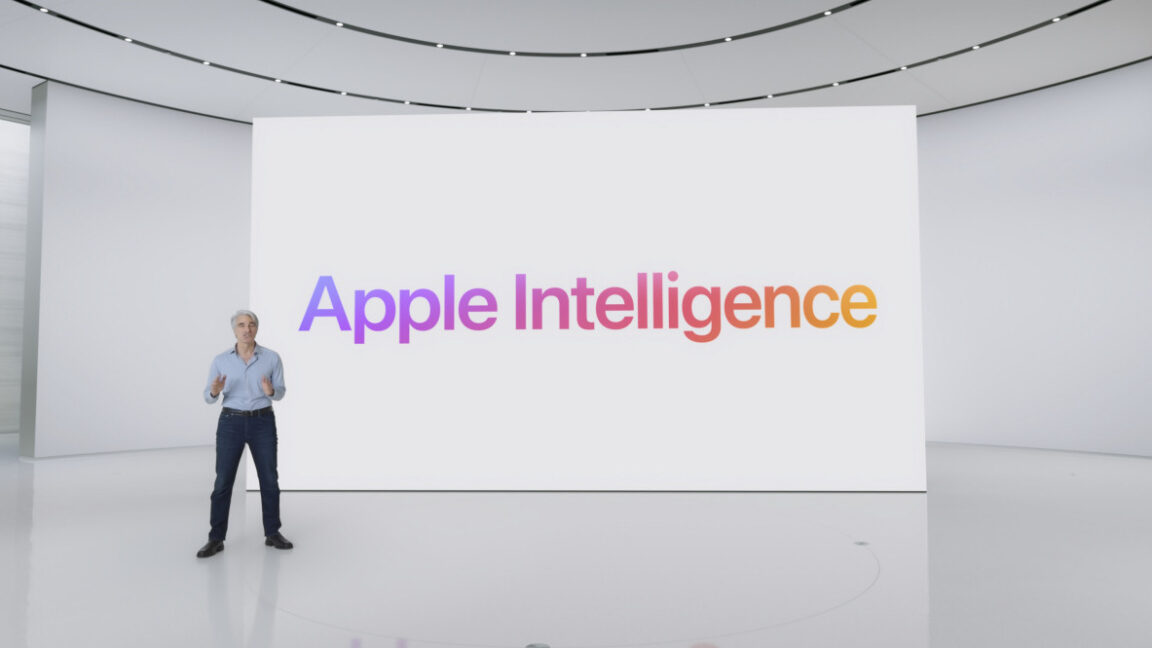
Apple plans to release a software update that is meant to help users understand better that its notification summaries are AI-generated and may contain errors, according to a recent BBC news story. The update is a response to reports that the summaries gave users misleading information about world events.

For example, one false summary suggested to at least one user that Luigi Mangione, the alleged murderer of UnitedHealthcare CEO Brian Thompson, had committed suicide. The notification in question was meant to summarize the most important tidbits from 22 BBC news app notifications, according to a widely circulated screenshot.

Apple hasn’t publicly specified exactly what will be changed to better inform users—only that it will be a software change that will “further clarify” when the notifications have been generated via the feature that resides under the Apple Intelligence umbrella.

The notification summaries, which are generated for individual users and devices via a custom large language model (LLM) Apple has trained, already had a small icon on them to indicate that they were not normal, unaltered notifications from the apps in question.

However, that icon’s meaning may not be immediately apparent to most users.

Users can disable the Apple Intelligence notification summaries by accessing the Settings app on their mobile devices.

When contacted for a statement, an Apple spokesperson told Ars:

Apple Intelligence is designed to help users get everyday tasks done faster and more easily. This includes optional notification summaries, which provide users who choose to opt in a way to briefly view information from apps and tap into the full details whenever they choose. These are identified by a summarization icon, and the original content is a quick tap away. Apple Intelligence features are in beta and we are continuously making improvements with the help of user feedback. A software update in the coming weeks will further clarify when the text being displayed is summarization provided by Apple Intelligence. We encourage users to report a concern if they view an unexpected notification summary.

This issue can’t just be fixed entirely

The BBC stories about the error-prone AI have often seemed to lack understanding of how the Apple Intelligence notification summaries work—for example, in suggesting that all users received the offending notification about Mangione. The wording of the summaries varies on individual devices depending on what other notifications were received around the same time.

https://arstechnica.com/gadgets/2025/01/apple-plans-software-update-after-ai-summaries-get-news-headlines-wrong/


HDMI 2.2 will require new “Ultra96” cables, whenever we have 8K TVs and content

We’ve all had a good seven years to figure out why our interconnected devices refused to work properly with the HDMI 2.1 specification. The HDMI Forum announced at CES today that it’s time to start considering new headaches. HDMI 2.2 will require new cables for full compatibility, but it has the same physical connectors. Tiny QR codes are suggested to help with that, however.

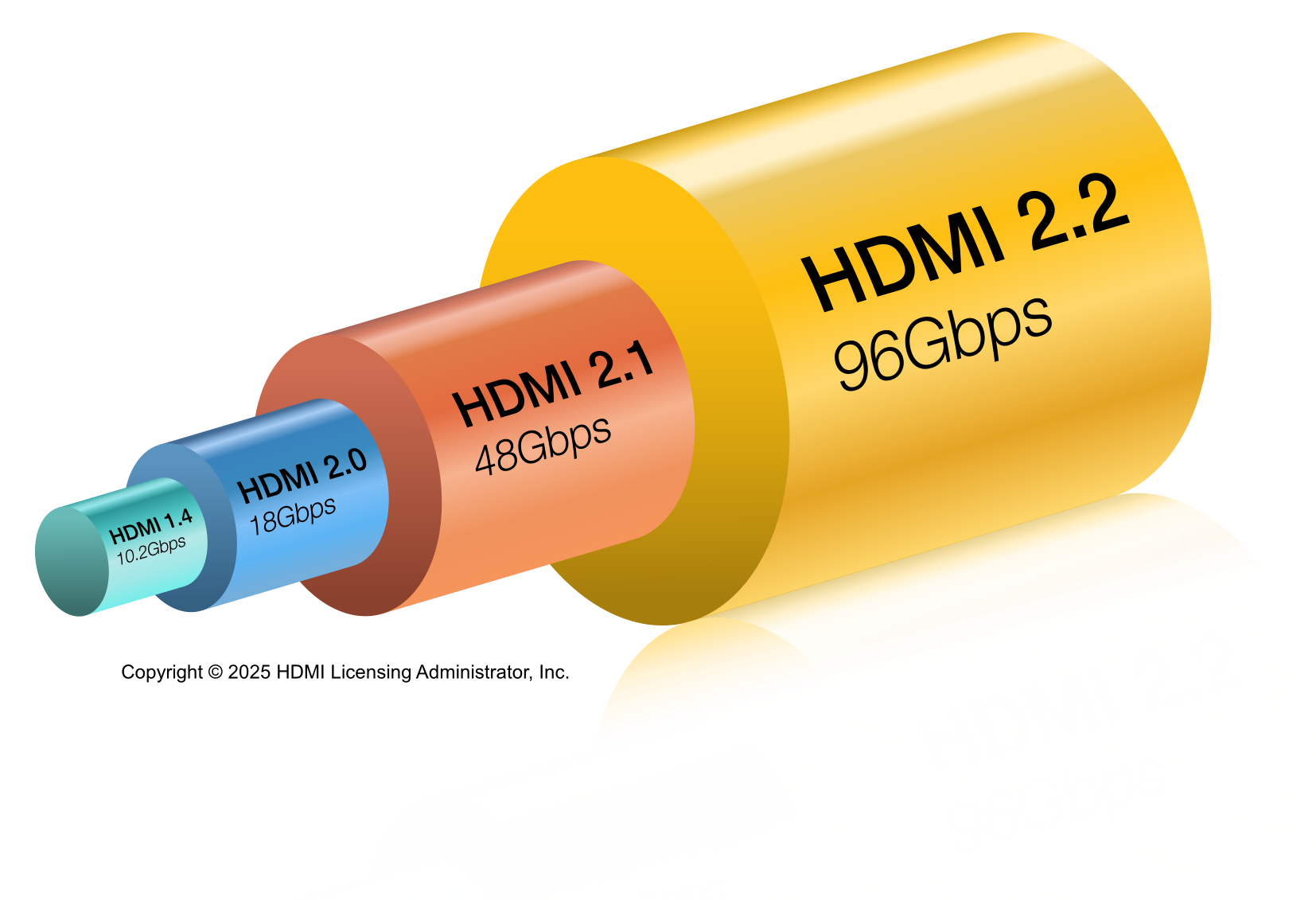
The new specification is named HDMI 2.2, but compatible cables will carry an “Ultra96” marker to indicate that they can carry 96GBps, double the 48 of HDMI 2.1b. The Forum anticipates this will result in higher resolutions and refresh rates and a “next-gen HDMI Fixed Rate Link.” The Forum cited “AR/VR/MR, spatial reality, and light field displays” as benefiting from increased bandwidth, along with medical imaging and machine vision.

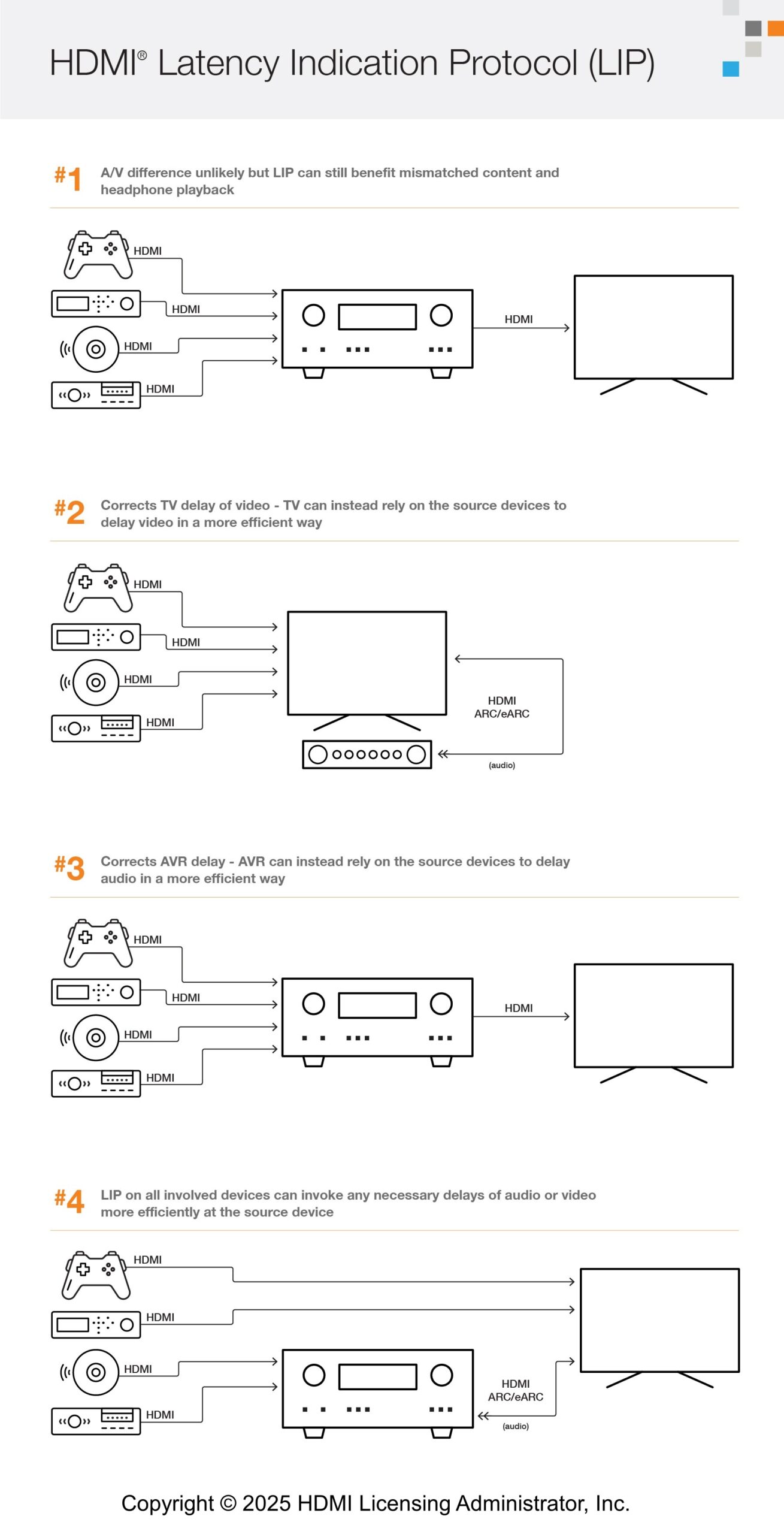
Examples of how HDMI 2.2’s synchronization abilities will benefit home theaters.

A visualization of how far HDMI has come in bandwidth, from 1.0 to 2.2.

A bit closer to home, the HDMI 2.2 specification also includes “Latency Indication Protocol” (LIP), which can help improve audio and video synchronization. This should matter most in “multi-hop” systems, such as home theater setups with soundbars or receivers. Illustrations offered by the Forum show LIP working to correct delays on headphones, soundbars connected through ARC or eARC, and mixed systems where some components may be connected to a TV, while others go straight into the receiver.

https://arstechnica.com/gadgets/2025/01/hdmi-2-2-will-require-new-ultra96-cables-whenever-we-have-8k-tvs-and-content/


Intel fills out Core Ultra 200 laptop chips with hodgepodge of CPUs, GPUs, and NPUs

Intel’s five new H-series Core Ultra 200 processors, based on the Arrow Lake architecture. Credit: Intel

Most of the H-series chips have a base power of 28 W and a maximum Turbo power of up to 60 W, but the high-end Core Ultra 9 285H lists a 45 W base power and 115 W maximum Turbo power level. Per usual, individual PCs with these CPUs will differ slightly based on how the manufacturer configures them.

Both the U- and H-series Core Ultra 200 processors support DDR5-6400 and LPDDR5X-8400 memory, up to four integrated Thunderbolt ports, up to 10 USB 2.0 ports, and up to two USB 3.0 ports.

Intel says that both U- and H-series CPUs will begin shipping in Feburary of 2025.

HX-series: Desktop CPUs for big, beefy laptops

The last chips Intel is announcing today are all in the HX series, and like previous HX-series CPUs, they take Intel’s Arrow Lake desktop silicon and repackage it to fit into hefty gaming laptops and workstations.

Intel’s six new HX-series Core Ultra 200 processors, based on the Arrow Lake architecture. Credit: Intel

This means the Core Ultra 9 HX chips can have up to 24 CPU cores, same as the Core Ultra 9 285K on the desktop—eight P-cores and 16 E-cores, with no LP-E cores. Core Ultra 7 processors step down to 8 P-cores and 12 E-cores, while Core Ultra 5 CPUs get six P-cores and eight E-cores. All processors have either three or four GPU cores, but these are meant primarily for driving displays while the system’s dedicated graphics card handles the heavy lifting. A 13 TOPS NPU is also included, same as in the Core Ultra 200 desktop processors, though this falls well short of Microsoft’s 40 TOPS performance requirement for Copilot+ features.

The extra computing resources do significantly increase these chips’ power usage, though their power levels are still reined in quite a bit compared to the desktop versions of the chips. Base power for all six of the HX-series CPUs is listed at 55 W, while maximum Turbo power is listed at 160 W. Intel says that HX-series systems will launch in “late Q1” of 2025.

This story was updated at 11 am Eastern time on January 6, 2025 to add additional details about the P- and E-core architectures used by U-series Core Ultra 200 processors. We’ve also added availability information for U-series processors.

https://arstechnica.com/gadgets/2025/01/intel-rounds-out-core-ultra-200-laptop-cpus-with-new-but-less-advanced-models/


Microsoft would really like you to replace your old Windows 10 PCs this year

Last January at CES, Microsoft Chief Marketing Officer Yusuf Mehdi declared 2024 the “year of the AI PC.” And whether you believe that prediction came true or not—many new PCs come with AI-accelerating neural processing units (NPUs) onboard, but far from all of them—you can’t deny that Microsoft did try very hard to make it happen.

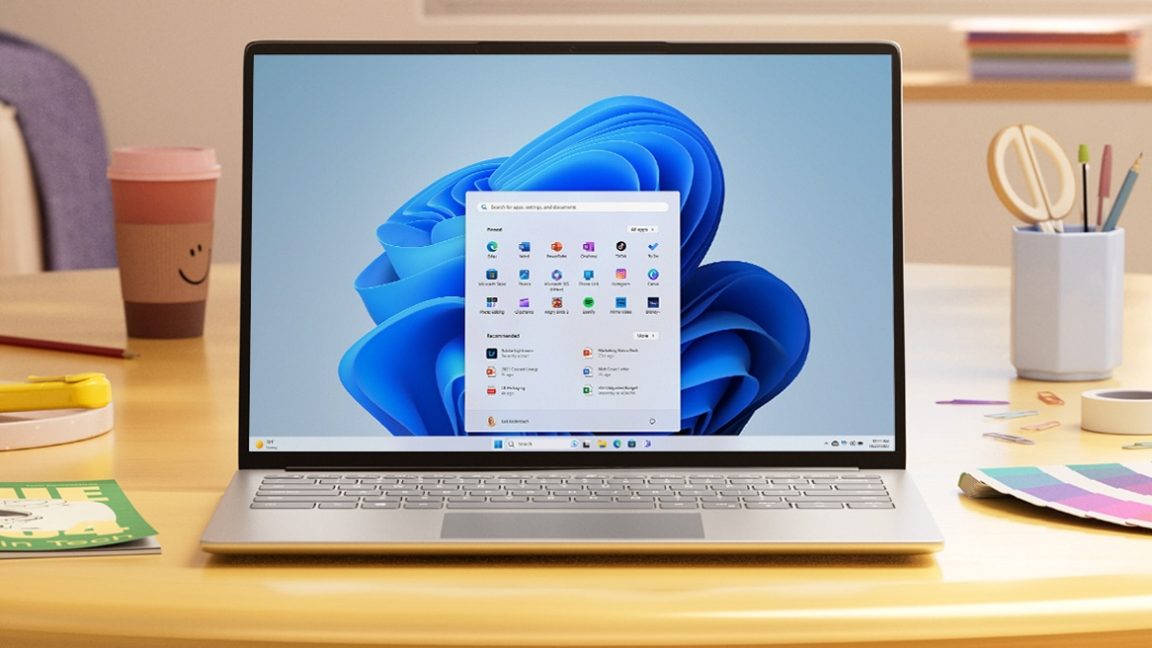
This year, Mehdi is back with another prediction: 2025 will be “the year of the Windows 11 PC refresh.” This year is also, not coincidentally, the year that most Windows 10 PCs will stop receiving new security updates.

Mehdi’s post includes few, if any, new announcements, but it does set the tone for how Microsoft is handling the sunsetting of Windows 10, attempting to strike a balance between carrot and stick. The carrots include Windows 11’s new features (both AI and otherwise) and the performance, security, and battery life benefits inherent to brand-new PC hardware. The stick is that Windows 10 support ends in October 2025, and Microsoft is not interested in extending that date for the general public or in expanding official Windows 11 support to older PCs.

“Whether the current PC needs a refresh, or it has security vulnerabilities that require the latest hardware-backed protection, now is the time to move forward with a new Windows 11 PC,” Mehdi writes.

Microsoft and its partners obviously benefit more from users buying new PCs than they do when Microsoft provides free OS updates for existing machines. It’s also true that many formally unsupported PCs can run Windows 11 just fine, especially with carefully considered hardware upgrades.

But it’s also the case that many users of older, incompatible PCs could benefit a lot from an upgrade at this point. When Microsoft announced and released the first version of Windows 11 in 2021, it restricted support to PCs and processors that were, at the time, no more than three or four years old. By the time October rolls around, those machines will be seven or eight years old. PCs that can’t run Windows 11 will be nearly a decade old or older. In that time, CPUs and GPUs have gotten faster, laptop screens have gotten larger and better, and old hardware has had plenty of time to deplete its battery and suffer from physical wear and tear.

https://arstechnica.com/gadgets/2025/01/as-it-buries-windows-10-microsoft-declares-2025-year-of-the-windows-11-pc-refresh/