Nvidia partners leak next-gen RTX 50-series GPUs, including a 32GB 5090

Rumors have suggested that Nvidia will be taking the wraps off of some next-generation RTX 50-series graphics cards at CES in January. And as we get closer to that date, Nvidia’s partners and some of the PC makers have begun to inadvertently leak details of the cards.

According to recent leaks from both Zotac and Acer, it looks like Nvidia is planning to announce four new GPUs next month, all at the high end of its lineup: The RTX 5090, RTX 5080, RTX 5070 Ti, and RTX 5070 were all briefly listed on Zotac’s website, as spotted by VideoCardz. There’s also an RTX 5090D variant for the Chinese market, which will presumably have its specs tweaked to conform with current US export restrictions on high-performance GPUs.

Though the website leak didn’t confirm many specs, it did list the RTX 5090 as including 32GB of GDDR7, an upgrade from the 4090’s 24GB of GDDR6X. An Acer spec sheet for new Predator Orion desktops also lists 32GB of GDDR7 for the 4090, as well as 16GB of GDDR7 for the RTX 5080. This is the same amount of RAM included with the RTX 4080 and 4080 Super.

The 5090 will be a big deal when it launches because no graphics card released since October 2022 has come close to beating the 4090’s performance. Nvidia’s early 2024 Super refresh for some 40-series cards didn’t include a 4090 Super, and AMD’s flagship RX 7900 XTX card is more comfortable competing with the likes of the 4080 and 4080 Super. The 5090 isn’t a card that most people are going to buy, but for the performance-obsessed, it’s the first high-end performance upgrade the GPU market has seen in more than two years.

https://arstechnica.com/gadgets/2024/12/nvidia-partners-leak-next-gen-rtx-50-series-gpus-including-a-32gb-5090/


The optical disc onslaught continues, with LG quitting Blu-ray players

Speaking of things staying the same, Blu-rays and DVDs also won’t have their content altered after purchase, as we’ve seen happen to digital versions of media.

While certainly in decline, the US Blu-ray and DVD disc market made $1.34 billion in the year ending in March 2023, according to market research group Circana. Data from the first half of 2024 from entertainment trade association The Digital Entertainment Group (DEG) found that while overall Blu-ray and DVD sales declined 22.2 percent during that time period, there were some areas of growth, too:

Consumers continue to show strong demand for collectible disc formats with SteelBooks, [or Blu-rays sold in collectible steel cases], up 44 percent and 4K UHD Blu-ray catalog sales growing by 16 percent.

A Dune: Part Two SteelBook. Credit: Steelbook

Furthermore, sales of newly released Blu-rays decreased more slowly, at 14 percent, according to DEG. A look at the top-selling Blu-rays for the week ending on November 30 based on data from Circana shows recent films, like Beetlejuice Beetlejuice and Deadpool & Wolverine, topping the list.

And it was only about a year ago that 4K Blu-rays of the megahit Oppenheimer actually sold out.

There are still options

For those interested in a new Blu-ray player, though, the options are more limited with LG exiting the market, but that doesn’t mean you’re out of luck. Even though brands like Panasonic and Sony haven’t made new Blu-ray players in years, they continue to sell them. And the market still sees the occasional new release, such as the Magnetar UPD900 that came out last year.

With the benefits of physical media still present, the demise of LG Blu-ray players is notable, but not defining, for physical media aficionados.

For those who don’t want to use their Blu-ray player anymore, there’s always the option to turn it into a laser-scanning microscope.

https://arstechnica.com/gadgets/2024/12/the-optical-disc-onslaught-continues-with-lg-quitting-blu-ray-players/


Google steps into “extended reality” once again with Android XR

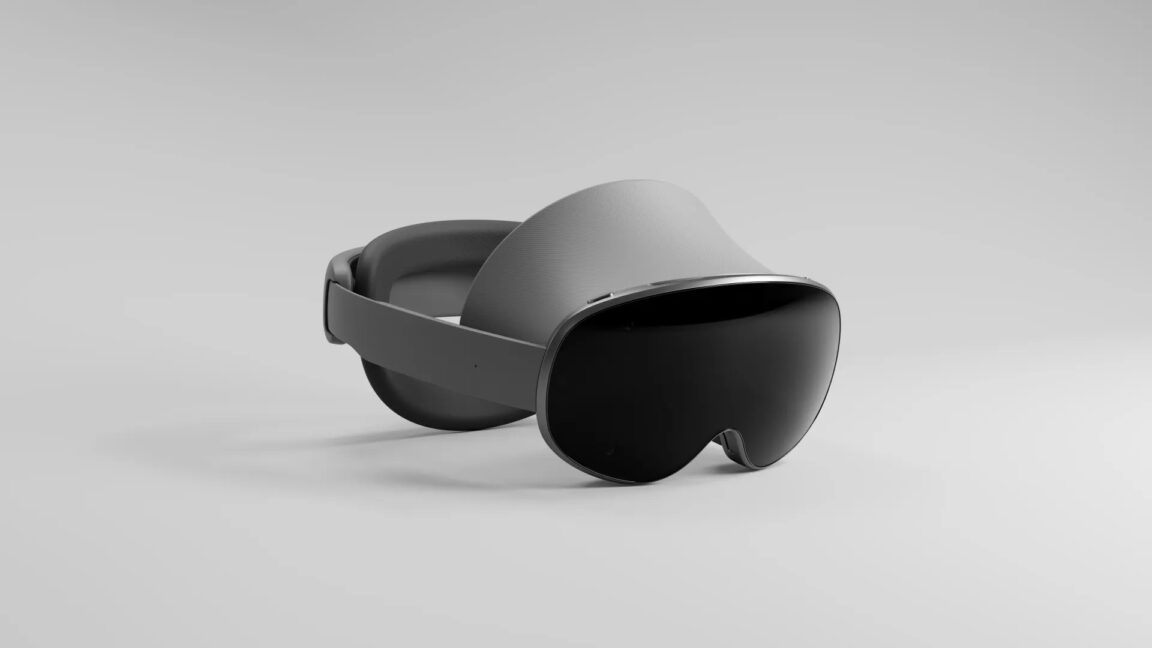
Citing “years of investment in AI, AR, and VR,” Google is stepping into the augmented reality market once more with Android XR. It’s an operating system that Google says will power future headsets and glasses that “transform how you watch, work, and explore.”

The first version you’ll see is Project Moohan, a mixed-reality headset built by Samsung. It will be available for purchase next year, and not much more is known about it. Developers have access to the new XR version of Android now.

“We’ve been in this space since Google Glass, and we have not stopped,” said Juston Payne, director of product at Google for XR in Android XR’s launch video. Citing established projects like Google Lens, Live View for Maps, instant camera translation, and, of course, Google’s general-purpose Gemini AI, XR promises to offer such overlays in both dedicated headsets and casual glasses.

[embedded content]

Android XR announcement video.

There are few additional details right now beyond a headset rendering, examples in Google’s video labeled as “visualization for concept purposes.” Google’s list of things that will likely be on board includes Gemini, Maps, Photos, Translate, Chrome, Circle to Search, and Messages. And existing Android apps, or at least those updated to do so, should make the jump, too.

https://arstechnica.com/gadgets/2024/12/google-steps-into-extended-reality-once-again-with-android-xr/


Intel Arc B580 review: A $249 RTX 4060 killer, one-and-a-half years later

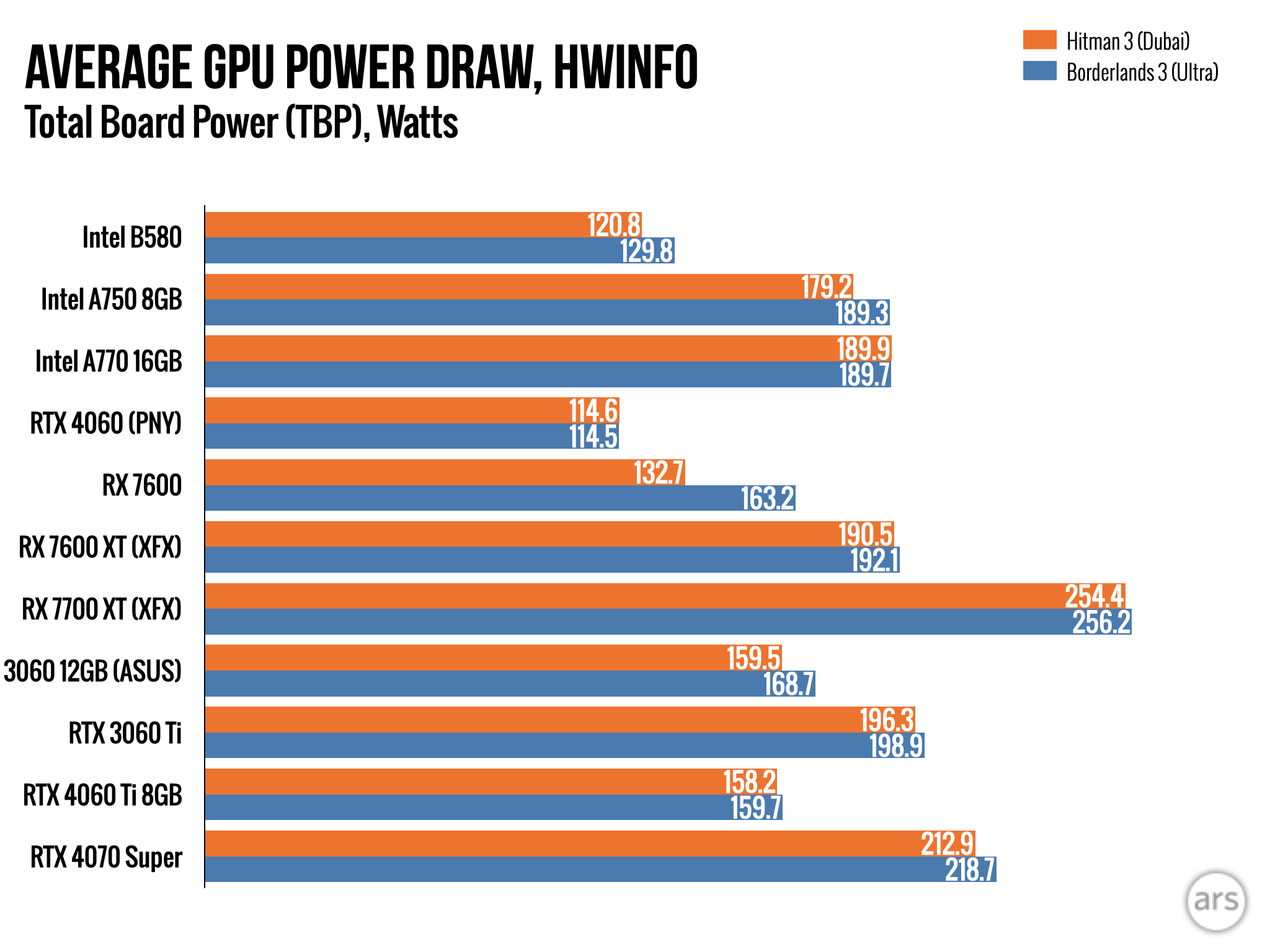
GPU power consumption numbers under load. Credit: Andrew Cunningham

Power consumption is another place where the Battlemage GPU plays a lot of catch-up with Nvidia. With the caveat that software-measured power usage numbers like ours are less accurate than numbers captured with hardware tools, it looks like the B580’s power consumption, when fully loaded, consumes somewhere between 120 and 130 W in Hitman and Borderlands. This is a tad higher than the 4060, but it’s lower than either Radeon RX 7600.

It’s not the top of the class, but looking at the A750’s power consumption shows how far Intel has come—the B580 beats the A750’s performance every single time while consuming about 60 W less power.

A strong contender, a late arrival

The Intel Arc B580. Credit: Andrew Cunningham

Intel is explicitly targeting Nvidia’s GeForce RTX 4060 with the Arc B580, a role it fills well for a low starting price. But the B580 is perhaps more damaging to AMD, which positions both of its 7600-series cards (and the remaining 6600-series stuff that’s hanging around) in the same cheaper-than-Nvidia-with-caveats niche.

In fact, I’d probably recommend the B580 to a budget GPU buyer over any of the Radeon RX 7600 cards at this point. For the same street price as the RX 7600, Intel is providing better performance in most games and much better performance in ray-traced games. The 16GB 7600 XT has more RAM, but it’s $90 to $100 more expensive, and a 12GB card is still reasonably future-proof and decent at 1440p.

All of that said, Intel is putting out a great competitor to the RTX 4060 and RX 7600 a year and a half after those cards both launched—and within just a few months of a possible RTX 5060. Intel is selling mid-2023’s midrange GPU performance in late 2024. There are actually good arguments for building a budget gaming PC right this minute, before potential Trump-administration tariffs can affect prices or supply chains, but assuming the tech industry can maintain its normal patterns, it would be smartest to wait and see what Nvidia does next.

https://arstechnica.com/gadgets/2024/12/review-intel-arc-b580-is-a-compelling-if-incredibly-tardy-250-midrange-gpu/


Errant reference in macOS 15.2 seems to confirm M4 MacBook Airs for 2025

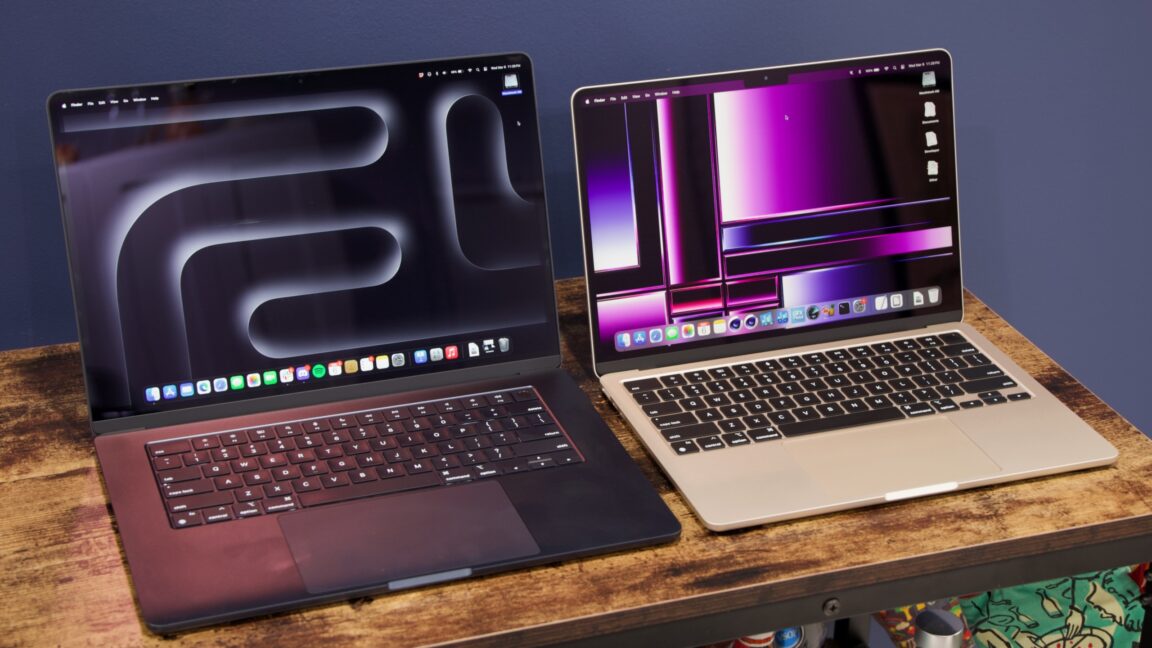
The macOS 15.2 update that was released earlier today came with a handful of new features, plus something unexpected: an apparently accidental reference to the upcoming M4 MacBook Airs. MacRumors reports that the “Mac16,12” and “Mac16,13” model identifiers reference 13- and 15-inch models of the M4 Air and that both are coming in 2025.

That a MacBook Air refresh is planned for next year isn’t much of a surprise at this point—in reporting that pretty much nailed the details of the first M4 Macs, Bloomberg’s Mark Gurman has said that the Air, the Mac Studio, and the Mac Pro are all slated for updates throughout 2025.

But a reference in the current release of macOS could point to a launch sooner rather than later; the M4 Mac mini was referenced in a macOS update in mid-September around a month and a half before it was released. The M3 Airs came out in March this year, but Apple has been known to put out new Macs as early as January in recent years.

The M4 isn’t a gigantic update over the M3—we tested its performance in the M4 iMac, though a passively cooled MacBook Air version would likely be a bit slower at heavier workloads—but the fully enabled version does come with two extra CPU cores and some nice quality-of-life updates. Those updates include Thunderbolt 5 ports and support for a total of three displays (two external and the built-in screen), up from a total of two for the M1, M2, and M3 MacBook Airs.

We didn’t get M4 MacBook Airs in November, but Apple did “update” the M2 and M3 versions from 8GB to 16GB of RAM without increasing their prices. The RAM increase will be useful for all kinds of things, though it could be a harbinger of increased memory requirements for upcoming Apple Intelligence features.

https://arstechnica.com/gadgets/2024/12/errant-reference-in-macos-15-2-seems-to-confirm-m4-macbook-airs-for-2025/


TCL TVs will use films made with generative AI to push targeted ads

Advertising has become a focal point of TV software. We’re seeing companies that sell TV sets be increasingly interested in leveraging TV operating systems (OSes) for ads and tracking. This has led to bold new strategies, like an adtech firm launching a TV OS and ads on TV screensavers.

With new short films set to debut on its free streaming service tomorrow, TV-maker TCL is positing a new approach to monetizing TV owners and to film and TV production that sees reduced costs through reliance on generative AI and targeted ads.

TCL’s five short films are part of a company initiative to get people more accustomed to movies and TV shows made with generative AI. The movies will “be promoted and featured prominently on” TCL’s free ad-supported streaming television (FAST) service, TCLtv+, TCL announced in November. TCLtv+has hundreds of FAST channels and comes on TCL-brand TVs using various OSes, including Google TV and Roku OS.

Some of the movies have real actors. You may even recognize some, (like Kellita Smith, who played Bernie Mac’s wife, Wanda, on The Bernie Mac Show). Others feature characters made through generative AI. All the films use generative AI for special effects and/or animations and took 12 weeks to make, 404 Media, which attended a screening of the movies, reported today. AI tools used include ComfyUI, Nuke, and Runway, 404 reported. However, all of the TCL short movies were written, directed, and scored by real humans (again, including by people you may be familiar with). At the screening, Chris Regina, TCL’s chief content officer for North America, told attendees that “over 50 animators, editors, effects artists, professional researchers, [and] scientists” worked on the movies.

I’ve shared the movies below for you to judge for yourself, but as a spoiler, you can imagine the quality of short films made to promote a service that was created for targeted ads and that use generative AI for fast, affordable content creation. AI-generated videos are expected to improve, but it’s yet to be seen if a TV brand like TCL will commit to finding the best and most natural ways to use generative AI for video production. Currently, TCL’s movies demonstrate the limits of AI-generated video, such as odd background imagery and heavy use of narration that can distract from badly synced audio.

https://arstechnica.com/gadgets/2024/12/tcl-tvs-will-use-films-made-with-generative-ai-to-push-targeted-ads/


iOS 18.2, macOS 15.2 updates arrive today with image and emoji generation

Apple has announced that it will be releasing the iOS 18.2, iPadOS 18.2, and macOS Sequoia 15.2 updates to the public later this afternoon, following weeks of beta testing for developers and users. As with iOS 18.1, the headlining features are new additions to Apple Intelligence, mainly the image-generation capabilities: Image Playground for general images, and “Genmoji” for making custom images in the style of Apple’s built-in Unicode-based emoji characters.

Other AI features include “Image Wand,” which will take sketched images from the Notes app and turn them into a “polished image” using context clues from other notes; and ChatGPT integration for the Writing Tools feature.

The updates also include a long list of bug fixes and security updates, for those who don’t care about Apple Intelligence. Safari gets better data importing and exporting support, an HTTPS Priority feature that “upgrades URLs to HTTPS whenever possible,” and a download status indicator for iPhones with a Dynamic Island. Mail in iOS offers to automatically sort messages to bring important ones to the top of your inbox. There are also various tweaks and improvements for the Photos, Podcasts, Voice Memos, and Stocks apps, while the Weather app in macOS can optionally display the weather in your menu bar.

https://arstechnica.com/gadgets/2024/12/ios-18-2-macos-15-2-updates-arrive-today-with-image-and-emoji-generation/


The latest in poker cheats: Tiny cameras that can see cards as they’re dealt

“I think it’s kind of surprising that a lot of these things don’t happen sooner, to be perfectly honest,” Coles says, noting that many of these cameras, earpieces, and transmitters have existed for a decade or more.

“You could do it with a very cheap investment,” Piallat says. “You won’t need a lot of money.”

Clearly, these schemes are out there and available. So should poker players everywhere be concerned?

Mini-camera cheating is now an open secret in the poker community, from its references in forums to an entire August episode from Berkey’s Only Friends podcast that covered the alleged methods in detail. And if casinos and law enforcement weren’t aware of it much earlier, they certainly are now; Piallat confirmed to WIRED that his unit dispersed information about the case around the globe through Interpol networks.

What can casinos, players, and law enforcement do about it, though?

The first step is simple vigilance, something all these parties are well-versed in. Policing of suspicious players happens at casino level. WIRED independently confirmed a separate alleged incident at a different casino in June that included an individual reportedly earning seven-figure profits before disappearing. The alleged cheater in this case hasn’t been seen since, and Berkey wonders if he was banned from this and possibly other casinos.

“It would seem as though the Vegas casinos have acted,” Berkey says.

Those are retroactive measures, though; what about stopping this cheating as or before it happens?

Some Vegas casinos, per multiple sources, have begun banning phones from being set down at felt level on tables. Many casinos have long had policies prohibiting phone use during hands, and some have even banned phones entirely in prior years, and now these efforts are growing more widespread. However, with the knowledge that today’s miniature cameras can be built into lighters, pens, and other non-phone devices, is that enough of a safety measure? A true “no items on the table whatsoever” rule feels more prudent, but will casinos view that as too invasive toward their clientele? Then there’s a whole separate conversation about placing devices on the rail, which is where players rest their elbows and which sits slightly higher than the felt itself.

https://arstechnica.com/gadgets/2024/12/the-latest-in-poker-cheats-tiny-cameras-that-can-see-cards-as-theyre-dealt/


Startup will brick $800 emotional support robot for kids without refunds

Startup Embodied is closing down, and its product, an $800 robot for kids ages 5 to 10, will soon be bricked.

Embodied blamed its closure on a failed “critical funding round.” On its website, it explained:

We had secured a lead investor who was prepared to close the round. However, at the last minute, they withdrew, leaving us with no viable options to continue operations. Despite our best efforts to secure alternative funding, we were unable to find a replacement in time to sustain operations.

The company didn’t provide further details about the pulled funding. Embodied’s previous backers have included Intel Capital, Toyota AI Ventures, Amazon Alexa Fund, Sony Innovation Fund, and Vulcan Capital, but we don’t know who the lead investor mentioned above is.

When it first announced Moxie in April 2020, Embodied described the robot as a “safe and engaging animate companion for children designed to help promote social, emotional, and cognitive development.” It advertised play built around “best practices in child development and early childhood education”; changing weekly themes, like empathy, friendship, and respect; and activities like meditation, reading, and drawing with the bot.

But soon, none of those features will be available, making the pricey children’s toy virtually useless. According to Embodied, Moxie can’t perform core functionality with cloud connectivity. Worse, owners apparently have an uncertain and limited amount of time until the devices are bricked. Per Embodied:

We don’t know the exact date when services will cease. It is likely to happen within days. However, we are exploring options to keep Moxie operational for as long as possible, although we cannot provide any guarantees.

Since Embodied marketed Moxie as a companion and development toy for children, there’s concern about kids potentially suffering an emotional toll after the robot abruptly becomes inoperable. Embodied has responded by promising to provide a guide for telling children about Moxie’s demise. Online, however, customers are already sharing videos of their sad kids learning that their robot friend will stop playing with them, as Axios pointed out.

https://arstechnica.com/gadgets/2024/12/startup-will-brick-800-emotional-support-robot-for-kids-without-refunds/


Microsoft discontinues lackadaisically updated Surface Studio all-in-one desktop

The longest-lived Studio desktop was the Surface Studio 2, which was released in 2018 and wasn’t replaced until a revised Surface Studio 2+ was announced in late 2022. It used an even higher-quality display panel, but it still used previous-generation internal components. This might not have been so egregious if Microsoft had updated it more consistently, but this model went untouched for so long that Microsoft had to lower Windows 11’s system requirements specifically to cover the Studio 2 so that the company wouldn’t be ending support for a PC that it was still actively selling.

The Studio 2+ was the desktop’s last hurrah, and despite jumping two GPU generations and four CPU generations, it still didn’t use the latest components available at the time. Again, more consistent updates like the ones Microsoft provides for the Surface Pro and Surface Laptop could have made this less of a problem, but the Studio 2+ once again sat untouched for two years after being updated.

The Studio desktop’s unique screen and hinge endeared it to some artists, and for those users, there’s no immediately obvious replacement for this machine. But the all-in-one’s high price and its specs always made it a hard sell for anyone else. A lack of wide appeal usually leads to mediocre sales, and mediocre sales usually lead to discontinued products. So it goes.

https://arstechnica.com/gadgets/2024/12/microsoft-discontinues-lackadaisically-updated-surface-studio-all-in-one-desktop/