No more bricked iPads: Apple fixes several bugs in iOS, iPadOS, macOS updates
On Thursday, Apple released the first software updates for its devices since last month’s rollout of iOS 18 and macOS Sequoia.
Those who’ve been following along know that several key features that didn’t make it into the initial release of iOS 18 are expected in iOS 18.1, but that’s not the update we got on Thursday.
Rather, Apple pushed out a series of smaller updates that fixed several bugs but did not add new features. The updates are labeled iOS 18.0.1, iPadOS 18.0.1, visionOS 2.0.1, macOS Sequoia 15.0.1, and watchOS 11.0.1.
Arguably, the two most important fixes come in iPadOS 18.0.1 and iOS 18.0.1. The iPad update fixes an issue that bricked a small number of recently released iPads (those running Apple’s M4 chip). That problem caused Apple to quickly pull iPadOS 18 for those devices, so Thursday’s iPadOS 18.0.1 release is actually the first time most users of those devices will be able to run iPadOS 18.
On the iPhone side, Apple says it has addressed a bug that could sometimes cause the touchscreen to fail to register users’ fingers.
Despite forcing all of Prime Video subscribers to the ad tier in January unless they paid an extra $3 per month, Amazon has seemingly yet to tap Prime Video’s full ad potential. Amazon’s ad business still mostly relies on ads shown on the Amazon website, Amazon CFO Brian Olsavsky told investors in August. In the first full quarter when Prime Video with ads was available, Amazon’s ad business grew more slowly than expected than in recent quarters, with ad sales missing analyst estimates ($12.77 billion compared to $13 billion).
That said, ads remain one of Amazon’s fastest-growing and highest-margin businesses, and the conglomerate is keen to cultivate it. Amazon has reportedly already surpassed its ad-spending commitment goal for Prime Video for 2025.
Amazon has also been competitive in ad pricing, reportedly offering lower prices than Netflix, while creating an early advantage by forcing all of its subscribers onto ad tiers and by already appealing to advertisers with its e-commerce business.
A fine line
With Amazon’s ad business growing and the company seeing minimal blowback since launching Prime Video with ads, it’s decided to push further and see how much more subscribers are willing to bear.
On one hand, those who have already viewed ads on Prime Video may be open to accepting whatever Amazon’s ad department is willing to throw at them.
Others, however, may think they were already paying their dues with the current ad setup. For subscribers who are fed up with streaming tactics like rising prices, changing libraries, and password crackdowns, there’s a fine line between an acceptable and disruptive amount of ads. Ad fatigue could also make commercials less effective.
At least for now, ad tiers make business sense for streaming providers, most of which are striving to hit or maintain profitability. Ad subscriptions make up 38 percent of the streaming market and represented more than half of new subscriptions in Q4 2023 and Q1 2024, per Antenna.
As long as people keep paying for ad subscriptions, streaming providers will seek more ways to use viewers to generate ad dollars. With Amazon increasing ad loads next year, we can anticipate more streaming services to test how much advertising customers will accept.
Microsoft releases Office 2024, the latest buy-once-own-forever version of Office
Microsoft’s push to get Windows and Office users to buy Microsoft 365 subscriptions can be irritating, but to the company’s credit, it’s one of the few that has continued to sell buy-once, use-forever versions of its flagship software after launching a subscription model. This week the company has officially launched Microsoft Office 2024, a new “locked-in-time” update to Word, Excel, PowerPoint, and other apps for people who don’t want the continuously developed Microsoft 365 versions.
For end users, Office Home 2024 gets you Word, Excel, PowerPoint, and OneNote for $149.99. Office Home & Business 2024 costs $249.99, which adds Outlook “and the rights to use the apps for commercial purposes.” Both licenses cover a single PC or Mac.
New Office Long-Term Servicing Channel (LTSC) products are also being released for businesses and other organizations; Office LTSC Professional Plus 2024 for Windows also includes the Access database management app. Project 2024 and Visio 2024 are also still being offered as standalone products.
The new apps include most changes made since Office 2021 was released three years ago; Microsoft details those updates here and on its Learn documentation site. Unlike the Microsoft 365 versions, the perpetually licensed versions of the apps won’t get ongoing feature updates, they’re missing some real-time collaboration capabilities, and they also won’t get any features related to the Copilot AI assistant.
“Obviously a failure”: Sonos execs not getting bonuses due to app fiasco
Sonos’ controversial app update in May was “obviously a failure,” Sonos CEO Patrick Spence told Reuters today.
When the update launched in May, customers revolted over missing features, like the ability to search music libraries, edit song and playlist queues, and set sleep timers. In addition, some already purchased hardware, especially older models, began having problems.
In a note to investors on Tuesday, Sonos said that “more than 80 percent of the app’s missing features have been reintroduced.” The app should be “almost 100 percent restored in the coming weeks.” Sonos has been updating the app every two weeks in an effort to bring it to parity with the old one.
“This is obviously a failure of Sonos, but it starts with me in terms of where it started,” he said.
The CEO reportedly admitted to the botched rollout stemming from a lack of proper testing and a desire to push out a lot of features simultaneously:
We underestimated the complexity of the system, and so our testing didn’t capture all of the things that it should. We released it too soon.
Sonos was reportedly eager to get the app out to accommodate Ace, resulting in an overhaul of the app, its player side, and Sonos’ cloud infrastructure. Last month, purported former and current Sonos employees spoke about the app accumulating technical debt before being forced into an update that wasn’t ready and overlooked some workers’ concerns.
No executive bonuses for now
Reuters reported today that Spence and seven other execs “would forgo their bonus in the most recent fiscal year,” which ended on September 30. The publication noted that Spence got a bonus of approximately $72,000 for fiscal year 2023. Reuters reported that the company heads have “certain benchmarks” to meet to receive bonuses for the October 2024 to September 2025 fiscal year.
It’s not hard to understand why the executives aren’t getting their bonuses. In addition to the damage that the botched app redesign has wrought on Sonos’ reputation—aggravating long-time customers and deterring prospective ones—the app has had tangible financial consequences. The Santa Barbara, California company is expecting to pay up to $30 million in the short term to fix the app and try to restore customer and partner trust. The company also delayed two hardware releases, which led it to reduce its fiscal 2024 guidance. Sonos shares have fallen more than 30 percent since before the app update, Reuters noted.
Verizon customers face mass-scale outage across the US
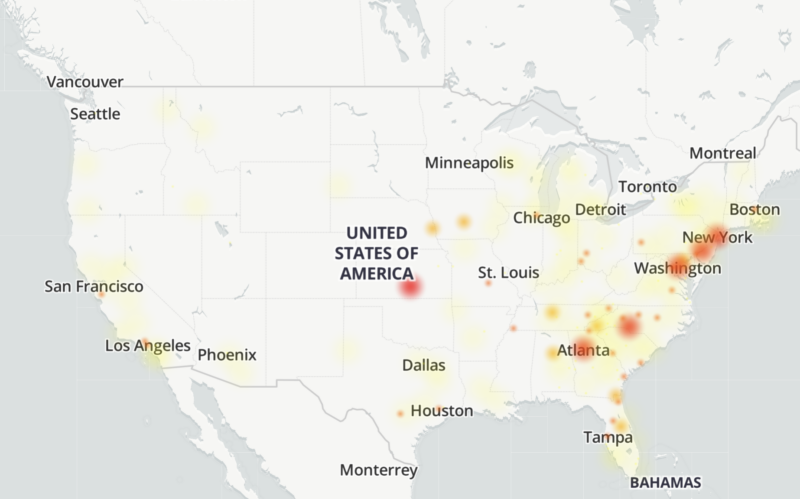
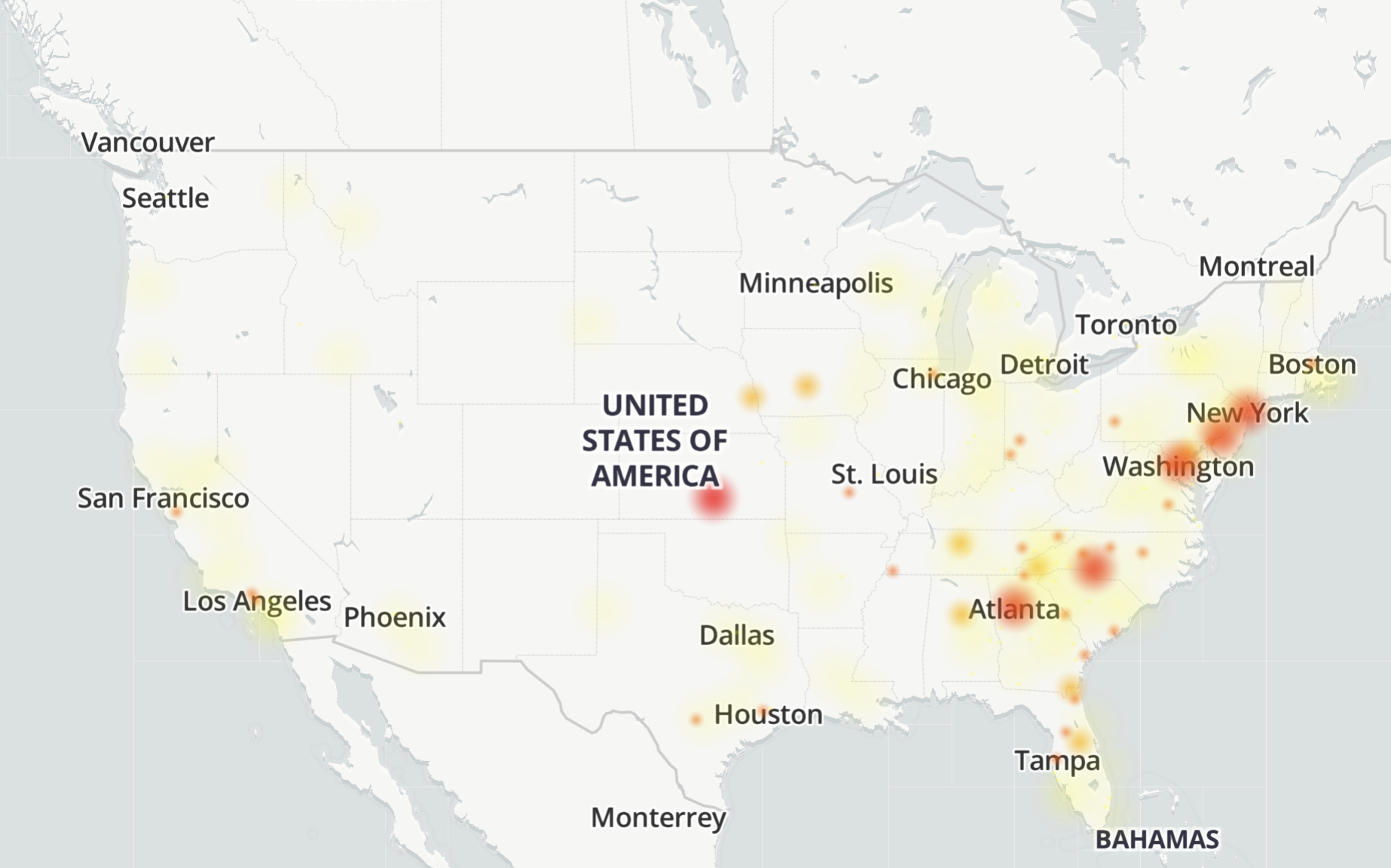
Enlarge/ A Downdetector map showing where Verizon outages are reported.
Wireless customers of Verizon and AT&T have found that they cannot make calls, send or receive text messages, or download any mobile data. As of this article’s publication, it appears the problem has yet to be resolved.
Users took to social media throughout the morning to complain that their phones were showing “SOS” mode, which allows emergency calls but nothing else. This is what phones sometimes offer when the user has no SIM registered on the device. Resetting the device and other common solutions do not resolve the issue. For much of the morning, Verizon offered no response to the reports.
Within hours, more than 100,000 users reported problems on the website Downdetector. The problem does not appear isolated to any particular part of the country; users in California reported problems, and so did users on the East Coast and in Chicago, among other places.
By 10 am, some AT&T users also began reporting problems. Outage maps based on user-reported data found that the outages were especially common in parts of the country otherwise affected by Hurricane Helene.
After a period of silence, Verizon acknowledged the problem in a public statement. “We are aware of an issue impacting service for some customers,” a spokesperson told NBC News and others. “Our engineers are engaged and we are working quickly to identify and solve the issue.”
However, the spokesperson did not specify why the outage was occurring. It’s not the first major online service outage this year, though. AT&T experienced an outage previously, and the CrowdStrike-related outage of Microsoft services caused chaos and made headlines in July.
Update 5:37 PM ET:Some users are reporting they have regained service, and Verizon confirmed this in another statement: “Verizon engineers are making progress on our network issue and service has started to be restored. We know how much people rely on Verizon and apologize for any inconvenience some of our customers experienced today. We continue to work around the clock to fully resolve this issue.”
https://arstechnica.com/?p=2053390
Apple backs out of backing OpenAI, report claims
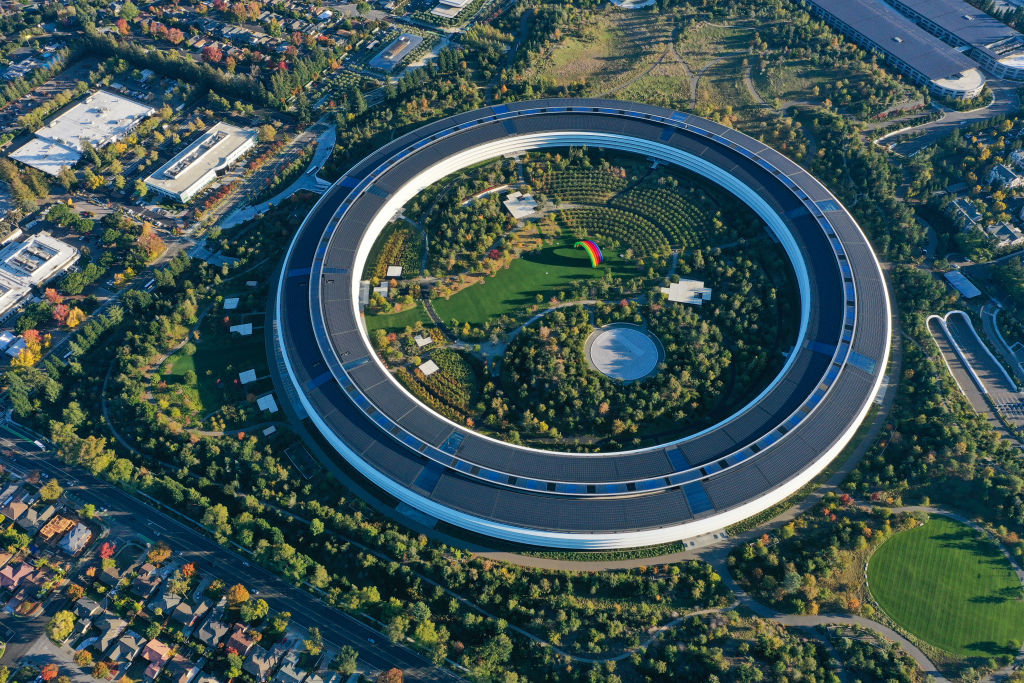
Enlarge/ The Apple Park campus in Cupertino, California.
A few weeks back, it was reported that Apple was exploring investing in OpenAI, the company that makes ChatGPT, the GPT model, and other popular generative AI products. Now, a new report from The Wall Street Journal claims that Apple has abandoned those plans.
The article simply says Apple “fell out of the talks to join the round.” The round is expected to close in a week or so and may raise as much as $6.5 billion for the growing Silicon Valley company. Had Apple gone through with the move, it would have been a rare event—though not completely unprecedented—for Apple to invest in another company that size.
OpenAI is still expected to raise the funds it seeks from other sources. The report claims Microsoft is expected to invest around $1 billion in this round. Microsoft has already invested substantial sums in OpenAI, whose GPT models power Microsoft AI tools like Copilot and Bing chat.
Nvidia is also a likely major investor in this round.
Apple will soon offer limited ChatGPT integration in an upcoming iOS update, though it plans to support additional models like Google’s Gemini further down the line, offering users a choice similar to how they pick a default search engine or web browser.
OpenAI has been on a successful tear with its products and models, establishing itself as a leader in the rapidly growing industry. However, it has also been beset by drama and controversy—most recently, some key leaders at OpenAI departed the company abruptly, and it shifted its focus from a research-focused organization that was beholden to a nonprofit, to a for-profit company under CEO Sam Altman. Also, former Apple design lead Jony Ive is confirmed to be working on a new AI product of some kind.
But The Wall Street Journal did not specify which (if any) of these facts are reasons why Apple chose to back out of the investment.
https://arstechnica.com/?p=2053378
Report: Apple changes film strategy, will rarely do wide theatrical releases
Enlarge/ A still from Wolfs, an Apple-produced film starring George Clooney and Brad Pitt.
For the past few years, Apple has been making big-budget movies meant to compete with the best traditional Hollywood studios have to offer, and it has been releasing them in theaters to drive ticket sales and awards buzz.
Much of that is about to change, according to a report from Bloomberg. The article claims that Apple is “rethinking its movie strategy” after several box office misfires, like Argylle and Napoleon.
It has already canceled the wide theatrical release of one of its tent pole movies, the George Clooney and Brad Pitt-led Wolfs. Most other upcoming big-budget movies from Apple will be released in just a few theaters, suggesting the plan is simple to ensure continued awards eligibility but not to put butts in seats.
Further, Apple plans to move away from super-budget films and to focus its portfolio on a dozen films a year at lower budgets. Just one major big-budget film is planned to get a wide theatrical release: F1. How that one performs could inform future changes to Apple’s strategy.
The report notes that Apple is not the only streamer changing its strategy. Netflix is reducing costs and bringing more movie production in-house, while Amazon is trying (so far unsuccessfully) to produce a higher volume of movies annually, but with a mixture of online-only and in-theater releases. It also points out that movie theater chains are feeling ever more financial pressure, as overall ticket sales haven’t matched their pre-pandemic levels despite occasional hits like Inside Out 2 and Deadpool & Wolverine.
Cinemas have been counting on streamers like Netflix and Apple to crank out films, but those hopes may be dashed if the media companies continue to pull back. For the most part, tech companies like Apple and Amazon have had better luck gaining buzz with television series than with feature films.
https://arstechnica.com/?p=2053273
iFixit’s iPhone 16 teardown finds a greatly improved battery removal process
[embedded content]
iFixit’s iPhone 16 and 16 Plus teardown.
iFixit has published teardown views for the iPhone 16 and iPhone 16 Pro, along with their larger cousins, the Plus and Pro Max.
The videos are really marketing for iFixit’s various repair kits and other tools and products that you can buy—and sometimes these videos now have lengthy plugs for some new product or another—but nonetheless, the videos almost always include interesting insights about devices’ components.
Tearing down the iPhone 16, iFixit confirmed one thing we already suspected: One of the mmWave antennas was removed and replaced in that same spot by the Camera Control button. It also found that the camera systems in the 16 Pro and 16 Pro Max are almost interchangeable, but sadly aren’t because of the placement of a single screw and the length of a single cable. Too bad.
The disassembly process for the Pro phones is mostly the same as before, but thankfully, there’s been a redesign that reduces the risk of damaging the OLED panel when tearing the phone down.
The biggest discovery was that the iPhone 16 and iPhone 16 Plus have a superior battery replacement process compared to earlier phones. Instead of pull tabs, they use an adhesive that lets go when affected by an electric current.
iFixit says this is one of the easiest battery removal processes in the industry, which is high praise, especially when it’s directed toward a company with a difficult record on that front.
[embedded content]
iFixit’s iPhone 16 Pro and 16 Pro Max teardown.
Unfortunately, the 16 Pro and 16 Pro Max haven’t moved to the new battery replacement process found in the 16 and 16 Plus. On the bright side, it’s much easier to service the USB-C port than before, though Apple doesn’t sell that part separately.
iFixit gave all the new iPhones a 7 out of 10 repairability score, which is historically high for an iPhone.
The videos go into much more detail, so check them out.
Microsoft details security/privacy overhaul for Windows Recall ahead of relaunch
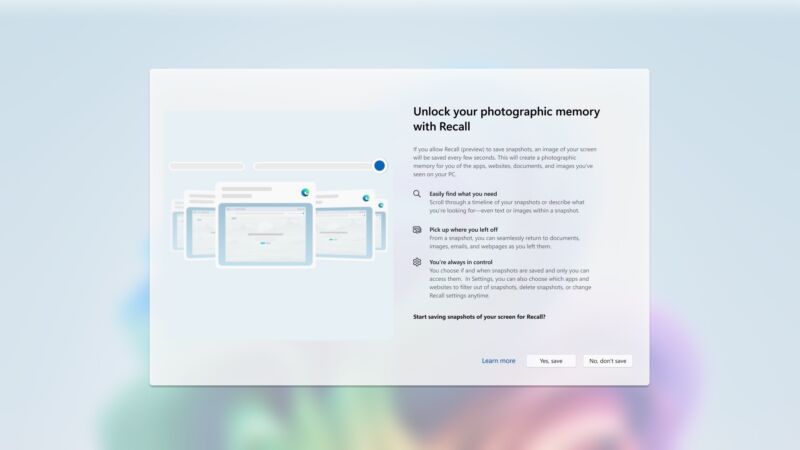
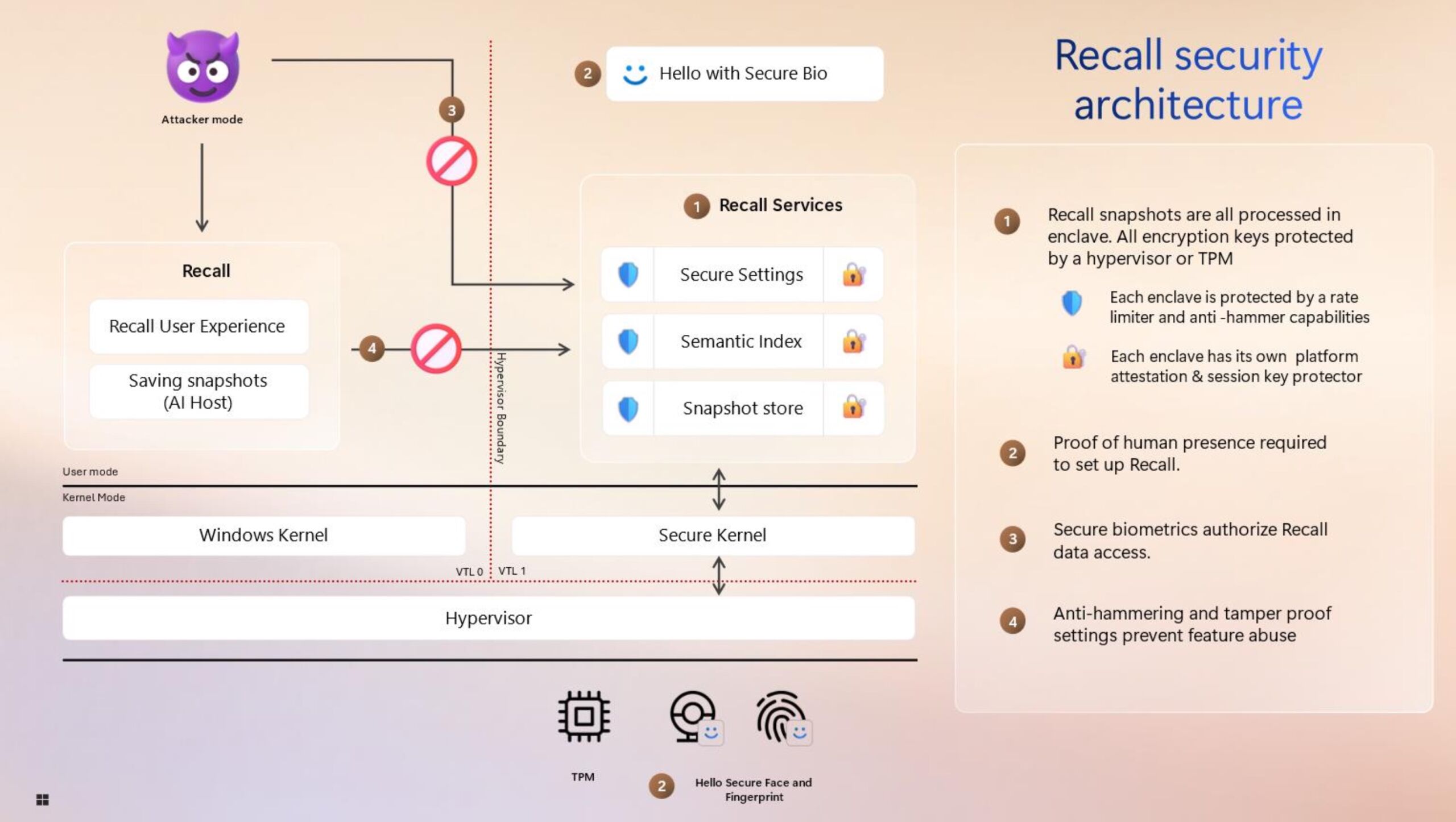
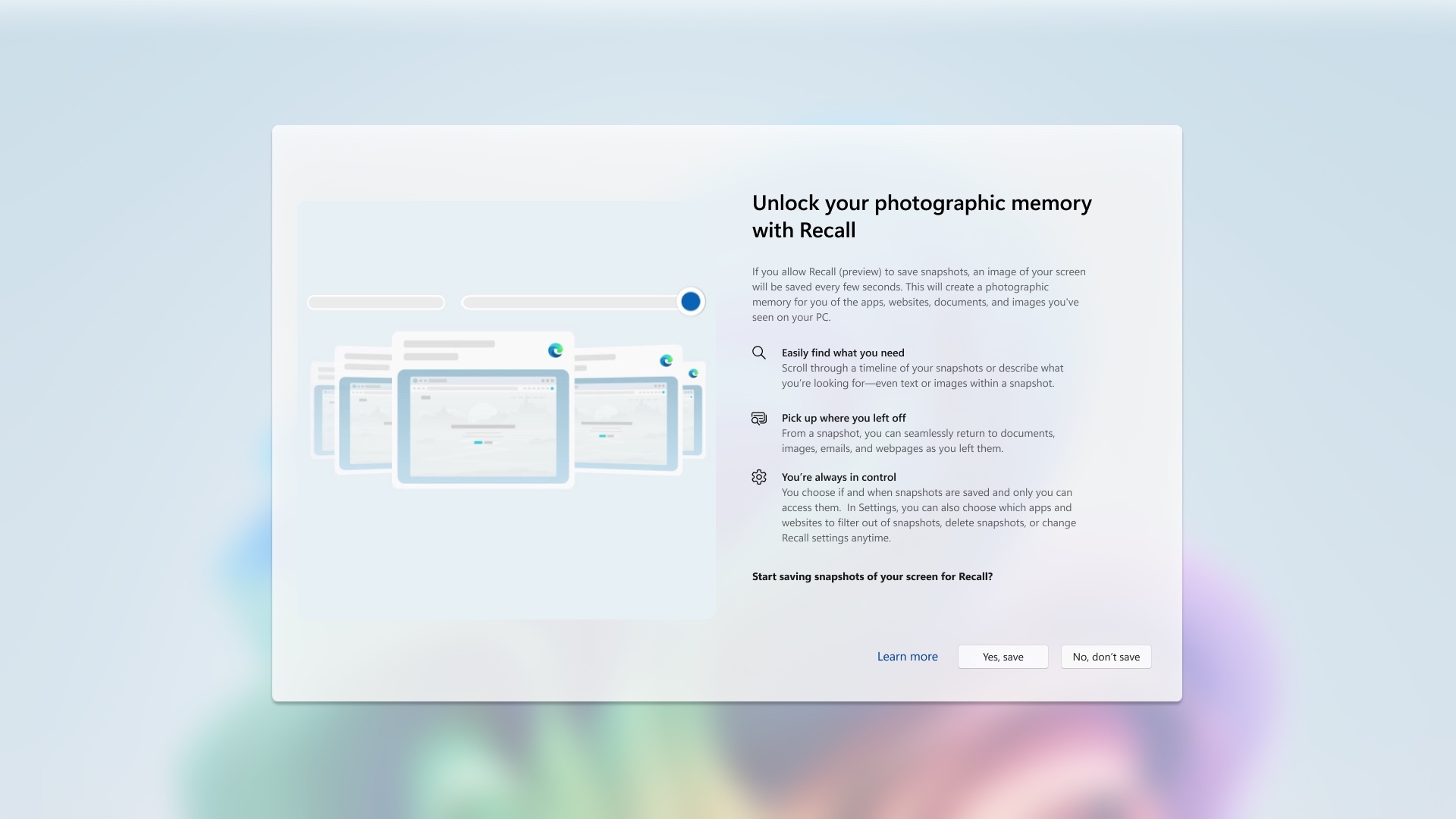
Enlarge/ An updated onboarding screen for Recall, with clearly visible buttons for opting in or out; Microsoft says Recall will be opt-in by default and can even be removed from PCs entirely.
Microsoft is having another whack at its controversial Recall feature for Copilot+ Windows PCs, after the original version crashed and burned amid scrutiny from security researchers and testers over the summer. The former version of Recall recorded screenshots and OCR text of all user activity, and stored it unencrypted on disk where it could easily be accessed by another user on the PC or an attacker with remote access.
The feature was announced in late May, without having gone through any of the public Windows Insider testing that most new Windows features get, and was scheduled to ship on new PCs by June 18; by June 13, the company had delayed it indefinitely to rearchitect it and said that it would be tested through the normal channels before it was rolled out to the public.
Today, Microsoft shared more extensive details on exactly how the security of Recall has been re-architected in a post by Microsoft VP of Enterprise and OS Security David Weston.
More secure, also optional
Enlarge/ An abstraction of Recall’s new security architecture, which replaces the old, largely nonexistent security architecture.
The broad strokes of today’s announcement are similar to the changes Microsoft originally announced for Recall over the summer: that the feature would be opt-in and off-by-default instead of opt-out, that users would need to re-authenticate with Windows Hello before accessing any Recall data, and that locally stored Recall data will be protected with additional encryption.
However, some details show how Microsoft is attempting to placate skeptical users. For instance, Recall can now be removed entirely from a system using the “optional features” settings in Windows (when a similar removal mechanism showed up in a Windows preview earlier this month, Microsoft claimed it was a “bug,” but apparently not).
The company is also sharing more about how Windows will protect data locally. All Recall data stored locally, including “snapshots and any associated information in the vector database,” will be encrypted at rest with keys stored in your system’s TPM; according to the blog post, Recall will only function when BitLocker or Device Encryption is fully enabled. Recall will also require Virtualization-Based Security (VBS) and Hypervisor-Protected Code Integrity (HVCI) enabled; these are features that people sometimes turn off to improve game performance, but Recall will reportedly refuse to work unless they’re turned on.
This is because the new Recall operates inside of a VBS enclave, which helps to isolate and secure data in memory from the rest of the system.
“This area acts like a locked box that can only be accessed after permission is granted by the user through Windows Hello,” writes Weston. “VBS enclaves offer an isolation boundary from both kernel and administrative users.”
Windows doesn’t allow any code to run within these enclaves that hasn’t been signed by Microsoft, which should lower the risk of exposing Recall data to malware or other rogue applications. Other malware protections new to this version of Recall include “rate-limiting and anti-hammering measures.”
https://arstechnica.com/?p=2052960
10 long years with—and good riddance to—Apple’s iPhone 6 design
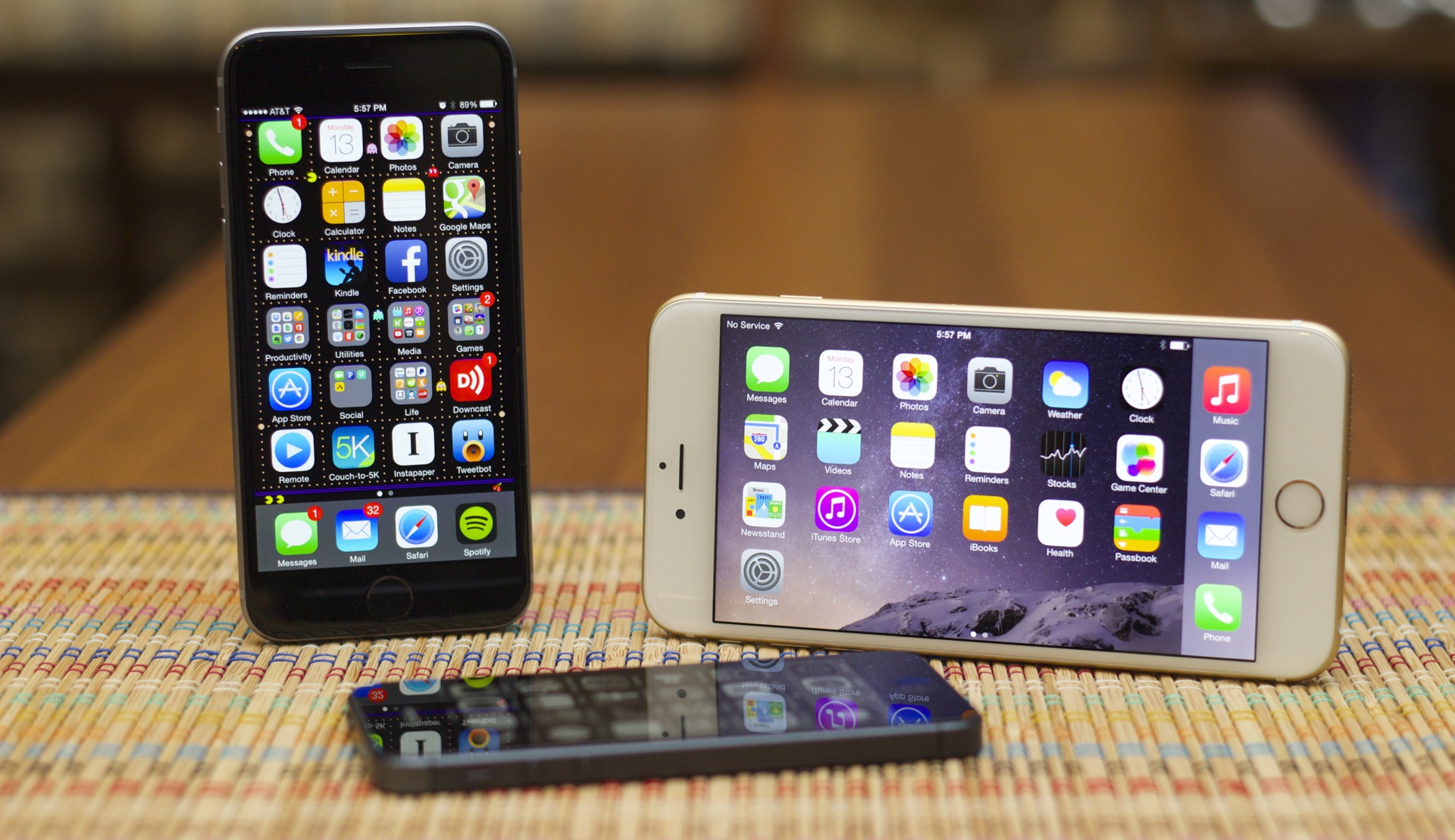
Enlarge/ The iPhone 6 and 6 Plus, the first iteration of a very, very long-lived phone design.
Andrew Cunningham
This past weekend, I said goodbye to Apple’s 4.7-inch iPhone 6 design after 10 long years.
It started with the iPhone 6 itself in 2014, a long-awaited screen size upgrade for the iPhone (some of the 2011-era Apple punditry insisting that 3.5 inches was the functionally perfect size for a phone screen and that Apple would never, ever change it, is an interesting time capsule). It ends with my wife’s third-generation iPhone SE, its battery capacity already collapsing, which I replaced with an iPhone 16 on Friday.
There are huge differences between those two phones—eight years’ worth of spec upgrades and water resistance being the most significant—but they look and feel almost the same, and things that were fine or forgivable in 2014 have become harder to live with now.
What follows is less a celebration of the iPhone 6 design’s long life and more of a good riddance. It’s not that we never had any good times together, iPhone 6 design, but after a half-dozen versions of you, I think it is time for both of us to move on. Consider it catharsis—and maybe if someone in your life is still rocking an iPhone 8 or iPhone SE, it will be cathartic for you, too.
Battery capacity
Battery life was always an Achilles heel of this phone’s design—the battery had to fight with every other component in the phone for relatively little space, and as a result, it was always exceptionally hard to make it through a full day on a single charge. A portable battery pack or some kind of midday charge was almost always necessary, especially if I had deigned to use a power-hungry feature like Personal Hotspot.
And more charging means putting more cycles on the battery, which over a couple years of ownership makes the mediocre battery life even worse. The battery life in my first “modern”-style iPhone—an iPhone XR, in 2018—was a revelation after years with the 6, 6S, and 8, and since then, I’ve found my iPhone 13 Pro and 15 Pro to be similarly capable of making it to the end of the day with some battery to spare.
Those curves—specifically, those curved edges
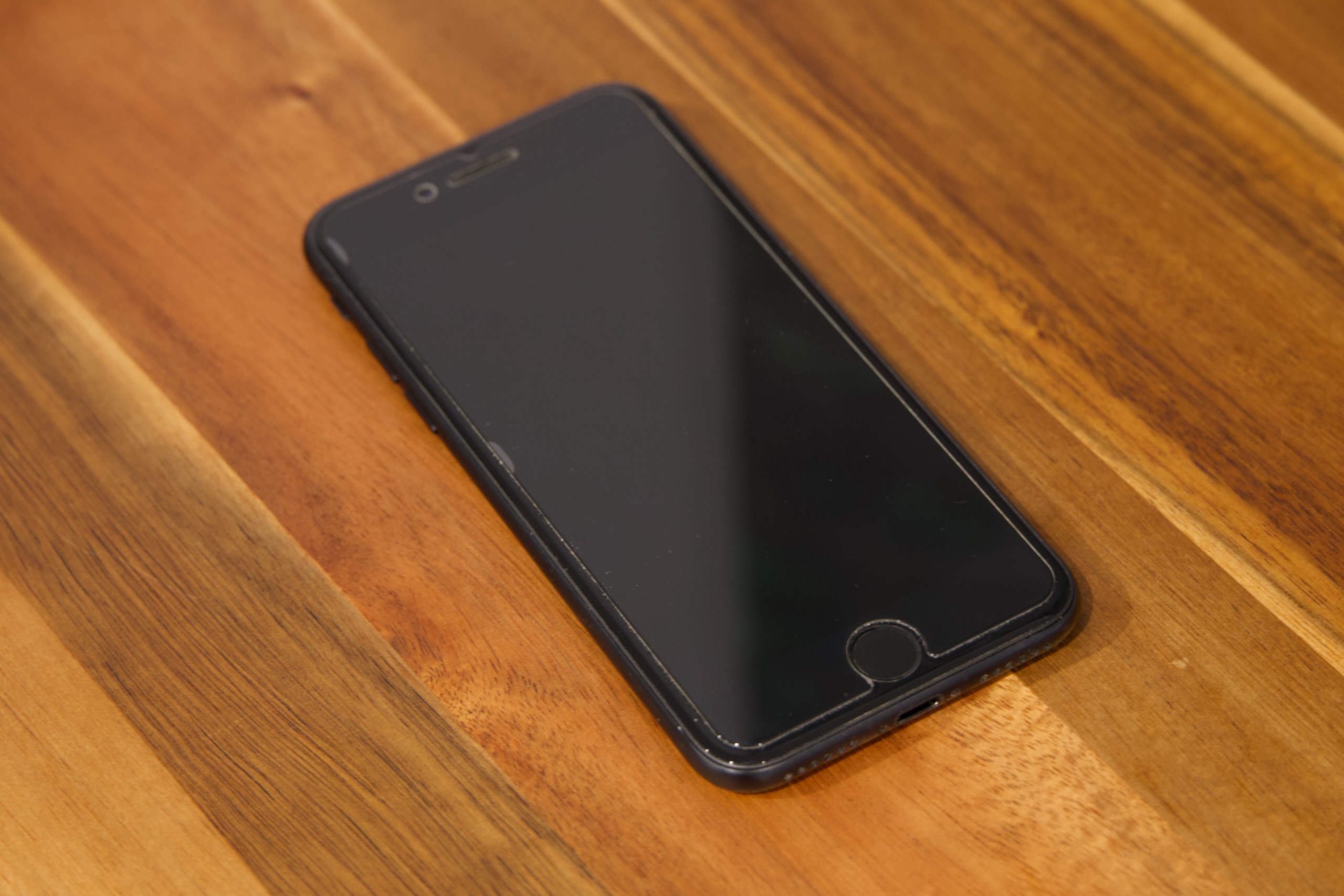
Enlarge/ Goodbye, gap between the edge of the protector and the edge of the screen! Goodbye, little air bubbles!
Andrew Cunningham
I put all of our phones in screen protectors and cases, despite usually also springing for AppleCare+. Especially when you’ve got a kid, it’s worth it not to have to worry about every little drop or bump, and they’re good for the resale value, too.
One thing about the iPhone 6-era design was its curved edges, including a subtle curve all the way around the edge of the screen. Over many years with this phone’s design, I have slowly come to hate this subtle curve—screen protectors either fail to make contact with the screen all the way around its perimeter, leaving annoying visible air bubbles, or they do make contact on the flat part of the screen while leaving the curved edges of the glass unprotected. The small ridge created by the screen protector ends up being a trap for dust and other little bits of detritus.
Apple returned to an all-flat-edges design with the iPhone 12 in 2020, reverting to what had been the norm with the iPhone 4 and 5 design. On a flat slab of glass, the additional layer of a thin glass screen protector is nearly invisible when you apply it right, being careful not to trap any dust between a freshly cleaned screen and the protector (my wife goes through roughly one screen protector every three or four months; I have become adept at this dance). It’s nice to be able to guard against scratches and cracks without having to look at and think about it all the time.
And if you’re not the case-and-screen-protector type? One of those “I have AppleCare so I don’t need a case” people? The curved edges of the iPhone 6-era design made the phones more slippery and harder to hold. I thought that was even more true for the iPhone 8/SE version of the design, which switched from an aluminum back to a glass back to enable wireless charging support.