Apple Vision Pro, new cameras fail user-repairability analysis
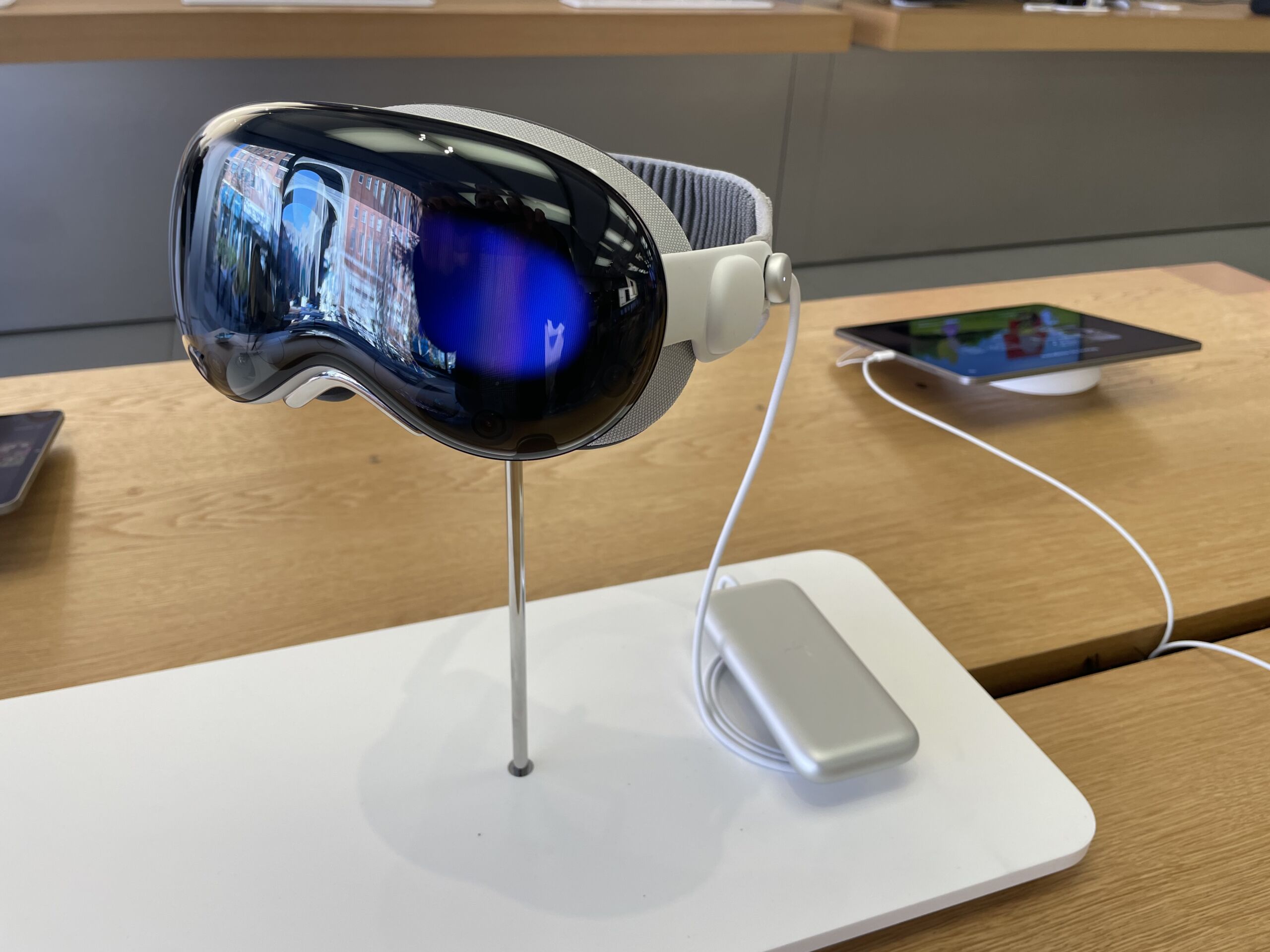
Apple's Vision Pro scored 0 points in US PIRG's self-repairability analysis.
Enlarge / Apple’s Vision Pro scored 0 points in US PIRG’s self-repairability analysis.
Kyle Orland

In December, New York became the first state to enact a “Right to Repair” law for electronics. Since then, other states, including Oregon and Minnesota, have passed similar laws. However, a recent analysis of some recently released gadgets shows that self-repair still has a long way to go before it becomes ubiquitous.

On Monday, the US Public Interest Research Group (PIRG) released its Leaders and Laggards report that examined user repairability of 21 devices subject to New York’s electronics Right to Repair law. The nonprofit graded devices “based on the quality and accessibility of repair manuals, spare parts, and other critical repair materials.”

Nathan Proctor, one of the report’s authors and senior director for the Campaign for the Right to Repair for the US PIRG Education Fund, told Ars Technica via email that PIRG focused on new models since the law only applies to new products, adding that PIRG “tried to include a range of covered devices from well-known brands.”

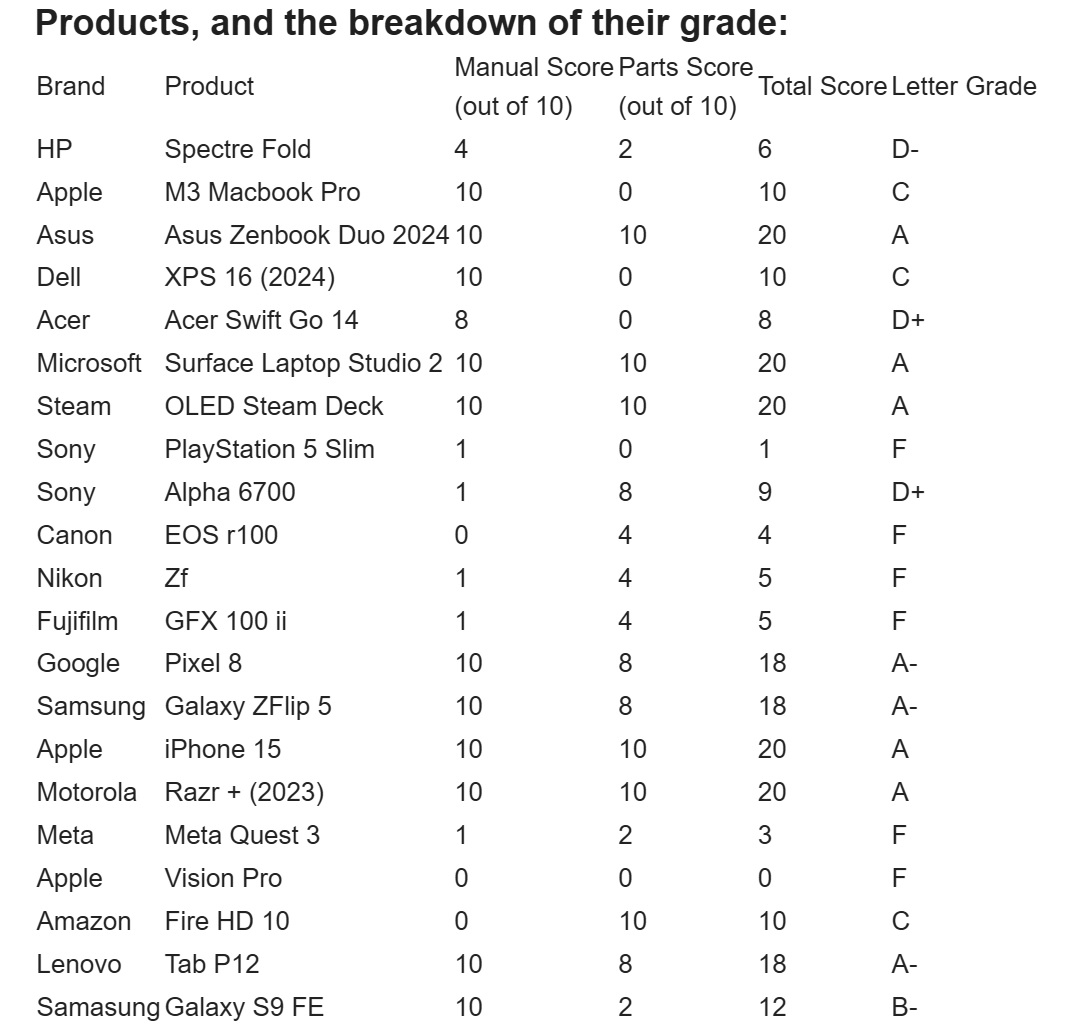
While all four smartphones included on the list received an A-minus or A, many other types of devices got disappointing grades. The HP Spectre Fold foldable laptop, for example, received a D-minus due to low parts (2 out of 10) and manual (4 out of 10) scores.

The report examined four camera models—Canon’s EOS r100, Fujifilm’s GFX 100 ii, Nikon’s Zf, and Sony’s Alpha 6700—and all but one received an F. The outlier, the Sony camera, managed a D-plus.

Two VR headsets were also among the losers. US PIRG gave Apple’s Vision Pro and Meta’s Quest 3 an F.

You can see PIRG’s full score breakdown below:
Repair manuals are still hard to access

New York’s Digital Fair Repair Act requires consumer electronics brands to allow consumers access to the same diagnostic tools, parts, and repair manuals that its own repair technicians use. However, the PIRG organization struggled to access manuals for some recently released tech that’s subject to the law.

For example, Sony’s PlayStation 5 Slim received a 1/10 score. PIRG’s report includes an apparent screenshot of an online chat with Sony customer support, where a rep said that the company doesn’t have a copy of the console’s service manual available and that “if the unit needs repair, we recommend/refer customers to the service center.”

Apple’s Vision Pro, meanwhile, got a 0/10 manual score, while the Meta Quest 3 got a 1/10.

According to the report, “only 12 of 21 products provided replacement procedures, and 11 listed which tools are required to disassemble the product.”

The report suggests difficulties in easily accessing repair manuals, with the report’s authors stating that reaching out to customer service representatives  “often” proved “unhelpful.” The group also pointed to a potential lack of communication between customer service reps and the company’s repairability efforts.

For example, Apple launched its Self Service Repair Store in April 2022. But PIRG’s report said:

 … our interaction with their customer service team seemed to imply that there was no self-repair option for [Apple] phones. We were told by an Apple support representative that ‘only trained Apple Technician[s]’ would be able to replace our phone screen or battery, despite a full repair manual and robust parts selection available on the Apple website.

Apple didn’t immediately respond to Ars Technica’s request for comment.

https://arstechnica.com/?p=2034998


Google’s greenhouse gas emissions jump 48% in five years

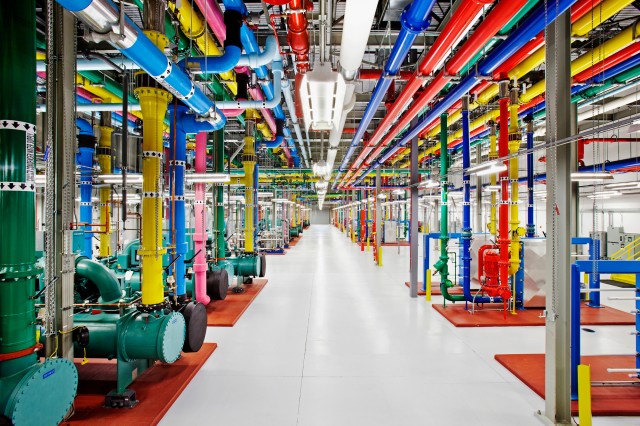
Cooling pipes at a Google data center in Douglas County, Georgia.

Google’s greenhouse gas emissions have surged 48 percent in the past five years due to the expansion of its data centers that underpin artificial intelligence systems, leaving its commitment to get to “net zero” by 2030 in doubt.

The Silicon Valley company’s pollution amounted to 14.3 million tonnes of carbon equivalent in 2023, a 48 percent increase from its 2019 baseline and a 13 percent rise since last year, Google said in its annual environmental report on Tuesday.

Google said the jump highlighted “the challenge of reducing emissions” at the same time as it invests in the build-out of large language models and their associated applications and infrastructure, admitting that “the future environmental impact of AI” was “complex and difficult to predict.”

Chief Sustainability Officer Kate Brandt said the company remained committed to the 2030 target but stressed the “extremely ambitious” nature of the goal.

“We do still expect our emissions to continue to rise before dropping towards our goal,” said Brandt.

She added that Google was “working very hard” on reducing its emissions, including by signing deals for clean energy. There was also a “tremendous opportunity for climate solutions that are enabled by AI,” said Brandt.

As Big Tech giants including Google, Amazon, and Microsoft have outlined plans to invest tens of billions of dollars into AI, climate experts have raised concerns about the environmental impacts of the power-intensive tools and systems.

In May, Microsoft admitted that its emissions had risen by almost a third since 2020, in large part due to the construction of data centers. However, Microsoft co-founder Bill Gates last week also argued that AI would help propel climate solutions.

Meanwhile, energy generation and transmission constraints are already posing a challenge for the companies seeking to build out the new technology. Analysts at Bernstein said in June that AI would “double the rate of US electricity demand growth and total consumption could outstrip current supply in the next two years.”

In Tuesday’s report, Google said its 2023 energy-related emissions—which come primarily from data center electricity consumption—rose 37 percent year on year and overall represented a quarter of its total greenhouse gas emissions.

Google’s supply chain emissions—its largest chunk, representing 75 percent of its total emissions—also rose 8 percent. Google said they would “continue to rise in the near term” as a result in part of the build-out of the infrastructure needed to run AI systems.

Google has pledged to achieve net zero across its direct and indirect greenhouse gas emissions by 2030 and to run on carbon-free energy during every hour of every day within each grid it operates by the same date.

However, the company warned in Tuesday’s report that the “termination” of some clean energy projects during 2023 had pushed down the amount of renewables it had access to.

Meanwhile, the company’s data center electricity consumption had “outpaced” Google’s ability to bring more clean power projects online in the US and Asia-Pacific regions.

Google’s data center electricity consumption increased 17 percent in 2023, and amounted to approximately 7-10 percent of global data center electricity consumption, the company estimated. Its data centers also consumed 17 percent more water in 2023 than during the previous year, Google said.

© 2024 The Financial Times Ltd. All rights reserved. Not to be redistributed, copied, or modified in any way.

https://arstechnica.com/?p=2035001


Bleeding subscribers, cable companies force their way into streaming

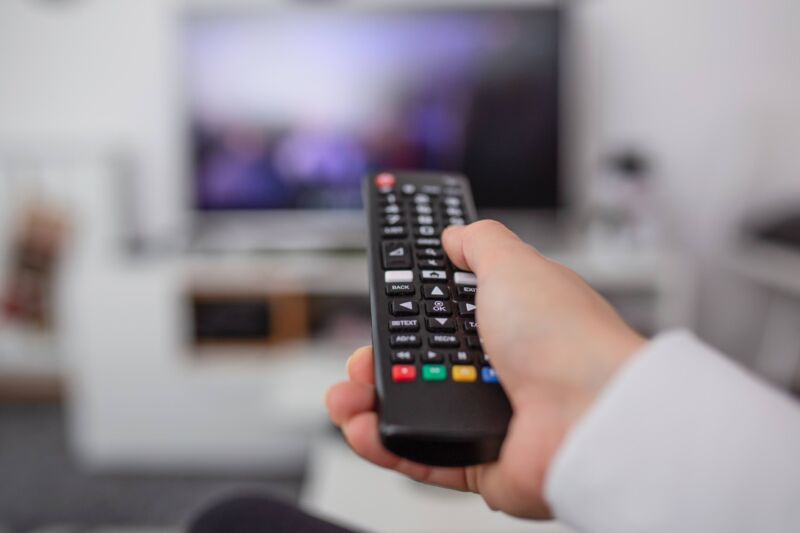
A person's hand aiming a cable TV remote control at a TV screen
Getty Images | stefanamer

It’s clear that streaming services are the present and future of video distribution. But that doesn’t mean that cable companies are ready to give up on your monthly dollars.

A sign of this is Comcast, the US’s second-biggest cable company, debuting a new streaming service today. Comcast already had an offering that let subscribers stream its Xfinity cable live channels and access some titles on demand. NOW TV Latino differs in being a separate, additional streaming service that people can subscribe to independently of Xfinity cable for $10 per month.

However, unlike streaming services like Netflix or Max, you can only subscribe to NOW TV Latino if Xfinity is sold in your area. NOW TV Latino subscriptions include the ability to stream live TV from Spanish-language channels that Xfinity offers, like Sony Cine and ViendoMovies. And because Comcast owns NBCUniversal, people who subscribe to NOW TV Latino get a free subscription to Peacock with commercials, which usually costs $6 per month.

From cable to streaming

In addition to NOW TV Latino, recent Comcast efforts to stay relevant in a TV and movie distribution world dominated by online streaming have centered on bundling. As streaming giants like Netflix struggle with customer churn, bundling is the current favored tactic to keep customers subscribed for longer.

Comcast is selling NOW TV Latino as a separate service, but it’s truly a Peacock bundle. The cable giant is also selling the streaming service bundled with its cable service or with its recently released streaming bundle that combines Comcast’s Peacock with Netflix, Apple TV+, and ads for $15/month.

While popular for streaming service providers, cable companies were some of the pioneers of the bundling strategy, which can overwhelm customers with confusing rates and services that some may not need. As Comcast CEO Brian Roberts said in May while announcing the aforementioned Peacock/Netflix/AppleTV+ bundle: “We’ve been bundling video successfully and creatively for 60 years, and so this is the latest iteration of that.”

Bleeding customers

The cable industry has been in a nose-dive for years. Comcast’s Q1 2024 earnings report showed its cable business losing 487,000 subscribers. The cable giant ended 2022 with 16,142,000 subscribers; in January, it had 13,600,000.

Charter, the only US cable company bigger than Comcast, is rapidly losing pay-TV subscribers, too. In its Q1 2024 earnings report, Charter reported losing 405,000 subscribers, including business accounts. It ended 2022 with 15,147,000 subscribers; at the end of March, it had 13,717,000.

And, like Comcast, Charter is looking to streaming bundles to keep its pay-TV business alive and to compete with the likes of YouTube TV and Hulu With Live TV.

In April, Charter also announced a Spanish language-focused streaming service, but in traditional cable fashion, one must subscribe to Charter’s Spectrum Internet to be able to subscribe (TV Stream Latino is $25/month). Charter also sells the ability to stream live TV from some of the channels that its cable service has.

In 2022, Charter and Comcast formed a joint venture, Xumo, that focuses on streaming but includes cable industry spins, like set-top boxes. The companies are even trying to get a piece of the money made from smart TV operating systems (OSes), with budget brands such as Hisense now selling TVs with Xumo OS.

It’s a curious time as cable TV providers scramble to be part of an industry created in reaction to business practices that many customers viewed as anti-consumer. Meanwhile, the streaming industry is adopting some of these same practices, like commercials and incessant price hikes, to establish profitability. And some smaller streaming players say it’s nearly impossible to compete as the streaming industry’s top players are taking form and, in some cases, collaborating.

But after decades of discouraging many subscribers with few alternatives, it will be hard for former or current cable customers to view firms like Comcast and Charter as trustworthy competitive streaming providers.

https://arstechnica.com/?p=2034726


30 years later, FreeDOS is still keeping the dream of the command prompt alive

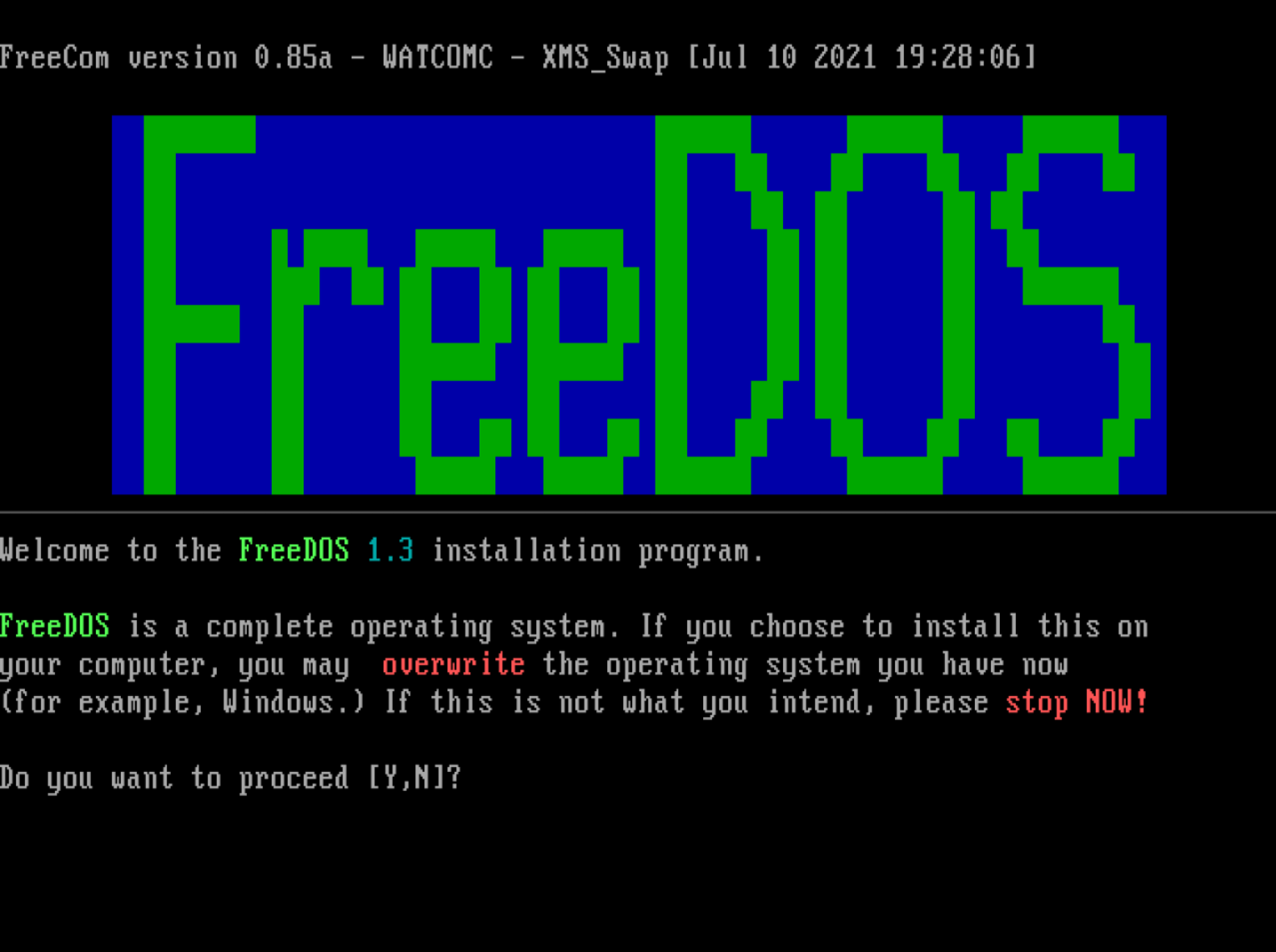
Preparing to install the floppy disk edition of FreeDOS 1.3 in a virtual machine.
Enlarge / Preparing to install the floppy disk edition of FreeDOS 1.3 in a virtual machine.
Andrew Cunningham

Two big things happened in the world of text-based disk operating systems in June 1994.

The first is that Microsoft released MS-DOS version 6.22, the last version of its long-running operating system that would be sold to consumers as a standalone product. MS-DOS would continue to evolve for a few years after this, but only as an increasingly invisible loading mechanism for Windows.

The second was that a developer named Jim Hall wrote a post announcing something called “PD-DOS.” Unhappy with Windows 3.x and unexcited by the project we would come to know as Windows 95, Hall wanted to break ground on a new “public domain” version of DOS that could keep the traditional command-line interface alive as most of the world left it behind for more user-friendly but resource-intensive graphical user interfaces.

PD-DOS would soon be renamed FreeDOS, and 30 years and many contributions later, it stands as the last MS-DOS-compatible operating system still under active development.

While it’s not really usable as a standalone modern operating system in the Internet age—among other things, DOS is not really innately aware of “the Internet” as a concept—FreeDOS still has an important place in today’s computing firmament. It’s there for people who need to run legacy applications on modern systems, whether it’s running inside of a virtual machine or directly on the hardware; it’s also the best way to get an actively maintained DOS offshoot running on legacy hardware going as far back as the original IBM PC and its Intel 8088 CPU.

To mark FreeDOS’ 20th anniversary in 2014, we talked with Hall and other FreeDOS maintainers about its continued relevance, the legacy of DOS, and the developers’ since-abandoned plans to add ambitious modern features like multitasking and built-in networking support (we also tried, earnestly but with mixed success, to do a modern day’s work using only FreeDOS). The world of MS-DOS-compatible operating systems moves slowly enough that most of this information is still relevant; FreeDOS was at version 1.1 back in 2014, and it’s on version 1.3 now.

For the 30th anniversary, we’ve checked in with Hall again about how the last decade or so has treated the FreeDOS project, why it’s still important, and how it continues to draw new users into the fold. We also talked, strange as it might seem, about what the future might hold for this inherently backward-looking operating system.

FreeDOS is still kicking, even as hardware evolves beyond it

Running AsEasyAs, a Lotus 1-2-3-compatible spreadsheet program, in FreeDOS.

If the last decade hasn’t ushered in The Year of FreeDOS On The Desktop, Hall says that interest in and usage of the operating system has stayed fairly level since 2014. The difference is that, as time has gone on, more users are encountering FreeDOS as their first DOS-compatible operating system, not as an updated take on Microsoft and IBM’s dusty old ’80s- and ’90s-era software.

“Compared to about 10 years ago, I’d say the interest level in FreeDOS is about the same,” Hall told Ars in an email interview. “Our developer community has remained about the same over that time, I think. And judging by the emails that people send me to ask questions, or the new folks I see asking questions on our freedos-user or freedos-devel email lists, or the people talking about FreeDOS on the Facebook group and other forums, I’d say there are still about the same number of people who are participating in the FreeDOS community in some way.”

“I get a lot of questions around September and October from people who ask, basically, ‘I installed FreeDOS, but I don’t know how to use it. What do I do?’ And I think these people learned about FreeDOS in a university computer science course and wanted to learn more about it—or maybe they are already working somewhere and they read an article about it, never heard of this “DOS” thing before, and wanted to try it out. Either way, I think more folks in the user community are learning about “DOS” at the same time they are learning about FreeDOS.”

https://arstechnica.com/?p=2033083


Apple’s Vision Pro goes on sale outside the US for the first time

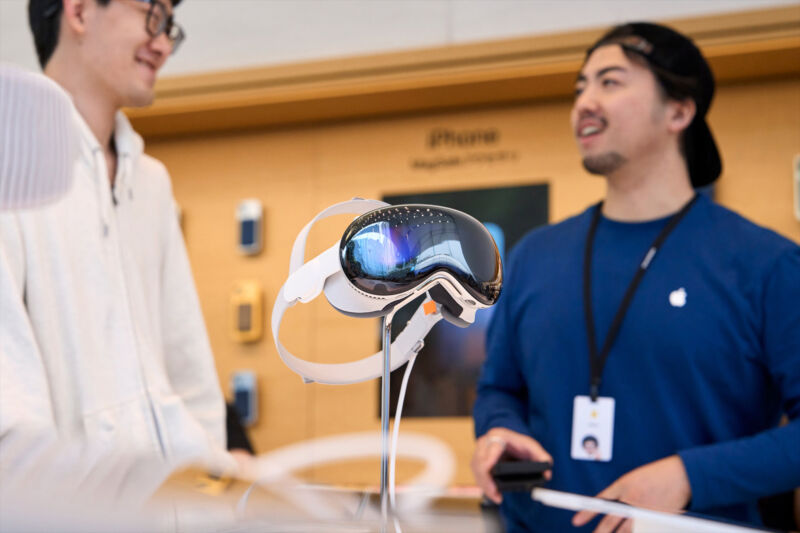
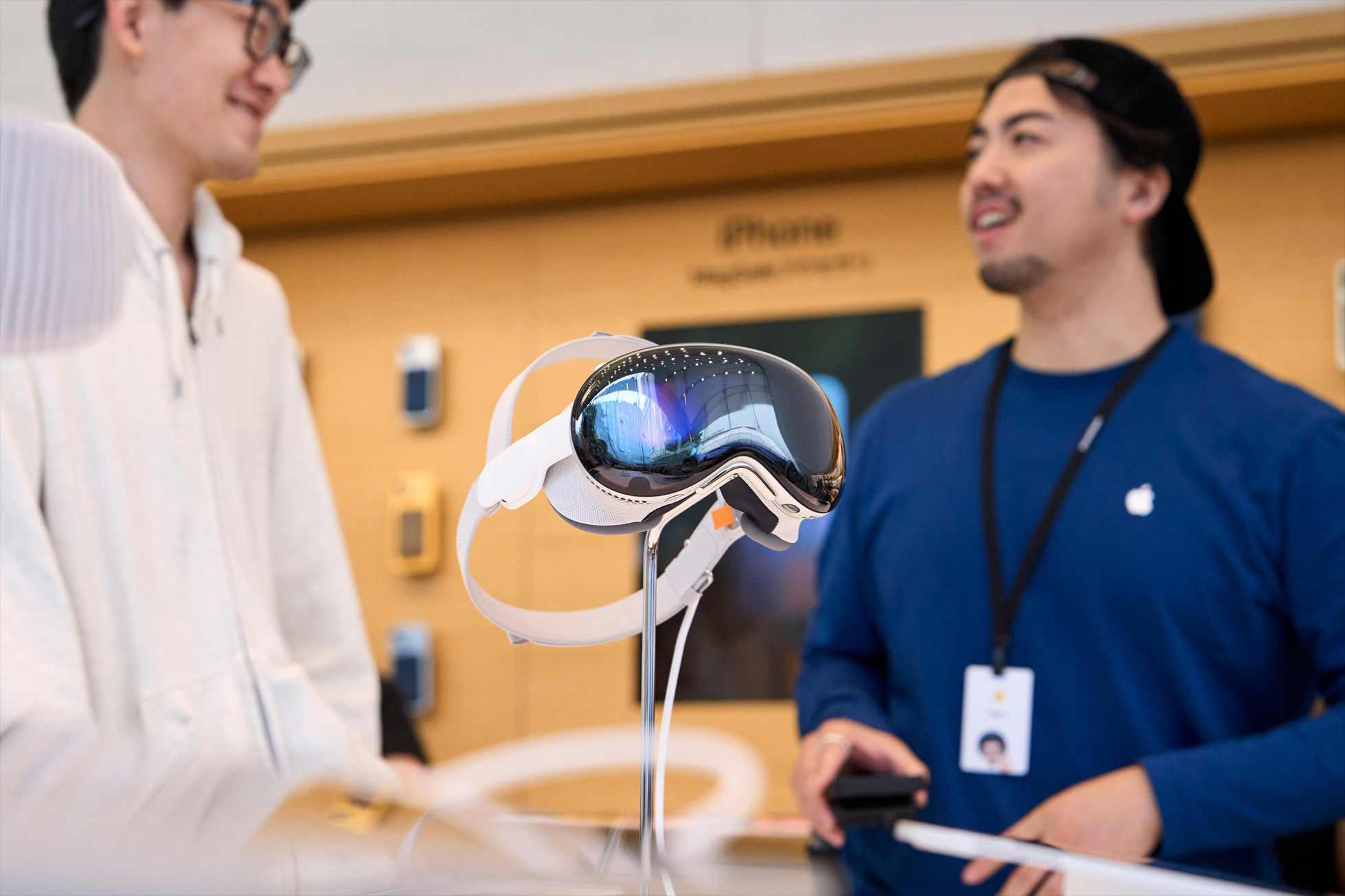
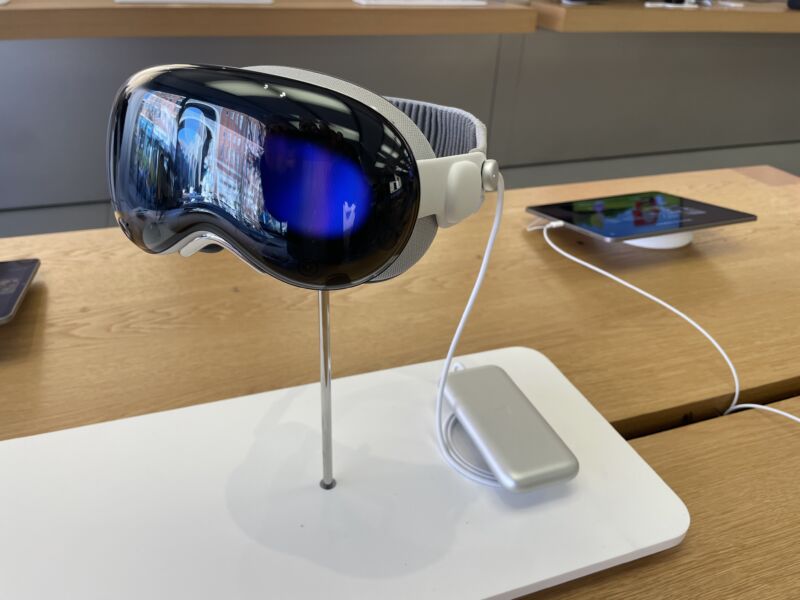
A mixed reality headset over a table in an Apple Store
Enlarge / A Vision Pro on display at an Apple Store in Tokyo.

Apple’s Vision Pro headset went on sale outside the United States for the first time today, in the first of two waves of expanded availability.

The $3,499 “spatial computing” device launched back in February in the US, but it hasn’t taken the tech world by storm. Part of that has been its regional launch, with some of the biggest markets still lacking access.

Apple announced that the product would be sold internationally during its keynote at the Worldwide Developers Conference earlier this month.

The first new markets to get Vision Pro shipments are China, Japan, and Singapore—those are the ones where it went on sale today.

A second wave will come on July 12, with the headset rolling out in Australia, Canada, France, Germany, and the United Kingdom.

When we first tested the Vision Pro in February, we wrote that it was a technically impressive device with a lot of untapped potential. It works very well as a personal entertainment device for frequent travelers, in particular. However, its applications for productivity and gaming still need to be expanded to justify the high price.

Of course, there have been conflicting rumors of late about just how expensive Apple plans to keep its mixed reality devices. One report claimed that the company put the brakes on a new version of the Vision Pro for now, opting instead to develop a cheaper alternative for a 2025 launch.

But another report in Bloomberg suggested that’s an overstatement.  It simply noted that the Vision Pro 2 has been slightly delayed from its original target launch window and reported that the cheaper model will come first.

In any case, availability will have to expand and the price will ultimately have to come down if augmented reality can become the major computing revolution that Apple CEO Tim Cook has predicted. This international rollout is the next step to test whether there’s a market for that.

https://arstechnica.com/?p=2034503


Researchers craft smiling robot face from living human skin cells

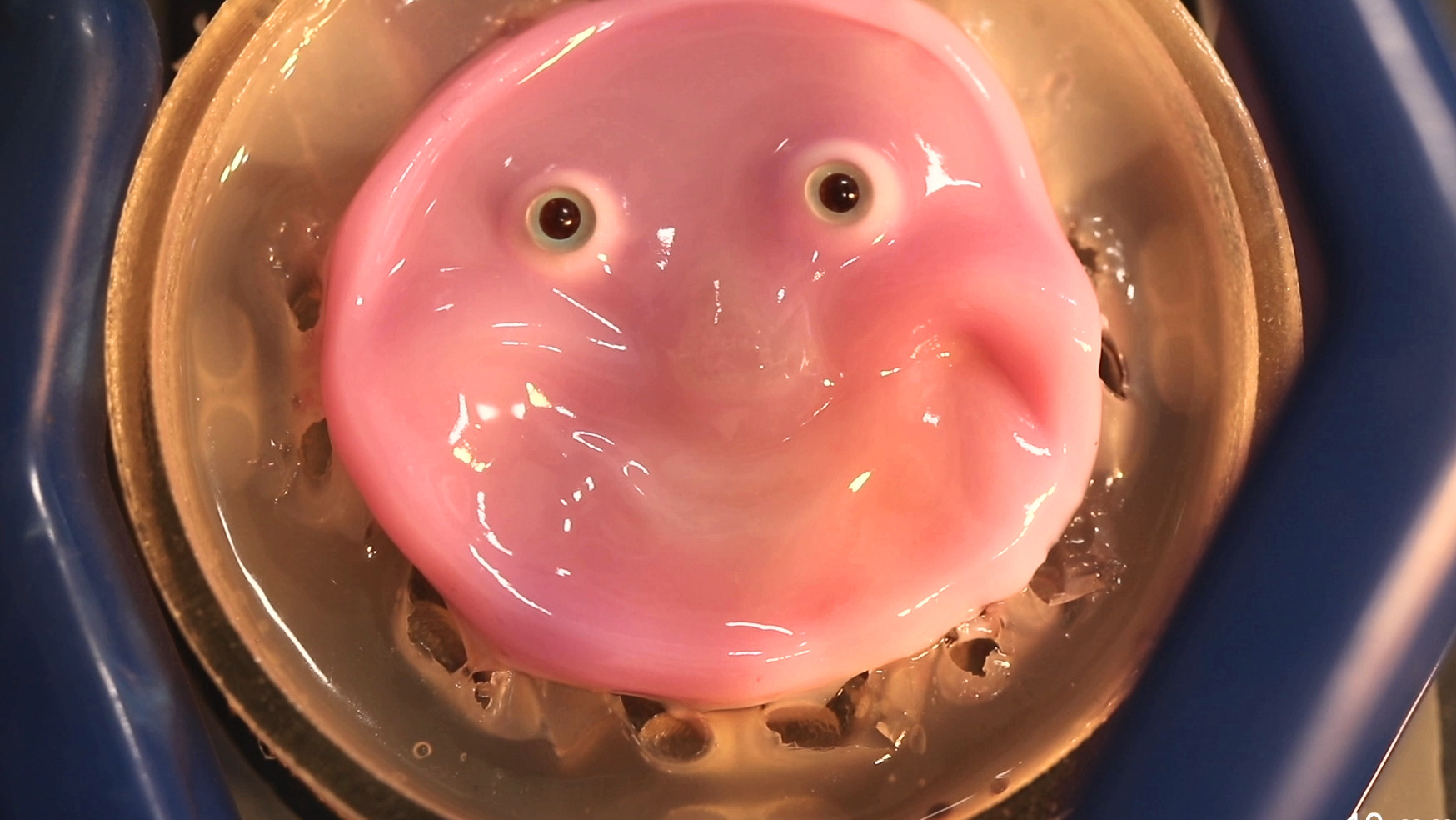
A movable robotic face covered with living human skin cells.
Enlarge / A movable robotic face covered with living human skin cells.

In a new study, researchers from the University of Tokyo, Harvard University, and the International Research Center for Neurointelligence have unveiled a technique for creating lifelike robotic skin using living human cells. As a proof of concept, the team engineered a small robotic face capable of smiling, covered entirely with a layer of pink living tissue.

The researchers note that using living skin tissue as a robot covering has benefits, as it’s flexible enough to convey emotions and can potentially repair itself. “As the role of robots continues to evolve, the materials used to cover social robots need to exhibit lifelike functions, such as self-healing,” wrote the researchers in the study.

Shoji Takeuchi, Michio Kawai, Minghao Nie, and Haruka Oda authored the study, titled “Perforation-type anchors inspired by skin ligament for robotic face covered with living skin,” which is due for July publication in Cell Reports Physical Science. We learned of the study from a report published earlier this week by New Scientist.

The study describes a novel method for attaching cultured skin to robotic surfaces using “perforation-type anchors” inspired by natural skin ligaments. These tiny v-shaped cavities in the robot’s structure allow living tissue to infiltrate and create a secure bond, mimicking how human skin attaches to underlying tissues.

To demonstrate the skin’s capabilities, the team engineered a palm-sized robotic face able to form a convincing smile. Actuators connected to the base allowed the face to move, with the living skin flexing. The researchers also covered a static 3D-printed head shape with the engineered skin.

"Demonstration of the perforation-type anchors to cover the facial device with skin equivalent."
Enlarge / “Demonstration of the perforation-type anchors to cover the facial device with skin equivalent.”

Takeuchi et al. created their robotic face by first 3D-printing a resin base embedded with the perforation-type anchors. They then applied a mixture of human skin cells in a collagen scaffold, allowing the living tissue to grow into the anchors.

https://arstechnica.com/?p=2034226


Google Translate just nearly doubled its number of supported languages

The Google PaLM 2 logo.
Enlarge / The logo for PaLM 2, a Google large language model.

Google announced today that it has added support for 110 new languages to Google Translate, nearly doubling the number of languages that can be translated.

The company used the PaLM 2 large language model to facilitate these additions.

In a blog post, Google Senior Software Engineer Isaac Caswell claimed that the newly added languages are spoken by more than 614 million people, or about 8 percent of the global population.

He noted that about a quarter of the languages originate in Africa, “representing our largest expansion of African languages to date.”

The blog post also went into some light detail about Google’s philosophy for choosing languages and deciding which dialects to support:

Languages have an immense amount of variation: regional varieties, dialects, different spelling standards. In fact, many languages have no one standard form, so it’s impossible to pick a “right” variety. Our approach has been to prioritize the most commonly used varieties of each language. For example, Romani is a language that has many dialects all throughout Europe. Our models produce text that is closest to Southern Vlax Romani, a commonly used variety online. But it also mixes in elements from others, like Northern Vlax and Balkan Romani.

This update brings the total number of languages supported by Google Translate to 243, which is just the beginning of the company’s publicized initiative to ultimately support 1,000 languages through the use of AI. You can see the full list of languages added in a help page published by Google.

By contrast, Apple Translate supports 21 languages, though that number includes both US and UK English as distinct options. Apple recently announced plans to add Hindi to its Translate app. Of course, Apple and Google take very different approaches to—and have different levels of investment in—these tools.

https://arstechnica.com/?p=2034100


Patent document showcases the cloud-only streaming Xbox console that never was

Microsoft’s mid-generation plans for the Xbox Series S and X consoles looked a whole lot different a couple of years ago than it does now. A leaked slide deck from the FTC v. Microsoft case last year outlined detailed plans for a spruced up Series S, an overhauled Series X, and even a redesigned controller. Another part of that roadmap included a streaming-only version of the Xbox, codenamed Keystone, that was designed to connect to Microsoft’s Xbox Cloud Gaming servers rather than rendering games locally.

Microsoft has talked openly about this version of the Xbox before. Microsoft Gaming CEO Phil Spencer told The Verge that the Keystone console was designed and fully functional, but that it wasn’t launched because Microsoft had a hard time getting the price down low enough that it made sense next to the $299 Series S (which already occasionally goes on sale in the $200 to $250 range).

We’ve already seen glimpses of the Keystone design—once on Spencer’s shelf, and again in the FTC v. Microsoft documents. Both of those depictions were partial, or seen from a distance. But a new design patent document (PDF) unearthed by Windows Central shows even more detailed renderings of what the cloud Xbox would have looked like.

Series S meets Apple TV

Keystone’s styling was strongly reminiscent of the disc-drive-less Series S, with the same boxy white design and front-mounted Xbox button and USB port. There’s also a similar circular cutout on top, though it may not be an air vent as it is in the Series S—all of the holes depicted in the patent are on the back and bottom, and a streaming box certainly wouldn’t have needed the same cooling capacity as the AMD-designed CPU and GPU in the Series S.

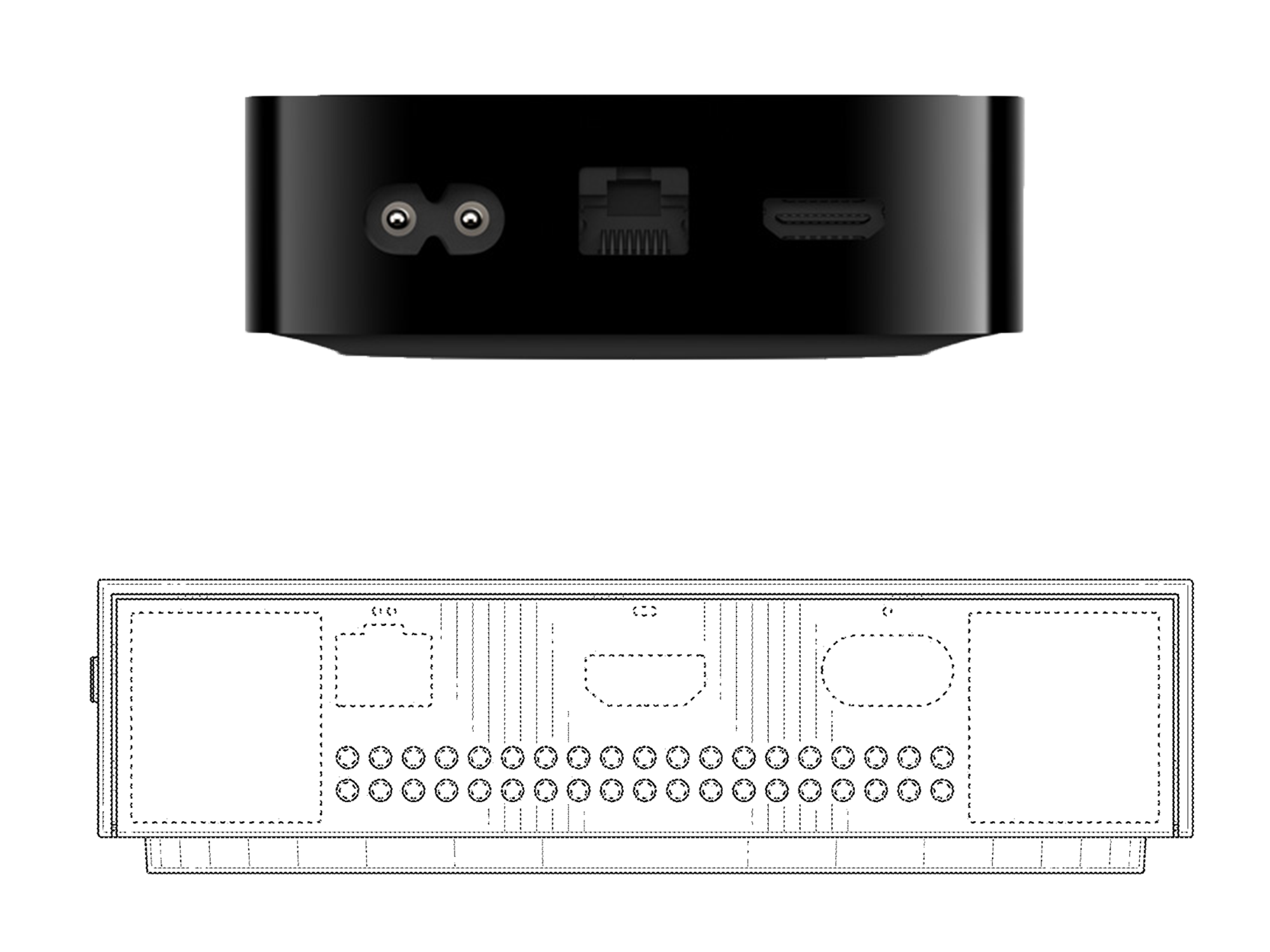
The console also would have been square-shaped and considerably smaller than a Series S—not quite as small as a dedicated video-streaming box like an Apple TV or Roku Ultra, but not too far off either (the patent document doesn’t list dimensions, but we’ve done a rough size comparison using the HDMI and Ethernet ports on the Keystone box and an Apple TV 4K). The console’s controller sync button would have been mounted on its side, rather than in front, as it is on the Series S.

The cloud Xbox compared to a current-generation Apple TV 4K, with sizes roughly normalized based on the sizes of the HDMI and Ethernet ports. The Xbox console would have been a bit larger, but not dramatically so.
Enlarge / The cloud Xbox compared to a current-generation Apple TV 4K, with sizes roughly normalized based on the sizes of the HDMI and Ethernet ports. The Xbox console would have been a bit larger, but not dramatically so.
Apple/Microsoft/Andrew Cunningham

In the alternate reality of the FTC v. Microsoft slide deck, all of these new consoles and the new controller would have been announced or launched by now. But as Spencer said shortly after those documents leaked, the company’s plans have changed substantially in the interim. A disc-less version of the Series X is coming, but it looks exactly like the current version of the console without a disc drive; Microsoft is also pursuing a strategy where it takes more of its internally developed games multi-platform rather than restricting them to the Xbox and to Windows PCs. These moves are at least partially in response to sliding revenue from Microsoft’s console business, which has seen its revenue decline by double digits year over year for the last couple of years.

Neither Spencer nor Microsoft has ever said never about the Keystone console, leaving the door open to an eventual release if and when the price of manufacturing the console comes down. In the meantime, the streaming-only Xbox lives on as an app for newer Samsung smart TVs.

Listing image by Microsoft

https://arstechnica.com/?p=2033759


OpenAI’s ChatGPT for Mac is now available to all users

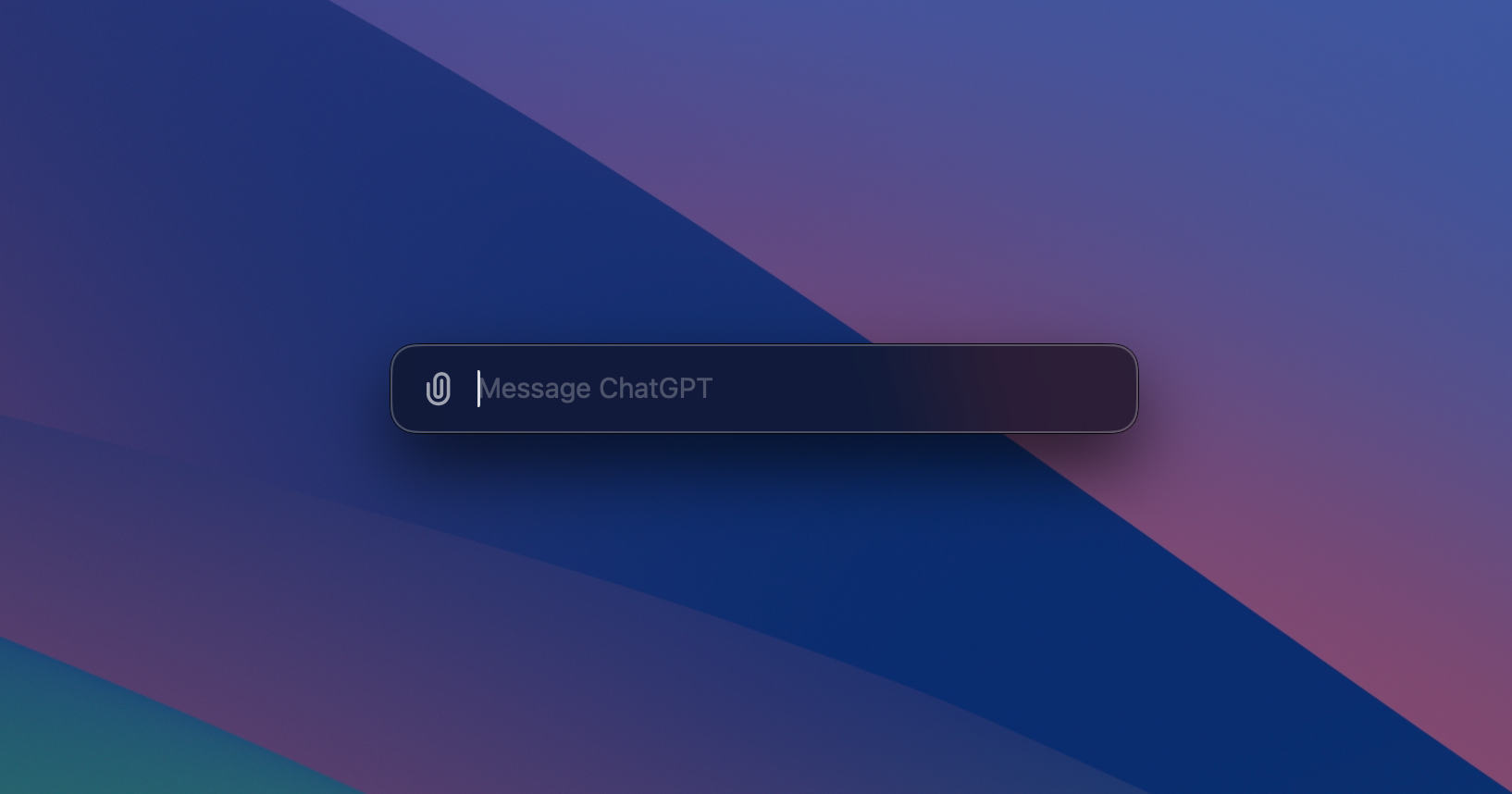
A message field for ChatGPT pops up over a Mac desktop
Enlarge / The app lets you invoke ChatGPT from anywhere in the system with a keyboard shortcut, Spotlight-style.
Samuel Axon

OpenAI’s official ChatGPT app for macOS is now available to all users for the first time, provided they’re running macOS Sonoma or later.

It was previously being rolled out gradually to paid subscribers to ChatGPT’s Plus premium plan.

The ChatGPT Mac app mostly acts as a desktop window version of the web app, allowing you to carry on back-and-forth prompt-and-response conversations. You can select between the GPT-3.5, GPT-4, and GPT-4o models. It also supports the more specialized GPTs available in the web version, including the DALL-E image generator and custom GPTs.

There is one important omission in this desktop app: It doesn’t support using the API. For that, those wanting a desktop app will still need to use a third-party one like Jordi Bruin’s MacGPT.

OpenAI’s app lets you enable a system-wide keyboard shortcut (option + space by default) to type in a prompt any time; it works a bit like opening a Spotlight search in macOS.

It was announced alongside the GPT-4o model, which is faster and cheaper to use than GPT-4 with similar (albeit not exactly the same) accuracy and quality, and which expands the model’s ability to interact with images and videos.

At the same time it unveiled GPT-4o and the Mac app, OpenAI demonstrated a new, conversational approach to voice chatting with ChatGPT. That’s not yet widely available, but it’s said to be coming soon. For now, the Mac app supports the old style of back-and-forth voice chats with the chatbot.

The Mac app is unavailable in the Mac App Store, but you can download it directly from OpenAI’s website.

Note that, like the iPhone or Android ChatGPT app, this is distinct from the ChatGPT integration coming to Apple’s operating systems this fall. That integration will see Siri referring users to ChatGPT (and possibly alternative models in the future) to answer queries that are outside Siri’s usual scope, and it will be baked into the operating system.

There’s still no Windows app. Why not? At least one report claimed that OpenAI prioritized a Mac app over a Windows app “because that’s where most of its users are.” Of course, Windows users aren’t hurting for AI chatbot options, as Microsoft has been throwing ChatGPT-powered Copilot into everything it can of late.

https://arstechnica.com/?p=2033436


iOS 18’s drive-formatting option shows how far iPhones have come for power users

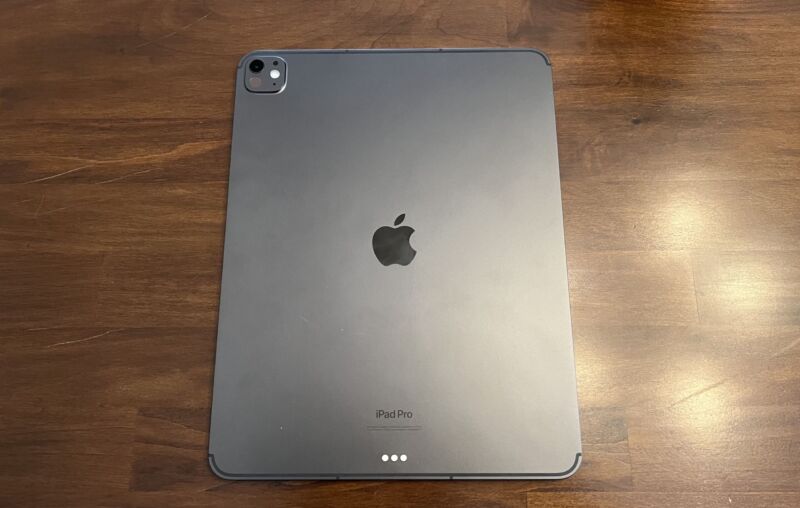
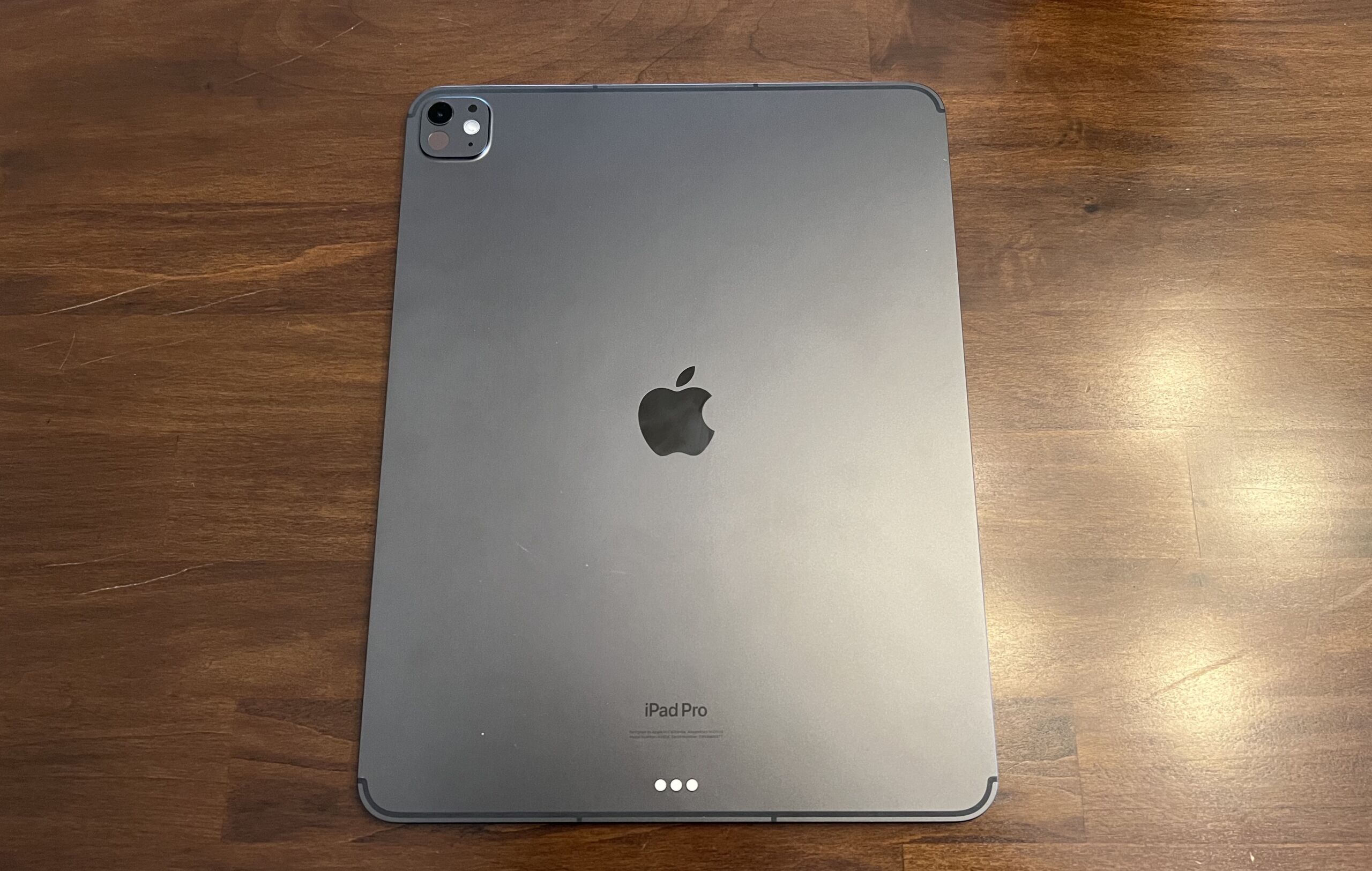
The back of an iPad on a table
Enlarge / The 2024 iPad Pro.
Samuel Axon

Apple has added the ability to format external drives in iOS 18 and iPadOS 18, the major software updates for iPhones and iPads due later this year.

While the feature likely won’t be tapped by all that many users, its inclusion is fascinating in that it shows just how far Apple has moved away from its original sensibilities with the iPhone and the iPad.

The feature was discovered in the iPadOS 18 beta by artist and developer Kaleb Cadle, who posted about it to his Substack ByteBits a couple of days ago. It was later found in iOS 18 as well.

Cadle discovered that when you select the “erase” option in the Files app for an external drive, in iPadOS 18, you are presented with three formatting options for the drive: APFS, ExFat, and MS-DOS (FAT). APFS offers both case-sensitive and encrypted options.

Previously, users in Apple’s ecosystem of devices and operating systems would need to do this in Disk Utility on the Mac, not on a mobile device like an iPad or iPhone. Notably, the glyph for the erase option in iPadOS 18’s Files app is the same as the one in Disk Utility on the Mac. Some Disk Utility features are still missing, though, such as Restore and First Aid.

Those who’ve been using the iPhone and iPad for several years may remember the earlier days when those devices didn’t even offer access to any file systems, by design. There was no Files app, and it was seen as a deliberate choice to leave behind the hierarchical, desktop approach to storing and managing files.

There have been several turning points for the iPhone and iPad that brought using them closer to using a Mac, but the introduction of the Files app was one of the most notable. Even so, some features on the Mac were still deemed off-limits for a mobile device.

Now, not only can you access and manage file systems, you can format connected drives. It’s another step away from the original idea that the iPhone would leave behind what some have argued were archaic ways of working, suggesting that fewer desktop power-user features are off-limits today.

People are used to working that way, though, and power users want more functionality. This is just the latest example of Apple giving them just that. A few years ago, it might have been a reasonable assumption that this would never show up on an iPad, much less an iPhone. A lot has changed in those few years.

https://arstechnica.com/?p=2033190