Oral-B bricking Alexa toothbrush is cautionary tale against buzzy tech

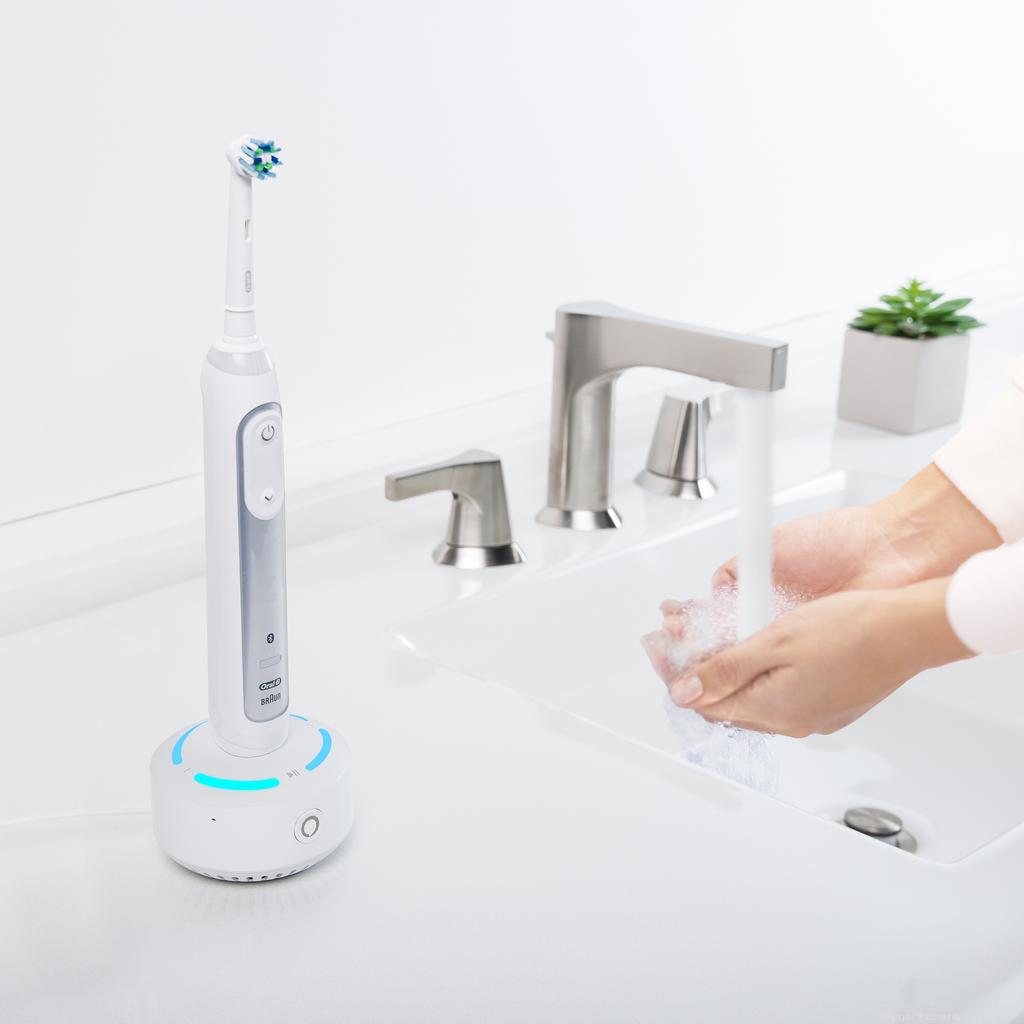
Oral-B released the Guide in 2020, making promises of Alexa-powered convenience, which it ended in 2022.
Enlarge / Oral-B released the Guide in 2020, making promises of Alexa-powered convenience, which it ended in 2022.

As we’re currently seeing with AI, when a new technology becomes buzzy, companies will do almost anything to cram that tech into their products. Trends fade, however, and corporate priorities shift—resulting in bricked gadgets and buyer’s remorse.

That’s what’s happening to some who bought into Oral-B toothbrushes with Amazon Alexa built in. Oral-B released the Guide for $230 in August 2020 but bricked the ability to set up or reconfigure Alexa on the product this February. As of this writing, the Guide is still available through a third-party Amazon seller.
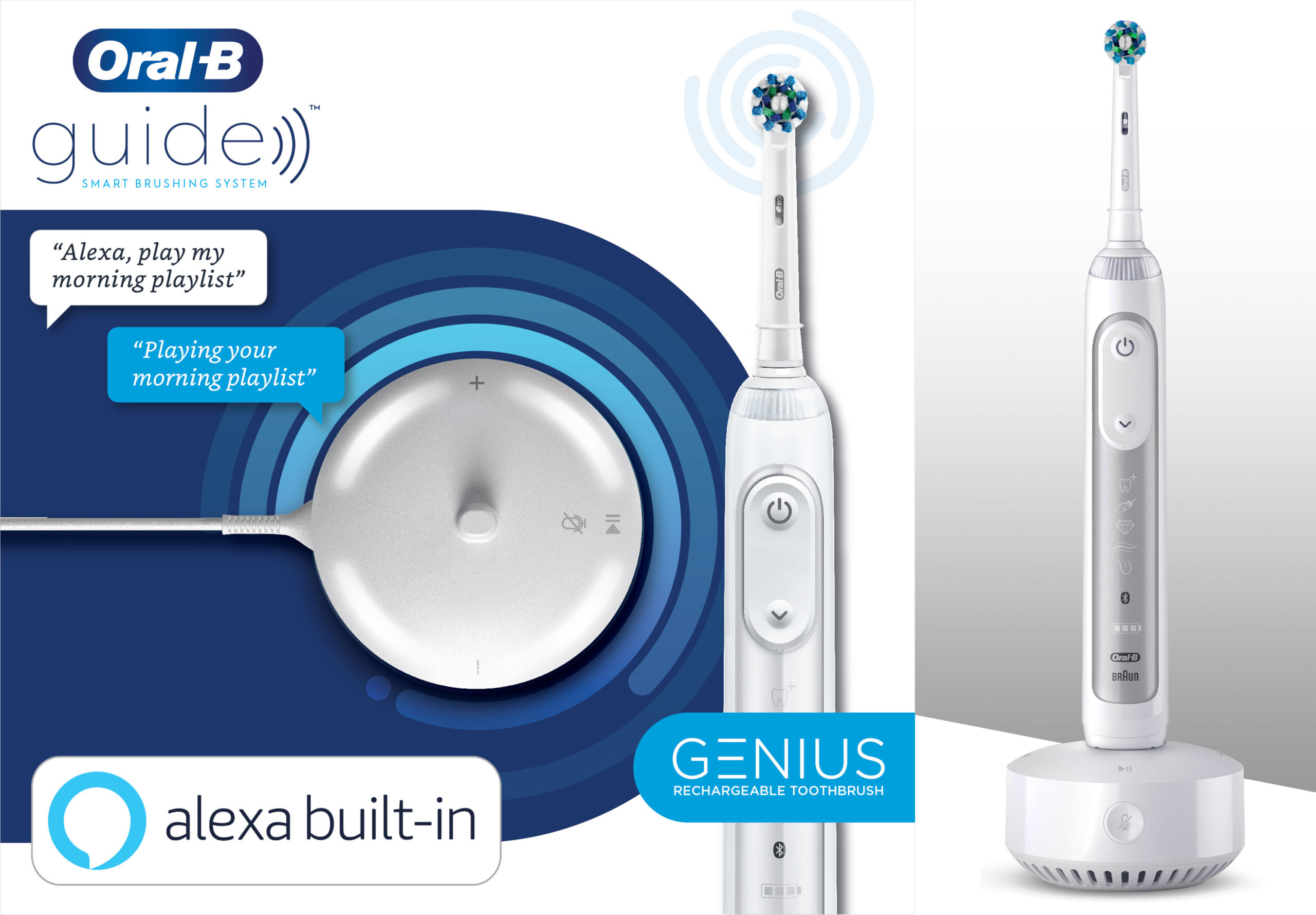
Oral-B debuted the Guide by highlighting its Alexa features.
Enlarge / Oral-B debuted the Guide by highlighting its Alexa features.

The Guide toothbrush’s charging base was able to connect to the Internet and work like an Alexa speaker that you could speak to and from which Alexa could respond. Owners could “ask to play music, hear the news, check weather, control smart home devices, and even order more brush heads by saying, ‘Alexa, order Oral-B brush head replacements,’” per Procter & Gamble’s 2020 announcement.

Oral-B also bragged at the time that, in partnering with Alexa, the Guide ushered in “the truly connected bathroom.”

Oral-B discontinued app for setting up Alexa

On February 15, Oral-B bricked the Guide’s ability to set up Alexa by discontinuing the Oral-B Connect app required to complete the process. Guide owners can still use the Oral-B App for other features; however, the ability to use the charging base like an Alexa smart speaker—a big draw in the product’s announcement and advertising—is seriously limited.

The device should still work with Alexa if users set it up before Oral-B shuttered Connect, but setting up a new Wi-Fi connection or reestablishing a lost one doesn’t work without Connect.

That’s a problem for Patrick Hubley, who learned that Oral-B discontinued Connect when his base inadvertently disconnected from the Wi-Fi and he tried using Connect to fix it. He told Ars Technica that when he tries using the Alexa wake word now, the speaker says, “I’m having trouble connecting to the Internet. For help, go to your device’s companion app.”

Hubley attempted but failed to get a refund or replacement brush through Oral-B’s support avenues. He says he will no longer buy Oral-B or Alexa products.

I only purchased this toothbrush from Amazon because that was the only way to get the water-resistant Alexa speaker that I wanted for the bathroom. … I’m ready to be done with Alexa and Oral-B both.

Connect no longer works on devices on which it’s already installed. A few users have also stated on Amazon that they can no longer set Guide up to use Alexa. However, the Guide is still available on Amazon as of this writing, with images of its box saying “Alexa built-in,” and the product’s title reading “Alexa Built-In” and “Amazon Dash Replenishment Enabled.” The listing is from a third-party seller, but since Oral-B released the Guide exclusively through Amazon, shoppers could easily not realize that Alexa setup is borked.

I reached out to Amazon about this, and spokesperson Connor Rice told me:

The Oral-B Guide still has Alexa built-in and customers can keep using the Alexa experience on devices that were set up through the Oral-B Connect app. The Oral-B Guide is currently sold by an independent seller on Amazon.com. Please contact Oral-B for any further questions about their app.

Oral-B’s response

Oral-B discontinued the Guide about two years ago and now only has one mobile app, called Oral-B. If a toothbrush brand is going to have any apps at all, one seems like the maximum reasonable number. It’s unclear why Alexa capabilities weren’t integrated into the still-standing Oral-B app.

When I reached out to Procter & Gamble, a company spokesperson said:

The Oral-B Connect app was originally developed to support Oral-B Guide and Oral-B Sense electric toothbrushes, which were discontinued … While some features are no longer supported on these brushes, the Oral-B app does remain compatible with both devices. Consumers are invited to contact Oral-B customer service where they can get additional support for these brushes.

https://arstechnica.com/?p=2029201


The Motorola Edge 2024 comes to the US for $550

Motorola’s newest phone is the Motorola Edge 2024. This is a mid-range phone with the new Qualcomm Snapdragon 7s Gen 2. It costs $550 and will be in stores June 20. Every Motorola phone nowadays looks exactly the same, but Motorola assures us this is new.

The Snapdragon 7s Gen 2 is the bottom of Qualcomm’s “7 series” lineup and features four Cortex-A78 cores and four Cortex-A55 cores built on a 4 nm manufacturing process. The phone has a 144 Hz, 6.6-inch 2400×1080 OLED panel with curved sides. It has 8GB of RAM, 256GB of storage, a 5000 mAh battery, 68 W wired charging, and 15 W wireless charging. Cameras include a mid-range 50 MP Sony “LYTIA” 700C, 13 MP wide-angle, and a 32 MP front camera. The phone has NFC, Wi-Fi 6E, an in-screen fingerprint reader, and—a big addition compared to other Motorola devices—an IP68 rating for dust and water resistance.

Just like on the Moto G Stylus, this phone has a “vegan leather” back option that should be softer than the usual plastic, but it’s still plastic. Unlike that phone, there’s no headphone jack or MicroSD slot. A customizable hardware button on the left side of the phone lets you open the Google Assistant or whatever other app you choose.

As usual, the major downside of Motorola devices is the update plan. The Edge 2024 is getting two major Android OS upgrades and 3 years of security updates that will arrive every other month. That’s better than the one major OS update some Motorola phones get, but it’s not much. Speaking of updates, the $550 price tag makes this Motorola’s alternative to the $500 Google Pixel 8a, which is getting seven years of OS and security updates. The Pixel is a smaller device (6.1 inches) with a smaller battery (4482 mAh) and less storage (128GB), but the Pixel’s better software, faster SoC, and dramatically longer update plan make it easy to choose over the Motorola.

The phone will land at Amazon, Best Buy, and motorola.com on June 20, with “subsequent availability” at carrier stores like “T-Mobile, Metro by T-Mobile, Spectrum, Consumer Cellular, and on Straight Talk, Total By Verizon, and Visible.”

This article was updated at 6/5 3:22pm with update plan details.

https://arstechnica.com/?p=2029197


“Definitely cancel”: Max subs advise churn after 2nd price hike in 17 months

<img src="https://rassegna.lbit-solution.it/wp-content/uploads/2024/06/definitely-cancel-max-subs-advise-churn-after-2nd-price-hike-in-17-months.jpg" alt="Some subscribers say they'll just cancel after watching Season 2 of House of the Dragon. “>
Enlarge / Some subscribers say they’ll just cancel after watching Season 2 of House of the Dragon.
Warner Bros. Discovery

Max’s monthly ad-free streaming subscription costs $1 more than it did yesterday. Warner Bros. Discovery (WBD) today raised the prices for ad-free Max subscription plans, effective immediately for new subscribers.

In addition to the cheaper ad-free plan now costing $17 per month, the Ultimate ad-free monthly plan, which supports four instead of two concurrent streams and 4K instead of 1080p resolution, is up a dollar to $21 per month.

Annual subscriptions to the streaming service are also getting more expensive. The annual ad-free plan is $20 more, at $170/year, and the Ultimate ad-free annual plan went up by $10 to $210 per year.

WBD said it will inform current subscribers about the new pricing 30 days in advance of their plan renewing. Subscribers will have to pay the new prices—or switch to a different plan or cancel—beginning on their next billing cycle that takes place on or after July 4.

Max isn’t hiking the price of its subscription plans that show commercials. That move is ostensibly to draw more subscribers to Max’s ad plans, which make WBD more revenue per user on average. Revenue, of course, aids WBD’s plans to maintain profitability for its streaming business.

Subscribers advise each other to cancel… for now

Max’s abrupt pricing changes are similar to its first price hike, which took place in January 2023 (when the video-streaming service was still called HBO Max). Ad-free subscriptions went from $15 to $16 per month. In a statement at the time, WBD said the price hike would enable it “to continue to invest in providing even more culture-defining programming and improving our customer experience for all users.”

Subscribers of the cheapest ad-free plan also lost features, including 4K and HDR streaming. The maximum number of supported concurrent streams dropped from three to two.

With subscription streaming prices incessantly rising with no clear end in sight, some fed-up subscribers are seeking alternative solutions. Ars Technica has seen various users advise others online to “definitely cancel” and then alternate their streaming subscriptions, which could even include eventually returning to Max.

“I’ll pay for a month later this year after House of the Dragon and The Penguin are out. I think staggering subscriptions with different platforms is the way to do it these days,” TheHeyHeyMan said on Reddit today.

Analyst Antenna has reported a skyrocketing rate of people subscribing to video-streaming services, watching what they want, quickly canceling the service, and repeating the cycle. It said that about a quarter of US streaming subscribers have canceled three or more of their video-streaming subscriptions in the past two years.

This week, Andrew Georgiou, head of WBD’s UK and Ireland business, discussed the challenge this poses for streaming companies: “Netflix is a mainstay but we are starting to see real SVoD churn, people cycling in and out at an increasing rate,” he said, per Deadline. “That phenomenon is a huge cost to business and reducing that churn, increasing engagement and reducing the cost of ‘winbacks’ is something we all need to focus on.” WBD CEO David Zaslav has called high churn rates a streaming business “killer.”

It seems that some subscribers, like Reddit user Proteinshake4, are aware of the concern:

As the market evolves and these companies keep raising prices, I adapt as a consumer and cancel. I have a budget and stick to it and won’t pay unless I need it. Consumers of tv [sic] unite and [start] churning.

Some streaming services are trying to fight subscriber churn by bundling their services, including with rivals. But streaming services are intent on doing whatever they think is necessary to drive profits, largely through encouraging ad-tier subscriptions and higher prices.

Growing prices

Max falls under WBD’s direct-to-consumer business, which includes cable HBO subscriptions and WBD’s Discovery+ streaming service, and it recorded $86 million in profits in the first quarter of 2024. The DTC business was also profitable for WBD’s fiscal 2023 year.

In January 2023, WBD CFO Gunnar Wiedenfels made comments at a conference that appear to have been a foreshadowing of a big part of WBD’s approach to reaching and maintaining streaming profitability:

“There’s no doubt that these products are priced way too low. And I think this was partly the capital market-fueled phase of land grabbing. You couldn’t lose enough money and couldn’t grow subscribers fast enough. I think that’s behind us.”

As WBD tries for a second year of streaming profitability, subscribers should prepare for more potential changes that could detract from the perceived value of the service. WBD has said that it will crack down on Max password sharing this year and is also exploring potential new ad formats for Max, like transactional ads. Similarly, WBD should be prepared for the potential of more subscriber churn.

https://arstechnica.com/?p=2028863


Google changes repair policy after criticism of third-party parts ban

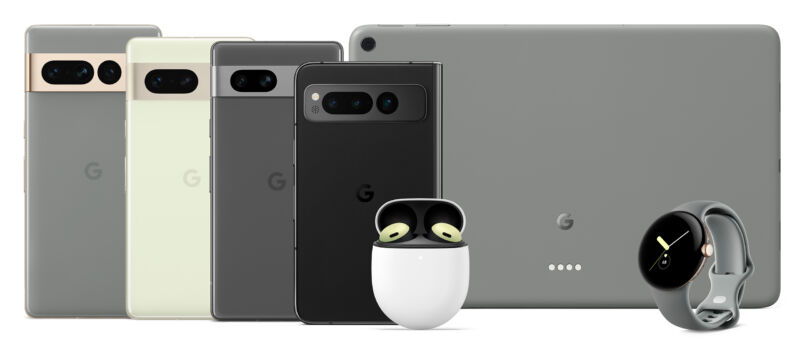
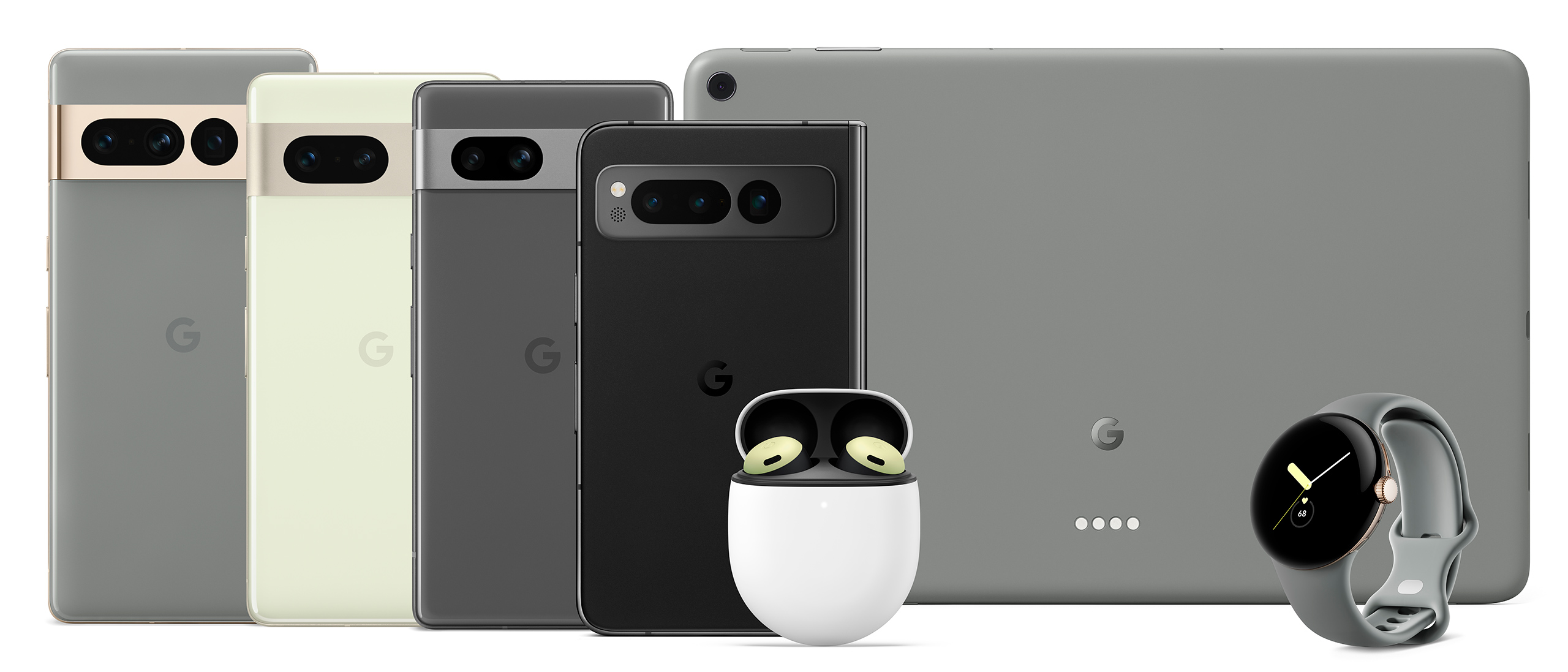
Pixel devices.
Enlarge / Pixel devices.

Google has changed its repair policy in response to criticism from repair advocate Louis Rossmann. Rossmann dug through the Google Store’s “Service & Repair Program Terms & Conditions” for its first-party mail-in repair service and found the same style of onerous bans on third-party parts that Samsung was recently caught using. Section D, article 4 of the terms include the rather incredible line “Unauthorized Parts: You will not send in a Device containing non-Google-authorized parts – if You do, Your Device will not be returned to you.” That’s right, according to the terms, Google would keep a device sent in for repair, and you wouldn’t get it back.

We asked Google for a comment on Rossmann’s video, and a spokesperson says the terms will be updated:

If a customer sends their Pixel to Google for repair, we would not keep it regardless of whether it has non-OEM parts or not. In certain situations, we won’t be able to complete a repair if there are safety concerns. In that case, we will either send it back to the customer or work with them to determine next steps. Customers are also free to seek the repair options that work best for them. We are updating our Terms and Conditions to clarify this.

That sounds a lot more reasonable.

Exactly how much these big tech companies care about repair is still a source of skepticism from the repair community. The Google Store’s promotional page on sustainability makes a good argument for device repair, saying, “From product design to manufacturing and across our supply chains, we are working to address our environmental and social impact at every step.” It mentions device repair as part of that mission, saying, “When you opt to fix your phone instead of replace it, you help keep e-waste out of the landfill.”

Rossmann argues that companies don’t really want you to repair devices, since that hurts the bottom line and that they primarily want to get out ahead of right-to-repair legislation. Rossmann points out two ways companies sabotage repair. The first is with invasive terms like Samsung’s and (recently) Google’s, which Rossmann says are designed to render the repair program ineffective. “You have to understand that the way these programs have been put together, and the way they work, they’re not intended to be used,” Rossmann says. “These programs are intended for you to purchase a new one. They’re designed to be so bad that nobody would ever use them.”

Rossmann also points out that a lot of the official parts for older devices cost more than an entire second-hand device, so the pricing often doesn’t make sense for consumers. A Pixel 6 Pro display costs $273 from the official Google/iFixit store, while an entire working used Pixel 6 Pro from eBay, in “very good” condition, can be had for less than that. First-party parts don’t just face an availability problem; sometimes, the pricing these companies go with doesn’t make sense for consumers.

iFixit runs first-party parts stores for at-home repair of devices and recently ended its relationship with Samsung. iFixit said Samsung only gives lip service to repair, but the actual policies stifle the repair industry. Google is at least trying to fix the areas where people point out the terrible terms of its repair program, though it would be nice if the parts store could offer parts at a reasonable price.

https://arstechnica.com/?p=2028821


Micro LED monitors connect like puzzle pieces in HP multi-monitor concept

woman using a tri-monitor setup
Enlarge / Yes, there are bigger monitors, but is there a better way to have a tri-monitor setup?

In a technical disclosure published this month, HP explored a Micro LED monitor concept that would enable consumers to easily use various multi-monitor configurations through the use of “Lego-like building blocks.” HP has no immediate plans to make what it has called “composable Micro LED monitors,” but its discussion explores a potential way to simplify multitasking with numerous displays.

HP’s paper [PDF], written by HP scientists and technical architects, discusses a theoretical monitor that supports the easy addition of more flat or curved screens on its left, right, or bottom sides (the authors noted that top extensions could also be possible but they were “trying to keep the number of configurations manageable”). The setup would use one 12×12-inch “core” monitor that has a cable to the connected system. The computer’s operating system (OS) would be able to view the display setup as one, two, or multiple monitors, and physical switches would let users quickly disable displays.

Not a real product

HP’s paper is only a technical disclosure, which companies often publish in order to support potential patent filings. So it’s possible that we’ll never see HP release “composable Micro LED monitors” as described. An HP spokesperson told me:

HP engineering teams are constantly exploring new ways to leverage the latest technologies. The composable Micro LED monitors within the technical disclosure are conceptual, but HP has turned past concepts like this into commercially viable products and solutions.

There’s also growing interest in making multi-monitor workspaces easier to set up and navigate, including by speedier connectivity, enhanced port selection, improved docks, and thinner displays. In January, Samsung teased a concept called The Link that showed thin, 32-inch, 4K LED monitors daisy-chained together “without a separate cable.” Samsung originally said the monitors would connect via pogo pins but later redacted that.

As you’ll see, there’s a lot more that would need to be worked out than what’s in HP’s concept in order to make a real product.

Adjustable multi-monitor setups

HP’s paper goes deeper into how monitors, connected via pogo pins or RFID readers and tags, might enable different single and multi-monitor setups depending on the user’s need.

HP’s concept connects extensions to the core monitors “in a similar way to a jigsaw” and also uses magnets to help alignment. The authors explain:

The core-to-extension connection includes an electrical connection, allowing seamless connectivity to the core unit. They will only physically connect in ways that will function correctly as displays. The magnets in the passive connection covers and extension edges are strong enough to hold adjacent displays together, but not strong enough to support the weight of an extension.

The authors provide various examples of how users might be able to construct different sized monitors with different panels. Suggested users include a video editor who might use a bigger screen for video with a smaller one for editing tools. The paper also touches on further potential innovations, like using different types of tech, such as eInk, for extension displays.

Like with any multi-monitor setup, bezels or visible seams where the displays connect could distract users. The paper suggests an ideal solution as one that uses “rays originating from pixels near the boundary between adjacent panels” to “propagate across the boundary without any distortion caused by reflection or refraction.”

https://arstechnica.com/?p=2028012


Google Chrome’s plan to limit ad blocking extensions kicks off next week

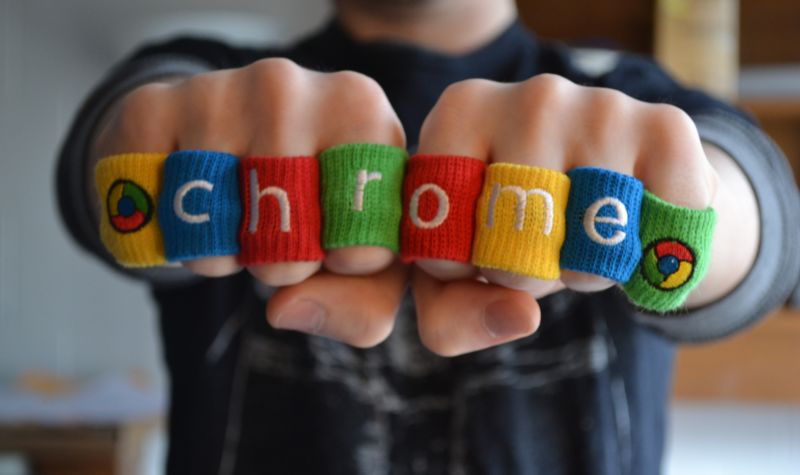
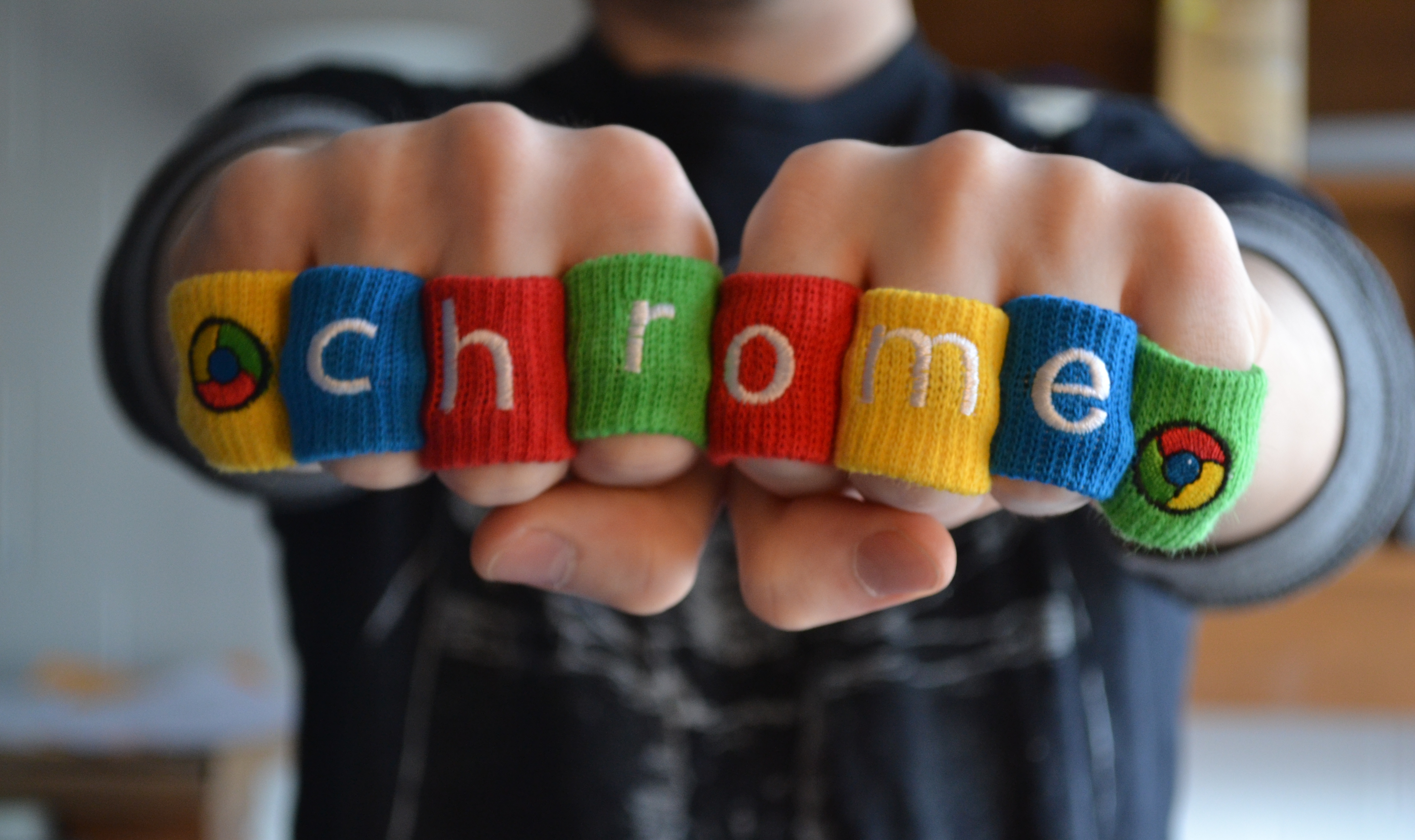
A man wears soft rings that spell out CHROME.
Enlarge / Someone really likes Google Chrome.

Google Chrome will be shutting down its older, more capable extension system, Manifest V2, in favor of exclusively using the more limited Manifest V3. The deeply controversial Manifest V3 system was announced in 2019, and the full switch has been delayed a million times, but now Google says it’s really going to make the transition: As previously announced, the phase-out of older Chrome extensions is starting next week.

Google Chrome has been working toward a plan for a new, more limited extension system for a while now. Google says it created “Manifest V3” extensions with the goal of “improving the security, privacy, performance, and trustworthiness of the extension ecosystem.”

Other groups don’t agree with Google’s description, like the Electronic Frontier Foundation (EFF), which called Manifest V3 “deceitful and threatening” back when it was first announced in 2019, saying the new system “will restrict the capabilities of web extensions—especially those that are designed to monitor, modify, and compute alongside the conversation your browser has with the websites you visit.” It has a whole article out detailing how Manifest V3 won’t help security.

Comments from the Firefox team have also cast doubt on Google’s justification for Manifest V3. In a talk about the implications of Manifest V3, Philipp Kewisch, Firefox’s Add-ons operations manager, said, “for malicious add-ons, we feel for Firefox it has been on a manageable level, and since the add-ons are mostly interested in grabbing data, they can still do that with the current web request API [in Manifest V3].” Firefox plans to support Manifest V3 because Chrome is the world’s most popular browser, and it wants extensions to be cross-browser compatible, but it has no plans to turn off support for Manifest V2.

A big source of skepticism around Manifest V3 is limitations around “content filtering,” aka the APIs ad blockers and anti-tracking extensions use to fight ad companies like Google. Google, which makes about 77 percent of its revenue from advertising, has not published a serious explanation as to why Manifest V3 limits content filtering, and it’s not clear how that aligns with the goals of “improving the security, privacy, performance and trustworthiness.” Like Kewisch said, the primary goal of malicious extensions is to spy on users and slurp up data, which has nothing to do with content filtering. This is all happening while Google is building an ad system directly into Chrome, and Google properties like YouTube are making aggressive moves against ad blockers.

The initial version of Manifest V3 was detailed in 2019, and since then Google has gone back and forth with the extension community and made some concessions. Google says it raised the number of filtering rulesets allowed by Manifest V3, which should help ad blockers. One dramatic change is that filtering extensions won’t be able to update their rulesets themselves anymore, and any filtering updates would require a new version submitted to the Chrome extension store, which includes a potentially weeks-long security review. In the cat-and-mouse game of ad blockers, you can imagine how this could let YouTube change the ad system instantly, while any counterpunches from ad blockers could be delayed by weeks. Google now says it’s possible for extensions to skip the reviews process for “safe” rule set changes, but even this is limited to “static” rulesets, not more powerful “dynamic” ones.

In a comment to The Verge last year, the senior staff technologist at the EFF, Alexei Miagkov, summed up Google’s public negotiations with the extension community well, saying, “These are helpful changes, but they are tweaks to a limited-by-design system. The big problem remains the same: if extensions can’t innovate, users lose and trackers win… We now all depend on Google to keep evolving the API to keep up with advertisers and trackers.”

Google says, “over 85% of actively maintained extensions in the Chrome Web Store are running Manifest V3, and the top content filtering extensions all have Manifest V3 versions available.” The company doesn’t mention that the most popular ad blocker’s Manifest V3 version is “uBlock Origin Lite,” with the “Lite” indicating that it is inferior to the Manifest V2 version.

As for how this phase out is actually going to go, Google says next week the beta versions of Chrome will start seeing warning banners on the extensions page for any Manifest V2 extensions they have installed. V2 extensions will also lose their “featured” status in the Chrome extension store. Google says extensions will start to be disabled in “the coming months.” For a short period, users will be able to turn them back on if they visit the extension page, but Google says that “over time, this toggle will go away as well.” At that point you can either go hunting through the Chrome Store for alternatives or switch to Firefox.

https://arstechnica.com/?p=2028009


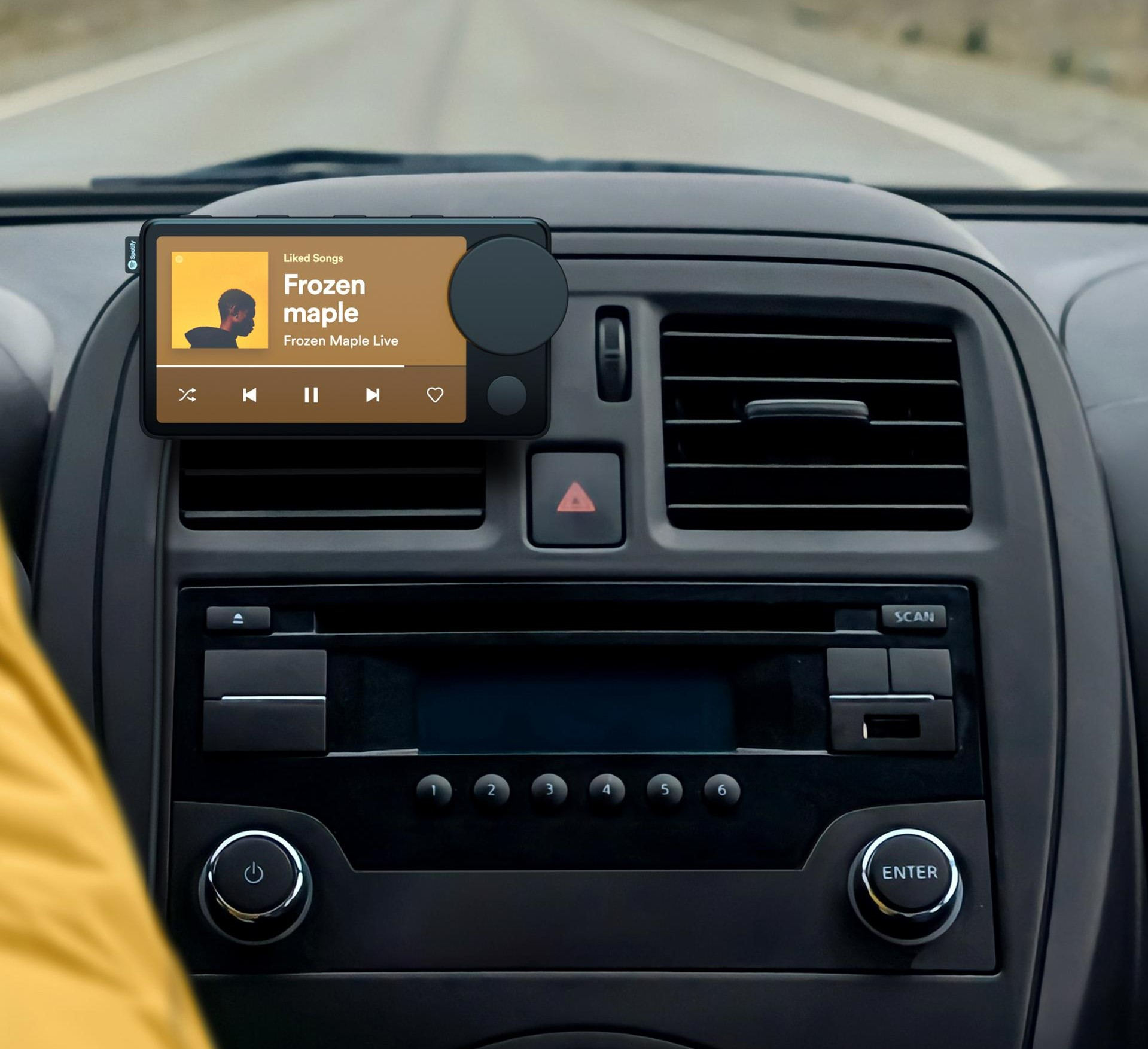
Spotify won’t open-source Car Thing, but starts refund process

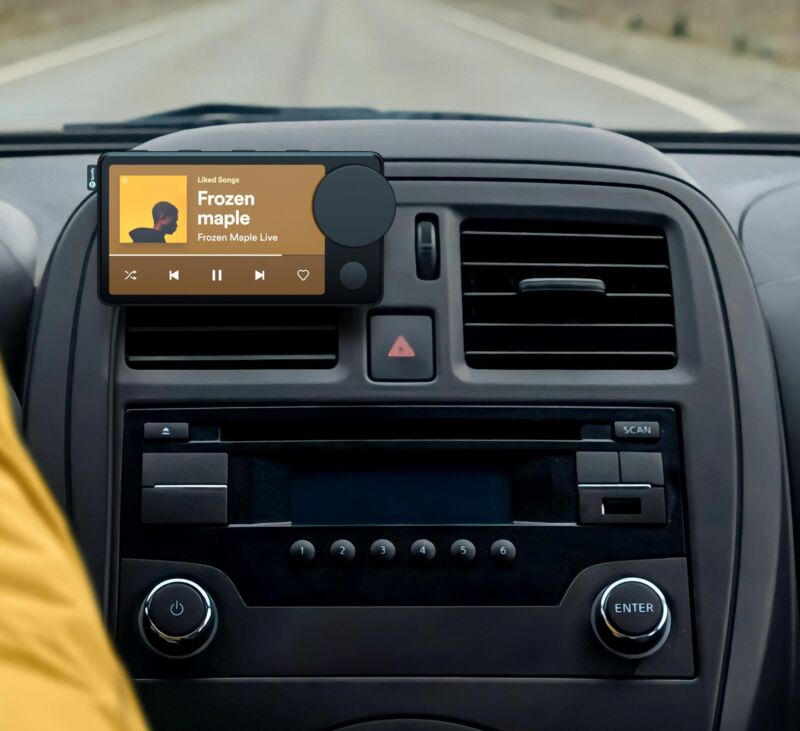
Spotify's Car Thing thing in a car.
Enlarge / Spotify’s Car Thing thing in a car.

Spotify will refund owners of Car Thing, its Spotify-playing device that mounts to car dashboards, Ars Technica confirmed today. On May 23, Spotify announced that it would brick all Car Things on December 9.

Spotify started notifying customers via email on May 24 that they could reach out to this support channel if they have questions about Car Thing’s discontinuation. The email doesn’t explicitly guarantee refunds, though, which could leave some thinking they have no way to get reimbursed for the gadget that initially sold for $90. Further, Spotify’s support page for Car Thing doesn’t mention refunds and only tells owners to reset and properly dispose of or recycle the gadget.

A Spotify spokesperson declined to confirm to Ars if Spotify would offer full refunds to everyone who showed proof of purchase or if there were further requirements. The representative said that owners should contact Spotify via the above link about refunds.

Since Spotify said it would brick all Car Things, customers have shown confusion about refund availability online (on Spotify’s online forum and on Reddit), and they may have received mixed messaging from Spotify support.

As reported by Billboard, on May 28, three people filed a lawsuit [PDF] that seeks class-action certification (and cites Ars) against Spotify. It claims that people “would not have purchased a Car Thing if they knew that Spotify would stop supporting the product within just a few months or years of purchase.” It also states that “Spotify has stated that it will not refund, or replace, the Car Thing.”

But recent online posts from people who say they were able to provide Spotify with proof of purchase claim that they received refunds.

Ars reached out to the lawyers for the plaintiffs of the lawsuit filed in the US District Court for the Southern District of New York, asking if the case would still be pursued since Spotify is giving refunds. Spotify declined to comment on the lawsuit to Ars.

Still not open-sourcing

Some remain frustrated by the scheduled obsolescence of hardware that was only released to the general public in February 2022. Car Thing first released to a limited number of subscribers in October 2021.

As noted by TechCrunch today, in October 2021, Spotify CEO and founder Daniel Ek said that more than 2 million people initially signed up for the Car Thing waitlist. By July 2022, Spotify revealed that it was no longer making Car Thing, its only hardware, naming product demand and supply chain issues as factors. However, the company cut the device’s price tag from $90 to $50 and kept selling it.

For many, Car Thing didn’t make much sense. In addition to an auxiliary connection, it required a Spotify Premium subscription and a Bluetooth-connected phone using Wi-Fi or data to work. However, some found the 4-inch touchscreen and large knob handy. Car Thing also appealed to some people who didn’t have integrated touchscreens in their car or support for other popular means for playing Spotify in the car, like Apple CarPlay.

Since Spotify announced that it will forcibly brick all Car Things in December, users have been pleading with the company to open source the device. This would help people extend the hardware’s life and minimize waste. However, Spotify has been unwilling to unlock the device. Unlocking Car Thing could, theoretically, allow people to hack the device—which carries a Spotify logo on its left edge— in ways Spotify doesn’t want to be associated with. However, open source advocates and those concerned about e-waste argue that opening the device would still be a better solution than bricking devices after less than three years of general availability.

For example, a user on Spotify’s forum who said they got a refund and goes by “zequfy” wrote today that “this does NOT solve the issue.”

If they continue with the plan to brick Car Thing in December, the refunds won’t matter when our anger & disappointment resurfaces, and we remember why they lost our trust as users. Tell them you may still leave the service.

As Spotify currently looks unlikely to do more to appease Car Thing owners, this incident may have to serve as a note of caution for people considering buying hardware from a company that might not commit to long-term support. Remembering that the company could break the product at any time may make you reconsider opening your wallet.

https://arstechnica.com/?p=2027824


Report: Apple and OpenAI have signed a deal to partner on AI

OpenAI CEO Sam Altman.
Enlarge / OpenAI CEO Sam Altman.

Apple and OpenAI have successfully made a deal to include OpenAI’s generative AI technology in Apple’s software, according to The Information, which cites a source who has spoken to OpenAI CEO Sam Altman about the deal.

It was previously reported by Bloomberg that the deal was in the works. The news appeared in a longer article about Altman and his growing influence within the company.

“Now, [Altman] has fulfilled a longtime goal by striking a deal with Apple to use OpenAI’s conversational artificial intelligence in its products, which could be worth billions of dollars to the startup if it goes well,” according to The Information’s source.

The OpenAI/Apple deal has not been without its opponents. The report claims that Apple’s head of machine learning, John Giannandrea, has been opposed to large language model-driven chatbots or anything resembling them appearing in Apple’s software or products. Further, Microsoft CEO Satya Nadella is said to be concerned about what the Apple deal means for OpenAI’s existing relationship with Microsoft. Microsoft has committed $13 billion to OpenAI in exchange for a cut of its profits and the use of its technology in the former’s enterprise and consumer products.

Some time ago, Giannandrea reportedly told Apple employees “the last thing people needed was another AI chatbot” when one of them asked him if Apple has plans to create something like this. While The Information paints that as a blanket dismissal of AI in Apple’s products, there are other ways Apple could leverage large language models within its products besides creating a new chatbot, and we don’t know if Giannandrea is opposed to those.

For example, Apple has been using OpenAI’s API to create proofs of concept, like a version of Siri that is able to respond to questions outside its usual scope. However, the report says that if Apple does that, it will make it clear when it’s referring to a third party like OpenAI, kind of like how the user is notified when a query results in a Google search.

There have been prior reports that Apple is also in talks with Google for a similar deal. It’s possible Apple could offer users a choice of AI chatbot provider, just like it does with search engines or default browsers.

The Apple deal is one of the many wins the report says help solidify the position of Altman within OpenAI, even after he faced an attempted ouster a while back.

Another is a change to OpenAI’s structure as a corporation. OpenAI has an unusual structure, with a for-profit corporation beholden to a nonprofit organization. The Information claims that Altman and his allies are seeking to convert it into either a traditional for-profit corporation or a benefit corporation known as a B-Corp. B-Corps allow corporations to have additional goals beyond shareholder interest, protecting them from certain kinds of shareholder lawsuits if they act for reasons beyond profits. There is a certification process for B-Corps by an independent organization, though it has been criticized in the past.

A B-Corp could be a middle ground between OpenAI’s current structure and that of a full for-profit.

https://arstechnica.com/?p=2027758


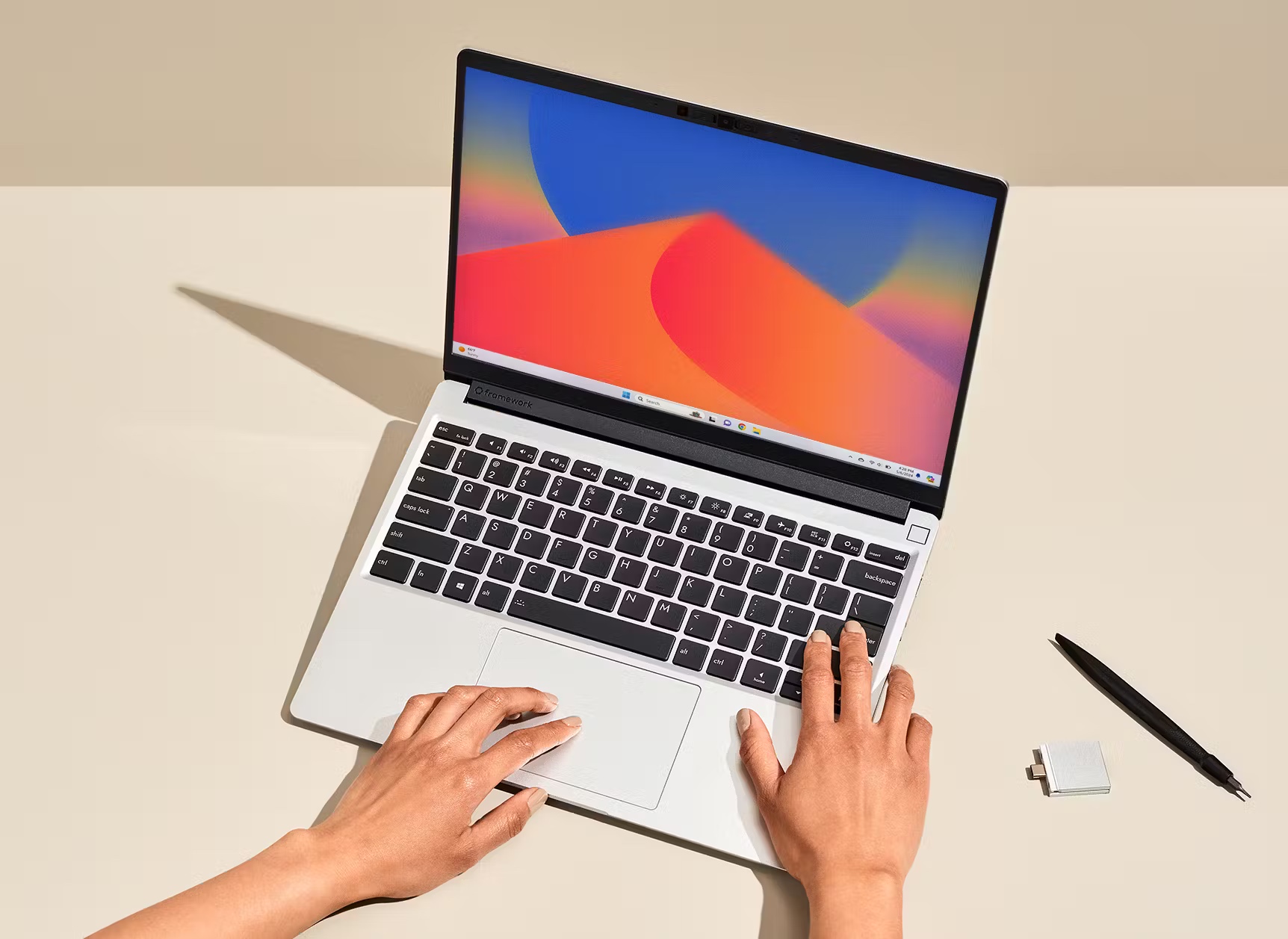
Framework boosts its 13-inch laptop with new CPUs, lower prices, and better screens

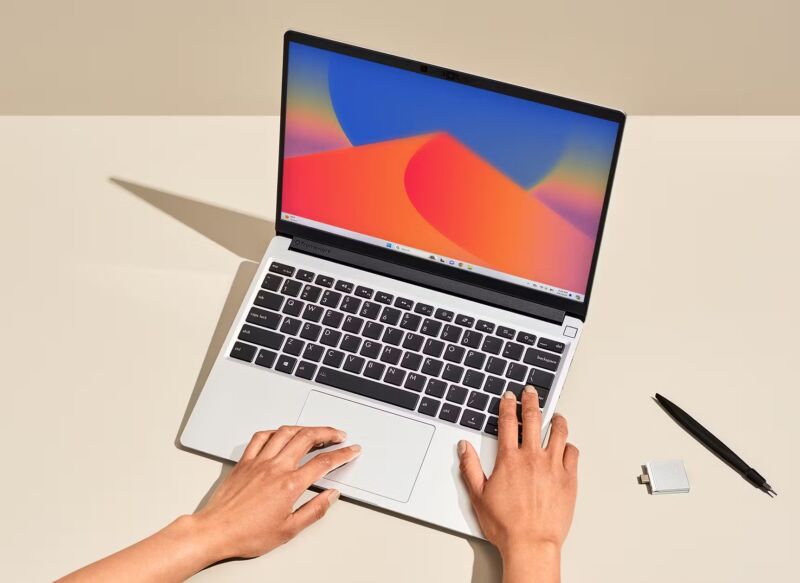
The Framework Laptop 13.
Enlarge / The Framework Laptop 13.

Framework will release a fourth round of iterative updates and upgrade options for its Framework Laptop 13, the company announced via a blog post yesterday. The upgrades include both motherboards and pre-built laptops that feature new Intel Meteor Lake Core Ultra processors with Intel Arc dedicated GPUs; lower prices for the AMD Ryzen 7000 and 13th-gen Intel editions of the laptop; and a new display with a slightly higher 2880×1920 resolution and a 120 Hz refresh rate.

The Core Ultra boards can come with one of three CPU options: an Ultra 5 125H with four P-cores, eight E-cores, and seven graphics cores; an Ultra 7 155H with six P-cores, eight E-cores, and eight graphics cores; or an Ultra 7 165H with the same number of cores but marginally higher clock speeds. Prices start at $899 for a pre-built or DIY model (before you add RAM, storage, an OS, or a USB-C charger), or $449 for a motherboard that can be used to upgrade an existing system.

All of the Core Ultra systems and boards ship in August as of this writing. Once this first batch sells out, a second batch will ship in Q3.

Those upgrading from an older Intel Framework board should take note: Like the Ryzen option, the Core Ultra CPUs also require an upgrade to DDR5 RAM since the processors don’t maintain compatibility with DDR4. Framework will charge you $40 for every 8GB of DDR5-5600 you buy, which is better than most PC OEMs but still above market rates—order your own RAM separately and you can save anywhere from $12 to $148, depending on the capacity.

The Core Ultra chips, like the Ryzen 7040-series chips, also include a neural processing unit (NPU) that can be used to accelerate some AI workloads. But both NPUs fall far short of the performance required for Recall and other locally accelerated AI features coming to Windows 11 24H2 later this year; Framework’s blog post doesn’t mention the NPU.

As for the new 13.5-inch, 2880×1920 display, it’s a decent resolution upgrade from the existing 2256×1504 display, and Framework says it will work a bit better with display scaling in Linux (Linux’s support for fractional scaling ratios like 125 percent or 150 percent is still generally labeled as “experimental,” though 200 percent display scaling usually works OK). It has a matte finish and a 120 Hz refresh rate, and it costs $130 more than the standard display or $269 when bought on its own to upgrade an existing laptop.

The new 13.5-inch Framework display has rounded corners, a side effect of the display panel being a repurposed version of something made for another (unspecified) company.
Enlarge / The new 13.5-inch Framework display has rounded corners, a side effect of the display panel being a repurposed version of something made for another (unspecified) company.

The one oddity of the new display is that it has rounded corners that don’t quite match the squared-off corners of the Framework Laptop’s display bezel. Framework says that’s because it “repurposed and customized a panel that was originally designed for another company,” though it hasn’t yet provided further specifics. All of Microsoft’s Surface devices released within the last few years have also used rounded corners, and I haven’t found that it affects functionality at all.

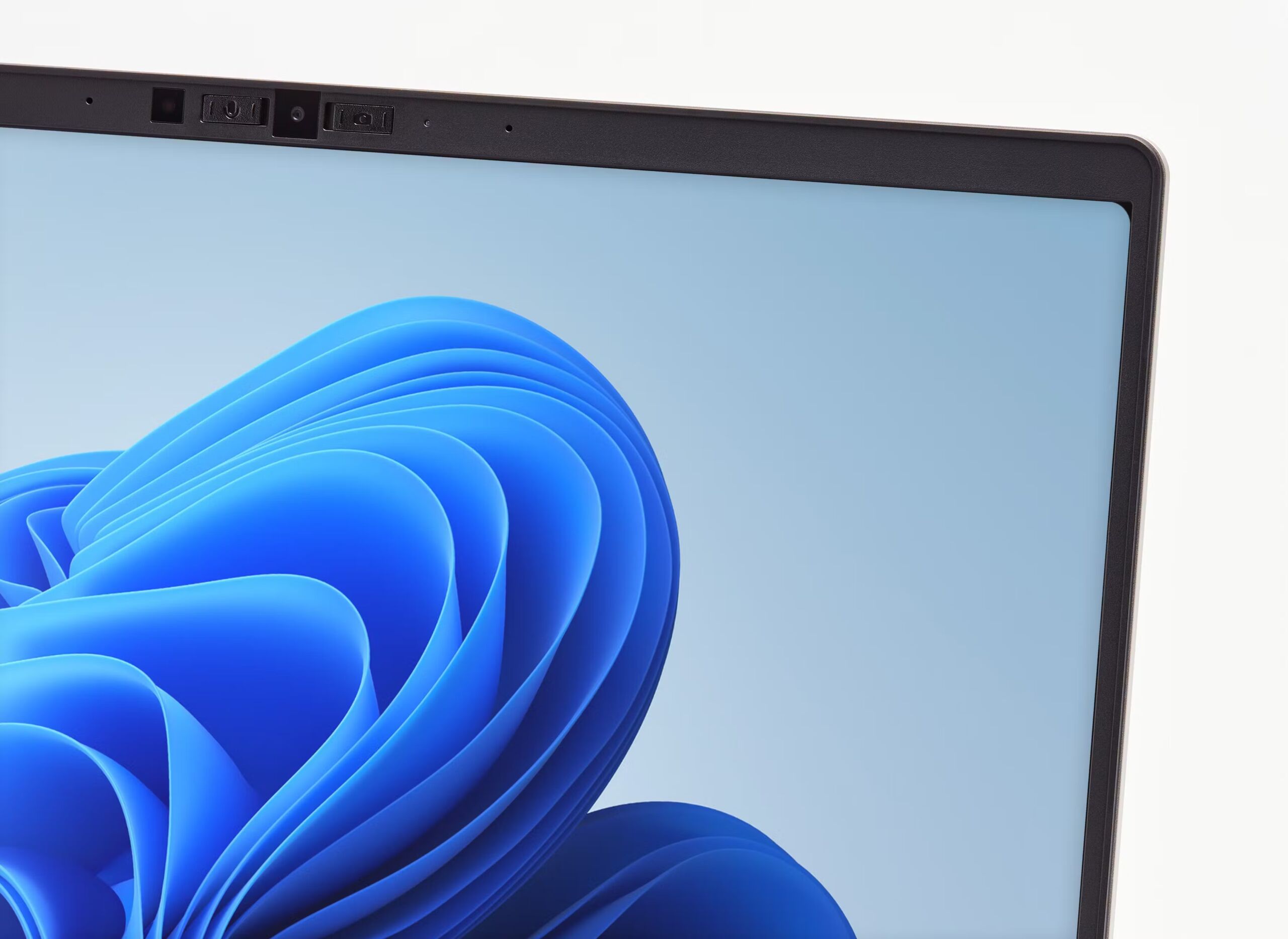
Other odds and ends include multicolor USB-C Expansion Cards that are color-matched to the colorful bezel options, an English International keyboard for Linux users with a “super” key in the place of the Windows logo, and a new 9.2-megapixel front-facing webcam module with low-noise microphones (Framework says this module doesn’t work at its native resolution but instead groups four pixels together into one to deliver better performance at 1080p).

Framework has also added new configuration options for the Ryzen 7040 version of the Laptop 13 that include the new display and has lowered prices on those AMD configs and on “our remaining inventory of 13th-gen Intel Core systems. AMD systems are about $50 cheaper than they were before, though the discount is only $30 if you’re buying a bare motherboard with the Ryzen 5 7640U installed.

If you’re interested in the Framework Laptop but are hesitating because of the software and firmware update issues we’ve reported on recently, Framework says it has made progress on some of the plans that CEO Nirav Patel outlined in an interview with Ars and in some statements since then. Both the Ryzen version of the Framework Laptop 13 and the Framework Laptop 16 got new drivers in early April, while BIOS updates for both Ryzen laptops, the 11th-gen Intel laptops, and the 12th-gen Intel laptops have all been formally released in the last few months. We’re monitoring these releases, and we’ll continue to cover them when there is new information to report.

https://arstechnica.com/?p=2027667


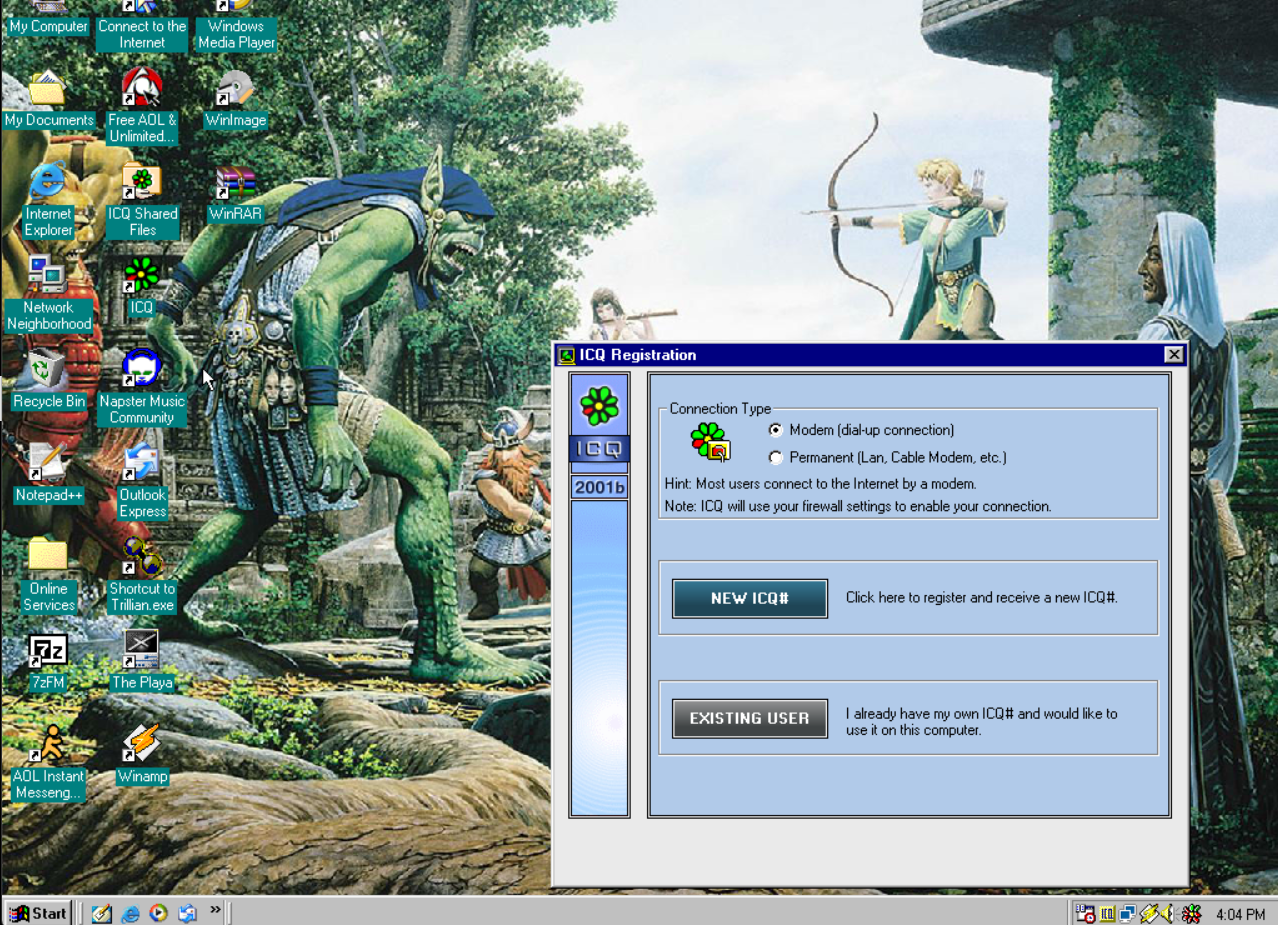
RIP ICQ: Remembering a classic messaging app that was way ahead of its time

A 2000-era Windows 98 desktop with ICQ running
Enlarge / ICQ in Windows 98.
Samuel Axon

After nearly 28 years in operation, messaging service ICQ will cease operations on June 26, according to its current owners.

You’d be forgiven for not realizing it still existed; the proto-IM service hasn’t been in the mainstream since the 2000s. But in the late 1990s and early 2000s, it simultaneously laid the groundwork for direct messaging and social networking as we came to know it in the post-Facebook era.

28 years of history

ICQ was something of an accident, as popular as it became. Created by four Israeli computer geeks, it wasn’t even meant to be the original idea.

In the wake of the Netscape IPO, which heralded a new era of tech-based money-making ventures, the four of them were looking for an idea to run with. Their initial plan was to launch a service that would make checking beeper messages easier. They invented ICQ as a tool for themselves while working on that project.

In the time of dial-up, staying online all the time to receive messages or chat on platforms like IRC wasn’t a thing for everybody. Most folks had to keep those lines open for phone calls.

As a result, the creators of ICQ were getting frustrated that they weren’t seeing each other’s online messages. They developed ICQ as a better way to communicate from their homes while collaborating on the (now pointless) beeper project.

The application didn’t have much marketing behind it, but it spread quickly by word of mouth—particularly in nascent online gaming communities around multi-user dungeons (MUDs), early deathmatches, and so on. More than anything else, the bearer of ICQ’s legacy today is Discord.

ICQ was eventually purchased by AOL, and it lost ground to more heavily financially backed services like AIM and MSN. Then came MySpace, Facebook, social media, iMessage, and so on, leaving no more room for old ICQ.

In 2010, ICQ was acquired by a company that was then called Mail.ru, a major Russian internet applications provider. That company eventually morphed and changed its name to VK, and it has been keeping ICQ on life support as a sort of Russian Skype alternative since.

Messaging memories

In light of the news, a few Ars staffers have shared some of their memories about ICQ.

Samuel Axon – Senior Editor

ICQ had several unique features for the time. Those of us who used it might still remember our ICQ numbers; there weren’t user names, but instead something more akin to a phone number. The earlier someone joined, the shorter their number could be, so there was prestige in a shorter number. (Mine was 6377119—seven digits was respectable, but not the apex.)

I signed up because I was playing the online game Meridian 59, and its community largely used ICQ for out-of-game communication.

ICQ offered online profiles, and it was through those profiles that I met my first girlfriend in high school. I lived in Springfield, Missouri, and she lived in Joplin, which is somewhat nearby. She was looking for folks to meet with similar interests, somehow stumbled on my profile, and saw that I was interested in writing and journalism. A classic 1990s summer teen romance followed.

It was the first thing I could think of in my life that resembled Facebook-style social networking, and it was also my first experience with anything resembling online dating. She found my profile, I sounded cool to her, and she messaged me.

I kept using ICQ for years to communicate with my friends in the MUD and game development communities before other services took over in the 2000s. I probably held on longer than most. Frankly, I miss that “uh oh!” messaging sound. It was an odd choice, but for me, it’s iconic.

https://arstechnica.com/?p=2027215