Transparent Micro LED searches for purpose in Lenovo’s concept laptop
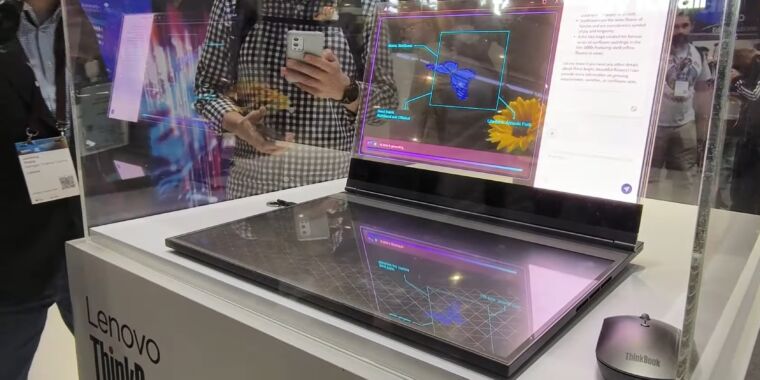
In 2010, Samsung demoed a transparent laptop prototype. The OLED laptop looked uniquely futuristic, and there were even reports that Samsung would release the design for real. But it never did. And 14 years later, even with a different type of display technology improving the experience, it seems like there still isn’t a strong argument for transparent-screen consumer laptops—even with AI shoehorned into the design.

Just a prototype for now

Before we get into the Lenovo ThinkBook Transparent Display Laptop Concept, keep in mind that it is just a concept. Lenovo has no official plans to release this computer and describes it as a way to explore how transparent displays and AI can be combined.

That said, Lenovo’s executive director of ThinkPad portfolio and product, Tom Butler, told The Verge he has “very high confidence” that such technologies will be available in a consumer product within the next five years. If that’s true, Lenovo will need to figure out what people might want in capabilities.

A see-through laptop may not be the answer.

The concept

Here’s what Lenovo has come up with so far. The laptop that it’s demoing at MWC 2024 in Barcelona this week is 17.3 inches. The lid is a transparent Micro LED display with as much as 55 percent transparency with the pixels turned off. In the world of transparent screens, that’s pretty impressive. For comparison, the aforementioned Samsung transparent laptop claimed up to 40 percent transparency, and LG currently sells transparent OLED signage (for businesses) with 38 percent transparency. In its announcement, Lenovo claimed that Micro LED “offers more possibilities in the future with further optimization of image quality, durability, and adjustable transmittance to provide more privacy or more transparency to interact with real world objects.”

Notably, Samsung Display revealed the first transparent Micro LED screens in January at CES 2024, so it’s reasonable to expect the technology to advance further. Micro LED has already been praised for offering more powerful transparent experiences than we’ve seen with OLED and LCD thus far. Engadget, which saw Lenovo’s prototype, for example, reported that next to transparent OLED and LCD, the Micro LED screen was notably brighter and more see-through. Additionally, Samsung Display has previously claimed that transparent Micro LED is less affected by ambient light than transparent OLED.

Lenovo claims its prototype’s screen can reach 1,000 nits of full-screen brightness with up to 3,000-nit highlights.

Completing the design is a touchscreen keyboard that’s projected onto a glass deck and goes away if you bring a stylus near it, an embedded trackpad, a rear-facing camera, and Windows 11.

https://arstechnica.com/?p=2006439


Review: AMD Radeon RX 7900 GRE GPU doesn’t quite earn its “7900” label

ASRock's take on AMD's Radeon RX 7900 GRE.
Enlarge / ASRock’s take on AMD’s Radeon RX 7900 GRE.
Andrew Cunningham

In July 2023, AMD released a new GPU called the “Radeon RX 7900 GRE” in China. GRE stands for “Golden Rabbit Edition,” a reference to the Chinese zodiac, and while the card was available outside of China in a handful of pre-built OEM systems, AMD didn’t make it widely available at retail.

That changes today—AMD is launching the RX 7900 GRE at US retail for a suggested starting price of $549. This throws it right into the middle of the busy upper-mid-range graphics card market, where it will compete with Nvidia’s $549 RTX 4070 and the $599 RTX 4070 Super, as well as AMD’s own $500 Radeon RX 7800 XT.

We’ve run our typical set of GPU tests on the 7900 GRE to see how it stacks up to the cards AMD and Nvidia are already offering. Is it worth buying a new card relatively late in this GPU generation, when rumors point to new next-gen GPUs from Nvidia, AMD, and Intel before the end of the year? Can the “Golden Rabbit Edition” still offer a good value, even though it’s currently the year of the dragon?

Meet the 7900 GRE

RX 7900 XT RX 7900 GRE RX 7800 XT RX 6800 XT RX 6800 RX 7700 XT RX 6700 XT RX 6750 XT
Compute units (Stream processors) 84 (5,376) 80 (5,120) 60 (3,840) 72 (4,608) 60 (3,840) 54 (3,456) 40 (2,560) 40 (2,560)
Boost Clock 2,400 MHz 2,245 MHz 2,430 MHz 2,250 MHz 2,105 MHz 2,544 MHz 2,581 MHz 2,600 MHz
Memory Bus Width 320-bit 256-bit 256-bit 256-bit 256-bit 192-bit 192-bit 192-bit
Memory Clock 2,500 MHz 2,250 MHz 2,438 MHz 2,000 MHz 2,000 MHz 2,250 MHz 2,000 MHz 2,250 MHz
Memory size 20GB GDDR6 16GB GDDR6 16GB GDDR6 16GB GDDR6 16GB GDDR6 12GB GDDR6 12GB GDDR6 12GB GDDR6
Total board power (TBP) 315 W 260 W 263 W 300 W 250 W 245 W 230 W 250 W

The 7900 GRE slots into AMD’s existing lineup above the RX 7800 XT (currently $500-ish) and below the RX 7900 (around $750). Technologically, we’re looking at the same Navi 31 GPU silicon as the 7900 XT and XTX, but with just 80 of the compute units enabled, down from 84 and 96, respectively. The normal benefits of the RDNA3 graphics architecture apply, including hardware-accelerated AV1 video encoding and DisplayPort 2.1 support.

The 7900 GRE also includes four active memory controller die (MCD) chiplets, giving it a narrower 256-bit memory bus and 16GB of memory instead of 20GB—still plenty for modern games, though possibly not quite as future-proof as the 7900 XT. The card uses significantly less power than the 7900 XT and about the same amount as the 7800 XT. That feels a bit weird, intuitively, since slower cards almost always consume less power than faster ones. But it does make some sense; pushing the 7800 XT’s smaller Navi 32 GPU to get higher clock speeds out of it is probably making it run a bit less efficiently than a larger Navi 31 GPU die that isn’t being pushed as hard.

When we reviewed the 7800 XT last year, we noted that its hardware configuration and performance made it seem more like a successor to the (non-XT) Radeon RX 6800, while it just barely managed to match or beat the 6800 XT in our tests. Same deal with the 7900 GRE, which is a more logical successor to the 6800 XT. Bear that in mind when doing generation-over-generation comparisons.

https://arstechnica.com/?p=2003298


Amazon bricks long-standing Fire TV apps with latest update

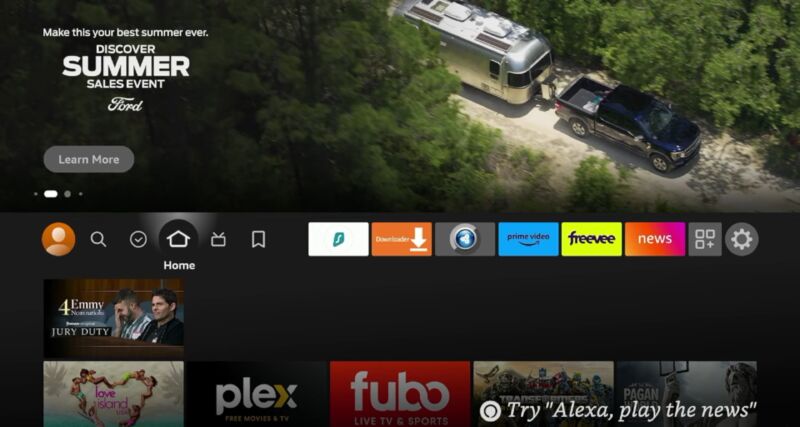
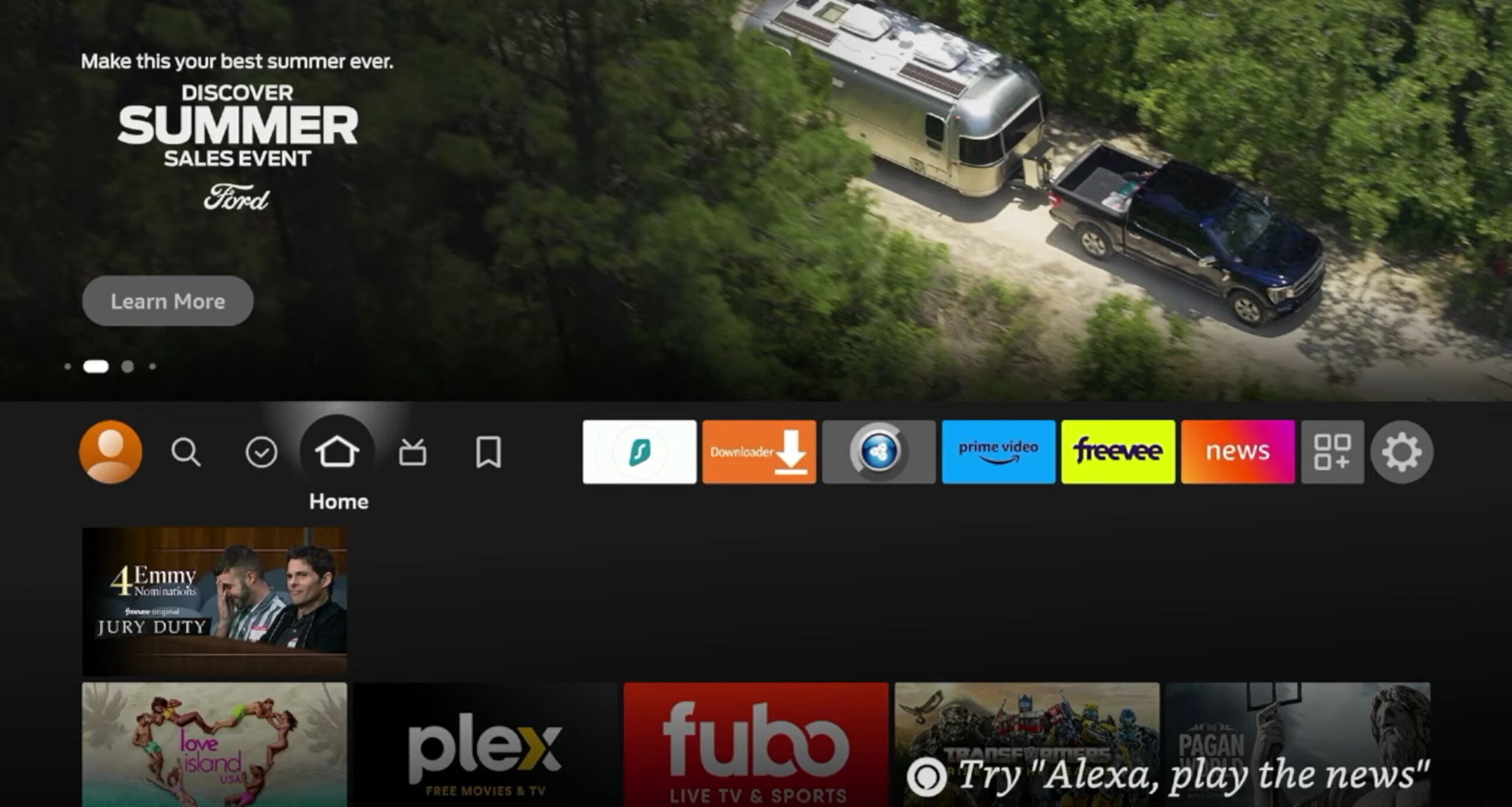
The Fire OS home screen advertising Ford.
Enlarge / The Fire OS home screen advertising Ford.

Amazon has issued an update to Fire TV streaming devices and televisions that has broken apps that let users bypass the Fire OS home screen. The tech giant claims that its latest Fire OS update is about security but has refused to detail any potential security concerns.

Users and app developers have reported that numerous apps that used to work with Fire TV devices for years have suddenly stopped working. As first reported by AFTVnews, the update has made apps unable to establish local Android Debug Bridge (ADB) connections and execute ADB commands with Fire TV devices. The update, Fire OS 7.6.6.9, affects several Fire OS-based TVs, including models from TCL, Toshiba, Hisense, and Amazon’s Fire TV Omni QLED Series. Other devices running the update include Amazon’s first Fire TV Stick 4K Max, the third-generation Fire TV Stick, as well as the third and second-generation Fire TV Cubes and the Fire TV Stick Lite.

A code excerpt shared with AFTVnews by what the publication described as an “affected app developer,” which you can view here, shows a line of code indicating that Fire TVs would not be allowed to make ADB connections with a local device or app. As pointed out by AFTVnews, such apps have been used by Fire TV modders for abilities like clearing installed apps’ cache and using a different home screen than the Fire OS default. Other uses include advanced tweaks, like console emulators, as How-To Geek noted.

Ars Technica asked Amazon why it decided to block Fire TVs from making local ADB connections and what, if any, specific security concerns were related. A spokesperson responded with a company statement reading:

We implemented a software update to protect customer security. We are aware of reports that some apps have been impacted by a recent security update. If developers have questions, they can contact their Amazon Fire TV Appstore representative, or visit https://developer.amazon.com/support/contact-us.

This suggests that Amazon’s changes are connected to security concerns. But it’s unclear what Amazon is claiming to protect users from as the company declined multiple requests for comments on the specific security risk.

Further adding to the confusion around the “security” update, Amazon Fire TV devices can still make ADB connections to external devices, like computers. And numerous devices with stronger security concerns, like Android phones, support local ADB connections.

Home screen suspicions

While Amazon is vague about its reasons for the update, aside from security concerns, it provides Amazon with at least one benefit: Apps that enabled people to use Fire TV devices without seeing the Fire OS home screen are no longer working. As explained by AFTVnews, “apps commonly used by the Fire TV modding community will often use local ADB connections to detect remote button presses. That detection allows the use of alternate home screens.”

It’s not hard to see why people might want to avoid the Fire OS home screen nor why Amazon would want to force users to see it. Like many TV vendors, Amazon is trying to drive long-term revenue from TV sales by including ads into the TVs’ OS, allowing Amazon to sell ad space and insight around ad engagement. Fire TV streaming devices and televisions have made names for themselves with low prices. But since Amazon debuted Fire TV in 2014, it has updated Fire OS to include more ads and has plans to increase ad revenue further as it works to build the generative AI version of Alexa.

We’ve previously seen what Amazon is willing to do to protect Fire TV-related ad revenue. Last year, Amazon broke Remapper, a free app that made Fire TV remotes programmable. Remapper was a revenue threat since companies pay Amazon (and other companies with TV OSes, like Roku) to put their streaming service buttons on remotes, which drives subscriptions.

Other broken apps

Beyond breaking apps that let users skip the Fire OS home screen, the update has reportedly bricked other apps.

For example, since the update, TDUK APP Killer, which closes all background apps with one click, and TDUK APP Cache Cleaner, which clears app caches with one click, haven’t worked. AFTVnews reported that Amazon originally told the apps’ developer that Fire TVs no longer supported the apps because the apps were showing error messages during testing. However, testing wasn’t performed on Fire TVs, the only type of device that the apps claim to support. Eventually, the developer was told via email that, “because your app overrides the native user experience (e.g., with a lockscreen or widget), it has not been published on Amazon devices,” AFTVnews reported.

The change has possible implications for how Fire TVs’ app ecosystem might look in the future, when Amazon has even more power, as it’s planning to ditch its Android-based Fire OS in favor of its own OS. Codenamed Vega, the upcoming OS is expected to be based on Linux. It’s unclear how Amazon might use its in-house OS to control the Fire TV experience further, including whether it will continue to allow sideloading apps.

https://arstechnica.com/?p=2006190


Windows security updates could come with fewer reboots beginning later this year

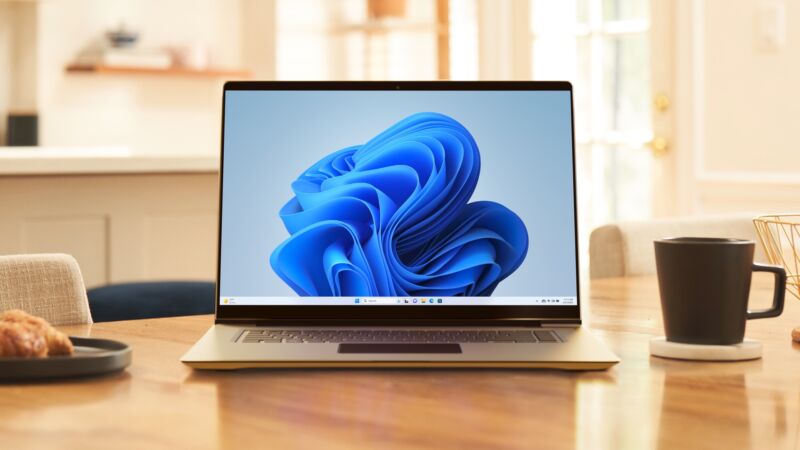
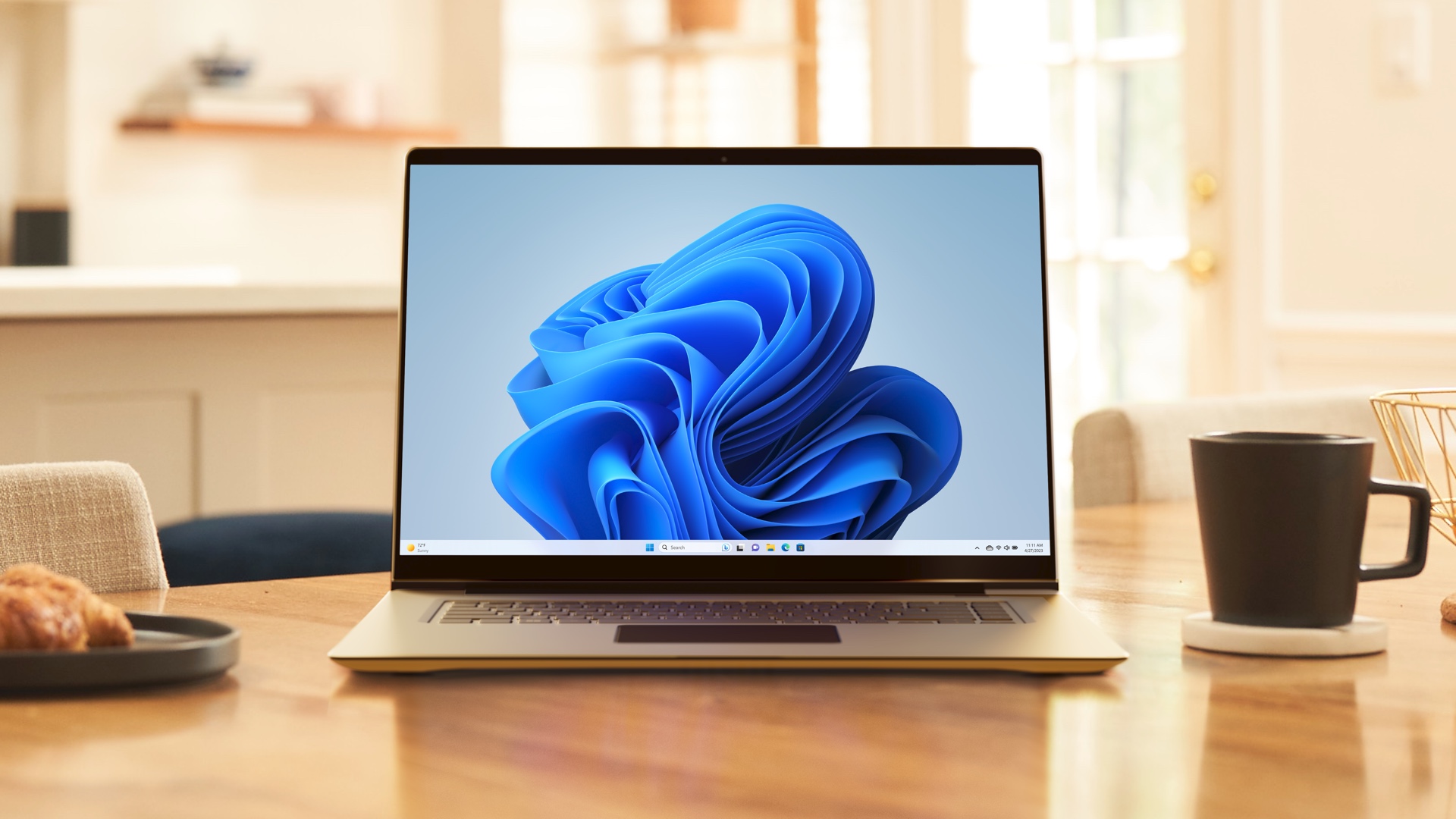
A laptop PC running Windows 11 sitting next to a coffee mug.
Enlarge / A PC running Windows 11.

Microsoft is already testing Windows 11 24H2, this fall’s big new Windows release. The company has already demonstrated a few new features, like 80Gbps USB4 support and Sudo for Windows, and the new version could also give a significant refresh to the Windows installer for the first time since the Windows Vista days.

But there’s one big update you might not notice at all. Late last week, Microsoft released “servicing updates” with no new features to Windows Insiders in the Dev and Canary channels. The updates were “designed to test [Microsoft’s] servicing pipeline for Windows 11.” It’s pretty common for Insiders to get these kinds of updates-that-exist-only-to-test-the-update-process, but the twist here is that PCs with Virtualization Based Security (VBS) enabled could apply the update without rebooting.

Sources speaking to Windows Central say this isn’t a fluke—Microsoft reportedly intends to use a Windows Server feature called hotpatching to deliver more Windows 11 security updates without requiring a reboot, making it easier to stay up to date without disrupting whatever you’re doing. You’ll still need to reboot “every few months”—Microsoft’s documentation says a reboot is needed roughly once every three months, though it can happen more often than that for unanticipated zero-day patches and others that can’t be fixed via hotpatching. The Arm versions of Windows 11 also won’t get the feature for another year or so, according to Windows Central.

Still, that’s a big drop in the number of mandatory reboots you’ll experience, letting you avoid both disruption to your routine as you wait for updates to apply and the annoyance of sitting down at your PC in the morning only to discover that all of your apps closed overnight.

Currently, hotpatching is mainly a feature for virtual machines. Microsoft says it works by “patching the in-memory code of running processes without the need to restart the process” and without touching any of your running applications. Even though your Windows PC is running on physical hardware, having VBS enabled still isolates the OS from the rest of the hardware in a similar way, ensuring that hotpatching can still work.

Any Windows 11 PC that meets the operating system’s install requirements should automatically have VBS enabled. You can check in the System Information app or by opening Windows Security, then Device Security, then selecting Core Isolation and checking whether the Memory Integrity toggle is on.

Most of the time, there’s no downside to leaving this feature enabled, though testing from Tom’s Hardware and others has shown that it can have a minor impact on gaming performance. The drop is usually in the low- to mid-single-digits range, depending on the game and settings, though this is enough that the conventional wisdom among PC gamers usually says to turn VBS off. If you disable VBS, you’ll still get all of Microsoft’s security updates; you’ll just have to keep rebooting at least once a month to install them.

https://arstechnica.com/?p=2005857


Avast ordered to stop selling browsing data from its browsing privacy apps

Avast logo on a phone in front of the words
Getty Images

Avast, a name known for its security research and antivirus apps, has long offered Chrome extensions, mobile apps, and other tools aimed at increasing privacy.

Avast’s apps would “block annoying tracking cookies that collect data on your browsing activities,” and prevent web services from “tracking your online activity.” Deep in its privacy policy, Avast said information that it collected would be “anonymous and aggregate.” In its fiercest rhetoric, Avast’s desktop software claimed it would stop “hackers making money off your searches.”

All of that language was offered up while Avast was collecting users’ browser information from 2014 to 2020, then selling it to more than 100 other companies through a since-shuttered entity known as Jumpshot, according to the Federal Trade Commission. Under a proposed recent FTC order (PDF), Avast must pay $16.5 million, which is “expected to be used to provide redress to consumers,” according to the FTC. Avast will also be prohibited from selling future browsing data, must obtain express consent on future data gathering, notify customers about prior data sales, and implement a “comprehensive privacy program” to address prior conduct.

Reached for comment, Avast provided a statement that noted the company’s closure of Jumpshot in early 2020. “We are committed to our mission of protecting and empowering people’s digital lives. While we disagree with the FTC’s allegations and characterization of the facts, we are pleased to resolve this matter and look forward to continuing to serve our millions of customers around the world,” the statement reads.

Data was far from anonymous

The FTC’s complaint (PDF) notes that after Avast acquired then-antivirus competitor Jumpshot in early 2014, it rebranded the company as an analytics seller. Jumpshot advertised that it offered “unique insights” into the habits of “[m]ore than 100 million online consumers worldwide.” That included the ability to “[s]ee where your audience is going before and after they visit your site or your competitors’ sites, and even track those who visit a specific URL.”

While Avast and Jumpshot claimed that the data had identifying information removed, the FTC argues this was “not sufficient.” Jumpshot offerings included a unique device identifier for each browser, included in data like an “All Clicks Feed,” “Search Plus Click Feed,” “Transaction Feed,” and more. The FTC’s complaint detailed how various companies would purchase these feeds, often with the express purpose of pairing them with a company’s own data, down to an individual user basis. Some Jumpshot contracts attempted to prohibit re-identifying Avast users, but “those prohibitions were limited,” the complaint notes.

The connection between Avast and Jumpshot became broadly known in January 2020, after reporting by Vice and PC Magazine revealed that clients, including Home Depot, Google, Microsoft, Pepsi, and McKinsey, were buying data from Jumpshot, as seen in confidential contracts. Data obtained by the publications showed that buyers could purchase data including Google Maps look-ups, individual LinkedIn and YouTube pages, porn sites, and more. “It’s very granular, and it’s great data for these companies, because it’s down to the device level with a timestamp,” one source told Vice.

The FTC’s complaint provides more detail on how Avast, on its own web forums, sought to downplay its Jumpshot presence. Avast suggested both that only non-aggregated data was provided to Jumpshot and that users were informed during product installation about collecting data to “better understand new and interesting trends.” Neither of these claims proved true, the FTC suggests. And the data collected was far from harmless, given its re-identifiable nature:

For example, a sample of just 100 entries out of trillions retained by Respondents
showed visits by consumers to the following pages: an academic paper on a study of symptoms
of breast cancer; Sen. Elizabeth Warren’s presidential candidacy announcement; a CLE course
on tax exemptions; government jobs in Fort Meade, Maryland with a salary greater than
$100,000; a link (then broken) to the mid-point of a FAFSA (financial aid) application;
directions on Google Maps from one location to another; a Spanish-language children’s
YouTube video; a link to a French dating website, including a unique member ID; and cosplay
erotica.

In a blog post accompanying its announcement, FTC Senior Attorney Lesley Fair writes that, in addition to the dual nature of Avast’s privacy products and Jumpshot’s extensive tracking, the FTC is increasingly viewing browsing data as “highly sensitive information that demands the utmost care.” “Data about the websites a person visits isn’t just another corporate asset open to unfettered commercial exploitation,” Fair writes.

FTC commissioners voted 3-0 to issue the complaint and accept the proposed consent agreement. Chair Lina Khan, along with commissioners Rebecca Slaughter and Alvaro Bedoya, issued a statement on their vote.

Since the time of the FTC’s complaint and its Jumpshot business, Avast has been acquired by Gen Digital, a firm that contains Norton, Avast, LifeLock, Avira, AVG, CCLeaner, and ReputationDefender, among other security businesses.

Disclosure: Condé Nast, Ars Technica’s parent company, received data from Jumpshot before its closure.

https://arstechnica.com/?p=2005605


Reddit admits more moderator protests could hurt its business

Reddit logo on website displayed on a laptop screen is seen in this illustration photo taken in Krakow, Poland on February 22, 2024.

Reddit filed to go public on Thursday (PDF), revealing various details of the social media company’s inner workings. Among the revelations, Reddit acknowledged the threat of future user protests and the value of third-party Reddit apps.

On July 1, Reddit enacted API rule changes—including new, expensive pricing —that resulted in many third-party Reddit apps closing. Disturbed by the changes, the timeline of the changes, and concerns that Reddit wasn’t properly appreciating third-party app developers and moderators, thousands of Reddit users protested by making the subreddits they moderate private, read-only, and/or engaging in other forms of protest, such as only discussing John Oliver or porn.

Protests went on for weeks and, at their onset, crashed Reddit for three hours. At the time, Reddit CEO Steve Huffman said the protests did not have “any significant revenue impact so far.”

In its filing with the Securities and Exchange Commission (SEC), though, Reddit acknowledged that another such protest could hurt its pockets:

While these activities have not historically had a material impact on our business or results of operations, similar actions by moderators and/or their communities in the future could adversely affect our business, results of operations, financial condition, and prospects.

The company also said that bad publicity and media coverage, such as the kind that stemmed from the API protests, could be a risk to Reddit’s success. The Form S-1 said bad PR around Reddit, including its practices, prices, and mods, “could adversely affect the size, demographics, engagement, and loyalty of our user base,” adding:

For instance, in May and June 2023, we experienced negative publicity as a result of our API policy changes.

Reddit’s filing also said that negative publicity and moderators disrupting the normal operation of subreddits could hurt user growth and engagement goals. The company highlighted financial incentives associated with having good relationships with volunteer moderators, noting that if enough mods decided to disrupt Reddit (like they did when they led protests last year), “results of operations, financial condition, and prospects could be adversely affected.” Reddit infamously forcibly removed moderators from their posts during the protests, saying they broke Reddit rules by refusing to reopen the subreddits they moderated.

“As communities grow, it can become more and more challenging for communities to find qualified people willing to act as moderators,” the filing says.

Losing third-party tools could hurt Reddit’s business

Much of the momentum for last year’s protests came from users, including long-time Redditors, mods, and people with accessibility needs, feeling that third-party apps were necessary to enjoyably and properly access and/or moderate Reddit. Reddit’s own technology has disappointed users in the past (leading some to cling to Old Reddit, which uses an older interface, for example). In its SEC filing, Reddit pointed to the value of third-party “tools” despite its API pricing killing off many of the most popular examples.

Reddit’s filing discusses losing moderators as a business risk and notes how important third-party tools are in maintaining mods:

While we provide tools to our communities to manage their subreddits, our moderators also rely on their own and third-party tools. Any disruption to, or lack of availability of, these third-party tools could harm our moderators’ ability to review content and enforce community rules. Further, if we are unable to provide effective support for third-party moderation tools, or develop our own such tools, our moderators could decide to leave our platform and may encourage their communities to follow them to a new platform, which would adversely affect our business, results of operations, financial condition, and prospects.

Since Reddit’s API policy changes, a small number of third-party Reddit apps remain available. But some of the remaining third-party Reddit app developers have previously told Ars Technica that they’re unsure of their app’s tenability under Reddit’s terms. Nondisclosure agreement requirements and the lack of a finalized developer platform also drive uncertainty around the longevity of the third-party Reddit app ecosystem, according to devs Ars spoke with this year.

https://arstechnica.com/?p=2005526


Windows-as-a-nuisance: How I clean up a “clean install” of Windows 11 and Edge

Windows-as-a-nuisance: How I clean up a “clean install” of Windows 11 and Edge
Aurich Lawson | Getty Images

I’ve written before about my nostalgia for the Windows XP- or Windows 7-era “clean install,” when you could substantially improve any given pre-made PC merely by taking an official direct-from-Microsoft Windows install disk and blowing away the factory install, ridding yourself of 60-day antivirus trials, WildTangent games, outdated drivers, and whatever other software your PC maker threw on it to help subsidize its cost.

You can still do that with Windows 11—in fact, it’s considerably easier than it was in those ’00s versions of Windows, with multiple official Microsoft-sanctioned ways to download and create an install disk, something you used to need to acquire on your own. But the resulting Windows installation is a lot less “clean” than it used to be, given the continual creep of new Microsoft apps and services into more and more parts of the core Windows experience.

I frequently write about Windows, Edge, and other Microsoft-adjacent technologies as part of my day job, and I sign into my daily-use PCs with a Microsoft account, so my usage patterns may be atypical for many Ars Technica readers. But for anyone who uses Windows, Edge, or both, I thought it might be useful to detail what I’m doing to clean up a clean install of Windows, minimizing (if not totally eliminating) the number of annoying notifications, Microsoft services, and unasked-for apps that we have to deal with.

That said, this is not a guide about creating a minimally stripped-down, telemetry-free version of Windows that removes anything other than what Microsoft allows you to remove. There are plenty of experimental hacks dedicated to that sort of thing—NTDev’s Tiny11 project is one—but removing built-in Windows components can cause unexpected compatibility and security problems, and Tiny11 has historically had issues with basic table-stakes stuff like “installing security updates.”

Avoiding Microsoft account sign-in

The most contentious part of Windows 11’s setup process relative to earlier Windows versions is that it mandates Microsoft account sign-in, with none of the readily apparent “limited account” fallbacks that existed in Windows 10. As of Windows 11 22H2, that’s true of both the Home and Pro editions.

There are two reasons I can think of not to sign in with a Microsoft account. The first is that you want nothing to do with a Microsoft account, thank you very much. Signing in makes you more of a target for Microsoft 365, OneDrive, or Game Pass subscription upsells since all you need to do is add them to an account that already exists, and Windows setup will offer subscriptions to each if you sign in first.

The second—which is my situation—is that you do use a Microsoft account because it offers some handy benefits like automated encryption of your local drive (having those encryption keys saved to my account has saved me a couple of times) or syncing of browser info and some preferences. But you don’t want to sign in at setup, either because you’re just testing something or you prefer your user folder to be located at “C:\Users\Andrew” rather than “C:\Users\.”

Regardless of your reasoning, if you don’t want to bother with sign-in at setup, you have two options (three for Windows 11 Pro users):

Use the command line

During Windows 11 Setup, after selecting a language and keyboard layout but before connecting to a network, hit Shift+F10 to open the command prompt. Type OOBE\BYPASSNRO, hit Enter, and wait for the PC to reboot.

When it comes back, click “I don’t have Internet” on the network setup screen, and you’ll have recovered the option to use “limited setup” (aka a local account) again, like older versions of Windows 10 and 11 offered.

For Windows 11 Pro

Windows 11 Pro users, take a journey with me.

Proceed through the Windows 11 setup as you normally would, including connecting to a network and allowing the system to check for updates. Eventually, you’ll be asked whether you’re setting your PC up for personal use or for “work or school.”

Select the work or school option, then sign-in options, at which point you’ll finally be asked whether you plan to join the PC to a domain. Tell it you are (even though you aren’t), and you’ll see the normal workflow for creating a “limited” local account.

This one won’t work if you don’t want to start your relationship with a new computer by lying to it, but it also doesn’t require going to the command line.

https://arstechnica.com/?p=2000668


Does Fubo’s antitrust lawsuit against ESPN, Fox, and WBD stand a chance?

In this photo illustration, the FuboTV Inc. logo is displayed on a smartphone screen and ESPN, Warner Bros. Discovery and FOX logos in the background.

Fubo is suing Fox Corporation, The Walt Disney Company, and Warner Bros. Discovery (WBD) over their plans to launch a unified sports streaming app. Fubo, a live sports streaming service that has business relationships with the three companies, claims the firms have engaged in anticompetitive practices for years, leading to higher prices for consumers.

In an attempt to understand how much potential the allegations have to derail the app’s launch, Ars Technica read the 73-page sealed complaint and sought opinions from some antitrust experts. While some of Fubo’s allegations could be hard to prove, Fubo isn’t the only one concerned about the joint app’s potential to make it hard for streaming services to compete fairly.

Fubo wants to kill ESPN, Fox, and WBD’s joint sports app

Earlier this month, Disney, which owns ESPN, WBD (whose sports channels include TBS and TNT), and Fox, which owns Fox broadcast stations and Fox Sports channels like FS1, announced plans to launch an equally owned live sports streaming app this fall. Pricing hasn’t been confirmed but is expected to be in the $30-to-$50-per-month range. Fubo, for comparison, starts at $80 per month for English-language channels.

Via a lawsuit filed on Tuesday in US District Court for the Southern District of New York, Fubo is seeking an injunction against the app and joint venture (JV), a jury trial, and damages for an unspecified figure. There have been reports that Fubo was suing the three companies for $1 billion, but a Fubo spokesperson confirmed to Ars that this figure is incorrect.

“Insurmountable barriers”

Fubo, which was founded in 2015, is arguing that the three companies’ proposed app will result in higher prices for live sports streaming customers.

The New York City-headquartered company claims the collaboration would preclude other distributors of live sports content, like Fubo, from competing fairly. The lawsuit also claims that distributors like Fubo would see higher prices and worse agreements associated with licensing sports content due to the JV, which could even stop licensing critical sports content to companies like Fubo. Fubo’s lawsuit says that “once they have combined forces, Defendants’ incentive to exclude Fubo and other rivals will only increase.”

Disney, Fox, and WBD haven’t disclosed specifics about how their JV will impact how they license the rights to sports events to companies outside of their JV; however, they have claimed that they will license their respective entities to the JV on a non-exclusive basis.

That statement doesn’t specify, though, if the companies will try to bundle content together forcibly,

“If the three firms get together and say, ‘We’re no longer going to provide to you these streams for resale separately. You must buy a bundle as a condition of getting any of them,’ that would … be an anti-competitive bundle that can be challenged under antitrust law,” Hal Singer, an economics professor at The University of Utah and managing director at Econ One, told Ars.

Lee Hepner, counsel at the American Economic Liberties Project, shared similar concerns about the JV with Ars:

Joint ventures raise the same concerns as mergers when the effect is to shut out competitors and gain power to raise prices and reduce quality. Sports streaming is an extremely lucrative market, and a joint venture between these three powerhouses will foreclose the ability of rivals like Fubo to compete on fair terms.

Fubo’s lawsuit cites research from Citi, finding that, combined, ESPN (26.8 percent), Fox (17.3 percent), and WBD (9.9 percent) own 54 percent of the US sports rights market.

In a statement, Fubo co-founder and CEO David Gandler said the three companies “are erecting insurmountable barriers that will effectively block any new competitors” and will leave sports streamers without options.

The US Department of Justice is reportedly eyeing the JV for an antitrust review and plans to look at the finalized terms, according to a February 15 Bloomberg report citing two anonymous “people familiar with the process.”

https://arstechnica.com/?p=2005093


Intel will make chips for Microsoft

Intel CEO speaking
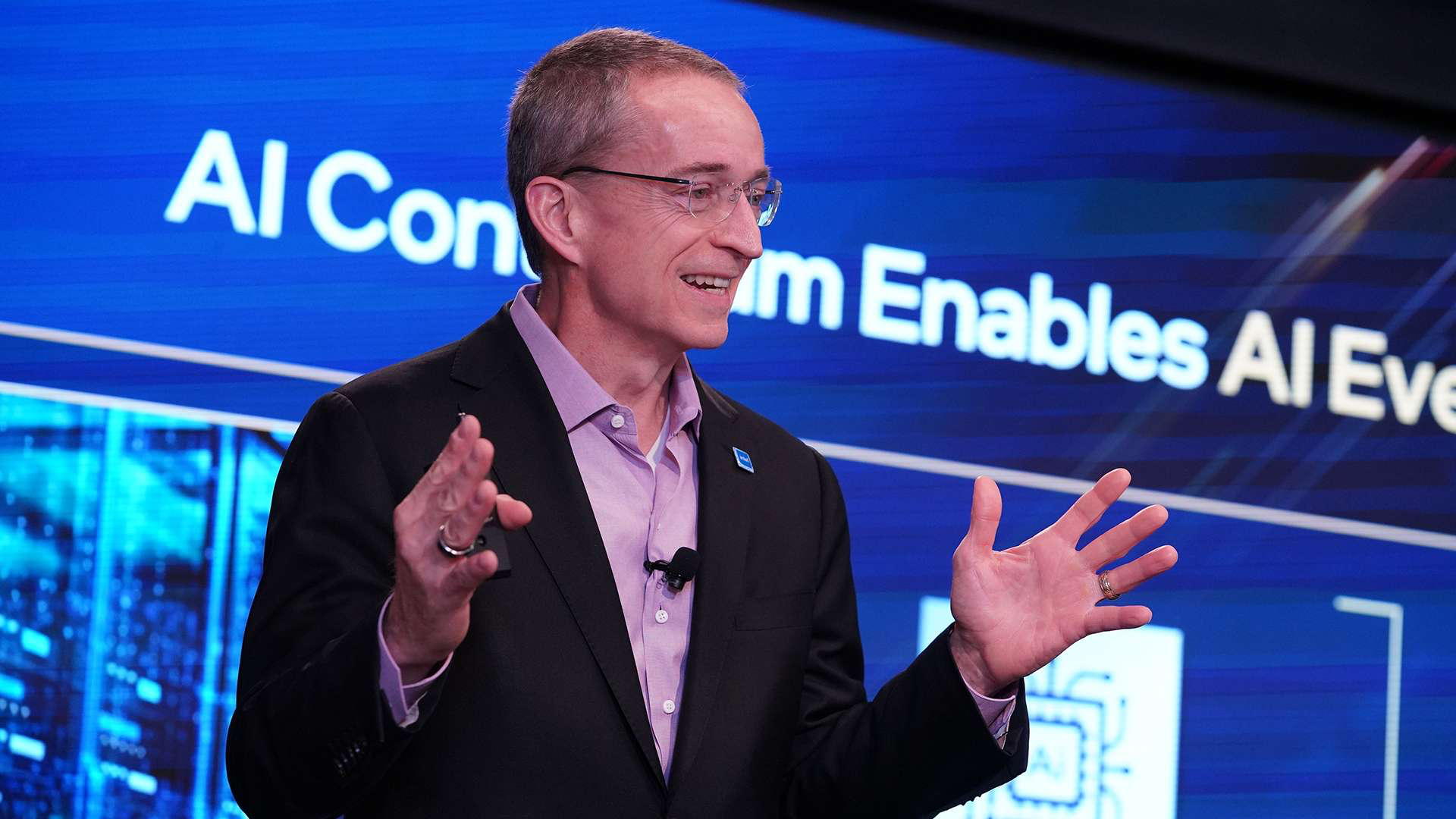
Enlarge / Intel CEO Pat Gelsinger speaks during the “AI Everywhere” event on December 14, 2023, in New York, NY.

US chip company Intel will make high-end semiconductors for Microsoft, the companies announced, as it seeks to compete with TSMC and Samsung to supply the next generation of silicon used in artificial intelligence for customers around the world.

Chief executive Pat Gelsinger said at a company event on Wednesday that Intel is set to “rebuild Western manufacturing at scale,” buoyed by geopolitical concerns in Washington about the need to bring leading-edge manufacturing back to the US.

Since Gelsinger took the helm three years ago, Intel has been attempting to reinvent itself as a foundry business, building chips designed by other companies, regaining an edge in making the most advanced semiconductors. Demand for them is soaring, driven by the rise of generative AI.

But Intel needs to convince manufacturing customers that it will treat the chips the same as the ones it designs itself.

Intel has set itself a goal of ensuring that 50 percent of the world’s semiconductors are built in the US and Europe in a decade, compared with 20 percent today. Most global production is concentrated in Asia, particularly in Taiwan.

Intel is becoming “maniacally consumer-focused,” Gelsinger said. To reflect this, it is reorganizing into two units—Intel Foundry, which manufactures semiconductors, and Intel Products, involved in their design.

Gelsinger said that Intel was “establishing two vibrant new organizations,” adding that the company has already inked foundry deals with a lifetime value of $15 billion.

Satya Nadella, Microsoft’s chief executive, said the company was supporting Intel’s bid to become a leading global chip manufacturer. Intel will produce a Microsoft-designed chip using Intel’s 18A node.

Intel’s 18A node is a manufacturing process that makes semiconductors smaller and more energy efficient. Taiwan’s TSMC and South Korea’s Samsung are deploying their own technology to produce the next generation of cutting-edge chips to power smartphones, data centers, and artificial intelligence.

Microsoft is one of several companies, including Nvidia and AMD, that is designing the high-end chips that offer the enormous computing power required to roll out AI.

“Through our foundry, I want to manufacture every AI chip in the industry,” Gelsinger said.

Those include semiconductors based on the architecture of UK chip designer Arm. Arm chief executive Rene Haas appeared at the same event to announce a new partnership with Intel, quipping that, given their history, the two companies made “strange bedfellows.” Intel’s designs are based on the X86 architecture, which competes with Arm’s.

The federal Chips Act, passed in 2022, promises $52.7 billion in funding for US semiconductor research, development, and manufacturing.

Earlier this week the Biden administration announced that California-based GlobalFoundries would receive $1.5 billion for a new facility and manufacturing expansion and modernization at sites in New York and Vermont, to produce automotive, communications, and defense semiconductors.

Gelsinger said that Intel’s own federal grant under the Chips Act would be announced “very soon.”

OpenAI, Google, and others building and implementing the large language models behind generative AI require a “mind-boggling” volume of semiconductors over the coming years, and demand for the most cutting-edge chips “is just going to explode,” US Commerce Secretary Gina Raimondo said, appearing onscreen at the event.

“Intel is the country’s champion chip company,” she said.

Intel shares closed 2.4 percent lower on Wednesday.

© 2024 The Financial Times Ltd. All rights reserved. Not to be redistributed, copied, or modified in any way.

https://arstechnica.com/?p=2005196


Microsoft fixes problem that let Edge replicate Chrome tabs without permission

Microsoft fixes problem that let Edge replicate Chrome tabs without permission

Microsoft has fixed a problem that resulted in tabs from Google Chrome being imported to Microsoft Edge without user consent, as spotted by The Verge. Microsoft has kept mum on the situation, making the issued update the first time Microsoft has identified this as a problem, rather than typical behavior for the world’s third-most-popular browser.

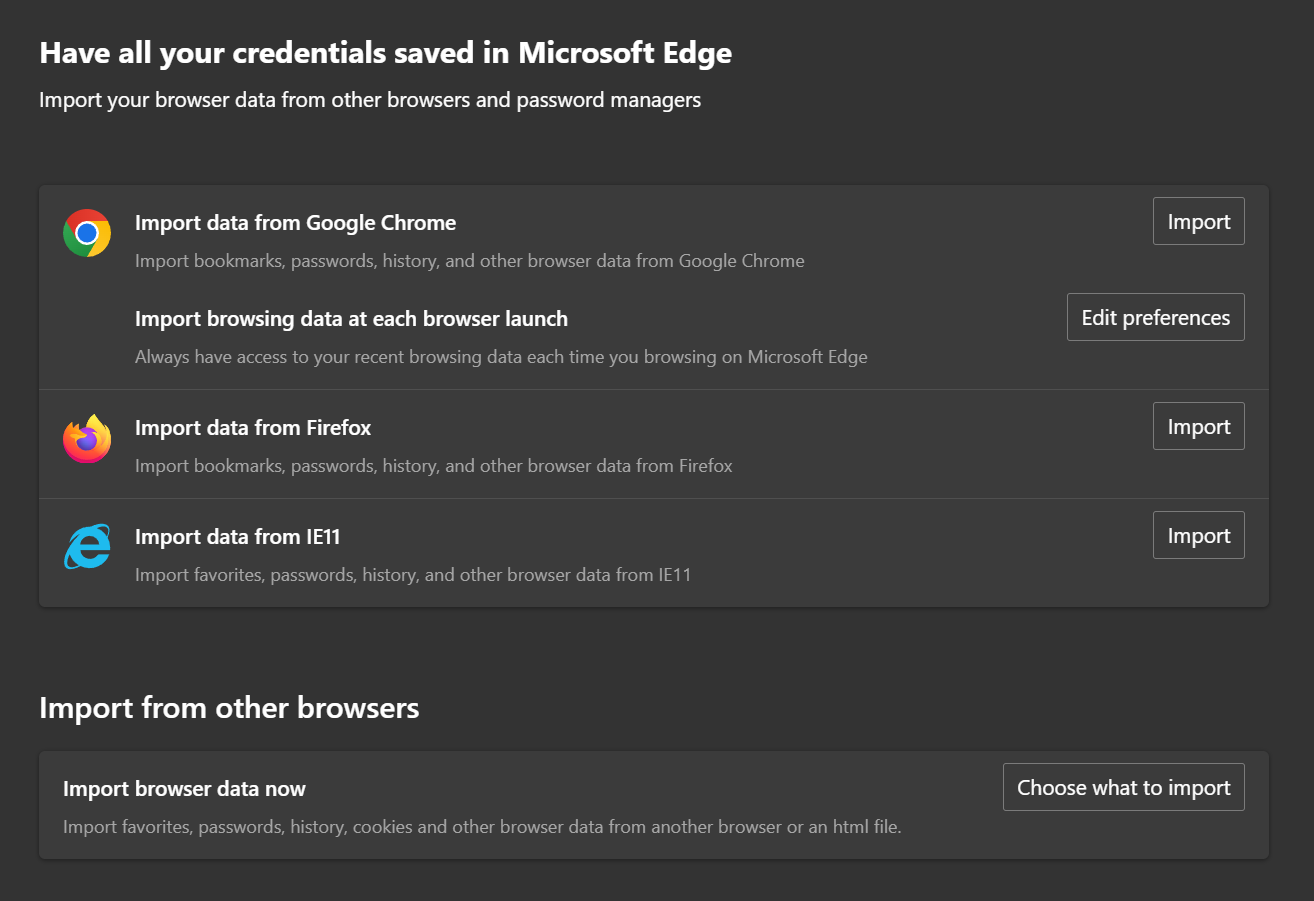
In late January, The Verge Senior Editor Tom Warren reported experiencing the puzzling Edge issue. After updating his computer, Edge launched with the tabs that Warren most recently used in Chrome. He eventually realized that Edge has a feature you can toggle, reading: “Always have access to your recent browsing data each time you browse on Microsoft Edge.” The setting is reachable in Edge by typing “edge://settings/profiles/importBrowsingData.” Interestingly, it allows Edge to import browsing data from Chrome every time you open Edge, but data from Firefox can only be imported manually. However, Edge was seizing Chrome tabs without this setting enabled. Others reported having this problem via Microsoft’s support forum and social media, as well.

The Edge setting as seen on a Windows 11 23H2 system running Edge 122. You can have data continuously imported from Chrome or on demand from Firefox, but other browsers don't appear.
Enlarge / The Edge setting as seen on a Windows 11 23H2 system running Edge 122. You can have data continuously imported from Chrome or on demand from Firefox, but other browsers don’t appear.
Andrew Cunningham

Microsoft didn’t respond to The Verge’s initial request for comment, but this week it released an Edge update that seems to address matters. Microsoft’s release notes from February 15 say:

Edge has a feature that provides an option to import browser data on each launch from other browsers with user consent. This feature’s state might not have been syncing and displaying correctly across multiple devices. This is fixed.

Microsoft seems to be saying that the status (enabled or disabled) of Edge’s importing data ability wasn’t syncing correctly across people’s Microsoft devices. However, this doesn’t explain the number of users who claimed they saw the problem without having the feature enabled. Microsoft declined Ars Technica’s request for comment.

With this fix, Microsoft is claiming that the behavior was, indeed, unintentional. But that wasn’t a given. Besides the fact that Microsoft hasn’t provided more details about the problem, the company also has a history of both sneakily and overtly trying to coerce people into using Edge. You’ll see Microsoft pester you with pop-up messages if you try to download Chrome or change your default browser, for example.

Edge and Chrome are both based on the Chromium browsing engine, but Chrome has long maintained a massive lead over Edge in terms of market share. Global Statcounter data points to Chrome having 64.41 percent market share last month, followed by Safari (18.82 percent), and then Edge (5.36 percent). The numbers inch slightly more in Microsoft’s favor when looking at the US market specifically (9.31 percent share in January), although Chrome still dominated (49.06 percent).

Like many web browsers, Edge has a hard time competing with Chrome, which ties in with other popular Google services, like Gmail. Similarly, Edge promotes Microsoft offerings, including coupons, Microsoft accounts, and, as of recently, Copilot.

Edge pulling Chrome tabs seemed to fit in with pushy strategies Microsoft has employed to get people on its browser and other products, like Microsoft 365. Without more information, we don’t know when Microsoft first knew about Edge’s unwanted tab replication or how long it took to make it stop. Regardless, Microsoft doesn’t intend for tab swiping to be part of the Edge experience currently, so at least this particular nuisance should be over.

https://arstechnica.com/?p=2004077