Google earnings: 100 million Google One subscribers, Google Cloud profits
Alphabet’s earnings call was yesterday, and as usual, the company took in a lot of money ($86.31 billion), thanks mostly to ad click-through rates being at a certain level. More interesting, though, are the product numbers tucked away in the report.

For the good news, a big announcement was the success of one of Google’s biggest subscription plans, Google One, which CEO Sundar Pichai said is “just about to cross 100 million subscribers.” Google One is mostly a cloud-storage plan for Google accounts, allowing users to pay a monthly fee to get more than the 15GB of Drive and Gmail storage that comes free with a Google account. Pichai says the company’s whole subscription business—which is going to be Google One (storage), Google Workspace (business accounts), YouTube Premium (ad-free YouTube), and YouTube TV (a cable TV alternative)—are up to $5 billion in annual revenue. That’s up fivefold since 2019.

Speaking of subscriptions, one of Google’s most expensive, the $350-a-year NFL Sunday Ticket, didn’t have any hard numbers associated with it. Google SVP and CBO Philipp Schindler said the company was “pleased with the NFL Sunday Ticket signups in our first season.” Sunday Ticket was always a money-loser for DirecTV, and that was before the price shot up half a billion in the streaming era. Google is now reportedly on the hook to pay the NFL $2 billion a year for the next seven years. When asked about a return on investment for the project, Schindler only cited “solid” advertiser interest and that “NFL Sunday Ticket supports our long-term strategy and really helps solidify YouTube’s position as a must-have app on everyone’s TV set.”

The year 2023 was also the first time Google Cloud recorded a profit. Cloud is Google’s attempt to compete with Amazon Web Services as a platform for the cloud-based infrastructure needs of developers. After years of investment and growth, Cloud made $864 million in Q4 2023. It lost $186 million over the same period in 2022. According to a recent Canalys report, Google Cloud’s market share is in a distant third (10 percent) behind Microsoft Azure (25 percent) and the leader, AWS (31 percent).

For a while, Cloud’s third-place position could at least be offset by stronger growth than its competitors, but that Canalys report now has Microsoft with the highest growth rate, thanks to interest in its AI solutions. Microsoft is partnered with OpenAI, the creators of ChatGPT. Pichai spent a lot of time talking about Google Cloud’s competing AI work, but OpenAI has a level of hype and interest that can’t be matched by Google’s Bard/Gemini talk.

I don’t think we ever got a clear number for exactly how many people Google laid off in 2023. The company announced 12,000 layoffs in January, saying US employees had “already” been notified, while international employee layoffs would “take longer due to local laws and practices.” The company then laid off various employees across divisions throughout the year. Whatever the final cuts ended up being, the overall headcount only changed from 190,234 in December 2022 to 182,502 at the end of 2023, a net loss of about 8,000 people. Google was still hiring a lot during those layoffs.

One hundred eighty-two thousand employees is still a lot. Google’s headcount at the end of 2021 was 156,000 employees, and some Wall Street investors want to see the company return to that number. Pichai told employees to brace for more layoffs “throughout the year,” though the CEO says they wouldn’t be at the scale of 2023. Google’s downsizing cost a lot of money, with the company spending $2.1 billion on employee severance and $1.8 billion on office space exit charges for 2023.

Listing image by Getty Images | Alexander Koerner

https://arstechnica.com/?p=2000223


“Time to move on”: Fitbit owners fed up with battery problems, Google response

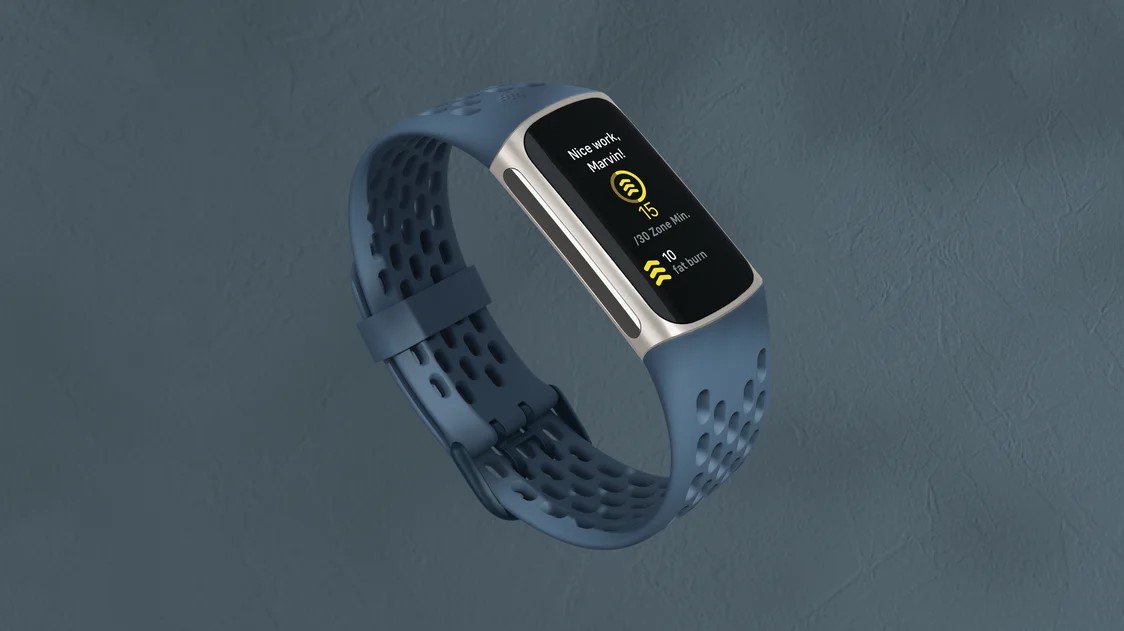
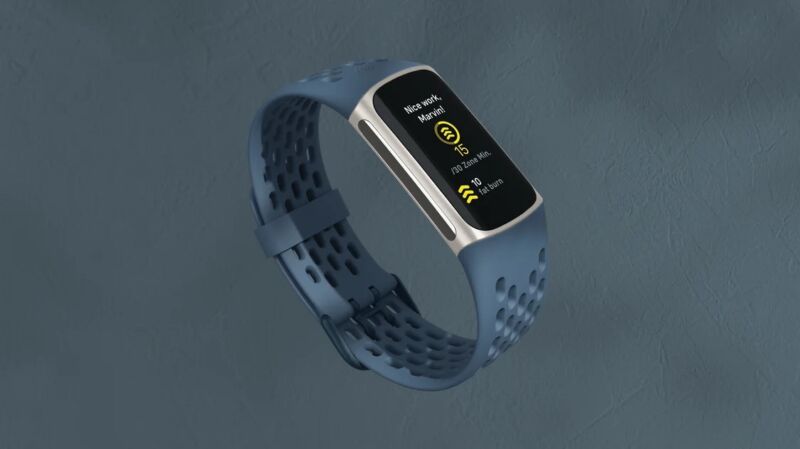
Fitbit Charge 5
Enlarge / The Fitbit Charge 5 came out in September 2021.

Fitbit owners are getting frustrated with Charge 5 fitness trackers quickly losing their charge and, in some cases, exhibiting additional problems. Google has denied that the problems are tied to firmware updates. But users remain skeptical, and some are fed up with Google’s limited response to a recurring problem.

Charge 5 battery complaints

On December 21, Fitbit announced Charge 5 firmware update 194.91 on its support forum. On paper, the update seemed typical, promising things like new clock faces, support for right-to-left text, and “bug fixes and improvements,” per the release notes.

But by early January, there were complaints on the forum from people who said they updated their Charge 5 and then saw their device’s battery suddenly drain much faster. Examples include one user claiming their battery life drains from 100 percent to 0 percent in 25 minutes and others saying their Charge 5 lasts about 12 hours. Most say their Charge 5 no longer lasts for a full day despite staying powered for days between charges before the update. The problems led a user going by Ge0ffh to call his device “completely unusable.”

A user named Disappointed01 said:

My Charge 5 (2yrs [sic] old) was working fine until I ran this update. Now I have to recharge it as least twice a day. Fully charged last night wore it for sleeping & flat when I awoke this morning. Have tried resetting … as per the advice on here. Has made no difference. Really disappointed as I love my Charge 5. I see a direct correlation between this battery issue and the update even though Fitbit reckon that’s not the case.

There are similar recollections and accusations against the firmware update on the support thread, which is 21 pages long as of this writing.

One user on the thread reported that they live in a household with three Charge 5s and that theirs is the only one with the latest firmware update and the only one experiencing problems.

Google denies firmware problem

The BBC was the first to report on concerns about the Charge 5’s latest firmware. Today, it reported that Google denied problems with the update.

“We’re still investigating this issue but can confirm it is not due to the recent firmware update,” a Google spokesperson told the BBC, which noted that Google’s rep “did not offer any alternative explanation.”

The Google spokesperson also advised users to keep updating their devices and to contact customer service if they have problems.

On the thread announcing the update, a Fitbit moderator has also advised users to contact Fitbit and conduct basic troubleshooting.

When I looked through the 21 pages of mostly complaints on the support thread, I saw a few people who reported that the firmware update did not result in Charge 5 problems.

But there are also numerous threads online (examples here, here, here, and here) demonstrating newfound frustration with the Charge 5.

https://arstechnica.com/?p=2000217


YouTube TV starts testing customizable 2×2 multiview options

For the NBA YouTube launched "Multiview," which is coming to Sunday Ticket. It's four games in a split screen.
Enlarge / For the NBA YouTube launched “Multiview,” which is coming to Sunday Ticket. It’s four games in a split screen.

YouTube TV may finally get a configurable split-screen mode. Google’s cable TV replacement service launched a 2×2 “multiview” feature in 2023, but it relied on pre-made choices cooked up by some person (or maybe AI) inside Google. It’s 10 months later, and now some users on Reddit are seeing a “Build a multiview” option that would let you pick which four channels you want to watch. Cord Cutters News got confirmation from Google that the feature is now being tested.

The current multiview is a fun way to stay on top of multiple games, but getting the games you want is an awkward experience. I’ve been watching NFL Sunday Ticket through YouTube TV this year, and there will be times when there are nine games on simultaneously, and you get only a handful of pre-made multiview options to sift through. Is your desired combination of four games in one of those multiview options? You’d better hope so! The canned combinations only get more awkward as the day goes on: one game ends early, and the station cuts to coverage of another game, and now two of your four windows have duplicate games. If an early game runs long and you want to watch the end next to an already-started late game, that was never an option either. The canned options were always four NFL games, too. If you wanted to watch the NFL and some non-NFL content, you were out of luck. You were easily looking at hundreds of multiview possibilities, so canned selections don’t scale well at all.

The Reddit user claims to have access to the feature and says that, during NBA games, the feature is limited to only selecting other NBA games, but at least that is better than scrolling through random pre-made combinations.

YouTube told Cord Cutters News that the feature would roll out to all devices that currently support multiview, but YouTube did not say when that would happen. YouTube has been promising customizable multiview since the feature launched last March. It also promised mixing and matching content types back in June, but that feature hasn’t widely launched, either. Testing is a good sign, at least.

The calls for customizable multiview have been so loud that the feature request once made it into a Deadline interview with YouTube Chief Business Officer Mary Ellen Coe. Without explaining too much, Coe called the feature “a very hard thing to do technically.”

https://arstechnica.com/?p=1999930


Raspberry Pi is planning a London IPO, but its CEO expects “no change” in focus

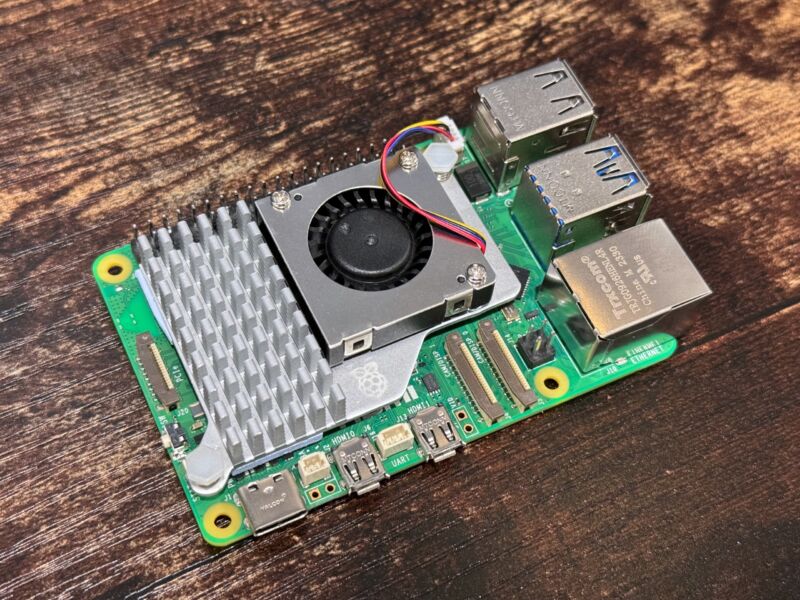
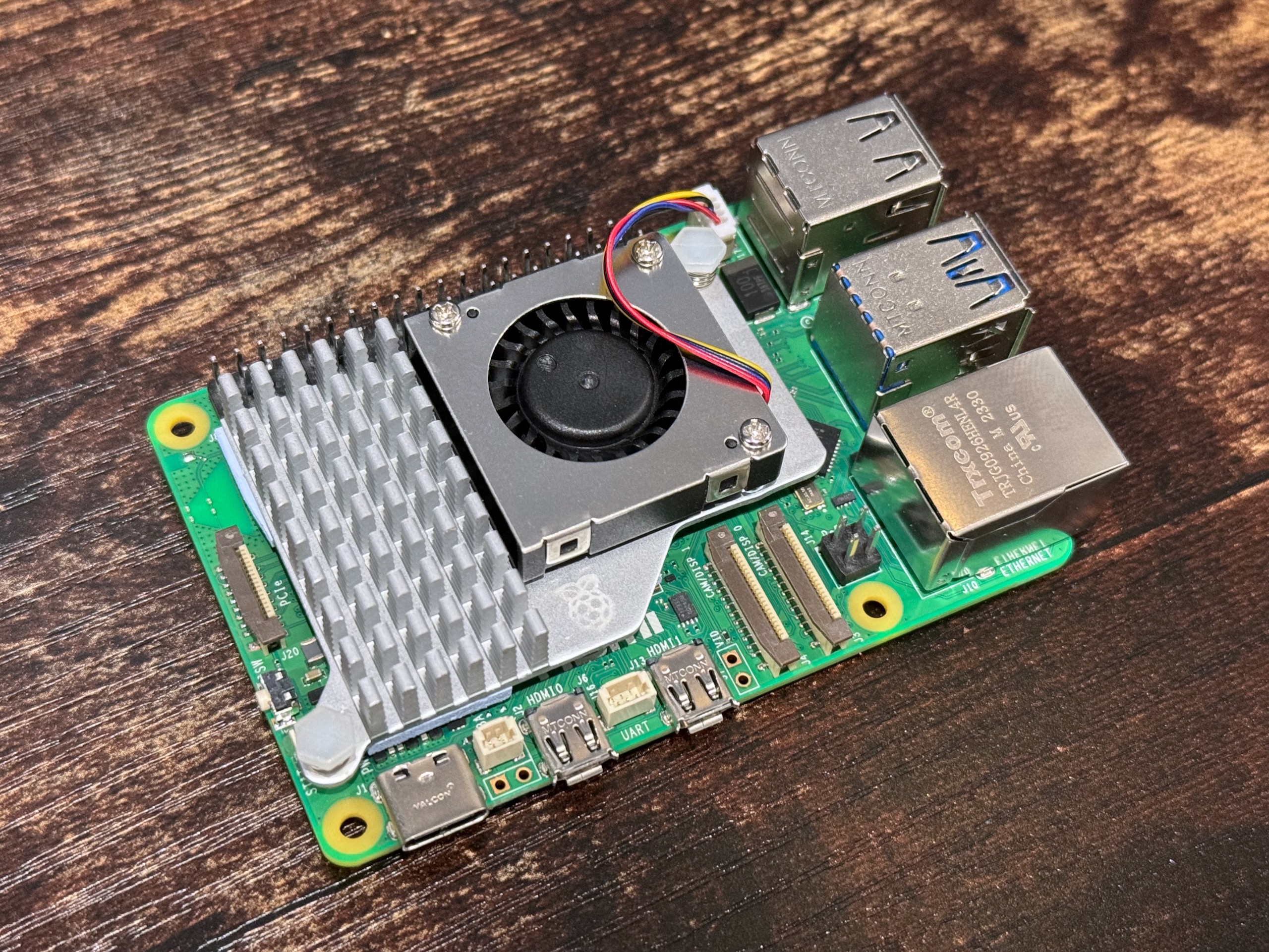
Raspberry Pi 5 with Active Cooler installed on a wood desktop
Enlarge / Is it not a strange fate that we should suffer so much fear and doubt for so small a thing? So small a thing!
Andrew Cunningham

The business arm of Raspberry Pi is preparing to make an initial public offering (IPO) in London. CEO Eben Upton tells Ars that should the IPO happen, it will let Raspberry Pi’s not-for-profit side expand by “at least a factor of 2X.” And while it’s “an understandable thing” that Raspberry Pi enthusiasts could be concerned, “while I’m involved in running the thing, I don’t expect people to see any change in how we do things.”

CEO Eben Upton confirmed in an interview with Bloomberg News that Raspberry Pi had appointed bankers at London firms Peel Hunt and Jefferies to prepare for “when the IPO market reopens.”

Raspberry previously raised money from Sony and semiconductor and software design firm ARM, and it sought public investment. Upton denied or didn’t quite deny IPO rumors in 2021, and Bloomberg reported Raspberry Pi was considering an IPO in early 2022. After ARM took a minority stake in the company in November 2023, Raspberry Pi was valued at roughly 400 million pounds, or just over $500 million.

Given the company’s gradual recovery from pandemic supply chain shortages, and the success of the Raspberry Pi 5 launch, the company’s IPO will likely jump above that level, even with a listing in the UK rather than the more typical US IPO. Upton told The Register that “the business is in a much better place than it was last time we looked at it [an IPO]. We partly stopped because the markets got bad. And we partly stopped because our business became unpredictable.”

News of the potential transformation of Raspberry Pi Ltd from the private arm of the education-minded Raspberry Pi Foundation into a publicly traded company, obligated to generate profits for shareholders, reverberated about the way you’d expect on Reddit, Hacker News, and elsewhere. Many pointed with concern to the company’s decision to prioritize small business customers requiring Pi boards for their businesses as a portent of what investors might prioritize. Many expressed confusion over the commercial entity’s relationship to the foundation and what an IPO meant for that arrangement.

Seeing comments after the Bloomberg story, Upton said he understood concerns about a potential shift in mission or a change in the pricing structure. “It’s a good thing, in that people care about us,” Upton said in a phone interview. But he noted that Raspberry Pi’s business arm has had both strategic and private investors in its history, along with a majority shareholder in its Foundation (which in 2016 owned 75 percent of shares), and that he doesn’t see changes to what Pi has built.

“What Raspberry Pi [builds] are the products we want to buy, and then we sell them to people like us,” Upton said. “Certainly, while I’m involved in it, I can’t imagine an environment in which the hobbyists are not going to be incredibly important.”

The IPO is “about the foundation,” Upton said, with that charitable arm selling some of its majority stake in the business entity to raise funds and expand. (“We’ve not cooked up some new way for a not-for-profit to do an IPO, no,” he noted.) The foundation was previously funded by dividends from the business side, Upton said. “We do this transaction, and the proceeds of that transaction allow the foundation to train teachers, run clubs, expand programs, and… do those things at, at least, a factor of 2X. That’s what I’m most excited about.”

Asked about concerns that Raspberry Pi could focus its attention on higher-volume customers after public investors are involved, Upton said there would be “no change” to the kinds of products Pi makes, and that makers are “culturally important to us.” Upton noted that Raspberry Pi, apart from a single retail store, doesn’t sell Pis directly but through resellers. Margin structures at Raspberry Pi have “stayed the same all the way through,” Upton said and should remain so after the IPO.

Raspberry Pi’s lower-cost products, like the Zero 2 W and Pico, are fulfilling the educational and tinkering missions of the project, now at far better capability and lower price points than the original Pi products, Upton said. “If people think that an IPO means we’re going to … push prices up, push the margins up, push down the feature sets, the only answer we can give is, watch us. Keep watching,” he said. “Let’s look at it in 15, 20 years’ time.”

This post was updated at 2:30 pm ET on January 30 to include an Ars interview with Raspberry Pi CEO Eben Upton.

https://arstechnica.com/?p=1999893


Japan government accepts it’s no longer the ’90s, stops requiring floppy disks

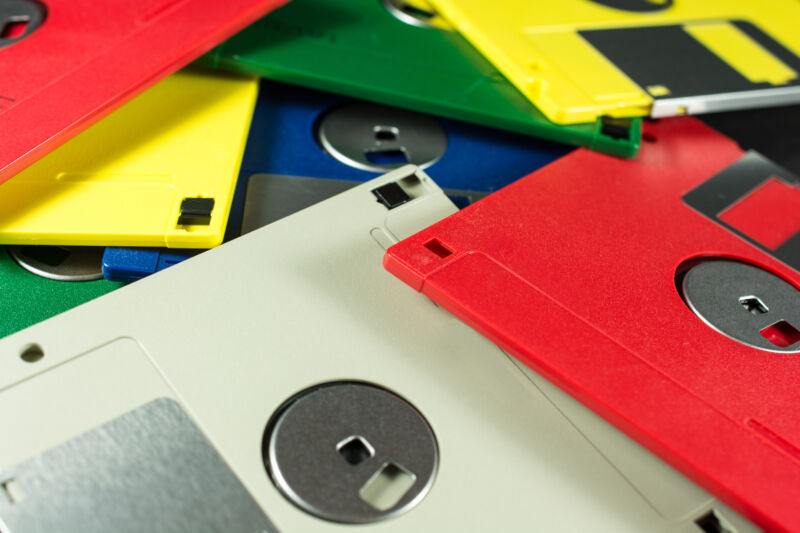
A pile of floppy disks

The Japanese government is finally letting go of floppy disks and CD-ROMs. It recently announced amendments to laws requiring the use of the physical media formats for submissions to the government for things like alcohol business, mining, and aircraft regulation.

Japan’s minister for Digital Transformation, Taro Kono, announced the “war on floppy discs” in August 2022. Before the recent law changes, about 1,900 government procedures required the use of obsolete disk formats, including floppy disks, CDs, and MiniDiscs, for submissions from citizens and businesses.

Kono announced intentions to amend regulations to support online submissions and cloud data storage, changing requirements that go back several decades, as noted recently by Japanese news site SoraNews24.

On January 22, Japan’s Ministry of Economy, Trade and Industry (METI) announced that it changed 34 ordinances to eradicate the requirements of floppy disks. As per a Google translation of a January 23 article from the Japanese tech website PC Watch, the ministry has deleted requirements of floppy disks and CD-ROMs for various ordinances, including some pertaining to quarrying, energy, and weapons manufacturing regulations.

METI’s announcement, as per a Google translation, highlighted the Japanese government’s “many provisions stipulating the use of specific recording media such as floppy disks regarding application and notification methods,” as well as “situations that are hindering the online implementation of procedures.”

Floppy disks first became commercially available in 1971 through IBM. They evolved through the decades, including with the release of the 3.5-inch floppy in 1983 via Sony. With usage growing and peaking in the ’80s and ’90s, the floppy disk couldn’t compete with the likes of CD-ROMs, USB thumb drives, and other more advanced forms of storage made available by the late ’90s. Sony, the last floppy disk manufacturer standing, stopped making floppies in 2011.

Floppy disks aren’t equipped for many of today’s technological needs, with storage capacity maxing at 1.44MB. Still, government bodies in Japan have been using them regularly, leading, at times, to complications. For example, in 2021, it was reported that Tokyo police lost a pair of floppy disks that had information about 38 public housing applicants.

Japan’s reliance on dated tech is something METI is tackling, but reports have noted resistance from some government bodies. This includes local governments and the Ministry of Justice resisting moving to cloud-based admin systems, per the Japan News newspaper. Japan is ranked number 32 out of 64 economies in the Institute for Management Development’s (IMD’s) 2023 World Digital Competitiveness Ranking, which the IMD says “measures the capacity and readiness of 64 economies to adopt and explore digital technologies as a key driver for economic transformation in business, government, and wider society.”

Some have attributed Japan’s sluggish movement from older technologies to its success in establishing efficiencies with analog tech. Governmental bureaucracy has also been listed as a factor.

Japan isn’t the only entity holding on to the floppy, though. Despite a single photo these days being enough to overfill a floppy disk, various industries—like embroidery, medical devices, avionics, and plastic molding—still rely on them. Even the US Air Force stopped using 8-inch floppy disks in its missile launch control system in 2019. And last year, we reported on an Illinois Chuck E. Cheese using a 3.5-inch floppy for its animatronics system.

US-based Floppydisk.com told The Register that Japan’s rule changes shouldn’t endanger the business. Its Japanese customers are “mostly hobbyists and private parties that have machines or musical equipment that continue to use floppy disks,” Tom Persky, who runs the site, said. Floppydisk.com also sells data-transfer services but told The Register in 2022 that the bulk of revenue is from blank floppy disk sales. At the time, Persky said he expected the company to last until at least 2026.

https://arstechnica.com/?p=1999917


Microsoft Edge is apparently usurping Chrome on people’s PCs

Microsoft Edge is apparently usurping Chrome on people’s PCs

If you run the Chrome browser in Windows 10 or 11 and you’ve suddenly discovered that you’re running Microsoft Edge instead, you’re not alone. The Verge’s Tom Warren reports that he and multiple other users on social media and Microsoft’s support forums have suddenly found their Chrome browsing sessions mysteriously replicated in Edge.

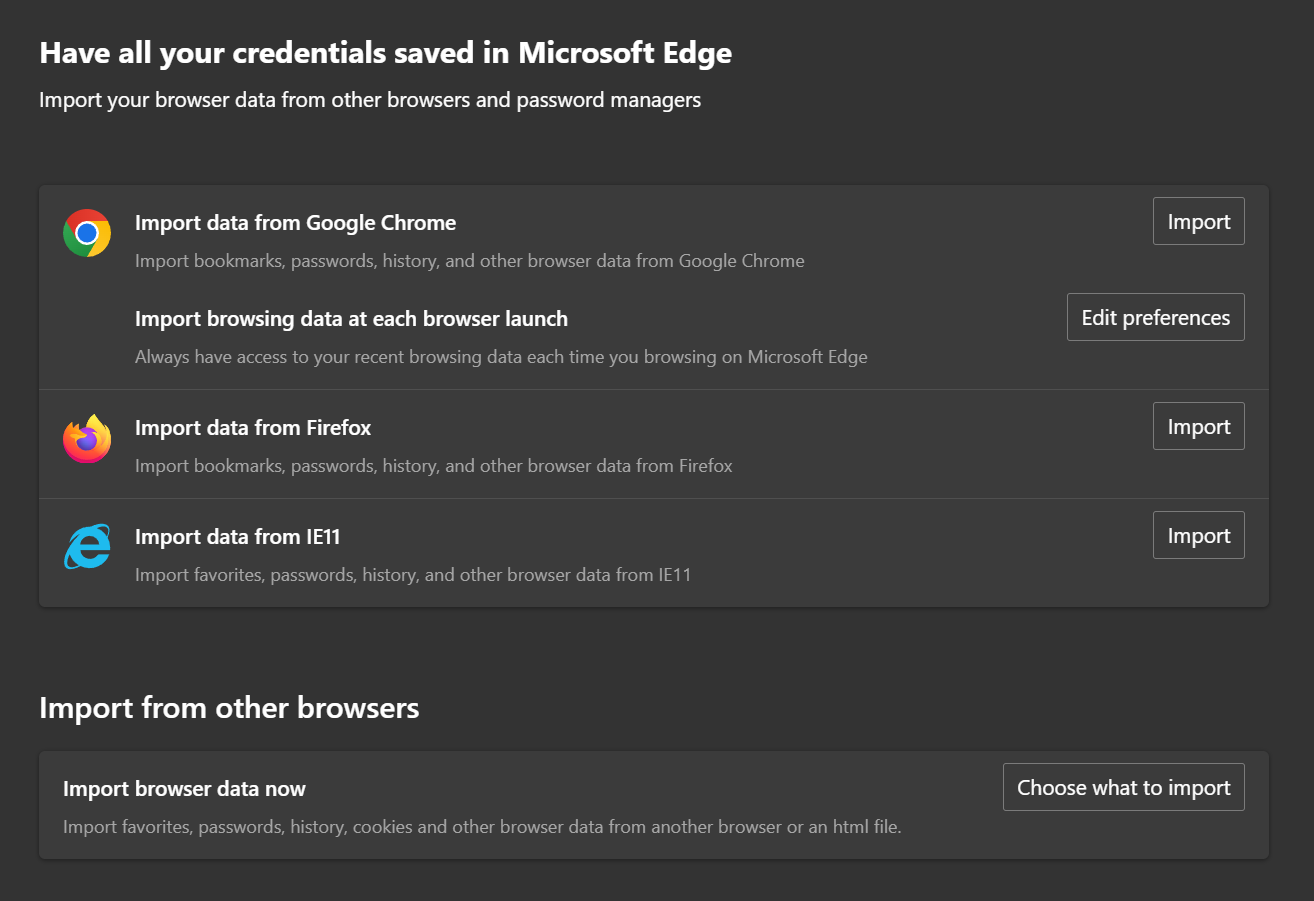
Without an official comment from Microsoft, Warren posits that the tab-snatching happened because of a bug or an inadvertently clicked-through dialog box that triggers a feature in Edge that’s meant to make it easier to (intentionally) switch browsers. The setting, which can be accessed by typing edge://settings/profiles/importBrowsingData into the browser’s address bar, offers to import recent browsing data from Chrome every time you launch Edge, as opposed to the one-time data import it offers for Firefox.

The setting in question, as seen on a Windows 11 23H2 system running Edge 122. It will offer to continuously import data from Chrome, but not from other browsers. Edge will offer a one-time data import from Firefox, but most other browsers (like Opera) don't show up here.
Enlarge / The setting in question, as seen on a Windows 11 23H2 system running Edge 122. It will offer to continuously import data from Chrome, but not from other browsers. Edge will offer a one-time data import from Firefox, but most other browsers (like Opera) don’t show up here.
Andrew Cunningham

Assuming it is a bug, this data-importing issue is hard to distinguish from some of Microsoft’s actual officially sanctioned, easy-to-reproduce tactics for pushing Edge. I encountered two of these while installing Chrome on a PC for this piece—one when I navigated to the Chrome download page and another across the top of Edge’s Settings pages after I had set another browser as my default.

Microsoft has also used system notifications, special Edge-specific pop-up messages, and full-screen post-update messages about “recommended browser settings” to push Windows users into running Edge and using Bing. (I personally would love it if PCs I’ve been using for months or years would stop asking me to “finish setting up [my] device.”)

Edge is based on the same Chromium browsing engine as Chrome, and most users probably wouldn’t notice much of a difference in how most pages render in either browser. But Edge is centered on Microsoft’s products and services, starting with a Microsoft account but also extending to coupon codes and other shopping notifications, the Microsoft 365 app suite, and generative AI tools like Image Designer and the Copilot chatbot.

Microsoft has gotten more aggressive about how it pushes everything from Microsoft account sign-in to Microsoft 365 and Game Pass subscriptions in recent years, something that has made a “clean” Windows install feel much less clean than it used to. Whether this Edge data-import thing is a bug, it’s telling that it’s not immediately obvious whether it’s a bug or something that Microsoft did intentionally.

https://arstechnica.com/?p=1999891


After 32 years, one of the ’Net’s oldest software archives is shutting down

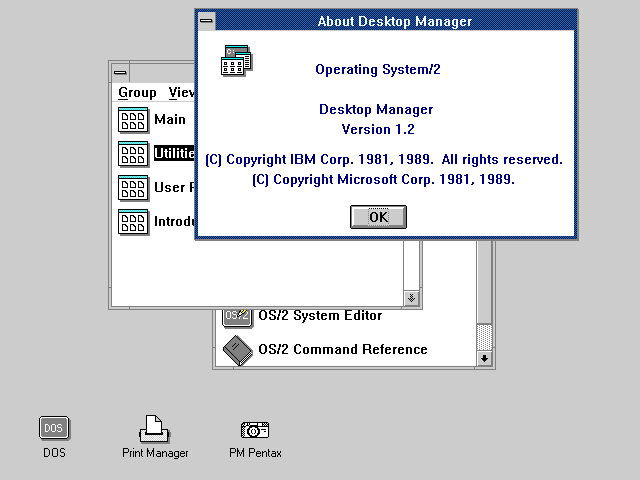
Box art for IBM OS/2 Warp version 3, an OS released in 1995 that competed with Windows.
Enlarge / Box art for IBM OS/2 Warp version 3, an OS released in 1995 that competed with Windows.

In a move that marks the end of an era, New Mexico State University (NMSU) recently announced the impending closure of its Hobbes OS/2 Archive on April 15, 2024. For over three decades, the archive has been a key resource for users of the IBM OS/2 operating system and its successors, which once competed fiercely with Microsoft Windows.

In a statement made to The Register, a representative of NMSU wrote, “We have made the difficult decision to no longer host these files on hobbes.nmsu.edu. Although I am unable to go into specifics, we had to evaluate our priorities and had to make the difficult decision to discontinue the service.”

Hobbes is hosted by the Department of Information & Communication Technologies at New Mexico State University in Las Cruces, New Mexico. In the official announcement, the site reads, “After many years of service, hobbes.nmsu.edu will be decommissioned and will no longer be available. As of April 15th, 2024, this site will no longer exist.”

OS/2 version 1.2, released in late 1989.
os2museum.com

We reached out to New Mexico State University to inquire about the history of the Hobbes archive but did not receive a response. The earliest record we’ve found of the Hobbes archive online is this 1992 Walnut Creek CD-ROM collection that gathered up the contents of the archive for offline distribution. At around 32 years old, minimum, that makes Hobbes one of the oldest software archives on the Internet, akin to the University of Michigan’s archives and ibiblio at UNC.

Archivists such as Jason Scott of the Internet Archive have stepped up to say that the files hosted on Hobbes are safe and already mirrored elsewhere. “Nobody should worry about Hobbes, I’ve got Hobbes handled,” wrote Scott on Mastodon in early January. OS/2 World.com also published a statement about making a mirror. But it’s still notable whenever such an old and important piece of Internet history bites the dust.

Like many archives, Hobbes started as an FTP site. “The primary distribution of files on the Internet were via FTP servers,” Scott tells Ars Technica. “And as FTP servers went down, they would also be mirrored as subdirectories in other FTP servers. Companies like CDROM.COM / Walnut Creek became ways to just get a CD-ROM of the items, but they would often make the data available at http://ftp.cdrom.com to download.”

The Hobbes site is a priceless digital time capsule. You can still find the Top 50 Downloads page, which includes sound and image editors, and OS/2 builds of the Thunderbird email client. The archive contains thousands of OS/2 games, applications, utilities, software development tools, documentation, and server software dating back to the launch of OS/2 in 1987. There’s a certain charm in running across OS/2 wallpapers from 1990, and even the archive’s Update Policy is a historical gem—last updated on March 12, 1999.

The legacy of OS/2

The final major IBM release of OS/2, Warp version 4.0, as seen running in an emulator.
Enlarge / The final major IBM release of OS/2, Warp version 4.0, as seen running in an emulator.

OS/2 began as a joint venture between IBM and Microsoft, undertaken as a planned replacement for IBM PC DOS (also called “MS-DOS” in the form sold by Microsoft for PC clones). Despite advanced capabilities like 32-bit processing and multitasking, OS/2 later competed with and struggled to gain traction against Windows. The partnership between IBM and Microsoft dissolved after the success of Windows 3.0, leading to divergent paths in OS strategies for the two companies.

Through iterations like the Warp series, OS/2 established a key presence in niche markets that required high stability, such as ATMs and the New York subway system. Today, its legacy continues in specialized applications and in newer versions (like eComStation) maintained by third-party vendors—despite being overshadowed in the broader market by Linux and Windows.

A footprint like that is worth preserving, and a loss of one of OS/2’s primary archives, even if mirrored elsewhere, is a cultural blow. Apparently, Hobbes has reportedly almost disappeared before but received a stay of execution. In the comments section for an article on The Register, someone named “TrevorH” wrote, “This is not the first time that Hobbes has announced it’s going away. Last time it was rescued after a lot of complaints and a number of students or faculty came forward to continue to maintain it.”

As the final shutdown approaches in April, the legacy of Hobbes is a reminder of the importance of preserving the digital heritage of software for future generations—so that decades from now, historians can look back and see how things got to where they are today.

https://arstechnica.com/?p=1995023


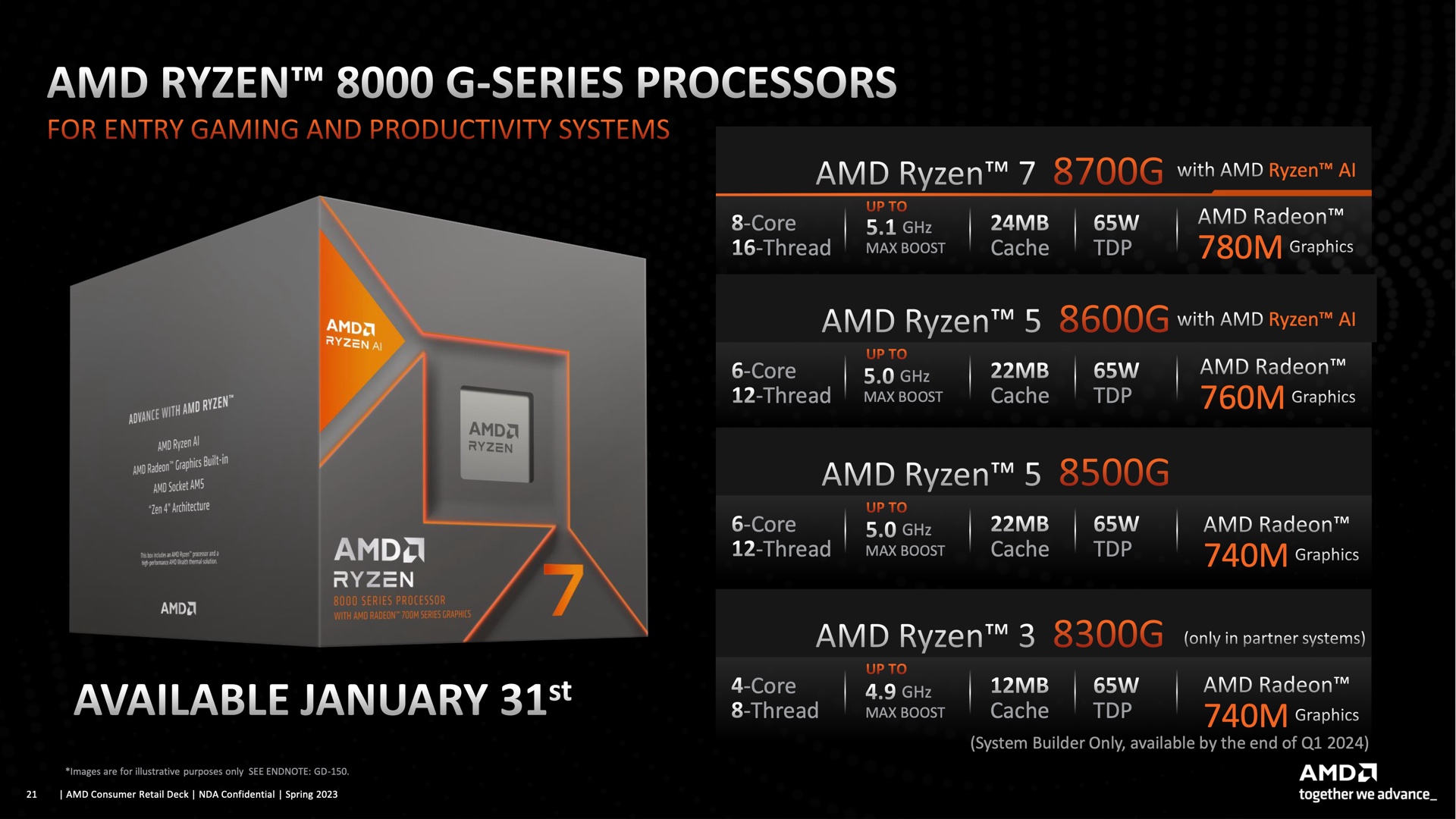
Ryzen 8000G review: An integrated GPU that can beat a graphics card, for a price

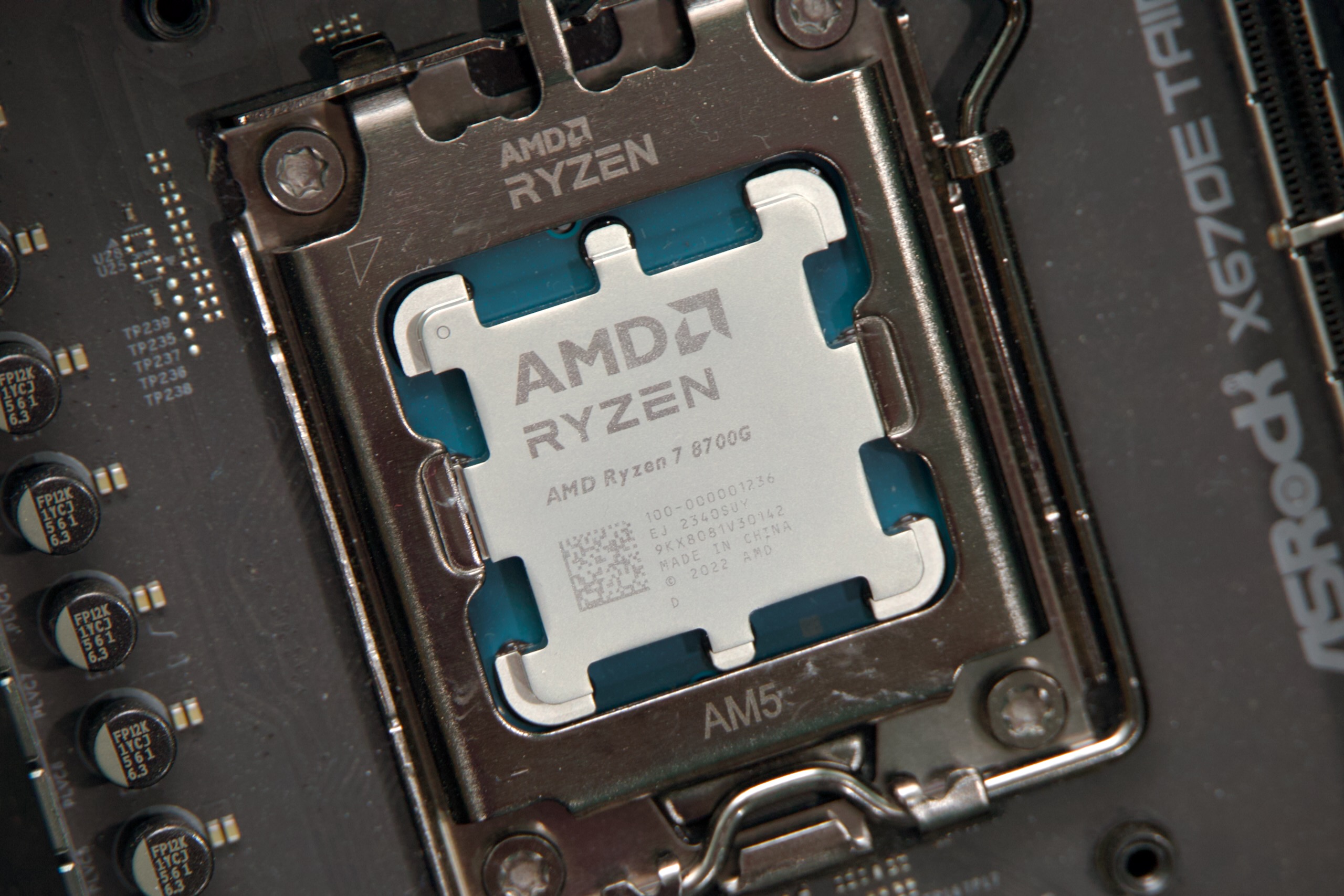
The most interesting thing about AMD's Ryzen 7 8700G CPU is the Radeon 780M GPU that's attached to it.
Enlarge / The most interesting thing about AMD’s Ryzen 7 8700G CPU is the Radeon 780M GPU that’s attached to it.
Andrew Cunningham

Put me on the short list of people who can get excited about the humble, much-derided integrated GPU.

Yes, most of them are afterthoughts, designed for office desktops and laptops that will spend most of their lives rendering 2D images to a single monitor. But when integrated graphics push forward, it can open up possibilities for people who want to play games but can only afford a cheap desktop (or who have to make do with whatever their parents will pay for, which was the big limiter on my PC gaming experience as a kid).

That, plus an unrelated but accordant interest in building small mini-ITX-based desktops, has kept me interested in AMD’s G-series Ryzen desktop chips (which it sometimes calls “APUs,” to distinguish them from the Ryzen CPUs). And the Ryzen 8000G chips are a big upgrade from the 5000G series that immediately preceded them (this makes sense, because as we all know the number 8 immediately follows the number 5).

We’re jumping up an entire processor socket, one CPU architecture, three GPU architectures, and up to a new generation of much faster memory; especially for graphics, it’s a pretty dramatic leap. It’s an integrated GPU that can credibly beat the lowest tier of currently available graphics cards, replacing a $100–$200 part with something a lot more energy-efficient.

As with so many current-gen Ryzen chips, still-elevated pricing for the socket AM5 platform and the DDR5 memory it requires limit the 8000G series’ appeal, at least for now.

From laptop to desktop

AMD's first Ryzen 8000 desktop processors are what the company used to call "APUs," a combination of a fast integrated GPU and a reasonably capable CPU.
Enlarge / AMD’s first Ryzen 8000 desktop processors are what the company used to call “APUs,” a combination of a fast integrated GPU and a reasonably capable CPU.

The 8000G chips use the same Zen 4 CPU architecture as the Ryzen 7000 desktop chips, but the way the rest of the chip is put together is pretty different. Like past APUs, these are actually laptop silicon (in this case, the Ryzen 7040/8040 series, codenamed Phoenix and Phoenix 2) repackaged for a desktop processor socket.

Generally, the real-world impact of this is pretty mild; in most ways, the 8700G and 8600G will perform a lot like any other Zen 4 CPU with the same number of cores (our benchmarks mostly bear this out). But to the extent that there is a difference, the Phoenix silicon will consistently perform just a little worse, because it has half as much L3 cache. AMD’s Ryzen X3D chips revolve around the performance benefits of tons of cache, so you can see why having less would be detrimental.

The other missing feature from the Ryzen 7000 desktop chips is PCI Express 5.0 support—Ryzen 8000G tops out at PCIe 4.0. This might, maybe, one day in the distant future, eventually lead to some kind of user-observable performance difference. Some recent GPUs use an 8-lane PCIe 4.0 interface instead of the typical 16 lanes, which limits performance slightly. But PCIe 5.0 SSDs remain rare (and PCIe 4.0 peripherals remain extremely fast), so it probably shouldn’t top your list of concerns.

The Ryzen 5 8500G is a lot different from the 8700G and 8600G, since some of the CPU cores in the Phoenix 2 chips are based on Zen 4c rather than Zen 4. These cores have all the same capabilities as regular Zen 4 ones—unlike Intel’s E-cores—but they’re optimized to take up less space rather than hit high clock speeds. They were initially made for servers, where cramming lots of cores into a small amount of space is more important than having a smaller number of faster cores, but AMD is also using them to make some of its low-end consumer chips physically smaller and presumably cheaper to produce. AMD didn’t send us a Ryzen 8500G for review, so we can’t see exactly how Phoenix 2 stacks up in a desktop.

The 8700G and 8600G chips are also the only ones that come with AMD’s “Ryzen AI” feature, the brand AMD is using to refer to processors with a neural processing unit (NPU) included. Sort of like GPUs or video encoding/decoding blocks, these are additional bits built into the chip that handle things that CPUs can’t do very efficiently—in this case, machine learning and AI workloads.

Most PCs still don’t have NPUs, and as such they are only barely used in current versions of Windows (Windows 11 offers some webcam effects that will take advantage of NPU acceleration, but for now that’s mostly it). But expect this to change as they become more common and as more AI-accelerated text, image, and video creating and editing capabilities are built into modern operating systems.

The last major difference is the GPU. Ryzen 7000 includes a pair of RDNA2 compute units that perform more or less like Intel’s desktop integrated graphics: good enough to render your desktop on a monitor or two, but not much else. The Ryzen 8000G chips include up to 12 RDNA3 CUs, which—as we’ve already seen in laptops and portable gaming systems like the Asus ROG Ally that use the same silicon—is enough to run most games, if just barely in some cases.

That gives AMD’s desktop APUs a unique niche. You can use them in cases where you can’t afford a dedicated GPU—for a time during the big graphics card shortage in 2020 and 2021, a Ryzen 5700G was actually one of the only ways to build a budget gaming PC. Or you can use them in cases where a dedicated GPU won’t fit, like super-small mini ITX-based desktops.

The main argument that AMD makes is the affordability one, comparing the price of a Ryzen 8700G to the price of an Intel Core i5-13400F and a GeForce GTX 1650 GPU (this card is nearly five years old, but it remains Nvidia’s newest and best GPU available for less than $200).

Let’s check on performance first, and then we’ll revisit pricing.

https://arstechnica.com/?p=1999511


Wear OS’s most consistent OEM quits: Fossil stops making smartwatches

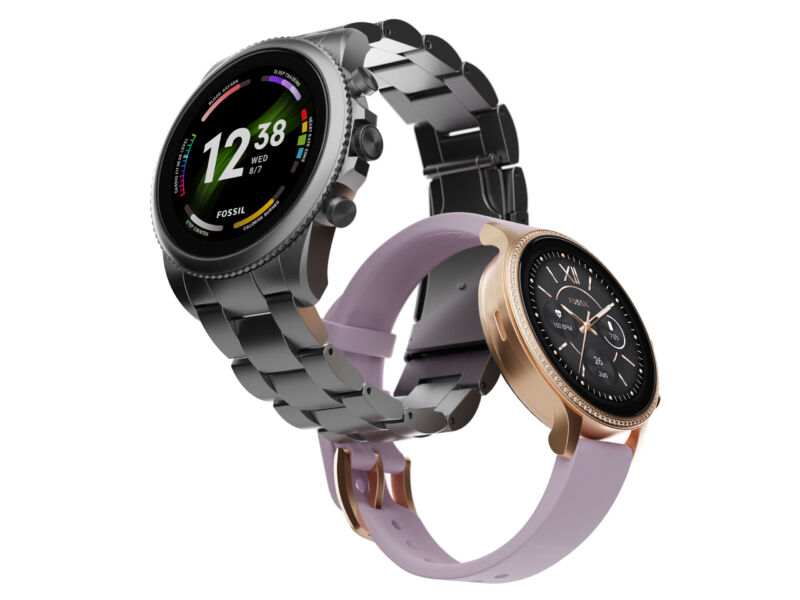
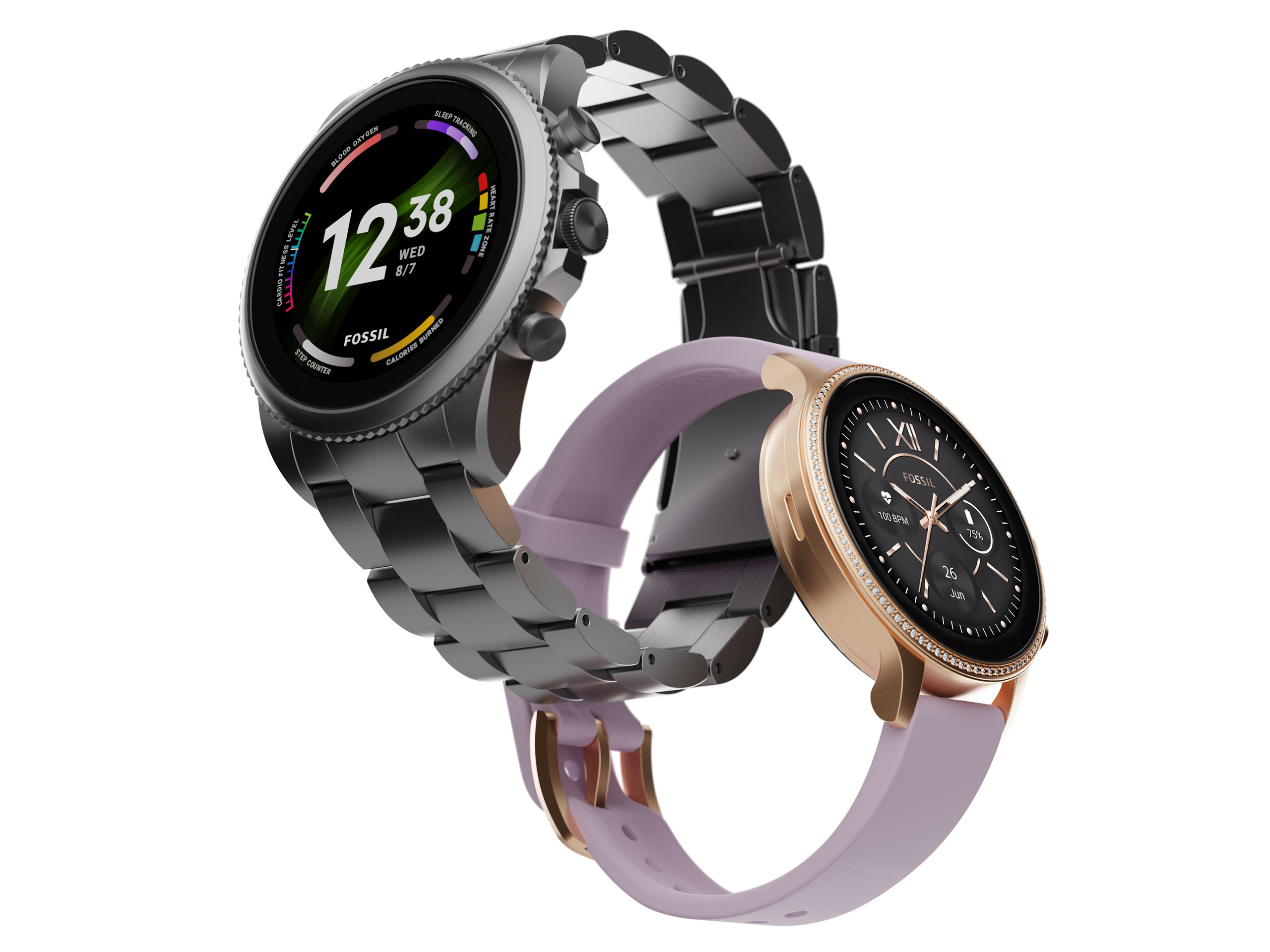
The Fossil Gen 6 smartwatch.
Enlarge / The Fossil Gen 6 smartwatch.

Fossil was the only brand keeping Google’s Wear OS alive for years, but now the fashion brand is quitting the smartwatch market. Just before the weekend, the company confirmed to The Verge: “We have made the strategic decision to exit the smartwatch business.” The company says existing smartwatches will continue to get software updates “for the next few years” while it refocuses on traditional watches and jewelry.

Wear OS is out of the dark ages now, but for years Fossil was the OS’s only lifeline. Back in the days when Qualcomm was strangling the OS with lackluster SoC updates, Fossil was the only company that kept the dream alive. Fossil jumped into the Android Wear/Wear OS market in 2015 and has been the only steady source of Android smartwatch hardware since then. All the big companies like Samsung, LG, Sony, Huawei, Motorola, and Asus made watches for only a year or two and quit.

In 2021, despite years of loyalty, Google dropped Fossil like a rock when Samsung offered to come back to the Wear OS ecosystem. Google lured Samsung away from its in-house Tizen OS with preferential treatment, including exclusive rights to the new “Wear OS 3” release and exclusive apps. That year, 2021, featured head-to-head August Wear OS releases of Samsung’s Galaxy Watch 4 and Fossil’s Gen 6 smartwatch. Samsung’s watch had a faster, Samsung-made SoC, ran Wear OS 3, and cost $250, while Fossil was stuck with Wear OS 2, a slower Qualcomm chip, and a $300 price tag. Fossil would barely be able to compete with Samsung if the playing field were level; but add to that Samsung’s exclusive chips and Google’s preferential treatment, and Fossil’s watches never stood a chance. The Gen 6 will be the company’s last smartwatch release.

Those years of releases for Fossil never resulted in huge sales. The IDC’s VP of Data & Analytics, Francisco Jeronimo, revealed that Fossil peaked at 6.7 percent smartwatch market share in 2015 and only sold 19 million units, or 2.2 percent of the total market from 2015-2023. During that eight-year run, Jeronimo says Apple shipped 248 million watches.

https://arstechnica.com/?p=1999628


Pixel phones are broken again with critical storage permission bug

Pixel phones are broken again with critical storage permission bug

It’s almost hard to believe this is happening again, but Pixel users are reporting that an OS update has locked them out of their phones’ internal storage, causing app crashes, non-functional phones, and a real possibility of data loss. Over in the Google Pixel subreddit, user “Liv-Lyf” compiled a dozen posts that complain of an “internal storage access issue” and blame the January 2024 Google Play system update.

In October, Pixel phones faced a nightmare storage bug that caused bootlooping, inaccessible devices, and data loss. The recent post says, “The symptoms are all the same” as that October bug, with “internal storage not getting mounted, camera crashes, Files app shows no files, screenshots not getting saved, internal storage shows up empty in ADB Shell, etc.” When asked for a comment, Google told Ars, “We’re aware of this issue and are looking into it,” and a Google rep posted effectively the same statement in the comments.

In the October bug, users were locked out of their system storage due to a strange permissions issue. Having a phone try to run without any user access to your own storage is a mess. It breaks the camera and screenshots because you can’t write media. File Managers read “0 bytes” for every file and folder. Nothing works over USB, and some phones, understandably, just fail to boot. The issue in October arrived as part of the initial Android 14 release and only affected devices that had multiple users set up.

Picking through the posts, it’s unclear if there’s a certain type of user that should be more wary of the January 2024 Google Play update. Some users say they haven’t enabled the multiple-user functionality, but several mention having a work profile enabled. Work Profiles aren’t quite “multiple users,” but the system leverages a lot of multi-user features to let users have duplicate “personal” and “work” copies of the same apps. Many users don’t say if they have a work profile or not.

The “January 2024 Google Play system update” isn’t the usual OTA system update but is a Project Mainline or APEX module. These take core system components and wrap them up into easily distributable packaging where they can be delivered via the Play Store, much like an app, but with way more permissions (only Google can make Play system updates). Google posts release notes for Play system updates, and there’s nothing in the January 2024 update that jumps out as the potential cause of a storage access problem. You can check your current version on a Pixel phone by going to Settings, Security & Privacy, then “System & updates.” At the bottom, you’ll see a month and year for your “Google Play system update” level. DO NOT tap on this section because that will bring up the update screen.

Google’s “we’re looking into it” statement doesn’t give users much guidance on how they should deal with this in the meantime. A good first step, at any time, is to ensure you have backups of all your important phone data. Obviously, avoiding the January 2024 Google Play system update is recommended for now, but I don’t think there’s a way for users to do that. Google Play system updates don’t offer users any controls, so you’re mostly hoping an automatic update doesn’t brick your phone. The good news is that the Google Play system often fails to check for updates. They get installed on reboot, so try not to power cycle your phone. Disabling a work profile and any other multi-user features sounds like a good idea if you can manage that. There are instructions here.

https://arstechnica.com/?p=1998724