The Real Risks the DEI Retreat Poses to Marketers


.article-native-ad { border-bottom: 1px solid #ddd; margin: 0 45px; padding-bottom: 20px; margin-bottom: 20px; } .article-native-ad svg { color: #ddd; font-size: 34px; margin-top: 10px; } .article-native-ad p { line-height:1.5; padding:0!important; padding-left: 10px!important; } .article-native-ad strong { font-weight:500; color:rgb(46,179,178); }

The stage is set! Advertisers, don’t miss this cultural moment. ADWEEK House The Big Game is headed to New Orleans on February 7. RSVP.

The advertising industry is at an inflection point, grappling with the fallout of a shifting political landscape.

Since the reascendancy of president Donald Trump, brands that once championed diversity, equity, and inclusion are now retreating, with Target, Meta, and Walmart among those pulling back efforts. In response, activists are calling for boycotts, warning that companies abandoning their DEI commitments may be underestimating the long-term impact. 

Meanwhile, brands like Ben & Jerry’s, Costco, e.l.f. Beauty, and Delta have remained steadfast in their commitment to inclusivity, recognizing that their future consumers—Gen Z and the rapidly emerging Gen Alpha—care deeply about these values. 

History has shown us how quickly societal trends can shift. In 2020, DEI initiatives were widely publicized, with companies pledging to increase minority representation, invest in Black-owned businesses, and overhaul internal policies. Yet, just as swiftly as DEI was championed post-2020, it is now being cast aside. We saw the same pattern with Covid-19: mass adoption of hygiene and vaccine protocols, followed by a rapid return to pre-pandemic behaviors.

Trump’s new presidency will last four years, but times change; what will come next for brands that are abandoning internal and external DEI advocacy? As divided as the electorate is, the next administration could swing public sentiment back toward DEI and corporate social responsibility. If that happens, brands that retreated from inclusivity may find themselves on the wrong side of history, struggling to regain consumer trust. 

Business risks 

Gen Z and Gen Alpha are like elephants—they don’t forget. Gen Alpha, poised to be the largest consumer group in history, will soon be making purchasing decisions. Brands pulling back DEI efforts to appease today’s political climate may find themselves abandoned by the very consumers they once sought to attract. 

Take Target, for example. Historically, the company has been known for inclusivity, yet it recently announced the discontinuation of many DEI initiatives, including its Racial Equity Action and Change (REACH) program, which aimed to invest over $2 billion with Black-owned businesses by the end of 2025.

This decision comes despite a significant portion of its customer base consisting of people of color, women, LGBTQ+ individuals, and people with disabilities. By walking away from DEI, Target risks alienating its core demographics, potentially handing an advantage to competitors who maintain their inclusivity efforts. 

The data supports this risk. Younger generations overwhelmingly prioritize brands that align with their values. A 2023 McKinsey study found that 45% of Gen Z consumers stopped purchasing from a brand whose values did not align with theirs. The potential short-term gains of stepping back from DEI—appeasing conservative stakeholders, aligning with the political climate, or avoiding backlash from opposition groups—might be outweighed by long-term reputational damage. 

Representation risks 

These changes don’t just affect policy, they shape who we see on our screens. There is a segment of Trump’s base that would like to see advertising reflect a more homogenous America, fewer diverse faces and LGBTQ+ narratives, and more “traditional” imagery. This year’s crop of Super Bowl ads attested to that. This presents a challenge for advertisers: How do brands balance this pressure while continuing to represent the reality of an increasingly diverse and socially conscious consumer base? 

As a Black female agency owner, I’ve had to face the reality of these shifting tides. Recently, we’ve reconsidered how we position ourselves, stripping our materials of overt references to being Black- or female-owned. Instead, we’re doubling down on our unique value propositions—because we do have value that stands on its own.

This isn’t about distancing ourselves from our identity, it’s about ensuring that our work is judged on its own merits and not misinterpreted as needing a hand up. Our mission remains the same, but in the current climate, the best way to serve that mission is to continue thriving as a business. Because let’s not pretend that being Black and female hasn’t historically meant less access.

DEI was never about handing out unearned opportunities; it was about handing companies like mine the proverbial mic. And even when you get the mic, it doesn’t mean you won’t be drowned out by the friend of a friend of the client—often white, often male, and often with an offering far less special than yours. We all know the third-bid phenomenon: being invited to pitch not because you’re a serious contender, but because the client needs to check a box. 

DEI was never foolproof, but it at least increased the number of at-bats for agencies like mine. The notion that unqualified companies were handed contracts due to DEI is a fallacy; what happened was that minority-owned businesses simply got more opportunities to prove their worth in an industry that has long favored entrenched, homogenous networks. 

The advertising world is threading a needle right now. Agencies like mine are working to stay true to our DNA while not appearing “too other”; if a brand assumes that a diverse agency’s success is tied to DEI rather than its capabilities, the agency can be deprioritized when DEI falls out of favor.

We must recognize that these societal shifts are cyclical. The companies that abandon DEI today may struggle when public sentiment inevitably swings back. The question for brands isn’t just how to navigate today—it’s whether they’re prepared for what’s next. 

https://www.adweek.com/agencies/real-risks-dei-retreat-marketers/


There’s a Creative Revolution at the Heart of #HillmanTok


The broligarchy is running the Greatest Hits of oppression, remixing the Separate But Equal playbook—this time with an even wider gap between the rich and the rest. Project 2025’s dystopian fever dream will do everything in its power to gut public education and financially hog-tie students with predatory loans, keeping them drowned in debt, locked out of power, and far away from the unedited version of history and the truth of America. 

Book bans? Check. DEI scale-backs? Check. Legislators throwing tantrums over facts? Triple check. 

But here’s the thing about Bey-Bey’s scholarific kids: We don’t run for cover when the syllabus gets stripped down. While lawmakers are out here cosplaying as 1950s segregationists, HillmanTok University is flipping the script. 

HillmanTok, named after the fictional HBCU in A Different World, is a movement where Black professors, thought leaders, and students drop entire syllabi, deliver graduate-level insights, and spark deep academic discourse—all in bite-sized, engaging social videos—for free. It’s like an Ivy League education, except no one’s forcing you into six figures of debt, and you don’t have to pretend to like rowing. 

They can ban books, rewrite curricula, and gaslight an entire generation, but the truth is a shape-shifter—and right now, it’s got a ring light and a TikTok account. 

The revolution will be syllabized 

Dr. Leah Barlow, a Black professor, sparked the movement with a TikTok video for her African American history class, which went viral overnight, growing her class size from 35 students to 4 million. Other Black academics also saw this as a way to teach classes threatened to be erased by the current administration. Over 400 classes sprang up like roses from the concrete. 

This is a classroom without borders for anyone willing to learn from anyone willing to teach. Viral marketing strategist Sara McCord has highlighted four key areas this trend will impact: 

  1. Access to banned knowledge as schools are pressured to stop teaching what is deemed divisive material. 
  2. Free advanced education as astronomical tuition makes college and graduate school inaccessible for many.
  3. Monetization for professors as viral content can turn into revenue and support educators facing cuts.
  4. Community-driven learning for those who engage and amplify lessons, truly socializing education.

As a Black creative director, I see a seismic shift happening—one that brands, platforms, and advertisers either adapt to or get left behind. This isn’t just about education; it’s about storytelling. Culture-shaping. Reclaiming narrative power in a digital space that’s long dictated what is seen, what is valued, and who profits. This isn’t just a trend, it’s a blueprint for what’s next: a more intentional, purpose-driven digital ecosystem where access, community, and monetization aren’t afterthoughts, they’re the foundation. 

Monetization and the new Black intellectual economy 

Black culture has always been driving the “new next” in music, language, style—and now education. With traditional education systems under siege and diversity under attack, we’re in a Wild West of possibility, where yesterday’s gatekeepers no longer hold power. The keys are in our hands. 

Our ancestors’ wildest dreams are knowledge as capital and education as a flex. Just like music and fashion created a pathway for Black riches, HillmanTok University is rewriting the rules of academia, turning locked doors into launchpads. And the best part? You call the shots. Every viral lesson builds the next, stacking influence and income—no permission needed. 

For years, Black creatives and strategists like myself have pushed brands to recognize our economic and cultural power, only to be met with meh budgets and steered into the same tired tropes of messaging. But here’s the truth: The future of social media belongs to those who can create, educate, and build community in real time. 

Brands bowing to the broligarchy will be stuck dissecting outdated DEI (“Doing Everything In spite of”) case studies, while HillmanTok creators run the new era of advertainment on their own terms. 

HillmanTok University is proof that diverse thought leadership—Black, Brown, LGBTQ+—is powerful, scalable, profitable, and essential. Brands need to stop recycling outdated influencer strategies and start building new ones that reflect where influence actually lives. The game has shifted: Celebrity endorsements are out, credibility is in. Today’s audiences don’t just follow faces; they follow voices that educate, challenge, and build community. 

This is a wake-up call for advertisers and brands. Culture moves fast, and if you’re still watching from the owner’s box, you’re already behind. Traditional media, stuck in neutral, has long downplayed the economic and social power of Black creators. But TikTok flips the script, handing the mic to students and professors to define the moment instead of letting brands dictate from the top down. That’s the difference between a viral blip and a cultural shift built to last. 

So, what’s next? If you’re a professor, drop your syllabus. If you’re a student, engage and amplify. And if you’re a brand? Invest in this ecosystem—because the future of education doesn’t need permission. HillmanTok proves that thought leaders, not trend chasers, drive real engagement. The smartest brands will invest in Black intellectual creators, forge real partnerships, and embed cultural insight into their strategy. 

HillmanTok isn’t a moment. It’s a movement. And while institutions debate our value, we’re out here making history in real time. 

@_theboard

DEI is under attack. Gutting budgets, ghosting diversity, and trying to make ‘inclusion’ a thing of the past. But … when did we EVER need permission to move the culture? AdFroCentric 101. Pardé talks how to Double Down to Double Up with Storytelling and Ownership. Parde – Ex-Omnicom | Ex-Cashmere | Ex-CP+B #hillmantok @HillmanTok University Official @HillmanTok Univeristy

♬ original sound – WE ARE THE BOARD

https://www.adweek.com/social-marketing/creative-revolution-hillmantok-university/


The Biggest Brand Takeaway From Kendrick Lamar’s Halftime Show


.article-native-ad { border-bottom: 1px solid #ddd; margin: 0 45px; padding-bottom: 20px; margin-bottom: 20px; } .article-native-ad svg { color: #ddd; font-size: 34px; margin-top: 10px; } .article-native-ad p { line-height:1.5; padding:0!important; padding-left: 10px!important; } .article-native-ad strong { font-weight:500; color:rgb(46,179,178); }

Social media is evolving. Are you adapting? Connect with a community of brand pros and content creators at Social Media Week, May 12–14 in NYC, to learn how to keep pace with new trends and technology. Register now to save 20% on your pass.

To watch Kendrick Lamar’s Super Bowl halftime show was to unpack the political, social, and cultural issues dividing the U.S. More importantly, it was a love letter to the resilience of communities uniting in the name of civility.

Watching the dancers and K-Dot strut, two-step, and squabble up across the stage was like seeing poetry in motion. Best believe the revolution was televised, the symbolism subtle, though at times too truthful to be ignored. Case in point, Lamar’s dancers formed the shape of the American flag—all dressed in red, white, and blue uniforms—but split down the middle to form a gap with Kendrick in the center. The division was loud and clear.

This depicted a reality that brands are also working to solve for, a dilemma that’s rife with tension: How do you support—and not conflict—with the culture? The seven-minute performance laid out the emotional temperature with Uncle Sam himself, played with a flair of grandiose narcissism by Samuel L. Jackson. He welcomed us to the great American game, his backdrop being the stadium floor transformed into a giant control pad featuring symbols of cross, square, circle, and triangle. 

Uncle Samuel’s presence reminded us that he’s there to keep K-Dot’s behavior in line, stopping the performance when he perceived indignation—“too loud, too reckless, too ghetto.” Jackson’s character pushed to silence voices wanting to be heard, curtailed behavior that did not heed his direction. 

But Lamar had a mission; his vision was not for sale—just check the lyrical receipts in “DNA.” Brands became building blocks for the story, not the main characters. Nike quite literally supported each performer every step of the way as they danced in their Shox. Serena Williams crip walked in Converse Chuck 70s to “Not Like Us,” showing the beauty of Compton culture. Heinz posted about their collaboration with record producer Mustard on its social channels when he joined Kendrick on the grounds. Even Marvel Studios got an indirect shout-out with SZA’s duet of “All the Stars,” a track from Marvel’s first film with a Black director and predominantly Black cast.

Kendrick said it himself: “Forty acres and a mule, this is bigger than the music.” Businesses currently in the blind on where to draw the line between culture and policy can take a lesson from this experience. The “game” cannot be won by diminishing the value of voices that are crucial to your growth. The stage showed how culture was built through the creativity of many in harmony, not the singular behavior of one brand.

Participation in the story of lives being lived should always be for the culture, by the culture, not a brand-monopolized movement—because it never was. 

https://www.adweek.com/brand-marketing/biggest-brand-takeaway-kendrick-lamar-halftime-show/


Marketers Will Need to Double Down Against Divisiveness


.article-native-ad { border-bottom: 1px solid #ddd; margin: 0 45px; padding-bottom: 20px; margin-bottom: 20px; } .article-native-ad svg { color: #ddd; font-size: 34px; margin-top: 10px; } .article-native-ad p { line-height:1.5; padding:0!important; padding-left: 10px!important; } .article-native-ad strong { font-weight:500; color:rgb(46,179,178); }

The stage is set! Advertisers, don’t miss this cultural moment. ADWEEK House The Big Game is headed to New Orleans on February 7. RSVP.

The success of advertising rests on clear, concise, and culturally considerate communication. Yet only 22 days into 2025, legal mandates and corporate maneuvers would suggest that facts are not important to consider when crafting what we say, how we say it, or how we show it. 

Everyone was left a little shaken following Mark Zuckerberg’s announcement that Meta will be eliminating its fact-checking policies across Facebook, Instagram, and Threads—his grounds being free rein for free speech, but whether the speech is accurate in depiction or description is no longer a disqualifier. If opinion can be taken as fact or misconstrued, whether deliberate or not, it undermines the reliability of the data we depend on to inform marketing strategies.

This is compounded by recent developments in state privacy laws affecting the data we aggregate: So far, 19 states have deviated from the Washington Privacy Act, which regulates the management and oversight of personal data. The reason is that ethnicity, race, and related attributes are now being treated as sensitive personal information that must be redacted.

While these measures are honorable in preventing information from being used to discriminate, there is a flip side: Data that is mapped against how a person self-identifies helps us understand diverse perspectives. It’s an integral component for quality control. Without this context, we’re hindered from recognizing nuanced insights necessary for creating equitable and effective campaigns.

The fundamental problem with these two developments—Meta’s policy shift and changes to data privacy laws—is the ripple effect in marketing. They’re effectively license to compromise ethical standards when designing narratives that represent diverse cultures.

According to a study by Nuance Matters, 44% of people believe brands focus too much on surface-level representation, neglecting deeper cultural understanding. This is a clear indication that we must take extra care to avoid misshaping how people view the belief systems, behaviors, or values of others from what we create.

The stakes are high. African American, Asian American, and Native American households collectively represent 17.4% of U.S. purchasing power, equating to nearly $1 of every $5.75 spent. Hispanic buying power is projected to reach $2.8 trillion by next year. Failing to engage these communities meaningfully could mean losing billions in potential revenue. We tread a fine line of either affirming or dispelling biases, and if consumers feel sidelined, that’s dollars walking right out the door.

Building trust through data and human intelligence

Trustworthiness in storytelling is the game changer. Even Yann LeCun, Meta’s chief AI scientist, admitted that some AI models will never compensate for the workings of the human mind; qualitative will need equal billing with quantitative, if not more.

Real-life conversations are critical in fact-checking lived experience against what’s ticked in a study or survey. This also extends to focus group testing to ensure diverse perspectives are heard. These measures help identify inconsistencies while adding more depth to individual thought processes. Communal curiosity of the human mind is key.

In addition, agencies must take the lead in developing proprietary AI systems tailored to cultural analysis. A Salesforce study revealed that 40% of marketers lack access to real-time data on specific communities, often relying on outdated insights or intuition.

As AI developments continue to accelerate, we should be at the forefront of developing models that better reflect cultural contexts. No one wants the doctrine of disparate impact knocking at their door, so we need to look beyond AI’s utilization to mitigate biases inherent in current algorithms. This proactive approach positions agencies as stewards of ethical, inclusive marketing.

Steps toward unity in marketing

Creating change requires simple, actionable steps to get ahead of the game. 

First, have honest consultations with brands to prioritize cultural nuance in audience insights; candid conversations are needed to understand how a brand views its current audience—and if they see their consumer in a fundamentally different way than the consumer sees themselves.

Carrying overcomplicated assumptions of the attributes of any given target, such as their political stance or personal ideology, will affect how a brand segments its audience. Reset your approach when building identity profiles, starting with distinctive psychographic and demographic classifications. It will unlock greater engagement.

Appraise data capture protocols, both in-house and client side, to assess to mitigate bias and ensure inclusivity. Get up to date with a brand’s privacy regulations: If important data is being redacted, agencies are unable to build a fully informed profile of different audiences and cultures.

Why does it matter? 81% of brands say they have a deep understanding of their consumers, but less than half (46%) of customers agree. Data capture appraisals put agencies in a position to prevent the creation of a gap in usable customer data for marketing purposes.

Develop mutually agreed-upon criteria for different forms of marketing output, doubling down to reflect all aspects of identity. This helps agencies steer clients toward longevity for their businesses. Continued growth with new cohorts and nurtured intergenerational loyalty is the way to future-proof brand love.

Now is the time for bold leadership and brand bravery. By affirming the dignity and influence of communities, advertising can evolve into a unifying force that bridges cultural divides. We are in a prime position to shape a future where marketing reflects the world and inspires trust.

https://www.adweek.com/agencies/marketers-double-down-against-divisiveness/


With the TikTok Ban All but Confirmed, Here’s Where Marketers Can Still Focus Their Efforts


As the U.S. Supreme Court upholds the TikTok ban, brands and publishers are grappling with how to maintain their connection to young consumers.

The reality of losing TikTok has sparked reactions ranging from strategic reevaluation to outright panic. However, history shows us that platforms evolve, algorithms shift, and audiences adapt. Here’s what marketers need to know and do to navigate this upheaval.

A shift, not an end

TikTok may disappear or transform, but the cultural impact it has made—and the trends it established—will endure.

TikTok popularized short-form vertical video as the dominant mode of content consumption for young audiences. Whether it’s on Instagram Reels, YouTube Shorts, or other emerging platforms, vertical video will remain a cornerstone of digital communication.

Marketers should continue investing in short, snappy content that grabs attention immediately. Videos should feature:

  • Strong hooks within the first few seconds to capture interest.
  • Authentic storytelling that resonates with younger viewers.
  • Original sound and music to enhance shareability and relatability.

The power of the algorithm

TikTok’s algorithm is one of its defining features, offering unparalleled precision in serving personalized content based on watch time and user behavior.

Expect competitors like Instagram and YouTube to ramp up efforts to replicate its success. Platforms are likely to lean more on watch time as a key metric, shifting focus toward entertainment and engagement. For marketers, this means:

  • Focus on engagement metrics: Prioritize content that holds viewers’ attention rather than solely aiming for reach or impressions.
  • Adapt to platform updates: Stay informed about how competitors are fine-tuning their algorithms and optimize your content accordingly.
  • Experiment across platforms: Diversify your content strategy to include multiple platforms, mitigating the risk of overreliance on any one channel.

Entertainment as the new frontier

TikTok has essentially become television for Gen Z and millennials. Unlike platforms such as Instagram or X, which are more about staying updated on friends and trends, TikTok thrives as an entertainment hub. Other platforms will likely pivot toward a more entertainment-focused model to capture TikTok’s displaced audience. Marketers should:

  • Create binge-worthy content: Think episodic, story-driven videos that encourage viewers to stay engaged.
  • Align with entertainment trends: Collaborate with creators who excel at producing engaging, culturally relevant content.
  • Focus on originality: Avoid overly polished or inauthentic videos; instead, aim for relatable and creative storytelling.

No need to panic

Even with TikTok getting banned, it’s likely that its essence will persist in some form. A potential sale, restructuring, or revival under new ownership could bring the platform back to life.

In the meantime, brands can focus on strategies that align with the broader cultural shift TikTok initiated:

  1. Diversify your platforms: Don’t put all your eggs in one basket. Build a presence across Reels, Shorts, and emerging platforms to maintain your reach.
  2. Prioritize authenticity: Ensure content feels relatable and sincere to resonate with audiences.
  3. Stay agile: Keep a close watch on platform updates and algorithm changes, and be ready to adapt your strategy quickly.
  4. Double down on short-form content: Even if TikTok disappears, the demand for bite-sized, engaging videos isn’t going anywhere.
  5. Invest in AI and analytics: Leverage tools that help predict trends and optimize content for engagement.

The TikTok ban being upheld is just another chapter in the ever-evolving digital landscape. By staying flexible and focusing on the fundamentals of engaging content, marketers can continue to connect with their audiences—no matter the platform.

https://www.adweek.com/social-marketing/tiktok-ban-vertical-video/


What the #$@! to Do About Your TikTok Shop


If you’ve logged onto TikTok within the past week (haven’t we all?), you’ve probably seen the latest #goodbyetiktok and #savetiktok content as users stateside prepare for the very real possibility that the nationwide ban on the app will go into effect on January 19.

As we anxiously await the Supreme Court’s decision on TikTok’s fate, brands, creators, and the app’s 170 million U.S. users (which include one-third of all U.S. adults) are weighing their options over what platform to turn to next. Do they double down on Instagram Reels? Go straight to the original home of user-generated video content with YouTube Shorts? Test the waters with ByteDance’s Lemon8 or Chinese-owned RedNote, both of which could possibly end up with the same fate as TikTok?

Tough decisions, sure. Because beyond TikTok’s entertainment factor, it has found more social commerce success than any other platform. It’s remarkably easy to make an impulse purchase on TikTok, and 17% of U.S. adults have used TikTok Shop according to CivicScience. TikTok has estimated that small businesses could lose over $1 billion per month in revenues if the ban takes effect.

Despite impassioned pleas from TikTok users and creators and strong arguments from TikTok’s attorneys, the Supreme Court seems likely to uphold the ban as of publication. While a last-minute Hail Mary to save the app in the U.S. is still possible, if you’re a brand or business owner on TikTok, now is truly the time to prepare for the end of the TikTok era.

Because let’s face facts: While there isn’t another platform that can easily replicate the success of the video-first social shopping that TikTok created, the TikTok Shop boom has proven that social commerce works, which should give competitors a clear roadmap to improve their own shoppable offerings.

Bottom line: If social commerce is your goal, the two most viable options are Meta and YouTube Shorts.

Meta

Social commerce isn’t new to Meta, meaning that brands, creators, and consumers are likely to already be active there, eliminating the initial barrier to entry. Direct-to-consumer brands with streamlined product offerings have found the most success with Meta Shops to date, combining the ease of Meta Checkout and advertising with full-funnel paid social campaigns on the platform to drive sales.

The good news is that there are a lot of active Meta users to reach and a strong advertising platform to do just that. The bad news is that there’s a lot of competition for those users’ attention. Plus, setting up shop on Meta is, as any seasoned Meta Business Manager user would expect, very complicated.

Meta integrates with existing ecommerce platforms like Shopify, ChannelAdvisor, and BigCommerce, but businesses can also create a shop directly with Meta Commerce Manager. Building a new or adding an existing product catalog is required, as is having a website for your business, which is not a requirement for TikTok Shop. For every transaction, Meta charges a processing fee, ranging from 2.9% to 3.49% depending on the transaction type.

Unlike TikTok Shop, shoppable content, including video, is unlikely to reach users without a healthy advertising budget to support it.

Before TikTok, and before “content creator” became part of our social media lexicon, Instagram was the platform for influencers and tastemakers. While TikTok may have carved out a different space for creators, many of them are also active on Instagram, publishing the same content on both platforms. Should the ban go into effect, those creators should prioritize their existing presence on Instagram, leaning into Reels and driving social commerce through affiliate marketing platforms like LTK, as well as directly with retailers like Amazon, Target, and Walmart.

YouTube

In terms of YouTube, it’s fair to say that for many brands, creating enough content to maintain an active YouTube presence is already a challenge. Most of us are candidly aware of how the platform is (too) often used as an archive of TV spots and miscellaneous content from old campaigns.

However, for creators, it’s quite the opposite. YouTube’s creator community has effectively shifted the media landscape, turning influencers into their own successful brands and media enterprises.

Because YouTube is focused on video content, shoppable videos and livestreams function more similarly to TikTok than Meta, with an easy shopping button displayed on content and in a product “shelf” below the content.

In order to set up YouTube Shopping, channels must have a minimum of 1,000 subscribers with 4,000 valid public watch hours in the last 12 months, or 1,000 subscribers with 10 million valid public Shorts views in the last 90 days. YouTube Shopping also requires connection with an existing ecommerce platform, like Shopify, and doesn’t offer their own native solution, which may be limiting to both brands and creators.

Until YouTube’s commerce options expand, the platform is best suited for creators or brands with a healthy, engaged subscriber base and frequently produced, timely content that stands out.

Social search and alternative commerce platforms

Regardless of platform, shoppers are increasingly turning to social instead of Google to search for and research products before making a purchase. The shift in behavior is driven by younger consumers on TikTok, and this preference for visual, video-led search results has pushed Meta and YouTube to offer paid social search ads as a complement to paid social campaigns.

For brands building Meta or YouTube shopping experiences, adding social search to the media mix and targeting younger audiences can help boost the success of social shopping. And partnering with creators to amplify these efforts is likely to pay off—creator content drove more social purchases than any other content type, including brand-produced content, according to a March 2024 survey by eMarketer.

Beyond Meta and YouTube, there remains a place for Pinterest, given its focus on visual content and shoppable pins that can fuel product discovery. Creators have also been supplementing their visual content from TikTok and Instagram with longer-form content through the subscription-based platform Substack, which not only offers monetization for creators through its subscription model, but also can easily incorporate affiliate links for subscribers to shop.

On the retailer end of the spectrum, Amazon Inspire is an app that connects brand and creator content directly to Amazon’s marketplace with a focus on user-generated content. Given that many creators promote their Amazon storefronts through Amazon’s affiliate program, Inspire takes this a step further with video content.

Although these platforms aren’t exact replacements of TikTok, they still give creators another option or two worth keeping an eye on.

Moving forward

Change is always happening in some fashion or another.

Perhaps it’s the looming deadline of the ban or the ease of adding to cart, but I, for one, have found myself making a few impulsive TikTok Shop purchases from small businesses. Within minutes, I had checked out and received updates on my order. Then I swiped to the next video and suddenly felt “seen” by a creator’s video listing all of the things TikTok had “successfully manipulated” her into doing.

So, whether you call it manipulation or incredible marketing, there’s one thing we know for sure: Platforms succeed, platforms evolve, and some disappear. While we await the Supreme Court’s decision, let’s all of us—consumers and marketers alike—enjoy TikTok while we can, while also preparing for a future without it.

https://www.adweek.com/commerce/what-to-do-about-your-tiktok-shop/


The Biggest Agentic AI Trends at CES 2025


.article-native-ad { border-bottom: 1px solid #ddd; margin: 0 45px; padding-bottom: 20px; margin-bottom: 20px; } .article-native-ad svg { color: #ddd; font-size: 34px; margin-top: 10px; } .article-native-ad p { line-height:1.5; padding:0!important; padding-left: 10px!important; } .article-native-ad strong { font-weight:500; color:rgb(46,179,178); }

Introducing the Adweek Podcast Network. Access infinite inspiration in your pocket on everything from career advice and creativity to metaverse marketing and more. Browse all podcasts.

If you’ve been coming to CES for the past decade and hit the marketing panels and keynotes, you would think that every year promises a transformation for our business. This year, the pablum finally feels real and potent; artificial and augmented intelligence applied to marketing and advertising dominated the discussions on the stages and in the suites. Apparently, and finally, the future is here. 

As one mainstage keynoter stated, 2023 was a “wow” year for marketers and AI; 2024 was a “how” year of figuring it out; and 2025 is a “now” year to start implementing it. Unlike other transformations in our business—the web, mobile, social, metaverse—this one is more seismic, more limitless, more exciting. 

Beyond real-time

Consider the typical workflow of the agency creative process: strategy, ideation, concept, testing, production, launch, measurement. Consider this workflow to soon be over.

AI-enabled iterative loops can discover insights, make creative, test the work, refine it, and deploy it with constant adaptability and scale. Marketing is now beyond “real-time;” it can be done “within time.”

Beyond real

AI-driven synthetic personas will be our new influencers.

Not that human influencers and celebrities will no longer matter; they will matter more than ever to deliver authenticity, trust, and vibe. But the fact that consumer-created AI agents interfacing with brand-created AI agents in the near future did not freak out the hundreds of marketers and media professionals in the ballroom of another keynote, where an extremely well-known authority declared that “bots will be marketing to bots”—that’s the quiet part said out loud. 

Beyond scale

Adobe estimates that brands and businesses will need to produce 5 times more content in the next two years in order to accommodate for the onslaught of generative AI content that will fill our feeds. Coca-Cola, Cadbury, and Virgin Voyages have already proven the ability to generate hundreds of thousands of ads that adapt in uber-personalized ways (time, place, medium, need state, environment, language, etc.) to the audiences they are trying to persuade.

It’s still unclear how brands can meet this demand, but AI-assisted consumer co-creation may prove to be the best way to produce content at the speed of culture. 

Beyond personalization

AI unlocks troves of latent data that can radically catalyze brand communications and experiences for uber-personalization—a word that currently applies to one person. But a majority of Gen Alpha reports having multiple personas online, on social, or in gaming platforms.

Agentic AI creates an obvious conclusion: We will soon be personalizing for personas, not persons. 

Beyond purpose

For many years, according to the marketing leader of the world’s No. 1 cosmetics brand, the internal brand rally cry was “beauty for all.” Today, because of the promise of AI, it has changed to “beauty for each.”

This evolution speaks volumes to how brands will begin to show their value in culture and society beyond their purpose creds. Audiences will no longer buy a brand because of its “why”—the purpose it espouses—but instead because of who they can become because of the brand.

Whereas GPT-based AI can help people accomplish tasks, agentic AI will allow brands to help people achieve their goals and aspirations. 

Beyond experience

CES is the kind of place where marketers and agency pros pick up new parlance to describe our work—ads became campaigns, campaigns became solutions, solutions became platforms, platforms became stacks.

The dominant word this year was “experience.” Brand experience, customer experience, user experience, member experience, employee experience—the experience is the message. The advent of AI now enhances any touch point or engagement into an experience with no dead ends. In other words, “AI is the new UI.” 

Beyond web3

The hype cycle for blockchain and web3 applications of 2023 may have worn off, but web3 never went away. And the advent of AI is making the promise of the metaverse so much more appealing.

For instance, Lotte Technologies introduced AI into its metaverse platform called Caliverse that lets users self-create (and sell) products in the virtual world by simply filming real-world products with a phone or using AI to create them from scratch. 

Beyond ‘AI’

Marketers may love AI (for the most part), but it is still unclear how much people will.

There is an acknowledgement that a majority of consumers don’t yet trust it, don’t know how to use it, and are worried about privacy and technological intrusion. To accommodate, brands may want to rethink how to call it.

This year, LG’s crown-jewel unveiling and the centerpiece to its announced strategy is indeed AI: Affectionate Intelligence. That is the softer term to explain how the brand uses AI to connect home, screen, and lifestyle.

Expect more reframing of AI for other products, platforms and experiences—much like used cars became certified preowned and global warming became climate change.

Perhaps the biggest surprise winner at CES, however, was the positive mood—or rather, the lack of fear that other tectonic tech changes brought with them. There is little hysteria compared to previous years when VHS was going to kill Hollywood, social was going to kill media, the deprecation of the cookie was going to kill programmatic, etc. Most marketers and agencies are thrilled with AI, looking toward its potential without perhaps understanding the path to get there. 

Make no mistake, the advent of generative and agentic AI (artificial, augmented, or affectionate) into the marketing and advertising ecosystem is revolutionary. And you cannot have a revolution without blood in the streets, metaphorical or not. There will certainly be job replacement—that is in essence what efficiency and machine scaling means in our business. At the same time, the best way to train AI is with human-based data and human-applied insights, making humans empathetically understanding other humans a paramount differentiator for great work. 

And finally, perhaps most importantly, we have yet to grapple with how to organize around AI. If the technology is going to radically change workflow, clearly it will radically change how we build teams and processes to get to the work. And if creative output will undoubtedly be fully automated, how will we find, harness, and celebrate creativity itself? 

https://www.adweek.com/creativity/biggest-agentic-ai-trends-ces-2025/


Agencies Need Teams, Not Departments


.article-native-ad { border-bottom: 1px solid #ddd; margin: 0 45px; padding-bottom: 20px; margin-bottom: 20px; } .article-native-ad svg { color: #ddd; font-size: 34px; margin-top: 10px; } .article-native-ad p { line-height:1.5; padding:0!important; padding-left: 10px!important; } .article-native-ad strong { font-weight:500; color:rgb(46,179,178); }

Meet the creative minds behind viral social media campaigns at Social Media Week, May 12-14 in New York City. Register now to save 35% on your pass.

Twenty-seven. That’s how many times I offered a brilliant freelance creative director a full-time job when I was chief creative officer. Twenty-seven times, they said no. 

It drove me crazy. They already freelanced with us regularly, loved the team, crushed the briefs, and (apparently) tolerated me just fine. The money was great. What was the problem? 

When we finally got to the bottom of it, their answer illuminated everything wrong with how agencies develop talent: “I don’t want to deal with clients. I don’t want to run a piece of business. And I don’t want to manage anyone.” 

In other words, they just wanted to do what they did best—cook up great work. 

Within agencies, we’ve built these rigid departmental structures where career advancement means taking on more responsibilities that often have nothing to do with what made someone exceptional in the first place.

We’re obsessed with making everyone do everything. Got someone brilliant at cultural activations? Great, now make them lead a 360 creative platform. Have a writer who can craft the perfect script? Awesome, put them in charge of managing 10 people and attending status meetings. Excel at brand identity? Here’s a stack of banner ads to oversee. 

It isn’t just wrong, it’s wasteful. We’re taking our best specialists and turning them into mediocre generalists. And the solution isn’t complicated: Build teams, not departments. 

Think about any great sports team. They win because they have players who excel in their positions and complement each other. They don’t force their star quarterback to play defense. They don’t ask a guy who hit 50 homers and stole 50 bases to pitch. Wait, bad example. You get the gist. 

So why do we keep doing this in advertising? 

Instead of building hierarchies where everyone needs to be a jack-of-all-trades to advance, we should be creating flexible teams of specialists who are beyond brilliant at their craft. Want a massive cultural moment? Bring in the earned media virtuoso. Need a platform that will define your brand for the next decade? Get the strategist who’s done it twenty times. Looking for innovation? Tap the person who’s launched billion-dollar products. 

But here’s the key: Don’t make any of them do all of it. 

When I finally wrote that CD a custom contract—no clients, no management, just pure creative work—they took the job. Years later, after I’d left, they were still there. Why wouldn’t they be? It was the perfect role for their talents. 

The future of our industry isn’t about building departments of generalists. It’s about assembling teams of specialists who complement each other’s strengths. Yes, it requires more flexibility. Yes, it means rewriting some HR policies. And yes, it might make your org chart look messy. 

But the payoff? Better work. Happier talent. More efficiency. And a whole lot less super-unique, polygonal pegs being shoved into round holes.

It’s time to stop forcing people up a ladder they never wanted to climb—don’t tell Jalen Brunson he needs to play center to advance his basketball career. Let’s build teams that let experts be experts. 

The future belongs to the specialists. The only question is whether your agency will be smart enough to let them play their position. 

https://www.adweek.com/agencies/build-teams-not-departments/


How US Brands Can Keep Up With the Live Commerce Gold Rush


Live shopping and video commerce are exploding, driven by growing consumer interest and the success of global disruptors like Shein and Temu.

These international players dominate their markets with highly engaging, frictionless shopping experiences and have expanded aggressively into the U.S., raising the stakes for domestic brands. This evolution parallels the introduction of TikTok in the U.S., where major global brands were slow to recognize the platform’s potential until it became too big to ignore. (And in fact, we saw live shopping sales on the platform increase 40% year over year from January to November 2024.) Live shopping could follow a similar trajectory if U.S. retailers don’t act fast.

Recent consumer survey data underscores the urgency for action. In the past year, nearly half (45%) of U.S. consumers participated in live shopping events on platforms like Amazon Live or Poshmark’s Posh Shows. Meanwhile, 61% browsed or purchased through social video channels such as TikTok Shop, Instagram Reels, Facebook Live, and YouTube. Just this past Black Friday alone, TikTok Shop hit over $100 million in single day sales and saw shoppers tuned into over 30,000 live-selling sessions.

Even with TikTok facing a potential ban in the U.S. in the new year, brands and retailers cannot afford to ignore the astronomical growth of this shopping format. By 2025, social media platforms will become even more ingrained in the shopping experience. Instagram, TikTok, and YouTube will offer increasingly sophisticated live shopping features, blending entertainment and ecommerce. 

From static screens to dynamic streams 

Live shopping is more than just a product pitch—it’s about creating memorable, interactive experiences. Rooted in the legacy of QVC and HSN, the format has transitioned to the digital age, where platforms elevate engagement with real-time interaction and seamless purchasing. Today’s version delivers personalization and immediacy, swapping television screens for smartphones, 800 numbers for “Click Here” buttons, and scripted pitches for more spontaneous, dynamic storytelling. 

The appeal of live shopping is growing across sectors, breaking from its traditional association with fashion and beauty. Men, often overlooked in video commerce, participate at higher-than-expected rates—48%, compared to 42% for women. In fact, 31% of men find discovering new products to be the most valuable aspect of live shopping. This opens doors for more brands in electronics, gaming, and sports merchandise to engage customers in ways that build product knowledge and emotional connection. These experiences bring a level of authenticity that static product pages can’t replicate, making live shopping an invaluable tool for creating dynamic engagement across industries. 

Holiday shopping and promotional events like Black Friday are natural opportunities to amplify a live shopping session. 38% of consumers said they aren’t sure if their favorite brands offer video commerce or live shopping, highlighting a gap that brands need to fill when it comes to awareness. Brand anniversaries and product milestones offer similar potential, wrapping commerce in nostalgia or exclusivity, tapping into consumer emotions while presenting products in a fresh, exciting light. 

To successfully leverage this trend during the holiday season and into the new year, brands should explore the following strategies.

Gamification 

Shein and Temu demonstrate how gamification (and FOMO) during live shopping events can boost engagement and loyalty. These platforms use interactive features like spin-to-win promotions, blowout sales exclusive to live sessions, rewards, and challenges that create urgency and exclusivity. By offering limited-time offers or discounts during live events, they maintain high consumer attention, ensuring repeat visits. This strategy not only helps brands differentiate themselves but also fosters long-term loyalty. 

Leveraging AI 

When considering a live shopping platform, it’s worth factoring in technology and platform integrations that can automate key processes and maintain a personal touch. AI-powered chat functions can provide instant support, quickly respond to frequently asked questions, and offer personalized recommendations.

WhatsApp, which is already widely used across the globe for targeted customer messages, can be a game-changer in continuing engagement after live shopping events or recovering abandoned carts. These strategies enable businesses to focus on targeting specific customer profiles and achieving conversion goals while minimizing the need for post-event follow-up queries and costly infrastructure investments. 

Building consumer trust with influencers 

By leveraging trusted voices with strong audience connections, brands can drive meaningful engagement in live shopping. The right influencer can build credibility, fostering real-time interactions that outperform traditional ads. Their product demos, tailored content, and Q&A sessions simplify purchasing decisions, while microinfluencers excel at connecting with niche communities, blending expertise with relatability. This fosters deeper relationships and empowers consumers with the insights needed to make confident, informed purchases. 

A permanent shift in ecommerce 

Live shopping is not just a trend; it’s a transformative shift in consumer behavior. Today’s shoppers crave authentic, unscripted experiences—much like the long-form, unpolished interviews on a Joe Rogan podcast—where genuine, real-time interactions take center stage. Live shopping and video commerce have proven especially lucrative for brands offering exclusive, invite-only, or digital personal shopper experiences. This resonates across both B2C and B2B sectors as the boundaries between these segments of commerce continue to blur.

U.S. brands can capitalize on the growing demand for what’s being called “concierge commerce,” offering a personalized experience that enables them to respond directly to audience needs. Through these dynamic interactions, brands create deeper connections with their customers, driving long-term value and refining their strategies based on real-time insights. 

https://www.adweek.com/commerce/us-brands-social-media-live-shopping/


Meet the Incoming Weber Shandwick Collective CEO, Susan Howe


.article-native-ad { border-bottom: 1px solid #ddd; margin: 0 45px; padding-bottom: 20px; margin-bottom: 20px; } .article-native-ad svg { color: #ddd; font-size: 34px; margin-top: 10px; } .article-native-ad p { line-height:1.5; padding:0!important; padding-left: 10px!important; } .article-native-ad strong { font-weight:500; color:rgb(46,179,178); }

Meet the creative minds behind viral social media campaigns at Social Media Week, May 12-14 in New York City. Register now to save 35% on your pass.

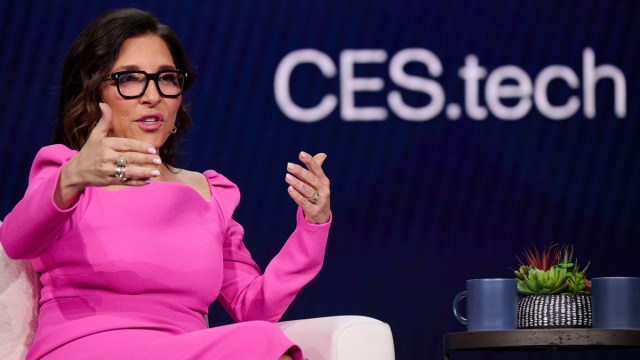
This month, The Weber Shandwick Collective (TWSC) got a new CEO—but it seems like there won’t be much of an adjustment period.

Susan Howe stepped into the chief executive role at the communications agency on Dec. 2, and since joining nearly 29 years ago, she has held successive leadership roles running the gamut from regional general manager to global head of consumer marketing. She succeeds Gail Heimann, a marketing legend in her own right, who announced her retirement earlier this year.

With a tenure approximately equal to Heimann’s, Howe entered the C-suite in 2017, holding two less commonly seen C-suite titles—those of chief collaboration officer and chief growth officer—before ascending to agency president in 2021. Throughout her growth at the agency, she has adhered to a tenet of optimism, using joy and laughter as tools in her problem-solving arsenal.

Howe sat down with ADWEEK to discuss the through lines and particularities of her career journey, the staying power of TWSC, and her thoughts on what’s energizing about the state of communications today.

Her words have been edited for length and clarity.

Picking up pieces 

I have chosen to build my career at Weber because it has always afforded me the chance to zig and zag, learn and grow. I think to some people, it might look quite linear because I’m so long tenured in one agency, but in truth, [I] was picking up skills and opportunities every step of the way. You don’t know what piece you’re picking up until you get it all together and you need it for the next thing.

When I was earlier in my career and partnering with clients, I learned how to give and take, push back, and develop ideas. When I ran a couple offices, it was about how to put people in the right role at the right time. When I was able to take on some global experiences, it was all about the context around me, and how local context and culture influences the work we do so fundamentally. 

A vital part of our story—and I think this is true for my story as well—is this collaboration “muscle” that is so intrinsic to how we operate. When they named me chief collaboration officer, I think it was a first-of-its-kind C-suite role. It was the recognition that we needed to change the kinds of teams we brought together.

I knew that I wanted to be somewhere that was always changing and challenging. I don’t think I ever mapped what those steps would look like, but I knew if I could keep finding experiences that kept my curiosity alive and enabled me to deploy my optimism, I would stay and try to do what’s next. 

Success in the era of earned 

When I think about Weber and who we are in the industry, we have these incredible roots in PR, but we’ve evolved so much to be about earned ideas. I believe that we are firmly in the era of earned, and that means there needs to be new solutions for what marketing delivers. 

Susan will characterize herself as optimistic—but I think you don’t get to be optimistic unless you have the intellect, strength, resilience, and strategic acumen to lead through change and complexity, which she has done and will continue to do. I am thrilled for her—and I will be excited to watch TWSC continue to soar under her leadership.

—Gail Heimann, former CEO, The Weber Shandwick Collective

This is a moment [when] what we do in communications is all the more important. When you think about all of the seismic changes that are happening in society—in terms of media fragmentation, politicized conversations, complexity of delivering a message—being the team, the agency, the partner that is able to tap into culture and help a story move into the zeitgeist is incredibly powerful. Earned is needed on both sides of the coin more than ever: We have to protect the reputation because of all that complexity, but we also have to promote the reputation, and that is equally complex. You need optimism and resilience to get through both of those. 

The edible mascot at the Pop-Tarts Bowl, that’s communications—knowing what’s happening in culture, knowing what people are going to find joyful and take on [to] tell the story themselves. That is just such a brave client. I remember when we talked about the idea, before we presented it, how we had to gear ourselves up for that conversation. We’re like, “Do we really want to take this to the client? We’re going to eat the mascot.” And they said, “You scared us. Let’s go.” That’s the kind of partnership that really is just precious. 

Building the agency of the future 

I am so lucky to be born with this sense of optimism. In many ways, it’s a gift, not a skill. I wake up most days this way, seeing the potential. That’s me as a person. But also, I think [about] our role in the industry—how do we continue to make communications better? And for our clients, how do we help them solve some of the most challenging, business-critical issues in the world? All of that is energizing, which becomes the cycle of goodness to fuel more optimism. My side hustle is that I’m a yoga teacher, so [I have] that desire to embrace a beginner’s mindset and just take it back down to the human form. 

What’s on the horizon that I need to continue to learn and develop? In many ways, it’s the unknown. I have been here my career, but what will the next chapter bring as CEO, and what do I need to pick up? 

When you know that others believe in you, it makes you stronger and more willing to make that leap forward. And that’s something I also try to apply myself: How can I be supportive for the teams I partner with and give them the energy and the understanding that we can do it?

Part of my passion has been the development of people here—in particular, supporting women leaders. In an industry that has so many women participating, there are not enough women in the rock star jobs: the C-suite roles in general, or the jobs that make them feel like rock stars in whatever way they would define that. A lot of those jobs are held disproportionately by men. How do we support getting more women into the rock star jobs? That’s part of my mission … [and that means] sponsorship, mentorship, access, experiences, travel—the things that spark their curiosity to continue to grow. 

The agency we are today is not the agency we need to be in six months or 12 months or even two months. The future is always imminent. So this focus on continuous reinvention and being the agency of the future, whatever that future looks like, has been very, very critical.

https://www.adweek.com/agencies/meet-susan-howe-new-weber-shandwick-ceo/