Made You Look: The 4 Types of Attention That Influence Purchase Intent


A few months ago, while I fought for mere seconds of attention in social feeds at work, I also ended each day by rewatching all 6 seasons of The Sopranos. If we can be immersed by characters like Tony Soprano for over 78 hours, is our capacity to pay attention actually dwindling?

Or have we been focused on solving the wrong problem?

It turns out we’ve been wrong about attention. It’s not disappearing. You just have to know how to earn it.

In creative reviews, a favorite and deceptively hard question to ask is: Would you actually watch this? Would your bestie, or your grandma, care? Now, The Attention Framework gives us the tools to answer these questions—with intuition and science.

Our brains are hardwired for 4 types of attention

ATTN:

Created in partnership with the world’s top neuroscientists, The Attention Framework outlines four proven attention types. Since I grew up in the era of boy bands, I like to think of them as sort of a musical supergroup. The band members include:

  1. Instinctual attention: triggered when something is surprising, loud, or flashy. (Made you look!) This is like the wildly energetic member of the boy band who still hasn’t quite grown up.
  2. Emotional attention: gets activated when you connect with or care about what you’re seeing. You get pulled in, much like the introspective member of the boy band who always sings the ballads.
  3. Cognitive attention: comes up when you’re presented with the unexpected—something that needs interpreting, solving. We’re not talking Rubik’s Cubes, but letting people connect their own dots can be powerful. Think: the smart “bad boy” who answers press questions with cryptic, clever statements.
  4. Planned attention: drives a decision to engage. It’s focused, goal-oriented, and also the most difficult to capture. This is the responsible one who plans the tours and makes sure the band stays out of trouble.

They can be earned at the same time; there’s no right order.

Attention types are strongest when combined

Our research found that combining two or more attention types increases the length of time spent on your content and drives better brand results, including purchase intent. Like my favorite boy bands from the ’90s, they work best when singing together.

In our study, we found that when using two or more attention types, 71% of our panel were willing to spend over 2 minutes with a brand’s activity, no matter if it’s a celebrity partnership, shopping online, or yes, even an ad. That’s over 2 minutes harnessed in a crowded space, competing with cute cat videos, Slacks from your boss, and nonstop news notifications.

And for those wondering, The Sopranos hits all four attention types, which is probably why I’ve watched the whole thing twice now.

Building the attention framework into your creative process

ATTN:

 The Attention Framework is not another robotic, mandatory checklist or another process to be implemented. Instead, it’s an additive tool that builds on and articulates creative intuition. And better yet, it is shown to ensure effectiveness, helping us make work that actually works.

When using the framework in creative briefs, reviews, and even external pitches, it gets us to the good questions and aha moments. For example, this concept takes the expected thing, and flips it on its head—that’s cognitive attention. But to make it even stronger, how could we combine it with another attention type? Or, we know we love an idea … but why? Well, because it hits on not one but three of the attention levers. Now that’s powerful.

Creatives today are asked for more, for bigger, for better—and sometimes to do it all in less time. This practical framework determines not only if an idea is good, but also why. It helps us make more elevated, effective work that actually breaks through.

Nothing against goldfish, but we believe humans have a lot more capacity to think, care, plan, and yes, pay attention. You just have to earn it.

https://www.adweek.com/performance-marketing/the-4-types-of-attention-that-influence-purchase-intent/


Why Your Creative Org Can’t Afford To Get Talent Wrong


.article-native-ad { border-bottom: 1px solid #ddd; margin: 0 45px; padding-bottom: 20px; margin-bottom: 20px; } .article-native-ad svg { color: #ddd; font-size: 34px; margin-top: 10px; } .article-native-ad p { line-height:1.5; padding:0!important; padding-left: 10px!important; } .article-native-ad strong { font-weight:500; color:rgb(46,179,178); }

ADWEEK House is your house during advertising’s big week in NYC. Join us for content, to take a beat, recharge and make industry connections. RSVP to join us October 8-9 in New York City.

The beating heart of the creative services industry is people.

Human capital is the greatest asset of any creative service company. However, as an industry, we are seeing average agency turnover rates that hover around 30%. Staff costs represent the single largest expense area on an agency P&L, so staffing and team-building represent a significant opportunity for agencies. Here are a few considerations that are paramount when building teams and structuring talent operations.

Prioritize fit over talent

Every company wants the best talent. But it’s important to understand the difference between finding great talent and finding the right talent who is also the right fit.

Fit is about talent that can seamlessly integrate into your organization. These individuals should share your values, complement other individuals in the building and, most importantly, be aligned with the opportunity and expectations in the role.

Fit is more important than talent. Good fits tend to stay longer, are happier, act as guardians of the culture, and self-regulate to ensure that standards are kept high. The best way to find great fits is to create a process for hiring. The process should focus on who conducts the interviews, how many rounds of interviews, and what sort of questions are you looking to get answered from each interview.

Investing the time into this process will repeatedly provide a return on investment.

Faster hiring can lead to suboptimal outcomes

So often the mandate to the talent team is to try to fill open roles as quickly as possible. Without speaking in absolutes, hiring faster leads to higher turnover versus sticking to your established process.

There are many reasons a company may feel pressure to fill an open role quickly; a new client win, organically growing business, investing in a new discipline. Businesses of all sizes have been in this position before. When you hire fast, the standards that would normally be in place tend to buckle a bit.

Filling the role becomes more important than filling the role with the right person. Hiring the wrong person creates a potential domino effect. It can create different situations that take up time and money and risks alienating others on the team. Sticking to the formula you’ve created is going to pay for itself in spades over the long run.

Be wary of promoting the wrong skill sets

In our industry, promotions are often based on individual success. Being great at what you do is very important. But, being a skilled writer, art director, strategist, account person, etc., does not necessarily translate into being a great manager. The world is full of examples of talented individuals who have struggled to translate those skills into being great managers.

Wayne Gretzky is the greatest hockey player of all time, but he was not a very good head coach. Phil Jackson was an NBA role player who averaged 6.7 points per game as a player but is arguably one of the greatest coaches of all time. High individual achievers can struggle to understand why others around them can’t just do what they do. This leads to frustration and employee dissatisfaction.

Sometimes those who may be good or even very good are better able to translate the experiences from having had a slightly different path into being an incredible mentor or coach. As an industry, too much focus has been placed on the outcome of the work, and not enough time or resources have been put into prepping talent with the requisite skills to be great leaders.

Consider internal growth versus looking externally

I have no data to support this assertion, but it represents a belief of mine: Companies that have low turnover, great culture, and are continuously growing are companies that prioritize promoting from within (especially with roles and opportunities that are more senior).

Promoting from within sends so many positive signals to your team. It shows that hard work will be rewarded, acknowledges that the people in the building are the ones who have helped build and grow a company, and it also represents continuity within the organization. As a manager, I’ve prioritized trying to build teams from the bottom up. Finding great talent, working with them, investing in them, and getting them to a place where they are ready to be promoted. When they are promoted, hiring someone underneath them to allow for management experience and keeps a high standard in place.

Talent is one of the biggest differentiators for how businesses grow. Finding the right fits, putting those people in the right roles, and creating an atmosphere that will allow them to thrive. If you can do that, you’ll be multiple steps ahead of the competition and well-positioned to grow your business. You’ll save money by not having to rehire and retrain, and that saved money can be invested in other areas that will continue to accelerate your growth.

https://www.adweek.com/agencies/why-your-creative-org-cant-afford-to-get-talent-wrong/


What Agencies (and Clients) Can Learn From a Fractional Approach


By now, you’ve probably heard about the fractional CMO—a marketing leader contracted to work a limited number of hours a week instead of as a full-time executive.

The fractional CMO is a solution to a problem, and it can be a good one. Companies get CMO-level expertise at a reduced rate, and CMOs get better work-life balance. It begs the question: Could clients and agencies do the same thing? What if there was a “fractional agency” model?

A fractional agency approach would provide a small, dedicated team of experts who can scale their support based on the client’s evolving needs. It’s not a retainer or a traditional project-based model; there’s an assumption that you’ll always be working on something for the client, just not at the same scale month to month. You end up with a flexible work solution that benefits both parties.

Addressing the naysayers

A fractional agency approach is admittedly less of a distinct third offering than a more traditional approach, but I think of it more as the best of both worlds. A successful fractional agency that sells will contribute a lot more to stability than a retainer-based approach with no buyers.

If we could, of course we would all go back to the retainers of yesteryear. They offered the most stability for the agency, which in turn gave clients the kind of creative, strategic partnerships only time can build. And for some clients, a retainer model is still going to get them the best value for their spend.

But many clients can’t work like that. Just look at the numbers: Marketing budgets are a shadow of their former selves, having decreased almost 19% since 2022. And even if a client can afford a retainer model, sometimes their stakeholders refuse on principle to engage in retainer relationships because they’ve been burned in the past by disreputable partners. Those clients often opt for project-based models, which could lead to onboarding many agencies in the same length of time as the traditional retainer. 

What we’re doing isn’t working

Project-based models allow clients to engage with agencies on only their most pressing needs, but their drawback is that they lack the strategic depth that an agency can bring over time. Even retainer models have their downsides—if there isn’t consistent work, the ability to appropriately plan, and opportunity for an agency to provide value, the entire relationship could be at risk. And both retainer and project-based models can become mired in scope creep, which requires tedious contract adjustments on both sides.

A fractional agency approach addresses all these downsides: By combining the flexibility of the project-based model along with the stability and long-term relationships of the retainer model, clients get agencies that will provide adaptable, ongoing support and a consistent focus on the client’s overall business health and strategy.

There are a few situations where a fractional agency approach works best. 

You work in a volatile industry

Some industries and companies are almost guaranteed to work in boom-and-bust cycles. If you’re a startup or your sector often faces fast-changing conditions, having a flexible partner who can provide expert guidance, strategic insights, and quick pivots is invaluable.

You have a complicated business 

Especially in B2B, some industries have highly complex regulatory conditions or customer journeys. These kinds of clients might want a project-based partner, but the onboarding process and lack of consistent strategic communication between agency and client can wipe out any savings they might have had by not engaging on a retainer basis. 

Complicated industries, like health care or finance, need long-term strategic partners that understand their business and the players within. A fractional agency gives them that support without locking them in.

You need consistent support that can scale

People often look to agencies for big ideas. But sometimes, hiring a fractional agency to do your team’s day-to-day can free up your marketers to engage in more of that big-picture thinking.

For example, websites require constant maintenance and UX/UI improvements, especially in competitive industries like consumer electronics and finance. A fractional agency can continuously update and optimize your site, ensuring it remains a powerful tool for attracting and retaining customers. Its people handle everything from content updates to technical tweaks, and they know your platform and workflow inside and out, saving you time and money in the long run. 

Content creation is another area where fractional agencies work really well. You can engage experts who know your brand to create engaging, relevant content without stretching your internal resources too thin. If you need to scale up content before an event or push out a lot of content to take advantage of a market opportunity, you have the built-in support to do so without burning out your in-house teams or hiring additional full-time employees.

A better way to do business

Clients today need to show ROI, often with smaller budgets and faster market changes. Agencies, on the other hand, struggle to achieve stability and profitability from traditional project-based work and scope creep. 

Adopting a fractional model gives clients and agencies a solution that works better for everyone: Continuous involvement allows for better alignment with your overall business strategy instead of isolated campaigns; you can adjust the level of support as your needs change, avoiding the pitfalls of being locked into long-term commitments; the pay-as-you-go model ensures you’re only investing in the support you need when you need it, maximizing the return on your marketing spend. 

At the end of the day, good partnerships are still those that are mutually beneficial and built on reciprocated respect. A fractional agency approach honors the qualities that make long-term agency–client relationships successful—consistency and understanding—and reimagines it for the current business environment.

https://www.adweek.com/agencies/what-agencies-and-clients-can-learn-from-a-fractional-approach/


4 Ways Creators Have Influenced The 2024 Presidential Election


.article-native-ad { border-bottom: 1px solid #ddd; margin: 0 45px; padding-bottom: 20px; margin-bottom: 20px; } .article-native-ad svg { color: #ddd; font-size: 34px; margin-top: 10px; } .article-native-ad p { line-height:1.5; padding:0!important; padding-left: 10px!important; } .article-native-ad strong { font-weight:500; color:rgb(46,179,178); }

With C-suite leaders from iconic brands keynoting sessions, leading workshops and attending networking events, Brandweek is the place to be for marketing innovation and problem-solving. Register to attend September 23–26 in Phoenix, Arizona.

American politicians are desperate to be fluent in the language of the internet, a desire that reflects a larger trend in politics: that politicians can’t just be leaders anymore. They have to be influencers. And they’re tapping into the creator economy to engineer virality in a way that translates to the polls.

Online creators are extraordinarily valuable to political movements because of the sway they have over young people’s perspectives and opinions. Creators model the lifestyles their viewers want. They make their audiences feel seen. They build community and, as every politician knows, community is power.

As we race toward November 5, this power will only expand and could ultimately determine who takes the Oval Office.

The digital third places

Both sides of the aisle are capitalizing on the influence of the creator economy this election cycle. While it’s an obvious tactic to court younger voters, it’s also the digital parallel of a campaign tactic as old as politics: meeting people where they are.

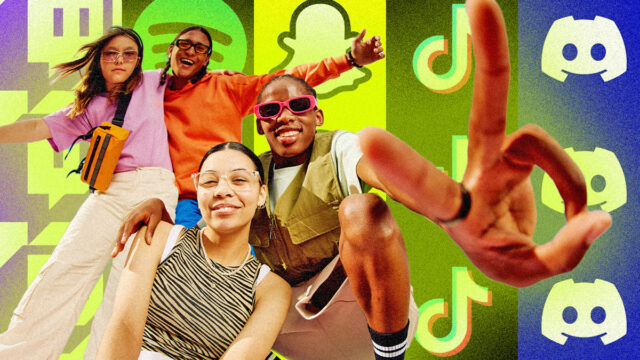
More and more young people are congregating and making friends online, and the creator economy has been a pivotal force in catalyzing these connections. People are meeting like-minded peers through fandoms around their favorite creators and streamers. Discord servers and Twitch chats are becoming digital third places.

Social media platforms themselves are also becoming more fertile ground for political organizing. Algorithmic feeds boost posts from people with similar opinions and interests onto users’ timelines. Platforms are also becoming more creator-friendly and embracing content monetization, which opens the medium to more industries and makes fundraising—the backbone of all political action—all that much easier.

The streaming effect

The creator economy encompasses a vast range of online content, from YouTube videos to TikToks to Substack newsletters. Still, politicians are especially drawn to livestreams as they look to bottle the creator economy lightning.

Livestreaming as a political tactic took off in the pandemic era. In-person rallies were off the table, but politicians could assemble hundreds of thousands of voters in the same live chat. Viewers who may have been barred from attending an event due to location, cost, or physical ability suddenly had the opportunity to participate.

At this time, Alexandria Ocasio-Cortez made headlines for her Among Us livestream with YouTuber Hasanabi (Hasan Piker). The stream amassed over 430,000 concurrent viewers, cementing it as one of the most-watched Twitch streams ever. However, she wasn’t the first of her party to stream. Arguably, the movement started a year prior, when Bernie Sanders kicked off his Twitch channel with Streamlabs, which built him a custom Creator Site to help his campaign start livestreaming.

Since then, the movement hasn’t stopped. Following the reinstatement of the former president’s previously banned account, Donald Trump did a livestream with Adin Ross to drum up support for Ross’ largely conservative viewer base. Twitch qualified the decision by recognizing the power of streaming in connecting candidates with their would-be voters.

In the opposite camp, livestream chatrooms are becoming a crucial organizing space, such as in the viral “White Dudes for Kamala” fundraiser, which drew the likes of Transportation Secretary Pete Buttigieg and actor Jeff Bridges, perhaps our culture’s most famous “Dude.” Kamala Harris also recently launched a Twitch channel of her own to compete with Trump’s.

The livestream format is so galvanizing because it’s the closest thing the internet has to a rally. People strike up connections in real-time in the chat, like synapses firing. A creator you admire might notice you if you agree with their opinion in the chat. Streamers can bring special guests or viewers to participate in the action, building stronger connections.

Streaming lets politicians converse with their entire voter base in real-time. The format is also highly lucrative for fundraising, especially as streaming platforms become more creator-friendly with monetization and revenue sharing. Raising money on stream is how many creators maintain their livelihoods, but it’s also how they drive donations to causes that matter, making politician–streamer partnerships all the more powerful.

The relationship factor

People have deep emotional investments in the creators they follow. These creators are often more accessible than the traditional celebrity or sports star, as many build their followings from the ground up, forging personal connections with early fans and followers. Their audiences feel more authentic connections with them, and that authenticity has strong persuasive power.

Political organizations are also capitalizing on creator-audience relationships. For example, Axios reported that political action committees (PACs) Priorities USA and Somos Votantes have partnered with lifestyle YouTubers to increase voter turnout among young Latin Americans. Then, in a major acknowledgment of the power of creators, the DNC gave five of its highly coveted speaking slots to influencers, hoping to reach their audience of a collective 24 million followers across platforms.

Creators also realize their own political power, and it’s not restricted to politically focused creators like Hasan Piker. MrBeast, known widely for his philanthropic work, announced earlier this year that he would run for president if he were old enough. When content creation is already a gateway to bigger careers in industries like entertainment and fashion, it’s unsurprising that politics could be an increasingly popular option.

Voting with views

Young audiences want to know their favorite creators’ political views because they want to support creators whose beliefs align with their own. According to McKinsey’s research, Gen Z has embraced content consumption as an expression of their identity and morals. This could be why politicians contentify their approaches or seek voters through the content they’re consuming.

The same behavioral trends that launch careers in the ever-growing creator economy are building political movements. On platforms like X and Instagram, users are aligning themselves with politicians in a way that’s reminiscent of creator and celebrity “stan culture.” Some might say that’s a bad idea, but it could be the thing that kickstarts many young people’s civic engagement. Today’s politicians are banking on the latter.

To 2028 and beyond

With the increasing politicization of the creator economy, the nature of livestream content will also change. Like other forms of social media, live shows and their chats will evolve beyond entertainment to become the places where we discover new products and services, transform our opinions and ideals, and connect with new communities. All these trends will lead to more creator-friendly platforms, or legacy platforms will have to adjust their strategies to give creators the reins.

As the creator economy continues to grow, so will its political influence. Like any major industry, it will become a hotbed for lobbyists, the subject of new legislation, and the audience of new campaign promises.

https://www.adweek.com/media/4-ways-creators-have-influenced-the-2024-presidential-election/


The ‘Election as Entertainment’ Approach Is Engaging But Risky


.article-native-ad { border-bottom: 1px solid #ddd; margin: 0 45px; padding-bottom: 20px; margin-bottom: 20px; } .article-native-ad svg { color: #ddd; font-size: 34px; margin-top: 10px; } .article-native-ad p { line-height:1.5; padding:0!important; padding-left: 10px!important; } .article-native-ad strong { font-weight:500; color:rgb(46,179,178); }

Don’t miss Mediaweek, October 29-30 in New York City. Save 20% on passes and gain winning media strategies to drive growth across channels. Hurry—sale ends Sept 9.

The U.S. election charges full steam ahead now that both conventions are over, as “We the People” anxiously count down to Nov. 5 to determine the fate of our Union.

Simultaneously, it is becoming a masterclass in marketing.

While political campaigns have long utilized data-driven targeting and sophisticated marketing techniques (as seen with Cambridge Analytica’s controversial involvement in 2016), the 2024 election cycle takes these strategies to new heights, reflecting advancements in technology and a changing media landscape.

Always on, always ready

The sheer scale and speed with which campaigns can adjust their strategies in real-time is unprecedented. For instance, machine learning helps identify which messages resonate most across different voter segments, allowing for near-instant optimization.

The 2024 election cycle has also introduced a more pervasive “always-on” digital presence, creating a rhythm of constant engagement akin to entertainment media. Kamala Harris’ campaign has embraced this with a steady stream of digital content on TikTok and Instagram that feels less like traditional political ads and more like cultural commentary, making politics a continuous conversation.

However, this strategy has drawn criticism for sometimes feeling overly curated and lacking the authenticity that younger voters crave, leading to some disconnection with her messaging. In contrast, former President Donald Trump’s campaign has been praised for leveraging influencers who resonate more effectively with their base, although it, too, has faced scrutiny for pushing polarizing messages that risk alienating broader audiences.

This constant flow of content reflects the challenge for brands today: maintaining relevance in a 24/7 digital world. Brands, much like political campaigns, must strive for sustained engagement while ensuring authenticity to remain top-of-mind for their audiences.

Personalization and the risk of isolation

While there are valuable lessons to be gleaned from this election cycle, not all tactics translate directly into best practices for marketers. The “election as entertainment” approach has certainly kept voters engaged, but it also runs the risk of oversaturation, causing the audience to tune out or become fatigued.

Similarly, the use of hypertargeted messaging can lead to fragmentation, with campaigns speaking so specifically to certain groups that they fail to deliver a coherent, unifying message. Trump’s success with rural voters is a case in point; his highly targeted messaging resonates strongly with his base, but his overreliance on divisive rhetoric risks alienating moderate or undecided voters. Marketers need to strike a careful balance between personalization and maintaining a consistent brand identity.

Digital marketing has, without question, become the epicenter of both political campaigns and modern marketing strategies. However, this shift has not come without its pitfalls.

While artificial intelligence and data-driven personalization can optimize engagement, they also raise concerns about privacy and the ethical use of data. The 2024 election cycle highlights the power of these tools but underscores the importance of transparency and trust in marketing efforts. Brands must be mindful of how their data practices are perceived and ensure that they maintain consumer trust while leveraging new technology.

Influencers can boost or break credibility

In this election cycle, we’ve also seen notable missteps in omnichannel strategies.

Some campaigns have struggled with message consistency across different platforms. Content designed for one platform (e.g., a 30-second TV ad) doesn’t always translate well to more dynamic social media environments, leading to disjointed messaging.

Harris’ campaign has effectively maintained a digital-first presence but has faced challenges in translating her TV and in-person messaging into shorter, more digestible formats for platforms like TikTok, contributing to some loss in impact. These gaps in execution remind marketers to ensure that their messaging is cohesive and adaptable across all channels.

Influencers have played a significant role in this election, partnering with campaigns to boost reach and credibility. However, influencer strategy is not without its challenges. Harris’ partnerships with influencers like popular TikTok personalities have been questioned for mismatches in tone and relevance, leading to accusations of inauthenticity, particularly after the incident with YouTube influencer Kai Cenat.

On the other hand, Trump’s campaign has successfully leveraged influencers with strong, loyal followings in key demographic groups, helping him connect more effectively with specific voter segments. This is a lesson brands must heed: Influencer partnerships can be powerful but require careful curation and authenticity. The key is ensuring that influencers align with your message and that partnerships come across as genuine rather than opportunistic.

A happy marriage of art and science

One of the most important lessons from the 2024 election is that marketing should prioritize strategy over short-term performance tactics. In recent years, many brands have leaned too heavily on performance marketing, sacrificing long-term strategy for immediate gains. This election cycle highlights the importance of a strong strategic foundation—one that emphasizes understanding the “who and why” over the “what and how.”

Effective political campaigns, like those of Harris and Trump, succeed when they balance tactical execution with a clear and compelling overarching strategy. Brands should focus on building distinctiveness and how they uniquely meet the needs of their target audience, rather than simply flooding the market with performance-driven ads.

Ultimately, the election serves as a reminder that marketing is both an art and a science. It requires creativity and intuition, backed by data and technology, to build meaningful connections with audiences. As we look ahead, the lessons from this election cycle will undoubtedly shape how brands approach their marketing strategies in an increasingly complex and competitive landscape.

For marketers, protecting the time to focus on strategy and building capabilities for the future is essential. With the rapid evolution of technology, particularly AI, brands can automate more transactional work and free up time for strategic thinking. Those who manage to strike the right balance between tactical wins and long-term strategy will emerge as the true winners in this new landscape.

https://www.adweek.com/media/the-election-as-entertainment-approach-is-engaging-but-risky/


4 Ways CMOs Can Manage Imposter Syndrome


.article-native-ad { border-bottom: 1px solid #ddd; margin: 0 45px; padding-bottom: 20px; margin-bottom: 20px; } .article-native-ad svg { color: #ddd; font-size: 34px; margin-top: 10px; } .article-native-ad p { line-height:1.5; padding:0!important; padding-left: 10px!important; } .article-native-ad strong { font-weight:500; color:rgb(46,179,178); }

With C-suite leaders from iconic brands keynoting sessions, leading workshops and attending networking events, Brandweek is the place to be for marketing innovation and problem-solving. Register to attend September 23–26 in Phoenix, Arizona.

I’ve never met a CMO or any high-level executive who doesn’t wrestle with a nagging fear of being “found out” or wonder if they are truly up to the task. A fear that is probably not helped by the fact that CMOs have the shortest average tenure in all C-suite at 3.5 years. The truth is that imposter syndrome is a daily reality for CMOs who must shoulder the responsibility of leading, performing, and delivering results.

The world spins fast and what worked yesterday might fail tomorrow. This unpredictability often prompts a panic of ‘now what?’ Technology is constantly evolving, so it’s important to stay curious and always be willing to learn, even if it means facing doubts and insecurities. There’s also the relentless pressure to do more with fewer resources while wearing more hats than ever before.

Even when you perform perfectly, things can still go wrong. Years ago, I was the CMO of a public company that filed for bankruptcy. For months afterward, I would wake up in the middle of the night, go downstairs, and pore over old media plans and creative and strategy decks, searching for where I had gone wrong. It turned out I hadn’t; the company was just a victim of an industry that had collapsed.

Perhaps that’s why I was surprised when a journalist recently told me she’d been inundated with stories from women about their imposter syndrome but hardly any from men while writing a feature on the topic. Both genders face challenges, yet for some reason, women often seem more comfortable admitting it.

Maybe it’s because men in particular have a penchant for projecting confidence and authority at all times, viewing vulnerability as a sign of weakness and indecisiveness. However, women who step into leadership roles often face the added pressure of not just succeeding for themselves, but for all women—something no man has been forced to consider due to the abundance of opportunities. While imposter syndrome may manifest differently across genders, as well as across race, age, and background, we owe it to future marketers to talk about our experiences and how we’ve learned to cope.

During my time as a marketer working in both B2B and B2C companies like Mastercard, I’ve discovered a few strategies and resources that can help silence the inner critic—or at least make it more bearable.

Accept it’s not just you

The first is to acknowledge that you’re not the only one. It’s completely normal and universal to have these feelings, even if it’s not always discussed. Focus on the craft and the job at hand to prevent any negative fears from self-perpetuating. Have some grace with yourself. It’s as normal as the sun coming up in the East.

Paradoxically, it can be much more valuable than overconfidence and is likely to keep you in the seat longer. You don’t know everything. Nobody does. So don’t overcompensate as though you do. Being vulnerable is a strength, maybe even a superpower. When things do go wrong—and invariably they will—get up, pull up your socks, and get back to it. It hurts, but you survive.

Balance intuition with data

Don’t be afraid to go with your gut, but balance the risk. While standard operating procedure calls for lots of data and peer review to support decisions, there will be times when you choose to go against the grain. The adage ‘here’s to the crazy ones’ still has a place, as long as it’s proportionate to more reasoned approaches.

Seek support

Community is also hugely important. I’m blessed with a lot of friends, some in similar roles, and am not shy about reaching out to bounce ideas off them. Sometimes you can know too much and see everything from an insider’s perspective but your audience (the one that matters) is external. An outsider’s perspective can help you see the value in what you’re doing, even if you can’t.

Remember that setbacks lead to success

Finally, it’s worth noting that feeling like an imposter doesn’t have to be negative. Growth comes from discomfort. There’s an old expression that ‘the price of security is insecurity.’ That’s very much true in my case. Past successes do not guarantee future ones. Being ever-vigilant is part of the job description. A little paranoia can also motivate you to do your best work and to push for more.

Ultimately, the first step is for men to be more honest about their imposter syndrome. By talking more about the challenges that face us, marketers from all backgrounds and genders can learn coping mechanisms to reduce the pressure and inspire future generations.

https://www.adweek.com/brand-marketing/4-ways-cmos-can-manage-imposter-syndrome/


Search Is Fragmenting Quickly. Brands Need to Develop Knowledge Graphs


Search is undergoing a profound transformation. With the recent announcement of OpenAI’s SearchGPT moving into beta, Google looking to insert ads into AI Overviews, and Bing revamping its own AI search results to include citations, marketers are scrambling to prepare for a completely new customer journey where classic keyword speak and reporting are likely to be nonexistent. 

Why is search fragmenting? 

Search fragmentation is merely the natural cycle of new technology adoption in the customer journey. These new technologies (LLMs, AI agents, AI search) are changing customer behavior and trust. 

In the early days of the internet, we saw a proliferation of search engines like Ask, Lycos, and AltaVista. Over time, this landscape converged, with Google emerging as the dominant player in what we now consider “classic search.” However, we’re now witnessing decentralization driven by AI and specialized search capabilities. 

a graph showing search engines consolidating into google, and then ai-powered search engines branching out of google
Christian Ward

This new reality aligns with a prescient observation made by Google and Deloitte back in 2017: “Brands are no longer competing with the best experience in their category; they are competing with the best digital experience a consumer has ever had.” 

The challenge—and opportunity—for brands is to maintain a consistent, accurate, and engaging presence. It’s not just about being discoverable on Google anymore; it’s about ensuring that your brand information is accurate, up-to-date, and compelling, whether a consumer encounters it via a traditional search engine, an AI-powered search experience, an AI assistant, or any other emerging search platform. 

As search continues to fragment and evolve with AI at the forefront, marketers must prepare for a radically different digital landscape. This requires a fundamental shift in how we approach digital marketing and measure success. 

A new metric paradigm 

First and foremost, marketers should brace for a complete overhaul of traditional metrics. The keyword-centric approach that has long been the cornerstone of SEO and paid search strategies is becoming obsolete. AI-driven search systems, often not supported by traditional ads, render keyword targeting less effective. Moreover, conversational AI captures nuances and interests that keyword analysis simply can’t match. As a result, the classic analytics marketers have relied on will likely decline in relevance and effectiveness. 

Redefining on-site experiences 

As traditional search metrics decline, the importance of on-site engagement will skyrocket. Every interaction on a brand’s digital properties becomes critical. Marketers need to prepare for a future where visitors expect an AI-driven experience on par with their favorite AI assistants. This means moving beyond traditional navigation structures like drop-down menus and developing intuitive, conversational interfaces that can instantly guide users to the information they need. 

Privacy takes center stage 

The rise of AI in search is set to catalyze more stringent data privacy regulations. Marketers should expect a significant push for comprehensive data privacy laws that protect consumers’ interactions with AI systems. This shift will necessitate a new approach to data collection and usage. Marketers must pivot toward zero-party data interactions, focusing on turning these into meaningful, trust-based first-party relationships with clear consent. The ability to navigate this new privacy landscape will be crucial for maintaining consumer trust and compliance. 

The trust factor

With AI mediating many consumer interactions, brands that can establish themselves as reliable, accurate sources of information will have a significant advantage. This means not just being present across various platforms but ensuring that the information provided is consistently accurate, up-to-date, and valuable to the user. 

Adapting to conversational search 

Content strategies will need to evolve to answer complex, multifaceted questions—rather than simply targeting specific keywords—and require a deep understanding of user intent and the ability to provide contextually relevant information. While challenging, this transition also offers exciting opportunities for brands to connect with their audiences in more meaningful and impactful ways. 

Businesses must adopt a structured data approach within their organizations. This means bringing together typically siloed data stores that host the knowledge necessary to power AI experiences for customers. We’re talking about entities like your business locations, facts about your products, information about services you provide, open job positions, frequently asked questions about your business, and specific details like allergens and ingredients in your menus—all hosted in a knowledge graph.

A knowledge graph is a network of interconnected data points representing these real-world entities and their relationships. Its power lies in its ability to provide context between different pieces of information, which is essential for AI systems to understand and utilize your brand data effectively. Google and Bing have been building out the largest knowledge graphs to power search for more than a decade. 

Implementing a knowledge graph involves identifying key entities relevant to your business, defining their attributes and relationships, and managing this structured data in a system that keeps it up-to-date and accessible to various AI and search platforms. While you don’t have to use a knowledge graph design, the point is that you do need to incorporate a culture of structured data across your organization that identifies, stores, updates, and shares the critical knowledge every customer needs to know about your brand. 

There is a strong correlation between synchronized data and Google leading to your brand; in other words, sending the data ecosystem updates (like signals of life) has a statistically significant impact on clicks.

Brands must recognize that their AI strategy is fundamentally their data strategy. Emerging AI systems rely on data consistency across platforms, both in training and in “grounding”—which, in the context of LLMs, refers to anchoring AI-generated responses in factual, up-to-date information. This is where knowledge graphs become critical: They provide a structured, comprehensive source of accurate brand information that AI systems can rely on to ground their responses. 

Along with data consistency, it’s also critical to get your brand data everywhere and update it frequently for Google engagement. All initial indications and testing of Gemini show that if you can continue to power great search experiences, those are likely to be leveraged by AI systems. By maintaining a consistent presence, you’re improving your visibility in traditional search and positioning your brand to be a reliable source of information for AI-powered search experiences. 

Today, brands can enter their data into one knowledge graph or database and have it update from a few to several hundred platforms in real-time. This is the fastest way to ensure not only update frequency, but also consistency across the entire data landscape where consumers engage with Search and AI. 

The key to all of these strategies is to view your data as a dynamic, living asset that needs constant care and distribution. By organizing your data in a structured manner and ensuring its wide distribution, you’re preparing your brand to thrive in an increasingly fragmented and AI-driven search landscape. This proactive approach not only makes your information more accessible and manageable internally, but also positions your brand to meet consumers effectively at every possible digital touch point. 

https://www.adweek.com/performance-marketing/search-fragmenting-brands-knowledge-graphs/


Social Media Managers Don’t Need Your Algorithm Hacks


Social media managers have no shortage of advice on how to do their jobs better. Everyone with an Instagram account and a pulse think they know how to run a brand social media account best.

There are countless blogs, newsletters, and experts offering “tips and tricks,” questionable algorithm hacks, thoughts on trends, and other advice for social media managers. And while some of these can be helpful, for the most part, they don’t share much that many social media managers don’t already know. Or they offer advice that doesn’t apply to most brands.

If a social media manager needs advice on the latest platform updates, best practices, or industry commentary, there are plenty of places for them to find it. But when it comes down to it, what social media managers need most isn’t advice—it’s validation. Here’s how key stakeholders can help their social teams.

No more party of one

Social media leads need to hear from others who are or have been in their position and understand its ups and downs—and that’s not always so easy to find.

Far too often, social media managers are teams of one. They are expected to be content creators, strategists, photographers, videographers, copywriters, customer service representatives, on-camera talent, community managers, and so on. While the growing scope of a social media manager’s job description is a huge problem of its own, there’s another problem with the “team of one” model that doesn’t get talked about—professional loneliness.

While social media managers might work as a part of a marketing team, they often work in isolation. Many ideate, create, edit, and execute their campaigns without any outside assistance other than a laborious approval process from management or clients who don’t understand social media.

They are left to their own devices without coworkers they can bounce ideas off of, ask questions of, learn from, or even just commiserate with.

Praise for social media managers is rare and criticism is abundant. They often face a daily onslaught of negative comments from the brand’s followers on social media and are told to “ignore the haters.” Every content decision they make is questioned by management. Every tiny mistake is on full public display to everyone inside and outside the company.

And we wonder why burnout rates for social media managers are so high.

An SMM’s hierarchy of needs

Social media managers need to be a part of a professional community of others in their field.

What they don’t need are “tips and tricks.” They need reassurance. They don’t need someone to tell them to “ignore the trolls.” They need understanding when it comes to the level of difficulty that comes with their job. And they don’t need algorithm hacks; they need communities to share ideas with and workshop.

They need to attend conferences, join professional organizations, find online groups, and develop professional relationships with other social media managers outside their place of work. They need to build trusted groups of like-minded social media managers with whom they can share their thoughts, aspirations, frustrations, and struggles.

They need to have Zoom calls, group chats, and long talks over coffee (or something stronger) with others who have been on the receiving end of the firehose of comments and information overload that social media managers face every day. They need to be around other chronically online creative marketers who understand the value of a well-timed meme. They need peers with whom they can discuss their jobs who won’t say “I thought interns did that” or the all too common “Oh! You must have so much fun!”

They need to be around people who love the job but also know that it’s far more than clever posts and viral moments.

How to really appreciate your SMM’s

So, how can you support your social media manager?

Give them the budget and time to attend professional conferences–preferably in person. Instead of sending them articles on the latest memes and trends, send them information on conferences they should attend. Encourage them to join professional organizations and online groups for social media managers. Set up introductions to social media managers at other companies. Help them find mentorship opportunities with more seasoned social media professionals.

And give them the time to do it. Let them take that long lunch with a fellow social media manager, participate in that X (formerly Twitter) chat, and skip a meeting to sit in on that webinar.

But most importantly, give them positive feedback and be willing to listen to them yourself. Take the time to learn about their job and its highs and lows. Pop by their desk and ask them about their work and what they need to do better.

While you might not fully understand what it’s like to be a social media manager, taking a bit of time to learn about the inner workings of social media beyond the latest trends or platform basics will go a long way to making sure your social media manager feels appreciated, fulfilled, and doing their best work.

https://www.adweek.com/social-marketing/social-media-managers-dont-need-your-algorithm-hacks/


Get Immersive With Gaming to Engage the Next Generation


.article-native-ad { border-bottom: 1px solid #ddd; margin: 0 45px; padding-bottom: 20px; margin-bottom: 20px; } .article-native-ad svg { color: #ddd; font-size: 34px; margin-top: 10px; } .article-native-ad p { line-height:1.5; padding:0!important; padding-left: 10px!important; } .article-native-ad strong { font-weight:500; color:rgb(46,179,178); }

With C-suite leaders from iconic brands keynoting sessions, leading workshops and attending networking events, Brandweek is the place to be for marketing innovation and problem-solving. Register to attend September 23–26 in Phoenix, Arizona.

The generation we call the “Next Gen” is approaching content in a fundamentally different way from past demographics; it’s seen as a notoriously difficult group to capture for any meaningful period. But the one thing that keeps them where they are, that grabs their attention for longer than most sports broadcasts or primetime TV shows is gaming.

If you’re trying to connect with the Next Gen, you need to not only be integrating with gaming, but also finding ways to make your brand as interactive, immersive, and playable as the titles they dive into each day. No matter how compelling your commercial, how creative your mid-roll content is, or how authentic your affiliate programs are, if your message doesn’t have an experiential component, you’re missing out on the most vital group of consumers on the planet.

Anecdotally, most know that Gen Alpha and Gen Z are native to not just gaming, but watching game-focused content, communicating with friends on multiple gaming-friendly digital platforms, and centering their lives around a PC, console, or mobile device rather than traditional sports or TV programming. But the research-backed reason to throw away your marketing playbook? 55% of the Next Gen are more likely to buy a brand they see in a game, with millennials (40%) less engaged but still presenting strong opportunities for the savvy brand manager.

Livewire surveyed more than 1,800 Gen Alpha, Gen Z, and millennial gamers across the U.K., U.S., and Australia and found that gaming is not just a lifestyle for these generations but the best way to engage with them. As digital adopters, millennials have a significant presence in digital worlds and, similarly to younger, digitally native generations, have picked up on gaming and virtual entertainment as a consumption habit.

That said, most marketers have a plan for millennial engagement. The Next Gen is the question mark.

Here are some of the key takeaways from the research into the gaming habits of Gen Alpha, Gen Z, and millennials:

  • At least 63% of the Next Gen play games 4-5 days a week, and every member of those demographics has grown up with in-game advertising as the norm.
  • Around 65% of the Next Gen said they find branded experiences to be both enjoyable and valuable.
  • Interactivity and playable experiences, from in-game skins to worlds developed with an activation in mind, are an expectation for both the Next Gen and millennial consumers.

We believe the fundamental unit of marketing attention is being disrupted, not just the core marketing channel; this is the future of marketing and media planning.

Whether you’re building an in-app pop-up store, creating in-game branded challenges, or taking a more traditional approach, there are still plenty of decisions to be made. Do you want your campaign to reach players on console, PC, or mobile devices, or a mix of them? Do you want to embed yourself in the existing fabric of a game or build something new? The thing most marketers miss is that gaming isn’t a monolith: You have to tailor your brand’s voice to the platforms, titles, and communities you’re targeting, or it isn’t going to work. A Fortnite player, Roblox player, Animal Crossing player, and EAFC 24 player all communicate differently—not to mention the difference in demographics between those and the myriad other games.

It’s a risk, especially for slow-moving traditional brands, to throw away what’s worked and pivot into something unfamiliar. Often, the focus is on the dollars at stake, which, combined with a lack of understanding of gaming from decision-makers, can make a primetime TV spot or a social media campaign seem more worthy of investment. Surely some members of the Next Gen engage with linear advertising, right?

Well, yes, if you count turning to a second screen or scrolling to the next video as engagement. When it’s possible to skip an ad, the average user will—a tendency that’s even more pronounced among digital natives who are already splitting their attention between multiple apps and conversation platforms at once.

For those among you who are still squeamish, the research indicates gaming content as another always-on opportunity that complements experiential strategies. More than 50% of the Next Gen consume gaming-related content at least twice a week, often for multiple hours at a time. This combination of innovation through immersive world-building and a hybrid of the tried-and-true method might resonate more with your senior leadership team and help them eventually see the value of Method A compared to Method B.

So, even digital media offers a way to sort of stick with what you know. But when your creative is on the ball their character is throwing, facilitates a freebie for a game they love, or has a real-world impact alongside in-app entertainment? That’s what moves the needle, today and even more so in the future.

From the Game Developers Conference to IAB PlayFronts to other trade conferences all over the world, the hot topic right next to artificial intelligence is how to unlock the monetization potential of the Next Gen. The answer for most brands, no matter if they’re endemic to gaming or first-time players in the space, is to take their multiplatform strategy to the next level and include a medium where consumers can choose how to interact with your products.

With Gen Z commanding more than $450 billion in spending power, and Gen Alpha just a few years away from being a purchasing powerhouse, it’s time to rethink how you picture playability. This demographic is foundationally different from the generations that came before it, and that means how brands talk and engage with them has to be completely different too. If you haven’t yet, it’s time to get in the game—and if you have, make sure you’re leveling up. Competition on the virtual playing field will only get fiercer.

https://www.adweek.com/brand-marketing/get-immersive-with-gaming-to-engage-the-next-generation/


How Brands Can Show Up to the Political Circus—If at All


.article-native-ad { border-bottom: 1px solid #ddd; margin: 0 45px; padding-bottom: 20px; margin-bottom: 20px; } .article-native-ad svg { color: #ddd; font-size: 34px; margin-top: 10px; } .article-native-ad p { line-height:1.5; padding:0!important; padding-left: 10px!important; } .article-native-ad strong { font-weight:500; color:rgb(46,179,178); }

Join the experts at Mediaweek, October 29-30 in New York City. Stay ahead of the shifts impacting the media landscape and gain fresh strategies to drive platform growth. Save 20% on passes.

The global political landscape has never been noisier. As ideology often makes way for personality, general elections worldwide have ended in surprise, polarized the electorate like never before, and seen politicians use language that would previously have been unacceptable. The fire and brimstone of social media discourse has spilled into the real world, creating a much more fractious environment. 

It is within this political circus that brands find themselves performing these days—often teetering on the edges of controversy, whether by design or not. Because the political is no longer purely about who’s in office.

This year’s Edelman Trust Barometer found that brands and politics are merging in people’s minds, with 78% of its global respondents saying that brands are “doing things that are political or politically motivated.” Most consumers—six in 10—are now buying or boycotting brands to express their politics. Globally, 84% of consumers say they need to share values with a brand to buy it.

So, the political is extending from the ballot box to the shopping basket. From the influencers that a brand hires, to the supply chain it operates; from the stories it advertises next to, to the states it locates its headquarters in—there are political consequences to every business decision.

And increasingly, silence is not an option. It is seen as complicity rather than neutrality.

So, if avoiding politics has become almost impossible, how can brands best navigate today’s political world? 

Finding your authentic stance 

The golden rule is that any political engagement must feel honest. It shouldn’t come out of the blue or be unexpected or disconnected from the brand’s existing position and messaging. If a brand appears to be latching onto a movement without substantiation, people will see it as a publicity stunt rather than an element of its purposeful strategy. The political space that a brand decides to speak or promote itself within needs to feel true to the brand.

This is not just a current issue. More than a decade ago, Bertolli created its “Love and pasta for all!” print campaign in support of gay couples, partly in reaction to comments made by competitor Barilla’s owner that he would only use “classic families” in its ads.

Meanwhile, Airbnb’s “#WeAccept” campaign launched at the Super Bowl in response not to a rival but to then-President Donald Trump’s 2017 travel ban. It was a simple, memorable ad that felt entirely fitting with the Airbnb brand and dealt head on with the growing national concern around xenophobia.

And recently, when e.l.f. Beauty came out in support of women’s reproductive rights in the aftermath of the overturning of Roe v. Wade, it felt entirely fitting for a business built on the purchasing power of women.

Business alliances 

When the leaders or owners of a brand make a political statement or show support to a politician, it can have significant repercussions on the business. A brand is made up of its communications, and decisions made by the leadership teams can quickly reflect on the brand.

When fast food chain Chick-fil-A tried to launch in the U.K. in 2019, it had to pull back following a boycott over its founder’s support for Christian groups opposed to same-sex marriage. And Equinox executive chairman Harvey Spevak found himself having to apologize on behalf of the parent company’s chairman, Stephen Ross, when Ross hosted a fundraiser for Trump. The resulting customer backlash led Ross to apologize for “the impact it had on our community.”

If Elon Musk continues to support Trump’s campaign, it will be interesting to see how much it impacts his companies X and Tesla.

Demonstrating democracy 

There are ways for businesses to respond to our modern politicized environment without feeling forced into party or ideological stances. Indeed, just talking about the importance of democracy can feel like a political statement when our democracy feels like an increasingly fragile construct.

Encouraging people to exercise their democratic right to vote is taking a societal stand rather than a political one. Other areas that feel less ideological but still within the political sphere are supporting fair pay, public health, or inclusive hiring (although these are now often viewed through a political lens). Human rights should be supported for what they are, rights rather than seen as partisan acts. Equality is not a political statement.

And then there is the thorny issue of consistency. As well as a brand’s political stance needing to sit in familiar territory, it also needs to be consistent.

A brand’s allegiances may be tested at times. By aligning with one thing, it means the brand is against something else. What we saw with the controversy around Bud Light’s collaboration with transgender influencer Dylan Mulvaney was that the minute there was a backlash to its partnership, the brand walked away. Its flip-flopping did more damage than taking a side.

The truth is that in our politicized world, brands must become comfortable with losing the support of some customers—and maybe even employees—because of allegiances.

Election fever 

Around elections, consumer behavior changes—emotions are heightened, the political feels personal, and the impact on people’s lives seems greater. That creates an opportunity for brands to really connect with their customers, to tap into a sense of unity and urgency.

Brand activism may not be for everyone, but Gen Z is much more aware and desiring of a brand to take a stance. Gen Z is on everyone’s radar, politicians and brands alike—see Kamala Harris’ marketing strategy including her Brat Summer TikToks.

To keep the power brokers of the future on their side, brands need to choose a clear direction and commit to it.

https://www.adweek.com/media/brands-political-engagement-tactics/