Does Your Brand Have an Intellectual Alibi?


.article-native-ad { border-bottom: 1px solid #ddd; margin: 0 45px; padding-bottom: 20px; margin-bottom: 20px; } .article-native-ad svg { color: #ddd; font-size: 34px; margin-top: 10px; } .article-native-ad p { line-height:1.5; padding:0!important; padding-left: 10px!important; } .article-native-ad strong { font-weight:500; color:rgb(46,179,178); }

With C-suite leaders from iconic brands keynoting sessions, leading workshops and attending networking events, Brandweek is the place to be for marketing innovation and problem-solving. Register to attend September 23–26 in Phoenix, Arizona.

When people ask me why El Tesoro is my favorite tequila, I always respond by sharing a bit of the brand’s lore on how they’re one of the last remaining distilleries to employ the traditional method of using a volcanic tahona stone wheel to crush their agave piñas, which unlocks the true flavors of their blue Weber agave plants.

I don’t truly understand any of that, but it’s a great intellectual alibi to rationalize my decision with people who ask why I choose it over other tequilas. It not only makes for good bar talk, it makes me sound a lot more like a tequila aficionado than “I chose it because the bottle looks cool.” And yes, the bottle is quite eye-catching — in fact, the cork has a replica of the tahona stone on it.

The bottle is literally topped with the brand’s intellectual alibi. It cues that the drinker is sipping a tequila as it’s meant to be, the traditional way, the right way. 

An excuse for emotional decisions 

Intellectual alibis are used by brands to help consumers rationalize a decision that is driven by emotion, helping consumers present it instead as a carefully thought-out and logical choice.

Research indicates that key drivers of brand preference, like impulse, initial attraction and final choice, are swayed much more by emotional factors than by rational ones. But those decisions are made all the easier when they can be backed up with a good reason. El Tesoro and other great brands understand this helps tell a better brand story.

Few categories are more rational than batteries, yet the No. 1 battery company in the world is Energizer, whose marketing in the U.S. is dominated by a cheeky, sunglass- and flip-flop-wearing pink rabbit. Though a brand mascot, the Energizer Bunny is part of our cultural consciousness; tune into an NFL game and you might hear an announcer compare a player to him. The Bunny is so beloved that he even has a paw on the Madison Avenue Walk of Fame.

The Bunny drives brand choice, and the vast majority of the brand’s advertising celebrates that the Bunny is still going, but the intellectual alibi — representing “the world’s longest-lasting battery” — provides a simple rationalization as to how he is still going, which strengthens the entire brand story.

No brand in recent memory has taken the marketing world by storm quite like Liquid Death. Few brands have as powerful, or impactful, a brand story, as evidenced by its recent $1.4 billion valuation. There is nothing innovative or special about the water in the can; it’s everything around the can, including its intellectual alibi, that makes the brand so magnetic.

The brand eschews all the usual bottled water marketing codes and cues, like water source and purity, in favor of an approach that feels like an over-the-top SNL parody of corporate marketing. Everything from the slogan “Murder your thirst” to the skull imagery on the can, to celebrity partnerships like Steve O getting a real “water tattoo” with Liquid Death water instead of ink, is deliberately unhinged — the exception being the brand’s intellectual alibi of killing plastic pollution, “80% of which ends up in landfills,” according to its website.

It’s quite a worthy cause, and one easily telegraphed via the can, which is not only the vessel for a bigger emotive brand story but also a physical manifestation of their intellectual alibi: Cans are better than plastic, so drink out of a can. It’s a great justification for a purchase decision that is 100% triggered by the brand’s aura and zany acts. 

Finding your brand’s intellectual alibi 

A brand’s intellectual alibi is sourced from a simple yet irrefutable brand truth. It exists in what I call the brand’s 5 Ps: its Provenance, Product, Process, People and Proprietary attributes.

  1. Provenance = the place: where the brand is from, its origin story, where it’s made, even the source of the brand’s spirit. No beer transports you to the beach like Corona. 
  2. Process = the work that goes in: the steps, the methods, the science that goes into making the product. Coors Light is the perfect brand to “chill” with because it’s cold filtered.
  3. People = the brains behind it: the inventors, the tinkerers, the workers that make the product special. Chipotle is “as real as it gets”—that’s why those are real employees doing real food prep in their commercials. 
  4. Product = the parts and pieces: the ingredients, what the brand puts in (or leaves out), the secret sauce. RXBar uses as few and as simple ingredients as possible. There is “No B.S.“—they tell you what’s on the inside on the outside of the package. 
  5. Proprietary = the only: the first, the sole, what no one else can claim. Dyson‘s Hyperdymium motors spin at 125,000 RPM—five times faster on average than a jet engine. That’s why only a Dyson works like a Dyson. 

Permission to stand for something bigger 

The intellectual alibi — regardless of which of the 5 Ps it is sourced from — needs to be based on a truth that is truer to that brand than other brands in the category. Consumers don’t need to understand the intellectual alibi, they just need to be aware of it to justify their brand choice. Does anyone know what “triple distilling” vodka really means, beyond connoting something that is probably clean and smooth?

A great intellectual alibi isn’t over-explained; rather, it’s used as a source of authority for a brand to claim something bigger.

In the era of the influencer, many brands try to manufacture deeper brand meaning through borrowed interest and association. It’s transactional instead of truthful, and the effect is often temporary.

Great brands understand the power of turning brand truths into intellectual alibis. They use them to tell more epic stories and to imbue their brands with more meaning—long-term, differentiated meaning. They rationalize why a brand can claim, or own, a state of mind, a place, moments, a feeling or an emotion, and even a belief system.

And most importantly, it grants consumers permission to choose a brand on an emotional whim. 

https://www.adweek.com/brand-marketing/intellectual-alibi-brand-story-purchase-intent/


Why Snoop Dogg Fits In Anywhere, Even the Olympics


.article-native-ad { border-bottom: 1px solid #ddd; margin: 0 45px; padding-bottom: 20px; margin-bottom: 20px; } .article-native-ad svg { color: #ddd; font-size: 34px; margin-top: 10px; } .article-native-ad p { line-height:1.5; padding:0!important; padding-left: 10px!important; } .article-native-ad strong { font-weight:500; color:rgb(46,179,178); }

With C-suite leaders from iconic brands keynoting sessions, leading workshops and attending networking events, Brandweek is the place to be for marketing innovation and problem-solving. Register to attend September 23–26 in Phoenix, Arizona.

A rare Olympic pin is “viraling” its way around the internet, fast becoming one of the more talked about and desirable objects on Earth—playfully featuring the Olympic rings as smoke clouds puffed from the mouth of the world’s most famous proudly weed-smoking rapper and beloved NBC commentator for the Paris Olympics: Snoop Dogg.

The irony, of course, is that it’s safely assumed to be smoke from a substance banned at the Olympics. But, because it’s Snoop, it’s all good—there’s no moral fuss (nor should there be!) because everyone is too busy wondering why the Olympics and Snoop Dogg are a brand-match made in heaven … and why he’s become one of the most sought-after brand ambassadors of all time for all manner of brands.

Why Snoop plays well with others

Snoop has endorsed a staggering 43 brands since his first ’90s collaboration with Stüssy. Add in the seven brands he owns and promotes, and that brings the count to 50. The range and caliber of brands Snoop “fits” with—Dunkin’, Corona, Klarna, Gucci—defy the laws of marketing gravity. Teach us, Doggfather!

He’s always known success. In 1993, Snoop’s Dr. Dre-produced album Doggystyle became the best-selling global album in its first week. Its hit single got an entire generation to throw their hands in the air and wave them like they just don’t care, and millennials never stopped. When I was a teen in LA, no matter the zip code of your house party or prom, you heard Snoop and followed suit—he was viral way before it was a quotidian verb.

But don’t be fooled that nostalgia alone is driving Snoop’s latest swell; Snoop has always known his worth as a unifying icon. According to Death Row Records (which he bought in 2022): he was “a perfect blend of street, cool and fun, a combination that appeals to a universal audience. He wasn’t viewed as menacing or anti-white like other gangster rappers … Snoop Dogg was just cool.” Universally cool.

And straight-up. Snoop “keeps his mind on his money and his money on his mind”—he is explicit about his ambitions and talks transparently about business and brand deals. He confessed to Tiffany Haddish that he yessed a few endorsements “just for the money,” and this honesty and hustling of corporate America is respected by marketing-savvy millennials and Gen Z.

And consistent. Snoop’s style and vibe have been true since day one—his laid-back SoCal attitude, rhyming reactions, and interest in diverse music and people. Snoop embodies the best practices of a brand—he never strays from this core and helps people connect the dots. Snoop told Jimmy Fallon his Olympics tracksuit was “not an NBC thing, it’s an LBC thing,” citing his Long Beach roots while linking them to the brand he’s promoting, artfully making his endorsement feel smooth and legit.

Snoop endorsements guarantee boosts of attention and, when done right, sales, so it makes sense that so many brands are game to try. The best-performing brands follow Snoop’s lead and link product truths to his core equities, like Skechers, which saw a record $2 billion in sales following his Super Bowl ad with Martha Stewart. Others, like Solo Stove, lead with product and add a wink of Snoop, ultimately seeing an attention uptick but less sales impact. Why? Likely because it feels like an attempted growth shortcut, not a thing Snoop is dropping like it’s hot.

Culture-fit for the Olympics

Like all nations, the U.S. brings its best of the best to the Olympics, each with a story of realized dreams. Two archetypal ways to “make it” in America appear: “rugged individualism,” where you have the grit to pick yourself up by your bootstraps no matter what; and “be a yes man” (or woman), where you seize and make the most of every chance you encounter, trusting one might yield gold and glory. Snoop’s story is a rare alchemy of these archetypes and a balancing act of seemingly opposite ways of being.

He is totally chill and prolifically hard-working. He’s playful (even giggly) and serious about what matters; he thanks himself and constantly dishes respect to fellow strivers, artists and elders. Snoop speaks often and pridefully of his lawless gangster youth and, fully aware his path was lucky, creates different possibilities for youth like him today.

Snoop is always true to himself and unafraid to reinvent himself—he loves trying and building new things, and his humor is disarming. In America’s most divisive era, this ethos and attitude brings timely, refreshing Zen to the airwaves. Especially in an election year when brands avoid sides, Snoop reaches and catalyzes people across demographics and generations—an ultimate unifier. What Snoop likes, does and buys is something everyone can feel chill liking, doing and buying.

So, what better place than Paris’ world stage to promote a fun-loving, cool flavor of American patriotism that inspires common ground? And who better than Snoop—wrapped in an American flag shedding genuine tears during the national anthem—to deliver the message? No one. According to Snoop: “The Olympics brings everybody together, all countries together, all people together—yes, through competition, but peace and love and unity is the end goal.”

So, you want to work with Snoop?

Ask not what Snoop can do for your brand, but what your brand can do for Snoop. In NBC’s case, in exchange for Snoop exporting the most relevant, resonant version of America to the masses, they gave Snoop “something I never, never expected in my wildest dreams.”

https://www.adweek.com/brand-marketing/why-snoop-dogg-fits-in-anywhere-even-the-olympics/


We’re Entering a New Era of Sustainability Marketing


.article-native-ad { border-bottom: 1px solid #ddd; margin: 0 45px; padding-bottom: 20px; margin-bottom: 20px; } .article-native-ad svg { color: #ddd; font-size: 34px; margin-top: 10px; } .article-native-ad p { line-height:1.5; padding:0!important; padding-left: 10px!important; } .article-native-ad strong { font-weight:500; color:rgb(46,179,178); }

With C-suite leaders from iconic brands keynoting sessions, leading workshops and attending networking events, Brandweek is the place to be for marketing innovation and problem-solving. Register to attend September 23–26 in Phoenix, Arizona.

Everything that fell under corporate social responsibility was every company’s darling following the murder of George Floyd and the onset of the pandemic in 2020. 

But fast forward to now, and brands are increasingly defending, scaling back or even canceling their ESG programs and platforms. Why? For one, too many made unrealistic promises—but it’s also a reflection of the fact that consumers have (finally) realized their influencing power beyond the cash register, and they’re eager to wield it. 

Reality check 

It’s been almost a decade since the global warming thresholds of 1.5°C and 2°C were thrust into the public consciousness because of COP21 in 2015. Almost simultaneously, the Science-Based Targets Initiative provided a robust mechanism for companies to assess their greenhouse gas emissions and set reduction targets. Many organizations joined the movement and also started committing to environmental impact reductions elsewhere in their value chain to make greater inroads at giving back to society.

What followed was an ESG target-setting frenzy. Sustainability professionals were delighted by so much senior leadership buy-in and subsequent work. And the results since 2015 may not have been achieved if it hadn’t been for Corporate America jumping on the ESG bandwagon. Think back to Allbird’s M0.0NSHOT sneaker, when Patagonia made Earth its only shareholder and Impossible Food’s plant-based burger arrived at supermarket meat aisles across the country.

As brands start approaching the first deadlines of their self-prescribed targets, their ambitions are beginning to unravel in the face of reality. In the case of the publicity-friendly topic of single-use plastics pollution, the limitations of recycling—both in terms of chemistry and U.S. infrastructure—have forced more than a few big names to change their goals or push back deadlines. Unilever, Grove Co., PepsiCo, Colgate and even the U.S. Plastics Pact have revised their roadmaps with most targets delayed from 2025 to 2030. 

What does it mean? For one, they couldn’t meet their promises. 

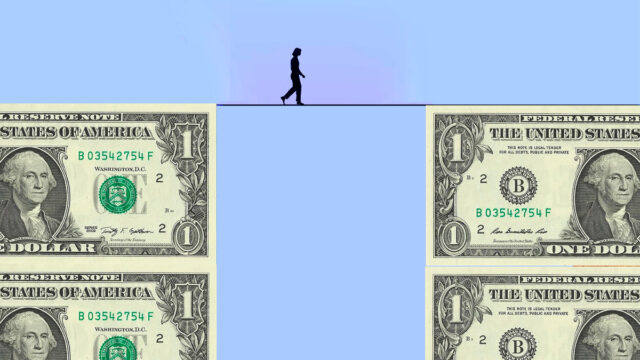
Funambulist capitalism 

Citizens, emboldened by more recent developments in social media moderation, technology and the quality of political discourse, are more capable and willing to take the fight to Corporate America. Some influence the masses on platforms like X, while others leverage the judicial system. In some cases, consumers have to do next to nothing at all to make brands tread on eggshells. 

Brands have developed ESG and purpose platforms to distinguish themselves from the competition and attract more consumer dollars. So it’s only natural that they want to shout about their accomplishments from the rooftops in the hope these efforts result in higher revenues. After all, ESG is a bit of a gamble and calculating its ROI is challenging. However, now that consumers can be publicly vocal about anything and everything they disagree with an ESG value proposition can quickly become a risk factor—and few companies are willing to open themselves up to yet another risk, considering economic hurdles of late. 

This means that the ESG movement is walking a veritable tightrope because the past decade has also shown that a sustainable, responsible business is also more resilient and healthier—good things in every sense of the word. We’re finally entering an era where sustainability shifts from being an explicit differentiator to an implicit reality. And even though brands might dial back talking about all the good things they’re doing in the world, it’s very unlikely they’ll stop doing them. Because fundamentally, a responsible company is also a more successful company, even if the public isn’t told about it. 

In this emerging landscape, ESG will fly under the radar as brands evaluate whether publicizing all of their ESG initiatives and achievements is relevant and necessary for the brand, its products and its target audience. Increasingly, we will see sustainability communications become much more in tune with what matters because that’s how ESG can remain a distinctive feature—a unique selling point. 

Makeup brand Glossier is hitting the mark thanks to its focus on diversity and accessibility in the arts because makeup is a form of art and expression, as opposed to promising corporate carbon emission reductions or something else further removed from the brand’s core proposition. 

Show but don’t tell

For all other ESG efforts that aren’t closely aligned with brand relevance and consumer resonance: Keep up the good work, but also keep it to yourself. The truth is, in this day and age, a lot of popular ESG efforts, including DEI initiatives and carbon reduction programs, don’t deserve applause anymore—they’re table stakes. And table stakes don’t need to be shouted or celebrated. 

The key question is what a brand can leverage credibly. 

Rather than covering every aspect of sustainability, brands need to become much more discerning about bringing their mission to life in a meaningful, honest, accountable, timely and timeless way to build trust and excite consumers. 

Think of it like a tree: Most of the work happens below the surface, in a root system that can be several times the size of its canopy. And while most tree bark looks pretty shriveled, there’s a ton of water running through the tree. 

To paraphrase the much more eloquent Antoine de Saint-Exupery, the secret to winning the ESG culture war is very simple: It is only with constructive interrogation that the consumer can understand a brand’s true impact; how ESG propels the business forward is invisible to the general public.

https://www.adweek.com/brand-marketing/were-entering-a-new-era-of-sustainability-marketing/


Taglines Are Fun and Effective. But There’s an Art to Them


.article-native-ad { border-bottom: 1px solid #ddd; margin: 0 45px; padding-bottom: 20px; margin-bottom: 20px; } .article-native-ad svg { color: #ddd; font-size: 34px; margin-top: 10px; } .article-native-ad p { line-height:1.5; padding:0!important; padding-left: 10px!important; } .article-native-ad strong { font-weight:500; color:rgb(46,179,178); }

With C-suite leaders from iconic brands keynoting sessions, leading workshops and attending networking events, Brandweek is the place to be for marketing innovation and problem-solving. Register to attend September 23–26 in Phoenix, Arizona.

There are some things money can’t buy. One of them is brand love: The places in your heart a company can occupy aren’t bought. They’re earned.

Yet, as long as there’s been marketing, companies have used a device known as the tagline (or slogan, strapline, motto, credo and a slew of other aliases) to hit you over the head with a repeated phrase, intended to shape your feelings about the brand.

As far back as 1250 B.C. Egypt, the pharaoh Ramesses II ordered the same phrase inscribed across monuments and temples, cementing his stature as the “strong bull.” And in the millennia since, countless billions have been spent on taglines telling you “we try harder,” are “like a good neighbor” or are “on your side.” And if you don’t know by now how much 15 minutes can save you, well, then you’ve been living under a rock. 

Ask the average consumer how they feel about taglines, and the answer is, “I’m lovin’ it.” Nearly three-quarters (71%) of consumers who recall a slogan are more likely to choose that brand over competitors at purchase, and 50% of consumers say a tagline is the most important brand element for understanding a company’s purpose — well more than name (13%) or logo (7%).

Why? Taglines are fun. We like the familiarity. Like the hook of a pop song, taglines are the memorable refrains that make our jobs as consumers a little bit easier. And not only are they more loved, brands with taglines are better understood, their ads are more effective, and they have higher top-of-mind awareness.

Even Liquid Death, a brand that proudly markets with the mantra that marketing sucks, uses a tagline: “Murder your thirst.”

Like diamonds, taglines’ impact can be forever. However, there’s a shift in the ways they’re being used.

The end of the line?

Looking at advertising alone, the use of taglines would seem to be in decline. Kantar research reports that 66% of TV ads end with one, down from 74% 10 years ago. And the number is lower (52%) when considering digital or out-of-home advertising.

There are a few reasons to explain this shift, including an increased focus on performance marketing; smaller, shorter ad units; shorter attention spans; less space to physically contain a line; and a move toward more tailored content instead of a one-size-fits-all message.

Plus, the most admired, front-of-mind brands don’t use them. If the likes of Apple, Amazon, Google, Patagonia, Spotify, Starbucks and Tesla don’t use a brand tagline in their messaging, then it can’t be necessary, right? 

This introduces a paradox. Taglines still clearly work, but how to use them has grown muddier. Brand leaders are now asking more and more: Do we need one? 

But that’s not the right question to be asking. At least, not at first.

First, we need to inspect what a tagline even is and if we’re defining it in the right way. The old way to define a tagline is as a fixed, oft-repeated phrase added reflexively to the end of an ad or communication. With this definition, it’s easier to make the case why they are unwieldy, unnecessary or antiquated in a modern, more personalized marketing mix.

A better approach might be to reframe the role a tagline can play: less as an advertising device, more a brand asset.

It’s time to think different about taglines

“Think Different” is a great example of the type of line we’ve lost sight of in the pursuit of performance. More than shill computers, or even define the Apple business, the line expressed a brand idea.

Apple no longer uses it in ads, but “Think Different” still guides a spirit that we feel and appreciate to this day. As with other great lines like Nike’s “Just Do It,” a tagline can be more about conveying what a brand stands for emotionally than about converting a sale. 

We should no longer think of a tagline as blunt force marketing. A good tagline is an ownable shorthand for a brand’s intended meaning in the world and an efficient way to associate a brand with a big idea — but only when that’s the objective.

Airbnb used the line “Belong anywhere” to go beyond selling, embodying brand purpose along with initiatives that form deeper connections with guests and hosts. But despite its connection to the brand ethos, it doesn’t appear on most recent ads, which play up more focused benefits like pet- and kid-friendliness. When it defines a brand’s meaning, a tagline can belong anywhere, but it doesn’t belong everywhere.

It also doesn’t have to be famous. Take a B2B brand like Cintas. Once known as “The uniform people,” the apparel maker adopted a new line, “Ready for the workday,” to communicate a far broader range of facility services, all geared toward prepping business customers to open their doors each day with ready confidence.

Will that line reach the stature of “Finger lickin’ good”? Probably not without a few extra billion in ad spend. But when a customer sees it on a delivery truck or a sales presentation, it gives a good idea of what Cintas is there to deliver in four simple words. 

Still, if Apple and Airbnb have downplayed their taglines over time — and Amazon, Google, et al. don’t have one at all — they can’t be necessary, right? It’s true: They’re not for every brand. If the goal of a tagline is to associate your brand with a meaning that everyone already knows, the line might just be redundant. For brands like Disney or Patagonia that have built such consistent meaning over the years, we know what they stand for without being told.

…But for everything else, there’s taglines

If you find yours among the vast majority of brands that still have room to strengthen brand meaning across audiences, a tagline is a powerful asset. It’s no longer enough just to shout your brand idea from the rooftops; you need to live it. Boldly, proudly asserting it to the world in the form of a tagline makes every action you take in support of that idea more salient.

A modern rulebook for taglines can help build yours into a more effective asset:

  • Make it synonymous with your big brand idea. Does it capture the most fundamental meaning your brand strives to create in the world?
  • Own it. Is it distinctive as a brand asset you can trademark? If it’s your brand idea, it should be your line — protected in the same way you do your name and logo.
  • Ensure it’s a “giving idea.” Is it expansive enough to span disparate campaigns as a red thread of brand meaning? 
  • Use it where it helps. Does it pay off the message you’re trying to convey in the moment? Use it. If not, skip it. Taglines shouldn’t be used reflexively, only purposefully.
  • Use it inside as much as out. Does it belong on the HQ wall, in email signatures, on T-shirts, or anywhere else that rallies pride in employee culture?
  • Tag your experiences. Beyond ads, where can a line bring more of your brand into key interactions, from product packaging to retail environments to app welcome screens? 
  • Build from it. Can a line do more than describe the brand, but spark its inventiveness? If “Red Bull gives you wings” catalyzed its famed Flugtag event, what will yours inspire? 
  • Play the long game. Remember, you don’t have to use it always, but continually revisiting it in brand marketing will keep the line fresh along with your meaning in the world. 

Taglines are there to help you say what matters most, when it matters most. When you release your brand from using a tagline in every moment, you’re free to create a line that can work harder in the most important moments. You’ll use it longer, with greater purpose and greater impact.

It won’t necessarily drive incremental sales in the near term, but it will build long-term understanding. And done right, your tagline will join your name and logo as a defining part of a more meaningful identity. 

https://www.adweek.com/brand-marketing/company-tagline-rulebook/


Brands, Expect the Unexpected When Participating in Olympics Chatter


.article-native-ad { border-bottom: 1px solid #ddd; margin: 0 45px; padding-bottom: 20px; margin-bottom: 20px; } .article-native-ad svg { color: #ddd; font-size: 34px; margin-top: 10px; } .article-native-ad p { line-height:1.5; padding:0!important; padding-left: 10px!important; } .article-native-ad strong { font-weight:500; color:rgb(46,179,178); }

With C-suite leaders from iconic brands keynoting sessions, leading workshops and attending networking events, Brandweek is the place to be for marketing innovation and problem-solving. Register to attend September 23–26 in Phoenix, Arizona.

The Olympic Games Paris 2024 have arrived; a two-and-a-half-week festival of sport and an enormous stage for many of the world’s biggest brands. Poised to be the most-watched summer games in years, in the marketing world, it will be all Olympics all the time for the next few weeks. Prepare for the thrill of brand victory and the agony of brand defeat.

The Olympics are a marketing high-wire act. There’s a lot at stake and getting it wrong can be expensive and painful. Here are a few areas Olympic marketers should plan for in case things go awry.

Prepare for the pull of polarization

Even marketing without any purposeful left- or right-leaning position is at risk of being pulled or pushed in one direction or another. Ads might be perceived as too woke for some or too traditional for others. Olympic marketers will need to be prepared, and not surprised, if their marketing faces the perils of polarization.

Brands should conduct scenario planning, thinking through how extreme interpretations of their marketing efforts might play out and how the brand would respond. It’s impossible to consider every polarized point of view, but an effort to put some forethought into potential scenarios could be helpful if a brand suddenly finds itself in the spotlight.

Navigate known controversies

There’s plenty of known controversy going into the games. There are heightened geopolitical tensions. There are Parisians concerned about the negative impact of overtourism on the city. There are concerns about pollution in the Seine, now apparently under control, that could jump back to dangerous contamination levels with too much rain. Navigating all this will require finesse and brands must keep a very close eye on how things evolve throughout the games.

Smart brands will pay close attention to the intersection of what’s happening in the wider world and what’s happening in the field of play. Given the global nature of the games and the fluid nature of many of the potential controversies, it will require brands to be vigilant throughout the Games.

Related Video

Play sponsorship games

The Olympic Games Paris 2024 organizing committee hit its US$1.34 billion sponsorship revenue target for the Games. That’s real money. The Olympic Partner Programme (TOP) is the primary sponsorship vehicle for the games and, given the giant brand investments in these sponsorships, there are very strict guidelines for all official sponsors.

To ensure that official sponsors get the value they’ve paid for, the IOC has developed Rule 40. Rule 40 limits what individual athletes and their non-Olympic sponsors can do during the games. Rule 40 sets limits on social media behavior, how athlete sponsors can be referenced and features an exhaustive list of restrictions. Given the significant personal brands that many athletes have developed, and the huge upside for non-Olympic brands to tap into the Olympic buzz, expect to see athletes and their sponsors pushing the envelope on Rule 40.

Of course, there will be various other attempts at ambush marketing; brands that try to tap into Olympic themes without crossing any legal lines. Some of the best creative work may come from brands trying to get right up to the edge without going over.

Brands, and athletes, should watch and learn throughout the Games. It will be important to learn where the edges are, where a brand or athlete steps over and where clever brands can walk up to the line, benefit from some Olympic halo effect, but not cross into dangerous territory.

Embrace the unexpected

The Games are always good for a few surprises. There are inspirational stories of athletes or teams who come from obscurity to grab Olympic gold. Some celebrations go a little far, foot-in-mouth sports commentaries and real-time world events that have Olympic implications. There are infinite possibilities. I’m personally curious how the IOC will handle the inevitable unsanctioned adaptations of the Phryges, the official Olympic mascot.

Things can change in an instant and come from the most unlikely of sources. Unexpected events may create opportunities or risks, but there will most certainly be surprising stories and events that brands will need to consider in real-time. Smart brands will be ready to respond (or not respond).

Breaking (aka break-dancing) is making its debut in Paris as a “non-traditional” Olympic sport. It’s one of the bright, shiny new things at this year’s Olympics, and we marketers love bright shiny things. Athletes will battle each other to music randomly played by a DJ, demonstrate their best moves, and do their best to appeal to the judges. Olympic marketers will be doing a version of that same thing, reading the moment and showing off their best. The world will be watching to see which brands take home the gold and which may crash.

https://www.adweek.com/brand-marketing/brands-expect-the-unexpected-when-participating-in-olympics-chatter/


The Marketing Behind the Vibes of the Kamala Harris Campaign


.article-native-ad { border-bottom: 1px solid #ddd; margin: 0 45px; padding-bottom: 20px; margin-bottom: 20px; } .article-native-ad svg { color: #ddd; font-size: 34px; margin-top: 10px; } .article-native-ad p { line-height:1.5; padding:0!important; padding-left: 10px!important; } .article-native-ad strong { font-weight:500; color:rgb(46,179,178); }

With C-suite leaders from iconic brands keynoting sessions, leading workshops and attending networking events, Brandweek is the place to be for marketing innovation and problem-solving. Register to attend September 23–26 in Phoenix, Arizona.

Given the state of American politics, the next three months are set to be some of the most important and fascinating times for those of us who tell stories and build communities for a living.

Never before have we had the tools and opportunities available to appeal to a population that is deeply segmented while also yearning for certainty—something we haven’t known or seen for a long time.

When President Joe Biden announced his decision to withdraw from the 2024 race, I followed the Kamala Harris discourse in real time, and my marketing spidey senses began tingling in overdrive. Some people have noted that Vice President Harris’ brand has struggled throughout her political career, and the brand renaissance we are watching now is something to be studied.

Here are the six things every marketer should be watching.

User-generated content (UGC)

Almost immediately, social media users began creating static posts and videos expressing their excitement over the president’s backing of his veep for the Democratic nomination.

UGC is often seen as the crème de la crème of marketer content as it provides an authenticity that can’t be bought. Although it is certainly a useful tactic to commission UGC-style content, the true and raw responses that flood our timelines following significant moments in culture are an entity of their own.

UGC allows for genuine engagement and fosters a sense of community with a reach that is far and wide and, most importantly, organic. What will be key as the discourse continues is how the campaign chooses to interact with UGC.

These “real life” endorsements enhance credibility tenfold, providing social proof of support. Giving them political party authorization can dilute the message and even lead to a cringe backlash, as the kids would say, which brings us to…

Social media literacy

We know that as much as UGC can bolster support, social media can be a dangerous place for truth-telling and sharing. Users need a critical eye and skills that are built over lengthy internet exposure to effectively understand social media platforms.

Over half (54%) of adults in the U.S. have literacy skills below sixth-grade level. Considering that media literacy is not even taught in schools, we can assume that the social media literacy rate is at or below this stat.

Social media literacy empowers users to navigate social media responsibly and effectively. Without it, dangerous messages are spread, often by individuals in positions of trust or authority.

Recently, on the platform he owns, Elon Musk shared a deepfake video on X created by AI that was meant to be a parody campaign video using Harris’ voice to say disparaging things about herself and President Biden. Musk shared this video with no qualifiers and simply the caption, “This is amazing.” As of July 29, Musk’s X post has been shared more than 242,000 times, garnering over 130 million views.

It’s no shock that collectively, we are in a societal crisis of distrust. AI thought leader Nina Schick has been quoted as saying that 90% of online content could be AI-generated by 2025.

According to a Gallup poll, Americans’ confidence in institutions is at a historic low and has been for years. The deepfakes, sensationalism and false narratives shared online contribute to this, alongside political polarization and uncovered corruption across industries.

What the Harris campaign has been able to do is move quickly because, at the end of the day, speed is the name of the game when it comes to content relevancy. They galvanized a feeling of hope, engaged with Americans, acted with purpose and invigorated online conversations. As a society, we’ve been doomscrolling and trash-talking for so long that a positivity pipeline was welcomed with open arms—and maybe even an iota of trust.

The trust equation

Building trust is paramount to any campaign, and especially to the Harris team. Simply put, The Trust Equation says that a person’s trustworthiness equals their credibility, reliability and intimacy divided by their self-orientation.

To gain, or in some cases regain, trust, the Harris team must focus on her credibility, such as what she says and how she says it. Her reliability lies in her actions. Will she do as she says? How will she act under pressure? Or in a debate?

And intimacy refers to the safety or security we feel when entrusting someone with something. I’d love to switch up the “I’d grab lunch with that candidate” sentiment to “I’d let that candidate babysit.” There is intimacy in both situations, but trust lies only in the latter.

Lastly, self-orientation refers to the individual’s focus. Is it primarily themselves? Or do they uphold the interests of others? Politics at its core is focused on the people, but the individuals we choose to represent us vary widely in their levels of self-orientation, which impacts every political decision they may make. For example, is this good for my constituents? Or is this something that can get me further in my career?

Authenticity

The concept of authenticity is woven throughout these points, but it is so crucial it deserves its own spotlight. As humans, we find authenticity comforting. There is something incongruous about inauthenticity (not doing as one says) that we can typically sniff out in real life.

Some of the biggest moments in culture rise to the top of the algorithm solely due to their authenticity. When Reesa Teesa uploaded 50 videos to TikTok telling the story of how she fell in love with and married a pathological liar, the world tuned in. By the time Reesa appeared on Good Morning America, her videos had accumulated 400 million views. Yes, we love a juicy narrative, but when that narrative is true? That is where virality lives.

As I type this, the Summer Olympics have kicked off in Paris. As much as we adore the pomp and circumstance of the opening ceremony, the peeks at Olympic Village life that come from athlete content creators allow us to feel connected at an ever deeper level to the Games and the people who train so hard to represent their countries. Last week, Australian water polo player Tilly Kearns uploaded a video that became quite popular of Fijian athletes singing a hymn that could be heard throughout the village. This kind of access to raw, authentic content keeps audiences drawn to the story of the Olympics beyond the Games themselves.

When it comes to the Harris campaign, authenticity is a hurdle. The nature of politics in our country is to approach with skepticism, and much of the backlash against Harris has been regarding her communication skills. In recent weeks, we have seen support for “real” moments from Harris and her team.

When Second Gentleman Doug Emhoff told the story of how he found out his wife was running for president on a call to organize Black Gay and Queer Men for Harris, the story quickly leaked and was shared online because of how normal it was. (Emhoff was unaware of the news as he was having coffee with friends and had left his phone in his car.)

Storytelling

The stories that the Harris team tells will be paramount to how the campaign is received. The most powerful way to the brain is stories—our brains are wired to retain and remember information when it is told via a story.

Today, marketers use transmedia storytelling to reach audiences through different mediums at different times and to share different parts of the same story to create a rich, immersive experience.

One of our current most iconic storytellers: Beyoncé. Fan or not, it was impossible to escape the Renaissance tour in 2023. Her team was pushing messages that were reaching fans who were activating their own social media channels to eventually create a movement in which the sight of a silver cowboy hat had a new definition.

This is transmedia storytelling. It’s repetition but it’s not rote, and eventually your message will find audiences, resonate and permeate.

Color psychology

Colors tell stories and inform the brain when words can’t, or act as a support to audio; color psychology plays a significant role in influencing perceptions and behaviors. Different colors can evoke psychological and emotional responses due to biological and cultural influences.

Colors have been important to the Harris campaign from the jump. From the early photograph of her in the light blue suit to the meme-ification of the purple suit to her sorority’s official colors of salmon pink and apple green.

What we may never know is how, when and exactly why Charli XCX’s team also chose apple green for the cover of her “Brat” album, released in June. Still, the serendipity of the cultural moment that is brat summer in conjunction with Harris pursuing the highest office of the land is too perfect to ignore, and the talented meme-makers agreed. Green signifies freshness, growth, prosperity and a new start—something that has been canonized within the American dream.

To some, memes, color theory and viral TikToks could be deemed unserious, but we know the strategy, foresight, creativity and speed that go into these moments are monumental and can very well change the course of history.

May our stories change history.

https://www.adweek.com/brand-marketing/social-marketing-tactis-vibes-kamala-harris-campaign/


How Creative Partners Can Find Their Professional ‘Happily Ever After’


.article-native-ad { border-bottom: 1px solid #ddd; margin: 0 45px; padding-bottom: 20px; margin-bottom: 20px; } .article-native-ad svg { color: #ddd; font-size: 34px; margin-top: 10px; } .article-native-ad p { line-height:1.5; padding:0!important; padding-left: 10px!important; } .article-native-ad strong { font-weight:500; color:rgb(46,179,178); }

ADWEEK will be all over Cannes. Subscribe to unlock unlimited access to all our coverage and analysis.

If you want to start an agency, now is the time. So many new creative, media, strategy and analytics shops are popping up everywhere. My co-founder and I could not be more proud to be part of the many who bring new business models and ways of working to fruition.

I just officiated my co-founder’s wedding. While the marriage bond is certainly a sacred one (and the wedding itself was magical), I couldn’t help but notice that our business relationship is, in some ways, a similar commitment.

Contractually, we have an Operators Agreement that could rival most prenups. We also share a bank account, iPhone locations, an executive coach and a whole lot of time. Our fates are interconnected, for richer or poorer, in sickness and in health; we just didn’t get the waterfront reception.

One of the earliest pieces of advice I got about starting a business was that while your partnership can be your greatest asset, it also will be your greatest risk. Nearly 70% of businesses fail because of partnership disagreements; 50% fail within the first 2-3 years. Much higher than the oft-cited divorce rates, yet this was news to me.

There’s a reason that partnerships are such a prevalent model in creative spaces: Strategy director and creative director or designer and copywriter. I find nothing more motivating than a partnership; it fuels me every day to deliver my best work.

So how do you make a business partnership (or creative partnership of any type) successful? Here are a few things we’ve discovered on our journey so far.

Monthly ‘hard stuff’ chats

You can’t protect against something you don’t acknowledge. Once we both realized the risks of partnership, it was easy to invest in safeguarding and strengthening it. Before we even launched our business, we wanted to make space and practice getting good at hard conversations. We started Monthly ‘Hard Stuff’ Chats with agenda topics including:

  • What do I think you’re doing well? What do you think I’m doing well?
  • Did we deliver against our job descriptions? Why or why not?
  • Where do I feel you could be doing better? Where do you feel I could be doing better?
  • What’s one thing I’m scared to tell you? What’s one thing you’re scared to tell me?
  • Where could we use more support?

We even brought in an executive coach to help keep us accountable. Reflecting on these chats, we’ve gotten good at communicating honestly and openly. It’s a skill set I find myself using in other facets of my life too—with team members and with clients—and am particularly grateful for it.

Related Video

Understand each other’s genius zones

It’s important as an entrepreneur to know your genius zone and maximize the time you spend there. This is proving to be true but even more, it’s important to know and help make space for your partner’s genius zone. Where do they thrive that you don’t? And where do they thrive that you also thrive?

This understanding allows us to give space, celebrate our strengths, and more carefully distribute workload in the shared genius zones to ensure clarity on expectations and contributions.

It’s personal

This may be controversial, but I believe our societal emphasis on work-life balance is misguided; we often work from home, we have our best ideas at unexpected hours, and use so much of our personal life to derive human insights that inspire our work.

We should be striving towards integrating our work and life; pursuing things we’re passionate about with people we genuinely enjoy being around and learning from. It’s important to nurture the personal relationships around you, especially with your partner. Know their coffee order, Oura ring score and show up for them when they need it. Just like the rest of our lives, it’s our recognition of humanity that makes anything worth doing.

It’s an exciting time in advertising with many new agencies launching and partnership relationships along with them. If you’re thinking about co-founding an agency (which I highly recommend), it’s important to acknowledge that the partnership you’re entering has the potential to change both of your lives. The more intentional you can be about that, the more likely you are to find your professional ‘happily ever after.’

Corner Table Creative

https://www.adweek.com/agencies/how-creative-partners-can-find-their-professional-happily-ever-after/


The Privacy Sandbox Has Always Been a Farce


By deciding to keep third-party cookies in Chrome, Google delivered the latest punchline in its years-long comedy of errors. And no one is laughing. 

As the chief technology officer of an adtech measurement company, I’ve spent years in the trenches of W3C meetings about the Privacy Sandbox, poring over documents and even submitting an API proposal. Throughout, I’ve witnessed a masterclass in corporate hubris. 

But why exactly couldn’t the world’s fourth most valuable company get this right? 

The monopoly elephant 

First, why did Google even bother with the Privacy Sandbox at all? They said they wanted to make “the web more private and secure for users.” In reality, Google was spurred into action by its paradoxical position as both a dominant monopolist in digital advertising and also a laggard in the even bigger race against Apple to be the true heart of consumers’ digital lives (and thus privy to the minute personal details that will power AI agents.) 

Google makes money from search, but people only search when there’s something to find—Google needs a healthy, searchable open web. Web publishers need advertising to make money, and effective advertising requires data. Seeing weakness, Apple seized the marketing moral high ground by loudly attacking Google on privacy. 

Google needed a way to simultaneously fend off Apple, protect the searchable web and preserve its panoptic view of a billion-plus users across YouTube, Google Search, Gmail and Android.

The flawed foundation 

And so Google appointed itself the arbiter of web privacy standards, unilaterally declared that “privacy” means “preventing cross-site tracking,” and tried to repeat its long tradition of forcing the entire digital advertising industry to play by its rules. 

The core problem was that Google’s definition of privacy was philosophically bankrupt. It ignores key common-sense aspects of privacy, such as the notion that users’ expectations vary depending on what information they’re sharing and with whom (i.e. philosopher Helen Nissenbaum’s concept of contextual integrity). Or that harm comes from how data is used, not how it’s collected.

But this rigid, self-serving “cross-site” definition allowed Google to conveniently sidestep any nuanced discussion about data collection, use or sharing that might impact its core business. 

The hypocrisy was obvious in one of the earliest Sandbox proposals: “Related Website Sets,” which allows cross-site tracking for sites owned by a single company (read: Google). In other words, “it’s only a privacy violation when other people do it.” 

This impoverished, binary definition of privacy led directly to the series of convoluted Sandbox proposals that were never adequate in either capability or performance. Topics and the Protected Audiences API were doomed from the start, burdened with the impossible mission of supporting usefully targeted advertising while allowing zero cross-site tracking. 

Unintended consequences 

Google’s absolutist stance has driven many in the industry toward potentially even less privacy-friendly alternatives, like identifiers based on nonresettable personal identifiers such as physical addresses or phone numbers. It also created a climate of hopelessness for the web that accelerated the flow of ad dollars into a monoculture of gigantic walled gardens (like YouTube) that may collect and exploit even more comprehensive user data.

Now, four years in, Google has produced little except unusable, unfixable APIs and a track record of monopolistic bullying that has made Google the target of multiple antitrust prosecutions in the U.S. and a showstopping intervention from the U.K.’s Competition and Markets Authority. 

And I will personally try not to think too much about the thousands of hours wasted by those of us gullible enough to believe Google would at least eventually follow through on its stated plans. 

The way forward 

It is now clear that the Emperor of the Web has no clothes. Google has essentially admitted that the Privacy Sandbox’s flaws run too deep to salvage. 

To be clear: The public-facing Privacy Sandbox work has been conducted by smart, well-intentioned individuals whom I like and respect. This outcome isn’t their fault—the blame lies squarely with Google’s executive leadership, who (whether cynically or naively) ordered an impossible mission. But now, because of them, everybody loses. 

It should be clear to all that the Wild West era of third-party cookies (and the too often abusive data-sharing they enable) must come to an end. But now, instead, it will limp onward in undeath. Google will retreat into its castle, and nothing will improve for consumers.

Privacy is a hard problem but not an insolvable one—it boils down to treating users with care and respect. It’s time to collectively concede that self-regulation can’t and won’t succeed, and the only way forward is a true multistakeholder initiative led by regulators with binding authority over gatekeeper web platforms.

The initiative must, at a minimum: 

  1. Embrace holistic privacy, starting with a comprehensive consensus-building process to understand users’ diverse privacy expectations and the complex realities of data (mis)use in the modern web ecosystem.
  2. Adopt (and justify) a flexible, dynamic definition of privacy based on philosophical norms and threat modeling of real user harms (including those perpetrated by “first parties” like Google itself).
  3. Be ready and empowered to adjudicate conflicting interests, and create enforceable and pragmatic data use rules. 
  4. Acknowledge real-world trade-offs between privacy, functionality and competitive market structure.
  5. Focus on incremental progress rather than utopian reinvention of the entire digital world. 

It’s time to move beyond simplistic privacy dogmatism. It’s time to embrace and nurture the complex, chaotic beauty of the modern internet. And it’s time to develop an international privacy regime that serves and respects users while allowing for innovation and sustainable, “don’t be evil” business models. 

This won’t be cheap, easy or fun. But it’s the only way to build a truly privacy-respecting web that works for everyone, not just trillion-dollar giants. 

https://www.adweek.com/programmatic/the-privacy-sandbox-has-always-been-a-farce/


The CrowdStrike Outage Is a Lesson in Crisis Communications


.article-native-ad { border-bottom: 1px solid #ddd; margin: 0 45px; padding-bottom: 20px; margin-bottom: 20px; } .article-native-ad svg { color: #ddd; font-size: 34px; margin-top: 10px; } .article-native-ad p { line-height:1.5; padding:0!important; padding-left: 10px!important; } .article-native-ad strong { font-weight:500; color:rgb(46,179,178); }

With C-suite leaders from iconic brands keynoting sessions, leading workshops and attending networking events, Brandweek is the place to be for marketing innovation and problem-solving. Register to attend September 23–26 in Phoenix, Arizona.

It’s been a tough few days for CrowdStrike and its biggest customer brands. Microsoft, Delta and others were directly impacted by the global outage on July 18, with many citing the blue screen of death as a sign that Y2K was finally happening in 2024.

The incident unfolded when a faulty CrowdStrike update compromised 8.5 million Windows devices globally. Although Microsoft emphasized that this number was less than 1% of all Windows machines, the proportion bore significant consequences due to the kind of organizations CrowdStrike serves: airlines, hospitals, banks and telecommunications companies—hubs of critical infrastructure.

The financial repercussions for CrowdStrike were immediate and severe: a 22% plunge in stock value, erasing nearly $16 billion from the company’s market capitalization. The ripple effect of this financial hit was felt across sectors, prompting concerns about the robustness of digital infrastructures and the legal landscapes governing such large-scale failures.

Brands like Delta and Microsoft faced backlash for their communication (or lack thereof). But the CrowdStrike team, despite the consequences that impacted stocks and brand perception, gave us all a lesson in crisis communications. What made some brand communications hit while others missed?

Brand missteps and consequential chaos 

Delta Airlines emerged as a key brand for negative sentiment as the carrier struggled with extensive flight cancellations and delays. U.S. Secretary of Transportation Pete Buttigieg had to remind Delta about the laws that safeguard airline customers, highlighting the volatility and public dissatisfaction during the ordeal.

Delta was criticized for its lack of immediate and transparent communication. Passengers across various airports were left in limbo, evidenced by countless social media posts capturing scenes of exasperation and hours-long waits. Industry experts have since argued that Delta’s handling could have been markedly improved by proactively managing and distributing more accurate information and reassurances through various channels to maintain customer trust and mitigate frustration.

For many travelers, their frustration over missed honeymoons and family get-togethers was only made worse by feeling like they were abandoned by gate agents and staff at the airports. 

Microsoft also had to contend with public backlash. While the company clarified the extent of the outage and provided guidance on workarounds, the extended disruption highlighted vulnerabilities in relying on third-party cybersecurity solutions. Businesses ranging from media outlets to government offices felt the sting, grappling with operational downtimes and financial losses that experts estimate could balloon into billions of dollars.

Unlike Delta’s backlash, Microsoft’s was a mixture of frustration and memes, with many joking that while Windows products weren’t working, somehow Microsoft Teams still was. This, in addition to multiple memes about the blue screen of death, made it absolutely impossible to hide from the outage. 

CrowdStrike’s response

CrowdStrike CEO George Kurtz faced considerable scrutiny for delivering an apology that some felt was insufficiently forthright or empathetic. Critiques emerged almost immediately, with individuals like Lulu Cheng Meservey of PR firm Rostra taking to Twitter to rewrite his response.

These critiques pointed to a need for a more heartfelt and transparent acknowledgment of the distress caused.

On Sunday, CrowdStrike chief security officer Shawn Henry issued a personal and heartfelt apology encapsulating the gravity of the situation and the company’s commitment to rectifying its mistake:

This statement is a model of what effective crisis communication should look like. Henry’s message is powerful because it:

Acknowledges the issue: Henry starts by admitting the failure openly, a crucial first step in regaining trust. 

Expresses sincere apology: The apology is genuine and heartfelt, reinforcing the company’s accountability. 

References past authority: By highlighting his and the company’s prior successes and dedication, Henry reminds stakeholders of the contributions that have cemented their trust over the years. 

Makes a personal connection: The message is personal and reflective, which helps build an emotional connection with the audience. 

Commits to action: By promising to learn and grow from the incident, Henry positions CrowdStrike as committed to continuous improvement and reliability. 

This response can’t and won’t be the last; the core response needs to be how the situation was resolved and what measures are being taken to prevent this from occurring again. Trust must be rebuilt from the ground up, and while this apology is a great start, it needs to be followed up with action to make sure customers stay. 

Moving forward

The overarching takeaway from this debacle is the critical importance of devising resilient risk management frameworks. The interconnectedness of modern digital ecosystems demands cybersecurity measures that not only protect but also swiftly adapt to and rectify vulnerabilities.

Effective communication, swift action plans and customer-centric approaches will be paramount in navigating and mitigating such disruptions in the future.

While these types of incidents are hard to predict, having brands build a culture of action and empathy is necessary to maintain a sense of trust with customers who expect the worst not to happen. Contingency planning with heart is how you win and course-correct. 

For more details on CrowdStrike’s remediation efforts, visit their Remediation and Guidance Hub.

https://www.adweek.com/brand-marketing/crowdstrike-outage-crisis-communications/


‘If You Know You Know’ Brands Are Forcing Us to Redefine Marketing Success


.article-native-ad { border-bottom: 1px solid #ddd; margin: 0 45px; padding-bottom: 20px; margin-bottom: 20px; } .article-native-ad svg { color: #ddd; font-size: 34px; margin-top: 10px; } .article-native-ad p { line-height:1.5; padding:0!important; padding-left: 10px!important; } .article-native-ad strong { font-weight:500; color:rgb(46,179,178); }

With C-suite leaders from iconic brands keynoting sessions, leading workshops and attending networking events, Brandweek is the place to be for marketing innovation and problem-solving. Register to attend September 23–26 in Phoenix, Arizona.

Today, people are more skeptical of traditional marketing hype and are seeking pragmatic value from less obvious sources. A new phenomenon of brand is commanding these audiences’ attention: the If You Know You Know, a less “seductive” but more discerning breed of labels slowly emerging to shake things up. Epitomized by brands like Costco’s Kirkland, CeraVe and Café Bustelo, they have forged a devout following of discerning, in-the-know consumers.

Some might class them as cult brands. But cult brands are more mainstream and traditional in their marketing approach—think Apple, or Glossier in its heyday. IYKYKs, in contrast, are more enigmatic. They fly under the radar, shrugging traditional marketing paths and earning the fandom otherwise afforded to a category leader. 

The phenomenon of IYKYK brands is flipping the script on traditional marketing, reshaping how consumers appraise what brands can bring to their lives. IYKYKs are all about “quiet value” that speaks for itself—not conveyed through obvious marketing devices like claims and paid-for endorsements. This value has been discovered and tested among circles of trust and influencers across platforms. For example, CeraVe’s increasing popularity over recent years has been driven by organic mentions of its products, with dermatologists and aestheticians sharing their confidence in it with online audiences that are increasingly drawn to genuine word of mouth. The power of personal recommendations and less performative, more authentic experiences has become the gold standard of brand credibility.

The rise of these dark horses of the brand world also makes sense in the face of increasing consumption fatigue and big brand disinterest. While the brand Goliaths embrace concepts like price strategies, shrinkflation and hype, the unassuming IYKYK Davids are prioritizing substance over scale, delivering exceptional products rather than chasing mass appeal. e.l.f. Cosmetics and its Camo Concealer, for example, were famously praised by a nurse during the pandemic for being the only product to both soothe and cover up marks from double-masking. This anecdote epitomizes the brand’s value and consumer-driven approach to marketing that quietly convinces rather than noisily tries to persuade. 

In essence, IYKYKs represent a gauntlet thrown down to many conventional brand-building strategies and their consumer-blind pursuit of growth—such as chasing incremental market share gain through range extensions, blinkered segmentations and unrelenting mass messaging.

The simplicity of IYKYK brands’ success is in knowing the consumer and pivoting to community-centric behaviors. Even big brands have learned to respond to this new phenomenon. Take Lululemon, a brand that could have been spooked by the popularity of cheaper alternatives. The apparel company dealt with an emerging dupe culture by inviting people to trade in their knockoffs for the real thing—a great example of a brand doing consumer-centric well.

To emulate the ascent of the IYKYKs and cultivate a following that is savvier, connected and in the know, brands must redefine success. Those that do it well know how to project an aura of exclusivity and inclusivity simultaneously; they offer products and experiences that might be only known by a select few but foster a sense of belonging among the initiated. The appeal of many Kirkland products, for example, is fueled by whispers that its unassuming packaging houses category-leading products disguised under its modest label. 

They also consistently challenge marketing conventions. IYKYKs have the bravery to explore communication that would seem counterintuitive to many marketers—individualistic and atypical alternatives to the mainstream. e.l.f. Cosmetics acts as a brand choosing to buck many category conventions like indulgence and mystique, instead tapping into trends like loud budgeting with the brand’s rewards app, which promotes opportunities to spend money wisely. 

In an ever more connected world, IYKYKs also recognize that novelty, individuality and clandestine experiences are a rarity. They embrace being the lesser-knowns, the underdogs, the subcultures. Consider Chime, the bank without a branch that homed in on broad consumer distrust of traditional big banks, offering fee-free banking, overdraft protection and early paydays for customers using direct deposit. 

In essence, the IYKYKs are showing us all that the thirst for growth at all costs has stripped the value from many brands and products. Consumers have recognized this and are seeking value and credibility among each other. Tomorrow’s most influential brands may be those you’ve not yet heard of.

https://www.adweek.com/brand-marketing/if-you-know-you-know-brands-are-forcing-us-to-redefine-marketing-success/