The Substack That Became the Antidote to Food & Bev Puff Pieces


.article-native-ad { border-bottom: 1px solid #ddd; margin: 0 45px; padding-bottom: 20px; margin-bottom: 20px; } .article-native-ad svg { color: #ddd; font-size: 34px; margin-top: 10px; } .article-native-ad p { line-height:1.5; padding:0!important; padding-left: 10px!important; } .article-native-ad strong { font-weight:500; color:rgb(46,179,178); }

Take your media strategy to the next level at Mediaweek. Cultivate new media partnerships and gain tools to standout across platforms from experts at Youtube, Peloton, LTK and more. View agenda.

According to Snaxshot founder Andrea Hernández, the newsletter subscription platform Substack was like handmade sourdough bread in 2020; everyone was doing it.

So when she shouted into the online void, she never expected it would shout back. But her tweets during the pandemic about the new kids in the pantry aisle, such as non-alcoholic beverages, attracted a “cult” of CPG lovers; tens of thousands of subscribers tune into Hernández’s Substack for her candid, straight-shooter take on the food and beverage industry. And although she comes from 10+ years of marketing experience, her growth strategy is everything that would make CPG bigwigs cringe; she has committed to no advertising and no PR pitches while remaining community funded.

The self-titled “cult leader” of Snaxshot sat down with ADWEEK to talk the early beginnings of the now globally recognized Substack; the recipe for success behind her activations, like a séance to revive nostalgic snacks; and the present and future of the food and beverage industry.

Her words have been edited for length and clarity.

Curiosity started the Substack

[Snaxshot] is kind of me trying to undo my whole indoctrination into marketing and advertising. I was sitting in one of my advertising classes and I remember saying, “Wow, this kind of feels a villain origin story.” Like we’re trying to trick people into doing things. Which, in all fairness, that’s what [advertising] is. Even with numbers and data. Everything can be skewed and turned around. I used to work in PR, so I use my experience to become that filter.

The repositioning of non-alcoholic drinks was one of the things that made me go, “Oh. Why?” It was the first thing that I wrote about [for Snaxshot]. There’s nothing new about non-alcoholic drinks; they exist within a spectrum. These brands are starting to pick up on what made the alcohol industry so successful, which is making things sexy to the point where you can literally turn a depressant and associate it with happy hour. That’s all done through marketing. I was fascinated by the commodification of wellness, the “goopification” of all these things that feels like inherent human knowledge. Something that says “ginger is great for your immune system” but being slapped with pretty packaging and resold to you at a premium.

Filtering out the unappetizing jargon

I try to be conversational. I don’t have an editor. And I think that’s what has really made people feel very comfortable learning about something that is so filled with industry talk at times.

There’s no ulterior motive, except that I’m very passionate about helping people unpack and digest. [For example,] how does an average grocery store work? There’s not a lot of consumer education to tell you how rigged a lot of these grocery stores are. Everything you’re buying has already been planned before you even step into the grocery store; the way that they put all the necessary stuff in the back. It’s a retail place.

There are so many newsletters and information out there that’s basically a regurgitation of the same information. [For me,] it’s a whole process of curating. It’s like I am a filter; I digest it and I think about it. How does this exist in all these different cultural contexts? Is there any significance? Or is this just a hype piece?

Anti-PR PR club

There are no affiliate links. I don’t do advertising. It feels very much just like having a conversation with a friend because they found it interesting. Brands will reach out and ask, “How much for a shout-out? Or, “How do I get a feature?” And then I have to explain that’s not how it works. I suggest to them to hang here [on Snaxshot] for a bit. Get to know exactly what we do. I don’t really do pitches unless it’s something really cool. But rarely have I gotten something that made me say, “Whoa.”

I got invited to talk at The Wall Street Journal Food Forum. And I told them I wanted to keep my title when they asked me what my title was. And so, on the website, it was like CEO of General Mills, CEO of Impossible Foods, Jennifer Gartner from Once Upon a Farm, and then Andrea Hernández, founder and cult leader at Snaxshot. I love it because then that just starts to push the boundaries a little bit more. How serious should we be taking these things, honestly?

We hosted a séance to revive the snacks from the ’90s. It was just an idea that I came up with, with a good friend of mine who runs this hibiscus beverage brand called Ruby. He said, “We should do something weird.” I was like, “Yes, say less, I’m ready.” And I’m always ready to do some theatrics. We had 100 people and I had them all wear these masks. It was very Eyes Wide Shut. We had the whole Ouija board and we had an altar to go and light some incense to invoke Purple Heinz Ketchup. It was insane.

We [also did a] snack sommelier event with Pop Up Grocer. Everybody was given a white glove and a monocle. They had to do a written quiz and go through this whole taste-test and then at the end, they would graduate with a diploma. I was in a suit with my white gloves, monocle, a top hat, and I was doing my best monopoly man interpretation. Again, it’s kind of just thinking about how to make things fun and not so industry.

For better or for worse, the pendulum always swings back

Everybody tries to pretend that they know how to [predict things that are coming up], but you have to go pull on the thread to see where it’s coming from.

Two years ago, I said we’re about to get into this “anti-goop” movement and stray away from wellness as we know it. And now it’s here. Cigarettes are back, Zyn (nicotine pouches), super toxic diet culture. It was obvious that there was going to be an unnecessary correction to the extremism of “adaptogenic this” and “meditation in a can.”

[I think] non-alcoholic will eventually subside in lieu of moderation, which is already happening. A lot of these NA brands are now being picked up by liquor stores. They’re kind of living with each other, which is always what it should have been, as opposed to these NA bottle shop versus the liquor shop, especially when you’re starting to see brands get picked up by Target. You also have the inclusive six-packs, which I find very fascinating. There’s this brand called System Seltzers that’s a six-pack, but two of them are 0% alcohol. The other two are 5%, and the third option is 8%, so it kind of gives you options. That is genius. I love that people are thinking that way as opposed to the extremes.

Food and beverage have become external signalers, in the same way that fashion items have, for better or for worse. So those are just a few of my little things that I’ve been picking up, and then for the rest, people can just hire me.

https://www.adweek.com/media/substack-snaxshot-food-and-beverage/


Soccer in the US Is Here to Stay. What Are Brands Going to Do About It?


.article-native-ad { border-bottom: 1px solid #ddd; margin: 0 45px; padding-bottom: 20px; margin-bottom: 20px; } .article-native-ad svg { color: #ddd; font-size: 34px; margin-top: 10px; } .article-native-ad p { line-height:1.5; padding:0!important; padding-left: 10px!important; } .article-native-ad strong { font-weight:500; color:rgb(46,179,178); }

With C-suite leaders from iconic brands keynoting sessions, leading workshops and attending networking events, Brandweek is the place to be for marketing innovation and problem-solving. Register to attend September 23–26 in Phoenix, Arizona.

Fútbol in the U.S. is experiencing unprecedented growth; high-profile tournaments such as the CONMEBOL Copa America and Leagues Cup this year are warming the country up for the highly anticipated 2026 FIFA World Cup that will be taking place in 16 stadiums across North America. This surge in fútbol’s popularity has left fans, particularly those of Gen Z, buzzing with excitement. With match accessibility being key to many Gen Z soccer enthusiasts, many of whom are U.S. Hispanic, there is a thrill of having the most competitive matches right in your backyard.

This summer, the spotlight was on the U.S. as it hosted Copa America, one of the most competitive soccer tournaments and the third most watched in the world. 16 Nations came together, igniting Hispanic communities and embracing their greatest passion. In 2021, Argentina and Brazil battled in the final, drawing 3.5 million viewers to Univision’s broadcast. Can you imagine the countless asados?

This growing interest in soccer coincides with a shift in how fans, particularly Gen Z, consume sports content. Over 90% of Gen Z sports fans use social media to consume sports content, with their favorite content being game clips and highlights, live events, athlete posts and behind-the-scenes interviews and videos. As more eyes shift to soccer and Gen Z engages with content beyond the matches, brands must seize opportunities to make an impact.

The influence of fútbol culture in the U.S.

The growth of soccer is crossing cultural lines, drawing everyone into its orbit. Celebrities are increasingly attending fútbol matches, leveraging their star power and influence to amplify the sport’s visibility and engagement.

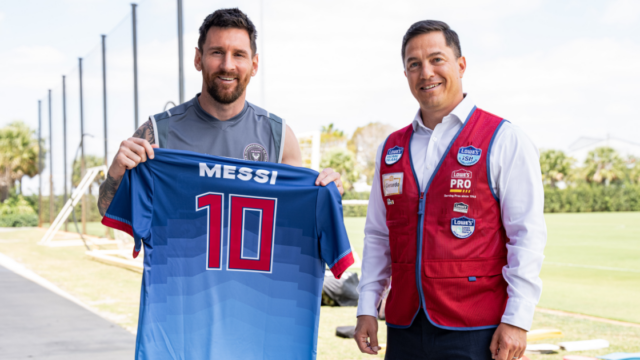
Since Lionel Messi’s debut with Inter Miami CF in 2023, MLS has attracted over a million viewers to watch the season’s most anticipated matches. A-listers continue to be spotted in the suites and along the sidelines at Chase Stadium. Beyond attendance and endorsement, celebrities such as Matthew McConaughey and Will Ferrell are making concrete contributions to fútbol through ownership, investments in clubs, academies and other related ventures.

Women’s soccer has grown significantly and changed perceptions, with the U.S. Women’s National Soccer Team (USWNT) at the wheel. The USWNT is driving this change through its success and advocacy, leading to a surge in popularity, fan engagement and investment. Natalie Portman formed a first-of-its-kind ownership group that included stars like Eva Longoria and Jessica Chastain to start Angel City FC, which debuted in the National Women’s Soccer League in 2022. In 2023, the National Women’s Soccer League (NWSL) signed a $240M domestic broadcast deal with Amazon, CBS, ESPN and Scripps.

Simultaneously, a surge of women-centric sports media is reflecting a more inclusive narrative that resonates with audiences and boosts viewership. This shift reflects the blurring of cultural divides. As a sport deeply ingrained in Hispanic culture is now catching the attention of mainstream media, soccer is inspiring fans from diverse backgrounds to rally behind local MLS teams, especially Gen Z.

Related Video

Born into soccer fandom

With attention turning to soccer across the nation, 54% of soccer fans are under the age of 45, making them a younger and more diverse demographic compared to other sports leagues such as the NFL, NBA and MLB. Among these fans, many U.S. Hispanics often describe their love for the game as simply being “born into it,” underscoring a deep ingrained and natural connection to the sport.

Additionally, Gen Z is experiencing the loneliness epidemic more than other generations, with 73% of Gen Z reporting feeling alone sometimes or always. There’s a heightened eagerness to seek out communities where they can belong; 35% of Gen Zers spend over four hours a day on social media for sports content. Influencers also have a key role in that connection by bringing personal experiences, pride for their favorite athletes and reporting insights directly from the game.

Mexican soccer star Javier “Chicharito” Hernández has become the soccer king of gaming. By merging his passions—sports, competition and gaming—he has built a robust online fan base across Twitch, TikTok and Instagram. As a result of his influence and dedication, Chicharito became President and Chairperson of the Olimpo United team in the Américas Kings League, a soccer league established by footballers and internet streamers across Hispanic America.

Lisa Zimouche is the most followed female freestyler in the world and has collaborated on campaigns with major brands like Puma, PSG, FashionNova, and FIFA. Lisa also shared the pitch with world-class soccer players such as Gareth Bale, Mbappé and Neymar. Brands can leverage influencers to connect with Gen Z audiences, amplifying their influence worldwide.

Taking the lead

With the U.S. quickly growing into the international hub of fútbol and Hispanics pushing this fandom forward, soccer is converting into fútbol right before our eyes and transcending the mainstream. It’s an opportune moment for brands to not just interact with its massive fanbase, but to deeply invest in the realm of soccer.

For brands, embracing this cultural shift presents a unique chance to forge authentic connections with diverse Gen Z and tap into the immense potential of soccer as a platform for meaningful engagement. By investing in soccer-centric initiatives, brands can put themselves at the forefront.

https://www.adweek.com/brand-marketing/soccer-in-the-us-is-here-to-stay-what-are-brands-going-to-do-about-it/


The Internet Is Forever. When Should Brands Capitalize on Trending Pop Culture References?


.article-native-ad { border-bottom: 1px solid #ddd; margin: 0 45px; padding-bottom: 20px; margin-bottom: 20px; } .article-native-ad svg { color: #ddd; font-size: 34px; margin-top: 10px; } .article-native-ad p { line-height:1.5; padding:0!important; padding-left: 10px!important; } .article-native-ad strong { font-weight:500; color:rgb(46,179,178); }

Inspiration awaits at Brandweek. Join C-suite leaders from Glossier, Nespresso and Diageo in Phoenix, Arizona this Sept. 23–26 for exclusive insights and hot takes. Last chance save 20% (ends July 15)—register now.

Who doesn’t love a meme or pop culture moment? Especially when it seems like all of the internet wants to be a part of a collective memory or joke. Leveraging trending pop culture references can be a goldmine for brands looking to connect with their audience.

As I’m writing this, you may have someone from your team asking if you should jump on the “Hawk Tuah” trend, since it’s still gaining traction and the girl behind it seems to be everywhere. Hopefully, the following will go beyond the traditional advice of playing it safe or doing it because enough other large brands are posting about it.

The key question remains: When and why should brands dive into current trends? And, say it with me now, it depends. Let’s break down what it depends on.

Brand safety

Brand safety isn’t what it used to be if it ever really was.

Your ad could be shown alongside content in the feed that is counter to the messaging you want near your brand, and yet it’s the risk you take for guaranteed views. We’re seeing more and more AI ad content being created while we also have brands navigating how to deal with major issues during an election year. The internet is a controversial and precarious place and yet, brands know they need to show up and be present.

The ever-present desire for attention, views and engagement has brands abandoning brand safety for earned media and virality, chasing attention at all costs and linking themselves with memes and references that you would never even dream of proposing let alone pressuring legal to approve.

Timing

Jumping on a trending topic can gain significant attention, but timing is crucial. Catch a trend too early and your audience might be confused. Too late, and you’ll come off as trying too hard. The sweet spot is in the middle, where the trend is recognizable but not yet saturated. Being best friends with your legal and comms teams is priceless here as these moments can age quickly and no one wants to be the brand that got approval two weeks too late.

Timing isn’t just about when a trend peaks; it’s also about your brand’s agility. Here are some questions to consider:

  • Do we have set rules with legal and comms about what we can and can’t mention as a brand?
  • Does this lessen the trust that our customers/audience have in us?
  • Does this align with who we are as a brand or align with our Ideal Customer Profile (ICP)?
  • Is this a short-term play for attention and engagement, or are we a brand that strives to be culturally relevant?
  • Do we have long-term initiatives to entertain or be “in the know” with our audience?

Engaging with trends should never come at the expense of your brand’s trust and authenticity. If your audience sees your attempt as inauthentic, they could lose faith in your brand and not take you as seriously. Does jumping on this make sense in a way where your audience might be delighted and amused that you jumped into the conversation versus feeling like the brand is begging for attention?

Always consider whether a trending reference aligns with brand values and messaging. Playful references are an easy way to explore these opportunities without breaking through your brand guardrails. If so, what would this look like? Will you reference a certain movie scene or meme that isn’t tainted by any current scandals?

It’s not enough to question brand safety when considering jumping on to a trend; one needs to recognize if the customer base would get the reference in the first place. Is this a popular trend or do you have to be chronically online to get it?

Audience

Reading the room is essential when engaging with pop culture moments. How could this age badly?

Pop culture trends can be fleeting, and what’s funny or relevant today could be outdated—or worse, offensive—tomorrow. Assess whether your current audience is talking about it, and more critically, what the sentiment around it is. Engaging with a trend that is controversial or negatively perceived could backfire, harming your brand’s reputation.

The social strategist doesn’t show their experience in saying yes to every trend that is possible to jump on, but in the ones they say no to. It can be tempting to jump on a trend in the moment, forgetting the long-lasting implications of a misstep (the internet is forever). Understanding a brand well enough to discern what are the best opportunities is the mark of a great strategist.

Cultural relevance

It’s vital to balance short-term gains like engagement spikes with long-term objectives. A sudden burst of attention might feel rewarding, but it rarely builds sustained loyalty. Brands should weigh whether jumping onto a trend is a mere bid for quick attention or a genuine effort to stay culturally relevant.

There isn’t necessarily a right or wrong answer to this because each brand has its own unique identity and strategy. For some, chronic trend-chasing can dilute their brand message, while for others, it’s a goldmine of opportunity.

Related Video

Let’s say this is a part of your long-term strategy to be culturally relevant and unabashedly push what content can be made for a brand. Lean in and show that it truly is a part of your brand’s DNA. Duolingo is a great example of not just trying to be unhinged here and there. They go all the way with it and it’s embedded in their brand and its perception. They leaned in and they are winning because of it.

What about B2B brands?

B2B marketing has traditionally been seen as more conservative and, some might argue, boring.

However, there’s a growing push for B2B brands to show up more creatively and frankly less stuffy. Succinct, timely and sometimes even unhinged content can yield impressive engagement. This shift isn’t just about standing out; the brands that win are the ones that successfully adapt without sacrificing their core values.

That said, engagement must be relevant. Just because content is unhinged or trendy doesn’t mean it will convert to revenue. It’s essential to continually measure the effectiveness and alignment of these strategies with wider business objectives.

Autodesk has done the work to be thoughtful about how they approach pop culture and activate their content to act more like a B2C brand versus the traditional B2B approach.

Aligning short-term and long-term goals to these activations is critical when deciding whether to leverage a trend. Build out a process for your team to jump onto relevant content when things aren’t happening, so you aren’t left scrambling when you see a Slack message that says “Everyone else is doing it.” Instead, it needs to fit into a broader strategy that considers both immediate engagement and eventual conversion.

Navigating the landscape of trending pop culture references requires a delicate balance. Brands must assess their readiness, ensure alignment with their values and weigh the benefits and risks. While there’s no one-size-fits-all answer, thoughtful strategy and authentic engagement can lead to meaningful, lasting connections with your audience.

https://www.adweek.com/brand-marketing/the-internet-is-forever-when-should-brands-capitalize-on-trending-pop-culture-references/


Get Your Brand In on the Ground Floor of Real Estate Entertainment


.article-native-ad { border-bottom: 1px solid #ddd; margin: 0 45px; padding-bottom: 20px; margin-bottom: 20px; } .article-native-ad svg { color: #ddd; font-size: 34px; margin-top: 10px; } .article-native-ad p { line-height:1.5; padding:0!important; padding-left: 10px!important; } .article-native-ad strong { font-weight:500; color:rgb(46,179,178); }

Take your media strategy to the next level at Mediaweek. Cultivate new media partnerships and gain tools to standout across platforms from experts at Youtube, Peloton, LTK and more. View agenda.

From Million Dollar Listing to Zillow Gone Wild, I know firsthand about the rise of real estate content. And its popularity continues to increase thanks to the demand from fans who can’t get enough, whether it’s captivating content around home renovations or programming that takes an inside look at the high-stakes transactions real estate agents navigate. 

But why is real estate content in particular on the rise, and what does this mean for marketers? 

It’s no secret that reality TV is popular among consumers and dominates pop culture. It gives people the ability to connect with audiences on a personal level, provides escapism, and now—thanks to social and streaming platforms—entertains. 

The content boomed during the pandemic due to a combination of historically low mortgage rates and increased remote work flexibility. As people spent more time at home, many found themselves wanting a more spacious and comfortable living environment but lacked the resources they needed to understand how the buying and selling process works. Real estate content helped fill this void in a way that not only entertained consumers but also educated them. 

Now, realtors are reality TV and social stars, becoming influencers in their own way. Their authenticity, relatability and perceived accessibility makes them trusted figures in the eyes of their audience. 

When a reality TV star endorses a product or service, it carries a sense of personal recommendation that resonates deeply with their followers. This influence stems from the connection viewers feel with these stars, who share their lives, challenges and successes in a way that scripted television rarely does. As a result, consumers are more likely to engage with brands and make purchasing decisions based on the endorsements of reality TV stars, believing in their genuine affinity for the products they promote. 

So how can a marketer work with someone like me or other influencers in the space, whether realtors, mortgage brokers or any other DIY social star? To maximize the benefits of collaborating with this particular influencer, brands should consider the following best practices. 

Product placement 

Integrate products seamlessly into the show’s content. Whether it’s furniture, home decor or financial services, ensure that each product enhances the viewer’s experience and aligns with the show’s theme. 

Real estate developers saw an increase in sales and property value after their luxury homes were featured on Million Dollar Listing, demonstrating the effectiveness of strategic product placement. Additionally, Wayfair experienced a surge in online traffic and sales after its furniture and decor were prominently displayed in home makeovers on Property Brothers, illustrating how well-integrated product placements can drive consumer interest and engagement. 

Influencer marketing 

Partner with real estate influencers for sponsored posts, unboxing videos and reviews on social media. Authentic endorsements from trusted personalities can greatly increase consumer interest and engagement.

I’ve worked with companies I love (and actually use) to develop content or series that further drive brand awareness. For instance, I’ve worked with Luxury Presence, using their online tools to recreate my website, along with my colleague and co-star Tracy Tutor’s website. We developed a video series that chronicled our decision to move to Luxury Presence and what it took to build a luxury real estate website that actually converts leads.

It was both entertaining and educational, and the first of our four videos drove 182,000 views across platforms. The key is finding the right partner that aligns with your brand.

Related video

Co-branded content 

Create exclusive content or special episodes featuring your brand. This can range from a behind-the-scenes look at the renovation process to a deep dive into market trends, all while subtly highlighting your products or offerings. 

In support of Apple TV’s Silo, I, along with a few other creators, produced parody content showcasing and promoting underground bunkers. I was surprised to see all the engagement. We came clean and told our followers the next day that this content was a joke (I do not sell bunkers), but if they wanted more of this type of content, they should tune into Silo. Ultimately, the campaign generated millions of views and helped drive tune-in for the show.

Event sponsorship 

Sponsor open houses, viewing parties or other real estate events featured in the show. This strategy not only increases brand visibility but also associates your brand with the excitement and prestige of these events.

For example, luxury Champagne brand Moët & Chandon sponsored a viewing party on Million Dollar Listing, complete with branded decor and exclusive tastings. This partnership effectively positioned Moët & Chandon within a luxurious and celebratory context, leading to increased brand recognition and sales among the show’s upscale audience. 

Real estate content is opening new doors for brands eager to tap into this enthusiastic audience. By integrating products and services into real estate programming, brands can seamlessly reach consumers who are deeply invested in the real estate market and lifestyle.

The intersection of reality TV and real estate offers a dynamic platform for innovative and impactful brand engagement. 

https://www.adweek.com/convergent-tv/get-your-brand-in-on-the-ground-floor-of-real-estate-entertainment/


Creator Etiquette 101: Brand Partnerships and Controversies


.article-native-ad { border-bottom: 1px solid #ddd; margin: 0 45px; padding-bottom: 20px; margin-bottom: 20px; } .article-native-ad svg { color: #ddd; font-size: 34px; margin-top: 10px; } .article-native-ad p { line-height:1.5; padding:0!important; padding-left: 10px!important; } .article-native-ad strong { font-weight:500; color:rgb(46,179,178); }

Inspiration awaits at Brandweek. Join C-suite leaders from Glossier, Nespresso and Diageo in Phoenix, Arizona this Sept. 23–26 for exclusive insights and hot takes. Last chance save 20% (ends July 15)—register now.

In the volatile world of cancel culture, who holds the power to make amends? Mistakes are bound to happen now and again; some are more forgivable than others. Recently, soda brand Poppi faced a lawsuit alleging its gut health claims are falsely advertised. The brand is trying to make a comeback from the allegations, saying in a statement that the claims are “baseless.”

Too often when controversy strikes, we still see brands pump out insincere corporate statements attempting to make reparations. But the truth is, this is not enough for today’s consumers. These types of generic, faceless messages don’t resonate.

So the question is—how do you make it resonate? The answer is authenticity and advocacy. Both of these attributes are bred in a brand’s communities, with creators sitting at the center.

The current state of cancel culture and advertising

A brand community built on devoted fans and authentic creator partnerships is a solid one. But why does it work? Because it’s not the brand saying what it wants or needs; it’s an authentic message coming from consumers who believe it themselves.

When criticism strikes, the community’s grassroots support not only backs the brand, but it also boosts its credibility in the eyes of consumers who crave realness. When Cetaphil launched its Super Bowl ad that faced backlash for seemingly copying a creator’s content idea, the controversy was quickly tamed after the creator announced the brand formed a partnership with her. Her community loved it and paid kudos to the brand.

The more voices that speak for the brand, the better the situation will be. And what better way to round the troops than through authentic creator partnerships? It’s low in volume, but the tactic arguably has the biggest swaying power.

Why? Because they sit center stage and act as the heartbeat of some of the biggest communities.

Creators have a lot more power than they realize

Brands often experience a type of “pseudo control” where they think they can and should control the narrative. This is the beauty of using creators; it’s their voice, not the brand’s.

But is it the creator’s responsibility to defend a brand when they’re not being paid or told to? The first step should be to evaluate the facts. There may be contractual obligations at play, as well as whether any allegations hold truth.

A creator has three options: openly defend the brand because it still aligns with their values, cut ties and announce they are no longer associated with the brand because of the situation, or stay silent until it blows over. That’s why it’s important for brands to build a community of creators who value them beyond vanity or financial gain. For creators, it’s a balancing act between loyalty and personal values.

In this situation, creators need to understand the responsibility they have. Their communities look to them as spokespeople and, ultimately, are responsible for shaping brand perception and driving reputation. This means it’s likely that if a brand is in trouble, consumers may trust a creator more than the brand itself.

Who takes on the most risk?

Associating with a brand carries risks as well as rewards for today’s creators. Some might say it’s part of the gig. But the truth is, both brands and creators are exposing themselves to this type of vulnerability.

We’ve seen countless examples of creators getting called out, which has negatively impacted brand partnerships and vice versa. The key here is to mitigate that risk as much as possible by only selecting partners you truly want to be associated with. If a creator has already done this due diligence, it makes this discretion much easier to exercise.

Every cloud has a silver lining. If creators do experience backlash associated with a brand, their reputation, in some cases, could be used as a tool for good to help brands do better.

More and more, we see brands give creators a seat at the table, assigning them as creative directors or roles where their expertise shines through. Well-established and well-partnered creators know a brand’s community better than anyone. They speak to them, listen to them and exchange ideas every day.

So if there is controversy, they can put that knowledge to use and help the brand improve. Take a look at Korean skin care brand TirTir. After initial backlash due to its lack of diversity in foundation colors, it partnered with creator MissDarcei to launch an extended range catering to a wider range of skin tones. Not only does this give value to consumers, but it also shows the creator as a trailblazer and someone who helped make a difference.

In times of public backlash, a brand can often find its strongest support within its community of devoted fans and creator partners. This support is not only about strategic intention or coincidence; it’s deeply rooted in emotions. Consumers and creators choose to support brands with which they feel a genuine alignment, based on mutual trust, respect and reciprocal value. The brands that build the strongest alliances understand this and don’t wait until controversy strikes, but instead nurture them along the way, with a real value exchange.

https://www.adweek.com/brand-marketing/creator-etiquette-101-brand-partnerships-and-controversies/


What ‘Corporate Pride’ Got Wrong All Along 


.article-native-ad { border-bottom: 1px solid #ddd; margin: 0 45px; padding-bottom: 20px; margin-bottom: 20px; } .article-native-ad svg { color: #ddd; font-size: 34px; margin-top: 10px; } .article-native-ad p { line-height:1.5; padding:0!important; padding-left: 10px!important; } .article-native-ad strong { font-weight:500; color:rgb(46,179,178); }

Take your media strategy to the next level at Mediaweek. Cultivate new media partnerships and gain tools to standout across platforms from experts at Youtube, Peloton, LTK and more. View agenda.

As a child of the ’80s and a proud member of the LGBTQ+ community, every June I get a bit nostalgic. I get to observe my LGBTQ+ friends and broader network be a bit more themselves and unabashedly queer. And they do this, consciously or unconsciously, because it’s Pride Month and rainbows are popping up everywhere, from our workplaces to our banks to our FYPs and newsfeeds. 

I realize now this nostalgia comes from being a closeted teenager growing up in central Florida, hoping to one day (as RuPaul says) “find my tribe” and connect with my LGBTQ+ chosen family. But twenty years ago, it was much more difficult to understand what this “family” would look like. I didn’t have access to seeing myself, and others like me, represented as loudly and proudly as we are today. And the representation I did have was frankly questionable. 

But all that’s changed. Youth today beginning the process—and yes, it is a process—of discovering their gender identity and sexual orientation are far more equipped with terminology and resources to help them. Thanks to tiny computers in the palms of their hands, most have access to different forms of media to teach them words like transgender, nonbinary and gender-nonconforming—helping them unpack what they’re experiencing in their bodies.

So when I see or attend a community Pride event, be it big and flashy or in a small town, I can’t help but get nostalgic and feel very grateful and proud. And while the access LGBTQ+ youth have today is rewarding for many reasons, it’s not without consequences.

Now that LGBTQ+ people in the U.S. are more visible, we are also being targeted by far-right extremists, wielding a decades-old playbook that has been used to attack this community and spread disinformation about us since before the 1969 Stonewall uprising. Except now, this playbook is stronger than ever—ironically due to many of the same online tools that give LGBTQ+ teens the resources they need.

To be clear, these threats are disproportionately affecting our transgender community members and LGBTQ+ youth in need of access to gender-affirming care. A decade after Time declared a “Transgender Tipping Point” in a landmark cover story profiling Laverne Cox that sent shockwaves across the media world, trans people are both more visible and more vulnerable. Today, trans people are being scapegoated by local leaders across the U.S. and defamed by many media outlets daily. And in some states, the art form of drag—which is similarly more mainstream thanks to the unprecedented success of RuPaul’s Drag Race—is being used to roll back the rights of trans people. 

According to a Gallup poll released earlier this year, the trans community represents less than 1% of the U.S. population. It’s important to note that demographic snapshots like this—polling respondents on their identities—are likely to underrepresent LGBTQ+ community members statistically. But regardless, the trans community is still a small percentage of our population, making them particularly vulnerable to disinformation. 

So what about Corporate Pride? 

Aside from my annual dose of nostalgia, Pride Month has also represented my “busy season” at work. For over a decade, I’ve been responsible for working with brands and organizations on how best to represent, support, market to or communicate with the LGBTQ+ community while employed at LGBTQ+ media organizations.

Throughout the years, I’ve logged countless hours advising professionals on how their company can simultaneously act as a responsible employer to their LGBTQ+ workforce and market to consumers who are increasingly seeking more “personal emotional value” from brands. I’ve observed firsthand the bandwagon effect known as “rainbow capitalism” that followed the 2015 Supreme Court Marriage Equality ruling. And year over year I’ve witnessed the rising tension between corporate-sponsored Pride events and more grassroots and advocacy-oriented community marches focused on raising awareness of important issues. 

Sadly, a great deal of my work over the past few years has also included necessary support to help brands avoid becoming the next target of the same far-right playbook that is now attempting to make Pride campaigns “toxic for brands“—as part of a larger effort to erase the hard-fought visibility the trans community has rightfully earned. 

Don’t get me wrong—I love what I do, especially because it means I’m typically working with other LGBTQ+ community members as partners, colleagues and friends. But reflecting on all this work, especially now, when we’re seeing numerous headlines calling out brands for backpedaling or downplaying their Pride efforts, I’m calling it: Corporate Pride needs a rebrand.

So let’s talk about Corporate Allyship. 

On top of my years of consulting experience, my guidance is informed by decades of lived experience, learning and unlearning from my queer peers, long before I started doing this work professionally.

Start with your LGBTQ+ employees 

This is not the most original advice, but I believe it’s the most important, so it’s No. 1. Any organization considering a public display of support for the LGBTQ+ community or an acknowledgment of Pride Month must first look inward and ensure they have adequate and inclusive protections for their LGBTQ+ employees. This type of culture change work takes effort, and there is no one-size-fits-all approach, but reputable organizations like Out & Equal can help you navigate creating a culture of belonging.

For organizations already engaged in this work, be sure to consult with your LGBTQ+ employee resource group regularly. But ensure they are opting in to support these efforts and the emotional labor of any support is taken into consideration. And never put a single individual or small group in a position to represent the views and opinions of this broad and diverse community. 

Know your audience and plan for some degree of backlash 

Understanding your consumers and other stakeholders, especially employees, is critical to ensuring an LGBTQ+ inclusive initiative will be received positively. Decision-makers should acknowledge the unique positioning of their brand and parent company and allow that to guide their engagement strategy while avoiding drawing false parallels to recent high-profile brand controversies. 

Accept that some degree of backlash will be inevitable for brands creating LGBTQ+ inclusive content—before, during and after Pride Month. Just as anti-LGBTQ+ legislative efforts are disproportionately targeting trans people right now, brands that support trans people are also feeling the heat. But abandoning support for the most vulnerable members of the LGBTQ+ community is not the right answer. You just need a new strategy on how to maintain that support while accounting for the safety of your LGBTQ+ employees and the community members you partner with. 

It’s OK to be quieter in June, as long as you’re louder July through May 

Brands downplaying their Pride efforts certainly don’t look great for their LGBTQ+ consumers. But what could make your brand appeal to LGBTQ+ and allied consumers even more than a Pride campaign? Sustained community support year-round.

LGBTQ+ community members paying attention the past decade have certainly felt skeptical bearing witness to the latest trends of cliché rainbow marketing in June, flashy PR campaigns with questionable representation, and ad spends for said campaigns that far outweigh the charitable donations linked to those same efforts. So give the community what they want. Show up for us throughout the other 11 months of the year, especially when and where we need it most. The springtime for state-wide legislative sessions is an excellent place to start. 

Bring in the right partners to add credibility 

LGBTQ+ community organizations have become status quo for branded Pride efforts that want to avoid the perception of rainbow washing. Consumers and media alike now expect to see charitable donations to such nonprofit organizations when examining Pride products or campaigns. 

I know firsthand, that there are many ways to involve or embed charitable partners—both at the local and national level—but for them to be truly impactful, bring them into the work as early as possible and compensate accordingly. Partners should also be granted the opportunity to inform and guide the work with community insights that can be applied to the campaign strategy and execution.

Let purpose lead the work 

Lastly, going forward, let’s make sure community impact is a clear and established goal of our work. Start with the goal of addressing the real issues facing LGBTQ+ people today, identify creative ways to help, and apply that to your organization’s unique positioning and ability to drive impact. By centering purpose as a guiding principle, it will help you build credibility with LGBTQ+ people that will earn value long after Pride merch, press impressions and product sales are forgotten. 

And to my LGBTQ+ peers also in positions to influence this work: I hope you push for work that includes allyship at the intersections of race, gender, class, age, immigration status, religion, ethnicity and ability. If your privilege grants you access to a room that other LGBTQ+ folks aren’t invited into (as mine has countless times), I hope you stop and think about how you can be a proxy for them. Or even better, find a way to welcome them in. It will only make the work more authentic and impactful. 

This is certainly not an exhaustive list, nor would I recommend you rely solely on the recommendation of one cis white gay man to guide your ongoing efforts on inclusive campaigns. That’s just a bad strategy. But it is my best advice for any business leader whose company has publicly claimed allyship but now may be questioning how to proceed.

I’m not saying the journey to authentic Corporate Allyship will be easy. It will take time to get it right. But trust me, it’s worth it. That same Gallup poll that found the trans community represents 1% of the U.S. population also found that younger generations are significantly more likely to identify as LGBTQ+. And they want to see real allyship more than they want branded rainbow swag in June. 

https://www.adweek.com/media/what-corporate-pride-got-wrong-all-along/


Elections, Olympics, Cookies, Oh My! Approaches to Experimentation in 2H 2024


The next 6-to-12 months present marketers and brands with a potent concoction of phenomena that are sure to, at a minimum, cause shifts in media economics and, at a maximum, completely upend entire advertising programs and their measurement models. Add to the mix the emotional instability these events cause in us as consumers, and we’re now presented with one of the most challenging and opportunistic years since the height of the pandemic.

The challenging aspect is the easier outlook to address because we all share that experience by default. It’s the opportunistic aspect that takes prowess and willpower to capitalize on, and only a minority of marketers will dive into the opportunities. So, how do we partake in these opportunities and be among the most successful set of practitioners? Experimentation.

Employing creative and systematic experimentation this year acts as the goggles and windbreakers that give as few as 15% of us the courage to step into the headwinds while our competitors step aside to safety.

First, take solace in adopting a balanced innovation approach to your experimentation pipeline. This approach simply alludes to balancing less bold, less risky iterative experiments with bolder, riskier transformative experiments; what is bold and risky depends on your business, but in this model, we are all subject to criteria like financial exposure, risk of market backlash and clarity in measuring success. Score your experiments based on these criteria (perhaps on a spectrum of 1-10) and seek an average score as a monthly, quarterly or annual goal. If there is a charter from leadership to be bold, target a higher average (more explorative) or a lower average (more iterative) if there is a call to be conservative. Honoring the balanced part of this framework by targeting an average experiment score of 4-6 on a 1-10 spectrum is the best bet.

The biggest election media year ever

Unprecedented Saturation + Participation = Higher Costs

In the 2024 U.S. elections, GroupM estimates a staggering $17 billion of media dollars will be deployed across all media channels, a significant 31% increase over the 2020 election cycle. My firsthand testing with a global technology enterprise (with both B2B and B2C targets) during the six weeks leading up to the 2020 election reported a bended-average 33% (up to 65% in Meta) increase in CPM and CPC across programmatic deliveries (paid social, CTV). Costs will continue to rise this year.

So, how do we “experiment about it”?

Curiosity > Performance

For most brands and marketers—those that don’t represent nonprofits or NGOs relying on politics to drive engagement—this is a choice time to act out of curiosity rather than pure performance goals; ask the question, “How does my brand fare, and how do my targets behave, during a gargantuan election period?”

Develop creative hypotheses that offshoot from this driving question, quantify how your run-of-business advertising performs amid election saturation, and understand that performance at as many levels as possible: industry, market, segment, product category, audience category, channel, etc. And even more importantly, extrapolate the deltas from these and less remarkable times in the market.

The more layers of circumstance that you quantify and normalize, the more you equip yourself to effectively strategize in the near and farther future. Empower your agency and technology partners to aid you in defining these research-spirited experiments.

Experiment with politics reprieve

Big elections in the U.S., namely the presidential, are deeply passionate and truly exhausting, often with contentious and negative sentiment. They affect consumers as humans and citizens and thus affect brands no matter the segments they cater to.

We all have an opportunity to be a source of reprieve and to create a neat set of hypotheses around it. Calm, the meditation and wellness app, nailed a channel-level test back in 2020 when they ran advertising on CNN on election night of the presidential race; this drove their ascent to the 68th most downloaded iPhone app (a 51 spot increase) and the most downloaded in its category. Calm’s relevance as a reprieve from politics was very high, and its value prop even higher, so this wasn’t a stretch for their brand.

This said, beware of being kitschy or forced, as this is more likely to produce net-negative brand sentiment than anything else. Make sure your most experienced creatives, brand marketers, community and customer care leaders, and agency partners are intimately involved if you experiment with politics reprieve for your brand.

The 2024 Paris Olympic Games

Experiment into the void

Billions around the world will be tuning into the Summer Games in Paris, from linear TV to clips, recaps, memes and more across channels and screens. In addition, NBCUniversal is set to easily break its Olympic Games advertising bookings of $1.2 billion. A variety of experiential, TV and streaming programs will be delayed, reduced or canceled in 2024 to defend against diverted attention to the Olympics, but these entities are likely overshooting their forecasts out of financial and performance caution. If you can find an opportunity in the void—the participants of canceled programming who likely won’t be glued to the Summer Games—experiment within it.

For example, Bravo’s popular BravoCon (and the bevy of TV and online coverage) will be canceled in 2024, leaving a deeply engaged, female-skewed audience with a bit of attention to spare this summer, even if momentary. A successful BravoCon advertiser like Allergan (maker of Botox, Juvederm) might use this as an opportunity to further experiment with owned experiential activations with “Bravolebrities” versus a sponsorship. What unique void might you be able to test into this summer?

Amplify the positivity the Games already offer us

The Olympic Games are a perfect foil to the election. While the election purposefully puts us in an anxious headspace, the Olympics purposefully puts us in a motivated and positive headspace. So, rather than provide relief, attach on and provide an extension of the positive conversation, fitted to your brand and your customers’ journeys.

The potential experiments are vast and industry-agnostic, from high-investment athlete sponsorships for sizable consumer brands to weekly motivational quotes in your organic social calendar for the start-up DTC brand. A more explorative test might be with the product-led B2B SaaS brand, for example. In this instance, the Olympic Games can be a signal to test higher-order benefits—the emotional benefits—of your brand, when you’ve historically relied on product benefits.

The cookieless future present

The ubiquity of third-party cookies makes their deprecation a tough transition, where many will be reacting to technology, processes and benchmarks breaking as a means to learn and evolve in a cookieless world. This is anything but strategic.

The starting positions of your competitive set in the race of advertising effectiveness are poised to shift, and the winners will have proactively experimented their way to the front. Consider again a balanced innovation strategy. You might label owned data approaches like consented customer data collection programs, front-of-site optimization and creative zero-party data campaigns as more iterative experiments. Meanwhile, commitments to new technologies and exchanges, from retail media networks to contextual targeting with generative AI, to Google’s own Privacy Sandbox, can act as more exploratory experiments. 

It’s not just the marketing teams—the executors—who need to find solace in a frenzied 2024. Cross-functional teams and senior leaders alike deserve to understand how the marketing practice is rationalizing and seizing opportunities from this unprecedented blend of headwinds. Experiment intentionally to communicate more persuasively: Cogent experimentation brings a high level of strategic reasoning to the marketer’s recommendations and spoken word and a greater level of respect and understanding from colleagues. This year is an opportunity for your marketing program—and an opportunity for you and your role, too.

https://www.adweek.com/performance-marketing/elections-olympics-cookies-oh-my-approaches-to-experimentation-in-2h-2024/


Why Oracle Advertising Is Really Shutting Down


Oracle Advertising’s recent news that it’s shuttering its business is a notable milestone in the ongoing disruption and transformation of adtech and martech. Despite their many acquisitions, Oracle failed to integrate these pieces into a marketing cloud stack that worked at a level that could compete with the likes of Adobe or Salesforce.

Oracle faced a few core challenges: their reliance on third-party cookies and tracking without proper consent, losing their data sharing agreement with Facebook following the Cambridge Analytica scandal, and dealing with tightening security and privacy restrictions across the industry such as GDPR. This all hindered Oracle Advertising’s adoption and revenue streams, rendering Oracle BlueKai DMP obsolete. 

But there’s a deeper cause for Oracle Advertising’s failure—the growing trend of brands centralizing data into a data lake like Snowflake, Databricks, Teradata VantageCloud or Amazon Redshift to unify intelligence and activation, rather than keeping customer data scattered across platforms and relying on third-party cookies. Brands are done with silos and redundancies in their IP. Instead, they’re looking for unified customer data storage and streamlined intelligence across identity resolution, audiences, orchestration, modeling, and measurement—for less reliance on a dying framework and more flexibility to thrive in a new advertising future.

Deconstructing Oracle Advertising and rebuilding a modern data stack

So what now? Oracle will shut off access to all tools in the Oracle Advertising Suite by September 30th, 2024. Customers have reported the vast majority of Oracle Advertising employees have been let go and that customer support functions have been taken over by off-shore contractors.

While Oracle Advertising’s end-of-life may present some challenges to brands who are currently using the product, it presents a bigger opportunity to build a smarter advertising strategy, with a foundation built on first-party data.

Audience management 

With Oracle Advertising, brands uploaded their customer data into the platform for organization, segmentation and activation. They used Oracle BlueKai DMP to create audiences with third-party cookies, which are soon to be deprecated. 

In a modern data stack, brands can now access licensable data within their data warehouse, allowing for easy segmentation and activation. Measurement and workflows are seamlessly integrated with connected business intelligence and analytics tools. 

Audience and identity enrichment 

With Oracle Advertising, brands enriched their first-party data by matching it with third-party data from available marketplaces, creating audience segments that blended behavioral, demographic and other data.

In a modern data stack, first-party data is enhanced with partner data for optimized paid media reach and better performance through precise segmentation and modeling. Using a robust ecosystem and data partners like TransUnion, Acxiom and Merkle, first-party data is activated through a customer data platform (CDP) with data from the data warehouse. 

Activation

Using tools within the Oracle Advertising Suite, brands created segments that were exported to paid media platforms for ad targeting, relying on third-party data—a method now becoming ineffective. Brands could alternatively use a media onboarder like LiveRamp, but this approach leads to workflow inefficiencies as well as expensive and dynamic costs. 

In a modern data stack, activation is direct. By using a data warehouse with a CDP, brands can manage profile attributes, audience segmentation and journey orchestration across paid, owned, digital and offline channels. This approach offers more flexibility, allowing brands to interoperate across identity spaces and activate data directly with partners and walled gardens. 

Measurement 

With Oracle Advertising, brands could verify they were serving ads to real people and not bots, ensuring brand safety, and measure ad views, clicks and post-click behaviors to improve audience targeting, channels and creative strategies. 

In a modern data stack, verification is handled by established players like Integral Ad Science and DoubleVerify. By centralizing data in a warehouse that connects to audience and orchestration functions, brands can manage behaviors using both first- and third-party profiles. The industry is shifting away from third-party cookie-based measurement, so brands should now centralize user and audience data in a data warehouse, utilizing analytics, measurement and marketing mix modeling or multi-touch attribution for comprehensive measurement. 

A major shift means it’s time to reassess 

Oracle’s decision to sunset the Oracle Advertising Suite marks a significant shift in the industry landscape. As businesses navigate these changes, it’s crucial to reassess their digital strategy and consider alternative solutions that align with evolving market dynamics. Whether leveraging emerging technologies or migrating to robust, future-proof platforms, organizations must prioritize agility and innovation to stay ahead in an increasingly competitive market. 

https://www.adweek.com/programmatic/why-oracle-advertising-is-really-shutting-down/


The Real Reason We Go to Cannes


.article-native-ad { border-bottom: 1px solid #ddd; margin: 0 45px; padding-bottom: 20px; margin-bottom: 20px; } .article-native-ad svg { color: #ddd; font-size: 34px; margin-top: 10px; } .article-native-ad p { line-height:1.5; padding:0!important; padding-left: 10px!important; } .article-native-ad strong { font-weight:500; color:rgb(46,179,178); }

Never miss a beat: Subscribe to ADWEEK for exclusive Cannes Lions coverage.

For the first time in my 14 years in a row attending Cannes Lions, I spent most of the first half of the festival in the bowels of the Martinez, sitting in conference rooms, some without any windows. But it was pure joy because we had the good fortune of having to prepare for Titanium, Glass and Innovation Lions presentations. The involvement, care and focus this required made it one of the highlights of my week. Ideas shape differently, relationships and bonding between clients and agency get stronger and campaigns suddenly have a second life. It was great. All of us, together, focused on the work.
 
When I finally abandoned those beige-carpeted rooms, I found a different picture. Here are my thoughts on the 2024 Cannes Lions.

Calendar obligations took over

We were busy this year. No one seemed to have time for anything as if an evil AI update had taken over our calendars to steer us away from the most important thing: seeing and talking about the creative work.
 
This is our own doing. As the festival has grown to include more activations, more marketers, tech platforms, media giants and social media creators, it can’t force us to go downstairs in the Palais and walk around to see the work. We have to impose it on ourselves, against our crazy ambitions to meet every possible client, shine in three different panels at the same time and give free hugs to everyone.

And it is a must. Going to the Palais and experiencing people’s reactions to the work in real life reminds us of the impact of our creativity and our efforts. Observing our clients’ excitement (or plain jealousy) over great ideas is the validation we need to keep pushing. Missing that because we are running from meeting to meeting is a shame.

So, first takeaway: We need to make more room to collectively experience the amazing work while we are here.

The only other moments to do so are the Galas. McCann Worldgroup had the collective experience to see the Golds and Grand Prix in the Award Galas, introduced by the booming voice of media personality Juan Señor, the Lions’ resident emcee.

Related Video

We missed laughing

Second takeaway: Humor is back in all forms from quirky to weird to dark.  Four of the biggest winners (Grand Prix) were truly funny campaigns: “The Last Barf Bag” for Dramamine; Specsavers’ “The Misheard Version” with Rick Astley, CeraVe’s “Michael Cerave” and Weber Shandwick’s “Edible Mascot” campaign for Pop Tarts. Also, the adorable “Marina Prieto,” without being strictly humorous, combines a Spanish little town sensibility with social media ambitions.
 
Those winners show that comedy and a light-hearted tone of voice can be transformative for a brand. Specsavers has a history of great comedy, but they were able to channel that into a new demographic for those with hearing loss. CeraVe, not in a category that typically stands out during the Super Bowl, nevertheless became the talk of the (advertising) game. Kellanova’s Pop-Tarts reached an entirely new audience by injecting dark humor to toaster pastries and giving the world something truly meme-able.

And that’s just the funny stuff. Other big winners, like what we did for Mastercard with “Room for Everyone” and Xbox’s “Everyday Tactician” as well as W+K’s Titanium Grand Prix winner, the Doordash Super Bowl campaign that averted viewers’ attention away from the game itself and onto all of the ads, were ideas that inspired an array of emotions. Empathy, triumph, even greed!
 
In the end, these executions make a point that you can extend to the festival: When we laugh, when our barriers are brought down by an unexpected twist or a surprising human connection, we are more able to feel.

This is the exact reason we come to Cannes: we want to feel, in real life, what it’s like to belong to this industry, to be on the winning side and celebrate, to be on the not-winning side and recharge ourselves with envy as the fuel, to be amazed about what people who do the same job as us are capable of achieving and question ourselves.

Feeling is what separates us from, yes, machines. At least for now.

So, (final takeaway) it is on us to keep coming here. Let’s continue our day-to-day jobs to connect with those emotions through the only thing that justifies the existence of Cannes or any other festival: The work we love.

https://www.adweek.com/agencies/the-real-reason-we-go-to-cannes/


Ad Agency Finances 101: What New Founders Should Know


.article-native-ad { border-bottom: 1px solid #ddd; margin: 0 45px; padding-bottom: 20px; margin-bottom: 20px; } .article-native-ad svg { color: #ddd; font-size: 34px; margin-top: 10px; } .article-native-ad p { line-height:1.5; padding:0!important; padding-left: 10px!important; } .article-native-ad strong { font-weight:500; color:rgb(46,179,178); }

ADWEEK will be all over Cannes. Subscribe to unlock unlimited access to all our coverage and analysis.

As a CFO in the advertising industry, the one constant that I’ve come across is change. Maybe it’s a recency bias, but the past few years have been seemingly more volatile than at any point I can remember. The challenges have been harder and more ill-defined, the answers weren’t straightforward and the outcomes have been equal parts scary and exciting.

There is a truly exciting crop of new agencies that are opening up and making a mark in the industry. But despite doing great work, one pain point is how to pivot from being an employee to being a business owner, and all of the nuance that goes into that change.

At Flower Shop, some of the conversations we find ourselves having revolve around some of these core issues. Can I afford to hire someone? How well is my business running? Important questions that, when accounted for, can put a company in a position to make smart decisions and grow.

Running a business is hard. In the same vein that I find a new crop of creative agencies to be exciting, it’s also incredibly scary as well. Small agencies typically come from bigger agencies and sometimes lack the knowledge of what goes into running a creative agency.

In that spirit, I offer up a few thoughts for new agencies as they navigate the waters of being business owners and entrepreneurs.

Create and focus on scalable behaviors

For so many agencies, finance can be a bit of a black box with success loosely defined by topline revenue and margin. I recall an insight from earlier in my career that sometimes the only thing that changes for a growing business is where the comma and the decimal point go on the P&L.

If processes, ways of working and finance are prioritized from day one, they become a fixture in the culture of the business. A strong financial foundation and investment upfront will make growth and scaling incrementally easier.

Focus on the right financial metrics

Three really clear areas of finance should be the focus of any owner: Cash flow, budget forecasting and pricing.

A forward-looking cash flow model is essential to businesses of all sizes. In creative services, having a 90-day rolling forward-looking model is a foundational tool. It forces a business owner to understand their current cash position, grasp the inflows and outflows of the business, and what sort of capital requirements could be needed to make an investment or hiring decisions.

The second essential tool is having a forecast model that can highlight how the business is performing. Any model is only as good as the information that’s in it, so spending time on this area of the business is the best way to ensure that you’re looking at the right information.

Related Video

When this is updated and working correctly, you should have all your revenue (both forecasted and recognized) in one place. You can determine if you’re spending too much on labor (or not enough), how much you’re spending on your overhead and get a sense of where your margin is projected to be, along with any corrective action that needs to be taken. This should work in tandem with your cash flow model as cash typically trails accounting profit.

Lastly, prioritizing and understanding pricing is the third leg of the stool. It’s been a recurring topic in the industry how client budgets have decreased, the role of procurement has increased and agencies are being asked to do more work. Given these current market realities, it becomes essential for agencies (especially smaller ones) to understand the costs that go into making work for clients.

Knowing how long something will take, how many people will be needed and what types of people should be a part of the process are all important factors to understand your cost basis. Adding in your overhead ratio should give you a clear picture of what your true cost is and, from there, help to determine a price that protects the agency from taking on work at a price that is unsustainable and could put the business in jeopardy.

Putting it all together

Making work that delivers on clients’ marketing goals should always be the north star for any creative service company. Without having a solid foundation of work, it’s incredibly difficult to stand out. Great work begets more work. Winning new business and getting to make creative work is incredibly rewarding. It’s why so many of us chose to get into this industry and the desire to create an agency with one’s vision requires such a passion and energy for the craft.

But it’s not always enough. The above elements may not be the most fun aspects of running a business. They don’t specifically show up in a campaign or film, but they are the areas and behaviors that can help a business accomplish the goals it sets out to achieve and sustain them for the long term.

https://www.adweek.com/agencies/ad-agency-finances-101-what-new-founders-should-know/