Digital Anthropology Helps Unveil the Human Heart of AI


.article-native-ad { border-bottom: 1px solid #ddd; margin: 0 45px; padding-bottom: 20px; margin-bottom: 20px; } .article-native-ad svg { color: #ddd; font-size: 34px; margin-top: 10px; } .article-native-ad p { line-height:1.5; padding:0!important; padding-left: 10px!important; } .article-native-ad strong { font-weight:500; color:rgb(46,179,178); }

Leaders from Glossier, Shopify, Mastercard and more will take the stage at Brandweek to share what strategies set them apart and how they incorporate the most valued emerging trends. Register to join us this September 23–26 in Phoenix, Arizona.

In case you haven’t heard, society is on the brink of collapse thanks to artificial intelligence. We’ve all seen the doomsday headlines: “AI will steal our jobs,” “AI is ruining our relationships,” “AI will destroy the world” and, my personal favorite, “AI is the end of brands as we know them.” Technology, it seems, has it out for us.

From electricity to the printing press to the internet, disruptive technologies and the inevitable hysterics that follow them are nothing new. For those old enough to remember Y2K (the computer bug, not the return of bucket hats in fashion), technology threatened the apocalypse then, too: Businesses in the United States spent an estimated $100 billion alone in response to the perceived threat. Consumer electronics retailer Best Buy even used it as a marketing ploy, advertising goods as “Y2K compliant.”

But, contrary to the conspiracy theories circulating at the time, the stroke of midnight didn’t see prison gates suddenly swing open, pacemakers abruptly still hearts, and city streets rapidly descend into riots. In fact, the most terrifying thing most people woke up to on Jan. 1, 2000, was your bog standard hangover.

So it begs the question: If we’ve been through this with technology time and time again, why do we still panic? And how, if at all, should brands respond?

Using tech to build more human brands

The answer lies in understanding the core of technophobia, which is less a fear about the advancement of technology than it is an anxiety around the loss of humanity.

Through this lens, it’s no surprise we’re predicting a digital armageddon. With over one-third of our lives spent at work, our jobs are deeply tied to our sense of self. We actively seek out social relationships to satisfy our need for acceptance and belonging. And our ability to discern reality and understand our place within it sits at the very heart of the human experience. 

Identity, community and meaning: all fundamental human needs AI is poised to upend and, coincidentally, all fundamental tenets of strong brands. Thankfully, as brand-builders, we have a powerful tool to navigate the disruptive wave of AI and ensure it enhances rather than dilutes human connections: digital anthropology.

Rooted in grounded qualitative research, anthropology is the study of humans, cultures and the layered and messy ways meaning is built into our lives. Digital anthropology extends this inquiry into the realm of technology, delving into how we navigate our lives in a world increasingly intertwined with digital tools and platforms, where smartphones are practically extensions of our limbs. 

By embracing a digital anthropology perspective, we gain a uniquely human-centered lens through which to examine the impact of AI on society and consumer behavior—a balance of disruption and desire.

Understanding disruption

Brands are rooted in fundamental human experiences—aspiration, love, freedom—but the ways we practice them change as technology advances, and our beliefs about them shift as society evolves. As cultural artifacts, brands are constantly negotiating meaning in the face of technological and cultural upheaval. 

One of the fundamental principles of digital anthropology is the recognition that technology, despite its disruptive potential, exists within a lived context. Companies like BeerCo, Procter & Gamble and Google have leveraged anthropology to unravel the complexities of consumer behavior and inform their strategic decisions.

But Lego might be the most compelling example: To combat their downturn, they explored fundamentally what it means to be human and to play. They found the most satisfying experience didn’t come from the fancy new instant-gratification toys, but the original open-ended play that enabled kids to explore, which led them to reinvest in their original bricks.

By understanding the why behind consumer actions, these companies have been able to create products, brands and experiences that resonate deeply with their target audiences, transcending the limitations of technological novelty.

Desire as a driving force

But the allure of disruption can sometimes overshadow the deeper human motivations that underpin technological innovation. As tech evolves at an unprecedented pace, it’s often heralded as a panacea, promising to solve problems, revolutionize industries and reshape our world.

Yet, as anthropologist Anna Tsing observes, the rhetoric of disruption often masks the vested interests of those promoting new technologies, leading to a cycle of hype followed by disillusionment as audacious dreams give way to mundane realities.

So, as we hurtle, full speed ahead in the name of progress, we must resist the temptation to blindly follow the dictates of technological disruption without pausing to consider the human consequences. Take, for example, the rise of AI-driven marketing campaigns that personalize advertisements with alarming precision. While J.Lo inviting you by name to join her on Virgin Voyages may seem cutting-edge on the surface, activations like this often fail to resonate with consumers on a deeper level, serving disruption for disruption’s sake rather than addressing genuine desires or needs.

This is where desire comes into play. Drawing on insights from, you guessed it, anthropology, we understand consumption is fundamentally relational—it is not merely about acquiring products or services, but about fulfilling emotional and social needs. Brands that succeed in harnessing the disruptive potential of AI are those that recognize and cater to these desires, rather than imposing technological solutions in search of a problem.

From consumer-led digital ethnographies to AI-generated consumer personas, technology has the power to disrupt the way we research, target and test products and campaigns, leading to more meaningful, more engaging brand experiences. But as James Mackenzie, our resident digital anthropologist, says, “Only by studying people can we reveal the diverse, abundant desires that will make AI useful.”

https://www.adweek.com/brand-marketing/digital-anthropology-human-heart-ai/


Cannes Young Lions Competition: A Week Packed Into 48 Red-Eyed Hours


.article-native-ad { border-bottom: 1px solid #ddd; margin: 0 45px; padding-bottom: 20px; margin-bottom: 20px; } .article-native-ad svg { color: #ddd; font-size: 34px; margin-top: 10px; } .article-native-ad p { line-height:1.5; padding:0!important; padding-left: 10px!important; } .article-native-ad strong { font-weight:500; color:rgb(46,179,178); }

Never miss a beat: Subscribe to ADWEEK for exclusive Cannes Lions coverage.

CANNES, France—The brightest young minds of the advertising world come together each year for the Cannes Young Lion Competition. This year, we asked the two participants representing Team USA, Rachel Findlay and Jessica Nugent, to share their experience.

Day 1: We’re in Cannes

Between the hot sun and the beauty of the Croisette, the Cannes Lions experience is exciting and overwhelming. But that’s to be expected as reps of Team USA in the Digital category of the Young Lions Competition. We’ll have 24 hours from the briefing to concept an answer with a one-page visual summary and, later, a presentation.

While there are so many talks and events we want to attend, our Young Lions responsibilities takes precedence. We had a full day scheduled, first with some competition programming, an NCM welcome party and our briefing to kick off the event.

Our topic: the climate crisis. Our confidence level: high. But it didn’t stay that way. We spent some time marking the brief to ensure we understood exactly what we needed to make. The clock was ticking, and our work was just beginning.

Related Video

Day 2: An object in motion

It’s 4 a.m. and we’ve been at it for 12 hours tossing around ideas, questioning why and how and is it good enough. Two Red Bulls in and we’re fading fast. One of us wants to push through until the morning. One of us wants to sleep. We toss “I know you’re going to hate this but….” and “What if we were the first to…” back and forth, but nothing is sticking. We start regretting our lives, the choices that brought us here.

Jess takes a sleep break around 5 a.m. and Rachel powers through on creating the visuals for the one-pager. At 6 a.m. Rachel decided to lay down, but being an object in motion (tending to stay in motion), her eyes were wide open and her mind was still on the brief.

9 a.m. rolls around and we’re locked in at the Adobe competition area (literally and figuratively). Teams of two from every corner of the world were doing exactly what we were doing. The feeling inside was familiar; it was the same kind of tension that exists in agency life when every team is slammed and deadlines are approaching fast. It was comforting that this felt like a normal situation, except this time we are up against 50 teams with very different backgrounds and way more points of view.

Usually, on brief with a quick turnaround, we’re able to go to our creative directors with multiple ideas, albeit half-baked at best, but together discussing several to keep pushing on.

Around 2 p.m. we were near our breaking point. Time to send.

Logic would tell you we should take a nap or sleep but, naturally, we decided to attend part of an awards ceremony and a session with Marc Pritchard of P&G. He was an amazing presenter and said every word with such confidence.

It could have been the creative or it could have been Rachel’s state of mind, but her eyes welled up with tears at almost every commercial. It was probably the creative.

Finally, it was naptime.

We met again to catch the tail end of a Grey happy hour to thank our assigned mentors from Grey for helping us prior to the Young Lions Competition. We caught Laura Maness as she was leaving to collect a Grand Prix award they had just received.

Next, it was a mix of TBWA happy hour to see some more familiar faces from Chiat. We chatted with Kirsten Rutherford, Brent Anderson, Monica Gelbecke and Bruno Regalo.

Hungry and tired, we eat a great meal at Le Vesuvio. We order steak and salmon as a little reward. Afterward, we briefly go to an under-30 party along the beach. But there was still so much to do. We hadn’t even prepped for our presentation to the Jury. It felt like a week packed into 48 red-eyed hours, but that’s Cannes!

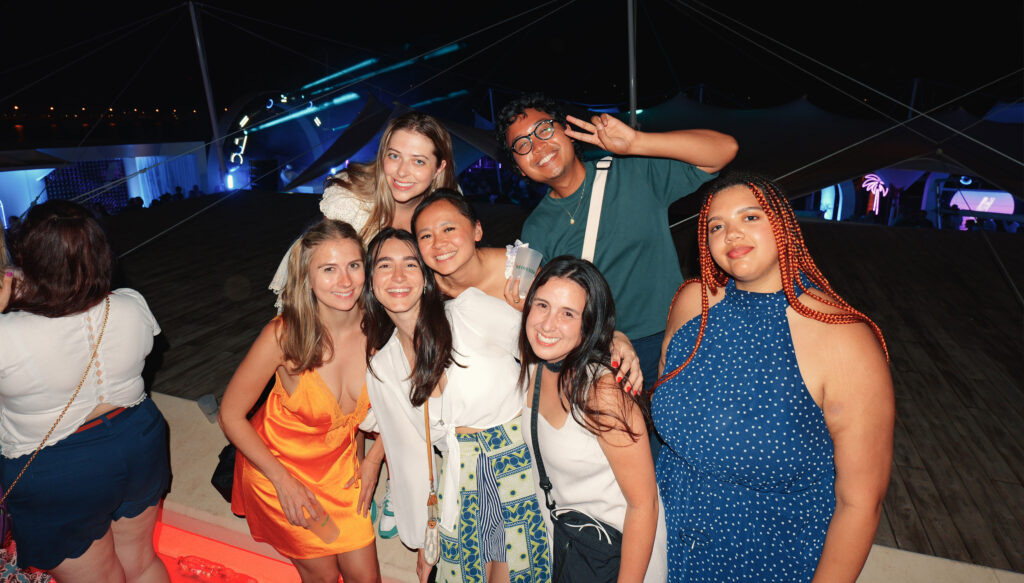
Group of young people on the beach at night smiling at the camera. Behind them is neon decor.
Pit stop at an under-30 party along the beach.Rachel Findlay and Jessica Nugent

https://www.adweek.com/agencies/what-cannes-young-lions-is-like/


Intersectionality in LGBTQ+ Marketing Is Sorely Lacking


.article-native-ad { border-bottom: 1px solid #ddd; margin: 0 45px; padding-bottom: 20px; margin-bottom: 20px; } .article-native-ad svg { color: #ddd; font-size: 34px; margin-top: 10px; } .article-native-ad p { line-height:1.5; padding:0!important; padding-left: 10px!important; } .article-native-ad strong { font-weight:500; color:rgb(46,179,178); }

Leaders from Glossier, Shopify, Mastercard and more will take the stage at Brandweek to share what strategies set them apart and how they incorporate the most valued emerging trends. Register to join us this September 23–26 in Phoenix, Arizona.

Brand leaders frequently say, “We want to be seen as a lifestyle.” It’s a catchall where audiences are immersed in story, statement, style and sound—integrated across every conceivable platform. So what if LGBTQ+ marketing wasn’t about a month or an event, but actually about lifestyle?

Marketing for Pride in 2024 appears to be the quietest, most hesitant season in recent memory as brands pull back, even from their previous investments, to “non-divisive,” milquetoast campaigns. And while Pride expression continues to be a profound struggle in too many regions, the marketing conversation is moving on from rainbow washing and into the nuances of intersectionality, where it’s not just about being seen; it’s about being understood, represented and uplifted, all the time, in multiple ways, rather than reducing queer life to a Target T-shirt.

It’s still true that Pride is a box to tick, with the broadest of broad strokes applied to floats, stands, events, merch and sponsorships. But the larger issue ultimately is that marketers start broad, around an event for a community, and hope it will reach everyone in that community.

Their approach is outside-in. But that’s not how it works for us. The aforementioned multimedia tactics are table stakes.

So much marketing, and the cultural impact it’s had, has worked best by going inside out. Success is started with an idea of hyperdefined subculture and, in reaching that smaller group, brands reach all the people influenced by that group. Look at sneakerheads, comic fans, cult TV show nerds, essential oil enthusiasts, tarot and astrology groups. Each of these and countless more delve into the intricate use of signs, symbols, behavior, language, dress and codes that speak to immersion and authenticity in ways that show up in everyday life. From there, it broadens into the mainstream.

But in LGBTQ+ marketing, authenticity and intersectionality is not only misunderstood, it’s often flat out avoided. Consider Postmates’ 2022 “Eat With Pride” campaign. It was an interesting idea but only activated for Pride. Imagine if that was an evergreen campaign around food and queer sexuality. Similarly, take last year’s Walmart “Live Love Lesbians” T-shirts, or the blanket statement “Love Wins”—like them or not, they’re reductive and stock standard.

The opportunity for smart marketers is to start by selecting a subsection of the community you want to help and work from the inside out. Brands like Orbitz definitely start with LGBTQ+ community-centric perspectives for mapping travels—what if they developed more from a place of subcultures, for example, suggesting safe destinations specifically for nonbinary people? 

Even if social good is your purpose, you can’t help the entire community at the same time. Intersectionality is the opposite of stereotyping; it’s authenticity in and of itself, rather than authenticity being a buzzword for a preset cast of characters that fit the right aesthetic. Knowing that we need to start specific, intersectionality has to take on a new meaning for LGBTQ+ work. 

Intersectionality means mapping subcultures 

Find the ability to push past “mainstream gay” stereotypes like glitter and coastal focus. Connect with different stages of life, alternative expression and locations where queerness moves and looks different. Have you explored and mapped queer subcultures to understand the spectrum of identities and individuals that my brand could establish an honest relationship with—to assertively build something together? 

To start, consider the Gen Z goth lesbian, the elders of the Act Up and Silence=Death activist groups, the millennial trans nonbinary academic, the Gen X bisexual, the Black pansexual drag queen. All of these are real, vital and essential members of the queer community. Determine which subculture is most relevant to the value you provide.

Intersectionality means commitment 

Assert commitment to building equity year-round, rather than just for a Pride event. Invest in human insight and labor to craft and refine connective messaging, rather than relying on algorithms and media placement.

When queer culture, language and expression are evolving at light speed, understanding and participating in daily cultural conversations requires time, resources and constant care. Balance this against $3.9 trillion in purchasing power and outsized influence in culture overall, and honestly, why wouldn’t you make that investment?

Collaborate around and document the personal commitment to stay the course. Enlist internal allies. Challenge the “Yes, but” and keep progressing rather than bending to and flip-flopping with political headwinds. What does commitment look like to you, especially in the face of inevitable adversity?

Intersectionality means intentional progress 

Being progressive in your message in the precise name of the game in intersectional marketing. Rather than pandering to the mainstreaming of (appropriated) language—yassss, slay, hunty—or casting a good-looking white gay man, or a skinny, fashionable Drag Race queen, or making everything pink or rainbow, where can you actually express queer joy? 

Shine light on an everyday human need from a queer lens. That means placing a big bet like Nike and Colin Kaepernick. It’s a commitment not just to our celebrations but—like most good marketing—to our challenges too. Did you know LGBTQ+ folks are more likely to have sleep issues? Who is going to make intentional changes in the mattress and sleep hygiene industries to make sure the people with more trouble sleeping are an inspiration for solutions? 

Gather your team around the work that could actually move the needle forward in real life, rather than just generating quant reports for the bean counters. If you consider yourself “purpose-driven,” find a purpose larger than yourself. 

In the end, marketing to people instead of Pride comes down to this: We have value not just in our ongoing, united struggle against hate, but in our multiplicity containing an embarrassment of potential riches in spend, loyalty and growth for brands. Create things that sell to us with a fine point, not a broad brush.

https://www.adweek.com/brand-marketing/intersectionality-lgbtq-marketing-pride/


How Marketers Can Rethink Their Approach to Gathering LGBTQ+ Data


Lyft recently introduced “Women+ Connect,” a feature allowing women and nonbinary riders to select drivers of the same gender. Developed in collaboration with organizations like the Human Rights Campaign, this initiative addresses safety concerns and sexual assault incidents, demonstrating the benefits of enhanced self-identification and user-protection options for vulnerable populations. 

This advancement might seem surprising given the widespread scrutiny over Big Tech’s handling of user data, particularly regarding privacy, discrimination and safety. Nonetheless, enhanced data collection methods are crucial for better supporting minority groups, especially LGBTQ+ individuals.

Until recently, laws considered sexual orientation to be sensitive information and exempt from routine data collection. This has led to a significant gap in data on LGBTQ+ individuals, complicating efforts to support and represent this community effectively. 

Also, traditional demographic data collection often lacks the subtlety needed to capture the complex identities within this group, which is essential for understanding and addressing the diverse needs of LGBTQ+ populations. These dynamics are essential to brands navigating an ever more nuanced world where LGBTQ+ consumers are in the most diverse and fast-growing demos.

Marketers looking to provide value and create inroads are concerned about making missteps, and this sort of data can embolden their outreach. Accurate data is foundational for facilitating authentic representation, reducing stereotypes, fostering societal acceptance and emboldening respectful engagement.

Recent initiatives 

In response to the growing need for more data, the U.S. Census Bureau is soliciting public feedback on proposed changes to the 2024 American Community Survey. The focus is on refining verbiage, questions and response options related to sexual orientation and gender identity (SOGI). This initiative aims to capture a broader spectrum of LGBTQ+ identities, improving the accuracy of data for policymaking and service provision. 

Despite these needed efforts, political resistance persists. Senators Marco Rubio and J.D. Vance have expressed concerns that including SOGI questions could invade privacy and “politicize” the survey. Meanwhile, just so far this year, over 550 legislative proposals aiming to restrict transgender rights have been introduced across the U.S.

This highlights the disparity between the limited data available and the intense focus on LGBTQ+ issues in policy debates. 

While marketers and community-builders alike tend to negotiate public and private identities in localized ways according to regional laws and cultural tolerances, this issue is further complicated by the globalized nature of diverse member organizations, cooperatives and community platforms. In countries where LGBTQ+ individuals face persecution, like Russia, Nigeria and Malaysia, there is a profound need for systems that protect individuals’ privacy while collecting data; enhanced methods for global brands must prioritize the secure and private self-identification of LGBTQ+ individuals.

The solution: adland to establish thoughtful data retention policies, considering varied legal and cultural contexts internationally—vital steps toward creating more inclusive platforms and brand experiences. 

Inclusive data collection 101 

Creating a safe environment starts with trust, which involves implementing consent mechanisms that respect customers’ preferences and levels of comfort with disclosure. Cultural sensitivity is paramount, recognizing that some individuals may not disclose their identities due to safety concerns or societal pressure—data collection should be on an opt-in basis. 

Brands should foster open dialogues about privacy and security, continually engaging with their communities through meetings, surveys and forums. It is also vital to maintain transparency about how data is collected, used and stored; compliance with data protection laws like the GDPR and CCPA is essential, as well as adherence to antidiscrimination measures.

Exploring innovative, privacy-preserving methods in data collection can help minimize risks. For example, American Community Survey respondents can answer questions online, by mail, over the phone or through in-person interviews—and as additional precautions, the Census Bureau is proposing using flash cards for in-person interviews and using numbered response categories for people who do not want others in their household to know their responses. 

Marketers must understand that the technical aspects of data collection pose significant risks, and ensuring the security of stored data is crucial to protect the privacy of LGBTQ+ individuals. Access to sensitive data should be restricted to only those who need it to perform their job functions. Implementing role-based access control (RBAC) ensures that individuals only have access to the data necessary for their roles, reducing the risk of internal breaches.

Employ robust encryption methods and verify the accuracy of self-disclosed information and identifying metadata to prevent misuse. Ensure compatibility across platforms and a user-friendly experience to encourage voluntary disclosure, while managing sensitive data storage for adherence to stringent data protection standards. 

If a lot of these steps sound like they’re going to demand new conversations and connections, you’re right. Your creative teams will have to work more closely with strategy teams on the nature of insights and how they must translate toward safe, inclusive, integrated experiences. Your chief strategy officer and chief technology officer will be having a lot more calls. And your research leads must have more direct conversations with members of LGBTQ+ and other diverse communities themselves.

But by aligning your talent and brand around enhancing privacy protections and refining data collection methods for diverse constituents, we can all foster collaborative environments and platforms where LGBTQ+ individuals feel safe, considered and represented.

https://www.adweek.com/performance-marketing/how-marketers-can-rethink-their-approach-to-gathering-lgbtq-data/


Marketers Need to Differentiate Loyalty Goals From Preference Goals


Can you imagine a time when you’d marry the first person you dated—and stay married for over 50 years? What about taking the first job you were offered and committing to it for 40 years? 

I hear brands saying they desire this: “fast loyalty.” But in today’s hypercompetitive market, businesses find themselves in perpetual pursuit of this unattainable fidelity, akin to chasing a mirage in the desert. And to further complicate things, brands’ actions are more often aligned with preference than with loyalty. 

What’s the difference? 

Preference, in essence, is a function of value, availability and access—a delicate balance between what consumers give up and what they receive, coupled with the brand’s inventory and reach. On the other hand, loyalty emerges from the fusion of preference with trust and authenticity—an alignment of core values that fosters commitment and allegiance. 

There is a distinction to make between short-term and long-term preferences as well. Long-term preference refers to sustained favorability toward a brand; it reflects consumers’ consistent brand choices, often built on factors such as quality, reliability and positive previous experiences. Short-term brand preference refers to consumers’ immediate choices based on situational factors like proximity or occasion.

A tale of two businesses 

The conflation of preference and loyalty is one of the fundamental misunderstandings of modern marketing—so let’s set the record straight, looking at two businesses both claiming to seek loyalty. 

Business One expresses values and supports causes that are in line with its target customer. It listens to feedback and tailors its product offering to meet evolving needs. It launches a rewards program with a unique value exchange, even offering rewards not tied to its corporate benefit. It shows up in small ways at local spaces to demonstrate its shared identity with consumers. 

Business Two promotes value-based transactional exchanges. It applies discounting, product promotions, limited-time offers and other shorter-term incentives to drive immediate purchases to generate sales. It shows up in large spaces to talk about itself and propel its agenda forward.

Both approaches increase top-line sales, but the latter is incorrectly associated with loyalty objectives and KPIs. Business Two’s tactics build long-term preference if they are lucky but not loyalty. It has limited engagement with consumers beyond the point of purchase and therefore lacks personalization and deeper relevance; it is less aware of who its core consumers are, why they shop there or what might bring them back tomorrow. 

Key loyalty KPIs are retention rate, repeat purchase, churn rate and customer lifetime value, compared to the key long-term preference KPIs of top-of-mind awareness, brand perception, purchase intent and brand engagement. Consistent messaging, quality customer service and product innovation are all strategies that build toward a long-term relationship with the customer. 

Short-term, transactional strategies—as measured by conversion rate, cost per click, cost per view and cost per conversion—do nothing to build loyalty as defined by the long-term KPIs above. 

The cost and value of preference versus loyalty 

Numerous studies, including one by the Harvard Business Review, underscore the resilience and profitability of long-term customer relationships over short-term transactions. Recent insights from the Edelman Trust Barometer shed light on the pivotal role of trust and authenticity in driving brand loyalty—a testament to the enduring power of consistent brand experiences built over years, not months. According to a report by Forbes and another by Bain & Company, increasing customer retention rates by 5% can lead to a profit increase of more than 25%. Yet, despite the empirical evidence, many brands persist in chasing short-term gains with long-term KPIs. 

It’s easy to see why: Short-term preference is easier to transact on, and long-term preference campaigns cost more in the long run, requiring you to have deeper consumer understanding, which tends to come with research costs or offer a rewards program, which is associated with higher investments. While there are strategies to reduce the marketing costs of local, one-to-few and one-to-one campaigns, these strategies tend to have a higher CPM than mass, one-to-many campaigns.

And have you seen consumer acquisition costs these days?! On average, CAC for a D2C brand is $25-35. If your average basket size is $50 through transactional strategies, your ROI is 2-2.5; ten years ago, D2C ROIs, even if driven by transactional strategies, were close to 4. 

The financial model for short-term preference is simply too weak in today’s marketing landscape given these acquisition costs. You can’t afford to run a business on short-term preference only—you must build actual loyalty by activating strategies aligned with Business One’s above, measuring churn rate, retention rate and other loyalty KPIs. 

Transform to a long-term mindset

One crucial point is that long-term preference does not necessarily result in loyalty. While a consumer may consistently prefer a particular brand over time, it does not guarantee brand allegiance; things like changing market dynamics, evolving consumer preferences or competitive offerings can all influence long-term preference and potentially lead to shifts in brand loyalty.

Instead of viewing these as separate entities, marketers should recognize them as interconnected aspects of consumer behavior and adopt strategies that address both. Start by allocating a portion of the total budget—up to 25% initially—to brand-building activities—content marketing, brand storytelling or customer engagement initiatives—to strengthen brand equity and market presence over time. Shift focus from conversion to customer lifetime value.

The primary pitfall of having a misalignment of short-term goals with long-term KPIs is that you never really put brand equity strategies into action. You continue to focus on the close-in and lose sight of the horizon.

https://www.adweek.com/performance-marketing/marketers-need-to-differentiate-loyalty-goals-from-preference-goals/


US Brands Have an Opportunity to Support Era-Defining Causes


.article-native-ad { border-bottom: 1px solid #ddd; margin: 0 45px; padding-bottom: 20px; margin-bottom: 20px; } .article-native-ad svg { color: #ddd; font-size: 34px; margin-top: 10px; } .article-native-ad p { line-height:1.5; padding:0!important; padding-left: 10px!important; } .article-native-ad strong { font-weight:500; color:rgb(46,179,178); }

Leaders from Glossier, Shopify, Mastercard and more will take the stage at Brandweek to share what strategies set them apart and how they incorporate the most valued emerging trends. Register to join us this September 23–26 in Phoenix, Arizona.

Despite 2023 being viewed as a year of evolving international turmoil, we are seeing a stabilization of the global issues that matter most to people globally and in the U.S.

“Poverty, hunger and homelessness” is the most important issue for people worldwide according to Revolt’s annual index ranking of the 50 issues that matter most to consumers, Causes That Count. Unsurprisingly, “large-scale conflict and wars” was number two in the 2024 report. Climate change takes third place globally.

We are witnessing populations under strain and seeking help from their governments; this is very much reflected in concerns that are uppermost in the minds of people around the world. The issues of famine and food security, government transparency, access to healthcare and access to quality education all stay firmly in the top 10.

This is significant for purposeful brands looking to understand which causes are seen as important and which most need their support. Many of the top 10 concerns are now becoming “era-defining.” In an election year, it’s more important than ever to do purpose properly, stay true to what your brand stands for and align with the values of your audience.

For Americans, priorities have shifted

The U.S. mirrors this global picture, but with some key shifts that purpose-led brands need to be aware of. As with the global top 10, we are seeing a real stabilization of the top 10 issues that matter most to U.S. consumers. “Poverty, hunger and homelessness” is the number one cause. In the U.S., for the second year running, “access to healthcare” takes the third spot. Eight of the top 10 causes are consistently represented year-on-year in the U.S. top 10, even though there are variances in position.

“Large-scale conflict and wars” is the second most important cause Americans care about, jumping up five places from last year. The U.S.’ direct involvement in the Israel/Gaza conflict has sparked a national conversation around foreign policy, becoming an electoral issue that is increasing the gap between public and political interests. In 2024, this gap will likely increase as fears about the consequences emerge.

Two new additions to the top 10 were “fair wages” and “mental health issues.” Despite the news that 25 U.S. states will increase the minimum wage in 2024, many respondents are feeling the pressure of rising costs that feel like they are rapidly outpacing their earnings.

The mental health crisis received significant coverage in 2023, with reports that the U.S. suicide rate was at its highest since 1941. A December 2024 report estimated that two-thirds of Americans with a diagnosed mental health condition are unable to access treatment even with health insurance. 

Although climate change made the U.S. top 10 in last year’s report for the first time, it is back down to 16th place in 2024. This is despite 2023 being a year of record-breaking temperatures and the fact that 63% of Americans expect climate change to get worse in their lifetime.

Partisan gaps in climate concern are likely driving this cause down in the national ranking. In this year’s index, people who vote Republican are 35% less likely to think that climate change is one of the most important issues compared to Democrats.

Related Video

What this means for brands

Brands looking to appeal to U.S. consumers in 2024 should be mindful of these partisan differences when it comes to causes. They should focus on issues that unite Republicans and Democrats, as well as how to frame divisive issues in a way that fosters unity.

Mental health and fair wages are current issues that brands could align with as more Americans become aware of inequalities and failures of the system at large. Wars and conflicts directly impact brands’ supply chains and costs, but they must also look beyond this to how they can provide aid and support to communities affected by conflict.

And while climate change dropped out of the top 10 in this report, there is still a vast opportunity—and arguably a necessity—for brands to present their products and services as beneficial to consumers and the climate.

The top 10 issues—both in the U.S. and globally—are now settling down as the key causes of our era. For brands whose operations touch one of these issues, there is a need and opportunity for them to step up purposeful action. And for brands looking to align with a cause that has broad consumer appeal, the top 10 now represent arguably the best bets.

There are major opportunities for brands to help both people and the planet while driving business growth. But careful assessment is required. Stepping in to support non-profit initiatives can lead to a positive impact, but might not always be in line with brand-building activities.

Innovating and adapting—or simply re-framing—the role of products and services can improve consumer engagement if the opportunity exists. Employee engagement at times of tragedy and conflict is essential, especially when race and religious tensions are heightened. For activist brands, now is the time to speak out boldly to help your cause cut through the noise. For mainstream brands, a focus on unifying causes and framing at a time of polarization and conflict can speak to the “big center.”

And, for every brand, now is a time to calmly and remain committed to taking action on the fundamental long-term risks that the business faces.

https://www.adweek.com/brand-marketing/us-brands-have-an-opportunity-to-support-era-defining-causes/


What’s so Bad About a Little Shine? A Reflection on AANHPI Heritage Month


.article-native-ad { border-bottom: 1px solid #ddd; margin: 0 45px; padding-bottom: 20px; margin-bottom: 20px; } .article-native-ad svg { color: #ddd; font-size: 34px; margin-top: 10px; } .article-native-ad p { line-height:1.5; padding:0!important; padding-left: 10px!important; } .article-native-ad strong { font-weight:500; color:rgb(46,179,178); }

ADWEEK will be all over Cannes. Subscribe to unlock unlimited access to all our coverage and analysis.

I don’t seek the spotlight and I never felt held back by my identity. Yet I am still reminded every day of the harsh reality of prejudice and discrimination our community continues to face post-pandemic. This has changed how I view my own identity and the importance of visibility and representation. It’s why I’m sharing my journey. I hope it can inspire future Asians in advertising and others from diverse backgrounds to benefit from the opportunities this industry can bring, whether you like the spotlight or not.

And, what’s so bad about a little shine?

It’s a rarity in today’s landscape to be at an agency network for a long period, and yet, I’m reaching 17 years at McCann. During my tenure, I have embraced challenges and opportunities alike, gone where needed (literally). It has sparked a profound shift in my perception of self and how I lean on the strength of my cultural values and more actively embrace my roots to show up.

As we close out another Asian American, Native Hawaiian, and Pacific Islander (AANHPI) Month, here are reflections and learnings from my time in advertising.

Find a workplace that works for you

There is no creativity without individuality. Individuality and your worldview make the work unique, interesting and exciting. If every piece were made without personal influences, it would all be the same. And in the workplace, that’s important for us business folks working with our creative and strategic partners and finding unique ways to sell and present to our clients.

Individuality, and being in an organization that encourages that, is crucial.

There’s an empowerment that comes with embracing individuality. It’s allowed me to build my path and lean into what brings me joy and purpose, even if it means moving across the world to take on an opportunity and new role I didn’t see coming.

Enjoy the ride

Have a point of view. Have a genuine passion for what you do, whatever that might be. It will show and everything will become more enjoyable as a result. 

Having been at an organization for a long time, while it may seem almost against the zeitgeist, it’s where I’ve found the most support. People chase a quick hit or a quick promotion, but you’re missing the support system, the advocacy and mentorship needed for professional growth.

It’s funny. My true self is direct. Some people read into that a lot but it’s just me trying to get the job done. If I were to fully change that, I am sure people would consider it disingenuous and that is not a great foundation to start any relationship, professional or personal.

Do great work, get it done with people you like and enjoy the ride. Embracing your individuality is equally important to bringing your true self to work every day and giving it your all.

Hang on to your cheerleaders

At each stage of my career, I’ve been fortunate to have advocates who championed me, allowing me to deliver against any challenge set before me, quietly and with my head down.

Find your advocate but know they will also seek you out – that one person who you know has your best interest at heart, the one who champions you for what you deliver, respects you for who you are and pushes you to be better. It will make all the difference in your growth. And when you have that, hang on to it as long as you can. Happiness and fulfillment are essential to survive in this industry as it is a demanding job with many ups and downs.

it’s important to pave the way for inclusivity and empower the next gen of not just AANHPI trailblazers, but all underrepresented and marginalized groups. My journey has been different, and I’m inspired by the visibility and representation I see.

And to those who made this space for me—thank you. You know who you are.

https://www.adweek.com/agencies/whats-so-bad-about-a-little-shine-a-reflection-on-aanhpi-heritage-month/


Starbucks Refreshers—Cultural Appropriation or Appreciation?


.article-native-ad { border-bottom: 1px solid #ddd; margin: 0 45px; padding-bottom: 20px; margin-bottom: 20px; } .article-native-ad svg { color: #ddd; font-size: 34px; margin-top: 10px; } .article-native-ad p { line-height:1.5; padding:0!important; padding-left: 10px!important; } .article-native-ad strong { font-weight:500; color:rgb(46,179,178); }

Leaders from Glossier, Shopify, Mastercard and more will take the stage at Brandweek to share what strategies set them apart and how they incorporate the most valued emerging trends. Register to join us this September 23–26 in Phoenix, Arizona.

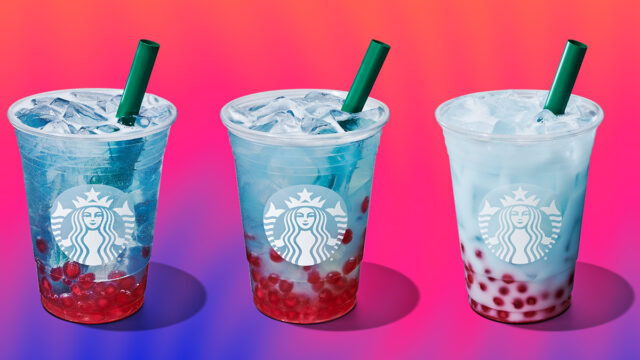
At the start of Asian American Pacific Islander Heritage Month, Starbucks announced its summer release of new fruit drinks: bright blue Starbucks Refreshers with raspberry-flavored “pearls” at the bottom of the cup. The brand says it drew “inspiration from drinks around the world, especially East Asian beverages with boba or pearls that have been popular for decades.”

And Starbucks isn’t the first brand to draw inspiration from boba tea. Sonic and Dunkin’ both introduced boba tea, calling them “bursting bubbles” and “popping bubbles,” respectively.

But for marketers, where’s the line between cultural appropriation and cultural appreciation? When there’s increased pressure for marketers to innovate and create during heritage months, it’s a delicate balance to ensure that we honor and respect the communities we are trying to serve. Here are three watch-outs to avoid cultural appropriation.

Avoid playing catch-up

The pressure for brands to participate in cultural heritage months can be intense. Don’t race to check the box during these months in order to pretend to show up for a community. Instead, do the work to show that you want to be an ally and serve a community that needs your support, otherwise sit it out this time around and choose not to participate. Don’t fall into the trap of cultural appropriation.

The line between cultural appreciation and appropriation can become blurred. Remember: When we appreciate a culture that’s different from our own, we must start with positive intentions and admire, learn and enjoy experiences that we have never had before. Someone’s culture is not a hobby or an item to collect; it is part of their life, community and identity.

Cultural appropriation is defined as “the act of copying or using the customs and traditions of a particular group or culture, by somebody from a more dominant (powerful) group in society.” Appropriation can lead to stealing or treating something from another culture as a trend. When we are culturally appropriating as marketers, we can sometimes erase the memory and history of where the tradition or idea came from.

Marketers, this is a reminder to not engage in cultural appropriation, especially in a rushed attempt to show up for a heritage month.

Give credit where credit is due

Starbucks is under intense pressure; it lowered expectations for its full-year-2024 sales after a challenging quarter with in-store visits slowed globally. CEO Laxman Narasimhan said the company will try to boost U.S. store traffic this summer with new drinks. He referred to this new Starbucks Refreshers launch as its “first texture innovation” and hinted that more of these types of innovations would launch in the coming years.

However, Starbucks choosing the name “pearls” for its launch is a missed opportunity. It avoids the connection with boba tea culture and avoids creating a stronger connection with AAPI Heritage Month. The first iterations of the boba tea are said to have emerged in Taiwan’s traditional tea shops in the 1980s. Whether the brand meant to or not, it erases the history of boba drinks by not acknowledging it in-store and online.

When we learn from other cultures and are inspired, it’s important to give credit, especially if that inspiration leads to the launch of a new product or new content. Remember, when overseeing a large brand with a big platform, it’s also an opportunity to teach our consumers about history, culture and traditions that they have yet to be exposed to. It’s our responsibility as marketers to show cultural appreciation and role-model what that looks like in the greater marketplace.

Partner with challenger brands that are doing the work

Starbucks has been on a journey to be a more inclusive brand. The brand has bolstered inclusion on paid media, with 15% of its paid media budget in diverse owned, created and targeted media groups. The brand committed to spending $1.5 billion annually with diverse suppliers by 2030. As of fiscal year 2022, $882 million had been spent with diverse suppliers.

And its Artist Collaboration Series highlights artists from the Latin American, LGBTQ+ and Black communities and more through partnering on designs for their drinkware collection. In fact, for AAPI month, Monyee Chau’s art is featured on the latest collection of Starbucks drinkware.

Related video

This was a moment for Starbucks to embrace cultural appreciation by partnering with a smaller brand, instead of launching a boba copycat or boba-adjacent product during AAPI Heritage Month.

BOBABAM launched its authentic Taiwanese at-home boba kits three years ago, available at retailers like Sprouts and Target. Bob Yau, the company’s Taiwanese-born founder and chairman, came home after a frustrating experience to get boba for his kids. He built the brand to find a better way to enjoy boba at home. It is now the instant boba category leader, with over 32 million drinks sold to date.

BOBABAM uses authentic tapioca boba in its product line and, according to the brand, “boba is a springy, chewy tapioca ball derived from the cassava root. With a bouncy, chewy texture known as QQ, these little black tapioca balls take your mouth on a joyride.”

There was an opportunity here for Starbucks to create a new line of flavors with BOBABAM, crafting the beverage in its store, while giving credit to its partner and sharing the history of boba tea. It could have also carried BOBABAM kits in its stores, magnifying the story of their partnership in social media channels and in the greater marketplace. This could have been another moment for Starbucks to have amplified and lifted an AAPI founder.

When brands like Starbucks that are committed to being more inclusive make mistakes, it’s a reminder for all of us. The line between cultural appreciation and appropriation can get blurred.

When in doubt, partner with those brands that can help you authentically honor and serve traditions and cultures you are working hard to represent. Just say no to cultural appropriation.

https://www.adweek.com/brand-marketing/starbucks-refreshers-cultural-appropriation-or-appreciation/


Ad Agencies Can Help Reduce Racial Wealth Gap in America—Here’s How


.article-native-ad { border-bottom: 1px solid #ddd; margin: 0 45px; padding-bottom: 20px; margin-bottom: 20px; } .article-native-ad svg { color: #ddd; font-size: 34px; margin-top: 10px; } .article-native-ad p { line-height:1.5; padding:0!important; padding-left: 10px!important; } .article-native-ad strong { font-weight:500; color:rgb(46,179,178); }

Don’t miss ADWEEK House at Cannes, June 16-19. Join us as we celebrate our 45th anniversary and explore the industry’s now and next. RSVP.

In 2018, a Black-owned small business accomplished an incredible feat on Black Friday by selling $1 million of cosmetics in less than 90 minutes. The Box of Crayons product was also featured on Oprah’s Favorite Things list… twice. Founder Raynell “Supa Cent” Steward has since built a $50 million cosmetic brand without traditional marketing support.

While Steward’s success isn’t rare in the age of social media, it’s not the norm, especially for Black-owned brands.

Growing up in Inglewood, Calif., I would take walks with my mother and sister to our local beauty supply store to purchase anything from shampoo to hair oil to rainbow-colored beads for our braids. We’d then stop by the local ice cream shop and pick out our favorite flavors for the walk home.

These businesses served our community but weren’t a reflection of the community. These store owners invested our money into their neighborhoods, miles and miles away.

If I were to take that same walk today, I’d now find a Black-owned beauty supply store, ice cream shop, and a host of other Black-owned small businesses. While these businesses are creating new jobs and opportunities for the community, there is work to be done to ensure they receive the support needed to be successful in the face of gentrification, elimination of institutional diversity initiatives and other economic pressures.

Here’s how ad agencies can help.

Related video

Build with the business

As marketers, we develop strategies that help companies amplify messages, increase market share and drive sales. Our work creates connections and longevity for the world’s biggest brands.

These skills are invaluable, and it’s one of the many reasons why Deutsch LA created Blackness in Full Bloom, its free brand-building program for Black business owners.

Since 2020, Deutsch LA has provided local entrepreneurs with the tools and resources necessary to grow their brands. At a time when DEI commitments are under siege, Deutsch LA has reinforced its commitment by entering into its first partnership with Pharrell Williams’ Black Ambition, a nonprofit committed to closing the opportunity and wealth gaps through entrepreneurship.

The partnership expanded Blackness in Full Bloom’s reach beyond Los Angeles and has provided Black Ambition’s founders with free training and resources. To date, Blackness in Full Bloom has helped over 30 Black-owned businesses continue to build their brands.

According to a recent Brookings study, creating and supporting more Black-owned businesses is one step to reducing the racial wealth gap in the U.S. Black-owned businesses drive the highest percentage increases in employees, revenue and payroll, but only make up 2.7% of employers. The more Black-owned businesses there are, the better it is for everyone.

Northwestern University’s Kellogg School of Management’s Gather Against the Gap report found that “the racial wealth gap for Black Americans remains significant, with a direct impact on social and economic growth in the United States.” The median wealth for Black households is roughly $20,000 compared to about $180,000 for white households.

So while the number of Black-owned businesses grew between 2017 and 2021, the overall share remained disproportionately low relative to their share of the U.S. population.

The role of ad agencies

In addition to internal programs like Blackness in Full Bloom, advertising agencies can also provide support by:

  1. Evaluating supplier diversity: Create opportunities to support Black-owned businesses within procurement processes. Whether it’s as basic as coffee for the office or multi-pronged like allocating ad dollars with media companies, the intent shows a commitment to financial parity and equity. And the investment goes beyond promotion. This approach helps grow brands in a language that speaks to us all: dollars.
  2. Leveraging relationships: We all know someone who knows someone. It’s time we use our professional and personal resources to connect founders to key decision-makers who can help these businesses grow and thrive.
  3. Utilizing in-house resources: The most talented marketing professionals are housed within our agencies. It’s time we task small teams with implementing those brilliant yet shelved creative ideas in service of these businesses.
  4. Spreading the word: Use your agency’s social channels to spotlight some of your favorite businesses, help raise their visibility and provide free marketing, particularly since many have low or no marketing budgets.

Best-in-class

Despite the undoing of diversity initiatives in corporate settings and beyond, Google’s annual Black-owned Friday campaign is one example of how marketers leverage craft to support Black brands through culturally relevant content, marketing toolkits for businesses and technology (via shoppable content).

Walmart’s Black & Unlimited marketing platform is another great example that supports founders and introduces innovative products to store shelves, a significant feat for any business. The initiative plays a role in sharing the inspirational stories of entrepreneurs and the creativity of Black creators.

In 2020, Groupon searches for “Black-owned” increased nearly 400%, according to a survey by Groupon and the National Black Chamber of Commerce. When the excitement faded just a few months later, so did searches and revenue.

The shift we’re witnessing around diversity efforts is also happening with Black-owned businesses. By educating ourselves, leveraging our innate knowledge and resources and encouraging decision-makers to assist in eliminating systemic inequities, we help contribute to a more just society with no racial wealth gap.

https://www.adweek.com/agencies/ad-agencies-reduce-racial-wealth-gap/


4 Ways Consumer Brands Can Break Up With Plastics 


.article-native-ad { border-bottom: 1px solid #ddd; margin: 0 45px; padding-bottom: 20px; margin-bottom: 20px; } .article-native-ad svg { color: #ddd; font-size: 34px; margin-top: 10px; } .article-native-ad p { line-height:1.5; padding:0!important; padding-left: 10px!important; } .article-native-ad strong { font-weight:500; color:rgb(46,179,178); }

We’ve grown accustomed to accepting wildly overdesigned and unnecessary packaging because brands want their products to stand out on the shelf—and, perhaps inspired by politics, because the one who shouts the loudest gets the most attention.

In reality, consumers have shifted their decision-making criteria about product purchases to include more than efficacy and cost. We are now approaching a tipping point in our addiction to plastics in packaging, as more legislators put plastics on the agenda and consumers become more informed about the challenges brought on by plastics.

However, despite learning more about the health impacts of forever chemicals used in the production of plastics and the health threats from microplastics everywhere, consumers still struggle to identify the plethora of plastic polymer types. Waste management systems are fragmented and simply not capable of discerning, separating and collecting all those different plastics, despite niche efforts by startups like Glacier.

I’ve never met anyone who enjoys taking the trash out, so the more packaging waste a product creates, the trashier it’s perceived. The question for brands is whether they want to be ahead of the game or play catch-up. 

If you want to relax about legislative changes (like those recently seen in Europe), score big with consumers (especially Gen Z), avoid being at the mercy of global polymer producers and outplay supply chain disruptions (as seen during the pandemic and the recent wars in Ukraine and the Middle East)—then you’ll want to get on board with at least one of these four strategies for weaning your brand off plastics. 

Remove 

As Ludovic du Plessis, CEO of French vineyard Champagne Telmont, said, “The best packaging is no packaging.” So the first question we should ask ourselves is: Do we really need this? 

The gold standard for any product is a formulation that doesn’t need packaging at all. But that might be difficult for big plastic users, such as the food and beverage category. Plastic is light, robust, and can be flexible and transparent; current alternatives (mainly glass and aluminum) are heavy, opaque, rigid or brittle. 

Related video

Instead, consider if you really need bottles to sell drinks. Cirkul is a brand that ran with the deceptively simple idea of powdered drinks: Every person with access to clean drinking water just needs the ingredients that turn that water into an instant drink, such as hot chocolate, coffee or even beer. The ingredients can be pulverized and packed in space-efficient sachets, which can be paper- or seaweed-based, with no need for plastic at all. All the consumer has to do is combine and shake. 

But it doesn’t always take a fully fledged product innovation to remove plastics from the equation. Barilla realized that fully recyclable packaging is more important than its iconic plastic window to see the product. 

This strategy might be more difficult for fresh produce, where the visual cues of the product quality (ripeness, freshness) are paramount for the consumer’s purchase decision. But it has been done—with Dutch brand Eosta‘s plastic-free fruit punnets. Such plastic-free solutions tend to be made from a single material type, so it’s abundantly clear which recycling bin they need to go in after use. 

Replace 

If we can’t remove plastic, we should try to replace it with a better alternative. This doesn’t mean going straight to glass or aluminum—just be careful not to fall into the “blended materials” trap. Mixing the good stuff (PHA) with the bad stuff (yes, even PLA is problematic) isn’t going to make the bad stuff any more good. And consumers won’t appreciate being played for fools. 

What people do appreciate is convenience. Brands should select their plastic replacement materials carefully so that consumers aren’t forced to change their behaviors. PlasticFree offers a vast selection of challenger materials that are eponymous to the platform and equally as functional as the incumbent plastic. In most cases, they come with a significant environmental benefit. 

For example, Totality Perfect has developed a plant fiber-based alternative to plastic that’s reusable for up to 12 months but can also be home-composted to fully disappear within 200 days—guaranteed no microplastics. It’s the ultimate convenience for consumers, who can choose to keep it and put it through the dishwasher, use in the microwave, put it on the compost heap or even in the bin, no harm done.

Reduce 

If plastic is the only option, can we at least reduce the amount we’re using? Reducing plastic is really about efficiency, and everyone’s already doing it because it’s good for the bottom line. (Coca-Cola has incrementally reduced the weight of their bottles by over 30%.)

But this is not a standout move, and consumers won’t notice the difference as the marginal gains come over a long period of time.

However, there are examples where reducing plastics is very noticeable and can help a brand stand out. Colgate’s infinity-shaped Keep toothbrush handle is one of those examples—a win-win-win for brand distinctiveness, consumer behavior and the planet. 

Related video

Recycle 

This is the absolute minimum for any brand to do across their entire portfolio: Every piece of plastic should be sourced with the highest possible content of PCR, and it must be a polymer type that can be easily recycled. If even a luxury personal care brand like Aesop can reach 88% recycled PET in their iconic bottles, what’s your excuse? 

The biggest issue is that recyclable plastic packaging is putting a disproportionate burden on the consumer to figure out whether a particular plastic type (or worse, a mixture of plastics) can be recycled, and where to dispose of it so it reaches the correct waste management stream and actually gets recycled. Most recyclable plastics still end up in landfills, and even using recycled or recyclable plastics perpetuates the environmental and health issues that come with it. 

This is particularly problematic in the food and beverage space, where consumers don’t get very involved in the products and much less so in the packaging. In fact, people have a short relationship with pretty much all packaging, so why would anyone expect consumers to inconvenience themselves to solve those complex systemic issues on behalf of the entire supply chain? 

This is a problem that’s only going to be solved upstream. It’s up to brands to take the plastics problem off consumers’ hands, which is the ultimate convenience. 

https://www.adweek.com/commerce/consumer-brands-plastic-alternatives/