6 Things You Need to Know About Incrementality


.article-native-ad { border-bottom: 1px solid #ddd; margin: 0 45px; padding-bottom: 20px; margin-bottom: 20px; } .article-native-ad svg { color: #ddd; font-size: 34px; margin-top: 10px; } .article-native-ad p { line-height:1.5; padding:0!important; padding-left: 10px!important; } .article-native-ad strong { font-weight:500; color:rgb(46,179,178); }

For years, marketers have relied on simple metrics like ROAS and CPA that are clean and easy to interpret. But there’s a problem: These metrics can’t tell you if your ad spend actually made a difference.

Incrementality asks the harder, more important question: Would this result have happened if we didn’t spend the money and invest in this channel? And answering that question is what separates “we got lucky” from “we made a great investment.”

The trouble with incrementality is that many marketers struggle to measure it accurately. A performance agency we spoke with reported that less than 1% of their brand clients had proper incrementality testing in place, leading to misallocated budgets of 10–30%. 

If you want to move beyond guesswork, here are six things you need to know.
Incrementality is a curve, not a number

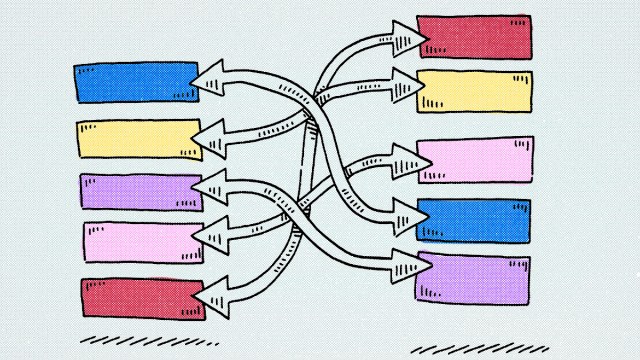
More precisely and scientifically stated, incrementality is measured as a curve based off of the depreciating ad effect. The impact of an ad starts to decay immediately after it is seen.

When platforms report incrementality, they don’t always tell you when they’re measuring on the curve. Is it a 7-day window? 30? If you’re comparing across channels, this really matters.

This is especially painful for marketers because they usually want to know right away whether a campaign is going well. Did the new creative hit? Is this audience worth retargeting? Are we up or down this week? Incrementality doesn’t operate on that kind of instant gratification timeline.

You can’t tack incrementality onto a weekly campaign dashboard. By design, incrementality requires time, control groups, and a well-structured test. It’s less about what happened yesterday and more about answering, “Did this strategy actually make a measurable difference?”

The right question comes before the test

Here’s where many marketers go wrong: They rush to set up an incrementality test—control groups, creative, the whole nine yards—without ever asking what they’re actually trying to learn. It’s like building a laboratory before deciding whether you’re testing for the flu or baking cookies. Sure, you might get data that looks impressive, but if you don’t answer the business question leadership actually cares about, what’s the point?

Let’s say you’re trying to answer, “What’s the impact of this channel on our overall growth strategy?” That’s a broad, long-term question, which requires a universal holdout test that runs over time and captures the collective effect of your channel strategy. It’s a zoomed-out, strategic view.

But if you’re asking, “How did this one campaign perform against its control group?”, that’s a campaign-level test, and it’s all about the here-and-now. It’s narrower, more tactical, and focused on short-term lift that can inform creative and offer testing.

Both are valid questions, but they require different methodologies, different audiences, and different timeframes.

You can’t stitch together campaign-level results and call it a strategy

We see this mistake all the time: Marketers run multiple campaign-level incrementality tests and then try to average the results into some kind of channel-level insight. On paper, it feels logical—stack up a few lifts, do a little math, boom: strategy. But in practice? It doesn’t work.

Why? Because each campaign-level test is measuring a different audience at a different moment in time, under different conditions. One campaign may target first-time buyers in spring. Another might focus on lapsed customers during the holiday season. Even if they’re both technically running in the same channel, they’re measuring different things. Trying to average them out is like blending apples, oranges, and pineapples and calling it a banana. It’s a fruit salad, not a conclusion.

If your goal is to understand the overall impact of a channel, you need a universal holdout test. This means creating a single, consistent control group—ideally drawn from the pool of people you expect to target over the full campaign timeline—and then measuring performance across all campaigns against that same group. That’s how you capture real, comparable, channel-level lift.

There’s no such thing as a ‘single-channel consumer’ anymore

Unlike the story of a Peruvian tribe discovered in 2024 with no prior outside contact, there’s no segment of U.S. consumers who are only reachable through a single marketing channel. This means that the desire some marketers have for each new paid channel to only bring in net incremental consumers is not realistic. 

When you’re measuring the lift from your Meta campaigns, for instance, you’re not measuring it in a vacuum. Those same consumers are likely seeing your YouTube ads, scrolling past your email, or receiving your postcards in the mail. This omnipresent media environment means that incrementality is increasingly about channel interaction, not just isolated performance. 

Marketers must not expect to find the consumer version of the Peruvian tribe—a purely incremental group of buyers never reached before by paid media.

Don’t chase high incrementality—find your Goldilocks zone

It’s tempting to look at a high incrementality number and say, “Let’s put all our budget there.” But that’s not strategy—that’s tunnel vision.

Smart marketers look for balance. If one channel is doing all the heavy lifting while others lag behind, it’s not time to cut the weak links. It’s time to investigate. The point is to balance the entire mix—not just overfeed the strongest performer.

Don’t optimize for incrementality … cuz ya can’t

Yet another hard truth: You shouldn’t “optimize for” incrementality in isolation. It’s not a leaderboard, it’s a diagnostic tool—meant to inform your strategy, not dictate it.

Yes, in theory, you could juice your incrementality number by only targeting people least likely to convert. Any conversion in that group will look incredibly “incremental.” But in doing so, you’d likely tank your revenue, experience high CPAs, and spend a whole lot of budget on low-probability bets.

That’s why we caution against using incrementality as a goal in and of itself. It’s not something to maximize. 

Instead, treat incrementality as a directional signal. It’s your early warning system for waste—or opportunity. Is your spend still driving lift, or are you seeing diminishing returns? Is a certain channel tapped out? Is another performing above expectations? These are the questions incrementality helps you answer—not, “How do I crank this number up?”
Incrementality is helpful only if you use it correctly

The most thoughtful marketers we work with don’t chase the highest ROAS, lowest CPA, or highest incrementality. They chase the most efficient growth, with incrementality increasingly helping them know where and how to reallocate budget for the biggest impact.

Think of incrementality like a compass—not a scoreboard. It won’t tell you if you’re “winning,” but it will help you stay on the right path.

https://www.adweek.com/performance-marketing/6-things-you-need-to-know-about-incrementality/


Humanize Your Brand to Build Bridges Across Deep Divides


.article-native-ad { border-bottom: 1px solid #ddd; margin: 0 45px; padding-bottom: 20px; margin-bottom: 20px; } .article-native-ad svg { color: #ddd; font-size: 34px; margin-top: 10px; } .article-native-ad p { line-height:1.5; padding:0!important; padding-left: 10px!important; } .article-native-ad strong { font-weight:500; color:rgb(46,179,178); }

In a country as politically divided as the United States, few topics elicit stronger emotional responses than guns. Gun violence is the leading cause of death for children and adolescents in the U.S., and in June 2024, the surgeon general officially declared it the country’s most urgent public health crisis.

In this environment, it can seem almost impossible for a brand or organization to make headway on an issue that touches on such deeply entrenched beliefs—ones that are core to a person’s identity. How can you move the needle by building bridges across unimaginable, deeply personal divides?

We recently set out to explore this very problem through a communications and branding overhaul, partnering with brand consultancy Redscout to chart a path forward. Our goal was to reach more Americans, mobilize supporters, and drive action in a deeply divided nation. The lessons we’ve uncovered along the way provide a roadmap for brands looking to grow their influence without alienating half the country.

Make larger-than-life issues feel solvable

When an issue feels too big to tackle, audiences shut down. That’s especially true for topics like climate change, economic inequality, or gun violence.

What we learned throughout our process is the importance of breaking down complex problems to deliver tangible hope. Instead of presenting a wall of grim statistics, humanize the crisis. You can reach a wider audience by contextualizing data with personal stories and clear calls to action. Take them through a narrative-driven experience. Make visitors to your website feel like they can actually do something about the problem.

This approach doesn’t just apply to advocacy organizations. Any brand dealing with a complex issue—healthcare, finance, sustainability—can benefit from showing how big problems can be tackled through practical steps. The goal is to replace paralysis with possibility.

Target the ‘moveable middle’ to grow your base

Too many brands make the mistake of speaking only to their loyalists. While it’s important to energize your core, long-term growth depends on your ability to reach beyond it.

A very intentional strategy for our brand refresh was to focus on the moveable middle—those who may not identify strongly with either side of the political spectrum but who care about safety, families, and practical solutions.

For marketers, this means developing messaging that resonates across divides and using language that speaks to shared values. This doesn’t mean settling for vanilla language—rather, put in the work to actually understand the multitude of perspectives your mission elicits. Show up in channels your usual audience might not frequent. Experiment with tone and content that respects different viewpoints without compromising your North Star. By reaching across the aisle, your brand can expand its relevance and impact.

Mix data and emotion into your story

Facts matter. But facts alone rarely change minds. To break through what at times feels like an echo chamber, you have to mix quantitative evidence with emotional storytelling. This blend allows people to understand the scale of the problem while connecting with it on a human level.

Data earns trust. Emotion builds empathy. Together, they create momentum.

When we revamped our digital presence, this principle became a guiding light. Rather than hiding data in PDFs or footnotes, we integrated it into powerful narratives across the site and social channels. The result? A brand voice that’s credible, passionate, and persuasive.

Brands across sectors can apply this technique. Whether you’re pitching a new product or rallying support for a cause, storytelling that marries heart and mind will always cut deeper than charts and spreadsheets alone.

Show up in unexpected places

Real progress doesn’t come from preaching to the choir. It comes from reaching people where they are—especially if they’ve never heard your message before.

After some lessons learned, we began partnering with pediatricians and healthcare providers to discuss gun safety during routine checkups. These conversations, once taboo or overlooked, now happen in trusted environments with a focus on practical action. 

Perhaps the most impactful lesson that applies to just about any brand? Don’t just launch campaigns in familiar spaces. Surprise people. Engage communities that aren’t already in your corner. Think cross-sector partnerships, unconventional media buys, or showing up at events where your presence isn’t expected but could be meaningful. That’s how you spark new conversations and, most importantly, new allies.

The path forward

We’re living in an era when brands are increasingly expected to take a stand. But taking a stand doesn’t have to mean taking a side. By adopting strategies that are pragmatic, inclusive, and rooted in shared values, brands can grow their influence while fostering unity instead of division.

What we learned throughout this work is that bipartisanship isn’t just a political goal—it’s a brand strategy. It requires careful storytelling, thoughtful audience engagement, and a willingness to rethink where and how you show up. But the reward is a brand that resonates with more people, makes more impact, and endures in a world where authenticity is everything.

The future belongs to brands that can bring people together. And that starts with the courage to build bridges—even when the road seems impossibly divided.

https://www.adweek.com/brand-marketing/gun-violence-rebrand-emotional-storytelling-political-divides/


When AI Fakes a Brand: Domain Spoofing Is a Crisis of Trust


.article-native-ad { border-bottom: 1px solid #ddd; margin: 0 45px; padding-bottom: 20px; margin-bottom: 20px; } .article-native-ad svg { color: #ddd; font-size: 34px; margin-top: 10px; } .article-native-ad p { line-height:1.5; padding:0!important; padding-left: 10px!important; } .article-native-ad strong { font-weight:500; color:rgb(46,179,178); }

The ability of AI to generate hyperrealistic text, images, and websites, causes a growing—and largely invisible—threat for brands known as domain spoofing.

What used to be a niche cybersecurity concern can now cause a mainstream brand crisis. Fraudulent websites are not only easier to create with the emergence of AI, but they are also harder to detect. They mimic legitimate companies so convincingly that customers don’t think twice before engaging. This can result in scams, data theft, impersonation, and, most importantly, erosion of consumer trust.

This issue can no longer be viewed as the sole responsibility of IT departments. It’s a marketing problem. It’s a brand protection issue. And, increasingly, it’s a risk that CMOs and brand and legal teams must proactively address in the AI era.

AI-powered domain fraud

Generative AI tools can now spin up thousands of fake domains and clone websites that pass the sniff test of most ad platforms, search engines, and even users. Cybercriminals use homoglyphs and typosquatting to build deceptive sites that collect passwords, distribute malware, or reroute ad traffic for profit. Some domains host fake ecommerce pages or impersonate customer service portals. But all of them siphon brand equity.

The barrier to entry is virtually gone. What once required time, effort, and a degree of technical sophistication is now as easy as prompting an AI chatbot. It’s domain abuse at scale.

Why brands are vulnerable 

Despite pouring millions into trademarks, brand identity systems, and ad campaigns, many companies have left their digital front door wide open. Defensive domain registrations are rare, and furthermore, trademark-backed domain protection is all too often an afterthought. And collaboration between cybersecurity and brand marketing teams is, at best, inconsistent.

Brands wouldn’t leave their logos unprotected; however, they routinely fail to lock down core and adjacent domain names, making it easy for bad actors to launch impersonation schemes.

When trust breaks 

When a customer falls for a fake domain, it’s the brand they blame. Even if fraud occurs outside the company’s infrastructure, the perception of negligence can be reputationally devastating. Trust is hard-won and easily lost. In the age of AI, the window for responding to spoofing attacks is shorter, and the consequences are more severe.

The brand damage is often twofold. First, there’s the initial fraud—lost sales, stolen data, or misdirected users. Then comes the media fallout, legal exposure, and erosion of customer confidence. The recent bankruptcy of 23andMe underscores this perfectly: While the data breach happened in 2023, the long-tail consequences—declining customer trust, class action lawsuits, and ultimately a loss in revenue—culminated in the company filing for bankruptcy in 2025. It’s a textbook case of how a cybersecurity failure, left unchecked, becomes a brand crisis.

What marketers can do now

It’s time to treat domain security as a core pillar of brand protection. That means:

  • Working with legal and cybersecurity teams to map out a domain defense strategy.
  • Registering key variations, including typo versions and new generic top-level domains such as .shop, .support, etc.
  • Monitoring domain registrations in real time.
  • Enrolling in trademark protection programs like ICANN’s Trademark Clearinghouse.
  • Developing response protocols when spoofing incidents arise.

Brand safety in the age of AI 

Just as programmatic ad fraud forced marketers to rethink digital placements, AI-fueled domain spoofing must reshape how we think about brand safety. More than stopping bad actors, this is about proactively defending the trust brands work so hard to earn.

As AI continues to evolve, so too must our brand protection strategies. Domain security can’t remain a reactive IT function. Rather, it must become a shared responsibility between cybersecurity, marketing, communications, and legal teams.

Because in today’s AI-driven, digital landscape, your domain is more than a URL—it’s your reputation.

https://www.adweek.com/brand-marketing/domain-spoofing-trust-crisis-ai-fake-brand/


Brands Can Recolor the Visual Language of Technology


.article-native-ad { border-bottom: 1px solid #ddd; margin: 0 45px; padding-bottom: 20px; margin-bottom: 20px; } .article-native-ad svg { color: #ddd; font-size: 34px; margin-top: 10px; } .article-native-ad p { line-height:1.5; padding:0!important; padding-left: 10px!important; } .article-native-ad strong { font-weight:500; color:rgb(46,179,178); }

The future is a promise to the human imagination, inspiring us to look beyond what the world is and envision what it could be. But if the future is so rife with possibilities, why have marketers’ ideas of what it looks like—or rather, what they believe audiences think it will look like—converged on such a monolithic aesthetic? 

When we examined search and download data from our platform, we found that in 2024, users were enamored with visuals of the future. Among our Creative library of hundreds of millions of pre-shot images, videos, and illustrations, the most popular images featured sleek hologram overlays, luminous lines of code, and a notable abundance of one color: blue. 

Businessman trading online stock market on teblet screen, digital investment concept
Getty Images
Close up of network data flowing on black background.
Two of Getty Images’ top-selling images from 2024.Getty Images

Marketing visuals have long equated technology and the future with cool tones and electric dreamscapes, largely due to the influence of science fiction films. Through their cultural dominance, these films set the aesthetic for the future as a blue, clinical, and streamlined world. 

Despite recent efforts to move away from the blues, the depiction of technology and the future has changed little over the last 30 years—and in 2024, we saw a renewed embrace of blue-dominant tech imagery in response to the rise of artificial intelligence. AI is changing how we work, live, and create, and marketers are defaulting to the familiar visual codes of science fiction to capture it. 

But while this icy palette remains popular, it does not reflect people’s actual relationship with technology. According to Getty Images’ VisualGPS AI report, 98% of consumers say authentic visuals are pivotal to building trust, which means beating the “tech blues” may be the key to connecting with today’s audiences. 

A brief history of the tech blues

One of the most iconic scenes in science fiction cinema, the finale of Blade Runner (1982), is almost monochromatically blue: The scene is awash in blue lighting; dystopian Los Angeles is blue neon and blue-black skyscrapers; Roy Batty’s eyes gleam an icy, unnatural blue, signaling his mechanical nature as a replicant. Blade Runner preluded the internet era of sci-fi film, but its visual legacy would endure, joining other canonical sci-fi titles like The Matrix to establish a visual language for technology. 

Real-life technology also plays a role in shifting tech aesthetics. With the advent of the internet alongside advancements in CGI and special effects, the tech blues became more deeply associated with visualizations of the future. 

At the same time, brands in the 1990s were focused on broad, generic appeal, and depictions of technology coalesced around the recognizable aesthetic from the movies. Blue tones cast the future as something cold and meticulously calculated. Environments were medicinal and minimalist; they evoked a kind of masculine angularity, following the lineaments of circuitry and hardware.

This would cement the aesthetics of tech for decades to come—not just in marketing, but in the development of technology itself. Our everyday devices became sleeker, thinner, more portable. User interfaces on smartphones and computers became more minimalist with each software update. 

Not until the 2010s was there a shift to bring other tones into the futuristic palette. The injection of pinks and purples into the blues, often called “bisexual lighting,” afforded a warming, more inclusive quality to technological imagery. In terms of composition, images featuring people using technology, rather than just the technology itself, became more popular. 

Now, we’re facing another technological revolution. Artificial intelligence—specifically generative AI—is everywhere. What was once a trope of science fiction is now on course to be the defining technology of this century, and naturally, enthusiasm around AI has led to a strong reemergence of the tech blue aesthetic. 

Businessman touching the brain working of Artificial Intelligence (AI) Automation, Predictive analytics, Customer service AI-powered chatbot, analyze customer data, business and technology
Getty Images

AI or Artificial intelligence concept. Businessman using computer use ai to help business and used in daily life, Digital Transformation, Internet of Things, Artificial intelligence brain, A.I.,
Getty Images

The outputs of the technology itself could also be reinforcing the tech blues trend. The blue, masculine, medical visuals associated with the word “future” are encoded in these tools’ foundation models, so they create images in line with these trends. With 62% of marketers using AI to generate image assets for their projects, AI-generated images could continue to reinvigorate the tech blues as a dominant aesthetic. 

To counteract this, brands should consider shifting their visual strategy from popular representations of the future to images and videos that feel accessible and relatable to audiences. Generative AI can play a role here, especially if the goal is to visualize something imaginative and create something eye-popping, but it must be balanced with authenticity. Center imagery around real people using technology in ways that matter to them, and watch the colors change.

In fact, despite blue being the dominant color in tech imagery, Getty Images’ two top-selling images of 2024 were people in orange and yellow hues. 

Businesswoman shaking hands with client and smiling cheerfully in meeting room
Getty Images
Man working at home, Melbourne, Australia
Getty Images

In an uncertain world, brands want to present as warming, positive presences in society, and their visual strategies should reflect this. That means looking beyond what the movies tell us the future will be and depicting the one we’re actually shaping. 

The visual code of hands

While showing people using computers, smartphones, and even speculative tech like holograms are common ways to humanize tech in visuals, Getty Images’ search data shows that users are fixated on hands.

Close up of woman's hand typing on computer keyboard in the dark against colourful bokeh in background, working late on laptop at home
Getty Images

As seen in the image above, the focal point is not the futuristic glowing keyboard, but the extension of the user’s finger to press a key. The visual signals human influence over technology, evoking a sense of autonomy and control. 

The emphasis on hands is also a response to the rapid proliferation of AI imagery. Hands are a popular litmus test of whether an image is AI-generated, since generative models struggle to capture them. In this sense, hands are becoming the AI era’s symbol of trust and authenticity.

But as more brands incorporate AI into their creative workflows, a simple “hand test” is not enough where transparency is concerned. Labeling AI-generated and -modified content will prevent audiences from feeling duped or misled. To build further trust with audiences, brands should use AI tools that are responsibly trained off permissioned content, ideally ones that compensate the creators who offer their work. This reduces potential legal risk to the brand while reinforcing the unassailable value of human creativity.

Picturing a human future

Our relationships with technology are deeply personal. Most of us interface with software in some capacity every day, be it at work, school, or for leisure. 91% of Americans own a smartphone. However, depicting the personal utility of technology like smartphones and laptops is not where brands struggle—it’s emerging technologies like AI that are driving them back toward the blues. 

AI is difficult to visualize, and by leaning into clinical, scientific visuals ornamented with fiber-optic patterns and overlays, marketers are trying to capture the feeling of using advanced technology. But everyday people aren’t using AI in a high-tech laboratory; if brands want to resonate with users, they need to bring the future home, embracing more vibrant, energetic visual styles. 

Major technology companies are already embracing this trend. Google’s “Dream Job” Super Bowl ad goes for warm neutrals and human-focused imagery. The AI assistant Gemini feels accessible, portrayed as a peer to the refrigerator and the minivan instead of some ultra-high-tech gadget.

Beating the tech blues is more than a shift in color palette—and it doesn’t require forgoing the color blue at all. Rather, it’s about creating visuals that portray a warmer, more inclusive future, focused on the benefits of technology on human society, interpersonal relationships, and creativity. 

https://www.adweek.com/creativity/visual-language-tech-blues-getty-images/


Dismantling Google Will Not Fix the Adtech Ecosystem


.article-native-ad { border-bottom: 1px solid #ddd; margin: 0 45px; padding-bottom: 20px; margin-bottom: 20px; } .article-native-ad svg { color: #ddd; font-size: 34px; margin-top: 10px; } .article-native-ad p { line-height:1.5; padding:0!important; padding-left: 10px!important; } .article-native-ad strong { font-weight:500; color:rgb(46,179,178); }

After months of anticipation, when Google’s verdict was finally announced, the tech giant was found to be in violation of antitrust law. This was a surprise to almost no one.

We have to wait for the judge to rule on remedies, and also wait for appeals and other parts of the legal process to be completed. Net-net, it’s going to take a while before anything happens (unless Google takes some action on its own that satisfies the judge).

But it’s worth imagining what the future might look like. If we assume that Google also loses its appeals, and the judge puts some sort of remedies in place, how might the digital advertising world change in the future?

We don’t know what the remedies will be, but we do know some things the Department of Justice has proposed. To keep this simple, let’s stick purely to things related directly to advertising, even though the judge’s remedies could go beyond ads. Let’s assume three things happen:

  1. Google is forced to divest of Google Ad Manager (GAM) and its ad exchange, AdX. Let’s also assume that these are spun off into a separate company.
  2. The GAM/AdX spinoff is forced to make AdX available to publishers outside GAM. Most web publishers use Prebid as the primary source of programmatic revenue, so AdX would need to build a Prebid adapter like all other SSPs on the market.
  3. Google is forced to continue sending programmatic demand to the web at the same rate it does today. One risk is that Google stops its DV360 and Google Ads platforms from bidding on the open web, so a remedy needs to consider this; AdX without DV360 and Google Ads demand is a weak SSP.

Lots more could happen, but this is a good starting point for imagining the future. 

April 2, 2029. On this completely made-up date, these three things occur. Immediately, most publishers will install the AdX Prebid adapter. This will give them a second path to AdX demand (in addition to going through GAM) and will be a slight net positive for publisher revenue.

Additionally, some savvy programmatic-only publishers will likely drop GAM for a much simpler ad server. They’ll still want AdX demand, but since they can get it through Prebid, the revenue impact of turning off GAM will be small.

Competitive SSPs will either buy or build their own ad servers. Some already have some ad server tech in-house, and they’ll likely be augmenting those teams in advance of whatever happens on the Google antitrust front. Ad serving on its own isn’t a great business, so it’s likely only going to be successful if you can bundle programmatic demand with it, which is why Google did it.

Quickly, the publisher adtech market becomes much more competitive. Publishers with heavier direct businesses or more business processes tied into GAM will take longer before considering another ad server. GAM is very feature-rich, and a competitor getting to that level of features and integrations—like with DMPs and OMSes—will take time. But publishers that are lighter on direct sales will quickly start to look into options.

While changing market dynamics is a good thing, it doesn’t necessarily mean that publishers’ businesses will improve overall. For business to be positively impacted, either or both of two things need to happen: The first is that adtech fees need to go down; the second is that advertisers need to spend more money on the web. 

Regarding fee reduction from the adtech ecosystem, I’m not confident that these remedies make much of a difference. The adtech market outside of Google is already quite competitive, and while Google’s fees are among the highest, most of their competitors’ fees are also quite high. Additionally, many other adtech companies earn fees unaffected by these changes—curation fees, data fees, technology fees, verification fees, etc.

Advertiser spending is the more critical lever: Can these remedies make the web a more attractive platform for advertiser budgets? This is a harder question to answer. Does Google being broken up help The Trade Desk, Amazon, or other large DSPs not just steal share from Google, but also help them actually “grow the pie?”

Maybe. If buyers feel that the market is more competitive, they’ll be more likely to invest in the web. Those other DSPs must convince advertisers that this is true and prove it with results. A significant component could be The Trade Desk and other major DSPs taking an even stronger stand on market transparency; with Google no longer the proverbial 800-pound gorilla, it will be on others to fill the gaps. The Trade Desk has already been doing a lot of this, but they’ll need to do even more, and others will need to step up. 

The biggest issue that hangs over all of this is the search antitrust case. If the judges and DOJ decide to consider both cases together and create remedies that span the issues, this could lead to much larger changes that could totally disrupt the dynamics of the market. While publisher adtech has undoubtedly been a challenging market, many of the issues publishers face today go far beyond that market. A more unified set of remedies creates much more opportunities to level the playing field in the future. 

All of this is to say that while it may be true Google took anticompetitive actions to achieve its dominant market position in publisher adtech, reversing those actions will not simply improve the overall market. Perhaps most importantly, the issues specific to the adtech market today are unrelated to the future issues that Google could cause for web publishers, which are almost entirely about the traffic that Google sends to websites. But that’s a story for another day.

https://www.adweek.com/programmatic/dismantling-google-will-not-fix-adtech-ecosystem/


American Culture Still Matters for Global Brands


.article-native-ad { border-bottom: 1px solid #ddd; margin: 0 45px; padding-bottom: 20px; margin-bottom: 20px; } .article-native-ad svg { color: #ddd; font-size: 34px; margin-top: 10px; } .article-native-ad p { line-height:1.5; padding:0!important; padding-left: 10px!important; } .article-native-ad strong { font-weight:500; color:rgb(46,179,178); }

Last week, Guinness debuted its first campaign with Uncommon Creative Studio, “A Lovely Day”—a sweeping, 5,057-mile journey across the U.S. spotlighting real people, diverse communities, and the passions that unite them. More than a brand film, it’s a journalistic ode to the richness of American life, delivered through a lens of optimism and humanity.

It also arrives at what can only be described as an “interesting” cultural moment.

Global perceptions of the U.S. have shifted. Significantly. Recent data shows that the average net favorability of the U.S. has declined by roughly 20 points worldwide, with marked dips in key consumer markets like Europe and Canada. Driven by geopolitics, cultural polarization, and economic unease, America is under a sharper lens than perhaps ever before.

So why are global brands still so invested in showing up here—and showing off?

Let’s start with the obvious: scale. The U.S. continues to represent an unmatched commercial opportunity. Despite economic fluctuations, it remains one of the most resilient consumer markets in the world. That resilience isn’t just appealing to established giants, it’s also proving magnetic for direct-to-consumer challengers.

Take ME+EM, the U.K.-based womenswear brand. Known for its clean silhouettes and data-informed design strategy, they’ve doubled down on U.S. expansion. After a successful digital push, they’ve moved into brick-and-mortar, with stores in New York City, the Hamptons, and now Texas. The commitment signals not just short-term ambition, but long-term belief in the American shopper’s continued global influence.

That influence extends far beyond GDP. The U.S. is often the launchpad for brands aiming to embed themselves in the cultural zeitgeist. Just last year, Guinness was at the center of a TikTok phenomenon with the “Split the G” challenge—an unplanned but potent moment of viral cultural relevance. Similarly, Puma’s new “Go Wild” campaign, its largest global initiative, debuted in the U.S. this March. For a German heritage brand, gaining traction stateside is more than symbolic; it’s essential toward engaging Gen Z audiences at the intersection of sport, identity, and authenticity.

With 17% of all TikTok users based in the U.S., and roughly 34% of ad revenue generated here, success in America can mean amplification everywhere.

The U.S. is also uniquely valuable as a cultural testbed. With its intricate diversity—ethnic, geographic, and ideological—it serves as a global microcosm. It’s where brands can pressure-test both universal insights and hyperspecific strategies. Guinness’ film leans into this idea, exploring the connective tissue of American life. Toyota’s latest campaign for the 2025 4Runner does something similar, pairing broad themes of adventure (“Your Window to the Wild”) with a more targeted sub-campaign, “4Runner Landia,” created with agency Conill to reach Hispanic audiences. The campaign even includes a contest to win land—an offer rooted in cultural nuance and aspiration.

In that way, America isn’t just a place to sell products. It’s a place to refine ideas, build resonance, and test what it means to connect with people on a human level. As campaigns increasingly pivot toward emotional storytelling and values-led positioning, brands are turning to the U.S. as a litmus test for what works—and what endures—across communities, cultures, and digital channels.

There’s also a reason Guinness ends its film with the line, “People need people.” It’s a universal sentiment, but its resonance in the U.S.—with its division, complexity, and promise—feels especially timely. The film’s soundtrack choice, Paolo Nutini’s “Iron Sky,” underscores that. It’s a track woven with themes of resistance, justice, and unity—featuring audio from Charlie Chaplin’s 1940 speech in The Great Dictator. It’s a reminder that some ideas don’t belong to one country or another. They belong to all of us.

And right now, for global brands, the U.S. remains one of the most powerful places to express them.

https://www.adweek.com/brand-marketing/american-culture-still-matters-for-global-brands/


‘Made in the USA’? Make Sure You’re ‘Virtually All’ Domestic


.article-native-ad { border-bottom: 1px solid #ddd; margin: 0 45px; padding-bottom: 20px; margin-bottom: 20px; } .article-native-ad svg { color: #ddd; font-size: 34px; margin-top: 10px; } .article-native-ad p { line-height:1.5; padding:0!important; padding-left: 10px!important; } .article-native-ad strong { font-weight:500; color:rgb(46,179,178); }

The winds of global trade are shifting, and with the onslaught of tariffs, a familiar phrase is poised to gain even greater prominence in the marketing lexicon: “Made in the USA.” 

For brands and consumers alike, this label carries significant weight. As tariffs potentially reshape supply chains and increase the cost of imported goods, the allure of a “Made in the USA” designation is set to intensify, presenting both considerable opportunities and significant risks.

The anticipated surge in this marketing approach necessitates a clear understanding of the regulatory landscape governing such claims. At the forefront is the Federal Trade Commission, which sets stringent guidelines to prevent deceptive marketing practices. 

The cornerstone of the FTC’s approach—set forth in its Made in USA Labeling Rule and its companion, the Made in USA Enforcement Policy Statement—is the “all or virtually all” standard. This means that for a product to be designated “Made in the USA” (or synonymous words like “Built,” “Produced,” or “Crafted”), it must be wholly manufactured in the United States from materials that are also domestic in origin.

The FTC emphasizes that “virtually all” signifies negligible foreign content, and any exceptions must be minor or insignificant components. This high bar underscores the agency’s commitment to ensuring that consumers are not misled—either in advertising or on product labels—about a product’s domestic origin.

Navigating the nuances of manufacturing processes further complicates the “Made in the USA” designation; the FTC carefully considers the origin of both the component parts and the location of the manufacturing and assembly processes. Businesses must meticulously track the origin of every input, from raw materials to individual parts, and accurately represent the manufacturing journey of their products. 

Consider a scenario where a writing implements company based in the U.S. sources wood for its pencils domestically but imports the graphite and rubber erasers. The presence of nonnegligible foreign components would likely prevent an unqualified “Made in the USA” claim. The company might, however, be able to qualify its claim, for example, by stating “Assembled in the USA with domestic and imported parts.”

The potential for legal and reputational pitfalls looms large for companies that fail to adhere to these regulations. Misleading “Made in the USA” claims can trigger FTC investigations, resulting in significant penalties for rule violations and mandatory corrective action. 

Beyond legal repercussions, unsubstantiated claims erode consumer trust, a valuable asset that can take years to build and mere moments to shatter. False or misleading origin claims can spark public backlash, damage brand reputation, and ultimately impact sales. Accurate documentation, transparent labeling, and a thorough understanding of the supply chain are crucial safeguards against these risks.

Examining past National Advertising Division challenges involving major brands reveals common pitfalls and effective strategies for compliant messaging. For example, NAD has scrutinized claims where the percentage of domestic content was overstated or where the significance of foreign processing was downplayed. These cases underscore the importance of not only meeting the “all or virtually all” threshold, but also ensuring the overall impression conveyed to consumers accurately reflects the product’s origin.

To navigate this evolving landscape successfully, businesses should adopt best practices that prioritize transparency and accuracy. This includes:

  • Avoiding implied claims: If your processes do not qualify for a “Made in the USA” claim, you cannot avoid the standard by instead claiming your products are of “True American Quality,” or prominently displaying the American flag or other U.S. symbols or geographic references.
  • Accurate labeling: Clearly and conspicuously disclose the extent to which a product is made in the U.S., using qualified claims when necessary.
  • Proper substantiation: Maintain robust records and evidence to support all “Made in the USA” claims.
  • Regular review: Periodically review marketing materials and supply chains to ensure ongoing compliance with FTC guidelines and NAD precedent.
  • Employee training: Educate marketing and sales teams on the legal and ethical considerations surrounding origin claims.

As the economic landscape shifts and the emphasis on domestic production intensifies, “Made in the USA” claims will undoubtedly become a more prominent marketing tool. However, businesses must tread carefully, ensuring their claims are not only legally compliant but also genuinely reflective of their manufacturing processes. 

By understanding the regulatory framework, navigating manufacturing nuances with diligence, and prioritizing transparency, companies can leverage “Made in the USA” claims to build consumer trust and thrive in this evolving marketplace, while avoiding the pitfalls of misleading claims.

https://www.adweek.com/brand-marketing/made-in-the-usa-virtually-all-misleading-claims/


What Will a Diminished Google Presence Mean for the Advertising Ecosystem?


.article-native-ad { border-bottom: 1px solid #ddd; margin: 0 45px; padding-bottom: 20px; margin-bottom: 20px; } .article-native-ad svg { color: #ddd; font-size: 34px; margin-top: 10px; } .article-native-ad p { line-height:1.5; padding:0!important; padding-left: 10px!important; } .article-native-ad strong { font-weight:500; color:rgb(46,179,178); }

If Google hoped that the second Trump administration would offer it a reprieve from the crushing antitrust blow delivered by Biden’s Department of Justice last year, it must now be feeling pretty disappointed.

Rather than deliver a genteel smack on the wrist, it instead proposed one of Google’s worst possible outcomes. In order to chip away at Google’s monopoly on search, the Department of Justice has recommended that Google divest its Chrome browser—and potentially the Android operating system, which today powers the majority of smartphones—as well as end its $20 billion deal with Apple to remain the default browser on the iPhone.

In mid-April, Trump’s Department of Justice ruled against Google yet again, this time regarding its advertising business. In a 115-page ruling, judge Leonie Brinkema wrote that Google had unlawfully built a monopoly on the adtech ecosystem, which had, in turn, harmed choice and prices.

The ruling—which was hailed by attorney general Pam Bondi as a “landmark victory in the ongoing fight to stop Google from monopolizing the digital public square”—was another courtroom defeat for the tech giant, and the impact will be similarly damaging: The Justice Department has already asked for an order that would compel Google to sell or dispose of parts of its adtech business. 

It’s worth considering what this means for the advertising industry in the long run. Google has had an outright dominance in search advertising; in 2023, it consumed 39% of all global digital advertising spend. This would not be possible if not for Google’s roughly 90% share of global search traffic.

Logically, if Google’s search engine market share goes down, so too will its stranglehold on the digital advertising ecosystem. It will be the start of a brave new world, creating new opportunities for advertisers and adtech at large, with competition providing better value and greater innovation. The only sad part is that it won’t happen overnight.

Set your expectations

Before you start building a Bing strategy and a DuckDuckGo strategy, there are two points worth mentioning.

First, Google has said it intends to appeal judge Mehta’s ruling—meaning that any remedies will likely enter force only after all avenues for appeal have been exhausted and the ruling becomes final. Similarly, Google intends to fight its most recent loss, according to Lee-Anne Mulholland, its vice president of regulatory affairs. This too will delay—or perhaps stop—any concrete action being taken. 

It’s impossible to know how long this process will take. Most likely, it will be several years before we reach a point of finality. At the risk of sounding clichéd, allow me to quote Winston Churchill: “This is not the end. It is not even the beginning of the end. But it is, perhaps, the end of the beginning.”

And even then, it will take more time before we see meaningful diversity in search. Google is still the go-to search engine for the vast majority of internet users, despite the fact that there is a growing unhappiness with the quality of its search results. Consumers have options—and some might even be better than Google—but they stick with the search engine they know out of habit.

Habits, as we all know, are notoriously difficult to break. In the case of Google, we are talking about a search engine that has enjoyed over two decades of dominance and is now a generic verb for “searching online.” While the end of its preferential status on most browsers will, over time, result in many consumers switching, it’s important to remember that this won’t be an instant process. Patience is a virtue.

Bring back competition

So, what will a greatly diminished Google mean for the advertising ecosystem? Let’s refer back to the judgements in the first antitrust case—specifically, the one concerning its browser and search business.

Because Google had a dominant position in search—and, in fact, was the only real meaningful player in search—it could treat advertisers however it wished without fearing any repercussions. Google would, for example, take 20% of all revenue from ads served using its technology on third-party sites, according to a newspaper executive who testified during the trial. With respect to ads served directly on Google, the evidence presented showed that the absence of any real competition had allowed for Google to charge “supracompetitive prices” for text advertisements.

In essence, it could charge whatever it wanted—and Google would regularly tweak prices to identify the maximum it could charge. This, the ruling noted, proved highly successful for Google, with ad revenues growing consistently at a 20% rate year over year.

The absence of competition also allowed Google to change its products in a way that would limit the information that advertisers had on low-volume queries, while also restricting the availability of SEM tools to one that favored Google over rival search engines.

Google got away with this because, at the risk of repeating myself, it could. It was the biggest—if not the only—real player in the search engine game.

What happens if its market share slips below 80%? Or 70%? Or, perhaps, even lower? It will, for the first time, be forced into competing with rivals on price and functionality. As the market transforms from a monopoly to a duopoly, or perhaps even something with real diversity of choice, Google will be forced to compete on things like price and functionality.

In my most optimistic view, I think we’ll likely see a reduction in the overall cost for text ads, and for those ads served on third-party websites that make use of data captured by Google from its billions of users. Separately, as other search providers grow, their third-party offerings will look a lot more attractive thanks to the data obtained from their growing user bases.

When it comes to search text results, I imagine that the book of spending will go to whichever search engine has the most volume. For the foreseeable future, this means Google. Even if its market share dips below 60%—which, as I write this, almost feels unthinkable—it will still be the biggest player by far.

But I imagine advertisers will adjust their spending to an extent and prioritize those platforms that offer the best data on query volume and the best prices. Spending will be prioritized by a number of factors—pricing, volume, and the functionality offered.

If this sounds obvious, it’s because I am describing a functional market. We encounter them every time we go to a supermarket and walk down the cereal aisle, or when we buy a new car. The reason it sounds so alien in this context is because digital advertising, for the longest time, hasn’t been a normal market. It will take some time before we get there, but when we do, advertisers will be all the happier for it.

https://www.adweek.com/programmatic/diminished-google-presence-advertising-ecosystem/


Why Coachella’s OOH Campaigns Have Such Lasting Appeal


.article-native-ad { border-bottom: 1px solid #ddd; margin: 0 45px; padding-bottom: 20px; margin-bottom: 20px; } .article-native-ad svg { color: #ddd; font-size: 34px; margin-top: 10px; } .article-native-ad p { line-height:1.5; padding:0!important; padding-left: 10px!important; } .article-native-ad strong { font-weight:500; color:rgb(46,179,178); }

Few events elevate out-of-home advertising quite like Coachella.

Held this year across the weekends of April 12–14 and April 19–21, the iconic desert music festival isn’t just a celebration of music and art—it’s a high-stakes proving ground for bold, buzzworthy marketing. From cheeky billboards (looking at you, Sabrina and Finneas) to cryptic messages hinting at surprise performances and visually arresting installations, Coachella’s OOH and digital out-of-home landscape goes far beyond promotion. It sets a cultural tone and sparks the kind of intrigue that brands dream about. 

These aren’t just flashy festival stunts. The most effective Coachella activations are crafted with intention—tapping into cultural relevance, channeling fandom energy, and for some marketers, seeding larger seasonal campaigns.

For brands outside the music world, there are key takeaways worth noting: launch with the moment, let curiosity lead, and meet your audience where they already are—emotionally and physically. As one of this year’s headliners, Green Day, might say, “Make the best of this [fest] and don’t ask why.” 

The art of the tease 

In the era of TikTok sleuthing and Reddit rabbit holes, audiences love a good mystery. That’s why some of the most effective Coachella billboards this year embraced ambiguity—and let the fans do the rest. 

A cryptic “Kiki Boy 2025” ad had the internet buzzing, with fans connecting the phrase to Frank Ocean’s rumored private Instagram handle and speculating it’s the title of his next album. Laufey’s teaser billboard doubled as a phonetic guide to pronouncing the Icelandic singer’s name and a subtle nod to a potential surprise performance. Meanwhile, Charli XCX built hype for her post-Brat era with a striking green ad that had the word “brat” scratched out—simple, suggestive, and all over social media. 

This strategy pays off because it trusts the audience to connect the dots. It leans into internet culture and builds anticipation organically. For marketers, the lesson is clear: Sometimes saying less invites more engagement. A cryptic ad with the right context can spark conversation faster than a paragraph of copy ever could. 

Brands as fans

There’s a certain electricity at Coachella—one that brands can harness if they tap into the crowd’s energy instead of talking over it. The most resonant campaigns don’t just promote; they participate. 

Take Lisa from BLACKPINK’s surprise solo appearance, which caught fire online, amplified by her role in the most recent season of HBO’s The White Lotus. Fellow cast members Patrick Schwarzenegger and Tayme Thapthimthong were even spotted cheering her on from the crowd. For HBO, this moment presented a powerful earned-media opportunity—one that could be reinforced with nimble OOH placements or reactive social content in the days between festival weekends. 

That flexibility is another Coachella advantage: Its two-weekend format offers a rare real-time testing ground. What hits with fans on Friday might inspire a new creative push by Monday. DOOH creative can evolve mid-festival, letting brands stay agile and update messaging in real time as viral moments unfold.

Bringing the festival to every corner

While Coachella spans two weekends, it’s ultimately an entire vibe that brands, if done right, can lean into. And the window of opportunity starts long before the music does. From the airport to the highway, from IRL to URL, every step of the journey is a chance to reach prime festivalgoers (or other like-minded people) with messaging that hits at just the right moment. 

The path to Coachella is the perfect opportunity to seed your product, service, or activation well before attendees set foot onto the festival grounds. Brands with a physical presence—like the celeb-packed, invite-only Revolve Festival—can create immersive experiences that drive immediate engagement and social buzz. Imagine Revolve teasing exclusive content and collections on DOOH screens at LAX in the weeks leading up to the festival, not just to promote what’s happening on-site, but also to drive online traffic and sales. Or, consider a brand owning the slow, signal-free drive into the desert, turning highway traffic into a brand moment with bold, cheeky creative promoting a must-have for the weekend.

But here’s the thing: You don’t need boots on the ground to show up at Coachella. The festival draws highly engaged, culturally plugged-in audiences—Gen Z, music lovers, fashion icons, nostalgic millennials—and brands can reach them with smart, relevant messaging in the days and weeks before the gates even open. Think music apps offering pre-Coachella playlists to hype the lineup, or travel companies counting down to the next big festival moment.

And for the fans tuning in from their couches, phones, or watch parties, they’re just as much a part of the cultural moment. The best campaigns extend the energy beyond the desert, meeting these audiences with interactive content, limited-time offers, or creative that taps into their FOMO and keeps them connected long after the last set.

Encore

Coachella’s OOH activations captivate because they do more than advertise—they participate in the culture of the moment. From strategically located placements to cryptic messages and dynamic storytelling, the best campaigns don’t just speak to an audience—they speak with them. 

But these lessons aren’t limited to the concert weekends. With the flexibility of digital and OOH formats, marketers don’t need to plan months in advance to make an impact. By tapping into viral moments and music fandom, brands can turn breakout artists and fan favorites into brand ambassadors, forging lasting connections with new audiences long after the festival. These tactics—meeting audiences where they are, leaning into authenticity and spontaneity, and reflecting the energy of the crowd—can be replicated across the full calendar. 

So, while Coachella may be over on April 21, its playbook has far-reaching potential. With endless cultural moments across sports, entertainment, and other events, brands can continue to connect, surprise, and engage year-round.

https://www.adweek.com/performance-marketing/coachella-out-of-home-campaigns-lasting-appeal/


Duke’s White Lotus Response Squandered an Opportunity


.article-native-ad { border-bottom: 1px solid #ddd; margin: 0 45px; padding-bottom: 20px; margin-bottom: 20px; } .article-native-ad svg { color: #ddd; font-size: 34px; margin-top: 10px; } .article-native-ad p { line-height:1.5; padding:0!important; padding-left: 10px!important; } .article-native-ad strong { font-weight:500; color:rgb(46,179,178); }

This season of The White Lotus is a fever dream of power, pills, and moral collapse, and right in the middle of it, one of the most powerful brands in sports and education—Duke University—made an uninvited cameo. 

Duke’s reactionary complaint unfolded across headlines, begging an existential question in marketing: Can you control how your brand manifests in culture, or do you have to choose between control and relevance? And depending on your answer, how do you protect yourself? 

It’s adjacent to many of the brand safety conversations being had elsewhere, seemingly at the same time, demonstrating the inherent friction between brand control and cultural relevance. Because brands don’t just live in controlled environments like websites, ads, shelves, and strip malls—they live in stories on the internet; they live as ‘“extras” in the backdrop of public scandals; they live amid the chaos of culture, which moves at pace and shifts while it takes shape. 

The Duke drama has brought to the fore something marketers have grappled with since internet-native consumers came into their power: striving for brands to reach “escape velocity” in culture, then struggling to navigate the dynamics when they do. Brands that manage this become synonymous with the zeitgeist of the moment. And while these change over time—and some have greater longevity than others—the frequency and fervor with which marketers cite and celebrate them is ever strong.

What they don’t always tell you is that not all brands, teams, and businesses are ready, built, or fit for escape velocity. Unfortunately, Duke wasn’t. 

The closest comparison I can think of to a brand’s viral moment is a grease fire. As a brand, you have three options:

  1. Let instinct take over and throw water on it—public condemnation, lawyers, etc.
  2. Leave it to the professionals—PR, brand, and ad agencies, all of which have a different set of gear for this designed for management, participation, and value creation.
  3. Do nothing—starve it of the oxygen it needs to spread.

The only strategic choices are two and three. Duke chose option one, and when you throw water on a grease fire, it can blow up in your face. 

For the subset of brands fortunate enough to reach escape velocity, it’s a matter of seizing the moment and mastering that elusive equation to maintain and grow cultural relevance. It’s about management, not control—nudging, not pushing.

Those who fight culture find themselves wishing they hadn’t. Those who embrace it win. Case in point: that Taylor Swift “seemingly ranch” moment of happenstance virality. 

To be fair, to say the subject matter in which Duke’s brand showed up in The White Lotus—against a backdrop of suicide and possible homicide—is at once sensitive and challenging to navigate is a strong understatement. They had their work cut out for them and there were no simple paths. It’s easy for me to analyze from the sidelines, but sometimes the sidelines afford the clearest view.

The reality is that a brand gets to choose if, how, and when they respond. And when they do, they get to shape the context. There was more than one angle in which the Duke brand showed up: Wealth, travel, and death were a few of them. Duke’s reaction ensured that the primary focus was on the last one. 

While I’d argue death was the most challenging angle to navigate, I understand why they chose it. I struggle, however, with how they squandered the moment and the platform they were given. This could have been an opportunity to stoke student activism at Duke, focused on getting Mike White, Max, and people around the country to help fund suicide prevention efforts on behalf of all universities in the U.S. A serious topic deserves serious support.

Duke could have played a major role in this issue rather than distancing itself from it. And they could have done so credibly, considering Duke has a Center for the Study of Suicide Prevention and Intervention dedicated to it. That’s just one example of an alternative path that was available to them.

Brands, some more than others, should prepare for escape velocity. Once your brand is part of the zeitgeist, it can get swept up in the cultural conversation. And you want it that way. The question thereafter becomes whether you want to shape the narrative or just react to it.

By trading off brand control in favor of brand management, you gain access to sizable opportunities to grow and maintain relevance at scale. Only the businesses and teams that do the work ahead of time to ensure their brands are fit for culture stand a chance of navigating viral moments successfully. When unfit brands see fire, they grab water. 

https://www.adweek.com/brand-marketing/duke-white-lotus-response-escape-velocity/