Smart Irrigation Systems Expose Water Utilities to Attacks

A team of experts has analyzed smart irrigation systems from several vendors and found vulnerabilities that can be exploited to cause potentially serious disruptions to urban water services.

read more

http://feedproxy.google.com/~r/Securityweek/~3/oRnIikWZuow/smart-irrigation-systems-expose-water-utilities-attacks



Beware the Fax Machine: Some Hackers Target Old Gadgets

What could be less threatening than the old office fax machine? Nothing. That’s precisely why it’s used as a backdoor for hackers to get into an organization’s network.

read more

http://feedproxy.google.com/~r/Securityweek/~3/fuFwrntxgR0/Faxploit-beware-fax-machine-some-hackers-target-old-gadgets



Critical Vulnerability Patched in Oracle Database

Oracle informed customers late on Friday that its Database product is affected by a critical vulnerability. Patches have been released and users have been advised to install them as soon as possible.

read more

http://feedproxy.google.com/~r/Securityweek/~3/8LOn-9PmeJc/critical-vulnerability-patched-oracle-database


Researcher Finds Hundreds of Planes Exposed to Remote Attacks

Hacking airplanes via satcom systems

read more

http://feedproxy.google.com/~r/Securityweek/~3/mYKDr9XAVt8/researcher-finds-hundreds-planes-exposed-remote-attacks
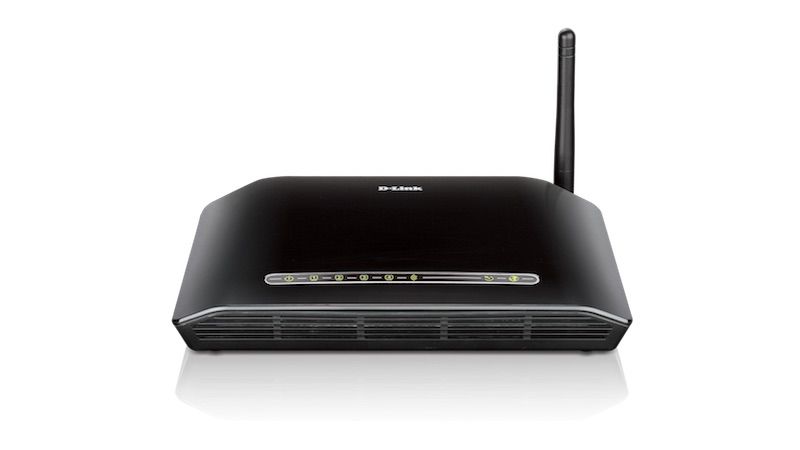



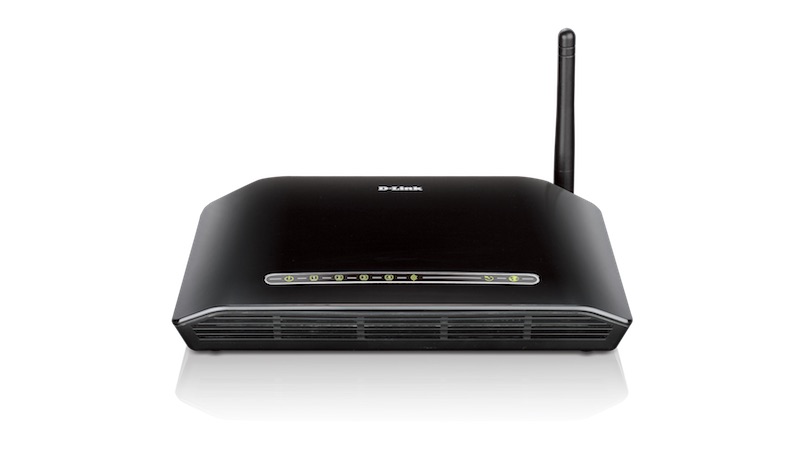
In-the-wild router exploit sends unwitting users to fake banking site

Enlarge (credit: DLink)

Hackers have been exploiting a vulnerability in DLink modem routers to send people to a fake banking website that attempts to steal their login credentials, a security researcher said Friday.

The vulnerability works against DLink DSL-2740R, DSL-2640B, DSL-2780B, DSL-2730B, and DSL-526B models that haven’t been patched in the past two years. As described in disclosures here, here, here, here, and here, the flaw allows attackers to remotely change the DNS server that connected computers use to translate domain names into IP addresses.

According to an advisory published Friday morning by security firm Radware, hackers have been exploiting the vulnerability to send people trying to visit two Brazilian bank sites—Banco de Brasil’s www.bb.com.br and Unibanco’s www.itau.com.br—to malicious servers rather than the ones operated by the financial institutions. In the advisory, Radware researcher Pascal Geenens wrote:

Read 5 remaining paragraphs | Comments

https://arstechnica.com/?p=1357237


Macs in Enterprise Can Be Hacked on First Boot

Hacking Macs in the enterprise via MDM

read more

http://feedproxy.google.com/~r/Securityweek/~3/dFz7QOUMMb0/macs-enterprise-can-be-hacked-first-boot


Flaws in ATM Dispenser Controllers Allowed Hackers to Steal Cash

ATM hacking exploits cash dispenser controller vulnerabilities

read more

http://feedproxy.google.com/~r/Securityweek/~3/74loIPZWr-g/flaws-atm-dispenser-controllers-allowed-hackers-steal-cash




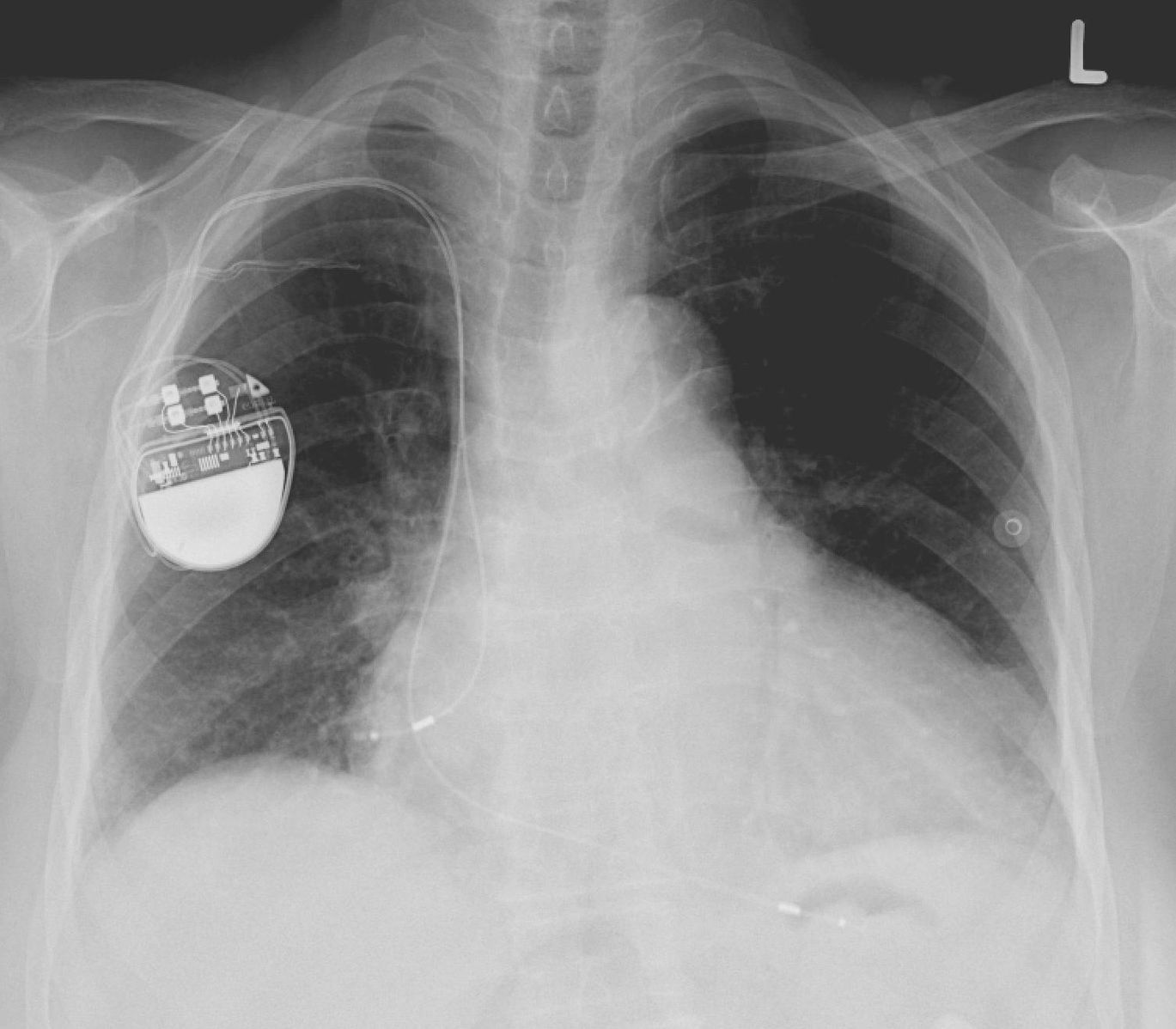
Hack causes pacemakers to deliver life-threatening shocks

Enlarge (credit: Lucien Monfils / Wikimedia)

Life-saving pacemakers manufactured by Medtronic don’t rely on encryption to safeguard firmware updates, a failing that makes it possible for hackers to remotely install malicious wares that threaten patients’ lives, security researchers said Thursday.

At the Black Hat security conference in Las Vegas, researchers Billy Rios and Jonathan Butts said they first alerted medical device maker Medtronic to the hacking vulnerabilities in January 2017. So far, they said, the proof-of-concept attacks they developed still work. The duo on Thursday demonstrated one hack that compromised a CareLink 2090 programmer, a device doctors use to control pacemakers after they’re implanted in patients.

Because updates for the programmer aren’t delivered over an encrypted HTTPS connection and firmware isn’t digitally signed, the researchers were able to force it to run malicious firmware that would be hard for most doctors to detect. From there, the researchers said, the compromised machine could cause implanted pacemakers to make life-threatening changes in therapies, such as increasing the number of shocks delivered to patients.

Read 8 remaining paragraphs | Comments

https://arstechnica.com/?p=1356599


Leaked GitHub API Token Exposed Homebrew Software Repositories

A GitHub API token leaked from Homebrew’s Jenkins provided a security researcher with access to core Homebrew software repositories (repos).

read more

http://feedproxy.google.com/~r/Securityweek/~3/llXqz9xYmB8/leaked-github-api-token-exposed-homebrew-software-repositories



Flaws in Siemens Tool Put ICS Environments at Risk

Serious vulnerabilities discovered by researchers in Siemens’ TIA Portal for SIMATIC STEP7 and SIMATIC WinCC can be exploited by threat actors for lateral movement and other purposes in ICS environments.

read more

http://feedproxy.google.com/~r/Securityweek/~3/hgvJycMBZPQ/flaws-siemens-tool-put-ics-environments-risk