Tapping Into the Rise of AI Personal Shoppers
This post was created in partnership with Kantar
Key takeaways
- AI is changing the shopping landscape
- Retailers need to ground AI recommendations in what drives consumers
- Brands are also using AI to track performance
AI personal shoppers are here, and they’re changing how consumers discover, evaluate, and buy products. From simplifying everyday purchases to delivering inspiration through hyper-personalized recommendations, smart agents are set to reshape the retail journey.
During an ADWEEK House Las Vegas Group Chat co-hosted with Kantar, a panel of industry experts discussed the implications of this shift. They covered affiliate marketing, content strategy, retail media, and in-store tech, examining what AI assistants mean for marketers and how brands can prepare.
Marketing to machines—and people
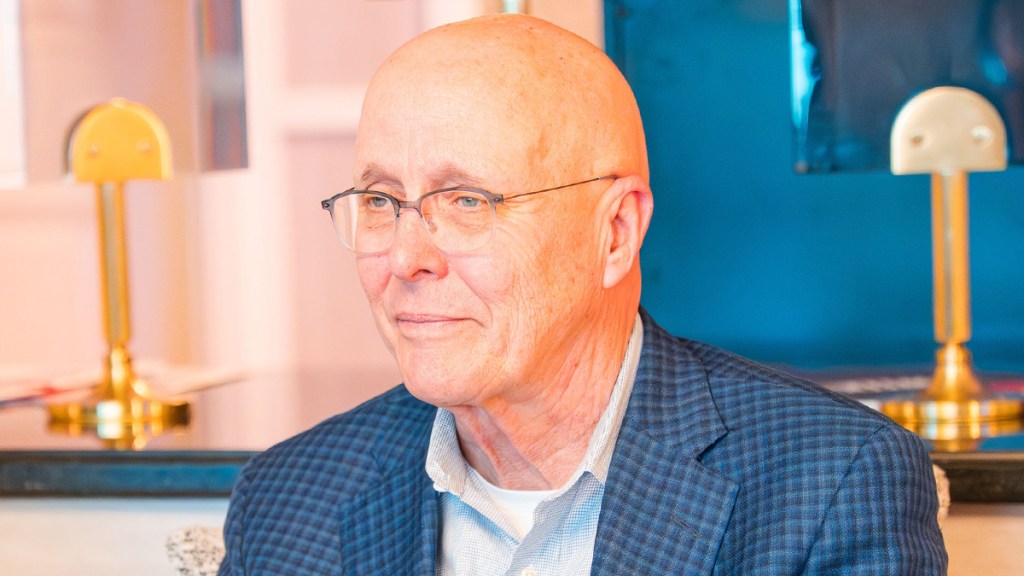
J. Walker Smith, chief knowledge officer at Kantar, pointed to a key change: “Retail has moved from being brand- and retailer-centric to being more influencer and experience-driven.”
That shift, he argued, sets the stage for AI to take on a new role, not just as a recommendation engine, but as an agent with outsized influence on what consumers buy.

Neha Singh, chief innovation officer at Infinite Reality, noted that AI offers a path forward through the noise.
“Instead of you shopping for yourself, AI is now shopping for you,” she said, adding that this changes how brands need to think about content. “Are we going back to an SEO-like phase where we’re optimizing toward AI algorithms?”
Content, context, and personalization

That idea of rethinking content came up repeatedly. Rachel Whitt, senior manager of content and retail GenAI leader at Deloitte Digital, emphasized the importance of grounding AI recommendations in human motivators.
“We can’t just group people by data,” she explained. “Content still has to feel emotionally resonant, showing we understand what the consumer values.”

Stephanie Mellman, principal at Medialink, agreed and raised a concern about what gets lost in the push for AI efficiency. “Impulse and spontaneity are part of the magic of shopping,” she shared. “If AI removes that, the experience could start to feel engineered.”
But Jeremy Coen, client partner at Kantar, offered a more optimistic view. “Once shoppers see that AI recommendations work for them, they’ll start to trust it more,” he explained. “That could lead to trying new things more often.”
The human layer isn’t going away

Even as algorithms take on more of the customer journey, human needs still guide the logic. “We’ve been talking about personalization for years,” said Singh. “But now, not only can AI show recommended products, but it can show them in the right setting, with the AI personal shopper presenting the product in the way that’s most relevant to the customer.”
That connection to context and intent remains critical, even with AI doing more of the heavy lifting. “We’re not trying to replace humans,” explained Lee LeFeuvre, chief commercial officer at SMG. “We’re pointing them toward what needs a human touch.”
Rethinking affiliate and attribution

AI isn’t only reshaping the customer experience. It’s also changing how brands track performance and credit influence. Karim Dagher, founder of Wellblūm, shared that affiliate networks stand to benefit from AI’s precision. “As long as you can attribute the sale, AI only improves tracking and reporting,” he said. “The key is adjusting attribution models to account for the AI agent’s role in the journey.”
Dagher also noted that AI brings a layer of consistency that’s hard to achieve with influencer-led campaigns. “Retailers need to monitor each and every influencer, wheras an AI shopper follows a model.”
Together, these shifts are leading brands to rethink how they measure influence, and who deserves credit when the shopper never clicks at all.
The real value is saving time
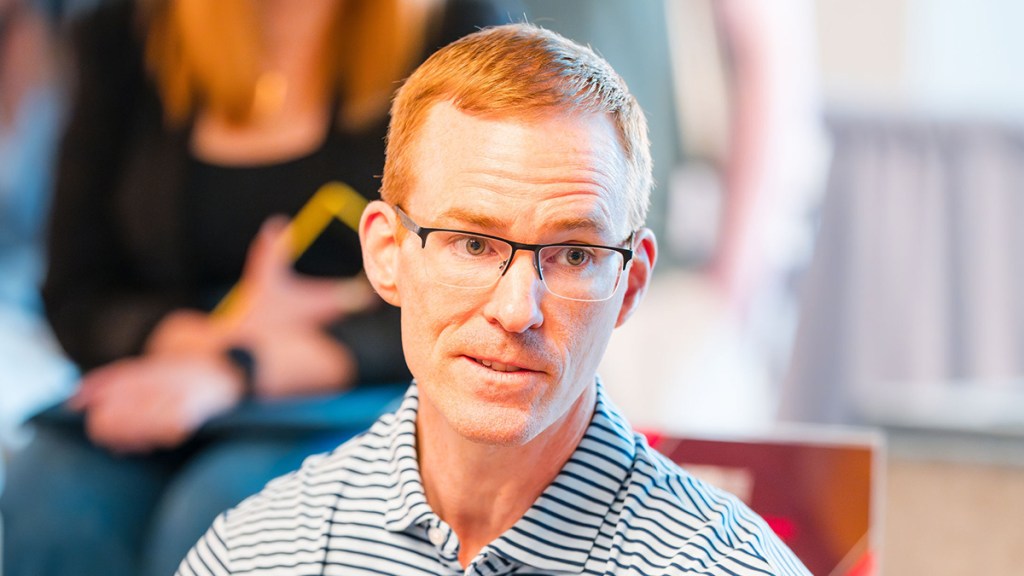
Across all use cases—affiliate, in-store, search, or content—the value of AI personal shoppers comes down to time.
“Anything you can do to give people more time or enrich their time is just going to be infinitely valuable to them,” Smith said. And that’s just what these assistants do.
Featured Conversation Leaders
- J. Walker Smith, Chief Knowledge Officer, Kantar
- Jeremy Coen, Client Partner,Kantar
- Karim Dagher, Founder, Wellblūm
- Lee LeFeuvre, Chief Commercial Officer, SMG
- Stephanie Mellman, Principal, Medialink
- Jenny Rooney, Chief Brand and Community Officer, ADWEEK
- Neha Singh, Chief Innovation Officer, Infinite Reality
- Rachel Whitt, Senior Manager, Content and Retail GenAI Leader, Deloitte Digital
https://www.adweek.com/commerce/tapping-into-the-rise-of-ai-personal-shoppers/