The Convergence of Brands and Commerce
This post was created in partnership with SmartCommerce
Key takeaways
- The role of brands is changing as media becomes more easily shoppable.
- Brands and retailers should work together to understand and target consumers.
- AI can help brands and retailers transition consumers from consuming media to making purchases.
When consumers see products they want across various media platforms, they often want to just click and purchase, not comparison shop or make a special trip to a brick-and-mortar store. Brands that ignore this immediate shopping option are leaving money on the table, while adding friction to their customer service experience.
The convergence of commerce and media was the focus of an ADWEEK House CES Group Chat co-hosted with SmartCommerce, where industry leaders explored the changing funnel and brand’s new role.
The shifting brand role
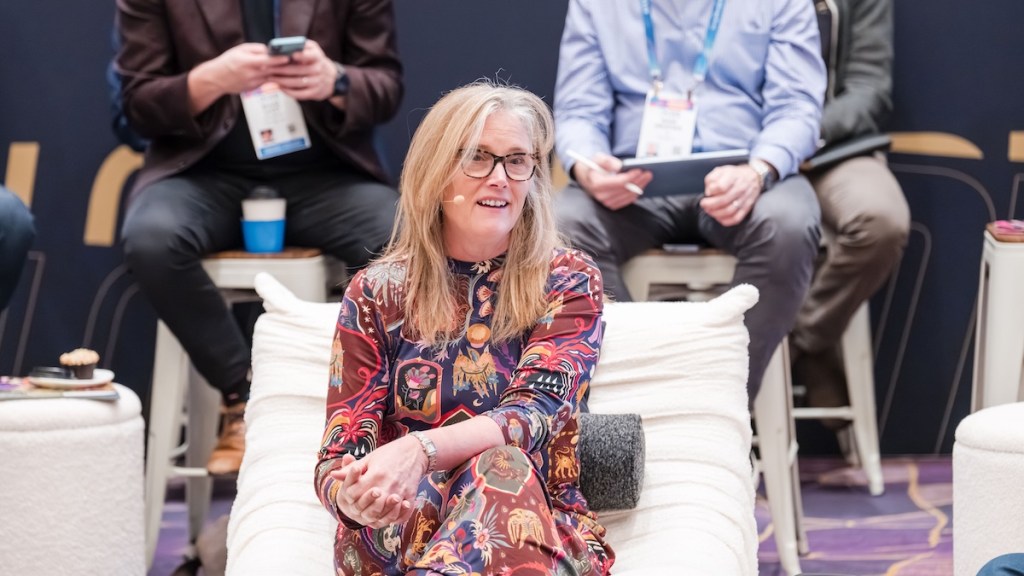
Jennifer Silverberg, CEO of SmartCommerce, kicked off the discussion, sharing how the company helps brands create and interpret shoppable media. Over the past few years, she has seen changes in how consumers respond to media and move from consuming to purchasing.
“It’s the role of the brand that shifted,” she said. “It used to be that the brand advertised outside the store, and then people went to the store and they bought a thing. What we’re seeing is brands taking responsibility for more of that funnel.

Retailers as partners
Retailers—especially brick-and-mortar—still have a role, but they need to think more about partnerships. “From the CVS perspective, it’s all about the audience and the personalization,” said Paul Lentz, executive director, head of strategic development of CVS Media Exchange.
CVS provides its brands with a targeted audience through its 20-year loyalty program with 90 million users. Using transactional data from front-of-store and back-of-store, brands working with CVS can personalize ads. “We owe that to our customers, to give them that connectivity and messaging from brands that are relevant to them,” Lentz explained.
These brand and retailer partnerships are a huge opportunity for brands thatwant the ability to understand and target customers the right way. “Brands want to see the return that’s delivered for the investment that they make,” shared Ollie Shayer, senior director, global strategy and innovation at SMG. This, along with better merchandising and distribution opportunities, can be joined together to create the right type of retail media network, he added.
The role of AI
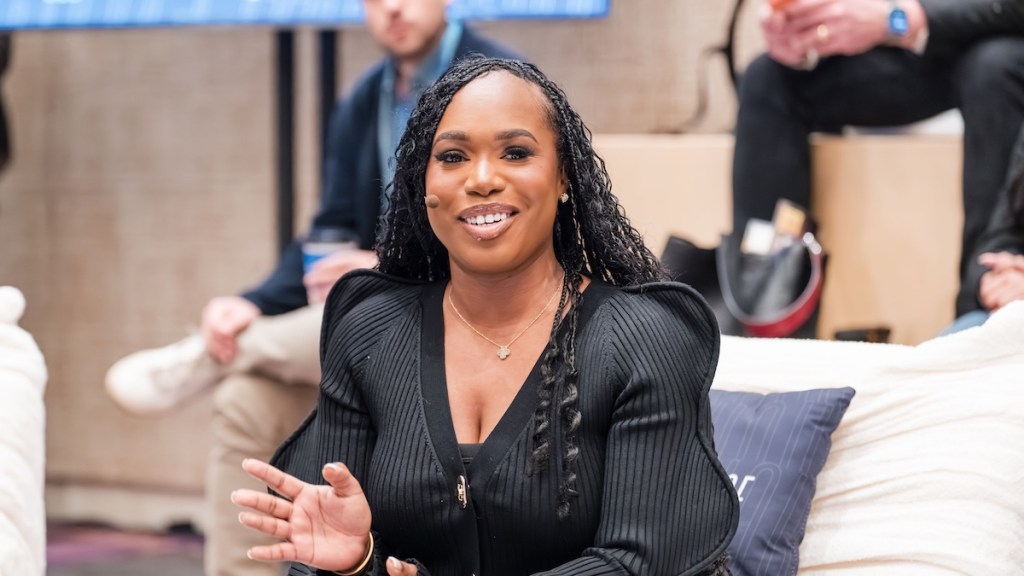
Several panelists shared how they use AI in their advertising and marketing. DoorDash uses AI to ensure that ads are personalized and relevant. “Everything we deploy AI for is hopefully solving a customer problem,” said Peter Giordano, general manager of platform and growth services at DoorDash Ads.
By using AI, DoorDash no longer has to ask small and mid-size restaurants what kinds of promotions they want to run. Instead, DoorDash just asks if they want to run a promotion andthe brand’s technology delivers the right message or offer to the right consumer at the right time, removing the guesswork, he said. This approach has led to an increase in conversions and sales from those promotions, while decreasing advertiser ad costs.
Converting on social
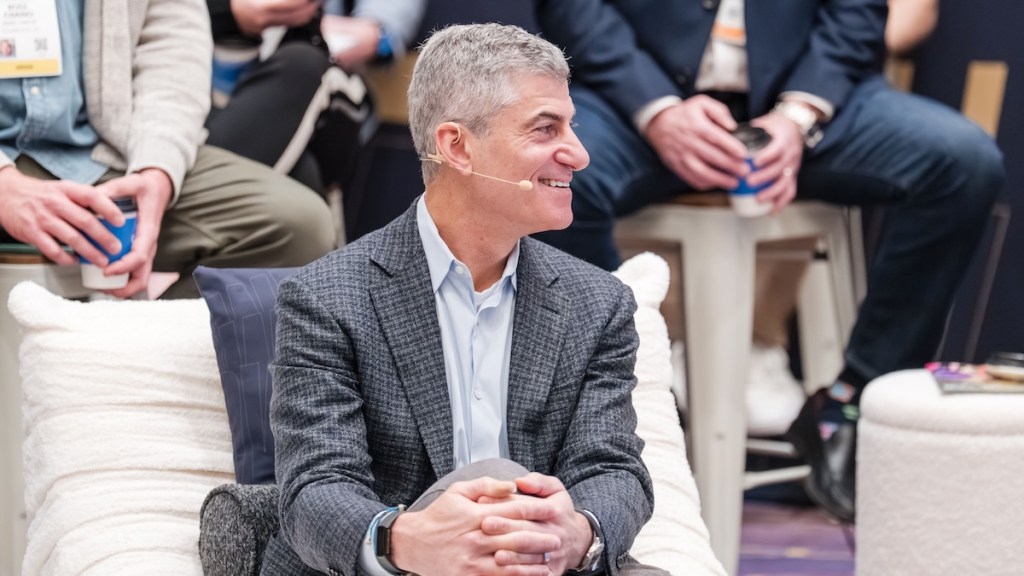
Brands also need to strongly consider the social media space when creating content for conversion. Hair care company Bask & Lather, which went viral for an Instagram post after launching in December 2020. Shaina Rainford, founder and CEO of Bask & Lather, shared that while the digital-first brand uses storytelling and social proof in its content, one challenge was moving from Instagram to TikTok, given TikTok’s restrictions on product claims.
“We had to find different ways to be inspiring, to tell the brand story,” shared Rainford. “We were able to replicate that in a different way on TikTok,” a platform where you only have a few seconds to make an impact. Bask & Lather invests heavily in brand content and relies on its 400,000 TikTok affiliates to show its customers solutions to problems they sometimes didn’t realize they had.
Offer solutions and think full funnel
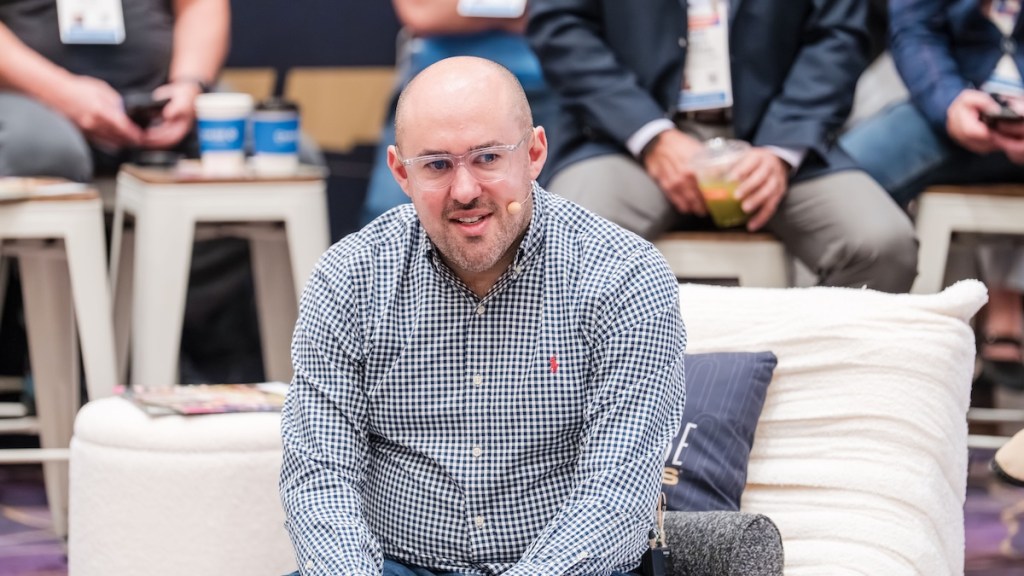
To get consumers to take action, offering a solution is key. “It’s easy to just hand somebody a product. But what does it do for you? How does it help you?” asked Jonathan Adashek, SVP, marketing and communications at IBM. The company ran a small test last year, going deeper into the product level to see the results. “And it totally missed, because we weren’t giving that solution to people,” he explained.

Part of this movement to help consumers buy earlier in the funnel is to break down the artificial silos. Many organizations keep departments separate, said Alan Moss, VP, global advertising sales at Amazon Ads.
“Success really comes when you think full funnel, when you think holistically about how you orchestrate your communications, you execute, measure, and optimize around it. The folks winning in the marketplace are thinking full funnel,” said Moss. “They’re getting a brand lift from their advertising, and they’re also able to pay for that by seeing actual transactions from it. Why wouldn’t you do that?”

Silverberg summed it up, noting that customers will make split-second decisions on products from $70 to $600 to $1,000. One comment from SmartCommerce research stuck with Silverberg: A younger participant said they get irritated when there’s an ad and the brand doesn’t provide a way to buy the product.
“We’ve got to get it out of our heads that consumers don’t want to buy when they see something,” she concluded.
Featured Conversation Leaders
- Jonathan Adashek, SVP, Marketing and Communications, IBM
- Mike Beyman, Chief of Staff to CEO/Head of Strategy and Business Operations, ADWEEK
- Peter Giordano, General Manager of Platform and Growth Services, DoorDash Ads
- Paul Lentz, Executive Director, Head of Strategic Development, CVS Media Exchange (CMX)
- Alan Moss, VP, Global Advertising Sales, Amazon Ads
- Shaina Rainford, Founder and CEO, Bask & Lather Co.
- Ollie Shayer, Senior Director, Global Strategy and Innovation, SMG
- Jennifer Silverberg, CEO, SmartCommerce
https://www.adweek.com/commerce/the-convergence-of-brands-and-commerce/